Stevia
The original sweet leaf plant from Paraguay whose dried leaves are added to herbal tea blends as a natural zero-calorie sweetener.





On this pageOverview
Meet Stevia
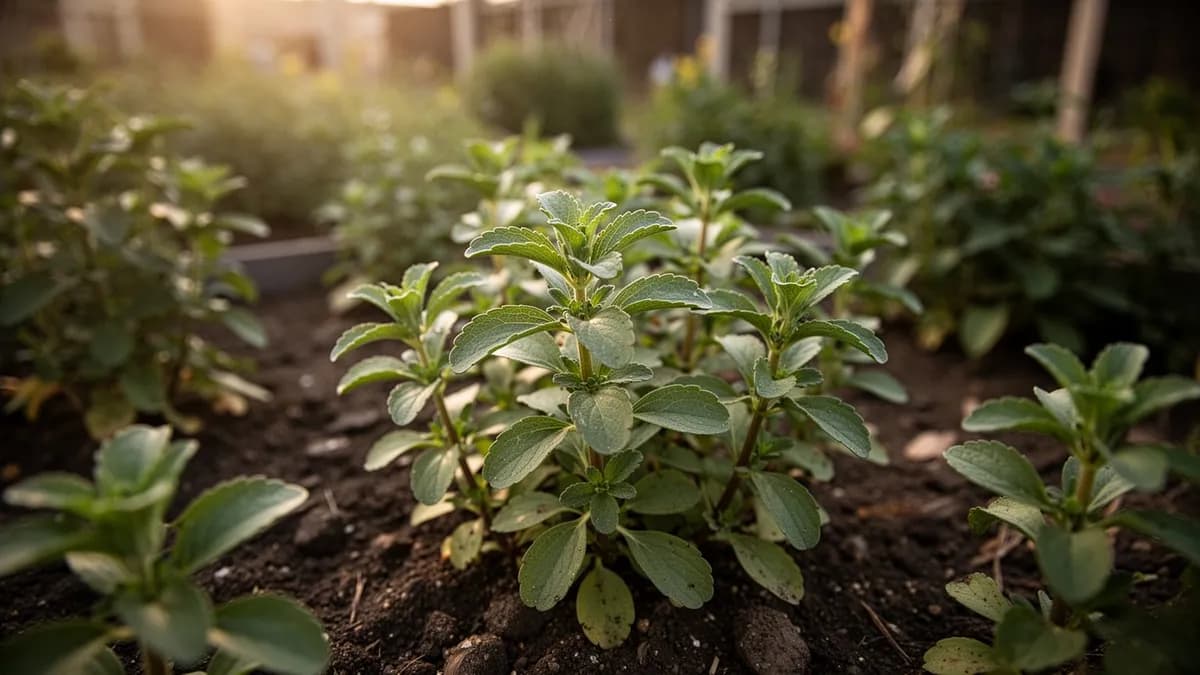
The original sweet leaf plant from Paraguay whose dried leaves are added to herbal tea blends as a natural zero-calorie sweetener. A single leaf can sweeten an entire cup of tea, making it invaluable for gardeners who want to reduce sugar intake. Grow in warm conditions and harvest leaves before the plant flowers, when sweetness is at its peak.
When to plant Stevia
Stevia seed germination is notoriously unreliable, often achieving only 10-20% success rates. For those attempting seed starting, sow on the surface of moist, warm seed compost without covering—seeds need light for germination. Maintain temperatures of 20-25°C and keep consistently moist. Germination takes 7-21 days for viable seeds. Thin to the strongest seedlings. A far more reliable method is stem cuttings: take 10cm softwood cuttings in summer, strip lower leaves, dip in rooting hormone, and insert into moist perlite. Cuttings root in 2-3 weeks with bottom heat and produce plants identical to the parent.
Your Stevia Year
Composed for Zone 7 · typical seasons · frost passes Apr 2, returns Nov 1
Plant Stevia Apr – May, pick Jul – Sep. Check the planting methods below and set your climate to personalize these windows.
How to grow Stevia
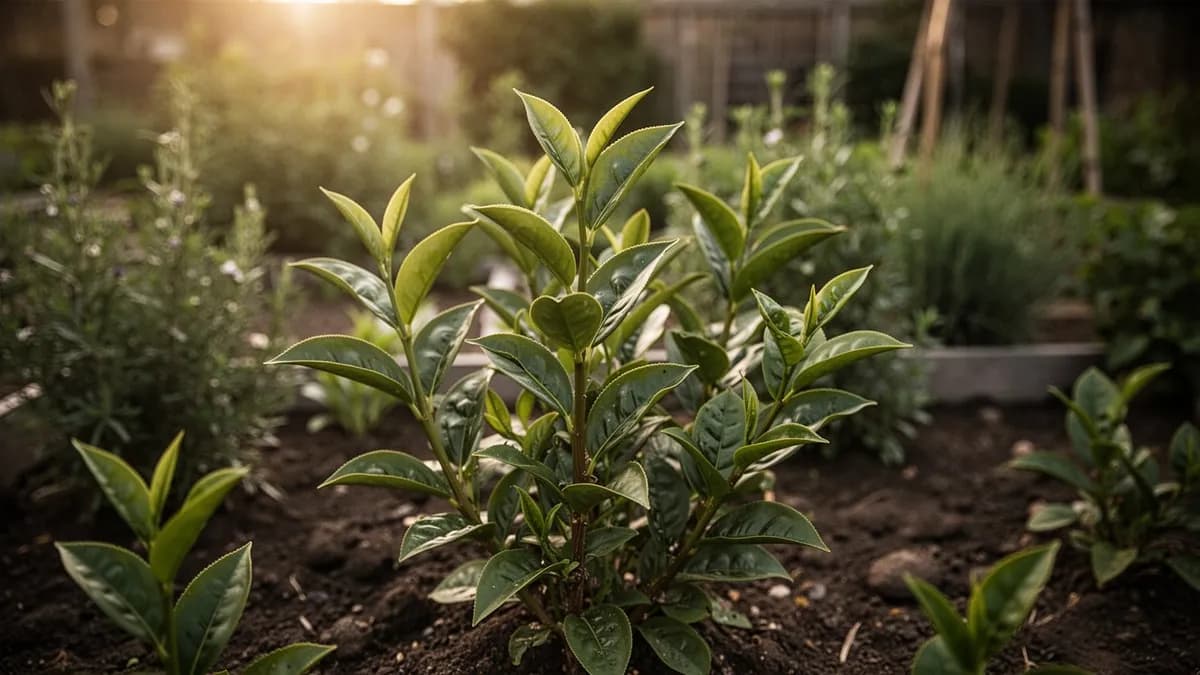
Stevia rebaudiana is a subtropical perennial herb native to the highlands of Paraguay and Brazil, where indigenous Guaraní people have used it for centuries to sweeten yerba maté tea. The plant grows as a compact, bushy herb 30-60cm tall with opposite, lance-shaped leaves that are extraordinarily sweet—up to 300 times sweeter than sugar due to steviol glycosides, particularly stevioside and rebaudioside A.
Grow stevia in full sun in well-drained, fertile soil. In temperate climates, treat it as an annual or bring containers indoors for winter, as it cannot survive frost. Start plants indoors in spring and transplant after all danger of frost has passed. Space 30cm apart in beds or grow in individual pots. Stevia prefers consistent moisture but not waterlogged conditions—think rich, moist garden soil rather than the dry, lean conditions preferred by Mediterranean herbs.
Pinch growing tips regularly to encourage bushy growth and delay flowering. Once stevia flowers, leaf sweetness declines significantly, so remove flower buds as they appear throughout the season to extend the productive harvest window. In its native habitat stevia is a short-lived perennial; in cultivation, plants produce best in their first year and are typically replaced annually in temperate gardens.
32 plants fit a 4 × 8 ft bed
Each Stevia wants 30 cm of elbow room. The planner keeps that spacing for you — every plant, every bed.
Stevia's best neighbours
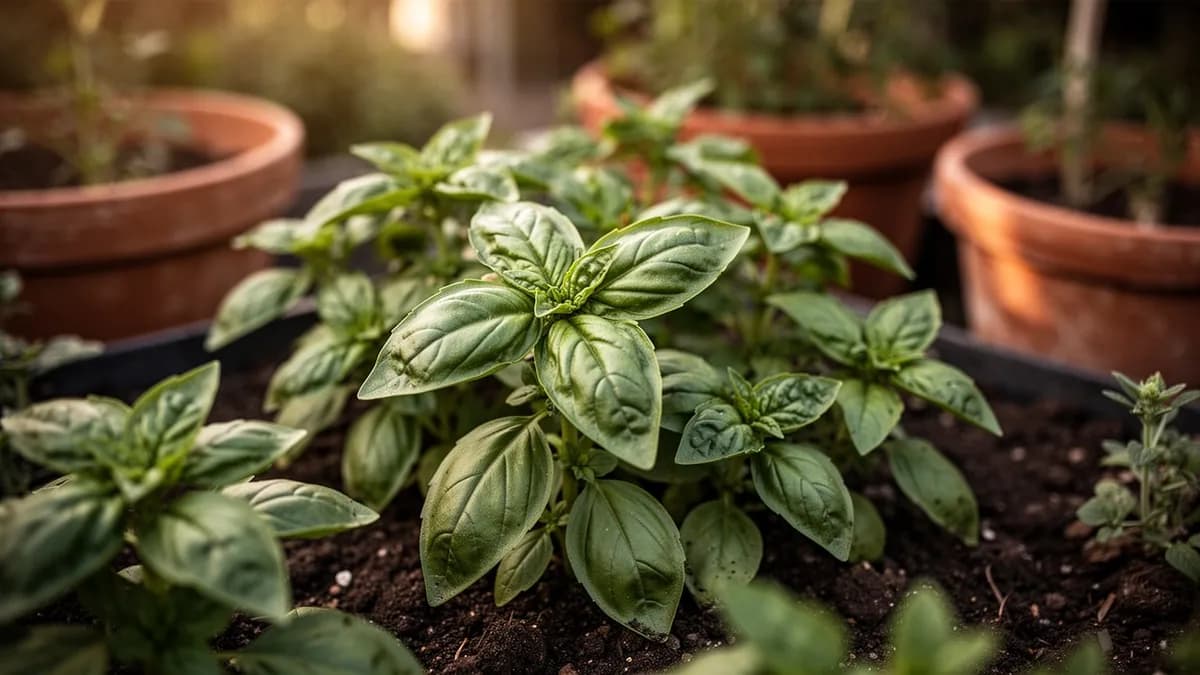
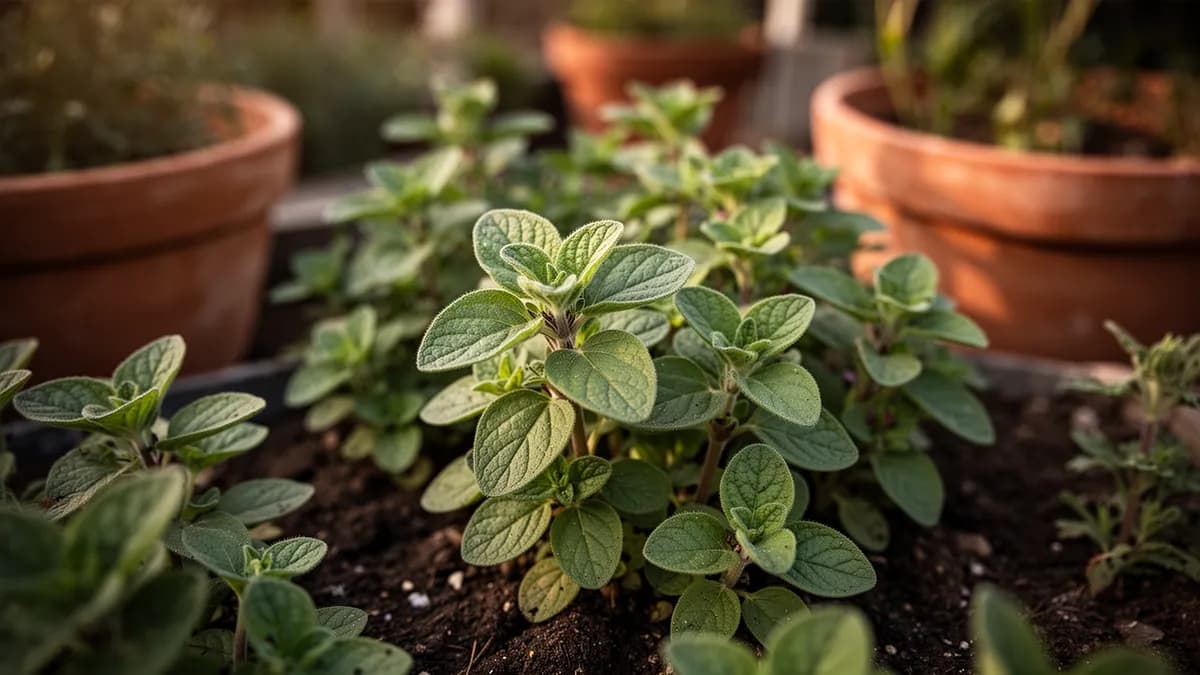
Stevia grows well alongside other warm-season herbs like basil, oregano, and peppers. Its compact habit makes it suitable as an edging plant in herb borders or as an underplanting for taller vegetables. Some gardeners report that stevia's sweet scent may attract beneficial pollinators while deterring certain pest insects, though this is largely anecdotal. In container groupings, stevia pairs well with cherry tomatoes, peppers, and marigolds for an attractive and productive summer display.
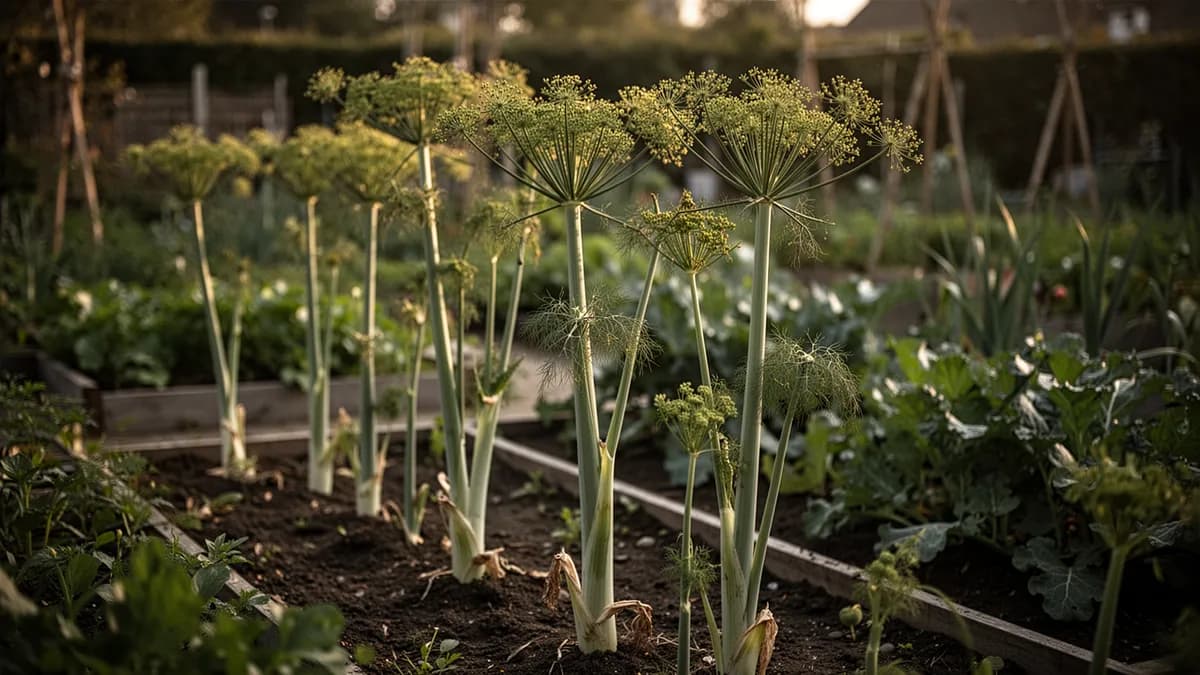
Basil belongs beside it. Fennel doesn't.
Old growers' knowledge, checked against Stevia's real companion table below — test any plant you're growing.
Try Stevia in a bed — right here
A real planner bed with Stevia already in it. Tap a companion to place it and watch the pairing checks answer — green for good neighbours, red for a clash.


Related growing guides
Feed it well
Stevia prefers fertile, well-drained soil with a slightly acidic to neutral pH of 6.0-7.0. Incorporate compost or aged manure before planting to create rich, moisture-retentive conditions. Avoid heavy clay that stays waterlogged. Feed every 2-3 weeks during the growing season with a balanced liquid fertilizer, or use a slow-release granular fertilizer at planting time. Stevia has moderate nutrient needs—over-fertilizing, particularly with nitrogen, can reduce leaf sweetness. Mulch around plants to conserve moisture and suppress weeds, keeping mulch away from the stem base.
Ideal Temperature
Hardiness Zone Compatibility
From seed to harvest, stage by stage
Seed Germination
Stevia seeds have notoriously low germination rates, often below 20-40%. Surface-sow seeds on moist, fine seed-starting mix and press gently without covering them, as they require light to germinate. Maintain consistent warmth of 20-25°C and high humidity using a dome or plastic wrap. Most gardeners prefer starting from cuttings or nursery transplants for more reliable results.
Seedling Development
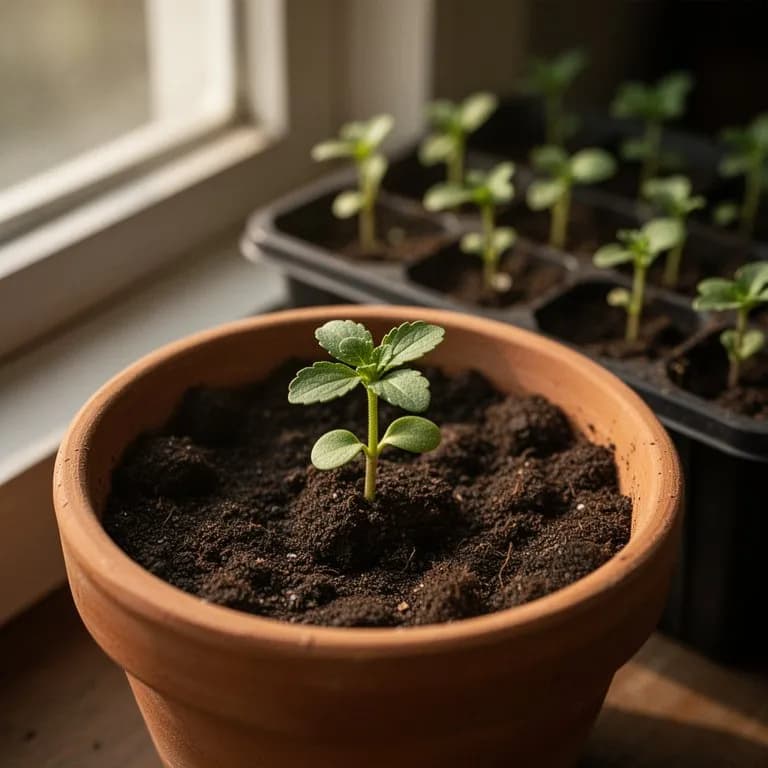
Tiny seedlings emerge with small, rounded cotyledons followed by the first true leaves, which are oval and slightly serrated. Growth is slow during this stage. Provide bright indirect light for 14-16 hours daily and protect seedlings from temperature fluctuations. Thin to the strongest plants once they develop two sets of true leaves.
Vegetative Growth
Plants enter rapid growth, developing multiple branching stems with opposite, serrated leaves. The plant forms its characteristic bushy, rounded shape. This is the main growth phase where steviol glycoside production ramps up in the leaves. Regular pinching of growing tips encourages lateral branching and maximizes leaf yield.
Peak Leaf Production
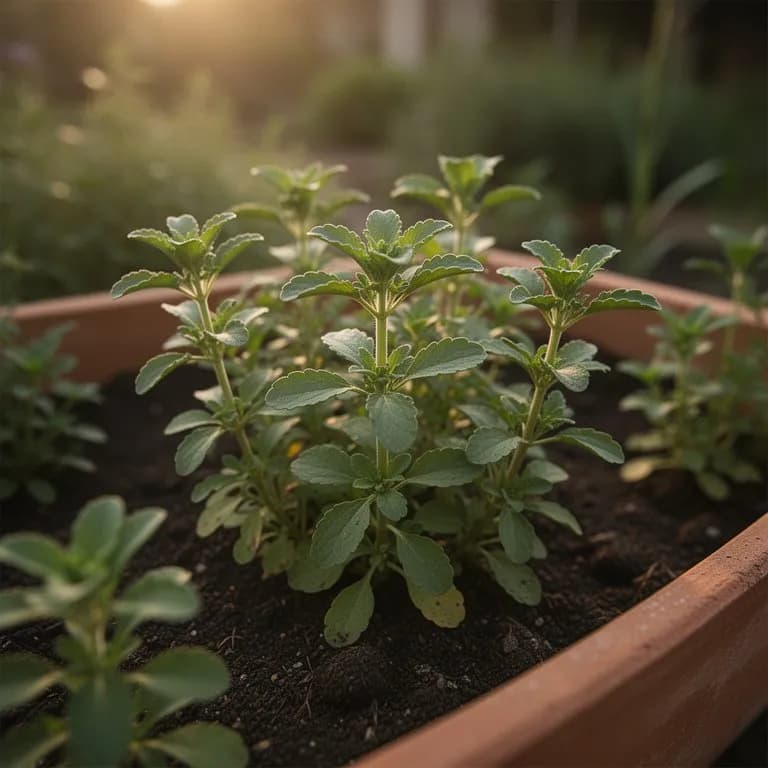
The plant reaches its maximum size and leaf density. Leaves at this stage contain the highest concentration of steviol glycosides, particularly stevioside and rebaudioside A. The plant may reach 60-80 cm in height with numerous side branches laden with sweet foliage. This is the optimal window for the main harvest.
Flower Bud Formation
As day length shortens in late summer, stevia initiates flower bud formation at the tips of branching stems. Small clusters of white tubular flower buds appear. Once flowering begins, leaf sweetness and production decline significantly as the plant redirects energy to reproduction.
Flowering and Seed Set
Small white flowers open in clusters at stem tips, attracting pollinators. Leaves become less sweet during flowering. Seeds develop after pollination but are extremely small and have poor viability. In most climates stevia is grown as an annual, so this stage signals the end of the productive season.
Mist the surface daily to keep it evenly moist. Use a heat mat to maintain consistent soil temperature and improve germination success.
Caring for Stevia month by month
What to do each month for your Stevia
October
You are hereIn regions with frost, bring potted stevia indoors before the first frost. Cut outdoor plants back and mulch heavily in zones 9-11 where stevia may overwinter. Process and store dried leaves in airtight containers.
Know exactly what to do in your garden — every month
One email at the start of each month: what to sow, plant, and tackle right now — for your Stevia and everything growing around it. Plus a short starter course that helps you dodge the classic mistakes.
- What to do, right now
- Matched to your season
- Starter course included
Harvesting Stevia
Harvest stevia leaves before the plant flowers for maximum sweetness. Begin picking individual leaves once plants are well established with at least 8-10 sets of leaves. For a major harvest, cut the entire plant back to 10cm above ground level just as flower buds begin to form—this captures peak sweetness and gives the plant time to regrow for a second harvest before frost. In warm climates, 2-3 major harvests are possible per season. Morning harvest after dew dries yields the sweetest leaves, as glycoside levels are highest early in the day.
assuming you plant when the window opens — set your real date
Pick Stevia promptly and the plant keeps producing.
Storage & Preservation
Dry stevia leaves quickly to preserve their sweet flavor. Strip leaves from stems and dry on screens in a warm, well-ventilated area for 2-3 days, or use a dehydrator at 40-45°C for 8-12 hours. Dried leaves should be crisp and still green—browning indicates over-drying and flavor loss. Crush dried leaves into a coarse powder and store in airtight glass jars away from light. One teaspoon of dried stevia powder equals approximately one cup of sugar in sweetening power. For liquid stevia extract, simmer crushed dried leaves in water, strain, and reduce. Store extract refrigerated for up to 3 months.
What goes wrong — and the fix
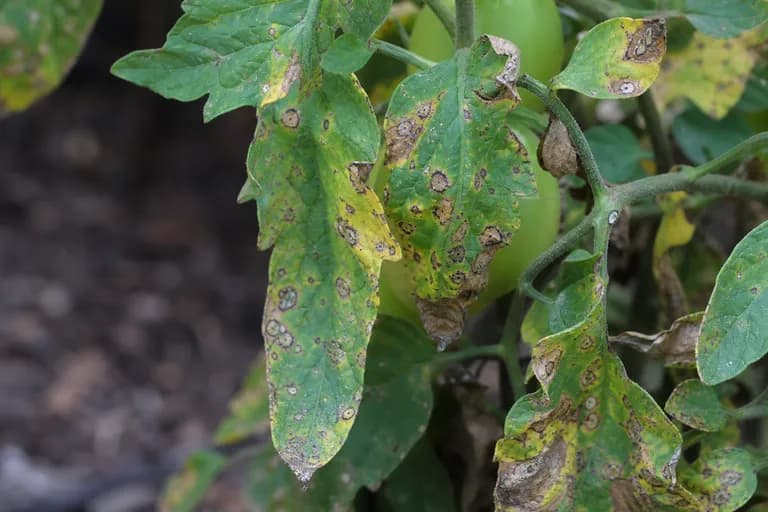
Septoria Leaf Spot
DiseaseSmall dark brown or black spots on leaves, often with a lighter center. Affected leaves yellow and drop prematurely, reducing harvestable foliage.
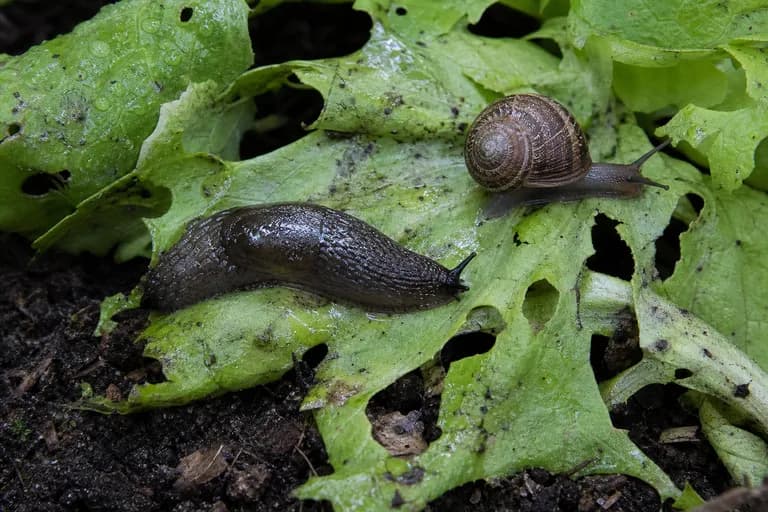
Slugs and Snails
PestRagged holes in leaves, particularly on young plants and lower foliage. Silvery slime trails visible on leaves and soil.
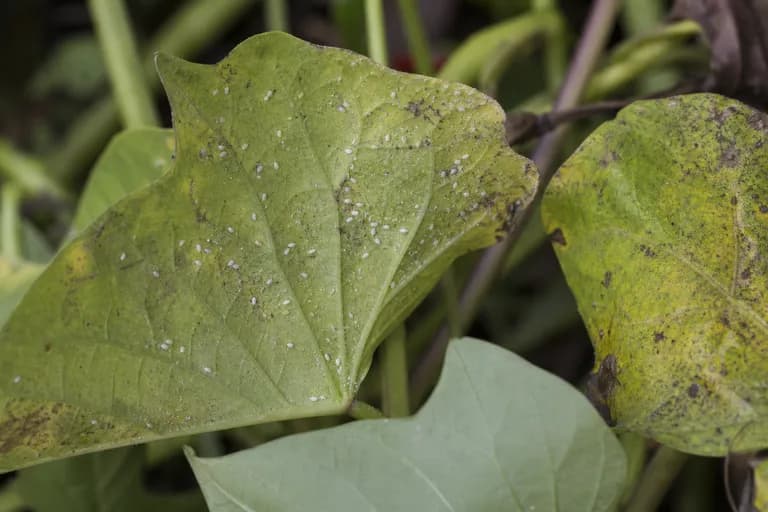
Whitefly
PestTiny white flying insects that take off when foliage is disturbed. Sticky honeydew on leaf surfaces and eventual sooty mold growth.
Troubleshooting Common Problems
Stevia's primary limitation is frost sensitivity—it is killed by the first hard frost in temperate gardens. Start plants early indoors for the longest possible growing season. Once stevia flowers, leaf sweetness drops dramatically; remove all flower buds promptly to maintain production. Leggy, sparse growth indicates insufficient light or overcrowding—stevia needs full sun. Seed germination is notoriously poor (often below 20%), so purchase transplants or propagate from cuttings for reliable results. In humid climates, fungal diseases can be problematic; ensure good air circulation.
Growing Tips
- Start stevia from nursery transplants or stem cuttings rather than seeds. Stevia seeds have notoriously low germination rates of 20-40%, and seedlings are slow to develop compared to transplants that establish quickly and produce harvestable leaves within weeks.
- Plant stevia in rich, well-draining soil amended with compost. Unlike many herbs that prefer lean soil, stevia is a moderately heavy feeder that produces the sweetest, most abundant foliage when given fertile growing conditions with consistent organic matter.
- Provide full sun with at least 6-8 hours of direct light daily. Stevia tolerates partial shade but produces significantly less leaf mass and lower concentrations of steviol glycosides when light levels are insufficient.
- Water stevia consistently to keep the soil evenly moist but never waterlogged. Stevia has a shallow, fibrous root system that is sensitive to both drought stress and standing water. Mulch around plants to maintain even moisture levels.
- Pinch the growing tips regularly starting when plants reach 15-20 cm tall. Each pinch stimulates two new side branches, dramatically increasing the number of harvestable leaves and creating a dense, productive bush.
- Harvest stevia leaves just before the plant begins to flower, when steviol glycoside concentration is at its peak. Cut stems back to 10-15 cm above the ground, leaving at least two leaf nodes on each stem for regrowth.
- Dry stevia leaves quickly to preserve maximum sweetness. Spread fresh leaves in a single layer on drying racks in a warm, well-ventilated area, or use a food dehydrator set to 40-50°C. Leaves should be crisp-dry within 12-24 hours.
- Bring stevia indoors before the first frost if you want to overwinter plants. Pot them up and place in a bright south-facing window. Plants may go semi-dormant in short winter days but will resume vigorous growth in spring.
- Propagate stevia easily from stem tip cuttings taken in early summer. Cut 10-15 cm tips just below a leaf node, remove the lower leaves, and root in moist perlite or a glass of water. Roots appear within 2-3 weeks.
- Avoid using chemical fertilizers high in nitrogen, which can reduce the sweetness of stevia leaves. Instead, feed with compost tea, fish emulsion, or a balanced organic fertilizer to support healthy growth without compromising flavor.
Grow your best Stevia yet — and everything around it.
Start a free plan today. Lay out your beds, drop in your Stevia, and let PlotMyGarden handle the timing, spacing, companions and reminders from seed to harvest basket.
Pick your Stevia
Stevia rebaudiana 'Candy'
A selected cultivar with higher rebaudioside A content, producing a cleaner, less bitter sweetness than wild-type stevia.
Stevia rebaudiana 'Sugar High'
A compact variety bred for container growing with exceptionally sweet leaves and dense, bushy habit.
Stevia rebaudiana 'Sweetie Star'
An improved cultivar with larger leaves and delayed flowering, extending the productive harvest season significantly.
Stevia rebaudiana (Paraguayan Wild Type)
The original wild species from Paraguay, valued for its authentic flavor profile and genetic vigor, though leaves have slightly more bitterness than improved cultivars.
A single stevia plant costs $3-6 at a nursery and produces enough dried leaves in one growing season to replace 1-2 kilograms of sugar, worth $5-15. Over a full season, the dried leaf yield from just 3-4 plants can provide all the sweetener an average household needs for teas, smoothies, and light baking. Commercial stevia extract packets retail for $6-12 per box of 40, while home-grown dried stevia leaves cost essentially nothing after the initial plant purchase. If overwintered or propagated from cuttings each year, a single initial investment of under $20 can provide years of free natural sweetener, saving $50-100 annually on sugar and commercial stevia products.
Quick recipes
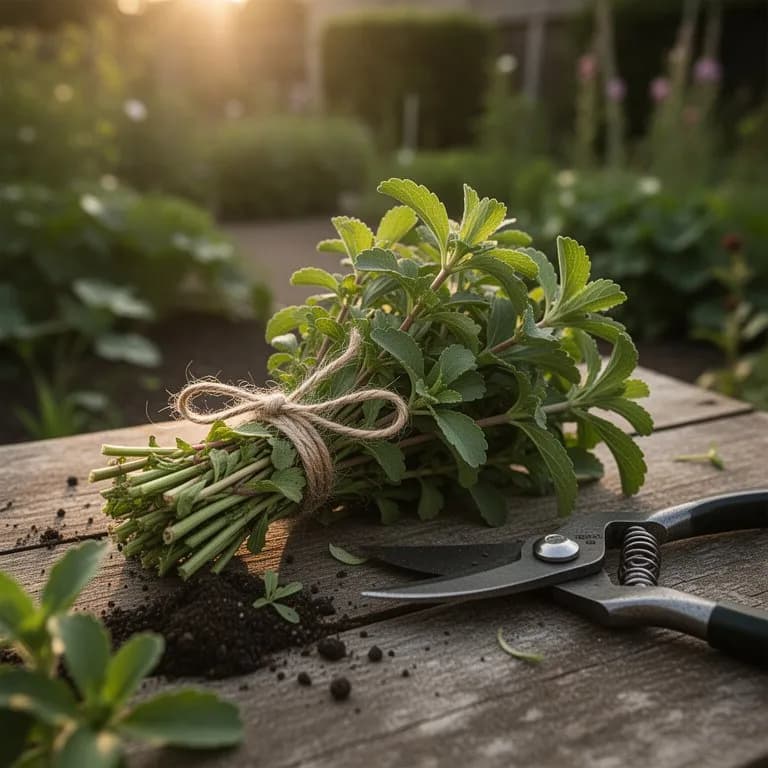
Fresh Stevia Leaf Tea
5 minutesA simple, naturally sweet herbal tea made from fresh or dried stevia leaves. The clean sweetness of stevia pairs beautifully with green tea, mint, or chamomile. Use this as a caffeine-free evening drink or a refreshing iced tea on hot afternoons. Adjust the number of leaves to find your preferred sweetness level.
5 ingredientsHomemade Stevia Extract (Liquid Sweetener)
20 minutes + overnight infusionCreate your own concentrated liquid stevia sweetener from home-grown leaves. This extract can replace sugar in beverages, smoothies, salad dressings, and light baking. A few drops deliver powerful sweetness without calories. Store in a dark glass dropper bottle in the refrigerator for up to three months.
5 ingredientsStevia-Sweetened Berry Smoothie
5 minutesA refreshing, naturally sweetened smoothie that uses fresh stevia leaves instead of sugar, honey, or agave. The intense sweetness of just a few leaves balances the tartness of berries perfectly. Packed with vitamins, antioxidants, and fiber, this is a guilt-free treat that tastes indulgent.
6 ingredientsCulinary Uses
Stevia is primarily used as a natural, zero-calorie sweetener for hot and cold beverages. Drop 1-2 fresh leaves into a cup of tea or coffee, or stir in a pinch of dried powder. Use stevia extract in lemonade, smoothies, and cocktails. In baking, replace sugar at a ratio of approximately 1 teaspoon stevia powder per cup of sugar, though recipes may need adjustment as stevia doesn't provide the bulk or browning properties of sugar. Fresh stevia leaves add sweetness to fruit salads. The dried powder blends well with other herbal tea ingredients like chamomile, mint, and ginger.
What's inside
Health Benefits
- Stevia provides intense sweetness with zero calories and zero glycemic impact, making it an effective tool for reducing sugar intake and managing body weight without sacrificing the enjoyment of sweet-tasting foods and drinks.
- Multiple clinical studies have shown that steviol glycosides do not raise blood glucose or insulin levels, making stevia a suitable sweetener for people with type 2 diabetes and those monitoring blood sugar levels.
- Research suggests that stevioside, one of the primary sweet compounds in stevia, may have mild antihypertensive effects, with some studies showing modest reductions in blood pressure with regular consumption.
- Stevia leaves contain flavonoid antioxidants including quercetin and kaempferol, which have demonstrated anti-inflammatory properties in laboratory studies and may help reduce oxidative stress in the body.
- Unlike artificial sweeteners, stevia does not contribute to tooth decay. Studies indicate that steviol glycosides are non-cariogenic and may even inhibit the growth of certain oral bacteria associated with cavities.
- Preliminary research suggests that steviol glycosides may support healthy gut bacteria, as they pass through the upper digestive tract undigested and are metabolized by beneficial microorganisms in the colon.
Where Stevia comes from
Stevia rebaudiana is native to the highlands of northeastern Paraguay and adjacent regions of southern Brazil, where it grows wild in sandy, acidic soils along the edges of marshes and streams in the Amambay mountain range. The indigenous Guarani people discovered its remarkable sweetness centuries before European contact and have used the leaves to sweeten yerba mate tea, medicines, and foods for an estimated 1,500 years. They called it 'ka'a he'e,' meaning 'sweet herb,' and it held a valued place in their daily diet and traditional medicine. The first European to scientifically document stevia was the Swiss botanist Moisés Santiago Bertoni, who encountered the plant in 1899 while working in Paraguay and published his botanical description in 1905. He noted with astonishment that a single small leaf could sweeten an entire cup of bitter tea. Paraguayan chemist Ovidio Rebaudi subsequently isolated the sweet compounds from the leaves, and the primary glycoside rebaudioside A was later named in his honor. Despite this early scientific interest, stevia remained relatively obscure outside South America for decades. Japan became the first major market to embrace stevia commercially in the 1970s after the government restricted certain artificial sweeteners. Japanese researchers developed extraction and purification methods that made steviol glycosides practical for food manufacturing, and by the 1990s stevia sweeteners had captured a significant share of Japan's sweetener market. Interest spread gradually to other Asian countries including China, which became the world's largest stevia producer. Regulatory acceptance in Western countries came much later. The United States granted Generally Recognized as Safe status to highly purified stevia extracts in 2008, and the European Union followed with approval in 2011. Today stevia is cultivated commercially on every inhabited continent, with major production in China, Paraguay, Kenya, and India, and its zero-calorie sweetness has made it one of the fastest-growing segments of the global natural sweetener industry.
Stevia: did you know?
Fascinating facts about Stevia
The Guarani people of Paraguay and Brazil have used stevia leaves as a sweetener for over 1,500 years, calling it 'ka'a he'e,' which translates to 'sweet herb' in the Guarani language.
Stevia questions, answered
When should I plant Stevia?
What are good companion plants for Stevia?
What hardiness zones can Stevia grow in?
How much sun does Stevia need?
How far apart should I space Stevia?
What pests and diseases affect Stevia?
How do I store Stevia after harvest?
What are the best Stevia varieties to grow?
What soil does Stevia need?
Is stevia safe to consume, and are there any side effects?
Can stevia survive winter outdoors?
Why do my stevia leaves taste bitter instead of sweet?
How do I use fresh or dried stevia leaves to replace sugar in recipes?
Can I grow stevia in containers?
How many stevia plants do I need to grow for a household supply?
You just read the theory. Now grow it on autopilot.
Everything that makes Stevia fiddly — the timing, the spacing, the companions, the harvest window — is exactly what PlotMyGarden handles for you, for every plant in your garden.
A plan that knows your weather
Set your location once. Get sow, feed and harvest dates built around your real last-frost date and live forecast — no more guessing from a generic seed packet.
From the “When to plant” sectionDrag-and-drop bed planner
Design beds on a grid. Every plant snaps to its proper spacing, and you can see your whole season laid out before you spend a cent on seed.
From the “Growing guide” sectionCompanion conflicts, caught early
200+ good-and-bad pairings checked live as you plant — so a season-wrecking mistake never makes it into the ground.
From the “Companions” sectionReminders you'll actually act on
“Water the beans.” “Pick today before it turns.” Timely, specific, and tied to the plants you're really growing.
From the “Harvest” sectionSuccession, scheduled
Want a harvest for six weeks, not six days? It spaces your sowings automatically and reminds you when each new block is due.
From the “When to plant” sectionA record that gets smarter
Every harvest you log teaches it your garden. Next year's plan starts from what actually worked in your soil, not a textbook's.
From the “Overview” sectionPlant these alongside Stevia
More Tea Herbs
Keep Stevia away from these
Garden plans featuring Stevia
Grow your best Stevia yet — and everything around it.
Start a free plan today. Lay out your beds, drop in your Stevia, and let PlotMyGarden handle the timing, spacing, companions and reminders from seed to harvest basket.