Majoran
Eine zarte Staude, die eng mit Oregano verwandt ist, aber ein süßeres, feineres Aromaprofil besitzt, das sich für sanftes Kochen eignet.





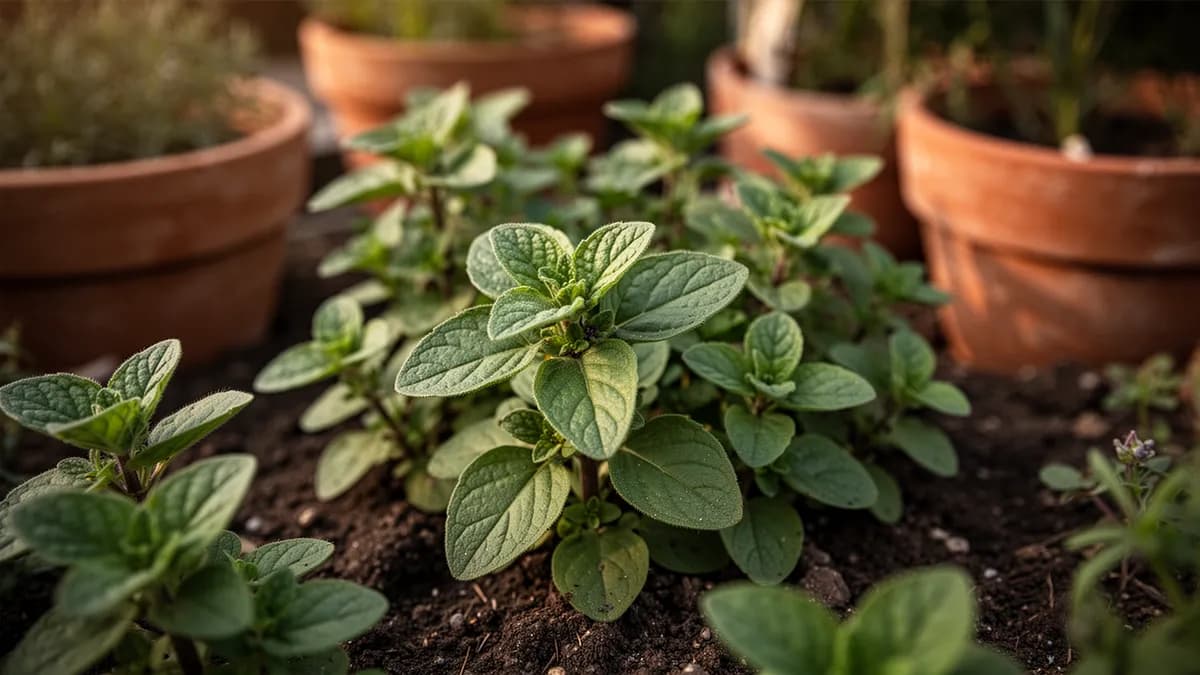
Auf dieser SeiteÜberblick
Majoran im Überblick
Eine zarte Staude, die eng mit Oregano verwandt ist, aber ein süßeres, feineres Aromaprofil besitzt, das sich für sanftes Kochen eignet. In gut durchlässigem Boden bei voller Sonne anbauen und in kalten Klimazonen als einjährige Pflanze behandeln oder Kübel vor dem Frost ins Haus bringen. Blätter kurz vor der Blüte ernten, wenn der Gehalt an ätherischen Ölen am höchsten ist, und erst am Ende des Kochvorgangs hinzufügen, um das feine Aroma zu bewahren. Majoran passt wunderbar zu Gemüse, Eiern, Geflügel und mildem Käse, wo Oregano zu dominant wäre.
Wann Majoran pflanzen
Majoransamen 8–10 Wochen vor dem letzten Frosttermin im Haus aussäen. Die winzigen Samen auf die Oberfläche feuchter, feiner Anzuchterde streuen und sanft andrücken; nicht bedecken, da sie Licht zur Keimung benötigen. Eine Bodentemperatur von 18–21 °C halten und gleichmäßig feucht, aber nicht nass halten. Samen keimen in 7–14 Tagen. Keimlinge auf 5 cm Abstand vereinzeln und unter starkem Licht für 14–16 Stunden täglich weiterkultivieren. 7–10 Tage abhärten, bevor sie ins Freie gepflanzt werden, sobald die Nachttemperaturen dauerhaft über 10 °C liegen.
Dein Majoran-Jahr
Abgestimmt auf Zone 7 · typische Saison · Frost geht um den 2. Apr. und kehrt um den 1. Nov. zurück
Majoran Apr – Mai pflanzen, Jun – Sep ernten. Beachte die Pflanzmethoden unten und wähle dein Klima für passende Zeiträume.
So baust du Majoran an
Majoransamen 8–10 Wochen vor dem letzten Frosttermin im Haus vorziehen, da die winzigen Samen langsam keimen und Wärme benötigen. Auf die Oberfläche feuchter Anzuchterde säen und leicht andrücken, ohne sie zu bedecken, da die Samen Licht zur Keimung brauchen. Bodentemperaturen von 18–21 °C halten und mit Keimlingen in 7–14 Tagen rechnen. Erst nach Ablauf aller Frostgefahr ins Freie pflanzen, mit einem Abstand von 20–25 cm bei voller Sonne.
Majoran gedeiht in gut durchlässigem, leicht alkalischem Boden mit einem pH-Wert von 6,5–7,5. Schweren Lehm- oder staunassen Boden vermeiden, da dieser Wurzelfäule verursacht. Mäßig gießen und die obersten 2–3 cm des Bodens zwischen den Wassergaben abtrocknen lassen. Majoran ist nach dem Anwachsen trockenheitstolerant, bildet aber bei gleichmäßiger leichter Feuchtigkeit die aromatischsten Blätter.
In Zonen unter 9 Majoran als einjährige Pflanze oder in Kübeln kultivieren, die vor dem ersten Frost ins Haus gebracht werden können. Triebspitzen regelmäßig entspitzen, um buschiges Wachstum zu fördern und die Blüte zu verzögern. Wenn sich Blütenknospen bilden, die gesamte Pflanze ernten, indem die Stängel auf 5–8 cm über dem Boden zurückgeschnitten werden. Eine zweite Ernte ist oft möglich, wenn die Pflanzen im Hochsommer zurückgeschnitten werden.
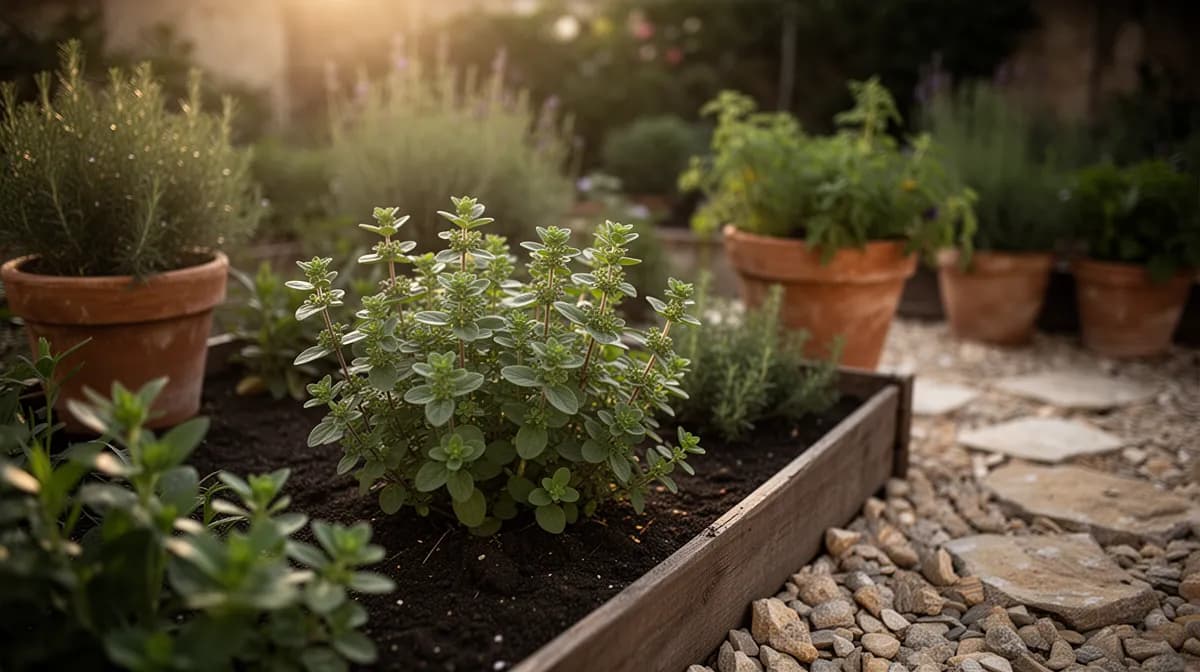
36 Pflanzen passen in ein Beet von 120 × 240 cm
Majoran braucht 25 cm Platz pro Pflanze. Der Planer hält diesen Abstand für dich ein — jede Pflanze, jedes Beet.
Die besten Nachbarn für Majoran
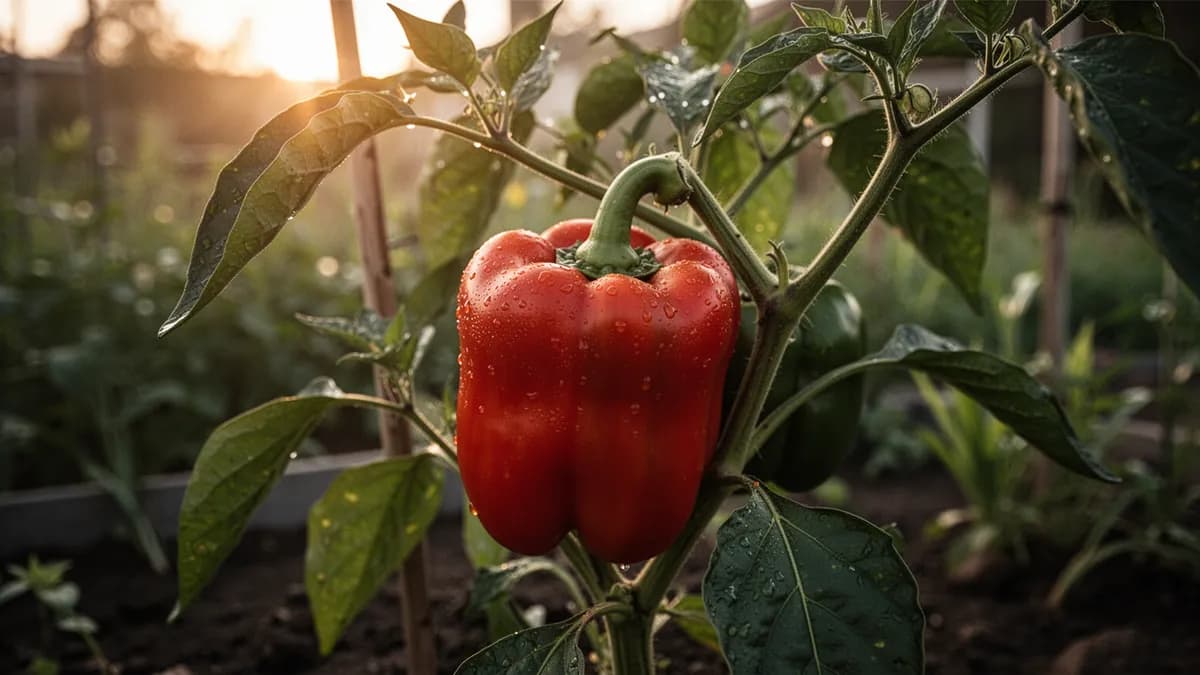
Majoran ist ein hervorragender Begleitpflanzer für die meisten Gemüsearten, da seine Blüten nützliche Bestäuber und Raubinsekten anlocken. In der Nähe von Paprika, Auberginen und Kürbis pflanzen, um die Bestäubung zu verbessern und Blattläuse abzuschrecken. Er wächst gut neben Oregano, Basilikum und Salbei in Kräutergärten. Nicht neben Minze pflanzen, die Majoran mit ihrem aggressiven Ausbreitungsverhalten überwältigen kann. Die aromatischen Öle des Majorans können helfen, bestimmte Käfer und Motten von benachbarten Kulturen fernzuhalten.
Oregano gehört daneben. Minze nicht.
Altes Gärtnerwissen, geprüft an der echten Nachbartabelle von Majoran — teste jede Pflanze, die du anbaust.
Probiere Majoran direkt hier im Beet
Ein echtes Planer-Beet, Majoran steht schon drin. Tippe einen Begleiter an, platziere ihn und sieh, wie die Nachbarschaftsprüfung antwortet — grün für gute Nachbarn, rot bei Streit.


Passende Anbau-Ratgeber
Richtig düngen
Majoran bevorzugt leichten, gut durchlässigen Boden mit einem leicht alkalischen pH-Wert von 6,5–7,5. Schwere Lehmböden mit Sand und Kompost verbessern, um die Drainage zu fördern. Eine dünne Schicht feiner Kies-Mulch um die Basis herum hilft, Stängelfäule zu verhindern. Während der Wachstumsperiode einmal im Monat leicht mit einem ausgewogenen Flüssigdünger düngen. Überdüngung vermeiden, da zu viel Stickstoff die Konzentration der ätherischen Öle senkt und das feine Aroma des Krauts mindert. Eine Kompostgabe im Hochsommer unterstützt einen zweiten Wachstumsschub.
Ideale Temperatur
Winterhärtezone-Kompatibilität
Von der Saat zur Ernte, Schritt für Schritt
Keimung
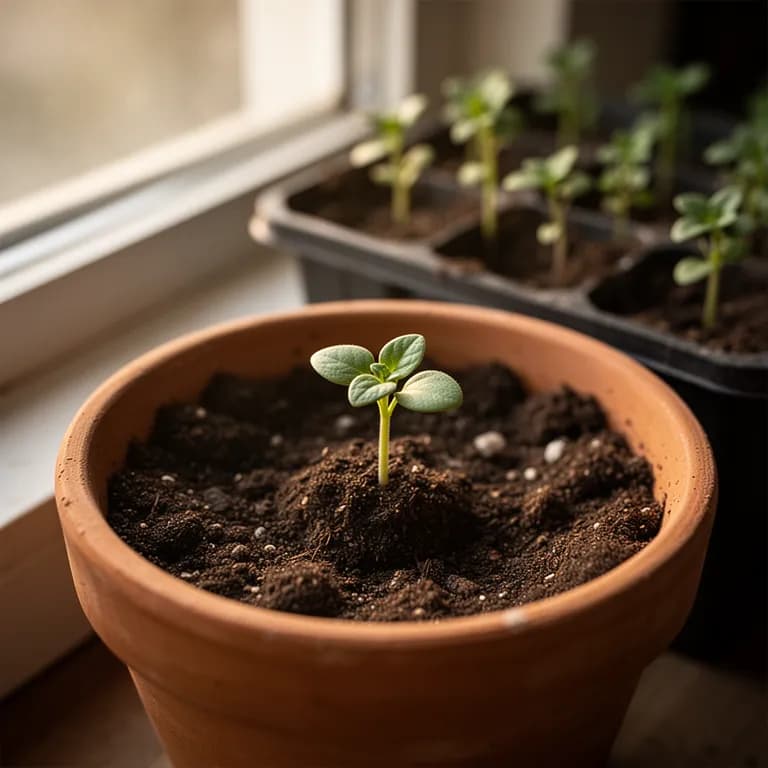
Majoransamen sind extrem klein — fast staubartig — und keimen langsam, oft dauert es 7–14 Tage unter warmen Bedingungen. Die winzigen Samen benötigen Licht zum Keimen und sollten auf der Oberfläche ausgesät oder nur mit einer hauchdünnen Schicht Vermiculit bedeckt werden. Bodentemperaturen von 18–21 °C sind ideal für eine gleichmäßige Keimung.
Keimlingsentwicklung
Das erste Paar winziger, abgerundeter Keimblätter erscheint, gefolgt von den echten Blättern, die klein, oval und mit einem weichen Flaum bedeckt sind, der ihnen ihr charakteristisches graugrünes Aussehen verleiht. Das Wachstum ist in dieser Phase langsam, und die Keimlinge bleiben mehrere Wochen recht klein und zart.
Vegetatives Wachstum
Einmal etabliert, wächst Majoran zu einem kompakten, buschigen Hügel von 20–40 cm Höhe mit dichter Verzweigung und aromatischem, weichem graugrünem Laub. Die verholzende Basis verdickt sich und mehrere Triebe entwickeln sich, wodurch eine abgerundete Form entsteht. Die Produktion ätherischer Öle nimmt mit der Reife der Pflanze zu, und das Laub wird intensiv duftend, wenn es gestreift oder zerrieben wird.
Blüte
Markante knotenförmige Blütenbüschel bilden sich an den Triebspitzen — diese eng gepackten, perlenartigen Knospen sind einzigartig für Süßen Majoran und sind der Ursprung seines traditionellen Namens 'Knotenmajoran'. Winzige weiße bis blassrosa Röhrenblüten erscheinen zwischen den Knoten und locken Bienen, Schmetterlinge und nützliche Schwebfliegen in den Garten.
Samenbildung und Reife
Nach der Bestäubung entwickeln sich winzige dunkelbraune Samen in den knotenförmigen Blütenkelchen. Jeder Knoten bildet vier winzige Nüsschen, die sich bei der Reife verdunkeln. In warmen Klimazonen, in denen Majoran mehrjährig ist, überdauert die verholzte Basis milde Winter. In kühleren Zonen schließt die Pflanze ihren Lebenszyklus mit dem nahenden Frost ab.
Samen auf die Oberfläche feuchter Anzuchterde säen und sanft andrücken, ohne sie zu bedecken. Täglich mit einer Sprühflasche befeuchten, um die Oberfläche gleichmäßig feucht zu halten, ohne die winzigen Samen zu verschieben. Schalen mit durchsichtiger Folie oder einer Feuchtigkeitshaube abdecken, bis Keimlinge erscheinen.
Majoran Monat für Monat pflegen
Was du jeden Monat für deine Majoran tun solltest
Oktober
Aktueller MonatTopfmajoran-Pflanzen vor dem ersten Frost in den Zonen 7 und kälter ins Haus bringen. Am sonnigsten verfügbaren Fenster aufstellen — idealerweise nach Süden ausgerichtet. In den Zonen 9–12 kann Majoran im Freien überwintern; um die Hälfte zurückschneiden und den Wurzelhals leicht mit Kies mulchen, um vor Winternässe zu schützen.
Immer wissen, was jetzt im Garten zu tun ist
Eine E-Mail zum Monatsanfang: was du jetzt säen, pflanzen und anpacken solltest — für deine Majoran und alles, was drumherum wächst. Dazu ein kurzer Startkurs, der dich vor den klassischen Fehlern bewahrt.
- Was jetzt zu tun ist
- Passend zu deiner Saison
- Startkurs inklusive
Majoran ernten
Majoran kurz vor dem Öffnen der Blüten ernten, wenn die Konzentration der ätherischen Öle ihren Höhepunkt erreicht. Stängel 5–8 cm über dem Boden abschneiden, um den Neuaustrieb zu fördern. Für das beste Aroma morgens nach dem Abtrocknen des Taus ernten. Regelmäßiges Ernten alle 3–4 Wochen fördert buschigeres Wachstum. Es können bis zu zwei Drittel der Pflanze auf einmal geerntet werden, und sie erholt sich wieder. Die kleinen knotenförmigen Blütenknospen sind ebenfalls essbar und intensiv aromatisch.
angenommen, du pflanzt zu Beginn des Zeitraums — trage dein tatsächliches Datum ein
Ernte Majoran zügig, dann trägt die Pflanze weiter.
Lagerung & Konservierung
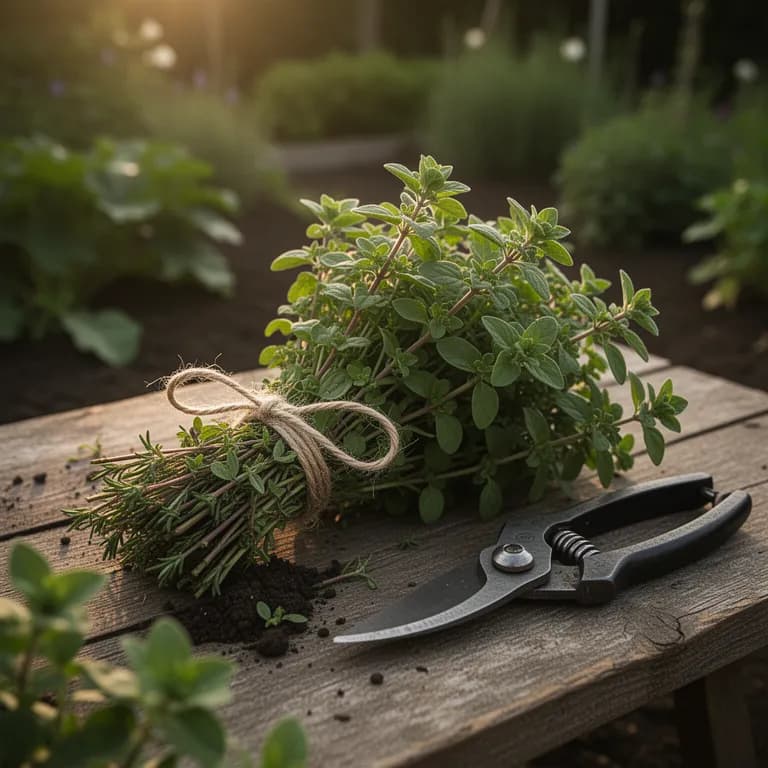
Majoran lässt sich hervorragend trocknen und gewinnt dabei sogar an Aroma. Kleine Bündel kopfüber an einem warmen, dunklen und gut belüfteten Ort für 1–2 Wochen aufhängen. Getrocknete Blätter von den Stängeln streifen und in luftdichten Gläsern lichtgeschützt bis zu einem Jahr aufbewahren. Frischer Majoran kann eingefroren werden, indem gehackte Blätter mit Olivenöl in Eiswürfelformen gefüllt werden. Majoranbutter, hergestellt durch Vermengen von weicher Butter mit frischen Blättern, lässt sich hervorragend bis zu drei Monate einfrieren.
Was schiefgeht — und die Lösung
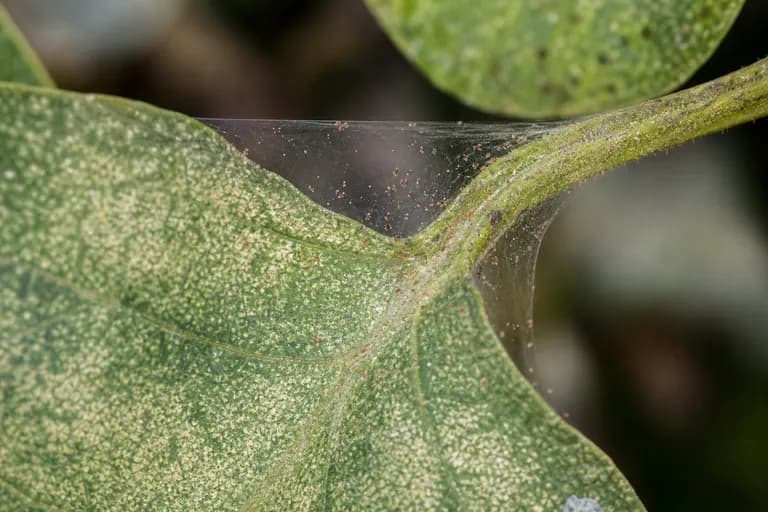
Spinnmilben
SchädlingFeine Sprenkelung auf den Blättern, feine Gespinste an den Blattunterseiten, Blätter verfärben sich bronzefarben oder gelb.
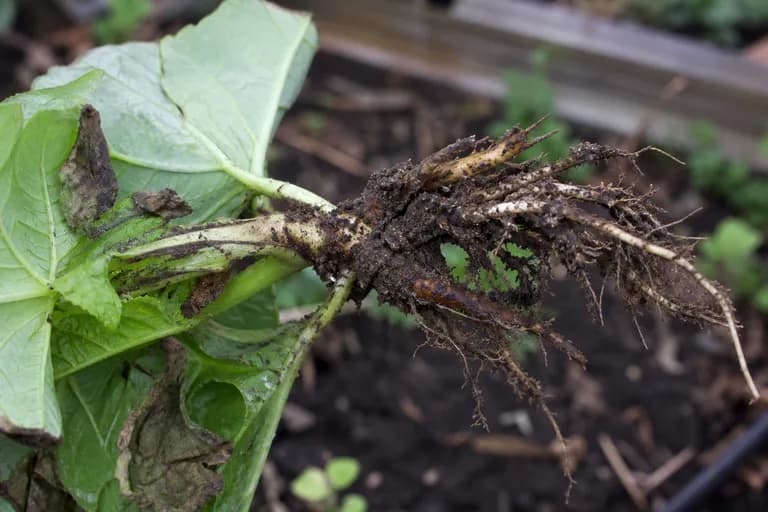
Wurzelfäule
KrankheitWelken trotz feuchtem Boden, vergilbende Blätter, braune und matschige Wurzeln, Zusammenbruch der Pflanze.
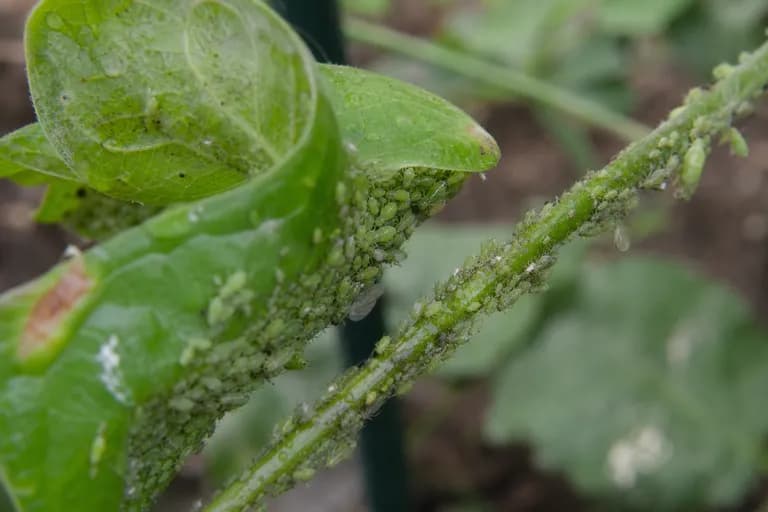
Blattläuse
SchädlingAnsammlungen winziger grüner oder schwarzer Insekten an zarten Trieben, klebriger Honigtau auf den Blättern, verkrüppelter Neuaustrieb.
Fehlerbehebung bei häufigen Problemen
Langgestrecktes, vergeiles Wachstum deutet auf unzureichendes Sonnenlicht hin; Pflanzen an einen Standort mit mindestens 6 Stunden direkter Sonne umsetzen. Vergilbende untere Blätter signalisieren oft Überwässerung oder schlechte Drainage. In feuchten Klimazonen ist Majoran anfällig für Pilzkrankheiten, daher für gute Luftzirkulation sorgen und das Laub beim Gießen nicht benetzen. Pflanzen können bei extremer Hitze über 32 °C schnell in Blüte schießen; in heißen Regionen leichten Nachmittagsschatten bieten. Zimmerpflanzen haben im Winter oft Probleme durch niedrige Luftfeuchtigkeit und unzureichendes Licht.
Anbautipps
- Samen 8–10 Wochen vor dem letzten Frost im Haus vorziehen — Majoran ist eines der am langsamsten keimenden und sich etablierenden Kräuter. Samen benötigen Licht zum Keimen, daher auf die Oberfläche feuchter Anzuchterde drücken, ohne sie zu bedecken. Bodenwärme von 18–21 °C verbessert die Keimraten erheblich.
- In voller Sonne mit hervorragender Drainage pflanzen — das ist für Majoran unverzichtbar. Schwere oder lehmige Böden mit grobem Sand, Perlite und Kompost verbessern, um die schnell trocknenden Bedingungen seines natürlichen mediterranen Berghangs nachzuahmen. Hochbeete und Kübel sind in Regionen mit schwerem Boden oder hohen Niederschlägen ideal.
- Majoran nicht übergießen. Die obersten 2–3 cm des Bodens zwischen den Wassergaben abtrocknen lassen. Wurzelfäule durch dauerhaft nassen Boden ist der häufigste Grund für das Absterben von Majoranpflanzen. In feuchten Klimazonen Kies- oder Steinmulch um die Pflanzenbasis verwenden statt organischem Mulch, der zu viel Feuchtigkeit speichert.
- Triebspitzen während der gesamten Wachstumsperiode regelmäßig entspitzen, um buschiges, kompaktes Wachstum zu fördern und die Blüte zu verzögern. Nicht entspitzter Majoran wächst sparrig und bildet weniger Blätter. Das Entspitzen liefert zudem eine stetige Versorgung mit frischem Kraut für die Küche statt einer einzigen großen Ernte.
- Morgens nach dem Abtrocknen des Taus, aber vor der Mittagshitze ernten. Zu diesem Zeitpunkt ist die Konzentration der ätherischen Öle in den Blättern am höchsten, was das aromatischste und geschmackvollste Kraut ergibt. Stängel knapp über einem Blattknoten schneiden — niemals einzelne Blätter abstreifen, da das Schneiden der Stängel einen gesünderen Neuaustrieb fördert.
- Für den besten getrockneten Majoran die Stängel ernten, wenn sich die markanten knotenartigen Blütenknospen gebildet haben, aber bevor sie sich öffnen. 4–5 Stängel mit Schnur zusammenbinden und kopfüber an einem warmen, dunklen und gut belüfteten Ort für 7–10 Tage aufhängen. Getrocknete Blätter von den Stängeln streifen und in luftdichten Glasgefäßen aufbewahren.
- Majoran als Begleitpflanze neben Paprika, Tomaten, Auberginen und Kürbis anbauen. Seine aromatischen Öle sollen helfen, Blattläuse, Spinnmilben und andere häufige Gartenschädlinge abzuwehren, während seine Blüten nützliche Bestäuberinsekten und räuberische Schwebfliegen anlocken, die sich von Blattläusen ernähren.
- In Zone 7 und kälter Majoran als einjährige Pflanze behandeln oder Topfpflanzen vor dem ersten Frost ins Haus bringen. An ein nach Süden ausgerichtetes Fenster mit mindestens 6 Stunden direktem Licht stellen. Im Winter das Gießen deutlich reduzieren und erst wieder düngen, wenn das Frühjahrswachstum einsetzt.
- Im Spätsommer Stängelstecklinge nehmen, um neue Pflanzen für die Überwinterung im Haus zu vermehren. 8–10 cm lange, nicht blühende Triebspitzen schneiden, untere Blätter entfernen und in feuchtem Perlite oder einem Glas Wasser bewurzeln. Stecklinge bilden in 2–3 Wochen Wurzeln und liefern schneller kräftige Pflanzen als die Aussaat.
- Starke Stickstoffdüngung vermeiden, die üppiges, aber geschmackloses Laub mit reduziertem Gehalt an ätherischen Ölen hervorbringt. Eine einzige leichte Gabe ausgewogenen organischen Düngers im Frühsommer reicht aus. Mediterrane Kräuter wie Majoran entwickeln ihren besten Geschmack in mageren, gut durchlässigen Böden, die ihren natürlichen Wachstumsbedingungen entsprechen.
Bau deine beste Majoran an — und alles drumherum.
Starte heute kostenlos. Lege deine Beete an, setze deine Majoran ein und lass PlotMyGarden Timing, Abstände, Begleiter und Erinnerungen von der Saat bis zum Erntekorb übernehmen.
Finde deine Majoran
Süßer Majoran
Die klassische Küchensorte mit abgerundeten graugrünen Blättern und einem süßen, milden Oregano-Aroma. Die Standardwahl für die mediterrane und französische Küche.
Goldmajoran
Eine Ziersorte mit leuchtend goldgelbem Laub, die Kräutergärten Farbe verleiht. Milderer Geschmack als Süßer Majoran, aber hervorragend zum Garnieren.
Topfmajoran
Eine robustere Sorte (Origanum onites) mit einem kräftigeren, oreganoähnlichen Aroma. Verträgt kühlere Temperaturen besser als Süßer Majoran.
Frischer Majoran wird auf Wochenmärkten und in Lebensmittelgeschäften typischerweise für 2–4 € pro kleinem Bund verkauft, während getrockneter Majoran in Gewürzfachgeschäften 4–8 € pro 30 g kostet. Ein einziges Samenpäckchen für 2–3 € liefert Dutzende von Pflanzen, und schon zwei oder drei kräftige Majoranpflanzen produzieren genug frisches und getrocknetes Kraut, um eine Küche ein ganzes Jahr lang zu versorgen. Da Majoran sich hervorragend trocknen lässt und dabei an Geschmack gewinnt, kann eine einzige große Ernte mehrere Gläser füllen — leicht im Wert von 30–50 € an getrocknetem Kraut im Einzelhandel. Topfmajoran auf einer sonnigen Fensterbank beseitigt auch die Verschwendung beim Kauf verpackter frischer Kräuter, die welken, bevor man sie verwenden kann.
Schnelle Rezepte
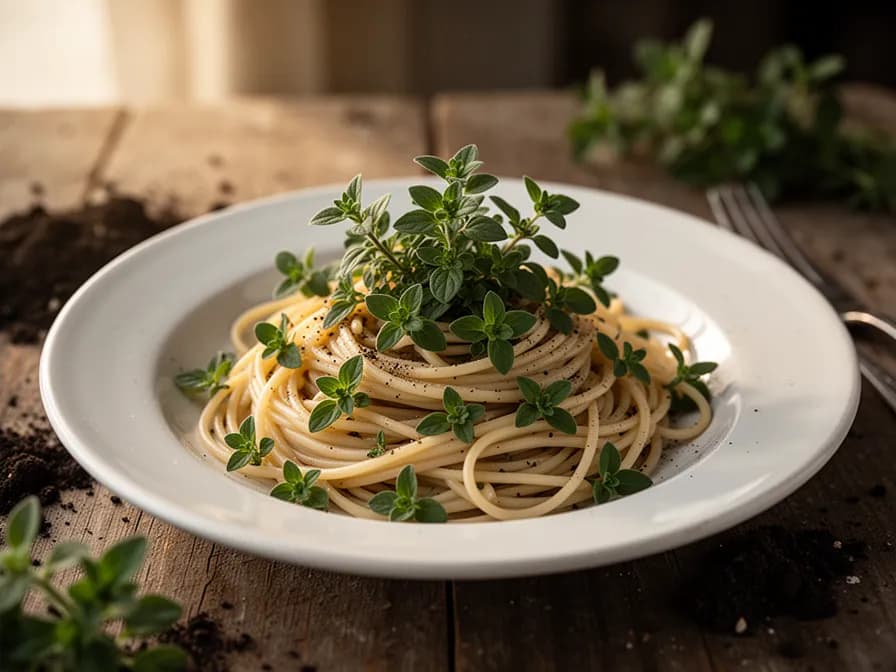
Majoran-Zitronen-Kräuterbutter
10 Min.Eine duftende Kräuterbutter, die einfaches Grillhähnchen, Bratkartoffeln oder gedämpftes Gemüse in etwas Außergewöhnliches verwandelt. Die süße Wärme von frischem Majoran harmoniert wunderbar mit frischer Zitronenschale und einem Hauch Knoblauch für einen vielseitigen Küchenklassiker.
6 Zutaten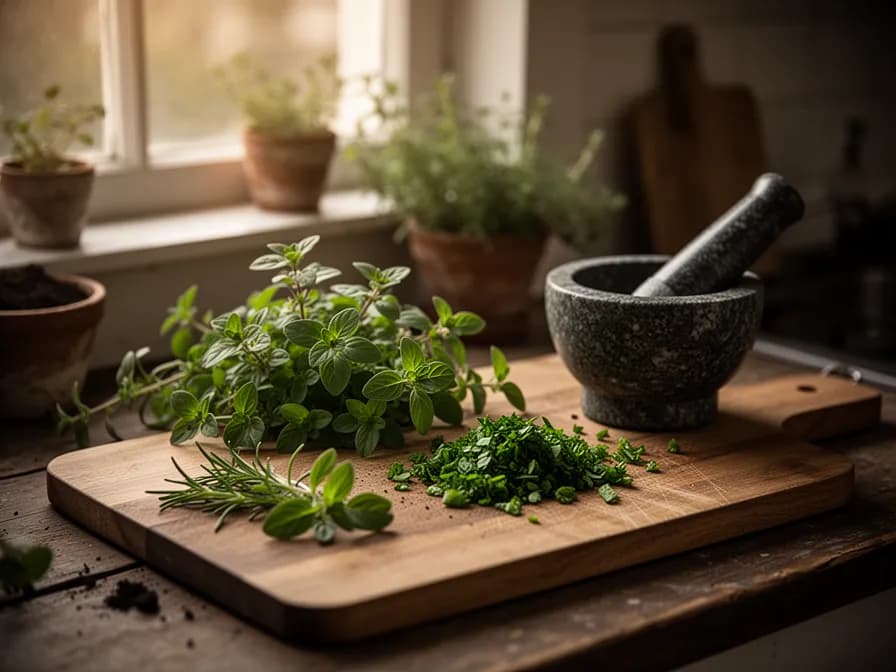
Beruhigender Majoran-Kräutertee
10 Min.Ein sanfter, beruhigender Aufguss, der seit Jahrhunderten als traditionelles Hausmittel bei Verdauungsbeschwerden, Spannungskopfschmerzen und unruhigem Schlaf verwendet wird. Das süße, warme Aroma des Majorans macht diesen Tee zu einem wohltuenden Abendgetränk, das täglich genossen werden kann.
5 ZutatenMajoran-Ofengemüse mit Wurzelgemüse
45 Min.Eine herzhafte Beilage, bei der die süße Wärme des Majorans die karamellisierten natürlichen Zucker im gerösteten Wurzelgemüse hervorhebt. Diese einfache und doch elegante Zubereitung passt wunderbar zu gebratenem Fleisch oder als Mittelpunkt einer vegetarischen Mahlzeit.
8 ZutatenKulinarische Verwendung
Majoran hat ein süßeres, feineres Aroma als sein naher Verwandter Oregano, was ihn ideal für Gerichte macht, in denen Oregano zu dominant wäre. Verwenden Sie ihn in Eiergerichten, mildem Käse, Gemüse, Geflügel und Sahnesaucen. Er ist unverzichtbar in der deutschen Wurstherstellung und in französischen Herbes-de-Provence-Mischungen. Frischen Majoran erst am Ende des Kochvorgangs hinzufügen, um sein zartes blumiges Aroma zu bewahren.
Was drinsteckt
Gesundheitsvorteile
- Enthält starke antioxidative Verbindungen wie Rosmarinsäure, Ursolsäure und Terpinen-4-ol, die laut Forschung dazu beitragen können, oxidativen Stress zu reduzieren und Marker chronischer Entzündungen im gesamten Körper zu senken.
- Wird seit Jahrhunderten traditionell als Verdauungshilfe verwendet, wobei moderne Studien bestätigen, dass ätherisches Majoranöl die glatte Muskulatur im Verdauungstrakt entspannen kann, wodurch Blähungen, Krämpfe und Verdauungsstörungen nach Mahlzeiten gelindert werden.
- Zeigt vielversprechende antimikrobielle Wirkung gegen eine Reihe lebensmittelbedingter Krankheitserreger, darunter Salmonellen, E. coli und Staphylococcus aureus in Laborstudien, was seine historische Verwendung sowohl als Lebensmittelkonservierungsmittel als auch als Heilpflanze unterstützt.
- Kann die Herzgesundheit unterstützen — klinische Forschung hat gezeigt, dass regelmäßiger Konsum von Majorantee die Blutfettwerte verbessern kann, indem LDL-Cholesterin und Triglyceride gesenkt und ein gesunder Blutdruck unterstützt werden.
- Enthält Verbindungen, die helfen können, das hormonelle Gleichgewicht zu regulieren, insbesondere bei Frauen — Studien deuten darauf hin, dass Majorantee gesunde Menstruationszyklen unterstützen und helfen kann, Symptome des polyzystischen Ovarialsyndroms (PCOS) zu lindern.
- Reich an flüchtigen Verbindungen mit nachgewiesenen beruhigenden und angstlösenden Eigenschaften, was seine traditionelle Verwendung als sanftes Nervenkraut zur Stressreduktion, Linderung von Spannungskopfschmerzen und Förderung eines erholsamen Schlafs bei Teekonsum unterstützt.
Woher Majoran stammt
Süßer Majoran (Origanum majorana) stammt aus dem östlichen Mittelmeerraum, mit seinem Ursprungszentrum zwischen Zypern, der Türkei und der Arabischen Halbinsel. Archäologische und botanische Belege deuten darauf hin, dass Majoran zu den frühesten von Menschen kultivierten Kräutern gehörte, mit Nachweisen seiner Nutzung bis ins alte Ägypten, wo er sowohl als Küchenkraut als auch als Bestandteil heiliger Salböle und Einbalsamierungspräparate geschätzt wurde.
Die alten Griechen hielten Majoran in besonders hohem Ansehen und verbanden ihn mit Aphrodite, der Göttin der Liebe. Der griechischen Mythologie zufolge schuf Aphrodite selbst den Majoran, und sein süßer Duft soll die Freude verkörpert haben, die sie in die Welt brachte. Der griechische Name 'Origanon' — von 'oros' (Berg) und 'ganos' (Freude oder Glanz) — übersetzt sich als 'Freude des Berges' und spiegelt die Begeisterung wider, dieses aromatische Kraut wild an sonnenüberfluteten Berghängen wachsend zu finden. Griechische und römische Paare trugen bei ihren Hochzeiten Majorankränze, und das Kraut wurde auf Gräber gepflanzt, um die friedliche Ruhe der Verstorbenen zu gewährleisten.
Majorans Reise durch die europäische Geschichte wurde vom Römischen Reich geprägt, das seinen Anbau über den gesamten Kontinent verbreitete. Im Mittelalter wurde Majoran zu einem der wichtigsten Kräuter in Klostergärten, geschätzt sowohl für seine kulinarischen Verwendungen als auch für seine medizinischen Eigenschaften als Verdauungshilfe, Kopfschmerzmittel und beruhigendes Tonikum. Er wurde besonders in der deutschen, österreichischen und französischen Küche unverzichtbar, wo er bis heute ein grundlegendes Gewürz in Würsten, Füllungen und langsam gegarten Fleischgerichten ist. Das Kraut gelangte im 17. Jahrhundert mit europäischen Kolonisten nach Amerika und war ein Grundbestandteil kolonialer Küchengärten.
Heute wird Süßer Majoran kommerziell im gesamten Mittelmeerraum angebaut, wobei Ägypten, die Türkei und Frankreich die größten Produzenten sind. Er wird in warmen Klimazonen als zarte Staude und in kühleren Regionen als einjährige Pflanze kultiviert, wo er unter den gleichen heißen, trockenen Bedingungen gedeiht, die seine angestammte Heimat kennzeichnen. Moderne Forschung hat viele traditionelle medizinische Anwendungen bestätigt und die antimikrobiellen, entzündungshemmenden und antioxidativen Eigenschaften des Majorans nachgewiesen.
Majoran: Schon gewusst?
Faszinierende Fakten über Majoran
Die alten Griechen und Römer glaubten, dass Majoran von Aphrodite (Venus) als Symbol des Glücks geschaffen wurde, und frisch vermählte Paare wurden mit Majorankränzen gekrönt, um ein freudiges gemeinsames Leben zu gewährleisten — die Verbindung mit Liebe und Glück besteht in mediterranen Volkstraditionen bis heute fort.
Majoran: Fragen & Antworten
Wann sollte ich Majoran pflanzen?
Was sind gute Begleitpflanzen für Majoran?
In welchen Winterhärtezonen kann Majoran wachsen?
Wie viel Sonne braucht Majoran?
Welchen Abstand sollte ich zwischen Majoran lassen?
Welche Schädlinge und Krankheiten befallen Majoran?
Wie lagere ich Majoran nach der Ernte?
Was sind die besten Majoran-Sorten zum Anbauen?
Welchen Boden braucht Majoran?
Was ist der Unterschied zwischen Majoran und Oregano?
Kann ich Majoran das ganze Jahr über drinnen anbauen?
Wann ist der beste Zeitpunkt, um Majoran zum Trocknen zu ernten?
Ist Majoran während der Schwangerschaft sicher zu verwenden?
Warum wird meine Majoranpflanze gelb und welkt?
Kann ich Majoran anstelle von Oregano in Rezepten verwenden?
Du hast die Theorie gelesen. Jetzt baue sie auf Autopilot an.
Alles, was Majoran knifflig macht — das Timing, die Abstände, die Begleiter, das Erntefenster — genau das übernimmt PlotMyGarden für dich, für jede Pflanze im Garten.
Ein Plan, der dein Wetter kennt
Standort einmal festlegen. Aussaat-, Dünge- und Erntedaten rund um deinen echten letzten Frosttermin und die Live-Vorhersage — kein Raten mehr nach Saattüte.
Aus dem Abschnitt „Pflanzzeit“Beetplaner per Drag & Drop
Beete auf einem Raster gestalten. Jede Pflanze rastet im richtigen Abstand ein, und du siehst die ganze Saison, bevor du einen Cent für Saatgut ausgibst.
Aus dem Abschnitt „Anbau“Begleiter-Konflikte früh erkannt
Über 200 gute und schlechte Kombinationen werden beim Pflanzen live geprüft — so landet ein saisonruinierender Fehler nie in der Erde.
Aus dem Abschnitt „Begleiter“Erinnerungen, nach denen du wirklich handelst
„Gieß die Bohnen.“ „Heute ernten, bevor's umschlägt.“ Pünktlich, konkret und auf deine echten Pflanzen bezogen.
Aus dem Abschnitt „Ernte“Staffel-Aussaat, geplant
Sechs Wochen ernten statt sechs Tage? Die App verteilt deine Aussaaten automatisch und erinnert dich, wenn der nächste Satz fällig ist.
Aus dem Abschnitt „Pflanzzeit“Ein Verlauf, der schlauer wird
Jede protokollierte Ernte bringt der App deinen Garten bei. Der Plan fürs nächste Jahr startet bei dem, was in deinem Boden wirklich funktioniert hat.
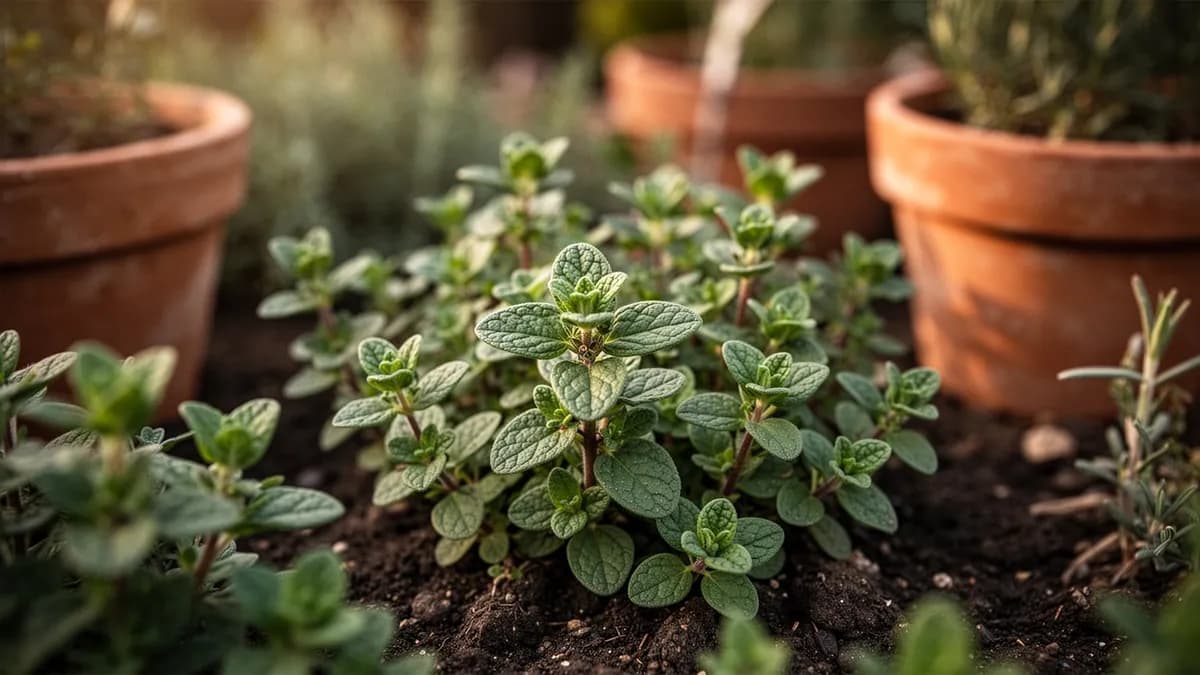
Aus dem Abschnitt „Überblick“Pflanze diese neben Majoran
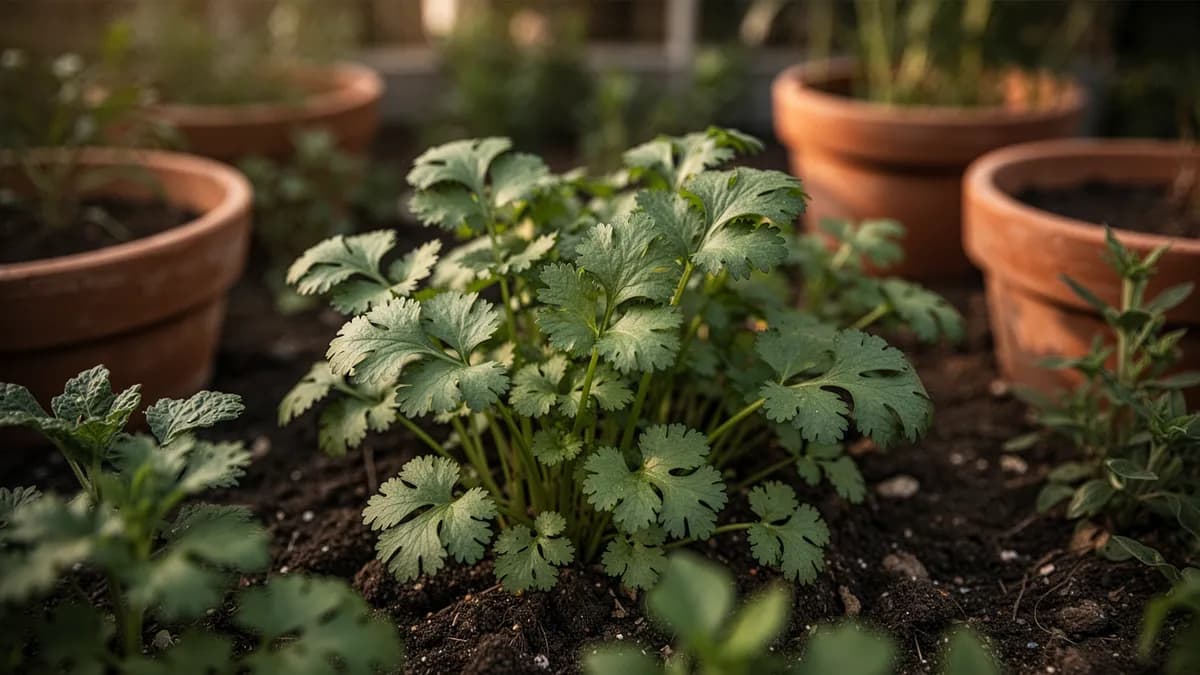
Weitere Küchenkräuter
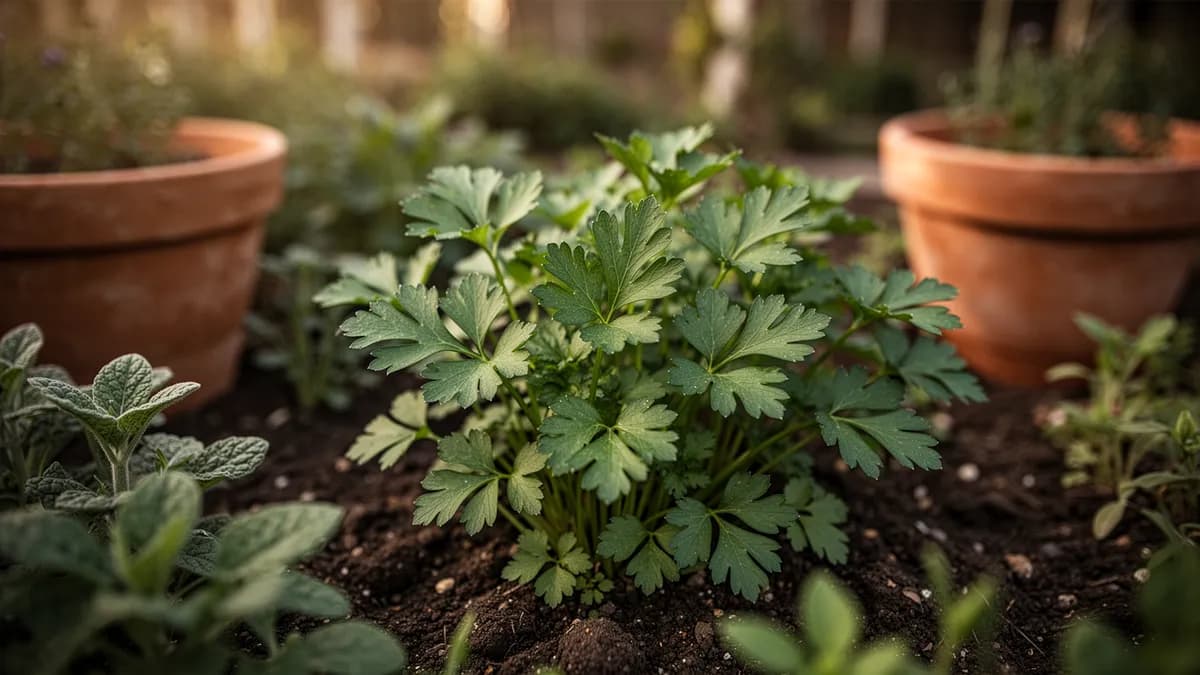
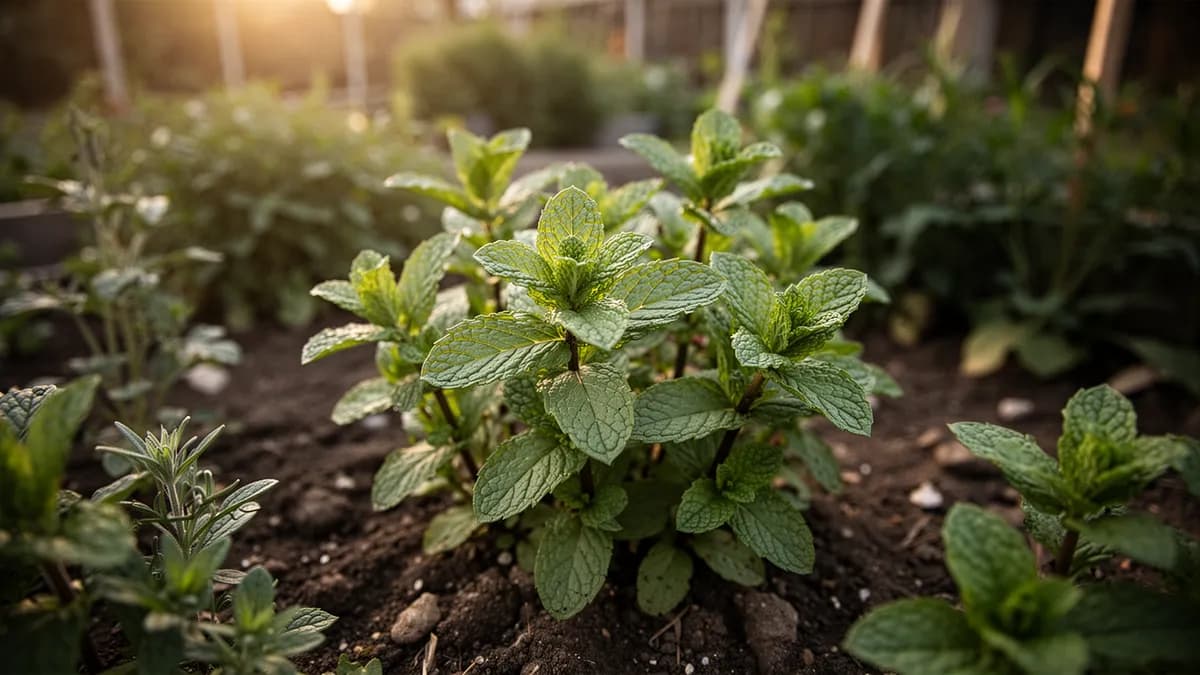
Halte Majoran von diesen fern
Gartenpläne mit Majoran
Bau deine beste Majoran an — und alles drumherum.
Starte heute kostenlos. Lege deine Beete an, setze deine Majoran ein und lass PlotMyGarden Timing, Abstände, Begleiter und Erinnerungen von der Saat bis zum Erntekorb übernehmen.