Anise
An annual herb grown for its licorice-flavored seeds used in teas, baking, and the liqueurs anisette and ouzo.





On this pageOverview
Meet Anise
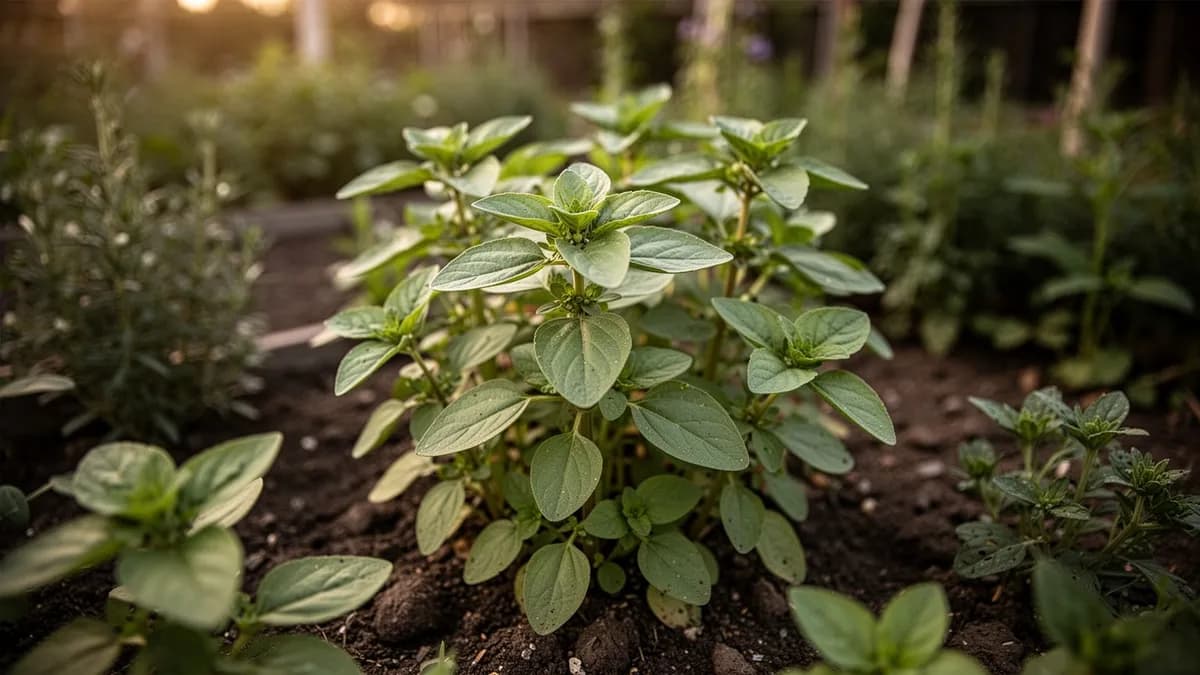
An annual herb grown for its licorice-flavored seeds used in teas, baking, and the liqueurs anisette and ouzo. Anise requires a long warm growing season and direct sowing, as it does not transplant well due to its fragile taproot. Harvest seed heads when they turn grey-brown and dry upside down in paper bags to catch the aromatic seeds.
When to plant Anise
Direct sow anise seeds after all frost danger has passed and soil temperatures reach at least 15°C. Sow 1cm deep and 20cm apart. Keep soil moist until germination, which takes 14-21 days—be patient. Do not attempt to transplant seedlings as the taproot is extremely fragile. In short-season areas, pre-warm the soil with black plastic mulch for 2 weeks before sowing to extend the effective growing season. Thin seedlings to 20cm spacing if they emerge too densely.
Your Anise Year
Composed for Zone 7 · typical seasons · frost passes Apr 2, returns Nov 1
Plant Anise Apr – May, pick Aug – Sep. Check the planting methods below and set your climate to personalize these windows.
How to grow Anise
Anise is a delicate annual herb growing 45-60cm tall with feathery foliage and umbels of tiny white flowers that develop into the prized licorice-flavored seeds. It requires a long, warm growing season (at least 120 frost-free days) to produce mature seed. Sow directly in the garden after all frost danger has passed, as the fragile taproot does not tolerate transplanting.
Choose the warmest, most sheltered spot in the garden with full sun and light, well-drained soil. Sow seeds 1cm deep and 20cm apart in rows. Keep soil consistently moist during germination, which takes 14-21 days. Once seedlings emerge, water moderately—anise prefers slightly dry conditions between waterings.
The plants are slender and delicate, sometimes needing support from neighboring plants or small stakes in windy positions. Flowers appear in midsummer, followed by seed development through late summer and early autumn. Harvest timing is critical: seeds must be collected when they turn grey-brown but before they shatter and fall from the plant.
72 plants fit a 4 × 8 ft bed
Each Anise wants 20 cm of elbow room. The planner keeps that spacing for you — every plant, every bed.
Anise's best neighbours
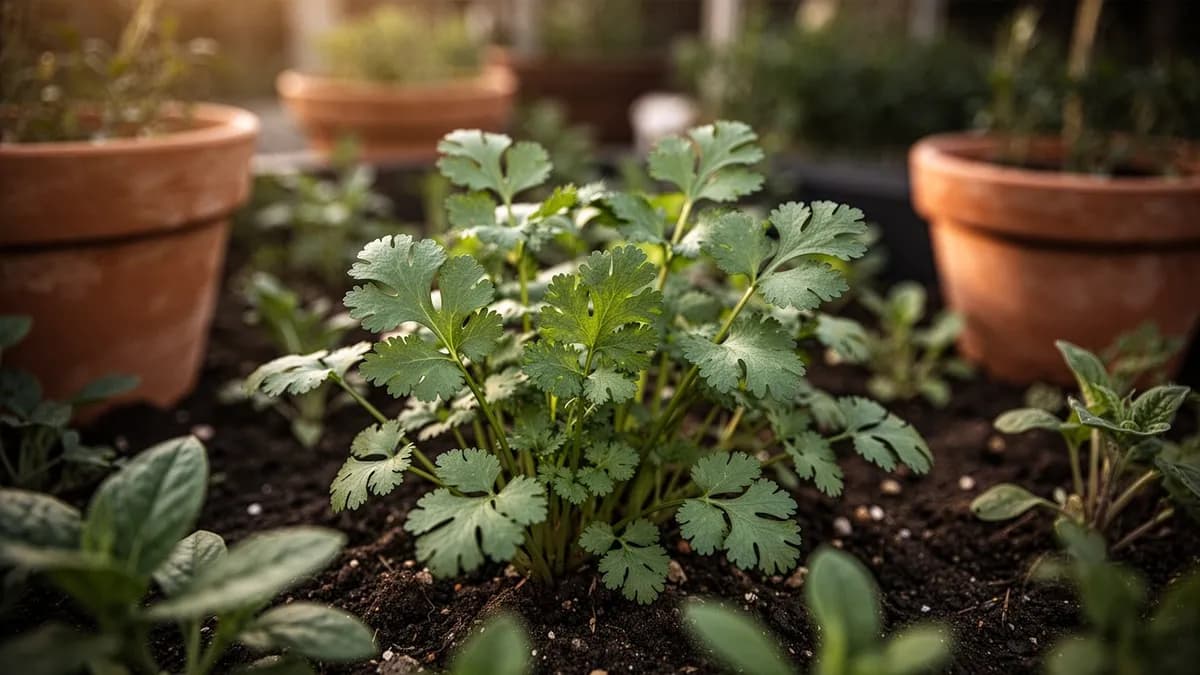
Anise is traditionally planted alongside coriander, which shares similar growing requirements and whose flowers attract the same beneficial insects. The umbrella-shaped flower heads attract parasitic wasps, hoverflies, and other beneficials that help control garden pests. Anise is said to improve the germination and growth of nearby coriander when the two are planted together.
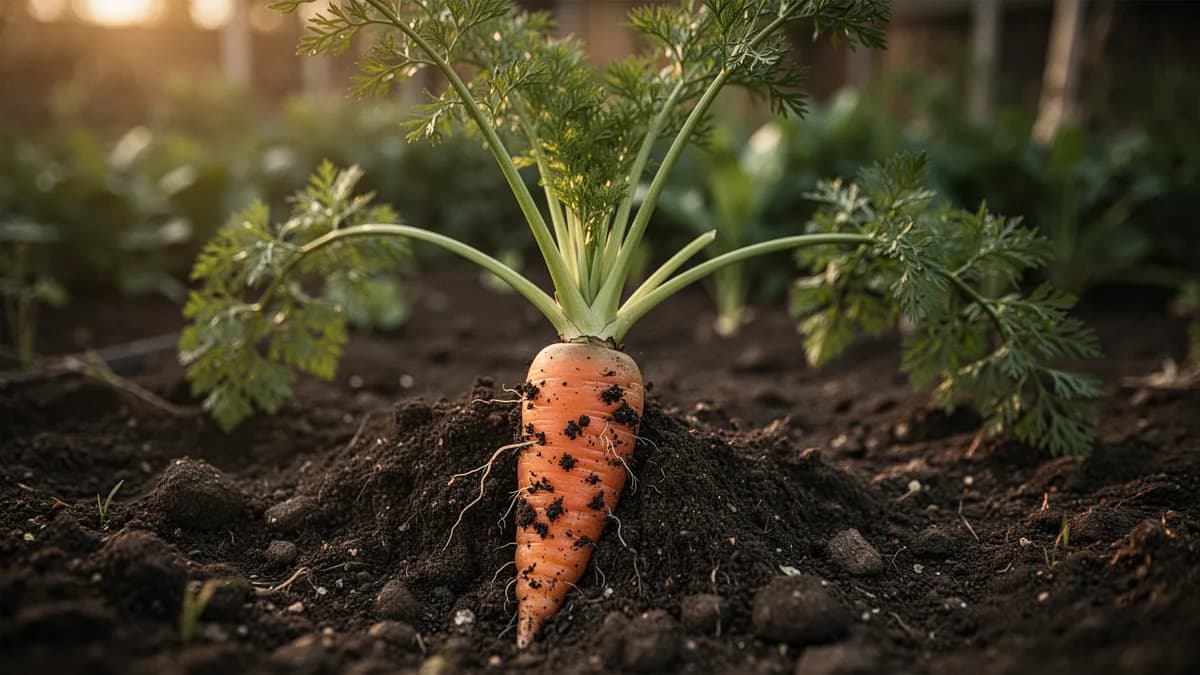
Coriander (Seed) belongs beside it. Carrot doesn't.
Old growers' knowledge, checked against Anise's real companion table below — test any plant you're growing.
Try Anise in a bed — right here
A real planner bed with Anise already in it. Tap a companion to place it and watch the pairing checks answer — green for good neighbours, red for a clash.


Related growing guides
Feed it well
Anise prefers light, well-drained soil with a pH of 6.0-7.5. Sandy loam is ideal. Avoid heavy clay which impedes the taproot and retains too much moisture. Light soil amendment with compost at planting is adequate. No additional fertilizer is needed during the growing season. Good drainage is more important than soil fertility for this herb.
Ideal Temperature
Hardiness Zone Compatibility
From seed to harvest, stage by stage
Seed Sowing
Sow anise seeds directly into warm, well-drained soil after the last frost date. Plant seeds about 6 mm deep in rows spaced 30 cm apart. Anise has a delicate taproot and does not transplant well, so direct sowing is strongly recommended.
Germination
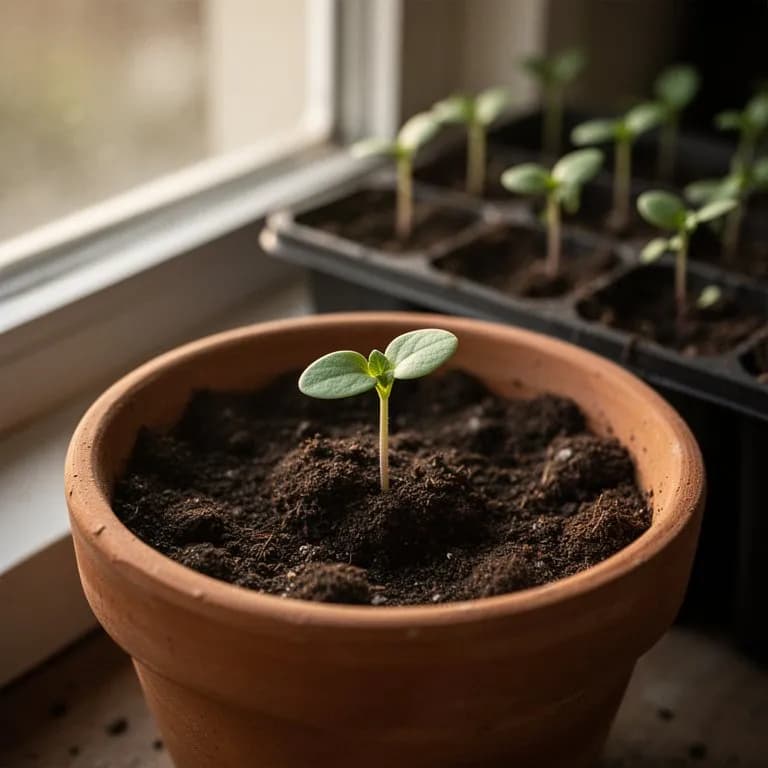
Seedlings emerge with a pair of small rounded cotyledon leaves. Growth is slow initially as the plant establishes its sensitive taproot system. The first true leaves are simple, rounded, and slightly toothed, different from the divided foliage that develops later.
Vegetative Growth
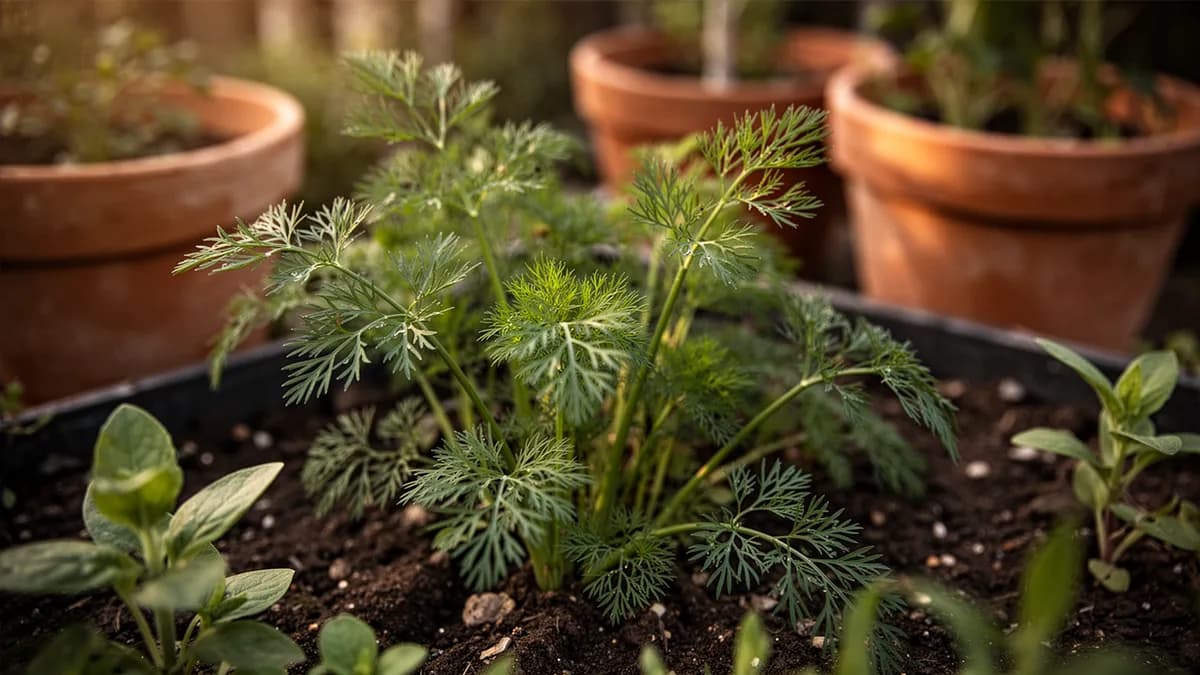
The plant develops a rosette of lower leaves that are rounded and lobed, while upper leaves become progressively more finely divided and feathery. Stems elongate and become branched as the plant reaches 40-60 cm in height. The foliage has a mild licorice scent when brushed.
Flowering
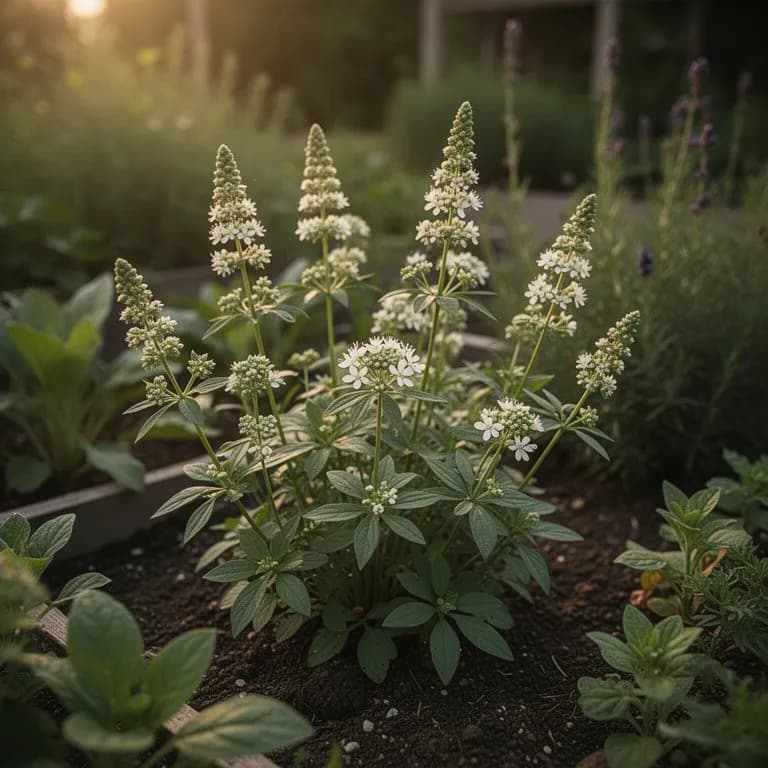
Compound umbels of tiny white flowers appear at the tops of branching stems. Each umbel is composed of smaller umbellets, creating a delicate lacy appearance. The flowers are highly attractive to beneficial insects including parasitic wasps, hoverflies, and lacewings.
Seed Development
After pollination, small ridged fruits develop in pairs, each containing a single seed. The seeds gradually change from green to grey-brown as they mature. The characteristic sweet licorice aroma intensifies as the seeds ripen and the essential oil content reaches its peak.
Harvest and Drying
Cut entire seed heads when most seeds have turned brown and place them upside down in paper bags to catch falling seeds. Allow seeds to finish drying in a warm, well-ventilated area for one to two weeks. Once fully dry, separate seeds from chaff by gentle rubbing and winnowing.
Soak seeds in warm water for 24 hours before sowing to soften the hard seed coat and speed up germination. Keep the soil evenly moist but never waterlogged during this critical period.
Caring for Anise month by month
What to do each month for your Anise
October
You are hereFinish harvesting any remaining seed heads before hard frost. Clean dried seeds by rubbing gently between your hands and winnowing away the chaff. Store seeds in labelled airtight glass jars in a cool, dark cupboard.
Know exactly what to do in your garden — every month
One email at the start of each month: what to sow, plant, and tackle right now — for your Anise and everything growing around it. Plus a short starter course that helps you dodge the classic mistakes.
- What to do, right now
- Matched to your season
- Starter course included
Harvesting Anise
Harvest anise seeds when the seed heads turn grey-brown, typically in late summer to early autumn. Cut entire seed heads and place upside down in paper bags to catch seeds as they dry and fall. Timing is critical—harvest too early and seeds lack flavor, too late and they shatter and are lost. Check daily once seeds begin to change color. The entire harvest window may be only a few days.
assuming you plant when the window opens — set your real date
Pick Anise promptly and the plant keeps producing.
Storage & Preservation
Dry seed heads completely in paper bags in a warm, well-ventilated area for 2-3 weeks. Once dry, rub the heads to separate seeds from chaff. Store whole seeds in airtight glass jars in a cool, dark place where they remain flavorful for 2-3 years. Whole seeds retain their aromatic oils far longer than ground anise. For immediate use, lightly crush or grind seeds to release maximum flavor.
What goes wrong — and the fix
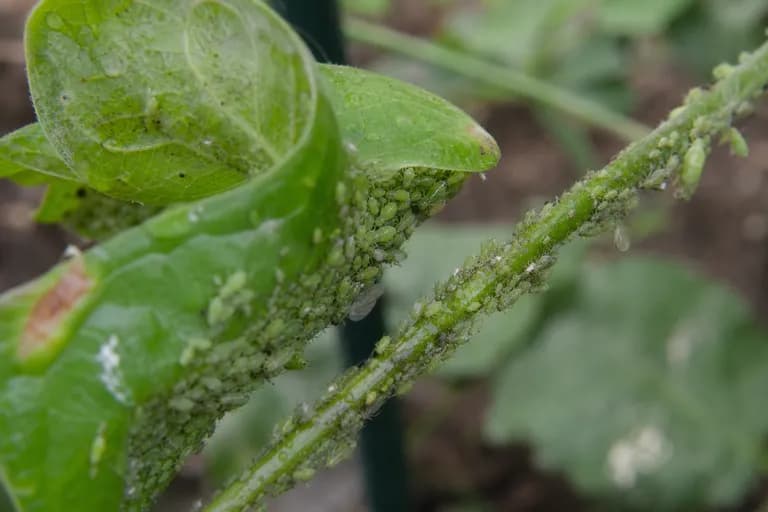
Aphids
PestClusters on flower umbels and tender growth, causing distortion and sticky honeydew deposits.
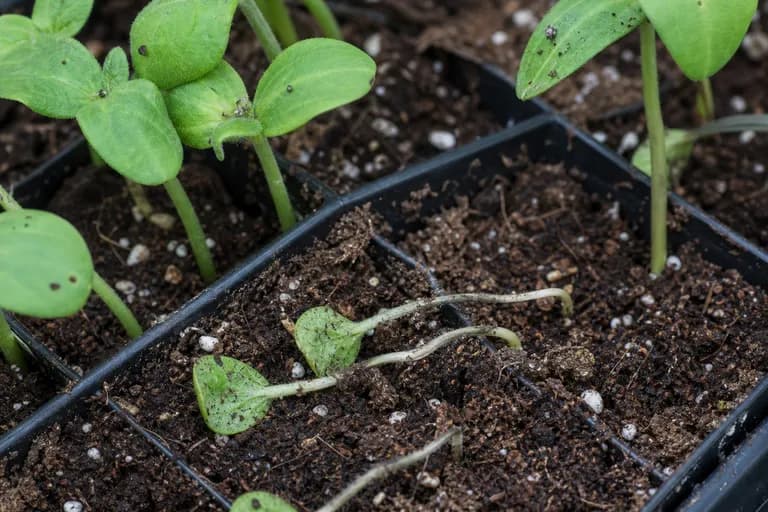
Damping Off
DiseaseSeedlings collapse at soil level shortly after emergence. Caused by fungal pathogens in cool, wet conditions.
Troubleshooting Common Problems
Short growing seasons are the biggest limitation—anise needs at least 120 warm days to produce mature seed. In cool climates, start with cloches or choose the warmest microclimate. Poor germination often results from cold soil; wait until soil is at least 15°C. Transplant shock kills the fragile taproot—always direct-sow. Weak, floppy stems are normal; interplant with sturdier herbs for mutual support.
Growing Tips
- Always direct sow anise seeds rather than starting indoors, as the plant develops a long fragile taproot that does not tolerate transplanting or root disturbance.
- Soak seeds in warm water for 24 hours before planting to soften the hard outer coat and improve germination rates, which can otherwise be slow and uneven.
- Choose the warmest, most sheltered spot in your garden with full sun exposure for at least 6-8 hours daily. Anise needs a long warm growing season of 120 or more frost-free days to produce mature seeds.
- Plant in light, well-drained soil with a slightly alkaline to neutral pH of 6.0-7.0. Heavy clay soils should be amended with compost and coarse sand to improve drainage around the sensitive taproot.
- Water consistently but moderately during the seedling stage, then reduce frequency as plants mature. Anise prefers slightly dry conditions once established and is susceptible to root rot in waterlogged soil.
- Thin seedlings to 15-20 cm apart by snipping at soil level rather than pulling, which would disturb the taproots of neighboring plants and set back their growth.
- Stake taller plants or grow anise in a sheltered location, as the slender stems can bend or snap under the weight of heavy seed heads during windy weather.
- Harvest fresh leaves for salads before the plant begins flowering, as the foliage becomes sparse and less flavorful once energy shifts to seed production.
- Cut seed heads for harvest when about two-thirds of the seeds on each umbel have turned from green to grey-brown. Hang them upside down inside paper bags to catch seeds that drop as they finish drying.
- Grow anise near coriander and other umbellifers to create a beneficial insect habitat, as the flowers attract parasitic wasps, hoverflies, and lacewings that help control aphids and other garden pests.
Grow your best Anise yet — and everything around it.
Start a free plan today. Lay out your beds, drop in your Anise, and let PlotMyGarden handle the timing, spacing, companions and reminders from seed to harvest basket.
Pick your Anise
Pimpinella anisum (standard)
The standard annual anise used for seed production. The only form commonly grown in gardens.
A packet of anise seeds for planting costs around $2-4 and can yield 200-400 g of dried culinary seeds per season from a small row of 10-15 plants. With whole anise seeds retailing at $8-15 per 100 g in specialty spice shops, a single harvest can save $20-50 or more compared to store-bought seeds. Fresh anise leaves, which are rarely available in supermarkets, add further value as a unique salad herb and garnish. Because anise requires minimal inputs beyond sunshine and water, it is an exceptionally cost-effective herb to grow at home.
Quick recipes
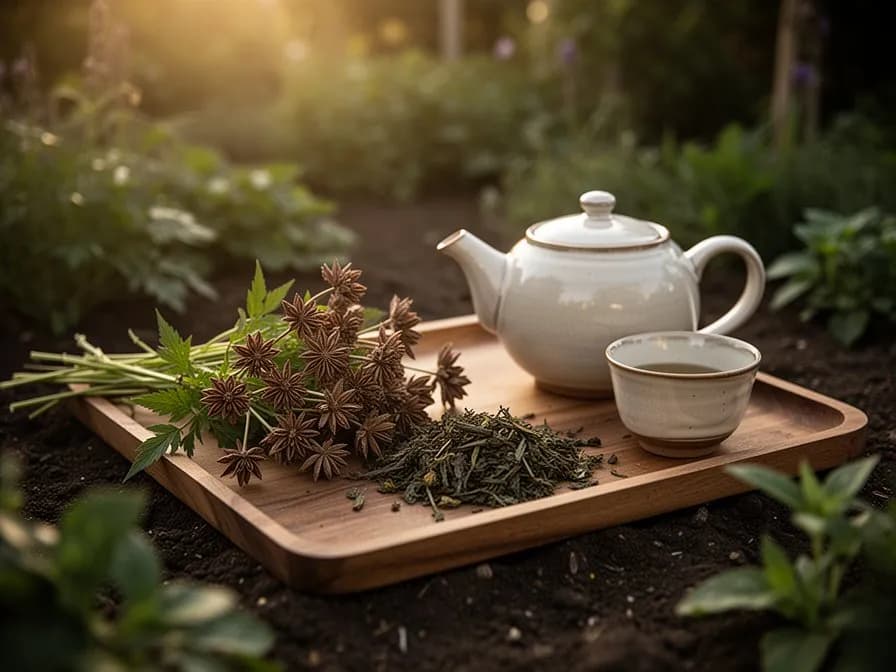
Anise Seed Tea
10 minutesA soothing and aromatic digestive tea made from freshly crushed anise seeds. This traditional remedy has been enjoyed across the Mediterranean for centuries to ease bloating and calm the stomach after meals. The warm, sweet licorice flavor makes it a comforting caffeine-free alternative to conventional tea.
5 ingredientsAnise and Lemon Shortbread Cookies
40 minutesButtery, crumbly shortbread infused with the sweet warmth of anise seeds and bright lemon zest. These delicate cookies are a staple of Mediterranean holiday baking traditions and pair beautifully with coffee or herbal tea. The anise flavor deepens as the cookies rest, making them even better the next day.
6 ingredients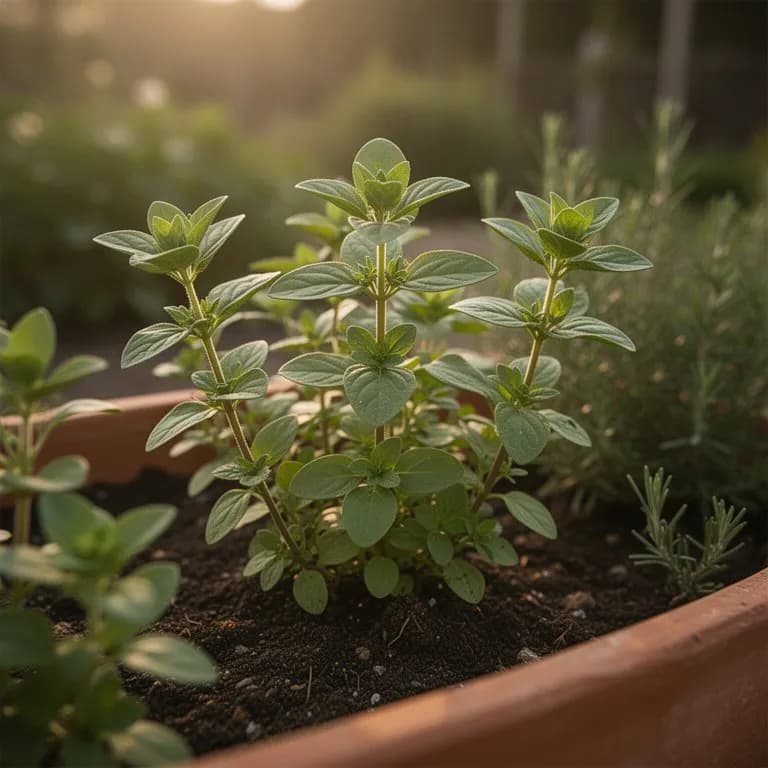
Fresh Anise Leaf and Fennel Salad
15 minutesA light and refreshing salad that showcases the delicate licorice notes of fresh anise leaves alongside thinly shaved fennel, crisp apple, and a citrus vinaigrette. Best prepared with tender young anise leaves harvested before the plant begins to flower, when the foliage is at its most flavorful and tender.
6 ingredientsCulinary Uses
Anise seeds have a sweet, distinctive licorice flavor used throughout world cuisines. Essential in Mediterranean baking, Indian spice blends, and traditional liqueurs like anisette, ouzo, arak, and sambuca. Use whole or ground seeds in biscotti, bread, cakes, and cookies. Add to fish dishes, soups, and vegetable preparations. The seeds make a soothing digestive tea when steeped in boiling water. Fresh young leaves can be added to salads for a mild anise note.
What's inside
Health Benefits
- Supports healthy digestion and relieves bloating, gas, and stomach cramps thanks to its carminative properties driven by the essential oil compound anethole, which relaxes smooth muscle tissue in the digestive tract.
- Exhibits antimicrobial and antifungal activity, with research showing that anise essential oil can inhibit the growth of certain bacteria, yeasts, and molds, making it a traditional remedy for oral hygiene and throat health.
- May help relieve symptoms of upper respiratory congestion due to its natural expectorant properties, loosening mucus and soothing irritated airways when consumed as a warm tea or steam inhalation.
- Contains antioxidant compounds including flavonoids and phenolic acids that help neutralize free radicals and may reduce oxidative stress linked to chronic inflammation and cellular aging.
- Has been traditionally used to support lactation in nursing mothers, with some clinical evidence suggesting that anethole may have mild galactagogue effects that promote milk production.
- May help ease mild anxiety and promote restful sleep when consumed as a tea before bedtime, building on centuries of traditional use as a gentle calming remedy across Mediterranean and Middle Eastern cultures.
Where Anise comes from
Anise (Pimpinella anisum) is one of the oldest cultivated spice and medicinal plants in the world, with a rich history stretching back over four millennia. Native to the eastern Mediterranean region and southwestern Asia, it was among the earliest herbs domesticated by ancient civilizations. The ancient Egyptians cultivated anise extensively and documented its use in the Ebers Papyrus around 1500 BCE, prescribing it for digestive ailments and incorporating it into embalming rituals. Greek and Roman physicians, including Hippocrates, Dioscorides, and Pliny the Elder, praised anise for its ability to aid digestion, freshen breath, and promote restful sleep. In ancient Rome, anise-spiced cakes called mustaceum were traditionally served at the end of lavish feasts to prevent indigestion, a practice some historians consider the origin of the modern wedding cake. The Romans also valued anise so highly that it was among the spices subject to import duties. Throughout the medieval period, anise was cultivated in monastery herb gardens across Europe and was a staple of apothecary medicine. Charlemagne ordered its cultivation in imperial gardens in the ninth century, and by the thirteenth century it was widely grown in England, where it was one of the few spices subject to tolls on London Bridge. Anise played a significant role in the development of anise-flavored spirits that became cultural icons across the Mediterranean, including French pastis, Greek ouzo, Turkish raki, and Italian sambuca. European colonists brought anise to the Americas in the sixteenth and seventeenth centuries, where it became a valued garden herb. Today anise is commercially cultivated in Turkey, Egypt, Spain, Italy, and parts of South America. It remains prized in cuisines and traditional medicine systems worldwide, valued for its sweet licorice flavor in baking, confections, teas, and liqueurs, as well as for its well-documented digestive and carminative properties.
Anise: did you know?
Fascinating facts about Anise
Anise was so highly valued in ancient Rome that it was used to pay taxes, and Roman citizens kept anise cakes near their beds to prevent bad dreams.
Anise questions, answered
When should I plant Anise?
What are good companion plants for Anise?
What hardiness zones can Anise grow in?
How much sun does Anise need?
How far apart should I space Anise?
What pests and diseases affect Anise?
How do I store Anise after harvest?
What are the best Anise varieties to grow?
What soil does Anise need?
What is the difference between anise and star anise?
Why are my anise seeds not maturing before frost?
Can I grow anise in a container?
What parts of the anise plant are edible?
How should I store harvested anise seeds for maximum freshness?
Does anise attract beneficial insects to the garden?
You just read the theory. Now grow it on autopilot.
Everything that makes Anise fiddly — the timing, the spacing, the companions, the harvest window — is exactly what PlotMyGarden handles for you, for every plant in your garden.
A plan that knows your weather
Set your location once. Get sow, feed and harvest dates built around your real last-frost date and live forecast — no more guessing from a generic seed packet.
From the “When to plant” sectionDrag-and-drop bed planner
Design beds on a grid. Every plant snaps to its proper spacing, and you can see your whole season laid out before you spend a cent on seed.
From the “Growing guide” sectionCompanion conflicts, caught early
200+ good-and-bad pairings checked live as you plant — so a season-wrecking mistake never makes it into the ground.
From the “Companions” sectionReminders you'll actually act on
“Water the beans.” “Pick today before it turns.” Timely, specific, and tied to the plants you're really growing.
From the “Harvest” sectionSuccession, scheduled
Want a harvest for six weeks, not six days? It spaces your sowings automatically and reminds you when each new block is due.
From the “When to plant” sectionA record that gets smarter
Every harvest you log teaches it your garden. Next year's plan starts from what actually worked in your soil, not a textbook's.
From the “Overview” sectionPlant these alongside Anise
More Tea Herbs
Keep Anise away from these
Grow your best Anise yet — and everything around it.
Start a free plan today. Lay out your beds, drop in your Anise, and let PlotMyGarden handle the timing, spacing, companions and reminders from seed to harvest basket.