Grape
A woody vine requiring strong trellising and careful pruning to produce quality fruit clusters for eating or wine.





On this pageOverview
Meet Grape
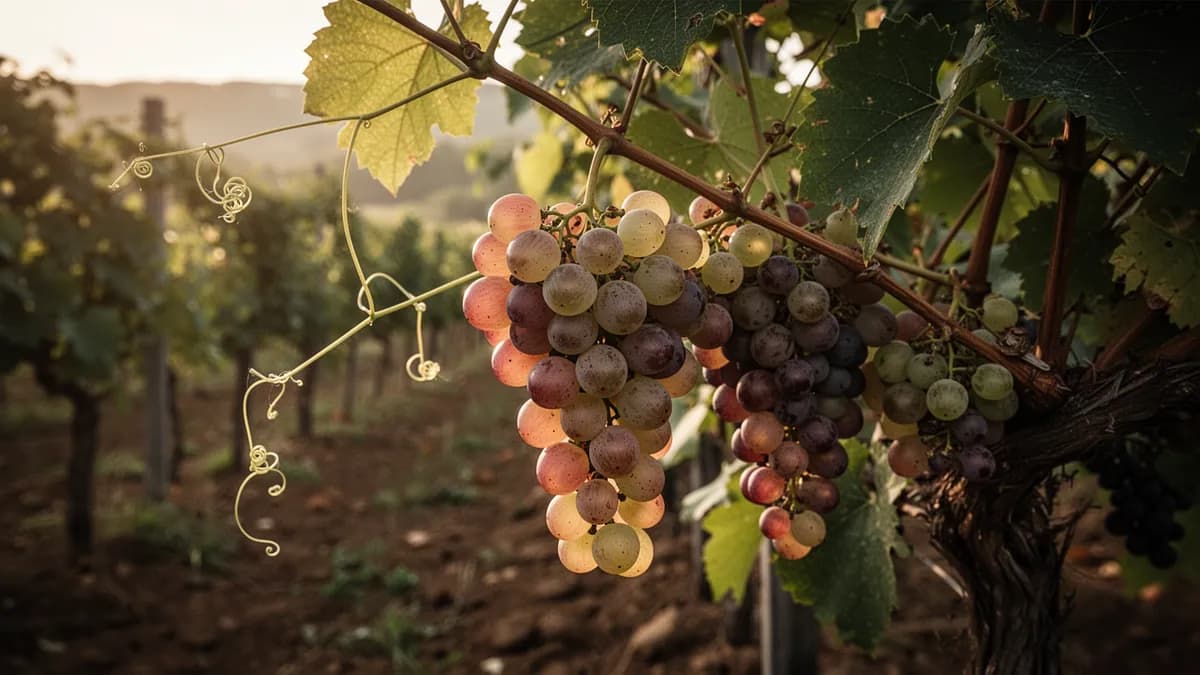
A woody vine requiring strong trellising and careful pruning to produce quality fruit clusters for eating or wine. Annual winter pruning is essential to control vigor, shape the vine, and direct energy into fruit production rather than excessive leaf growth. Good air circulation through proper canopy management reduces the risk of fungal diseases like powdery mildew, downy mildew, and botrytis. Grapes need a long, warm growing season to ripen fully, and flavor develops best when vines are slightly stressed for water.
When to plant Grape
Grapes are propagated from hardwood cuttings taken during winter dormancy. Select healthy, pencil-thick canes from the previous season's growth and cut them into 12-to-18-inch sections with three to four buds each. Store cuttings bundled in moist sand or sawdust in a cool location through winter. In early spring, plant cuttings vertically with only the top bud exposed, in a nursery bed or individual containers filled with well-drained potting mix. Keep consistently moist until roots develop over six to eight weeks. Grafting onto disease-resistant rootstocks is standard practice in commercial viticulture.
Your Grape Year
Composed for Zone 7 · typical seasons · frost passes Apr 2, returns Nov 1
Plant Grape Mar – Apr, pick Aug – Oct. Check the planting methods below and set your climate to personalize these windows.
How to grow Grape
Choose a south-facing slope or sunny wall with well-drained soil and good air circulation. Grapes need full sun and warmth to ripen properly, and a sloped site provides both air drainage to reduce frost risk and maximum sun exposure. Prepare the planting area by working compost into the top 12 inches of soil and ensuring a pH between 5.5 and 7.0.
Install a sturdy trellis system before planting, using heavy posts and galvanized wire capable of supporting the considerable weight of mature vines and fruit. Plant dormant bare-root vines in early spring, spacing them six to eight feet apart along the trellis. Prune newly planted vines to a single strong cane with two or three buds to establish a strong trunk.
During the first two years, focus on training the vine structure rather than fruit production. Remove all flower clusters to direct energy into root and trunk development. Begin winter pruning in year three using spur pruning or cane pruning depending on the variety. Manage the leaf canopy during summer by removing excess shoots and positioning leaves to expose fruit clusters to dappled sunlight while preventing sunburn. Water deeply but infrequently, reducing irrigation as harvest approaches to concentrate sugars.
Grape needs more room than a 4 × 8 ft bed gives
Each Grape wants 180 cm of elbow room. The planner keeps that spacing for you — every plant, every bed.
Grape's best neighbours
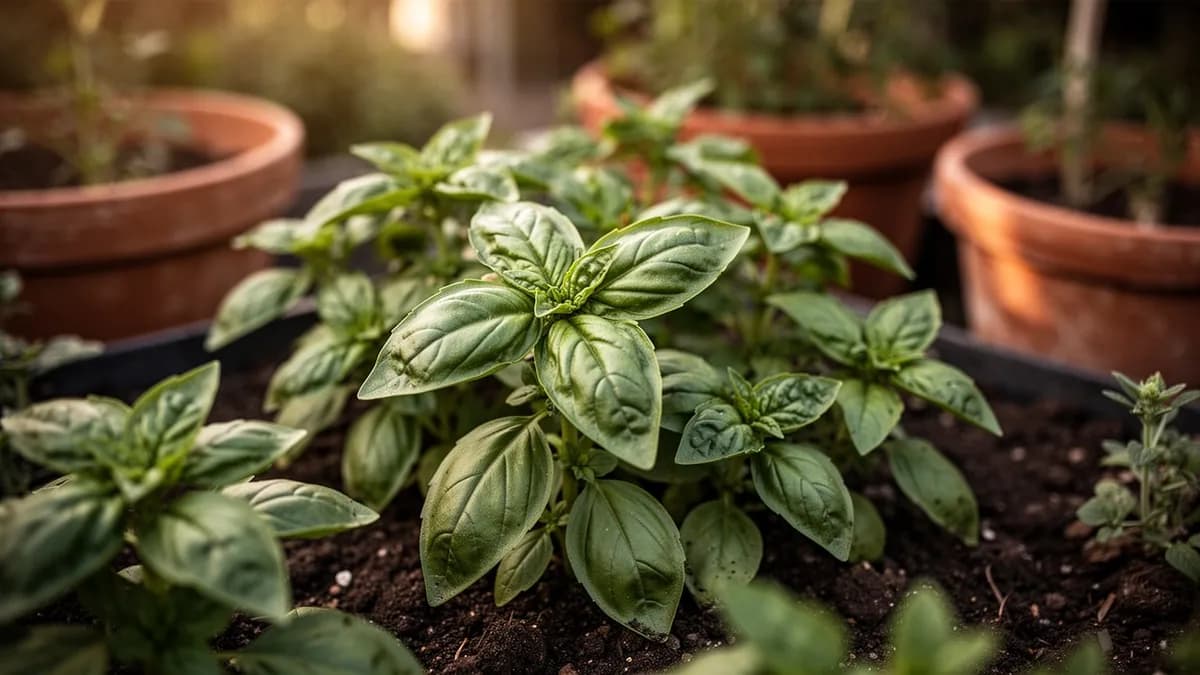
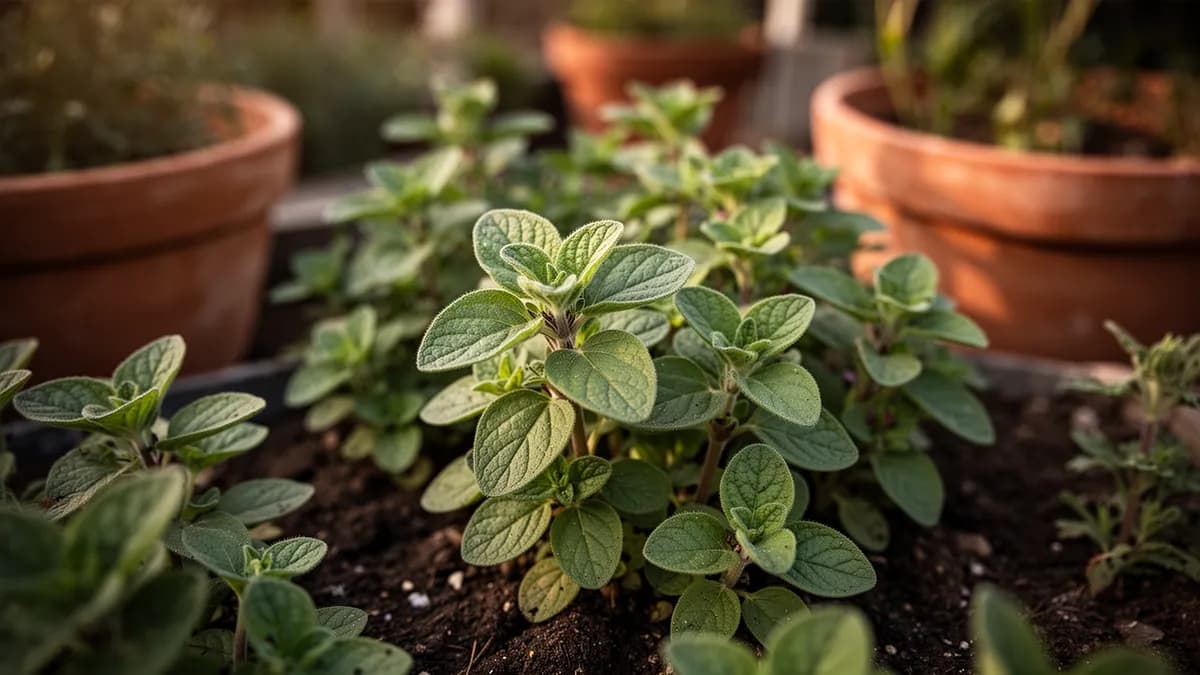
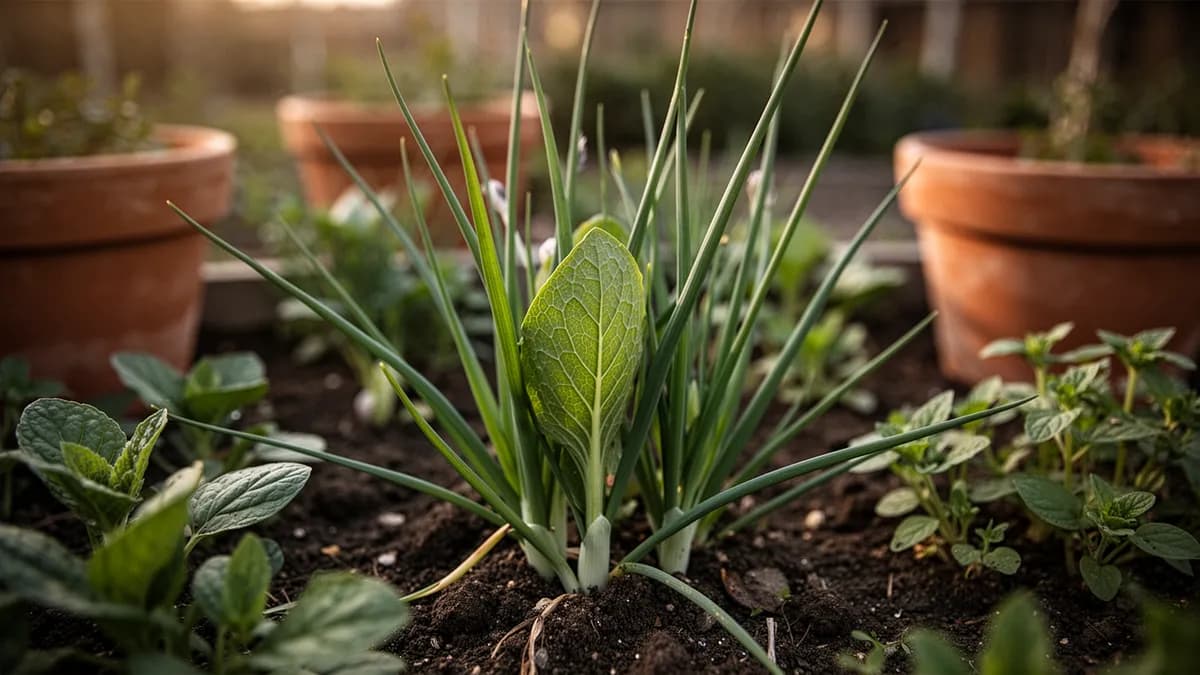
Basil and oregano planted between grapevines may help repel certain pest insects while attracting beneficial parasitic wasps. Chives and garlic can deter aphids from grapevine foliage. Clover or other nitrogen-fixing cover crops planted in vineyard rows improve soil health and reduce erosion. Avoid planting near cabbage family crops and radishes, which can compete for nutrients and may harbor pests that damage grape foliage.
Basil belongs beside it. Cabbage doesn't.
Old growers' knowledge, checked against Grape's real companion table below — test any plant you're growing.
Try Grape in a bed — right here
A real planner bed with Grape already in it. Tap a companion to place it and watch the pairing checks answer — green for good neighbours, red for a clash.


Related growing guides
Feed it well
Grapes prefer well-drained, moderately fertile soil with a pH of 5.5 to 7.0. Excessively rich soil produces lush vegetative growth at the expense of fruit quality. Sandy or gravelly loam is ideal. Apply a balanced fertilizer sparingly in early spring, using soil and tissue tests to guide rates. Excessive nitrogen promotes rank vine growth, delays ripening, and increases disease pressure. Potassium is particularly important for fruit quality and vine hardiness.
Ideal Temperature
Hardiness Zone Compatibility
From seed to harvest, stage by stage
Dormancy and Bud Swell
During late winter, grapevines remain dormant with bare, woody canes. As soil temperatures rise above 7°C (45°F), sap begins to flow and buds gradually swell. This period is critical for late-winter pruning before active growth begins. The vine's stored carbohydrate reserves prepare to fuel the coming season's explosive growth.
Bud Break and Shoot Growth
Green shoots emerge rapidly from swollen buds, growing several centimeters per day in warm conditions. Young leaves unfurl along the extending shoots, and tiny flower clusters (inflorescences) become visible as small bumpy structures opposite the leaves. Tendrils develop to help the vine grip its support structure.
Flowering and Fruit Set
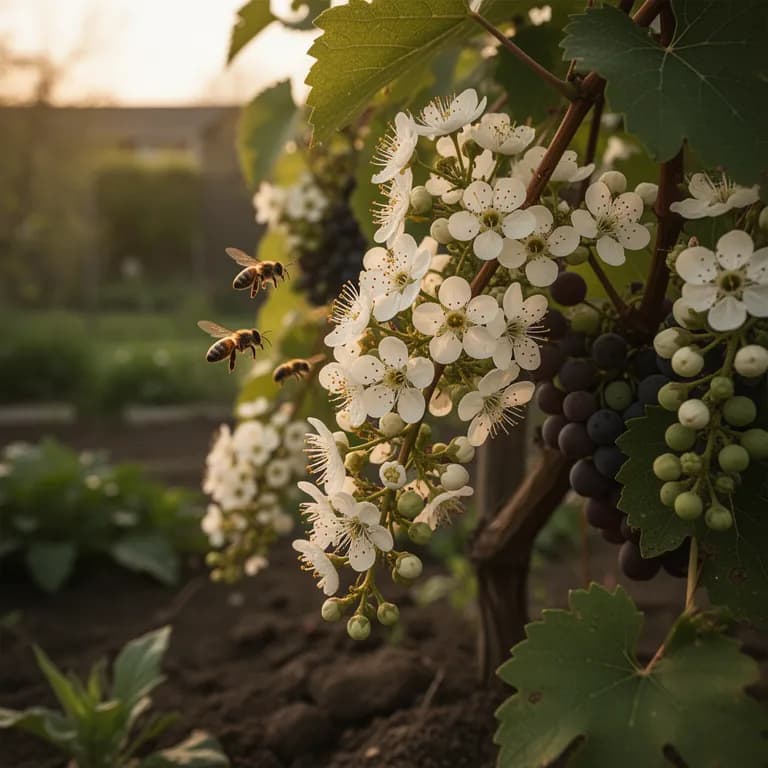
Tiny yellowish-green flowers open in clusters, releasing pollen for self-pollination. Most grape varieties are self-fertile, but good weather during bloom is essential for successful pollination and fruit set. After pollination, fertilized flowers develop into small, hard green berries while unfertilized flowers drop off the cluster.
Berry Development and Veraison
Green berries grow steadily through cell division and expansion, remaining hard and highly acidic. At veraison, typically in mid to late summer, berries undergo a dramatic transformation: red and black varieties begin to color, sugars accumulate rapidly, acids decrease, and berries soften. This stage is the most visually striking period of grape development.
Ripening and Harvest
Berries reach full size, color, and sugar content. Flavor compounds develop fully, and acid levels balance with sweetness. Table grapes are ready when they taste sweet, separate easily from the cluster, and seeds (if present) have turned brown. The stem connecting the cluster to the vine begins to lignify and turn brown.
Post-Harvest and Leaf Fall
After harvest, the vine continues photosynthesizing to replenish carbohydrate reserves in the roots and woody tissue for the following season. Leaves gradually change color to yellow, orange, or red before dropping in autumn. The vine enters dormancy as temperatures fall, with canes hardening and maturing for winter survival.
Complete all major pruning during late dormancy before bud swell begins. Remove approximately 90% of the previous year's growth, leaving only the selected fruiting canes or spurs. Apply dormant oil spray to control overwintering pests and diseases. Check trellis structures for any needed repairs.
Caring for Grape month by month
What to do each month for your Grape
October
You are hereComplete the harvest of late-ripening varieties. Allow vines to retain leaves for continued photosynthesis and carbohydrate storage. Apply a potassium-rich fertilizer to help vines prepare for winter dormancy. Clean up any fallen fruit to reduce pest and disease habitat.
Know exactly what to do in your garden — every month
One email at the start of each month: what to sow, plant, and tackle right now — for your Grape and everything growing around it. Plus a short starter course that helps you dodge the classic mistakes.
- What to do, right now
- Matched to your season
- Starter course included
Harvesting Grape
Grape ripeness cannot be judged by color alone. Taste berries from different parts of the cluster and across the vineyard. Ripe grapes should have fully developed sweetness, seeds that have turned from green to brown, and stems that begin to lignify. For table grapes, harvest when the sugar content reaches 17 to 19 Brix. Wine grapes require specific sugar and acid levels depending on the variety and intended wine style. Cut whole clusters with pruning shears rather than pulling, which damages the vine.
assuming you plant when the window opens — set your real date
Ripeness cannot be judged by colour alone. Taste berries from multiple clusters across the vine — ripe grapes have fully developed sweetness, seeds that have turned from green to brown, and stems that begin to lignify. Table grapes are ready at 17-19 Brix; wine grapes need specific sugar and acid levels for the chosen variety and wine style.
Storage & Preservation
Store fresh grapes unwashed in perforated plastic bags in the refrigerator for up to two weeks. Grapes freeze well for later use in smoothies and cooking: wash, dry, and spread on a baking sheet to freeze individually before bagging. Traditional preservation methods include drying into raisins, pressing for juice, and fermenting into wine or vinegar. Grape jelly and jam are classic preserves, and the juice can be canned for year-round enjoyment.
What goes wrong — and the fix
Powdery Mildew
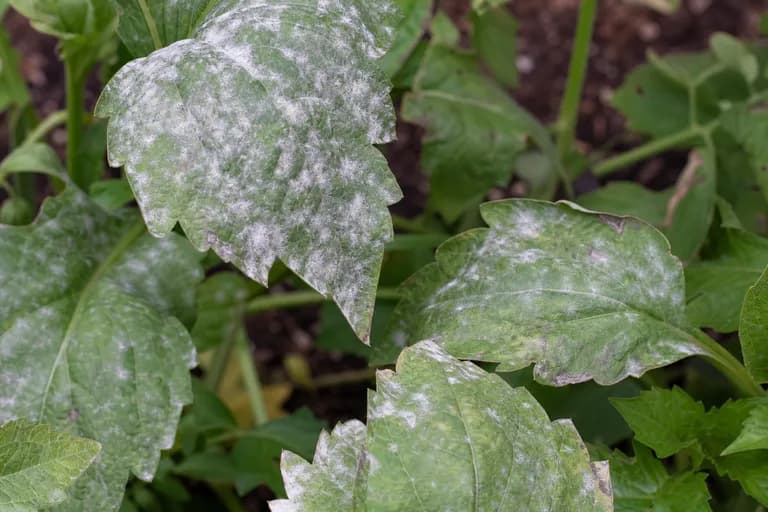
DiseaseWhite powdery coating on leaves, shoots, and fruit; infected berries may crack and fail to ripen properly.
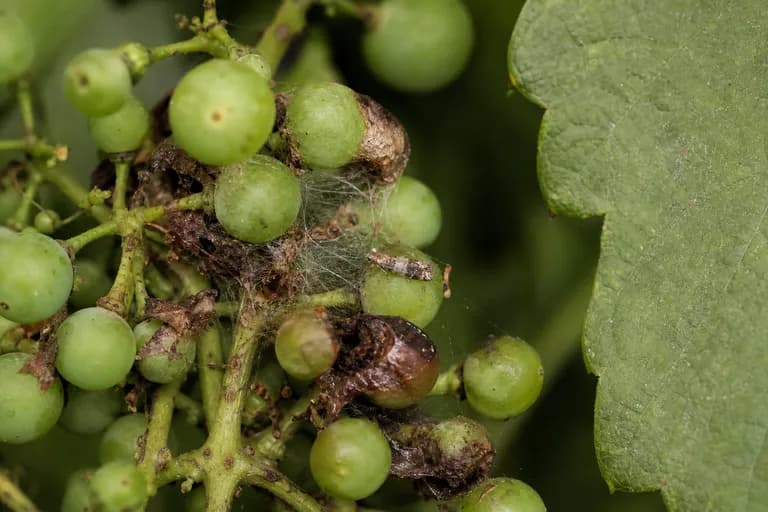
Grape Berry Moth
PestLarvae feed inside berries leaving webbing between fruits; infested berries rot and develop secondary mold infections.
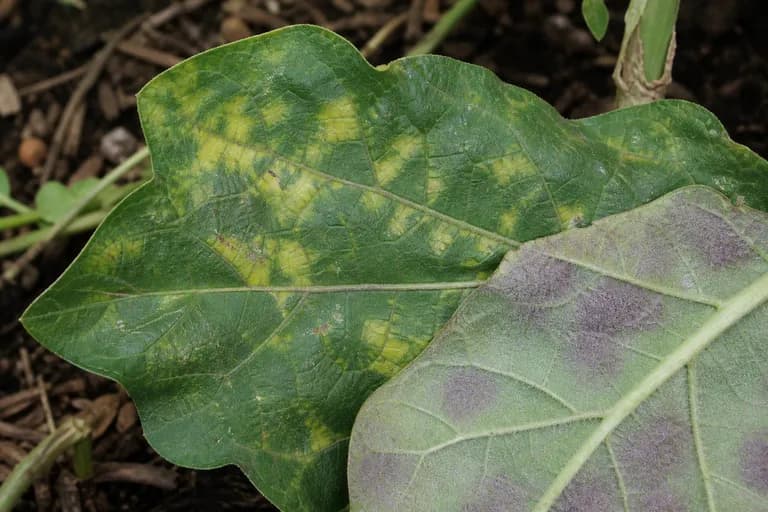
Downy Mildew
DiseaseYellow oily spots on upper leaf surfaces with corresponding white fuzzy growth underneath; young shoots and berries may also be affected.
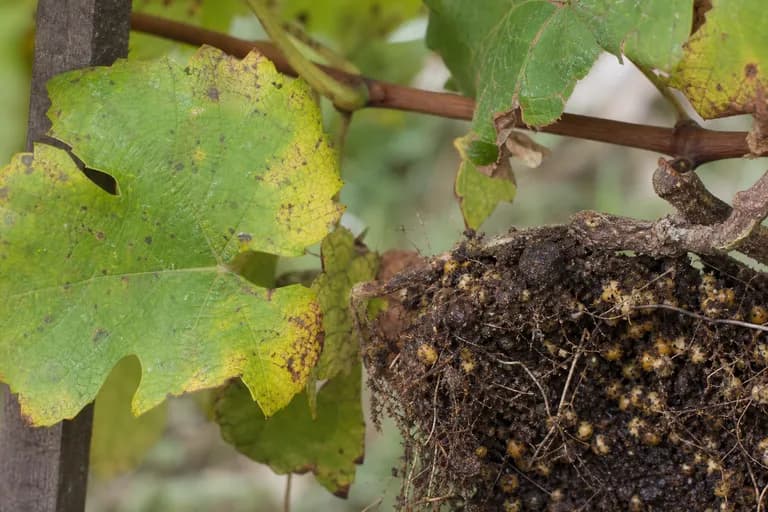
Phylloxera
PestTiny yellow insects on roots causing galls, stunted vine growth, leaf yellowing, and eventual vine death in susceptible rootstocks.
Troubleshooting Common Problems
Poor fruit set often results from inadequate pollination during cold, rainy weather at bloom time. Excessive vigor with few fruit clusters indicates over-fertilization or improper pruning. Cracking and splitting of berries during ripening is caused by irregular watering or rain after drought. Bird damage to ripening clusters is best prevented with netting. Black rot causes fruit to shrivel and mummify on the vine and requires removal of all mummified fruit and preventive fungicide applications.
Growing Tips
- Plant bare-root grapevines in early spring as soon as the soil can be worked, setting the graft union 5-10 cm above the soil line. Dig a hole wide enough to spread the roots without bending and backfill with native soil amended with compost.
- Install a sturdy trellis system before or at the time of planting, as grapevines require strong support from their first growing season. A simple two-wire vertical trellis with posts every 2.5-3 meters is effective for most home garden situations.
- Prune grapevines aggressively during winter dormancy, removing up to 90 percent of the previous season's growth. Proper pruning is the single most important factor in grape production, as fruit forms only on new shoots growing from one-year-old wood.
- Water young vines regularly during their first two growing seasons to establish a deep root system. Once established, grapevines are remarkably drought-tolerant and typically need supplemental water only during extended dry spells or when fruit is sizing.
- Apply a balanced fertilizer in early spring as buds begin to swell, but avoid excessive nitrogen which promotes leafy growth at the expense of fruit production. A moderate application of compost around the base of the vine in spring provides steady, gentle nutrition.
- Maintain good air circulation within the vine canopy by removing excess shoots and positioning remaining growth vertically along the trellis. Good airflow is the most effective defense against fungal diseases including powdery mildew and botrytis.
- Protect ripening fruit from birds by installing netting over the vine canopy at veraison when berries begin to change color. Secure netting tightly at the base to prevent birds from entering underneath.
- Thin fruit clusters on young or overcropped vines by removing entire clusters rather than individual berries. Leave one cluster per shoot on young vines and two per shoot on established vines for the best balance of yield and fruit quality.
- Perform leaf removal around fruit clusters on the morning-sun side of the vine to improve light exposure, air circulation, and spray penetration. Avoid removing leaves on the afternoon-sun side in hot climates to prevent sunburn on the berries.
- Propagate new grapevines from hardwood cuttings taken during winter pruning. Select pencil-thick canes from healthy, productive vines, cut into 30 cm sections with three buds each, and plant with two buds below the soil surface in a sheltered nursery bed.
Grow your best Grape yet — and everything around it.
Start a free plan today. Lay out your beds, drop in your Grape, and let PlotMyGarden handle the timing, spacing, companions and reminders from seed to harvest basket.
Pick your Grape
Concord
The classic American grape with intense sweet-musky flavor, excellent for juice, jelly, and fresh eating, highly disease-resistant and cold-hardy.
Thompson Seedless
The most widely planted grape worldwide, producing pale green seedless table grapes and raisins, requiring warm climates and a long growing season.
Muscadine
A heat-loving native American grape thriving in the Southeast, with thick-skinned aromatic berries and exceptional disease resistance.
Flame Seedless
A popular red seedless table grape with crisp texture and sweet flavor, well-suited to warm Mediterranean climates.
Mars
A cold-hardy seedless blue-black grape with mild labrusca flavor, excellent disease resistance, and suitability for fresh eating and juice.
A single mature grapevine costing $10-20 as a bare-root plant can produce 15-30 pounds of fruit per year once established, equivalent to $45-120 worth of organic table grapes at typical retail prices of $3-4 per pound. Grapevines are remarkably long-lived, often producing for 30 to 50 years or more, making them one of the most cost-effective fruit crops a home gardener can grow. Additional savings come from making homemade grape juice, jam, raisins, and wine, all of which are significantly cheaper than store-bought equivalents.
Quick recipes
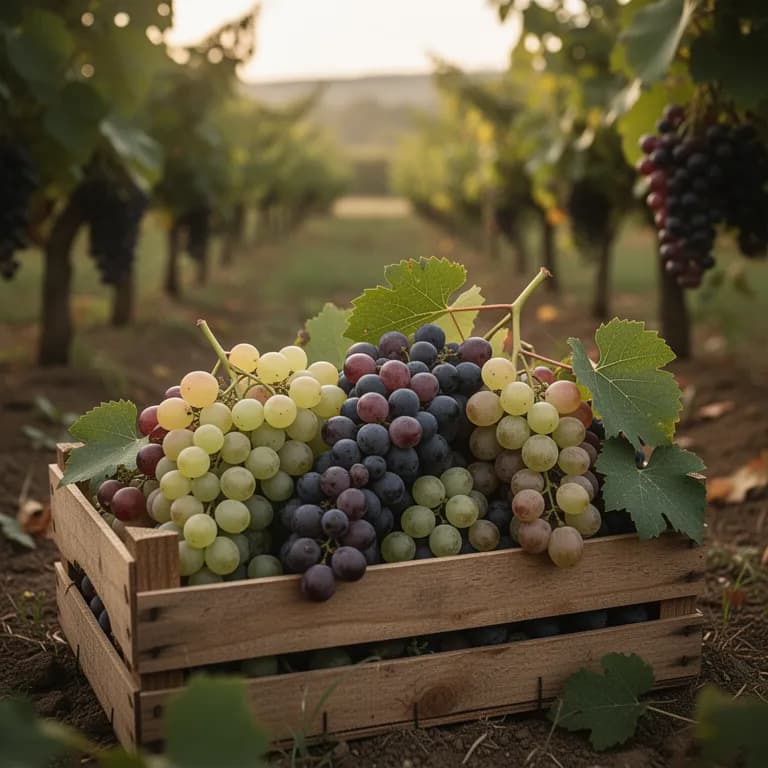
Roasted Grape and Walnut Bruschetta
20 minutesAn elegant appetizer that transforms fresh garden grapes into a savory-sweet topping through high-heat roasting. The grapes burst and caramelize, creating an intensely flavored spread that pairs beautifully with creamy ricotta and crunchy walnuts on toasted bread.
8 ingredients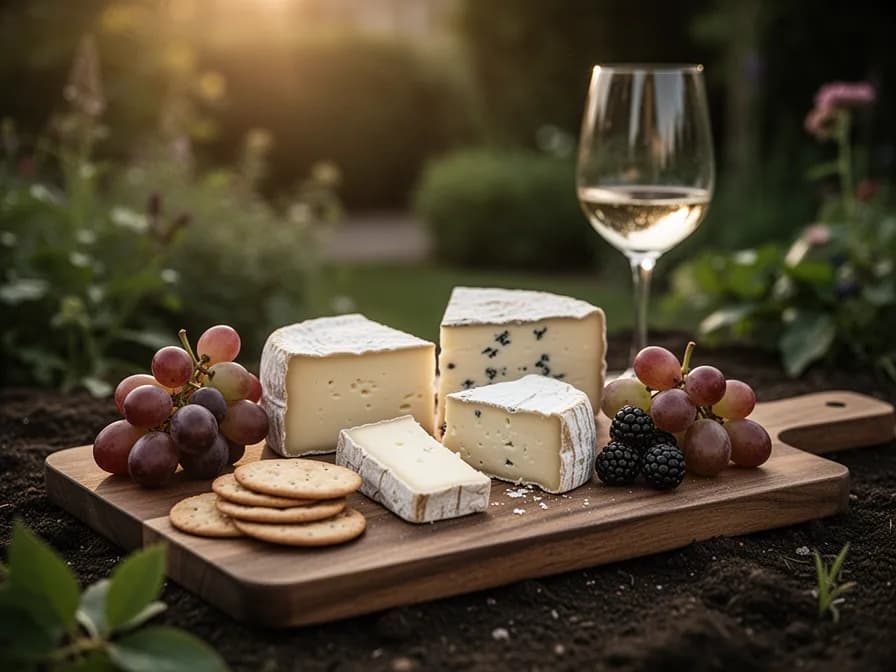
Classic Grape Jam
45 minutesA rich, deeply flavored jam that captures the essence of freshly picked grapes. This traditional recipe uses whole grapes cooked down with sugar and a touch of lemon to produce a spread with a beautiful jewel-toned color and the pure taste of homegrown fruit.
5 ingredientsFrozen Grape and Yogurt Bites
10 minutes plus 2 hours freezingA refreshingly simple frozen treat that highlights the natural sweetness of garden-fresh grapes. Each grape is coated in creamy yogurt and frozen until firm, creating a healthy snack that tastes like tiny scoops of sorbet. A perfect way to preserve and enjoy a bumper grape harvest.
5 ingredientsCulinary Uses
Table grapes are enjoyed fresh and in fruit salads, while wine grapes are the foundation of the winemaking industry. Grapes pair well with cheese, nuts, and cured meats. They are rich in vitamins C and K, potassium, and polyphenol antioxidants like resveratrol. Roasted grapes make an elegant side dish or topping. Grape leaves are used in Mediterranean cuisine for wrapping rice and meat dishes.
What's inside
Health Benefits
- Rich in resveratrol, a polyphenol found primarily in grape skins, which has been widely studied for its potential to support cardiovascular health by improving blood vessel function and reducing LDL cholesterol oxidation
- Contains powerful anthocyanin antioxidants in red and purple varieties that may help protect brain cells from oxidative stress and support cognitive function, with some studies suggesting improved memory in older adults
- Provides anti-inflammatory compounds including quercetin and catechins that may help reduce chronic inflammation throughout the body, potentially lowering the risk of conditions linked to inflammatory processes
- Supports heart health through natural compounds that help maintain healthy blood pressure levels and improve blood flow, with regular grape consumption associated with improved endothelial function in clinical studies
- Contains natural melatonin, particularly in grape skins, which may help regulate sleep-wake cycles and improve sleep quality when grapes are consumed as part of an evening snack
- Delivers a combination of dietary fiber and organic acids that support healthy digestion and promote beneficial gut bacteria, contributing to improved overall digestive wellness
Where Grape comes from
The common grape (Vitis vinifera) traces its origins to the Caucasus region of western Asia, in the area between the Black Sea and the Caspian Sea encompassing modern-day Georgia, Armenia, and eastern Turkey. Wild grapevines grew abundantly in the forests of this region, and early humans likely gathered wild grapes long before intentional cultivation began. Archaeological evidence from Georgia, including ancient clay vessels containing residues of tartaric acid, suggests that deliberate grape cultivation and winemaking began around 6000 BC, making the grape one of the earliest domesticated fruit crops. From the Caucasus, grape cultivation spread westward through Mesopotamia, reaching ancient Egypt and Phoenicia by 3000 BC. The Phoenicians and later the Greeks carried grapevines throughout the Mediterranean, establishing vineyards across southern Europe and North Africa. The Romans became master viticulturists, developing advanced pruning and training techniques that form the basis of modern grape growing. They planted vineyards across their empire, from Spain to Britain to the Rhine Valley, laying the foundation for many of today's renowned wine regions. Following the fall of Rome, Christian monasteries preserved and advanced viticultural knowledge throughout the Middle Ages, meticulously selecting superior grape varieties and refining winemaking practices. The Age of Exploration in the 15th and 16th centuries brought European grapevines to the Americas, South Africa, and eventually Australia and New Zealand. Spanish missionaries established the first vineyards in California in the 18th century, beginning the New World wine tradition. Today, grapes are grown on every continent except Antarctica, with global production exceeding 75 million tonnes annually. The species encompasses thousands of cultivated varieties divided broadly into table grapes for fresh eating, wine grapes for fermentation, and raisin grapes for drying.
Grape: did you know?
Fascinating facts about Grape
Grapes are one of the oldest cultivated fruits in human history, with archaeological evidence of grape cultivation dating back approximately 8,000 years to the region between the Black Sea and the Caspian Sea in modern-day Georgia and Armenia.
Grape questions, answered
When should I plant Grape?
What are good companion plants for Grape?
What hardiness zones can Grape grow in?
How much sun does Grape need?
How far apart should I space Grape?
What pests and diseases affect Grape?
How do I store Grape after harvest?
What are the best Grape varieties to grow?
What soil does Grape need?
How long does it take for a grapevine to produce fruit?
What is the best trellis system for home garden grapes?
Why are my grapes small and sour?
How do I prevent powdery mildew on my grapevines?
Can I grow grapes in containers?
When and how should I prune my grapevine?
You just read the theory. Now grow it on autopilot.
Everything that makes Grape fiddly — the timing, the spacing, the companions, the harvest window — is exactly what PlotMyGarden handles for you, for every plant in your garden.
A plan that knows your weather
Set your location once. Get sow, feed and harvest dates built around your real last-frost date and live forecast — no more guessing from a generic seed packet.
From the “When to plant” sectionDrag-and-drop bed planner
Design beds on a grid. Every plant snaps to its proper spacing, and you can see your whole season laid out before you spend a cent on seed.
From the “Growing guide” sectionCompanion conflicts, caught early
200+ good-and-bad pairings checked live as you plant — so a season-wrecking mistake never makes it into the ground.
From the “Companions” sectionReminders you'll actually act on
“Water the beans.” “Pick today before it turns.” Timely, specific, and tied to the plants you're really growing.
From the “Harvest” sectionSuccession, scheduled
Want a harvest for six weeks, not six days? It spaces your sowings automatically and reminds you when each new block is due.
From the “When to plant” sectionA record that gets smarter
Every harvest you log teaches it your garden. Next year's plan starts from what actually worked in your soil, not a textbook's.
From the “Overview” sectionPlant these alongside Grape
More Vine Fruits
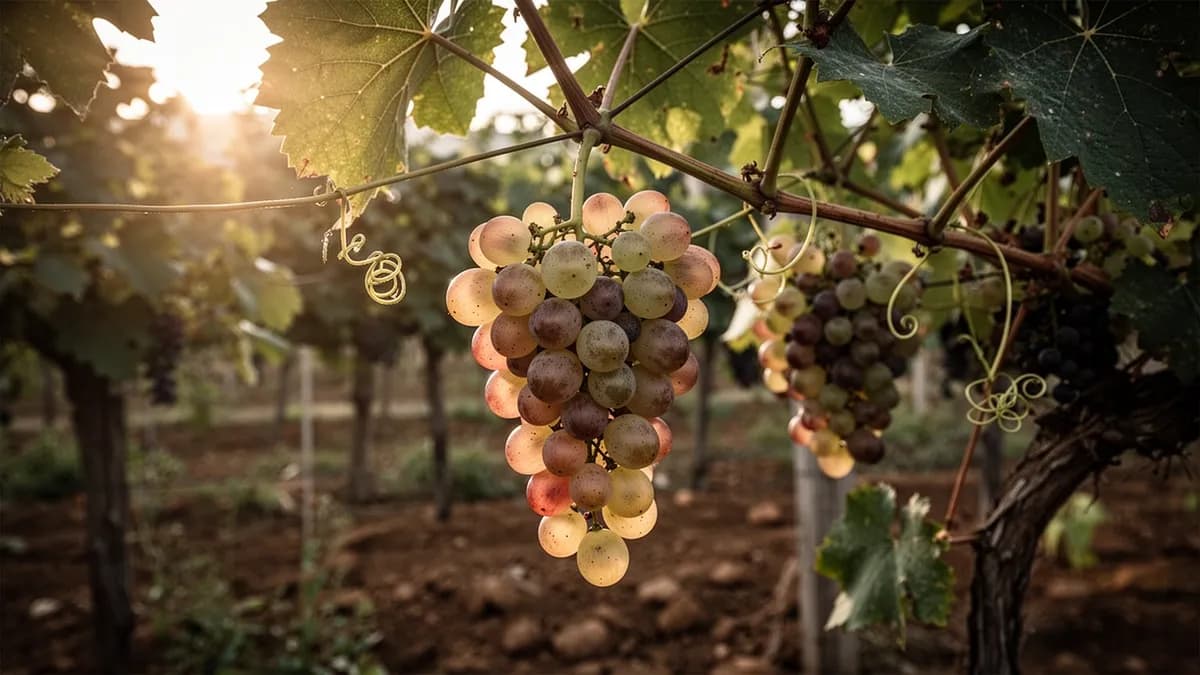
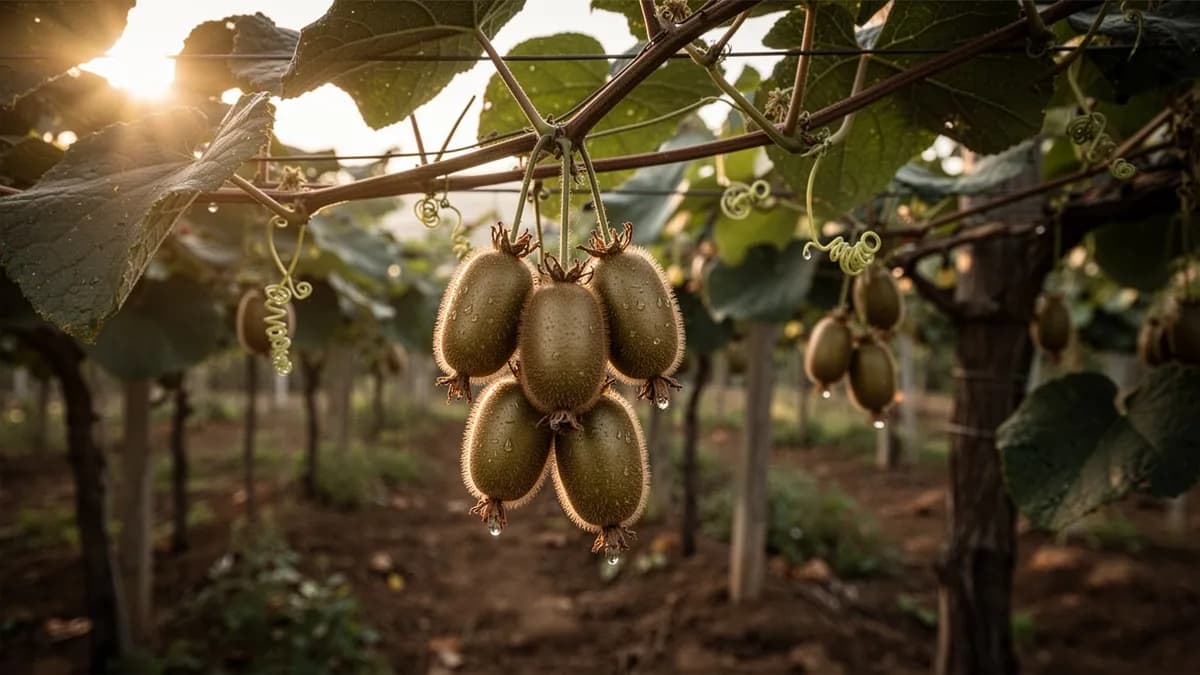
Keep Grape away from these
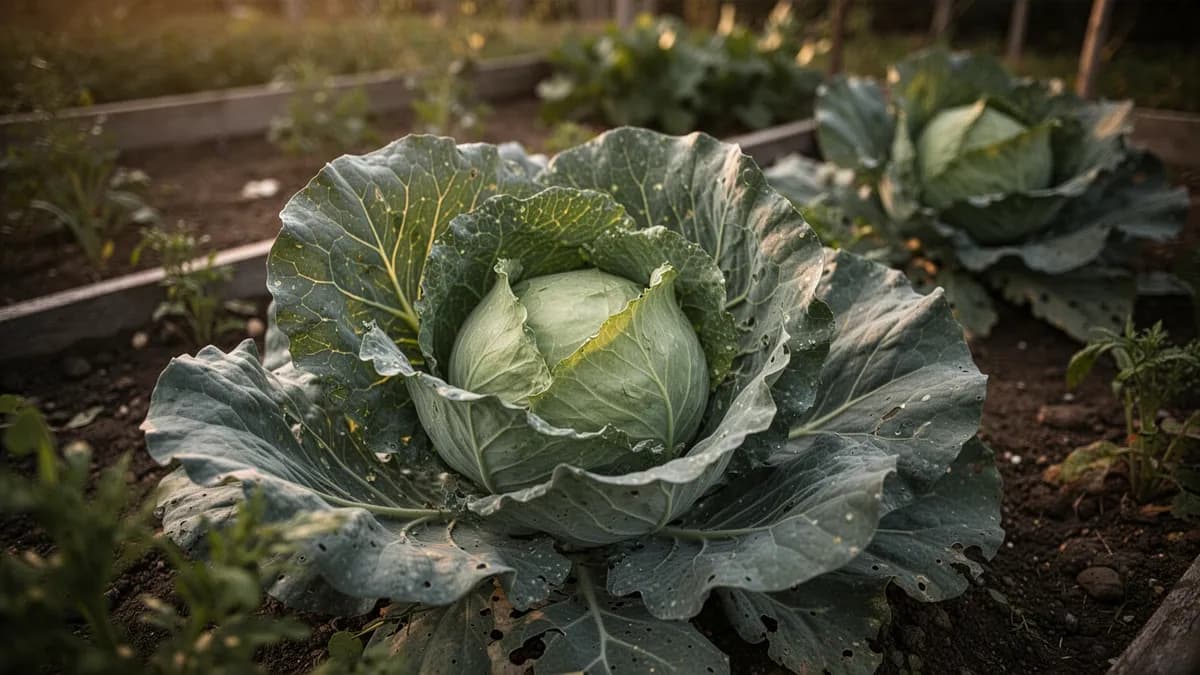
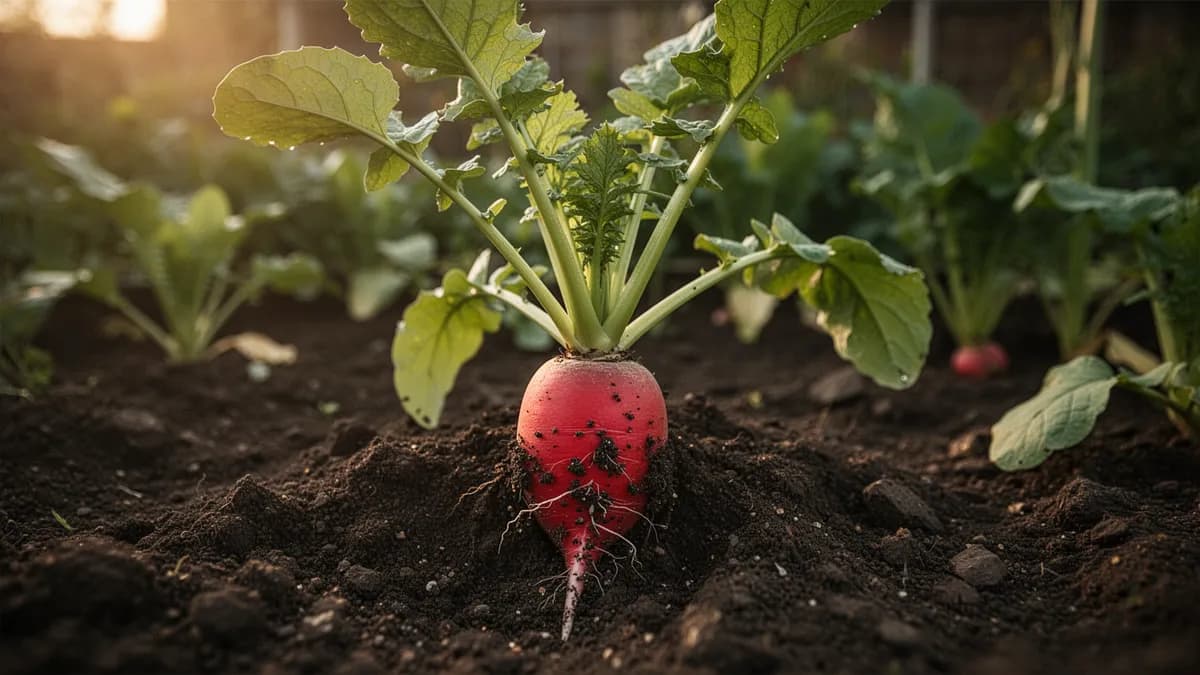
Grow your best Grape yet — and everything around it.
Start a free plan today. Lay out your beds, drop in your Grape, and let PlotMyGarden handle the timing, spacing, companions and reminders from seed to harvest basket.