Uva muscadina
Una especie de uva nativa del sureste de Estados Unidos que produce bayas grandes, de piel gruesa y sabor almizclado, dulce como la miel.





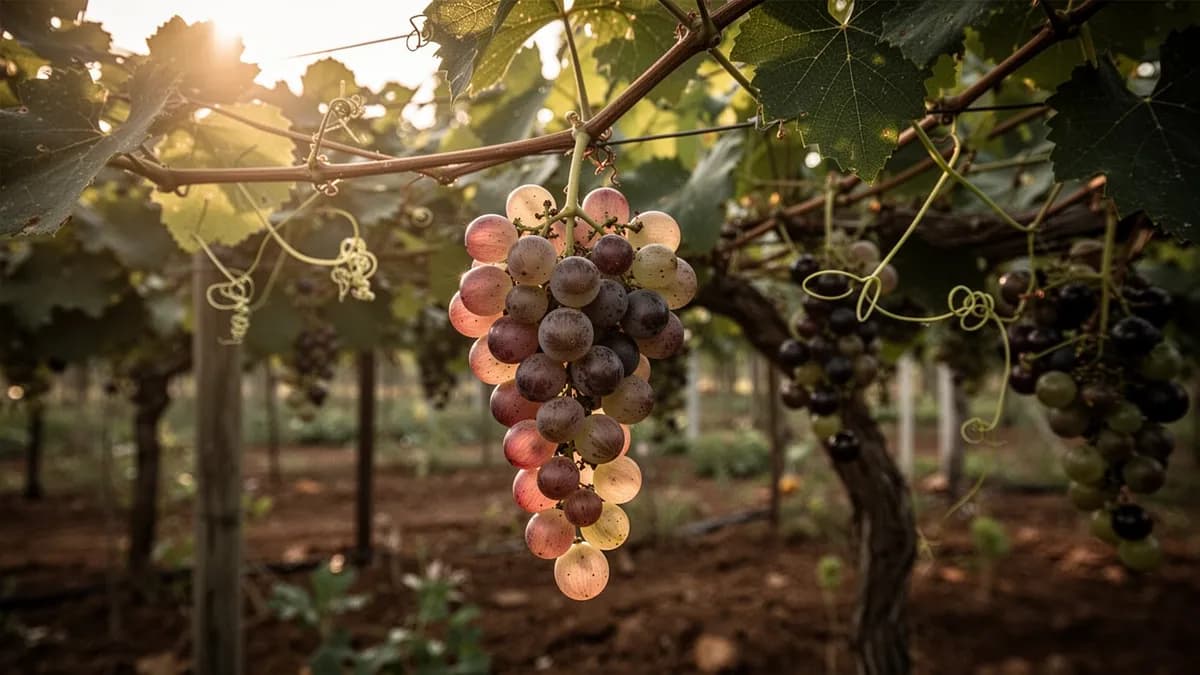
En esta páginaResumen
Conoce Uva muscadina
Una especie de uva nativa del sureste de Estados Unidos que produce bayas grandes, de piel gruesa y sabor almizclado, dulce como la miel. Las muscadinas son muy resistentes a las enfermedades y prosperan en condiciones cálidas y húmedas donde otras uvas sufren problemas fúngicos. La mayoría de las variedades requieren polinizador, así que conviene plantar tanto cultivares autofértiles como femeninos para obtener el máximo rendimiento.
Cuándo plantar Uva muscadina
Las muscadinas se propagan mejor por acodo o esquejes semileñosos. Para el acodo, doble un brote bajo hacia el suelo a comienzos del verano, entierre una sección con dos nudos y fíjela con una grapa. Las raíces se forman en 8 a 12 semanas. Para los esquejes semileñosos, tome puntas de 15 cm a comienzos del verano, quite las hojas inferiores, sumérjalas en hormona de enraizamiento y colóquelas en una cama de nebulización. Los esquejes leñosos enraízan peor que las uvas de racimo.
Tu año de Uva muscadina
Ajustado a Zona 7 · temporada típica · la helada se va hacia el 2 abr y vuelve hacia el 1 nov
Planta Uva muscadina Mar – Abr y cosecha Ago – Oct. Consulta los métodos de plantación y elige tu clima para adaptar los periodos.
Cómo cultivar Uva muscadina
Las uvas muscadina prosperan en las condiciones cálidas y húmedas del sureste, entre las zonas 7 y 10. Plántelas a pleno sol, en suelo bien drenado y ligeramente ácido, dejando una separación de 3.6 a 6 metros entre las cepas. Use una pérgola Geneva Double Curtain o un emparrado de un solo alambre con postes separados 6 metros y alambre grueso a 1.5-1.8 metros de altura.
La mayoría de las variedades de muscadina son autofértiles o femeninas, y requieren un polinizador a menos de 15 metros. Plante al menos una variedad autofértil por cada dos o tres cepas femeninas. Pode en espolones a dos o tres yemas durante la dormancia, ya que las muscadinas fructifican en el crecimiento de la temporada en curso desde cordones permanentes. Elimine los brotes adventicios durante toda la temporada.
Riegue con regularidad durante el establecimiento, pero reduzca el riego una vez que la planta madure, porque las muscadinas toleran bastante bien la sequía. Acolche para conservar la humedad y suprimir las malas hierbas. Aplique un fertilizante equilibrado a comienzos de la primavera y de nuevo después del cuajado. Las muscadinas empiezan a producir en el segundo o tercer año y pueden seguir siendo productivas durante 20 años o más.
Para Uva muscadina un bancal de 120 × 240 cm se queda corto
Cada Uva muscadina pide 360 cm de margen. El planificador guarda ese marco por ti — cada planta, cada bancal.
Los mejores vecinos de Uva muscadina
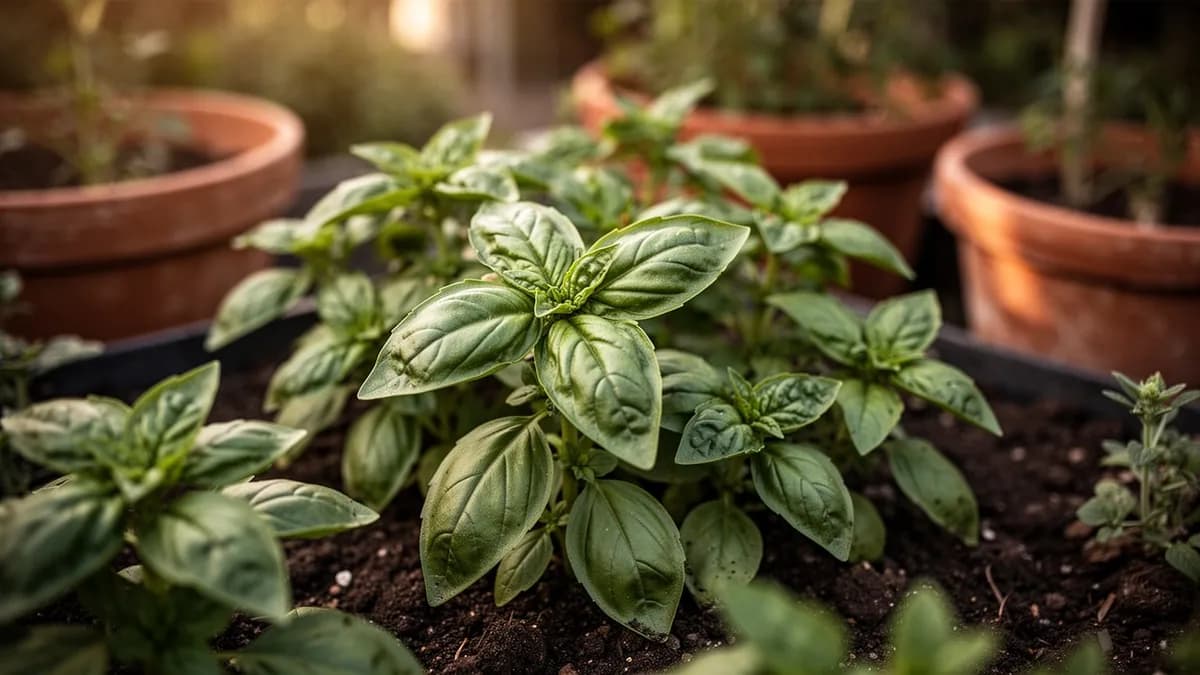
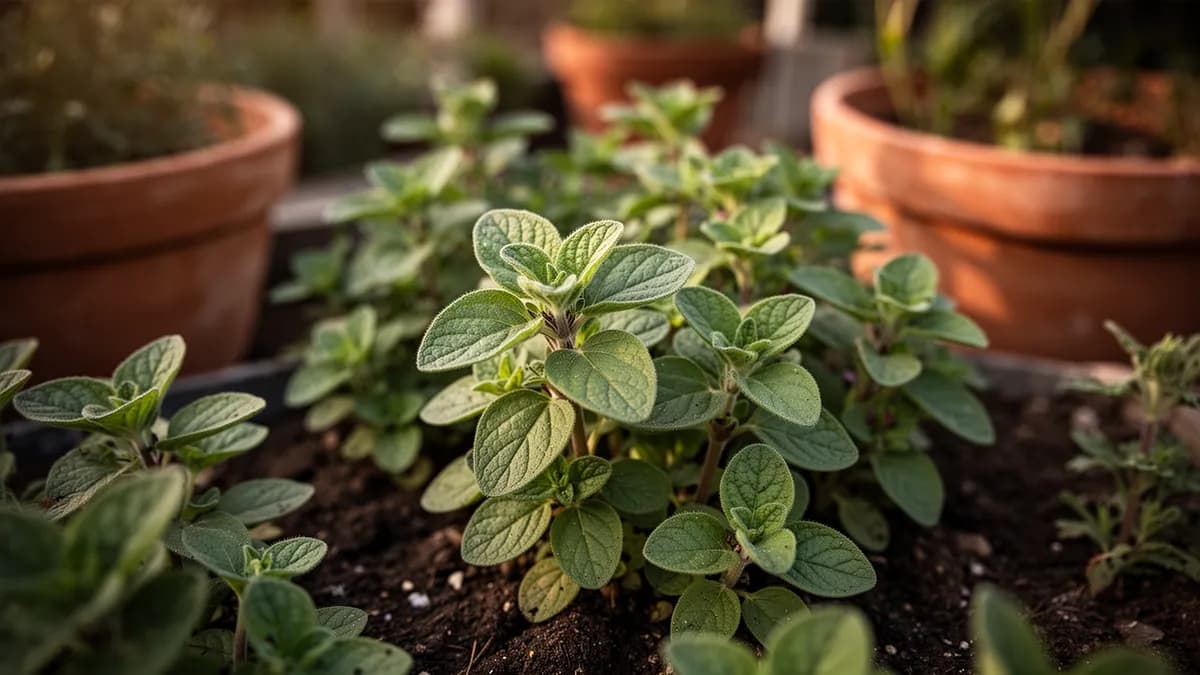
Plante las muscadinas junto a cubresuelos nativos del sureste, como trébol o tomillo rastrero, para fijar nitrógeno. El albahaca y el orégano cercanos ayudan a repeler plagas. Evite plantarlas junto a uvas de racimo, que pueden albergar enfermedades. Las caléndulas ahuyentan nematodos. Las flores silvestres nativas atraen polinizadores e insectos beneficiosos que controlan el barrenador de la raíz y los saltahojas.
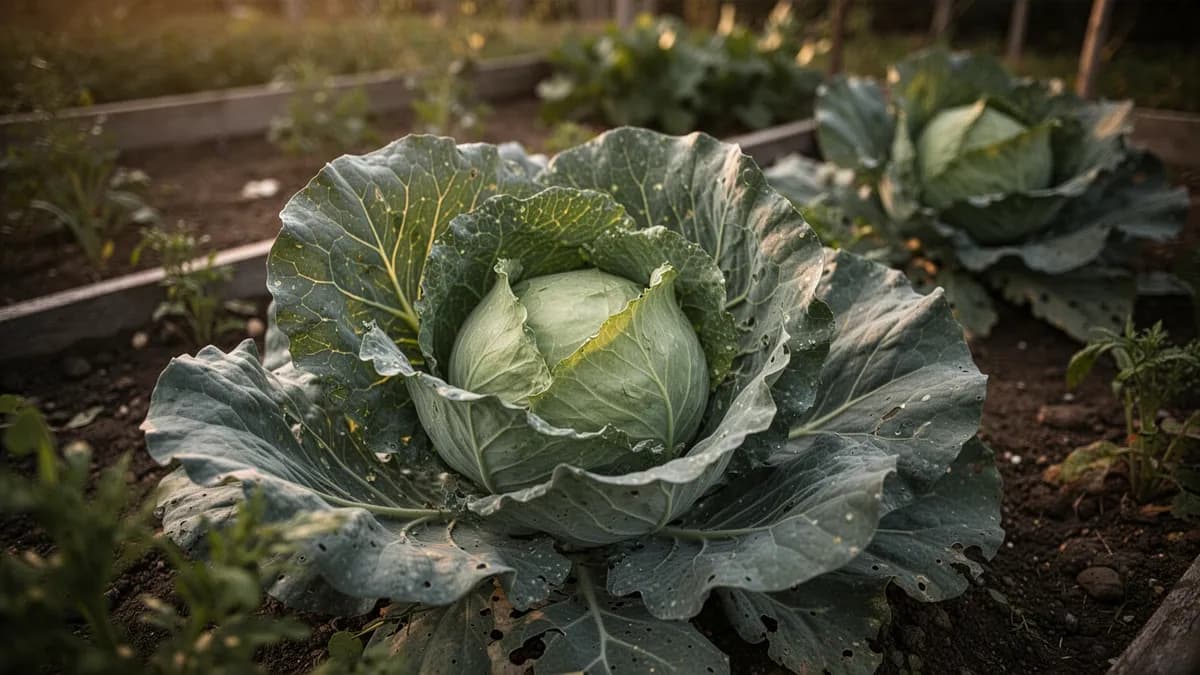
Albahaca va a su lado. Repollo no.
Saber de huerto de siempre, cotejado con la tabla real de Uva muscadina — prueba cualquier planta que cultives.
Prueba Uva muscadina en un bancal, aquí mismo
Un bancal real del planificador con Uva muscadina ya plantado. Toca una planta compañera para colocarla y mira cómo responde la comprobación de vecinos: verde para buenos vecinos, rojo si hay conflicto.


Guías de cultivo relacionadas
Abónalo bien
Las muscadinas prefieren un suelo franco arenoso a franco arcilloso, bien drenado, con un pH de 5.5 a 6.5. Aplique fertilizante 10-10-10 en marzo, a razón de medio kilo por cepa. Añada sulfato de magnesio si las hojas muestran amarilleo intervenal. Evite el nitrógeno excesivo, que favorece un crecimiento vegetativo exagerado y reduce la calidad del fruto. Mantenga una capa de acolchado de 10 cm para conservar la humedad.
Temperatura ideal
Compatibilidad de zonas de rusticidad
De la semilla a la cosecha, etapa por etapa
Dormancia y reposo de finales de invierno
Las vides de muscadina permanecen totalmente dormidas durante el invierno, con cañas leñosas desnudas y sin crecimiento visible. A diferencia de muchas variedades de uva del norte, las muscadinas requieren inviernos relativamente suaves y no toleran heladas intensas y prolongadas por debajo de -10°C. El extenso sistema radicular de la vid almacena carbohidratos para alimentar la próxima temporada de crecimiento. Esta es la mejor ventana para una poda estructural fuerte antes de que comience el flujo de savia.
Apertura de yemas y alargamiento de brotes
A medida que sube la temperatura del suelo a comienzos de la primavera, las yemas lanosas de color verde grisáceo se hinchan y emiten brotes nuevos y vigorosos. Los brotes de muscadina crecen muy deprisa con calor, a menudo entre 5 y 10 cm por día en el pico de crecimiento. Los zarcillos se desarrollan pronto para aferrarse a los alambres de soporte. Los diminutos primordios de los racimos florales (inflorescencias) son visibles frente a las hojas a lo largo de cada brote. El crecimiento de la vid es característicamente más vigoroso que el de las uvas europeas y llena rápidamente el espacio asignado.
Floración y cuajado
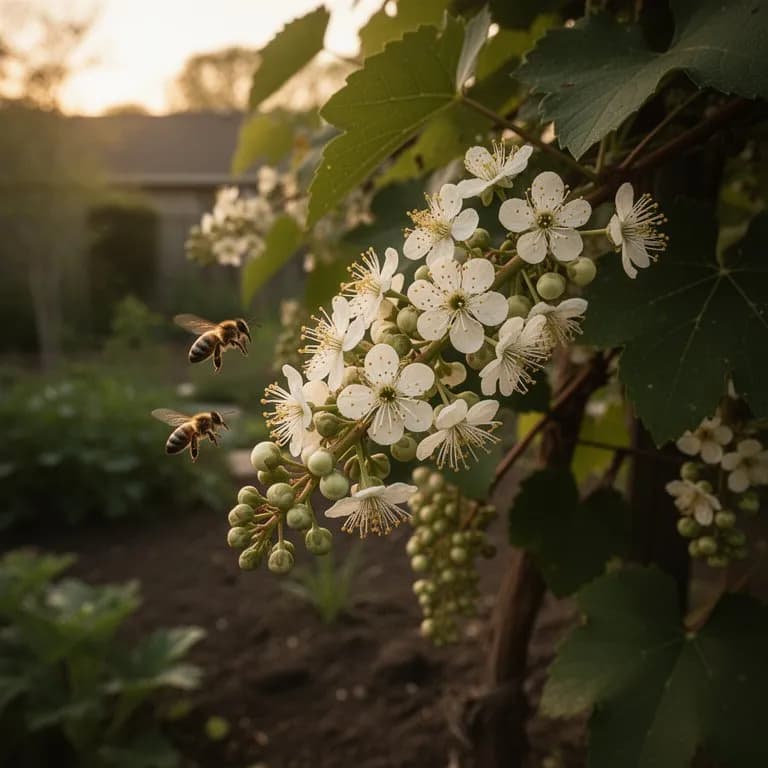
Pequeñas flores fragantes de color verde amarillento se abren a lo largo de los brotes a finales de primavera y principios de verano. Las muscadinas se diferencian de las uvas europeas en que muchas variedades femeninas cultivadas requieren una vid polinizadora autofértil o de flor perfecta cercana, a menos de 15 metros, para cuajar bien. Tras la polinización, las flores fecundadas se hinchan y forman pequeñas bayas verdes redondas, desarrolladas una a una en racimos sueltos y no en manojos densos. Las flores no fecundadas caen limpias de la vid.
Desarrollo y engorde de la baya
Las bayas de muscadina crecen de forma constante durante los meses de verano, permaneciendo firmes, verdes y muy agrias durante esta fase. Las bayas individuales son bastante más grandes que las de las uvas europeas y alcanzan el tamaño de una canica pequeña o una arándano grande a mediados del verano. Durante este periodo se desarrolla la piel gruesa y resistente característica de las muscadinas, lo que contribuye a su excelente resistencia a enfermedades. El calor y la humedad, que arrasan con la mayoría de las variedades europeas, no suponen ningún problema para el desarrollo sano de las bayas de muscadina.
Véraison y cambio de color
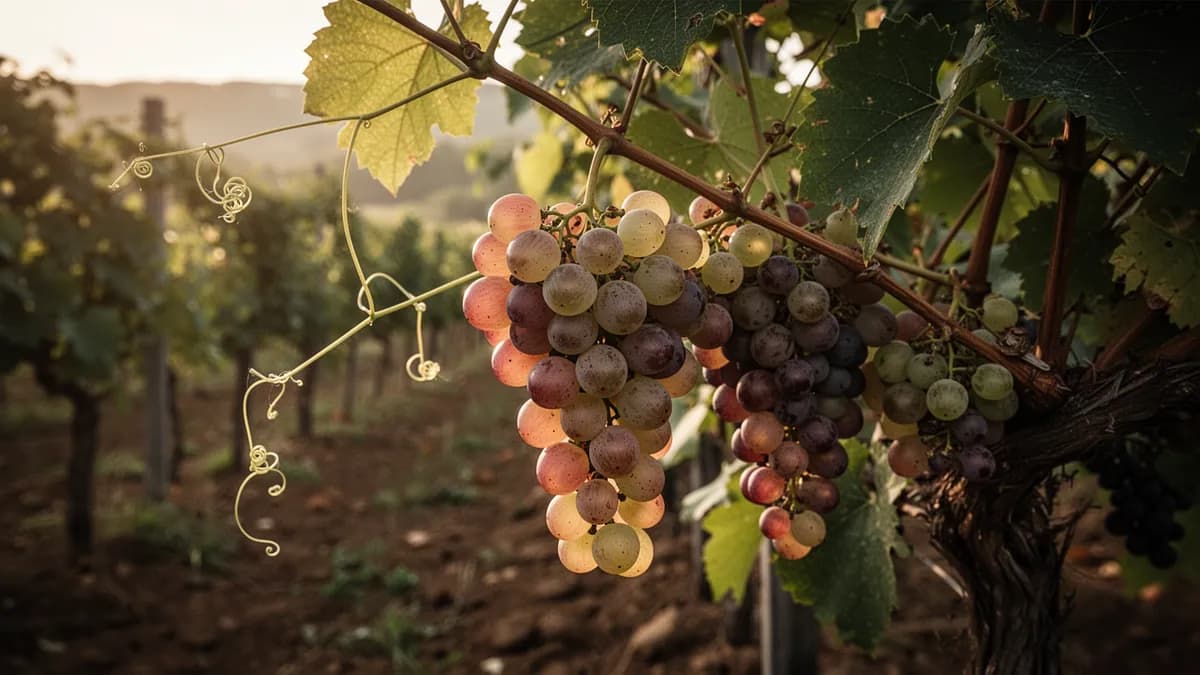
A finales del verano, normalmente en agosto, las bayas de muscadina pasan por la véraison, el cambio de color dramático que señala el inicio de la maduración. Las variedades bronceadas pasan de verde lima a ámbar dorado o cobre. Las variedades púrpuras y negras evolucionan del rojo al violeta intenso o casi negro. Los azúcares comienzan a acumularse con rapidez mientras los ácidos se suavizan, y el aroma almizclado y floral característico de la baya se intensifica. Las bayas continúan madurando y cayendo una a una durante varias semanas, a diferencia de las uvas europeas, que maduran en una sola ventana de cosecha.
Maduración y cosecha secuencial
A diferencia de las uvas de racimo, las muscadinas maduran y caen a lo largo de una ventana de cosecha de 4 a 8 semanas, en lugar de hacerlo todas a la vez. Las bayas totalmente maduras se separan del pedúnculo con facilidad al presionar suavemente y tienen un sabor rico, dulce y almizclado, con una pulpa algo resbaladiza dentro de la piel dura. La temporada de recolección suele ir desde finales de agosto hasta octubre, según la variedad y la ubicación. Harán falta varias pasadas por la vid para recoger las sucesivas oleadas de fruta madura.
Postcosecha y entrada en dormancia
Tras recoger los últimos frutos, la vid de muscadina continúa fotosintetizando activamente durante el otoño, reponiendo las reservas de carbohidratos de las raíces para el año siguiente. Las hojas permanecen en la vid hasta las primeras heladas fuertes, amarilleando poco a poco antes de caer. Las cañas se lignifican y se endurecen a medida que baja la temperatura, y la vid entra en dormancia. En las zonas cálidas donde prosperan las muscadinas, la dormancia puede ser breve e incompleta en comparación con las variedades de uva del norte.
Complete toda la poda de dormancia a finales de febrero o antes de que las temperaturas suban de forma sostenida por encima de 10°C. Elimine todos los brotes laterales dejando espolones de 2 a 3 yemas y acorte las cañas largas para mantener el sistema de conducción elegido. Aplique aceite hortícola en un día seco y calmado para sofocar las cochinillas e huevos de ácaros que pasan el invierno. Revise la espaldera o la pérgola y apriete los soportes sueltos.
Cuidar Uva muscadina mes a mes
Qué hacer cada mes para tu Uva muscadina
Octubre
Mes actualComplete la cosecha de las variedades de maduración tardía. Deje que la vid conserve el follaje para reponer las reservas de las raíces. Limpie todos los frutos caídos y la hojarasca alrededor de la base para reducir las poblaciones de enfermedades y plagas que pasan el invierno. Tome notas sobre el rendimiento de la vid, las zonas con presión de enfermedades y cualquier ajuste de conducción necesario para la siguiente temporada.
Ten claro qué hacer en tu huerto, cada mes
Un correo al empezar cada mes: qué sembrar, plantar y hacer ahora mismo — para tu Uva muscadina y todo lo que crece alrededor. Más un breve curso inicial para esquivar los errores clásicos.
- Qué hacer ahora mismo
- Ajustado a tu temporada
- Curso inicial incluido
Cosechar Uva muscadina
Las uvas muscadina maduran de forma individual y no en racimos uniformes, así que las bayas deben recogerse a medida que maduran durante un periodo de dos a cuatro semanas. Las bayas maduras se desprenden fácilmente con un tirón suave. Deben estar completamente coloreadas, algo blandas y ser aromáticas. Para consumo en fresco, coseche cuando estén dulces y con acidez equilibrada. Para vino o zumo, deje que maduren un poco más para obtener un mayor contenido de azúcar. Las bayas no siguen madurando después de la recolección.
se supone que plantas al comenzar el periodo — indica tu fecha real
Cosecha Uva muscadina a tiempo y la planta sigue produciendo.
Almacenamiento y conservación
Las muscadinas frescas son muy perecederas y deben refrigerarse de inmediato; se conservan alrededor de una semana. Su piel gruesa las hace excelentes para congelar primero en bandejas y luego pasar a bolsas de congelación, donde aguantan hasta un año. Las muscadinas dan una gelatina, mermelada y vino extraordinarios gracias a su intenso sabor almizclado. También pueden deshidratarse en forma de pasas con un deshidratador, aunque su piel gruesa requiere más tiempo de secado.
Qué falla — y cómo solucionarlo
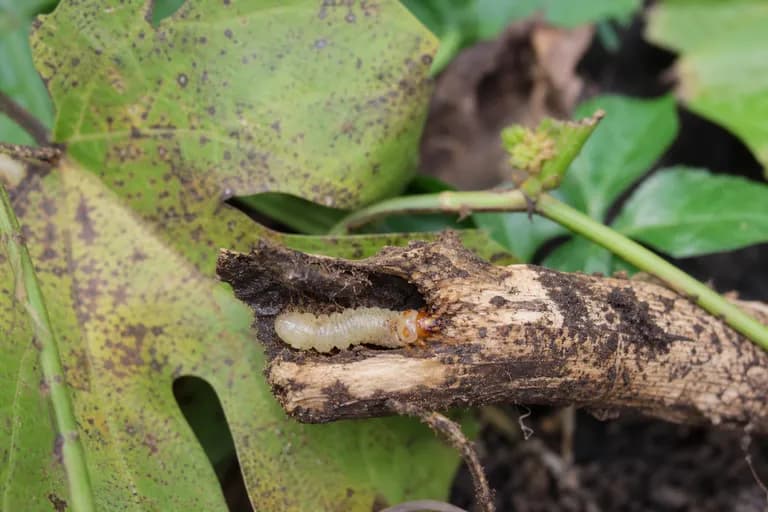
Barrenador de la raíz de la vid
PlagaVigor decreciente de la cepa, menor producción de frutos y, finalmente, muerte de la vid, ya que las larvas se alimentan de las raíces durante hasta dos años.
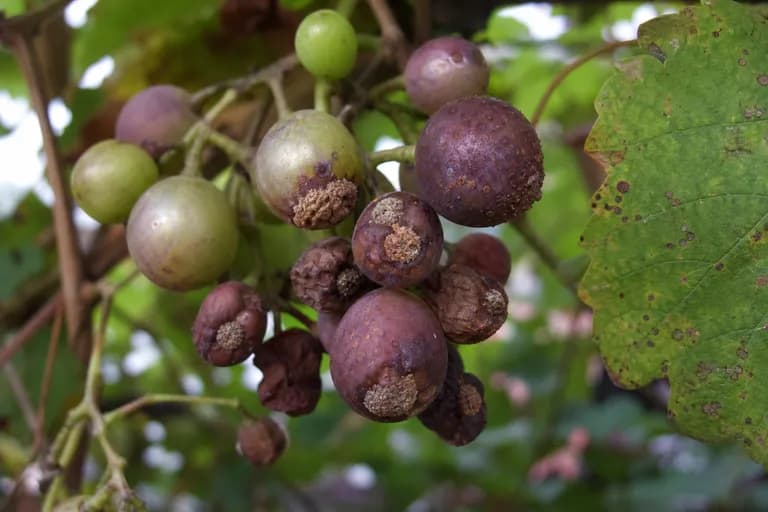
Podredumbre amarga
EnfermedadLesiones hundidas de color marrón rojizo en las bayas en maduración, con masas de esporas color crema. Las bayas se arrugan y caen.
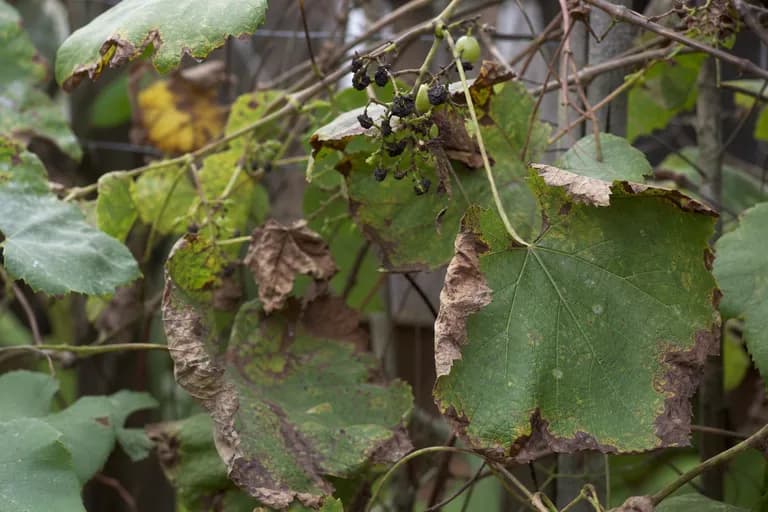
Enfermedad de Pierce
EnfermedadQuemadura en los bordes de las hojas, maduración retrasada de los brotes, racimos de frutos arrugados y, con los años, muerte de la cepa.
Solución de problemas comunes
El problema más frecuente es la mala polinización por plantar solo variedades femeninas sin polinizadores autofértiles. La maduración desigual obliga a hacer varias pasadas de cosecha. Los pájaros y los mapaches pueden causar estragos; las redes son esenciales. Algunas variedades sueltan las bayas maduras antes de la cosecha. En el límite norte de cultivo, las heladas tardías dañan los brotes emergentes y los inviernos fríos pueden provocar dieback.
Consejos de cultivo
- Elija variedades autofértiles (de flor perfecta) como Carlos, Ison, Noble o Triumph para la forma de plantación más sencilla, ya que cuajan fruto con su propio polen y no necesitan un polinizador aparte. Si opta por una variedad solo femenina como Scuppernong o Fry por su sabor superior, plante al menos una vid polinizadora autofértil a menos de 15 metros.
- Plante las muscadinas a pleno sol, con un mínimo de 8 horas diarias de luz directa; el sol de la tarde es especialmente importante para madurar las bayas ricas en azúcar a finales del verano y comienzos del otoño. Incluso la sombra parcial reduce drásticamente el rendimiento y aumenta la susceptibilidad a enfermedades fúngicas.
- Prepare el lugar de plantación incorporando abundante compost y midiendo el pH del suelo, que debería situarse entre 5.5 y 6.5 para un rendimiento óptimo de la muscadina. Evite plantar en suelos mal drenados o encharcados, ya que las muscadinas son sensibles a la pudrición de raíz en condiciones húmedas.
- Construya o instale antes de plantar una pérgola o espaldera T robusta, porque las muscadinas crecen con un vigor excepcional y superan rápidamente los soportes ligeros. Para una pérgola, use postes de 10 x 10 cm colocados a 60 cm de profundidad en hormigón, con alambre grueso o listones de madera en la parte superior. El peso de una vid madura totalmente fructificada puede superar los 150 kg.
- Conduzca las vides jóvenes de muscadina a un único tronco hasta el alambre superior o el techo de la pérgola, y luego permita que se extiendan 2 a 4 brazos permanentes a lo largo de la estructura de soporte. Elimine todos los brotes laterales del tronco durante las dos primeras temporadas de crecimiento para fomentar un crecimiento ascendente rápido y una estructura permanente fuerte.
- Pode las muscadinas cada año durante la dormancia de finales del invierno, cortando todos los brotes laterales hasta dejar espolones de 2 a 3 yemas a lo largo de los cordones permanentes. Las muscadinas fructifican en brotes de la temporada en curso que crecen a partir de los espolones del año anterior, por lo que la renovación anual de los espolones es esencial para una producción constante. Las vides descuidadas y sin podar se convierten rápidamente en matorrales inmanejables con una calidad de fruto decreciente.
- Aplique un fertilizante equilibrado (10-10-10) a comienzos de la primavera, cuando arranca el crecimiento, a razón de aproximadamente 0.5 kg por vid en plantas jóvenes y hasta 2-3 kg en vides maduras. Evite el exceso de nitrógeno, que promueve un crecimiento vegetativo excesivo a expensas de la producción de fruta y aumenta la presión de enfermedades.
- Las muscadinas son naturalmente resistentes a la mayoría de las enfermedades fúngicas que afectan a las uvas europeas, pero en climas muy húmedos pueden desarrollar podredumbre negra, mancha angular de la hoja o podredumbre amarga. Un programa preventivo de fungicidas con productos a base de cobre o azufre aplicados cada 14 días desde la apertura de yemas hasta la véraison ofrece una protección excelente.
- Coloque una cobertura del suelo con tela antihierbas o una capa gruesa de acolchado alrededor de la base de la vid para controlar la vegetación competidora, retener la humedad y evitar la inoculación de hongos por salpicadura de suelo. Mantenga el acolchado a varios centímetros del tronco principal para evitar la pudrición de la corona.
- Propague las muscadinas a partir de esquejes semileñosos tomados a finales de junio o principios de julio, o a partir de esquejes leñosos durante la poda invernal. Trate los extremos cortados con polvo de hormona de enraizamiento e insértelo en una mezcla de propagación húmeda y bien drenada. Las variedades comerciales con nombre también pueden multiplicarse por acodo, fijando una caña larga al suelo y permitiendo que enraíce antes de separarla de la vid madre.
Cultiva tu mejor Uva muscadina — y todo lo que la rodea.
Empieza un plan gratis hoy. Diseña tus bancales, coloca tu Uva muscadina y deja que PlotMyGarden gestione el momento, el espaciado, las asociaciones y los recordatorios de la semilla a la cesta.
Elige tu Uva muscadina
Carlos
Una muscadina bronceada autofértil muy plantada para vino y zumo, con rendimientos abundantes y excelente resistencia a enfermedades.
Noble
Una muscadina de color púrpura oscuro, autofértil, apreciada para vino tinto y con buena resistencia al frío para su tipo.
Supreme
Una variedad femenina que produce las bayas de muscadina más grandes, de hasta 3.8 cm de diámetro, excelentes para consumo en fresco.
Scuppernong
La muscadina bronceada original de Carolina del Norte. Una vid femenina que requiere polinizador y ofrece una dulzura almizclada clásica.
Ison
Una muscadina oscura autofértil con sabor excelente para consumo en fresco y vino, y buen polinizador para variedades femeninas.
Una vid de muscadina a raíz desnuda comprada por 10 a 25 dólares en un vivero del sur puede, en 4 o 5 años, producir entre 15 y 45 kg de fruta al año en una pérgola de tamaño completo, equivalente a un valor de 75 a 300 dólares en muscadinas frescas a precios de mercado especializado de 4 a 6 dólares por libra. Procesar la cosecha en gelatina, zumo y vino multiplica aún más su valor: una sola cosecha grande puede rendir decenas de frascos de gelatina valorados entre 8 y 12 dólares cada uno en mercados agrícolas. Las vides de muscadina son extraordinariamente longevas, con vides productivas documentadas de más de 400 años en el sureste, lo que convierte la inversión inicial en una de las decisiones más rentables que puede tomar un jardinero doméstico.
Recetas rápidas
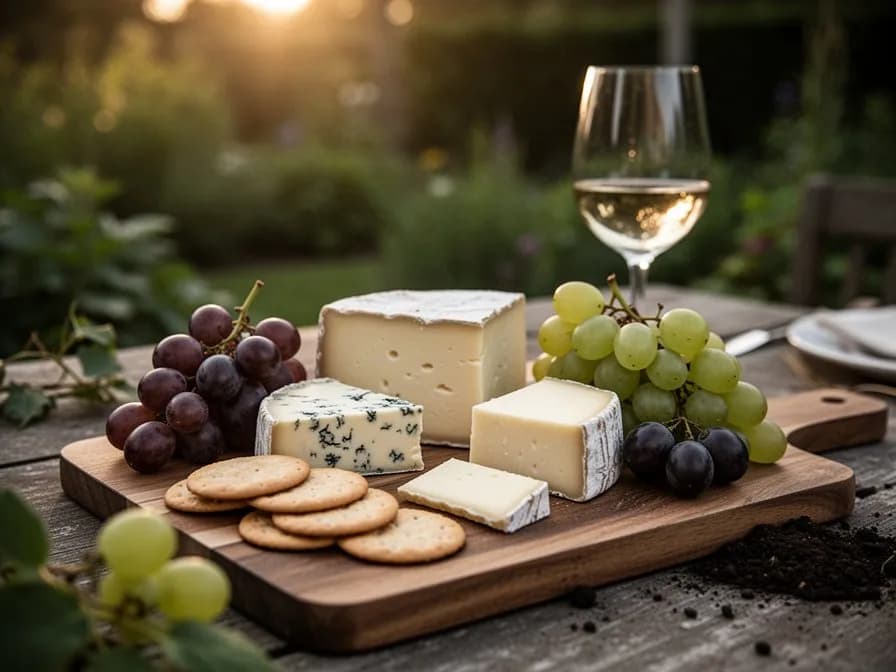
Gelatina sureña de muscadina
60 minutos más reposo nocturnoLa conserva sureña por excelencia, hecha cociendo muscadinas frescas para extraer su jugo intensamente aromático, que luego se cuaja con pectina en una gelatina brillante, de tono joya. La dulzura natural y almizclada de la muscadina destaca maravillosamente en esta preparación sencilla que captura el sabor del final del verano en cada frasco.
5 ingredientes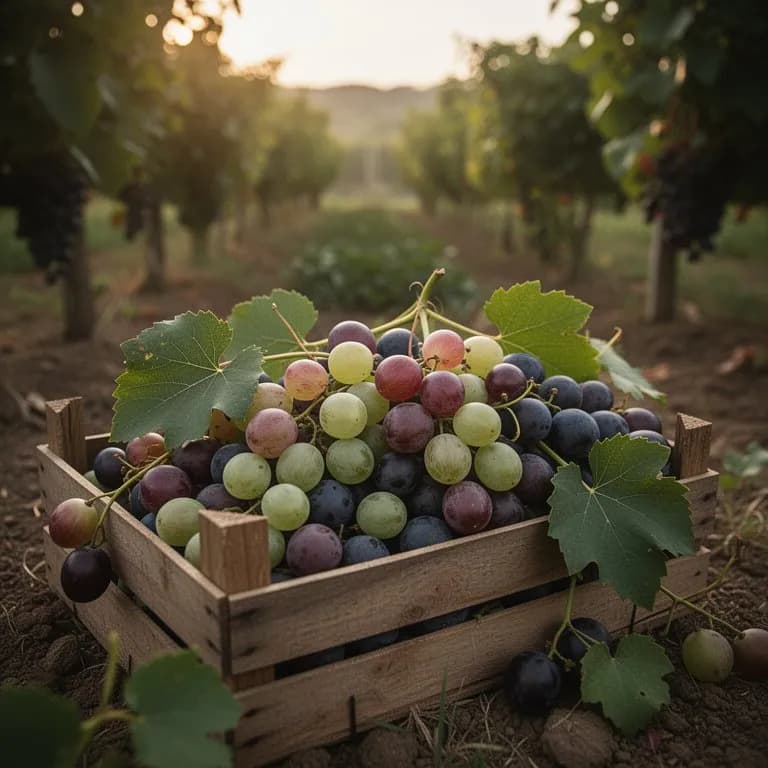
Pastel de piel de muscadina
90 minutosUn postre clásico del sur que utiliza por separado las pieles y la pulpa de las muscadinas, combinadas después en un solo pastel rico y profundamente aromático. Las pieles aportan una masticabilidad ligeramente tánica, mientras que la pulpa endulzada ofrece un intenso sabor afrutado: una receta muy sureña que aprovecha por completo la piel gruesa de la muscadina.
7 ingredientesVinagre bebible tipo shrub de muscadina
15 minutos más 5 días de maceraciónUn vinagre bebible ácido y refrescante que conserva el sabor complejo de las muscadinas frescas mediante maceración en frío con azúcar y vinagre de sidra. Mezclado con agua con gas, da como resultado una bebida sin alcohol elegante que destaca el carácter almizclado y floral de la muscadina. Una forma fácil de conservar una gran cosecha y disfrutarla durante todo el invierno.
5 ingredientesUsos culinarios
Las uvas muscadina dan una gelatina, mermelada y conservas excepcionales, muy apreciadas en el sur de Estados Unidos. Producen vinos distintivos con un aroma almizclado característico. Las muscadinas frescas se comen mordiendo la piel y exprimiendo la pulpa. El zumo sirve para sorbetes, vinagres y salsas barbacoa. La tarta de piel de muscadina es un postre tradicional del sur.
Qué contiene
Beneficios para la salud
- Las uvas muscadina contienen la mayor concentración conocida de resveratrol entre las frutas de consumo habitual, y este polifenol se ha estudiado ampliamente por su capacidad para apoyar la salud cardiovascular al mejorar la función endotelial, reducir la oxidación del LDL y modular las vías inflamatorias
- Son ricas en ácido elágico, un fitoquímico presente en concentraciones elevadas en las pieles y semillas de muscadina que ha demostrado actividad antiproliferativa frente a varias líneas celulares de cáncer en estudios de laboratorio, con investigación en curso sobre su posible papel en la prevención del cáncer
- Aportan una cantidad de fibra dietética excepcionalmente alta en relación con otras variedades de uva, gracias a sus pieles gruesas y comestibles, lo que favorece una digestión sana, promueve la saciedad y alimenta la microbiota intestinal beneficiosa que influye en la salud metabólica general
- Contienen niveles significativos de quercetina y otros flavonoides que actúan como antiinflamatorios naturales, ayudando potencialmente a reducir la inflamación sistémica vinculada a enfermedades cardiovasculares, diabetes tipo 2 y trastornos neurodegenerativos
- Los pigmentos de antocianinas en las variedades de muscadina púrpuras y negras se han asociado en múltiples estudios clínicos con una mejor memoria, menor deterioro cognitivo y efectos neuroprotectores, beneficios que cada vez se atribuyen más a la capacidad de la baya para cruzar la barrera hematoencefálica
- Las semillas y pieles de muscadina son ricas en proantocianidinas (OPC), compuestos oligoméricos que ayudan a fortalecer las paredes capilares, apoyan una visión saludable, reducen la presión arterial y actúan como potentes captadores de radicales libres en todo el sistema cardiovascular
De dónde viene Uva muscadina
Las uvas muscadina (Vitis rotundifolia) figuran entre las plantas frutales más antiguas con historia documentada en Norteamérica, creciendo silvestres durante milenios en los bosques, riberas y bordes forestales del sureste de Estados Unidos antes de la llegada de los europeos. La especie prospera de forma natural en una franja que va desde Delaware y Maryland hacia el sur a través de las Carolinas, Georgia, Florida y hasta Texas y Oklahoma, lo que la adapta de forma única a los veranos cálidos y húmedos y a los inviernos suaves del sur estadounidense. Los pueblos indígenas del sureste recolectaban muscadinas silvestres como alimento, y las vides ocupaban un lugar destacado en la ecología forestal de la región, proporcionando comida a osos negros, ciervos de cola blanca, pavos salvajes e innumerables especies más.
El primer registro escrito de las muscadinas por colonos europeos data de 1584, cuando exploradores en compañía de Sir Walter Raleigh describieron abundantes vides silvestres a lo largo de la costa de lo que hoy es Carolina del Norte. Entre las vides documentadas había una variedad bronceada de fruto grande que crecía cerca del río Scuppernong, en el condado de Tyrrell, y que más tarde se cultivó y recibió el nombre de Scuppernong. Una vid supuestamente descendiente de ese hallazgo original, conocida como la Madre Vid, todavía crece en Roanoke Island, Carolina del Norte, y se considera la vid de uva cultivada más antigua de Estados Unidos.
Durante los periodos colonial y anterior a la guerra civil, el vino y las conservas de muscadina fueron productos importantes de las granjas sureñas. Las vides se cultivaban en pérgolas y emparrados tanto en jardines de plantación como en pequeñas explotaciones, y la gelatina, el zumo y el vino de muscadina se convirtieron en pilares de la gastronomía del sur que perduran hasta hoy. El cultivo comercial de muscadina se expandió de forma notable en el siglo XX, especialmente después de que la Universidad Estatal de Carolina del Norte y la Estación de Investigación Agrícola del USDA en Meridian, Misisipi, iniciaran programas sistemáticos de mejora genética a comienzos de 1900. Estos programas produjeron las variedades autofértiles que transformaron el cultivo de la muscadina al eliminar la necesidad de gestionar polinizadores machos separados, haciendo el manejo del huerto mucho más práctico.
Hoy en día, las muscadinas se cultivan comercialmente en todo el sureste para fruta fresca, zumo, vino y extractos nutracéuticos, con una superficie comercial concentrada en Carolina del Norte, Georgia, Misisipi y Florida. El creciente interés por los compuestos saludables de la muscadina, en particular su contenido excepcionalmente alto de resveratrol y ácido elágico, ha impulsado un renovado interés de los consumidores y ha extendido su cultivo más allá de su rango sureño tradicional, hasta huertos domésticos de las zonas USDA 6 a 9.
Uva muscadina: ¿sabías que?
Datos fascinantes sobre Uva muscadina
Las uvas muscadina (Vitis rotundifolia) son la única especie de uva nativa de Norteamérica desarrollada como cultivo frutal comercial importante, y crecieron silvestres durante miles de años en los bosques del sureste de Estados Unidos antes de la llegada de los colonos europeos.
Uva muscadina: preguntas frecuentes
¿Cuándo debo plantar Uva muscadina?
¿Cuáles son buenas plantas acompañantes para Uva muscadina?
¿En qué zonas de rusticidad puede crecer Uva muscadina?
¿Cuánto sol necesita Uva muscadina?
¿A qué distancia debo espaciar Uva muscadina?
¿Qué plagas y enfermedades afectan a Uva muscadina?
¿Cómo almaceno Uva muscadina después de la cosecha?
¿Cuáles son las mejores variedades de Uva muscadina para cultivar?
¿Qué suelo necesita Uva muscadina?
¿Puedo cultivar uvas muscadina fuera del sureste de Estados Unidos?
¿Por qué mis uvas muscadina no producen fruto aunque la vid crece con vigor?
¿Cómo sé cuándo las uvas muscadina están maduras y listas para cosechar?
¿Cuál es la diferencia entre las uvas muscadina y las scuppernong?
¿Las uvas muscadina necesitan mucha agua?
¿Puedo hacer vino casero con uvas muscadina?
Acabas de leer la teoría. Ahora cultívala en piloto automático.
Todo lo que hace que Uva muscadina sea delicado — el momento, el espaciado, las asociaciones, la ventana de cosecha — es justo lo que PlotMyGarden resuelve por ti, para cada planta de tu huerto.
Un plan que conoce tu clima
Indica tu ubicación una vez. Recibe fechas de siembra, abonado y cosecha basadas en tu última helada real y el pronóstico en vivo — sin adivinar con un sobre genérico.
De la sección “Cuándo plantar”Planificador de bancales de arrastrar y soltar
Diseña bancales sobre una cuadrícula. Cada planta encaja con su espaciado correcto y ves toda la temporada antes de gastar un céntimo en semillas.
De la sección “Cultivo”Conflictos de asociación, detectados a tiempo
Más de 200 buenas y malas combinaciones comprobadas en vivo mientras plantas — para que un error que arruine la temporada nunca llegue a la tierra.
De la sección “Asociaciones”Recordatorios que sí vas a seguir
“Riega las judías.” “Recoge hoy antes de que se pase.” Oportunos, concretos y ligados a las plantas que de verdad cultivas.
De la sección “Cosecha”Escalonado, programado
¿Quieres cosechar seis semanas en vez de seis días? Reparte tus siembras automáticamente y te avisa cuando toca el siguiente lote.
De la sección “Cuándo plantar”Un registro que se vuelve más listo
Cada cosecha que registras le enseña tu huerto. El plan del año que viene parte de lo que de verdad funcionó en tu suelo, no en un manual.
De la sección “Resumen”Planta estos junto a Uva muscadina
Más Frutas de vid
Mantén Uva muscadina lejos de estos
Cultiva tu mejor Uva muscadina — y todo lo que la rodea.
Empieza un plan gratis hoy. Diseña tus bancales, coloca tu Uva muscadina y deja que PlotMyGarden gestione el momento, el espaciado, las asociaciones y los recordatorios de la semilla a la cesta.