Winterharte Kiwi
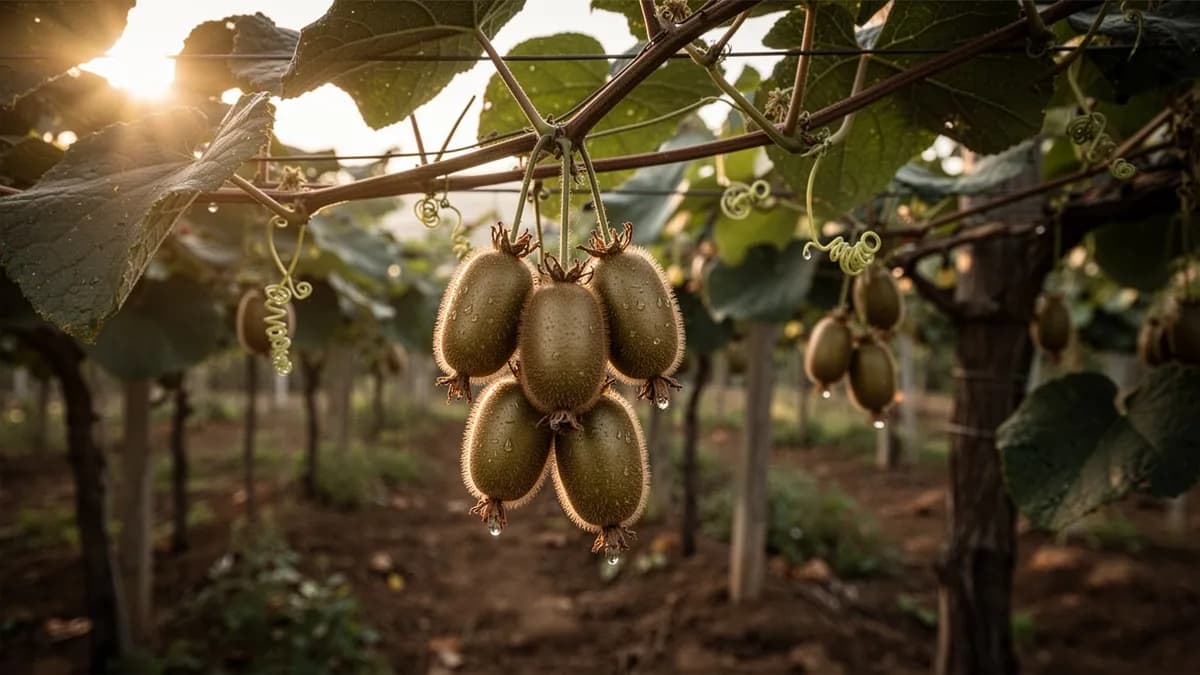
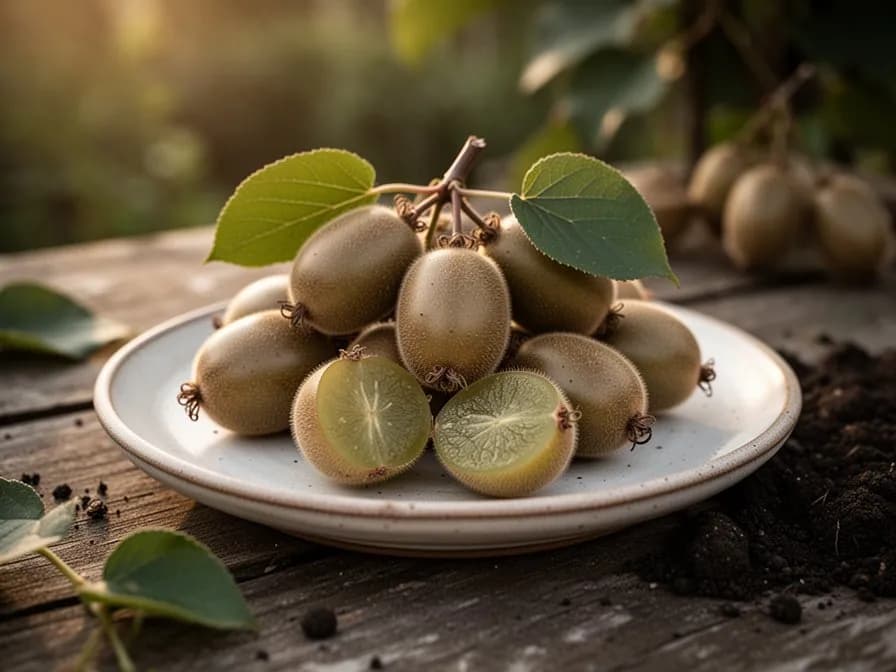
Eine winterharte Kiwiart, die traubengroße, glattschalige Früchte hervorbringt, die im Ganzen ohne Schälen gegessen werden.





Auf dieser SeiteÜberblick
Winterharte Kiwi im Überblick
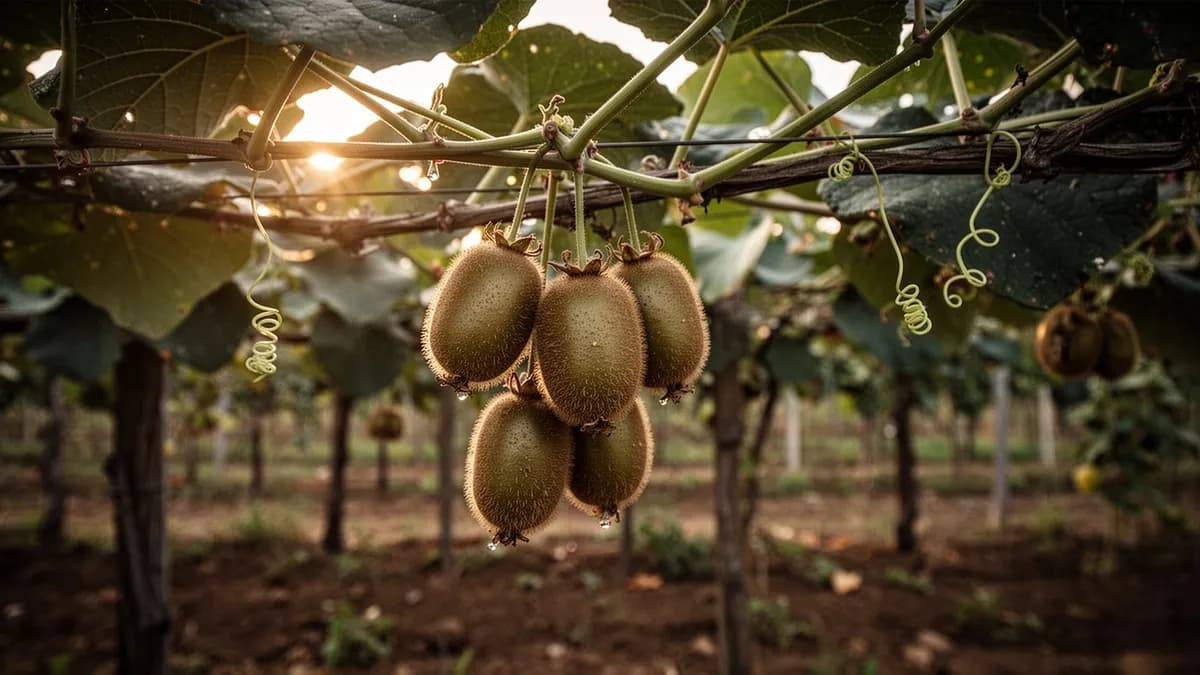
Eine winterharte Kiwiart, die traubengroße, glattschalige Früchte hervorbringt, die im Ganzen ohne Schälen gegessen werden. Die winterharte Kiwi verträgt Temperaturen bis minus 25 Grad Fahrenheit und ist eine der wenigen fruchttragenden Kletterpflanzen für kalte Klimazonen. Die wüchsigen Reben benötigen äußerst stabile Stützstrukturen sowie männliche und weibliche Pflanzen zur Bestäubung.
Wann Winterharte Kiwi pflanzen
Die winterharte Kiwi kann aus Samen gezogen werden, aber die Ergebnisse sind unvorhersehbar hinsichtlich Geschlecht und Fruchtqualität. Stratifizieren Sie Samen in feuchtem Sand bei 4 Grad Celsius für drei Monate und säen Sie dann in steriles Substrat unter Pflanzenlampen. Für zuverlässige Ergebnisse kaufen Sie benannte Sorten, die durch Stecklingsvermehrung oder Veredelung vermehrt wurden. Juni-Stecklinge mit zwei bis drei Knoten bewurzeln sich unter Nebel mit Bewurzelungshormon problemlos.
Dein Winterharte Kiwi-Jahr
Abgestimmt auf Zone 7 · typische Saison · Frost geht um den 2. Apr. und kehrt um den 1. Nov. zurück
Winterharte Kiwi Mär – Apr pflanzen, Sep – Okt ernten. Beachte die Pflanzmethoden unten und wähle dein Klima für passende Zeiträume.
So baust du Winterharte Kiwi an
Die winterharte Kiwi benötigt volle Sonne und gut durchlässigen, leicht sauren Boden mit einem pH-Wert von 5,0 bis 6,5. Pflanzen Sie im Frühling nach dem letzten Frost, mit einem Abstand von 3 bis 4,5 Metern an einem äußerst stabilen T-Spalier oder einer Pergola. Sowohl männliche als auch weibliche Pflanzen werden benötigt; ein Männchen bestäubt bis zu acht Weibchen.
Erziehen Sie die Reben in den ersten zwei Jahren zu einem dauerhaften Stamm und beidseitigen Kordons. Die winterharte Kiwi fruchtet an einjährigem Holz, daher sollte jährlich während der Ruhephase geschnitten werden, indem die Seitentriebe auf 8 bis 12 Knospen hinter der letzten Frucht zurückgeschnitten werden. Der Sommerschnitt ist unerlässlich, um das äußerst wüchsige Wachstum zu kontrollieren, das Stützstrukturen überwältigen kann.
Schützen Sie austreibende Triebe vor Spätfrösten im Frühling, dem Hauptvernichter der Ernte. Die Reben vertragen extreme Winterkälte, treiben aber früh aus und sind anfällig für Spätfröste. Gießen Sie gleichmäßig 2,5 bis 5 cm pro Woche. Düngen Sie im Frühling mit Volldünger und mulchen Sie großzügig. Erwarten Sie die ersten Früchte in drei bis fünf Jahren.
Für Winterharte Kiwi ist ein Beet von 120 × 240 cm zu klein
Winterharte Kiwi braucht 300 cm Platz pro Pflanze. Der Planer hält diesen Abstand für dich ein — jede Pflanze, jedes Beet.
Die besten Nachbarn für Winterharte Kiwi
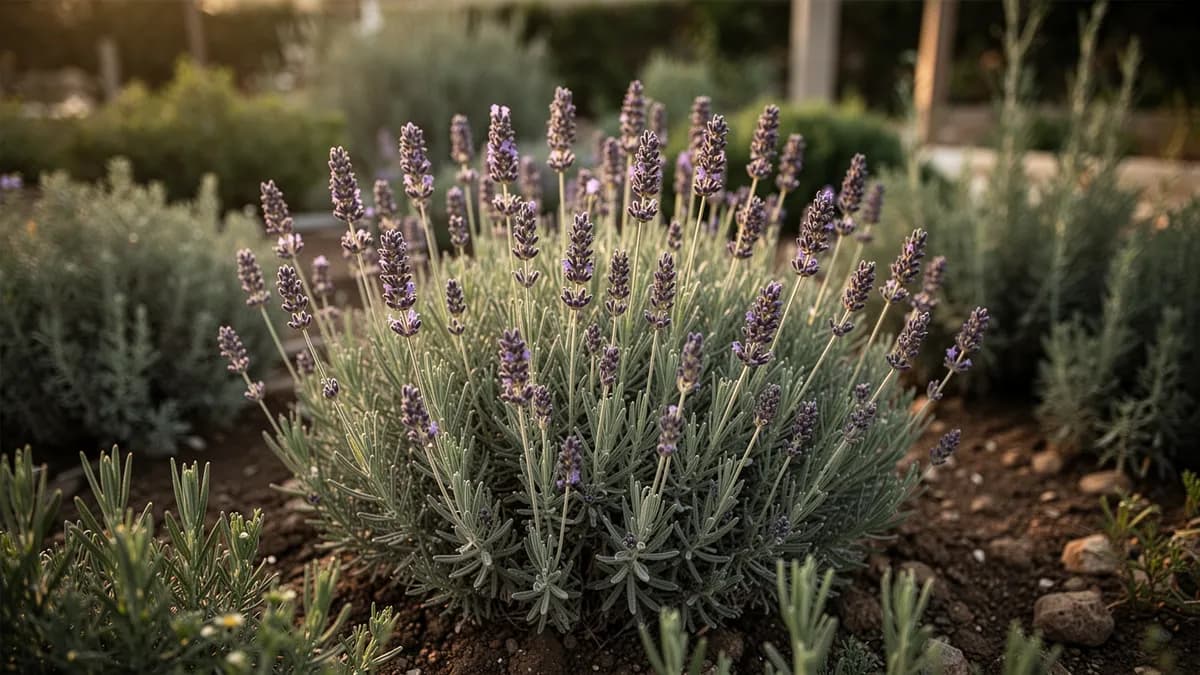
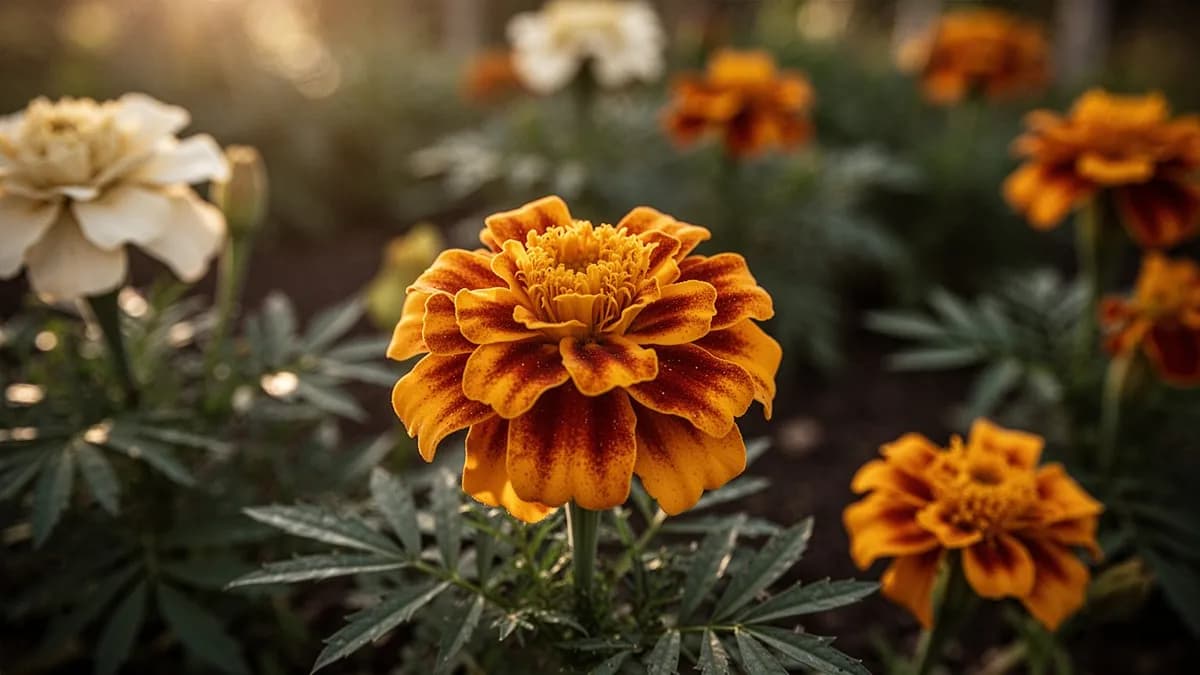
Pflanzen Sie Lavendel und Tagetes in der Nähe, um Bestäuber anzulocken und Schädlinge abzuschrecken. Beinwell, der unter den Reben wächst, dient als nährstoffsammelnde Mulchpflanze. Vermeiden Sie das Pflanzen in der Nähe von Walnussbäumen, die das für Kiwi giftige Juglon produzieren. Stickstoffbindender Klee zwischen den Reihen verbessert die Bodenfruchtbarkeit. Niedrig wachsende Kräuter wie Thymian eignen sich gut als Bodendecker unter dem massiven Blätterdach.
Lavendel gehört daneben. Walnussbaum nicht.
Altes Gärtnerwissen, geprüft an der echten Nachbartabelle von Winterharte Kiwi — teste jede Pflanze, die du anbaust.
Probiere Winterharte Kiwi direkt hier im Beet
Ein echtes Planer-Beet, Winterharte Kiwi steht schon drin. Tippe einen Begleiter an, platziere ihn und sieh, wie die Nachbarschaftsprüfung antwortet — grün für gute Nachbarn, rot bei Streit.


Passende Anbau-Ratgeber
Richtig düngen
Die winterharte Kiwi bevorzugt gut durchlässigen, fruchtbaren Boden mit einem pH-Wert von 5,0 bis 6,5. Sie sind Starkzehrer; düngen Sie mit 10-10-10-Dünger beim Knospenbruch mit 0,9 bis 1,8 kg pro ausgewachsener Rebe. Geben Sie im Frühsommer eine Kompostgabe als Seitendüngung. Eisenchlorose tritt in alkalischen Böden auf; verwenden Sie Eisenchelat, wenn die Blätter Interkostalvergilbung zeigen. Vermeiden Sie übermäßigen Stickstoff spät in der Saison, da dies die Ruhephase verzögert und die Frostanfälligkeit erhöht.
Ideale Temperatur
Winterhärtezone-Kompatibilität
Von der Saat zur Ernte, Schritt für Schritt
Pflanzung & Wurzelbildung
Frisch gepflanzte winterharte Kiwiranken investieren praktisch ihre gesamte Energie in die Wurzelbildung während der ersten Saison. Das oberirdische Wachstum ist oft bescheiden, was irreführend sein kann — die Pflanze baut ein tiefes, ausgedehntes Wurzelnetzwerk auf, das Jahrzehnte kräftigen Wachstums tragen wird. Wurzelnackte Pflanzen werden am besten im Spätwinter oder Frühjahr vor dem Knospenaustrieb gepflanzt.
Schnelles vegetatives Wachstum
Sobald das Wurzelsystem etabliert ist, bildet Actinidia arguta schnell wachsende, windende Triebe, die in einer einzigen Saison mehrere Meter lang werden können. Dies ist das wichtigste Stadium für die Erziehung — neues Wachstum muss konsequent an die Stützstruktur geleitet werden, um das dauerhafte Gerüst der Rebe zu formen. Sich selbst überlassen, wird die Rebe schnell zu einem dichten, unüberschaubaren Gewirr.
Gerüstreife
Während der zweiten und dritten Vegetationsperiode baut die Rebe ihr dauerhaftes Holzgerüst am Spaliersystem weiter aus. Seitentriebe zweiter Ordnung sprießen von den Hauptarmen und beginnen, die kurzen Fruchttriebe zu entwickeln, die schließlich Früchte tragen werden. Die Rebe kann im zweiten oder dritten Jahr vereinzelte Blüten hervorbringen, die aber meist entfernt werden sollten, um die Gesamtstruktur zu stärken.
Erste bedeutende Blüte & Fruchtbildung
Ab dem dritten bis fünften Jahr beginnt eine gut etablierte winterharte Kiwiranke, ihre ersten nennenswerten Ernten zu liefern. Kleine, duftende weiße Blüten erscheinen im späten Frühling an kurzen Trieben des vorjährigen Holzes. Die winterharte Kiwi ist bei den meisten benannten Sorten zweihäusig — ein kompatibler männlicher Bestäuber muss in der Nähe wachsen, damit Früchte ansetzen. Die traubengroßen, glattschaligen Früchte entwickeln sich über den Sommer und reifen im Früh- bis Mittherbst.
Vollertrag
Eine ausgewachsene winterharte Kiwiranke tritt ab dem fünften oder sechsten Jahr in den Vollertrag ein und kann beeindruckende Fruchtmengen über 40 Jahre oder mehr liefern. Actinidia arguta ist außergewöhnlich winterhart und verträgt Temperaturen bis -30 °C im Ruhezustand, was sie zu einer der zuverlässigsten fruchttragenden Kletterpflanzen für Gärten in kalten Klimazonen macht. Die Früchte reifen je nach Sorte und Klima von Ende August bis Oktober.
Herbsternte
Winterharte Kiwifrüchte reifen früher als gewöhnliche Kiwis, typischerweise von Ende August bis Oktober. Im Gegensatz zu Actinidia deliciosa können die Früchte von Actinidia arguta an der Rebe weich werden und vollständig ausreifen und direkt bei Vollreife ohne Lagerungszeit gegessen werden. Die reife Frucht gibt bei sanftem Druck leicht nach und entwickelt einen süßen, aromatischen Duft. Zu lange an der Rebe belassene Früchte können von selbst abfallen oder überreif und vergoren werden.
Winterruhe & Ruhephase
Nach der Ernte und den ersten Herbstfrösten treten winterharte Kiwiranken in eine tiefe Ruhephase ein, die für ihre Gesundheit und Produktivität unerlässlich ist. Die Rebe wirft ihre Blätter ab und das Holzgerüst wird deutlich sichtbar, was dies zum idealen Zeitpunkt macht, die Rebenstruktur zu beurteilen und den Schnitt zu planen. Actinidia arguta ist in diesem Stadium bemerkenswert kältetolerant, einer ihrer großen Vorteile gegenüber der gewöhnlichen Kiwi.
Gießen Sie regelmäßig, um die Wurzelzone gleichmäßig feucht, aber nie staunass zu halten. Bringen Sie eine 10 cm dicke Schicht organischen Mulch rund um die Basis auf, der vom Stamm ferngehalten wird. Verzichten Sie auf starke Düngung, bis die Rebe Anzeichen aktiven Wachstums zeigt. Lassen Sie die Rebe in den ersten zwei Jahren nicht blühen — entfernen Sie alle Blütenknospen umgehend, um die Ressourcen auf die Wurzel- und Gerüstentwicklung zu konzentrieren.
Winterharte Kiwi Monat für Monat pflegen
Was du jeden Monat für deine Winterharte Kiwi tun solltest
Oktober
Aktueller MonatSchließen Sie die Ernte der verbleibenden Früchte vor dem ersten starken Frost ab. Entfernen Sie herabgefallenes Laub und Fruchtreste unter der Rebe, um die überwinternde Population von Pilzkrankheitssporen und Schädlingen zu reduzieren. Bringen Sie eine letzte Mulchschicht über den Wurzelbereich auf, bevor der Boden in sehr kalten Klimazonen gefriert.
Immer wissen, was jetzt im Garten zu tun ist
Eine E-Mail zum Monatsanfang: was du jetzt säen, pflanzen und anpacken solltest — für deine Winterharte Kiwi und alles, was drumherum wächst. Dazu ein kurzer Startkurs, der dich vor den klassischen Fehlern bewahrt.
- Was jetzt zu tun ist
- Passend zu deiner Saison
- Startkurs inklusive
Winterharte Kiwi ernten
Die winterharte Kiwi reift von Ende September bis Oktober. Ernten Sie, wenn die Früchte noch fest sind, aber bei Druck leicht nachgeben. Pflücken Sie Testfrüchte und lassen Sie sie bei Zimmertemperatur nachreifen, um den Geschmack zu prüfen. Im Gegensatz zur Fuzzy-Kiwi hat die winterharte Kiwi eine glatte, essbare Schale und wird im Ganzen gegessen. Ernten Sie alle Früchte vor dem ersten starken Frost. Unreife Früchte reifen an der Rebe innerhalb von ein bis zwei Wochen bei Zimmertemperatur nach.
angenommen, du pflanzt zu Beginn des Zeitraums — trage dein tatsächliches Datum ein
Ernte Winterharte Kiwi zügig, dann trägt die Pflanze weiter.
Lagerung & Konservierung
Feste winterharte Kiwis lagern bis zu zwei Monate im Kühlschrank bei 0 bis 1 Grad Celsius. Lassen Sie sie bei Bedarf in einer Papiertüte mit einem Apfel bei Zimmertemperatur nachreifen. Sobald sie reif sind, verbrauchen Sie sie innerhalb weniger Tage. Frieren Sie sie ganz oder in Scheiben für die Langzeitlagerung ein oder dörren Sie sie zu zähen Snacks. Die winterharte Kiwi eignet sich hervorragend für Marmelade, Chutney und Fruchtleder. Die kleine Größe eignet sich auch gut zum Einlegen.
Was schiefgeht — und die Lösung
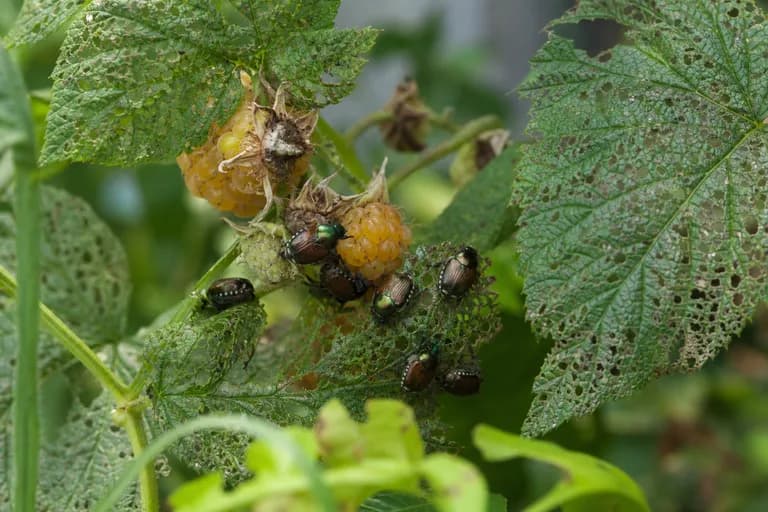
Japankäfer
SchädlingSkelettierte Blätter, bei denen nur die Blattadern übrig bleiben, was die Wuchskraft der Rebe schwächt und die Fruchtqualität mindert.
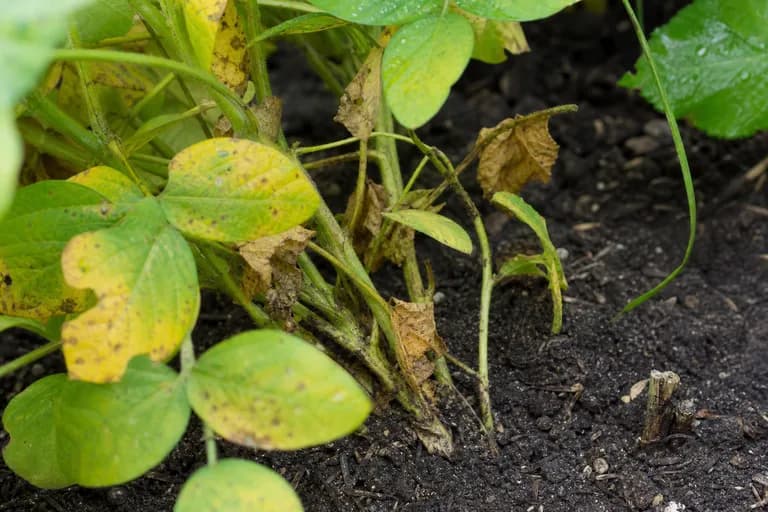
Phytophthora-Wurzelfäule
KrankheitWelken trotz ausreichender Feuchtigkeit, Vergilbung des Laubs, Wachstumshemmung und dunkel verfärbte Wurzeln.
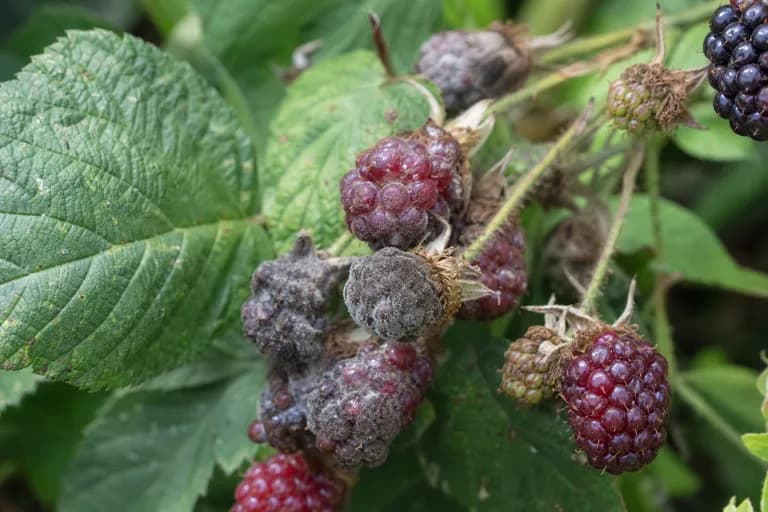
Botrytis-Fruchtfäule
KrankheitGrauschimmel auf reifenden Früchten bei kühlem, nassem Herbstwetter. Früchte werden vorzeitig weich und ungenießbar.
Fehlerbehebung bei häufigen Problemen
Spätfröste im Frühling sind der Erntevernichter Nummer eins und zerstören austreibende Triebe auch bei winterharten Reben. Katzen fühlen sich von Kiwireben magisch angezogen und können junge Pflanzen zerstören, indem sie sich darauf wälzen; schützen Sie die Stämme mit Drahtkäfigen. Extreme Wüchsigkeit überlastet unzureichende Spaliere. Schlechter Fruchtansatz resultiert aus zu wenigen männlichen Bestäubern oder kaltem Wetter während der Blüte. Fruchtfall deutet auf Trockenstress hin.
Anbautipps
- Die meisten Actinidia-arguta-Sorten sind zweihäusig und benötigen sowohl eine männliche als auch eine weibliche Pflanze zur Fruchtbildung. Eine männliche Rebe kann bis zu sechs weibliche Reben bestäuben, aber nur wenn beide Pflanzen gleichzeitig blühen — kaufen Sie männliche und weibliche Reben immer beim selben Anbieter und bestätigen Sie die Sortenkompatibilität. Die Ausnahme ist die selbstfruchtbare Sorte „Issai", die ohne Bestäuber Früchte ansetzt, obwohl die Erntegröße von Kreuzbestäubung profitiert.
- Bauen Sie das Spalier vor dem Pflanzen, nicht danach. Ausgewachsene winterharte Kiwiranken erzeugen außerordentliches Gewicht und seitliche Kräfte, und eine unzureichende Stützstruktur wird mitten in der Saison versagen. Verwenden Sie 10 cm dicke Holz- oder Stahlpfosten, die mindestens 60 cm tief in Beton gesetzt werden, im Abstand von maximal 3 Metern, mit gespannten hochbelastbaren verzinkten Drähten in 50 cm vertikalen Abständen. Ein T-Balken- oder Pergolasystem ermöglicht die effizienteste Nutzung des Kronenraums.
- Pflanzen Sie die Rebe an einem Standort, der natürlich vor Spätfrösten im Frühling geschützt ist. Die Rebe selbst kann Temperaturen von -30 °C in der Ruhephase überstehen, aber ihre austreibenden Triebe und Blütenknospen werden durch kurze Fröste unter -2 °C im April und Mai zerstört — eine weitaus relevantere praktische Einschränkung. Eine nach Süden oder Westen ausgerichtete Wand, eine Position auf der warmen Seite eines Gebäudes oder ein erhöhter Standort, der kalte Luft abfließen lässt, sind gute Optionen.
- Winterharte Kiwiranken entwickeln einen natürlichen Windehabitus und klettern begeistert an jeder nahegelegenen Struktur empor — einschließlich benachbarter Bäume, Zäune oder Gebäude. Installieren Sie bei Bedarf physische Barrieren, um zu verhindern, dass die Rebe sich in unerwünschte Bereiche ausbreitet. Die Wüchsigkeit einer ausgewachsenen Rebe ist wirklich beeindruckend und sollte zum Zeitpunkt der Pflanzung nicht unterschätzt werden.
- Katzen fühlen sich stark zu Actinidia-Arten hingezogen. Die Stängel, Wurzeln und Blätter der winterharten Kiwi enthalten Nepetalacton und verwandte Verbindungen, die denen in Katzenminze eng verwandt sind, und frisch gepflanzte oder geschnittene Reben können intensive Aufmerksamkeit von Katzen auf sich ziehen. Schützen Sie junge Pflanzen in den ersten zwei bis drei Jahren mit einem stabilen Drahtkäfig, bis der Holzstamm zu dick zum Beschädigen wird.
- Halten Sie vom allerersten Winter an ein striktes jährliches Schnittregime ein. Anders als Apfel- oder Birnbäume, die ein oder zwei Jahre ohne katastrophale Folgen vernachlässigt werden können, geraten ungeschnittene Kiwiranken schnell außer Kontrolle und produzieren Massen unproduktiven, verfilzten Wuchses auf Kosten der Fruchtbildung. Das Ziel ist immer eine saubere, offene Struktur dauerhafter Seitenarme mit gut verteilten, kurzen Fruchttrieben, die alle paar Jahre erneuert werden.
- Winterharte Kiwifrüchte können über ein Zeitfenster von mehreren Wochen reifen und erreichen nicht alle gleichzeitig den Höhepunkt der Reife. Ernten Sie in mehreren Durchgängen alle paar Tage, wenn die Früchte weich werden und ihren charakteristischen süßen, tropischen Duft entwickeln. Versuchen Sie nicht, alle Früchte auf einmal zu ernten — die letzten Früchte an der Rebe sind oft die süßesten und geschmacksintensivsten der Saison.
- Blattmagnesiumgaben sind für winterharte Kiwi auf leichten oder sauren Böden besonders vorteilhaft. Interkostalvergilbung an ausgewachsenen Blättern während der Vegetationsperiode ist ein zuverlässiger Hinweis auf Magnesiummangel. Sprühen Sie Magnesiumsulfat (Bittersalz) mit 20 g pro Liter als Blattspritzung am frühen Morgen auf oder gießen Sie es als Bodendrench um den Wurzelbereich, zwei- bis dreimal während der Vegetationsperiode.
- Mulchen Sie jeden Frühling großzügig mit einer 10–15 cm dicken Schicht aus Holzhackschnitzel, kompostierter Rinde oder Stroh. Die winterharte Kiwi hat ein relativ flaches, faseriges Wurzelsystem, das enorm von der Feuchtigkeitsspeicherung, Temperaturpufferung und dem allmählich verbesserten Bodengehalt an organischer Substanz profitiert, den eine dauerhafte Mulchschicht bietet. Halten Sie den Mulch vom Hauptstamm fern, um Kronenfäule bei nassen Bedingungen zu verhindern.
- Wählen Sie in Regionen mit sehr kurzen Vegetationsperioden oder spätem Frühling früh reifende Kultivare wie „Issai", „Weiki" oder „Dumbarton Oaks" anstelle späterer Sorten, die vor dem ersten Herbstfrost möglicherweise nicht vollständig ausreifen. Die richtige Abstimmung des Erntefensters auf Ihr spezifisches Klima ist eine der wichtigsten Entscheidungen, um konstante Erträge von Actinidia arguta zu erzielen.
Bau deine beste Winterharte Kiwi an — und alles drumherum.
Starte heute kostenlos. Lege deine Beete an, setze deine Winterharte Kiwi ein und lass PlotMyGarden Timing, Abstände, Begleiter und Erinnerungen von der Saat bis zum Erntekorb übernehmen.
Finde deine Winterharte Kiwi
Issai
Die einzige zuverlässig selbstfruchtbare winterharte Kiwi, die kleine, aber reichliche Früchte ohne männlichen Bestäuber produziert. Weniger wüchsig als andere.
Anna
Eine weibliche Sorte mit großen, süßen Früchten und ausgezeichnetem Geschmack. Sehr ertragreich, benötigt aber einen männlichen Bestäuber.
Geneva
Eine früh reifende weibliche Sorte aus der Genfer Versuchsstation mit süßem, honigähnlichem Geschmack und guter Winterhärte.
Meader
Der Standard-Bestäuber, äußerst winterhart und produziert zudem kleine essbare Früchte.
Winterharte Kiwifrüchte sind selten in regulären Supermärkten erhältlich und erzielen in der Regel Premiumpreise von 3–6 € pro 100 g bei Spezialanbietern oder auf Bauernmärkten in Deutschland, und 4–8 $ pro Schale in den USA, wo sie als Spezialität oder Delikatesse eingestuft werden. Eine ausgewachsene, gut gepflegte Actinidia-arguta-Rebe kann jährlich 10–30 kg Früchte von einer einzigen weiblichen Pflanze liefern, was einem potenziellen Einzelhandelswert von 300–1.800 € pro Rebe und Saison zu Spezialitätenpreisen entspricht. Die anfängliche Investition in Pflanzen (typischerweise 15–30 € pro benanntem Kultivar), Spalierinfrastruktur und eine 3–5-jährige Etablierungsphase amortisiert sich bequem innerhalb der ersten zwei oder drei produktiven Ernten. Über die potenzielle 50+ Jahre währende produktive Lebensdauer der Rebe sind die kumulierten Einsparungen und der Wert selbst angebauter winterharter Kiwi nach jedem Maßstab außerordentlich.
Schnelle Rezepte
Winterharte-Kiwi-Honig-Joghurt-Parfait
8 Min.Ein einfaches, schönes Frühstück oder Dessert, das die süße Intensität reifer winterharter Kiwis zelebriert. Da die Früchte nicht geschält werden müssen, ist die Zubereitung mühelos — einfach halbieren oder ganz lassen, mit griechischem Joghurt und Granola schichten und mit Honig beträufeln. Die leuchtend grüne Frucht und der cremig weiße Joghurt ergeben eine optisch beeindruckende Kombination.
6 ZutatenWinterharte-Kiwi-Gurken-Agua-Fresca
10 Min.Ein erfrischendes, leicht gesüßtes Kaltgetränk, das einen Überfluss reifer winterharter Kiwis hervorragend verwertet. Die Früchte werden komplett — mit Schale — mit Gurke und einem Spritzer Limette püriert und ergeben ein leuchtend jadegrünes Getränk, das sowohl feuchtigkeitsspendend als auch reich an Vitamin C ist. Ideal für die Sommererntezeit, wenn die Früchte schneller reifen als sie frisch gegessen werden können.
6 Zutaten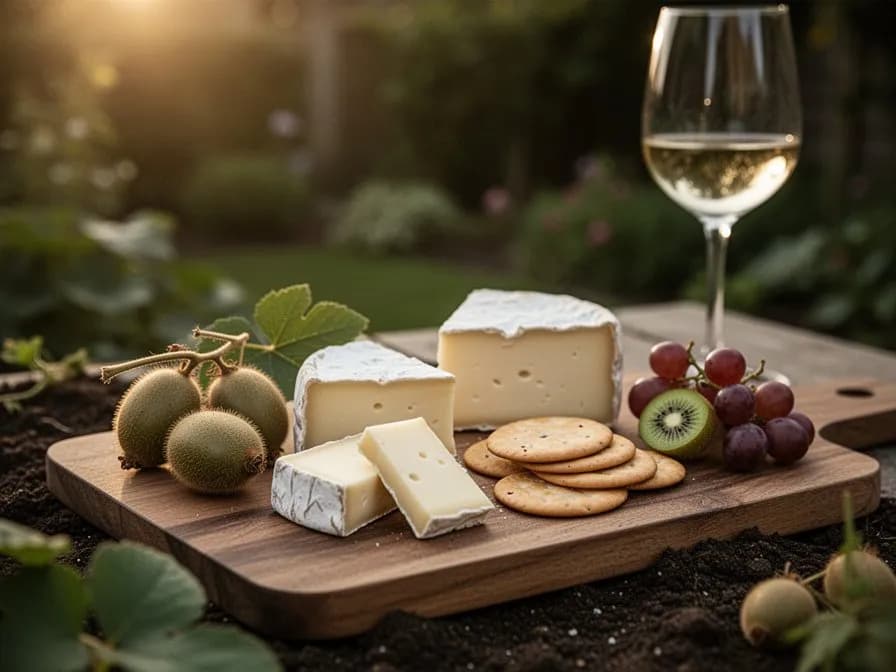
Würzige winterharte Kiwimarmelade
15 Min. aktiv, 30 Min. KochzeitEine intensiv aromatische, juwelengrüne Marmelade, die die Ernte wunderbar konserviert und überschüssige Früchte hervorragend verwertet. Die Zugabe von frischem Ingwer und Sternanis verleiht der Marmelade einen warm gewürzten, komplexen Charakter, der hervorragend zu gereiftem Käse, Wild und geröstetem Sauerteigbrot passt. Da die Früchte ganz püriert werden, ist kein Schälen erforderlich.
6 ZutatenKulinarische Verwendung
Winterharte Kiwifrüchte werden wie Trauben im Ganzen mit Schale gegessen. Ihr süßer, tropischer Geschmack macht sie zu hervorragendem Frischobst zum Naschen. Wunderbar in Obstsalaten, Smoothies und als Dessertgarnitur. Ergibt schmackhafte Marmelade, Chutney und Fruchtleder. In Scheiben geschnittene Früchte toppen Joghurt, Müsli und Eis. Die kleine Größe ist ideal für Trockenobst-Snacks.
Was drinsteckt
Gesundheitsvorteile
- Außergewöhnliche Vitamin-C-Dichte — winterharte Kiwifrüchte enthalten bis zu 100 mg Vitamin C pro 100 g Gesamtfrucht einschließlich Schale und übertreffen damit sogar die gewöhnliche Kiwi auf Gewichtsbasis, mit starker Unterstützung der Immunfunktion, Kollagensynthese und der Aufnahme von Nicht-Häm-Eisen aus pflanzlichen Lebensmitteln
- Reich an Actinidin, einem Cysteinprotease-Enzym, das einzigartig für die Gattung Actinidia ist und die Verdauung und Aufnahme von Nahrungsproteinen — insbesondere aus Fleisch, Milchprodukten, Fisch und Hülsenfrüchten — deutlich verbessert, was es zu einer nützlichen Ergänzung proteinreicher Mahlzeiten macht
- Enthält eine vielfältige Palette polyphenolischer Antioxidantien, darunter Chlorogensäure, Catechine und in der essbaren Schale konzentrierte Flavonoide, die in Studien mit einem verringerten Risiko für Herz-Kreislauf-Erkrankungen, bestimmte Krebsarten und chronisch-entzündliche Erkrankungen assoziiert wurden
- Reich an Vitamin K1, einem essentiellen fettlöslichen Vitamin, das eine entscheidende Rolle bei der Blutgerinnung, Knochenmineralisierung und Arteriengesundheit spielt — und bei regelmäßiger Zufuhr ein verringertes Risiko für Osteoporose und kardiovaskuläre Verkalkung unterstützt
- Gute Quelle für Ballaststoffe, einschließlich sowohl löslicher als auch unlöslicher Formen, die ein gesundes und vielfältiges Darmmikrobiom fördern, die regelmäßige Darmfunktion unterstützen und zu anhaltendem Sättigungsgefühl nach dem Essen beitragen
- Liefert nennenswerte Mengen an Kalium, das eine gesunde Blutdruckregulierung, Muskelfunktion und den Elektrolythaushalt unterstützt — besonders relevant für aktive Personen und Menschen, die die kardiovaskuläre Gesundheit überwachen
Woher Winterharte Kiwi stammt
Die winterharte Kiwi, Actinidia arguta, ist eine wüchsige sommergrüne Kletterpflanze, die in den gemäßigten Wäldern Nordostchinas, Koreas, Japans und des Russischen Fernen Ostens beheimatet ist. Anders als ihre bekanntere Verwandte Actinidia deliciosa — die Fuzzy-Kiwi aus dem Supermarktregal — hat sich Actinidia arguta in Klimazonen mit echten saisonalen Extremen entwickelt und eine außergewöhnliche Winterhärte herausgebildet, die es ihr erlaubt, tiefe kontinentale Winter zu überstehen und dennoch jeden Herbst reichlich süße Früchte zu tragen. Indigene Völker in ihrem gesamten natürlichen Verbreitungsgebiet haben ihre kleinen, glattschaligen Früchte seit Jahrhunderten an Waldrändern und Waldlichtungen gesammelt, sie frisch verzehrt oder für den Wintervorrat getrocknet.
Das westliche botanische Bewusstsein für Actinidia arguta entstand deutlich früher als das für die gewöhnliche Kiwi. Die Art wurde 1843 vom deutschen Botaniker Philipp Franz von Siebold und dem österreichischen Botaniker Joseph Gerhard Zuccarini formell beschrieben und klassifiziert, basierend auf Exemplaren, die in Japan gesammelt wurden. Sie erregte in der zweiten Hälfte des 19. Jahrhunderts erhebliches Interesse bei europäischen Botanikern und Pflanzensammlern, und in den 1870er Jahren wurden bereits Pflanzen in europäischen Botanischen Gärten kultiviert. Der berühmte Pflanzenjäger Ernest Henry Wilson sammelte in den frühen 1900er Jahren Exemplare in China und schrieb voller Bewunderung über die Zier- und Fruchtqualitäten der Rebe.
Trotz dieser frühen botanischen Einführung blieb Actinidia arguta für einen Großteil des 20. Jahrhunderts eine Kuriosität in der westlichen Gartenbaukultur, überschattet vom kommerziellen Erfolg der Fuzzy-Kiwi. Sie wurde hauptsächlich als Zierkletterpflanze angebaut, geschätzt für ihre Wüchsigkeit und ihr attraktives Laub und nicht für ihre Früchte. Das Interesse an der Pflanze als Nahrungsmittelpflanze wurde in den letzten Jahrzehnten des 20. Jahrhunderts wiederbelebt, als Gärtner in kälteren Klimazonen — insbesondere in Nordamerika, Kanada, Nordeuropa und Skandinavien — begannen, nach produktiven Fruchtpflanzen zu suchen, die strenge Winter überstehen konnten, die den Anbau gewöhnlicher Kiwi im Freien ausschlossen.
Zuchtprogramme in den Vereinigten Staaten, Belgien, Polen und Neuseeland entwickelten benannte Kultivare, die auf verbesserte Fruchtgröße, Geschmack und Kältetoleranz selektiert wurden. Sorten wie „Ananasnaya" (auch als „Anna" verkauft), „Ken's Red", „Jumbo" und „Weiki" wurden kommerziell verfügbar und gewannen eine wachsende Anhängerschaft unter Hobbygärtnern und Kleinobstbauern. Die selbstfruchtbare Sorte „Issai", die in Japan entwickelt wurde und ohne männlichen Bestäuber Früchte tragen kann, erweiterte die Attraktivität der Pflanze zusätzlich für Gärtner mit wenig Platz.
Heute nimmt die winterharte Kiwi eine wachsende Nische in der Bewegung für produktiven, mehrjährigen heimischen Nahrungsmittelanbau ein. Ihre Kombination aus außergewöhnlicher Winterhärte, langer produktiver Lebensdauer, hoher Fruchtqualität und minimalem Verarbeitungsaufwand bei der Ernte — die Früchte müssen nicht geschält werden — hat ihr eine treue Anhängerschaft unter Gärtnern in Klimazonen eingebracht, in denen der Anbau tropischer oder subtropischer Früchte unmöglich ist.
Winterharte Kiwi: Schon gewusst?
Faszinierende Fakten über Winterharte Kiwi
Die winterharte Kiwi (Actinidia arguta) ist eine der kältetolerantesten fruchttragenden Kletterpflanzen im Anbau und übersteht Wintertemperaturen bis zu -30 °C in der Ruhephase — fast 20 °C kälter als die gewöhnliche Fuzzy-Kiwi vertragen kann. Damit ist sie in den USDA-Winterhärtezonen 3 bis 8 und in praktisch ganz Nordeuropa anbaubar.
Winterharte Kiwi: Fragen & Antworten
Wann sollte ich Winterharte Kiwi pflanzen?
Was sind gute Begleitpflanzen für Winterharte Kiwi?
In welchen Winterhärtezonen kann Winterharte Kiwi wachsen?
Wie viel Sonne braucht Winterharte Kiwi?
Welchen Abstand sollte ich zwischen Winterharte Kiwi lassen?
Welche Schädlinge und Krankheiten befallen Winterharte Kiwi?
Wie lagere ich Winterharte Kiwi nach der Ernte?
Was sind die besten Winterharte Kiwi-Sorten zum Anbauen?
Welchen Boden braucht Winterharte Kiwi?
Wie unterscheidet sich die winterharte Kiwi von der Kiwi, die ich im Supermarkt kaufe?
Brauche ich eine männliche und eine weibliche winterharte Kiwipflanze, oder kann ich nur eine anbauen?
Meine winterharte Kiwiranke ist unglaublich wüchsig, trägt aber nie Früchte. Was ist das Problem?
Kann ich winterharte Kiwi in einem Topf oder in einem kleinen Garten anbauen?
Wann und woran erkenne ich, dass meine winterharten Kiwifrüchte erntereif sind?
Wie winterhart ist Actinidia arguta wirklich, und kann ich sie in einem sehr kalten Klima anbauen?
Du hast die Theorie gelesen. Jetzt baue sie auf Autopilot an.
Alles, was Winterharte Kiwi knifflig macht — das Timing, die Abstände, die Begleiter, das Erntefenster — genau das übernimmt PlotMyGarden für dich, für jede Pflanze im Garten.
Ein Plan, der dein Wetter kennt
Standort einmal festlegen. Aussaat-, Dünge- und Erntedaten rund um deinen echten letzten Frosttermin und die Live-Vorhersage — kein Raten mehr nach Saattüte.
Aus dem Abschnitt „Pflanzzeit“Beetplaner per Drag & Drop
Beete auf einem Raster gestalten. Jede Pflanze rastet im richtigen Abstand ein, und du siehst die ganze Saison, bevor du einen Cent für Saatgut ausgibst.
Aus dem Abschnitt „Anbau“Begleiter-Konflikte früh erkannt
Über 200 gute und schlechte Kombinationen werden beim Pflanzen live geprüft — so landet ein saisonruinierender Fehler nie in der Erde.
Aus dem Abschnitt „Begleiter“Erinnerungen, nach denen du wirklich handelst
„Gieß die Bohnen.“ „Heute ernten, bevor's umschlägt.“ Pünktlich, konkret und auf deine echten Pflanzen bezogen.
Aus dem Abschnitt „Ernte“Staffel-Aussaat, geplant
Sechs Wochen ernten statt sechs Tage? Die App verteilt deine Aussaaten automatisch und erinnert dich, wenn der nächste Satz fällig ist.
Aus dem Abschnitt „Pflanzzeit“Ein Verlauf, der schlauer wird
Jede protokollierte Ernte bringt der App deinen Garten bei. Der Plan fürs nächste Jahr startet bei dem, was in deinem Boden wirklich funktioniert hat.
Aus dem Abschnitt „Überblick“Pflanze diese neben Winterharte Kiwi
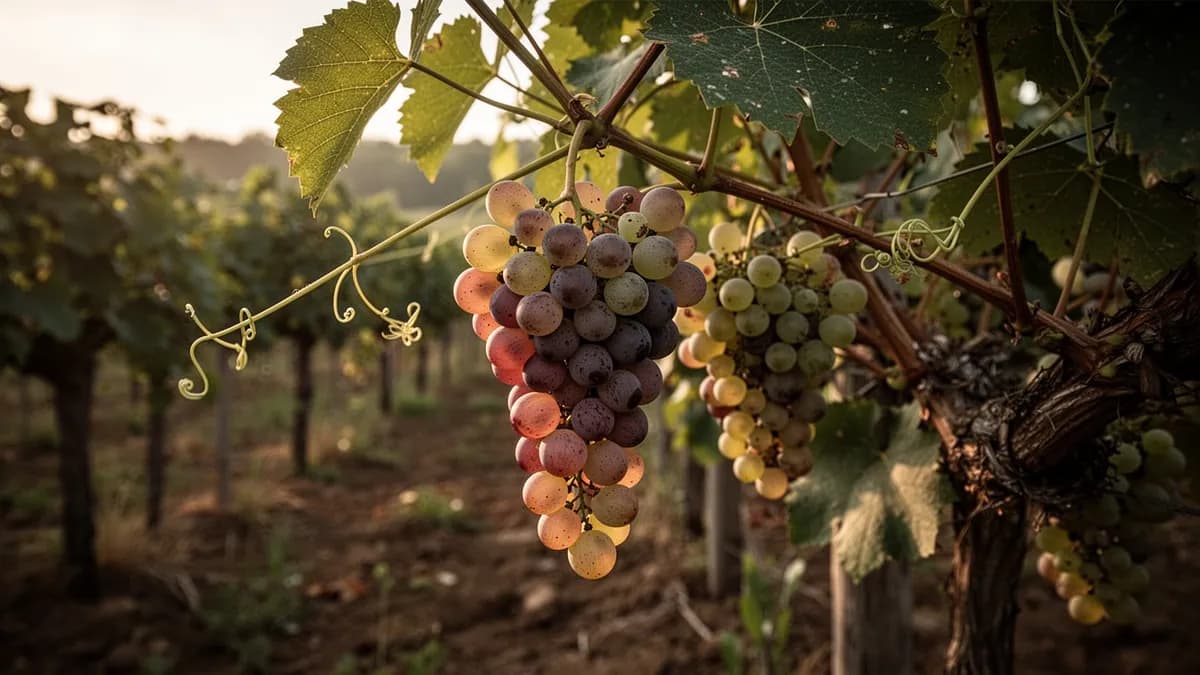
Weitere Rankfrüchte
Halte Winterharte Kiwi von diesen fern
Bau deine beste Winterharte Kiwi an — und alles drumherum.
Starte heute kostenlos. Lege deine Beete an, setze deine Winterharte Kiwi ein und lass PlotMyGarden Timing, Abstände, Begleiter und Erinnerungen von der Saat bis zum Erntekorb übernehmen.