Thompson Seedless Grape
The world's most widely planted grape variety, used for table grapes, raisins, and wine.





On this pageOverview
Meet Thompson Seedless Grape
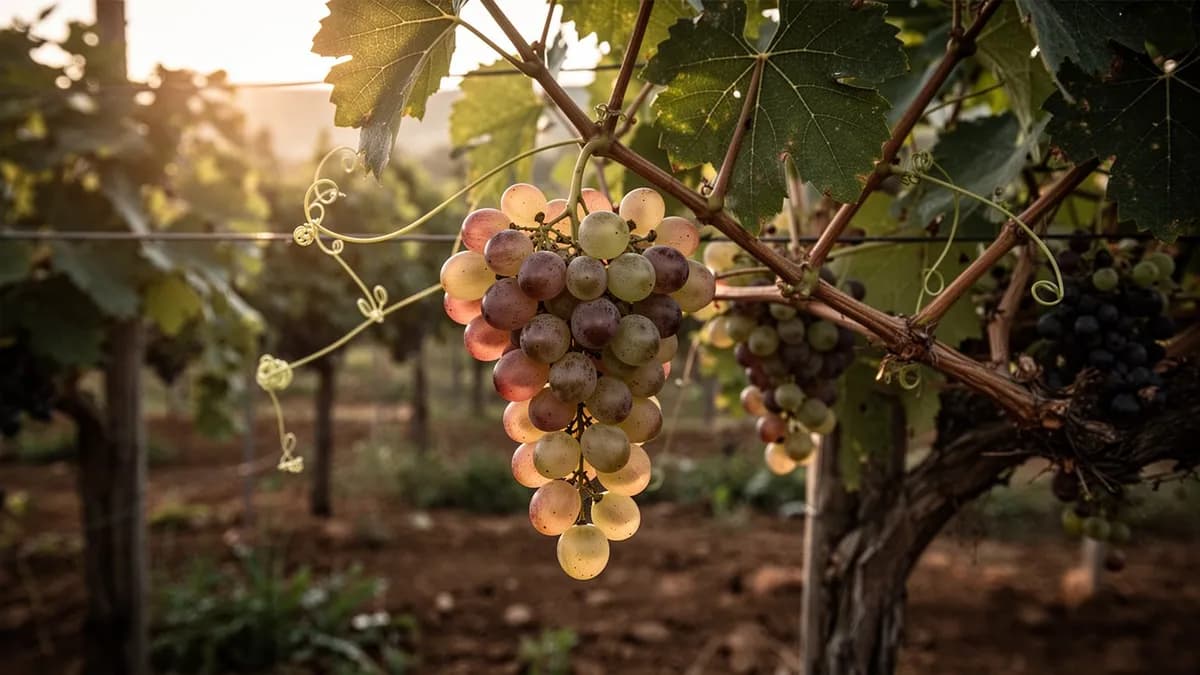
The world's most widely planted grape variety, used for table grapes, raisins, and wine. Thompson Seedless grapes are green, sweet, and seedless, requiring hot, dry summers to produce their best fruit. They are vigorous growers that need strong trellising and aggressive winter pruning to control vigor.
When to plant Thompson Seedless Grape
Thompson Seedless grapes are propagated exclusively through cuttings or grafting, as they produce few to no viable seeds. Take hardwood cuttings 10 to 14 inches long from healthy one-year-old canes in late winter during dormant pruning. Include three to four nodes per cutting. Dip the basal end in rooting hormone and plant in a well-drained rooting medium. Bottom heat of 75 degrees Fahrenheit accelerates rooting. Cuttings typically root within six to ten weeks. In commercial production, Thompson Seedless is often bench-grafted onto phylloxera-resistant rootstock.
Your Thompson Seedless Grape Year
Composed for Zone 7 · typical seasons · frost passes Apr 2, returns Nov 1
Plant Thompson Seedless Grape Mar – Apr, pick Aug – Sep. Check the planting methods below and set your climate to personalize these windows.
How to grow Thompson Seedless Grape
Thompson Seedless grapes require full sun and hot, dry summers with low humidity for optimal production. Plant bare-root vines in early spring in well-drained soil amended with compost. Space vines 6 to 8 feet apart on a sturdy trellis system such as a T-trellis or overhead arbor. These vigorous vines need substantial support to handle heavy crop loads.
Prune aggressively during dormancy, as Thompson Seedless produces fruit on shoots growing from one-year-old canes. Use cane pruning, leaving 8 to 12 buds per cane with two to four fruiting canes per vine. Without heavy pruning, vines become an unproductive tangle. Shoot thinning in spring further improves fruit quality by directing energy to fewer, better clusters.
Irrigate deeply but infrequently, allowing the soil to dry between waterings. Reduce water as berries approach maturity to concentrate sugars. Apply gibberellic acid at bloom to increase berry size, a standard commercial practice. Thompson Seedless is self-fertile and does not require a pollinator. Protect ripening fruit from birds with netting, and watch for sunburn on exposed clusters during extreme heat.
Thompson Seedless Grape needs more room than a 4 × 8 ft bed gives
Each Thompson Seedless Grape wants 240 cm of elbow room. The planner keeps that spacing for you — every plant, every bed.
Thompson Seedless Grape's best neighbours
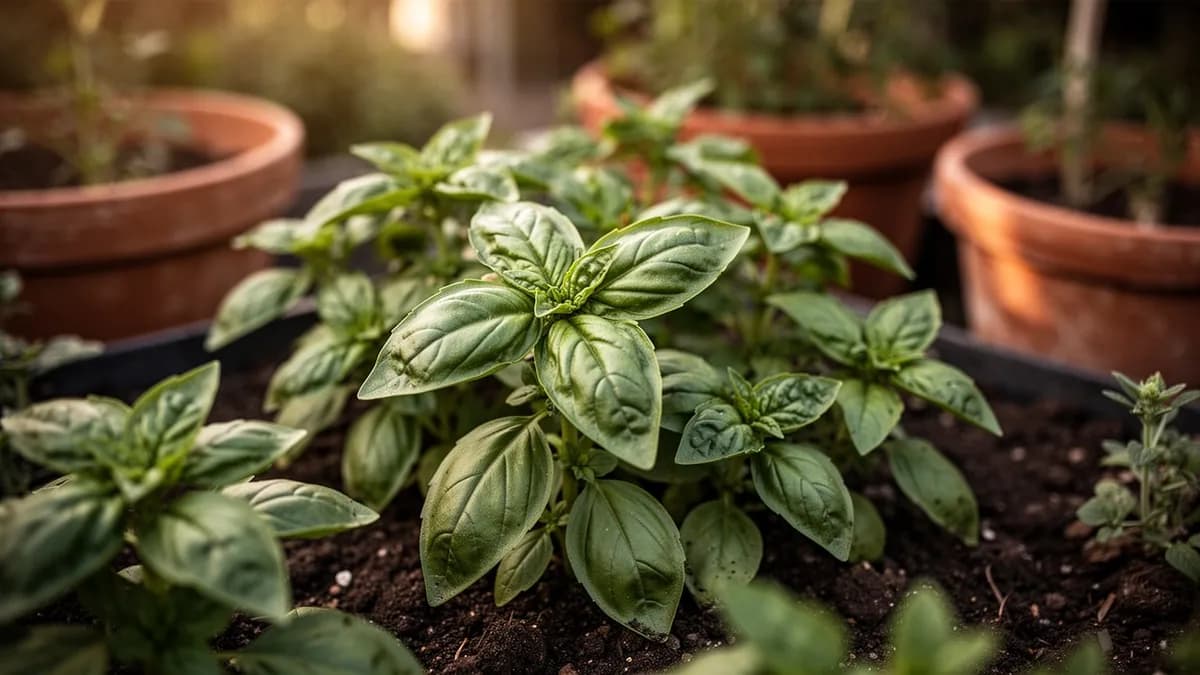
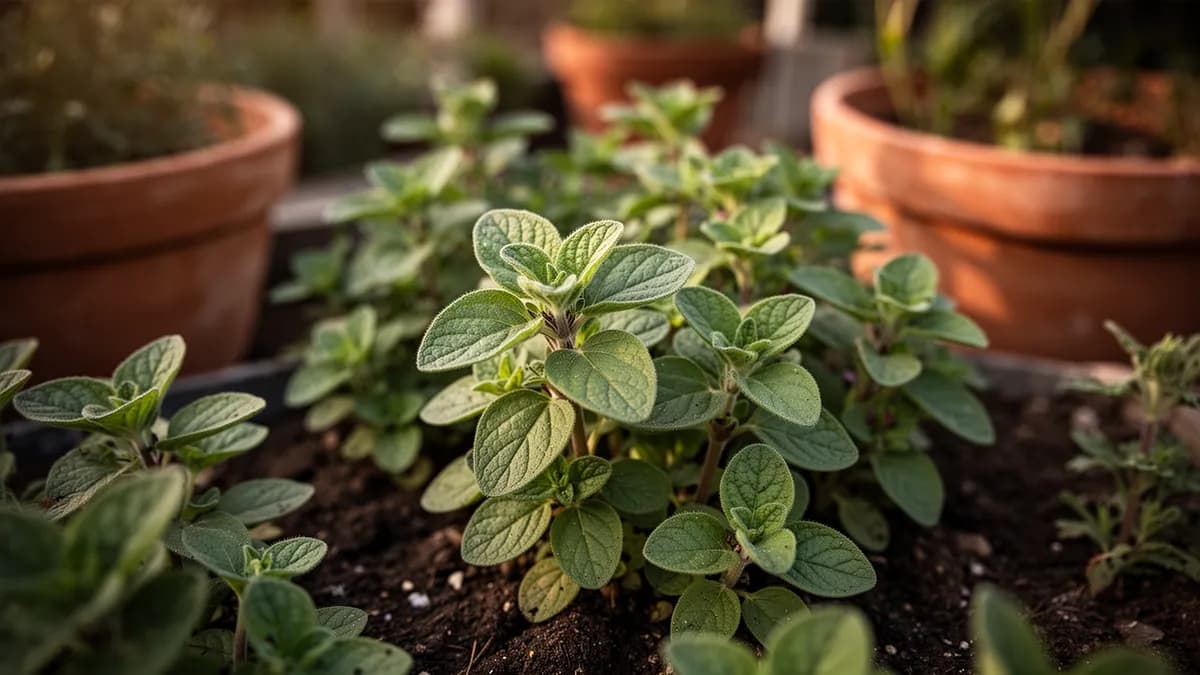
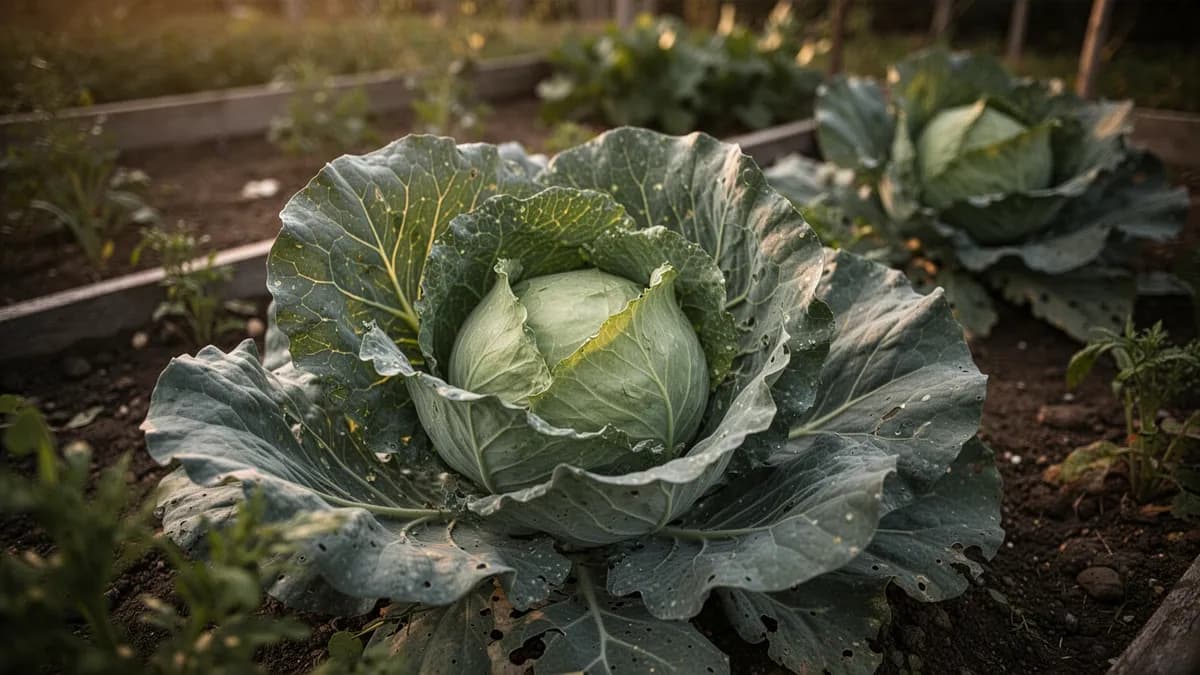
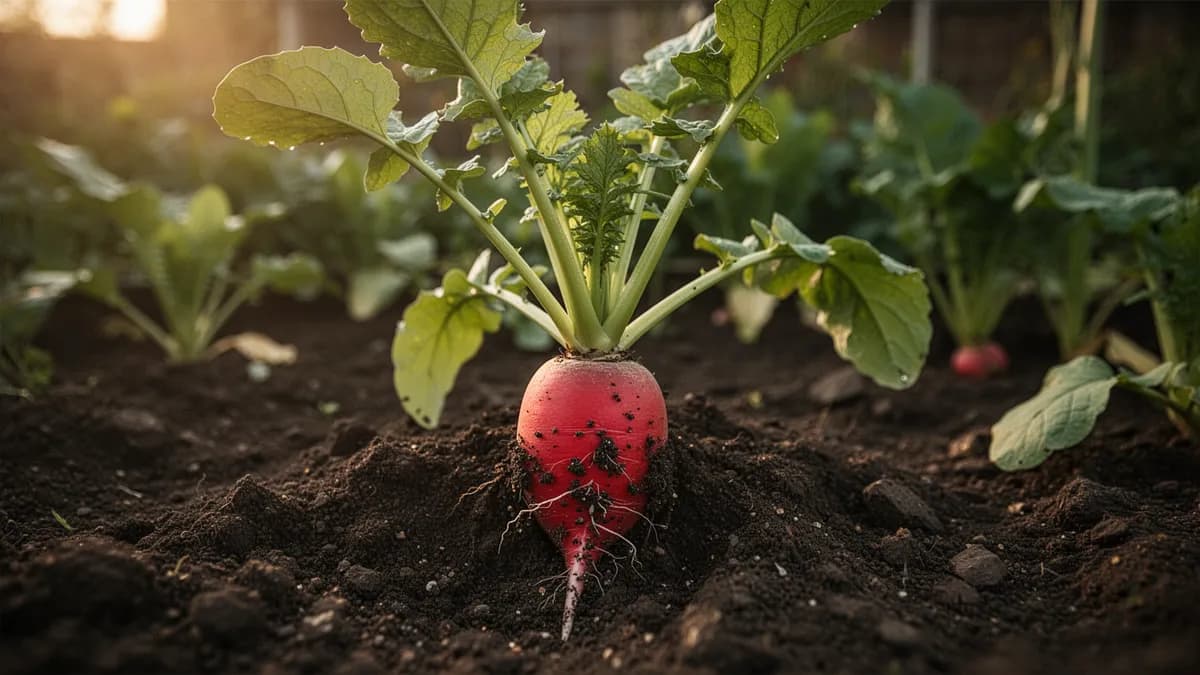
Interplant with low-growing herbs such as basil, oregano, and thyme to repel pests and attract pollinators. Leguminous cover crops like clover or vetch between rows fix nitrogen and reduce weed competition. Avoid planting near cabbage family crops and radishes. Alyssum planted beneath vines attracts beneficial hoverflies that prey on aphids and leafhoppers. Lavender and rosemary planted nearby help deter pests with their aromatic oils.
Basil belongs beside it. Cabbage doesn't.
Old growers' knowledge, checked against Thompson Seedless Grape's real companion table below — test any plant you're growing.
Try Thompson Seedless Grape in a bed — right here
A real planner bed with Thompson Seedless Grape already in it. Tap a companion to place it and watch the pairing checks answer — green for good neighbours, red for a clash.


Related growing guides
Feed it well
Thompson Seedless grapes perform best in deep, well-drained sandy loam to loam soil with a pH of 6.0 to 7.0. They tolerate slightly alkaline soils better than American grape varieties. Apply a balanced fertilizer in early spring, transitioning to potassium-heavy feeding after fruit set to improve berry quality. Zinc deficiency is common in alkaline soils and appears as small leaves with mottled yellowing; apply zinc sulfate foliar sprays if needed. Avoid excessive nitrogen, which promotes dense canopy growth and disease.
Ideal Temperature
Hardiness Zone Compatibility
From seed to harvest, stage by stage
Dormancy and Late-Winter Pruning
During winter dormancy the vine stands bare, its woody canes storing carbohydrates that will fuel spring growth. Sap pressure begins to build as soil temperatures creep above 7°C (45°F), signaling the end of true dormancy. This window — before buds swell — is the critical time for the season-defining dormant prune. Thompson Seedless is spur-pruned or cane-pruned depending on training system, with 90 percent or more of the previous year's growth removed to concentrate the vine's energy on high-quality fruit rather than excessive foliage.
Bud Swell, Shoot Emergence, and Training
Warming soil triggers rapid bud swell and the explosion of bright-green shoots. Thompson Seedless is an exceptionally vigorous variety and can grow 15-25 cm per day during peak shoot growth under warm conditions. Tiny, compound flower clusters (inflorescences) appear as fuzzy bumps between the leaf and tendril at most nodes, forecasting the season's potential crop. Tendrils extend actively, gripping trellis wires and anchoring the growing shoots.
Bloom, Pollination, and Fruit Set
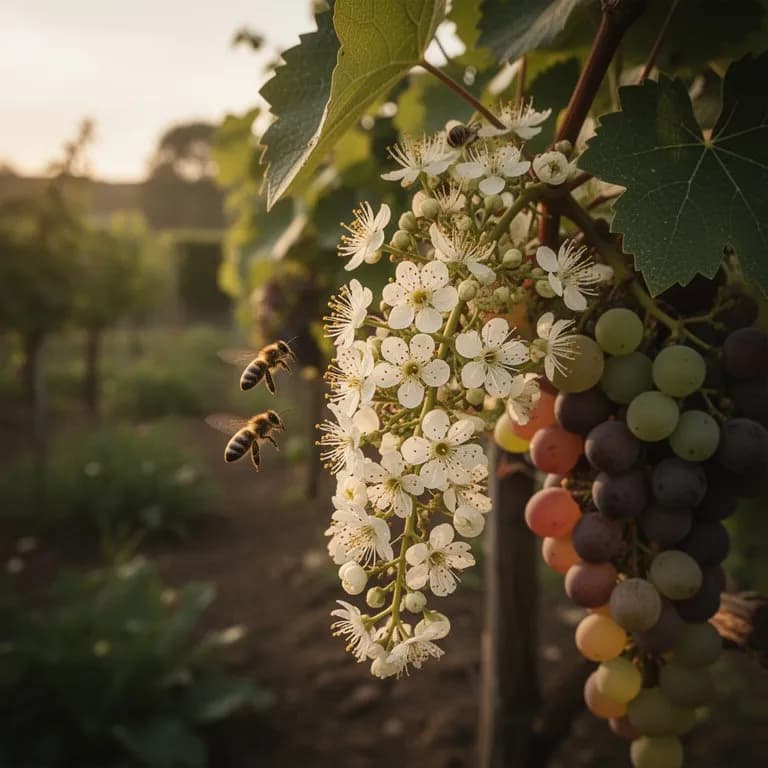
Clusters of tiny, cap-shedding flowers open over a 7-10 day window in late spring. Thompson Seedless is functionally seedless due to a genetic trait causing berries to develop without fertilised seeds (stenospermocarpy), yet its flowers still release pollen and the vine pollinates reliably without any need for a second variety. After pollination, the fertilised ovaries swell into small hard green berries while unfertilised flowers abscise naturally. On heavily cropped vines, cluster thinning at or just after fruit set dramatically improves final berry size.
Berry Development and Size Growth
Berries expand through rapid cell division followed by cell enlargement, progressing from pea-sized to full oval shape over six to eight weeks. The berries remain firm, highly acidic, and green throughout this stage. Thompson Seedless berries are notably elongated and oval compared to round table grape varieties, developing their distinctive thin, edible skin and crisp flesh texture that makes them so popular for fresh eating. Consistent soil moisture during this phase is directly correlated with final berry size.
Veraison — Sugar Accumulation and Softening
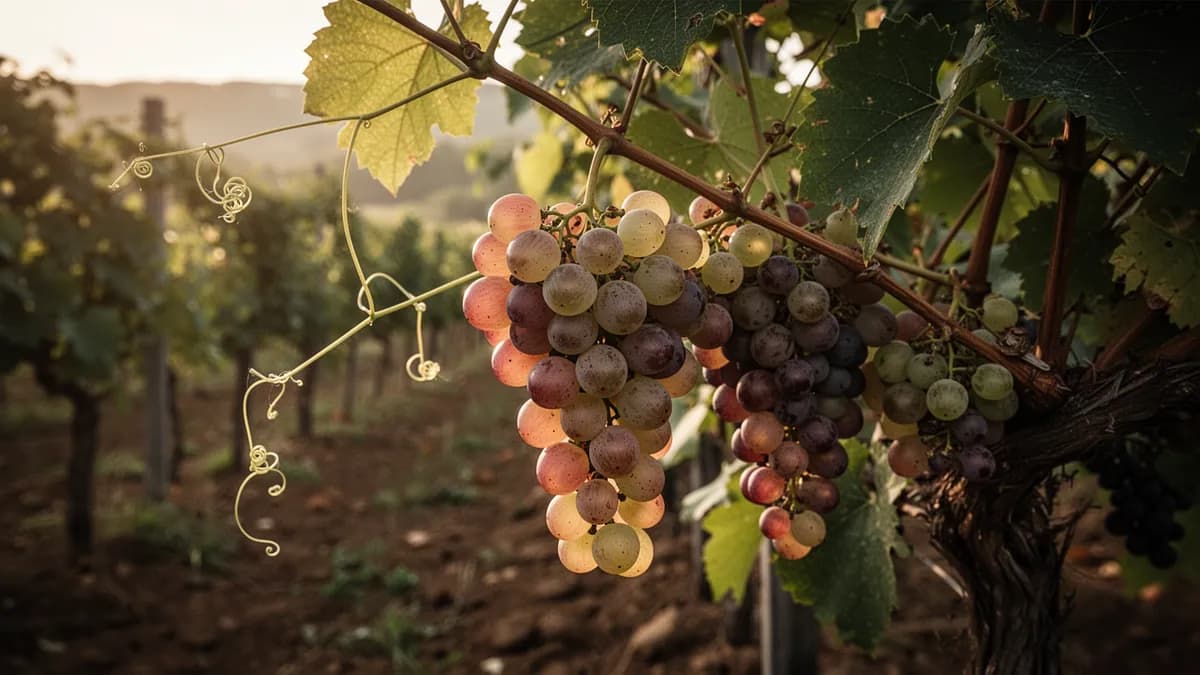
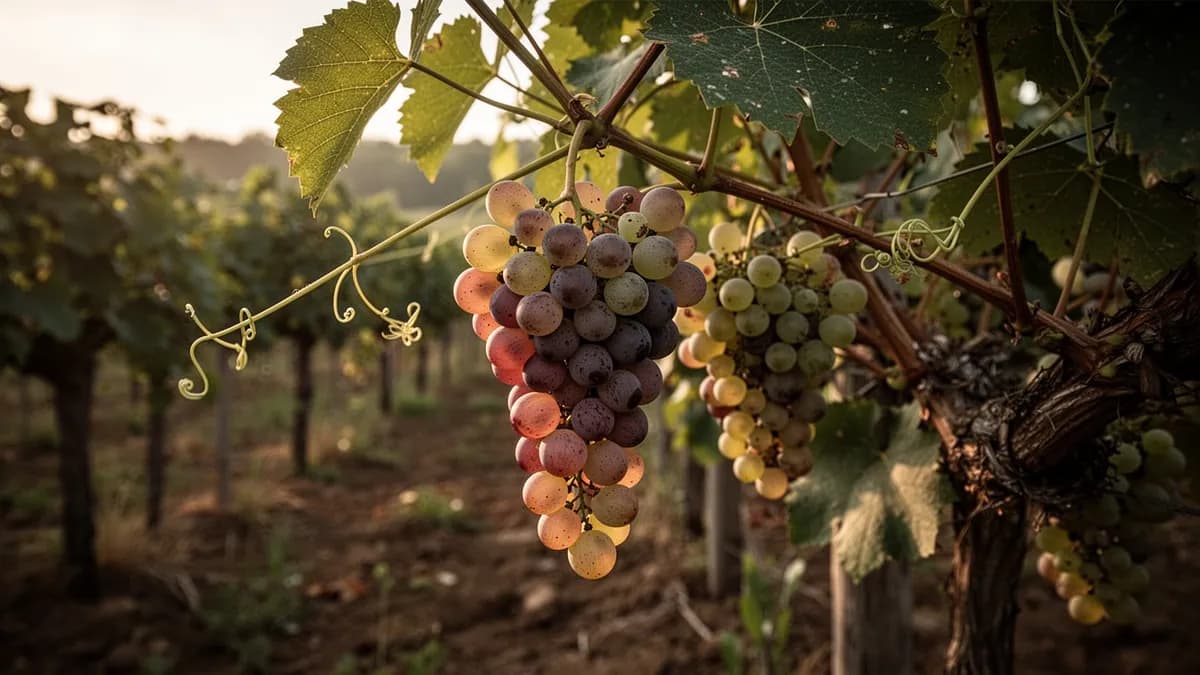
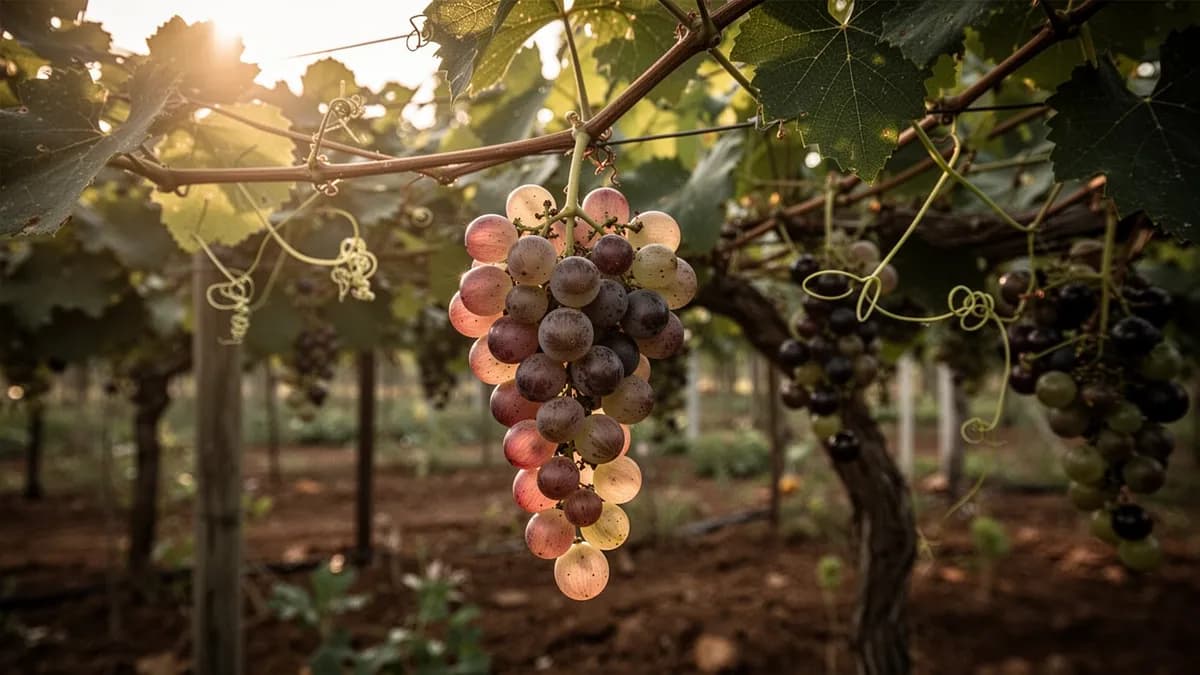
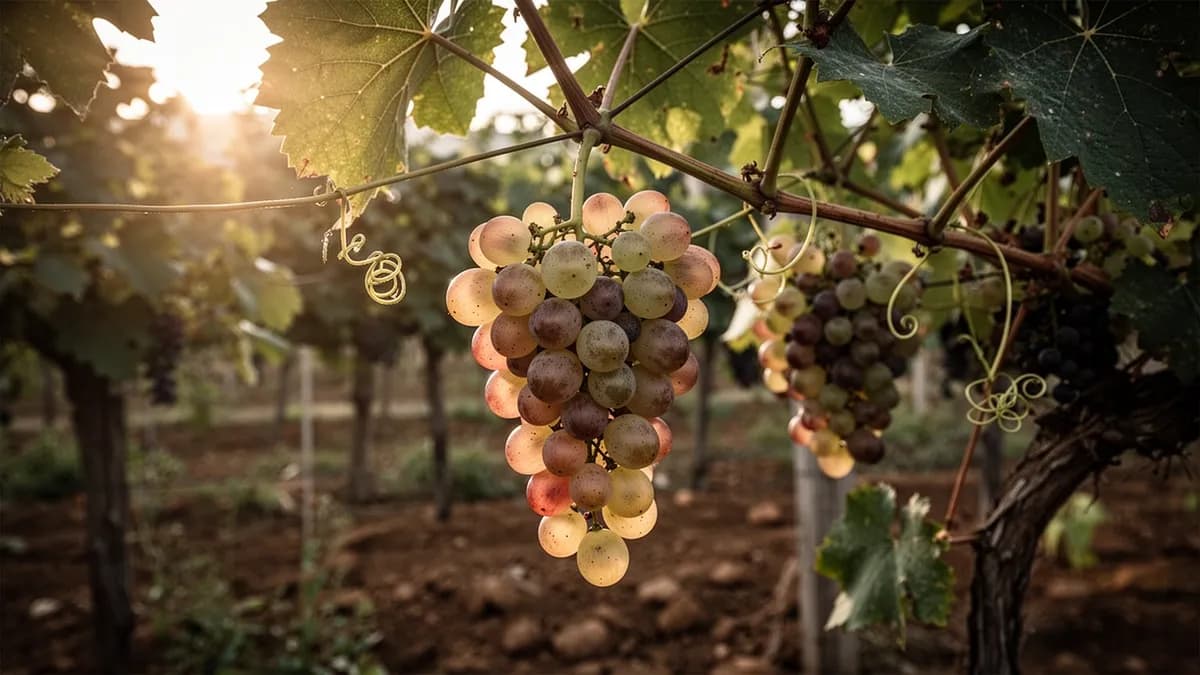
Thompson Seedless enters veraison when berries shift from opaque green to translucent golden-green or pale amber, simultaneously softening and beginning to accumulate sugars rapidly. Unlike red and black varieties whose color change is dramatic, Thompson Seedless veraison is subtler — a shift in translucency rather than hue. Sugar content can rise from 5° Brix to 18-20° Brix within three to four weeks. Acid levels fall correspondingly, creating the characteristic sweet, refreshing flavour the variety is celebrated for.
Full Ripening and Harvest
Berries reach peak sugar content (18-22° Brix for premium table quality), full size, and characteristic honey-sweet flavour with minimal acidity. The pedicels connecting berries to the cluster stem begin to lignify and the cluster stems may show slight browning. Thompson Seedless ripens in mid to late summer, typically 145-165 days after bud break depending on climate and heat accumulation. Harvest at the right moment is critical — unlike many fruits, grapes do not continue to ripen after cutting.
Post-Harvest Recovery and Leaf Fall
After harvest, leaves continue photosynthesising actively, replenishing root and trunk carbohydrate reserves that will power next spring's explosive early growth. Autumn cool spells trigger anthocyanin production and the foliage shifts to gold and amber before dropping. The canes harden and mature their wood for winter dormancy. Post-harvest nutrition is just as important as pre-harvest care for long-term vine health and consistent production year after year.
Prune on a dry day when air temperatures are above freezing. For cordon-spur training, cut all laterals back to 2-node spurs spaced 15-20 cm apart along the permanent arms. Remove any dead, weak, or crossing wood entirely. Apply a dormant oil and copper spray immediately after pruning to eliminate overwintering fungal spores and scale insects from the bark.
Caring for Thompson Seedless Grape month by month
What to do each month for your Thompson Seedless Grape
October
You are hereFinalise harvest of any remaining clusters. Allow the vine to retain its foliage for continued photosynthesis and carbohydrate storage. Apply a potassium-rich top-dress fertiliser or compost to the root zone to support wood maturation. Begin preparing any cover crops or mulch material for the vine rows.
Know exactly what to do in your garden — every month
One email at the start of each month: what to sow, plant, and tackle right now — for your Thompson Seedless Grape and everything growing around it. Plus a short starter course that helps you dodge the classic mistakes.
- What to do, right now
- Matched to your season
- Starter course included
Harvesting Thompson Seedless Grape
Thompson Seedless grapes ripen in late August through September. Berries should be light green to golden yellow, translucent, and sweet when tasted. Use a refractometer to measure sugar content; harvest when Brix reaches 19 to 22 degrees for table grapes or higher for raisins. Cut clusters with sharp shears and handle gently to preserve the waxy bloom. For raisin production, lay clusters on paper trays between vine rows to dry in the sun for two to three weeks.
assuming you plant when the window opens — set your real date
Pick Thompson Seedless Grape promptly and the plant keeps producing.
Storage & Preservation
Fresh Thompson Seedless grapes store for two to four weeks in the refrigerator at 30 to 32 degrees Fahrenheit with high humidity. Pack loosely in ventilated containers. These grapes are the world's primary raisin variety; sun-dry or use a dehydrator at 135 degrees for 24 to 48 hours. They also freeze well for use in smoothies and cooking. Thompson Seedless makes excellent white grape juice, light wines, and grape seed oil from the rare seeds that occasionally develop.
What goes wrong — and the fix
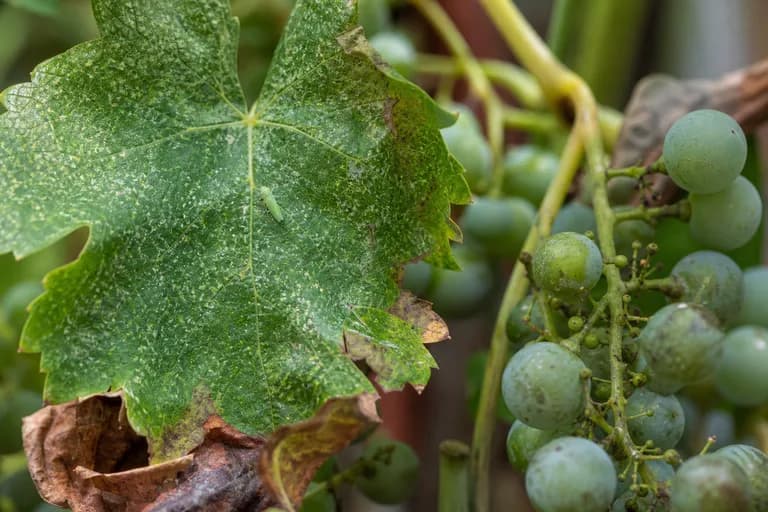
Powdery Mildew
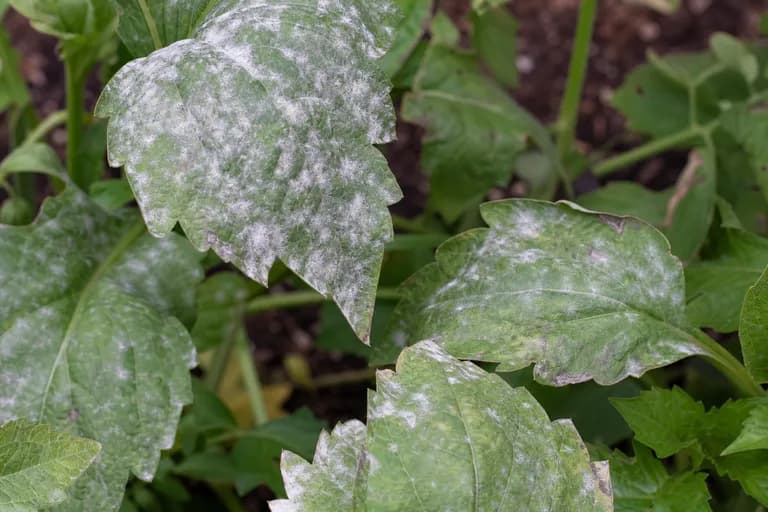
DiseaseWhite powdery coating on leaves, shoots, and berries. Infected berries crack and become susceptible to secondary rot.
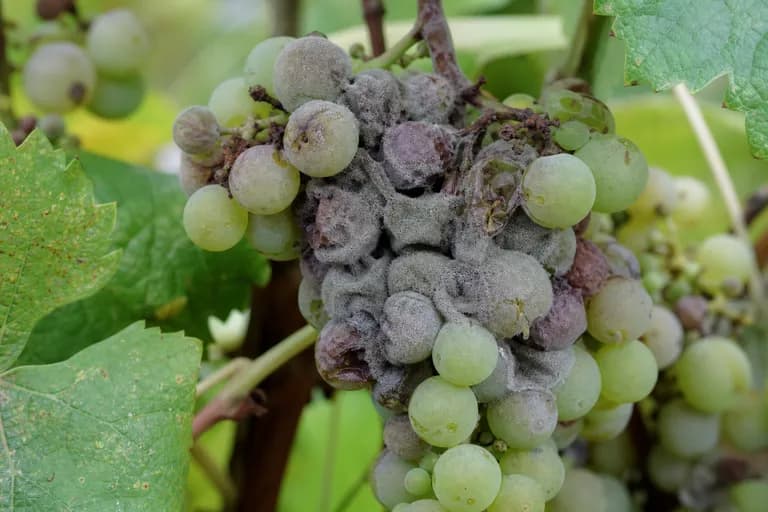
Grape Leafhopper
PestWhite stippling on leaves, premature leaf drop, reduced sugar accumulation in berries, and sticky honeydew residue.
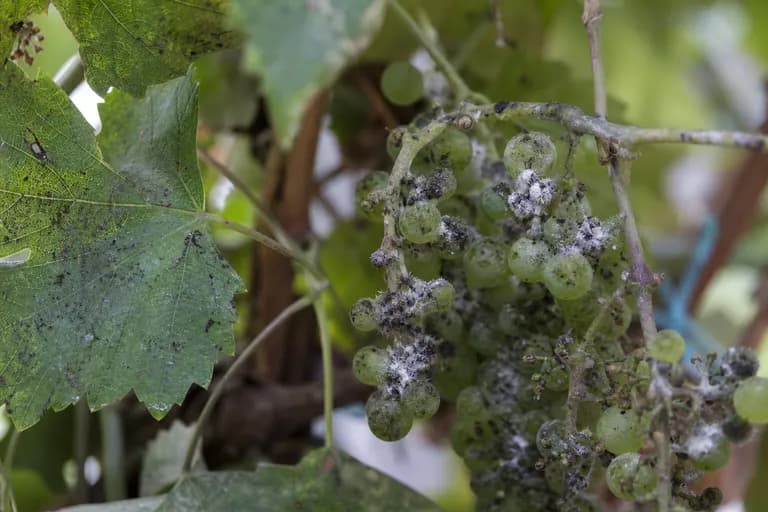
Botrytis Bunch Rot
DiseaseGray fuzzy mold on ripening berry clusters, especially in tight bunches during humid or rainy conditions.
Grape Mealybug
PestWhite cottony masses on canes and clusters, honeydew production, sooty mold growth, and potential virus transmission.
Troubleshooting Common Problems
The primary challenge with Thompson Seedless is their sensitivity to humid climates, where fungal diseases become unmanageable. Small berry size is common without gibberellic acid treatment or proper cluster thinning. Sunburned berries develop brown patches in extreme heat; position clusters under leaf canopy for protection. Bird damage can be severe without netting. Over-cropping leads to poor sugar development and delayed ripening. In marginal climates, berries may fail to ripen fully before fall rains.
Growing Tips
- Thompson Seedless is best adapted to USDA hardiness zones 7-10 and thrives in hot, dry summer climates with low humidity. In zones 6 and colder, protect the graft union each winter by mounding 20-25 cm of soil over the base of the vine after leaf drop, removing it again in early spring before buds swell.
- Choose a planting site that receives a minimum of 8 hours of direct sunlight daily — full sun from morning through afternoon is ideal. Thompson Seedless grown in partial shade will be vigorous and leafy but will produce sparse, poorly ripened fruit with low sugar content.
- For maximum berry size, apply a properly diluted gibberellic acid (GA3) solution to developing clusters at two stages: at fruit set (when berries are pea-sized) to thin and space berries within the cluster, and again at early berry growth to elongate individual berries. Follow label instructions precisely as over-application causes soft texture and poor shelf life.
- Train young vines on a double-cordon system (two permanent horizontal arms extending in opposite directions from the top of the trunk) for the most efficient and manageable spur-pruned framework. Establish the trunk and cordons over the first two to three years before allowing any crop to set.
- Drip irrigation positioned at the base of the vine trunk delivers water efficiently to the root zone while keeping the canopy and soil surface dry — a critical advantage for reducing powdery mildew pressure and preventing the shallow roots that result from frequent light surface irrigation.
- Thompson Seedless produces better-quality fruit when the soil is allowed to dry slightly between irrigations during the berry sizing phase rather than being kept continuously moist. A deep weekly soaking is far preferable to daily shallow watering, as it encourages roots to grow deeply and the vine to develop drought resilience.
- Avoid applying high-nitrogen fertilisers after early spring as excessive nitrogen stimulates canopy growth at the direct expense of fruit production and ripening. Use a balanced fertiliser in early spring and switch to a low-nitrogen, high-potassium blend after fruit set to support sugar accumulation in the developing berries.
- The natural waxy bloom on the surface of ripe Thompson Seedless berries is a sign of quality and gentle handling — do not wash grapes until just before eating, as washing removes this protective coating and significantly shortens storage life in the refrigerator.
- Propagate Thompson Seedless from hardwood cuttings taken during the dormant pruning season in late winter. Select healthy, pencil-thick canes from the previous season's growth, cut them into 30 cm sections with three to four nodes, and callus them in a cool, slightly moist medium for two to three weeks before planting in nursery beds with the top bud just above the soil surface.
- In regions with persistent powdery mildew pressure, a preventive spray programme beginning at bud break and continuing on a 10-14 day schedule through veraison is far more effective than attempting to cure established infections. Sulfur-based fungicides applied in the morning before temperatures exceed 32°C (90°F) are the most reliable organic option.
Grow your best Thompson Seedless Grape yet — and everything around it.
Start a free plan today. Lay out your beds, drop in your Thompson Seedless Grape, and let PlotMyGarden handle the timing, spacing, companions and reminders from seed to harvest basket.
Pick your Thompson Seedless Grape
Thompson Seedless
The standard green seedless grape, extremely versatile for fresh eating, raisins, and wine. Requires hot dry climate for best production.
Flame Seedless
A red seedless table grape with crisp texture and sweet flavor, ripening earlier than Thompson and with better cold tolerance.
Crimson Seedless
A late-season red seedless grape with excellent storage qualities, firm berries, and a neutral sweet flavor popular in commercial production.
Princess
A large-berried white seedless grape with muscat flavor, vigorous growth, and good heat tolerance for desert regions.
A single bare-root Thompson Seedless grapevine typically costs $12-25 from a nursery and, once established by its third or fourth year, will reliably produce 10-25 kg of fresh grapes annually — the equivalent of $50-150 worth of organic seedless green grapes at typical retail prices of $5-7 per kg. Over a vine's productive life of 30-50 years the cumulative savings are exceptional. The variety's dual-purpose nature multiplies this value further: surplus fruit not eaten fresh can be sun-dried into golden raisins (retail value $15-20 per kg) at zero additional cost beyond the patience to leave them on drying racks in the sun. Home-made grape juice and fresh-squeezed grape concentrate add further savings compared to premium store-bought equivalents.
Quick recipes
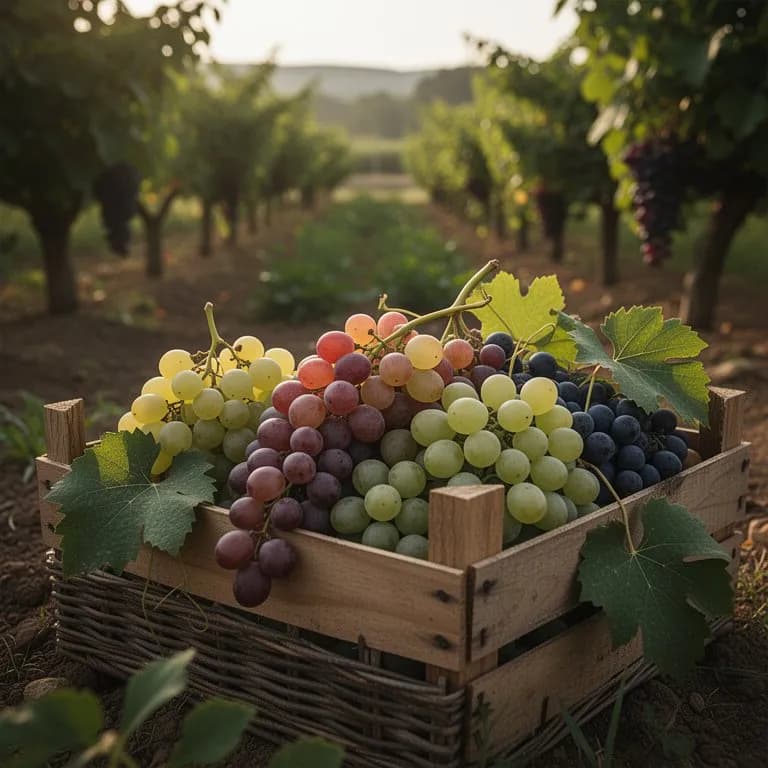
Honey-Roasted Thompson Seedless Grape Flatbread
25 minutesA simple yet stunning flatbread that transforms fresh Thompson Seedless grapes into a deeply caramelised topping through high-heat roasting. The grapes burst and concentrate into jammy, intensely sweet-tart morsels that contrast beautifully with creamy whipped ricotta, salty crumbled feta, and fragrant fresh thyme on a crispy base.
9 ingredients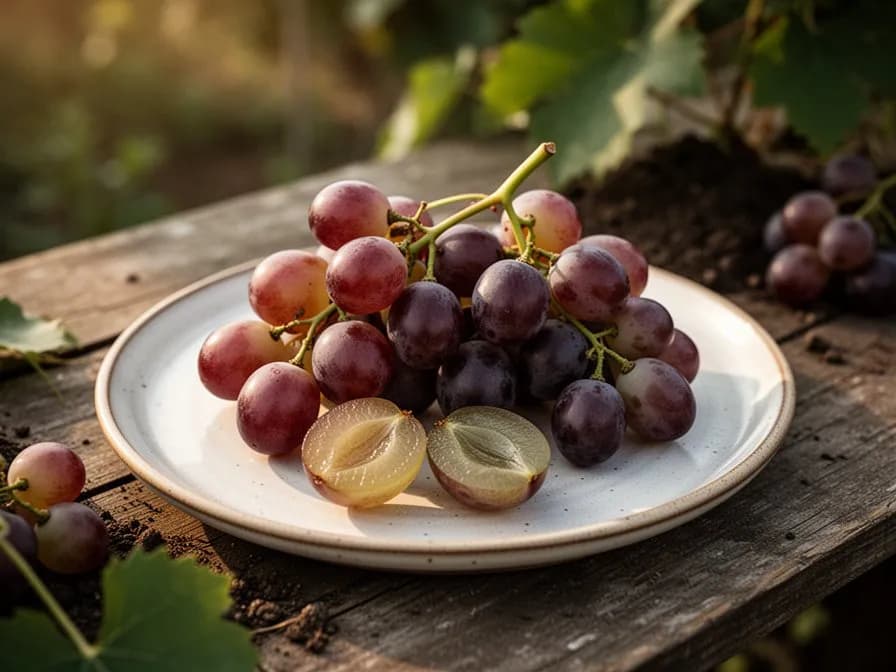
Thompson Seedless Sun-Dried Raisins
15 minutes active, 14-21 days dryingThe most satisfying way to preserve a bumper Thompson Seedless harvest is to dry them into golden raisins, exactly as California's Central Valley farmers have done for over a century. Sun-drying requires nothing more than the grapes themselves and a few weeks of warm, dry weather. The result is a product far superior in flavour to anything available in shops.
4 ingredientsFrozen Thompson Seedless Grape Sorbet
10 minutes active, 4 hours freezingA completely natural, no-added-sugar frozen treat that showcases the pure honey-sweet flavour of home-grown Thompson Seedless grapes. Blended from nothing but frozen grapes and a splash of lemon juice, this minimalist sorbet has an astonishingly clean, bright flavour and a smooth texture that rivals any commercial frozen dessert.
5 ingredientsCulinary Uses
Thompson Seedless grapes are the standard fresh snacking grape worldwide. They are the primary raisin grape, used in baking, cereals, and trail mixes. Fresh grapes are excellent in salads, chicken salad, and fruit platters. They produce light, crisp white wines and delicate grape juice. Frozen grapes make a popular healthy snack alternative to candy.
What's inside
Health Benefits
- Rich in resveratrol, a stilbenoid polyphenol concentrated in grape skins that has been extensively studied for its potential to support cardiovascular health by improving endothelial function, reducing LDL cholesterol oxidation, and helping to maintain healthy blood pressure
- Provides quercetin, catechins, and other flavonoid antioxidants that may help reduce systemic chronic inflammation — a contributing factor in a wide range of common health conditions including arthritis, metabolic syndrome, and cardiovascular disease
- Contains natural melatonin precursors and small amounts of the hormone itself, particularly in the skin, which may support healthy sleep-wake cycles when grapes are consumed as part of an evening snack
- Delivers a notable amount of vitamin K relative to its calorie content, supporting proper blood coagulation, bone mineralisation, and arterial calcium regulation with regular daily consumption
- Supplies copper and manganese, trace minerals that play essential roles in the activity of superoxide dismutase (SOD), one of the body's primary intracellular antioxidant enzyme systems
- The naturally occurring organic acids and soluble fibre in Thompson Seedless grapes support a healthy gut microbiome by providing prebiotic substrate for beneficial bacteria, contributing to improved digestive motility and gut barrier integrity
Where Thompson Seedless Grape comes from
Thompson Seedless, known botanically as Vitis vinifera 'Sultanina', traces its ancient lineage to the vineyards of the Middle East and Central Asia, where seedless or near-seedless grape mutations were selected and propagated by growers thousands of years ago. The variety appears in Persian and Ottoman records under the name 'Sultanina', reflecting its long cultivation across the eastern Mediterranean and into the Caucasus region. For centuries it was prized across Turkey, Iran, and Greece as a fresh eating grape and as the source of the pale sultana raisins that became a staple of European cookery. European traders carried the variety along well-established spice and commodity routes, and it was growing in southern Europe and North Africa by the early modern period.
The grape's American story begins in the 1870s when William Thompson, a Scottish-born horticulturalist who had settled in Yuba City in California's Sacramento Valley, obtained cuttings of the variety from a nursery and planted them on his farm. Thompson recognised the variety's exceptional adaptability to the hot, dry conditions of California's Central Valley and its remarkable versatility — the same vine could supply sweet, crisp fresh grapes for the table or be left to dry in the field into golden raisins. He actively promoted the variety to neighbouring farmers and distributed cuttings generously throughout the region, and by the 1880s it had spread widely across the San Joaquin Valley.
By the early 20th century, Thompson Seedless dominated California's commercial grape industry. The construction of cross-continental railways allowed California raisins and fresh grapes to reach markets across the United States for the first time, and the variety's durability in shipping, its appealing appearance, and its long shelf life made it the commercial standard. The California Raisin Growers Association, formed in the 1890s, built its entire marketing identity around the Thompson Seedless raisin.
Today Thompson Seedless remains the most planted table grape variety in the United States and is widely grown in Australia, South Africa, Chile, Turkey, and the Mediterranean. In home gardens it is cherished for its vigorous growth, heavy yields, and the exceptional satisfaction of harvesting crisp, honey-sweet grapes that require no seed-spitting — truly one of the great dual-purpose fruit plants available to the home grower.
Thompson Seedless Grape: did you know?
Fascinating facts about Thompson Seedless Grape
Thompson Seedless is the world's single most widely planted table grape variety, accounting for approximately half of all table grapes produced in California and a large share of global raisin production — it is the variety most consumers picture when they think of a 'supermarket green grape'.
Thompson Seedless Grape questions, answered
When should I plant Thompson Seedless Grape?
What are good companion plants for Thompson Seedless Grape?
What hardiness zones can Thompson Seedless Grape grow in?
How much sun does Thompson Seedless Grape need?
How far apart should I space Thompson Seedless Grape?
What pests and diseases affect Thompson Seedless Grape?
How do I store Thompson Seedless Grape after harvest?
What are the best Thompson Seedless Grape varieties to grow?
What soil does Thompson Seedless Grape need?
Can I grow Thompson Seedless grapes outside California and the Mediterranean?
Why does my Thompson Seedless have small, irregular berries in the cluster?
How long does it take Thompson Seedless grapes to ripen from bud break to harvest?
What is the best way to make home-dried raisins from Thompson Seedless grapes?
Does Thompson Seedless need another grape variety for cross-pollination?
How should I prune Thompson Seedless to get the best harvest each year?
You just read the theory. Now grow it on autopilot.
Everything that makes Thompson Seedless Grape fiddly — the timing, the spacing, the companions, the harvest window — is exactly what PlotMyGarden handles for you, for every plant in your garden.
A plan that knows your weather
Set your location once. Get sow, feed and harvest dates built around your real last-frost date and live forecast — no more guessing from a generic seed packet.
From the “When to plant” sectionDrag-and-drop bed planner
Design beds on a grid. Every plant snaps to its proper spacing, and you can see your whole season laid out before you spend a cent on seed.
From the “Growing guide” sectionCompanion conflicts, caught early
200+ good-and-bad pairings checked live as you plant — so a season-wrecking mistake never makes it into the ground.
From the “Companions” sectionReminders you'll actually act on
“Water the beans.” “Pick today before it turns.” Timely, specific, and tied to the plants you're really growing.
From the “Harvest” sectionSuccession, scheduled
Want a harvest for six weeks, not six days? It spaces your sowings automatically and reminds you when each new block is due.
From the “When to plant” sectionA record that gets smarter
Every harvest you log teaches it your garden. Next year's plan starts from what actually worked in your soil, not a textbook's.
From the “Overview” sectionPlant these alongside Thompson Seedless Grape
More Vine Fruits
Keep Thompson Seedless Grape away from these
Grow your best Thompson Seedless Grape yet — and everything around it.
Start a free plan today. Lay out your beds, drop in your Thompson Seedless Grape, and let PlotMyGarden handle the timing, spacing, companions and reminders from seed to harvest basket.