Concord Grape
The classic American grape with a bold, foxy flavor that defines grape jelly, juice, and Concord wine.





On this pageOverview
Meet Concord Grape
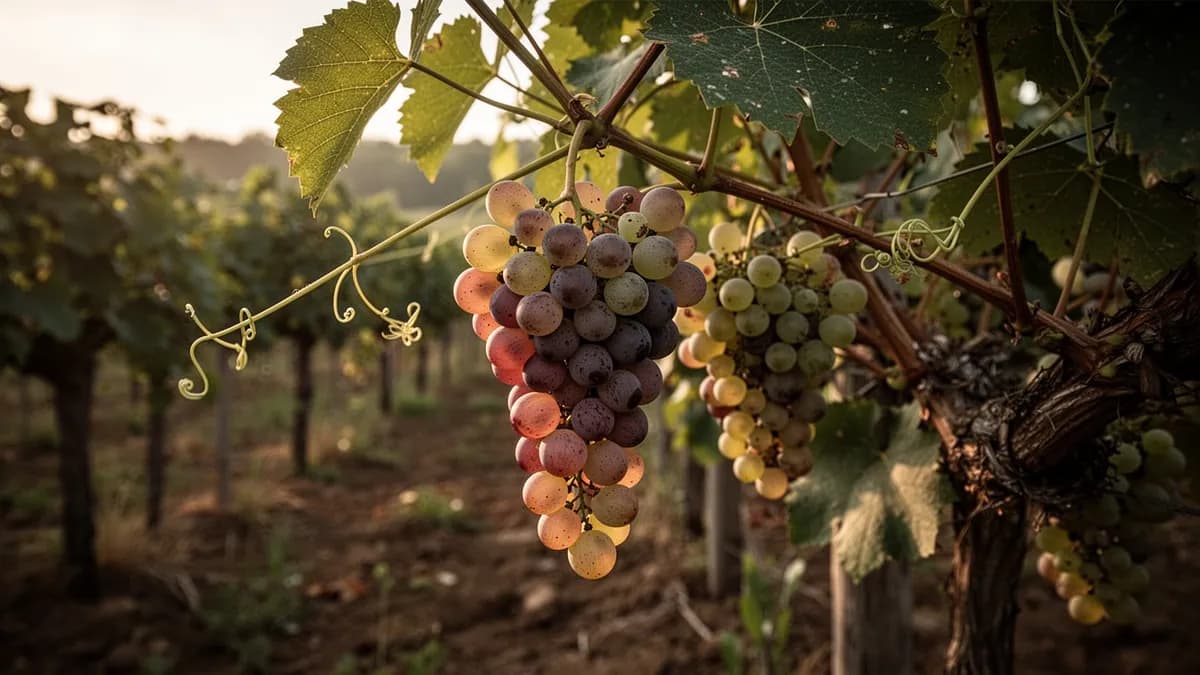
The classic American grape with a bold, foxy flavor that defines grape jelly, juice, and Concord wine. Concord grapes are extremely cold-hardy and disease-resistant, making them reliable producers in regions too harsh for European varieties. The slip-skin berries detach easily from the thick skin, which is typically discarded in cooking.
When to plant Concord Grape
Concord grapes are almost exclusively propagated by hardwood cuttings rather than seed. Take 12-inch cuttings from healthy one-year-old canes during dormant pruning in late winter. Each cutting should have three to four buds. Dip the basal end in rooting hormone and plant in a nursery bed or deep pots with the top bud just above the soil surface. Keep consistently moist. Cuttings root in six to eight weeks. Transplant to permanent locations the following spring after one full growing season in the nursery.
Your Concord Grape Year
Composed for Zone 7 · typical seasons · frost passes Apr 2, returns Nov 1
Plant Concord Grape Mar – Apr, pick Sep – Oct. Check the planting methods below and set your climate to personalize these windows.
How to grow Concord Grape
Concord grapes thrive in deep, well-drained loamy soil with a pH of 5.0 to 6.5. Plant bare-root vines in early spring while still dormant, spacing them 6 to 8 feet apart along a sturdy trellis or arbor. Dig holes wide enough to spread roots without bending, and set the graft union just above the soil line. Water deeply after planting and apply a thick layer of organic mulch.
Train vines using a four-arm Kniffin system or a high bilateral cordon. In the first year, select the strongest cane and tie it vertically. In year two, choose two to four lateral arms and remove all other growth. Concord grapes fruit on the current season's growth arising from one-year-old wood, so annual dormant pruning is essential to maintain productivity.
Water consistently during the growing season, providing about one inch per week. Reduce irrigation as berries begin to color to concentrate sugars. Concord vines are self-fertile but benefit from good air circulation. Expect first significant harvests in the third year, with full production by year five. Apply balanced fertilizer in early spring and side-dress with compost annually.
Concord Grape needs more room than a 4 × 8 ft bed gives
Each Concord Grape wants 240 cm of elbow room. The planner keeps that spacing for you — every plant, every bed.
Concord Grape's best neighbours
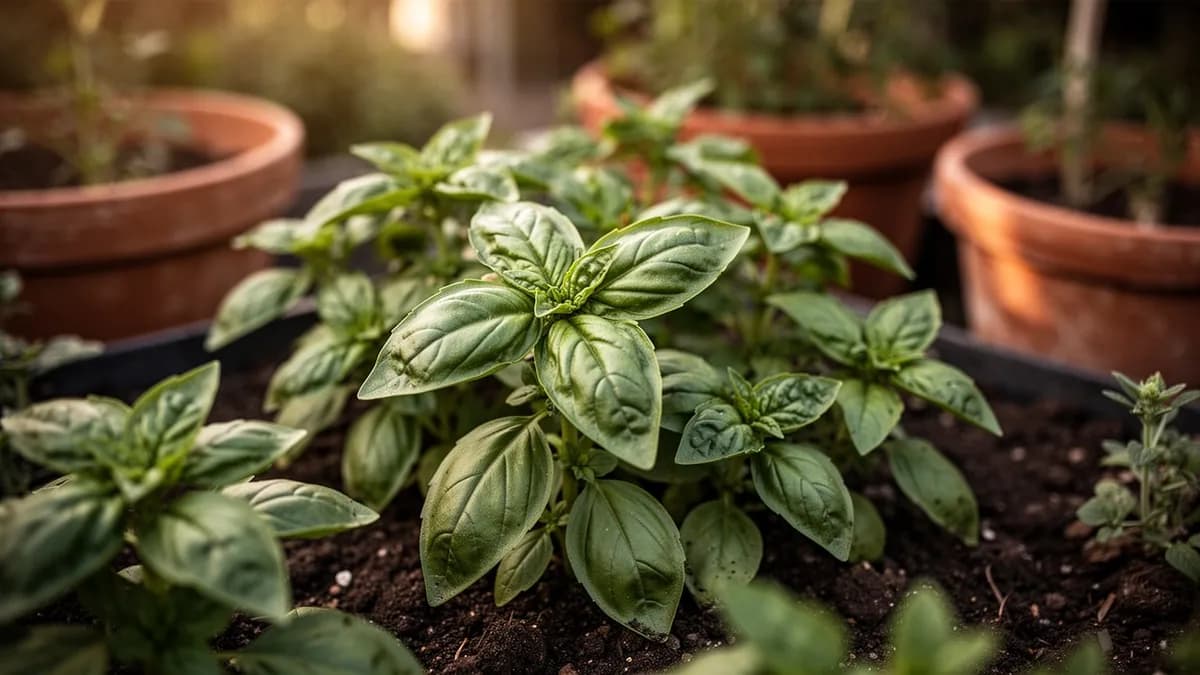
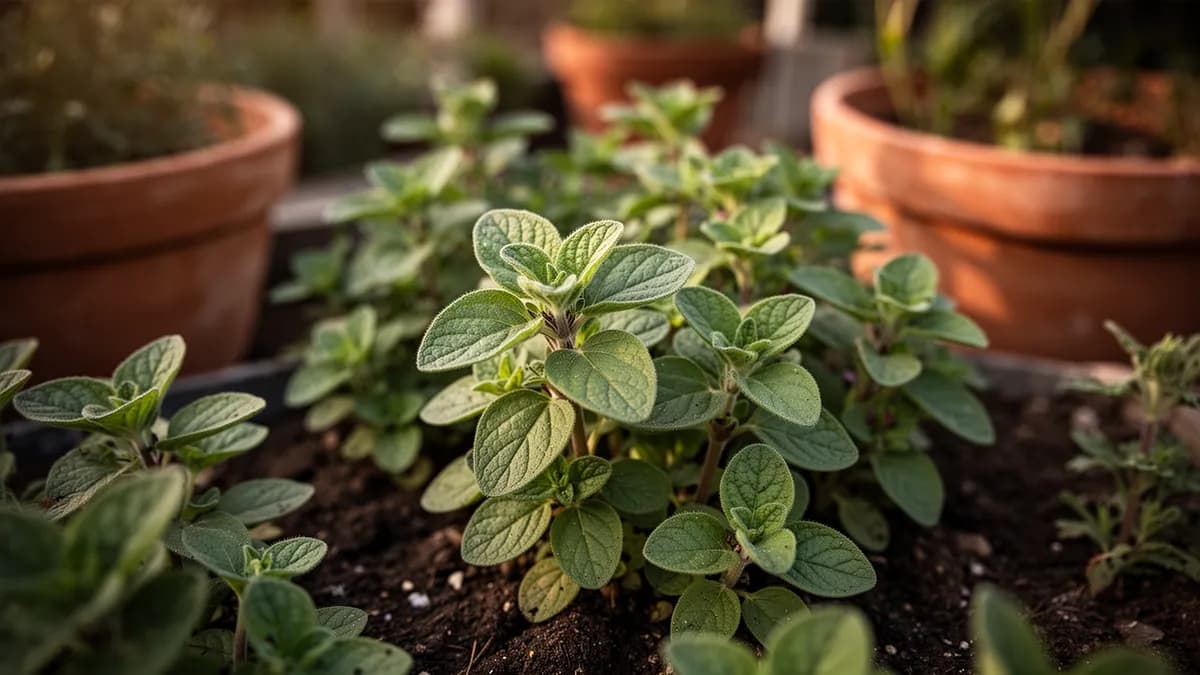
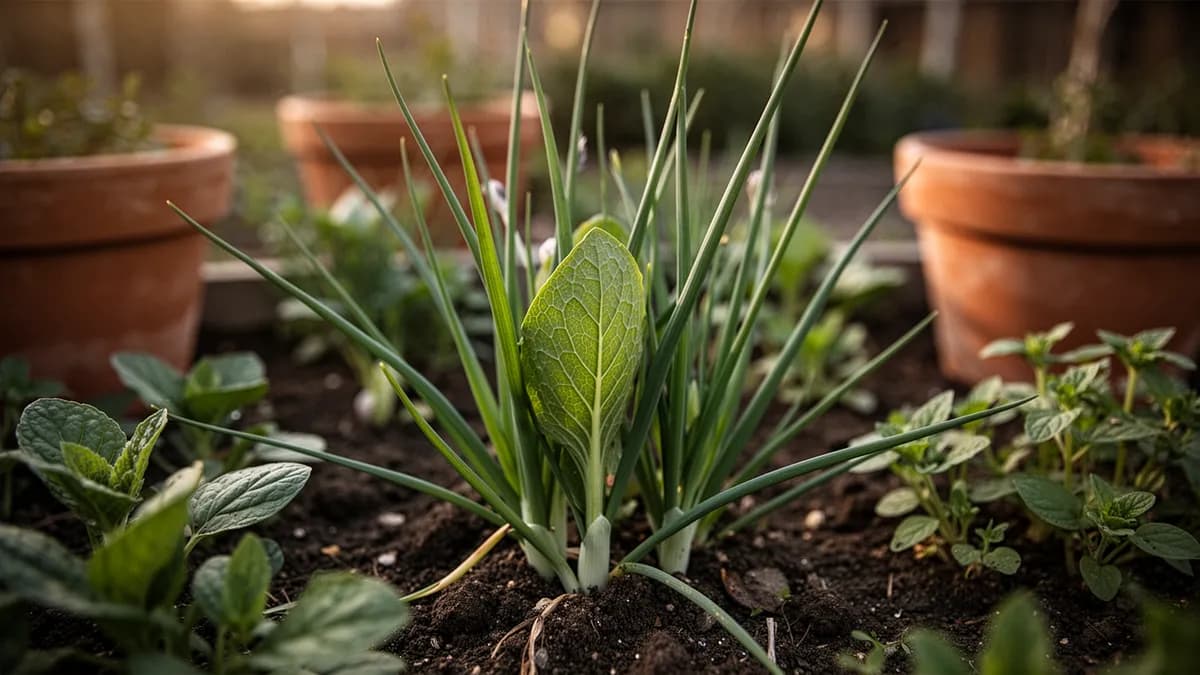
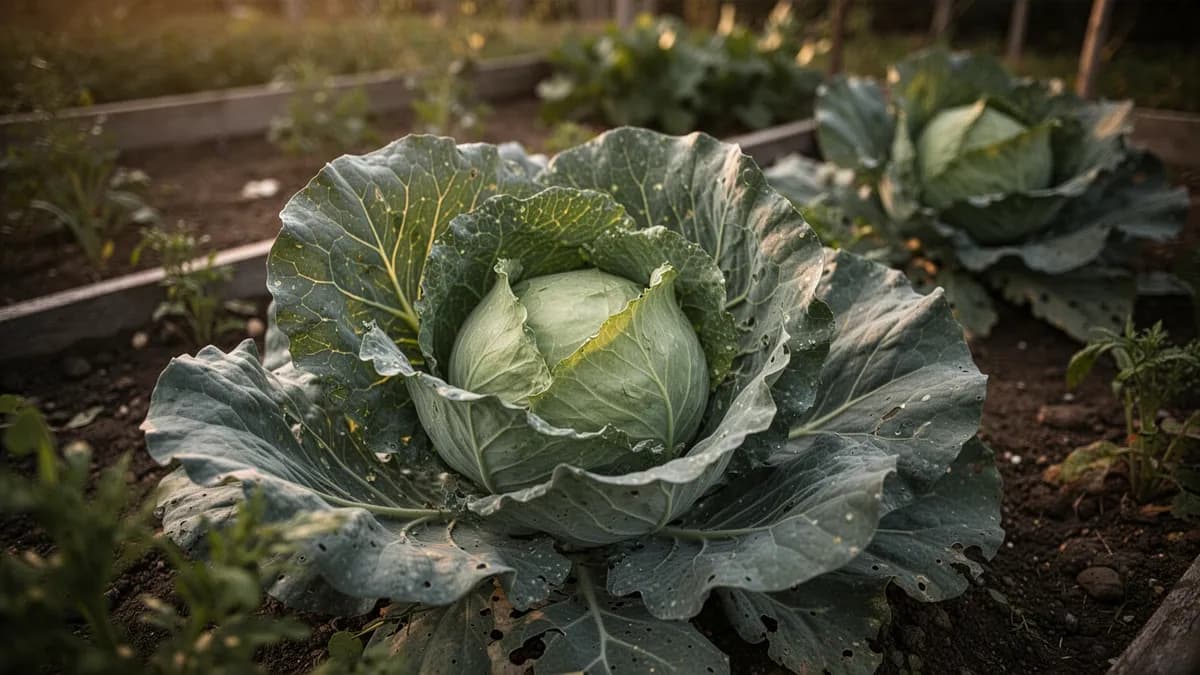
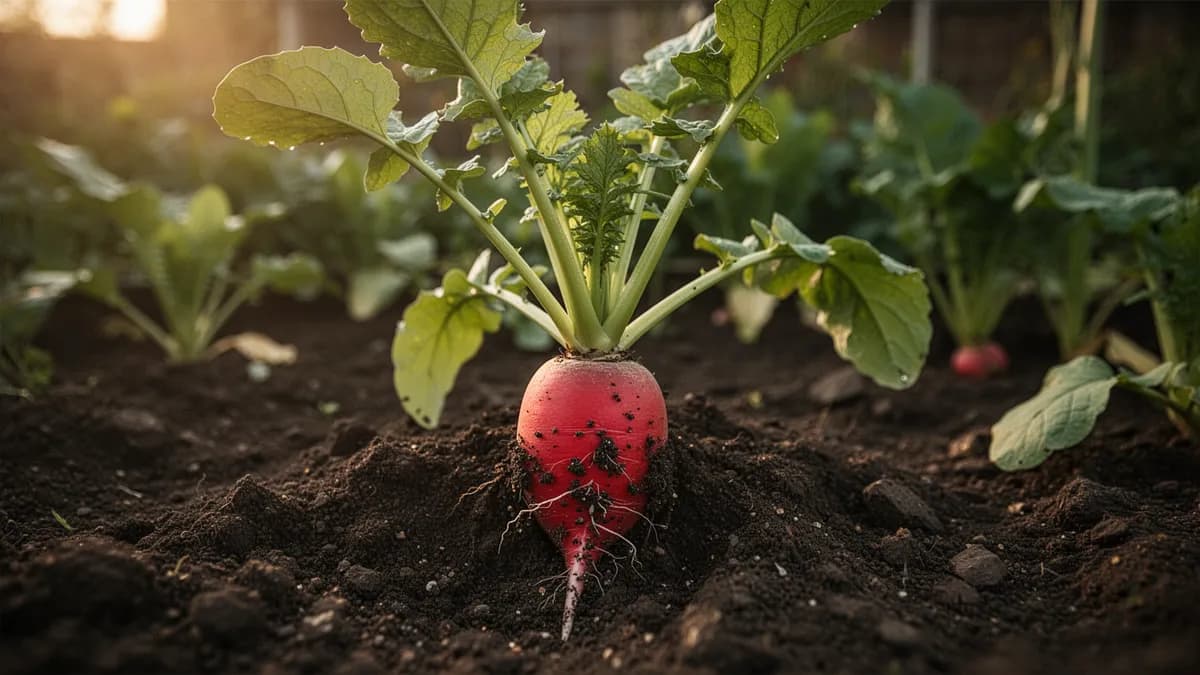
Plant basil, oregano, and chives near grape vines to repel pests and attract beneficial insects. Clover and other nitrogen-fixing cover crops between rows improve soil fertility and reduce erosion. Avoid planting near cabbage, radish, and other brassicas, which may inhibit grape growth. Roses planted at row ends serve as early warning indicators for powdery mildew. Tansy and geraniums help repel Japanese beetles.
Basil belongs beside it. Cabbage doesn't.
Old growers' knowledge, checked against Concord Grape's real companion table below — test any plant you're growing.
Try Concord Grape in a bed — right here
A real planner bed with Concord Grape already in it. Tap a companion to place it and watch the pairing checks answer — green for good neighbours, red for a clash.


Related growing guides
Feed it well
Concord grapes prefer moderately fertile, well-drained loamy soil with a pH between 5.0 and 6.5. Avoid overly rich soils, which promote excessive vegetative growth at the expense of fruit. Apply a balanced 10-10-10 fertilizer in early spring at a rate of one pound per vine. Supplement with compost or aged manure as a side-dress. Potassium is particularly important for fruit quality; apply potassium sulfate if soil tests show deficiency. Avoid high-nitrogen fertilizers after fruit set.
Ideal Temperature
Hardiness Zone Compatibility
From seed to harvest, stage by stage
Dormancy and Winter Rest
Concord grapevines enter a deep dormancy after the first hard frost of autumn, with all leaves dropped and canes hardened off. Their exceptional cold-hardiness — tolerating temperatures as low as -26°C (-15°F) — makes dormancy a period of genuine resilience rather than vulnerability. Buds remain tightly sealed, protecting next season's growth points. This rest period is essential for the vine to fulfill its chilling requirement and reset its internal biological clock for vigorous spring growth.
Bud Swell and Shoot Emergence
As soil temperatures climb above 7°C (45°F) in early spring, stored carbohydrates mobilize and Concord buds begin to swell noticeably. Woolly shoot tips push through bud scales and elongate rapidly — sometimes 2–4 cm per day during warm spells. Young leaves are small, slightly fuzzy, and bronze-tinged at first, then deepen to glossy green. Tiny inflorescence primordia (future flower clusters) are already visible as compact bumpy structures opposite the second and third leaves.
Flowering and Fruit Set
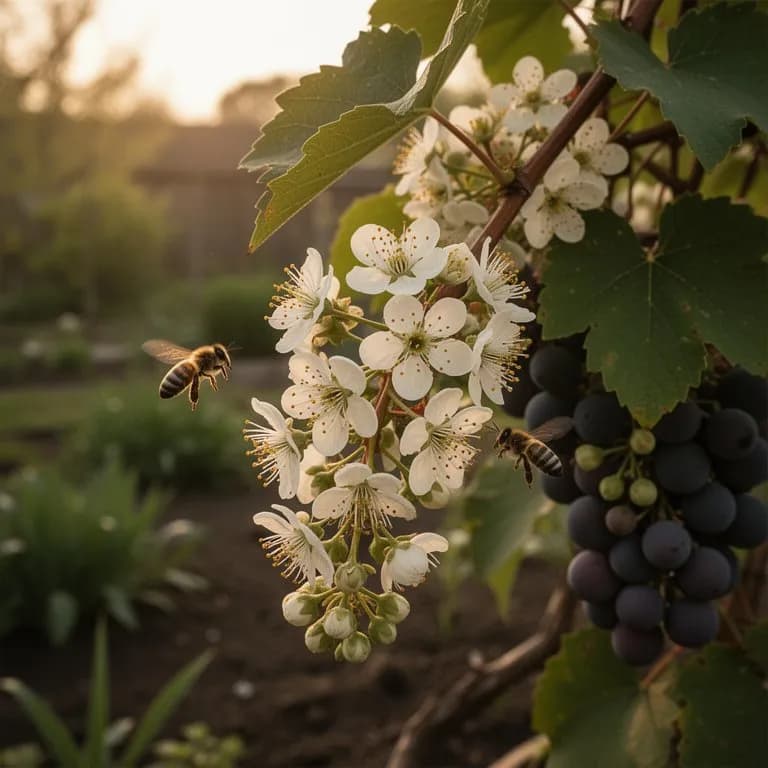
Concord's small, fragrant, yellowish-green flowers open in loose clusters during late spring. Like virtually all American-type grapes, Concord is self-fertile: pollen falls from the anther caps onto the receptive stigma without insect assistance. Under good conditions, 30–60% of flowers set fruit. Unfertilized flowers abscise cleanly, leaving tightly packed clusters of tiny, hard green berries. Excessive rainfall or temperatures below 15°C (59°F) during bloom can significantly reduce fruit set.
Berry Development and Veraison
Green Concord berries expand steadily through mid-summer, accumulating cell layers and building their characteristic thick skins. Berries remain hard, highly acidic, and intensely astringent until veraison arrives — typically in late July to early August in most growing regions. At veraison, anthocyanins flood into the skin cells within days, turning berries from green to deep blue-black. Simultaneously, sugars surge upward and the signature Concord aroma — a compound called methyl anthranilate — becomes detectable even from a distance.
Ripening and Harvest
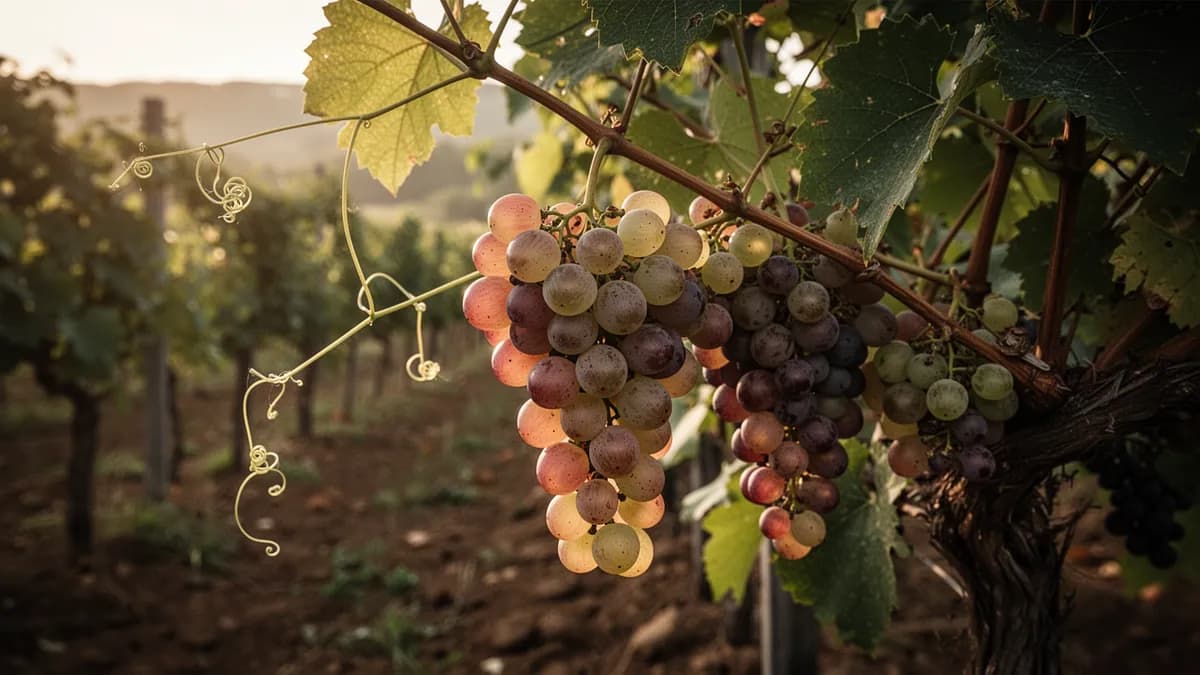
Concord grapes typically ripen 140–160 days after bud break, with most home garden harvests falling in September. Fully ripe berries are uniformly deep blue-black with a pronounced silvery-grey waxy bloom on the surface, and they slip easily from their skins when pressed — a defining trait of slip-skin American grapes. Flavor reaches its peak when seeds have turned fully brown and the characteristic foxy, musky-sweet aroma is strongest. Brix (sugar content) at optimal harvest is typically 16–19°Bx.
Post-Harvest Canopy and Dormancy Preparation
After harvest the Concord vine continues active photosynthesis through autumn, converting sunlight into carbohydrates stored in the trunk, cordon, and roots to fuel next spring's explosive shoot growth. Leaves transition to rich golden-yellow before dropping after the first killing frost. Canes gradually lignify from their base upward, changing from green to reddish-brown as they harden off for winter. This post-harvest period is biologically critical: vines deprived of leaves immediately after harvest consistently show reduced vigor the following season.
Complete all structural pruning in late winter while vines are still fully dormant, ideally in late February or early March. Remove approximately 85–90% of last season's canes, retaining only the most vigorous one-year-old wood for fruiting. In USDA zones 4–5, inspect the graft union (if any) and mound 10–15 cm of soil or straw mulch over it for added protection during the coldest weeks.
Caring for Concord Grape month by month
What to do each month for your Concord Grape
October
You are hereAllow vines to continue photosynthesizing through natural leaf fall — do not strip leaves. After leaf drop, rake and remove all fallen leaves, spent clusters, and debris from under the vines. Apply a layer of 5–8 cm of composted wood chips or straw mulch over the root zone to moderate soil temperature swings and suppress competing weeds. Review the season's notes and plan next year's pruning strategy.
Know exactly what to do in your garden — every month
One email at the start of each month: what to sow, plant, and tackle right now — for your Concord Grape and everything growing around it. Plus a short starter course that helps you dodge the classic mistakes.
- What to do, right now
- Matched to your season
- Starter course included
Harvesting Concord Grape
Concord grapes ripen in mid to late September in most regions. Berries are ready when they develop their deep purple-blue color, slip easily from the skin when squeezed, and taste sweet with the characteristic foxy flavor. The bloom, a whitish waxy coating, should be fully developed. Cut whole clusters with pruning shears rather than pulling, which can damage the vine. Harvest in the morning after dew has dried for best quality and shelf life.
assuming you plant when the window opens — set your real date
Pick Concord Grape promptly and the plant keeps producing.
Storage & Preservation
Fresh Concord grapes store for one to two weeks in the refrigerator in a perforated plastic bag. Do not wash until ready to use. For long-term preservation, Concord grapes are ideal for making jelly, jam, juice, and wine due to their high sugar and pectin content. Freeze whole clusters on sheet pans before transferring to freezer bags for up to one year. Grapes can also be dehydrated into raisins, though the slip-skin texture changes considerably.
What goes wrong — and the fix
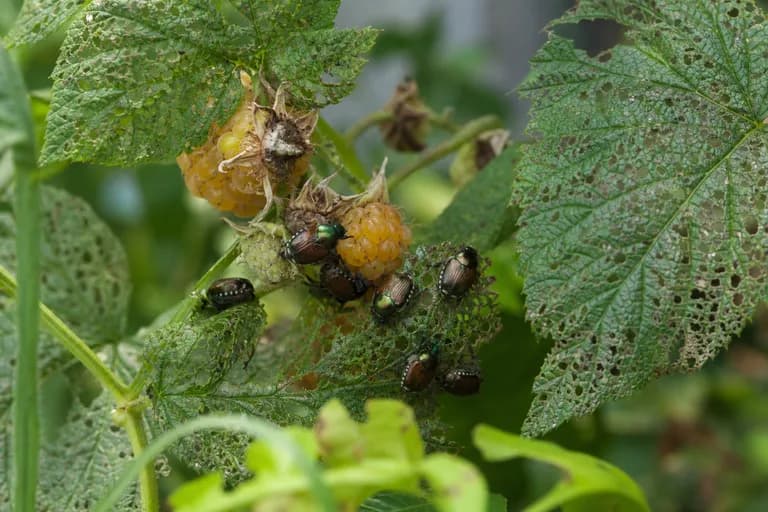
Japanese Beetle
PestSkeletonized leaves with only veins remaining, reduced vine vigor and fruit quality.
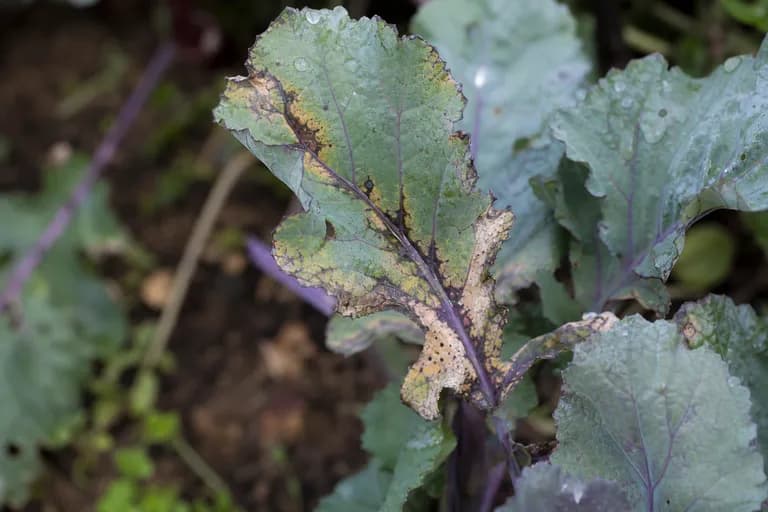
Black Rot
DiseaseBrown lesions on leaves followed by shriveled, mummified black berries that remain on the cluster.
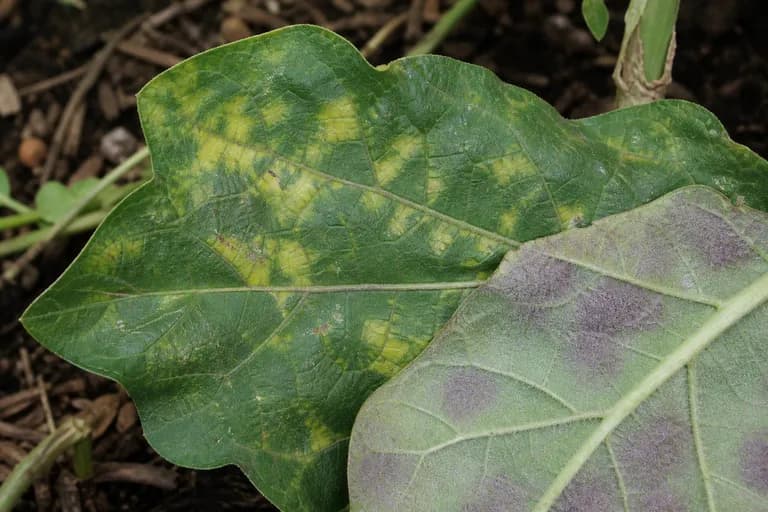
Downy Mildew
DiseaseYellow oily spots on upper leaf surfaces with white cottony growth underneath. Infected berries turn brown and drop.
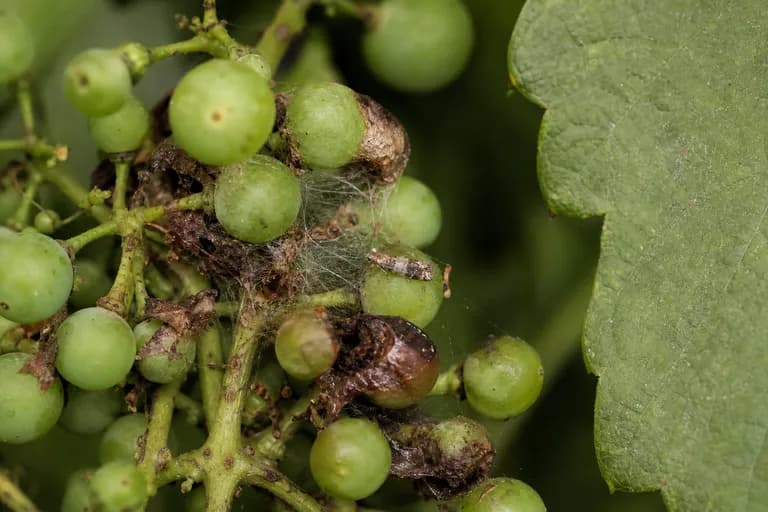
Grape Berry Moth
PestWebbing on berry clusters, larvae boring into berries causing rot and early fruit drop.
Troubleshooting Common Problems
The most common issue is poor fruit set caused by excessive nitrogen, heavy rain during bloom, or insufficient sunlight. Overcrowded canopies reduce air circulation and promote fungal diseases. Birds are major pests and may require netting once berries begin to color. Poor pruning leads to excessive shoot growth and small, sparse clusters. Concord grapes can also suffer from winter injury in exposed sites at the northern edge of their range. Planting on slopes with good cold air drainage helps prevent frost damage.
Growing Tips
- Plant Concord grapevines in full sun — a minimum of 8 hours of direct sunlight per day is essential for the sugar accumulation and anthocyanin development that give Concord its signature flavor and deep color. Vines grown in partial shade produce thin, sour, poorly colored fruit regardless of how well they are otherwise managed.
- Concord is well suited to a simple 4-arm Kniffin training system: a permanent trunk reaching the first wire (approximately 90 cm) with two permanent arms trained in each direction along a second wire at 150 cm. Each arm is renewed annually with vigorous one-year-old canes, keeping the fruiting wood close to the trunk and manageable.
- Concord's most serious disease threat in humid climates is black rot (Guignardia bidwellii), which produces circular brown lesions on leaves and mummifies berries into hard black 'raisins' still attached to the cluster. Preventing black rot requires a consistent fungicide program beginning at shoot emergence and continuing through veraison, combined with thorough removal and disposal of all infected plant material.
- The thick, tart skin of Concord berries is where the majority of the flavor, color, and health-promoting compounds reside. For maximum nutritional and flavor benefit when juicing, gently heat the crushed grapes with a small amount of water before pressing to extract as much skin pigment and methyl anthranilate as possible.
- Concord vines benefit from a soil pH between 5.5 and 6.5 — slightly acidic, which is typical of the northeastern American soils where the variety evolved. In areas with alkaline soil, work sulfur into the planting bed the autumn before planting and re-test soil pH annually. Iron chlorosis (yellowing between leaf veins) is a common sign of pH that is too high for proper iron absorption.
- Concord grapes ripen unevenly within a cluster and even across different parts of the vine canopy, with sun-exposed clusters often ready a full week before shaded ones. Avoid harvesting the entire vine on a single date — instead, make two or three passes over 10–14 days, selecting clusters individually at peak ripeness based on flavor tasting and seed color rather than calendar date alone.
- In USDA zone 5 and colder, provide supplemental winter protection for young vines in their first two years before the trunk has fully hardened. After the first killing frost, wrap the lower trunk with burlap or horticultural fleece and mound 15 cm of straw or soil over the graft union. Established Concord vines rarely need protection once their trunks have woody maturity.
- Concord's natural foxy aroma and slip-skin texture make it less popular as a fresh table grape with some palates but incomparable for processed products. Plan your harvest use in advance: clusters destined for juice or jelly can be harvested slightly past peak fresh-eating ripeness (higher Brix, deeper color) for maximum processed product quality, while clusters for fresh eating should be taken slightly earlier for the best balance of sweetness and acidity.
- Manage canopy density by removing lateral shoot growth that shades the interior of the vine. Concord is a naturally vigorous grower and will fill available space quickly — in a home garden setting, regularly tuck or trim shoots that have grown beyond the trellis width to keep the vine in bounds and prevent overcrowding that drives disease pressure.
- Propagate new Concord vines at virtually no cost by taking 30 cm hardwood cuttings from healthy, pencil-thick one-year-old canes during winter pruning. Bundle cuttings, label them, and store upright in barely moist peat or sawdust in a cool garage through winter. Plant out in early spring with two buds below the soil surface — Concord roots enthusiastically and you can expect 70–80% success with minimal effort.
Grow your best Concord Grape yet — and everything around it.
Start a free plan today. Lay out your beds, drop in your Concord Grape, and let PlotMyGarden handle the timing, spacing, companions and reminders from seed to harvest basket.
Pick your Concord Grape
Concord
The original standard with intense foxy flavor, extremely cold-hardy to zone 4, and the benchmark for grape jelly and juice production.
Concord Seedless
A seedless sport of the original Concord with slightly smaller berries but the same classic flavor and excellent cold hardiness.
Fredonia
An early-ripening Concord-type grape with large, blue-black berries and vigorous growth, ripening two to three weeks before Concord.
Niagara
A white Concord-type grape with sweet, musky flavor excellent for fresh eating, white juice, and wine. Nearly as hardy as Concord.
A bare-root Concord grapevine costs $10–18 at most nurseries and, once established by its third or fourth year, will reliably produce 7–14 kg (15–30 lbs) of fruit annually for 40–60 years or longer. At current organic Concord grape prices of $4–6 per pound, a mature vine can yield the equivalent of $60–180 worth of fresh fruit in a single season. The savings multiply further when you consider that homemade Concord grape jelly, which retails for $6–9 per jar at farmers markets, can be produced from a single vine's harvest for roughly $0.30–0.50 in supplies per jar. A household that presses its own Concord juice avoids paying $4–7 per bottle for commercial grape juice year-round. Over a 20-year productive lifespan, a single well-managed Concord vine represents over $1,000 in cumulative fruit and processed product value from a $15 initial investment.
Quick recipes
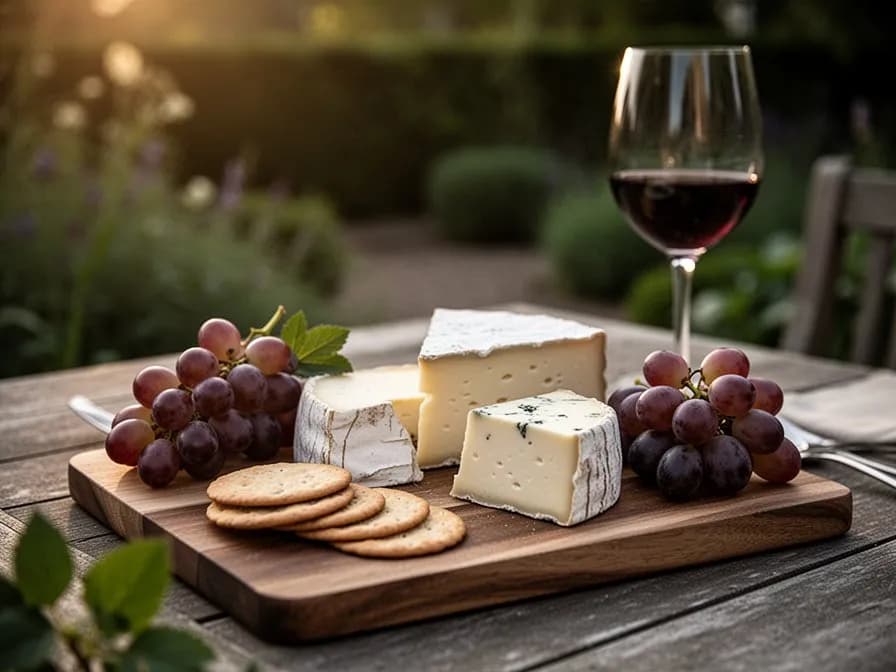
Classic Concord Grape Jelly
1 hour plus overnight drainingThe definitive use for a Concord harvest — a shimmering, intensely flavored jelly with a gorgeous deep purple color and the unmistakable foxy-sweet aroma that defines this variety. Proper draining of the cooked juice without pressing produces a beautifully clear jelly that sets firmly and keeps for up to a year when properly canned.
5 ingredientsFresh-Pressed Concord Grape Juice
30 minutesNothing compares to the deep, complex flavor of freshly pressed Concord juice made at home — far richer and more aromatic than any commercial version. This simple hot-press method extracts maximum juice and color from the thick-skinned berries and can be drunk fresh, refrigerated for up to five days, or canned in a water-bath canner for long-term storage.
5 ingredients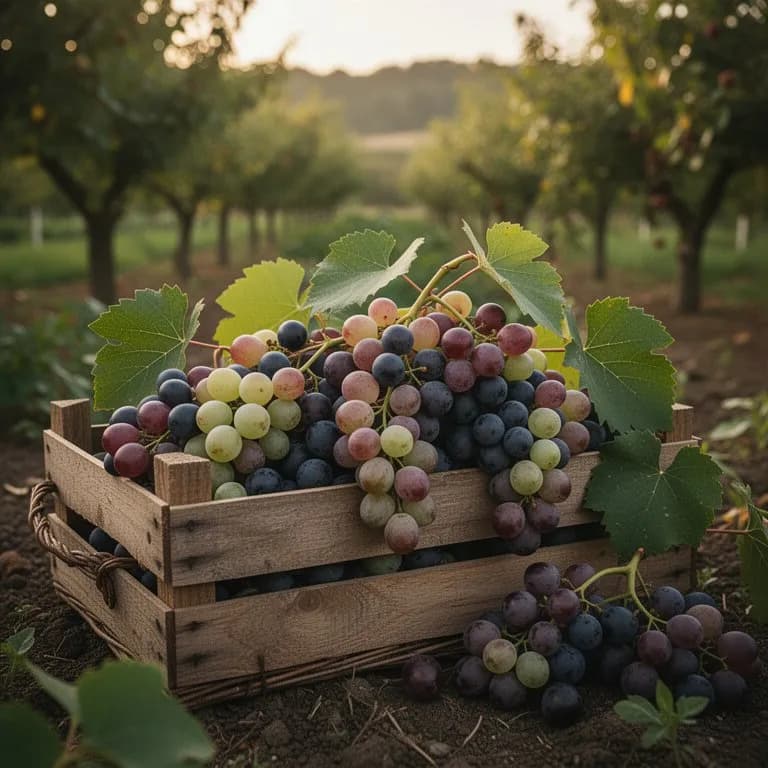
Roasted Concord Grape Galette
25 minutes prep, 35 minutes bakingA rustic free-form tart that lets Concord grapes shine in an unexpected savory-sweet context. Roasting concentrates the grapes' flavor and partially caramelizes their natural sugars, creating a jammy, jewel-toned filling inside a buttery, crisp pastry shell. A small amount of fresh thyme and a drizzle of honey balance the grapes' natural tartness beautifully.
8 ingredientsCulinary Uses
Concord grapes are the quintessential grape for homemade jelly, jam, and juice. Their intense flavor makes excellent wine and grape pie, a regional specialty. Slip-skin berries can be eaten fresh as a snack. The juice is used in sorbets, popsicles, and shrubs. Concord grape butter is a traditional Appalachian preserve.
What's inside
Health Benefits
- Concord grapes contain among the highest anthocyanin concentrations of any commonly grown fruit, with these deep blue-red pigments acting as potent antioxidants that help protect cells from oxidative damage linked to cardiovascular disease, cancer, and accelerated aging
- Regular consumption of Concord grape juice has been demonstrated in multiple clinical trials to improve blood flow and reduce blood pressure by promoting the production of nitric oxide, which relaxes arterial walls and reduces resistance to blood flow
- The polyphenol compounds in Concord grapes — particularly pterostilbene and resveratrol — have been shown in human studies to improve verbal learning and memory in older adults experiencing early cognitive decline, suggesting a protective role against age-related cognitive deterioration
- Concord grape skin contains resveratrol, which research suggests may help reduce LDL cholesterol oxidation and platelet aggregation, two key factors in the development of atherosclerotic plaque and coronary artery disease
- The naturally occurring quercetin in Concord grapes exhibits potent anti-inflammatory activity by inhibiting the production of pro-inflammatory cytokines, potentially benefiting those with inflammatory conditions such as arthritis and metabolic syndrome
- Concord grapes provide a meaningful source of vitamin K (approximately 14–16 mcg per 100g), an essential nutrient for proper blood coagulation and the regulation of calcium deposition in bones, supporting long-term bone mineral density maintenance
Where Concord Grape comes from
The Concord grape (Vitis labrusca 'Concord') is one of the most distinctly American plants in cultivation — a variety born not from ancient agricultural tradition but from a single man's determined experiment in a Massachusetts backyard. Ephraim Wales Bull, a Boston goldbeater who retired to Concord, Massachusetts, began selecting seedlings from wild native foxgrape (Vitis labrusca) vines growing on his property around 1843. Over six years he grew thousands of seedlings, tasting and evaluating each one, searching for a grape that combined the cold-hardiness and disease resistance of the wild American species with sweetness and productivity acceptable to home gardeners and farmers in the harsh northeastern climate. In 1849 he identified a standout seedling with large, richly flavored, deep blue-black berries that ripened reliably before the autumn frosts and withstood the region's notorious humidity with minimal disease pressure. He named it 'Concord' after his hometown and introduced it publicly at the Massachusetts Horticultural Society exhibition in 1853, where it won immediate acclaim.
The timing proved perfect. American agriculture was expanding rapidly westward, and settlers in the Great Lakes region and mid-Atlantic states desperately needed a grape that could thrive without the careful coddling demanded by European Vitis vinifera varieties, which routinely succumbed to American fungal diseases and winter cold. Concord spread with remarkable speed throughout the northeastern and midwestern United States through the 1850s and 1860s, planted by home gardeners, commercial growers, and temperance-movement advocates alike.
The temperance connection proved transformative. In 1869, New Jersey dentist and Methodist deacon Thomas Bramwell Welch began pasteurizing fresh Concord grape juice to eliminate fermentation, producing what he called 'Dr. Welch's Unfermented Wine' as a non-alcoholic communion option for his church. The product found little commercial traction until his son Charles Welch rebranded and marketed it aggressively at the 1893 Chicago World's Fair as a health beverage. The resulting Welch's Grape Juice company established enormous Concord vineyards throughout the Finger Lakes region of New York and the Lake Erie shoreline, creating the commercial infrastructure that defines American Concord production to this day.
Concord's botanical identity is primarily Vitis labrusca, the wild foxgrape native to northeastern North America, with possible minor hybridization with Vitis vinifera evident in the variety's slightly higher sugar content compared to truly wild labrusca selections. This native American heritage gives Concord its extraordinary cold-hardiness, thick protective skin, and the methyl anthranilate compounds responsible for its signature foxy aroma — the flavor that defines grape candy, grape soda, and grape jelly for generations of American consumers.
Concord Grape: did you know?
Fascinating facts about Concord Grape
The Concord grape was developed in 1849 by Ephraim Wales Bull in Concord, Massachusetts, who spent six years selecting seedlings from wild Vitis labrusca vines in his backyard. He introduced it to the public in 1853, and it quickly became the most widely planted American grape variety, a title it still holds in the northeastern United States.
Concord Grape questions, answered
When should I plant Concord Grape?
What are good companion plants for Concord Grape?
What hardiness zones can Concord Grape grow in?
How much sun does Concord Grape need?
How far apart should I space Concord Grape?
What pests and diseases affect Concord Grape?
How do I store Concord Grape after harvest?
What are the best Concord Grape varieties to grow?
What soil does Concord Grape need?
Why do my Concord grapes taste sour or have very little of that classic grape flavor?
Can I grow Concord grapes in a warm southern climate?
What is the difference between Concord grapes and regular table grapes at the grocery store?
How do I deal with Japanese beetles on my Concord vines?
My Concord vine is very old and produces lots of leaves but very little fruit. What should I do?
Is it true that Concord grape seeds and skins contain more antioxidants than the juice or flesh?
You just read the theory. Now grow it on autopilot.
Everything that makes Concord Grape fiddly — the timing, the spacing, the companions, the harvest window — is exactly what PlotMyGarden handles for you, for every plant in your garden.
A plan that knows your weather
Set your location once. Get sow, feed and harvest dates built around your real last-frost date and live forecast — no more guessing from a generic seed packet.
From the “When to plant” sectionDrag-and-drop bed planner
Design beds on a grid. Every plant snaps to its proper spacing, and you can see your whole season laid out before you spend a cent on seed.
From the “Growing guide” sectionCompanion conflicts, caught early
200+ good-and-bad pairings checked live as you plant — so a season-wrecking mistake never makes it into the ground.
From the “Companions” sectionReminders you'll actually act on
“Water the beans.” “Pick today before it turns.” Timely, specific, and tied to the plants you're really growing.
From the “Harvest” sectionSuccession, scheduled
Want a harvest for six weeks, not six days? It spaces your sowings automatically and reminds you when each new block is due.
From the “When to plant” sectionA record that gets smarter
Every harvest you log teaches it your garden. Next year's plan starts from what actually worked in your soil, not a textbook's.
From the “Overview” sectionPlant these alongside Concord Grape
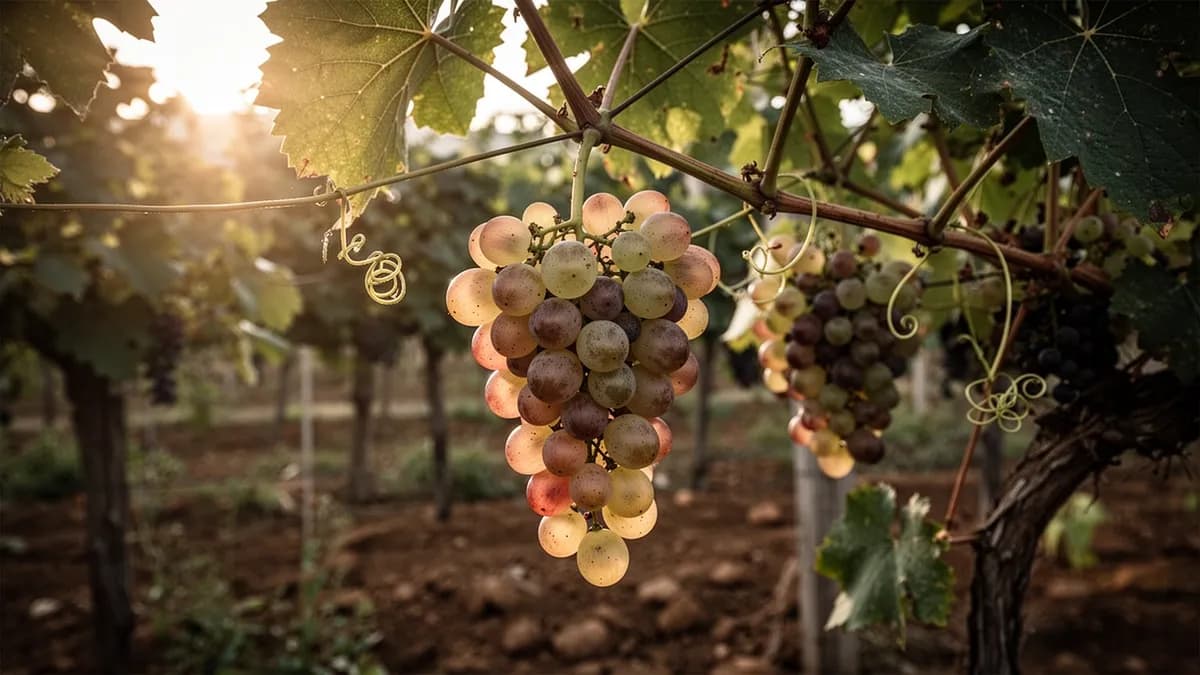
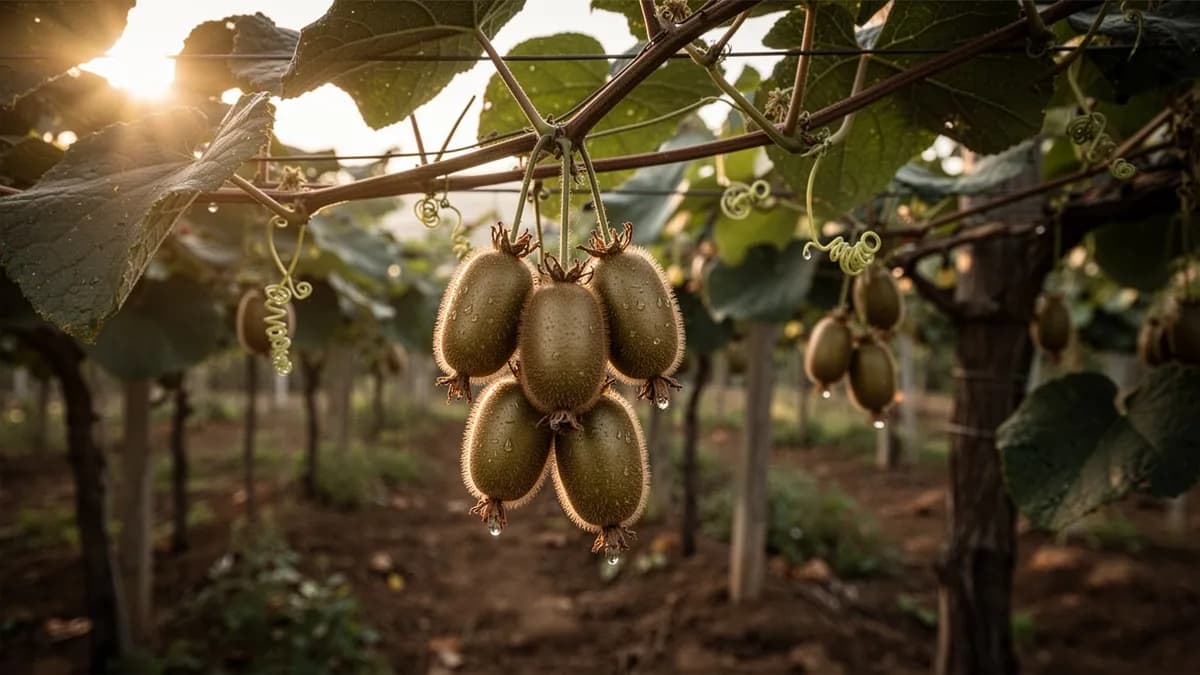
More Vine Fruits
Keep Concord Grape away from these
Grow your best Concord Grape yet — and everything around it.
Start a free plan today. Lay out your beds, drop in your Concord Grape, and let PlotMyGarden handle the timing, spacing, companions and reminders from seed to harvest basket.