Kiwi
A vigorous deciduous vine requiring both male and female plants for pollination and a strong trellis for support.





On this pageOverview
Meet Kiwi
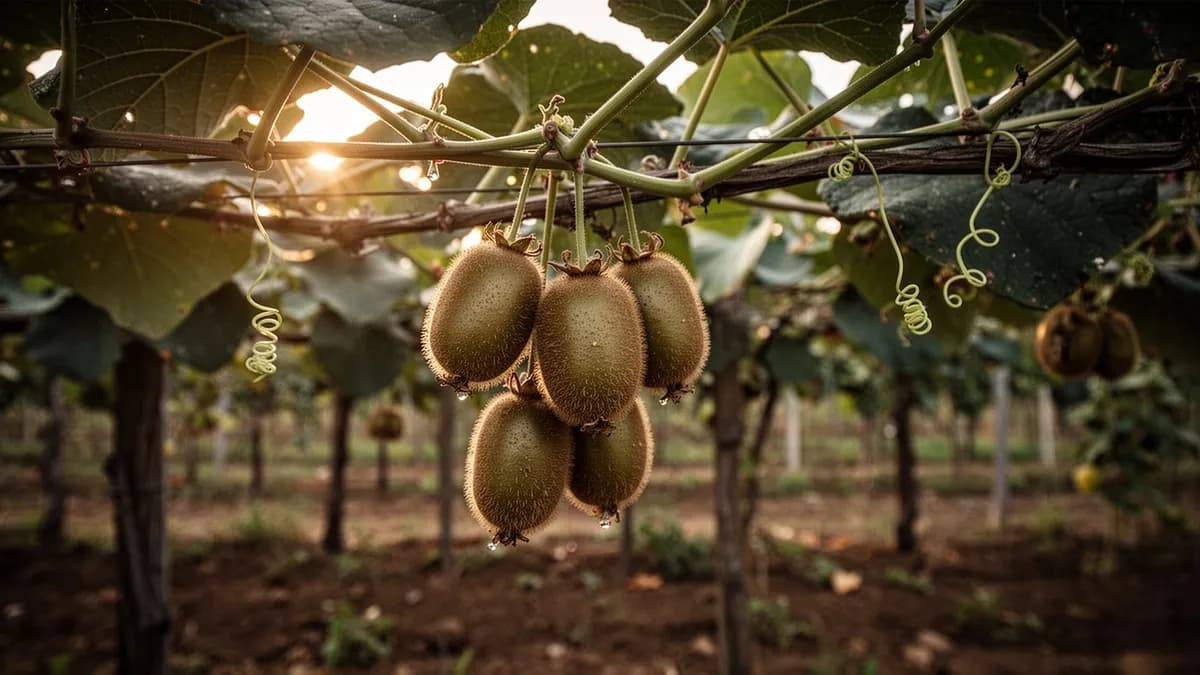
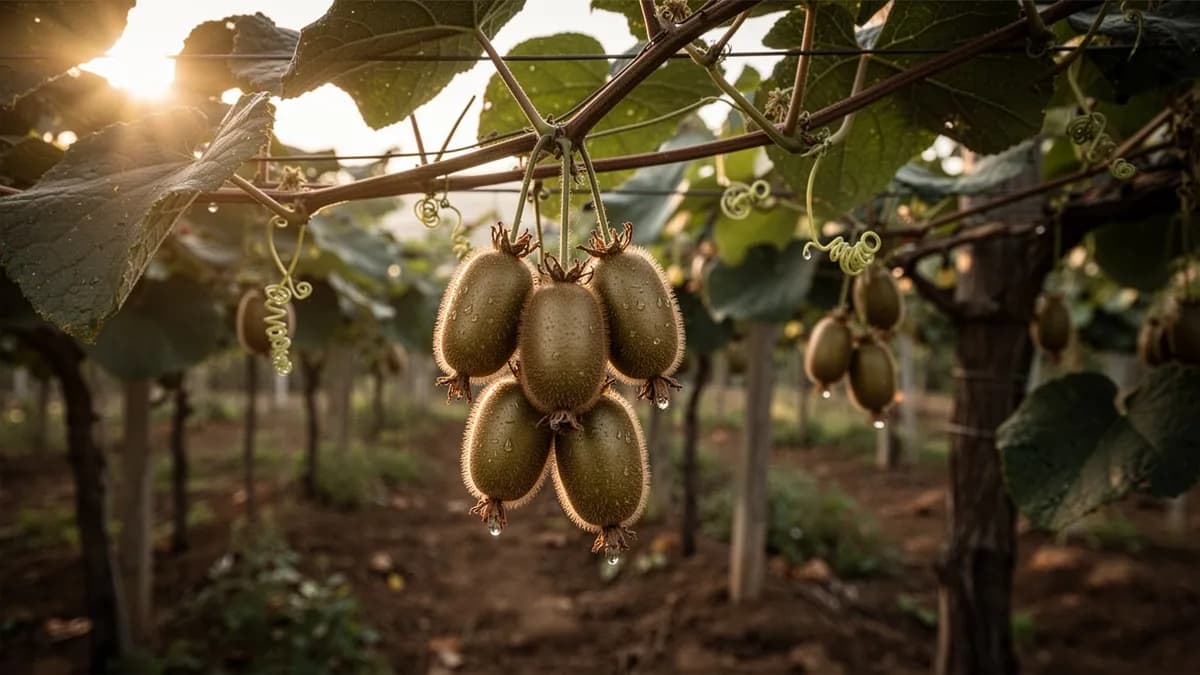
A vigorous deciduous vine requiring both male and female plants for pollination and a strong trellis for support. One male plant can pollinate up to eight females, so plan your planting layout accordingly to maximize fruit production. Kiwi vines need heavy annual pruning in winter to control their rampant growth and encourage fruiting on short lateral branches. Hardy kiwi varieties with smooth, grape-sized fruits are available for colder climates and can tolerate temperatures well below zero.
When to plant Kiwi
Kiwi is most reliably propagated by grafting or from rooted cuttings taken in late winter from healthy, productive vines. Take hardwood cuttings six to eight inches long, dip the base in rooting hormone, and insert into moist perlite or sand under a humidity dome. Bottom heat of 70 degrees Fahrenheit accelerates rooting in four to six weeks. Seed propagation is possible but impractical, as seedlings take five to nine years to fruit and gender cannot be determined until flowering. Stratify seeds for four weeks before sowing.
Your Kiwi Year
Composed for Zone 7 · typical seasons · frost passes Apr 2, returns Nov 1
Plant Kiwi Mar – Apr, pick Oct – Nov. Check the planting methods below and set your climate to personalize these windows.
How to grow Kiwi
Kiwi vines are vigorous deciduous climbers that require a sturdy trellis or pergola capable of supporting several hundred pounds of foliage and fruit. Install a T-bar trellis system with heavy gauge wire before planting, as mature vines can span fifteen to thirty feet. Plant in a sheltered location protected from late spring frosts, which can damage emerging shoots, and from strong winds that shred the large, soft leaves.
Both male and female plants are required for pollination, with one male vine sufficient for up to eight females. Plant vines in spring in deep, well-drained soil enriched with compost, spacing them ten to fifteen feet apart along the trellis. Water deeply and regularly during the first two growing seasons to establish a strong root system. Kiwi vines are heavy feeders and benefit from balanced fertilizer applied in early spring and again after fruit set.
Prune kiwi vines aggressively in winter, removing up to seventy percent of the previous season's growth. Train a single trunk up to the trellis wire, then develop permanent lateral arms along the wire. Fruiting occurs on short lateral shoots arising from one-year-old wood, so annual renewal pruning is essential for consistent production. Summer pruning to remove tangled growth improves light penetration and air circulation within the canopy.
Kiwi needs more room than a 4 × 8 ft bed gives
Each Kiwi wants 300 cm of elbow room. The planner keeps that spacing for you — every plant, every bed.
Kiwi's best neighbours
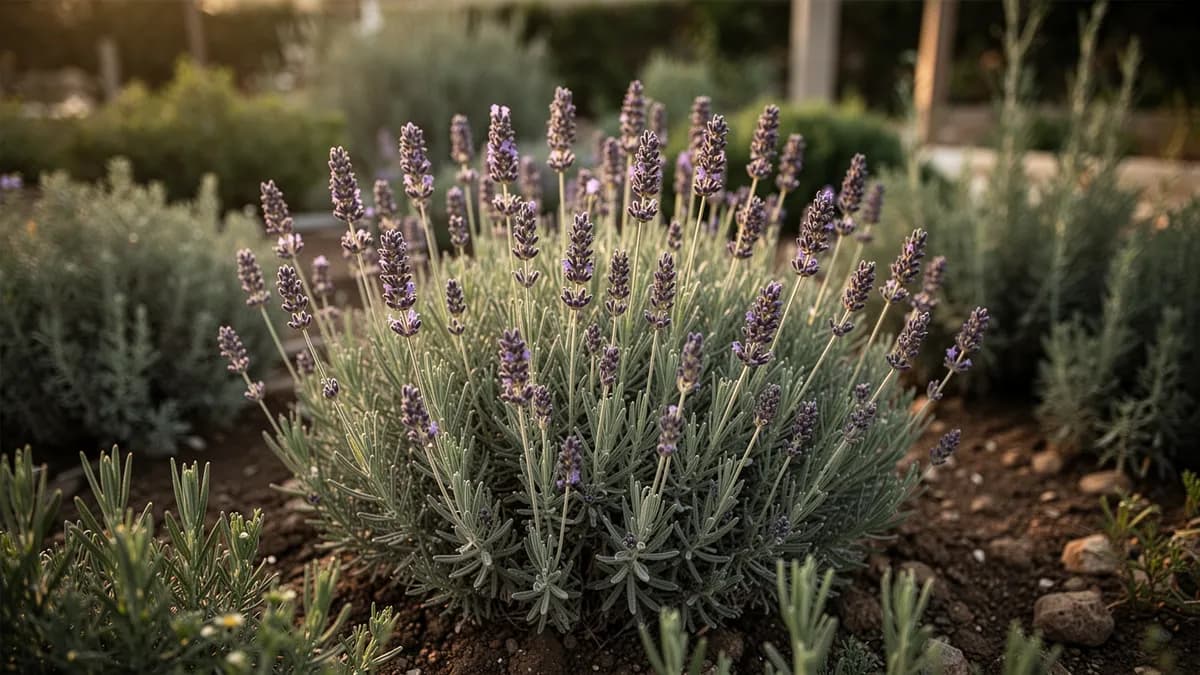
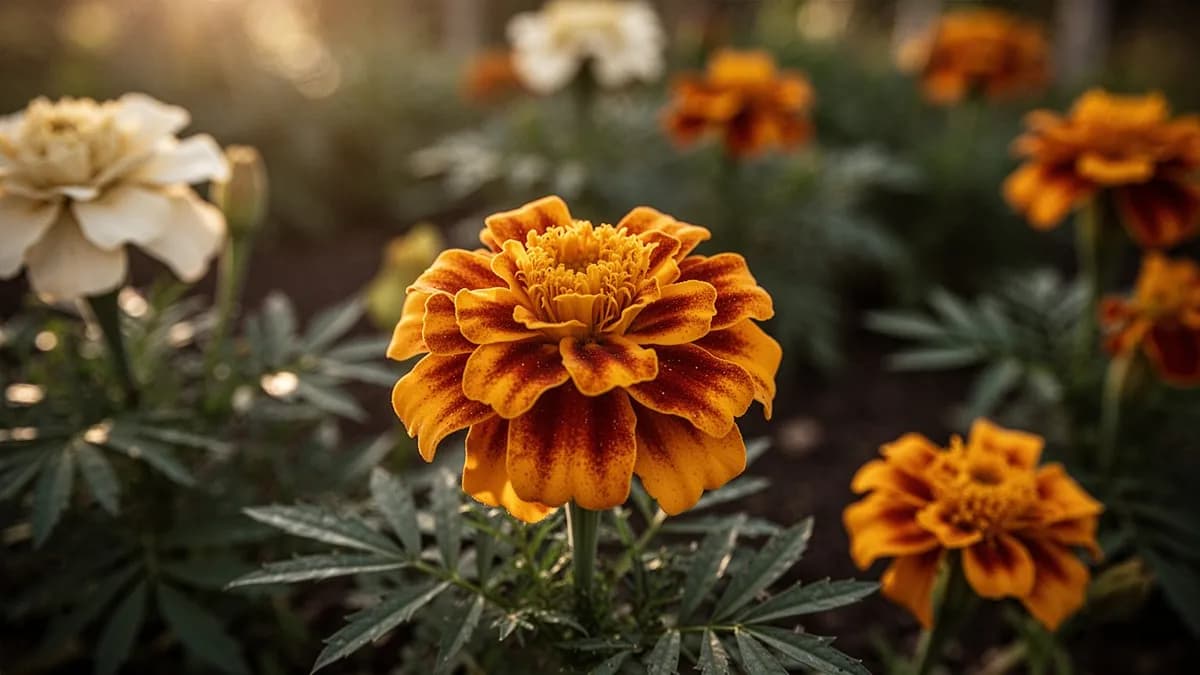
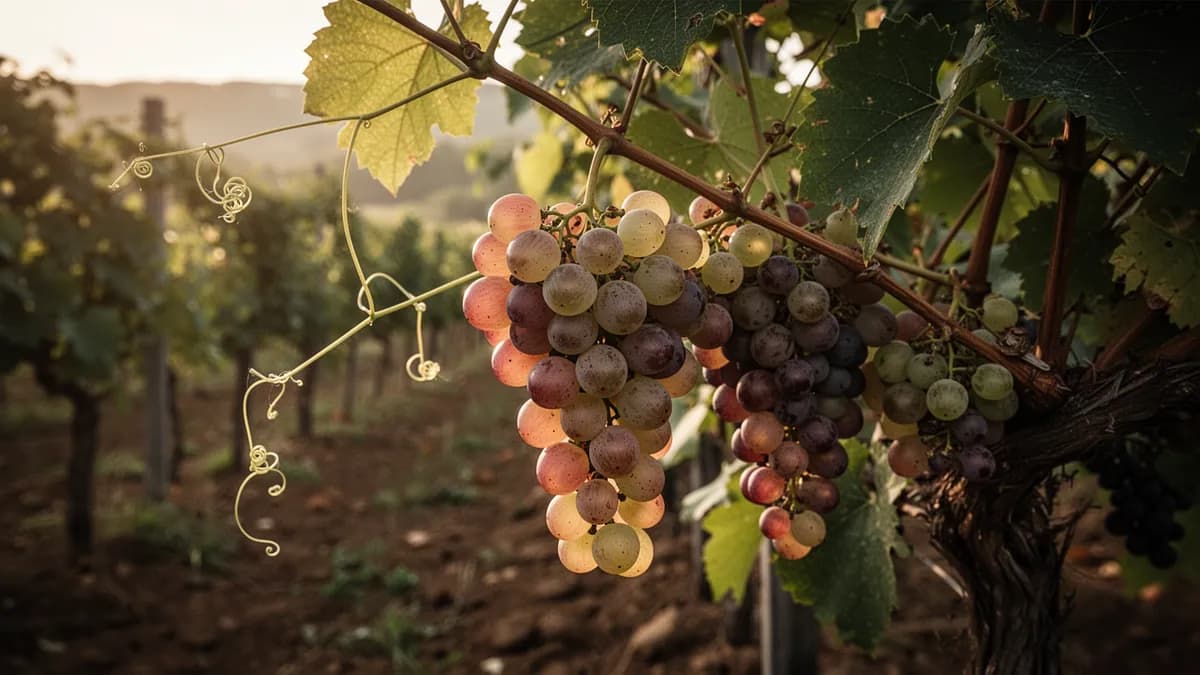
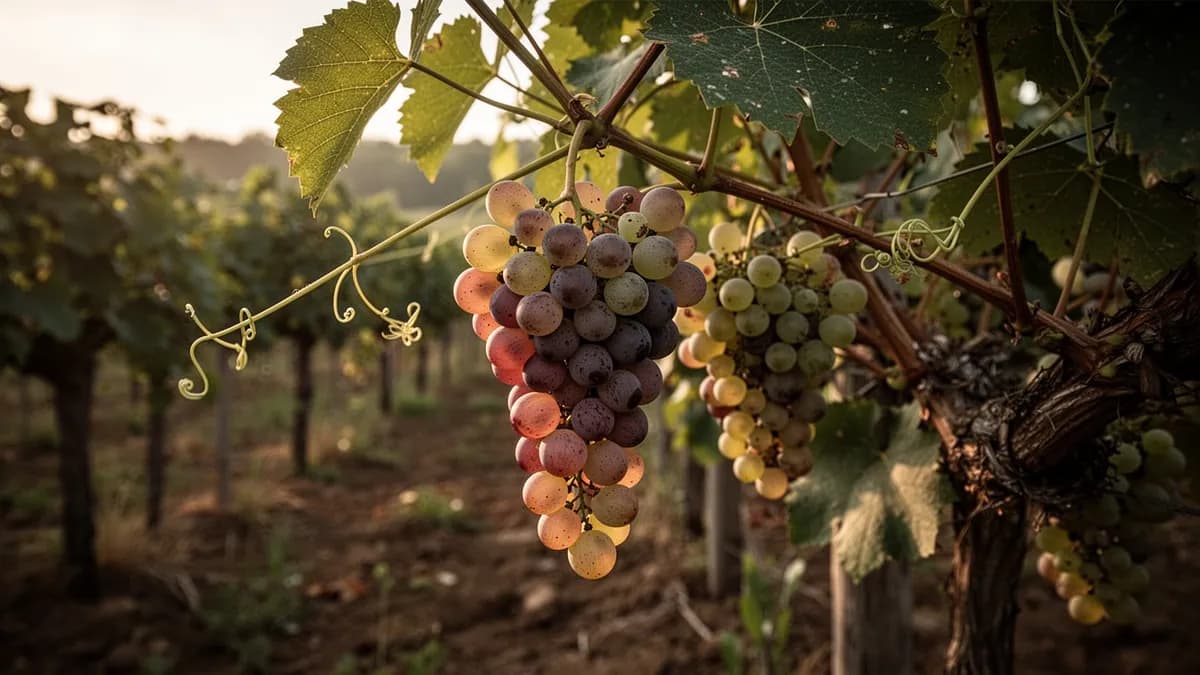
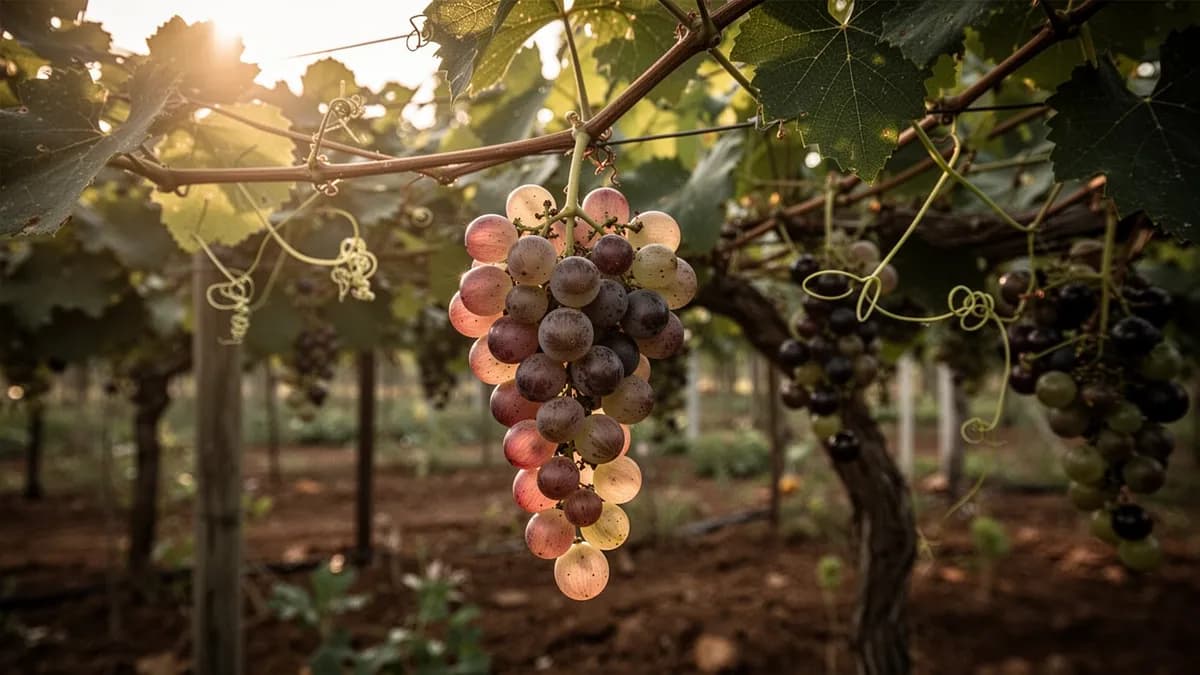
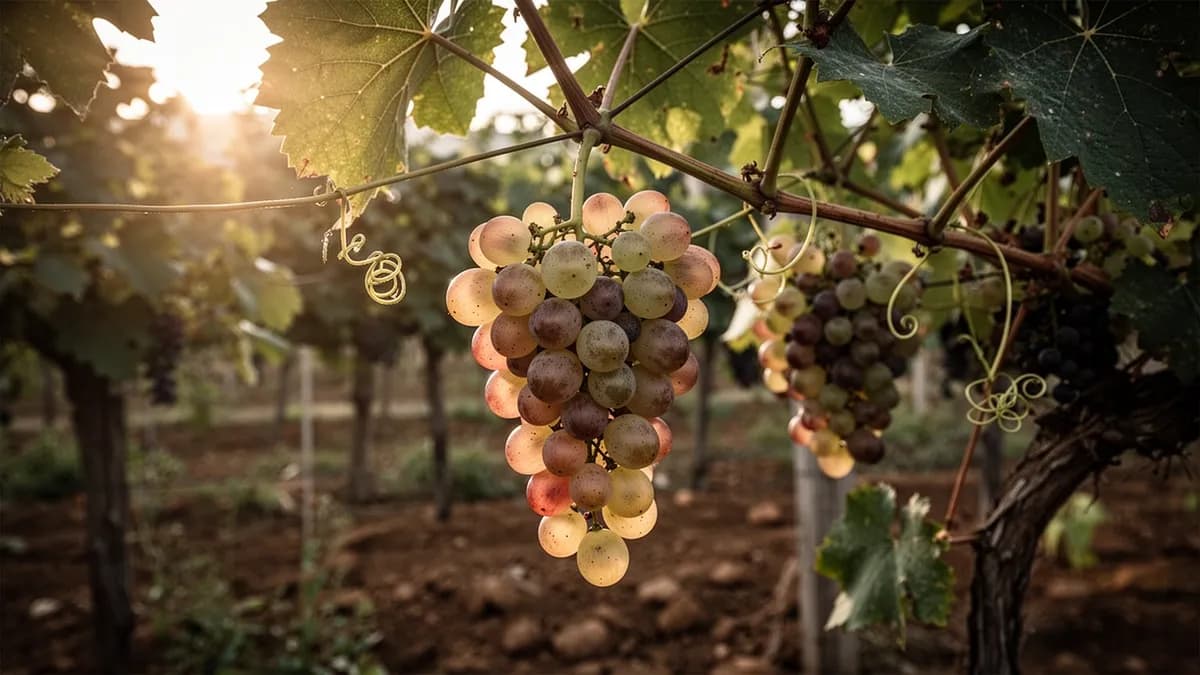
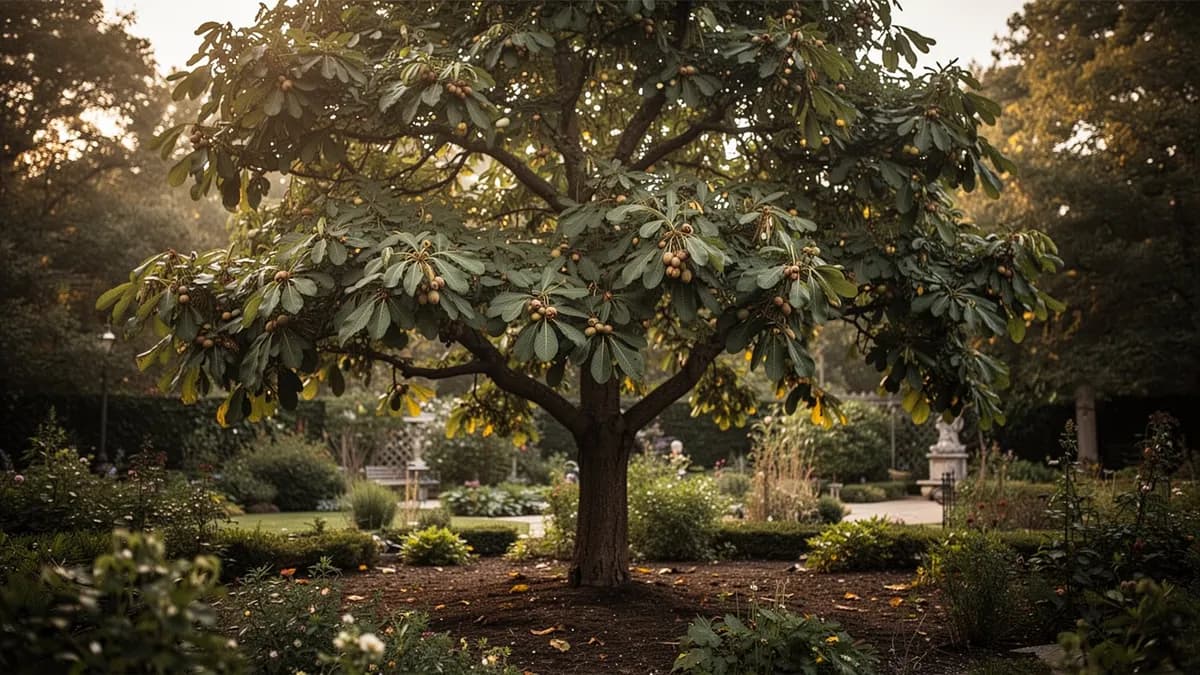
Plant lavender, marigolds, and bee-friendly herbs near kiwi vines to attract pollinators essential for fruit set. Grape vines can share similar trellis systems and growing conditions, making them practical neighbors in the garden. Nitrogen-fixing cover crops such as clover or vetch planted beneath the trellis enrich the soil naturally. Avoid planting near walnut trees, as juglone toxicity can stunt vine growth and reduce productivity.
Lavender belongs beside it. Walnut Tree doesn't.
Old growers' knowledge, checked against Kiwi's real companion table below — test any plant you're growing.
Try Kiwi in a bed — right here
A real planner bed with Kiwi already in it. Tap a companion to place it and watch the pairing checks answer — green for good neighbours, red for a clash.


Related growing guides
Feed it well
Kiwi vines prefer deep, fertile, well-drained soil with a pH of 5.5 to 7.0. Heavy clay soil must be amended with generous amounts of compost and coarse organic matter to ensure adequate drainage. Apply a balanced fertilizer such as 10-10-10 in early spring as buds begin to swell, and side-dress with compost or aged manure in midsummer. Avoid high-nitrogen fertilizers late in the season, which promote soft growth susceptible to winter damage. Mulch heavily with organic matter to retain moisture and suppress weeds.
Ideal Temperature
Hardiness Zone Compatibility
From seed to harvest, stage by stage
Dormancy & Establishment
Newly planted kiwi vines focus entirely on root development during the first growing season. Little to no top growth is visible above ground as the plant establishes a root system capable of supporting future vigorous growth. Bare-root or container-grown plants should be planted in late winter to early spring.
Vegetative Growth
The vine begins pushing out long, vigorous shoots that must be trained onto a trellis or support structure. Growth can be surprisingly fast once roots are established, with shoots reaching several metres in a single season. This stage focuses on building the permanent framework of the vine.
Framework Maturation
In years two and three, the vine continues to develop its permanent framework along the trellis. Side shoots (laterals) begin to proliferate from the two main arms. The vine is not yet fruiting but is building the woody structure from which fruiting spurs will eventually develop.
First Flowering & Fruiting
From year three or four onward, established vines begin flowering in late spring. White, fragrant blossoms appear on short fruiting spurs that develop on wood from the previous year. Cross-pollination between a male and female vine is required for fruit set, as most common kiwi varieties are dioecious.
Full Production
A fully mature kiwi vine from year five onwards enters peak production and can remain highly productive for 40 years or more with proper management. Fruits develop through summer and are ready to harvest in autumn when seeds turn black and sugar levels increase. The vine requires annual pruning to maintain fruiting spur renewal.
Autumn Harvest
Kiwi fruits do not ripen fully on the vine — they are harvested in mid to late autumn while still firm, then ripened at room temperature or in storage. The key indicator of harvest readiness is the colour of the seeds (which should be black) and the sugar content, not the softness of the fruit. Fruits left on the vine too long will be damaged by early frost.
Water consistently but avoid waterlogging. Apply a balanced slow-release fertiliser at planting. Do not allow the vine to flower or fruit in the first two years — remove any flower buds to redirect energy into root and cane development.
Caring for Kiwi month by month
What to do each month for your Kiwi
October
You are hereHarvest fruits once seeds are consistently black and a brix reading exceeds 6.2. Collect all fruits before the first hard frost. Remove any remaining foliage debris from beneath the vine to reduce overwintering fungal disease spores.
Know exactly what to do in your garden — every month
One email at the start of each month: what to sow, plant, and tackle right now — for your Kiwi and everything growing around it. Plus a short starter course that helps you dodge the classic mistakes.
- What to do, right now
- Matched to your season
- Starter course included
Harvesting Kiwi
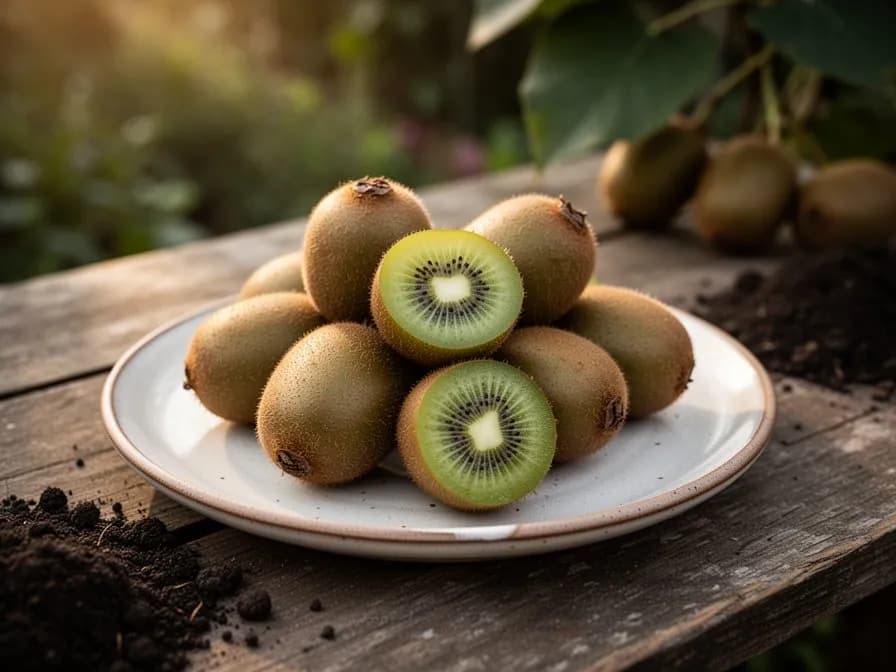
Harvest kiwi fruit in late fall before the first hard frost, when the seeds inside have turned black and the flesh begins to soften slightly when pressed. Pick all fruit at once and ripen them off the vine, as kiwi does not ripen well while still attached. Place harvested fruit in a paper bag with an apple or banana to accelerate ripening through ethylene gas exposure. Ripe kiwi yields to gentle pressure and has a fragrant, sweet aroma at the stem end.
assuming you plant when the window opens — set your real date
Pick Kiwi promptly and the plant keeps producing.
Storage & Preservation
Unripe kiwi can be stored in the refrigerator for up to three months, providing an extended harvest window. Once ripened, consume within one to two weeks. For freezing, peel and slice the fruit, then spread on a baking sheet to flash-freeze before transferring to freezer bags. Kiwi makes excellent jam, chutney, and dried fruit slices. The fruit also freezes well as puree for smoothies and sorbets. Avoid cooking kiwi with dairy-based desserts, as an enzyme in the fruit breaks down milk proteins.
What goes wrong — and the fix
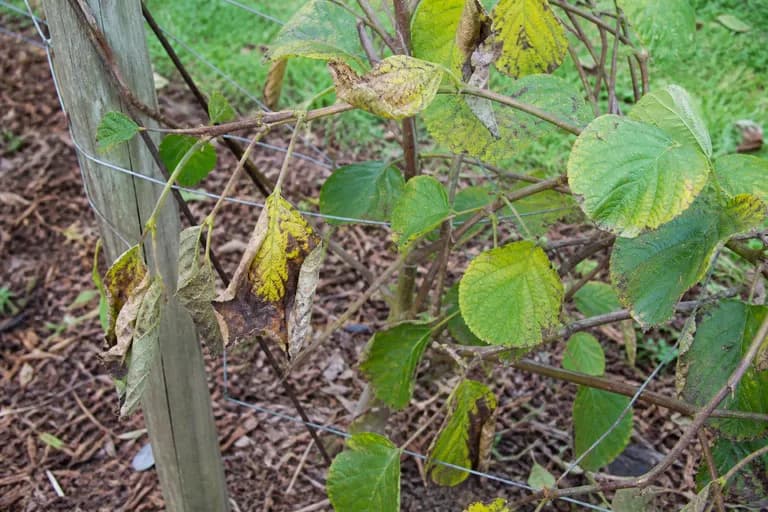
Root Rot (Phytophthora)
DiseaseWilting and yellowing of foliage despite adequate moisture; brown, mushy roots and eventual vine collapse.
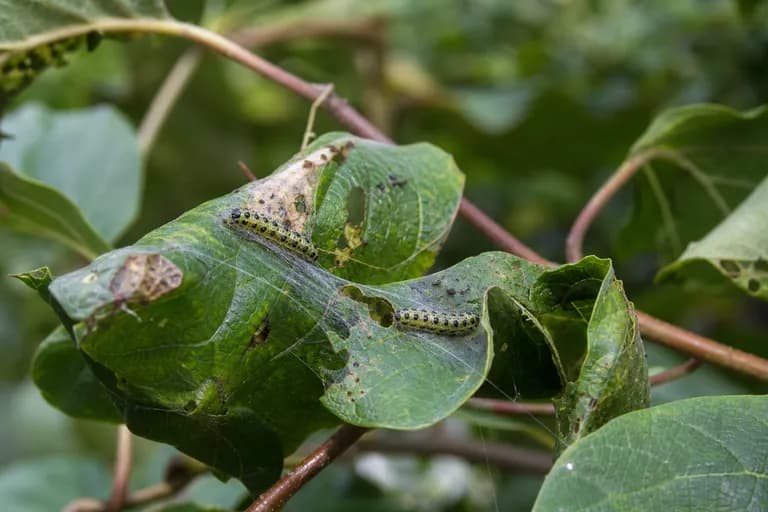
Leafroller Caterpillars
PestLeaves rolled and tied together with silk, with caterpillars feeding inside; defoliation and reduced fruit quality.
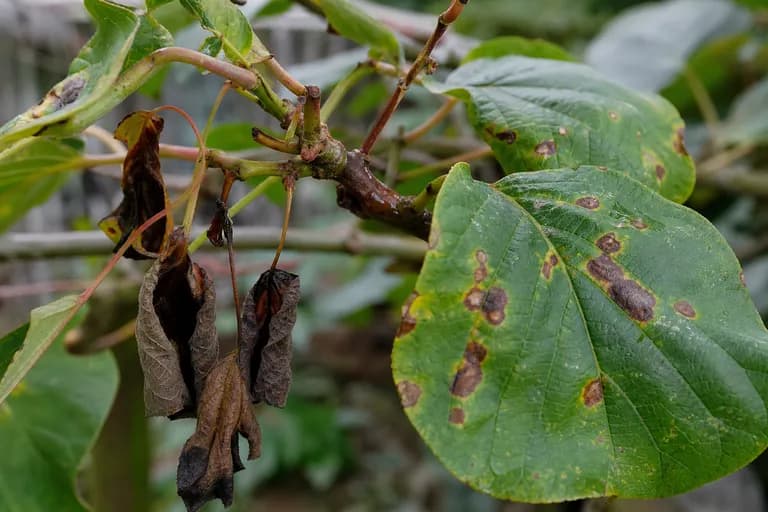
Bacterial Canker (Pseudomonas syringae pv. actinidiae)
DiseaseReddish-brown leaf spots with yellow halos, oozing cankers on canes, and rapid dieback of young shoots in spring.
Troubleshooting Common Problems
Late spring frost damage to emerging shoots is the most common problem, as kiwi breaks dormancy early. Protect young growth with frost cloth when temperatures threaten to drop below 30 degrees Fahrenheit. Poor fruit set often results from inadequate pollination due to missing or poorly placed male vines. Cats are strongly attracted to kiwi vines and can damage young plants by rubbing against them, so protect trunks with wire mesh. Sunburn on exposed fruit occurs in extremely hot climates and can be prevented by maintaining adequate leaf cover.
Growing Tips
- Kiwi vines are dioecious — they have separate male and female plants. You must grow at least one male vine alongside your female vines to achieve fruit set. One male pollinator can service up to eight female vines, and it must be of a variety that flowers at the same time as your female plants.
- Invest in a genuinely robust trellis system before planting. Mature kiwi vines are extraordinarily heavy and vigorous, and a flimsy structure will fail within a few years. T-bar posts set in concrete at 2.5m height with tensioned galvanised wires rated to at least 200kg are the minimum specification for a long-term planting.
- Plant kiwi vines in a sheltered position that protects the tender spring growth from late frosts. A south-facing or west-facing wall in the UK and northern Europe provides both shelter and reflected heat that significantly improves fruiting in marginal climates. Avoid frost pockets at all costs.
- Feed generously but intelligently. Kiwi vines are heavy nitrogen feeders in spring and early summer to support vigorous shoot growth, but switching to a high-potassium feed from midsummer onward is essential for quality fruit development and ripening. Overfeeding nitrogen late in the season promotes soft, frost-vulnerable growth.
- Never let the soil dry out completely during the growing season. Kiwi vines have relatively shallow, fibrous root systems that are sensitive to drought stress, particularly when the vine is in full fruit. Install a drip irrigation system if possible, and mulch heavily each spring to conserve soil moisture and regulate root temperature.
- Annual pruning is non-negotiable for sustained productivity. Without it, the vine rapidly becomes an unmanageable tangle of unproductive wood. The goal of winter pruning is to maintain a clean system of permanent lateral arms from which short fruiting spurs (2-3 buds) are spaced at regular 50cm intervals.
- Kiwi vines respond extremely well to magnesium. If leaves develop interveinal yellowing (chlorosis) during the growing season, apply Epsom salts (magnesium sulphate) as a foliar spray at 20g per litre, or water in a soil drench. Magnesium deficiency is common on light, sandy, or acidic soils.
- In cooler climates, consider growing the hardy kiwi (Actinidia arguta) or the super-hardy Actinidia kolomikta instead of the common kiwi (Actinidia deliciosa). These species tolerate far greater cold, fruit more reliably in short summers, and the smooth-skinned fruits can be eaten whole without peeling, though they are considerably smaller.
- Harvesting requires patience and a refusal to judge by softness. Kiwi fruits must be cut open to check that the seeds have turned black before harvesting the crop. Fruits harvested too early will never develop full sweetness, even if they soften during storage. Once seeds are black, harvest promptly before autumn frosts damage the crop.
- Protect young vines from cats. Kiwi foliage, and particularly the root and stem, contain nepetalactone compounds similar to those found in catnip and can attract cats who may dig up or damage newly planted vines. A simple wire cage around young plants provides effective protection.
Grow your best Kiwi yet — and everything around it.
Start a free plan today. Lay out your beds, drop in your Kiwi, and let PlotMyGarden handle the timing, spacing, companions and reminders from seed to harvest basket.
Pick your Kiwi
Hayward
The standard commercial fuzzy kiwi variety with large, oval fruit and excellent sweet-tart flavor, dominating global production.
Issai
A self-fertile hardy kiwi producing small, smooth-skinned fruits without the need for a separate male pollinator.
Anna
A hardy kiwi cultivar with grape-sized, smooth green fruit and exceptional cold tolerance to minus 25 degrees Fahrenheit.
Jenny
A partially self-fertile fuzzy kiwi that can produce some fruit without a male vine, though yields improve with cross-pollination.
Organic kiwi fruits retail for approximately £0.60–£1.00 per fruit in the UK and $0.80–$1.50 per fruit in the US. A mature, well-managed kiwi vine can produce 50–100kg of fruit per year, representing a potential retail value of £1,800–£4,000 per vine annually at organic prices. While the vine requires a 3–5 year establishment period before significant fruiting, the long productive lifespan (40+ years) means the cumulative savings over the life of a well-established plant are exceptional. The initial outlay for plants, trellis infrastructure, and establishment costs is typically recovered within the first two or three productive seasons.
Quick recipes
Kiwi & Strawberry Pavlova Topping
10 minutesA vibrant, classic combination that elevates any pavlova or cheesecake. The tartness of kiwi perfectly balances the sweetness of meringue and cream. Simply slice and arrange over whipped cream for a stunning, minimal-effort dessert that showcases the fruit's beautiful green colour.
5 ingredients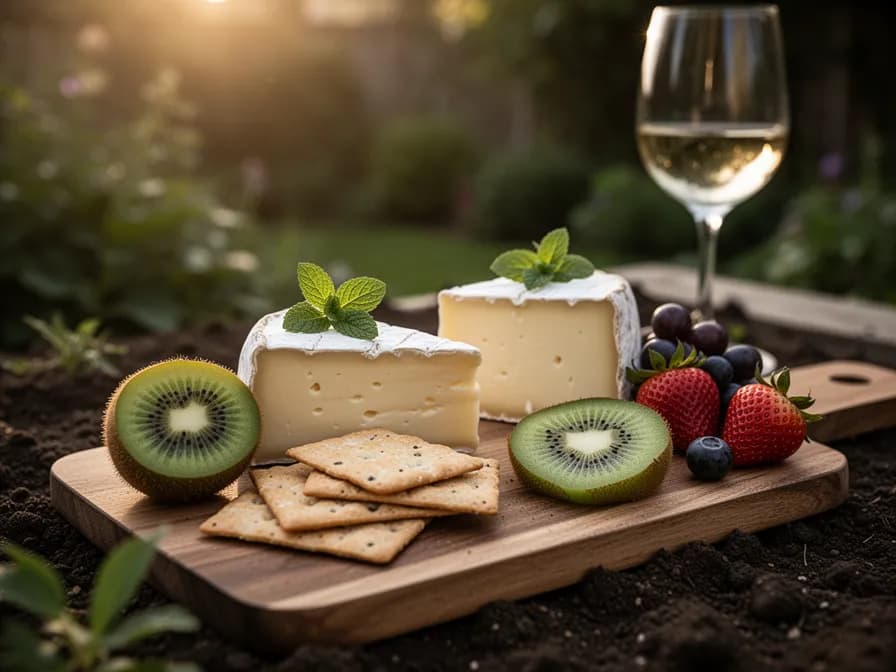
Kiwi & Ginger Smoothie
5 minutesA refreshing, nutrient-dense smoothie that combines the high vitamin C content of kiwi with the digestive benefits of fresh ginger. This bright green drink is an excellent immune-boosting breakfast or post-workout recovery drink, and comes together in under five minutes.
6 ingredientsKiwi Salsa for Grilled Fish
15 minutesA fresh, tangy salsa that pairs brilliantly with grilled white fish, prawns, or chicken. The natural enzymes in kiwi add a subtle tenderising quality while the bright acidity cuts through richer proteins. Prepare no more than 30 minutes before serving, as the kiwi will continue to break down the other ingredients over time.
7 ingredientsCulinary Uses
Kiwi fruit is most commonly eaten fresh, scooped from the skin with a spoon or peeled and sliced for fruit salads and pavlovas. The bright green flesh with its distinctive seed pattern makes an attractive garnish for desserts and cocktails. Kiwi pairs well with strawberries, bananas, and tropical fruits. Use it in smoothies, sorbets, and fruit tarts. The enzyme actinidin makes kiwi an excellent natural meat tenderizer for marinades.
What's inside
Health Benefits
- Outstanding vitamin C content — one medium kiwi delivers more than 100% of the recommended daily intake, supporting immune function, collagen synthesis, and iron absorption from plant-based foods
- Contains serotonin precursors and has been shown in clinical studies to improve sleep onset time and sleep quality when consumed regularly in the hour before bed
- The proteolytic enzyme actinidin improves the digestion of dietary proteins, particularly from meat, dairy, and legumes, making kiwi a useful addition to protein-heavy meals
- Rich in vitamin K1, which plays a critical role in bone mineralisation and has been associated with reduced risk of osteoporosis and hip fracture in older adults
- High in dietary fibre and contains prebiotic compounds that support a healthy gut microbiome, promote regular bowel movements, and have been linked to reduced risk of colorectal cancer
- Provides lutein and zeaxanthin, two carotenoids that accumulate in the macula of the eye and have strong evidence for reducing the risk of age-related macular degeneration and cataracts
Where Kiwi comes from
The kiwifruit (Actinidia deliciosa) traces its origins to the mountain forests and river valleys of the Yangtze River region in central and eastern China, where it has grown wild for thousands of years. Known historically as "Yang Tao" or "Mihoutao" (macaque peach) in Chinese, the fruit was foraged and consumed in China long before it became a commercially significant crop. References to the plant appear in ancient Chinese poetry and botanical texts dating back to the Tang dynasty, describing the fruit's tart flavour and medicinal properties.
Western botanical awareness of the kiwi vine began in the late 19th century when Western missionaries and plant hunters in China documented and collected specimens. The plant was formally classified by botanist Joseph Dalton Hooker in 1847, though it attracted little commercial interest in Europe at the time. The decisive turning point came in 1904 when a New Zealand schoolteacher, Isabel Fraser, brought seeds back from the Hubei province of China. The seeds were given to nurseryman Alexander Allison in Whanganui, who successfully germinated them, and by 1910 the first fruiting plants had been recorded in New Zealand.
New Zealand growers quickly recognised the commercial potential of the plant and began developing improved cultivars for commercial production through the 1930s and 1940s. The variety most commonly grown today, 'Hayward', was developed by Hayward Wright of Avondale, New Zealand, around 1924 and remains the dominant commercial cultivar worldwide due to its large fruit size and excellent storage qualities.
The global export trade began in earnest in the 1950s, initially to the United Kingdom and the United States. In 1959, New Zealand exporters made the strategic decision to rename the "Chinese gooseberry" as "kiwifruit", capitalising on the iconic kiwi bird to create a memorable national brand identity. This rebrand proved enormously successful, and the fruit rapidly gained international recognition.
Today, China has reclaimed its position as the world's leading kiwifruit producer, growing the vast majority of global supply. Italy, New Zealand, Iran, and Chile are the other major commercial producers. In home gardens, kiwi vines are now cultivated across temperate regions worldwide, valued both for their productive yields and their striking ornamental qualities as large, vigorous climbing plants.
Kiwi: did you know?
Fascinating facts about Kiwi
Despite its common name, the kiwi fruit is not native to New Zealand — it originates from central and eastern China, where it was called "Yang Tao" (gooseberry peach). It was only renamed kiwifruit in 1959 by New Zealand exporters who wanted a catchy, nationally branded name.
Kiwi questions, answered
When should I plant Kiwi?
What are good companion plants for Kiwi?
What hardiness zones can Kiwi grow in?
How much sun does Kiwi need?
How far apart should I space Kiwi?
What pests and diseases affect Kiwi?
How do I store Kiwi after harvest?
What are the best Kiwi varieties to grow?
What soil does Kiwi need?
Do I need a male and female kiwi plant to get fruit?
How long does it take before a kiwi vine produces fruit?
My kiwi vine grows masses of leaves every year but never flowers. What is wrong?
When and how do I know when my kiwi fruits are ready to harvest?
Can I grow kiwi in a container or a small garden?
Is kiwi fruit safe for people with latex allergies?
You just read the theory. Now grow it on autopilot.
Everything that makes Kiwi fiddly — the timing, the spacing, the companions, the harvest window — is exactly what PlotMyGarden handles for you, for every plant in your garden.
A plan that knows your weather
Set your location once. Get sow, feed and harvest dates built around your real last-frost date and live forecast — no more guessing from a generic seed packet.
From the “When to plant” sectionDrag-and-drop bed planner
Design beds on a grid. Every plant snaps to its proper spacing, and you can see your whole season laid out before you spend a cent on seed.
From the “Growing guide” sectionCompanion conflicts, caught early
200+ good-and-bad pairings checked live as you plant — so a season-wrecking mistake never makes it into the ground.
From the “Companions” sectionReminders you'll actually act on
“Water the beans.” “Pick today before it turns.” Timely, specific, and tied to the plants you're really growing.
From the “Harvest” sectionSuccession, scheduled
Want a harvest for six weeks, not six days? It spaces your sowings automatically and reminds you when each new block is due.
From the “When to plant” sectionA record that gets smarter
Every harvest you log teaches it your garden. Next year's plan starts from what actually worked in your soil, not a textbook's.
From the “Overview” sectionPlant these alongside Kiwi
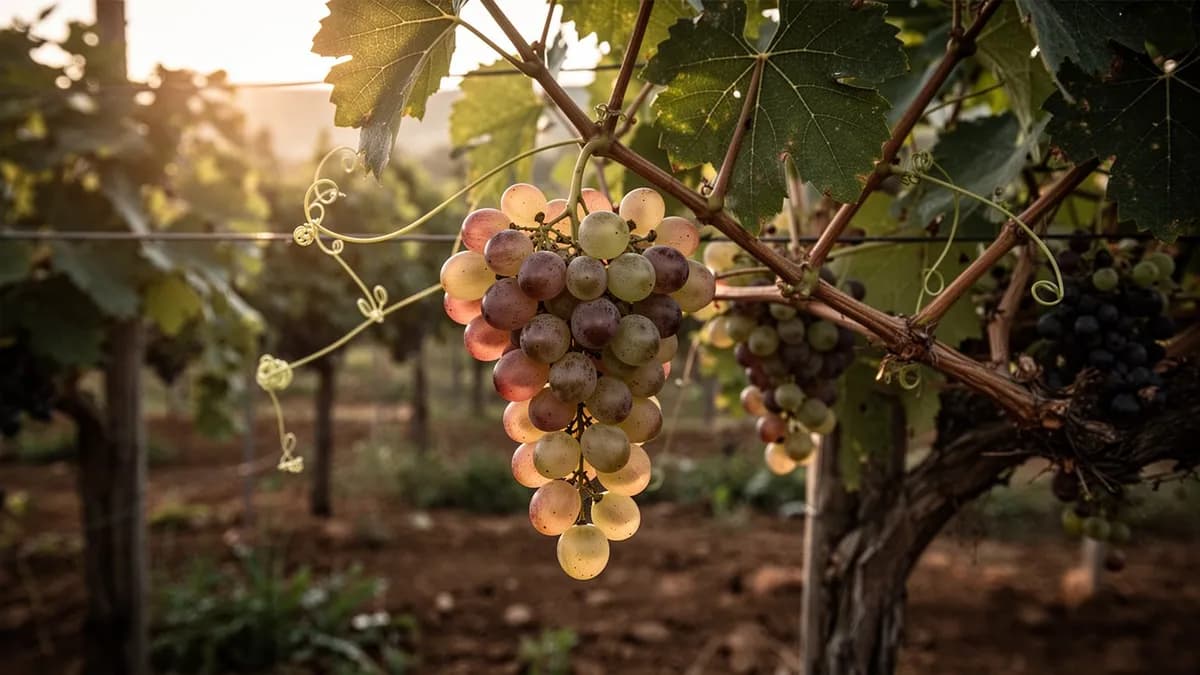
More Vine Fruits
Keep Kiwi away from these
Grow your best Kiwi yet — and everything around it.
Start a free plan today. Lay out your beds, drop in your Kiwi, and let PlotMyGarden handle the timing, spacing, companions and reminders from seed to harvest basket.