Pansy
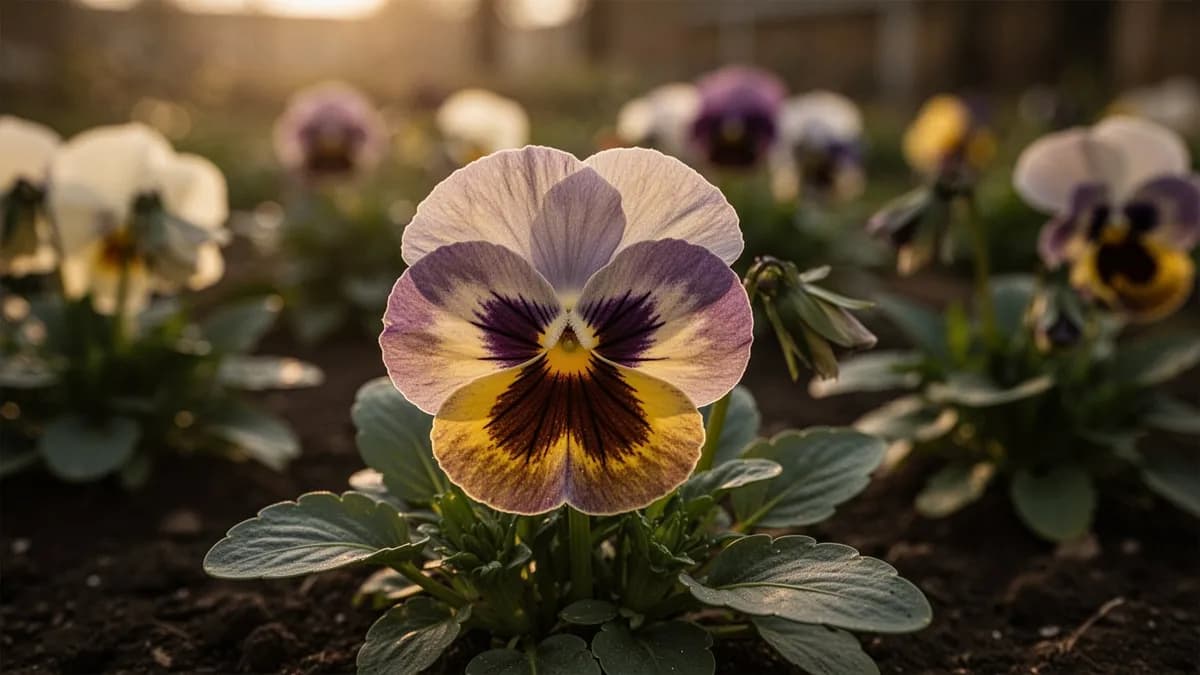
A cool-season annual with distinctive face-like markings, thriving in early spring and late autumn temperatures.





On this pageOverview
Meet Pansy
A cool-season annual with distinctive face-like markings, thriving in early spring and late autumn temperatures. Pansies tolerate light frost and can be planted outdoors weeks before the last spring frost or in fall for winter color in mild climates. Provide rich, moist soil and regular feeding to support continuous flower production throughout the cooler months. Deadhead spent blooms faithfully to prevent seed set and keep plants flowering vigorously, and replace them when summer heat causes stretching and decline.
When to plant Pansy
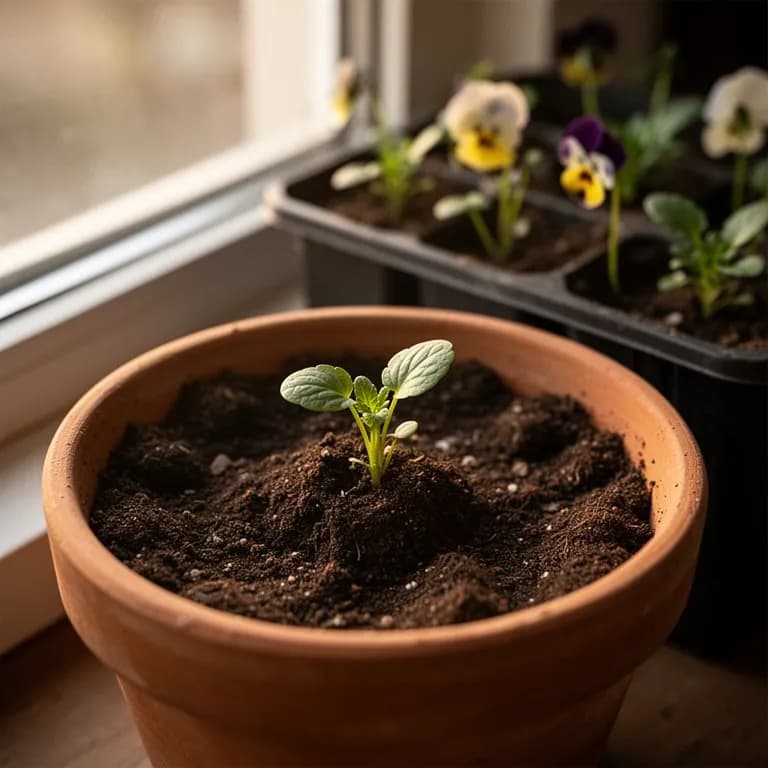
Start pansy seeds indoors eight to ten weeks before the desired planting date. Sow seeds on the surface of moist seed-starting mix and cover lightly, as they need darkness to germinate. Keep soil temperature between 65 and 75 degrees Fahrenheit for germination in ten to twenty days. Once seedlings have two sets of true leaves, transplant into cell packs and grow on at cooler temperatures around 55 to 60 degrees. Harden off for one week before planting outdoors.
Your Pansy Year
Composed for Zone 7 · typical seasons · frost passes Apr 2, returns Nov 1
Plant Pansy Feb – Mar, Sep – Oct, pick Mar – May, Oct – Nov. Check the planting methods below and set your climate to personalize these windows.
How to grow Pansy
Pansies thrive in cool temperatures between 45 and 65 degrees Fahrenheit and should be planted in early spring or early fall depending on your climate. Choose a site with morning sun and afternoon shade in warmer regions, or full sun in cooler areas. Prepare the soil by working in two to three inches of compost to ensure rich, well-drained conditions with a slightly acidic pH between 5.4 and 5.8.
Set transplants at the same depth they were growing in their pots, spacing them six to nine inches apart. Water thoroughly after planting and keep the soil consistently moist but never waterlogged. Mulch lightly around plants to retain moisture and regulate soil temperature. Feed every two to three weeks with a balanced liquid fertilizer to sustain continuous flowering.
Deadhead spent blooms regularly by pinching the flower stem back to the base to encourage new buds. In mild winter climates, fall-planted pansies will bloom intermittently through winter and explode with color in early spring. When summer heat arrives and plants become leggy, pull them and replace with warm-season annuals. In zones 6 and warmer, pansies often overwinter successfully with a light mulch cover.
72 plants fit a 4 × 8 ft bed
Each Pansy wants 20 cm of elbow room. The planner keeps that spacing for you — every plant, every bed.
Pansy's best neighbours
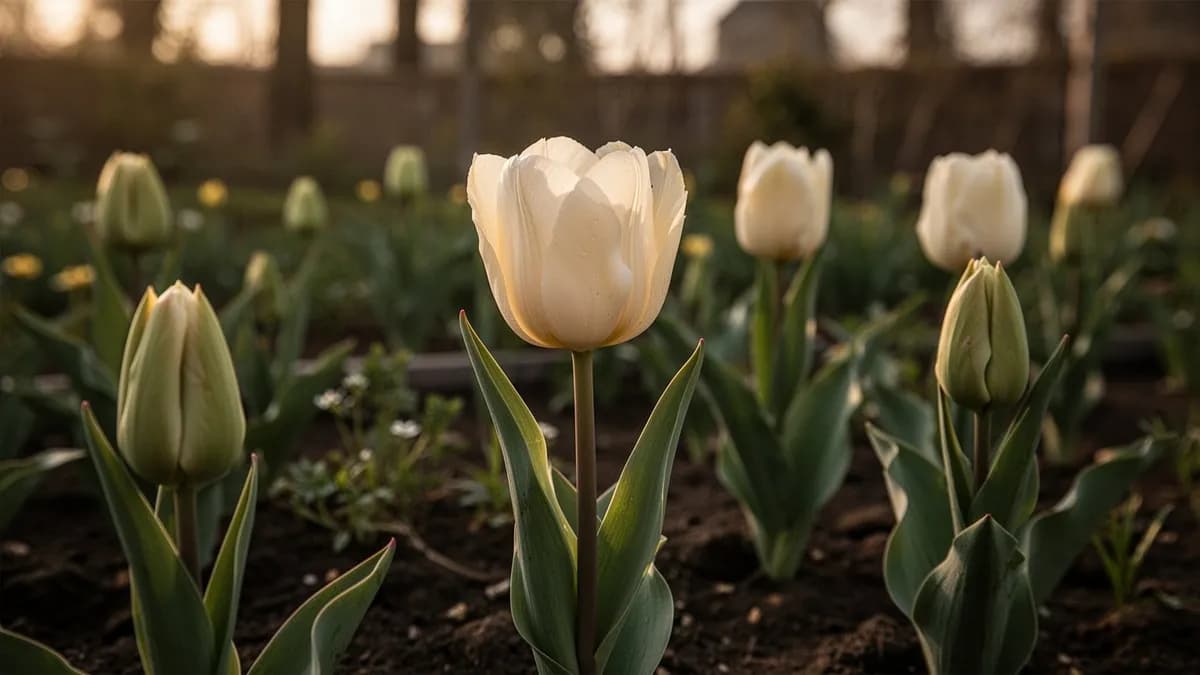
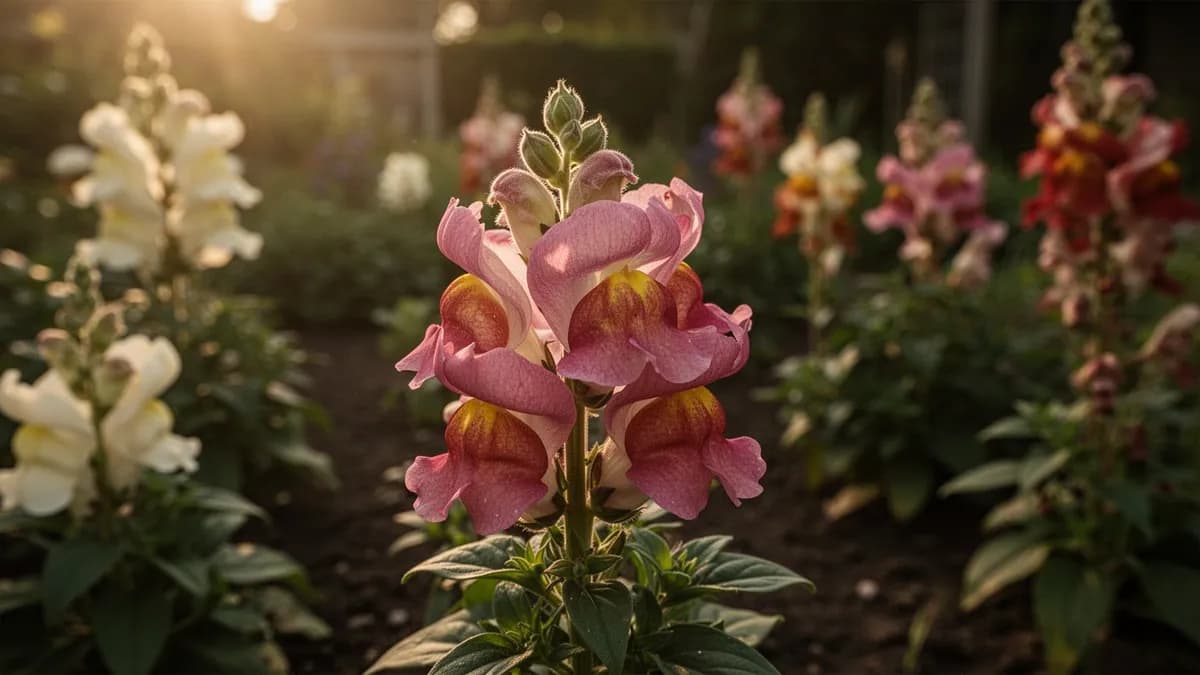
Pansies pair beautifully with spring-blooming bulbs such as tulips, daffodils, and crocuses, providing color at the base while bulbs emerge above. They combine well with other cool-season annuals like snapdragons, alyssum, and violas for layered seasonal displays. In the vegetable garden, pansies attract pollinators and add edible flowers alongside lettuce and other cool-weather crops.
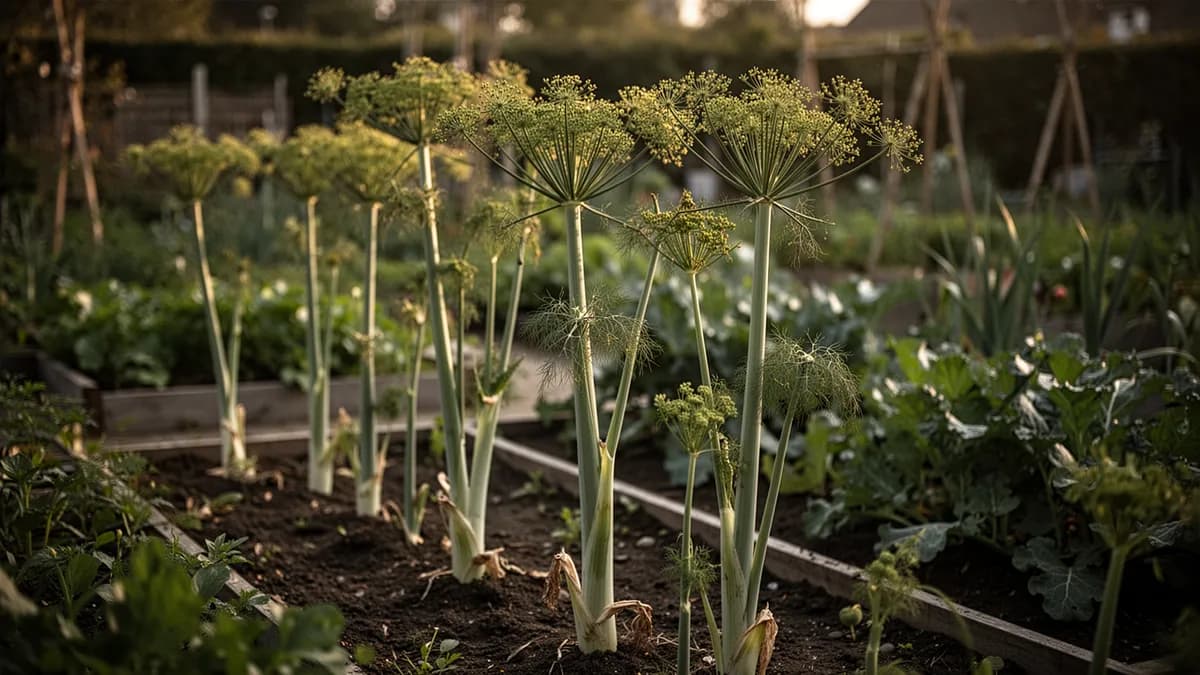
Tulip belongs beside it. Fennel doesn't.
Old growers' knowledge, checked against Pansy's real companion table below — test any plant you're growing.
Try Pansy in a bed — right here
A real planner bed with Pansy already in it. Tap a companion to place it and watch the pairing checks answer — green for good neighbours, red for a clash.


Related growing guides
Feed it well
Pansies prefer rich, well-drained soil with a pH of 5.4 to 5.8. Amend heavy clay soils with compost and perlite to improve drainage. Work a slow-release balanced fertilizer into the soil at planting time and supplement with liquid fertilizer every two to three weeks during active growth. Avoid high-nitrogen feeds that promote leggy foliage at the expense of flowers. In containers, use a quality potting mix with good moisture retention.
Ideal Temperature
Hardiness Zone Compatibility
From seed to harvest, stage by stage
Germination
Seeds germinate in darkness at 65 to 70 degrees Fahrenheit. Keep the growing medium consistently moist but not waterlogged. Covering seed trays with a humidity dome or plastic wrap helps retain moisture during this stage.
Seedling Development
Cotyledons unfurl and the first true leaves appear. Seedlings grow slowly and benefit from cool temperatures around 60 to 65 degrees Fahrenheit. Provide 12 to 14 hours of light per day using grow lights or a bright windowsill.
Vegetative Growth
Plants develop a compact rosette of rounded, scalloped leaves. Root systems expand rapidly during this phase. This is the ideal time to harden off indoor-started plants before transplanting them outdoors.
Bud Formation
Flower buds begin to form at the center of the leaf rosette. Plants may produce multiple buds simultaneously. Adequate phosphorus supports strong bud development during this critical stage.
Full Bloom
Flowers open fully, displaying the characteristic face-like markings. Each plant can produce dozens of blooms over the flowering period. Regular deadheading extends the blooming season significantly.
Seed Set and Decline
If flowers are left to mature, seed pods form and ripen. As temperatures climb above 80 degrees Fahrenheit, plants become leggy and flowering slows. In warm climates, pansies are typically replaced with heat-tolerant annuals at this stage.
Pansy seeds require darkness to germinate, so cover them lightly with vermiculite or a thin layer of seed-starting mix.
Caring for Pansy month by month
What to do each month for your Pansy
October
You are hereFall-planted pansies should be establishing strong root systems. Continue watering and apply a light feeding of slow-release fertilizer.
Know exactly what to do in your garden — every month
One email at the start of each month: what to sow, plant, and tackle right now — for your Pansy and everything growing around it. Plus a short starter course that helps you dodge the classic mistakes.
- What to do, right now
- Matched to your season
- Starter course included
Harvesting Pansy
Cut pansy flowers for small bouquets when blooms are fully open, selecting stems as long as possible. Pansies are edible flowers and can be harvested for garnishing salads, cakes, and cocktails. For seed saving, allow a few flowers to develop seed pods that dry and turn brown on the plant, then collect the tiny black seeds and store in a cool, dry place. Deadhead the remaining spent flowers consistently to keep plants blooming.
assuming you plant when the window opens — set your real date
Pick Pansy promptly and the plant keeps producing.
Storage & Preservation
Fresh-cut pansies last three to five days in a small vase with cool water. For pressing, place flowers between sheets of parchment paper inside a heavy book for two to three weeks until completely dry. Pressed pansies retain their color well and are popular for crafts and botanical art. Flowers can also be preserved by coating each bloom lightly with egg white and superfine sugar, then allowing them to dry for use as edible cake decorations.
What goes wrong — and the fix
Aphids
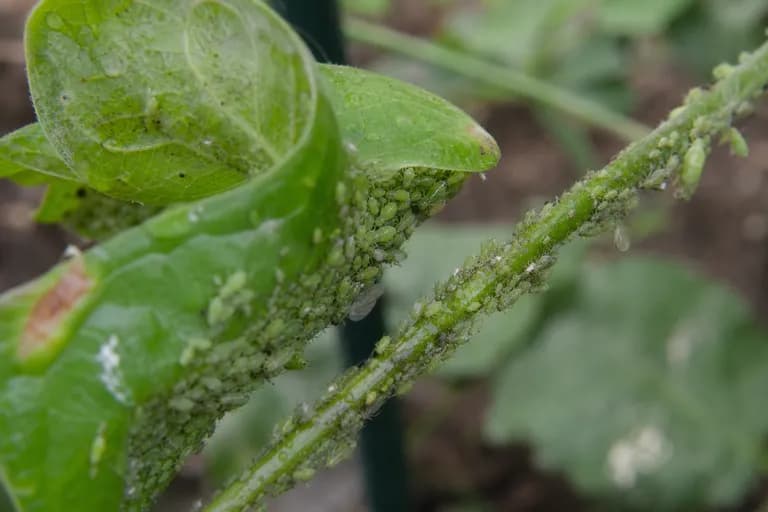
PestClusters of small green or black insects on stems and buds, sticky honeydew residue, distorted new growth and curled leaves.
Crown Rot
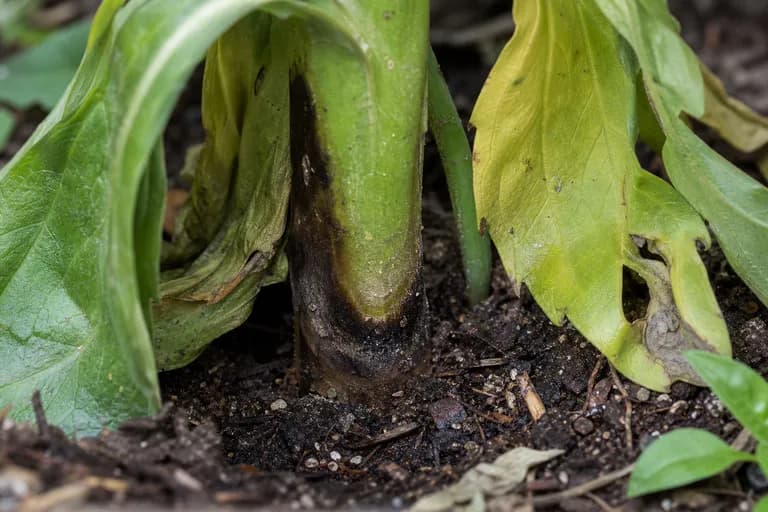
DiseasePlants wilt suddenly despite adequate moisture. The crown and lower stems become soft, dark, and mushy. A white fungal growth may appear at the soil line.
Slugs and Snails
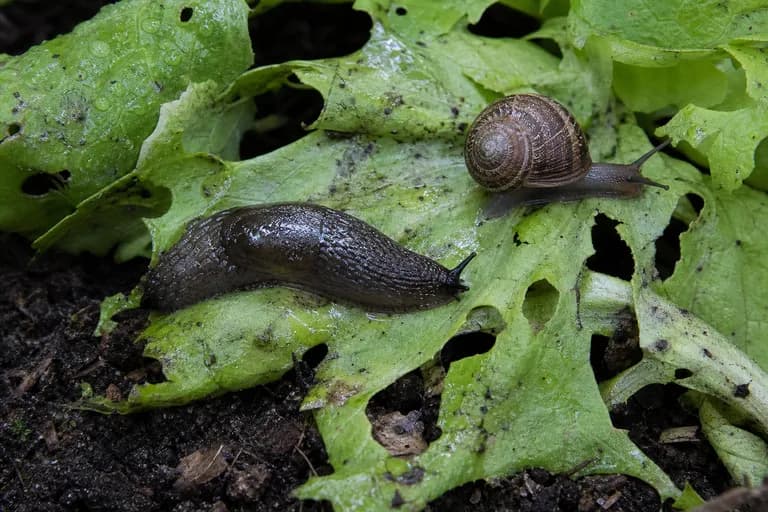
PestIrregular ragged holes in leaves and petals, silvery slime trails on foliage and soil, damage most severe overnight and during wet weather.
Troubleshooting Common Problems
The most common pansy problem is legginess caused by warm temperatures above 70 degrees Fahrenheit. Plants stretch and stop flowering in summer heat and should be replaced with warm-season annuals. Overwatering in heavy soil leads to root and crown rot. Poor air circulation encourages fungal diseases such as powdery mildew and leaf spot. Pansies planted too deeply may develop crown rot at the soil line.
Growing Tips
- Sow pansy seeds in late summer for fall and winter blooms in zones 7 and warmer, or start seeds indoors 8 to 10 weeks before the last spring frost in colder regions.
- Cover seeds lightly with vermiculite and keep them in complete darkness at 65 to 70 degrees Fahrenheit for the best germination rates.
- Pinch back the first flower buds on young transplants to encourage bushier growth and a greater number of blooms later in the season.
- Water pansies at the base of the plant in the morning to keep foliage dry and reduce the risk of fungal diseases like powdery mildew and botrytis.
- Apply a balanced slow-release fertilizer at planting time and supplement with liquid feeds every two to three weeks during active growth.
- Mulch around plants with a 2-inch layer of shredded bark or straw to moderate soil temperature and retain moisture during temperature fluctuations.
- Deadhead spent flowers every three to four days by pinching the stem just above the nearest set of leaves to promote continuous blooming.
- Provide afternoon shade in regions where spring temperatures regularly exceed 75 degrees Fahrenheit to extend the flowering season by several weeks.
- Inspect plants weekly for aphids, which commonly cluster on new growth and flower buds, and treat with insecticidal soap if populations build up.
- Collect seeds from mature pods in late spring by allowing a few flowers to go to seed, then store the dried seeds in a cool, dark place for planting the following season.
Grow your best Pansy yet — and everything around it.
Start a free plan today. Lay out your beds, drop in your Pansy, and let PlotMyGarden handle the timing, spacing, companions and reminders from seed to harvest basket.
Pick your Pansy
Matrix Series
Exceptionally uniform plants with large blooms in over twenty colors and bicolors, excellent for mass bedding and commercial landscapes.
Delta Series
Early-blooming and weather-tolerant with medium-large flowers in a wide color range, ideal for fall planting in mild winter regions.
Cool Wave Series
A trailing pansy that spreads up to two feet wide, perfect for hanging baskets and ground cover in cool weather.
Frizzle Sizzle
Ruffled, wavy petals give these pansies a unique appearance with blooms in a mix of bright colors and bicolors.
Colossus Series
Extra-large flowers reaching up to four inches across on compact, weather-resistant plants.
Growing pansies from seed costs approximately two to three dollars per packet of 50 to 100 seeds, whereas purchasing nursery six-packs typically runs four to six dollars each. A single seed packet can produce enough plants to fill several containers and garden beds, potentially saving 30 to 50 dollars compared to buying transplants. Additionally, pansies self-sow readily in favorable conditions, providing free volunteer plants in subsequent seasons. As edible flowers, homegrown pansies also replace specialty garnish flowers that retail for 5 to 8 dollars per small clamshell at gourmet grocery stores.
Quick recipes
Candied Pansies
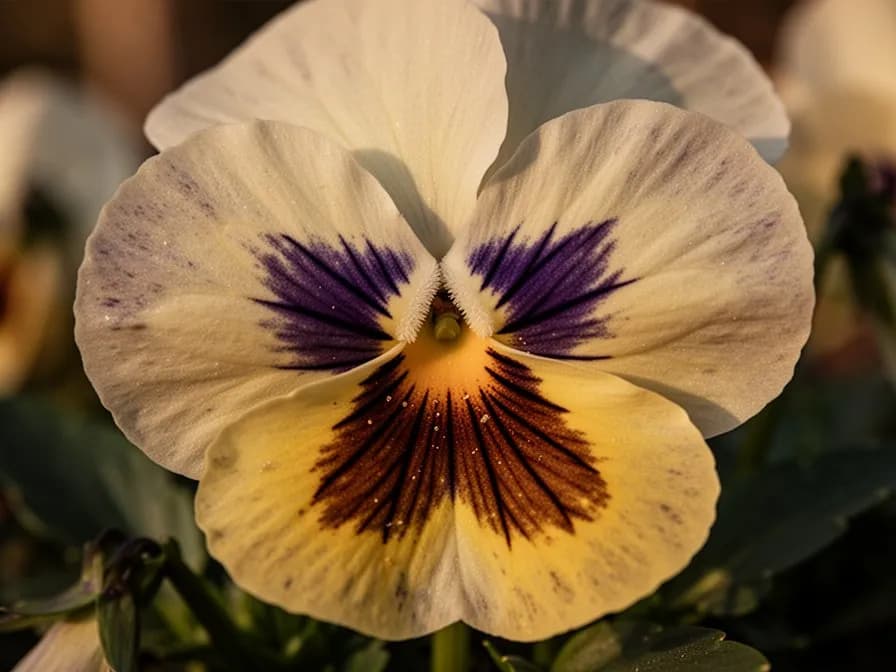
20 minutes plus 24 hours drying timeDelicate sugar-coated pansy flowers that make elegant cake decorations and sweet treats. The crystallized petals preserve the flower shape beautifully and can be stored for several weeks in an airtight container.
4 ingredients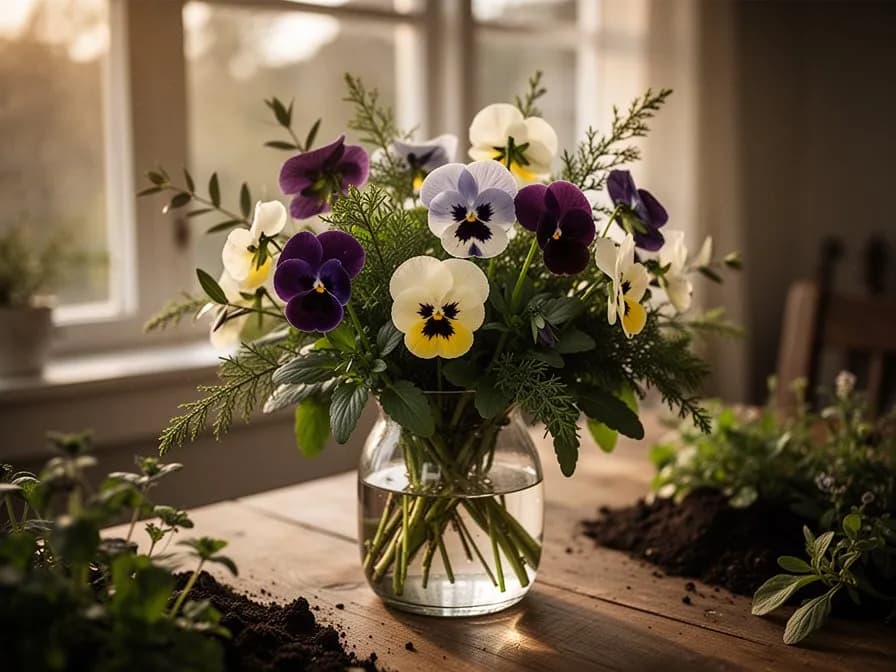
Pansy Petal Spring Salad
10 minutesA colorful mixed green salad topped with fresh pansy flowers, creating a visually stunning dish that tastes as good as it looks. The mild wintergreen notes of the petals complement the peppery arugula and tangy vinaigrette.
5 ingredientsPansy Flower Ice Cubes
15 minutes plus 4 hours freezing timeBeautiful floral ice cubes that add an elegant touch to spring cocktails, lemonade, or sparkling water. Freezing in two stages ensures the flowers remain centered and visible in each cube.
3 ingredientsWhat's inside
Health Benefits
- Pansy flowers contain anthocyanin antioxidants that may help reduce inflammation and support cardiovascular health when consumed regularly as part of a balanced diet.
- The rutin content in pansy petals supports capillary strength and may help improve circulation, a property recognized in traditional European herbal medicine.
- Pansy flowers have been used in traditional herbal remedies as a mild expectorant to help soothe respiratory discomfort and coughs.
- The mucilage present in pansy petals can have a gentle soothing effect on the digestive tract when consumed as a tea or eaten fresh.
- Pansy petals contain salicylic acid in trace amounts, which has mild anti-inflammatory properties similar to those of willow bark.
- In traditional folk medicine, pansy infusions were used topically to help calm minor skin irritations and support overall skin health.
Where Pansy comes from
The modern garden pansy (Viola × wittrockiana) is a complex hybrid that traces its ancestry to several wild European violet species, primarily Viola tricolor, Viola lutea, and Viola altaica. The development of the pansy as a garden flower began in the early nineteenth century in England, where Lord Gambier and his gardener William Thompson at Iver in Buckinghamshire undertook systematic breeding efforts starting around 1813. They selected wild heartsease plants (Viola tricolor) with larger, more rounded flowers and crossed them with other viola species to produce blooms of increasing size and color variety. By the 1830s, pansies had become a sensation in English horticulture, with dedicated pansy societies forming across Britain to exhibit and judge the newest varieties. The flower quickly spread throughout Europe and was embraced by gardeners in France, Belgium, and Germany, where further breeding work expanded the color palette to include deep purples, bright yellows, rich oranges, and striking bicolor combinations. The species name wittrockiana honors Veit Brecher Wittrock, a Swedish botanist who published an extensive monograph on the pansy in the late nineteenth century. Pansies arrived in North America with European settlers and adapted well to the cooler climates of the northeastern and Pacific northwestern regions. Throughout the twentieth century, plant breeders developed increasingly heat-tolerant and cold-hardy cultivar series such as Delta, Matrix, and Crown, making pansies one of the most versatile bedding plants in the world. Today, pansies remain among the top-selling cool-season annuals globally, cherished for their cheerful faces, easy cultivation, and remarkable ability to bloom during seasons when few other flowers are in flower.
Pansy: did you know?
Fascinating facts about Pansy
The name pansy comes from the French word pensée, meaning thought or remembrance, reflecting the flower's long association with love and reflection.
Pansy questions, answered
When should I plant Pansy?
What are good companion plants for Pansy?
What hardiness zones can Pansy grow in?
How much sun does Pansy need?
How far apart should I space Pansy?
What pests and diseases affect Pansy?
How do I store Pansy after harvest?
What are the best Pansy varieties to grow?
What soil does Pansy need?
Are pansies safe to eat?
Can pansies survive frost and freezing temperatures?
Why do my pansies get leggy and stop blooming in summer?
How often should I water pansies?
Do pansies come back every year?
What is the best way to use pansies as edible flowers?
You just read the theory. Now grow it on autopilot.
Everything that makes Pansy fiddly — the timing, the spacing, the companions, the harvest window — is exactly what PlotMyGarden handles for you, for every plant in your garden.
A plan that knows your weather
Set your location once. Get sow, feed and harvest dates built around your real last-frost date and live forecast — no more guessing from a generic seed packet.
From the “When to plant” sectionDrag-and-drop bed planner
Design beds on a grid. Every plant snaps to its proper spacing, and you can see your whole season laid out before you spend a cent on seed.
From the “Growing guide” sectionCompanion conflicts, caught early
200+ good-and-bad pairings checked live as you plant — so a season-wrecking mistake never makes it into the ground.
From the “Companions” sectionReminders you'll actually act on
“Water the beans.” “Pick today before it turns.” Timely, specific, and tied to the plants you're really growing.
From the “Harvest” sectionSuccession, scheduled
Want a harvest for six weeks, not six days? It spaces your sowings automatically and reminds you when each new block is due.
From the “When to plant” sectionA record that gets smarter
Every harvest you log teaches it your garden. Next year's plan starts from what actually worked in your soil, not a textbook's.
From the “Overview” sectionPlant these alongside Pansy
More Annuals
Keep Pansy away from these
Garden plans featuring Pansy
Grow your best Pansy yet — and everything around it.
Start a free plan today. Lay out your beds, drop in your Pansy, and let PlotMyGarden handle the timing, spacing, companions and reminders from seed to harvest basket.