Snapdragon
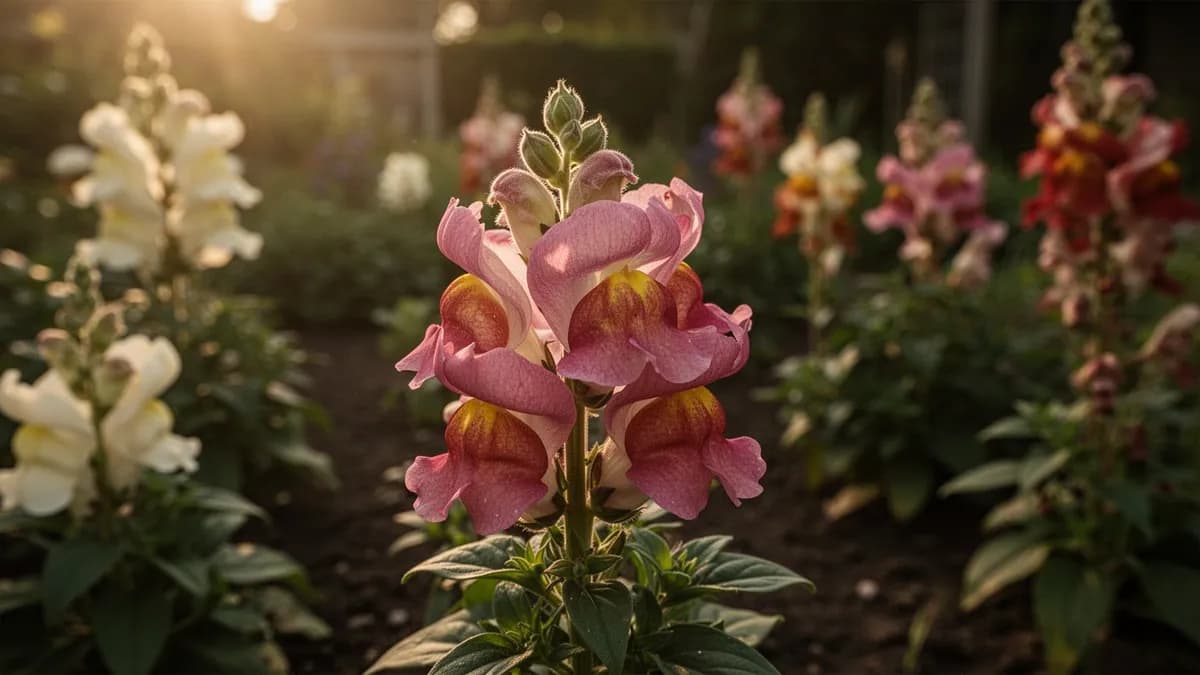
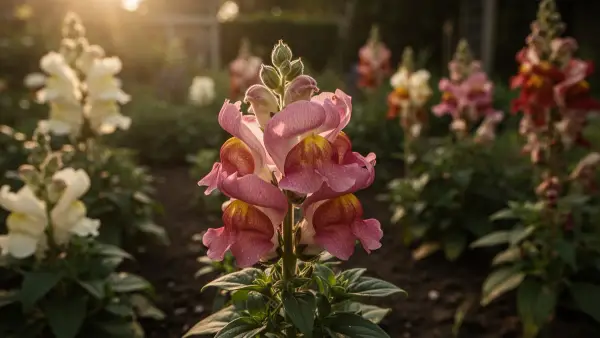
A charming cool-season annual with stacked, two-lipped flowers that children love to squeeze open like tiny mouths.





On this pageOverview
Meet Snapdragon
A charming cool-season annual with stacked, two-lipped flowers that children love to squeeze open like tiny mouths. Snapdragons perform best in cooler weather and make excellent spring and fall bedding plants in most climates. Available in dwarf, intermediate, and tall varieties, they are superb cut flowers and add vertical interest to garden borders. Pinch seedlings early to encourage branching, deadhead spent spikes to promote reblooming, and watch for rust disease in humid conditions.
When to plant Snapdragon
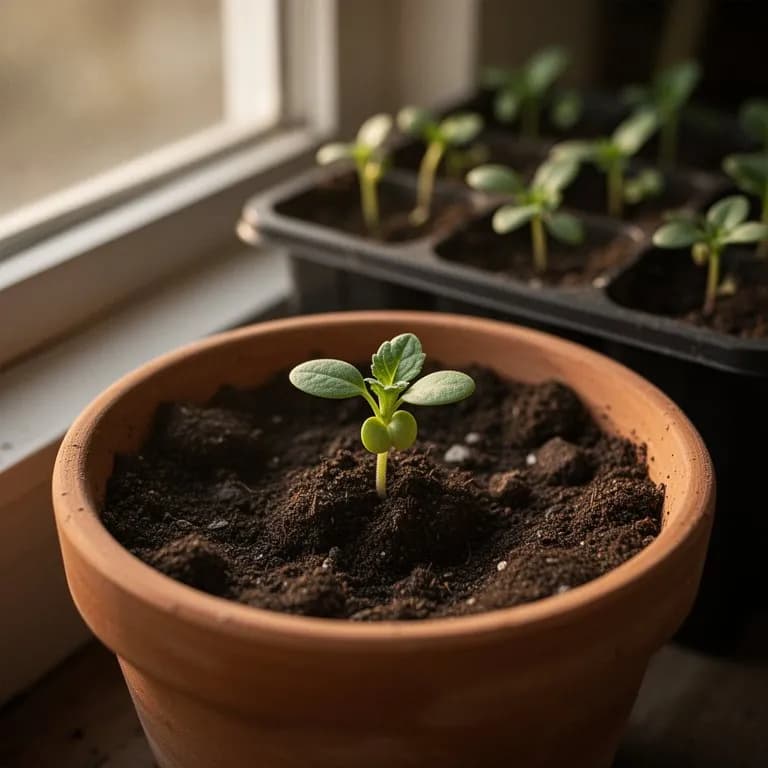
Snapdragon seeds are very fine and need light to germinate. Sow on the surface of moist seed-starting mix in a shallow tray, pressing gently without covering. Keep under fluorescent lights or on a bright windowsill at 65 to 75 degrees Fahrenheit. Germination takes ten to fourteen days. Transplant seedlings to individual cells when the first true leaves appear. Pinch the growing tip after plants develop four to six leaf pairs to promote bushier growth. Harden off for one week before transplanting outdoors after the last hard frost.
Your Snapdragon Year
Composed for Zone 7 · typical seasons · frost passes Apr 2, returns Nov 1
Plant Snapdragon Mar – Apr, Sep – Oct, pick May – Jul, Oct – Nov. Check the planting methods below and set your climate to personalize these windows.
How to grow Snapdragon
Start snapdragon seeds indoors eight to ten weeks before the last frost date. The tiny seeds need light to germinate, so press them onto the surface of moist seed-starting mix without covering. Maintain temperatures of 65 to 75 degrees Fahrenheit and expect germination in ten to fourteen days. Transplant hardened-off seedlings outdoors in early spring, as snapdragons tolerate light frost and actually prefer cool growing conditions.
Space dwarf varieties six to eight inches apart, intermediates ten to twelve inches, and tall types twelve to eighteen inches. Plant in full sun to light shade in rich, well-drained soil with a neutral pH around 6.2 to 7.0. Water consistently at the base of plants, keeping the soil evenly moist but not saturated. A two-inch layer of mulch helps retain moisture and keep roots cool.
Pinch the central growing tip when seedlings reach three to four inches tall to encourage branching and more flower spikes. Stake tall varieties to prevent toppling. Feed every three to four weeks with a balanced liquid fertilizer. After the first flush of bloom, cut spikes back to a lateral branch to promote reblooming. In mild climates, snapdragons often survive winter and return for a second season of flowers.
36 plants fit a 4 × 8 ft bed
Each Snapdragon wants 25 cm of elbow room. The planner keeps that spacing for you — every plant, every bed.
Snapdragon's best neighbours
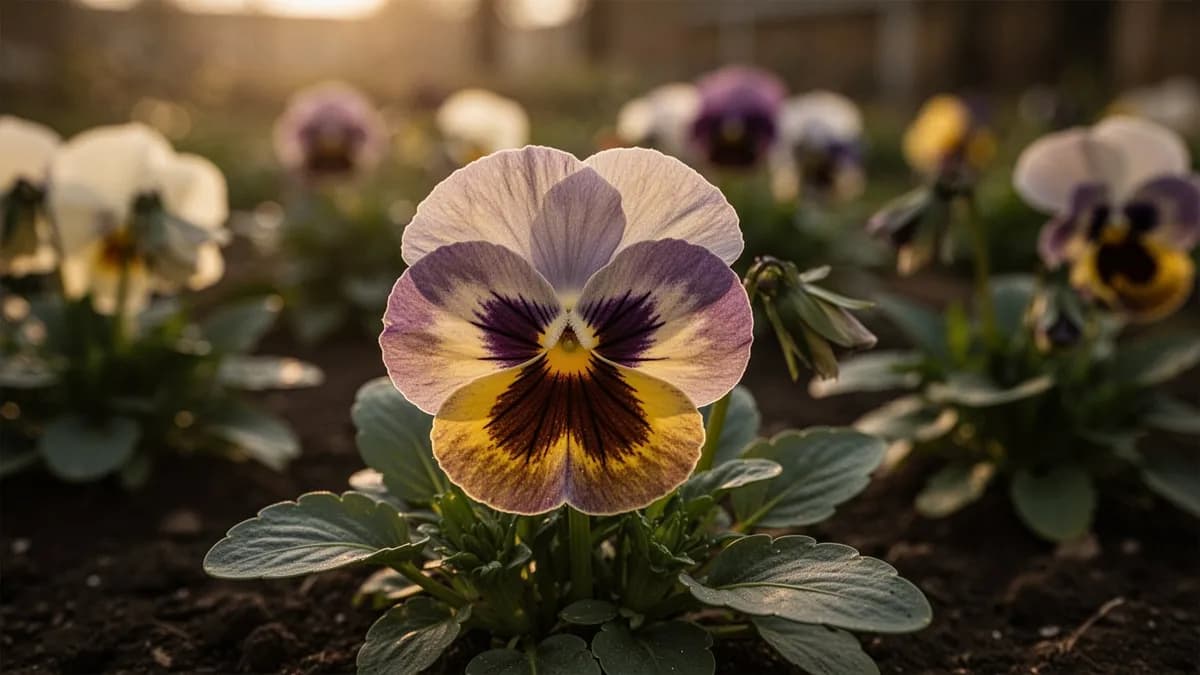
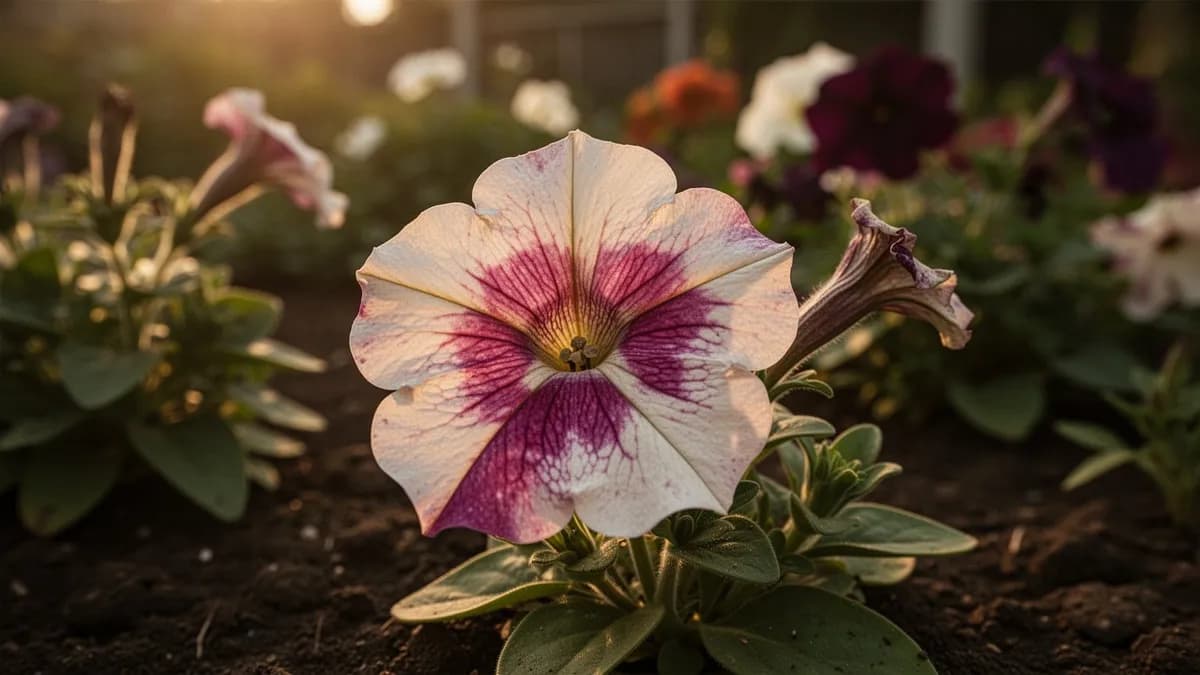
Snapdragons pair beautifully with other cool-season flowers such as pansies, alyssum, and stock for early spring and late fall displays. Their vertical flower spikes provide excellent contrast with mounding plants like petunias and lobelia. In the vegetable garden, snapdragons attract beneficial pollinators and hummingbirds. They work well as border plants alongside herbs such as parsley and chives.
Pansy belongs beside it. Fennel doesn't.
Old growers' knowledge, checked against Snapdragon's real companion table below — test any plant you're growing.
Try Snapdragon in a bed — right here
A real planner bed with Snapdragon already in it. Tap a companion to place it and watch the pairing checks answer — green for good neighbours, red for a clash.


Related growing guides
Feed it well
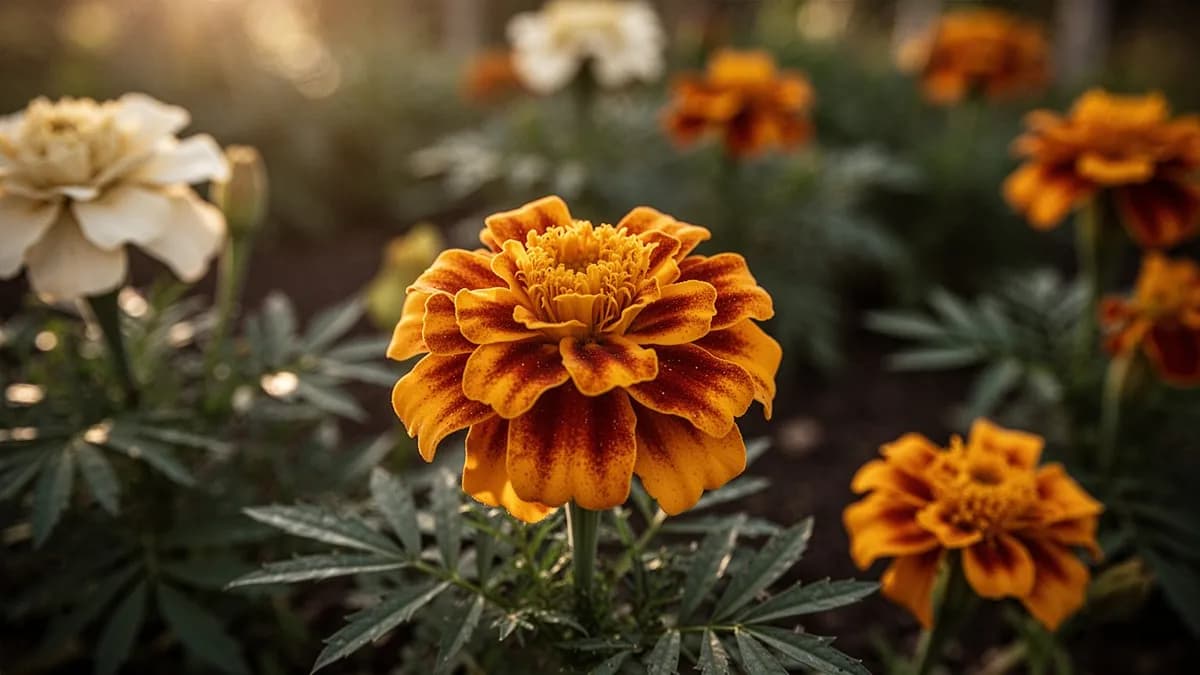
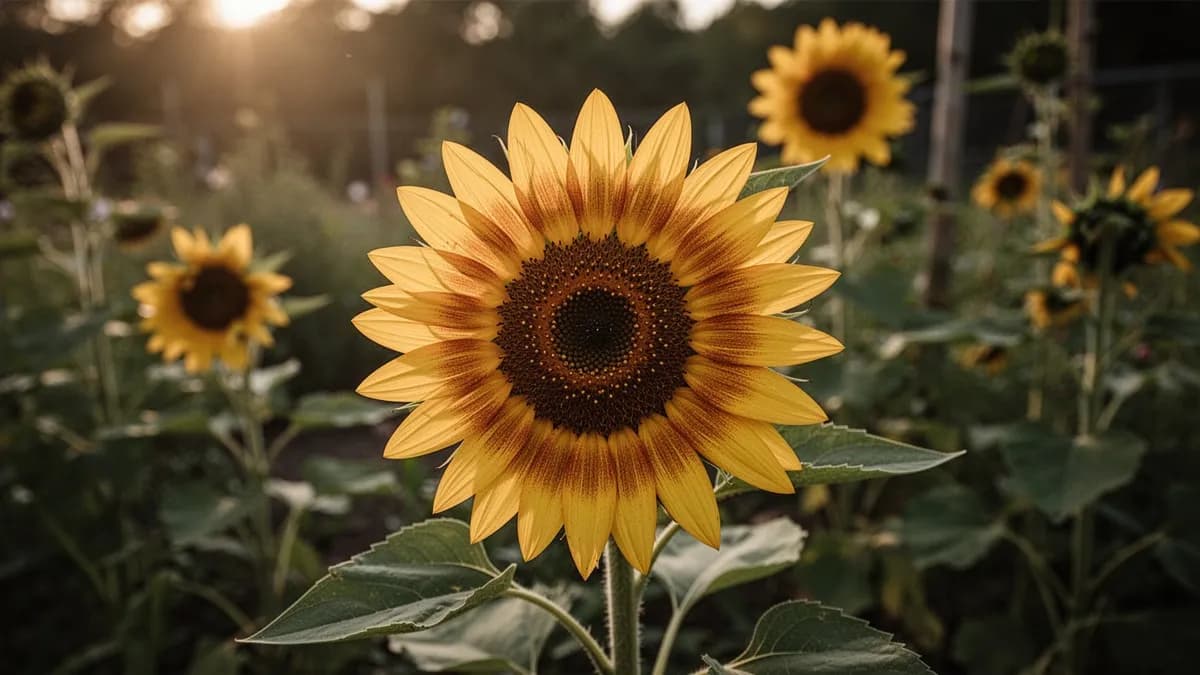
Snapdragons grow best in fertile, well-drained soil with a pH of 6.2 to 7.0. Amend the planting area with compost to improve both drainage and nutrient content. Apply a slow-release balanced fertilizer at planting time and supplement with liquid fertilizer every three to four weeks during the growing season. Avoid excessive nitrogen which promotes leafy growth at the expense of flower production. In containers, use a quality potting mix and feed weekly with diluted liquid fertilizer.
Ideal Temperature
Hardiness Zone Compatibility
From seed to harvest, stage by stage
Seed Germination
Snapdragon seeds are extremely fine and dust-like, requiring light to germinate. They should be surface-sown on moist seed-starting mix and pressed gently into the surface without covering. At optimal temperatures of 18-21°C (65-70°F), germination typically occurs within 10-14 days. The tiny seeds produce equally tiny sprouts that are barely visible at first.
Seedling Development
Tiny cotyledons emerge first, followed by the first pairs of true leaves which are small, rounded, and slightly sticky to the touch. Seedlings grow slowly at this stage and are vulnerable to damping-off disease. The root system begins to establish, and seedlings gradually develop their characteristic opposite leaf arrangement.
Vegetative Growth
The plant enters a phase of rapid vegetative growth, developing a sturdy central stem with pairs of lance-shaped, glossy green leaves. Side shoots begin to emerge from leaf axils, creating the plant's characteristic bushy structure. The stem becomes woody at the base, and the plant begins to gain significant height depending on the variety, with tall cultivars reaching 60-90 cm.
Bud Formation
Flower buds begin forming at the tips of the main stem and lateral branches, appearing as tight, compact clusters of green buds arranged in a raceme. The buds gradually elongate and begin showing color at their tips. The plant's energy shifts from vegetative growth to reproductive development, and leaf production slows as the flower spikes elongate.
Full Bloom
Flower spikes open sequentially from the bottom upward, displaying the characteristic bilabiate (two-lipped) flowers that snap open and closed when squeezed laterally. Each individual flower lasts about a week, while the entire spike continues blooming over several weeks as new flowers open above spent ones. Peak color display occurs during this extended period, attracting bumblebees and other pollinators.
Seed Setting
After pollination, the flowers develop into small, hard seed capsules that dry to a brown color and develop three pores at the top. When fully dry, each capsule resembles a miniature skull, a feature that has given rise to folklore and fascination for centuries. Each capsule contains hundreds of tiny dark seeds that are released when the wind shakes the dried pods.
Overwintering and Decline
Though typically grown as annuals, snapdragons are actually short-lived tender perennials in USDA zones 7-11. In mild climates, plants may survive winter and rebloom the following spring, though second-year plants are usually less vigorous. In colder regions, plants are killed by hard frost and must be replanted each year. Self-sown seedlings often appear the following spring in favorable conditions.
Do not cover seeds with soil as they need light to germinate. Mist the surface gently to keep it consistently moist without disturbing the seeds. Use a clear humidity dome or plastic wrap to maintain moisture levels. Bottom watering is recommended to avoid displacing the fine seeds.
Caring for Snapdragon month by month
What to do each month for your Snapdragon
October
You are hereEnjoy the autumn flush of blooms, which often produces the richest colors of the season. Allow some flower spikes to set seed for self-sowing or seed collection. In mild climates, snapdragons will continue blooming well into late autumn. Apply a light mulch around the base of plants in zones 7-8.
Know exactly what to do in your garden — every month
One email at the start of each month: what to sow, plant, and tackle right now — for your Snapdragon and everything growing around it. Plus a short starter course that helps you dodge the classic mistakes.
- What to do, right now
- Matched to your season
- Starter course included
Harvesting Snapdragon
Cut snapdragon spikes for arrangements when the lower third of flowers on the spike have opened and the top buds are still tightly closed. Cut stems in the early morning and immediately place in warm water with floral preservative. For seed saving, allow a few spikes to mature fully on the plant until the small round seed capsules dry and split open at the top. Shake seeds into a paper bag and store in a cool, dry place. Deadhead remaining spikes promptly to encourage reblooming.
assuming you plant when the window opens — set your real date
Pick Snapdragon promptly and the plant keeps producing.
Storage & Preservation
Fresh-cut snapdragons last seven to ten days in a vase with clean water and floral preservative. Recut stems and change water every two to three days. Snapdragons are geotropic, meaning they bend upward if placed horizontally, so keep them upright in water immediately after cutting. For drying, hang individual spikes upside down in a warm, dark, well-ventilated area for two to three weeks. Dried spikes hold their shape but colors may fade.
What goes wrong — and the fix
Snapdragon Rust
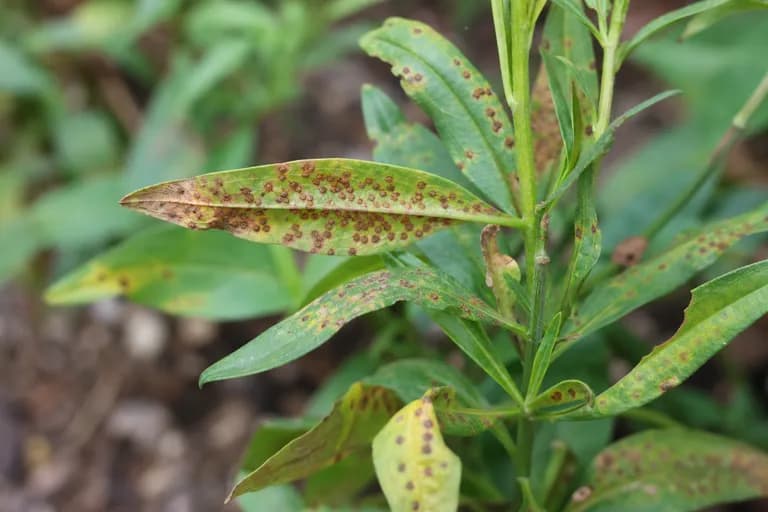
DiseaseDark brown or rust-colored pustules on the undersides of leaves, with corresponding yellow spots on upper surfaces. Severe infections cause leaf drop and plant decline.
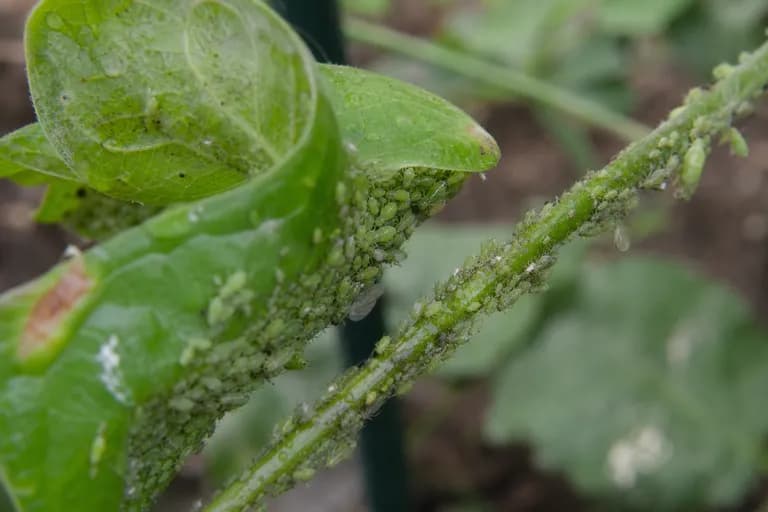
Aphids
PestClusters of tiny green, black, or pink insects on shoot tips and flower buds. Sticky honeydew residue and distorted, stunted new growth.
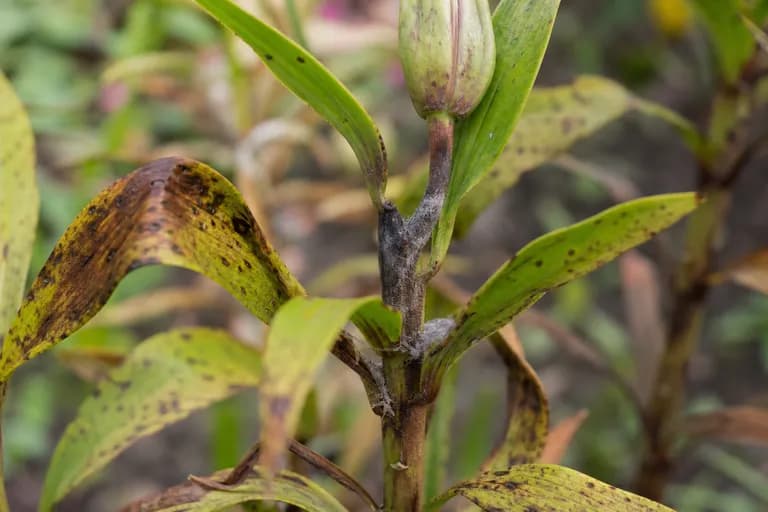
Botrytis Blight
DiseaseGray fuzzy mold on flowers and buds, especially during cool, wet weather. Affected flower spikes rot from the top down and buds may fail to open.
Troubleshooting Common Problems
Rust disease is the most serious problem for snapdragons, causing brown pustules on leaves and eventual plant decline. Growing rust-resistant varieties largely prevents this issue. Leggy plants result from insufficient light or overcrowding. Tall varieties may topple without staking, especially after rain. In hot summer weather, snapdragons may stop blooming until cooler temperatures return in autumn. Root rot occurs in poorly drained or waterlogged soil.
Growing Tips
- Start seeds indoors 8-10 weeks before the last frost date for the earliest blooms. Snapdragon seeds need light to germinate, so press them onto the surface of moist seed-starting mix without covering them.
- Pinch the growing tip of tall and intermediate varieties when seedlings reach 10-15 cm to promote branching and a bushier plant with more flower spikes, resulting in a fuller display and greater cut flower production.
- Snapdragons prefer cool weather and will bloom most prolifically in spring and autumn. In hot-summer climates, plant them early and expect a mid-summer lull followed by a strong fall rebloom as temperatures moderate.
- Provide full sun (at least 6 hours of direct sunlight daily) for the best flower production. In regions with intense afternoon heat, light afternoon shade can extend the blooming period and prevent heat stress.
- Space plants appropriately for their variety height: 15 cm apart for dwarf types, 25 cm for intermediates, and 30-38 cm for tall varieties. Proper spacing improves air circulation and reduces the risk of rust and other fungal diseases.
- Water at the base of the plant rather than overhead to prevent rust disease, the most common fungal problem affecting snapdragons. Rust appears as orange-brown pustules on the undersides of leaves and can spread rapidly in humid conditions.
- Deadhead spent flower spikes by cutting them back to just above a strong set of leaves or lateral shoot. This redirects the plant's energy from seed production into generating new flower spikes for continued blooming.
- Apply a balanced liquid fertilizer every two to three weeks during the growing season, switching to a higher-phosphorus formula when buds begin forming to support prolific flowering.
- For the longest-lasting cut flowers, harvest snapdragon spikes when the lower one-third of the flowers have opened and the remaining buds show color. Cut stems in the early morning and place immediately in cool water.
- In USDA zones 7-11, snapdragons can overwinter as short-lived perennials. Cut plants back to 10 cm after the main bloom period and apply a 5-8 cm layer of mulch for winter insulation. Second-year plants will bloom earlier than spring-sown seedlings.
Grow your best Snapdragon yet — and everything around it.
Start a free plan today. Lay out your beds, drop in your Snapdragon, and let PlotMyGarden handle the timing, spacing, companions and reminders from seed to harvest basket.
Pick your Snapdragon
Rocket Series
Classic tall snapdragons reaching thirty to thirty-six inches with dense flower spikes in a full color range, excellent for cutting gardens.
Snapshot Series
Compact dwarf plants at eight to ten inches with strong branching and continuous blooming, ideal for borders and containers.
Madame Butterfly Series
Double-flowered azalea-type blooms on tall stems that give a completely different look from traditional snapdragons.
Liberty Classic
Vigorous intermediate height plants with strong stems and large flower spikes, widely used in commercial cut flower production.
Twinny Series
Unique double-flowered dwarf snapdragon with a bushy, compact habit and bicolor blooms in warm tones.
A single packet of snapdragon seeds (approximately 500-1,000 seeds) costs around $2-4 and can produce enough plants to fill an entire garden border that would cost $150-300 if purchased as nursery transplants. Snapdragons also self-sow readily in mild climates, providing free plants in subsequent years. As cut flowers, home-grown snapdragons save approximately $8-12 per bunch compared to florist prices, and a well-maintained cutting garden of 20-30 plants can produce dozens of bouquets throughout the growing season.
Quick recipes
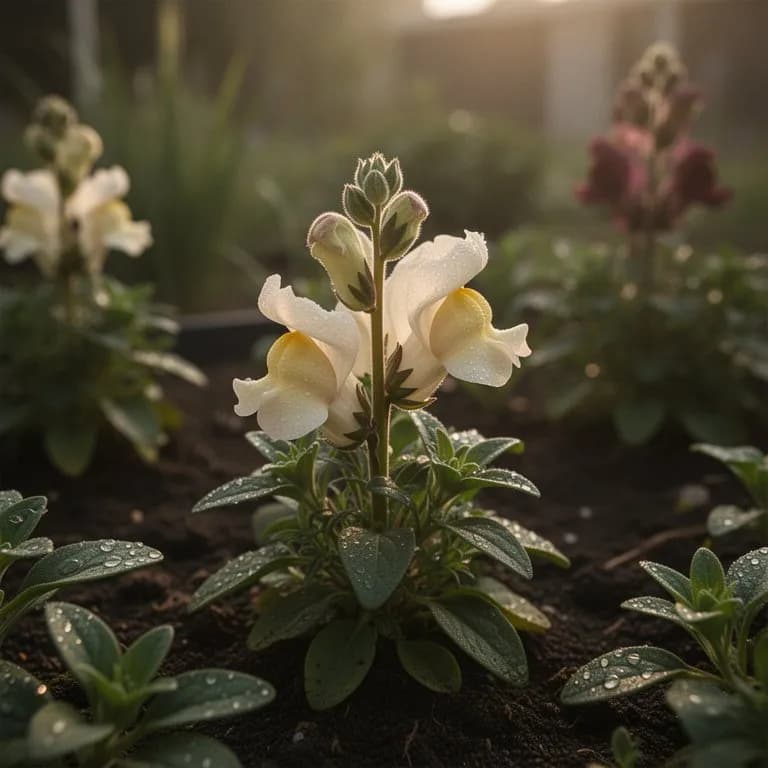
Snapdragon Petal Salad with Citrus Vinaigrette
10 minutesA vibrant garden salad featuring fresh snapdragon petals as a colorful, mildly bitter edible garnish tossed with mixed greens, shaved radishes, and a bright lemon-honey vinaigrette. The dragon-shaped flowers make a stunning presentation for garden parties and summer gatherings.
7 ingredientsSnapdragon Flower Ice Cubes
15 minutes plus freezing timeElegant frozen flower cubes made by suspending individual snapdragon blooms in ice, perfect for adding a dramatic floral touch to lemonade, sparkling water, or cocktails. The flowers maintain their vivid colors when frozen and create a stunning visual as the ice slowly melts.
4 ingredients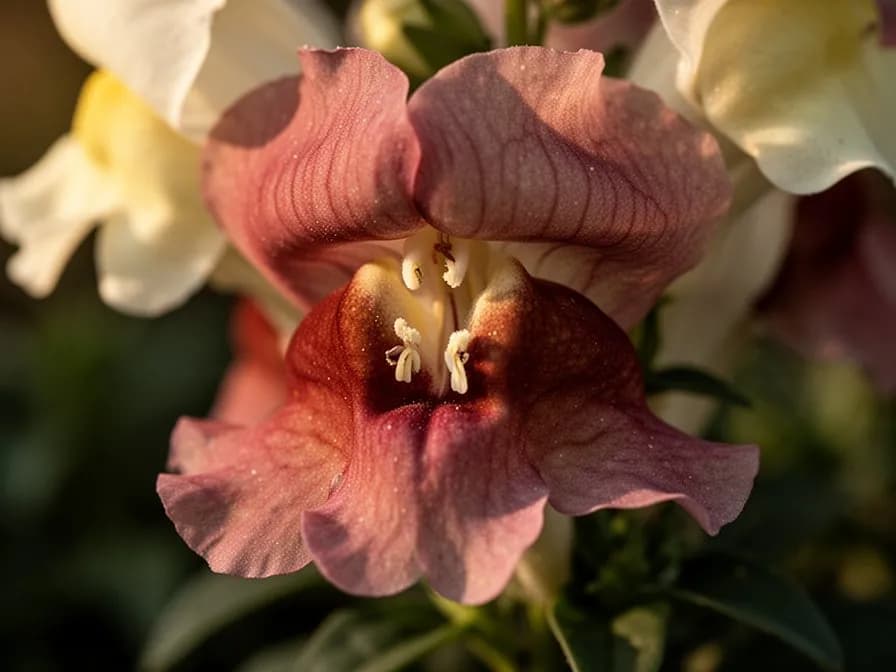
Candied Snapdragon Blooms for Cake Decorating
30 minutes plus drying timeDelicate sugar-coated snapdragon flowers preserved with egg white and fine sugar, creating elegant edible decorations for cakes, cupcakes, and pastries. The crystallized flowers retain their shape and color for several weeks when stored properly, making them ideal for advance preparation.
6 ingredientsWhat's inside
Health Benefits
- Snapdragon flower infusions have been used in traditional European herbal medicine for centuries as a mild anti-inflammatory treatment for skin irritations, minor burns, and insect bites when applied as a cooled poultice
- The flowers contain flavonoid compounds, particularly in deeply pigmented red and purple varieties, that possess antioxidant properties and may help neutralize free radicals when consumed as part of a varied diet
- Historical herbalists prescribed snapdragon leaf tea as a mild digestive aid, though modern clinical evidence for this use remains limited and the practice is primarily of historical interest
- Growing snapdragons provides significant mental health benefits through the therapeutic activity of gardening itself, including stress reduction, improved mood, and a sense of accomplishment from nurturing plants through their life cycle
- Snapdragons are excellent pollinator-support plants, attracting beneficial bumblebees to the garden, which in turn improves fruit set and yields on nearby food crops through enhanced cross-pollination
- The cut flowers are frequently used in floral therapy and hospital settings, where studies have shown that the presence of fresh flowers in patient rooms can reduce anxiety, lower blood pressure, and improve overall feelings of well-being during recovery
Where Snapdragon comes from
Snapdragons (Antirrhinum majus) are native to the rocky hillsides, old walls, and dry scrublands of the western Mediterranean region, with their natural range extending from southern France and Spain through Italy, North Africa, and into parts of Turkey. Archaeological evidence and ancient texts suggest that snapdragons were cultivated as ornamental and medicinal plants by the ancient Romans, who grew them in their villa gardens alongside roses and lilies. The plant was well known to the Greek physician Dioscorides in the first century CE, who documented its use as a topical treatment for eye ailments and skin conditions. Throughout the medieval period, snapdragons acquired a rich body of folklore and superstition across Europe. They were believed to possess protective powers against witchcraft and deception, and bunches of the flowers were hung above doorways to ward off evil spirits. The plant's skull-shaped seed pods further fueled its association with the supernatural. By the 16th century, snapdragons had become popular garden ornamentals throughout England and northern Europe, and early breeding efforts began to produce the wide color range we enjoy today. The German botanist and geneticist Erwin Baur conducted groundbreaking studies on snapdragon flower color inheritance in the early 1900s, establishing Antirrhinum as a key model organism for plant genetics. His work demonstrated incomplete dominance using red and white snapdragon crosses that produced pink offspring. Modern breeding programs, particularly those in Germany, the Netherlands, and the United States, have produced hundreds of cultivars ranging from trailing dwarf forms for containers to stately one-meter-tall varieties for cutting gardens. The development of the Rocket, Sonnet, and Liberty series in the mid-20th century brought improved heat tolerance and more uniform flowering, making snapdragons one of the most commercially important bedding plants worldwide.
Snapdragon: did you know?
Fascinating facts about Snapdragon
The common name 'snapdragon' comes from the flower's resemblance to a dragon's face that opens and closes its mouth when the sides of the flower are gently squeezed, delighting children and gardeners alike for generations.
Snapdragon questions, answered
When should I plant Snapdragon?
What are good companion plants for Snapdragon?
What hardiness zones can Snapdragon grow in?
How much sun does Snapdragon need?
How far apart should I space Snapdragon?
What pests and diseases affect Snapdragon?
How do I store Snapdragon after harvest?
What are the best Snapdragon varieties to grow?
What soil does Snapdragon need?
Are snapdragons annual or perennial flowers?
Why have my snapdragons stopped blooming in summer?
How do I prevent rust disease on my snapdragons?
Can you eat snapdragon flowers?
When is the best time to plant snapdragons outdoors?
How tall do snapdragons grow and which variety should I choose?
You just read the theory. Now grow it on autopilot.
Everything that makes Snapdragon fiddly — the timing, the spacing, the companions, the harvest window — is exactly what PlotMyGarden handles for you, for every plant in your garden.
A plan that knows your weather
Set your location once. Get sow, feed and harvest dates built around your real last-frost date and live forecast — no more guessing from a generic seed packet.
From the “When to plant” sectionDrag-and-drop bed planner
Design beds on a grid. Every plant snaps to its proper spacing, and you can see your whole season laid out before you spend a cent on seed.
From the “Growing guide” sectionCompanion conflicts, caught early
200+ good-and-bad pairings checked live as you plant — so a season-wrecking mistake never makes it into the ground.
From the “Companions” sectionReminders you'll actually act on
“Water the beans.” “Pick today before it turns.” Timely, specific, and tied to the plants you're really growing.
From the “Harvest” sectionSuccession, scheduled
Want a harvest for six weeks, not six days? It spaces your sowings automatically and reminds you when each new block is due.
From the “When to plant” sectionA record that gets smarter
Every harvest you log teaches it your garden. Next year's plan starts from what actually worked in your soil, not a textbook's.
From the “Overview” sectionPlant these alongside Snapdragon
More Annuals
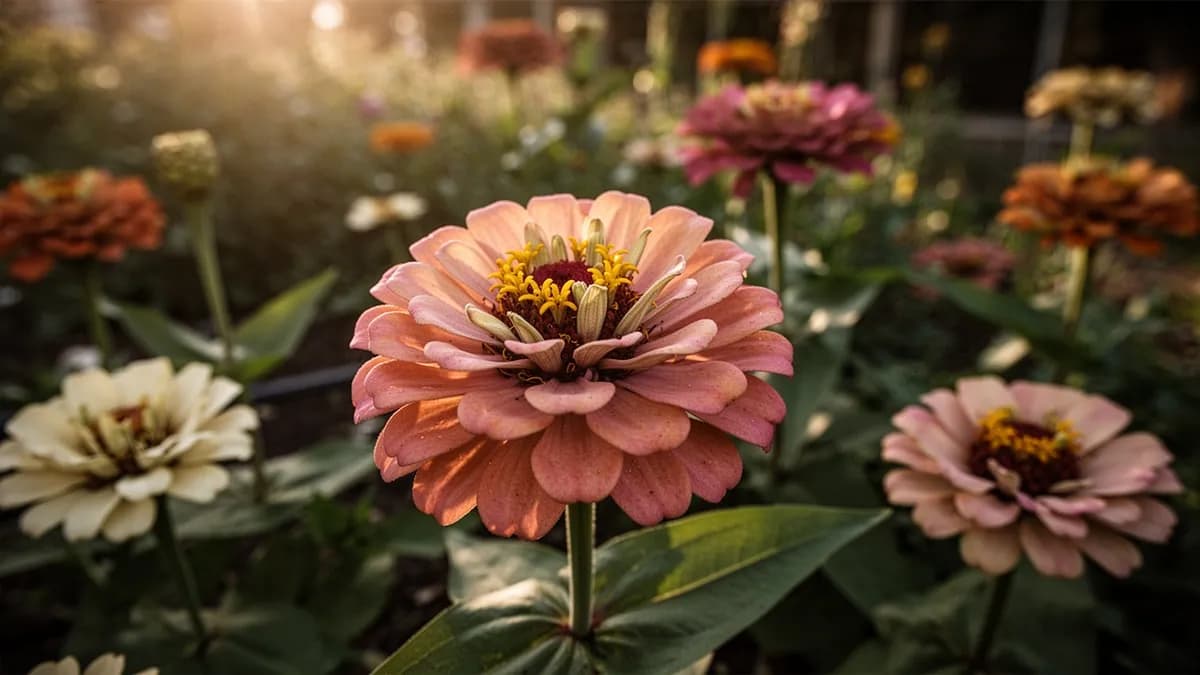
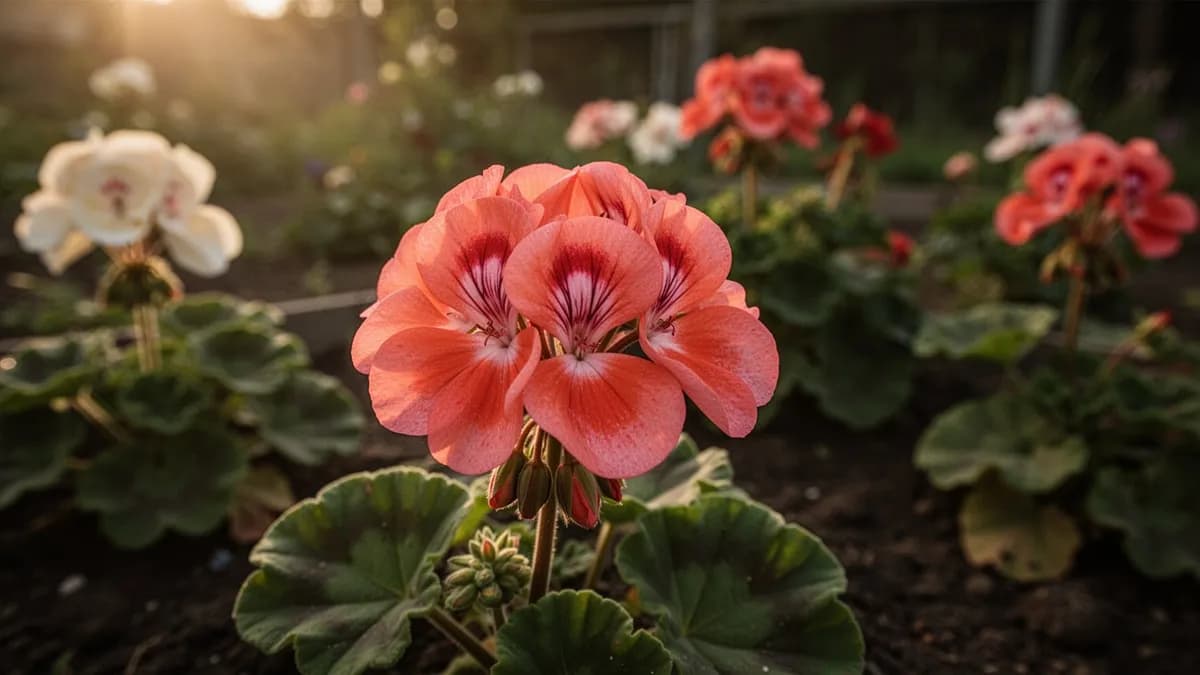
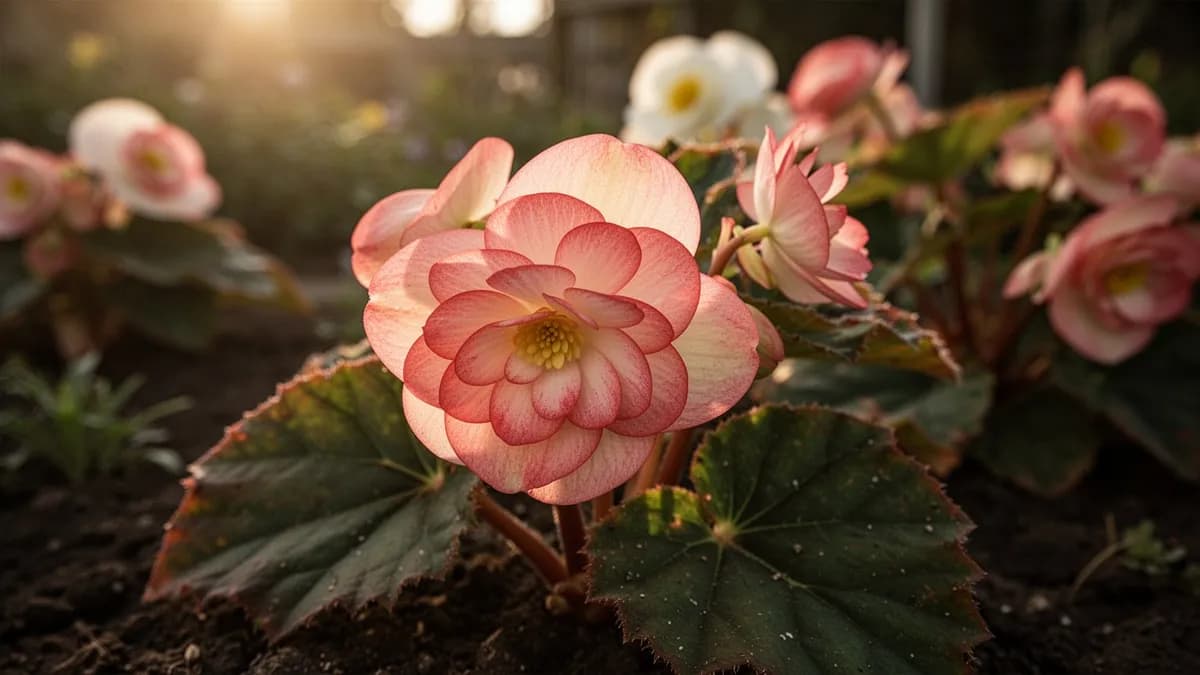
Keep Snapdragon away from these
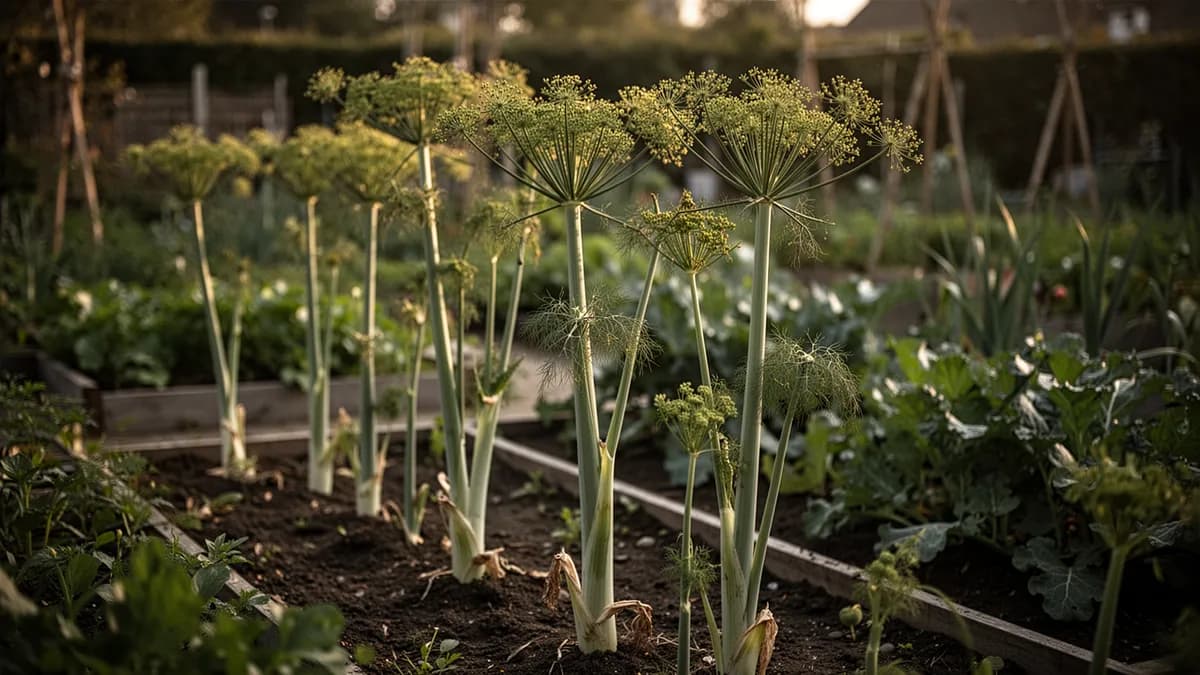
Garden plans featuring Snapdragon
Grow your best Snapdragon yet — and everything around it.
Start a free plan today. Lay out your beds, drop in your Snapdragon, and let PlotMyGarden handle the timing, spacing, companions and reminders from seed to harvest basket.