Rose
The classic garden shrub offering fragrant blooms in countless varieties, requiring regular pruning and feeding.






On this pageOverview
Meet Rose
The classic garden shrub offering fragrant blooms in countless varieties, requiring regular pruning and feeding. Prune hybrid tea and floribunda types hard in late winter, cutting to outward-facing buds to create an open vase shape for airflow. Roses are heavy feeders that benefit from regular applications of balanced fertilizer and a thick mulch layer to retain moisture. Watch for black spot, aphids, and Japanese beetles, and choose disease-resistant cultivars when possible to reduce maintenance needs.
When to plant Rose
Most garden roses are propagated by grafting or from cuttings rather than seed. To take softwood cuttings, select a healthy stem in early summer just after a bloom cycle, cut a six-inch section with at least three leaf nodes, dip in rooting hormone, and insert into moist perlite or vermiculite. Cover with a plastic bag to maintain humidity and keep in bright indirect light. Roots develop in four to eight weeks. Hardwood cuttings taken in late fall and stuck in outdoor beds also work well for many varieties.
Your Rose Year
Composed for Zone 7 · typical seasons · frost passes Apr 2, returns Nov 1
Plant Rose Mar – Apr, Oct – Nov, pick May – Oct. Check the planting methods below and set your climate to personalize these windows.

How to grow Rose
Select a planting site with at least six hours of direct sunlight and good air circulation. Dig a hole eighteen inches wide and deep, mixing the excavated soil with compost and a handful of bone meal. For bare-root roses, soak roots in water for eight to twelve hours before planting and build a soil cone in the center of the hole to spread roots over. Position the bud union at or just below the soil surface in cold climates, or one to two inches above in warm zones.
Water deeply and consistently, providing about one inch per week at the base of the plant. Mulch with two to three inches of organic material, keeping it several inches from the canes to prevent crown rot. Prune hybrid teas and floribundas in late winter by removing dead, damaged, and crossing canes, then cutting remaining canes back to twelve to eighteen inches, always cutting just above an outward-facing bud.
Begin fertilizing in early spring when new growth appears and continue every four to six weeks through late summer, stopping six weeks before the first expected frost to allow plants to harden off. Apply a balanced rose fertilizer or alternate between granular and liquid feeds. Monitor regularly for black spot, powdery mildew, and aphids, and treat promptly to keep plants healthy and blooming vigorously.
2 plants fit a 4 × 8 ft bed
Each Rose wants 90 cm of elbow room. The planner keeps that spacing for you — every plant, every bed.
Rose's best neighbours
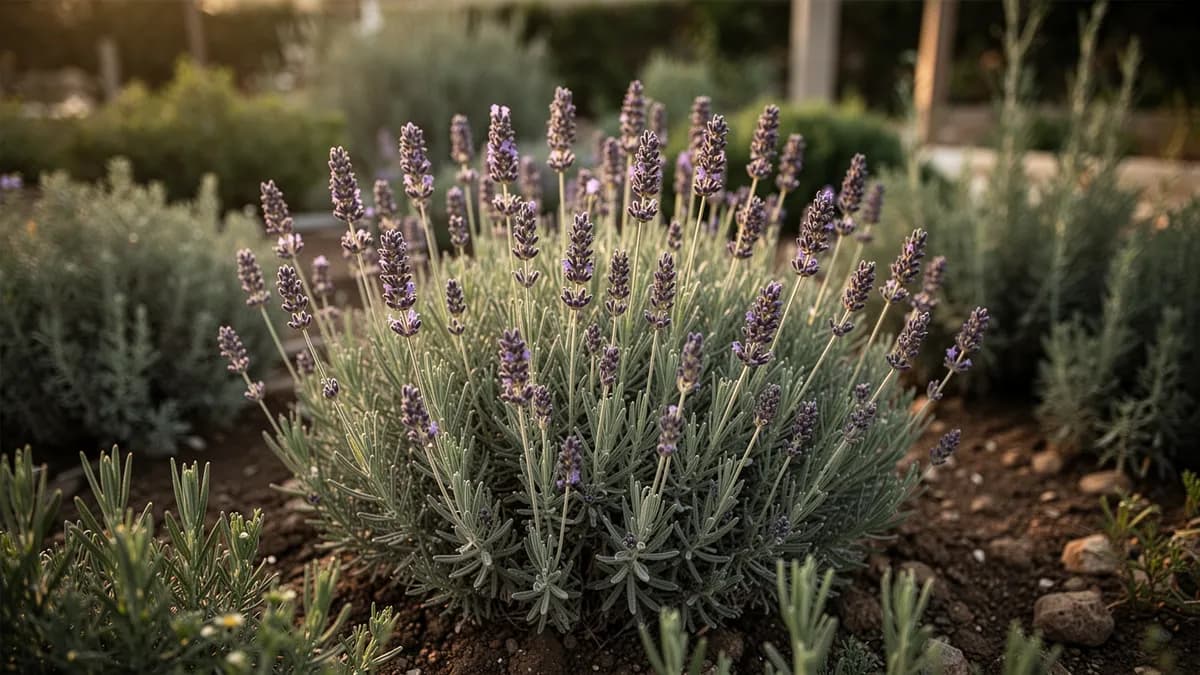
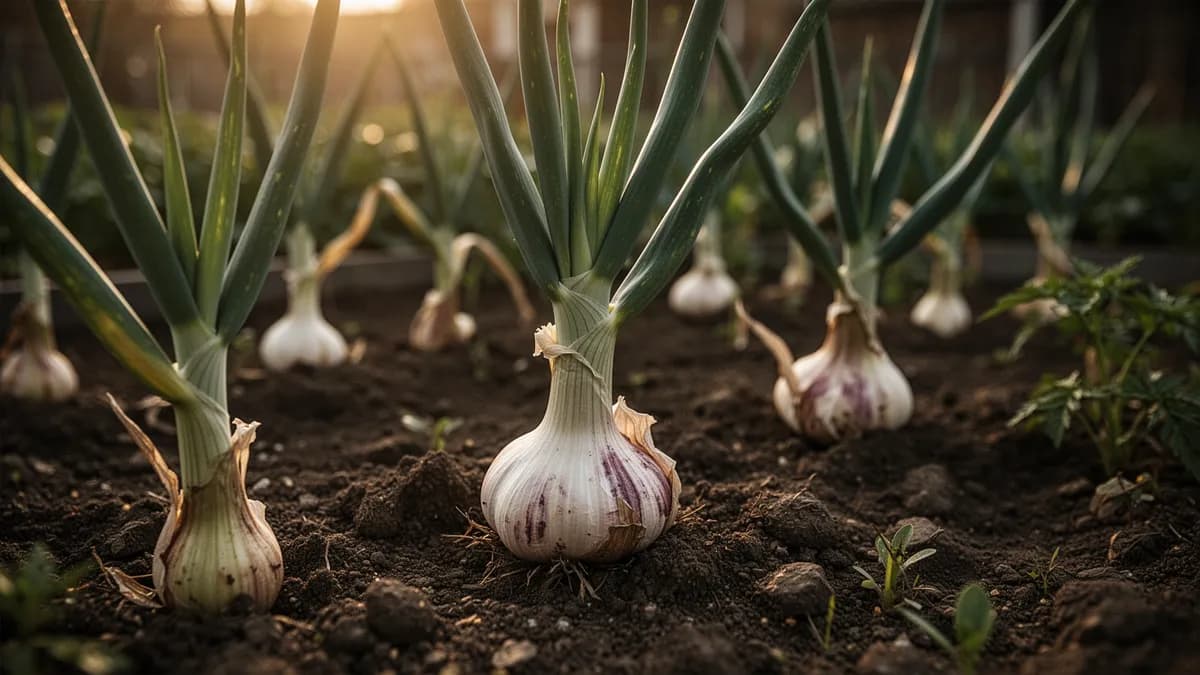
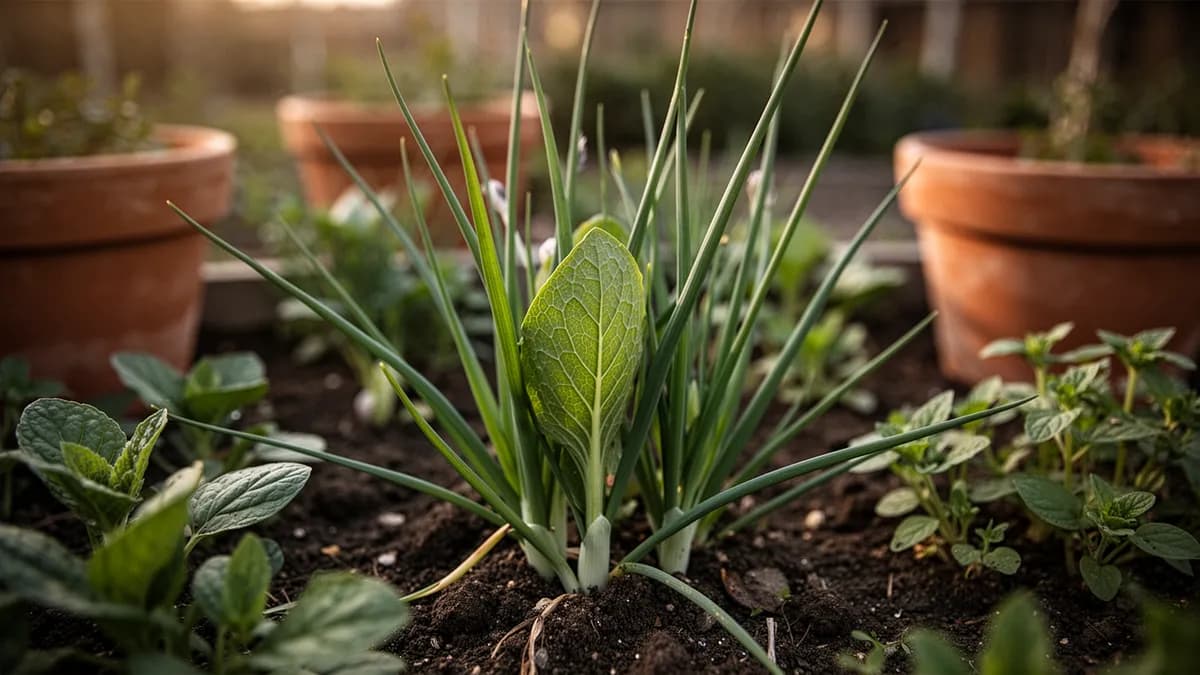
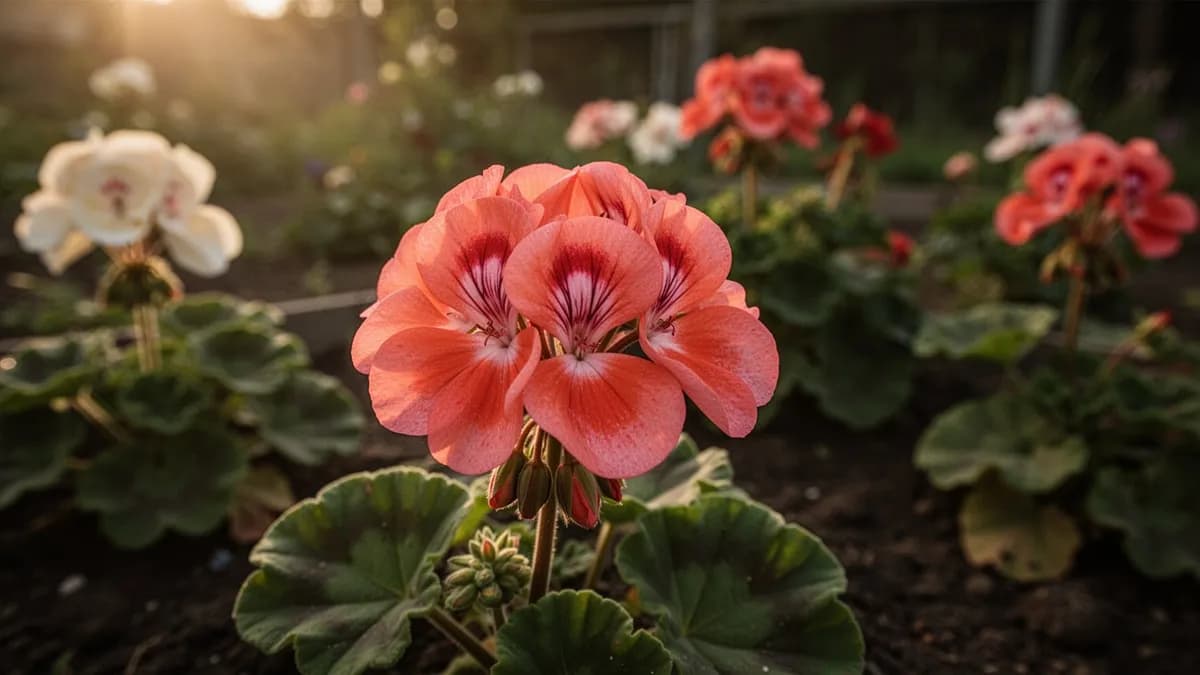
Lavender, catmint, and salvia planted at the feet of roses attract pollinators while their aromatic foliage helps mask rose scent from pests. Garlic, chives, and alliums planted nearby help deter aphids and may reduce fungal diseases. Geraniums are traditional rose companions, and some gardeners believe they help repel Japanese beetles. Avoid planting roses near large trees whose roots compete for water and nutrients, and maintain good spacing between rose bushes for air circulation.
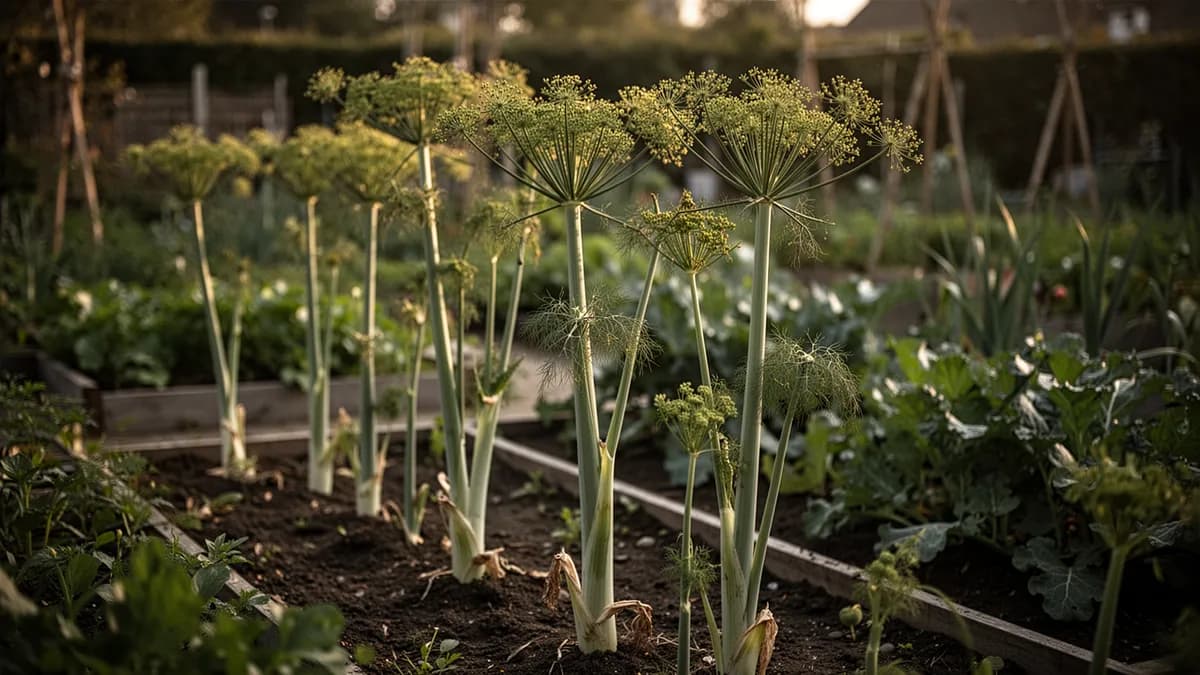
Lavender belongs beside it. Fennel doesn't.
Old growers' knowledge, checked against Rose's real companion table below — test any plant you're growing.
Try Rose in a bed — right here
A real planner bed with Rose already in it. Tap a companion to place it and watch the pairing checks answer — green for good neighbours, red for a clash.


Related growing guides
Feed it well
Roses thrive in rich, well-drained loamy soil with a pH of 6.0 to 6.5. Amend sandy or clay soils heavily with compost before planting. Roses are heavy feeders requiring regular fertilization: apply a balanced rose fertilizer in early spring, after the first bloom cycle, and again in midsummer. Top-dress with compost annually and maintain a mulch layer to feed the soil and retain moisture. Supplement with Epsom salt once or twice per season to supply magnesium for lush foliage.
Ideal Temperature
Hardiness Zone Compatibility
From seed to harvest, stage by stage
Dormancy & Bare Root
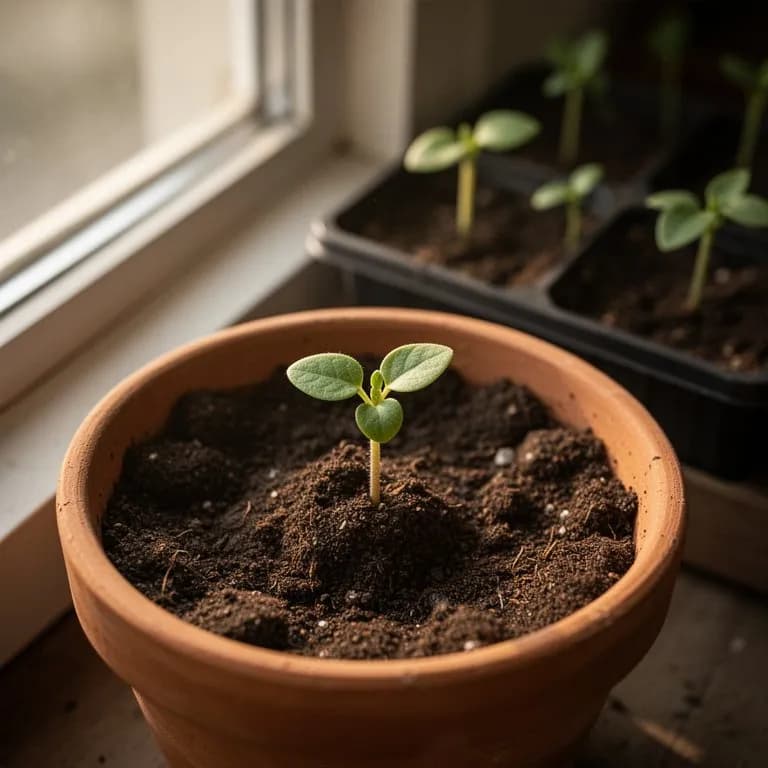
During late winter, the rose is dormant with no foliage. Bare root roses are planted during this stage while the plant conserves energy in its root system. Roots slowly begin to establish in the surrounding soil as temperatures gradually rise.
New Growth & Leaf Emergence
As spring arrives, small reddish buds swell along the canes and unfurl into fresh green leaves. The plant channels stored energy into producing new stems and foliage. This vegetative phase is critical for building the photosynthetic capacity needed to support future blooms.
Bud Formation
Flower buds begin to form at the tips of new growth. The buds start small and green, gradually swelling as the sepals part to reveal the first hint of petal color. The plant diverts significant energy toward reproductive development during this stage.
Full Bloom
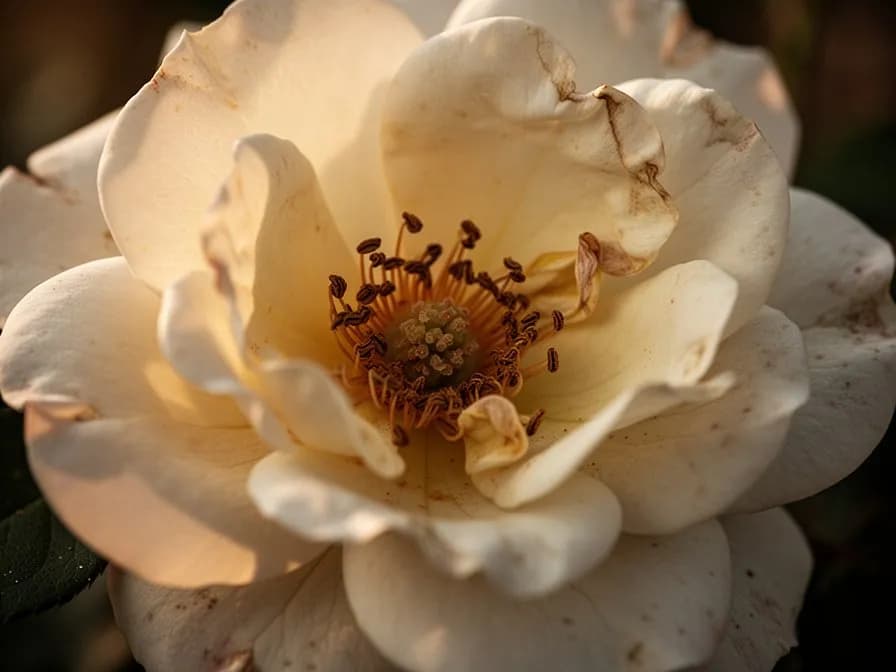
The rose reaches its peak display with flowers fully opened, revealing layers of petals in a wide range of colors. Many modern varieties will repeat-bloom throughout summer if spent flowers are removed. Fragrance is typically strongest in the morning hours.
Rose Hip Development
If flowers are left on the plant after blooming, the base of each flower swells into a rose hip. These fleshy fruit-like structures turn from green to orange and finally deep red as they ripen. Rose hips are among the richest plant sources of vitamin C.
Autumn Hardening & Preparation
As temperatures drop, the rose begins to slow its growth and harden off new wood for winter. Leaves may turn yellow and drop naturally. The plant redirects carbohydrates to the root system and crown to prepare for dormancy.
Winter Dormancy
The rose enters full dormancy with bare canes. This rest period is essential for the plant to reset its growth cycle. Cold temperatures help break bud dormancy so the plant can produce vigorous new growth the following spring.
Plant bare root roses in well-drained soil amended with compost. Water deeply after planting and apply a thick layer of mulch to protect roots from late frosts.
Caring for Rose month by month
What to do each month for your Rose
October
You are hereHarvest ripe rose hips after the first light frost for maximum vitamin C content. Clean up fallen leaves and debris to reduce overwintering disease spores. Apply a final deep watering before the ground freezes.
Know exactly what to do in your garden — every month
One email at the start of each month: what to sow, plant, and tackle right now — for your Rose and everything growing around it. Plus a short starter course that helps you dodge the classic mistakes.
- What to do, right now
- Matched to your season
- Starter course included
Harvesting Rose
Cut roses for bouquets in the early morning when buds are just beginning to open and the first petals have unfurled. Use sharp, clean bypass pruners and cut at a 45-degree angle just above an outward-facing five-leaflet leaf. Place stems immediately into warm water. For the longest vase life, cut when the bud is in the soft-bud stage where color is visible but petals are not yet fully open. Deadhead spent flowers throughout the season to promote reblooming.
assuming you plant when the window opens — set your real date
Pick Rose promptly and the plant keeps producing.
Storage & Preservation
Fresh-cut roses last five to ten days in a vase with floral preservative. Recut stems at an angle every two days and change water frequently. To dry roses, hang individual stems upside down in a dark, dry, well-ventilated room for two to three weeks. Silica gel drying preserves color and shape better for displays. Rose petals can be pressed flat between parchment paper for crafts, or dried and stored for potpourri. Rosebuds dried in silica gel make beautiful lasting arrangements.
What goes wrong — and the fix
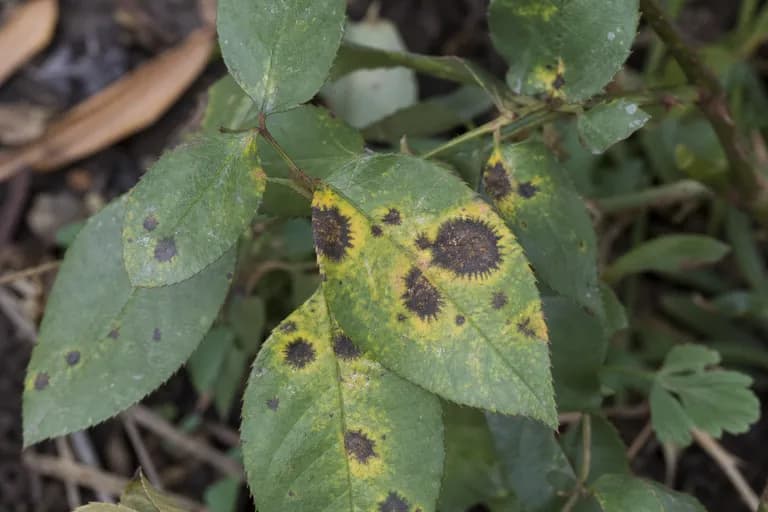
Black Spot
DiseaseCircular black spots with fringed edges on upper leaf surfaces. Affected leaves turn yellow and drop, often defoliating the plant from the bottom up.
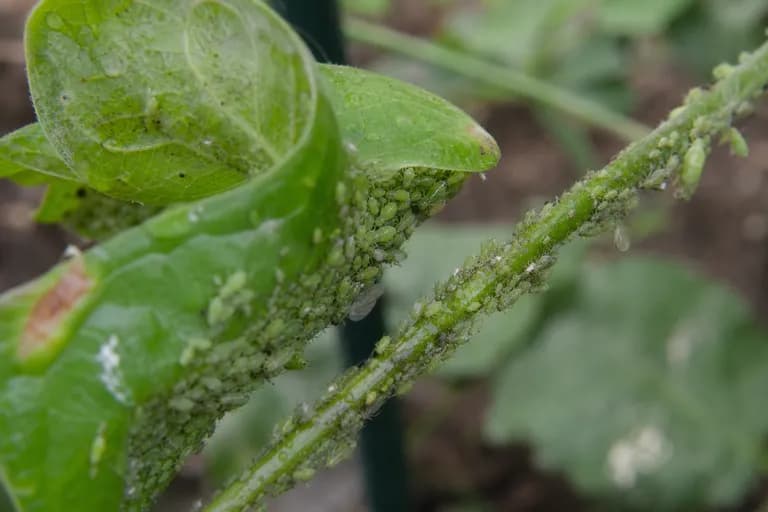
Aphids
PestDense clusters of small green, pink, or red insects on new growth, buds, and shoot tips. Distorted leaves, sticky honeydew, and reduced flower quality.
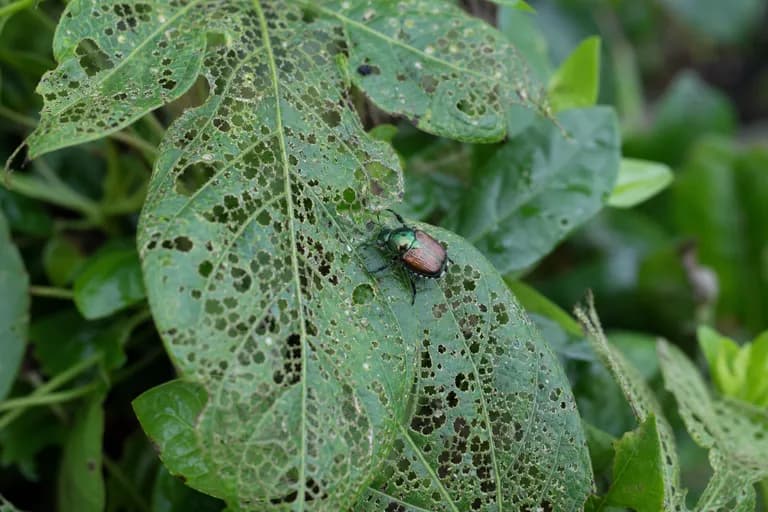
Japanese Beetles
PestSkeletonized leaves and chewed flower petals, especially on light-colored roses. Metallic green and bronze beetles feed in groups during warm afternoons.
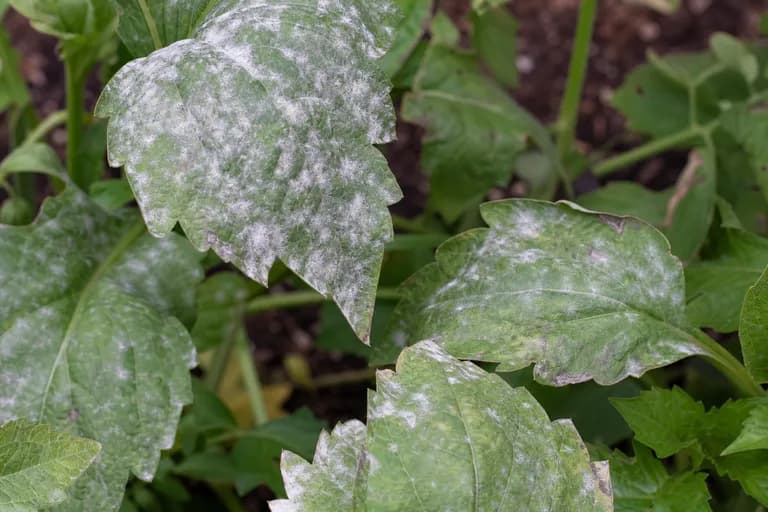
Powdery Mildew
DiseaseWhite powdery coating on leaves, stems, and buds. New growth is distorted and curled. Most prevalent in warm days with cool, humid nights.
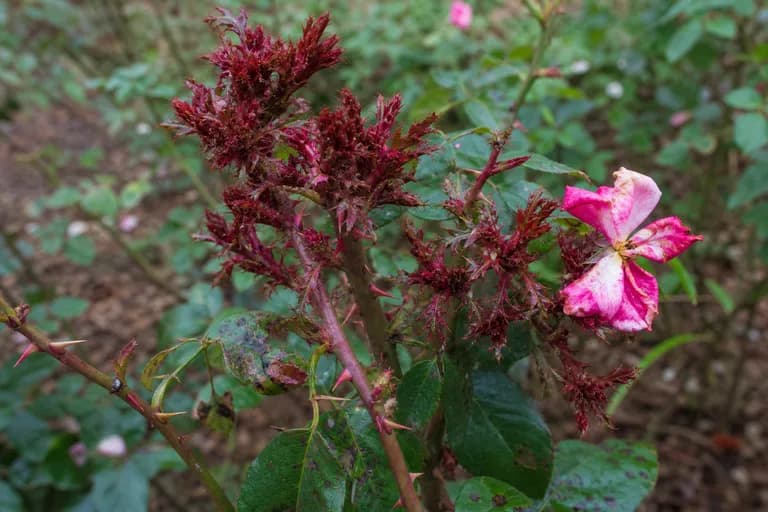
Rose Rosette Disease
DiseaseExcessive thorniness, bright red distorted growth, witches' broom clusters of stems, and deformed flowers. Transmitted by tiny eriophyid mites.
Troubleshooting Common Problems
Failure to bloom often results from insufficient sunlight, improper pruning, or excessive nitrogen. Roses planted in shade develop weak, leggy growth and are far more susceptible to disease. Winter dieback is common in cold climates if plants are not properly hardened off in fall. Blind shoots, or stems that grow without producing a flower bud, can be encouraged to bloom by cutting them back to the first five-leaflet leaf. Deer browse on roses unless deterred with fencing or repellents.
Growing Tips
- Plant roses where they will receive at least six hours of direct morning sunlight, as morning sun dries dew from foliage quickly and significantly reduces the risk of fungal diseases like black spot and powdery mildew.
- Space rose bushes at least two to three feet apart to ensure adequate air circulation around each plant, which is the single most effective cultural practice for preventing foliar diseases.
- Water roses deeply at the base using drip irrigation or a soaker hose rather than overhead sprinklers, as wet foliage promotes fungal infections and can cause petal spotting on open blooms.
- Apply two to three inches of organic mulch such as shredded bark or composted leaves around the base of each plant, keeping it several inches away from the stem to prevent crown rot.
- Feed roses every four to six weeks during the growing season with a balanced fertilizer formulated for roses, making the final application at least six weeks before the first expected frost.
- Prune hybrid tea and floribunda roses in late winter by removing dead, damaged, and crossing canes first, then shaping the plant to an open vase form that allows light and air into the center.
- For edible rose hip production, choose Rosa rugosa varieties which produce the largest and most flavorful hips, and stop deadheading by late August to allow fruits to develop before frost.
- Companion plant roses with garlic, chives, lavender, or catmint to naturally deter aphids, Japanese beetles, and other common pests while attracting beneficial pollinators to the garden.
- When cutting roses for indoor arrangements, make cuts early in the morning when stems are fully hydrated, cutting at a forty-five degree angle just above an outward-facing five-leaflet leaf set.
- Test your soil pH annually and aim to maintain it between 6.0 and 6.5 for optimal nutrient uptake; roses in alkaline soil often develop iron chlorosis, visible as yellowing between leaf veins.
Grow your best Rose yet — and everything around it.
Start a free plan today. Lay out your beds, drop in your Rose, and let PlotMyGarden handle the timing, spacing, companions and reminders from seed to harvest basket.
Pick your Rose
Knock Out
A disease-resistant landscape rose that blooms continuously from spring to frost with minimal care. Available in red, pink, double, and rainbow forms.
David Austin English Roses
Old-fashioned cupped bloom forms with modern repeat-flowering habit. Includes popular varieties like 'Graham Thomas' and 'Gertrude Jekyll' with intense fragrance.
Peace
A classic hybrid tea with large yellow blooms edged in pink, celebrated worldwide since its introduction in 1945. Strong grower reaching five feet.
New Dawn
A reliable climbing rose with soft pink, fragrant semi-double flowers. Vigorous growth to fifteen feet and good disease resistance make it a top climber choice.
Iceberg
A floribunda producing abundant clusters of pure white, lightly fragrant flowers on a vigorous shrub. Also available in a climbing form.
A single established rose bush can produce two to five pounds of rose hips annually, equivalent to roughly forty dollars worth of dried rose hips at specialty store prices. Fresh edible rose petals sell for fifteen to twenty-five dollars per cup at gourmet markets, and a prolific shrub rose can yield enough petals for dozens of batches of rose petal jam, tea, or rose water throughout the season. Growing your own roses also eliminates concerns about pesticide residues on commercially sourced edible petals and hips, which is critical since most florist roses are heavily treated with chemicals not approved for food use.
Quick recipes
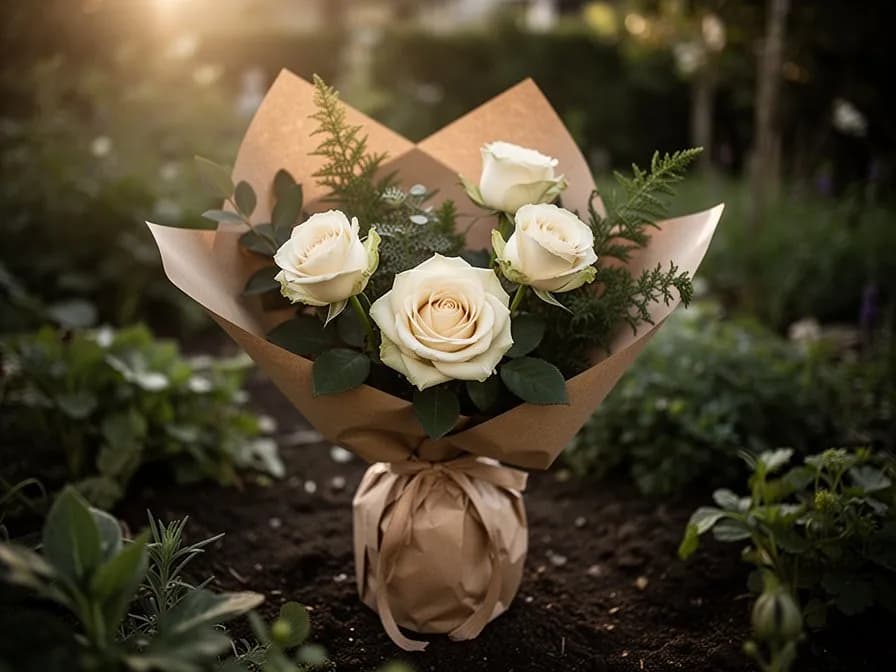
Rose Hip Vitamin C Tea
15 minutesA tangy, slightly sweet herbal tea made from dried rose hips that delivers a powerful dose of natural vitamin C. This traditional preparation has been used for centuries as an immune-boosting tonic during cold and flu season. Steep longer for a stronger, more tart flavor.
5 ingredients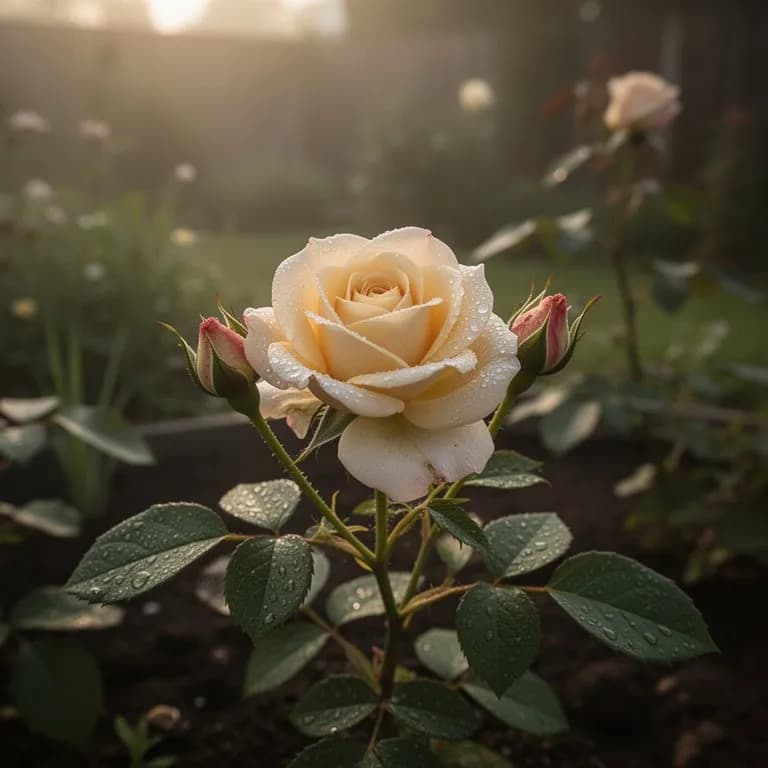
Rose Petal Jam
45 minutesA fragrant and beautifully colored preserve made from fresh, unsprayed rose petals. This delicate jam pairs wonderfully with scones, yogurt, or as a filling for pastries. Use strongly scented heritage varieties like Damask or Gallica roses for the best flavor.
6 ingredients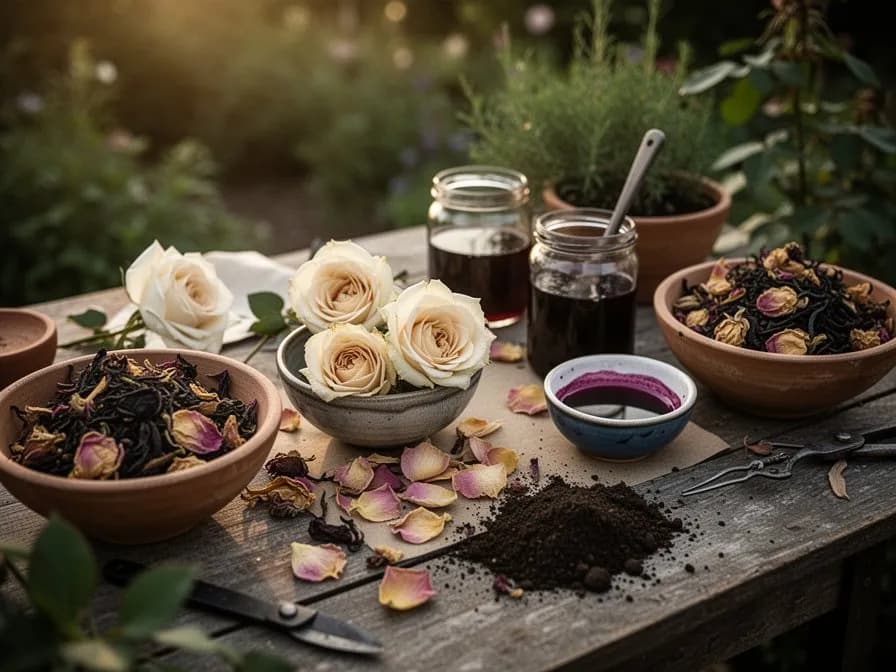
Rose Hip Syrup
60 minutesA sweet, tangy syrup traditionally used in Britain during wartime as a vitamin C supplement for children. This versatile syrup can be drizzled over pancakes, stirred into cocktails, or mixed with sparkling water for a refreshing drink. It keeps well in the refrigerator for several months.
5 ingredientsCulinary Uses
Rose petals have been used in cooking for centuries across many cultures. Fresh petals add fragrance and color to salads, desserts, and beverages. Rose water and rose syrup are used in Middle Eastern and South Asian cuisine for flavoring pastries, ice cream, and drinks. Dried rose petals make a fragrant tea. Rose hips, the fruit left after flowering, are extremely high in vitamin C and can be made into jams, jellies, and herbal teas. Use only unsprayed roses from the garden.
What's inside
Health Benefits
- Rose hips provide exceptionally high levels of vitamin C which supports immune function, collagen synthesis, and iron absorption from plant-based foods.
- The antioxidant compounds in rose hips, including polyphenols and carotenoids, help neutralize free radicals and may reduce chronic inflammation associated with joint pain.
- Clinical studies suggest that rose hip powder supplements may reduce osteoarthritis symptoms and improve joint mobility when taken consistently over several weeks.
- Rose hip seed oil contains trans-retinoic acid and essential fatty acids that support skin cell regeneration, reduce scarring, and improve overall skin texture and tone.
- Rose petal tea has been traditionally used as a mild sedative and digestive aid, with modern research supporting its gentle calming effects on the nervous system.
- The high fiber content in rose hips supports healthy digestion, promotes beneficial gut bacteria, and may help regulate blood sugar levels after meals.
Where Rose comes from
The genus Rosa encompasses over three hundred species native to temperate regions across Asia, Europe, North America, and northwest Africa. Archaeological evidence places the earliest cultivation of roses in China around 5,000 years ago, where they were grown in imperial gardens for their beauty and medicinal value. Ancient Persians developed sophisticated rose gardens called 'gulistan' and pioneered early methods of distilling rose water, a tradition that continues in modern Iran. The Greeks associated roses with Aphrodite and used rose oil extensively in ceremonies, while Romans cultivated vast rose plantations to supply petals for banquets, perfumes, and medicinal preparations. During the medieval period, European monasteries preserved rose cultivation knowledge and grew Rosa gallica officinalis, known as the Apothecary's Rose, for its documented healing properties. The arrival of repeat-blooming China roses (Rosa chinensis) in Europe during the late eighteenth century revolutionized breeding, leading to the development of hybrid teas, floribundas, and grandifloras that form the backbone of modern rose gardens. Rose hips have been used as a food and medicine for centuries across cultures. Nordic and indigenous communities relied on them as a winter source of vitamin C long before the vitamin was scientifically identified. Today, roses are cultivated on every inhabited continent, with the global cut rose industry centered in countries like Ecuador, Colombia, Kenya, and the Netherlands. Beyond ornamental use, roses remain important in the production of essential oils, rose water for culinary and cosmetic use, and rose hip products including teas, jams, syrups, and dietary supplements.
Rose: did you know?
Fascinating facts about Rose
Rose hips contain roughly twenty times more vitamin C per weight than oranges, making them one of the most concentrated natural sources of the vitamin.
Rose questions, answered
When should I plant Rose?
What are good companion plants for Rose?
What hardiness zones can Rose grow in?
How much sun does Rose need?
How far apart should I space Rose?
What pests and diseases affect Rose?
How do I store Rose after harvest?
What are the best Rose varieties to grow?
What soil does Rose need?
Are all rose petals and rose hips safe to eat?
When is the best time to harvest rose hips and how do I know they are ripe?
How do I prevent black spot disease on my roses without using chemical fungicides?
Which rose varieties are best for edible petals and rose hip production?
Can I grow roses in containers on a balcony or patio?
How much vitamin C is actually in rose hips compared to other fruits?
You just read the theory. Now grow it on autopilot.
Everything that makes Rose fiddly — the timing, the spacing, the companions, the harvest window — is exactly what PlotMyGarden handles for you, for every plant in your garden.
A plan that knows your weather
Set your location once. Get sow, feed and harvest dates built around your real last-frost date and live forecast — no more guessing from a generic seed packet.
From the “When to plant” sectionDrag-and-drop bed planner
Design beds on a grid. Every plant snaps to its proper spacing, and you can see your whole season laid out before you spend a cent on seed.
From the “Growing guide” sectionCompanion conflicts, caught early
200+ good-and-bad pairings checked live as you plant — so a season-wrecking mistake never makes it into the ground.
From the “Companions” sectionReminders you'll actually act on
“Water the beans.” “Pick today before it turns.” Timely, specific, and tied to the plants you're really growing.
From the “Harvest” sectionSuccession, scheduled
Want a harvest for six weeks, not six days? It spaces your sowings automatically and reminds you when each new block is due.
From the “When to plant” sectionA record that gets smarter
Every harvest you log teaches it your garden. Next year's plan starts from what actually worked in your soil, not a textbook's.
From the “Overview” sectionPlant these alongside Rose
More Cut Flowers
Keep Rose away from these
Grow your best Rose yet — and everything around it.
Start a free plan today. Lay out your beds, drop in your Rose, and let PlotMyGarden handle the timing, spacing, companions and reminders from seed to harvest basket.