Ball-Dahlie
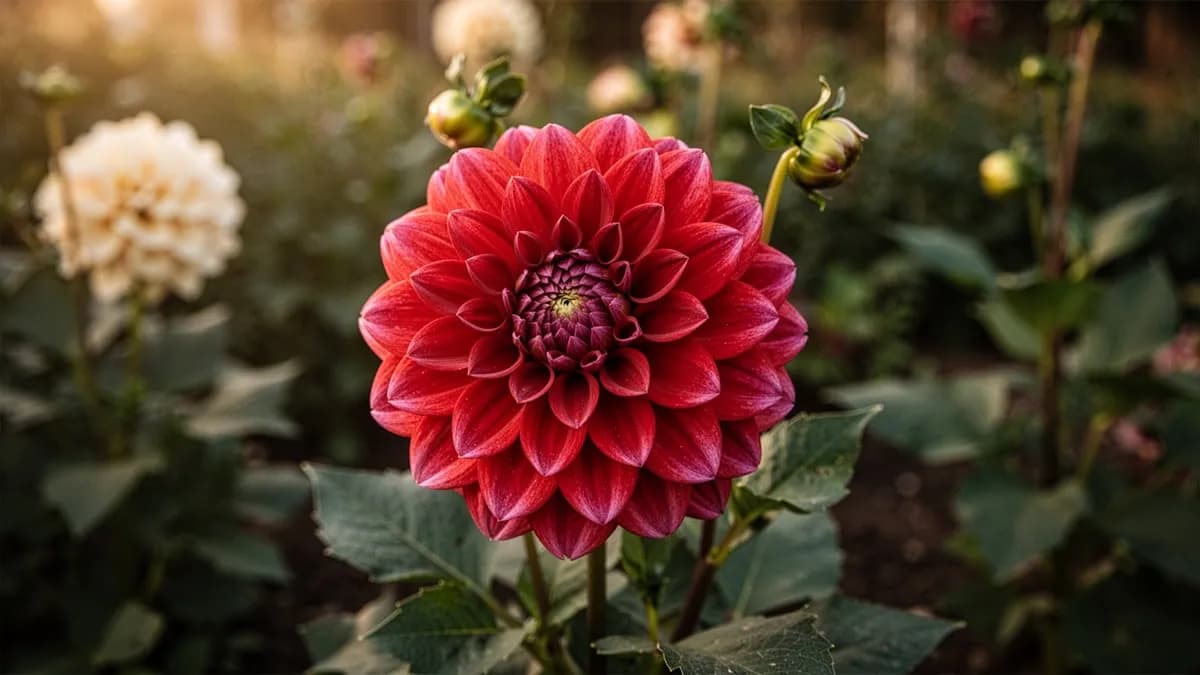
Eine erstklassige Schnittblumen-Dahlie mit perfekt runden, dicht gerollten Blüten in kräftigen Rosa-, Lila-, Rot- und Weißtönen, die geometrische Blickfänge in Arrangements bilden.





Auf dieser SeiteÜberblick
Ball-Dahlie im Überblick
Eine erstklassige Schnittblumen-Dahlie mit perfekt runden, dicht gerollten Blüten in kräftigen Rosa-, Lila-, Rot- und Weißtönen, die geometrische Blickfänge in Arrangements bilden. Ball-Dahlien produzieren reichlich Stiele, wenn sie früh entspitzt und entknospet werden, um die Energie in weniger, aber größere Blüten zu lenken. Knollen nach dem ersten Frost ausgraben und an einem kühlen, trockenen Ort überwintern.
Wann Ball-Dahlie pflanzen
Ball-Dahlien werden durch Knollenteilung statt durch Samen vermehrt, da samengewachsene Pflanzen nicht sortenecht sind. Untersuchen Sie im Frühling die gelagerten Knollen auf gesunde Augen (Wachstumsknospen) an der Krone. Teilen Sie die Knolle mit einem sauberen, scharfen Messer, sodass jedes Stück mindestens ein Auge und einen Knollenanteil hat. Bestäuben Sie die Schnittflächen mit Schwefel und lassen Sie sie einen Tag abheilen, bevor Sie pflanzen. Jede Teilung ergibt eine neue Pflanze, die der Muttersorte identisch ist.
Dein Ball-Dahlie-Jahr
Abgestimmt auf Zone 7 · typische Saison · Frost geht um den 2. Apr. und kehrt um den 1. Nov. zurück
Ball-Dahlie Apr – Mai pflanzen, Jul – Okt ernten. Beachte die Pflanzmethoden unten und wähle dein Klima für passende Zeiträume.
So baust du Ball-Dahlie an
Pflanzen Sie Ball-Dahlien-Knollen im Frühling nach dem letzten Frost, indem Sie sie zehn bis fünfzehn Zentimeter tief mit dem Auge oder Wachstumspunkt nach oben setzen. Platzieren Sie sie mit fünfundvierzig bis sechzig Zentimetern Abstand in nährstoffreicher, gut durchlässiger Erde in voller Sonne. Ball-Dahlien bilden perfekt kugelförmige, dicht gerollte Blüten, die zu den beeindruckendsten verfügbaren Schnittblumen gehören und für ihre geometrische Perfektion geschätzt werden.
Gießen Sie ein- bis zweimal pro Woche durchdringend und geben Sie dabei etwa zweieinhalb Zentimeter Wasser. Vermeiden Sie Überkopfbewässerung, die die dichten Blütenköpfe beschädigen kann. Düngen Sie alle zwei Wochen mit einem kaliumreichen Flüssigdünger, sobald sich Blütenknospen bilden. Stützen oder umgittern Sie die Pflanzen frühzeitig, da Ball-Dahlien-Stiele mit ihren großen, kugelförmigen Blüten kopflastig werden können.
Entspitzen Sie die Haupttriebspitze, wenn die Pflanze dreißig bis vierzig Zentimeter hoch ist, um die Verzweigung und mehr Blütenstiele zu fördern. Für die größten einzelnen Blüten üben Sie das Entknospen, indem Sie die beiden Seitenknospen an jeder Stielgabelung entfernen und nur die zentrale Endknospe sich entwickeln lassen. Dies lenkt die gesamte Energie in weniger, aber dramatisch größere Blüten. Nach dem ersten tödlichen Frost schneiden Sie die Stiele auf zehn Zentimeter zurück, graben die Knollen vorsichtig aus und lagern sie über den Winter.
8 Pflanzen passen in ein Beet von 120 × 240 cm
Ball-Dahlie braucht 60 cm Platz pro Pflanze. Der Planer hält diesen Abstand für dich ein — jede Pflanze, jedes Beet.
Die besten Nachbarn für Ball-Dahlie
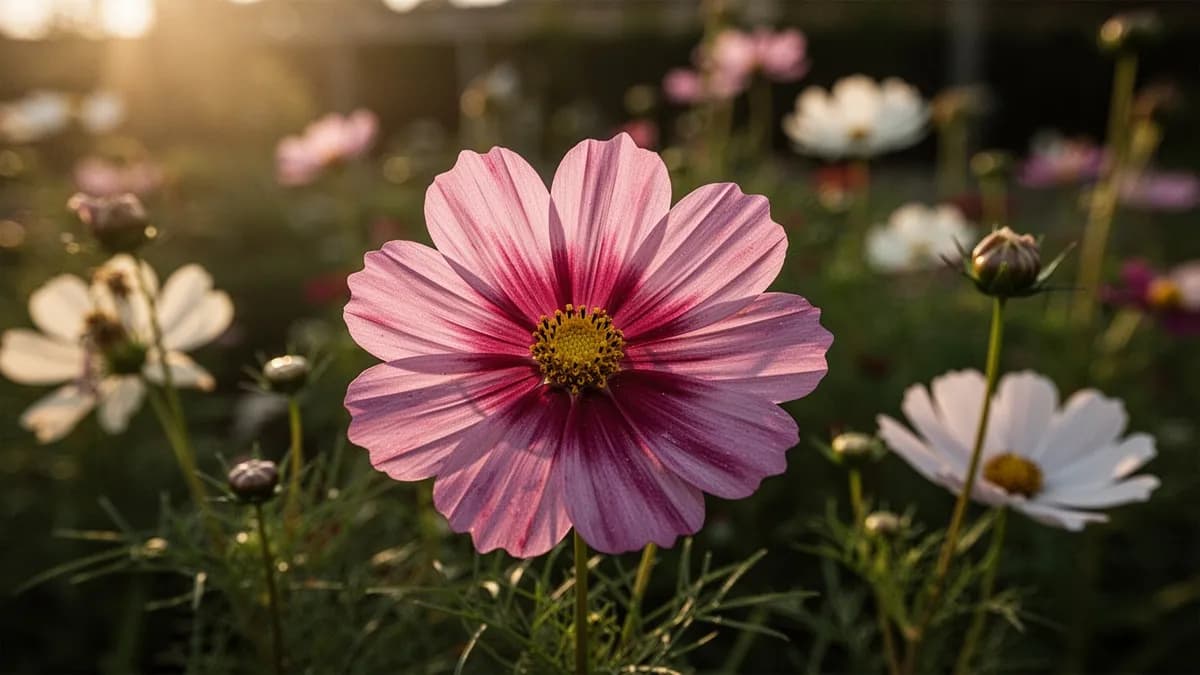
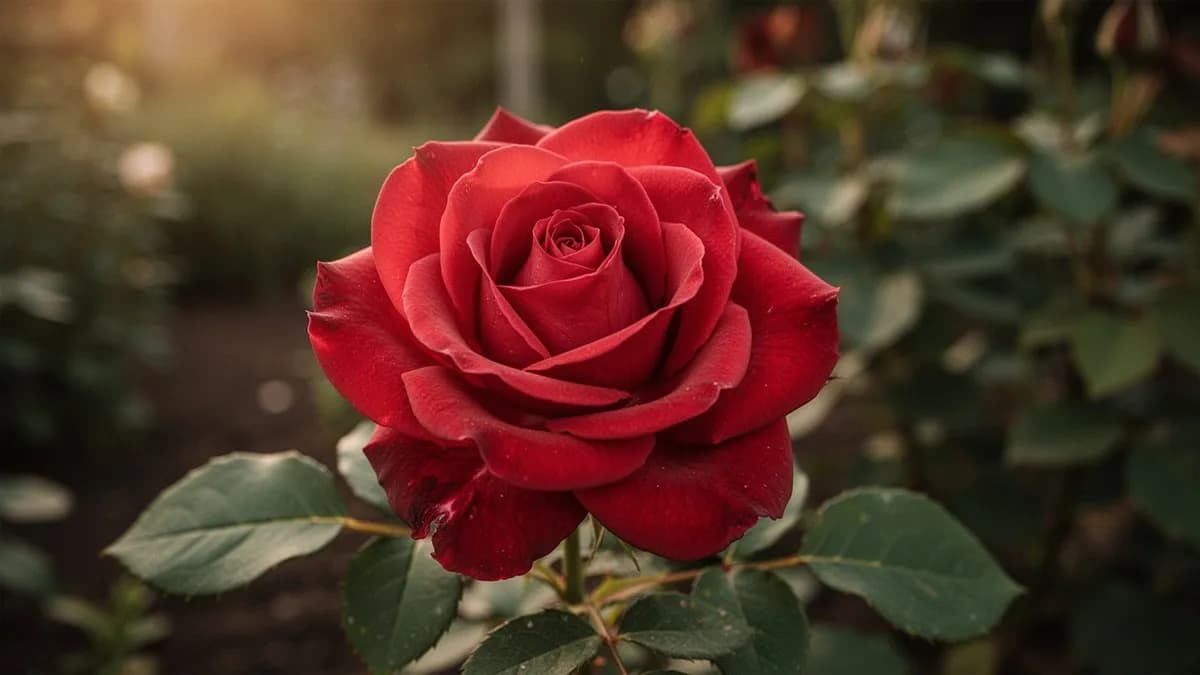
Ball-Dahlien sind spektakuläre Begleiter im Schnittblumengarten neben Zinnien, Schmuckkörbchen, Löwenmaul und anderen erstklassigen Schnittblumen. In gemischten Rabatten harmonieren sie wunderbar mit Ziergräsern und Spätstauden. Die geometrischen Blütenformen bilden einen Kontrast zu lockeren, informellen Blühern wie Schmuckkörbchen und Gartenrosen. Pflanzen Sie sie hinter niedrigeren Stauden, die die kahlen unteren Stiele der Dahlie verbergen.
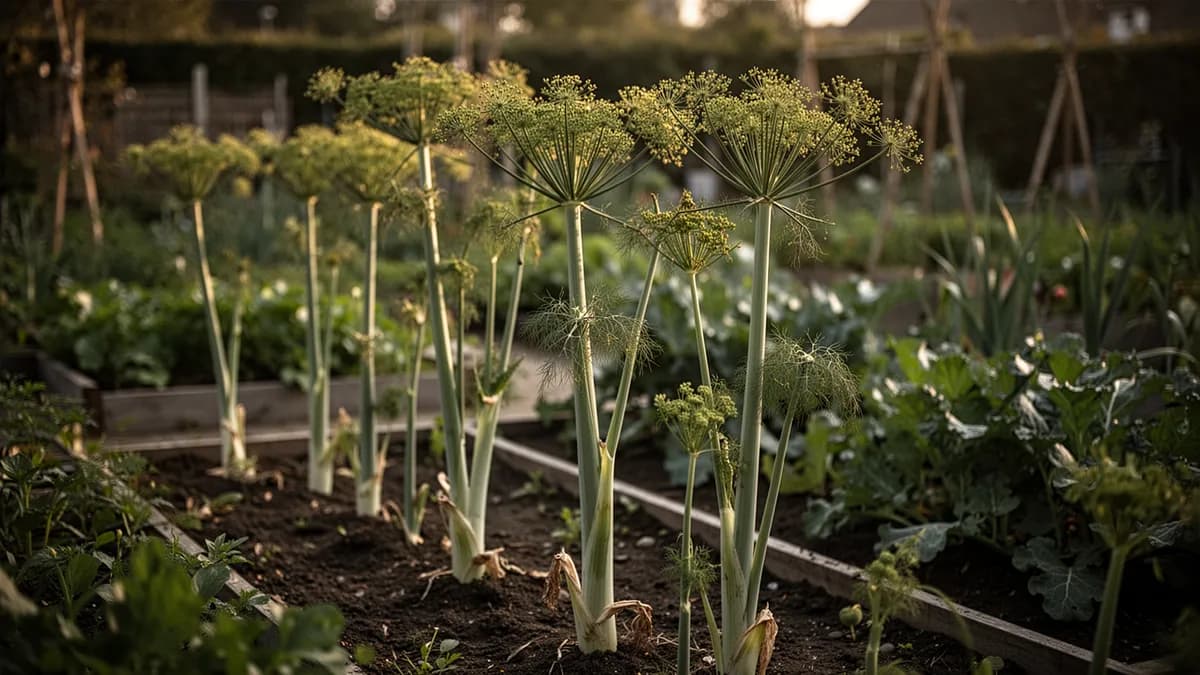
Dahlie gehört daneben. Fenchel nicht.
Altes Gärtnerwissen, geprüft an der echten Nachbartabelle von Ball-Dahlie — teste jede Pflanze, die du anbaust.
Probiere Ball-Dahlie direkt hier im Beet
Ein echtes Planer-Beet, Ball-Dahlie steht schon drin. Tippe einen Begleiter an, platziere ihn und sieh, wie die Nachbarschaftsprüfung antwortet — grün für gute Nachbarn, rot bei Streit.


Passende Anbau-Ratgeber
Richtig düngen
Ball-Dahlien sind Starkzehrer, die in nährstoffreicher, gut durchlässiger Erde mit einem pH-Wert von 6,0 bis 7,0 gedeihen. Verbessern Sie den Pflanzbereich vor dem Pflanzen großzügig mit Kompost. Bringen Sie beim Pflanzen einen stickstoffarmen, kaliumreichen Dünger aus und wechseln Sie zu einer kaliumreichen Flüssigdüngung alle zwei Wochen, sobald sich Knospen bilden. Vermeiden Sie stickstoffreiche Dünger, die üppiges Laub auf Kosten der Blüten produzieren. Mulchen Sie, um die Feuchtigkeit während der Wachstumsperiode zu bewahren.
Ideale Temperatur
Winterhärtezone-Kompatibilität
Von der Saat zur Ernte, Schritt für Schritt
Knollenaustrieb
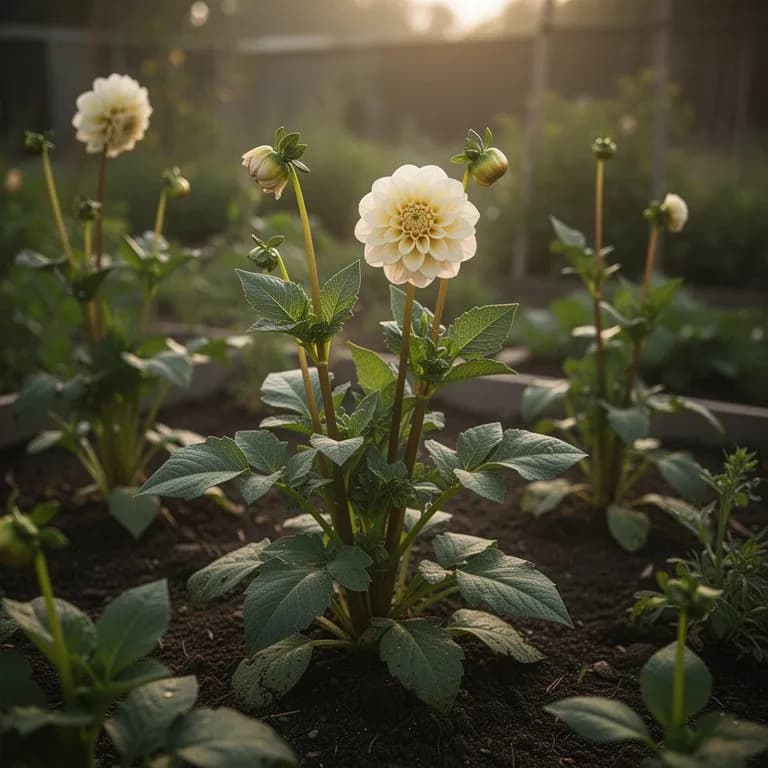
Nach dem Pflanzen der Knollen zehn bis fünfzehn Zentimeter tief in warmer Erde erscheinen die ersten blassen Triebe aus den Augen der Knolle. Die Wurzelentwicklung beginnt unterirdisch, während gespeicherte Energie das anfängliche Wachstum antreibt.
Vegetatives Wachstum
Die Pflanze entwickelt schnell kräftige Stiele und Paare dunkelgrüner, gefiederter Blätter. In dieser Phase dehnt sich das Wurzelsystem erheblich aus und die Pflanze bildet das Gerüst, das später schwere Blüten tragen wird.
Knospenbildung
Blütenknospen erscheinen an den Stielspitzen, zunächst als kleine grüne Kugeln, die allmählich anschwellen. Seitenknospen bilden sich oft in Dreiergruppen; das Entknospen der beiden äußeren Knospen lenkt die Energie in eine größere zentrale Blüte.
Frühe Blüte
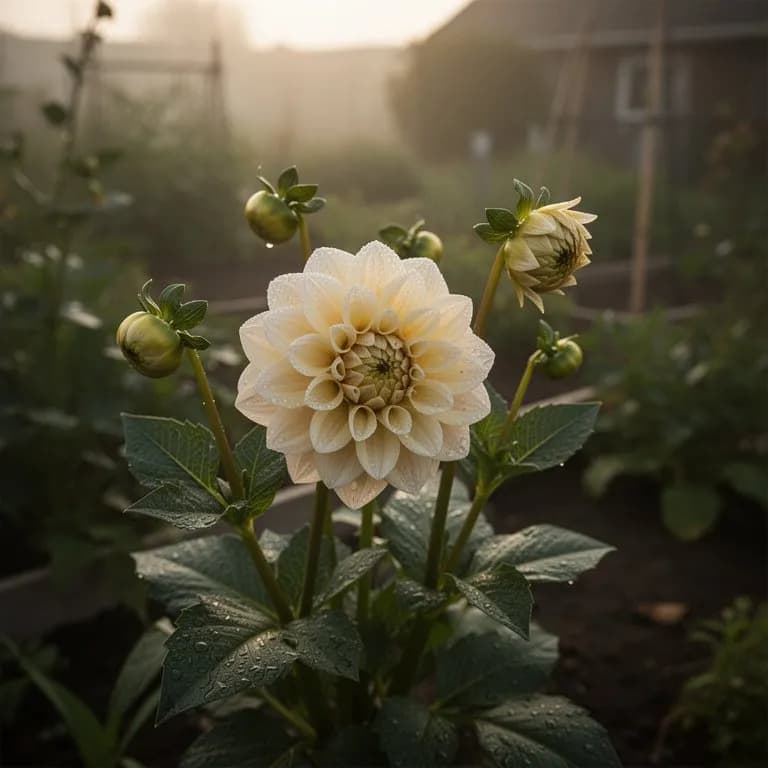
Die ersten kugelförmigen Blüten öffnen sich und zeigen dicht angeordnete, eingerollte Blütenblätter, die eine nahezu perfekte Kugel von typischerweise sieben bis zehn Zentimetern Durchmesser bilden. Die Farben intensivieren sich, während sich die Blütenblätter über mehrere Tage vollständig entfalten.
Hauptblüte
Die Pflanze erreicht ihre produktivste Blühphase und produziert kontinuierlich neue Blüten vom Hochsommer bis zum frühen Herbst. Regelmäßiges Schneiden von Blüten für Arrangements regt die Pflanze an, noch mehr Knospen zu bilden.
Spätsaison und Absterben
Wenn die Nächte kühler werden und die Tageslänge abnimmt, verlangsamt sich die Blütenproduktion allmählich. Das Laub kann an der Basis zu vergilben beginnen. Die Pflanze leitet die Energie zurück in die Knollen, die jetzt deutlich größer sind als beim ursprünglichen Pflanzen.
Ruhephase und Lagerung
Die ausgegrabenen Knollen treten während des Winters in eine Ruhephase ein. Bei sachgemäßer Lagerung an einem kühlen, dunklen, frostfreien Ort bei etwa vier bis zehn Grad Celsius ruhen die Knollen bis zum Frühling, wenn sie geteilt und für eine weitere Saison neu gepflanzt werden können.
Halten Sie die Erde gleichmäßig feucht, aber nicht staunass. Gießen Sie nicht stark, bis Triebe über der Erdoberfläche erscheinen, um Knollenfäule zu verhindern.
Ball-Dahlie Monat für Monat pflegen
Was du jeden Monat für deine Ball-Dahlie tun solltest
Oktober
Aktueller MonatNach dem ersten tödlichen Frost, der das Laub schwärzt, schneiden Sie die Stiele auf zehn bis fünfzehn Zentimeter über Bodenniveau zurück. Graben Sie die Knollen vorsichtig mit einer Grabegabel aus und lassen Sie einen großzügigen Abstand, um Beschädigungen zu vermeiden. Spülen Sie die Erde vorsichtig ab.
Immer wissen, was jetzt im Garten zu tun ist
Eine E-Mail zum Monatsanfang: was du jetzt säen, pflanzen und anpacken solltest — für deine Ball-Dahlie und alles, was drumherum wächst. Dazu ein kurzer Startkurs, der dich vor den klassischen Fehlern bewahrt.
- Was jetzt zu tun ist
- Passend zu deiner Saison
- Startkurs inklusive
Ball-Dahlie ernten
Schneiden Sie Ball-Dahlien für Arrangements, wenn die äußeren Blütenblätter vollständig geöffnet sind, aber die Mitte der Blüte noch fest ist. Ernten Sie in der Kühle des frühen Morgens oder späten Abends. Stellen Sie die Stiele sofort in heißes Wasser (ca. 70 Grad Celsius) für eine Minute und überführen Sie sie dann in kühles Wasser. Diese Heißwasserbehandlung versiegelt den Stiel und verlängert die Vasenhaltbarkeit dramatisch auf sieben bis zehn Tage. Entfernen Sie alle Blätter unterhalb der Wasserlinie und wechseln Sie das Wasser alle zwei Tage.
angenommen, du pflanzt zu Beginn des Zeitraums — trage dein tatsächliches Datum ein
Ernte Ball-Dahlie zügig, dann trägt die Pflanze weiter.
Lagerung & Konservierung
Nachdem der erste tödliche Frost das Laub geschwärzt hat, schneiden Sie die Stiele auf zehn Zentimeter zurück und graben die Knollen vorsichtig mit einer Grabegabel aus. Spülen Sie die Erde ab und lassen Sie sie einen Tag trocknen. Lagern Sie die Knollen in leicht feuchtem Torf, Vermiculit oder Holzspänen bei vier bis zehn Grad Celsius. Kontrollieren Sie monatlich und besprühen Sie leicht, wenn die Knollen schrumpelig erscheinen. Entsorgen Sie alle, die Anzeichen von Fäulnis zeigen. Beschriften Sie jede Sorte deutlich, da Knollen nach dem Trennen von ihren Stielen nicht mehr unterscheidbar sind.
Was schiefgeht — und die Lösung
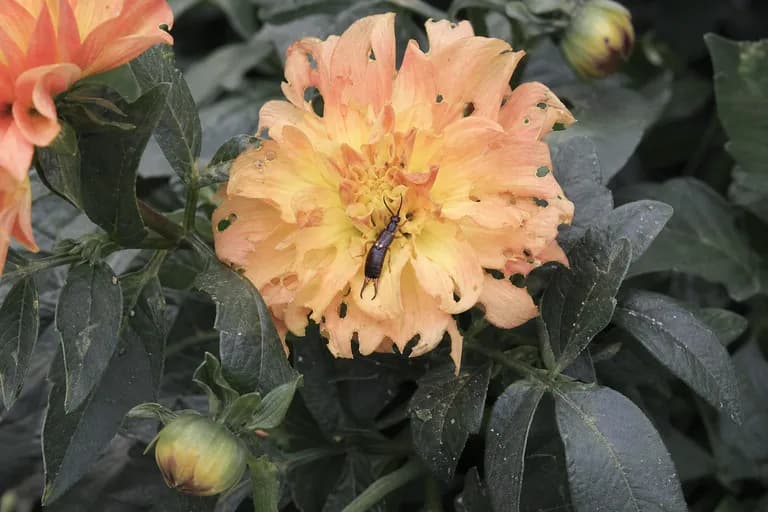
Ohrwürmer
SchädlingZerfranste Löcher und Schäden an den Blütenblättern, besonders versteckt in den dicht gerollten, kugelförmigen Blüten. Fraßschäden treten konzentriert nachts auf.
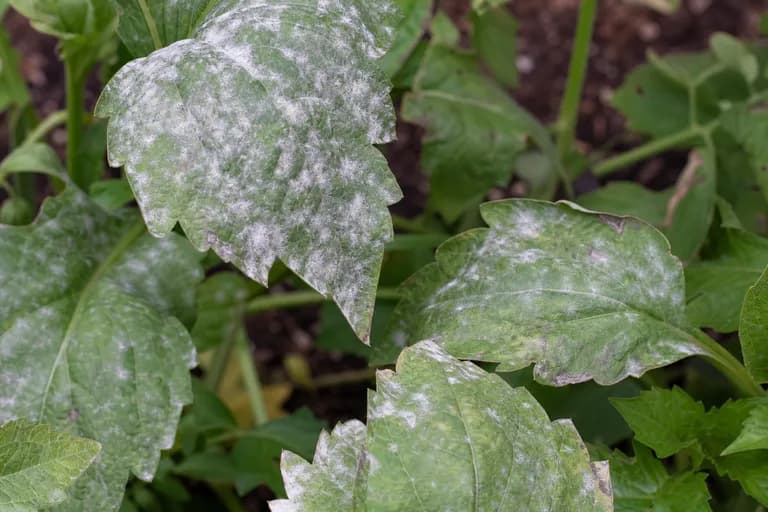
Echter Mehltau
KrankheitWeißer, pudriger Belag auf den Blättern, der meist im Spätsommer bei feuchten Bedingungen auftritt. Befallene Blätter können sich einrollen und braun werden.
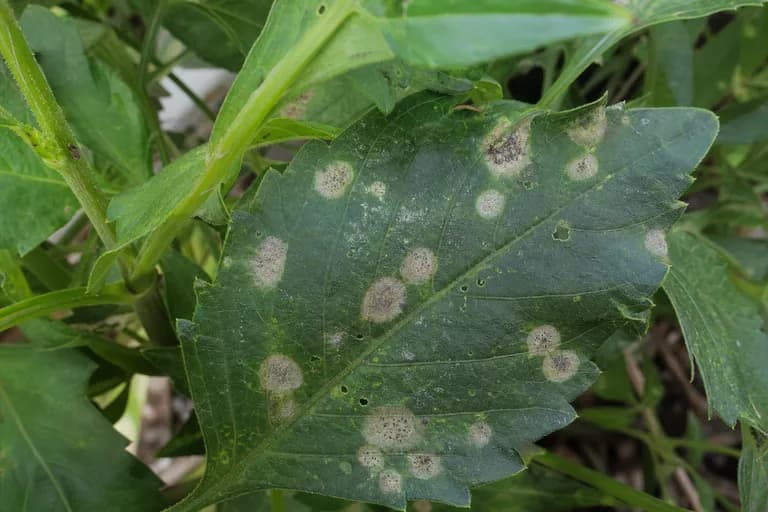
Dahlien-Brand
KrankheitHelle Flecken auf den Blättern, die braun mit hellem Zentrum werden. Kann in nassen Jahreszeiten zu erheblichem Blattverlust führen.
Fehlerbehebung bei häufigen Problemen
Das häufigste Problem sind sparrige Pflanzen mit wenigen Blüten, verursacht durch das Versäumnis, die Triebspitze früh zu entspitzen. Das Entspitzen bei dreißig Zentimetern fördert die Verzweigung und erhöht die Stielanzahl dramatisch. Ohrwürmer, die sich in den dicht gepackten Blütenblättern verstecken, sind ärgerlich, besonders wenn man Blumen ins Haus bringt. Die Heißwasserbehandlung von Schnittstielen ist für eine gute Vasenhaltbarkeit unerlässlich. Die Knollenlagerung über den Winter erfordert Aufmerksamkeit, um sowohl Fäulnis als auch Austrocknung zu verhindern.
Anbautipps
- Pflanzen Sie Knollen horizontal mit dem Auge nach oben, zehn bis fünfzehn Zentimeter tief, nachdem die Bodentemperaturen mindestens fünfzehn Grad Celsius erreicht haben, um Fäulnis in kalter, nasser Erde zu verhindern.
- Entspitzen Sie die zentrale Triebspitze, wenn die Pflanze dreißig Zentimeter hoch ist, um Seitenverzweigung zu fördern, was die Gesamtzahl der produzierten Blüten pro Pflanze dramatisch erhöht.
- Gießen Sie tief am Pflanzfuß statt von oben, um das Risiko von Mehltau und Grauschimmel am Laub und den sich entwickelnden Knospen zu reduzieren.
- Bringen Sie eine fünf bis acht Zentimeter dicke Schicht organischen Mulchs um den Pflanzfuß auf, um Feuchtigkeit zu bewahren, Unkraut zu unterdrücken und die Wurzelzonentemperatur während der Sommerhitze stabil zu halten.
- Wechseln Sie von einem ausgewogenen Dünger zu einer stickstoffarmen, phosphor- und kaliumreichen Formel, sobald sich Knospen bilden, um stärkere Stiele und lebendigere Blütenfarben zu fördern.
- Für die größten ausstellungsreifen Blüten entknospen Sie jeden Stiel, indem Sie die beiden Seitenknospen entfernen, die die zentrale Endknospe flankieren, und lenken alle Energie in eine spektakuläre Blüte.
- Ernten Sie Schnittblumen am frühen Morgen, wenn die Stiele vollständig mit Wasser versorgt sind, und schneiden Sie knapp über einem Blattknoten, um die Pflanze anzuregen, neue blühende Seitentriebe von dieser Stelle zu bilden.
- Stellen Sie frisch geschnittene Stiele sofort in heißes Wasser bei etwa siebzig Grad Celsius für eine Stunde, und überführen Sie sie dann in kühles Wasser mit Blumenfrischhaltemittel für die längste Vasenhaltbarkeit.
- Kontrollieren Sie die Pflanzen wöchentlich auf Ohrwürmer, die sich gerne in den dicht gepackten Blütenblättern von Ball-Dahlien verstecken. Stellen Sie kleine Behälter mit Pflanzenöl am Pflanzfuß als Fallen auf.
- Verwenden Sie beim Ausgraben der Knollen im Herbst eine Grabegabel statt eines Spatens und beginnen Sie mindestens dreißig Zentimeter vom Stiel entfernt, um das unter der Erdoberfläche verborgene Knollenklumpen nicht zu beschädigen.
Bau deine beste Ball-Dahlie an — und alles drumherum.
Starte heute kostenlos. Lege deine Beete an, setze deine Ball-Dahlie ein und lass PlotMyGarden Timing, Abstände, Begleiter und Erinnerungen von der Saat bis zum Erntekorb übernehmen.
Finde deine Ball-Dahlie
Jomanda
Eine atemberaubende tiefbrannt-orange Ball-Dahlie mit perfekt gerollten Blütenblättern, eine der beliebtesten Sorten zum Schneiden und für Ausstellungen.
Wizard of Oz
Weich lachsrosa, kugelförmige Blüten, die außergewöhnlich gleichmäßig und langlebig sind – ein Favorit unter Floristen.
Cornel
Tiefbronze-rote Ball-Dahlien mit makelloser Form, hervorragend für Herbstarrangements und Ausstellungen.
Marble Ball
Einzigartige weiße Blütenblätter mit lila Streifen und Sprenkeln – jede Blüte ein einzigartiges Kunstwerk.
Eine einzelne Dahlienknolle, die im Frühling drei bis acht Euro kostet, kann fünfzehn bis dreißig Schnittblumen-Qualitätsblüten pro Saison hervorbringen, von denen jede auf einem Wochenmarkt oder beim Floristen zwei bis vier Euro wert ist. Zusätzlich vermehrt sich die ursprüngliche Knolle bis zum Herbst auf fünf bis fünfzehn neue Knollen, was kostenloses Pflanzgut für zukünftige Saisons oder zum Tauschen mit anderen Gärtnern liefert. Über einen Zeitraum von drei Jahren kann eine einzige anfängliche Knolleninvestition eine Sammlung im Wert von weit über hundert Euro an Blumen und vermehrten Knollen ergeben.
Schnelle Rezepte
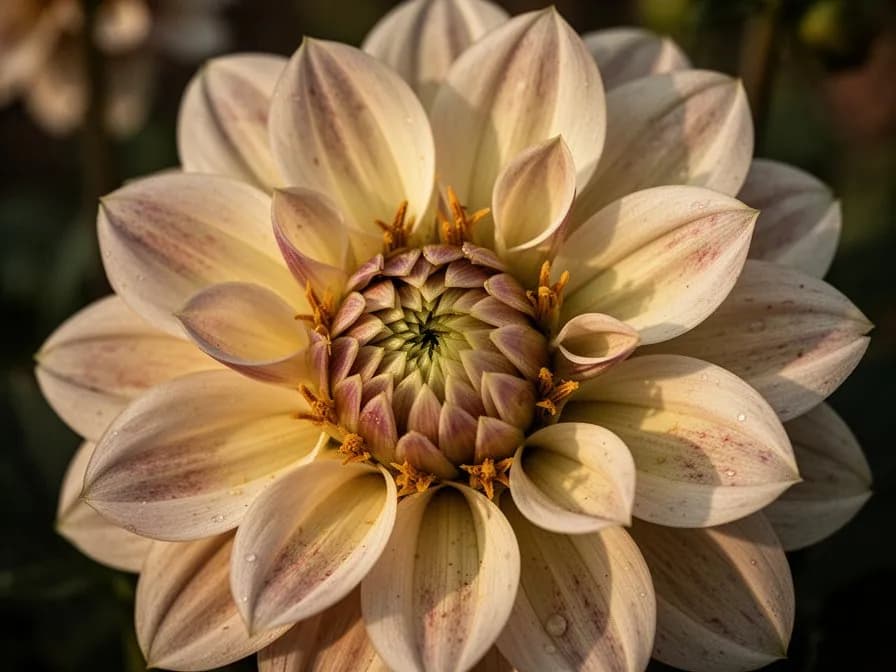
Geröstete Dahlienknollen mit Kräutern
40 Min.Dahlienknollen haben einen Geschmack, der je nach Sorte von mild-würzig bis dezent süß reicht. Das Rösten bringt ihre natürliche Süße hervor und erzeugt eine knusprige Außenseite, ähnlich wie geröstete Pastinaken oder Topinambur.
6 ZutatenDahlienblüten-Salat mit Zitrus-Vinaigrette
15 Min.Die leicht säuerlichen Blütenblätter von Ball-Dahlien verleihen frischen Salaten einen wunderschönen Farbtupfer und einen angenehmen Biss. Wählen Sie Blütenblätter von biologisch angebauten, unbehandelten Pflanzen für die besten und sichersten Ergebnisse.
7 ZutatenDahlienknollen-Chips
25 Min.Dünn geschnitten und knusprig gebacken ergeben Dahlienknollen überraschend köstliche Chips mit einem einzigartigen Geschmacksprofil, das irgendwo zwischen Kartoffelchips und Pastinaken-Chips liegt. Ein wunderbarer Gesprächsstarter-Snack für Gartenpartys.
5 ZutatenKulinarische Verwendung
Dahlienknollen sind essbar und werden in ihrem Heimatland Mexiko seit Jahrhunderten gegessen. Der Geschmack variiert je nach Sorte von mild und stärkehaltig bis würzig und apfelähnlich. Rohe Knollen können dünn geschnitten und zu Salaten gegeben oder wie Kartoffeln gekocht werden. Die Blütenblätter sind ebenfalls essbar, obwohl Ball-Dahlien-Blütenblätter recht klein sind. Stellen Sie immer sicher, dass keine Pestizide an Pflanzen verwendet wurden, die zum Verzehr bestimmt sind.
Was drinsteckt
Gesundheitsvorteile
- Dahlienknollen sind reich an Inulin, einer präbiotischen Ballaststoff, der das Wachstum nützlicher Darmbakterien fördert und die allgemeine Verdauungsgesundheit unterstützt.
- Der niedrige glykämische Index von Dahlienknollen macht sie zu einer geeigneten Wurzelgemüseoption für Personen, die ihren Blutzuckerspiegel kontrollieren.
- Dahlienblütenblätter enthalten Flavonoide und Carotinoid-Pigmente, die als Antioxidantien wirken und helfen, oxidativen Stress zu reduzieren, wenn sie als Teil einer ausgewogenen Ernährung verzehrt werden.
- Das Anbauen und Pflegen von Dahlien bietet moderate körperliche Aktivität durch Pflanzen, Stützen, Jäten und Ernten, was zur Herz-Kreislauf-Gesundheit und Stressreduktion beiträgt.
- Der Kaliumgehalt in Dahlienknollen unterstützt eine gesunde Blutdruckregulierung und eine ordnungsgemäße Muskel- und Nervenfunktion.
- Gartenarbeit mit Dahlien hat in Studien zur Gartentherapie gezeigt, dass sie den Cortisolspiegel senkt und die Stimmung verbessert, was durch regelmäßige Interaktion mit den Pflanzen bedeutende psychische Gesundheitsvorteile bietet.
Woher Ball-Dahlie stammt
Die Geschichte der Dahlie beginnt im vulkanischen Hochland von Mexiko und Mittelamerika, wo wilde Arten in den Bergen in Höhen zwischen eintausendfünfhundert und zweitausendvierhundert Metern wuchsen. Die Azteken kultivierten Dahlien lange vor dem europäischen Kontakt und verwendeten die hohlen Stiele als Wasserleitungen und die Knollen als Nahrungsquelle sowie zur Behandlung verschiedener Beschwerden. Als die spanischen Konquistadoren im sechzehnten Jahrhundert eintrafen, dokumentierten sie diese auffälligen Pflanzen, übersahen aber zunächst ihr Zierpotenzial. Erst 1789 wurden Dahliensamen von Vicente Cervantes aus Mexiko an den Königlichen Botanischen Garten in Madrid geschickt, wo sie von Antonio José Cavanilles gepflanzt und studiert wurden. Cavanilles benannte die Gattung Dahlia zu Ehren des schwedischen Botanikers Anders Dahl. Die Pflanzen verbreiteten sich schnell in europäischen Gärten, erreichten England bis 1804 und lösten eine intensive Hybridisierungsphase aus. Anfang des 19. Jahrhunderts hatten europäische Züchter die ersten Ball-Dahlien entwickelt und auf die dicht gerollten, kugelförmigen Blüten selektiert, die die Klasse bis heute definieren. Die Ball-Dahlie wurde besonders in der viktorianischen Ära modisch, als formale Gartengestaltungen ihre geometrische Perfektion bevorzugten. Während des neunzehnten und zwanzigsten Jahrhunderts verfeinerten Züchter die Ball-Dahlien weiter und erweiterten die Farbpalette um praktisch jeden Farbton außer echtem Blau. Heute bleiben Ball-Dahlien ein Eckpfeiler kompetitiver Dahlienausstellungen und werden von Hobbygärtnern weltweit für ihre zuverlässige Leistung, symmetrische Schönheit und außergewöhnliche Vasenhaltbarkeit als Schnittblumen geschätzt.
Ball-Dahlie: Schon gewusst?
Faszinierende Fakten über Ball-Dahlie
Ball-Dahlien werden von der American Dahlia Society als vollständig gefüllte, kugelförmige Blüten mit eingerollten oder leicht becherförmigen Blütenblättern in spiralförmiger Anordnung klassifiziert, die typischerweise fünf bis zehn Zentimeter bei Miniatur-Ballformen und zehn bis fünfzehn Zentimeter bei Vollgrößen-Ballformen messen.
Ball-Dahlie: Fragen & Antworten
Wann sollte ich Ball-Dahlie pflanzen?
Was sind gute Begleitpflanzen für Ball-Dahlie?
In welchen Winterhärtezonen kann Ball-Dahlie wachsen?
Wie viel Sonne braucht Ball-Dahlie?
Welchen Abstand sollte ich zwischen Ball-Dahlie lassen?
Welche Schädlinge und Krankheiten befallen Ball-Dahlie?
Wie lagere ich Ball-Dahlie nach der Ernte?
Was sind die besten Ball-Dahlie-Sorten zum Anbauen?
Welchen Boden braucht Ball-Dahlie?
Wann ist die beste Zeit, Ball-Dahlien-Knollen ins Freiland zu pflanzen?
Wie lagere ich Ball-Dahlien-Knollen über den Winter?
Warum bilden meine Ball-Dahlien-Blüten keine perfekte Kugelform?
Brauchen Ball-Dahlien Stützen oder Stäbe?
Kann ich Ball-Dahlien in Kübeln anbauen?
Wie teile ich Dahlienknollen, um mehr Pflanzen zu vermehren?
Du hast die Theorie gelesen. Jetzt baue sie auf Autopilot an.
Alles, was Ball-Dahlie knifflig macht — das Timing, die Abstände, die Begleiter, das Erntefenster — genau das übernimmt PlotMyGarden für dich, für jede Pflanze im Garten.
Ein Plan, der dein Wetter kennt
Standort einmal festlegen. Aussaat-, Dünge- und Erntedaten rund um deinen echten letzten Frosttermin und die Live-Vorhersage — kein Raten mehr nach Saattüte.
Aus dem Abschnitt „Pflanzzeit“Beetplaner per Drag & Drop
Beete auf einem Raster gestalten. Jede Pflanze rastet im richtigen Abstand ein, und du siehst die ganze Saison, bevor du einen Cent für Saatgut ausgibst.
Aus dem Abschnitt „Anbau“Begleiter-Konflikte früh erkannt
Über 200 gute und schlechte Kombinationen werden beim Pflanzen live geprüft — so landet ein saisonruinierender Fehler nie in der Erde.
Aus dem Abschnitt „Begleiter“Erinnerungen, nach denen du wirklich handelst
„Gieß die Bohnen.“ „Heute ernten, bevor's umschlägt.“ Pünktlich, konkret und auf deine echten Pflanzen bezogen.
Aus dem Abschnitt „Ernte“Staffel-Aussaat, geplant
Sechs Wochen ernten statt sechs Tage? Die App verteilt deine Aussaaten automatisch und erinnert dich, wenn der nächste Satz fällig ist.
Aus dem Abschnitt „Pflanzzeit“Ein Verlauf, der schlauer wird
Jede protokollierte Ernte bringt der App deinen Garten bei. Der Plan fürs nächste Jahr startet bei dem, was in deinem Boden wirklich funktioniert hat.
Aus dem Abschnitt „Überblick“Pflanze diese neben Ball-Dahlie
Weitere Schnittblumen
Halte Ball-Dahlie von diesen fern
Bau deine beste Ball-Dahlie an — und alles drumherum.
Starte heute kostenlos. Lege deine Beete an, setze deine Ball-Dahlie ein und lass PlotMyGarden Timing, Abstände, Begleiter und Erinnerungen von der Saat bis zum Erntekorb übernehmen.