Gerbera Daisy
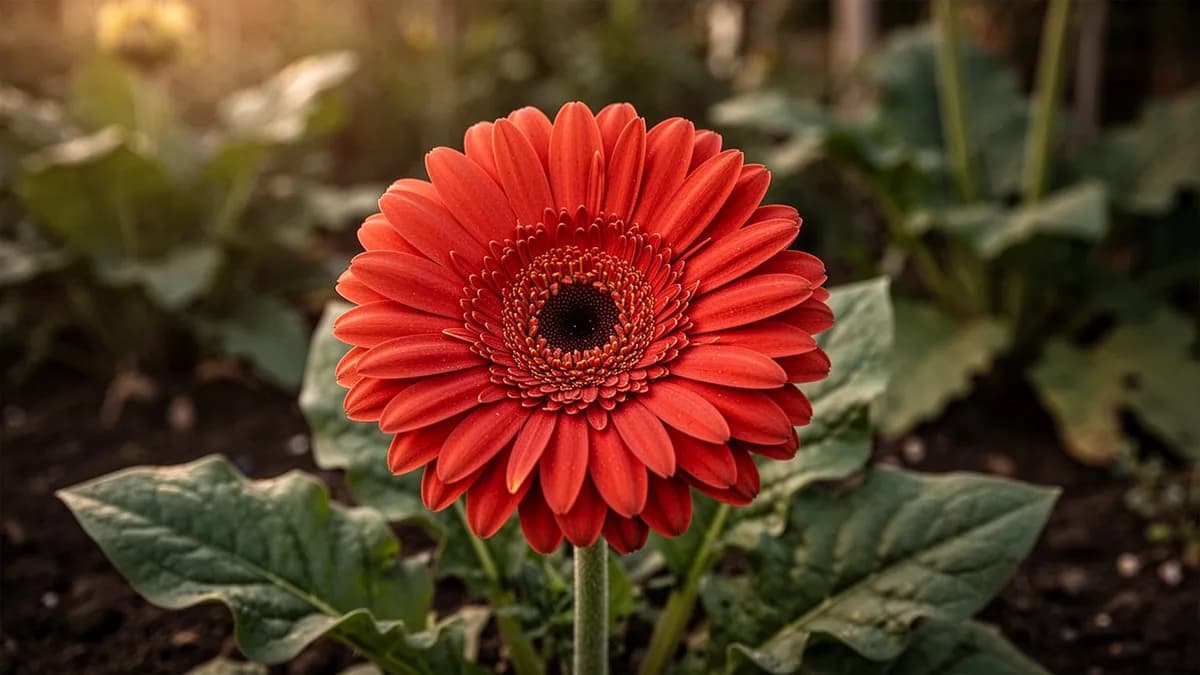
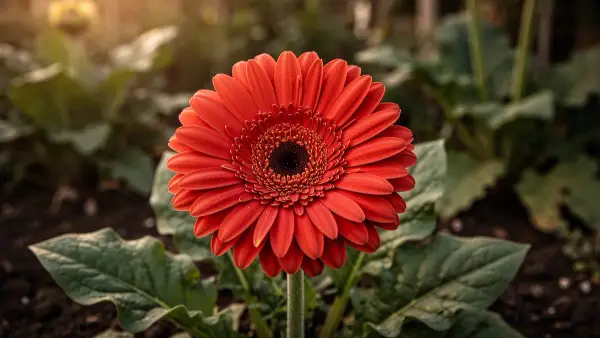
A beloved cut flower with large, perfectly formed daisy blooms in vivid reds, oranges, pinks, yellows, and whites on long, clean stems.





On this pageOverview
Meet Gerbera Daisy
A beloved cut flower with large, perfectly formed daisy blooms in vivid reds, oranges, pinks, yellows, and whites on long, clean stems. Gerbera daisies require excellent drainage and crown exposure to prevent rot, and benefit from being planted slightly high. They can last over a week in a vase with proper conditioning and shallow water.
When to plant Gerbera Daisy
Start gerbera seeds indoors eight to ten weeks before the last frost date. Sow on the surface of warm, moist seed compost, pressing the pointed end down into the mix with the feathery tail end up. Do not cover seeds deeply. Maintain temperatures of 70 to 75 degrees Fahrenheit and provide bright light. Seeds germinate in fourteen to twenty-one days. Transplant seedlings into individual pots when they have two true leaves. Plants from seed typically flower in fourteen to eighteen weeks.
Your Gerbera Daisy Year
Composed for Zone 7 · typical seasons · frost passes Apr 2, returns Nov 1
Plant Gerbera Daisy Apr – May, pick May – Sep. Check the planting methods below and set your climate to personalize these windows.
How to grow Gerbera Daisy
Plant gerbera daisies in spring after the last frost in rich, well-drained soil in full sun. The critical planting detail is to set the crown slightly above the soil surface, as burying the crown leads to crown rot, the most common cause of failure. Space twelve to fifteen inches apart and ensure excellent air circulation around the plants.
Water at the base rather than overhead, keeping the crown and foliage as dry as possible. Gerbera daisies need consistent moisture during active growth but are extremely sensitive to crown rot in wet conditions. Feed every two to three weeks with a balanced liquid fertilizer during the growing season. In hot climates, light afternoon shade prevents flower color from bleaching.
Remove spent flower stems by pulling them gently from the base. Deadheading encourages continuous blooming from late spring through autumn. In zones 8 and above, gerberas are perennial and will return each year if drainage is excellent. In colder zones, grow as annuals or bring container-grown plants indoors before frost. Gerberas are also outstanding greenhouse crops for year-round cut flower production.
32 plants fit a 4 × 8 ft bed
Each Gerbera Daisy wants 30 cm of elbow room. The planner keeps that spacing for you — every plant, every bed.
Gerbera Daisy's best neighbours
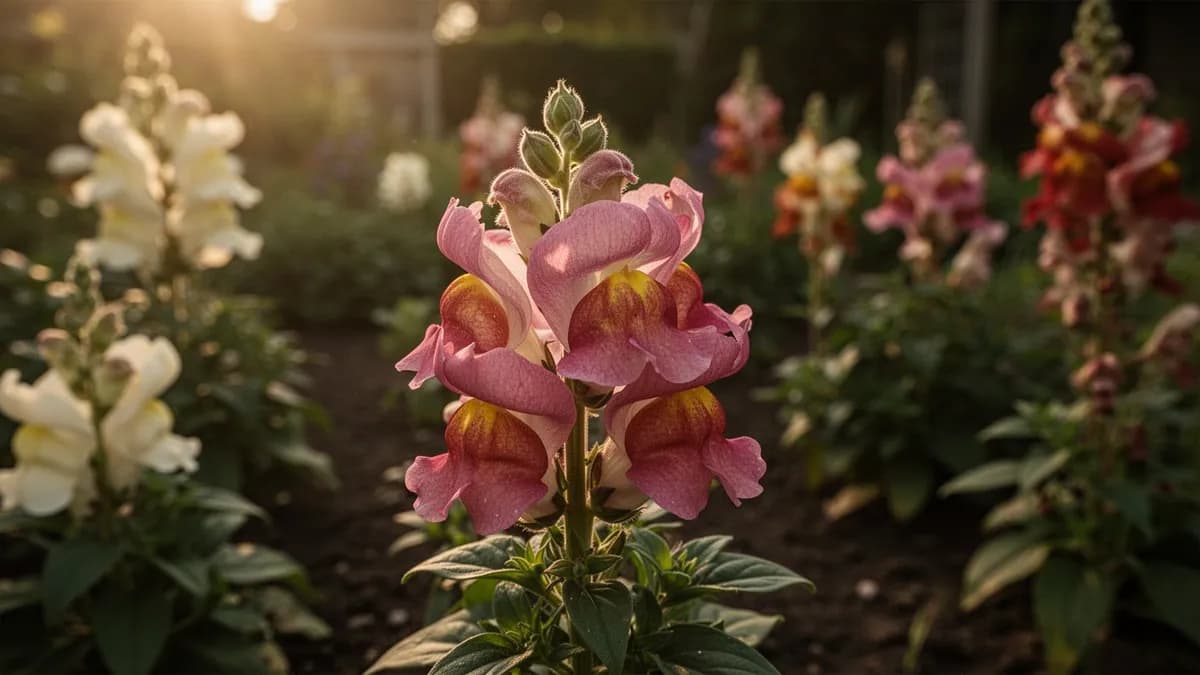
Gerbera daisies make cheerful companions for alstroemeria, snapdragons, and dwarf dahlias in cutting gardens and borders. The bold, colorful flowers pair well with blue-flowered companions like salvia and lobelia for vivid contrast. In containers, combine with trailing petunias and calibrachoa for a colorful summer display. Keep gerberas well-spaced from other plants to ensure the air circulation they need to prevent crown rot.
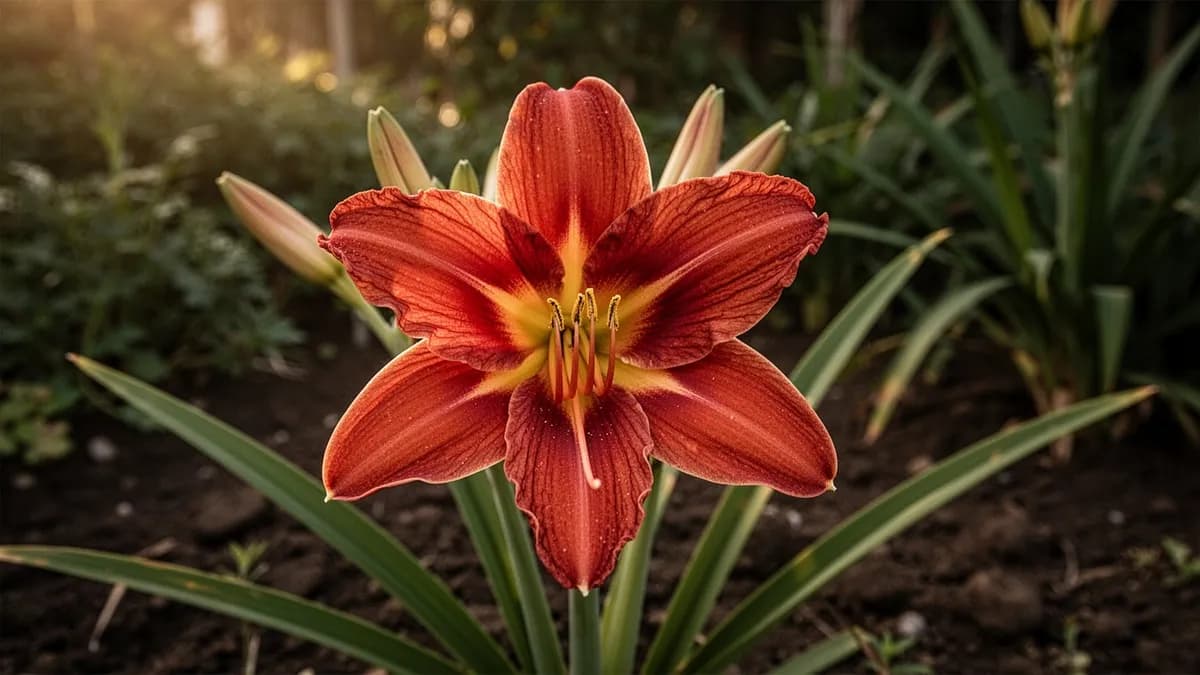
Peruvian Lily belongs beside it.
Old growers' knowledge, checked against Gerbera Daisy's real companion table below — test any plant you're growing.
Try Gerbera Daisy in a bed — right here
A real planner bed with Gerbera Daisy already in it. Tap a companion to place it and watch the pairing checks answer — green for good neighbours, red for a clash.


Related growing guides
Feed it well
Gerbera daisies require rich, well-drained soil with a pH of 5.5 to 6.5. They prefer slightly acidic conditions and may develop iron chlorosis in alkaline soils. Amend with compost and ensure excellent drainage by adding perlite or coarse sand to heavy soils. Feed every two to three weeks with a balanced liquid fertilizer during active growth. Apply chelated iron if leaves show yellowing between green veins. Avoid wetting the crown when watering.
Ideal Temperature
Hardiness Zone Compatibility
From seed to harvest, stage by stage
Seed Germination
Gerbera seeds are elongated achenes with a feathery pappus. They require light to germinate and should be pressed into the surface of moist seed-starting mix without covering. Germination is notoriously uneven, with seeds sprouting over a period of two to three weeks at temperatures between 21-24°C (70-75°F). Fresh seed is critical, as gerbera seed viability drops rapidly after a few months of storage.
Seedling Development
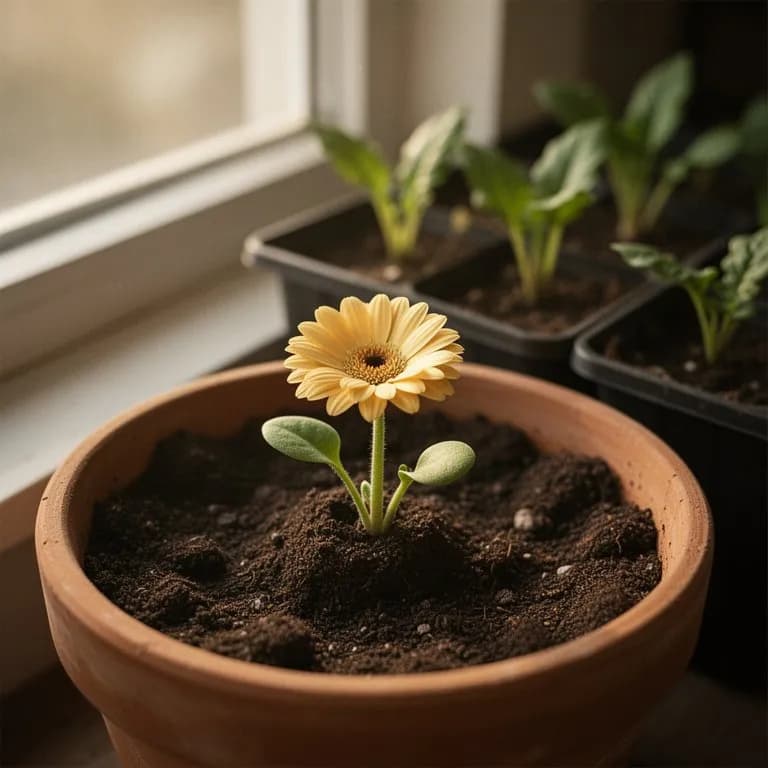
After the cotyledons emerge, gerbera seedlings develop their first true leaves, which are small, oval, and slightly hairy. Growth is slow during this stage as the plant establishes a taproot system. Seedlings are vulnerable to damping-off disease and overwatering. By the end of this phase, plants should have three to four true leaves and can be transplanted into individual pots.
Rosette Formation
The gerbera develops its characteristic basal rosette of deeply lobed, slightly fuzzy leaves. The crown thickens and root growth accelerates. During this vegetative phase, the plant accumulates energy reserves needed for flower production. Leaves can reach 25-30 cm in length on mature rosettes, and the plant gradually expands outward.
Bud Initiation and Stem Elongation
Flower buds form at the center of the crown and push upward on thick, hollow, leafless stems called scapes. Each scape carries a single flower bud that swells noticeably as it matures. Stem length varies by cultivar, ranging from 30 cm in compact varieties to 70 cm in cut-flower types. The stems are naturally curved and will straighten as the bud develops.
Full Bloom
The flower bud opens over several days, revealing the striking composite flower head composed of outer ray florets and a dense central disc. Individual blooms last 7-14 days on the plant and up to 14 days as cut flowers with proper care. A healthy, established gerbera plant can produce 3-5 flowers simultaneously during peak season, with each bloom measuring 8-12 cm across.
Continuous Flowering Cycle
Under favorable conditions, gerberas continue to produce new flower scapes from the crown throughout the growing season. In warm climates and greenhouses, flowering can persist nearly year-round, with peak production in spring and autumn when temperatures are moderate. The plant alternates between vegetative growth and flower production in a cyclical pattern. Older plants with multiple crowns can produce significantly more blooms than younger ones.
Sow seeds with the pointed end down and the pappus (feathery tail) just above the soil surface. Maintain consistent moisture with a humidity dome and provide bright indirect light. Bottom heat accelerates germination. Expect only 50-70% germination even under ideal conditions.
Caring for Gerbera Daisy month by month
What to do each month for your Gerbera Daisy
October
You are hereBring container gerberas indoors before the first frost in cold climates. Move plants to a bright, cool location with temperatures between 10-15°C. Reduce watering frequency as growth slows. In mild climates, gerberas continue flowering outdoors through autumn with light frost protection.
Know exactly what to do in your garden — every month
One email at the start of each month: what to sow, plant, and tackle right now — for your Gerbera Daisy and everything growing around it. Plus a short starter course that helps you dodge the classic mistakes.
- What to do, right now
- Matched to your season
- Starter course included
Harvesting Gerbera Daisy
Cut gerbera daisy stems when the outer two rows of petals have opened and the flower center is still tight. Use a sharp knife to cut stems cleanly at the base and place immediately in shallow water, no more than two inches deep, as the hollow stems can become waterlogged and collapse. Support the heavy flower heads with floral wire inserted through the stem if needed. Fresh-cut gerberas last seven to twelve days with proper care and water changes every two days.
assuming you plant when the window opens — set your real date
Pick Gerbera Daisy promptly and the plant keeps producing.
Storage & Preservation
Gerbera daisies do not dry well and are best enjoyed fresh. In frost-free zones, plants remain in the ground year-round. In cold climates, container-grown gerberas can be brought indoors to a bright, cool location for winter bloom. The plants need temperatures above 45 degrees Fahrenheit and bright light to continue flowering indoors. Seeds can be collected from mature flower heads and stored for spring sowing, though hybrid varieties will not come true.
What goes wrong — and the fix
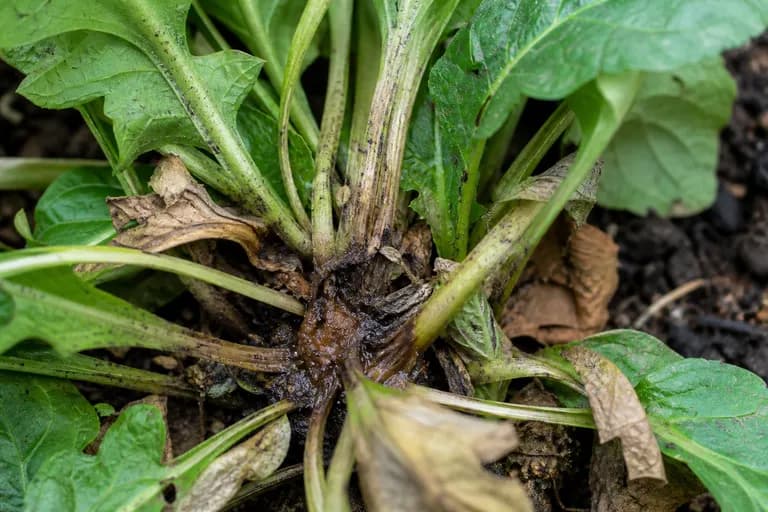
Crown Rot (Phytophthora)
DiseasePlant wilts and collapses from the base. Crown becomes dark, soft, and mushy. Often fatal once symptoms appear.
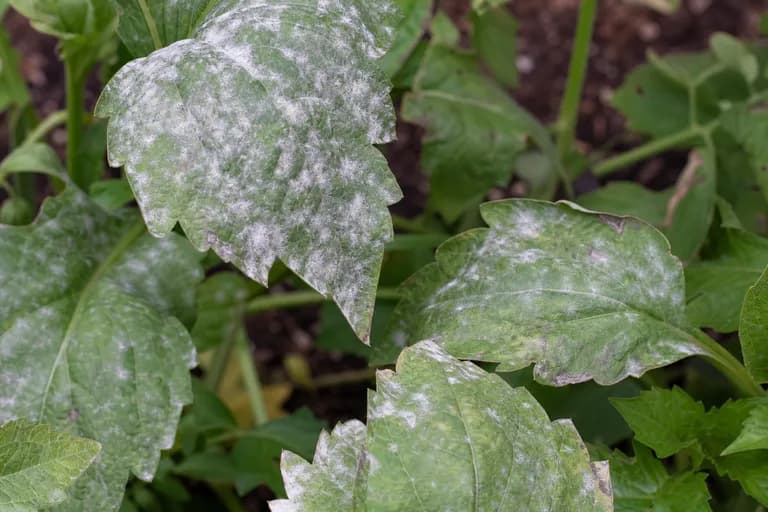
Powdery Mildew
DiseaseWhite, powdery coating on leaves, particularly during cool, humid weather. Affected leaves curl and brown.
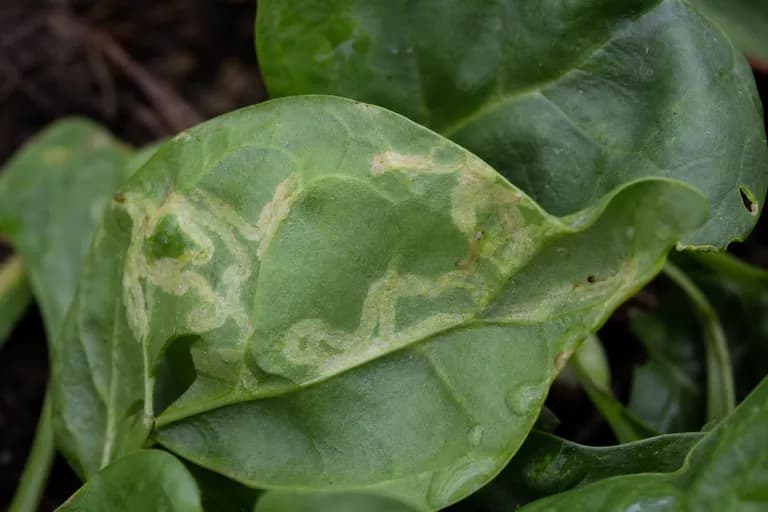
Leaf Miners
PestWinding white or pale trails inside the leaves where larvae mine between leaf surfaces. Leaves become disfigured.
Troubleshooting Common Problems
Crown rot from wet conditions or planting too deeply is by far the most common cause of failure. Always plant with the crown slightly above soil level and ensure impeccable drainage. Gerberas are also prone to leaf miners and powdery mildew, which reduce their ornamental appeal. The stems are heavy relative to their strength and may bend or break without support. Remove faded flowers promptly to encourage continued blooming.
Growing Tips
- Plant gerberas with the crown sitting slightly above the soil line to prevent the most common cause of failure: crown rot from excessive moisture around the growing point.
- Use a well-draining potting mix composed of equal parts peat, perlite, and coarse sand to provide the fast drainage and aeration that gerbera roots demand.
- Water gerberas at the base of the plant rather than overhead, as wet foliage and crowns are highly susceptible to Botrytis gray mold and powdery mildew infections.
- Provide bright, direct morning sunlight with protection from intense afternoon sun in hot climates, as temperatures above 30°C cause flower production to decline and stem quality to deteriorate.
- Feed every two weeks during the growing season with a liquid fertilizer high in potassium (such as a 15-5-25 formula) to promote strong stems, vivid petal color, and continuous flower production.
- Remove spent flower stalks by grasping the stem firmly at its base and pulling with a gentle twisting motion rather than cutting, which leaves stubs that can rot and introduce disease to the crown.
- Support tall flower stems in windy outdoor locations with individual bamboo stakes and soft ties, as the hollow scapes are prone to bending or snapping under wind or rain.
- Divide overcrowded multi-crowned clumps every two to three years in early spring, ensuring each division has at least two growing points and a healthy root system for rapid re-establishment.
- Treat gerberas as tender perennials in cold climates by lifting and overwintering them indoors in a cool, bright location at 10-15°C with minimal watering to maintain dormancy.
- Inspect the undersides of leaves regularly for leaf miners, which create distinctive winding white tunnels in the foliage, and remove affected leaves immediately to prevent the infestation from spreading.
Grow your best Gerbera Daisy yet — and everything around it.
Start a free plan today. Lay out your beds, drop in your Gerbera Daisy, and let PlotMyGarden handle the timing, spacing, companions and reminders from seed to harvest basket.
Pick your Gerbera Daisy
Revolution Series
Compact plants with large flowers in a full color range, bred for both garden and cut flower use with excellent heat tolerance.
Festival Series
Extra-large double flowers in vivid colors on strong stems, the industry standard for professional cut flower production.
Mega Revolution
Exceptionally large flowers on short, sturdy stems, ideal for containers and front-of-border garden display.
Garvinea Series
Hardy garden selections that survive light frosts and produce multiple smaller flowers over a very long season.
A single gerbera plant costs $3-6 as a nursery start and can produce 30-50 cut stems per year under home garden conditions. With individual gerbera stems retailing for $2-4 each at florists, one plant can yield $60-200 worth of cut flowers annually. A modest planting of six to eight gerbera plants provides enough blooms for weekly home bouquets and occasional gifts throughout the growing season, easily saving $300-800 per year compared to purchasing equivalent arrangements from a florist.
Quick recipes
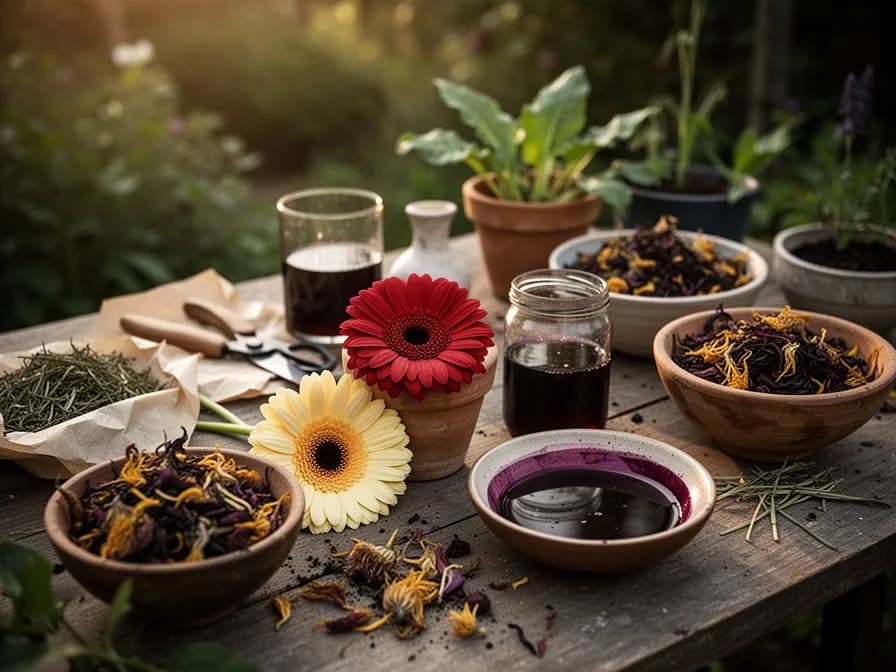
Classic Gerbera Hand-Tied Bouquet
15 minutesA stunning hand-tied bouquet featuring freshly cut gerbera daisies in complementary colors, accented with greenery and filler flowers. This arrangement makes a perfect gift or centerpiece and will last up to two weeks with proper care. The spiral hand-tie technique ensures even stem spacing and a professional presentation.
6 ingredients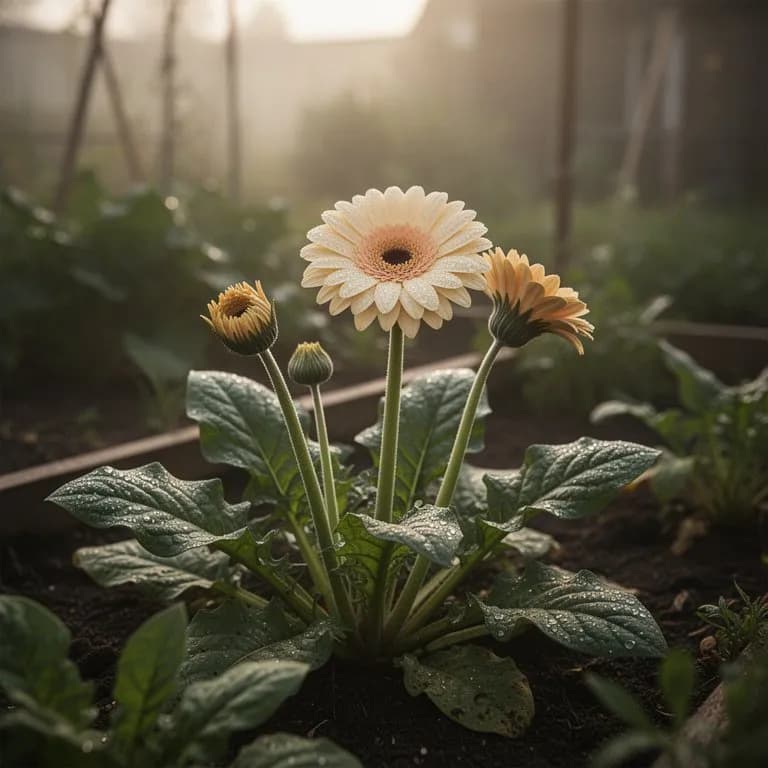
Floating Gerbera Centerpiece
10 minutesAn elegant and minimal centerpiece created by floating individual gerbera flower heads in a shallow bowl of water. This modern arrangement highlights the bold form and vivid color of each bloom and works beautifully for dinner parties, wedding receptions, and outdoor entertaining. Each floating bloom can last five to seven days.
6 ingredients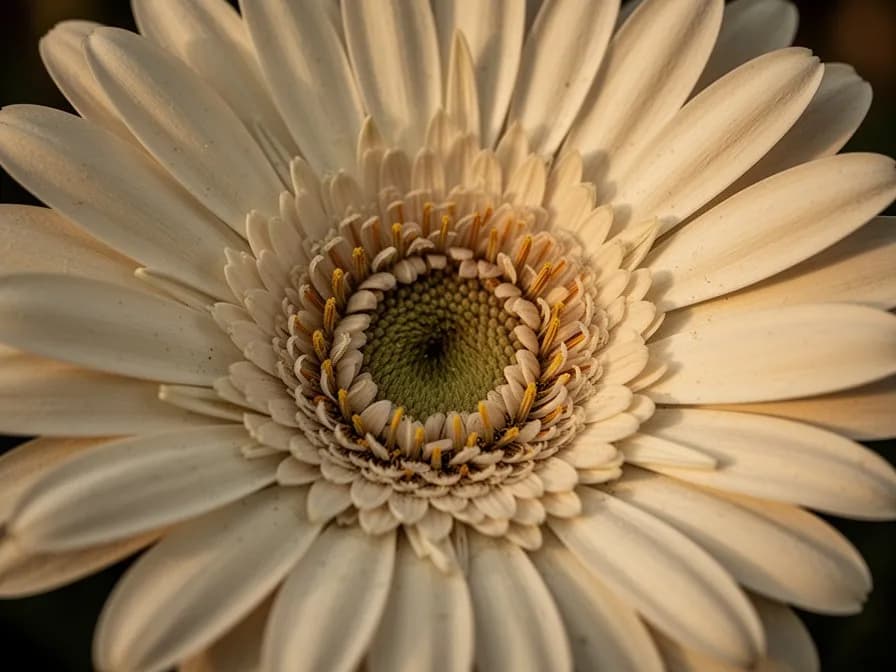
Pressed Gerbera Botanical Art
20 minutes active, 3-4 weeks dryingPreserve the stunning colors and form of gerbera daisies by pressing them into botanical art suitable for framing. This technique captures the vivid pigments of gerbera petals and creates lasting decorative pieces. Gerberas require a modified pressing method due to their thick central disc, but the results are uniquely beautiful.
6 ingredientsWhat's inside
Health Benefits
- Gerbera daisies are proven air purifiers, effectively removing benzene, trichloroethylene, and formaldehyde from indoor environments according to NASA's landmark Clean Air Study.
- Growing and arranging gerberas provides documented horticultural therapy benefits, reducing cortisol levels and lowering blood pressure through the calming repetition of plant care activities.
- The vibrant colors of gerbera blooms have been shown in environmental psychology studies to elevate mood, increase positive emotions, and reduce feelings of anxiety and depression.
- Caring for gerbera plants encourages regular outdoor activity and gentle physical exercise, contributing to improved cardiovascular health and increased vitamin D exposure from sunlight.
- Having fresh gerbera arrangements in hospital rooms has been associated with faster patient recovery times, reduced pain medication requests, and improved satisfaction with care in clinical studies.
- The practice of growing gerberas from seed to bloom provides a sense of accomplishment and purpose, supporting mental well-being and cognitive engagement, particularly beneficial for older adults.
Where Gerbera Daisy comes from
The gerbera daisy (Gerbera jamesonii) originates from the grasslands and rocky slopes of South Africa's Mpumalanga and Limpopo provinces, formerly known as the Transvaal. The species was first collected near the mining town of Barberton in the 1880s by Robert Jameson, a Scottish-born gold prospector and amateur naturalist, which gave the plant its botanical epithet 'jamesonii.' It was formally described and classified by Sir Joseph Dalton Hooker at the Royal Botanic Gardens, Kew, in 1889. The wild species bears modest orange-red flowers on short stems, a far cry from the spectacular cultivars grown today. The transformation of the gerbera from a regional wildflower into a global horticultural commodity began in the early 1900s when Richard Irwin Lynch at the Cambridge Botanic Garden in England crossed Gerbera jamesonii with the closely related Gerbera viridifolia, producing hybrids with larger flowers and a wider color range. These early hybrids attracted the attention of Dutch and Danish flower breeders, who recognized the commercial potential of the gerbera as a cut flower. By the mid-twentieth century, intensive breeding programs in the Netherlands had produced thousands of cultivars with improved stem length, vase life, disease resistance, and an extraordinary spectrum of colors. The introduction of tissue culture propagation in the 1970s revolutionized gerbera production, allowing growers to mass-produce genetically identical plants with consistent flower quality. Today, the Netherlands, Colombia, and Kenya are the leading producers of gerbera cut flowers. The plant has become deeply embedded in the global floriculture industry, consistently ranking among the top five cut flowers sold worldwide, with annual production valued at over one billion dollars.
Gerbera Daisy: did you know?
Fascinating facts about Gerbera Daisy
Gerbera daisies are the fifth most popular cut flower in the world, trailing only roses, carnations, chrysanthemums, and tulips, with over 900 million stems sold globally each year.
Gerbera Daisy questions, answered
When should I plant Gerbera Daisy?
What are good companion plants for Gerbera Daisy?
What hardiness zones can Gerbera Daisy grow in?
How much sun does Gerbera Daisy need?
How far apart should I space Gerbera Daisy?
What pests and diseases affect Gerbera Daisy?
How do I store Gerbera Daisy after harvest?
What are the best Gerbera Daisy varieties to grow?
What soil does Gerbera Daisy need?
Why are my gerbera daisy stems bending or drooping in the vase?
How do I get my gerbera plant to produce more flowers?
Can I grow gerbera daisies from seed, and how long until they bloom?
Why are the leaves on my gerbera turning yellow?
How long do cut gerbera daisies last in a vase?
Are gerbera daisies safe around pets and children?
You just read the theory. Now grow it on autopilot.
Everything that makes Gerbera Daisy fiddly — the timing, the spacing, the companions, the harvest window — is exactly what PlotMyGarden handles for you, for every plant in your garden.
A plan that knows your weather
Set your location once. Get sow, feed and harvest dates built around your real last-frost date and live forecast — no more guessing from a generic seed packet.
From the “When to plant” sectionDrag-and-drop bed planner
Design beds on a grid. Every plant snaps to its proper spacing, and you can see your whole season laid out before you spend a cent on seed.
From the “Growing guide” sectionCompanion conflicts, caught early
200+ good-and-bad pairings checked live as you plant — so a season-wrecking mistake never makes it into the ground.
From the “Companions” sectionReminders you'll actually act on
“Water the beans.” “Pick today before it turns.” Timely, specific, and tied to the plants you're really growing.
From the “Harvest” sectionSuccession, scheduled
Want a harvest for six weeks, not six days? It spaces your sowings automatically and reminds you when each new block is due.
From the “When to plant” sectionA record that gets smarter
Every harvest you log teaches it your garden. Next year's plan starts from what actually worked in your soil, not a textbook's.
From the “Overview” sectionPlant these alongside Gerbera Daisy
More Cut Flowers
Grow your best Gerbera Daisy yet — and everything around it.
Start a free plan today. Lay out your beds, drop in your Gerbera Daisy, and let PlotMyGarden handle the timing, spacing, companions and reminders from seed to harvest basket.