Celosia Flamingo Feather
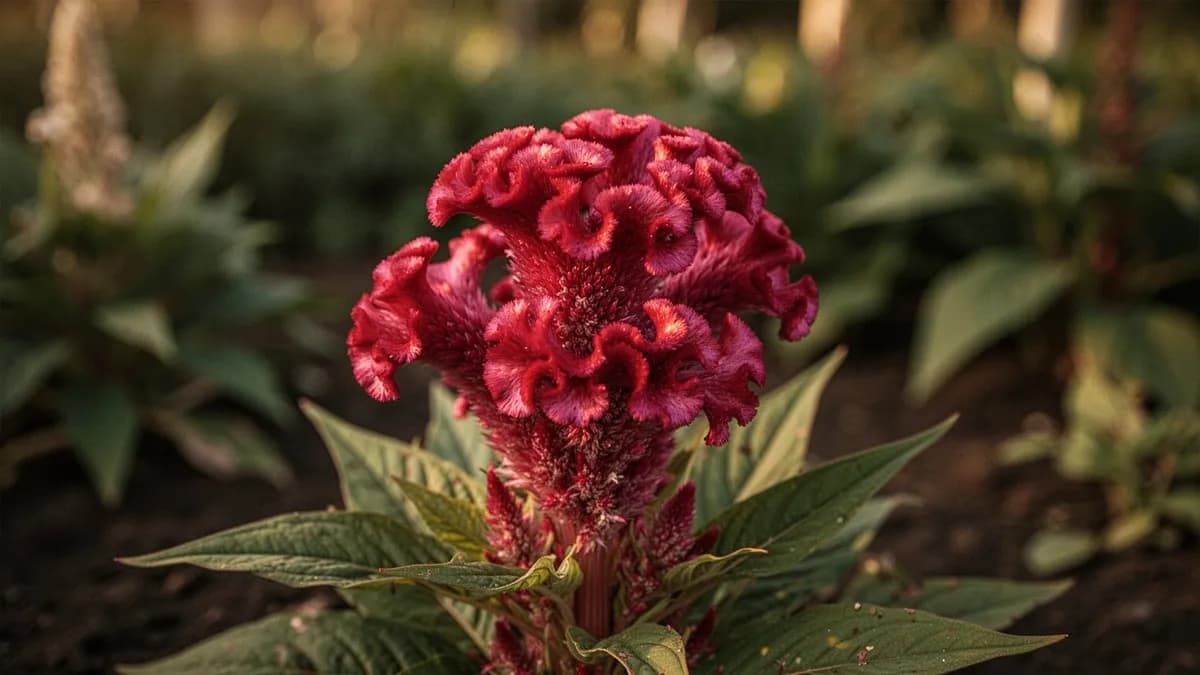
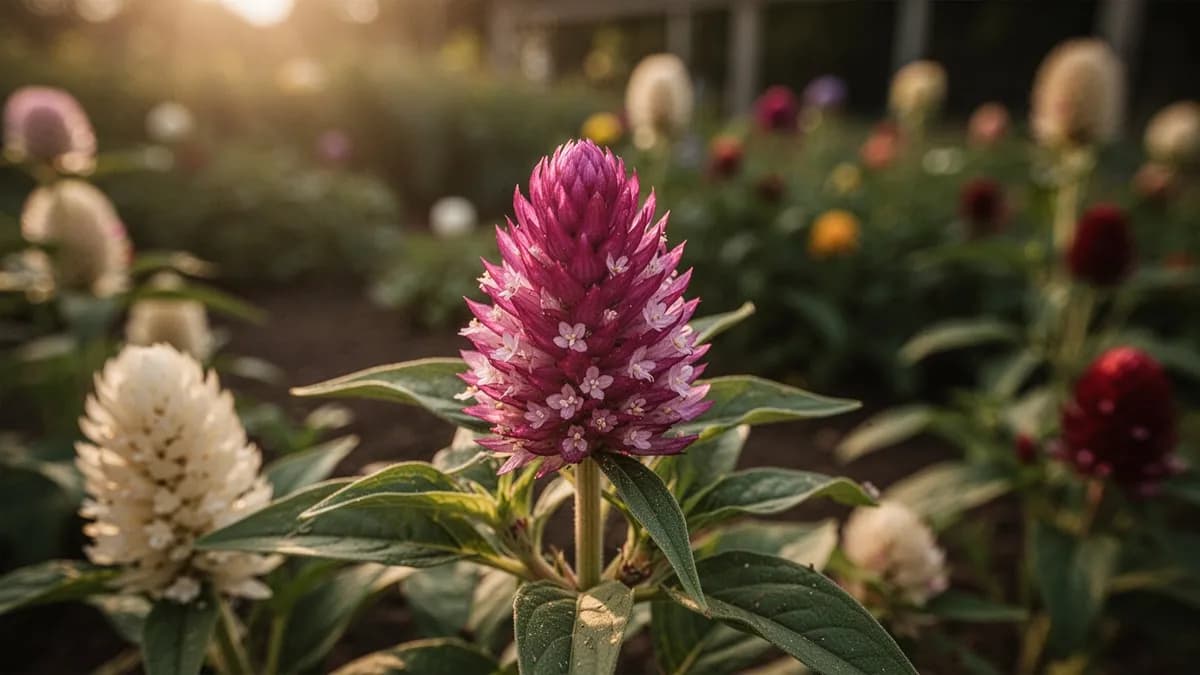
Eine spezielle Schnittblumensorte mit eleganten, schlanken rosa Federbüscheln, die zu silbrigem Weiß verblassen und frischen sowie getrockneten Arrangements Bewegung und Textur verleihen.





Auf dieser SeiteÜberblick
Celosia Flamingo Feather im Überblick
Eine spezielle Schnittblumensorte mit eleganten, schlanken rosa Federbüscheln, die zu silbrigem Weiß verblassen und frischen sowie getrockneten Arrangements Bewegung und Textur verleihen. Celosia Flamingo Feather gedeiht in der Hitze und produziert üppig, wenn sie alle zwei bis drei Wochen in Staffeln gesät wird. Ernte die Büschel, wenn sie zur Hälfte geöffnet sind, um die längste Vasenhaltbarkeit zu erzielen.
Wann Celosia Flamingo Feather pflanzen
Samen vier bis sechs Wochen vor dem letzten Frostdatum drinnen aussäen. Auf warmem, feuchtem Anzuchtsubstrat oberflächlich aussäen ohne zu bedecken, da Samen Licht benötigen. Temperaturen von 21 bis 27 Grad Celsius für die Keimung in sieben bis vierzehn Tagen aufrechterhalten. Keimlinge in hellem Licht halten, um Vergeilen zu verhindern. Über ein bis zwei Wochen allmählich abhärten, bevor die Jungpflanzen ins Freie umgepflanzt werden, wenn die Nachttemperaturen dauerhaft über 13 Grad Celsius bleiben. Direktaussaat im Freien ist in warmen Klimazonen ebenfalls erfolgreich.
Dein Celosia Flamingo Feather-Jahr
Abgestimmt auf Zone 7 · typische Saison · Frost geht um den 2. Apr. und kehrt um den 1. Nov. zurück
Celosia Flamingo Feather Apr – Mai pflanzen, Jul – Okt ernten. Beachte die Pflanzmethoden unten und wähle dein Klima für passende Zeiträume.
So baust du Celosia Flamingo Feather an
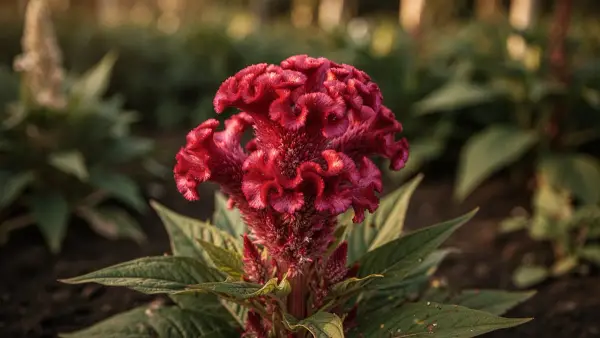
Celosia Flamingo Feather-Samen vier bis sechs Wochen vor dem letzten Frostdatum drinnen aussäen, indem man sie auf der Oberfläche eines warmen, feuchten Anzuchtsubstrats aussät. Samen nicht bedecken, da sie Licht zur Keimung benötigen. Temperaturen von 21 bis 27 Grad Celsius für schnellste Keimung aufrechterhalten, die innerhalb von sieben bis vierzehn Tagen eintritt. Nach dem Einpflanzen im Freien warten, bis alle Frostgefahr vorbei ist und die Nachttemperaturen dauerhaft über 13 Grad Celsius liegen.
An einem vollsonnigen Standort in reichem, gut durchlässigem Boden pflanzen, mit einem Abstand von 15 bis 20 Zentimetern. Celosia ist eine wärmeliebende tropische Einjährige, die in heißen Sommerbedingungen gedeiht, wo viele andere Blumen kämpfen. Regelmäßig gießen, damit der Boden gleichmäßig feucht bleibt, aber Überkopfbewässerung vermeiden, die die sich entwickelnden Büschel beschädigen kann. Alle zwei bis drei Wochen mit einem ausgewogenen Flüssigdünger düngen.
Von Ende Frühjahr bis Hochsommer alle zwei bis drei Wochen in Staffeln säen, um bis in den Herbst eine kontinuierliche Ernte frischer Büschel zu gewährleisten. Die erste Blütenknospe ausgeizen, um Verzweigung und mehr Stiele pro Pflanze zu fördern. Die eleganten, schlanken rosa Büschel, die zu silbrigem Weiß verblassen, sind bei Floristen sowohl für frische als auch für getrocknete Arrangements sehr gefragt. Celosia ist äußerst frostempfindlich und sollte vor dem ersten Herbstfrost geerntet werden.
72 Pflanzen passen in ein Beet von 120 × 240 cm
Celosia Flamingo Feather braucht 20 cm Platz pro Pflanze. Der Planer hält diesen Abstand für dich ein — jede Pflanze, jedes Beet.
Die besten Nachbarn für Celosia Flamingo Feather
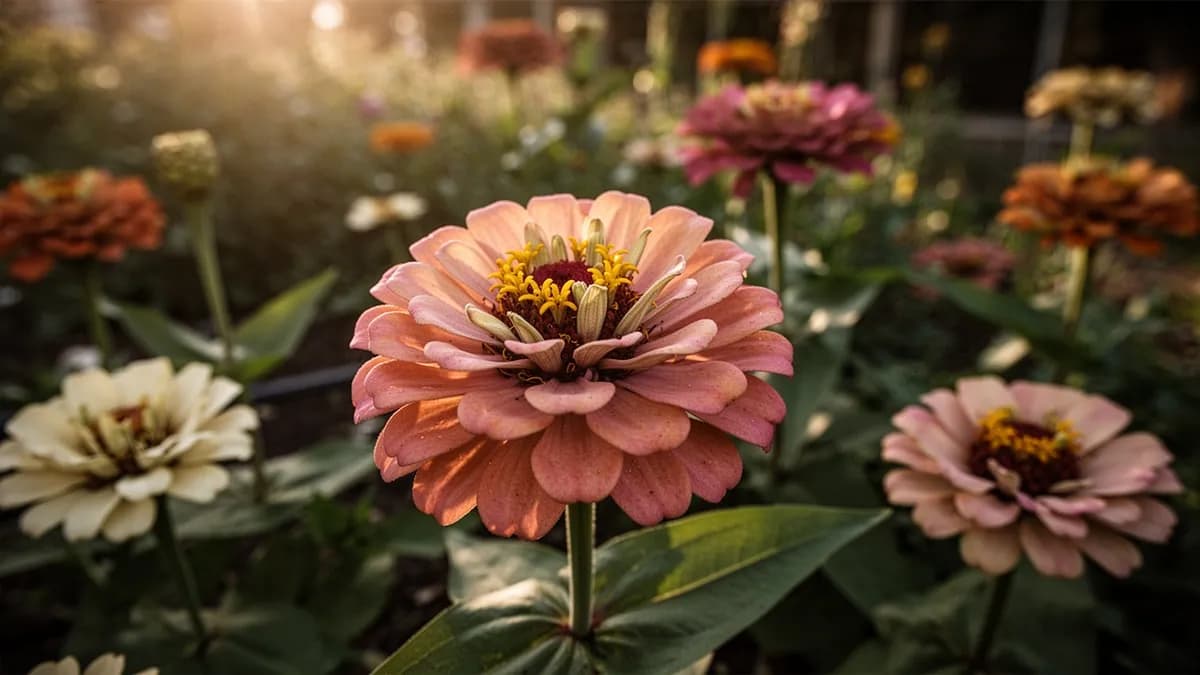
Celosia Flamingo Feather harmoniert wunderschön in Schnittgärten zusammen mit Zinnien, Sonnenblumen, Gomphrena und anderen warmjahreszeitlichen Schnittblumen. Die luftigen Büschel bieten texturalen Kontrast zu kompakteren Blütenformen. In Reihen pflanzen für einfache Ernte oder in Beete mischen für visuelles Interesse. Die rosa Büschel ergänzen lila und blaue Begleiter wie Salvia und Ageratum. Staffelpflanzung mit anderen Einjährigen gewährleistet kontinuierliche Produktion.
Zinnie gehört daneben.
Altes Gärtnerwissen, geprüft an der echten Nachbartabelle von Celosia Flamingo Feather — teste jede Pflanze, die du anbaust.
Probiere Celosia Flamingo Feather direkt hier im Beet
Ein echtes Planer-Beet, Celosia Flamingo Feather steht schon drin. Tippe einen Begleiter an, platziere ihn und sieh, wie die Nachbarschaftsprüfung antwortet — grün für gute Nachbarn, rot bei Streit.


Passende Anbau-Ratgeber
Richtig düngen
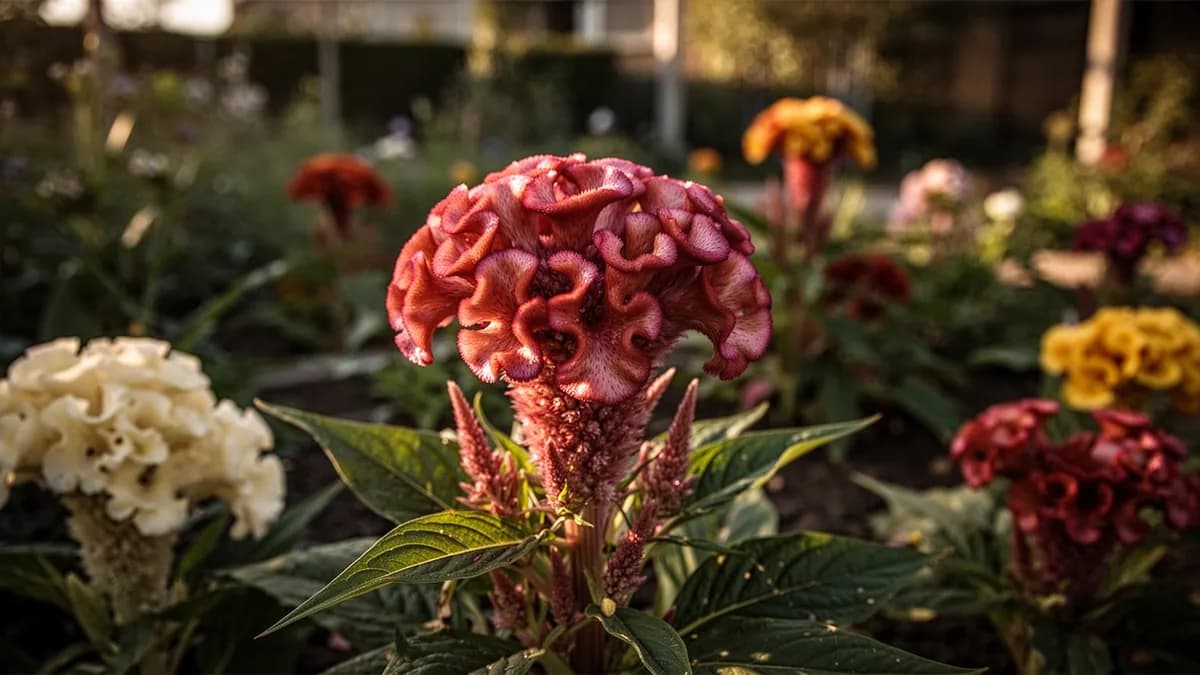
Celosia gedeiht in reichem, gut durchlässigem Boden mit einem pH-Wert von 6,0 bis 7,0. Den Pflanzbereich vor dem Pflanzen mit Kompost anreichern. Alle zwei bis drei Wochen mit einem ausgewogenen Flüssigdünger düngen oder beim Pflanzen Langzeitgranulat ausbringen. Celosia ist ein Starkzehrer, der für maximale Blütenproduktion eine gleichmäßige Nährstoffversorgung benötigt. In Behältern ein hochwertiges Pflanzsubstrat verwenden und wöchentlich düngen. Die gleichmäßige Bodenfeuchtigkeit während der gesamten Wachstumsperiode aufrechterhalten.
Ideale Temperatur
Winterhärtezone-Kompatibilität
Von der Saat zur Ernte, Schritt für Schritt
Anzucht
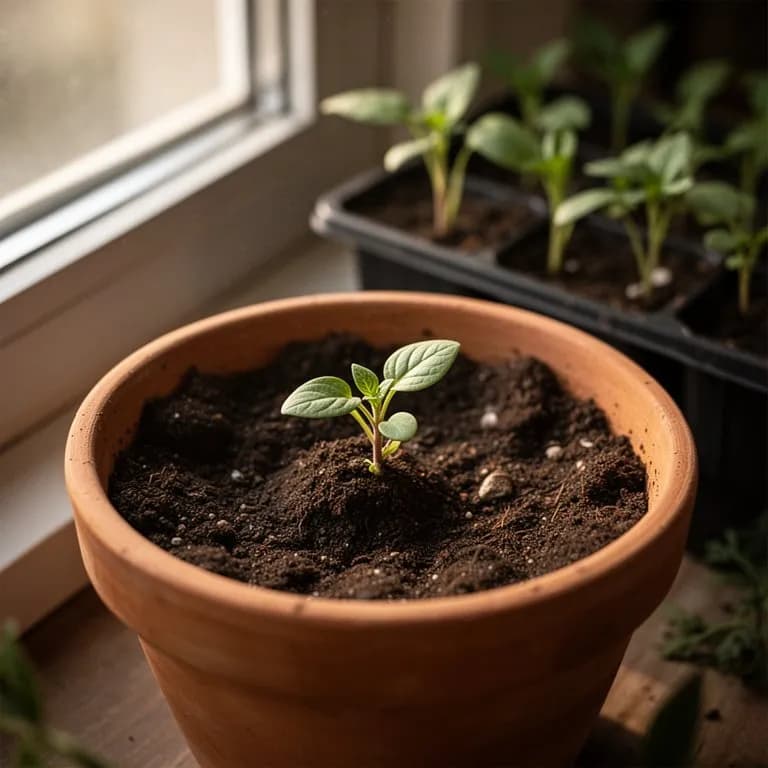
Celosia-Samen sind sehr klein und rund. Auf der Oberfläche eines warmen, feuchten Anzuchtsubstrats aussäen und leicht andrücken, ohne sie zu bedecken, da sie von Lichteinwirkung während der Keimung profitieren. Eine Bodentemperatur von 21 bis 27 Grad Celsius für optimale Ergebnisse aufrechterhalten. Samen keimen unter idealen Bedingungen typischerweise innerhalb von fünf bis zehn Tagen.
Keimlingsentwicklung
Keimlinge erscheinen mit einem Paar kleiner gerundeter Keimblätter und entwickeln schnell ihre ersten echten Blätter, die länglich und spitz sind. Das Wachstum ist in diesem Stadium moderat, da sich das Wurzelsystem etabliert. Keimlinge sind empfindlich gegenüber kalten Zugluft und Überwässerung.
Vegetatives Wachstum
Nachdem die Pflanzen im Freien eingepflanzt wurden, sobald die Nachttemperaturen dauerhaft über 13 Grad Celsius bleiben, tritt Celosia in eine schnelle Wachstumsphase ein. Pflanzen entwickeln kräftige verzweigte Stiele und üppiges Laub. Dies ist die kritische Phase für die Etablierung eines starken Wurzelsystems und einer Struktur, die später schwere Blütenköpfe tragen kann.
Knospenbildung
Kleine Blütenknospen bilden sich an den Spitzen jedes Zweigs. Die Knospen sind zunächst grün und fest kompakt, zeigen aber allmählich Farbe, während sie sich entwickeln. Die Pflanze leitet Energie vom vegetativen Wachstum in die reproduktive Entwicklung während dieser Übergangsphase.
Blüte und erste Ernte
Blütenköpfe entwickeln sich vollständig zu ihren charakteristischen Büscheln, Kämmen oder weizenährenartigen Ähren, je nach Sorte. Farben intensivieren sich zu lebhaftem Rot, Orange, Gelb, Rosa und Lila. Einzelne Blütchen öffnen sich schrittweise von der Basis des Büschels aufwärts. Dies ist das primäre Erntefenster für Schnittblumen.
Anhaltende Produktion
Nachdem die ersten Hauptstiele geerntet wurden, entwickeln Seitenzweige weiterhin sekundäre Blütenstiele. Diese Seitentriebe sind etwas kürzer als die primären Stiele, aber immer noch wertvoll für Arrangements und Sträuße. Regelmäßiges Schneiden stimuliert weitere Verzweigung und verlängert die Produktionsperiode.
Samenansatz und Saisonende
Wenn die Temperaturen im Herbst zu sinken beginnen, verlangsamt sich die Blütenproduktion und verbleibende Blüten beginnen Samen anzusetzen. Die winzigen schwarzen Samen entwickeln sich innerhalb der reifen Blütenköpfe und können für die nächste Saison gesammelt werden. Pflanzen gehen mit dem ersten Frost zurück, da Celosia eine zarte tropische Einjährige ohne Frosttoleranz ist.
Eine Heizmatte verwenden, um gleichmäßige Bodenwärme aufrechtzuerhalten. Celosia-Samen keimen in kühlem Boden unter 18 Grad Celsius nicht gut. Die Oberfläche sanft besprühen, um die winzigen Samen nicht zu verschieben.
Celosia Flamingo Feather Monat für Monat pflegen
Was du jeden Monat für deine Celosia Flamingo Feather tun solltest
Oktober
Aktueller MonatVerbleibende Blüten vor dem ersten Frost ernten. Die besten reifen Blütenköpfe für die Samengewinnung auswählen und gründlich an der Pflanze oder drinnen trocknen lassen. Mit dem Aufräumen abgestorbener Pflanzen nach dem Frostschaden beginnen.
Immer wissen, was jetzt im Garten zu tun ist
Eine E-Mail zum Monatsanfang: was du jetzt säen, pflanzen und anpacken solltest — für deine Celosia Flamingo Feather und alles, was drumherum wächst. Dazu ein kurzer Startkurs, der dich vor den klassischen Fehlern bewahrt.
- Was jetzt zu tun ist
- Passend zu deiner Saison
- Startkurs inklusive
Celosia Flamingo Feather ernten
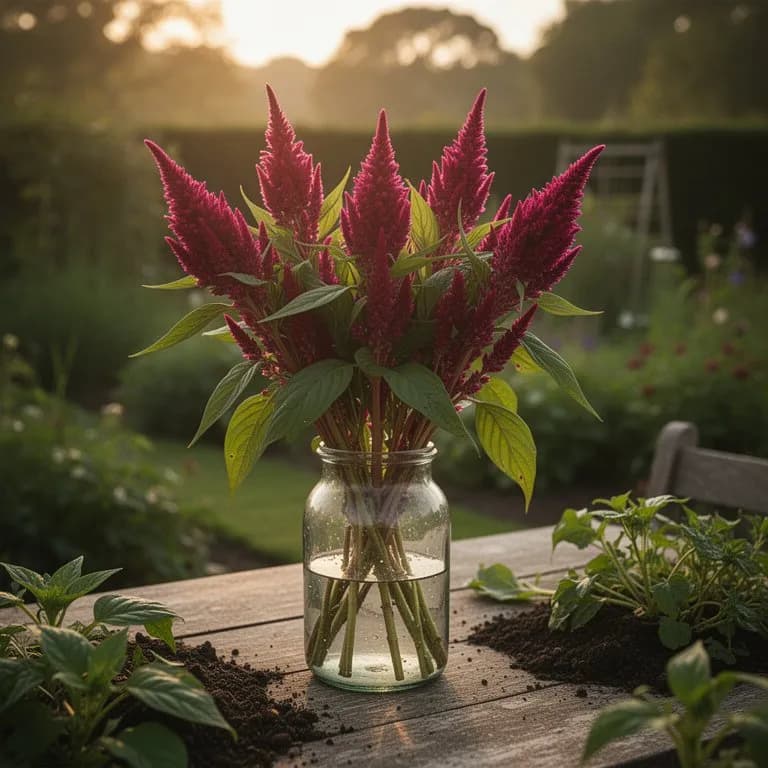
Celosia Flamingo Feather-Stiele schneiden, wenn die Büschel etwa halb bis dreiviertel entwickelt sind, um die längste Vasenhaltbarkeit zu erzielen. Zu früh geschnitten entwickeln sich die Büschel im Wasser nicht vollständig; zu spät geschnitten verkürzt sich die Vasenhaltbarkeit. In der kühlen frühen Morgenstunde ernten und sofort in warmes Wasser stellen. Unteres Laub entfernen und Wasser alle zwei Tage wechseln. Frisch geschnittene Büschel halten sieben bis zwölf Tage. Zum Trocknen die Stiele schneiden, wenn die Büschel vollständig entwickelt sind, und kopfüber an einem dunklen, gut belüfteten Ort aufhängen.
angenommen, du pflanzt zu Beginn des Zeitraums — trage dein tatsächliches Datum ein
Ernte Celosia Flamingo Feather zügig, dann trägt die Pflanze weiter.
Lagerung & Konservierung
Celosia trocknet wunderschön und ist eine der besten Blumen für beständige Arrangements. Stiele kopfüber in kleinen Bündeln an einem dunklen, warmen, gut belüfteten Ort zwei bis drei Wochen lang aufhängen. Die Büschel behalten beim Trocknen ihre Form und Farbe gut und verblassen nur leicht von Rosa zu einem sanften Mauve. Getrocknete Stiele aufrecht in Vasen oder Schachteln aufbewahren. Samen können aus reifen Blütenköpfen gesammelt und in Papierumschlägen für die Frühjahrsaussaat aufbewahrt werden.
Was schiefgeht — und die Lösung
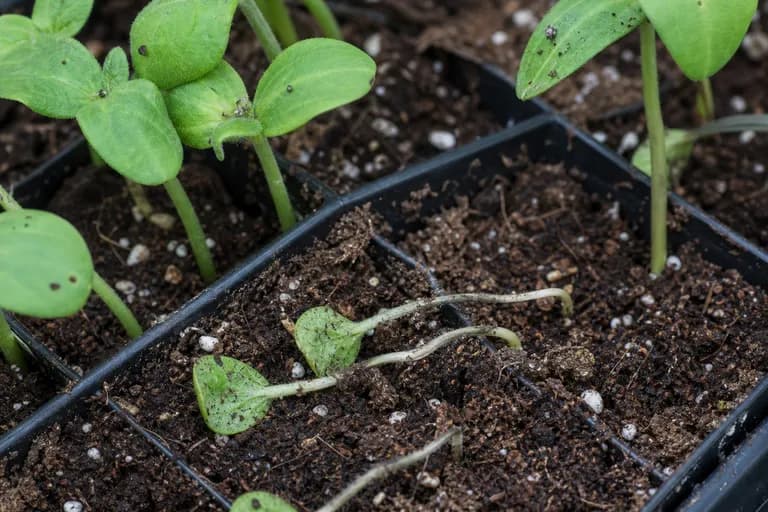
Umfallkrankheit
KrankheitKeimlinge kollabieren an der Bodenlinie, Stiele werden dünn und wassergetränkt. Kann ganze Saatschalen schnell vernichten.
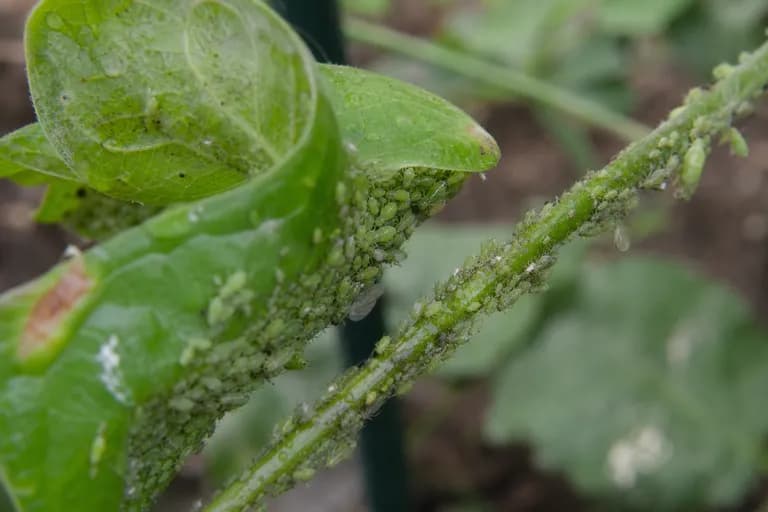
Blattläuse
SchädlingAnsammlungen kleiner Insekten an Stielen und sich entwickelnden Blütenbüscheln. Verformtes Wachstum, klebriger Honigtau und verminderte Blütenqualität.
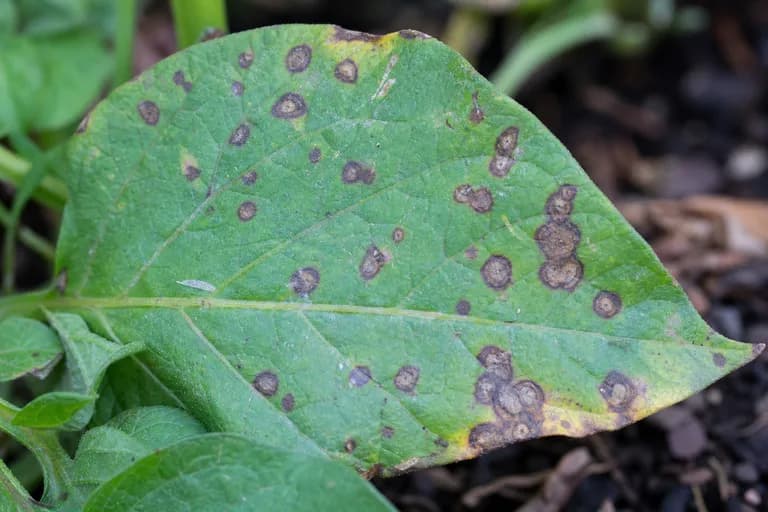
Blattfleckenkrankheit
KrankheitBraune oder dunkle Flecken auf Blättern, die sich manchmal auf die Stielbasen ausbreiten. Kann bei feuchten Bedingungen zu vorzeitigem Blattfall führen.
Fehlerbehebung bei häufigen Problemen
Das kritischste Problem ist die Kälteempfindlichkeit. Selbst ein leichter Frost tötet Celosia-Pflanzen sofort ab, und kalte Bodentemperaturen zum Zeitpunkt des Umpflanzens verursachen dauerhafte Wachstumshemmung. Warten bis der Boden sich gründlich erwärmt hat, bevor die Pflanzen ins Freie gesetzt werden. Überwässerung der Keimlinge verursacht Umfallkrankheit, was verheerende Folgen haben kann. Wurzelgebundene Jungpflanzen, die zu lange in Anzuchtzellen gehalten wurden, entwickeln sich möglicherweise nicht gut. Pflanzen rechtzeitig auspflanzen, wenn die Keimlinge vier echte Blätter haben.
Anbautipps
- Celosia-Samen sechs bis acht Wochen vor dem letzten Frostdatum drinnen mit Bodenwärme von 21 bis 27 Grad Celsius aussäen, da die Keimraten in kühlem Boden unter 18 Grad Celsius dramatisch sinken.
- Celosia-Keimlinge niemals wurzelgebunden in ihren Töpfen werden lassen, bevor sie umpflanzt werden, da dies vorzeitiges Blühen auf gehemmten Stielen auslöst, die zu kurz zum Schneiden sind.
- Die zentrale Triebspitze ausgeizen, wenn Pflanzen 15 bis 20 Zentimeter hoch sind, um mehrere verzweigte Stiele zu erzwingen, was die Gesamtzahl der erntbaren Schnittblumenstiele pro Pflanze dramatisch erhöht.
- Celosia an einem vollsonnigen Standort mit mindestens sechs bis acht Stunden direktem Sonnenlicht täglich pflanzen, da unzureichendes Licht schwache, schlaffe Stiele und blasse, ausgewaschene Blütenfarben produziert, die für Arrangements ungeeignet sind.
- Tief an der Basis der Pflanzen einmal oder zweimal wöchentlich gießen statt häufig von oben zu bewässern, was Pilzkrankheiten an den dichten Blütenköpfen fördert und vorzeitiges Bräunen der Blütenblätter verursachen kann.
- Horizontales Netz bei etwa 30 Zentimetern Höhe über dem Pflanzbed installieren, wenn hohe Schnittblumensorten angebaut werden, damit die Stiele beim Wachsen durch das Gitter vollkommen gerade und aufrecht bleiben.
- Celosia-Stiele früh morgens ernten, während sie vollständig turgeszent sind, und sie sofort in sauberes, kühles Wasser mit kommerziellem Blumenfrischhaltemittel stellen, um die Vasenhaltbarkeit von zwei bis drei Wochen zu maximieren.
- Celosia alle zwei bis drei Wochen von Ende Frühjahr bis Anfang Sommer in Staffeln pflanzen, um eine kontinuierliche Versorgung mit frischen Stielen zu gewährleisten, statt einer überwältigenden Hauptblüte gefolgt von einer Produktionslücke.
- Zum Trocknen von Celosia die Stiele auf dem Höhepunkt der Farbe ernten, die unteren Blätter entfernen, drei bis fünf Stiele mit einem Gummiband bündeln und kopfüber an einem dunklen, gut belüfteten Ort zwei bis drei Wochen lang aufhängen.
- Celosia in gut durchlässigem, fruchtbarem, mit Kompost verbessertem Boden anbauen, da die Pflanzen Starkzehrer sind, die gut auf ergänzende Düngung mit ausgewogenem Dünger alle zwei bis drei Wochen während des aktiven Wachstums reagieren.
Bau deine beste Celosia Flamingo Feather an — und alles drumherum.
Starte heute kostenlos. Lege deine Beete an, setze deine Celosia Flamingo Feather ein und lass PlotMyGarden Timing, Abstände, Begleiter und Erinnerungen von der Saat bis zum Erntekorb übernehmen.
Finde deine Celosia Flamingo Feather
Flamingo Feather
Die klassische Sorte mit eleganten, schlanken rosa Büscheln, die zu silbrigem Weiß verblassen – der Standard für professionelle Schnittblumenproduktion.
Flamingo Purple
Eine verwandte Sorte mit tief lila-magentafarbenen Büscheln, die einen dramatischen Farbkontrast in gemischten Celosia-Pflanzungen hinzufügt.
Celway Mix
Eine Mischung aus weizenährenartigen Celosias in Rosa, Lila und Creme, die luftige, verzweigte Stiele produziert, die perfekt als Straußfüller geeignet sind.
Ein einzelnes Päckchen Celosia-Samen, das etwa drei bis fünf Euro kostet, kann 50 bis 100 Pflanzen produzieren, von denen jede über die Saison 8 bis 15 Schnittblumenstiele liefert. Zu Fachfloristen-Preisen von zwei bis vier Euro pro Stiel kann eine kleine Hauspflanzung leicht Schnittblumen im Wert von mehreren hundert Euro produzieren. Der Doppelnutzen von Celosia steigert den Wert weiter, da junge Blätter, die beim Ausgeizen und der Seitentriebverwaltung geerntet werden, ohne zusätzliche Kosten ein nahrhaftes Kochgemüse liefern.
Schnelle Rezepte
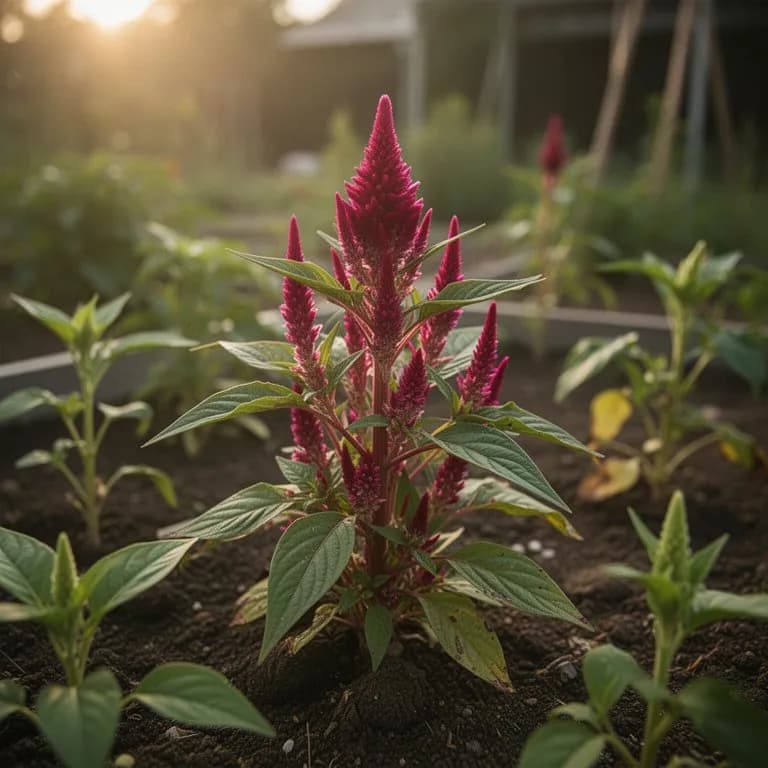
Nigerianischer Soko-Eintopf mit Celosia-Blättern
30 Min.Ein traditioneller Yoruba-Gemüseeintopf mit frischen Celosia-Blättern, die in einer reichhaltigen Tomaten-Pfeffer-Basis mit Palmöl geköchelt werden. Dieses herzhafte Gericht wird typischerweise über gestampftem Yam, Fufu oder gedämpftem Reis serviert und ist eine der beliebtesten Arten, Celosia-Grün in der westafrikanischen Küche zu genießen.
8 ZutatenCelosia-Sesam-Pfannengericht
15 Min.Ein schnelles und nahrhaftes Pfannengericht, das den milden spinatartigen Geschmack der Celosia-Blätter hervorhebt. Das Sesamöl und der Knoblauch ergänzen die natürliche Süße der jungen Blätter und schaffen eine einfache Beilage, die gut zu gegrilltem Hähnchen, Fisch oder Tofu passt.
7 Zutaten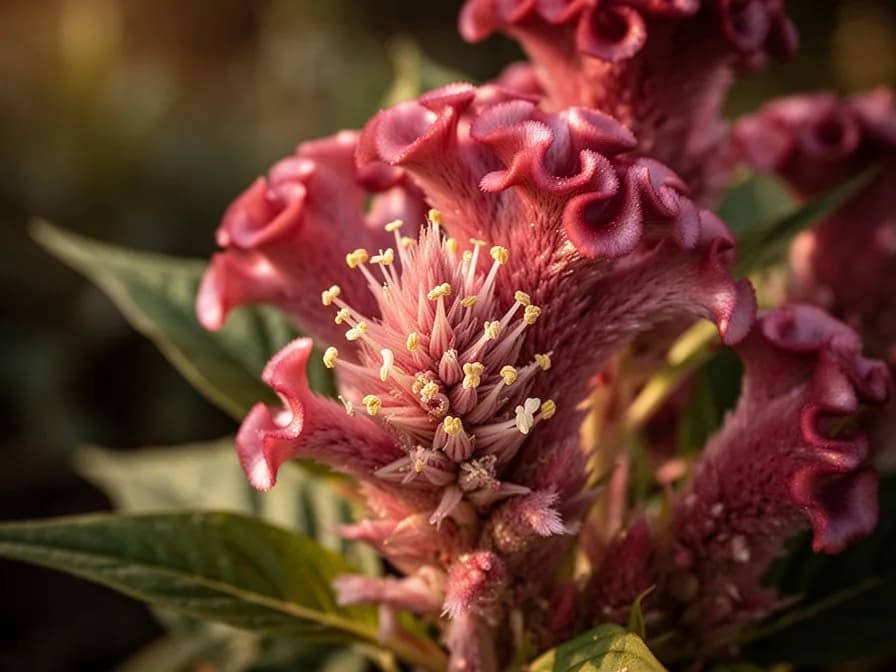
Getrockneter Celosia-Trockenblumenstrauß
10 Min. aktiv plus 2 bis 3 Wochen TrocknungszeitCelosia ist eine der feinsten Blumen zum Trocknen und behält beim richtigen Konservieren nahezu seine gesamte leuchtende Farbe. Diese Methode produziert atemberaubende beständige Arrangements, die jahrelang ohne Verblassen halten können, was es zu einem hervorragenden Projekt macht, den Sommerreichtum durch den Winter zu konservieren.
6 ZutatenKulinarische Verwendung
Celosia-Blätter und junge Triebe sind in Westafrika und Teilen Asiens ein beliebtes Gemüse, wo sie als Soko oder Wachtelgras bekannt sind. Die Blätter werden wie Spinat gekocht, Suppen und Eintöpfen hinzugefügt oder mit Gewürzen gebraten. Sie sind reich an den Vitaminen A und C, Eisen und Kalzium. Die Blüten sind ebenfalls essbar und ergeben farbenfrohe Garnierungen. Junge Blätter und zarte Triebspitzen während der gesamten Wachstumssaison für den kulinarischen Einsatz ernten.
Was drinsteckt
Gesundheitsvorteile
- Celosia-Blätter sind außergewöhnlich reich an Beta-Carotin, das der Körper in Vitamin A umwandelt und damit gesundes Sehen, Immunfunktion und Hautzellenerhaltung in allen Altersgruppen unterstützt.
- Der hohe Eisen- und Folatgehalt in Celosia-Grün macht sie besonders wertvoll zur Vorbeugung und Behandlung von Eisenmangelanämie, die in vielen tropischen Regionen ein weit verbreitetes Ernährungsproblem bleibt.
- Celosia-Blätter enthalten bedeutende Mengen an Kalzium und Vitamin K, die beide wesentliche Rollen bei der Erhaltung starker Knochen und der Unterstützung ordnungsgemäßer Blutgerinnungsmechanismen spielen.
- Traditionelle Medizinsysteme in ganz Westafrika haben seit langem Celosia-Blattzubereitungen als Mittel gegen Verdauungsbeschwerden eingesetzt, wobei moderne Forschung nahelegt, dass der Ballaststoff- und Schleimgehalt eine gesunde Darmfunktion unterstützen kann.
- Die in Celosia gefundenen antioxidativen Verbindungen, einschließlich Betalainen und Phenolsäuren, haben in Laborstudien entzündungshemmende Eigenschaften gezeigt und können dazu beitragen, Zellen vor oxidativen Schäden zu schützen.
- Celosia-Samen wurden in der traditionellen chinesischen Medizin seit Jahrhunderten zur Unterstützung der Augengesundheit eingesetzt, und zeitgenössische Forschung hat Verbindungen in den Samen identifiziert, die den Augeninnendruck reduzieren können.
Woher Celosia Flamingo Feather stammt
Celosia argentea stammt aus den tropischen Regionen Afrikas, wo sie seit Jahrhunderten sowohl als Zierpflanze als auch als wichtige Nahrungspflanze angebaut wird. Wilde Populationen wachsen immer noch auf den Savannen und Waldrändern West- und Zentralafrikas sowie in Teilen Süd- und Südostasiens, wo sich die Pflanze vor langer Zeit naturalisiert hat. Allein in Nigeria gehört Celosia zu den am häufigsten konsumierten Blattgemüsen, insbesondere in den südwestlichen Bundesstaaten, wo Yoruba-Gemeinschaften seit Generationen ausgewählte Sorten mit zartem, reichlichem Laub kultiviert haben. Die Pflanze wurde im sechzehnten Jahrhundert in europäische Gärten eingeführt, wo Züchter von ihren ungewöhnlichen Blütenformen fasziniert wurden und begannen, für größere, leuchtenderen Blüten zu selektieren. Der gekämmte Hahnenkamm-Typ, bekannt als Celosia argentea var. cristata, wurde besonders beliebt in der viktorianischen Ära als Beet- und Gewächshauspflanze. Inzwischen gewann der gefederte Typ, var. plumosa, Anklang wegen seiner anmutigen federartigen Ähren, die Flammen glichen, die aus dem Gartenbeet aufstiegen. Im zwanzigsten Jahrhundert wurde die Celosia-Züchtung in Japan, den Niederlanden und den Vereinigten Staaten stark ausgebaut, was zu modernen Schnittblumensorten mit kräftigen geraden Stielen von sechzig bis neunzig Zentimetern Höhe führte. Serien wie Chief, Century, Bombay und Sunday wurden speziell für den gewerblichen und spezialisierten Schnittblumenmarkt entwickelt. Heute nimmt Celosia eine einzigartige Position in der Gartenbaukunde ein als eine der wenigen Pflanzen, die gleichermaßen als hochwertige ornamentale Schnittblume, als getrocknete Trockenblume und als nahrhafte essbare Grünpflanze dient und damit die Lücke zwischen Blumenanbau und Lebensmittelproduktion auf eine Weise überbrückt, die nur wenige andere kultivierte Arten erreichen können.
Celosia Flamingo Feather: Schon gewusst?
Faszinierende Fakten über Celosia Flamingo Feather
Celosia-Blätter sind eines der wichtigsten Blattgemüse in Westafrika, wo sie auf Yoruba als Soko bekannt sind und ähnlich wie Spinat in Eintöpfen und Suppen in Nigeria, Kamerun und Ghana gekocht werden.
Celosia Flamingo Feather: Fragen & Antworten
Wann sollte ich Celosia Flamingo Feather pflanzen?
Was sind gute Begleitpflanzen für Celosia Flamingo Feather?
In welchen Winterhärtezonen kann Celosia Flamingo Feather wachsen?
Wie viel Sonne braucht Celosia Flamingo Feather?
Welchen Abstand sollte ich zwischen Celosia Flamingo Feather lassen?
Welche Schädlinge und Krankheiten befallen Celosia Flamingo Feather?
Wie lagere ich Celosia Flamingo Feather nach der Ernte?
Was sind die besten Celosia Flamingo Feather-Sorten zum Anbauen?
Welchen Boden braucht Celosia Flamingo Feather?
Kann man Celosia-Blätter wirklich essen, und wie schmecken sie?
Warum blühte mein Celosia vorzeitig auf sehr kurzen Stielen?
Was ist die beste Methode zum Trocknen von Celosia-Blüten, damit sie ihre Farbe behalten?
Sollte ich Celosia-Pflanzen ausgeizen, und wann ist der richtige Zeitpunkt?
Wie lange halten geschnittene Celosia-Stiele in einer Vase?
Welche Schädlinge und Krankheiten befallen Celosia häufig?
Du hast die Theorie gelesen. Jetzt baue sie auf Autopilot an.
Alles, was Celosia Flamingo Feather knifflig macht — das Timing, die Abstände, die Begleiter, das Erntefenster — genau das übernimmt PlotMyGarden für dich, für jede Pflanze im Garten.
Ein Plan, der dein Wetter kennt
Standort einmal festlegen. Aussaat-, Dünge- und Erntedaten rund um deinen echten letzten Frosttermin und die Live-Vorhersage — kein Raten mehr nach Saattüte.
Aus dem Abschnitt „Pflanzzeit“Beetplaner per Drag & Drop
Beete auf einem Raster gestalten. Jede Pflanze rastet im richtigen Abstand ein, und du siehst die ganze Saison, bevor du einen Cent für Saatgut ausgibst.
Aus dem Abschnitt „Anbau“Begleiter-Konflikte früh erkannt
Über 200 gute und schlechte Kombinationen werden beim Pflanzen live geprüft — so landet ein saisonruinierender Fehler nie in der Erde.
Aus dem Abschnitt „Begleiter“Erinnerungen, nach denen du wirklich handelst
„Gieß die Bohnen.“ „Heute ernten, bevor's umschlägt.“ Pünktlich, konkret und auf deine echten Pflanzen bezogen.
Aus dem Abschnitt „Ernte“Staffel-Aussaat, geplant
Sechs Wochen ernten statt sechs Tage? Die App verteilt deine Aussaaten automatisch und erinnert dich, wenn der nächste Satz fällig ist.
Aus dem Abschnitt „Pflanzzeit“Ein Verlauf, der schlauer wird
Jede protokollierte Ernte bringt der App deinen Garten bei. Der Plan fürs nächste Jahr startet bei dem, was in deinem Boden wirklich funktioniert hat.
Aus dem Abschnitt „Überblick“Pflanze diese neben Celosia Flamingo Feather
Weitere Schnittblumen
Bau deine beste Celosia Flamingo Feather an — und alles drumherum.
Starte heute kostenlos. Lege deine Beete an, setze deine Celosia Flamingo Feather ein und lass PlotMyGarden Timing, Abstände, Begleiter und Erinnerungen von der Saat bis zum Erntekorb übernehmen.