Peruvian Lily
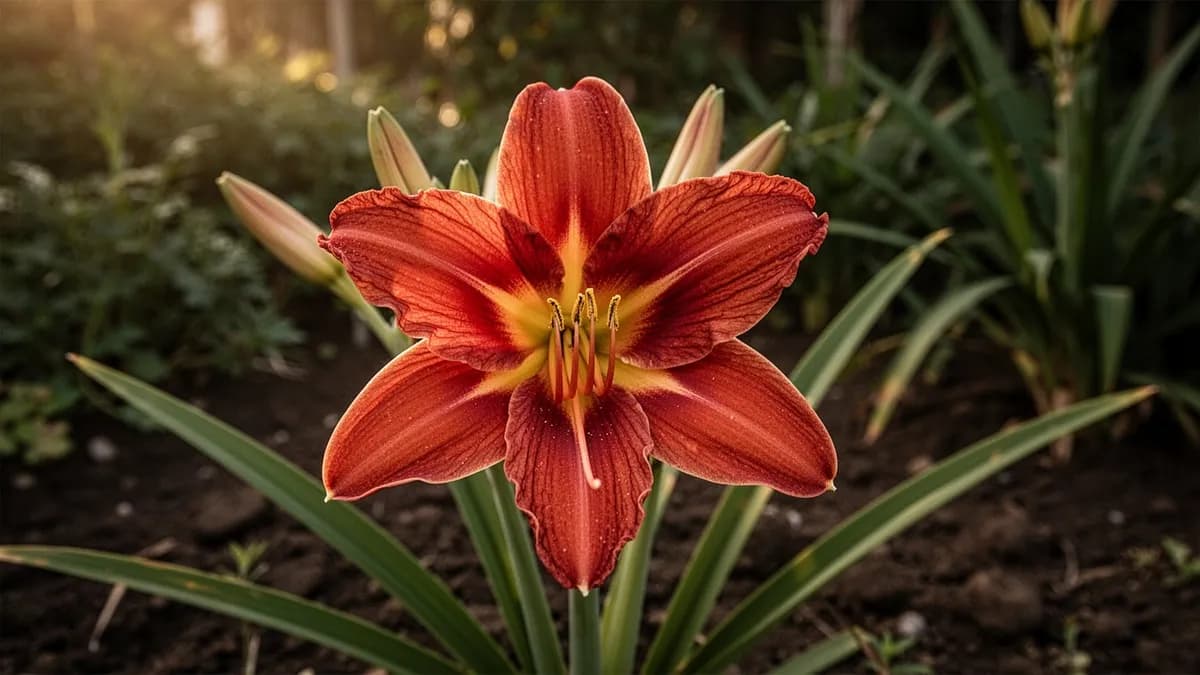
A tuberous perennial producing exotic lily-like flowers in vibrant yellows, oranges, pinks, and bicolors that last up to two weeks as cut flowers.





On this pageOverview
Meet Peruvian Lily
A tuberous perennial producing exotic lily-like flowers in vibrant yellows, oranges, pinks, and bicolors that last up to two weeks as cut flowers. Alstroemeria stems should be pulled rather than cut from the base to stimulate new growth. Mulch heavily in winter to protect the shallow tubers from frost in colder zones.
When to plant Peruvian Lily
Alstroemeria can be grown from seed, but germination is slow and erratic. Sow seeds in moist compost and cold-stratify for four to six weeks before providing warmth at 65 degrees Fahrenheit. Seeds may take four to twelve weeks to germinate. Seedlings grow slowly and typically flower in their second or third year. Division of established clumps in spring is a much faster propagation method, producing flowering plants the same or following season.
Your Peruvian Lily Year
Composed for Zone 7 · typical seasons · frost passes Apr 2, returns Nov 1
Plant Peruvian Lily Mar – Apr, pick Jun – Sep. Check the planting methods below and set your climate to personalize these windows.
How to grow Peruvian Lily
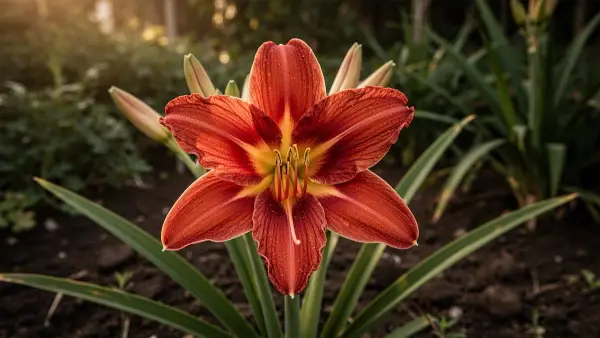
Plant alstroemeria tubers in spring, setting them six to eight inches deep with the growing points facing up, spacing them twelve inches apart in rich, well-drained soil. Choose a location in full sun to light afternoon shade with shelter from strong winds. The deep planting depth is critical for winter survival in cooler zones and helps prevent the tuberous roots from heaving out of the ground.
Water regularly during the growing season, keeping soil consistently moist but not waterlogged. Feed every two to three weeks with a high-potassium liquid fertilizer once growth is established to promote abundant flowering. A thick mulch of straw or bark in late autumn provides critical winter protection in zones 7 and 8.
The key to keeping alstroemeria blooming is to pull stems from the base rather than cutting them. Grasp the stem near the ground and give a firm, twisting pull to detach it cleanly from the tuberous root. This stimulates the production of new flowering shoots from the root system. Cutting stems instead of pulling actually reduces future flower production. Once established, alstroemeria becomes increasingly productive each year.
32 plants fit a 4 × 8 ft bed
Each Peruvian Lily wants 30 cm of elbow room. The planner keeps that spacing for you — every plant, every bed.
Peruvian Lily's best neighbours
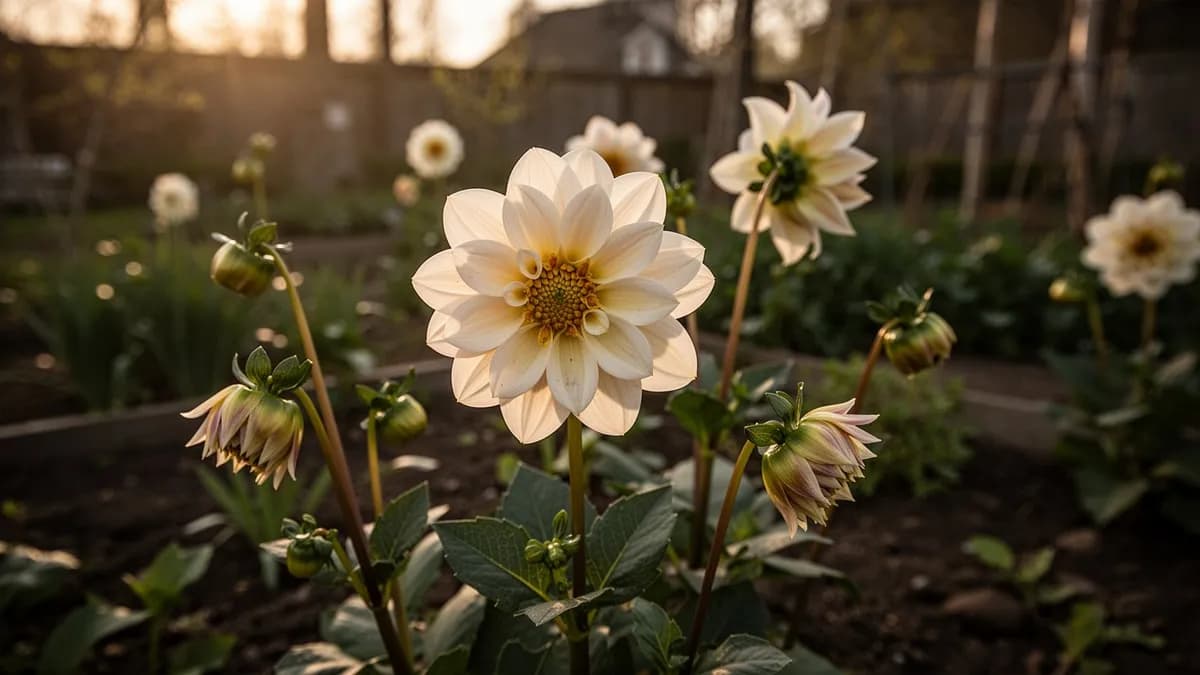
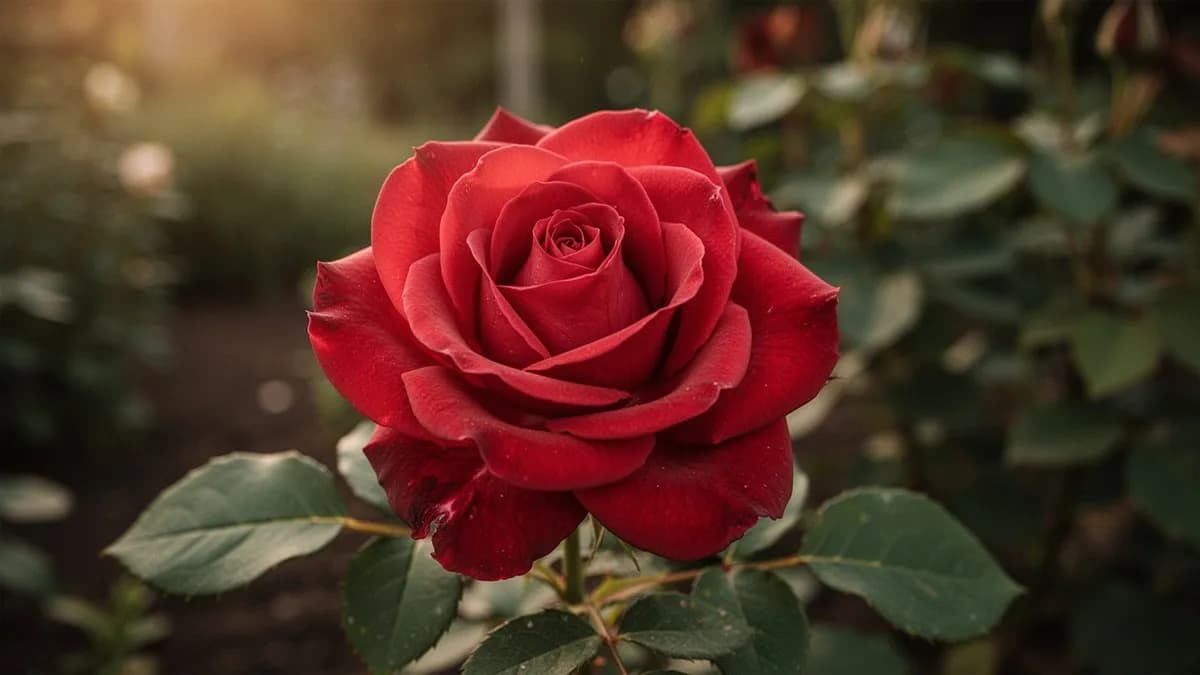
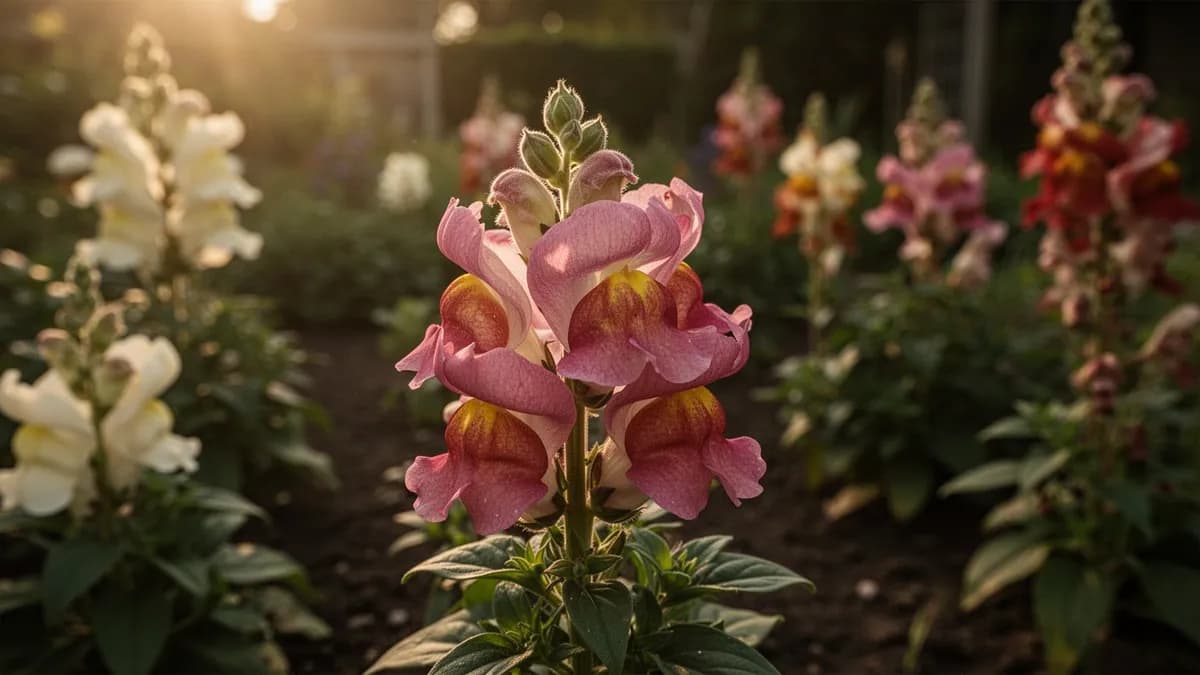
Alstroemeria combines beautifully with roses, dahlias, and ornamental grasses in mixed borders. Plant in front of taller perennials and behind low edging plants for a tiered effect. In cutting gardens, grow alongside other long-lasting cut flowers like zinnias and snapdragons. The exotic, lily-like flowers add a tropical feel to temperate garden plantings. Avoid crowding with aggressive spreaders that might compete with the expanding tuberous root system.
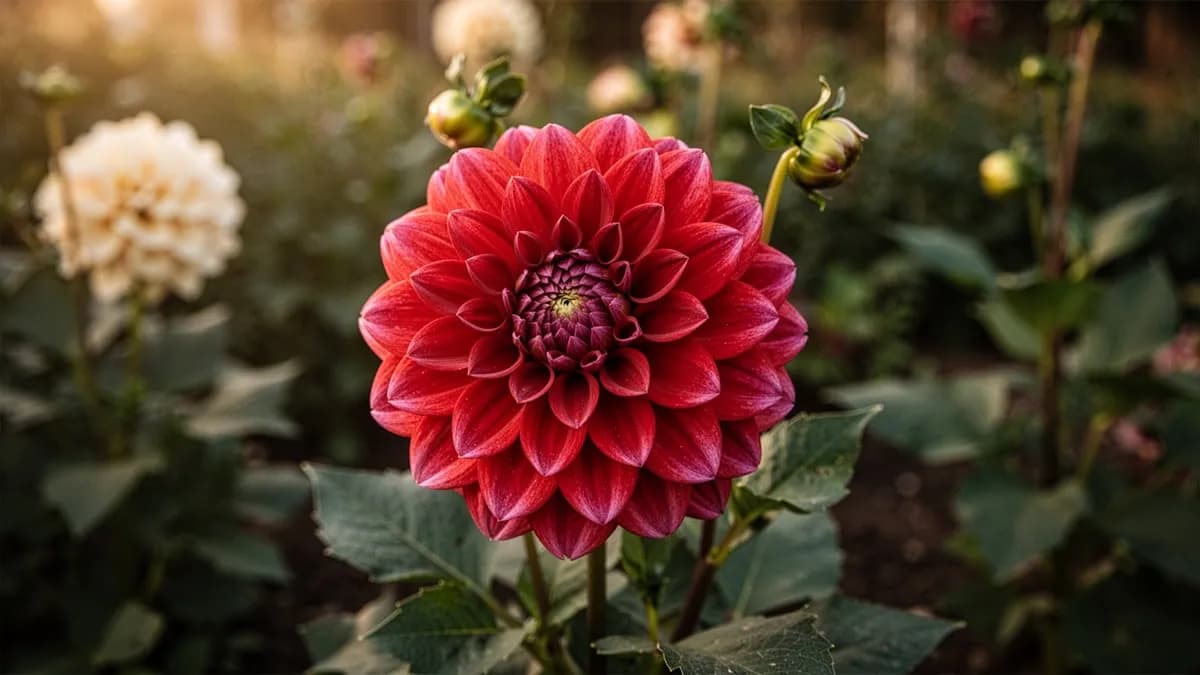
Dahlia belongs beside it.
Old growers' knowledge, checked against Peruvian Lily's real companion table below — test any plant you're growing.
Try Peruvian Lily in a bed — right here
A real planner bed with Peruvian Lily already in it. Tap a companion to place it and watch the pairing checks answer — green for good neighbours, red for a clash.


Related growing guides
Feed it well
Alstroemeria thrives in rich, well-drained soil with a pH of 6.0 to 7.0. Amend the planting area with compost and ensure drainage is excellent, as the tuberous roots are sensitive to waterlogging. Feed every two to three weeks with a high-potassium liquid fertilizer during the growing season. Apply a balanced granular fertilizer in early spring. In containers, use a premium potting mix with added perlite and feed weekly during active growth.
Ideal Temperature
Hardiness Zone Compatibility
From seed to harvest, stage by stage
Tuberous Root Establishment
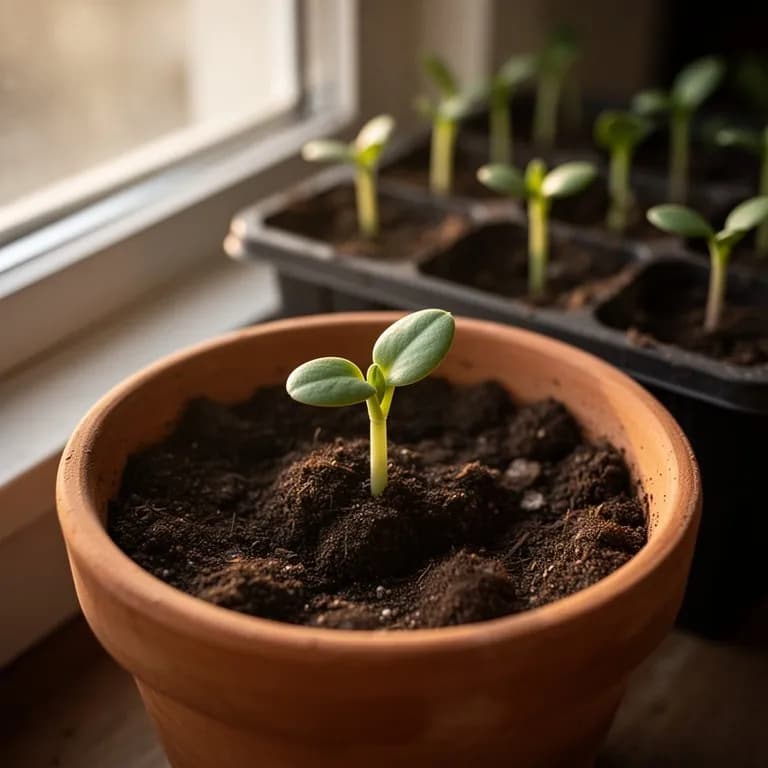
Alstroemeria is typically started from tuberous root divisions or nursery transplants rather than seed, as seed germination is slow and unpredictable. Newly planted tubers need time to anchor their fleshy storage roots into the surrounding soil and begin absorbing moisture and nutrients. The roots are brittle and must be handled carefully during planting to avoid breakage.
Shoot Emergence
Slender green shoots push through the soil surface and begin developing the characteristic lance-shaped leaves. Alstroemeria leaves are resupinate, meaning they twist 180 degrees at the petiole so the lower surface faces upward. This unusual trait is a reliable way to identify the plant. Multiple shoots typically emerge from each tuber cluster.
Vegetative Growth
Stems elongate rapidly, reaching 60-90 cm in height depending on the cultivar. The foliage becomes dense and lush as the plant builds energy reserves in its underground tubers. The root system expands laterally, sending out new tuberous offshoots that will produce additional stems in subsequent seasons. Strong vegetative growth during this phase is essential for abundant flowering.
Bud Formation and Flowering
Terminal flower buds form at the top of mature stems, each producing an umbel-like cluster of three to eight individual blooms. The six-petaled flowers are zygomorphic, with the inner two upper petals bearing distinctive dark streaks and spots that serve as nectar guides for pollinators. Each stem produces flowers that open sequentially over seven to fourteen days, extending the display period.
Repeat Flowering and Dormancy Preparation
Many modern Alstroemeria cultivars are repeat-blooming and will produce successive flushes of flowers from late spring through early autumn if spent stems are removed promptly. As day length shortens and temperatures cool in autumn, flowering slows and the plant redirects energy to its tuberous roots for winter storage. Foliage may yellow naturally as dormancy approaches.
Winter Dormancy
In temperate climates the above-ground foliage dies back completely and the plant rests as dormant tuberous roots underground. The fleshy storage roots sustain the plant through winter, holding carbohydrate reserves that fuel vigorous regrowth the following spring. In mild climates with minimal frost, some cultivars remain semi-evergreen and may retain a low rosette of foliage throughout winter.
Plant tubers 15-20 cm deep with the growing eyes facing upward. Water in thoroughly after planting but avoid saturating the soil, as the fleshy roots are prone to rot in waterlogged conditions. Mulch lightly to maintain even soil moisture.
Caring for Peruvian Lily month by month
What to do each month for your Peruvian Lily
October
You are hereCut back fully yellowed and spent foliage to ground level. In regions with harsh winters below minus 10 degrees Celsius, consider lifting tubers and storing in barely moist peat in a frost-free location. Otherwise, apply a thick 10-15 cm mulch layer of straw or shredded leaves over the root zone.
Know exactly what to do in your garden — every month
One email at the start of each month: what to sow, plant, and tackle right now — for your Peruvian Lily and everything growing around it. Plus a short starter course that helps you dodge the classic mistakes.
- What to do, right now
- Matched to your season
- Starter course included
Harvesting Peruvian Lily
Pull alstroemeria stems from the base rather than cutting them, which stimulates new shoot production. Harvest when the first one or two florets in the cluster have opened and the upper buds are still coloring. Pulled stems last an exceptional ten to fourteen days in clean water, making alstroemeria one of the longest-lasting cut flowers available. Remove any foliage that would sit below the waterline. The flowers do not wilt gracefully and should be discarded when petals begin to drop.
assuming you plant when the window opens — set your real date
Pick Peruvian Lily promptly and the plant keeps producing.
Storage & Preservation
Alstroemeria tubers should remain in the ground year-round within their hardiness range, protected by deep mulch in winter. If lifting is necessary, dig carefully in autumn, divide tubers gently, and store in barely damp peat moss at 40 to 45 degrees Fahrenheit. The cut flowers dry poorly and are not suitable for preservation. For propagation, divide established clumps in spring or early autumn, ensuring each division has several growing points.
What goes wrong — and the fix
Slugs and Snails
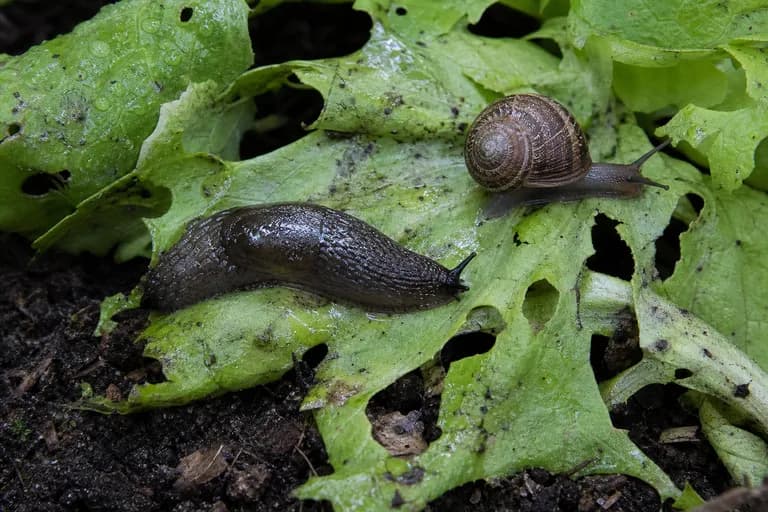
PestIrregular holes in emerging leaves and flower buds. Slime trails visible on foliage, particularly on young growth in spring.
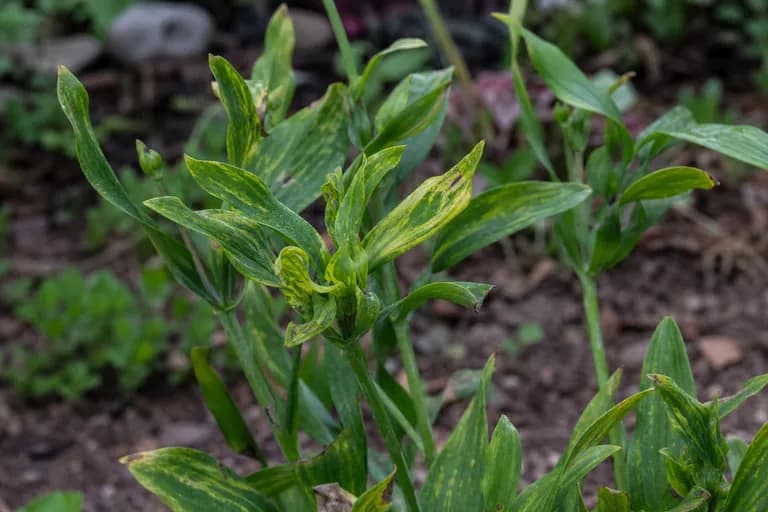
Virus (Alstroemeria Mosaic)
DiseaseYellow streaking and mottling on leaves. Distorted growth, reduced flower production, and poor plant vigor over time.
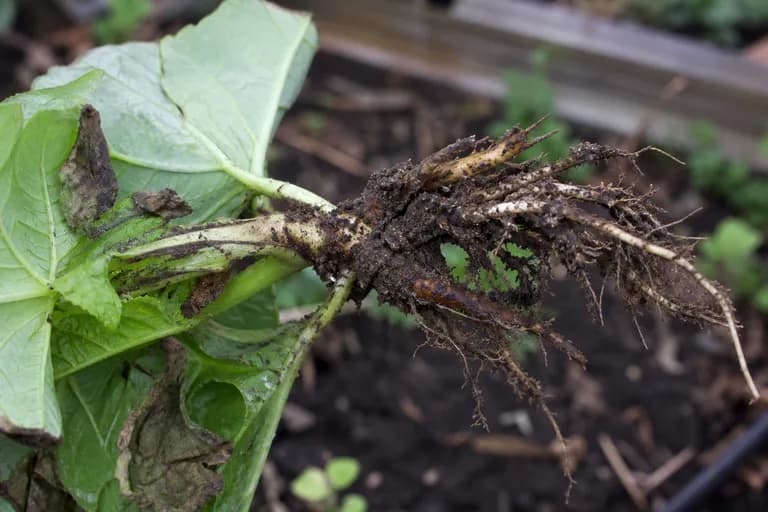
Root Rot
DiseaseYellowing foliage, wilting despite adequate moisture. Roots appear dark and mushy when examined. Plant declines gradually.
Troubleshooting Common Problems
The most common mistake is cutting stems instead of pulling them, which dramatically reduces future flower production. Winter hardiness is limited, and tubers may be lost in severe winters without adequate mulch protection in zones 7 and 8. Shallow planting is another frequent error, as tubers need to be set six to eight inches deep for best performance and winter survival. Contact with the foliage can cause skin irritation in sensitive individuals.
Growing Tips
- Plant Alstroemeria tubers 15-20 cm deep in well-drained soil enriched with compost. Deep planting protects the roots from temperature extremes and helps anchor the tall stems against wind.
- Choose a position in full sun to partial shade. In regions with hot summers above 30 degrees Celsius, afternoon shade is beneficial as excessive heat causes plants to stop flowering and enter premature dormancy.
- Pull flowering stems from the base rather than cutting them with shears. Grasping the stem near soil level and giving a firm steady pull removes the entire stem from the rhizome and triggers the plant to produce replacement shoots more quickly than cutting.
- Remove blind or non-flowering stems by pulling them from the base as well. These unproductive stems consume energy that could otherwise fuel flower production, and removing them keeps the clump tidy and vigorous.
- Water deeply once or twice per week rather than frequent shallow watering. Alstroemeria roots reach 20-30 cm below the surface, and deep watering encourages the root system to develop fully. Avoid waterlogging which causes tuber rot.
- Apply a balanced granular fertilizer in early spring as new growth emerges, then switch to a high-potassium liquid feed every two to three weeks once flower buds begin forming. Potassium promotes strong stems and vivid flower color.
- Mulch around plants with 5-8 cm of organic material to maintain cool, even soil moisture and suppress competing weeds. Keep mulch a few centimeters away from the crown to prevent stem rot at the base.
- Divide overcrowded clumps every three to four years in early spring or after flowering finishes in autumn. Carefully lift the entire clump with a garden fork, separate into sections with three to five tubers each, and replant immediately at the original depth.
- In cold climates where winter temperatures drop below minus 7 degrees Celsius, apply a thick protective mulch layer of 10-15 cm of straw or shredded leaves over the root zone after the first hard frost to insulate the tubers from freeze damage.
- When conditioning freshly cut stems for arrangements, strip all foliage that would sit below the waterline, recut the stem base at an angle, and place immediately in clean water with floral preservative. Change the vase water every three days to maximize the 14 to 21 day vase life.
Grow your best Peruvian Lily yet — and everything around it.
Start a free plan today. Lay out your beds, drop in your Peruvian Lily, and let PlotMyGarden handle the timing, spacing, companions and reminders from seed to harvest basket.
Pick your Peruvian Lily
Indian Summer
Warm orange and gold flowers with dark speckling, one of the hardiest varieties for outdoor cultivation.
Princess Lilies
A compact series reaching eighteen inches, ideal for containers and the front of borders, available in a wide color range.
Inca Ice
Soft apricot and pink bicolor flowers on sturdy stems, excellent for cutting and garden display.
Friendship
Pale yellow flowers with delicate brown freckling, a classic variety prized for its vase life and elegant appearance.
A single Alstroemeria plant costing $8-15 from a nursery can produce 20-40 stems per season over many years, as the perennial tubers return and multiply annually. A mixed supermarket bouquet containing 10 Alstroemeria stems typically costs $8-15, meaning one established garden clump can replace $16-60 worth of store-bought flowers each growing season. After three to four years, a single original plant will have multiplied into a clump large enough to divide into four to six new plants, compounding the savings further. Over a five-year period, an initial investment of $30-50 in three to four plants can easily yield $300-600 worth of cut flowers.
Quick recipes
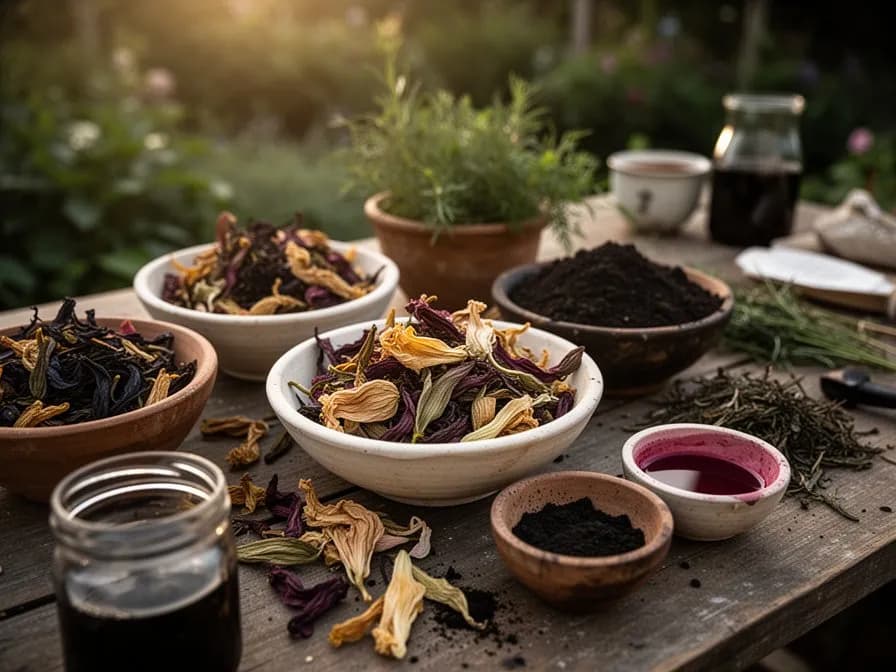
Long-Lasting Mixed Alstroemeria Bouquet
15 minutesA stunning hand-tied bouquet combining multiple Alstroemeria colors that will last two to three weeks with proper care. The key to maximizing vase life is proper stem conditioning immediately after harvest, including removing lower foliage and using floral preservative in clean water. This arrangement works beautifully as a centerpiece or gift.
6 ingredients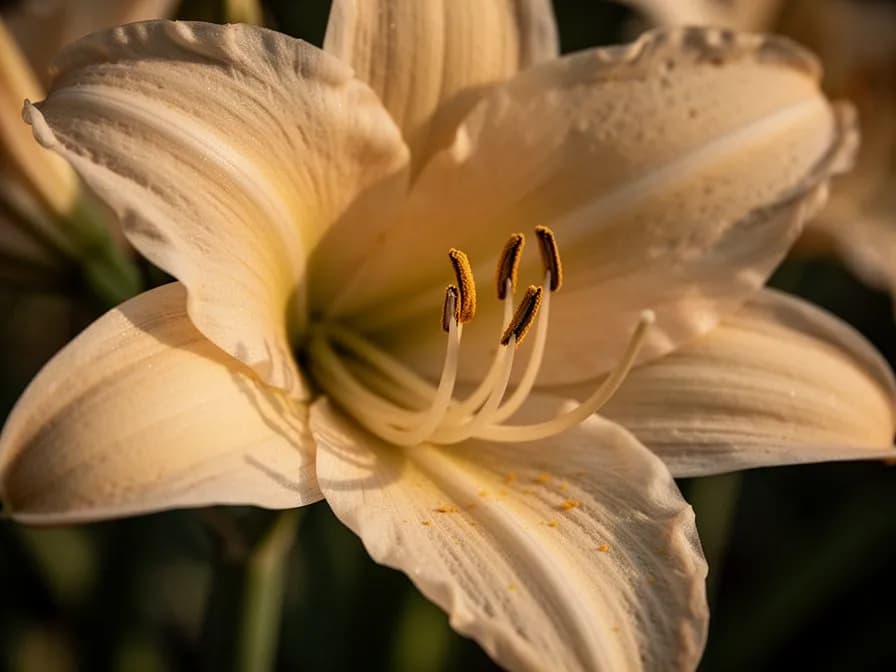
Pressed Alstroemeria Botanical Art
20 minutes active plus 2-3 weeks pressingPreserve the beauty of Alstroemeria blooms by pressing individual flowers and petals for use in framed botanical art, greeting cards, or resin jewelry. The streaked inner petals press particularly well and retain their markings beautifully. Select freshly opened blooms for the best color retention.
6 ingredientsAlstroemeria Flower Crown for Events
30 minutesA beautiful wearable flower crown made with fresh Alstroemeria blooms, perfect for garden parties, weddings, or photo shoots. Alstroemeria's natural durability means the crown will look fresh throughout an entire event without wilting. Choose coordinating colors to match the occasion's theme.
6 ingredientsWhat's inside
Health Benefits
- Having fresh cut flowers like Alstroemeria in living and working spaces has been shown in multiple studies to reduce stress, lower cortisol levels, and promote feelings of relaxation and emotional well-being
- Research published in the Journal of Physiological Anthropology found that actively caring for and arranging flowers can lower sympathetic nervous system activity, reducing blood pressure and heart rate
- The presence of fresh flowers in hospital rooms has been associated with reduced post-operative pain perception and lower anxiety levels in patients, according to studies conducted at Kansas State University
- Growing and arranging cut flowers like Alstroemeria provides gentle physical activity and fine motor engagement that can be beneficial for older adults and those in horticultural therapy programs
- Exposure to natural elements including fresh flowers has been linked to improved concentration, creativity, and productivity in workplace environments, a concept supported by biophilic design research
- The act of gardening and tending cut flower beds provides meaningful outdoor activity that supports vitamin D production, cardiovascular fitness, and improved sleep quality through natural light exposure
Where Peruvian Lily comes from
Alstroemeria, commonly known as the Peruvian lily or lily of the Incas, is a genus of flowering plants native to South America. The approximately 120 wild species are concentrated in two primary centers of diversity: the winter-rainfall deserts and Mediterranean-climate regions of central Chile, and the tropical and subtropical highlands of eastern Brazil. Some species also occur naturally in Peru, Bolivia, and Argentina. The plants evolved in the cool montane environments of the Andes, which explains their preference for moderate temperatures and their sensitivity to extreme heat. European discovery of Alstroemeria dates to the 18th century, when the Swedish botanist Baron Clas Alstroemer collected seeds during a voyage to South America in 1753. He sent the seeds to his close friend Carl Linnaeus, who named the genus in Alstroemer's honor. Initial European cultivation was largely confined to botanical gardens and the collections of wealthy plant enthusiasts, as the plants proved somewhat challenging under northern European conditions. The transformation of Alstroemeria from botanical curiosity to global cut flower staple began in the Netherlands during the 1960s and 1970s. Dutch breeders, particularly at the Van Staaveren and Könst companies, undertook intensive hybridization programs crossing Chilean and Brazilian species to produce cultivars with larger flowers, longer stems, extended vase life, and a dramatically expanded color palette. These breeding efforts yielded compact series like the Princess and Inca lines that revolutionized commercial production. Today Alstroemeria ranks among the top ten most traded cut flowers worldwide, with the Netherlands, Colombia, and Kenya serving as major production centers. The flower has become a staple of supermarket bouquets and florist arrangements globally, prized for its extraordinary vase life of two to three weeks, its wide color range spanning white through pink, red, orange, yellow, and purple, and its relatively low production cost compared to roses and lilies.
Peruvian Lily: did you know?
Fascinating facts about Peruvian Lily
Alstroemeria flowers are sometimes called the friendship flower because they symbolize mutual support and devotion, making them one of the most popular choices for bouquets celebrating lasting bonds between friends.
Peruvian Lily questions, answered
When should I plant Peruvian Lily?
What are good companion plants for Peruvian Lily?
What hardiness zones can Peruvian Lily grow in?
How much sun does Peruvian Lily need?
How far apart should I space Peruvian Lily?
What pests and diseases affect Peruvian Lily?
How do I store Peruvian Lily after harvest?
What are the best Peruvian Lily varieties to grow?
What soil does Peruvian Lily need?
Why has my Alstroemeria stopped flowering in midsummer?
Should I cut or pull Alstroemeria stems when harvesting?
How do I extend the vase life of cut Alstroemeria flowers?
Can I grow Alstroemeria in containers?
Is Alstroemeria toxic to pets or humans?
When is the best time to divide and transplant Alstroemeria?
You just read the theory. Now grow it on autopilot.
Everything that makes Peruvian Lily fiddly — the timing, the spacing, the companions, the harvest window — is exactly what PlotMyGarden handles for you, for every plant in your garden.
A plan that knows your weather
Set your location once. Get sow, feed and harvest dates built around your real last-frost date and live forecast — no more guessing from a generic seed packet.
From the “When to plant” sectionDrag-and-drop bed planner
Design beds on a grid. Every plant snaps to its proper spacing, and you can see your whole season laid out before you spend a cent on seed.
From the “Growing guide” sectionCompanion conflicts, caught early
200+ good-and-bad pairings checked live as you plant — so a season-wrecking mistake never makes it into the ground.
From the “Companions” sectionReminders you'll actually act on
“Water the beans.” “Pick today before it turns.” Timely, specific, and tied to the plants you're really growing.
From the “Harvest” sectionSuccession, scheduled
Want a harvest for six weeks, not six days? It spaces your sowings automatically and reminds you when each new block is due.
From the “When to plant” sectionA record that gets smarter
Every harvest you log teaches it your garden. Next year's plan starts from what actually worked in your soil, not a textbook's.
From the “Overview” sectionPlant these alongside Peruvian Lily
More Cut Flowers
Grow your best Peruvian Lily yet — and everything around it.
Start a free plan today. Lay out your beds, drop in your Peruvian Lily, and let PlotMyGarden handle the timing, spacing, companions and reminders from seed to harvest basket.