Peonía Coral Charm
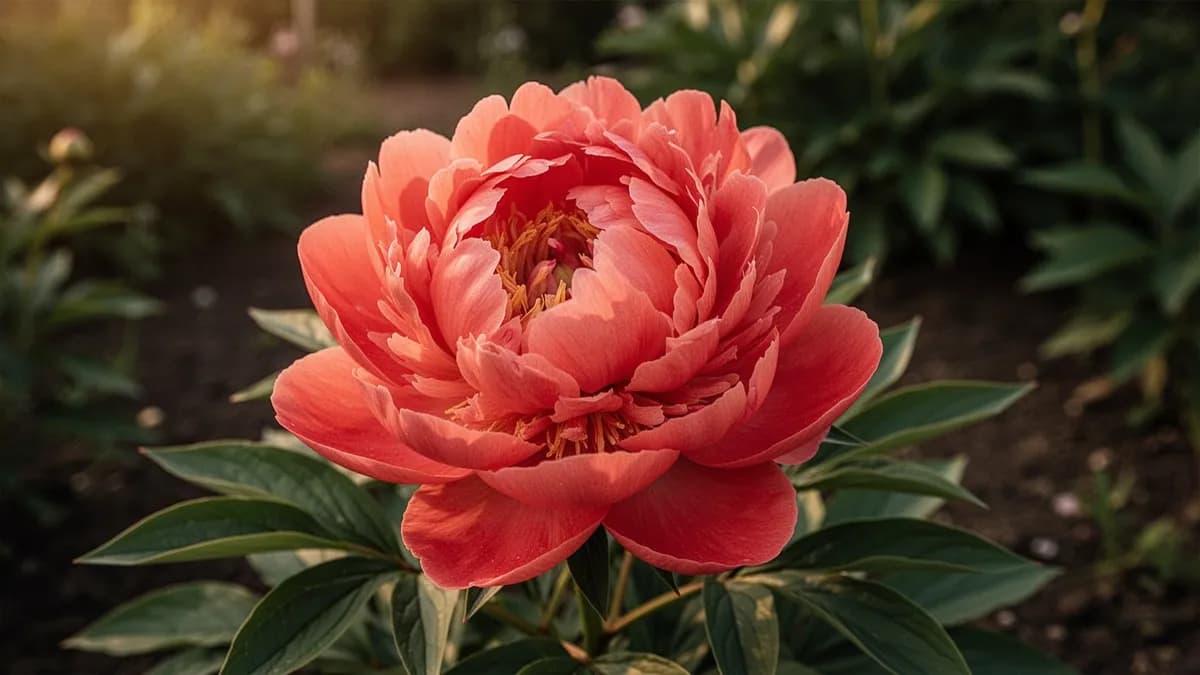
Una cultivar de peonía muy codiciada con flores semidobladas de color coral que se van desvaneciendo hacia melocotón suave y marfil a medida que maduran, creando un impresionante cambio de color.





En esta páginaResumen
Conoce Peonía Coral Charm
Una cultivar de peonía muy codiciada con flores semidobladas de color coral que se van desvaneciendo hacia melocotón suave y marfil a medida que maduran, creando un impresionante cambio de color. Coral Charm es una de las mejores peonías para corte, con tallos resistentes que raramente necesitan tutoraje. Plante los ojos a no más de cinco centímetros bajo la superficie del suelo en otoño para obtener flores en dos o tres años.
Cuándo plantar Peonía Coral Charm
Los cultivares de peonía, incluida Coral Charm, no son fieles a la semilla y deben propagarse por división de raíces. Divida los grupos establecidos en otoño, cortando la masa radicular en porciones que contengan cada una de tres a cinco ojos y una porción sustancial de raíz. Espolvoree los cortes con fungicida y replante inmediatamente a la profundidad correcta. Las divisiones pueden tardar de dos a tres años en florecer. No divida plantas de menos de cinco años. Cultivar peonías a partir de semilla es un proyecto plurianual que puede tardar entre cinco y siete años en producir flores.
Tu año de Peonía Coral Charm
Ajustado a Zona 7 · temporada típica · la helada se va hacia el 2 abr y vuelve hacia el 1 nov
Planta Peonía Coral Charm Sep – Oct y cosecha May – Jun. Consulta los métodos de plantación y elige tu clima para adaptar los periodos.
Cómo cultivar Peonía Coral Charm
Plante las raíces de peonía Coral Charm en otoño, colocando los ojos (yemas de crecimiento rosadas) a no más de cinco centímetros bajo la superficie del suelo. Esta profundidad de plantación es fundamental, ya que plantar demasiado profundo es la razón más común por la que las peonías no florecen. Espacie las plantas a 90-120 cm en pleno sol con suelo rico y bien drenado. Elija una ubicación permanente, ya que las peonías no toleran bien el trasplante y pueden tardar de dos a tres años en reestablecerse tras ser movidas.
Riegue con regularidad durante las dos primeras temporadas de crecimiento y después proporcione agua suplementaria solo durante períodos de sequía prolongada. Las peonías son notablemente tolerantes a la sequía una vez que su profundo sistema radicular está establecido. Abone con un fertilizante granular equilibrado a principios de primavera cuando emerge el crecimiento y de nuevo ligeramente tras la floración. Evite los abonos ricos en nitrógeno, que favorecen el follaje a expensas de las flores.
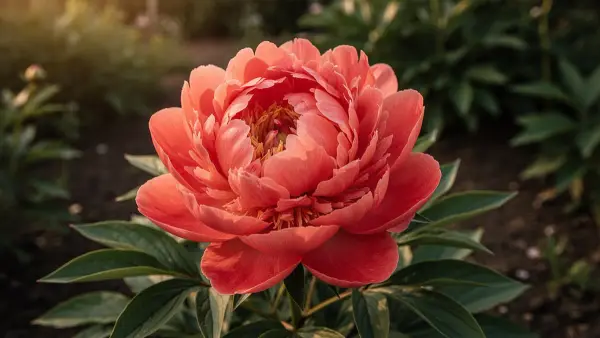
Coral Charm es excepcional entre las peonías por sus flores cambiantes de color, que abren en coral intenso, se desvanecen a melocotón suave y terminan en marfil, mostrando a veces las tres fases simultáneamente en una misma planta. Los tallos robustos de Coral Charm raramente necesitan tutoraje, a diferencia de muchas otras variedades de peonía. Soporte con aros para peonías si fuera necesario. Elimine las flores marchitas tras la floración, pero deje el follaje hasta que se marchite de forma natural en otoño, ya que alimenta el sistema radicular para la floración del año siguiente.
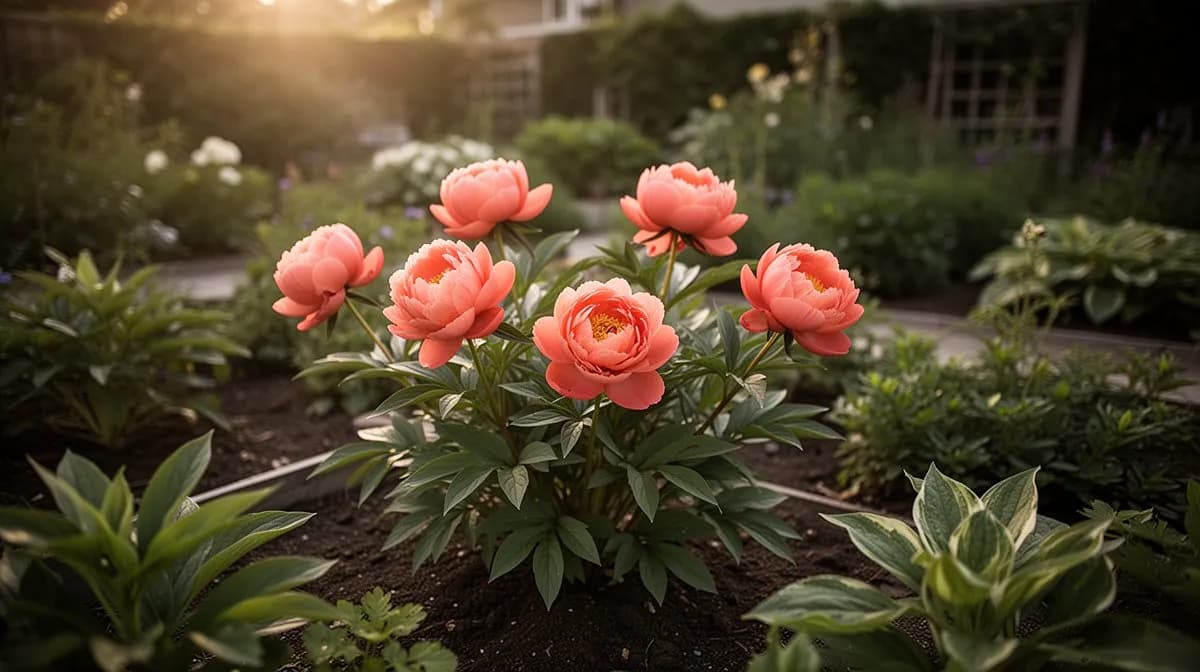
2 plantas caben en un bancal de 120 × 240 cm
Cada Peonía Coral Charm pide 90 cm de margen. El planificador guarda ese marco por ti — cada planta, cada bancal.
Los mejores vecinos de Peonía Coral Charm
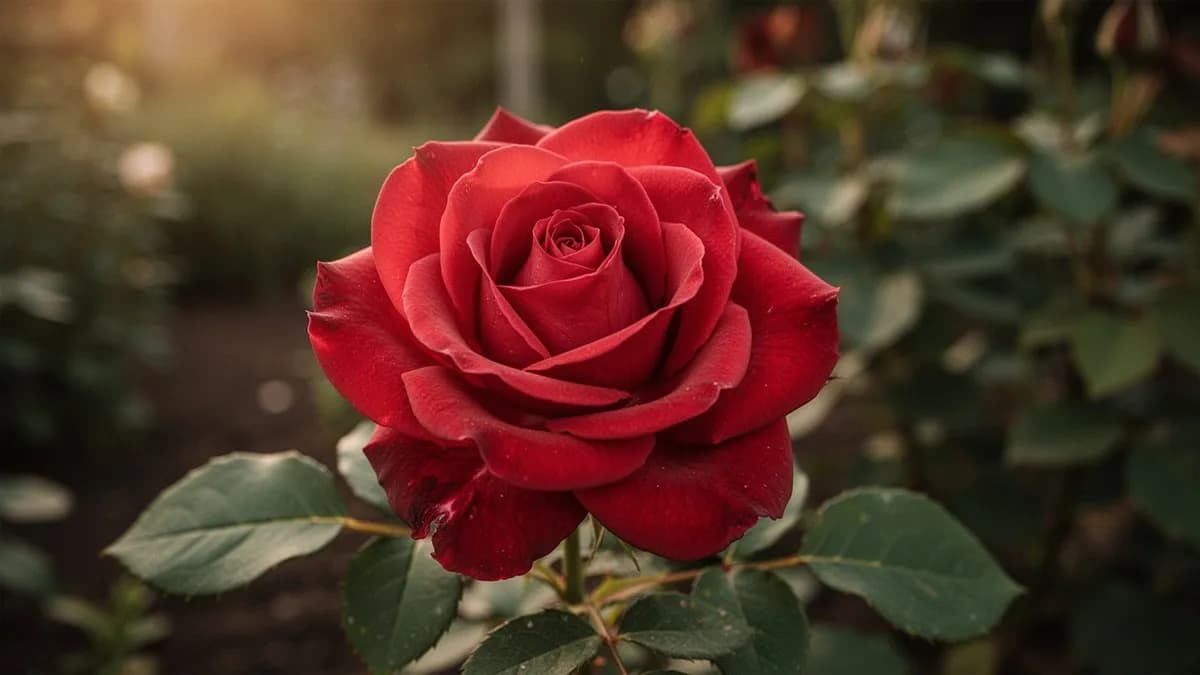
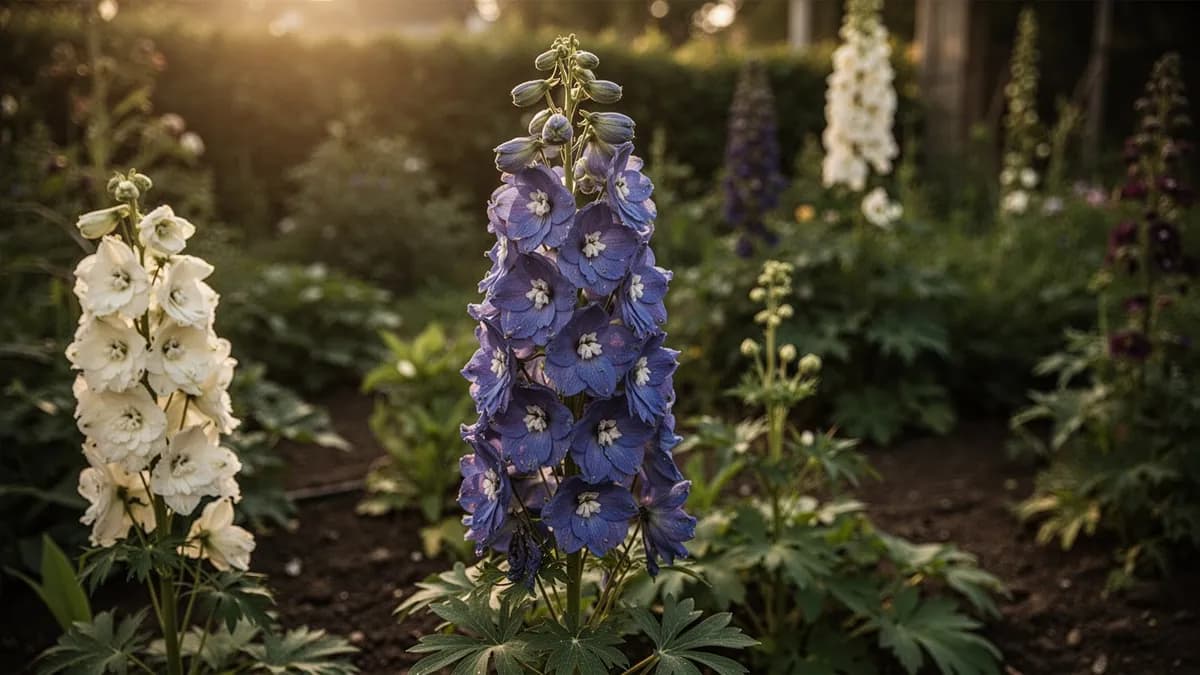
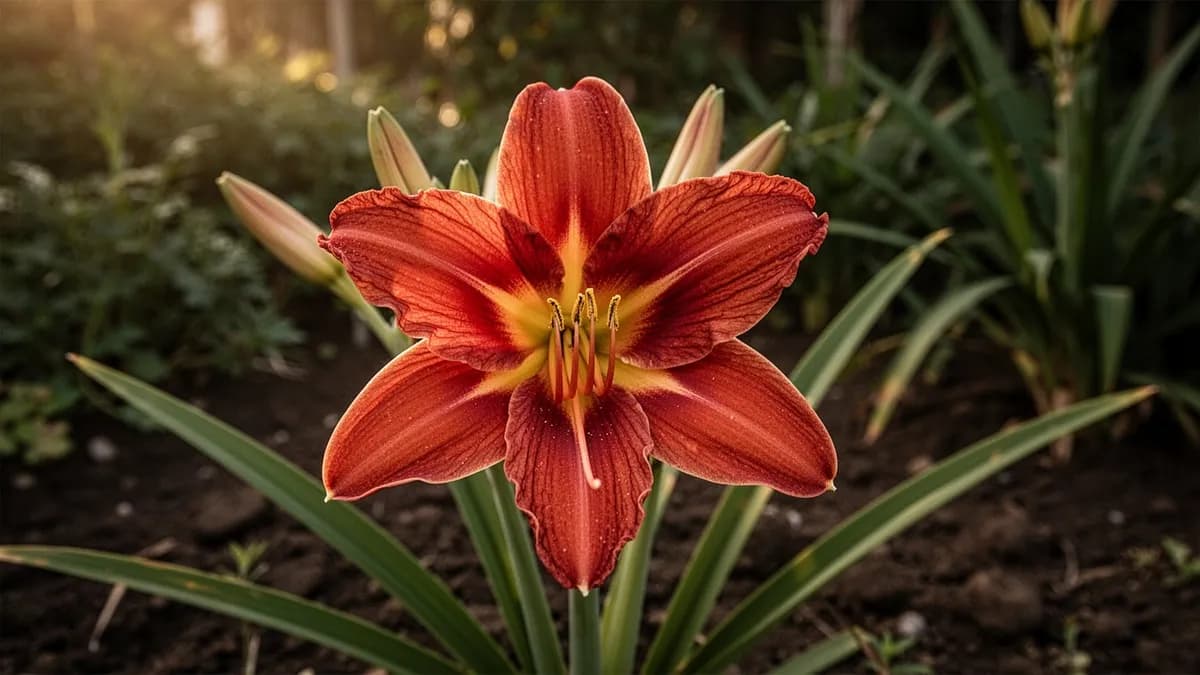
La peonía Coral Charm es magnífica en borduras mixtas con rosas, delphiniums e iris. Plántela junto a perennes de floración más tardía como las daylilias y el flox, que ocultarán el follaje de la peonía a medida que madura durante el verano. Los bulbos de primavera plantados alrededor de las peonías aportan color temprano antes de que la peonía emerja. La forma robusta y arbustiva de las peonías constituye una excelente planta estructuradora alrededor de la cual pueden disponerse otras perennes de bordura.
Peonía va a su lado.
Saber de huerto de siempre, cotejado con la tabla real de Peonía Coral Charm — prueba cualquier planta que cultives.
Prueba Peonía Coral Charm en un bancal, aquí mismo
Un bancal real del planificador con Peonía Coral Charm ya plantado. Toca una planta compañera para colocarla y mira cómo responde la comprobación de vecinos: verde para buenos vecinos, rojo si hay conflicto.


Guías de cultivo relacionadas
Abónalo bien
La peonía Coral Charm prospera en suelos ricos, profundos y bien drenados con un pH de 6.0 a 7.5. Prepare el hoyo de plantación en profundidad, enmendando con compost y harina de huesos. Aplique un fertilizante granular equilibrado a principios de primavera y una ligera aplicación de harina de huesos tras la floración. Evite los abonos ricos en nitrógeno. Las peonías se benefician de un mulch grueso de compost aplicado en otoño, pero manténgalo alejado de la corona. El profundo sistema radicular accede a los nutrientes desde bien por debajo de la superficie.
Temperatura ideal
Compatibilidad de zonas de rusticidad
De la semilla a la cosecha, etapa por etapa
Dormancia invernal
La peonía está completamente dormante bajo tierra. El sistema radicular tuberoso descansa bajo la superficie del suelo, acumulando las horas de frío esenciales para una floración primaveral vigorosa. Las peonías coral necesitan aproximadamente entre 500 y 1.000 horas acumuladas por debajo de 5 °C para satisfacer su requerimiento de vernalización. Sin el enfriamiento invernal adecuado, la formación de capullos será escasa y las flores pueden no llegar a abrirse correctamente. Las yemas de la corona, llamadas ojos, permanecen herméticamente cerradas justo por debajo del nivel del suelo durante los meses fríos.
Emergencia primaveral
Al subir las temperaturas del suelo por encima de 5 °C a principios de primavera, los brotes de color rojo intenso a burdeos emergen de los ojos de la corona y atraviesan la superficie del suelo. Estos brotes crecen rápidamente, desplegándose en hojas compuestas que inicialmente presentan un tono rojo oscuro antes de madurar hacia un verde intenso. La elongación del tallo es vigorosa durante esta fase y la planta puede crecer de 2 a 4 cm de altura por día en condiciones favorables. El follaje emergente comienza a realizar la fotosíntesis de inmediato para impulsar el desarrollo de los capullos.
Desarrollo de capullos
Los capullos florales se forman en las puntas de los tallos robustos y comienzan a hincharse de forma constante. También pueden desarrollarse capullos laterales bajo el capullo terminal. Los capullos pasan de esferas verdes y apretadas a la llamada fase de malvavisco, en la que se vuelven blandos al tacto y comienzan a mostrar destellos de color coral bajo los sépalos. Esta es la ventana crítica para la cosecha de flores de corte. La planta canaliza una energía considerable hacia la expansión de los capullos, y la humedad constante es esencial para prevenir el agotamiento de los capullos, una condición en la que se secan y no llegan a abrirse.
Floración plena
La peonía coral alcanza su espectacular apogeo cuando las grandes flores semidobladas se abren completamente, midiendo cada flor de 15 a 20 cm de diámetro. Coral Charm abre en un vívido coral-anaranjado intenso y va pasando por el salmón y el albaricoque hasta llegar a un marfil cremoso pálido a lo largo de cuatro a seis días, una exhibición de cambio de color que no tiene parangón en casi ninguna otra perenne. Coral Sunset sigue una progresión similar con tonos iniciales ligeramente más intensos. Cada tallo puede llevar de uno a tres capullos, y la exhibición suele durar de dos a tres semanas en todo el grupo. Las flores atraen a los polinizadores y producen una fragancia agradable y suave.
Follaje posfloral y almacenamiento de energía
Tras la floración, la peonía dirige toda su energía a la fotosíntesis y al almacenamiento en las raíces. El brillante follaje verde oscuro mantiene su valor ornamental a lo largo del verano, funcionando como un atractivo montículo bajo en la bordura. Bajo tierra, las raíces tuberosas están acumulando reservas de almidón y nutrientes que impulsarán el ciclo de crecimiento de la primavera siguiente y determinarán el número de capullos del año próximo. La corona desarrolla nuevos ojos para la siguiente temporada durante esta fase.
Senescencia otoñal
Al bajar las temperaturas otoñales y acortarse los días, el follaje de la peonía se convierte en llamativos tonos burdeos, bronce y dorado antes de marchitarse finalmente hasta el nivel del suelo tras las primeras heladas intensas. Los tallos aéreos se secan y se vuelven quebradizos. Bajo el suelo, el sistema radicular completamente cargado y sus ojos de corona recién formados entran en las primeras fases de la dormancia, listos para iniciar el proceso de enfriamiento de nuevo. Esta es la ventana ideal para dividir o trasplantar grupos establecidos.
Aplique una capa de 5-8 cm de mulch orgánico, como corteza triturada o paja, sobre el área de plantación tras la congelación del suelo para aislar las raíces y evitar el movimiento por los ciclos de helada y deshielo. Retire el mulch de forma gradual a finales del invierno, cuando las temperaturas comiencen a moderarse, para que los ojos no queden ahogados al comenzar su crecimiento.
Cuidar Peonía Coral Charm mes a mes
Qué hacer cada mes para tu Peonía Coral Charm
Octubre
Mes actualPlante este mes las nuevas divisiones de raíz desnuda o las raíces adquiridas en vivero para una mejor implantación. Coloque los ojos a 3-5 cm bajo el nivel del suelo: plantar demasiado profundo es la razón más común por la que las peonías no florecen. Riegue a fondo las divisiones recién plantadas y aplique una capa ligera de mulch. Corte los tallos marrones restantes de las plantas establecidas hasta el nivel del suelo.
Ten claro qué hacer en tu huerto, cada mes
Un correo al empezar cada mes: qué sembrar, plantar y hacer ahora mismo — para tu Peonía Coral Charm y todo lo que crece alrededor. Más un breve curso inicial para esquivar los errores clásicos.
- Qué hacer ahora mismo
- Ajustado a tu temporada
- Curso inicial incluido
Cosechar Peonía Coral Charm
Corte las peonías Coral Charm en la fase de malvavisco, cuando el capullo se sienta blando como un malvavisco al apretarlo suavemente y muestre color pero los pétalos sigan firmemente enrollados. Los capullos cortados en esta fase se abrirán magníficamente en el jarrón a lo largo de tres a cinco días y durarán entre siete y diez días en total. Corte por la mañana y coloque inmediatamente en agua fría. La espectacular transformación de color de coral a melocotón y a marfil es uno de los efectos más impresionantes del mundo de las flores cortadas.
se supone que plantas al comenzar el periodo — indica tu fecha real
Cosecha Peonía Coral Charm a tiempo y la planta sigue produciendo.
Almacenamiento y conservación
Las raíces de peonía deben permanecer en el suelo de forma permanente. Son perennes de longevidad extraordinaria que mejoran con la edad y pueden florecer durante cincuenta años o más. Para un almacenamiento prolongado de flores cortadas, los capullos de peonía pueden guardarse en seco en el frigorífico durante dos a cuatro semanas: corte en la fase de malvavisco, envuelva sin apretar en papel de periódico y refrigere a 1 °C. Cuando esté listo para usarlos, recorte los tallos y colóquelos en agua tibia. Los capullos se abrirán en veinticuatro a cuarenta y ocho horas.
Qué falla — y cómo solucionarlo
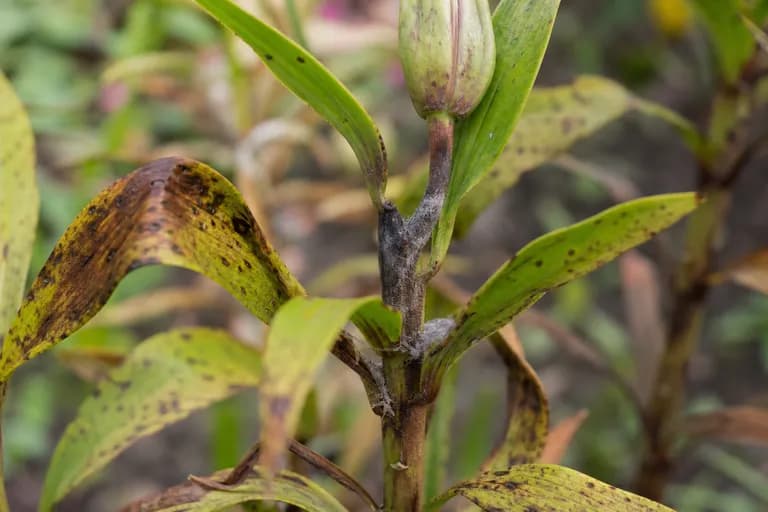
Botrytis (podredumbre gris)
EnfermedadLos brotes y capullos ennegrecen y se marchitan en primavera. En condiciones húmedas puede aparecer un moho gris y esponjoso sobre el tejido afectado. Los capullos florales pueden no llegar a abrirse.
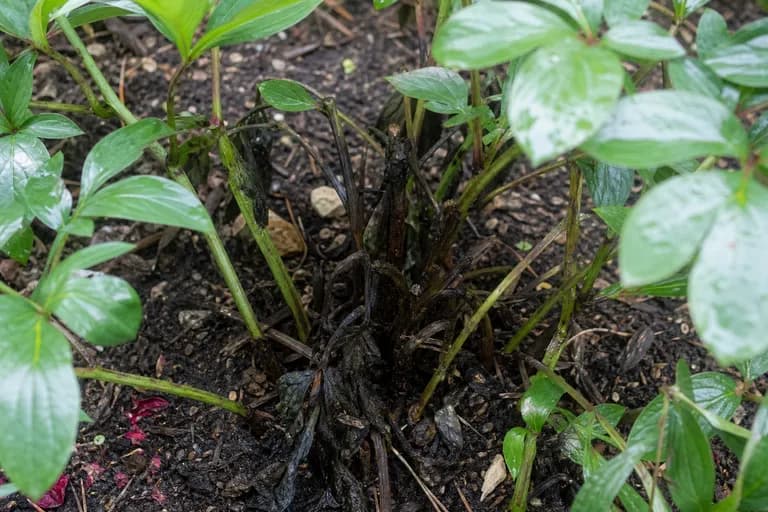
Marchitez de peonía (Phytophthora)
EnfermedadLos tallos se marchitan y colapsan en la base, tornándose marrón oscuro o negro. La enfermedad puede propagarse rápidamente por la corona en condiciones húmedas.
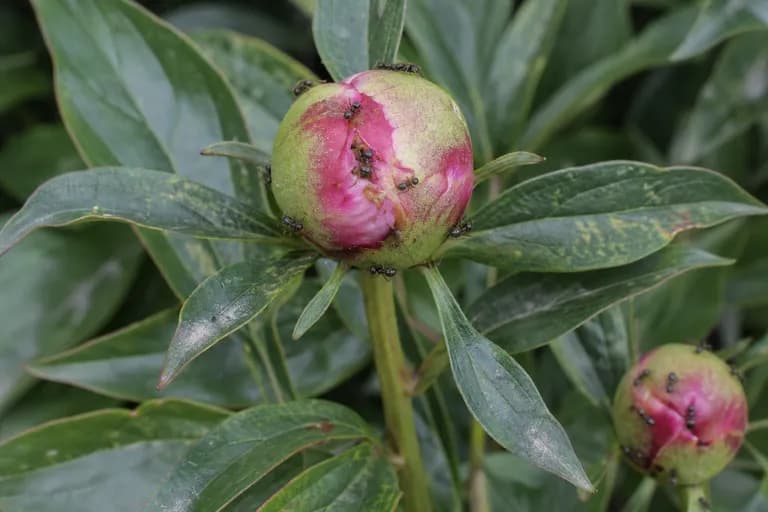
Hormigas
PlagaHormigas trepando por los capullos de peonía. A pesar de la creencia popular, las hormigas no ayudan a abrir las peonías y simplemente se alimentan del néctar azucarado que exudan los capullos.
Solución de problemas comunes
La causa más frecuente de falta de floración es plantar los ojos demasiado profundo. Compruebe la profundidad y replante más superficialmente si no aparecen flores tras dos o tres años. La botrytis es la enfermedad más grave, que ennegrece los brotes en primaveras húmedas. La limpieza exhaustiva en otoño es la mejor prevención. Las plantas de peonía pueden tardar de dos a tres años en establecerse tras la plantación o división antes de florecer abundantemente. Las hormigas en los capullos son inofensivas a pesar de la preocupación generalizada.
Consejos de cultivo
- Plante las divisiones de raíz desnuda de peonía en otoño con el ojo más alto posicionado exactamente a 3-5 cm bajo la superficie del suelo. Plantar demasiado profundo es la razón más común por la que las peonías no florecen, e incluso 2 cm de más puede retrasar la floración durante años.
- Elija un lugar de plantación que reciba al menos seis horas de luz solar directa al día. En climas cálidos con temperaturas regularmente superiores a 30 °C, proporcione una ligera sombra vespertina para prolongar la duración de la floración y prevenir el agotamiento de los capullos.
- Prepare el hoyo de plantación a una profundidad de 40-50 cm e incorpore generosas cantidades de compost maduro y un puñado de harina de huesos. Las peonías son plantas de larga vida, por lo que una preparación exhaustiva del suelo en el momento de la plantación da sus frutos durante décadas.
- Espacie las plantas de peonía coral a 90-120 cm entre sí para dar espacio a los grupos maduros para extenderse y garantizar una circulación de aire adecuada, que es esencial para reducir el riesgo de botrytis y oídio.
- Instale aros de soporte para peonías, rejillas de crecimiento o jaulas de tutor y cordel a principios de primavera cuando los brotes tengan de 10 a 15 cm de altura. Las grandes flores semidobladas de las variedades coral son pesadas y se aplastarán contra el suelo sin soporte, especialmente tras las lluvias.
- Riegue profunda y constantemente durante el desarrollo de los capullos y la floración, aportando al menos 2.5 cm por semana. Evite el riego por aspersión, que moja el follaje y favorece las enfermedades fúngicas. El riego por goteo o las mangueras de rezume en la base de la planta son ideales.
- No corte nunca el follaje de peonía durante la temporada de crecimiento: las hojas están realizando activamente la fotosíntesis para construir reservas radiculares para el año siguiente. Espere hasta que el follaje se haya marchitado de forma natural tras la primera helada intensa del otoño y luego corte los tallos a 3-5 cm sobre el nivel del suelo.
- Aplique un fertilizante equilibrado como 10-10-10 a principios de primavera cuando emerjan los brotes, y siga con un abono bajo en nitrógeno como 5-10-10 o harina de huesos tras la floración para apoyar el desarrollo de raíces y capullos para la próxima temporada.
- Retire y deseche todos los tallos muertos y el follaje caído en otoño para prevenir la invernada de esporas de botrytis. No composte los restos de peonías si hubo alguna enfermedad fúngica durante la temporada de crecimiento.
- Divida los grupos establecidos cada 8-12 años a principios de otoño si la floración disminuye o el centro del grupo se congestiona. Levante toda la masa radicular, limpie el suelo y corte en divisiones con tres a cinco ojos y un sistema radicular proporcional. Replante inmediatamente a la profundidad correcta.
Cultiva tu mejor Peonía Coral Charm — y todo lo que la rodea.
Empieza un plan gratis hoy. Diseña tus bancales, coloca tu Peonía Coral Charm y deja que PlotMyGarden gestione el momento, el espaciado, las asociaciones y los recordatorios de la semilla a la cesta.
Elige tu Peonía Coral Charm
Coral Charm
La peonía coral original con flores semidobladas que pasan de coral intenso a melocotón y a marfil, con tallos robustos que raramente necesitan tutoraje.
Coral Sunset
Una variedad complementaria con una transformación de color similar pero con flores completamente dobles de forma más tradicional.
Coral Supreme
Peonía coral de floración más tardía con una forma de flor más acopada, que prolonga la temporada de peonía coral una o dos semanas.
Los tallos de peonía coral se venden a entre 5 y 10 euros la unidad en floristerías y mercados de agricultores durante la breve temporada primaveral, y las variedades coral premium como Coral Charm y Coral Sunset suelen alcanzar los precios más altos de ese rango. Un grupo maduro que produce de 25 a 40 tallos anuales representa entre 125 y 400 euros en flores cortadas cada temporada. Dado que las peonías son perennes y pueden prosperar durante 50 a 100 años sin necesidad de reposición, una única inversión de 10 a 25 euros en una raíz desnuda se amortiza en los primeros dos o tres años de floración madura y continúa generando beneficios durante décadas. Dividir los grupos establecidos cada 8 a 10 años produce plantas adicionales sin coste alguno, multiplicando aún más el ahorro.
Recetas rápidas
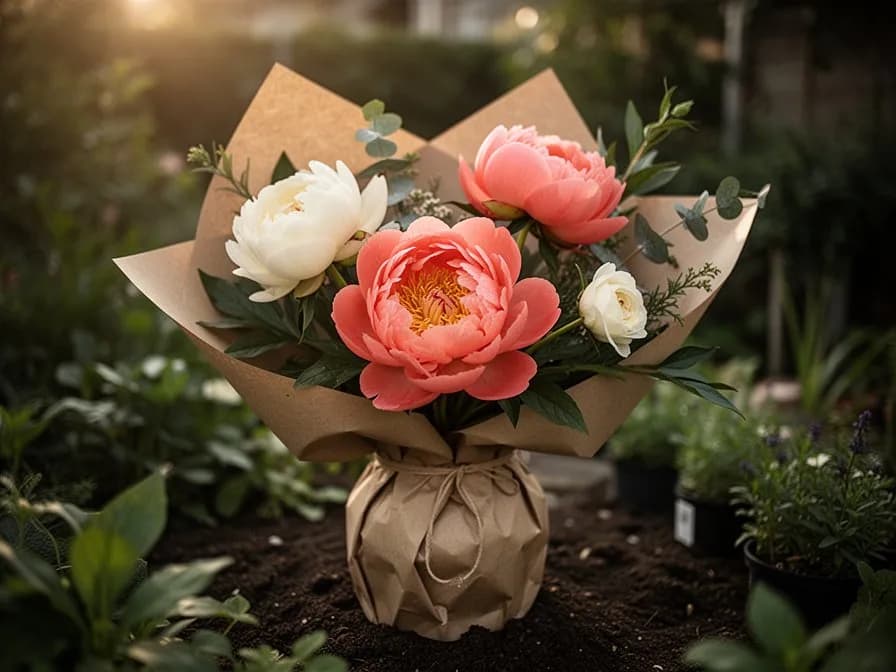
Jarabe simple de pétalos de peonía
15 minutos más 2 horas de infusiónUn fragante jarabe floral elaborado con pétalos frescos de peonía coral, perfecto para añadir a limonada, cócteles o rociar sobre helado de vainilla. Los pétalos aportan una delicada dulzura floral con sutiles notas de miel. Utilice únicamente pétalos de plantas que no hayan sido tratadas con pesticidas.
4 ingredientesMiel infusionada con pétalos de peonía
10 minutos más 2 semanas de infusiónLos pétalos frescos de peonía coral en maceración en miel cruda durante dos semanas crean una elegante miel perfumada que resulta exquisita sobre scones templados, añadida a té de hierbas o usada como glaseado para productos horneados. La infusión lenta permite que los aceites florales impregnen suavemente la miel sin dominar su sabor natural.
3 ingredientesPopurrí de pétalos de peonía y rosa
20 minutos más 2 a 3 semanas de secadoLos pétalos de peonía coral secos mezclados con flores secas complementarias, hierbas y aceites esenciales forman un hermoso y fragante popurrí para el hogar. Los pétalos de coral se secan en preciosos tonos cálidos de albaricoque y crema que mantienen su atractivo visual durante meses. Constituye un excelente regalo artesanal cuando se presenta en un tarro decorativo o una bolsita.
7 ingredientesUsos culinarios
Los pétalos de peonía son comestibles y se han utilizado en la cocina china durante siglos. Los delicados pétalos pueden añadirse a ensaladas, flotar en cócteles y ponches, o cristalizarse con azúcar para decorar tartas. El agua infusionada con peonías y el té de pétalos de peonía son preparaciones tradicionales. El sabor es sutilmente floral y dulce. Utilice únicamente pétalos de plantas que no hayan sido tratadas con pesticidas y retire la base blanca amarga de cada pétalo antes de usarlos.
Qué contiene
Beneficios para la salud
- La corteza de raíz de peonía (Paeonia lactiflora) contiene paeoniflorina, un compuesto glucósido que ha demostrado efectos antiinflamatorios en estudios de laboratorio publicados y es ampliamente utilizado en formulaciones de medicina tradicional china.
- El cultivo y cuidado de las peonías proporciona actividad física moderada a través de tareas como la preparación del suelo, la plantación, el desherbado y la división, actividades que promueven la salud cardiovascular, la flexibilidad y la fuerza muscular.
- Las llamativas flores cambiantes de color de las peonías coral aportan importantes beneficios para el estado de ánimo; la investigación en psicología ambiental confirma que la exposición a las flores reduce el estrés, la ansiedad y los síntomas de depresión.
- Cortar y arreglar las flores de peonía ejercita la motricidad fina y el pensamiento creativo, sirviendo como forma de terapia hortícola que se utiliza en programas de rehabilitación clínica y atención a personas mayores.
- El acto de jardinar con peonías fomenta el tiempo regular al aire libre, aumentando la exposición a la luz solar natural, lo que favorece una síntesis saludable de vitamina D y la regulación del ritmo circadiano.
- Planificar y cuidar un jardín de peonías a lo largo de sus décadas de vida proporciona un sentido de propósito, continuidad y conexión con los ciclos estacionales que contribuye positivamente al bienestar mental a largo plazo.
De dónde viene Peonía Coral Charm
Las peonías herbáceas de tonos coral representan uno de los logros más celebrados en la cría de plantas ornamentales del siglo XX. El avance llegó de la mano del pionero trabajo de Samuel Wissing, un hibridador de peonías con sede en Lombard, Illinois, que dedicó décadas a cruzar cuidadosamente cultivares seleccionados de Paeonia lactiflora con otras especies para introducir la esquiva pigmentación coral en las peonías de jardín. Sus dos creaciones más famosas, Coral Charm y Coral Sunset, siguen siendo referentes de la clase de color más de medio siglo después de su desarrollo. Coral Charm fue registrada ante la Sociedad Americana de Peonías en 1964 y llegó a recibir la prestigiosa Medalla de Oro de la sociedad en 1986, un galardón reservado a los cultivares que demuestran un mérito excepcional en el jardín a lo largo de un período de evaluación prolongado. Coral Sunset fue registrada póstumamente en 1981 tras el fallecimiento de Wissing y desde entonces ha obtenido su propio reconocimiento con la Medalla de Oro, consolidando el legado del criador. La especie progenitora, Paeonia lactiflora, es originaria de una amplia franja del este de Asia templado, que se extiende desde el este de Siberia a través del norte de China, Mongolia y hasta la Península de Corea. Las poblaciones silvestres crecen en prados abiertos, pastizales y márgenes de bosque a altitudes que van desde los valles fluviales de tierras bajas hasta unos 2.400 metros. Los jardineros chinos reconocieron la belleza y el valor medicinal de las peonías hace más de dos milenios, y en la época de la Dinastía Tang las flores se habían convertido en símbolos de prosperidad, honor y romance. Los coleccionistas de plantas europeos introdujeron las peonías de jardín chinas en Occidente a finales del siglo XVIII y principios del XIX, y los criadores europeos y estadounidenses pronto iniciaron sus propios programas de hibridación. El salto del color coral fue especialmente difícil de conseguir porque los cultivares estándar de Paeonia lactiflora carecen de los pigmentos carotenoides responsables de los tonos naranja y coral, lo que requirió la introducción de genética de otras especies de peonía mediante complejos cruces interespecíficos.
Peonía Coral Charm: ¿sabías que?
Datos fascinantes sobre Peonía Coral Charm
Coral Charm fue criada por Samuel Wissing en la década de 1960 y ganó la Medalla de Oro de la Sociedad Americana de Peonías en 1986, el mayor honor otorgado a un cultivar de peonía por su excepcional rendimiento en el jardín a lo largo de muchos años.
Peonía Coral Charm: preguntas frecuentes
¿Cuándo debo plantar Peonía Coral Charm?
¿Cuáles son buenas plantas acompañantes para Peonía Coral Charm?
¿En qué zonas de rusticidad puede crecer Peonía Coral Charm?
¿Cuánto sol necesita Peonía Coral Charm?
¿A qué distancia debo espaciar Peonía Coral Charm?
¿Qué plagas y enfermedades afectan a Peonía Coral Charm?
¿Cómo almaceno Peonía Coral Charm después de la cosecha?
¿Cuáles son las mejores variedades de Peonía Coral Charm para cultivar?
¿Qué suelo necesita Peonía Coral Charm?
¿Por qué mi peonía coral no ha florecido este año aunque tiene un follaje sano?
¿Cómo consigo la mayor duración en jarrón de los tallos cortados de peonía coral?
¿Ayudan las hormigas a que se abran los capullos de peonía coral y debo preocuparme por ellas?
¿Puedo cultivar peonías coral en macetas?
¿Cuándo es el mejor momento para plantar o trasplantar peonías coral?
¿Cuál es la diferencia entre las peonías Coral Charm y Coral Sunset?
Acabas de leer la teoría. Ahora cultívala en piloto automático.
Todo lo que hace que Peonía Coral Charm sea delicado — el momento, el espaciado, las asociaciones, la ventana de cosecha — es justo lo que PlotMyGarden resuelve por ti, para cada planta de tu huerto.
Un plan que conoce tu clima
Indica tu ubicación una vez. Recibe fechas de siembra, abonado y cosecha basadas en tu última helada real y el pronóstico en vivo — sin adivinar con un sobre genérico.
De la sección “Cuándo plantar”Planificador de bancales de arrastrar y soltar
Diseña bancales sobre una cuadrícula. Cada planta encaja con su espaciado correcto y ves toda la temporada antes de gastar un céntimo en semillas.
De la sección “Cultivo”Conflictos de asociación, detectados a tiempo
Más de 200 buenas y malas combinaciones comprobadas en vivo mientras plantas — para que un error que arruine la temporada nunca llegue a la tierra.
De la sección “Asociaciones”Recordatorios que sí vas a seguir
“Riega las judías.” “Recoge hoy antes de que se pase.” Oportunos, concretos y ligados a las plantas que de verdad cultivas.
De la sección “Cosecha”Escalonado, programado
¿Quieres cosechar seis semanas en vez de seis días? Reparte tus siembras automáticamente y te avisa cuando toca el siguiente lote.
De la sección “Cuándo plantar”Un registro que se vuelve más listo
Cada cosecha que registras le enseña tu huerto. El plan del año que viene parte de lo que de verdad funcionó en tu suelo, no en un manual.
De la sección “Resumen”Planta estos junto a Peonía Coral Charm
Más Flores de corte
Cultiva tu mejor Peonía Coral Charm — y todo lo que la rodea.
Empieza un plan gratis hoy. Diseña tus bancales, coloca tu Peonía Coral Charm y deja que PlotMyGarden gestione el momento, el espaciado, las asociaciones y los recordatorios de la semilla a la cesta.