Liatris Blazing Star
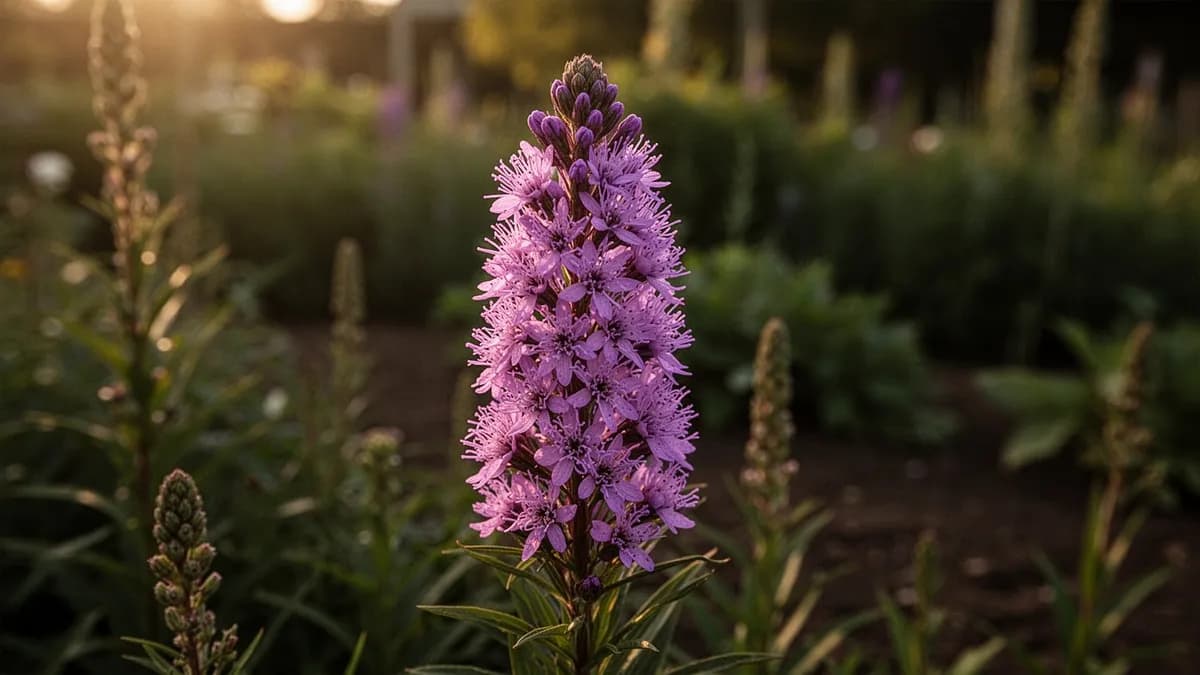
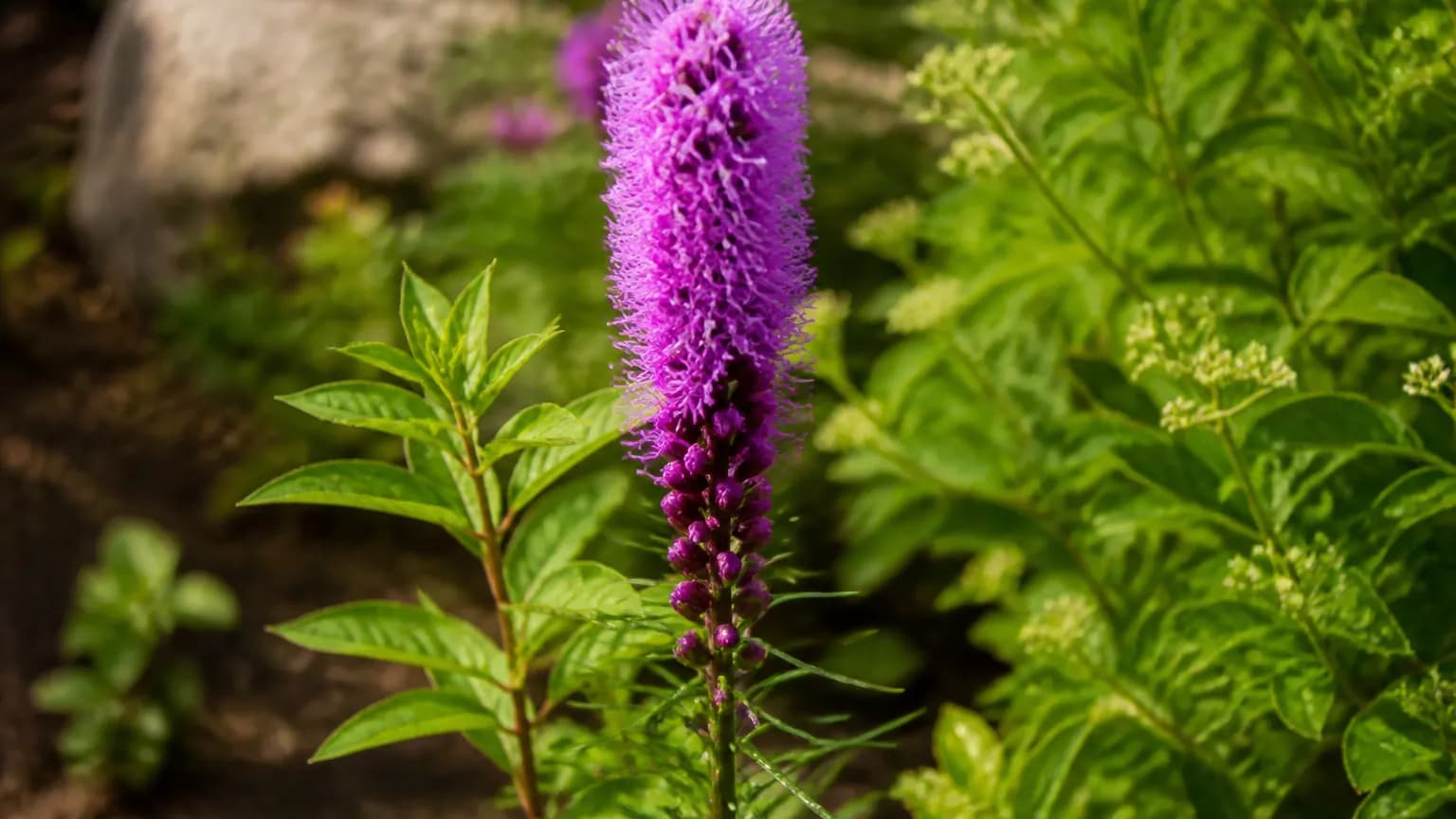
A top-tier cut flower with tall, dense spikes of fluffy purple-pink flowers that uniquely open from the top down, providing extended vase life.





On this pageOverview
Meet Liatris Blazing Star
A top-tier cut flower with tall, dense spikes of fluffy purple-pink flowers that uniquely open from the top down, providing extended vase life. Liatris grows from corms and is remarkably easy and drought tolerant in well-drained soil. Harvest when the top quarter of the spike is open for maximum longevity in arrangements.
When to plant Liatris Blazing Star
Liatris seeds require cold stratification for reliable germination. Sow outdoors in autumn for natural cold treatment, or cold-stratify in moist paper towels in the refrigerator for six to eight weeks before spring sowing. Sow seeds a quarter-inch deep in well-drained mix. Seeds germinate in two to four weeks at 55 to 65 degrees Fahrenheit. Seedlings grow slowly and typically flower in their second or third year. Corm division in spring is the fastest propagation method.
Your Liatris Blazing Star Year
Composed for Zone 7 · typical seasons · frost passes Apr 2, returns Nov 1
Plant Liatris Blazing Star Mar – May, pick Jul – Aug. Check the planting methods below and set your climate to personalize these windows.
How to grow Liatris Blazing Star
Plant liatris corms in spring or autumn, two to four inches deep and six to twelve inches apart, in full sun with well-drained soil. Liatris is a native prairie plant that thrives in lean, dry conditions and is remarkably tolerant of heat, drought, and poor soil. Avoid rich, moist garden conditions which cause floppy stems and crown rot.
Water sparingly once established. Liatris is extremely drought tolerant thanks to its deep corm and fibrous root system. In most garden settings, natural rainfall is sufficient after the first growing season. Do not fertilize, as lean soil produces the sturdiest stems and most prolific flowering. Mulch lightly with gravel rather than organic material to maintain dry conditions around the crown.
Liatris is unique among flowers in that its spikes open from the top downward rather than the typical bottom-up pattern. This unusual characteristic extends the ornamental period and vase life of cut stems. The fluffy purple-pink spikes are beloved by butterflies and native bees, making liatris a cornerstone of pollinator gardens. Divide overcrowded corms every three to four years in spring to maintain vigor.
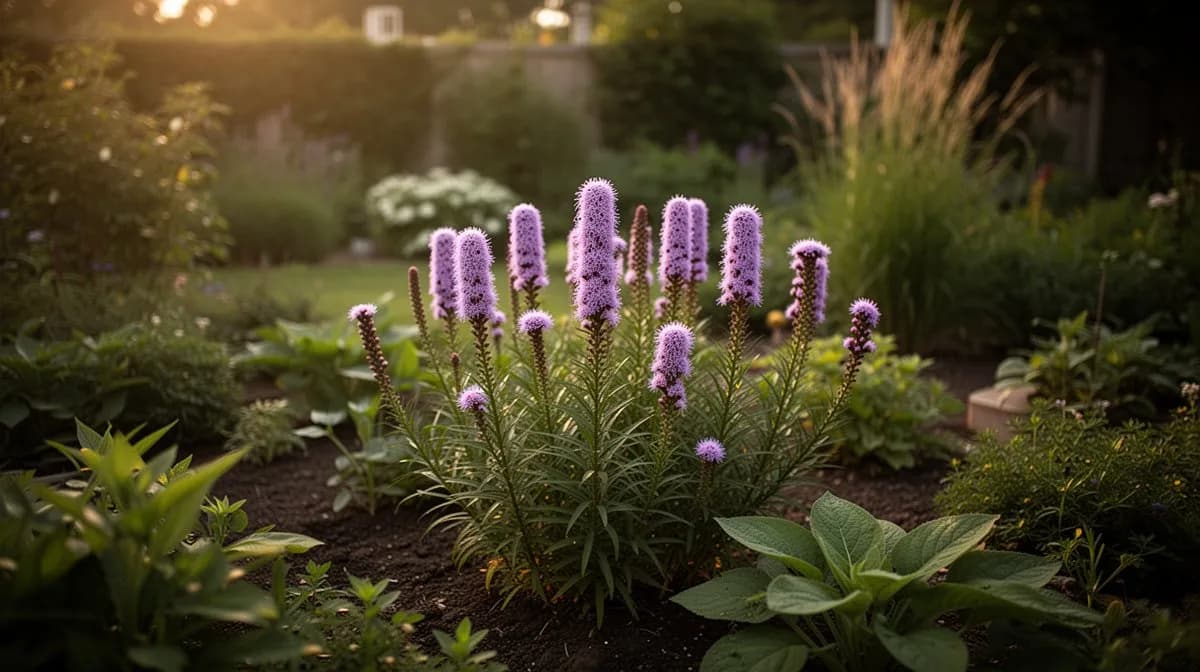
32 plants fit a 4 × 8 ft bed
Each Liatris Blazing Star wants 30 cm of elbow room. The planner keeps that spacing for you — every plant, every bed.
Liatris Blazing Star's best neighbours
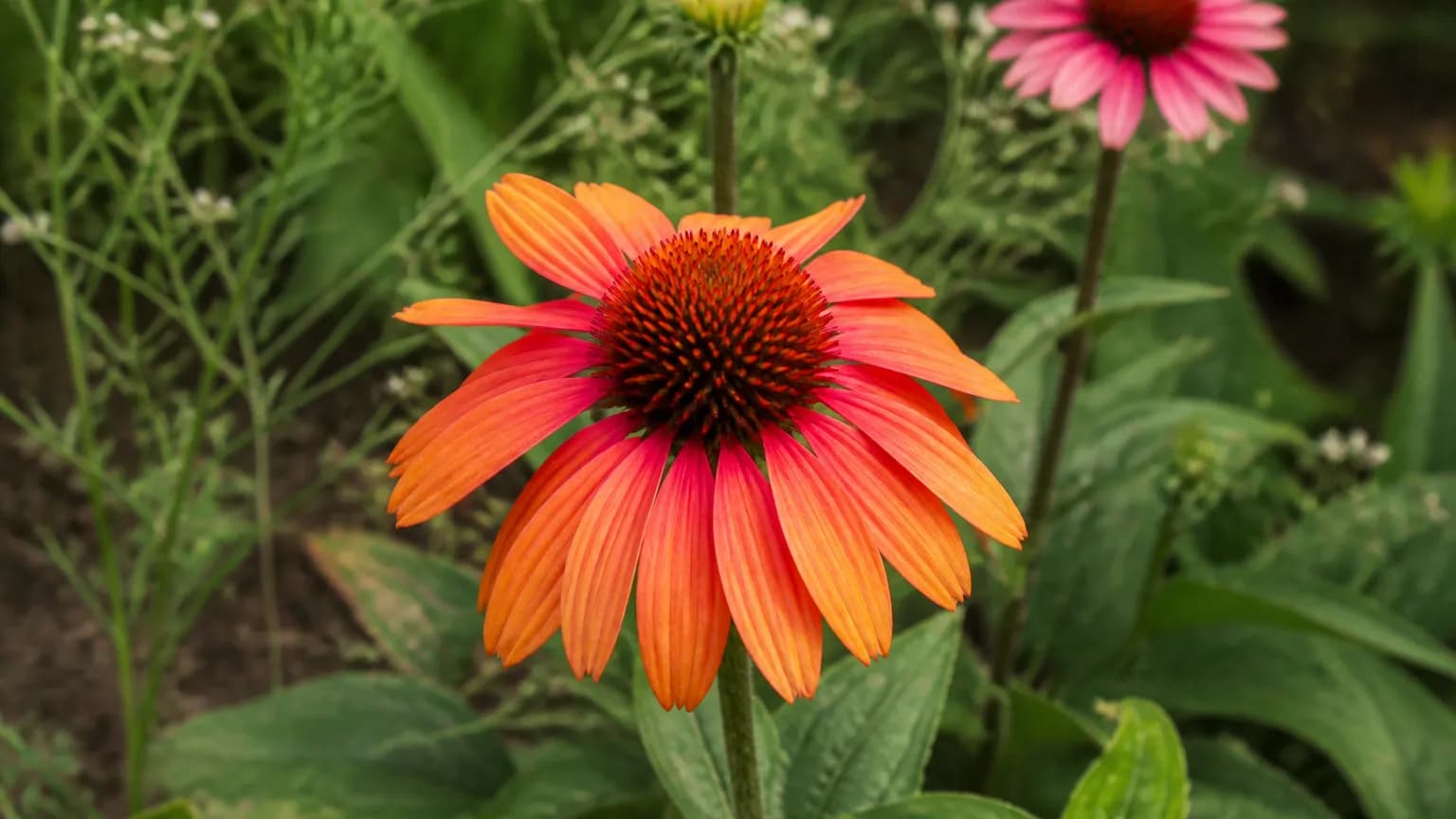
Liatris is a classic companion for coneflowers, black-eyed susans, butterfly weed, and native grasses in prairie-style gardens. The vertical spikes provide excellent contrast with mounding flower forms. Plant in the middle of borders with lower plants in front and taller grasses behind. Liatris is one of the top nectar plants for monarch butterflies and native bees, making it invaluable in any pollinator garden.
Coneflower belongs beside it.
Old growers' knowledge, checked against Liatris Blazing Star's real companion table below — test any plant you're growing.
Try Liatris Blazing Star in a bed — right here
A real planner bed with Liatris Blazing Star already in it. Tap a companion to place it and watch the pairing checks answer — green for good neighbours, red for a clash.


Related growing guides
Feed it well
Liatris demands lean, well-drained soil with a pH of 5.5 to 7.5. Sandy, gravelly, or rocky soil is ideal. Avoid rich, heavily amended conditions which cause weak stems and crown rot. No supplemental fertilization is needed in most garden soils. The native prairie habitat of liatris features mineral-based, nutrient-poor soil, and replicating these lean conditions in the garden produces the best results.
Ideal Temperature
Hardiness Zone Compatibility
From seed to harvest, stage by stage
Corm Planting
Liatris spicata is most commonly grown from corms planted in early to mid spring after the last frost. Corms are set 5-8 cm deep with the flattened side down and the slightly concave or sprouting side facing up. Roots begin forming within the first two weeks as soil temperatures warm above 10°C (50°F). Corms can also be planted in autumn in zones 7-9 for earlier spring establishment.
Foliage Emergence
Narrow, grass-like leaves emerge in dense basal rosettes. Individual leaves are 15-40 cm long and only 6-12 mm wide, giving the plant a fine-textured appearance. The foliage is deep green with a slightly glossy surface. During this phase, the corm is actively building energy reserves and expanding its root system for the demanding bloom period ahead.
Stem Elongation
Strong, upright flower stems begin to rise from the center of the foliage rosette, growing rapidly to 60-120 cm tall. Stems are rigid and sturdy, rarely requiring staking in sheltered locations. The developing flower spike is visible at the top as a tightly packed, fuzzy green bud cluster. Each mature corm typically produces one to three flowering stems per season.
Blooming
The flower spike opens with its signature top-down blooming pattern — a rare trait among spike-form flowers. Individual florets are dense, feathery tufts of vivid purple-violet, each about 12 mm across. The blooming period extends over two to four weeks as florets progressively open downward along the 15-30 cm spike. Peak bloom typically occurs in mid to late summer, from July through August in most temperate regions.
Seed Set and Senescence
After blooming, florets develop small, elongated seeds with feathery pappus for wind dispersal. The flower spike gradually turns brown and dry. Foliage remains green for several weeks after bloom, continuing to photosynthesize and replenish the corm for next season. The corm may also divide, producing offset cormlets that can be separated in autumn or the following spring.
Winter Dormancy
Liatris spicata enters full dormancy after the first hard frost. The corm rests underground, protected by the soil from freezing temperatures. Liatris is reliably winter hardy in USDA zones 3-9, tolerating soil temperatures well below freezing. The corm slowly develops next season's growth buds during the chilling period, which is necessary for robust spring emergence.
Plant corms 10-15 cm apart in rows spaced 30-45 cm for cut flower production. Ensure excellent drainage — Liatris corms are highly susceptible to rot in waterlogged soil. Amend heavy clay with coarse sand or plant in raised beds.
Caring for Liatris Blazing Star month by month
What to do each month for your Liatris Blazing Star
October
You are hereFoliage yellows and dies back naturally. Do not cut back until fully brown. Mark corm locations with stakes. This is an excellent time to divide overcrowded corm clumps and replant divisions immediately.
Know exactly what to do in your garden — every month
One email at the start of each month: what to sow, plant, and tackle right now — for your Liatris Blazing Star and everything growing around it. Plus a short starter course that helps you dodge the classic mistakes.
- What to do, right now
- Matched to your season
- Starter course included
Harvesting Liatris Blazing Star
Cut liatris spikes when the top quarter to one-third of the spike has opened. Since flowers open from the top down, this timing ensures the most impressive display over the longest vase life. Cut in the morning and place immediately in cool water. Strip lower foliage. Cut liatris lasts seven to twelve days in a vase, with additional florets opening from top to bottom throughout. The spikes are a staple of the professional cut flower industry.
assuming you plant when the window opens — set your real date
Pick Liatris Blazing Star promptly and the plant keeps producing.
Storage & Preservation
Liatris corms should remain in the ground year-round where they are fully hardy. If lifting for division, replant promptly as the corms dry out quickly. For dried arrangements, cut spikes when about half open and hang upside down in a dark, well-ventilated space. The flowers retain their purple color well when dried. Seeds can be collected from mature flower heads in autumn and stored for spring sowing after cold stratification.
What goes wrong — and the fix
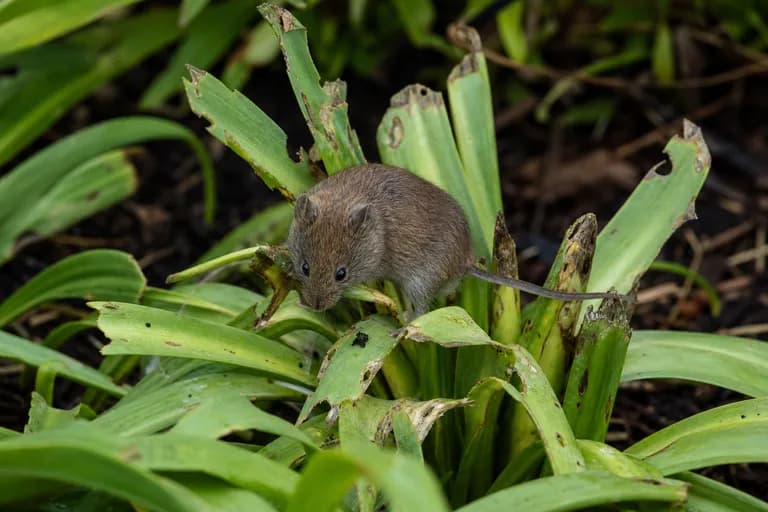
Voles and Mice
PestCorms eaten or damaged underground. Plants fail to emerge or produce stunted growth. Evidence of tunneling near the planting area.
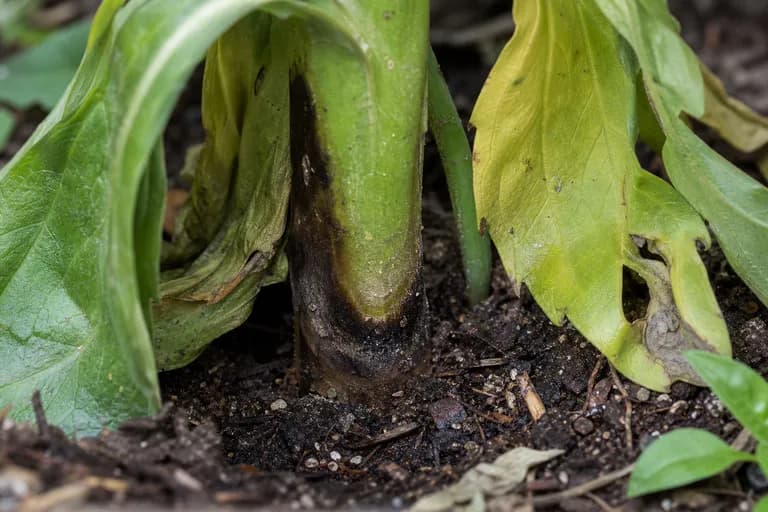
Crown Rot
DiseasePlant wilts and the base becomes soft and mushy. Most common in wet, heavy soils with poor drainage, especially during winter.
Troubleshooting Common Problems
The most frequent cause of failure is wet, heavy soil that leads to crown rot, especially during winter dormancy. Excellent drainage is essential. In rich, moist garden soil, stems become tall and floppy, requiring staking. Voles and chipmunks are fond of the starchy corms and can decimate plantings in areas with high rodent populations. Wire mesh corm baskets solve this problem. Liatris can be slow to establish from small corms, sometimes taking a year before flowering.
Growing Tips
- Plant Liatris corms with the flat or slightly concave root side down and the rounded, slightly pointed growth side facing up — planting upside down delays emergence by several weeks as the shoot must redirect itself.
- Excellent drainage is the single most critical factor for Liatris success. Corms will rot within weeks in waterlogged soil. If your garden has heavy clay, plant in raised beds or amend generously with coarse sand and perlite.
- For the longest, straightest stems ideal for cut flower use, install horizontal netting at 25-30 cm above the soil before stems begin to elongate in early summer. This eliminates the need for individual staking.
- Harvest Liatris when the top one-third of the spike has opened. Cutting too early results in poor color development, while waiting until more than half the spike is open shortens vase life considerably.
- Immediately after cutting, strip all foliage from the lower two-thirds of the stem and place in lukewarm water with commercial floral preservative. Re-cut stems at a 45-degree angle every three days to maximize vase life.
- Liatris is an excellent candidate for succession planting — stagger corm planting dates two to three weeks apart from early spring through late spring to extend the harvest window from three weeks to six weeks or more.
- To dry Liatris for everlasting arrangements, harvest when the top quarter of florets have opened. Bundle 5-7 stems together with a rubber band and hang upside down in a dark, well-ventilated room for two to three weeks.
- Divide crowded corm clumps every three to four years in early spring or autumn. Separate individual corms carefully and replant immediately at the same depth. Division reinvigorates flowering and provides free plants for expanding your cutting garden.
- Liatris is naturally deer resistant due to its bitter-tasting corms and foliage, but voles and chipmunks readily eat the corms underground. Protect plantings by lining planting holes with small-gauge hardware cloth baskets.
- In regions with hot, humid summers, provide good air circulation between plants and avoid overhead irrigation to prevent foliar diseases such as powdery mildew and leaf spot. Drip irrigation at the base of plants is ideal.
Grow your best Liatris Blazing Star yet — and everything around it.
Start a free plan today. Lay out your beds, drop in your Liatris Blazing Star, and let PlotMyGarden handle the timing, spacing, companions and reminders from seed to harvest basket.
Pick your Liatris Blazing Star
Kobold (Gnome)
A compact selection reaching two feet with dense purple spikes, ideal for the front of borders and containers.
Floristan White
A creamy-white flowered form that provides contrast when planted alongside the purple species.
Floristan Violet
Deep violet-purple spikes on tall stems reaching three to four feet, the standard for commercial cut flower production.
Alba
Pure white spikes that glow in evening gardens and look stunning in wedding bouquets and white garden schemes.
Growing your own Liatris for cut flowers can save significantly compared to purchasing from florists, where individual stems typically cost $2-4 each. A single $1-2 corm produces one to three stems per season and multiplies over time, yielding an ever-expanding supply of premium cut flowers. After the initial planting investment of approximately $15-25 for a productive cutting row of 15-20 corms, subsequent years provide free stems as corms naturalize and divide — potentially saving $100-200 annually for households that regularly purchase fresh flowers.
Quick recipes
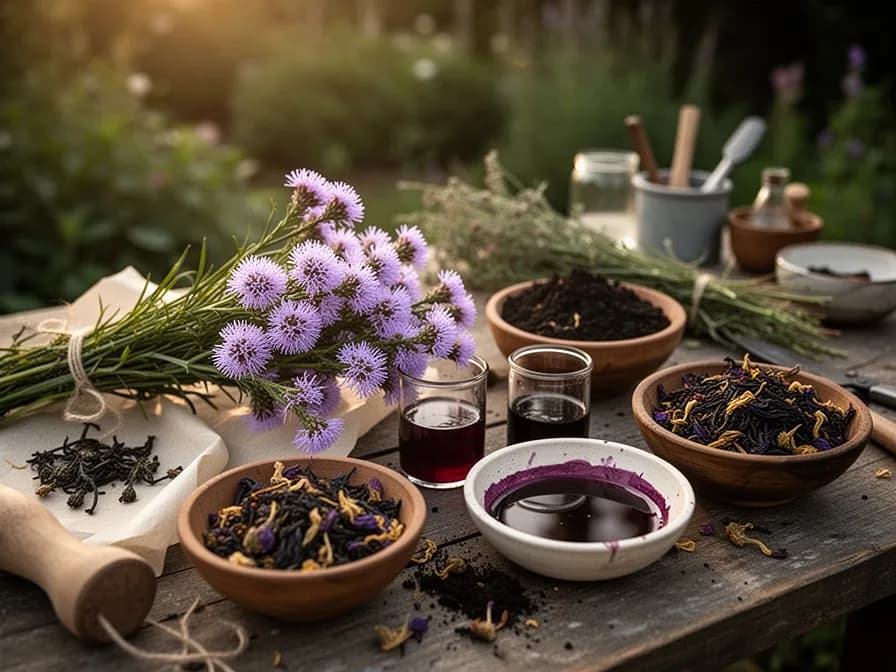
Classic Purple Spike Bouquet
10 minutesA striking hand-tied bouquet showcasing Liatris as the dominant vertical element, complemented by round-form flowers for contrast. This arrangement highlights the dramatic height and rich purple color of blazing star spikes and lasts up to two weeks in a vase.
5 ingredientsDried Liatris Wreath
45 minutesA long-lasting dried flower wreath featuring Liatris stems that retain their purple hue beautifully when air-dried. Perfect as a door decoration or wall accent that lasts for months without watering. Liatris is one of the best flowers for drying because it holds its color and shape remarkably well.
5 ingredientsPollinator Garden Centerpiece
15 minutesA garden-style mixed arrangement that pairs Liatris with other pollinator-friendly cut flowers for a natural, meadow-inspired centerpiece. This arrangement brings the beauty of a summer prairie to your table and works wonderfully for outdoor entertaining or garden parties.
5 ingredientsWhat's inside
Health Benefits
- Liatris spicata roots contain anti-inflammatory compounds historically used by Native Americans to soothe sore throats and reduce swelling in traditional poultice preparations
- Growing and arranging Liatris as a cut flower provides proven mental health benefits through horticultural therapy, reducing cortisol levels and promoting relaxation
- The vibrant purple color of Liatris blooms in indoor arrangements has been associated with improved mood and reduced stress in environmental psychology studies on biophilic design
- Liatris plantings support critical pollinator health by providing high-quality nectar to butterflies and native bees during the mid-to-late summer period when many other nectar sources have faded
- Spending time in a cutting garden tending Liatris provides moderate physical activity including bending, kneeling, and walking that contributes to daily movement goals
- Fresh Liatris arrangements bring nature indoors, supporting biophilic well-being by connecting inhabitants with living botanical elements that promote calm and attentiveness
Where Liatris Blazing Star comes from
Liatris spicata, commonly known as blazing star, dense blazing star, or gayfeather, is a herbaceous perennial native to the moist meadows, prairies, and open woodlands of eastern North America. Its natural range stretches from southern Ontario and the Great Lakes region southward through the Appalachian Mountains to the Gulf Coast states, thriving in areas with reliable summer moisture and full sun exposure. Indigenous peoples throughout this range valued the plant both medicinally and ceremonially — the Cherokee used root infusions to treat sore throats and gastrointestinal complaints, while the Choctaw applied root poultices to relieve pain from insect stings and snakebites.
European botanists first described the genus in the late eighteenth century, and Liatris spicata was formally classified by Carl Linnaeus in 1753 under the name Serratula spicata before being reassigned to the genus Liatris. By the early nineteenth century, the plant had attracted the attention of European gardeners drawn to its unusual top-down flowering habit and vivid purple spikes. It was introduced to European horticulture by the 1830s and quickly became a popular border perennial in English cottage gardens.
The modern commercial cut flower industry embraced Liatris in the mid-twentieth century, particularly in the Netherlands, where Dutch growers developed improved cultivars with longer, denser spikes and more uniform bloom timing. Today Liatris spicata is one of the top twenty commercially grown cut flowers worldwide, with major production in the Netherlands, Israel, and the United States. Popular cultivars for cut flower production include Floristan Violet, Floristan White, and Kobold. The plant has also gained significant recognition in ecological gardening and prairie restoration projects, as it is among the most effective native wildflowers for supporting monarch butterfly populations and other declining pollinators across its native range.
Liatris Blazing Star: did you know?
Fascinating facts about Liatris Blazing Star
Liatris is one of the very few flower spikes in the plant kingdom that blooms from the top downward rather than from the bottom up — a trait called basipetal flowering that makes it instantly recognizable in any bouquet.
Liatris Blazing Star questions, answered
When should I plant Liatris Blazing Star?
What are good companion plants for Liatris Blazing Star?
What hardiness zones can Liatris Blazing Star grow in?
How much sun does Liatris Blazing Star need?
How far apart should I space Liatris Blazing Star?
What pests and diseases affect Liatris Blazing Star?
How do I store Liatris Blazing Star after harvest?
What are the best Liatris Blazing Star varieties to grow?
What soil does Liatris Blazing Star need?
Why does my Liatris bloom from the top down instead of the bottom up like other flowers?
How long do cut Liatris stems last in a vase?
Can I grow Liatris from seed, or do I need to buy corms?
What causes Liatris corms to rot, and how can I prevent it?
Is Liatris spicata a good plant for attracting pollinators?
How do I overwinter Liatris corms in very cold climates?
You just read the theory. Now grow it on autopilot.
Everything that makes Liatris Blazing Star fiddly — the timing, the spacing, the companions, the harvest window — is exactly what PlotMyGarden handles for you, for every plant in your garden.
A plan that knows your weather
Set your location once. Get sow, feed and harvest dates built around your real last-frost date and live forecast — no more guessing from a generic seed packet.
From the “When to plant” sectionDrag-and-drop bed planner
Design beds on a grid. Every plant snaps to its proper spacing, and you can see your whole season laid out before you spend a cent on seed.
From the “Growing guide” sectionCompanion conflicts, caught early
200+ good-and-bad pairings checked live as you plant — so a season-wrecking mistake never makes it into the ground.
From the “Companions” sectionReminders you'll actually act on
“Water the beans.” “Pick today before it turns.” Timely, specific, and tied to the plants you're really growing.
From the “Harvest” sectionSuccession, scheduled
Want a harvest for six weeks, not six days? It spaces your sowings automatically and reminds you when each new block is due.
From the “When to plant” sectionA record that gets smarter
Every harvest you log teaches it your garden. Next year's plan starts from what actually worked in your soil, not a textbook's.
From the “Overview” sectionPlant these alongside Liatris Blazing Star
More Cut Flowers
Grow your best Liatris Blazing Star yet — and everything around it.
Start a free plan today. Lay out your beds, drop in your Liatris Blazing Star, and let PlotMyGarden handle the timing, spacing, companions and reminders from seed to harvest basket.