Dahlia
A tuberous perennial producing spectacular blooms from midsummer to frost, with tubers stored over winter in cold climates.





On this pageOverview
Meet Dahlia
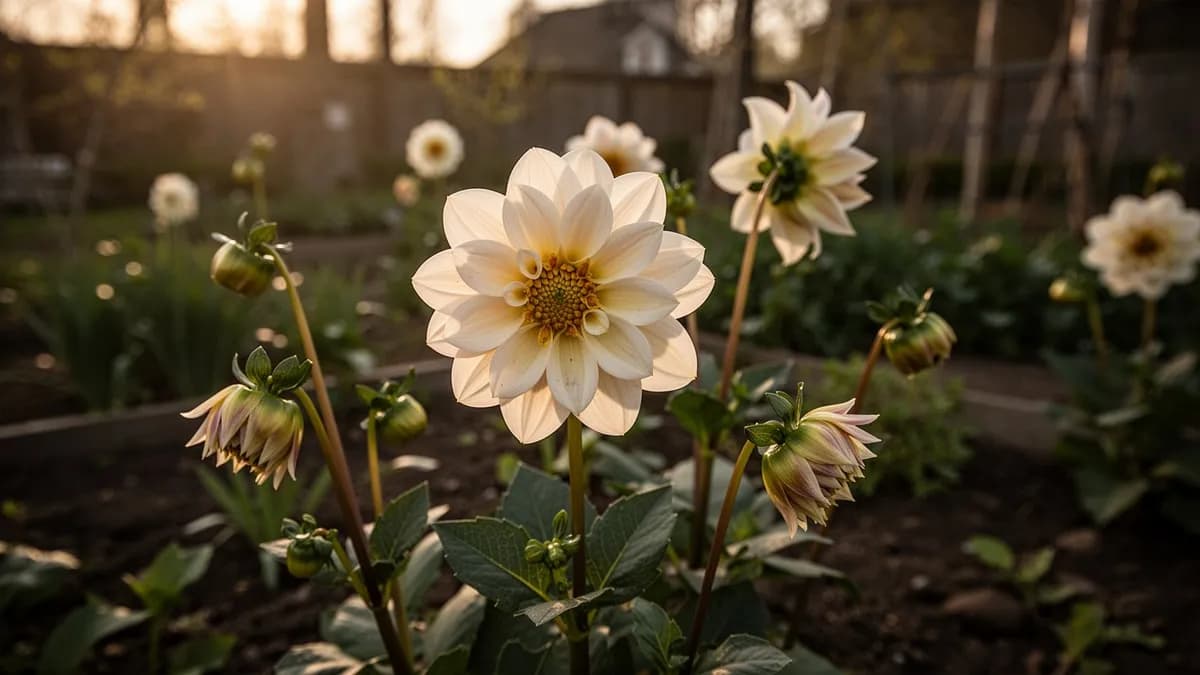
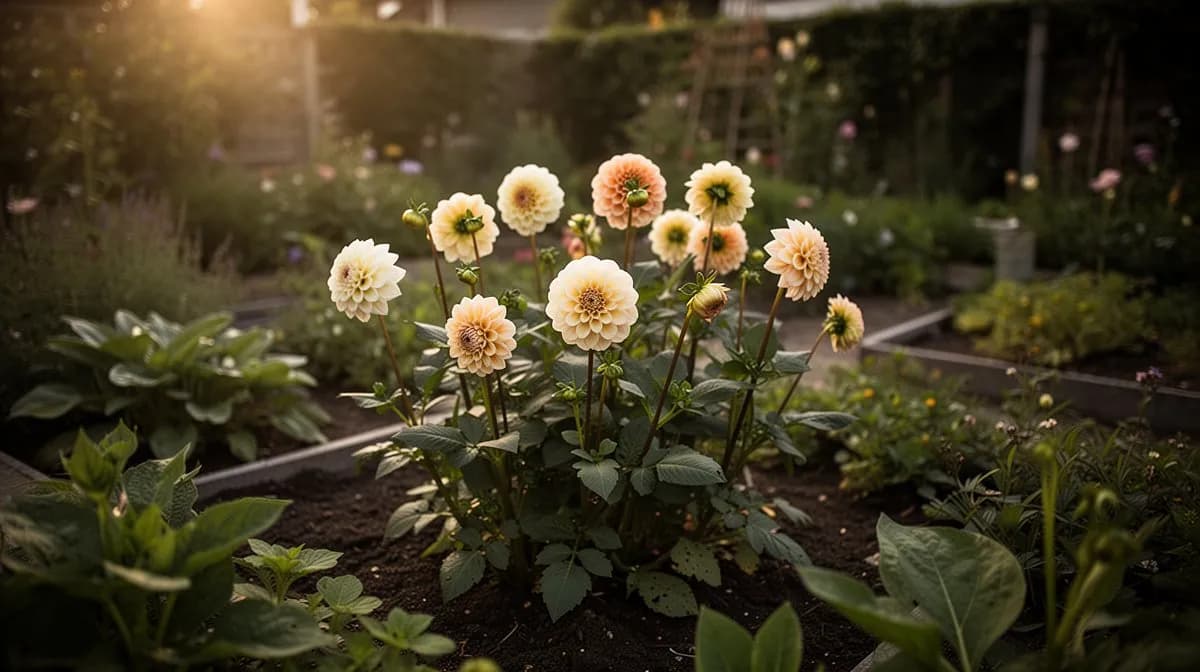
A tuberous perennial producing spectacular blooms from midsummer to frost, with tubers stored over winter in cold climates. Plant tubers after the last frost in rich, well-drained soil and stake tall dinner-plate varieties early to support their heavy flower heads. Pinch the central growing tip when plants reach about a foot tall to encourage branching and more abundant blooms. Dig tubers after the first frost blackens the foliage, divide clumps, and store in peat moss in a cool, frost-free location.
When to plant Dahlia
Dahlia tubers should be planted four to six inches deep with the eye pointing upward, spaced eighteen to twenty-four inches apart for standard varieties and up to three feet for dinner-plate types. In short-season climates, start tubers indoors in pots four to six weeks before the last frost to get a head start on the growing season. Set pots in a warm location and water sparingly until green shoots appear. Transplant outdoors after all frost danger has passed and soil is warm. Dahlias can also be grown from seed, started indoors eight to ten weeks before the last frost, though seed-grown plants are variable.
Your Dahlia Year
Composed for Zone 7 · typical seasons · frost passes Apr 2, returns Nov 1
Plant Dahlia Apr – May, pick Jul – Oct. Check the planting methods below and set your climate to personalize these windows.
How to grow Dahlia
Prepare a planting site in full sun with rich, well-drained soil amended with generous amounts of compost. Dahlia tubers should not be planted until the soil has warmed to at least 60 degrees Fahrenheit, typically two to four weeks after the last frost. Dig a hole six to eight inches deep, lay the tuber horizontally with the eye or growing point facing up, and cover with two to three inches of soil. Do not water until shoots emerge, as wet tubers are prone to rotting.
As plants grow, gradually fill in the remaining soil around the stems. Install stakes or support cages at planting time to avoid damaging tubers later. When the main stem has three to four sets of leaves, pinch out the center growing tip to encourage bushier growth and more flower stems. Remove the two smaller side buds that form below each terminal flower bud for larger, showier blooms.
Water deeply two to three times per week during active growth and flowering, and apply a layer of mulch to conserve moisture and keep roots cool. Feed every two to three weeks with a low-nitrogen, high-phosphorus fertilizer to promote flowering over foliage growth. After the first frost blackens the foliage, cut stems back to four inches, carefully dig tubers, and store in a cool, frost-free location for winter.
8 plants fit a 4 × 8 ft bed
Each Dahlia wants 60 cm of elbow room. The planner keeps that spacing for you — every plant, every bed.
Dahlia's best neighbours
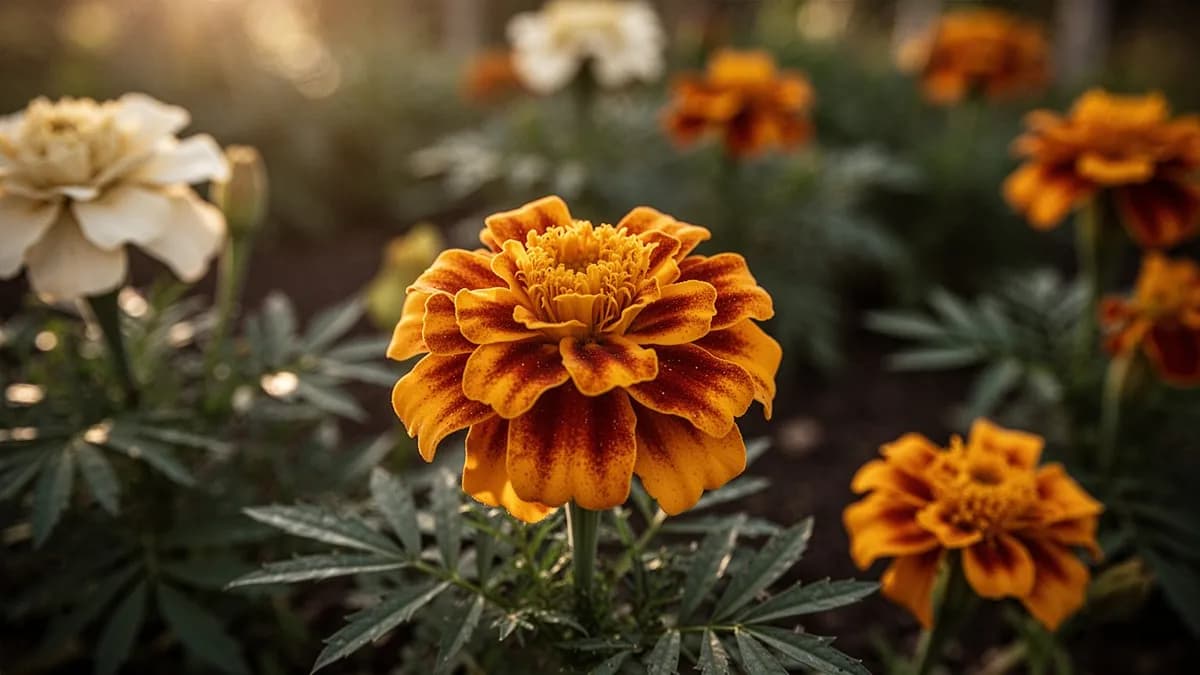
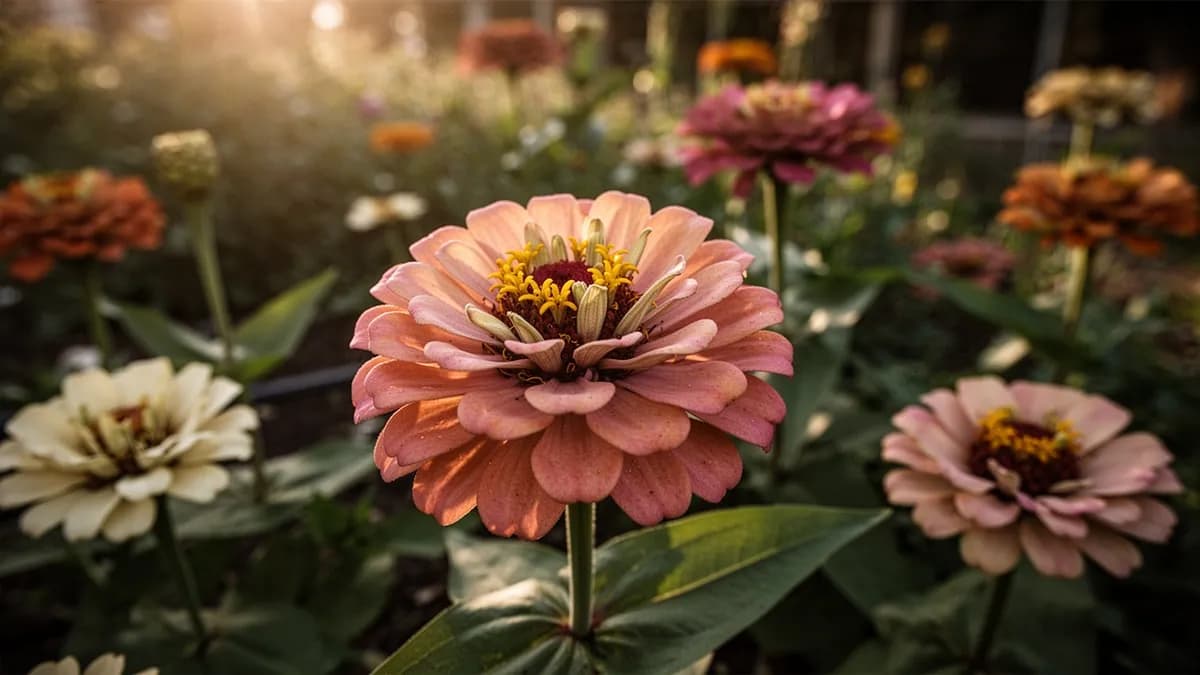
Dahlias pair well with other late-summer bloomers like zinnias, sunflowers, and marigolds for a continuous display of warm colors. Low-growing companion plants such as alyssum and lobelia shade dahlia roots and conserve soil moisture. Planting garlic and chives nearby helps deter aphids, which can transmit dahlia mosaic virus. The large blooms attract beneficial pollinators that also serve neighboring vegetable crops.
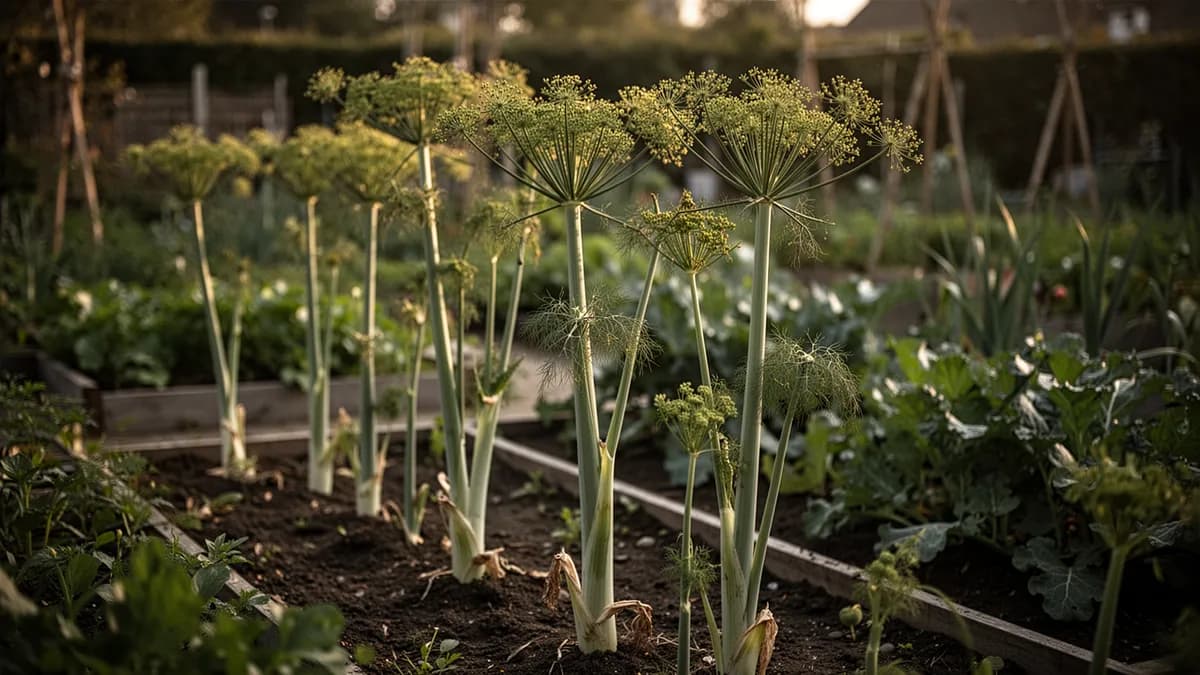
Marigold belongs beside it. Fennel doesn't.
Old growers' knowledge, checked against Dahlia's real companion table below — test any plant you're growing.
Try Dahlia in a bed — right here
A real planner bed with Dahlia already in it. Tap a companion to place it and watch the pairing checks answer — green for good neighbours, red for a clash.


Related growing guides
Feed it well
Dahlias demand rich, well-drained soil with a pH of 6.5 to 7.0. Heavy clay soils should be amended with compost and coarse sand to prevent tuber rot. Work a generous amount of aged compost into the planting bed before setting tubers. Use a fertilizer low in nitrogen and high in phosphorus and potassium, such as 5-10-10, applied every two to three weeks during the growing season. Too much nitrogen produces lush foliage with fewer, smaller flowers.
Ideal Temperature
Hardiness Zone Compatibility
From seed to harvest, stage by stage
Tuber Planting
Dahlia tubers are planted outdoors after the last frost date when soil temperatures reach at least 15°C (60°F). Each tuber should have at least one visible eye (growth bud) near the stem attachment point. Tubers are placed horizontally in holes about 10-15 cm deep with the eye pointing upward.
Sprouting and Emergence
The first shoots break through the soil surface, typically two to four weeks after planting depending on soil temperature and tuber vigor. Initial stems are reddish or green and develop the first sets of compound, opposite leaves. Root growth accelerates during this phase.
Vegetative Growth
The plant enters a rapid growth phase, producing lush foliage and a strong branching structure. Stems thicken and leaves become large and deeply lobed. The root system expands significantly during this period and new tubers begin to form underground. Plants can grow 2-5 cm per day in ideal conditions.
Bud Formation
Flower buds form at the tips of stems and side branches. Each bud set typically includes one central bud flanked by two smaller side buds. The buds swell gradually over several weeks. Plants reach their mature height during this stage, ranging from 30 cm for dwarf varieties to over 150 cm for dinnerplate types.
Flowering
Blooms open in a spectacular display of color and form. Depending on the variety, flowers range from 5 cm pompons to 30 cm dinnerplate types. Dahlias bloom continuously from midsummer until the first hard frost, with each individual flower lasting five to seven days on the plant. Regular cutting encourages more blooms.
Tuber Maturation
As autumn arrives and temperatures drop, the plant continues to bloom while the underground tuber clump matures and stores energy for the following year. The tubers reach their maximum size and develop a tougher skin. After the first killing frost blackens the foliage, the tubers are ready to be lifted.
Do not water tubers at planting time. The tuber contains enough moisture to begin sprouting. Watering before shoots emerge can cause rot, especially in heavy or poorly drained soils. Place a stake at planting time to avoid damaging the tuber later.
Caring for Dahlia month by month
What to do each month for your Dahlia
October
You are hereAfter the first killing frost, cut back stems to 10-15 cm. In zones 8 and below, carefully dig up tuber clumps. Allow to cure for one to two days in a frost-free area. In zones 9-11, tubers can remain in the ground with a thick mulch layer.
Know exactly what to do in your garden — every month
One email at the start of each month: what to sow, plant, and tackle right now — for your Dahlia and everything growing around it. Plus a short starter course that helps you dodge the classic mistakes.
- What to do, right now
- Matched to your season
- Starter course included
Harvesting Dahlia
Cut dahlia stems for arrangements in the early morning when flowers are about three-quarters open. Choose blooms where the outer petals are fully unfurled but the center is still tight. Cut stems long, placing them immediately into hot water (about 160 degrees Fahrenheit) for one hour to sear the stems and extend vase life. Deadhead spent flowers regularly by cutting back to a main branch to encourage continuous blooming until frost.
assuming you plant when the window opens — set your real date
From bulbs, tubers or cloves
Pick Dahlia promptly and the plant keeps producing.
Storage & Preservation
Dahlia tubers must be dug and stored in cold climates where soil freezes. After the first frost kills the foliage, cut stems back and carefully lift clumps with a garden fork. Rinse soil from tubers and let them dry for a day in a sheltered spot. Store in boxes of slightly damp peat moss, vermiculite, or wood shavings at 40 to 50 degrees Fahrenheit. Check monthly through winter and mist lightly if tubers appear shriveled. Fresh-cut dahlias last four to six days in a vase.
What goes wrong — and the fix
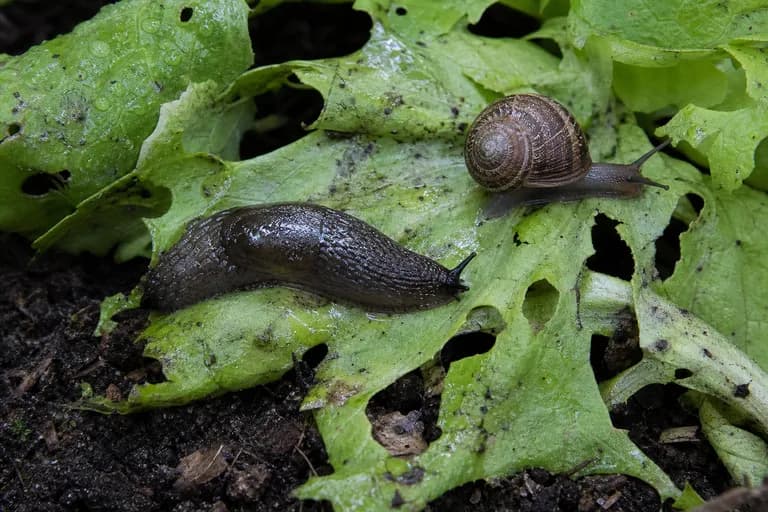
Slugs and Snails
PestLarge irregular holes in young leaves and stems, slimy trails on foliage, complete destruction of emerging shoots in spring.
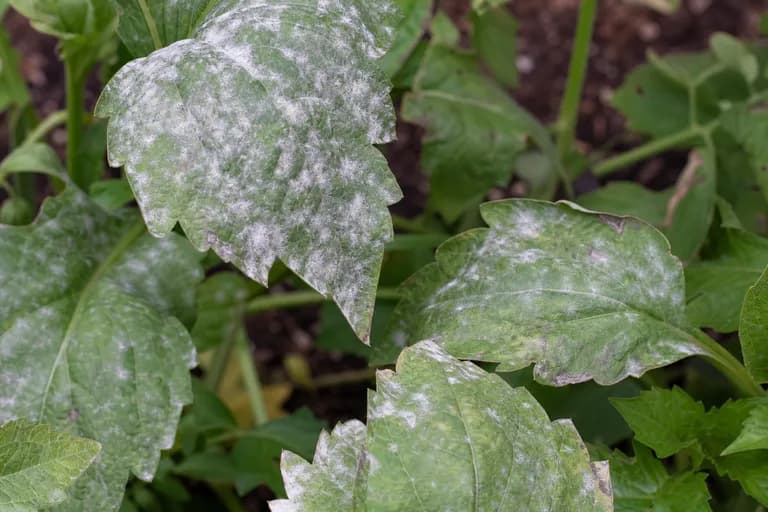
Powdery Mildew
DiseaseWhite powdery coating on leaves starting from lower foliage. Affected leaves curl, yellow, and drop. Plants appear stunted in severe cases.
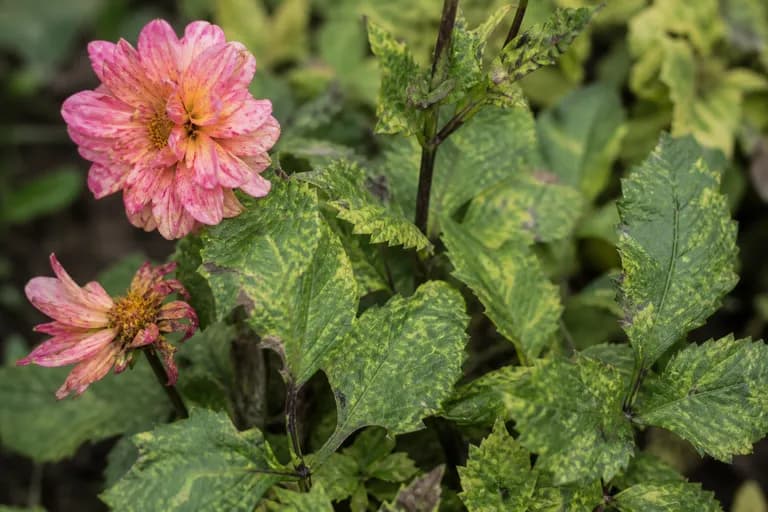
Dahlia Mosaic Virus
DiseaseYellow-green mottling or mosaic patterns on leaves, stunted growth, distorted or reduced flowers. Plants may appear generally unhealthy with no obvious pest damage.
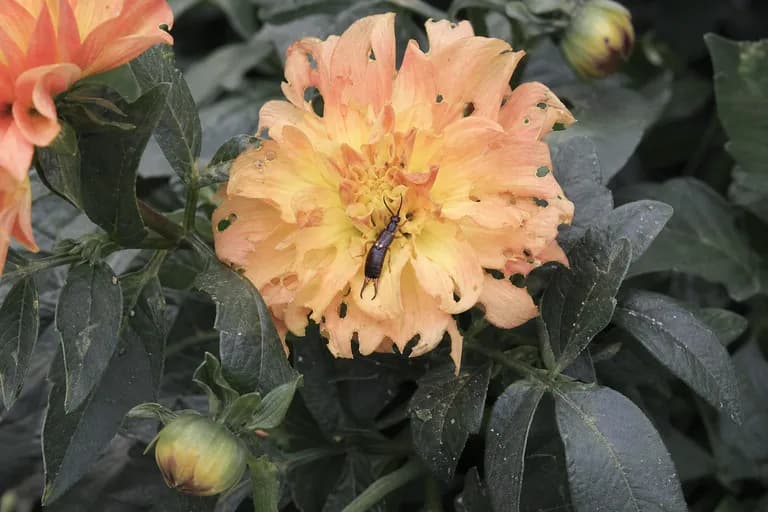
Earwigs
PestRagged holes in flower petals, especially on opening blooms. Earwigs hide inside dense flowers during the day and feed at night.
Troubleshooting Common Problems
The most frequent issue is tuber rot caused by planting too early in cold, wet soil or overwatering before shoots emerge. Tall dinner-plate varieties topple without staking, so install supports at planting time. Dahlias may fail to bloom if overfertilized with nitrogen or if planted in too much shade. Spider mites can become problematic in hot, dry weather, causing stippled and bronzed foliage. In cold climates, improper winter storage leads to shriveled or rotten tubers.
Growing Tips
- Plant dahlia tubers only after your last frost date when soil temperature reaches at least 15°C (60°F). Cold, wet soil causes tuber rot before shoots ever emerge.
- Place your stake or support structure at planting time, not after the plant has grown. Inserting a stake later risks spearing the tuber clump and damaging the root system.
- Do not water tubers at planting time. Wait until green shoots are visible above the soil, then begin watering gradually. Overwatering dormant tubers is the leading cause of failure.
- Pinch the central growing tip when plants reach about 30 cm tall and have three to four pairs of leaves. This encourages branching and can double the number of flowers produced.
- Feed with a low-nitrogen fertilizer such as 5-10-10 or 10-20-20. Excess nitrogen produces lush foliage at the expense of blooms. Switch to a higher-potassium feed once buds appear.
- For the biggest possible blooms on dinnerplate varieties, disbud by removing the two smaller side buds at each stem tip, directing all the energy into the central flower bud.
- Cut flowers in the early morning when stems are fully hydrated. Cut to a length just above a leaf node and immediately place stems in hot water (60°C) for one hour to seal the stems and extend vase life.
- After the first killing frost blackens the foliage, wait five to seven days before lifting tubers. This brief curing period in the ground toughens the tuber skin and improves winter storage success.
- Store lifted tubers in a cool, dark place at 4-7°C in slightly damp peat moss or vermiculite. Check monthly throughout winter and discard any showing signs of rot to protect the rest of the collection.
- Grow dahlias in full sun with at least six to eight hours of direct sunlight daily. In extremely hot climates with temperatures regularly above 35°C, provide light afternoon shade to prevent heat stress and flower fading.
Grow your best Dahlia yet — and everything around it.
Start a free plan today. Lay out your beds, drop in your Dahlia, and let PlotMyGarden handle the timing, spacing, companions and reminders from seed to harvest basket.
Pick your Dahlia
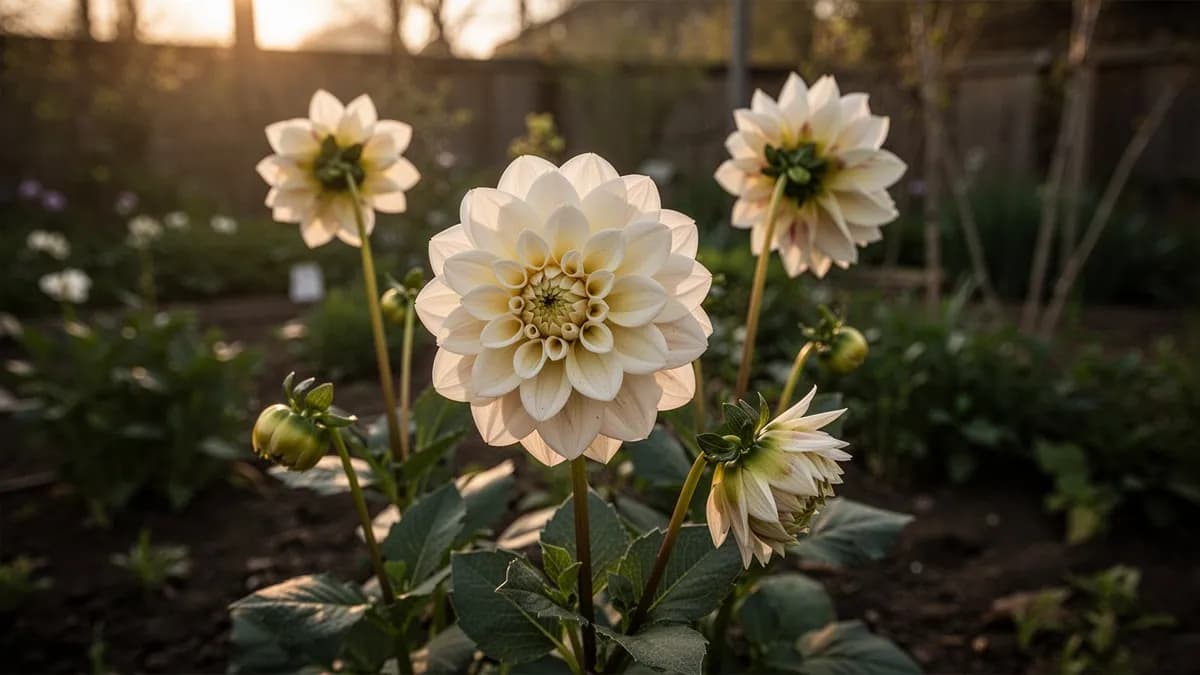
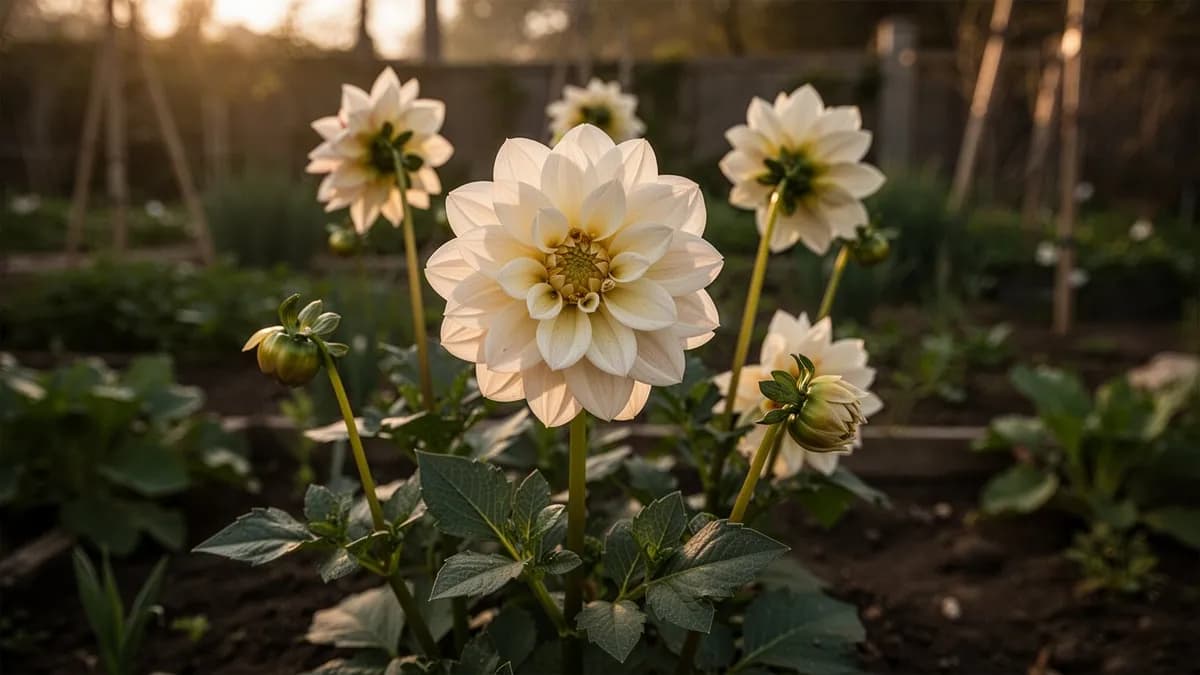
Cafe au Lait
A dinner-plate dahlia with creamy blush blooms up to ten inches across. Hugely popular for wedding flowers and high-end floral design.
Bishop of Llandaff
Dark bronze-red foliage with vivid scarlet semi-double flowers. Compact growth to three feet and outstanding garden presence.
Thomas Edison
Deep royal purple fully double blooms on strong stems, reaching four feet tall. A classic exhibition variety with excellent vase life.
Kelvin Floodlight
Bright yellow dinner-plate dahlia with massive blooms. One of the most reliable large-flowered varieties for garden and exhibition.
Honka
An unusual orchid-type dahlia with star-shaped single flowers in various colors. Lightweight blooms do not require staking and attract many pollinators.
A single dahlia tuber costing $5-15 will produce a clump of 5-15 new tubers each season that can be divided and replanted, effectively multiplying your investment for free. A mature plant produces 20-40 cut flowers per season valued at $3-8 each at farmers' markets, yielding $60-320 worth of flowers from one tuber. After the first year, your dahlia collection can grow entirely through division, eliminating the need to purchase new tubers.
Quick recipes
Dahlia Petal Garden Salad
10 minutesA vibrant salad that uses fresh dahlia petals as both a colorful garnish and a mild-flavored edible ingredient. The petals add a slightly peppery, mildly sweet note that pairs beautifully with mixed greens and a light vinaigrette.
7 ingredientsRoasted Dahlia Tuber Chips
35 minutesThinly sliced dahlia tubers roasted until crispy and golden, offering a unique alternative to traditional root vegetable chips. The tubers have a flavor reminiscent of a cross between a potato and a water chestnut with a slightly sweet, nutty finish.
6 ingredients
Dahlia Petal Infused Honey
15 minutes plus 1 week infusionA fragrant floral honey infused with fresh dahlia petals that captures the subtle flavors of the garden. This versatile condiment is lovely drizzled over cheese, stirred into tea, or used as a glaze for baked goods.
4 ingredientsWhat's inside
Health Benefits
- Dahlia tubers are rich in inulin, a soluble prebiotic fiber that promotes the growth of beneficial gut bacteria (Bifidobacteria and Lactobacilli) and supports overall digestive health.
- The inulin content in dahlia tubers helps regulate blood sugar levels by slowing carbohydrate absorption, making them a useful food for those managing diabetes or insulin resistance.
- Edible dahlia petals contain flavonoids and carotenoid antioxidants that help neutralize free radicals and may reduce oxidative stress associated with chronic inflammation.
- The prebiotic fiber in dahlia tubers enhances mineral absorption, particularly calcium and magnesium, which supports bone density and overall skeletal health.
- Dahlia tubers provide a good source of potassium, which helps regulate blood pressure and supports proper cardiovascular and muscular function.
- The low glycemic index of dahlia tubers makes them a satisfying, slow-digesting food that can support weight management by promoting longer-lasting satiety after meals.
Where Dahlia comes from
The dahlia (Dahlia spp.) is native to the mountainous regions of Mexico and Central America, where it grows in volcanic soils at elevations between 1,500 and 3,700 meters. The Aztecs cultivated dahlias for centuries before European contact, using the hollow stems as water conduits and the tubers as a food source called 'acocotli.' Wild dahlia species, of which there are approximately 42, typically bear single flowers in shades of lavender, red, and orange.
The first dahlia tubers arrived in Europe in 1789 when Vicente Cervantes, director of the Botanical Garden of Mexico City, sent seeds and tubers to Antonio Jose Cavanilles at the Royal Gardens of Madrid. Cavanilles named the genus Dahlia in honor of the Swedish botanist Anders Dahl, a student of Linnaeus. Initially cultivated as a potential vegetable crop, the tubers proved unpalatable to European tastes, but the striking flowers quickly captured the attention of ornamental gardeners.
By the early 1800s, dahlia mania had swept across Europe, with collectors paying extravagant sums for novel varieties. The first double-flowered forms appeared around 1806, and intensive hybridization throughout the 19th century produced an astonishing range of flower shapes, sizes, and colors. The pompon and cactus-flowered types emerged in the 1870s, and the enormous dinnerplate varieties became popular in the early 20th century. Today, dahlia societies exist worldwide, and competitive dahlia showing remains a beloved tradition in many countries, with the American Dahlia Society classifying blooms into fourteen distinct flower forms.
Dahlia: did you know?
Fascinating facts about Dahlia
Dahlias are the national flower of Mexico, where they have been cultivated since at least the time of the Aztecs, who used the hollow stems as water pipes and the tubers as a food source.
Dahlia questions, answered
When should I plant Dahlia?
What are good companion plants for Dahlia?
What hardiness zones can Dahlia grow in?
How much sun does Dahlia need?
How far apart should I space Dahlia?
What pests and diseases affect Dahlia?
How do I store Dahlia after harvest?
What are the best Dahlia varieties to grow?
What soil does Dahlia need?
Can dahlia tubers survive winter in the ground?
Why is my dahlia plant tall but not producing any flowers?
How do I divide dahlia tubers for propagation?
Are dahlia flowers and tubers safe to eat?
What pests and diseases are most problematic for dahlias?
How long do cut dahlias last in a vase?
You just read the theory. Now grow it on autopilot.
Everything that makes Dahlia fiddly — the timing, the spacing, the companions, the harvest window — is exactly what PlotMyGarden handles for you, for every plant in your garden.
A plan that knows your weather
Set your location once. Get sow, feed and harvest dates built around your real last-frost date and live forecast — no more guessing from a generic seed packet.
From the “When to plant” sectionDrag-and-drop bed planner
Design beds on a grid. Every plant snaps to its proper spacing, and you can see your whole season laid out before you spend a cent on seed.
From the “Growing guide” sectionCompanion conflicts, caught early
200+ good-and-bad pairings checked live as you plant — so a season-wrecking mistake never makes it into the ground.
From the “Companions” sectionReminders you'll actually act on
“Water the beans.” “Pick today before it turns.” Timely, specific, and tied to the plants you're really growing.
From the “Harvest” sectionSuccession, scheduled
Want a harvest for six weeks, not six days? It spaces your sowings automatically and reminds you when each new block is due.
From the “When to plant” sectionA record that gets smarter
Every harvest you log teaches it your garden. Next year's plan starts from what actually worked in your soil, not a textbook's.
From the “Overview” sectionPlant these alongside Dahlia
More Bulbs
Keep Dahlia away from these
Garden plans featuring Dahlia
Grow your best Dahlia yet — and everything around it.
Start a free plan today. Lay out your beds, drop in your Dahlia, and let PlotMyGarden handle the timing, spacing, companions and reminders from seed to harvest basket.