Lavendel
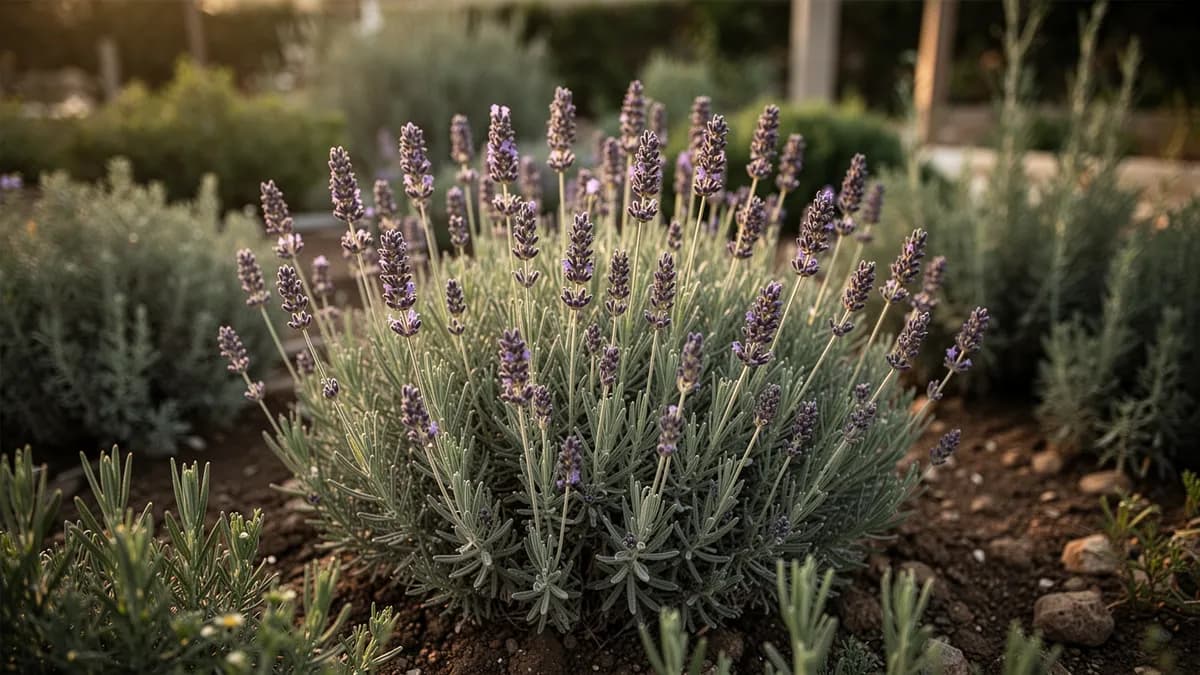
Ein duftender mediterraner Strauch mit silbrigem Laub und violetten Blütenähren, der in armen, alkalischen Böden mit hervorragender Drainage gedeiht.





Auf dieser SeiteÜberblick
Lavendel im Überblick
Ein duftender mediterraner Strauch mit silbrigem Laub und violetten Blütenähren, der in armen, alkalischen Böden mit hervorragender Drainage gedeiht. Schwere Lehm- oder staunasse Böden sind zu vermeiden, da sie die Wurzeln schnell absterben lassen. Volle Sonne sorgt für den stärksten Duft und die reichste Blüte. Ernten Sie die Blütenstiele, sobald sich die Knospen zu öffnen beginnen, um die höchste Konzentration an ätherischen Ölen zu erhalten. Getrockneter Lavendel wird vielseitig für Duftsäckchen, kulinarische Rezepte, Kräutertees und selbstgemachte Körperpflegeprodukte verwendet.
Wann Lavendel pflanzen
Lavendelsamen sind anspruchsvoll und erfordern Geduld. Stratifizieren Sie die Samen kalt, indem Sie sie in einem feuchten Papiertuch in einem verschlossenen Beutel 3–4 Wochen im Kühlschrank aufbewahren. Säen Sie die stratifizierten Samen auf die Oberfläche feuchter Aussaaterde unter Pflanzenlampen und drücken Sie sie leicht an, ohne sie zu bedecken. Die Keimung ist langsam und unregelmäßig und dauert 14–30 Tage bei 18–21 °C. Sämlinge wachsen in den ersten Monaten sehr langsam. Für schnellere Ergebnisse nehmen Sie im Frühsommer 8–10 cm lange Kopfstecklinge von weichem Holz, tauchen Sie sie in Bewurzelungshormon und bewurzeln Sie sie in einer Perlit-Sand-Mischung. Die Bewurzelung dauert 3–6 Wochen.
Dein Lavendel-Jahr
Abgestimmt auf Zone 7 · typische Saison · Frost geht um den 2. Apr. und kehrt um den 1. Nov. zurück
Lavendel Mär – Mai pflanzen, Jun – Aug ernten. Beachte die Pflanzmethoden unten und wähle dein Klima für passende Zeiträume.
So baust du Lavendel an
Beginnen Sie mit Lavendel aus Baumschul-Jungpflanzen oder Stecklingen, da die Keimung aus Samen unregelmäßig und extrem langsam ist. Wenn Sie aus Samen starten, stratifizieren Sie die Samen 3–4 Wochen lang im Kühlschrank kalt, säen Sie sie dann auf die Oberfläche feuchter Aussaaterde unter Pflanzenlampen bei 18–21 °C aus. Die Keimung kann 14–30 Tage oder länger dauern. Pflanzen Sie nach dem letzten Frost ins Freiland an einen vollsonnigen Standort.
Die Standortwahl ist entscheidend für den Erfolg mit Lavendel. Wählen Sie den heißesten, trockensten und sonnigsten Platz in Ihrem Garten mit magerem, alkalischem und scharf drainierendem Boden. Hochbeete, Südhänge und Kiesgärten sind ideal. Lehmböden sollten großzügig mit grobem Sand und Kies verbessert werden. Ein pH-Wert von 6,5–8,0 ist optimal; fügen Sie Kalk hinzu, wenn Ihr Boden sauer ist. Setzen Sie die Pflanzen mit 45–60 cm Abstand, um eine gute Luftzirkulation zu gewährleisten.
Gießen Sie sparsam, sobald die Pflanze etabliert ist, und lassen Sie den Boden zwischen den Wassergaben gründlich austrocknen. Lavendel ist extrem trockenheitsverträglich und stirbt weit häufiger durch Überwässerung als durch Trockenheit. Schneiden Sie die Pflanzen im zeitigen Frühjahr zurück, etwa um ein Drittel ins grüne Holz, aber niemals ins kahle Holz, das nicht mehr austreibt. Dieser jährliche Rückschnitt erhält die kompakte Form und verhindert, dass die Pflanze sparrig und verholzt wird. Verwenden Sie Kiesmulch statt organischem Mulch, um die Kronen trocken zu halten und Wärme zu reflektieren.
10 Pflanzen passen in ein Beet von 120 × 240 cm
Lavendel braucht 45 cm Platz pro Pflanze. Der Planer hält diesen Abstand für dich ein — jede Pflanze, jedes Beet.
Die besten Nachbarn für Lavendel
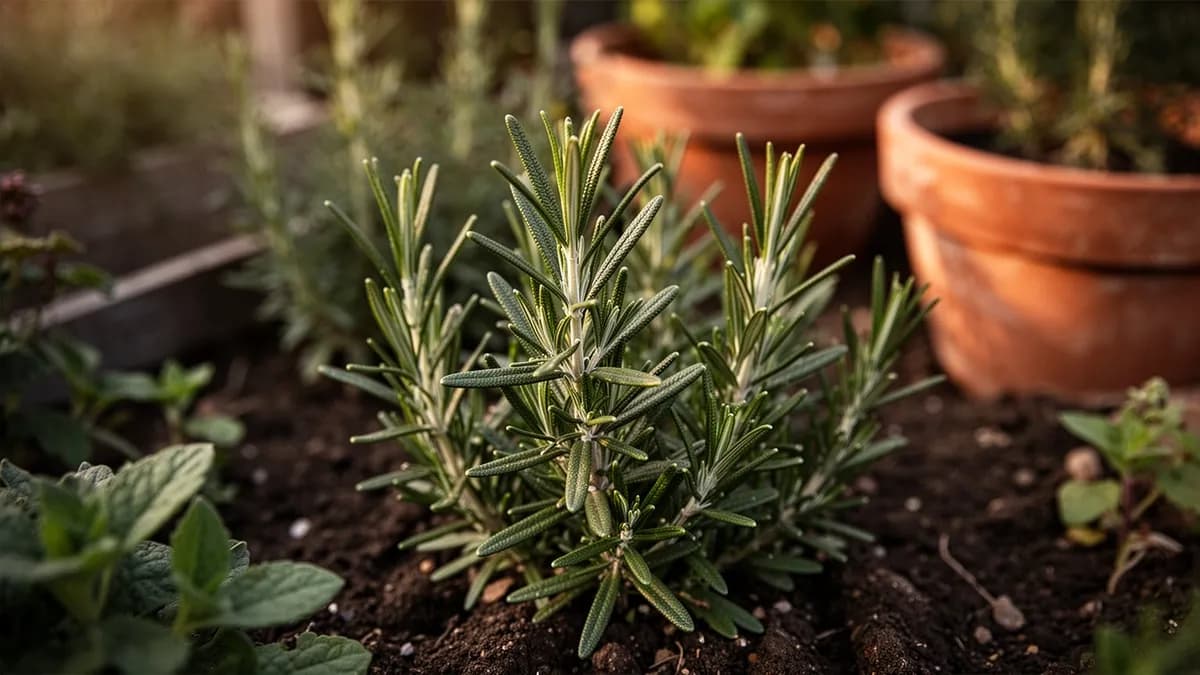
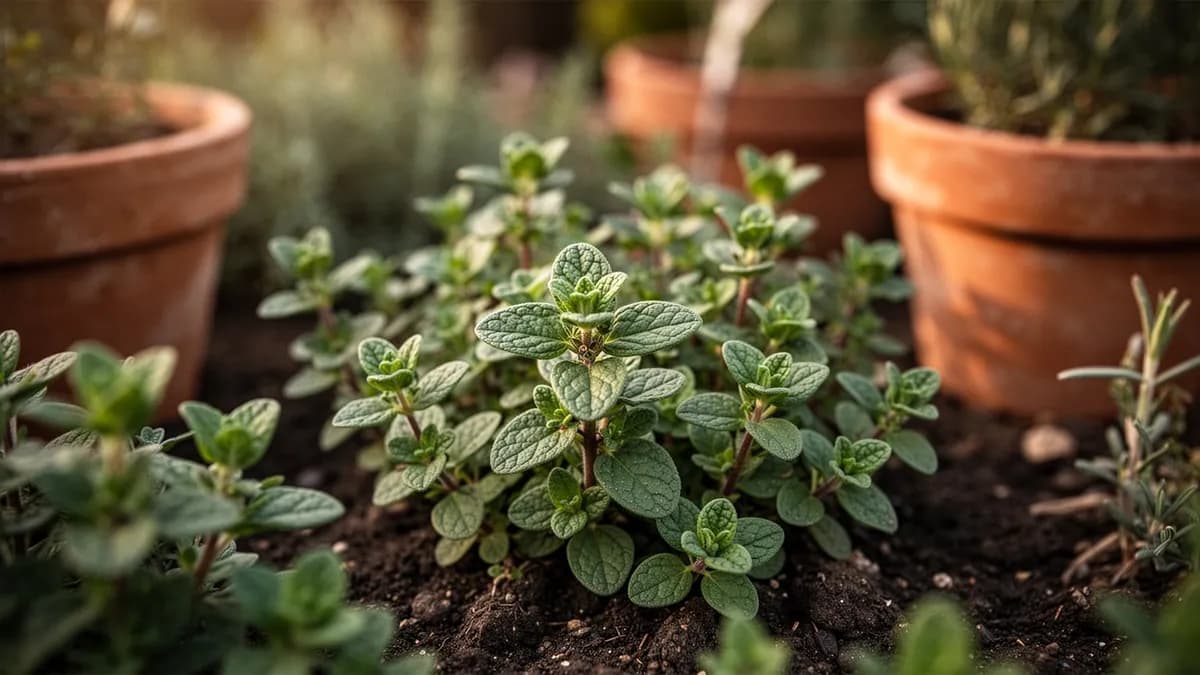
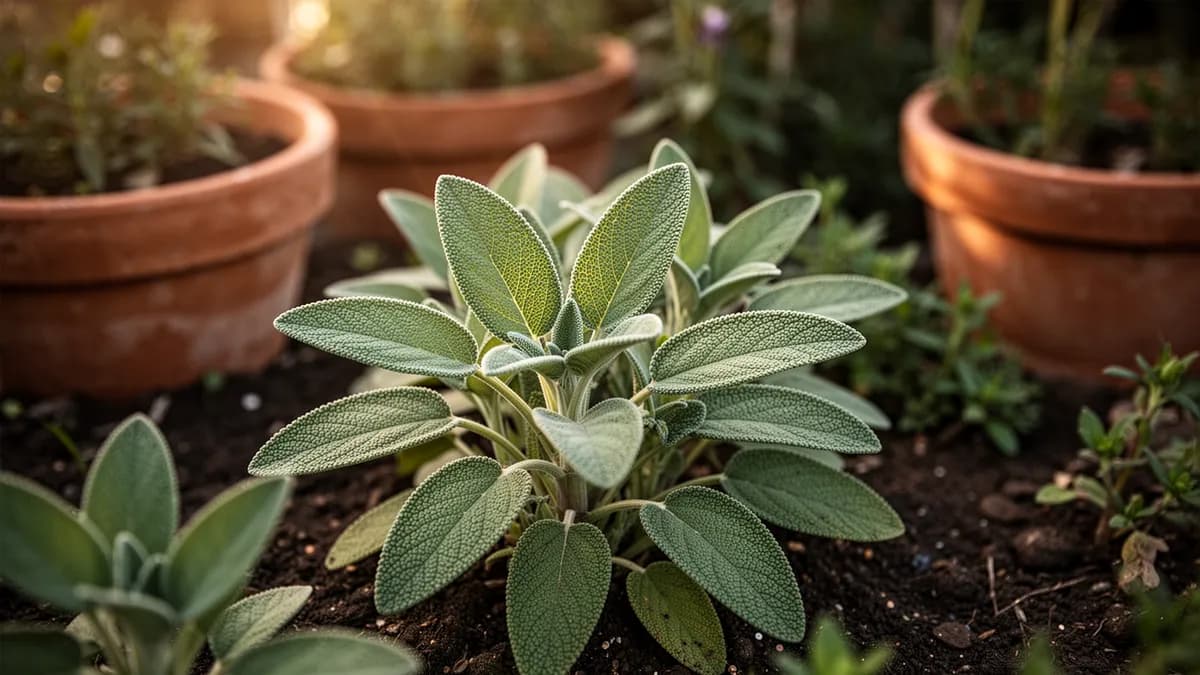
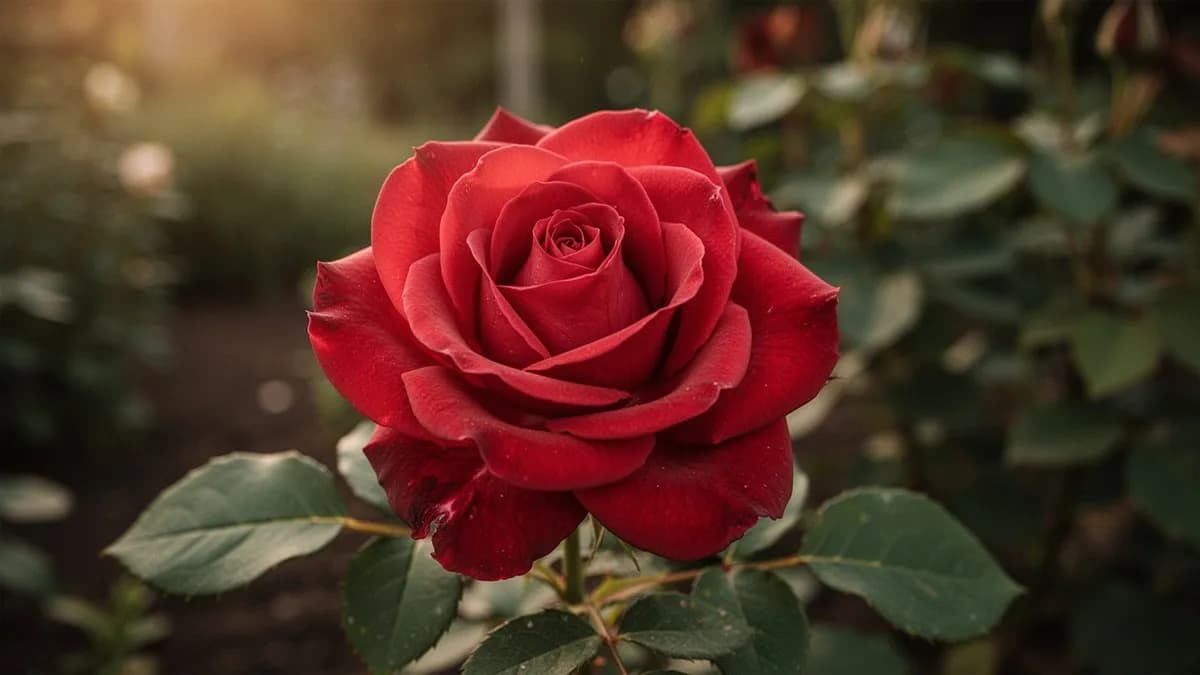
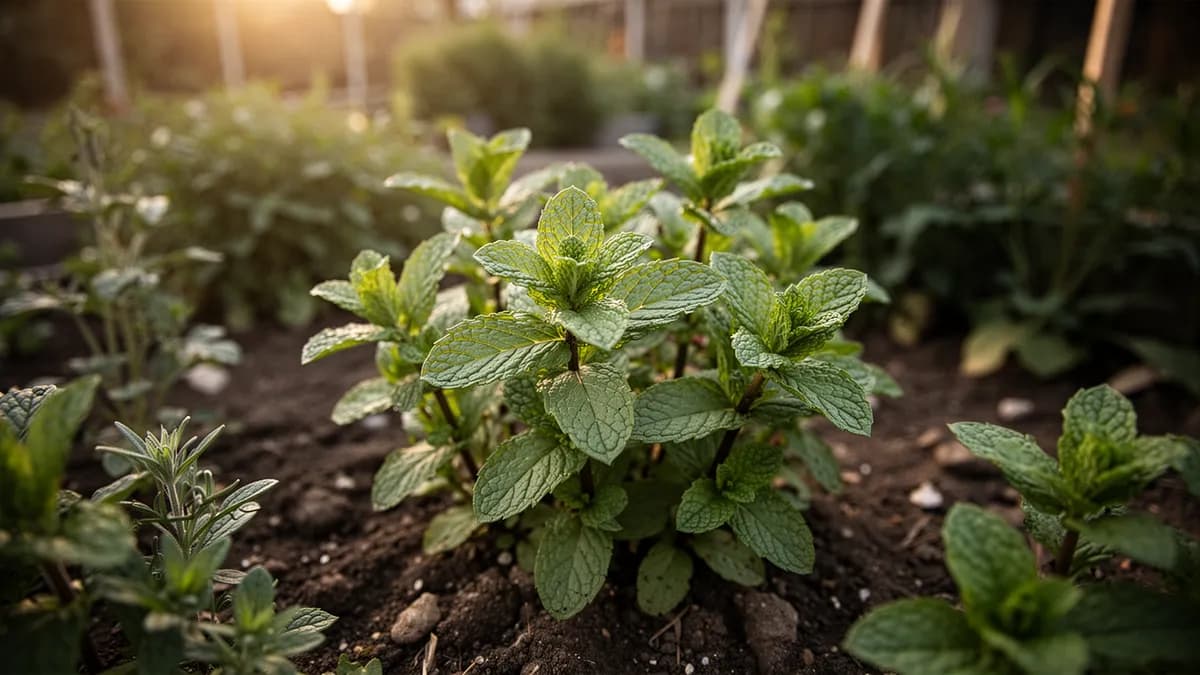
Lavendel vertreibt durch seine intensiven Aromastoffe Flöhe, Motten, Stechmücken und Rehe und ist damit eine natürliche Schädlingsbarriere im Garten. Pflanzen Sie ihn neben Rosen, wo er Blattläuse abschreckt und für eine ergänzende Schönheit sorgt. Lavendel gedeiht bestens mit anderen mediterranen Pflanzen wie Rosmarin, Thymian und Salbei, die die gleichen Vorlieben für mageren Boden und Trockenheit teilen. Seine üppigen Blüten sind ein Magnet für Bienen, Schmetterlinge und andere Bestäuber und steigern die Obst- und Gemüseerträge im gesamten Garten. Vermeiden Sie die Pflanzung neben feuchtigkeitsliebenden Kräutern wie Minze und Basilikum.
Rosmarin gehört daneben. Minze nicht.
Altes Gärtnerwissen, geprüft an der echten Nachbartabelle von Lavendel — teste jede Pflanze, die du anbaust.
Probiere Lavendel direkt hier im Beet
Ein echtes Planer-Beet, Lavendel steht schon drin. Tippe einen Begleiter an, platziere ihn und sieh, wie die Nachbarschaftsprüfung antwortet — grün für gute Nachbarn, rot bei Streit.


Passende Anbau-Ratgeber
Richtig düngen
Lavendel benötigt mageren, scharf drainierten, alkalischen Boden mit einem pH-Wert von 6,5–8,0. Sandige, kiesige oder steinige Böden sind ideal. Pflanzen Sie niemals in reichen, stark kompostierten oder lehmigen Böden. Fügen Sie sauren Böden Gartenkalk hinzu, um den pH-Wert anzuheben. Lavendel benötigt wenig bis keine Düngung; übermäßige Nährstoffe erzeugen üppige, aber kurzlebige Pflanzen mit verringertem Duft. Eine leichte Gabe Knochenmehl im Frühjahr liefert ausreichend Phosphor für die Blüte. In Gefäßen verwenden Sie eine Kakteenerde mit zusätzlichem Perlit und einer kleinen Menge Kalk.
Ideale Temperatur
Winterhärtezone-Kompatibilität
Von der Saat zur Ernte, Schritt für Schritt
Samenkeimung
Lavendelsamen sind bekannt für ihre langsame und unregelmäßige Keimung. Säen Sie die Samen auf die Oberfläche feuchter, gut durchlässiger Aussaaterde und sorgen Sie für gleichmäßige Wärme von etwa 18–21 °C. Licht fördert die Keimung, daher die Samen nicht tief bedecken. Eine Kältebehandlung von 2–4 Wochen vor der Aussaat kann die Keimrate deutlich verbessern.
Sämlingsentwicklung
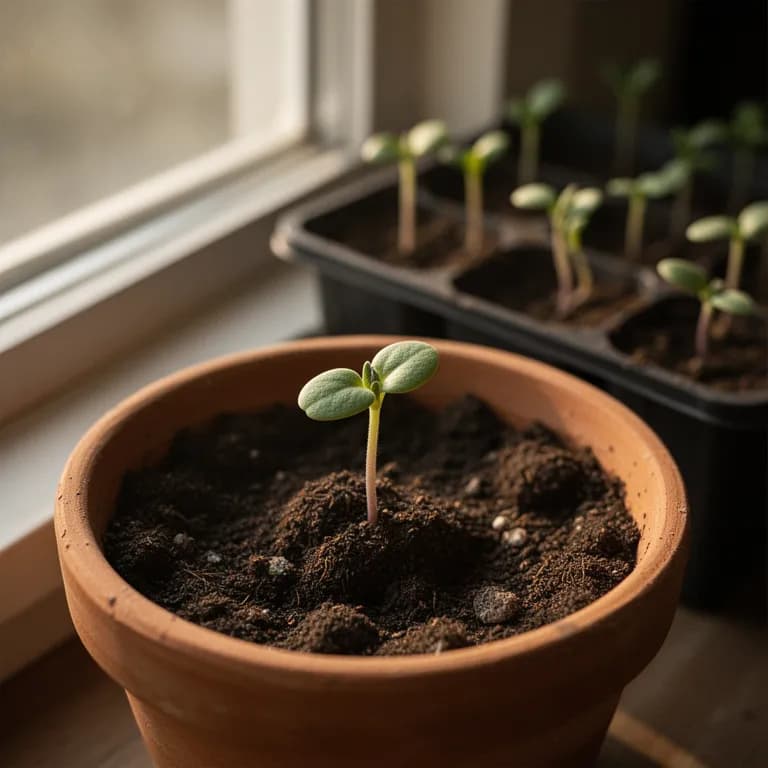
Winzige Sämlinge erscheinen mit schmalen, gegenständigen Blättern. Das Wachstum ist in dieser Phase langsam und die Sämlinge sind empfindlich. Sorgen Sie für helles Licht von mindestens 12 Stunden täglich und gute Luftzirkulation, um Umfallkrankheit zu verhindern.
Vegetatives Wachstum
Die Pflanzen entwickeln ihr charakteristisches graugrünes Laub und beginnen, eine holzige Basis aufzubauen. Die Stängel werden kräftiger und die Pflanze beginnt, ihre abgerundete, kissenförmige Gestalt auszubilden. In dieser Phase liegt der Schwerpunkt auf Wurzel- und Laubentwicklung statt auf Blüte.
Erste Blütenknospen
Blütenstiele beginnen aus dem Laub zu wachsen, gekrönt von kompakten Knospen, die sich allmählich zur typischen Ährenform verlängern. Die Knospen sind zunächst grün und entwickeln während der Reifung langsam ihre violette Färbung.
Vollblüte
Die Blütenähren sind vollständig geöffnet und zeigen leuchtend violette Blüten von unten nach oben. Die Pflanze hat ihren Höhepunkt an Duft und ätherischer Ölkonzentration erreicht. Bienen und Schmetterlinge besuchen die Blüten ständig. Dies ist das beste Zeitfenster für die Ernte von kulinarischem und handwerklichem Lavendel.
Nach der Blüte und Rückschnitt
Die Blüten beginnen zu verblühen und Samen anzusetzen. Die Pflanze leitet Energie in ihr Wurzelsystem und das holzige Grundgerüst um. Dies ist der entscheidende Zeitpunkt für den Rückschnitt, um die Form zu erhalten, dichtes Wachstum zu fördern und zu verhindern, dass die Pflanze sparrig und verholzt wird.
Winterruhe
Das Wachstum verlangsamt sich stark, wenn die Pflanze in die Winterruhe eintritt. Das halbimmergrüne Laub kann einen silbrigen oder leicht bronzefarbenen Ton annehmen. Das holzige Grundgerüst bleibt bestehen und schützt die Krone. Gut etablierter Lavendel ist je nach Sorte bis USDA-Zone 5–8 winterhart.
Besprühen Sie die Oberfläche leicht, um sie gleichmäßig feucht, aber niemals nass zu halten. Eine Abdeckhaube hilft, die Feuchtigkeit zu bewahren, während die Samen keimen.
Lavendel Monat für Monat pflegen
Was du jeden Monat für deine Lavendel tun solltest
Oktober
Aktueller MonatBringen Sie leichten Kiesmulch um die Pflanzenbasis auf, um die Winterdrainage zu verbessern. Stellen Sie das Gießen ein, es sei denn, die Bedingungen sind extrem trocken. Stellen Sie Lavendel in Töpfen an einen geschützten Platz.
Immer wissen, was jetzt im Garten zu tun ist
Eine E-Mail zum Monatsanfang: was du jetzt säen, pflanzen und anpacken solltest — für deine Lavendel und alles, was drumherum wächst. Dazu ein kurzer Startkurs, der dich vor den klassischen Fehlern bewahrt.
- Was jetzt zu tun ist
- Passend zu deiner Saison
- Startkurs inklusive
Lavendel ernten
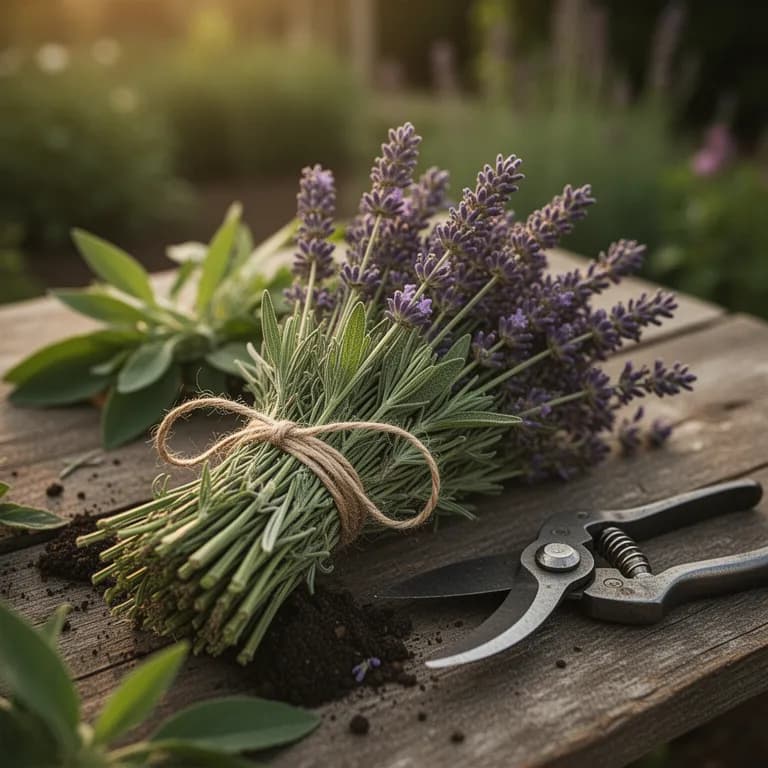
Ernten Sie Lavendel-Blütenstiele, wenn etwa die Hälfte der Blüten an jeder Ähre geöffnet ist – dann ist die Konzentration der ätherischen Öle am höchsten. Schneiden Sie die Stiele lang, direkt über dem Laubansatz, am Morgen nachdem der Tau getrocknet ist. Bündeln Sie 50–100 Stiele mit Gummibändern und hängen Sie sie kopfüber an einem warmen, dunklen, gut belüfteten Ort für 2–3 Wochen zum Trocknen auf. Für die kulinarische Verwendung ernten Sie die Knospen des Echten Lavendels, kurz bevor sie sich vollständig öffnen. Eine gesunde Pflanze kann ab dem zweiten Jahr 2–3 Mal pro Saison geerntet werden.
angenommen, du pflanzt zu Beginn des Zeitraums — trage dein tatsächliches Datum ein
Ernten Sie die Blütenstiele, wenn etwa die Hälfte der Blüten an jeder Ähre geöffnet ist – dann ist die Konzentration der ätherischen Öle am höchsten. Eine gesunde Pflanze kann ab dem zweiten Jahr 2–3 Mal pro Saison geerntet werden.
Lagerung & Konservierung
Getrockneter Lavendel behält seinen Duft 1–2 Jahre, wenn er in luftdichten Behältern lichtgeschützt aufbewahrt wird. Streifen Sie die getrockneten Knospen von den Stielen ab, um sie in Duftsäckchen, Potpourri, kulinarischen Anwendungen und Körperpflegeprodukten zu verwenden. Ätherisches Lavendelöl kann zu Hause durch Wasserdampfdestillation mit spezieller Ausrüstung gewonnen werden. Für Bastelprojekte ernten Sie die Stiele in voller Blüte und trocknen sie ganz für Kränze, Sträuße und Lavendelstäbe. Getrocknete Lavendelknospen können auch in Zucker, Honig, Salz oder Essig eingelegt werden, um sie kulinarisch haltbar zu machen.
Was schiefgeht — und die Lösung
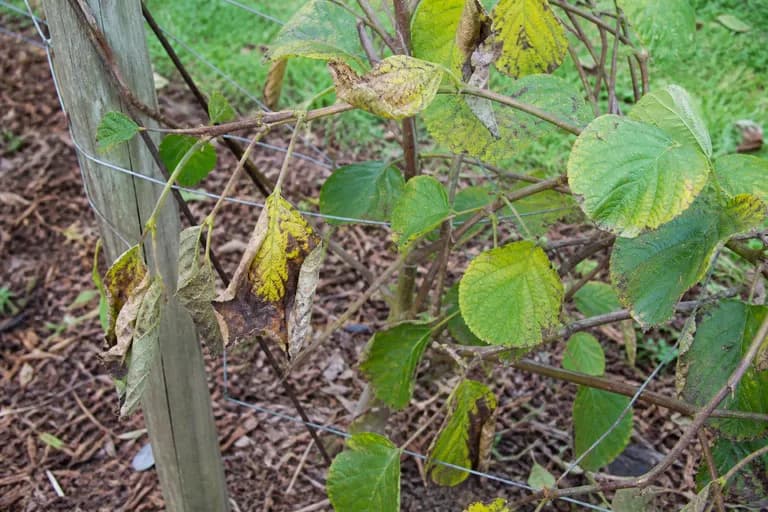
Wurzelfäule (Phytophthora)
KrankheitWelken trotz feuchtem Boden, grau-braune Verfärbung am Stängelgrund, plötzlicher Zusammenbruch der Pflanze.
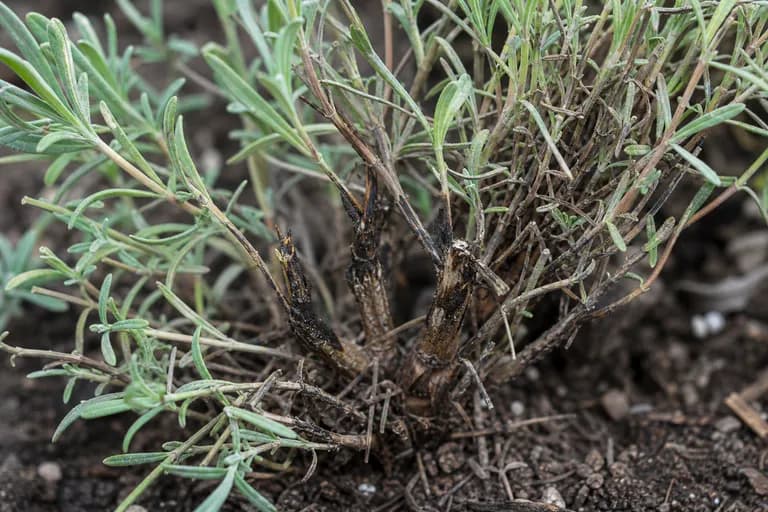
Triebsterben (Phomopsis lavandulae)
KrankheitWelken und Verbräunung einzelner Triebe, dunkle Nekrosen am Stängelgrund, fortschreitendes Absterben.
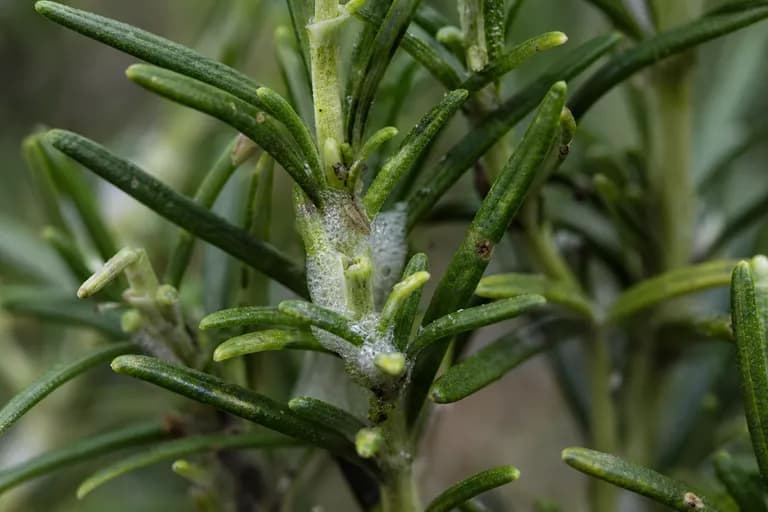
Schaumzikaden
SchädlingWeiße, schaumige Massen an den Stängeln, geringer kosmetischer Schaden, verursacht selten ernsthafte Beeinträchtigungen.
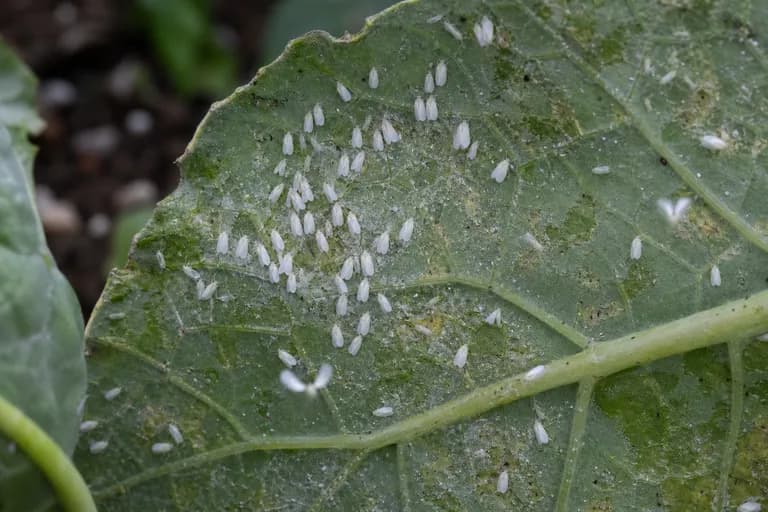
Weiße Fliegen
SchädlingWinzige weiße fliegende Insekten unter den Blättern, Vergilbung des Laubs, klebriger Honigtau bei starkem Befall.
Fehlerbehebung bei häufigen Problemen
Die Hauptursache für das Versagen von Lavendel ist nasser Boden, besonders während der Winterruhe. Sorgen Sie für perfekte Drainage und vermeiden Sie organischen Mulch, der Feuchtigkeit speichert. Verholzte, aufgeplatzte Pflanzen sind die Folge unterlassenen jährlichen Rückschnitts im Frühjahr. Schneiden Sie niemals ins alte, kahle Holz, da Lavendel nicht aus blattlosen Trieben regenerieren kann. Hohe Luftfeuchtigkeit fördert Pilzkrankheiten; wählen Sie resistente Sorten wie Phenomenal für feuchte Klimazonen. Gelbes Laub deutet meist auf zu sauren Boden hin und nicht auf Nährstoffmangel; testen Sie den Boden-pH und kalken Sie bei Bedarf.
Anbautipps
- Pflanzen Sie Lavendel in den ärmsten, am besten drainierten Boden, den Sie haben. Reiche, fruchtbare Erde verursacht sparriges Wachstum mit weniger Blüten und schwächerem Duft. Verbessern Sie schwere Lehmböden mit grobem Sand und feinem Kies, um die Drainage zu verbessern.
- Volle Sonne ist für Lavendel unverhandelbar. Pflanzen benötigen mindestens 6–8 Stunden direkte Sonneneinstrahlung täglich, um kräftiges Wachstum, reichliche Blüten und starke ätherische Öle zu entwickeln.
- Gießen Sie gründlich, aber selten, und lassen Sie den Boden zwischen den Wassergaben vollständig austrocknen. Etablierter Lavendel ist extrem trockenheitsverträglich und stirbt weit häufiger durch Überwässerung als durch Wassermangel.
- Verwenden Sie Kies- oder Steinmulch um Lavendelpflanzen herum anstatt organischem Mulch wie Rinde oder Stroh. Organischer Mulch hält Feuchtigkeit an Krone und Stängeln fest und fördert Wurzelfäule und Pilzkrankheiten.
- Schneiden Sie Lavendel zweimal im Jahr: leicht im Frühjahr, wenn neues Wachstum erscheint, und kräftiger nach der Blüte im Spätsommer. Schneiden Sie immer ins grüne Holz und niemals ins alte, kahle Holz, das möglicherweise nicht mehr austreibt.
- Halten Sie einen leicht alkalischen Boden mit einem pH-Wert zwischen 6,5 und 8,0. Wenn Ihr Boden sauer ist, fügen Sie vor dem Pflanzen Gartenkalk hinzu, um den pH-Wert anzuheben. Lavendel hat sich auf Kalksteinböden entwickelt und zeigt unter alkalischen Bedingungen die beste Leistung.
- Setzen Sie die Pflanzen mit 30–45 cm Abstand für eine dichte Hecke oder 60–90 cm Abstand als Einzelpflanzen. Gute Luftzirkulation zwischen den Pflanzen ist unerlässlich, um Pilzprobleme zu verhindern, besonders in feuchten Klimazonen.
- Vermehren Sie Lavendel aus halbreifen Stecklingen im Spätsommer oder Frühherbst. Entfernen Sie die unteren Blätter, tauchen Sie die Stecklinge in Bewurzelungshormon und setzen Sie sie in eine Mischung aus Perlit und Torf. Die Bewurzelung dauert 3–6 Wochen.
- Vermeiden Sie die Düngung von Lavendel. Übermäßige Nährstoffe, besonders Stickstoff, fördern üppiges Laub auf Kosten von Blüten und Produktion ätherischer Öle. Wenn Sie düngen müssen, verwenden Sie eine leichte Gabe Knochenmehl im zeitigen Frühjahr.
- In kalten Klimazonen (USDA-Zonen 5–6) verbessern Sie die Winterüberlebensrate, indem Sie Lavendel an einem Südhang oder in der Nähe einer wärmereflektierenden Wand pflanzen. Sorgen Sie für perfekte Winterdrainage, da kalter, nasser Boden Lavendel schneller abtötet als kalte Lufttemperaturen.
Bau deine beste Lavendel an — und alles drumherum.
Starte heute kostenlos. Lege deine Beete an, setze deine Lavendel ein und lass PlotMyGarden Timing, Abstände, Begleiter und Erinnerungen von der Saat bis zum Erntekorb übernehmen.
Finde deine Lavendel
Hidcote
Ein kompakter Echter Lavendel mit tiefviolett-blauen Blüten und silbrigem Laub. Wird bis zu 45 cm hoch, hervorragend für Einfassungen, Hecken und die kulinarische Verwendung.
Munstead
Ein klassischer Echter Lavendel mit mittelblauen Blüten und kompaktem Wuchs. Eine der winterhärtesten Sorten, zuverlässig bis Zone 5. Hervorragend für Trockensträuße.
Grosso
Eine Lavandin-Hybride (L. x intermedia) mit außergewöhnlich hohem Gehalt an ätherischen Ölen. Große Blütenähren an kräftigen Pflanzen, die bis zu 90 cm hoch werden. Der kommerzielle Standard für die Ölproduktion.
Provence
Eine Lavandin-Hybride mit sanft violetten Blüten und süßem Duft, ideal für Duftsäckchen und Körperpflege. Wüchsige, hitzetolerante Pflanzen mit großen Blütenähren.
Phenomenal
Ein außergewöhnlich winterharter und krankheitsresistenter Lavandin, der in feuchten Klimazonen gedeiht, wo andere Lavendelsorten versagen. Kräftiges silbriges Laub mit tiefvioletten Blüten.
Eine einzelne Lavendelpflanze kostet in der Gärtnerei 4–8 € und kann bei richtiger Pflege 15–20 Jahre leben und jährlich Hunderte von Stielen produzieren. Getrockneter kulinarischer Lavendel kostet im Handel 8–15 € pro 30 g, während eine gut etablierte Pflanze 60–110 g getrocknete Knospen pro Saison liefert. Über ihre Lebensdauer kann eine Pflanze 150–400 € an getrocknetem Lavendel einsparen, und sie ersetzt zudem kostspielige Duftsäckchen, Käufe ätherischer Öle und Schnittblumen. Die Vermehrung neuer Pflanzen aus Stecklingen kostet nichts und ermöglicht es Ihnen, Ihre Lavendelhecke kostenlos zu erweitern.
Schnelle Rezepte
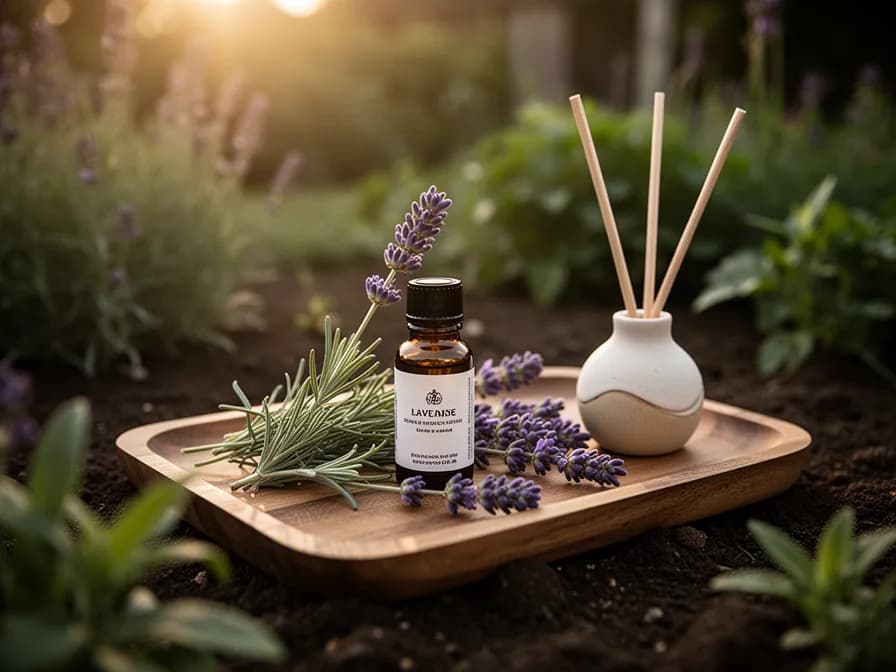
Lavendel-Limonade
15 Min. + KühlenEine erfrischende, leicht blumige Variante der klassischen Limonade. Lavendelsirup verleiht dem Getränk einen dezenten violetten Schimmer und eine raffinierte Kräuternote, die die Säure des frischen Zitronensafts ausbalanciert. Perfekt für Sommereinladungen oder einen entspannten Nachmittag im Garten.
6 ZutatenLavendel-Mürbeteig-Kekse
30 Min. + 30 Min. Kühlen + 15 Min. BackenButtrige, krümelige Mürbeteigkekse, durchzogen von duftenden Lavendelknospen, ergeben ein elegantes Gebäck, das wunderbar zu Tee passt. Der Lavendel verleiht eine subtile blumige Komplexität, die einfache Butterkekse in etwas wirklich Besonderes verwandelt. Verwenden Sie kulinarischen Echten Lavendel für den besten Geschmack.
7 ZutatenLavendel-Honig-Kräutertee
10 Min.Ein wohltuender, aromatischer Tee, der seit Jahrhunderten als beruhigendes Abendritual geschätzt wird. Die Kombination aus Lavendel und rohem Honig ergibt einen natürlich süßen, blumigen Aufguss, der Entspannung und sanfte Verdauung fördert. Kann heiß oder eisgekühlt serviert werden.
5 ZutatenKulinarische Verwendung
Knospen des Echten Lavendels verleihen Backwaren, Tees und herzhaften Gerichten eine blumige, leicht süße Note. Verwenden Sie Lavendel sparsam, da der Geschmack in zu großer Menge seifig werden kann. Lavendel ist ein wichtiger Bestandteil der Kräuter der Provence. Lassen Sie Knospen in Zucker, Honig, Sahne oder Zuckersirup für Desserts ziehen. Lavendel harmoniert wunderbar mit Zitrone, Beeren, Schokolade und Steinobst. Er ergänzt auch Lammbraten, gegrilltes Hähnchen und Ziegenkäse. Über die kulinarische Verwendung hinaus wird Lavendel für Aromatherapie, Duftsäckchen, die Gewinnung ätherischer Öle und natürliche Hautpflegeprodukte geschätzt.
Was drinsteckt
Gesundheitsvorteile
- Lavendel-Aromatherapie hat in klinischen Studien nachweislich Angstzustände reduziert und Entspannung gefördert, wobei nach dem Einatmen von ätherischem Lavendelöl ein Rückgang des Cortisolspiegels nachgewiesen wurde.
- Das Trinken von Lavendeltee vor dem Schlafengehen kann die Schlafqualität verbessern, da das Linalool im Lavendel mit dem GABA-Neurotransmitter-System interagiert und eine leicht sedierende Wirkung erzeugt.
- Lavendel enthält Rosmarinsäure und andere Polyphenole mit nachgewiesenen entzündungshemmenden und antioxidativen Eigenschaften, die helfen können, oxidativen Stress im Körper zu reduzieren.
- Die äußerliche Anwendung von verdünntem Lavendelöl wurde auf seine Fähigkeit untersucht, die Wundheilung zu unterstützen und einen leichten antimikrobiellen Schutz gegen häufige Hautbakterien zu bieten.
- Lavendeltee hat eine lange Tradition als Verdauungshilfe und hilft bei der Linderung von Blähungen, Völlegefühl, Übelkeit und Magenbeschwerden nach den Mahlzeiten.
- Forschungsergebnisse deuten darauf hin, dass regelmäßiger Kontakt mit Lavendelduft dazu beitragen kann, den Blutdruck und die Herzfrequenz zu senken und so zur allgemeinen kardiovaskulären Entspannung beizutragen.
Woher Lavendel stammt
Lavendel (Lavandula angustifolia) stammt aus den Bergregionen des westlichen Mittelmeerraums, insbesondere von den sonnenüberfluteten Hügeln Südfrankreichs, Nordspaniens und Norditaliens. Er gedeiht auf felsigen, gut drainierten Kalksteinhängen in Höhenlagen zwischen 500 und 1.700 Metern, wo er sich an arme Böden, intensive Sonneneinstrahlung und geringe Niederschläge angepasst hat. Archäologische Funde deuten darauf hin, dass Lavendel seit mindestens 2.500 Jahren von Menschen genutzt wird. Die alten Ägypter verwendeten ihn in Parfüms und beim Einbalsamierungsprozess, während die Phönizier und andere mediterrane Handelskulturen ihn in der gesamten antiken Welt verbreiteten. Die Griechen kannten ihn als ‚Nardus', benannt nach der syrischen Stadt Naarda, und nutzten ihn zur Behandlung von Beschwerden von Schlaflosigkeit bis hin zu Insektenstichen. Die Römer steigerten das Ansehen des Lavendels erheblich, indem sie ihn zur Beduftung von Bädern, Betten und Kleidung verwendeten und seine antiseptischen Eigenschaften zur Wundreinigung auf dem Schlachtfeld erkannten. Römische Soldaten sollen Lavendel durch das gesamte Imperium getragen und ihn so in weiten Teilen Europas und schließlich in Britannien eingeführt haben. Im Mittelalter wurde Lavendel zu einem festen Bestandteil der Klosterkräutergärten und von Mönchen kultiviert, die seine medizinischen Anwendungen erforschten. Hildegard von Bingen, die Äbtissin des 12. Jahrhunderts, schrieb ausführlich über die Heilkräfte des Lavendels. In der Tudor-Ära wurde englischer Lavendel enorm beliebt; Königin Elisabeth I. soll täglich frische Lavendelblüten auf ihrem Tisch verlangt haben. Das Kraut überquerte mit den frühen Siedlern den Atlantik und gehörte zu den ersten europäischen Pflanzen, die in der Neuen Welt angebaut wurden. Der kommerzielle Lavendelanbau expandierte im 19. und 20. Jahrhundert dramatisch, wobei die Provence zur Welthauptstadt der Lavendelproduktion wurde. Heute bleibt Lavandula angustifolia eine der am weitesten verbreiteten Zier- und Küchenkräuter weltweit, geschätzt für seinen Duft, seine Schönheit und seine bemerkenswerte Vielseitigkeit.
Lavendel: Schon gewusst?
Faszinierende Fakten über Lavendel
Der Name ‚Lavendel' leitet sich vom lateinischen ‚lavare' ab, was ‚waschen' bedeutet, da die Römer ihn zur Beduftung ihres Badewassers und ihrer Wäsche verwendeten.
Lavendel: Fragen & Antworten
Wann sollte ich Lavendel pflanzen?
Was sind gute Begleitpflanzen für Lavendel?
In welchen Winterhärtezonen kann Lavendel wachsen?
Wie viel Sonne braucht Lavendel?
Welchen Abstand sollte ich zwischen Lavendel lassen?
Welche Schädlinge und Krankheiten befallen Lavendel?
Wie lagere ich Lavendel nach der Ernte?
Was sind die besten Lavendel-Sorten zum Anbauen?
Welchen Boden braucht Lavendel?
Ist Lavendel essbar und sicher zum Verzehr?
Warum wird mein Lavendel holzig und blüht nicht mehr richtig?
Wie überwintre ich Lavendel in kalten Klimazonen?
Wie trockne ich Lavendel am besten für Duftsäckchen und zum Kochen?
Kann ich Lavendel in Töpfen anbauen?
Welche Lavendelsorte eignet sich am besten zum Kochen?
Du hast die Theorie gelesen. Jetzt baue sie auf Autopilot an.
Alles, was Lavendel knifflig macht — das Timing, die Abstände, die Begleiter, das Erntefenster — genau das übernimmt PlotMyGarden für dich, für jede Pflanze im Garten.
Ein Plan, der dein Wetter kennt
Standort einmal festlegen. Aussaat-, Dünge- und Erntedaten rund um deinen echten letzten Frosttermin und die Live-Vorhersage — kein Raten mehr nach Saattüte.
Aus dem Abschnitt „Pflanzzeit“Beetplaner per Drag & Drop
Beete auf einem Raster gestalten. Jede Pflanze rastet im richtigen Abstand ein, und du siehst die ganze Saison, bevor du einen Cent für Saatgut ausgibst.
Aus dem Abschnitt „Anbau“Begleiter-Konflikte früh erkannt
Über 200 gute und schlechte Kombinationen werden beim Pflanzen live geprüft — so landet ein saisonruinierender Fehler nie in der Erde.
Aus dem Abschnitt „Begleiter“Erinnerungen, nach denen du wirklich handelst
„Gieß die Bohnen.“ „Heute ernten, bevor's umschlägt.“ Pünktlich, konkret und auf deine echten Pflanzen bezogen.
Aus dem Abschnitt „Ernte“Staffel-Aussaat, geplant
Sechs Wochen ernten statt sechs Tage? Die App verteilt deine Aussaaten automatisch und erinnert dich, wenn der nächste Satz fällig ist.
Aus dem Abschnitt „Pflanzzeit“Ein Verlauf, der schlauer wird
Jede protokollierte Ernte bringt der App deinen Garten bei. Der Plan fürs nächste Jahr startet bei dem, was in deinem Boden wirklich funktioniert hat.
Aus dem Abschnitt „Überblick“Pflanze diese neben Lavendel
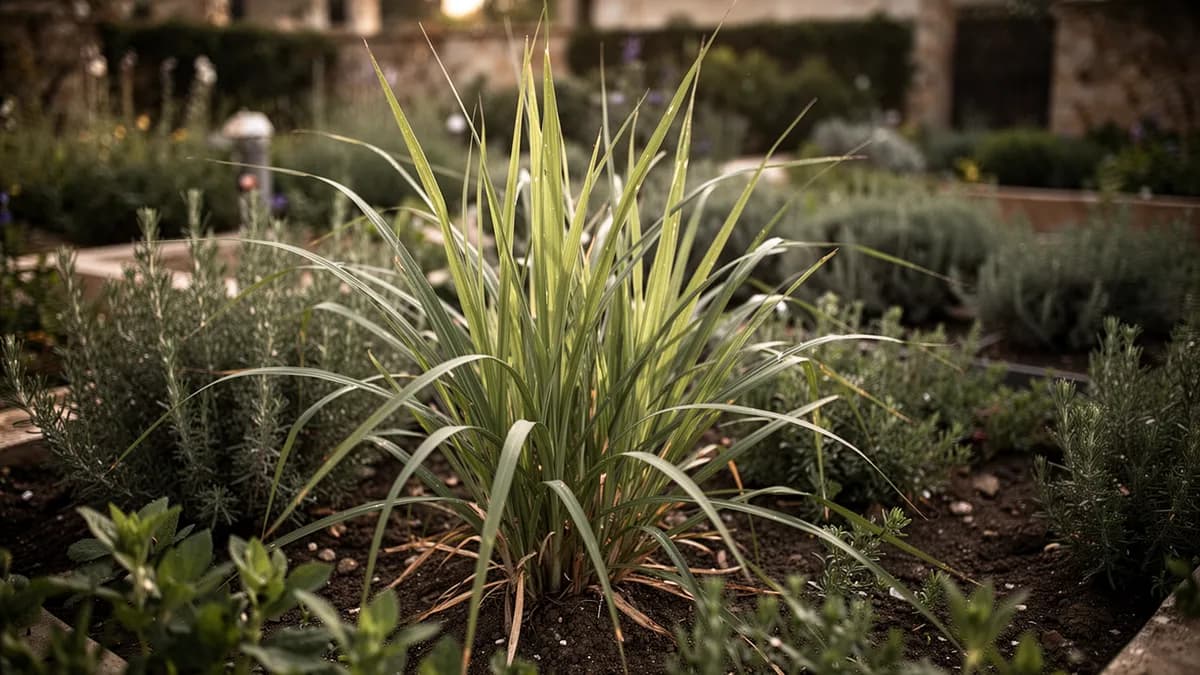
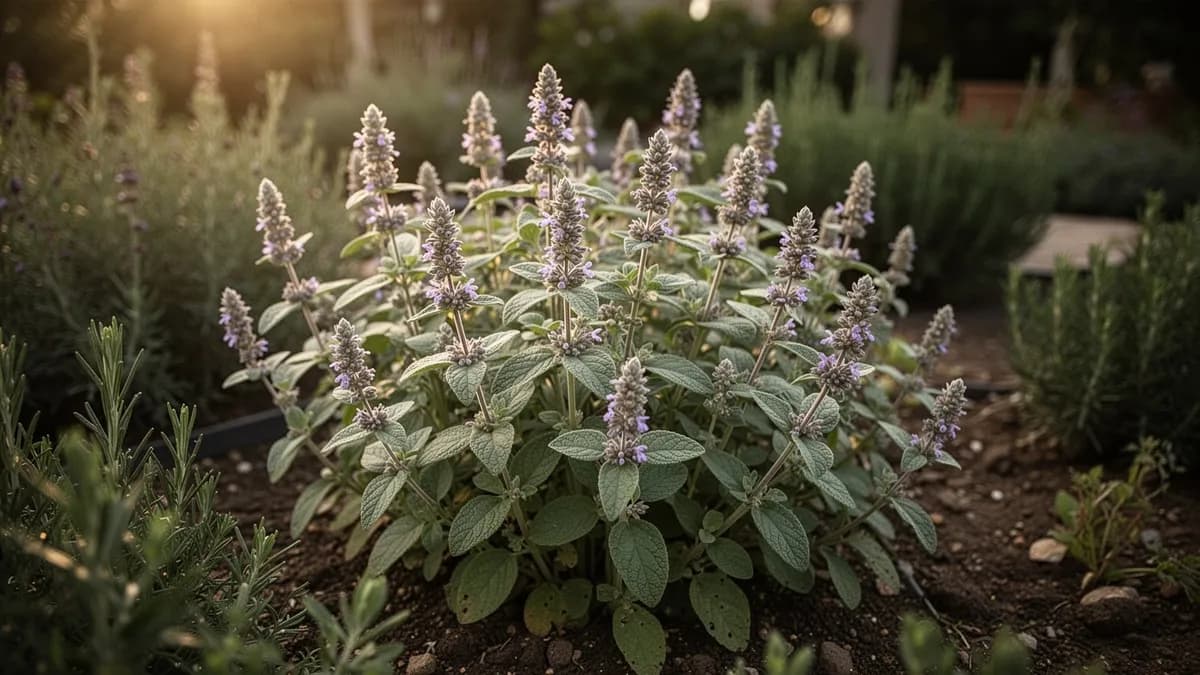
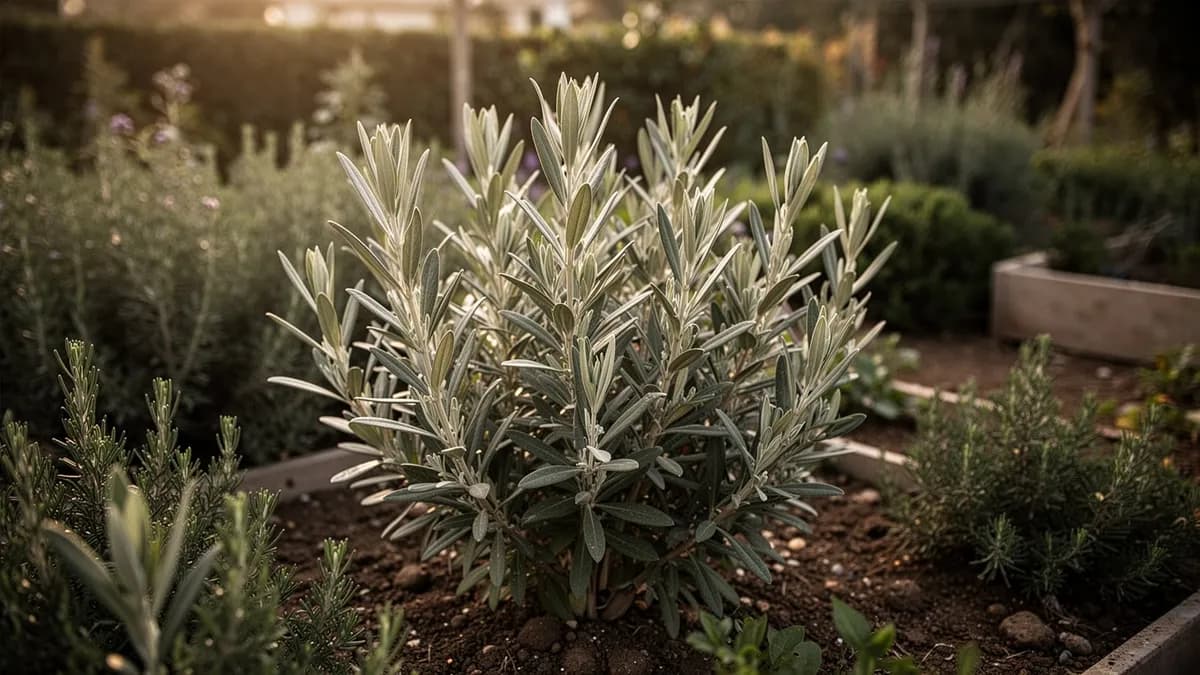
Weitere Duftkräuter
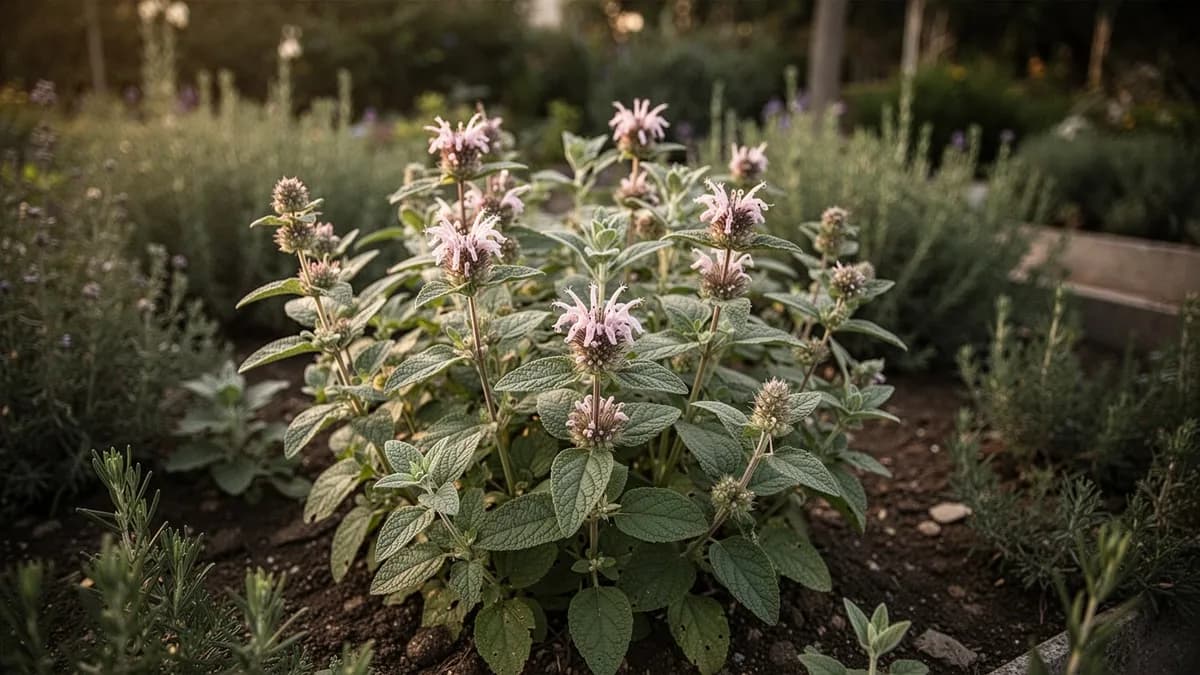
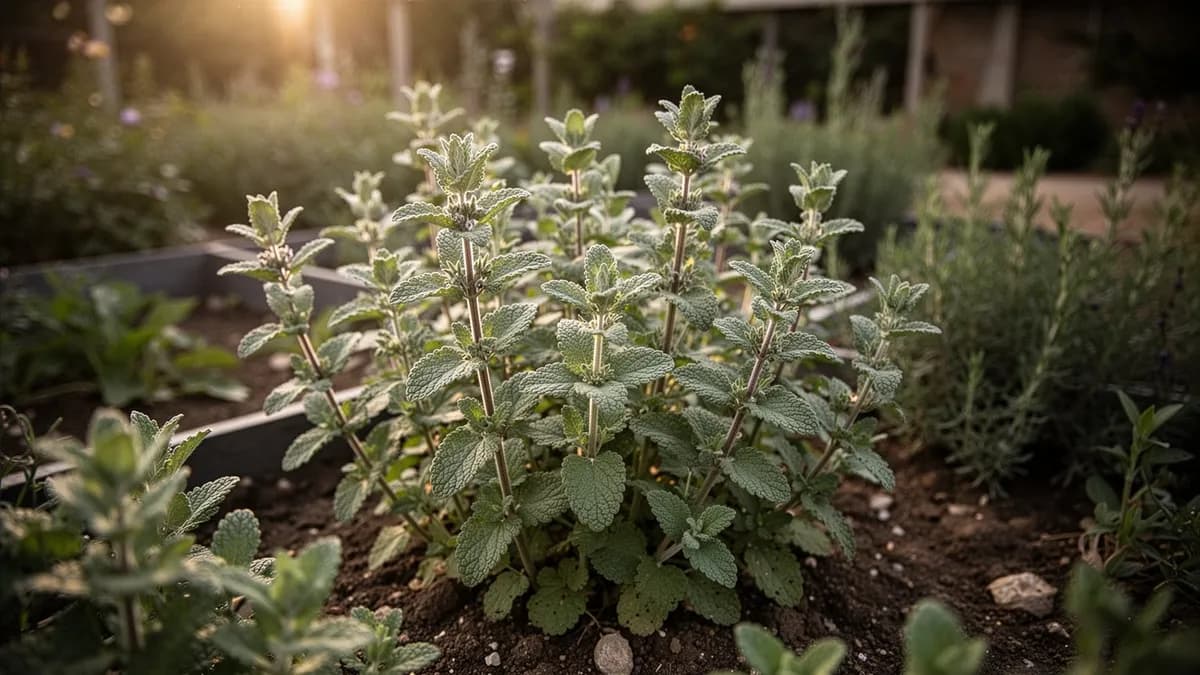
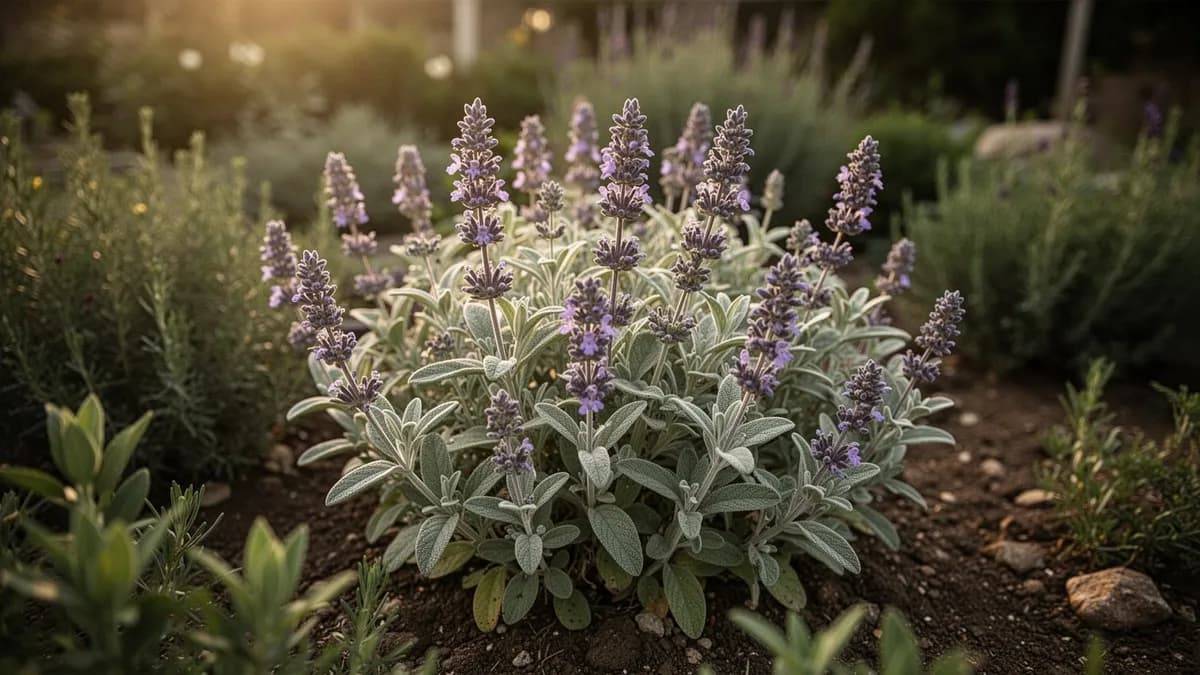
Halte Lavendel von diesen fern
Gartenpläne mit Lavendel
Bau deine beste Lavendel an — und alles drumherum.
Starte heute kostenlos. Lege deine Beete an, setze deine Lavendel ein und lass PlotMyGarden Timing, Abstände, Begleiter und Erinnerungen von der Saat bis zum Erntekorb übernehmen.