Catnip
The famous cat-attracting herb with grey-green leaves and white flower spikes, also used as a calming tea for humans.





On this pageOverview
Meet Catnip
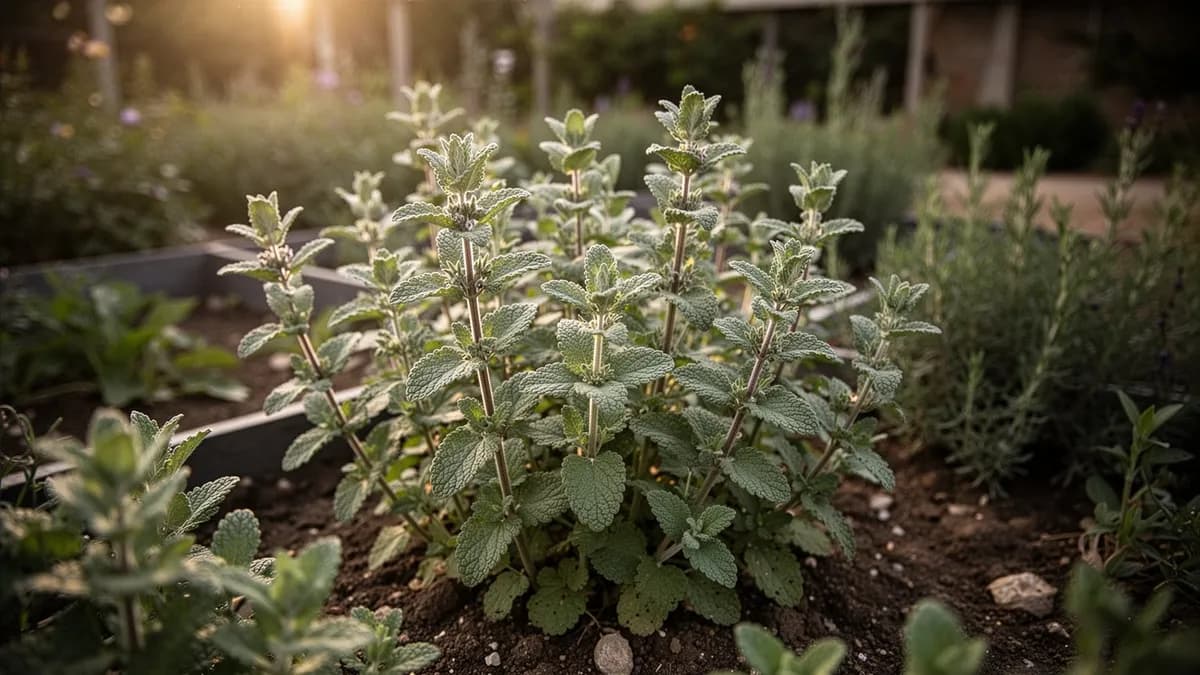
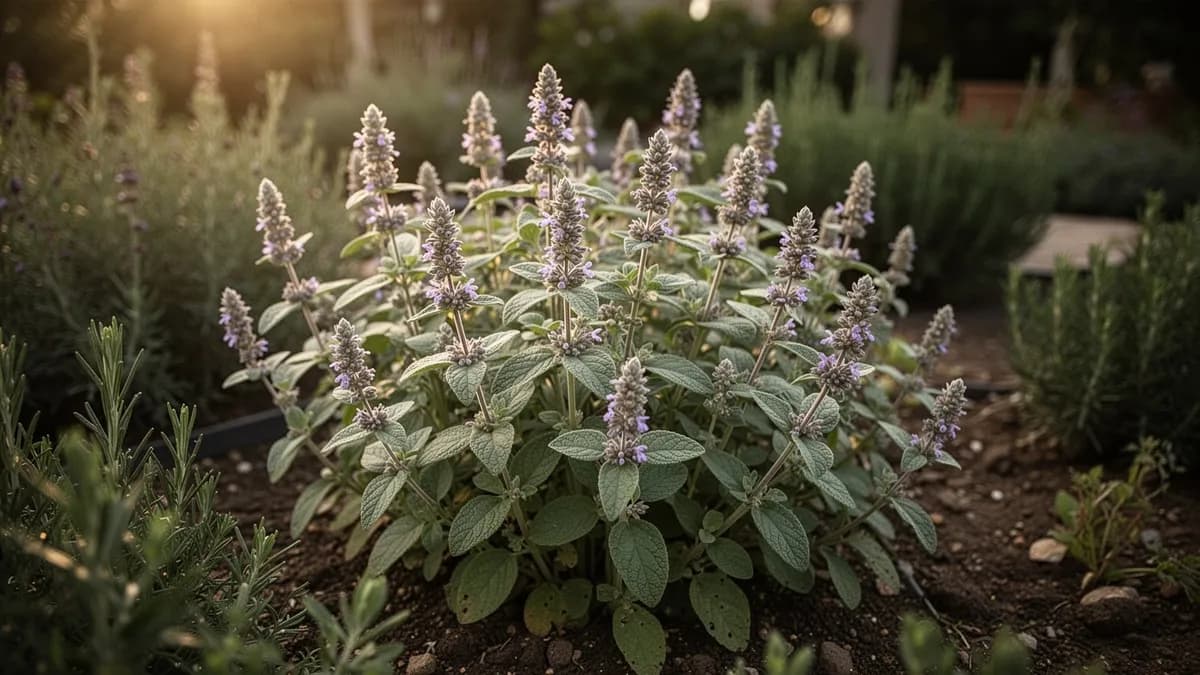
The famous cat-attracting herb with grey-green leaves and white flower spikes, also used as a calming tea for humans. Nepetalactone, the compound that drives cats wild, is also an effective mosquito repellent. Protect young plants from cats until established, as they may roll on and destroy seedlings in their enthusiasm.
When to plant Catnip
Catnip is easy from seed but germination is improved by cold stratification. Refrigerate seeds in damp paper towels for 1-2 weeks before sowing. Sow indoors 6-8 weeks before last frost, pressing seeds onto moist compost surface—they need light to germinate. Keep at 20-22°C and expect germination in 7-14 days. Can also be direct-sown outdoors in spring. Self-sown seedlings appear abundantly in established gardens and can be transplanted where needed.
Your Catnip Year
Composed for Zone 7 · typical seasons · frost passes Apr 2, returns Nov 1
Plant Catnip Mar – May, pick Jun – Sep. Check the planting methods below and set your climate to personalize these windows.
How to grow Catnip
Catnip is a vigorous, spreading perennial in the mint family that grows 60-100cm tall with grey-green, heart-shaped leaves and spikes of small white or pale lavender flowers. Plant in full sun to partial shade in average, well-drained soil. Space plants 45cm apart. Catnip is extremely hardy and adaptable, thriving in poor soils and dry conditions where many herbs struggle.
The biggest challenge in growing catnip is protecting young plants from neighborhood cats, who will roll on, crush, and destroy seedlings. Use wire cages or chicken wire domes over newly planted specimens until they are well-established with a strong root system. Once mature, plants can tolerate enthusiastic feline attention and regrow from the roots even if heavily damaged.
Cut plants back by half after the first flowering flush to promote bushier regrowth and a second bloom period. Catnip self-seeds prolifically and can become weedy if flowers are left to set seed. Deadhead regularly or cut entire flower spikes for drying. Divide mature clumps every 3-4 years in spring to rejuvenate plants and control spread.
10 plants fit a 4 × 8 ft bed
Each Catnip wants 45 cm of elbow room. The planner keeps that spacing for you — every plant, every bed.
Catnip's best neighbours
Catnip is a powerful pest repellent companion, particularly effective against flea beetles, aphids, squash bugs, and mosquitoes. Research has shown that nepetalactone is more effective than DEET as a mosquito repellent. Plant near roses to deter aphids, near squash to repel squash bugs, and around seating areas to reduce mosquitoes. However, be aware that catnip will attract cats, which may damage neighboring plants.
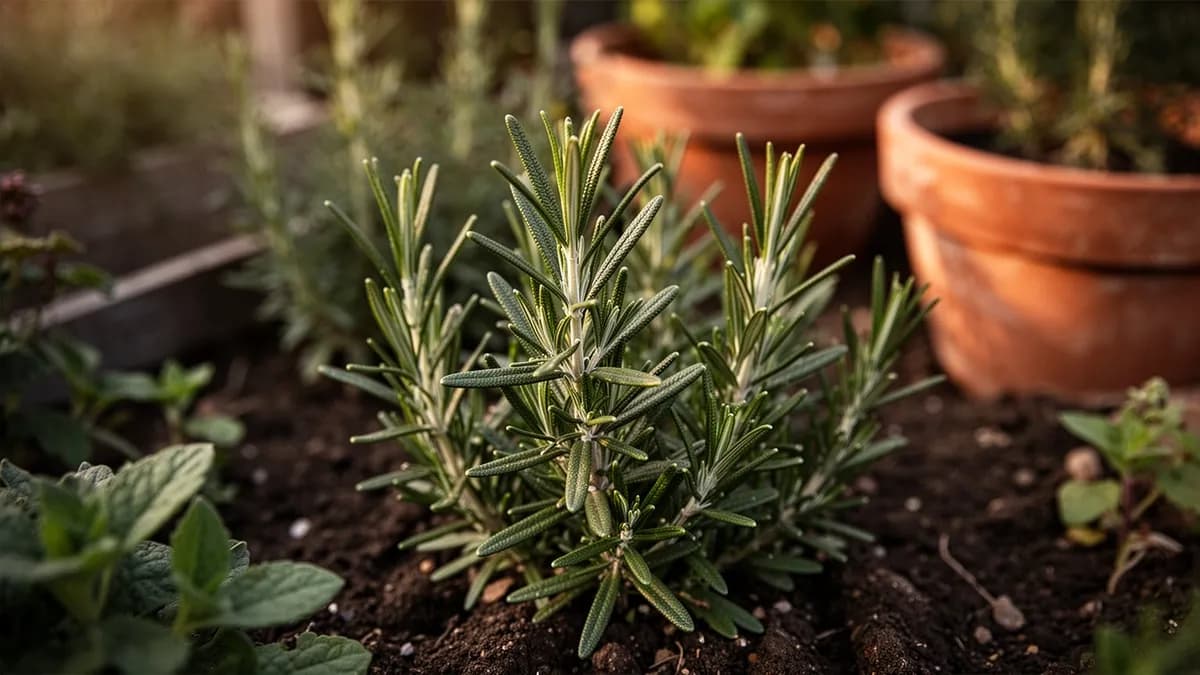
Rosemary belongs beside it.
Old growers' knowledge, checked against Catnip's real companion table below — test any plant you're growing.
Try Catnip in a bed — right here
A real planner bed with Catnip already in it. Tap a companion to place it and watch the pairing checks answer — green for good neighbours, red for a clash.


Related growing guides
Feed it well
Catnip thrives in average to poor, well-drained soil with a pH of 6.0-7.5. It actually produces stronger essential oils in leaner soils—rich feeding reduces aromatic potency. Sandy loam is ideal. Avoid heavy clay unless amended with grit for drainage. No fertilizer is typically needed; a light compost top-dressing in spring is more than sufficient. Excess fertility leads to lush but weakly aromatic growth.
Ideal Temperature
Hardiness Zone Compatibility
From seed to harvest, stage by stage
Seed Germination
Catnip seeds are very small and require light to germinate. Surface-sow seeds on moist, well-draining seed-starting mix and press gently without covering. Maintain consistent moisture and temperatures around 20-22°C. Cold stratification for one to two weeks in the refrigerator before sowing can improve germination rates significantly.
Seedling Development
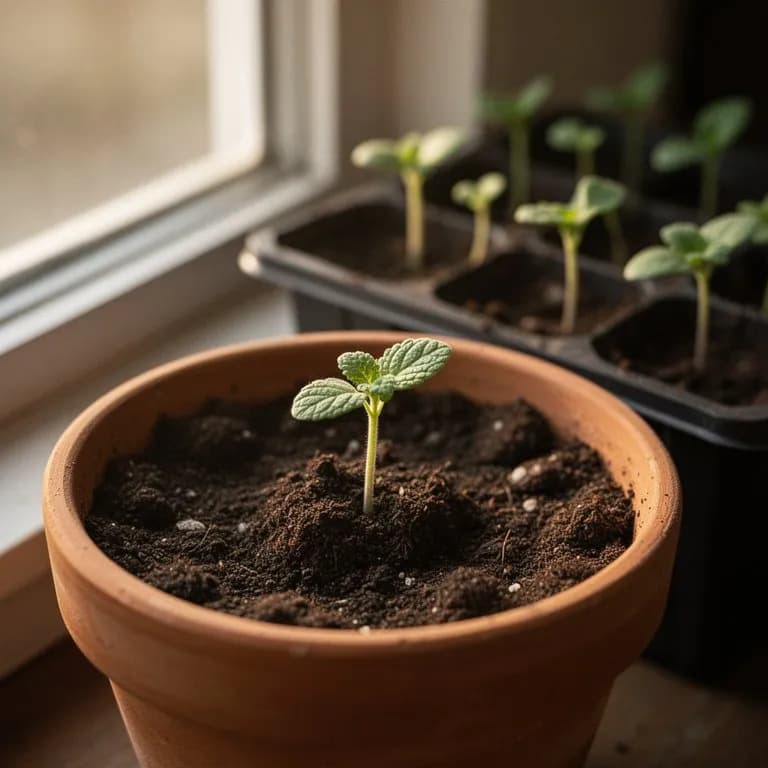
Small seedlings emerge with rounded cotyledons followed by the first pairs of true leaves, which already show the characteristic serrated edges and soft downy texture. Seedlings grow slowly at first and are vulnerable to damping off in overly wet conditions.
Vegetative Growth
Plants develop rapidly during this stage, producing branching square stems and abundant aromatic foliage. The grey-green, heart-shaped leaves grow in opposite pairs along sturdy stems. Catnip can grow aggressively once established, reaching 60-100 cm tall with a bushy, mounding habit.
Bud Formation
Terminal flower spikes begin to form at the tips of stems and in leaf axils. Small, tightly packed buds appear in dense whorls along the developing spikes. The plant reaches its full height and the aromatic oil concentration in the leaves intensifies as blooming approaches.
Flowering
Small tubular flowers open in dense terminal spikes, ranging from white to pale lavender with distinctive purple spots on the lower lip. Flowers bloom from the bottom of each spike upward over several weeks. The plant is highly attractive to bees, butterflies, and beneficial insects during this stage.
Seed Set and Late Season
Pollinated flowers develop small nutlet seeds within the persistent calyces. Each flower spike produces hundreds of tiny brown seeds. If not deadheaded, catnip self-sows prolifically and can become invasive. The foliage may become somewhat coarse and less aromatic as the plant directs energy toward seed production.
Dormancy
As temperatures drop, top growth dies back to the woody crown. The robust root system remains alive underground through winter, storing energy for vigorous regrowth in spring. Established catnip is reliably perennial in USDA zones 3-9 and rarely needs winter protection.
Keep the surface evenly moist with a fine mist sprayer. A clear humidity dome helps maintain moisture without disturbing the tiny seeds on the soil surface.
Caring for Catnip month by month
What to do each month for your Catnip
October
You are hereMake final harvests before frost. Cut plants back to about 10 cm above ground level after the first hard frost kills the top growth. Spread a thin layer of compost around the base of plants as a light winter feed.
Know exactly what to do in your garden — every month
One email at the start of each month: what to sow, plant, and tackle right now — for your Catnip and everything growing around it. Plus a short starter course that helps you dodge the classic mistakes.
- What to do, right now
- Matched to your season
- Starter course included
Harvesting Catnip
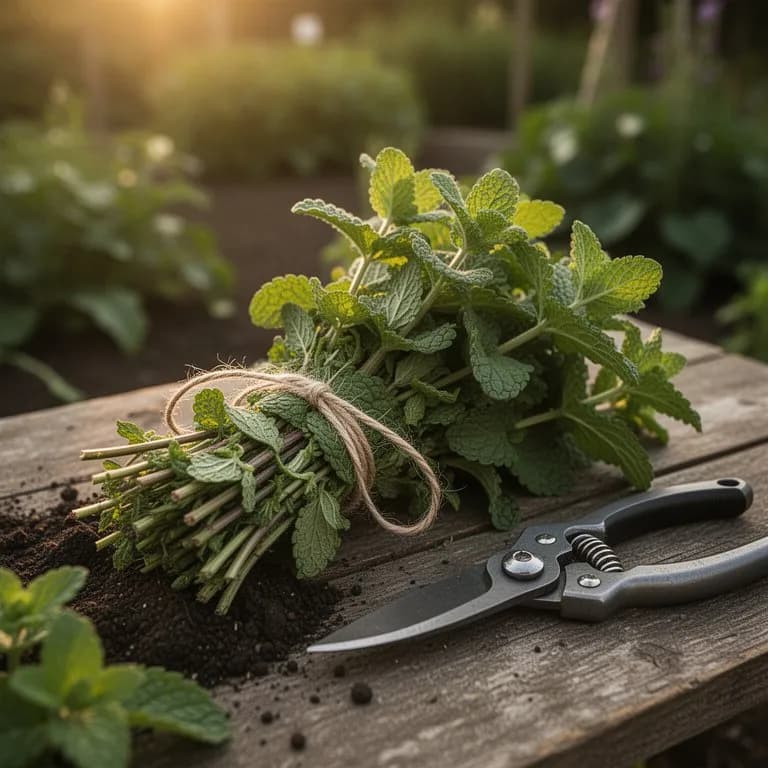
Harvest catnip leaves and flowering tops when flowers are in full bloom, typically June through September. This is when nepetalactone content is highest. Cut stems about 15cm above ground level, leaving lower growth for recovery. For cat toys, dry the most aromatic top growth. For tea, younger leaves near the stem tips have the most pleasant flavor. Harvest in the morning after dew has dried for the strongest fragrance.
assuming you plant when the window opens — set your real date
Pick Catnip promptly and the plant keeps producing.
Storage & Preservation
Bundle stems and hang upside down in a warm, dark, well-ventilated space. Dried catnip retains its potency for up to a year when stored in airtight containers away from light. For cat toys, stuff dried leaves into small fabric pouches. For tea, strip dried leaves from stems and store in glass jars. Fresh catnip can be frozen in sealed bags. The essential oil can be extracted by steam distillation for use as a natural insect repellent.
What goes wrong — and the fix
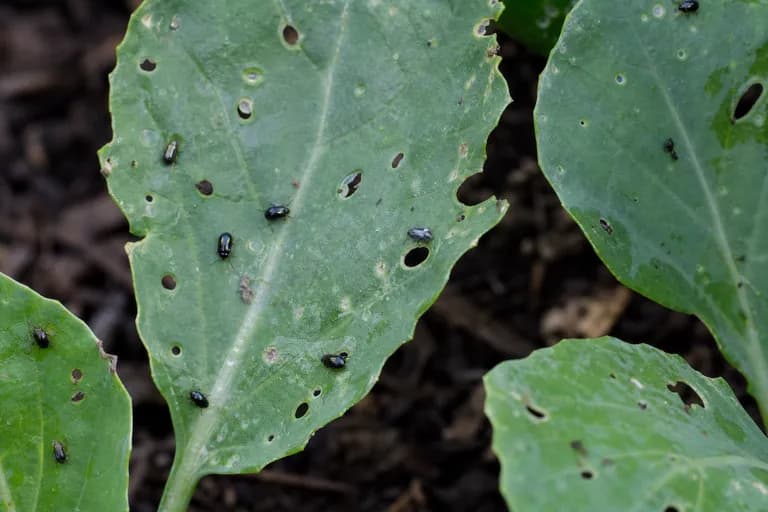
Flea Beetles
PestTiny round holes scattered across leaves, giving them a shot-hole appearance. More common on young plants in spring.
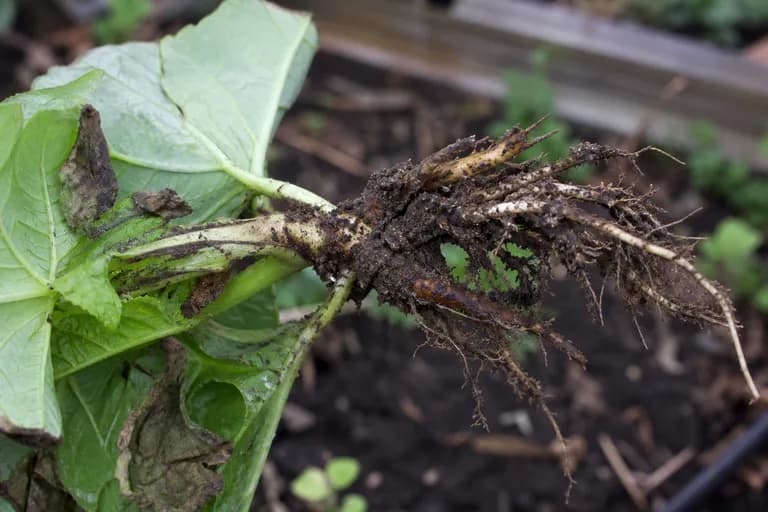
Root Rot
DiseaseWilting plants despite adequate soil moisture. Yellowing lower leaves and mushy, brown root tissue.
Troubleshooting Common Problems
Cat damage to young plants is the primary issue—use protective caging until plants are well-established with strong root systems. Self-seeding can become aggressive; deadhead regularly to control spread. Tall stems may flop in rich soil or shade; grow in full sun and lean soil for more compact plants, or stake if needed. In humid climates, ensure good air circulation to prevent fungal problems.
Growing Tips
- Catnip thrives in full sun to partial shade, but plants grown in full sun produce more essential oils and have stronger fragrance. Aim for at least 6 hours of direct sunlight daily for the most potent foliage.
- Plant in average, well-drained soil. Catnip actually performs better in lean to moderately fertile ground, as overly rich soil produces lush but less aromatic foliage with weaker nepetalactone concentration.
- If you have cats, protect young transplants with a wire cage or cloche until they are well established. Cats are attracted to bruised catnip roots and can destroy newly planted seedlings by rolling on them.
- Control catnip's vigorous self-sowing habit by deadheading spent flower spikes before seeds mature and scatter. Alternatively, grow plants in containers or within a buried barrier to limit underground spread via stolons.
- Water moderately during establishment, then reduce watering for mature plants. Catnip is quite drought-tolerant once its root system is developed and actually produces more aromatic oils under slight water stress.
- Harvest catnip in the morning after dew has dried for the highest essential oil content. Cut stems back to just above a leaf node, which encourages branching and additional harvests throughout the season.
- Dry harvested catnip by hanging small bundles upside down in a warm, dry, well-ventilated area away from direct sunlight. Leaves should crumble easily when fully dry, typically within one to two weeks.
- Divide established clumps every three to four years in early spring to maintain plant vigor and prevent the center of the clump from dying out. Replant divisions immediately and water well.
- Use catnip as a companion plant near brassicas, squash, and eggplant, where it helps repel flea beetles, aphids, squash bugs, and other common garden pests with its strong aromatic oils.
- Avoid heavy nitrogen fertilization, which produces excessive leafy growth with diminished aroma and increases susceptibility to fungal diseases. A light top-dressing of compost in early spring is all established plants need.
Grow your best Catnip yet — and everything around it.
Start a free plan today. Lay out your beds, drop in your Catnip, and let PlotMyGarden handle the timing, spacing, companions and reminders from seed to harvest basket.
Pick your Catnip
Nepeta cataria (Common Catnip)
The standard species, most attractive to cats and most commonly used for tea. Grey-green leaves with white flower spikes.
Nepeta cataria 'Citriodora'
Lemon-scented catnip with a citrus twist to the standard aroma. Makes a more pleasant tea than the standard form.
Nepeta cataria 'Compacta'
More compact growth habit reaching only 30-45cm. Good for container growing and smaller garden spaces.
A packet of catnip seeds costs $2-4 and produces dozens of plants, while a single nursery transplant runs $4-7. Once established, catnip is a vigorous perennial that returns reliably for 4-6 years and self-sows freely, providing an endless supply at no additional cost. Dried organic catnip retails for $6-12 per ounce, and a single mature plant yields 4-8 ounces of dried herb per season. Over its lifetime, one plant can save $100-300 on dried catnip for tea and cat products. Additionally, its potent insect-repelling properties can reduce the need for commercial mosquito repellents and garden pesticides, saving another $20-50 annually.
Quick recipes
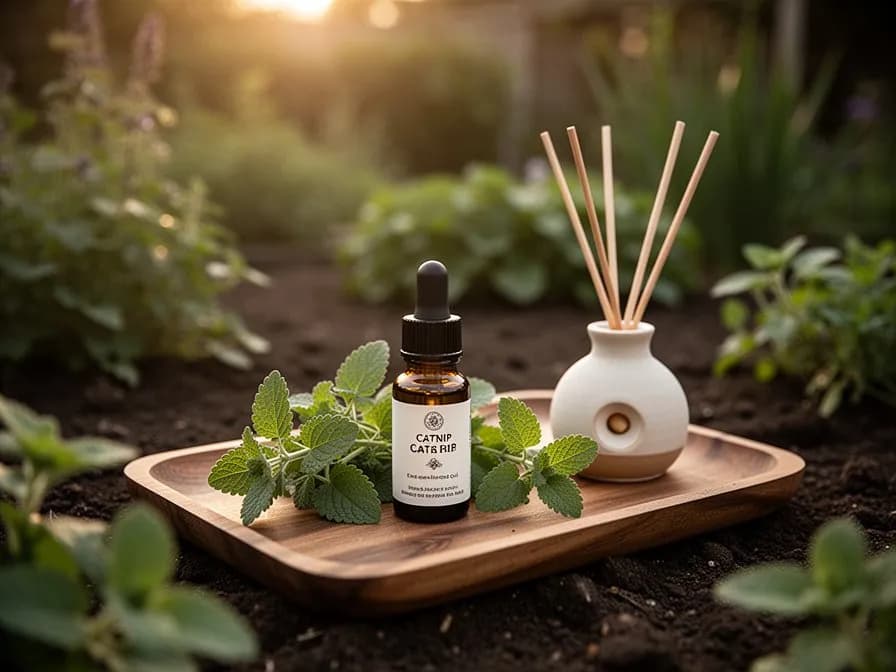
Soothing Catnip and Chamomile Tea
10 minutesA gentle, calming herbal infusion that combines the mild sedative qualities of catnip with the soothing warmth of chamomile. This caffeine-free tea has been a traditional bedtime remedy for centuries, helping to ease tension, settle the stomach, and promote restful sleep. The flavor is pleasantly minty with subtle grassy and floral notes.
6 ingredients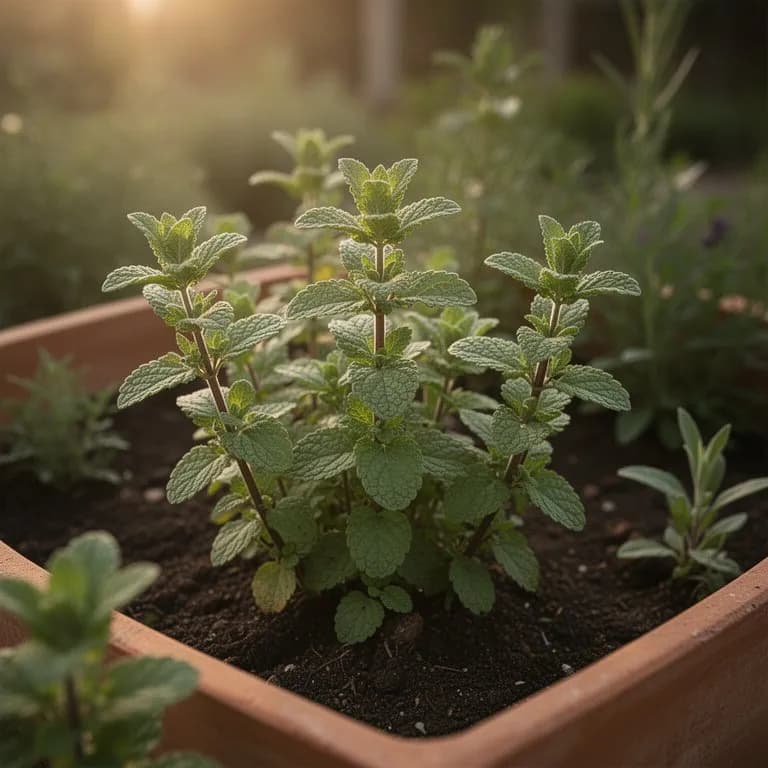
Catnip Pesto with Walnuts
15 minutesA unique twist on traditional basil pesto that showcases catnip's minty-herbal flavor. Young catnip leaves have a milder, more nuanced taste than mature foliage, making them ideal for this fresh, vibrant sauce. Toss with pasta, spread on crostini, or use as a marinade for grilled vegetables and chicken.
7 ingredientsCatnip and Lemon Balm Iced Infusion
10 minutes + 2 hours chillingA refreshing cold-brewed herbal drink that highlights the cooling, minty character of catnip alongside the bright citrus notes of lemon balm. This caffeine-free iced infusion is perfect for hot summer afternoons in the garden and offers the gentle calming benefits of both herbs without any drowsiness.
6 ingredientsCulinary Uses
Catnip makes a pleasant, mildly minty herbal tea with gentle calming properties. The lemon-scented variety (Citriodora) is especially nice for tea, either hot or iced. Young leaves can be added sparingly to salads or used as a garnish. The tea has traditionally been used as a mild sedative and digestive aid before bedtime. Combine with chamomile and honey for a soothing evening beverage.
What's inside
Health Benefits
- Catnip tea has been used for centuries as a mild natural sedative, and modern research confirms that nepetalactone interacts with GABA receptors to promote relaxation and reduce anxiety without significant drowsiness.
- Traditional herbalists have long prescribed catnip infusions to relieve digestive discomfort including bloating, gas, cramping, and indigestion, thanks to its antispasmodic properties that help relax smooth muscle in the gastrointestinal tract.
- Catnip tea is a well-established folk remedy for reducing mild fevers, as it promotes perspiration and helps the body cool naturally during colds and flu without suppressing the immune response.
- The rosmarinic acid found in catnip leaves exhibits significant anti-inflammatory and antioxidant activity, which may help reduce oxidative stress and support overall cellular health when consumed regularly as a tea.
- Applied topically as a poultice or diluted infusion, catnip has been traditionally used to soothe minor skin irritations, insect bites, and small wounds, benefiting from its mild antimicrobial and anti-inflammatory compounds.
- Studies have shown that nepetalactone in catnip is a highly effective natural insect repellent, and applying cooled catnip tea to exposed skin may help deter mosquitoes, black flies, and other biting insects.
Where Catnip comes from
Catnip (Nepeta cataria) is native to southern and eastern Europe, the Middle East, Central Asia, and parts of China, where it grows wild along roadsides, hedgerows, field margins, and disturbed ground. It thrives in well-drained, moderately fertile soils and has adapted to a wide range of conditions from dry Mediterranean slopes to the cooler temperate regions of northern Europe. The genus name Nepeta is believed to derive from the ancient Etruscan city of Nepete (modern Nepi) in central Italy, where the plant reportedly grew in abundance. Catnip has been used by humans for at least two thousand years, with some of the earliest documented references appearing in Roman texts describing its use as a culinary and medicinal herb. The species name cataria reflects its long-observed association with cats, a relationship that has fascinated naturalists since antiquity. Throughout the medieval period, catnip was a staple of European monastery and cottage herb gardens. It was valued primarily as a soothing tea for digestive complaints, fevers, colds, and nervous tension. English herbalist John Gerard wrote in his 1597 Herball that catnip was useful for settling the stomach and easing headaches. Nicholas Culpeper, the influential 17th-century herbalist, similarly recommended it for a variety of ailments and noted its powerful attraction to cats. European settlers brought catnip to North America in the 18th century, where it quickly naturalized and spread across the continent. Native American communities adopted the herb, using it as a tea for infant colic and as a mild sedative. By the 19th century, catnip had become one of the most commonly used home remedy herbs in both Europe and North America. Today, catnip is cultivated commercially for the herbal tea market, the pet industry, and as a companion plant in organic gardens, where its insect-repelling properties make it a valuable ally for chemical-free pest management.
Catnip: did you know?
Fascinating facts about Catnip
The compound nepetalactone, which triggers the famous euphoric response in cats, has been shown in scientific studies to be roughly ten times more effective at repelling mosquitoes than DEET.
Catnip questions, answered
When should I plant Catnip?
What are good companion plants for Catnip?
What hardiness zones can Catnip grow in?
How much sun does Catnip need?
How far apart should I space Catnip?
What pests and diseases affect Catnip?
How do I store Catnip after harvest?
What are the best Catnip varieties to grow?
What soil does Catnip need?
Is catnip safe for humans to consume as tea?
How do I keep cats from destroying my catnip plants?
Will catnip become invasive in my garden?
When is the best time to harvest catnip for maximum potency?
Can I grow catnip indoors in containers?
What is the difference between catnip and catmint?
You just read the theory. Now grow it on autopilot.
Everything that makes Catnip fiddly — the timing, the spacing, the companions, the harvest window — is exactly what PlotMyGarden handles for you, for every plant in your garden.
A plan that knows your weather
Set your location once. Get sow, feed and harvest dates built around your real last-frost date and live forecast — no more guessing from a generic seed packet.
From the “When to plant” sectionDrag-and-drop bed planner
Design beds on a grid. Every plant snaps to its proper spacing, and you can see your whole season laid out before you spend a cent on seed.
From the “Growing guide” sectionCompanion conflicts, caught early
200+ good-and-bad pairings checked live as you plant — so a season-wrecking mistake never makes it into the ground.
From the “Companions” sectionReminders you'll actually act on
“Water the beans.” “Pick today before it turns.” Timely, specific, and tied to the plants you're really growing.
From the “Harvest” sectionSuccession, scheduled
Want a harvest for six weeks, not six days? It spaces your sowings automatically and reminds you when each new block is due.
From the “When to plant” sectionA record that gets smarter
Every harvest you log teaches it your garden. Next year's plan starts from what actually worked in your soil, not a textbook's.
From the “Overview” sectionPlant these alongside Catnip
More Aromatic Herbs
Garden plans featuring Catnip
Grow your best Catnip yet — and everything around it.
Start a free plan today. Lay out your beds, drop in your Catnip, and let PlotMyGarden handle the timing, spacing, companions and reminders from seed to harvest basket.