Catmint
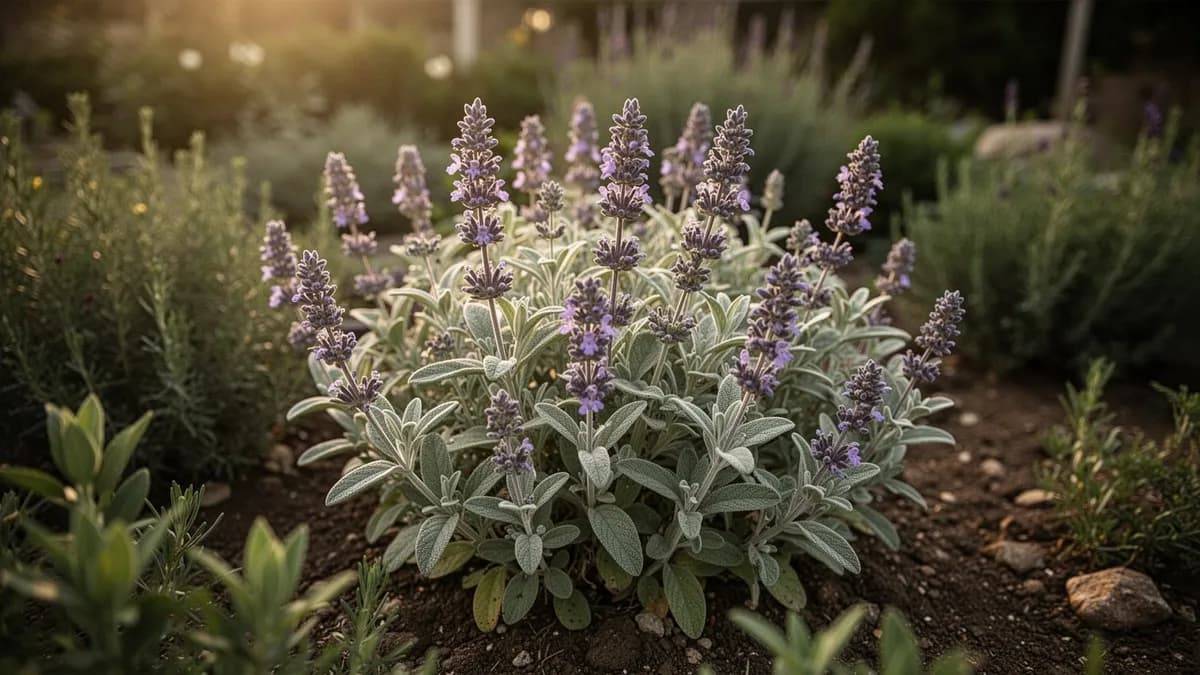
A billowy ornamental herb with clouds of lavender-blue flowers, more compact and garden-worthy than true catnip.





On this pageOverview
Meet Catmint
A billowy ornamental herb with clouds of lavender-blue flowers, more compact and garden-worthy than true catnip. Catmint is a superb companion for roses and a drought-tolerant border plant that blooms for months when sheared after first flush. Less attractive to cats than true catnip, making it easier to maintain in the landscape.
When to plant Catmint
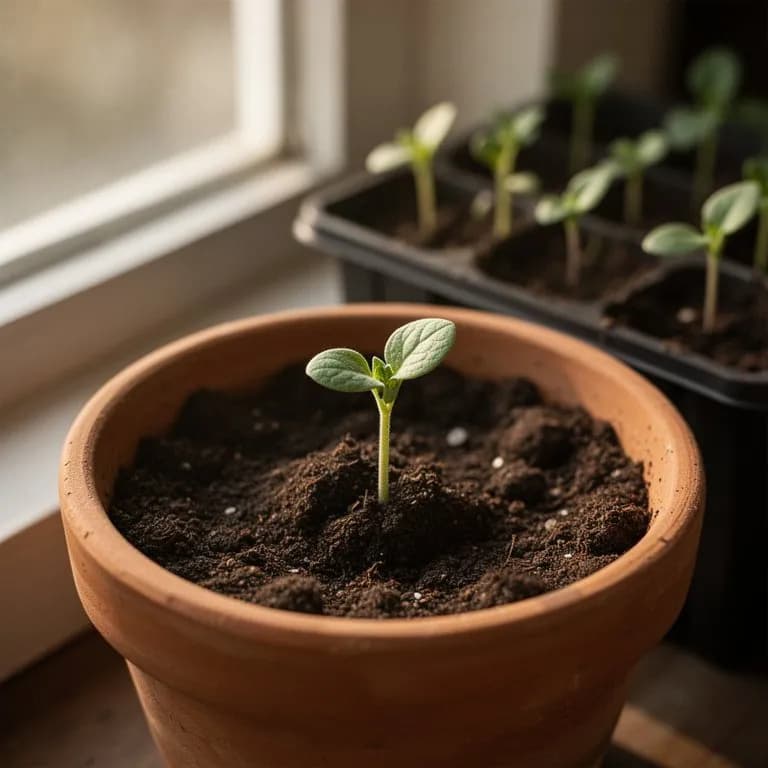
Most garden catmint varieties are sterile hybrids that must be propagated by division or cuttings, not seed. Divide established clumps in early spring just as new growth appears, splitting into sections with several growing points each. Stem cuttings taken in early summer root easily in moist perlite. If growing species Nepeta from seed, sow indoors 8 weeks before last frost on moist compost surface. Germination takes 7-14 days at 18-22°C.
Your Catmint Year
Composed for Zone 7 · typical seasons · frost passes Apr 2, returns Nov 1
Plant Catmint Mar – May, pick May – Sep. Check the planting methods below and set your climate to personalize these windows.
How to grow Catmint
Catmint is one of the most reliable and rewarding perennials for any garden, forming billowy mounds 30-60cm tall covered in lavender-blue flower spikes from late spring through autumn. Unlike its cousin catnip, catmint (Nepeta x faassenii) is a sterile hybrid that does not self-seed, making it far better behaved in the garden. Plant in full sun with well-drained soil, spacing 45cm apart.
This Mediterranean-origin herb is exceptionally drought-tolerant once established, making it an outstanding choice for water-wise gardens, gravel gardens, and hot, dry borders. Water regularly during the first growing season to develop deep roots, then rarely if ever afterward. Catmint actually performs better in lean, dry conditions than in rich, moist soil.
The key to season-long flowering is the 'Chelsea chop'—shear the entire plant back by two-thirds after the first flowering flush fades, typically in early July. Within 2-3 weeks, fresh growth emerges and produces a second full display of flowers that continues into autumn. This simple technique doubles the ornamental value of catmint.
10 plants fit a 4 × 8 ft bed
Each Catmint wants 45 cm of elbow room. The planner keeps that spacing for you — every plant, every bed.
Catmint's best neighbours
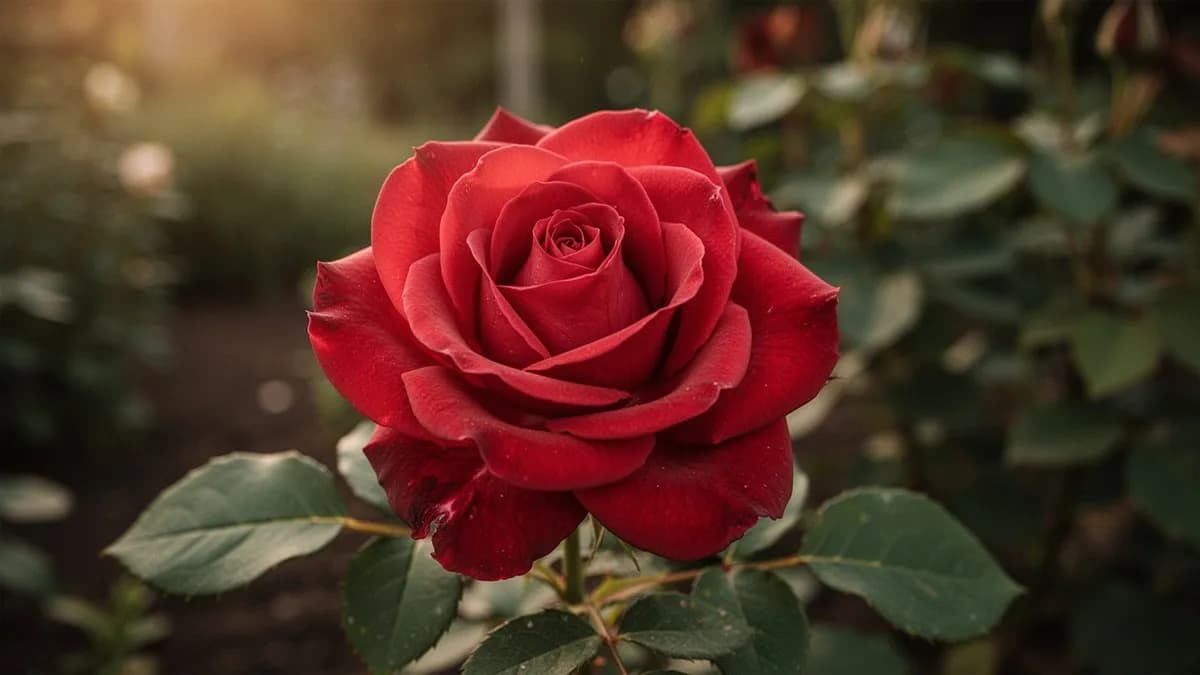
Catmint is the classic companion for roses, creating a billowy lavender-blue underplanting that perfectly complements pink, white, and red roses. The soft texture pairs beautifully with ornamental grasses, alliums, and hardy geraniums. In the vegetable garden, catmint's aromatic foliage helps repel certain pests while its flowers attract pollinators and beneficial insects.
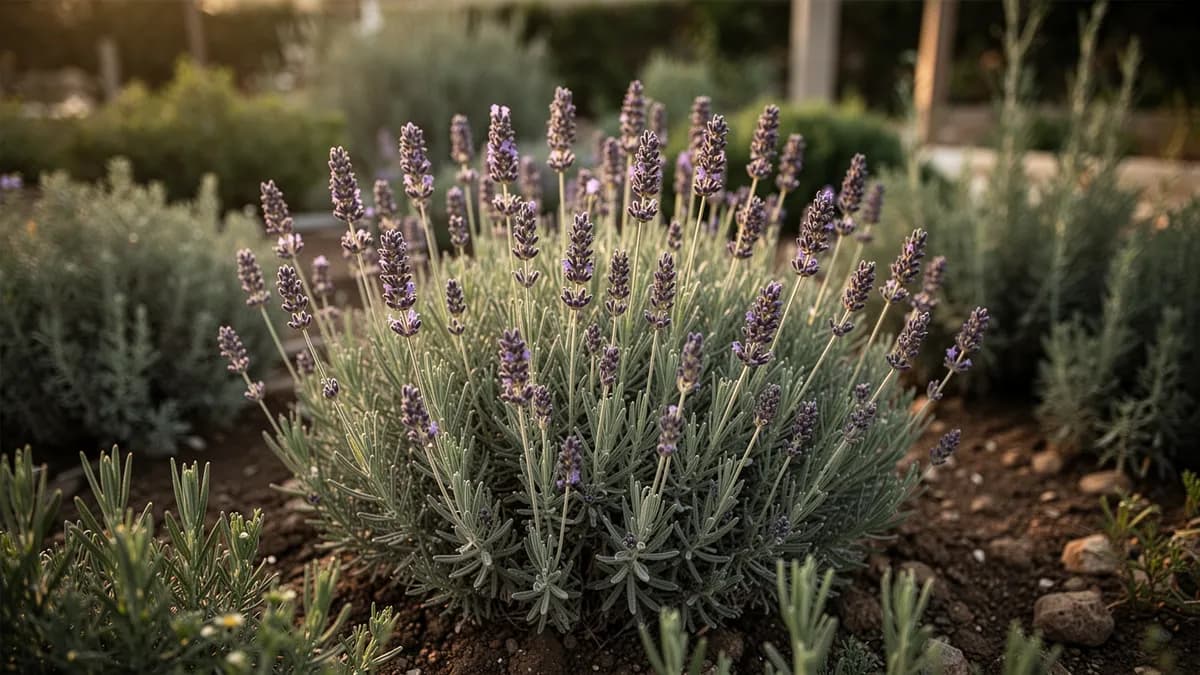
Lavender belongs beside it.
Old growers' knowledge, checked against Catmint's real companion table below — test any plant you're growing.
Try Catmint in a bed — right here
A real planner bed with Catmint already in it. Tap a companion to place it and watch the pairing checks answer — green for good neighbours, red for a clash.


Related growing guides
Feed it well
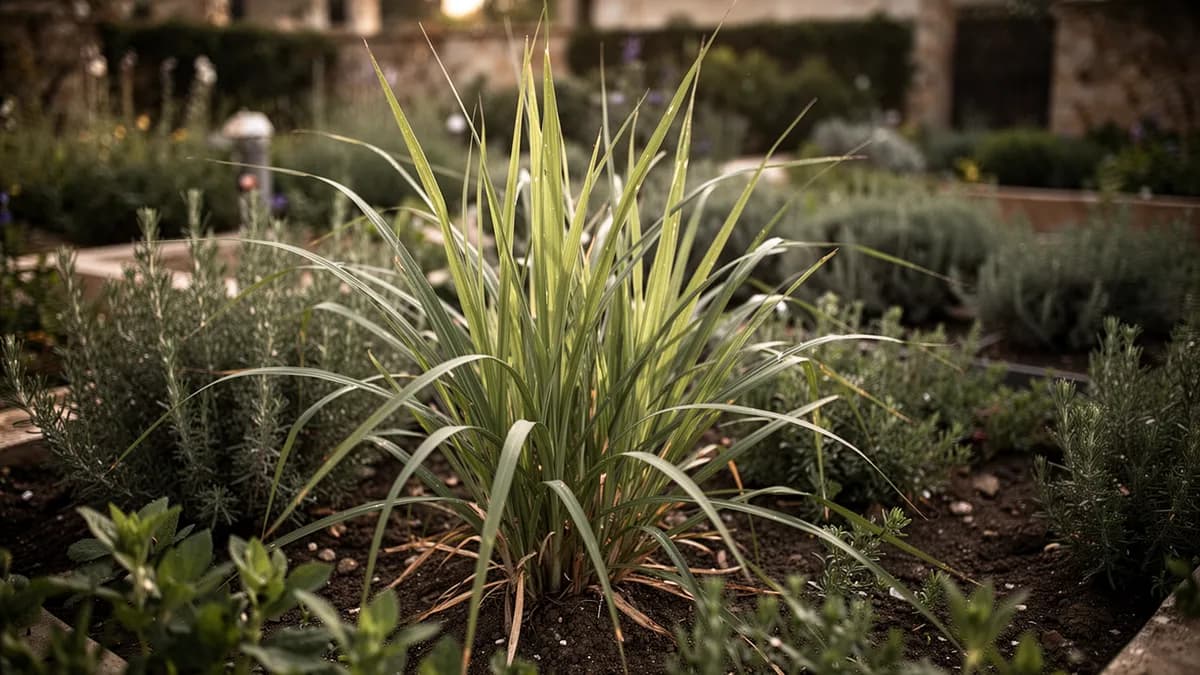
Catmint thrives in lean, well-drained soil with a pH of 6.0-8.0. It tolerates poor, rocky, and chalky soils with ease—do not coddle this plant. Rich soil and heavy feeding produce floppy, split-open mounds that lack the tidy form catmint is valued for. Sandy loam or gravel-amended soil is ideal. No fertilizer is needed for established plants. A light top-dressing of compost in spring is more than adequate.
Ideal Temperature
Hardiness Zone Compatibility
From seed to harvest, stage by stage
Spring Emergence
New silvery-green shoots emerge from the overwintering crown as soil temperatures rise above 10°C. The compact rosette of aromatic foliage expands quickly, with fuzzy, scallop-edged leaves that release a mild minty scent when touched.
Vegetative Growth
Stems elongate and branch outward, forming the characteristic loose, billowing mound that can reach 45-60 cm tall and 60-90 cm wide. The grey-green foliage becomes denser and more aromatic as warm weather intensifies essential oil production.
Bud Formation
Upright flower spikes begin developing at the tips of branching stems. Small green calyxes appear in dense whorls along the spike, gradually showing hints of violet-blue colour as the buds swell and prepare to open.
First Bloom
Masses of lavender-blue tubular flowers open along the spikes, creating a haze of soft colour. Each two-lipped blossom is rich in nectar and attracts a constant stream of bees, butterflies, and other pollinators. The display is profuse and long-lasting.
Mid-Season Shearing and Rebloom
After the first bloom wave fades, the plant is cut back by about one-half to two-thirds. Within two to three weeks, fresh new growth emerges from the base, and a second flush of flower spikes develops, often nearly as abundant as the first.
Late Season Bloom
The second and sometimes third bloom cycle carries flowering into early to mid-autumn. Flower intensity may be somewhat reduced compared to the initial spring flush, but the display remains attractive and continues to support late-season pollinators.
Dormancy
After the first hard frosts, the above-ground foliage dies back to a low basal mound. The plant enters full dormancy, conserving energy in its dense root system to fuel vigorous regrowth the following spring.
Remove any winter mulch gradually to allow sunlight to reach the emerging shoots. Avoid heavy feeding at this stage; catmint prefers lean to moderately fertile soil.
Caring for Catmint month by month
What to do each month for your Catmint
October
You are hereAllow the last flowers and seed heads to remain on the plant for winter interest and to shelter beneficial insects. Divide any overgrown clumps, replanting divisions immediately and watering them in well before the ground freezes.
Know exactly what to do in your garden — every month
One email at the start of each month: what to sow, plant, and tackle right now — for your Catmint and everything growing around it. Plus a short starter course that helps you dodge the classic mistakes.
- What to do, right now
- Matched to your season
- Starter course included
Harvesting Catmint
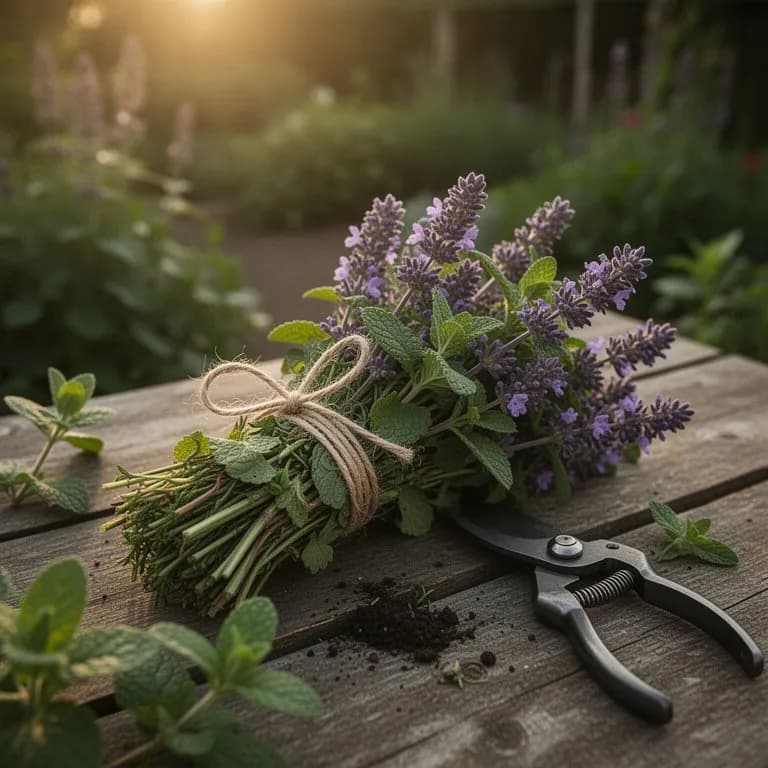
Harvest catmint stems anytime during the growing season for fresh arrangements or dried crafts. For the most aromatic dried material, cut stems when flowers are fully open. The fragrant foliage retains its scent well when dried. Catmint is primarily an ornamental herb, so 'harvesting' is often simply the mid-season shearing that promotes reblooming—use the cut material for dried arrangements or compost it.
assuming you plant when the window opens — set your real date
Pick Catmint promptly and the plant keeps producing.
Storage & Preservation
Bundle cut stems and hang upside down in a warm, dark, well-ventilated space to dry. Dried catmint retains its pleasant herbal fragrance and makes attractive additions to dried flower arrangements and potpourri. The dried flowers and foliage keep their color well if dried quickly out of direct sunlight. Store in paper bags or open containers for potpourri use, or in airtight jars if using for herbal tea blends.
What goes wrong — and the fix
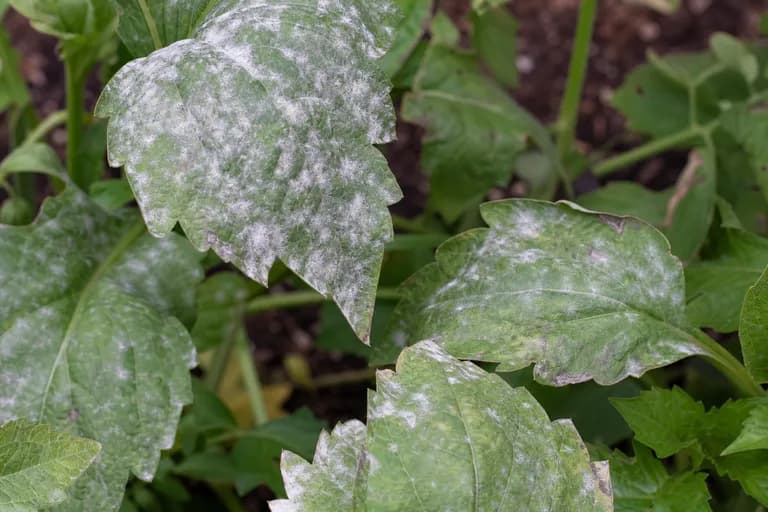
Powdery Mildew
DiseaseWhite powdery coating on leaves, usually cosmetic and appearing late in the season in humid conditions.
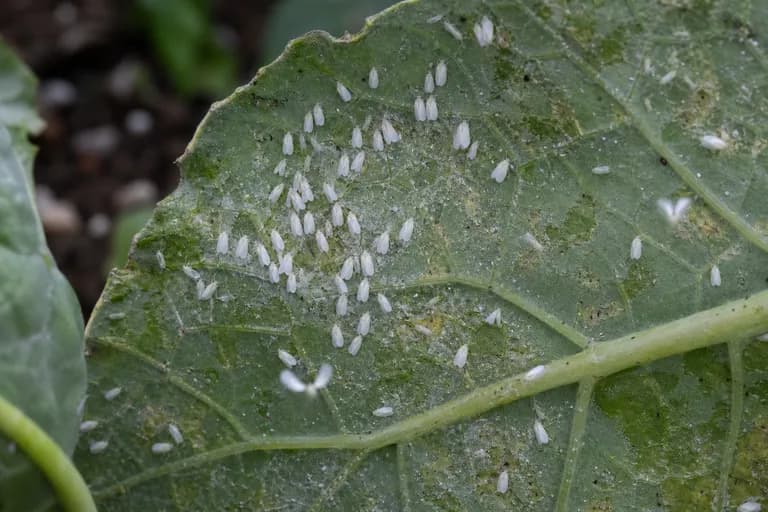
Whiteflies
PestSmall white flying insects that flutter up when foliage is disturbed. May cause slight yellowing and sticky honeydew on leaves.
Troubleshooting Common Problems
Floppy, split-open mounds indicate too-rich soil or too much shade. Grow in full sun and lean conditions for the best habit. If plants do flop, the mid-season shearing solves the problem immediately. Failure to rebloom after shearing usually means the cut was too timid—shear back hard to about 15cm. Center die-out in older plants signals the need for division, typically after 4-5 years.
Growing Tips
- Plant catmint in full sun for the best flower production and most compact habit. It tolerates light afternoon shade but becomes leggy and produces fewer blooms in shadier positions.
- Ensure excellent soil drainage, as catmint is far more likely to die from wet feet in winter than from cold temperatures. In heavy clay soils, raise beds or amend generously with coarse grit and compost.
- Space plants 45-60 cm apart to allow for their mature spreading habit. Catmint fills in quickly and tighter spacing leads to poor air circulation and potential fungal problems.
- Water deeply but infrequently during the first growing season to establish a strong root system. Once established, catmint is exceptionally drought-tolerant and rarely needs supplemental irrigation.
- Shear the entire plant back by one-half to two-thirds after the first bloom flush fades in early to midsummer. This simple step triggers a vigorous second and often third wave of flowers through autumn.
- Avoid rich, heavily fertilized soil. Catmint performs best in lean to average soil, and excess nitrogen causes floppy, open growth that requires staking and produces fewer flowers.
- Propagate by division in spring or early autumn every 3-4 years. Lift the clump, split it into sections with a sharp spade, and replant immediately. This also rejuvenates older plants that may have developed a dead centre.
- Take softwood stem cuttings in late spring or early summer for additional plants. Snip 10 cm non-flowering shoot tips, remove the lower leaves, dip in rooting hormone, and insert into moist perlite. Roots form in 3-4 weeks.
- Pair catmint with roses, lavender, salvia, and ornamental grasses for classic cottage garden combinations. Its soft blue flowers complement warm pinks, purples, and yellows beautifully.
- Leave the final autumn bloom and dried stems in place over winter to provide habitat for beneficial insects and visual interest. Cut back to 5-8 cm above the crown in late winter or very early spring before new growth begins.
Grow your best Catmint yet — and everything around it.
Start a free plan today. Lay out your beds, drop in your Catmint, and let PlotMyGarden handle the timing, spacing, companions and reminders from seed to harvest basket.
Pick your Catmint
Walker's Low
The most popular cultivar, forming 60cm mounds smothered in violet-blue flowers. Named Perennial Plant of the Year. Despite the name, not actually low-growing.
Six Hills Giant
Large, vigorous catmint reaching 90cm tall. Excellent for large-scale plantings and as a tall border edging plant.
Junior Walker
Compact version of Walker's Low at just 40cm tall. Perfect for smaller gardens, containers, and front-of-border positions.
Cat's Pajamas
Compact, densely branching selection with intense blue-purple flowers. Exceptional heat tolerance and long bloom period.
A single nursery-grown catmint transplant costs $5-10 and, once established, requires virtually no ongoing inputs beyond occasional watering in extreme drought. Each mature clump can be divided every 3-4 years into 4-6 new plants, rapidly filling borders and pathways at no additional cost. Because catmint is deer-resistant, rabbit-resistant, and rarely troubled by pests or diseases, it eliminates the need for fencing, repellents, and chemical treatments that can cost $50-100 or more per season. Its dense weed-suppressing growth also reduces mulching expenses. Over five years, a single original purchase can yield 20 or more plants worth over $100-200 at retail nursery prices.
Quick recipes
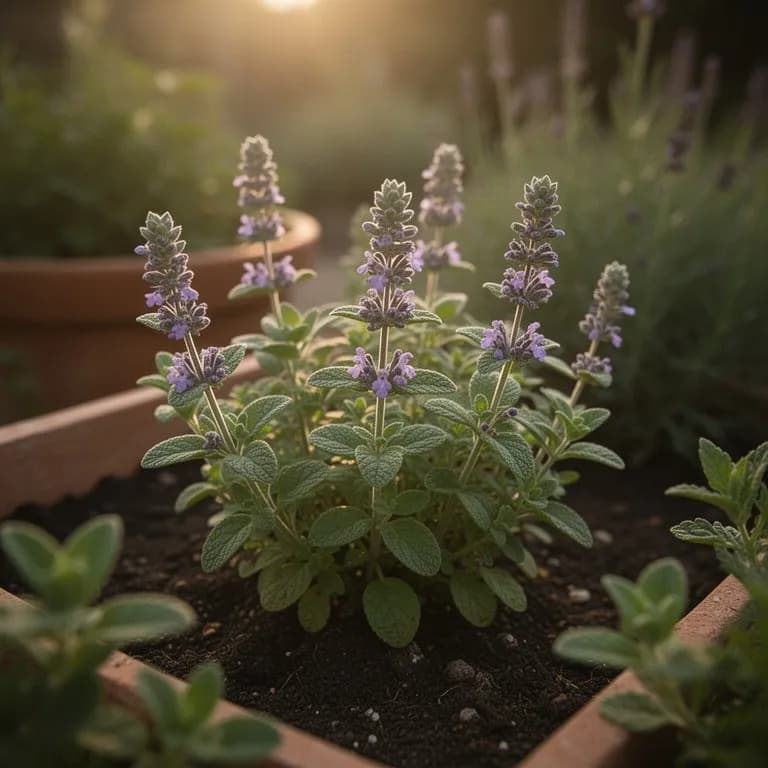
Soothing Catmint Herbal Tea
10 minutesA gentle, mildly minty herbal tea brewed from fresh or dried catmint leaves and flowers. The flavour is softer and less pungent than peppermint, with subtle floral and slightly citrusy undertones. Traditionally enjoyed as a calming evening drink to ease tension and aid restful sleep.
5 ingredientsCatmint and Lemon Balm Iced Infusion
15 minutes plus chillingA refreshing chilled herbal drink that combines the mild minty flavour of catmint with the bright citrus notes of lemon balm. Perfect for hot summer afternoons in the garden. The pale green colour is as cooling to look at as it is to drink.
5 ingredientsCatmint Herb Butter
10 minutes plus chillingA fragrant compound butter infused with finely chopped fresh catmint leaves. The subtle minty-herbal flavour complements grilled lamb, roasted vegetables, or warm crusty bread. Roll into a log, chill, and slice into rounds for an elegant finishing touch at the table.
5 ingredientsWhat's inside
Health Benefits
- Contains nepetalactone and related iridoid compounds that have demonstrated mild sedative effects, helping to ease nervous tension, promote relaxation, and support restful sleep when consumed as a tea.
- Rich in rosmarinic acid, a potent polyphenol antioxidant that helps reduce oxidative stress and has been associated with anti-inflammatory activity in laboratory studies.
- Traditionally used as a digestive aid to relieve mild stomach cramps, bloating, and gas by relaxing smooth muscle tissue in the gastrointestinal tract, similar to other mint-family herbs.
- The volatile oils in catmint, including thymol and carvacrol, have mild antimicrobial properties that may help support the body's natural defences against common colds and upper respiratory discomfort.
- Applied topically as a poultice or infused oil, catmint has been used in folk medicine to soothe minor skin irritations, insect bites, and small wounds thanks to its anti-inflammatory compounds.
- Regular consumption of catmint tea may help ease mild headaches and reduce low-grade fever, a use documented in European herbal traditions dating back to the medieval period.
Where Catmint comes from
Catmint (Nepeta × faassenii) is a hybrid member of the mint family (Lamiaceae) that arose from a natural cross between Nepeta racemosa, native to the Caucasus mountains and Iran, and Nepeta nepetella, found across southern Europe from Spain to the Balkans. The hybrid was first identified and documented in the 1930s at the Faassen nursery in the Netherlands, and it quickly gained popularity for its superior garden performance compared to either parent species. The genus Nepeta takes its name from the ancient Etruscan city of Nepete (modern Nepi) in central Italy, where these aromatic plants grew abundantly in the surrounding countryside. The broader Nepeta genus contains over 250 species distributed across Europe, Asia, and parts of Africa, with a centre of diversity in central Asia and the Middle East. Various Nepeta species have been used in traditional medicine for millennia. Ancient Greek and Roman herbalists prescribed catmint tea for digestive ailments and nervous conditions, while medieval European monasteries cultivated it in their physic gardens as a remedy for colds, fevers, and insomnia. In English cottage gardens of the eighteenth and nineteenth centuries, catmint became a beloved ornamental edging plant, often paired with climbing roses along stone walls and gravel paths. The sterile hybrid Nepeta × faassenii proved especially valuable to gardeners because its inability to set viable seed channels all the plant's energy into continuous flower production rather than seed development. Throughout the twentieth century, plant breeders selected outstanding cultivars from this hybrid, including the celebrated Walker's Low, Six Hills Giant, and the compact Junior Walker. Today catmint is considered one of the most reliable, drought-tolerant, and long-blooming perennials available, thriving in USDA hardiness zones 3 through 8 and performing admirably in challenging conditions including poor soil, heat, humidity, and deer pressure.
Catmint: did you know?
Fascinating facts about Catmint
Nepeta × faassenii is a naturally occurring sterile hybrid between Nepeta racemosa and Nepeta nepetella, first documented in the 1930s at a Dutch nursery run by J.H. Faassen, for whom the species is named.
Catmint questions, answered
When should I plant Catmint?
What are good companion plants for Catmint?
What hardiness zones can Catmint grow in?
How much sun does Catmint need?
How far apart should I space Catmint?
What pests and diseases affect Catmint?
How do I store Catmint after harvest?
What are the best Catmint varieties to grow?
What soil does Catmint need?
What is the difference between catmint and catnip?
How do I get catmint to bloom again after the first flush?
Is catmint deer and rabbit resistant?
Can I grow Nepeta × faassenii from seed?
How long does a catmint plant live, and does it need dividing?
What soil and light conditions does catmint need to thrive?
You just read the theory. Now grow it on autopilot.
Everything that makes Catmint fiddly — the timing, the spacing, the companions, the harvest window — is exactly what PlotMyGarden handles for you, for every plant in your garden.
A plan that knows your weather
Set your location once. Get sow, feed and harvest dates built around your real last-frost date and live forecast — no more guessing from a generic seed packet.
From the “When to plant” sectionDrag-and-drop bed planner
Design beds on a grid. Every plant snaps to its proper spacing, and you can see your whole season laid out before you spend a cent on seed.
From the “Growing guide” sectionCompanion conflicts, caught early
200+ good-and-bad pairings checked live as you plant — so a season-wrecking mistake never makes it into the ground.
From the “Companions” sectionReminders you'll actually act on
“Water the beans.” “Pick today before it turns.” Timely, specific, and tied to the plants you're really growing.
From the “Harvest” sectionSuccession, scheduled
Want a harvest for six weeks, not six days? It spaces your sowings automatically and reminds you when each new block is due.
From the “When to plant” sectionA record that gets smarter
Every harvest you log teaches it your garden. Next year's plan starts from what actually worked in your soil, not a textbook's.
From the “Overview” sectionPlant these alongside Catmint
More Aromatic Herbs
Grow your best Catmint yet — and everything around it.
Start a free plan today. Lay out your beds, drop in your Catmint, and let PlotMyGarden handle the timing, spacing, companions and reminders from seed to harvest basket.