Agastache anisado
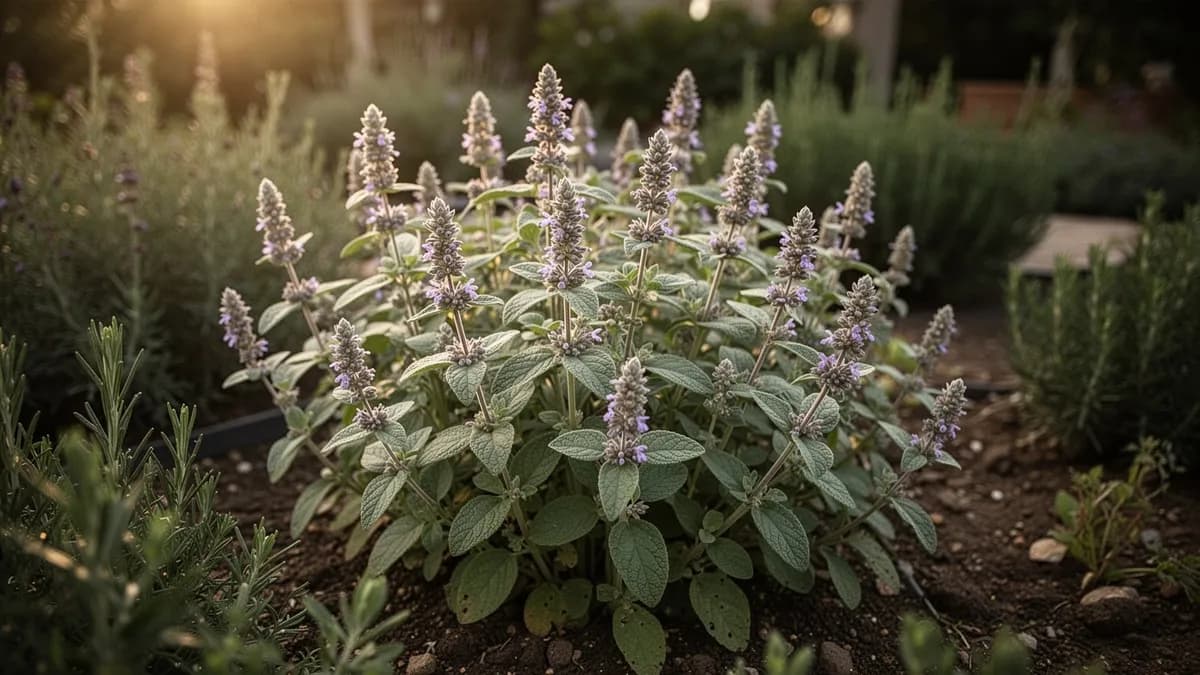
Una impresionante perenne nativa con espigas de flores azul lavanda y hojas con aroma a regaliz que atrae a abejas y mariposas en masa.





En esta páginaResumen
Conoce Agastache anisado
Una impresionante perenne nativa con espigas de flores azul lavanda y hojas con aroma a regaliz que atrae a abejas y mariposas en masa. Su follaje fragante da un té excelente y sus flores comestibles aportan un dulce sabor anisado a ensaladas y postres. Cultívala a pleno sol en un suelo pobre y bien drenado para lograr la floración más abundante y el aroma más intenso.
Cuándo plantar Agastache anisado
El agastache anisado se cultiva fácilmente desde semilla y a menudo florece en su primer año. Siembra en interior 6-8 semanas antes de la última helada, presionando las semillas diminutas sobre la superficie de compost húmedo: necesitan luz para germinar. Mantén entre 18 y 22°C y espera la germinación en 7-14 días. Endurece las plántulas y trasplántalas cuando haya pasado todo riesgo de heladas. También puede sembrarse directamente al exterior después de la última helada. Las plántulas nacidas espontáneamente aparecen de forma fiable en años posteriores y pueden trasplantarse a los lugares deseados.
Tu año de Agastache anisado
Ajustado a Zona 7 · temporada típica · la helada se va hacia el 2 abr y vuelve hacia el 1 nov
Planta Agastache anisado Mar – May y cosecha Jun – Sep. Consulta los métodos de plantación y elige tu clima para adaptar los periodos.
Cómo cultivar Agastache anisado
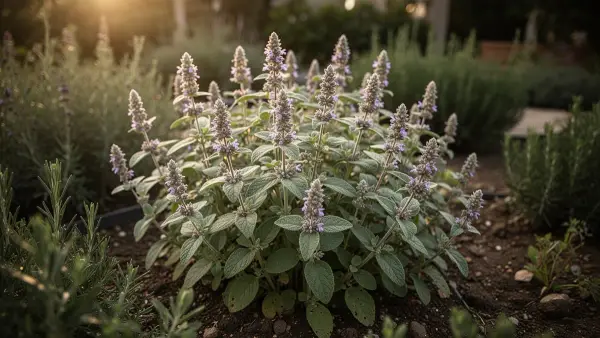
El agastache anisado es una perenne nativa espectacular que merece un lugar destacado en cualquier jardín de hierbas y polinizadores. Crece entre 60 y 120 cm de altura con tallos erguidos y ramificados, y produce densas espigas de flores azul lavanda desde mediados del verano hasta el otoño. Plántalo a pleno sol, en un suelo pobre o medio y bien drenado. Deja 30 cm entre plantas y evita condiciones demasiado ricas, que generan un crecimiento excesivo a costa de la concentración de aceites esenciales.
Esta nativa de las praderas es extraordinariamente tolerante a la sequía una vez establecida y prospera en condiciones cálidas y soleadas donde muchas hierbas sufren. Riégala con regularidad durante la primera temporada para que desarrolle raíces profundas; después reduce el riego: el agastache anisado funciona mejor con menos mimos. El follaje aromático huele intensamente a anís o regaliz y puede cosecharse durante toda la temporada de crecimiento.
Elimina las espigas florales marchitas para prolongar la floración, o deja algunas para que se resiembren de forma natural. Corta las plantas a 10-15 cm a finales del otoño o a comienzos de la primavera. Divide las matas cada 3-4 años para mantener el vigor. El agastache anisado vive menos que otras perennes (3-5 años), pero se auto-siembra con fiabilidad para mantener su presencia en el jardín.
32 plantas caben en un bancal de 120 × 240 cm
Cada Agastache anisado pide 30 cm de margen. El planificador guarda ese marco por ti — cada planta, cada bancal.
Los mejores vecinos de Agastache anisado
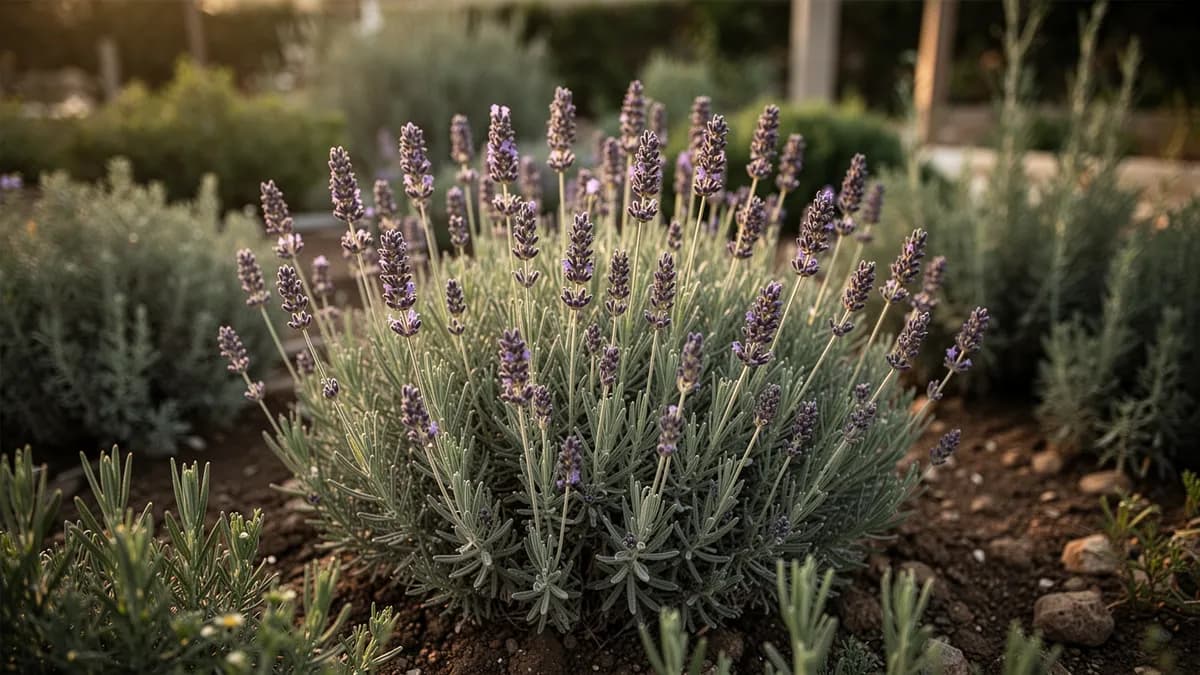
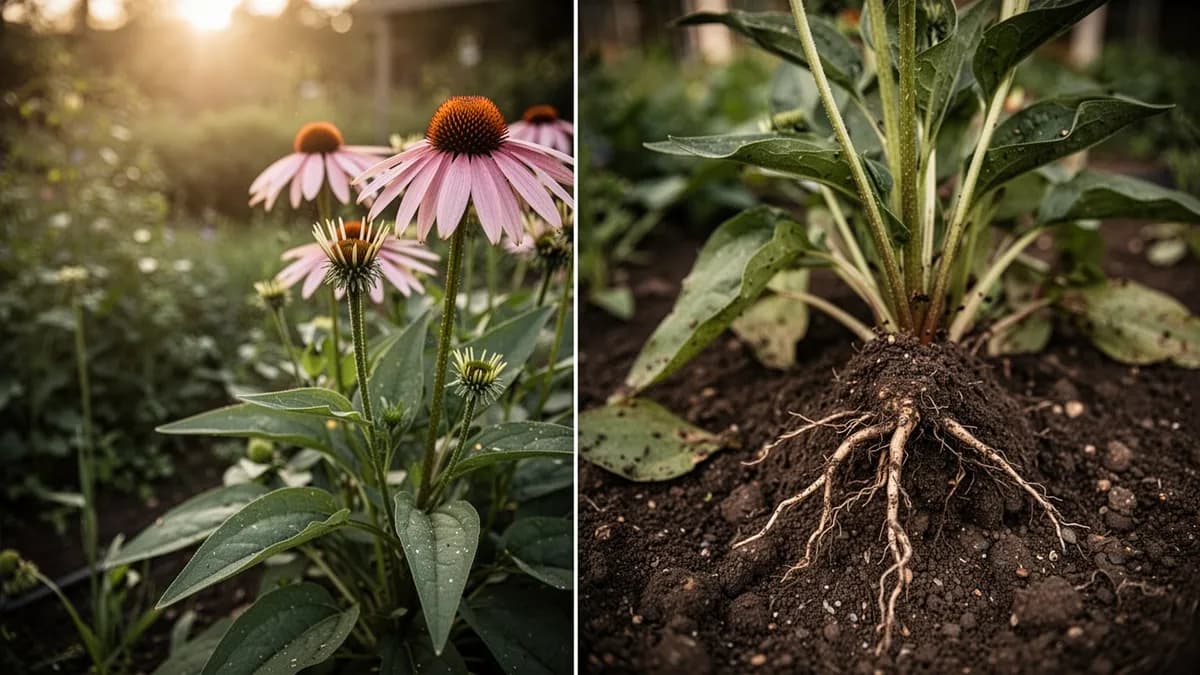
El agastache anisado es una de las mejores plantas compañeras para atraer polinizadores en el huerto. Sus flores atraen abejas, mariposas y avispas beneficiosas que ayudan a polinizar los cultivos cercanos y a controlar las plagas. Plántalo junto a tomates, calabazas y pimientos para mejorar las tasas de polinización. Combina de maravilla con equinácea, lavanda y otras perennes de estilo pradera en borduras ornamentales.
Lavanda va a su lado.
Saber de huerto de siempre, cotejado con la tabla real de Agastache anisado — prueba cualquier planta que cultives.
Prueba Agastache anisado en un bancal, aquí mismo
Un bancal real del planificador con Agastache anisado ya plantado. Toca una planta compañera para colocarla y mira cómo responde la comprobación de vecinos: verde para buenos vecinos, rojo si hay conflicto.


Guías de cultivo relacionadas
Abónalo bien
El agastache anisado prospera en suelos pobres o medios con un drenaje excelente y un pH de 6.0-7.5. De hecho, produce aceites esenciales y compuestos aromáticos más concentrados en suelos pobres: una fertilización rica diluye el sabor. Un franco arenoso o un suelo pedregoso es ideal. Evita la arcilla pesada salvo que se enmiende con abundante grava. No necesita fertilizante en plantas establecidas. Una fina capa de compost en primavera es más que suficiente.
Temperatura ideal
Compatibilidad de zonas de rusticidad
De la semilla a la cosecha, etapa por etapa
Siembra de semillas
Las semillas de agastache anisado son pequeñas y necesitan luz para germinar. Siémbralas en la superficie de una mezcla húmeda para semilleros y presiónalas suavemente sin cubrir. Las semillas se benefician de un breve periodo de estratificación en frío de 1-2 semanas en el refrigerador antes de sembrarlas para mejorar la germinación.
Germinación
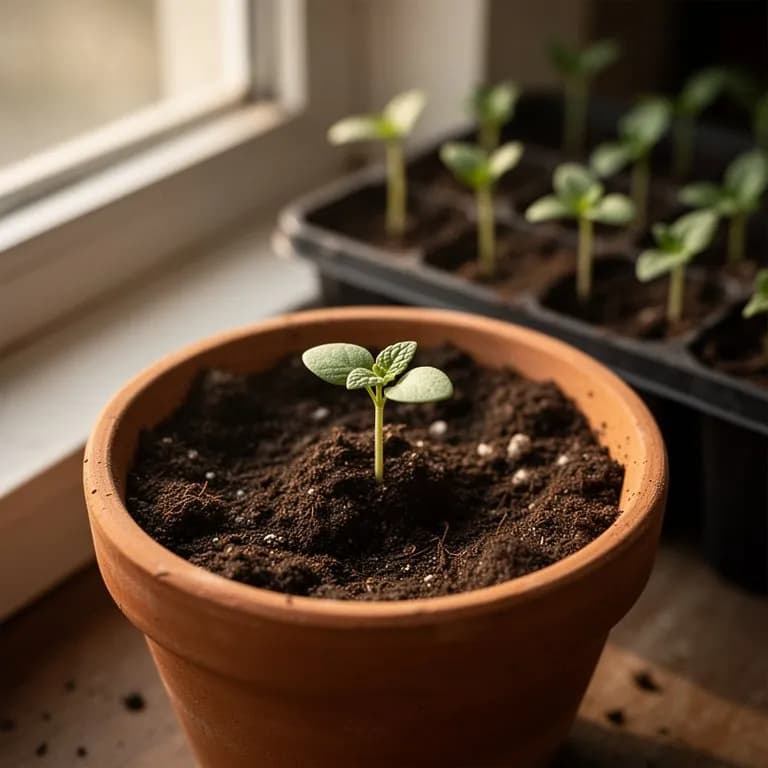
Las plántulas emergen con pequeños cotiledones redondeados seguidos del primer conjunto de hojas verdaderas, de forma ovalada y con bordes serrados. Los característicos tallos cuadrados de esta planta de la familia de las mentas se hacen visibles pronto.
Crecimiento vegetativo
Las plantas se desarrollan con rapidez, formando tallos erguidos y ramificados con pares de hojas opuestas. El follaje adquiere su aspecto maduro, con hojas claramente dentadas y en forma de corazón que liberan un fuerte aroma a anís y menta al tocarlas. Las plantas suelen alcanzar entre 30 y 50 cm durante esta fase.
Formación de botones
Densas yemas florales terminales se forman en las puntas de cada tallo, apareciendo primero como compactos macizos verde púrpura. Las yemas se alargan hasta adoptar la forma de espiga característica, y los cálices individuales se hacen visibles a lo largo de la inflorescencia en desarrollo. Las plantas alcanzan 60-90 cm de altura.
Floración
Las flores tubulares de color lavanda a violeta púrpura se abren progresivamente desde la base de cada espiga hacia arriba. El periodo de floración se extiende durante 6-8 semanas, y cada espiga se mantiene atractiva durante varias semanas. Las plantas alcanzan su altura madura de 60-120 cm y se convierten en imanes para los polinizadores.
Formación de semillas y dormancia
Después de la polinización, las espigas desarrollan pequeñas semillas tipo nuececilla dentro de los cálices persistentes. Las cabezas de semilla se vuelven marrones y se secan en la planta, aportando interés invernal y alimento para jilgueros y otras aves granívoras. La planta se seca hasta su corona con las primeras heladas fuertes.
Mantén la humedad del sustrato con un pulverizador fino y conserva una temperatura de unos 18-22°C. Una campana de humedad o film plástico sobre la bandeja ayuda a mantener una humedad constante durante la germinación.
Cuidar Agastache anisado mes a mes
Qué hacer cada mes para tu Agastache anisado
Octubre
Mes actualDespués de que la primera helada ennegrezca el follaje, deja las cabezas de semilla secas en pie para aportar interés invernal y alimento a la fauna. Aplica una ligera capa de paja o hojas trituradas sobre la corona en regiones con inviernos duros (zonas 4-5) para una protección extra.
Ten claro qué hacer en tu huerto, cada mes
Un correo al empezar cada mes: qué sembrar, plantar y hacer ahora mismo — para tu Agastache anisado y todo lo que crece alrededor. Más un breve curso inicial para esquivar los errores clásicos.
- Qué hacer ahora mismo
- Ajustado a tu temporada
- Curso inicial incluido
Cosechar Agastache anisado
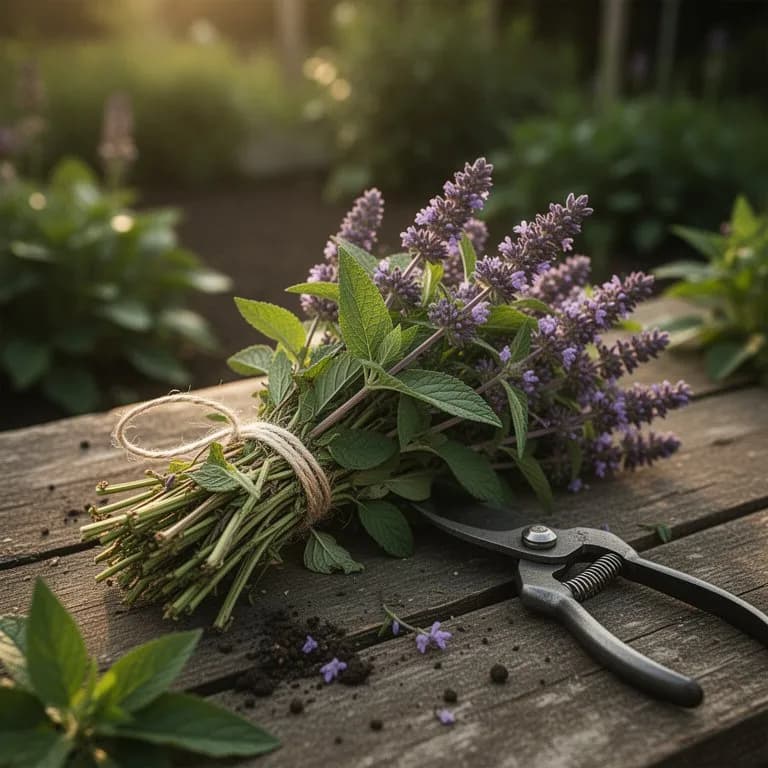
Cosecha las hojas de agastache anisado en cualquier momento de la temporada de crecimiento cortando los tallos justo por encima de un nudo foliar para fomentar la ramificación. Para obtener el sabor más intenso, cosecha justo cuando los botones florales empiezan a abrirse. Corta las espigas florales enteras cuando estén completamente coloreadas, pero antes de que las florecillas individuales empiecen a desvanecerse. Las flores son comestibles y quedan preciosas como adorno púrpura. Para secar, corta los tallos por la mañana, después de que se haya evaporado el rocío.
se supone que plantas al comenzar el periodo — indica tu fecha real
Cosecha Agastache anisado a tiempo y la planta sigue produciendo.
Almacenamiento y conservación
Haz manojos con los tallos y cuélgalos boca abajo en un lugar cálido, seco y bien ventilado, lejos de la luz solar. Las hojas y las flores se secan en 5-7 días. Retira las hojas y flores secas de los tallos y guárdalas en frascos herméticos de vidrio hasta 12 meses. La hierba seca da un té excepcional. Las hojas frescas pueden congelarse en cubiteras con agua para usar durante todo el año. El agastache anisado también infusiona muy bien en miel, jarabes simples y vinagre.
Qué falla — y cómo solucionarlo
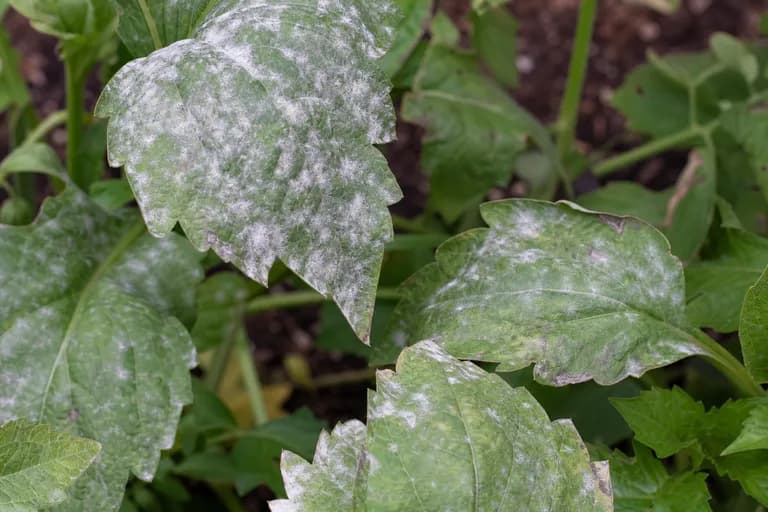
Oídio
EnfermedadRecubrimiento blanco y polvoriento en las hojas, especialmente en condiciones húmedas con mala circulación de aire a finales de la temporada.
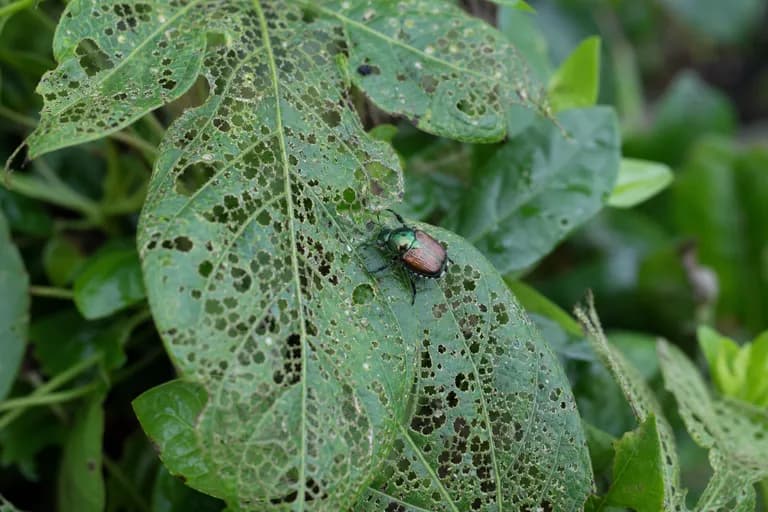
Escarabajos japoneses
PlagaHojas esqueletizadas y capullos florales dañados por escarabajos verde bronce metálico que se alimentan en grupo.
Solución de problemas comunes
Un crecimiento alargado y caído indica demasiada sombra o un suelo demasiado rico: llévalo a pleno sol y deja de fertilizar. La auto-siembra puede resultar excesiva en condiciones ideales; elimina las flores marchitas antes de que maduren las semillas si eso te preocupa. Su vida relativamente corta, de 3-5 años, es normal; deja que se auto-siembre o toma esquejes para mantener las plantaciones. En climas muy húmedos, el oídio puede persistir: elige cultivares resistentes como Blue Fortune.
Consejos de cultivo
- Estratifica las semillas en frío durante 1-2 semanas en el refrigerador antes de sembrarlas para romper la dormancia y mejorar la germinación de alrededor del 50 % a más del 80 %. Coloca las semillas entre toallas de papel húmedas dentro de una bolsa de plástico sellada.
- Siembra las semillas en superficie y presiónalas suavemente en el suelo sin cubrirlas, ya que el agastache anisado necesita exposición a la luz para activar la germinación. Mantén la mezcla para semilleros constantemente húmeda, pero no encharcada.
- Elige un lugar de plantación a pleno sol con suelo bien drenado. El agastache anisado tolera una amplia gama de suelos, incluidos arcilla, franco y suelos arenosos, pero rinde mejor en terrenos moderadamente fértiles con un pH de 6.0-7.5.
- Deja 30-45 cm entre plantas para permitir una circulación de aire adecuada, lo que ayuda a prevenir el oídio en climas húmedos. En borduras mixtas, coloca el agastache anisado detrás de plantas más bajas para aprovechar su porte erguido de 60-120 cm.
- Pinza las puntas de crecimiento cuando las plantas alcancen 20-25 cm de altura a finales de la primavera para fomentar un crecimiento más tupido y con varios tallos, además de muchas más espigas florales. Este simple paso puede duplicar el número de flores por planta.
- Riega en profundidad una vez por semana durante los periodos secos en lugar de hacerlo ligera y frecuentemente. Las plantas establecidas toleran moderadamente la sequía y prefieren un suelo que se seque ligeramente entre riegos. Evita el riego por encima para reducir el riesgo de enfermedades.
- Elimina las espigas marchitas cortando los tallos justo por encima de un nudo foliar para estimular una segunda y, a veces, una tercera oleada de flores que alargue la temporada de floración hasta bien entrado el otoño.
- Divide las matas maduras cada 3-4 años a comienzos de la primavera, justo cuando empieza el nuevo crecimiento. Desentierra toda la masa radicular, divídela con una pala afilada y replanta las divisiones de inmediato a la misma profundidad en suelo enmendado.
- Deja algunas cabezas de semilla secas en pie durante el invierno para alimentar a los jilgueros y otras aves granívoras, y para permitir la auto-siembra natural que rellena huecos y crea un efecto de pradera naturalizada.
- Vigila el oídio durante el tiempo cálido y húmedo. Mejora la circulación de aire aclarando los tallos apretados y evita mojar el follaje al regar. Cultivares resistentes como 'Blue Fortune' pueden ayudar a reducir los problemas de enfermedad en zonas conflictivas.
Cultiva tu mejor Agastache anisado — y todo lo que la rodea.
Empieza un plan gratis hoy. Diseña tus bancales, coloca tu Agastache anisado y deja que PlotMyGarden gestione el momento, el espaciado, las asociaciones y los recordatorios de la semilla a la cesta.
Elige tu Agastache anisado
Blue Fortune
El cultivar de jardín más popular, con espigas florales azules densas y duraderas sobre tallos robustos. Híbrido estéril que no se auto-siembra.
Golden Jubilee
Follaje dorado chartreuse con flores lavanda, que ofrece un contraste de color espectacular. Algo más bajo que la especie.
Black Adder
Capullos púrpura oscuro dramáticos que se abren en flores violetas ahumadas. Una de las selecciones de Agastache de floración más larga.
Agastache foeniculum (tipo silvestre)
La especie pura nativa de las praderas de Norteamérica. Se resiembra libremente y atrae la gama más amplia de polinizadores.
Un solo sobre de semillas de agastache anisado (aproximadamente 500-1.000 semillas) cuesta alrededor de 3-5 $ y puede establecer una mata permanente y autosostenible que vuelve año tras año. Una vez establecido, el sistema radicular perenne produce matas cada vez mayores que pueden dividirse cada 3-4 años para crear nuevas plantas sin coste. Una planta madura produce suficientes hojas y flores frescas para té de hierbas diario durante todo el verano y suficiente material seco para el invierno. Con tés de agastache anisado de especialidad vendidos a 8-14 $ por caja, un horticultor doméstico puede ahorrar fácilmente 50-80 $ al año mientras disfruta de un producto más fresco y aromático que cualquier alternativa comercial.
Recetas rápidas
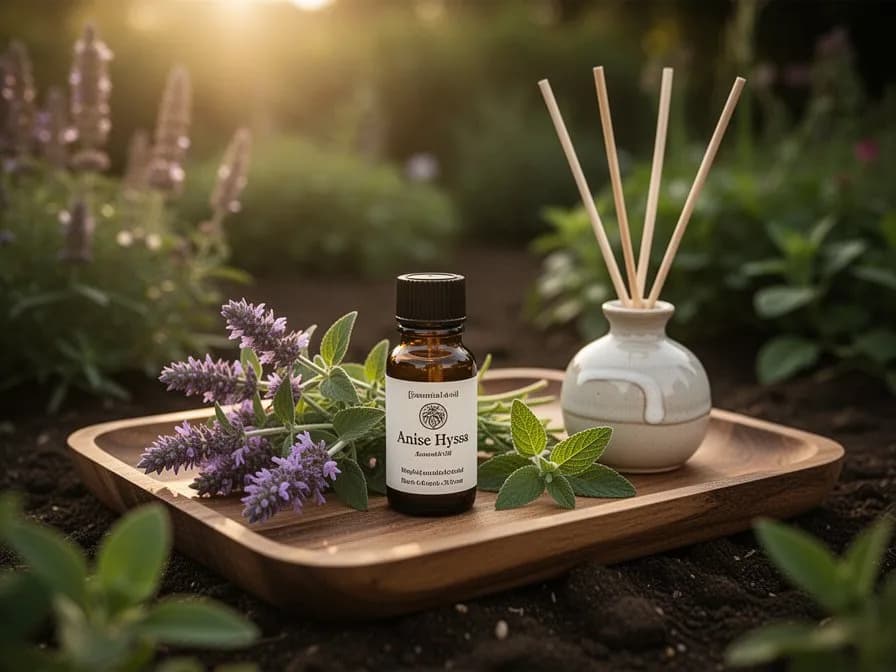
Té herbal fresco de agastache anisado
10 minutosUna infusión herbal naturalmente dulce y aromática hecha con hojas y flores frescas de agastache anisado. El té tiene un delicado sabor a regaliz y menta, calmante y refrescante, delicioso servido caliente para relajarse o frío con hielo en las tardes cálidas de verano.
5 ingredientesMantequilla de flores de agastache anisado
15 minutos más 2 horas de refrigeraciónUna mantequilla compuesta fragante, infusionada con flores y hojas de agastache anisado finamente picadas. Queda deliciosa fundida sobre pescado a la parrilla, untada en scones templados o mezclada con verduras asadas de verano. Los pétalos púrpura de las flores crean hermosos destellos en toda la mantequilla dorada.
5 ingredientes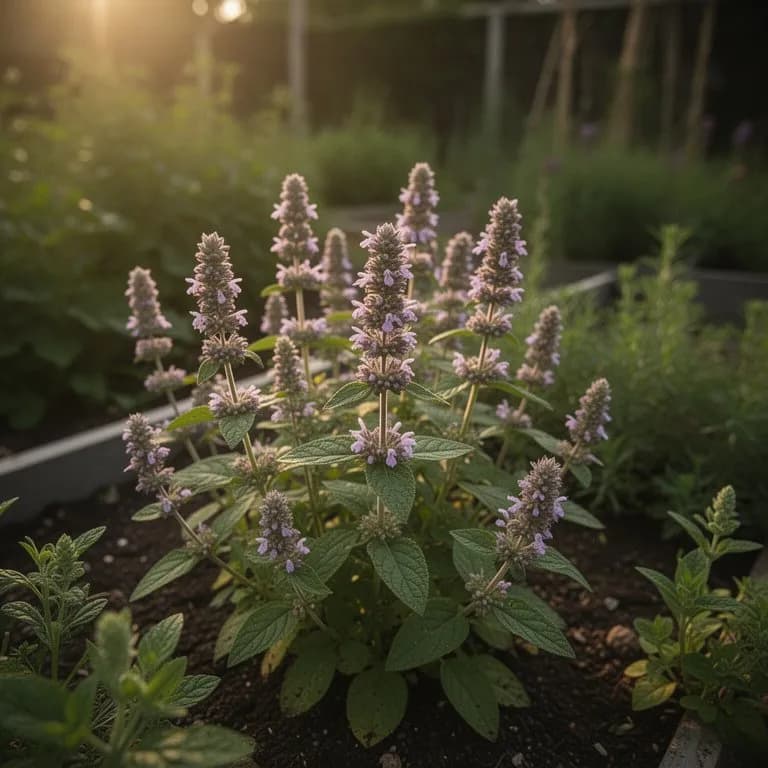
Ensalada veraniega de agastache anisado y frutos rojos
15 minutosUna ensalada veraniega vibrante que combina las notas dulces de regaliz del agastache anisado con frutos rojos frescos, hojas verdes mixtas y una vinagreta ligera. Los pétalos púrpura comestibles forman un adorno espectacular, tan sabroso como bonito.
6 ingredientesUsos culinarios
El agastache anisado es una hierba culinaria versátil con un dulce sabor a anís y regaliz. Sus hojas dan un té excepcional, caliente o frío, e infusionan magníficamente en miel, nata y jarabes simples. Espolvorea hojas frescas o secas en ensaladas de fruta, repostería y platos de cereales. Las flores comestibles aportan color y sabor a postres, cócteles y ensaladas. Prueba a añadir hojas a la masa de shortbread o de scones para una sutil nota anisada.
Qué contiene
Beneficios para la salud
- Favorece la salud respiratoria y ayuda a calmar la tos, el dolor de garganta y la congestión torácica leve, un uso arraigado en siglos de medicina herbal indígena en las Grandes Llanuras.
- Contiene ácido rosmarínico y otros compuestos polifenólicos con propiedades antiinflamatorias y antioxidantes demostradas que pueden ayudar a proteger las células del estrés oxidativo.
- Actúa como un digestivo suave, aliviando la hinchazón, las náuseas y el malestar estomacal leve cuando se consume como té caliente después de las comidas.
- Proporciona efectos leves de calma y reducción del estrés gracias a sus aceites esenciales aromáticos, lo que lo convierte en una opción popular para tés de relajación y preparaciones de aromaterapia.
- Muestra propiedades antimicrobianas en estudios de laboratorio, con aceites esenciales que presentan actividad contra ciertas bacterias y hongos, lo que respalda sus usos tradicionales para el cuidado de heridas.
- Puede favorecer la salud cardiovascular gracias a su contenido en flavonoides, especialmente tilianina, que ha sido investigada por sus efectos vasodilatadores y antihipertensivos en estudios preliminares.
De dónde viene Agastache anisado
El agastache anisado (Agastache foeniculum) es una planta perenne herbácea nativa de las regiones centro-norte de Norteamérica, desde las Grandes Llanuras de Estados Unidos hacia el norte hasta las provincias canadienses meridionales de Ontario, Manitoba, Saskatchewan y Alberta. Crece de forma natural en praderas secas, bosques abiertos y bordes de praderas, donde sus altas espigas florales púrpuras destacan entre las gramíneas y flores silvestres nativas. La planta tiene una profunda importancia cultural para numerosos pueblos indígenas de la región. Los cheyenne preparaban con sus hojas un té calmante y lo usaban para tratar tos y resfriados. Los chippewa (ojibwa) lo valoraban como remedio para el dolor torácico y como una agradable hierba para beber, mientras que los cree lo usaban para aliviar dolencias del corazón y como tónico general. Más allá de la medicina, las hojas se usaban para aromatizar alimentos y a veces se empaquetaban con pertenencias almacenadas por su agradable fragancia. Los colonos europeos de las praderas adoptaron rápidamente el agastache anisado a partir de las tradiciones indígenas, incorporándolo a sus propias boticas y huertos. Para el siglo XIX ya había ganado reconocimiento en los círculos hortícolas estadounidenses tanto por su versatilidad culinaria como por su extraordinario valor como planta melífera. Los apicultores del Alto Medio Oeste plantaban amplios rodales para apoyar la producción de miel, una práctica que continúa hoy en día. En los siglos XX y XXI, los obtentores han desarrollado cultivares ornamentales como 'Blue Fortune', un híbrido estéril apreciado por su larga floración y porte compacto, y 'Golden Jubilee', con follaje dorado chartreuse. Los herbolarios modernos siguen recomendando el té de agastache anisado para el apoyo respiratorio y digestivo, mientras que los chefs del movimiento farm-to-table han adoptado sus flores comestibles y hojas aromáticas como una hierba culinaria sofisticada. Hoy, el agastache anisado se celebra en todo el mundo como una planta esencial para jardines de polinizadores, una perenne de bajo mantenimiento y una hierba fragante y multiusos que une la tradición indígena con la jardinería y la cocina contemporáneas.
Agastache anisado: ¿sabías que?
Datos fascinantes sobre Agastache anisado
El agastache anisado no está emparentado ni con el anís (Pimpinella anisum) ni con el verdadero hisopo (Hyssopus officinalis), pese a su nombre común. Pertenece a la familia de las mentas (Lamiaceae) y es nativo de las praderas y prados de Norteamérica.
Agastache anisado: preguntas frecuentes
¿Cuándo debo plantar Agastache anisado?
¿Cuáles son buenas plantas acompañantes para Agastache anisado?
¿En qué zonas de rusticidad puede crecer Agastache anisado?
¿Cuánto sol necesita Agastache anisado?
¿A qué distancia debo espaciar Agastache anisado?
¿Qué plagas y enfermedades afectan a Agastache anisado?
¿Cómo almaceno Agastache anisado después de la cosecha?
¿Cuáles son las mejores variedades de Agastache anisado para cultivar?
¿Qué suelo necesita Agastache anisado?
¿El agastache anisado es una planta perenne o anual?
¿Puedo comer las hojas y flores de agastache anisado?
¿Cómo atraigo más polinizadores con agastache anisado?
¿Cuál es la diferencia entre el agastache anisado y otras especies de Agastache?
¿El agastache anisado se extiende agresivamente en el jardín?
¿Cuándo y cómo debo cosechar el agastache anisado para secarlo?
Acabas de leer la teoría. Ahora cultívala en piloto automático.
Todo lo que hace que Agastache anisado sea delicado — el momento, el espaciado, las asociaciones, la ventana de cosecha — es justo lo que PlotMyGarden resuelve por ti, para cada planta de tu huerto.
Un plan que conoce tu clima
Indica tu ubicación una vez. Recibe fechas de siembra, abonado y cosecha basadas en tu última helada real y el pronóstico en vivo — sin adivinar con un sobre genérico.
De la sección “Cuándo plantar”Planificador de bancales de arrastrar y soltar
Diseña bancales sobre una cuadrícula. Cada planta encaja con su espaciado correcto y ves toda la temporada antes de gastar un céntimo en semillas.
De la sección “Cultivo”Conflictos de asociación, detectados a tiempo
Más de 200 buenas y malas combinaciones comprobadas en vivo mientras plantas — para que un error que arruine la temporada nunca llegue a la tierra.
De la sección “Asociaciones”Recordatorios que sí vas a seguir
“Riega las judías.” “Recoge hoy antes de que se pase.” Oportunos, concretos y ligados a las plantas que de verdad cultivas.
De la sección “Cosecha”Escalonado, programado
¿Quieres cosechar seis semanas en vez de seis días? Reparte tus siembras automáticamente y te avisa cuando toca el siguiente lote.
De la sección “Cuándo plantar”Un registro que se vuelve más listo
Cada cosecha que registras le enseña tu huerto. El plan del año que viene parte de lo que de verdad funcionó en tu suelo, no en un manual.
De la sección “Resumen”Planta estos junto a Agastache anisado
Más Hierbas aromáticas
Cultiva tu mejor Agastache anisado — y todo lo que la rodea.
Empieza un plan gratis hoy. Diseña tus bancales, coloca tu Agastache anisado y deja que PlotMyGarden gestione el momento, el espaciado, las asociaciones y los recordatorios de la semilla a la cesta.