Echinacea
A native North American prairie flower widely used in herbal medicine for immune system support and cold prevention.





On this pageOverview
Meet Echinacea
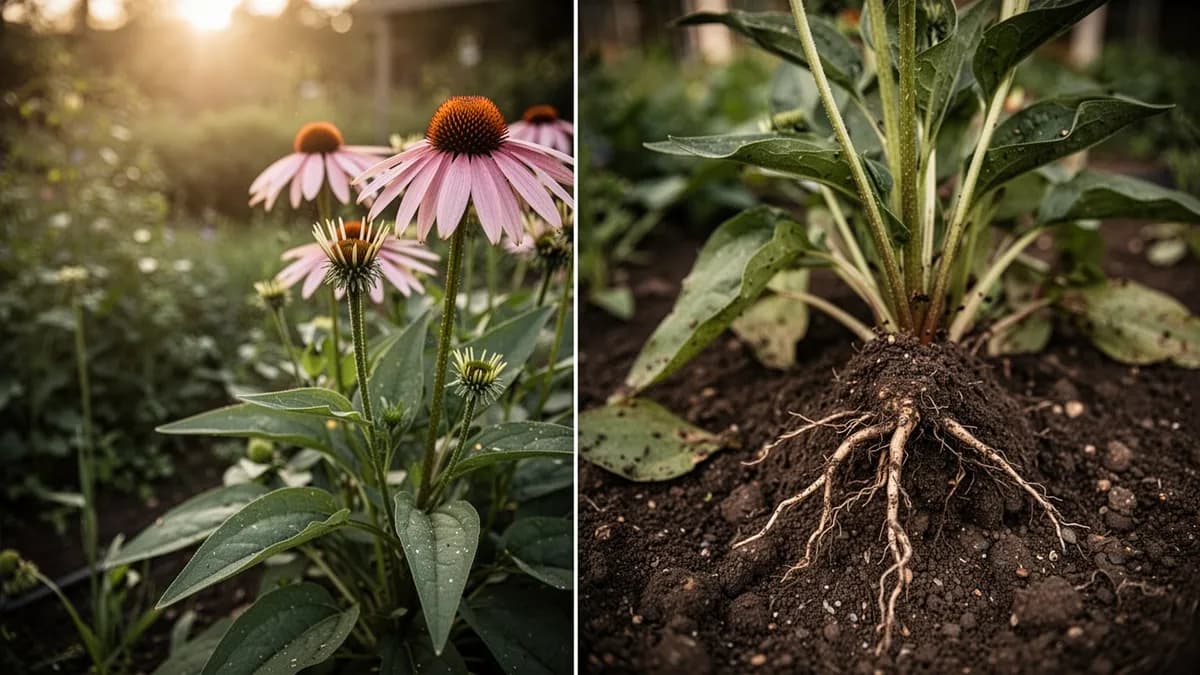
A native North American prairie flower widely used in herbal medicine for immune system support and cold prevention. The roots and flower heads are harvested for tinctures and teas after the plant has grown for at least three years. Echinacea is extremely drought-tolerant once established and its striking purple coneflowers attract butterflies.
When to plant Echinacea
Echinacea seeds benefit from cold stratification for improved germination. Place seeds in a sealed bag with moist peat and refrigerate at 35 to 40 degrees for 4 to 6 weeks. Sow stratified seeds a quarter inch deep in moist seed-starting mix at 65 to 70 degrees. Germination takes 10 to 21 days and can be erratic. Alternatively, direct sow outdoors in late fall and allow winter cold to provide natural stratification. Seedlings grow slowly the first year, forming a rosette of leaves, and typically do not flower until the second year. Space transplants 18 to 24 inches apart in full sun.
Your Echinacea Year
Composed for Zone 7 · typical seasons · frost passes Apr 2, returns Nov 1
Plant Echinacea Mar – May, pick Jul – Sep. Check the planting methods below and set your climate to personalize these windows.
How to grow Echinacea
Echinacea, also known as purple coneflower, is a native North American prairie plant that has become one of the most popular medicinal herbs worldwide. The striking daisy-like flowers with their prominent central cones bloom from midsummer through early fall, attracting butterflies and pollinators. Plant in full sun with well-drained soil with a pH of 6.0 to 7.0. Echinacea thrives in lean, even poor soil and is extremely drought-tolerant once its deep taproot is established.
Start seeds indoors 8 to 10 weeks before the last frost or direct sow in late fall for natural cold stratification over winter. Space plants 18 to 24 inches apart. Seeds germinate irregularly and benefit from 4 to 6 weeks of cold stratification at 35 to 40 degrees before sowing. Nursery transplants provide faster establishment.
Echinacea is a low-maintenance perennial that requires minimal care once established. Water sparingly after the first growing season. Leave spent flower heads standing through winter to provide food for goldfinches and visual interest. Cut back dead stems in late winter before new growth emerges. Divide overcrowded clumps every 3 to 4 years in spring. For medicinal harvest, allow plants to grow undisturbed for at least 3 years before harvesting roots.
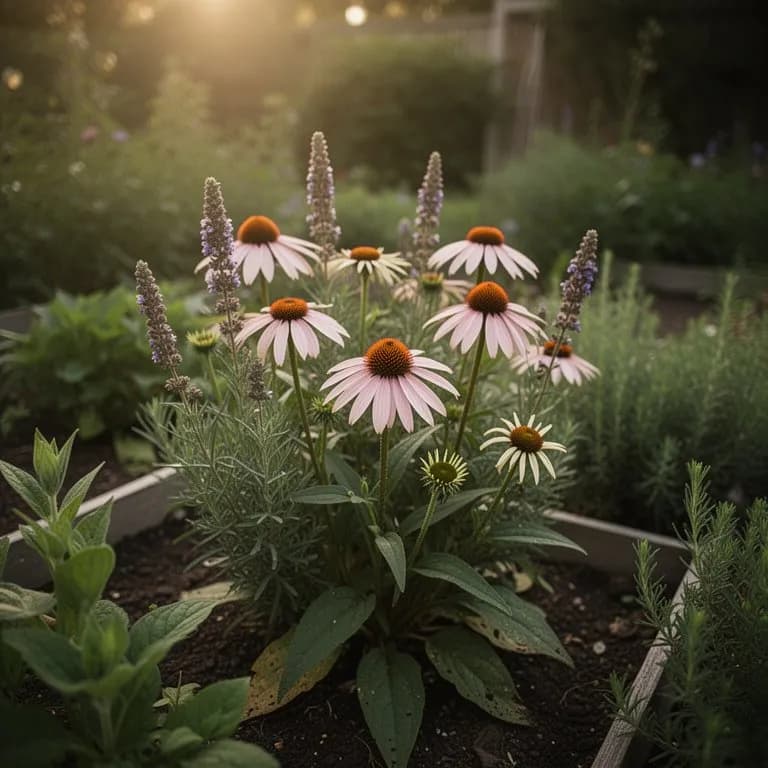
10 plants fit a 4 × 8 ft bed
Each Echinacea wants 45 cm of elbow room. The planner keeps that spacing for you — every plant, every bed.
Echinacea's best neighbours
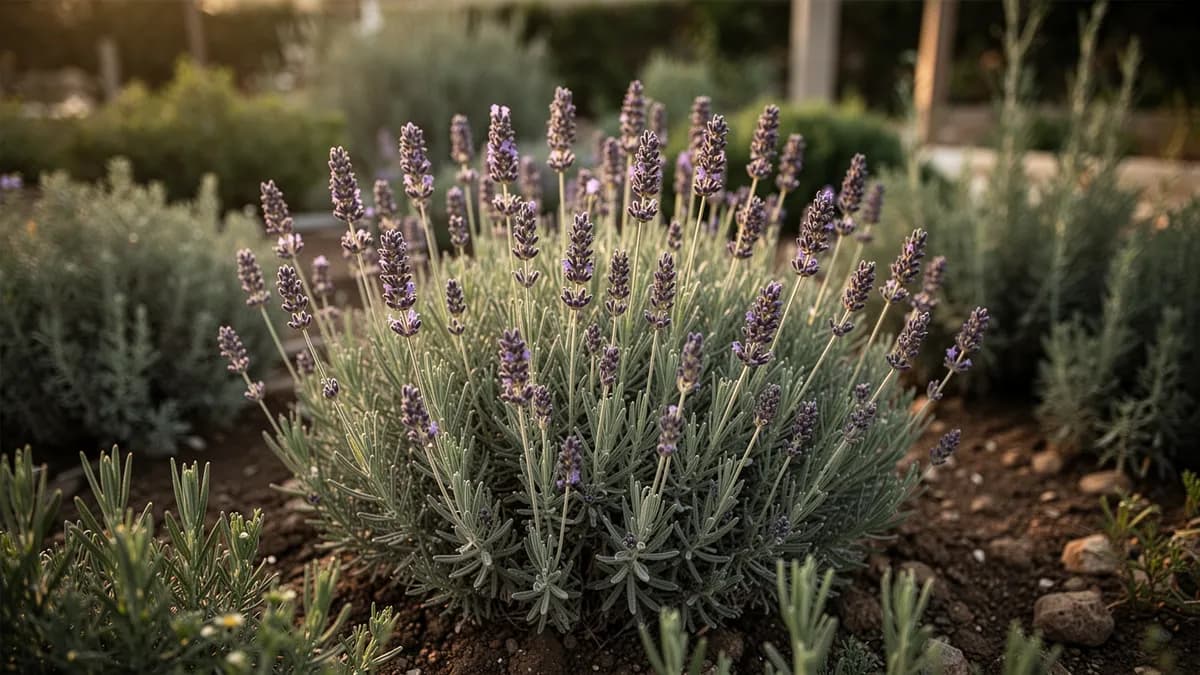
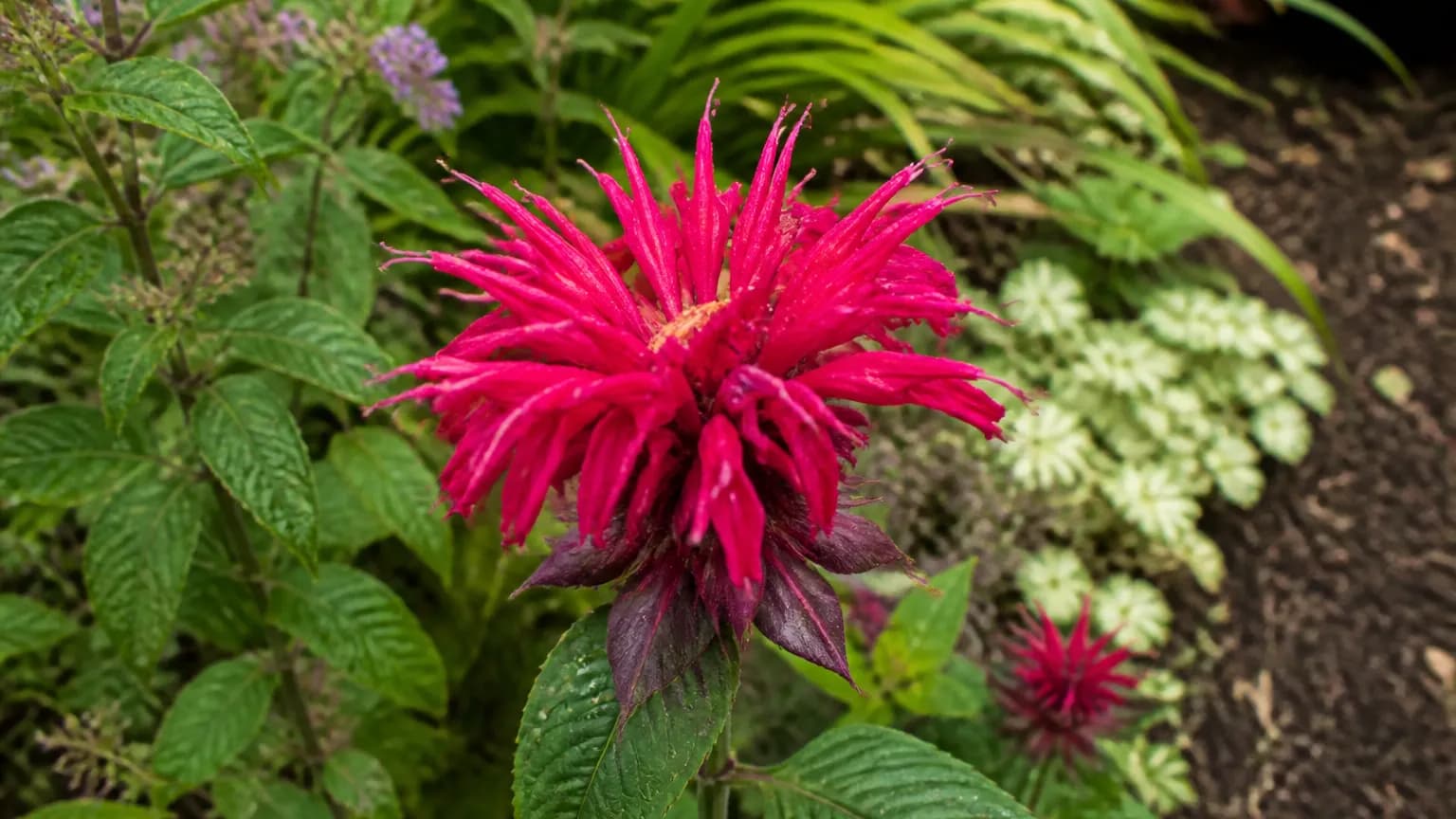
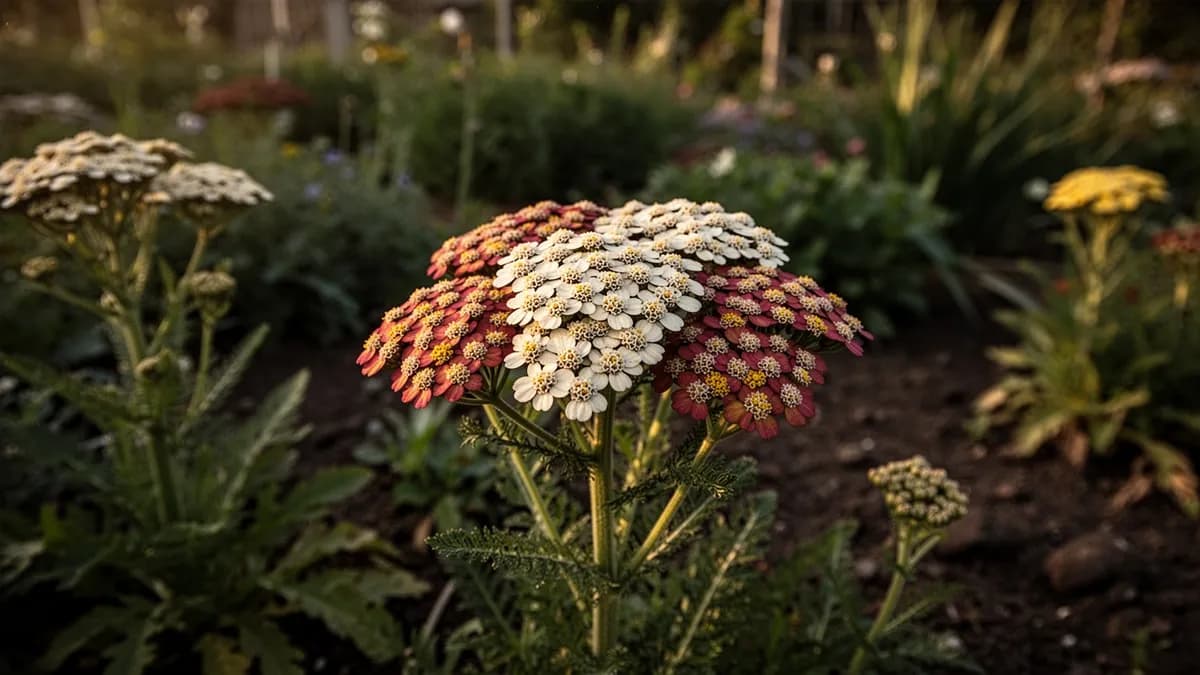
Echinacea attracts a wide range of beneficial insects and pollinators to the garden. Plant near vegetable beds to boost pollination. It pairs naturally with other native prairie plants including black-eyed Susans, ornamental grasses, and bee balm. In herb gardens, combine with lavender, yarrow, and calendula for a medicinal herb border. Echinacea's deep taproot does not compete aggressively with neighboring plants.
Lavender belongs beside it.
Old growers' knowledge, checked against Echinacea's real companion table below — test any plant you're growing.
Try Echinacea in a bed — right here
A real planner bed with Echinacea already in it. Tap a companion to place it and watch the pairing checks answer — green for good neighbours, red for a clash.


Related growing guides
Feed it well
Echinacea thrives in average to lean, well-drained soil with a pH of 6.0 to 7.0. Rich, fertile soil produces lush foliage at the expense of flowers and root development. It tolerates clay, loam, and sandy soils as long as drainage is adequate. Minimal fertilization is needed; a light top-dressing of compost in spring is sufficient for established plants. Excessive nitrogen causes floppy stems that require staking. For medicinal root production, grow in deep, loose soil that allows the taproot to develop fully.
Ideal Temperature
Hardiness Zone Compatibility
From seed to harvest, stage by stage
Seed Germination
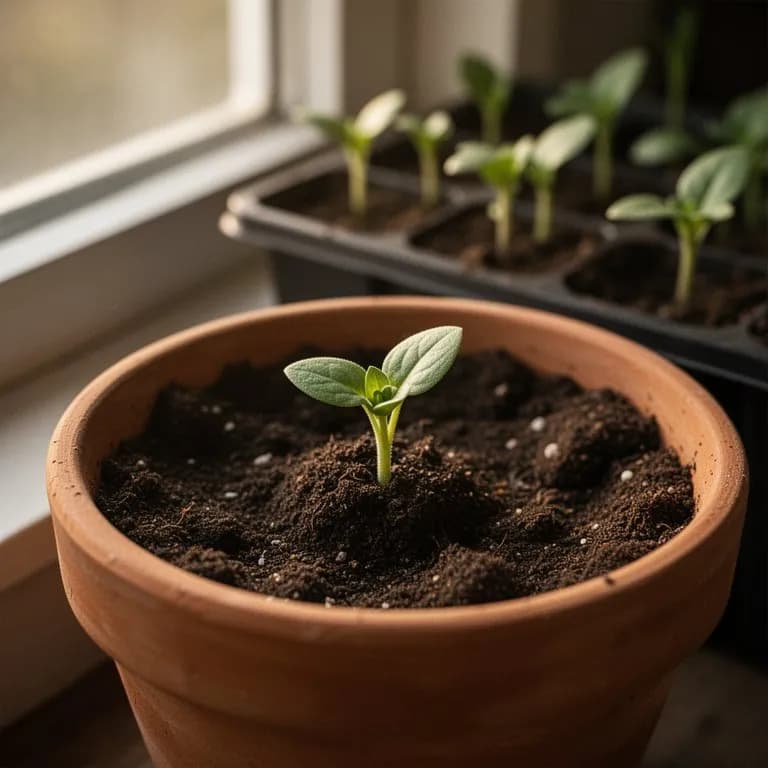
Echinacea seeds require patience — germination is slow and irregular, typically taking 10-21 days under ideal conditions. Seeds benefit from a cold stratification period of 4-6 weeks before sowing to break dormancy. The tiny seedlings emerge with small oval cotyledon leaves that look nothing like the mature plant's rough, lance-shaped foliage.
Seedling Development
Seedlings develop their first true leaves, which are rough-textured and lance-shaped with toothed edges. Growth is slow during this stage as the plant focuses on establishing a strong taproot system. Seedlings gradually develop the coarse, hairy stems characteristic of the species.
Rosette Formation (Year 1)
During their first year, most echinacea plants focus energy on building a strong root system and a basal rosette of dark green, rough-textured leaves. Some vigorous plants may produce a few flowers in late summer of the first year, but the majority will not bloom until year two. The developing taproot stores energy reserves for the following season's impressive flower display.
Flowering (Year 2+)
From the second year onward, echinacea sends up sturdy stems 60-120 cm tall topped with the iconic large daisy-like flowers. Each flower features a prominent spiny central cone surrounded by drooping pink-purple ray petals. Blooming begins in early to midsummer and continues for 6-8 weeks, with individual flowers lasting 2-3 weeks each. Established clumps produce increasingly more flower stems each year.
Seed Set and Dormancy
After flowering, the petals drop and the central cones dry to dark brown seed heads filled with small, wedge-shaped seeds. As autumn arrives, the foliage yellows and dies back to the ground. The plant enters winter dormancy, with all energy stored in the deep taproot system that can survive temperatures well below freezing. The dried seed heads persist through winter, providing food for birds and architectural interest in the dormant garden.
Start seeds indoors 8-10 weeks before the last frost date. Press seeds lightly into the surface of moist seed-starting mix — they need light to germinate. Maintain soil temperature of 18-21°C (65-70°F). To improve germination rates, cold-stratify seeds in damp sand in the refrigerator for 4-6 weeks before sowing.
Caring for Echinacea month by month
What to do each month for your Echinacea
October
You are hereFoliage yellows and begins dying back. Leave seed heads standing for winter bird feeding and garden structure. Harvest any remaining roots for drying. Apply a light mulch around the crown in zones 3-5 for winter protection. Plant divisions and transplants in zones 7-10 for autumn root establishment.
Know exactly what to do in your garden — every month
One email at the start of each month: what to sow, plant, and tackle right now — for your Echinacea and everything growing around it. Plus a short starter course that helps you dodge the classic mistakes.
- What to do, right now
- Matched to your season
- Starter course included
Harvesting Echinacea
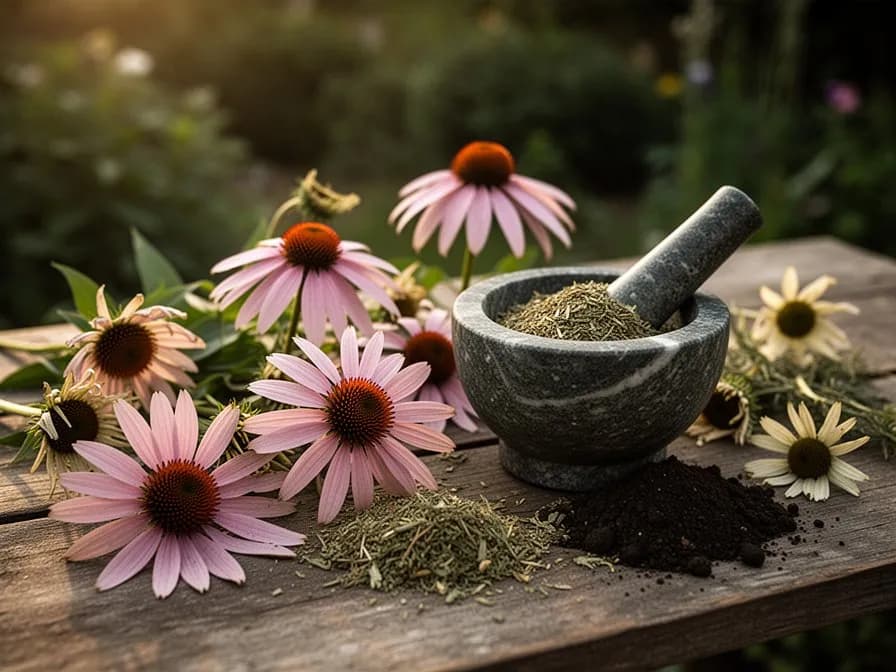
For medicinal use, harvest echinacea roots in fall after the plant is at least 3 years old. Dig roots after the first hard frost when the plant is dormant and medicinal compounds are most concentrated. Wash roots thoroughly and chop into small pieces for drying or tincture-making. Flower heads can be harvested at peak bloom for teas. Cut stems when the petals are fully open and the central cone is firm. Leaves can be harvested throughout the growing season for tea, though they are less potent than roots.
assuming you plant when the window opens — set your real date
Pick Echinacea promptly and the plant keeps producing.
Storage & Preservation
Fresh echinacea roots should be processed immediately after harvest. Chop roots into small pieces and dry in a dehydrator at 95 to 100 degrees Fahrenheit or spread on screens in a warm, well-ventilated area for 1 to 2 weeks. Dried roots store for up to 3 years in airtight containers in a cool, dark place. For tinctures, pack fresh chopped root into a glass jar, cover with 80-proof vodka, and steep for 6 to 8 weeks, shaking daily. Strain and store in dark glass bottles. Dried flowers and leaves for tea store for 1 year in airtight containers.
What goes wrong — and the fix
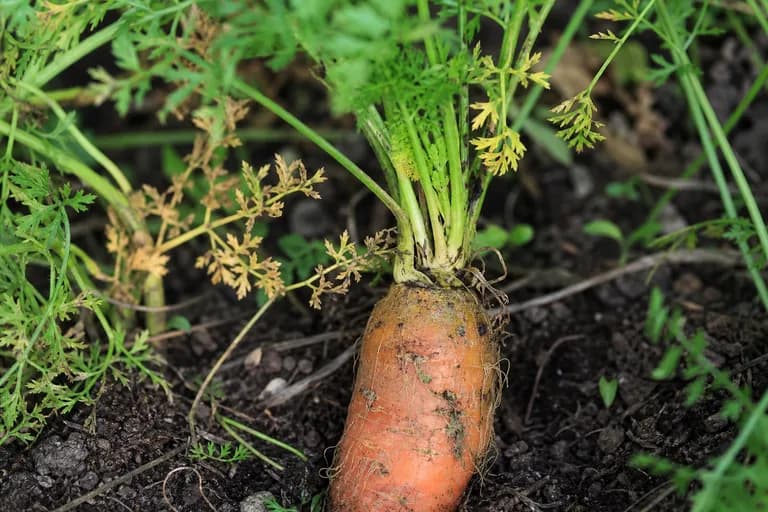
Aster Yellows
DiseaseFlowers develop bizarre green petal-like structures instead of normal petals. Growth becomes distorted and stunted. Caused by phytoplasma organisms spread by leafhoppers.
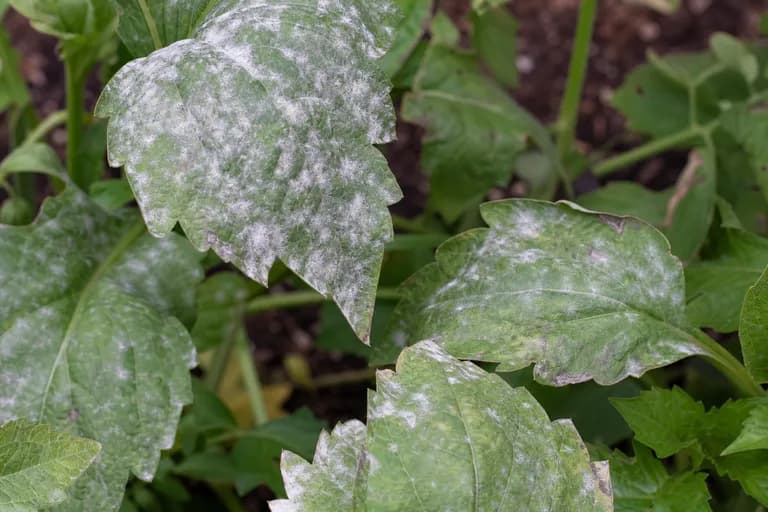
Powdery Mildew
DiseaseWhite powdery coating on leaves, especially on lower leaves and in humid conditions with poor air circulation.
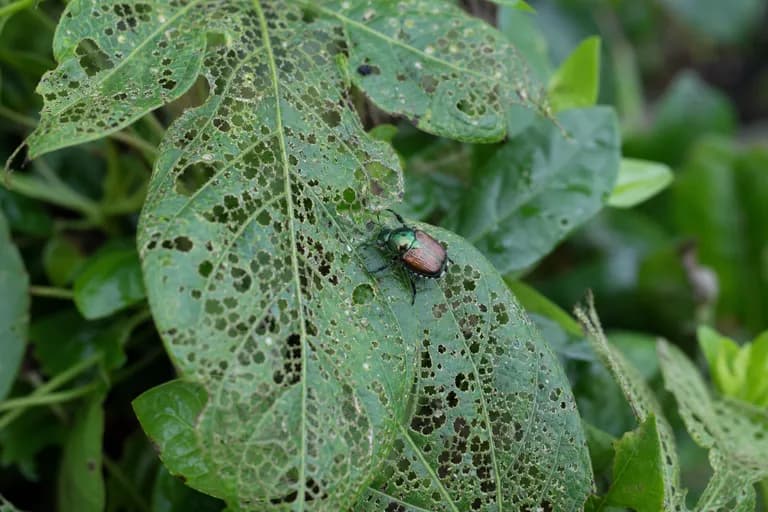
Japanese Beetles
PestMetallic green and copper beetles skeletonize leaves and damage flower petals. Most active from June through August. Can defoliate plants in severe infestations.
Troubleshooting Common Problems
Aster yellows is the most devastating disease, causing bizarre flower distortion with no cure. Remove infected plants immediately. Overwatering and poor drainage lead to crown rot, especially during wet winters. Plants may be short-lived in the Southeast due to heat and humidity stress. Deer occasionally browse echinacea, though it is generally classified as deer-resistant. Rabbits may nibble young plants. Self-sowing can be prolific; deadhead to prevent unwanted seedlings or leave seed heads for bird food.
Growing Tips
- Cold-stratify seeds before sowing for dramatically better germination rates. Place seeds in a sealed bag with damp sand in the refrigerator for 4-6 weeks before planting. Without stratification, germination can be as low as 20-30%, while stratified seeds typically achieve 60-80% germination.
- Plant echinacea in full sun for the best flowering and strongest medicinal compound production. Plants tolerate partial shade but produce fewer flowers, weaker stems that may flop, and lower concentrations of the bioactive alkamides and cichoric acid in their roots.
- Excellent drainage is non-negotiable for echinacea. The deep taproot rots quickly in waterlogged soil, especially during winter dormancy. Amend heavy clay soil with coarse sand and compost, or plant in raised beds. Once established, echinacea is remarkably drought tolerant thanks to its prairie heritage.
- Do not expect flowers in the first year from seed-grown plants. Echinacea is a perennial that typically spends its first season building a strong root system and basal leaf rosette. Patience is rewarded — from the second year onward, plants bloom reliably for a decade or more with minimal care.
- Avoid high-nitrogen fertilizers which produce lush foliage at the expense of flowers. Echinacea thrives in lean to moderately fertile soil. A single spring application of balanced organic fertilizer or a topdressing of compost is all that is needed. Overfed plants are also more susceptible to disease.
- Deadhead spent flowers regularly to extend the blooming season by several weeks. Cut flower stems back to a lateral bud or the basal foliage. Leave the last flush of flowers to set seed for goldfinch feeding and controlled self-sowing around the parent plant.
- Divide mature clumps every 3-4 years in early spring just as new growth emerges. Use a sharp spade to cut through the tough crown, ensuring each division has several growing points and a portion of the taproot. Replant divisions immediately at the same depth and water deeply.
- Watch for aster yellows disease, transmitted by leafhoppers, which causes bizarre green deformed flowers and stunted growth. There is no cure — remove and destroy infected plants immediately to prevent spread. Control leafhopper populations with row covers during peak season.
- Harvest roots for medicinal use in autumn from plants that are at least 3 years old, when active compound concentrations are highest. Dig carefully around the plant, take a portion of the root mass, and leave the rest to regenerate. Wash, slice thinly, and dry at low heat or in a dehydrator.
- Leave dried seed heads standing through winter rather than cutting them back. They provide essential food for goldfinches, shelter overwintering beneficial insects in hollow stems, and add beautiful architectural form to the dormant garden — especially striking when rimmed with frost or capped with snow.
Grow your best Echinacea yet — and everything around it.
Start a free plan today. Lay out your beds, drop in your Echinacea, and let PlotMyGarden handle the timing, spacing, companions and reminders from seed to harvest basket.
Pick your Echinacea
Magnus
Deep rose-purple flowers with horizontal rather than drooping petals on sturdy 3-foot stems. Perennial Plant Association Plant of the Year. Excellent vigor and flower production.
White Swan
Pure white petals surrounding a golden-orange cone. Grows 2 to 3 feet tall. Beautiful in combination with purple-flowered types. Same medicinal properties as purple forms.
PowWow Wild Berry
Intensely deep rose-pink flowers on compact 18 to 24 inch plants. Blooms prolifically the first year from seed. Excellent garden performance and long bloom season.
Echinacea angustifolia
A different species considered by many herbalists to be more medicinally potent than E. purpurea. Narrower leaves and smaller flowers. Harder to cultivate but preferred for tinctures.
Echinacea supplements and teas are among the most expensive herbal products on the market — a box of 16 echinacea tea bags costs $5-8, while bottled echinacea tinctures sell for $12-25. A single established echinacea plant produces enough dried material annually for over 200 cups of tea, worth $60-100 at retail prices. A packet of seeds costing $3-4 yields 20-30 plants that will produce for a decade or more, representing hundreds of dollars in savings over their lifetime. Growing your own also guarantees purity and freshness — commercial echinacea products are frequently found to contain fillers or mislabeled species.
Quick recipes
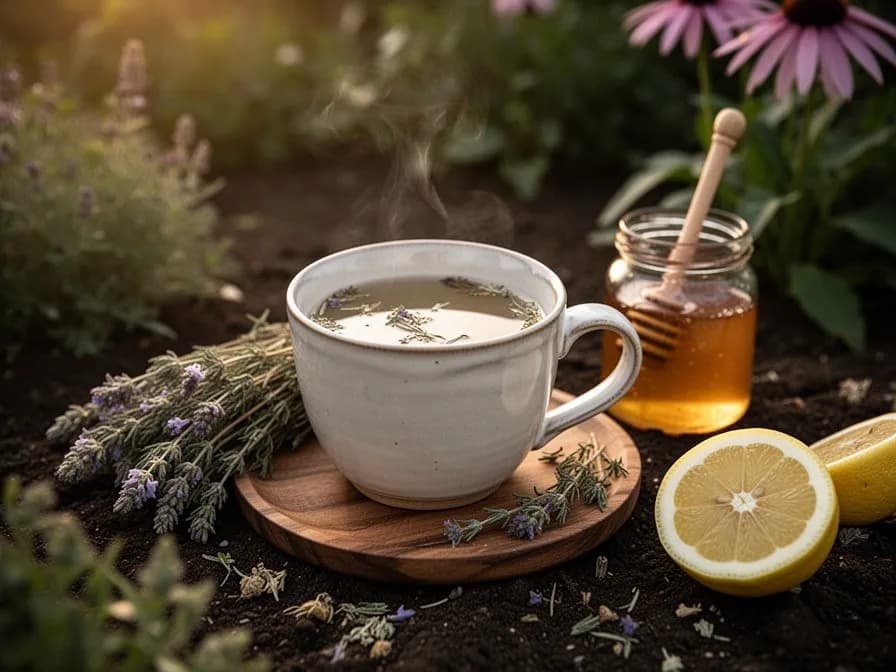
Echinacea Root and Flower Tea
15 minA soothing immune-boosting tea brewed from dried echinacea roots and flower petals. The roots contribute earthy depth and the characteristic tingling sensation, while the flowers add a mild floral sweetness. Best enjoyed at the first sign of a cold or as a daily immune tonic during winter months.
6 ingredientsEchinacea Honey Infusion
10 min (plus 4 weeks infusing)A simple yet potent preparation where dried echinacea root is steeped in raw honey for several weeks, creating a naturally sweet immune-support remedy. Take by the spoonful during cold season, stir into tea, or drizzle over toast for a medicinal treat.
4 ingredientsEchinacea and Elderflower Iced Tisane
20 min (plus chilling)A refreshing summer drink that combines the immune-supporting properties of echinacea with the delicate floral notes of elderflower. Lightly sweetened and served over ice, this herbal cooler is both healthful and delicious on warm days.
7 ingredientsCulinary Uses
Echinacea is primarily used medicinally rather than culinarily. The most common preparation is tea made from dried flowers, leaves, or roots. Echinacea tea has a mild, slightly floral flavor with a distinctive tingling sensation on the tongue. The roots can be decocted (simmered) for a stronger preparation. Fresh or dried flowers can be added to herbal tea blends. Echinacea honey, made by infusing honey with fresh flowers, is a soothing preparation for sore throats.
What's inside
Health Benefits
- Supports immune system function through multiple mechanisms — echinacea's alkamides, polysaccharides, and cichoric acid work together to stimulate white blood cell production, enhance phagocytosis, and modulate the innate immune response during the critical early stages of infection.
- Clinical research suggests that echinacea preparations may reduce the duration and severity of common colds by 1-2 days when taken at the onset of symptoms, with some studies showing a 10-20% reduction in cold incidence with preventive use during winter months.
- Contains potent anti-inflammatory compounds that may help reduce systemic inflammation — echinacea alkamides inhibit the COX and 5-LOX enzyme pathways, offering natural support for joint comfort and recovery from minor injuries.
- Rich in antioxidant polyphenols including cichoric acid, caftaric acid, and flavonoids that help neutralize free radicals, protect cells from oxidative stress, and may support skin health when used both internally and topically.
- Traditional and emerging research supports echinacea's use for upper respiratory health — the herb may help maintain clear airways, soothe irritated throat tissues, and support the body's natural defenses against seasonal respiratory challenges.
- Echinacea root preparations have demonstrated mild anxiolytic (anxiety-reducing) properties in preliminary research, with alkamides binding to cannabinoid CB2 receptors — suggesting potential benefits for stress management and emotional wellbeing beyond immune support.
Where Echinacea comes from
Echinacea purpurea, commonly known as the purple coneflower, is native to the eastern and central regions of North America, where it grew naturally in prairies, open woodlands, and along roadsides from the Great Lakes south to Georgia and west to the Rocky Mountain foothills. The plant thrived in the vast tallgrass prairies that once covered the American heartland, growing alongside big bluestem grass, black-eyed Susans, and hundreds of other native wildflowers in one of the most biodiverse ecosystems on the continent.
Long before European settlers arrived, Native American peoples discovered echinacea's remarkable medicinal properties through centuries of observation and use. The Cheyenne, Lakota, Comanche, and at least ten other Plains tribes used echinacea root as their primary remedy for a wide range of ailments. They chewed the roots to numb toothache pain, brewed root tea to treat colds and sore throats, and applied poultices of crushed root to wounds, burns, and snakebites. Echinacea was so highly valued that it became an important trade item between tribes and was carried over long distances.
European settlers learned of echinacea from Native Americans in the 1700s, and by the late 1800s, it had become one of the most popular botanical medicines in the United States. A Nebraska doctor named H.C.F. Meyer commercialized echinacea as a patent medicine in the 1870s, claiming it could cure everything from rattlesnake bites to blood poisoning. While his claims were exaggerated, the plant's genuine immune-stimulating properties caught the attention of the Eclectic physicians, who prescribed it widely until the rise of antibiotics in the 1930s pushed herbal medicines to the margins of Western healthcare.
Ironically, it was in Germany rather than its homeland that echinacea experienced its modern revival. German researcher Dr. Gerhard Madaus imported E. purpurea seeds to Europe in 1939, and German pharmaceutical companies developed standardized preparations that underwent clinical trials. By the 1980s, echinacea was one of the most prescribed herbal medicines in Germany, and its popularity soon spread worldwide, sparking the global echinacea boom of the 1990s that made it the top-selling herbal supplement in North America and Europe.
Echinacea: did you know?
Fascinating facts about Echinacea
Echinacea was the most widely used medicinal plant among Native American peoples of the Great Plains. At least 14 different tribes used it to treat more conditions than any other plant — from snakebites and toothaches to colds and burns — making it the continent's most versatile traditional remedy.
Echinacea questions, answered
When should I plant Echinacea?
What are good companion plants for Echinacea?
What hardiness zones can Echinacea grow in?
How much sun does Echinacea need?
How far apart should I space Echinacea?
What pests and diseases affect Echinacea?
How do I store Echinacea after harvest?
What are the best Echinacea varieties to grow?
What soil does Echinacea need?
Does echinacea really work for colds and immune support?
When should I harvest echinacea roots and how do I dry them?
Why didn't my echinacea bloom in the first year?
Is echinacea safe to take every day as a preventive supplement?
How do I prevent echinacea from spreading too aggressively in my garden?
Can I grow echinacea in containers on a balcony or patio?
You just read the theory. Now grow it on autopilot.
Everything that makes Echinacea fiddly — the timing, the spacing, the companions, the harvest window — is exactly what PlotMyGarden handles for you, for every plant in your garden.
A plan that knows your weather
Set your location once. Get sow, feed and harvest dates built around your real last-frost date and live forecast — no more guessing from a generic seed packet.
From the “When to plant” sectionDrag-and-drop bed planner
Design beds on a grid. Every plant snaps to its proper spacing, and you can see your whole season laid out before you spend a cent on seed.
From the “Growing guide” sectionCompanion conflicts, caught early
200+ good-and-bad pairings checked live as you plant — so a season-wrecking mistake never makes it into the ground.
From the “Companions” sectionReminders you'll actually act on
“Water the beans.” “Pick today before it turns.” Timely, specific, and tied to the plants you're really growing.
From the “Harvest” sectionSuccession, scheduled
Want a harvest for six weeks, not six days? It spaces your sowings automatically and reminds you when each new block is due.
From the “When to plant” sectionA record that gets smarter
Every harvest you log teaches it your garden. Next year's plan starts from what actually worked in your soil, not a textbook's.
From the “Overview” sectionPlant these alongside Echinacea
More Medicinal Herbs
Garden plans featuring Echinacea
Grow your best Echinacea yet — and everything around it.
Start a free plan today. Lay out your beds, drop in your Echinacea, and let PlotMyGarden handle the timing, spacing, companions and reminders from seed to harvest basket.