Bálsamo de abeja
Una llamativa planta perenne nativa con flores tubulares dispuestas en verticilos, de color rojo, rosa y púrpura, irresistibles para los colibríes.





En esta páginaResumen
Conoce Bálsamo de abeja
Una llamativa planta perenne nativa con flores tubulares dispuestas en verticilos, de color rojo, rosa y púrpura, irresistibles para los colibríes. El bálsamo de abeja se extiende por estolones y se beneficia de la división cada pocos años para controlar su expansión y prevenir el oídio. Elija cultivares resistentes al oídio y proporcione buena circulación de aire para obtener las plantas más sanas.
Cuándo plantar Bálsamo de abeja
El bálsamo de abeja puede iniciarse por semilla, aunque la división es más rápida para las variedades ya establecidas. Siembre las semillas en superficie sobre compost húmedo a 15-20 °C, ya que necesitan luz para germinar. Estratifique las semillas en el refrigerador durante 2 semanas antes de sembrarlas para mejorar la germinación. Las plántulas emergen en 10-21 días y deben aclararse dejando las más fuertes. Los cultivares con nombre deben propagarse por división o esquejes para mantener sus características. Divida las matas a comienzos de la primavera, replantando las secciones exteriores con raíces sanas. Los esquejes basales tomados a finales de la primavera enraízan con facilidad en 2-3 semanas.
Tu año de Bálsamo de abeja
Ajustado a Zona 7 · temporada típica · la helada se va hacia el 2 abr y vuelve hacia el 1 nov
Planta Bálsamo de abeja Mar – Abr, Sep y cosecha Jul – Ago. Consulta los métodos de plantación y elige tu clima para adaptar los periodos.
Cómo cultivar Bálsamo de abeja
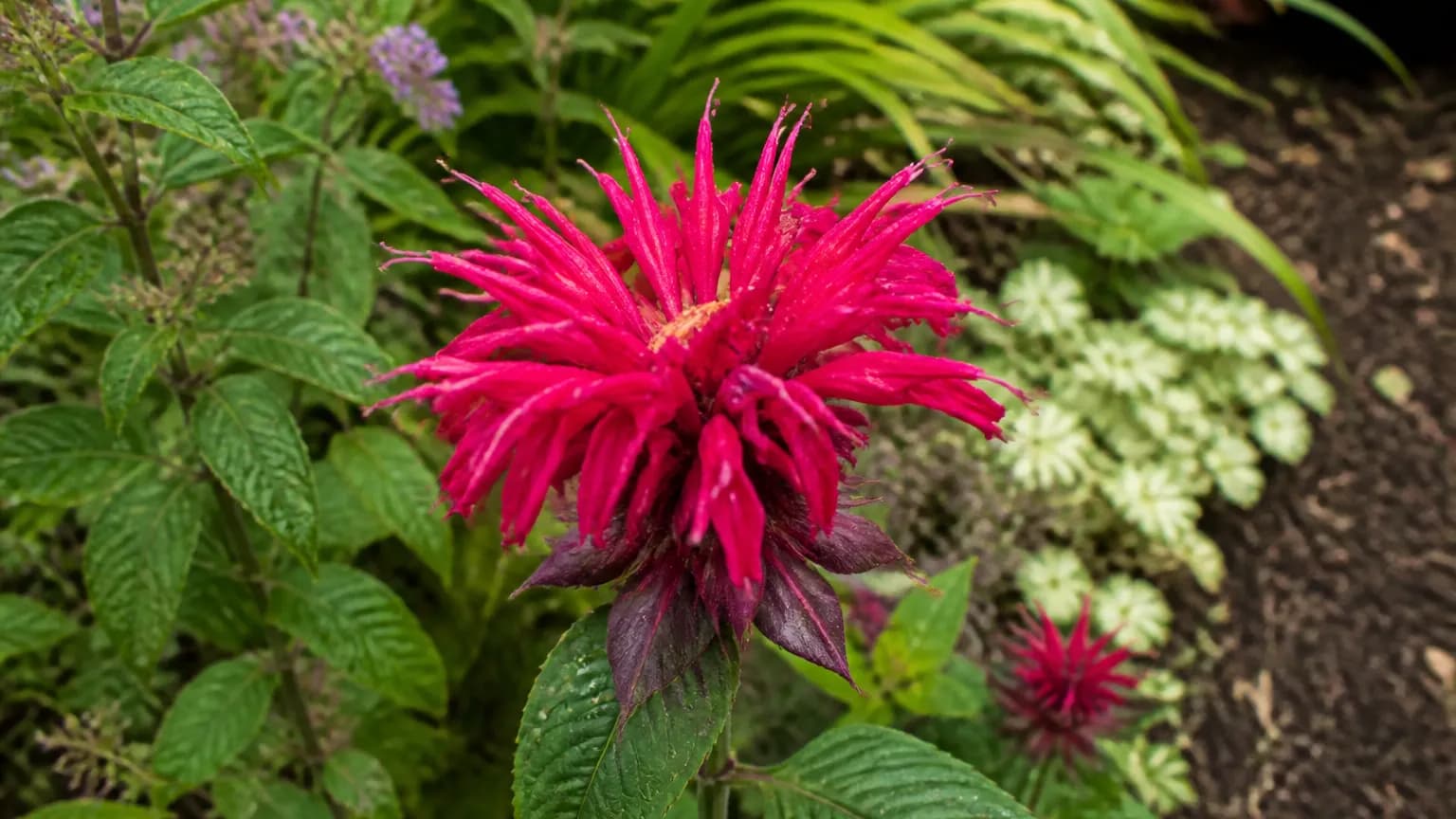
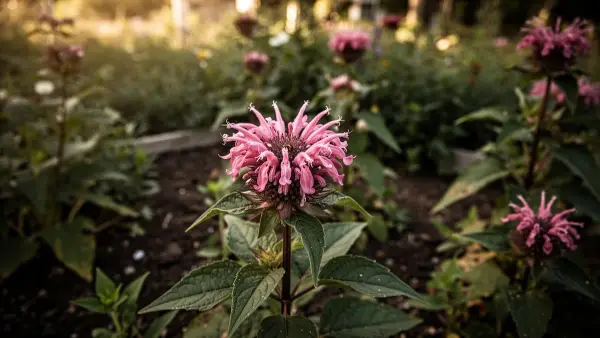
El bálsamo de abeja (Monarda didyma) es una planta perenne nativa de Norteamérica que aporta un color intenso y mucha actividad de fauna al jardín de verano. Alcanza 60-120 cm de altura y produce vistosas cabezas florales en verticilos, en brillantes tonos rojos, rosados, púrpuras y salmón, irresistibles para colibríes, mariposas y abejas. Sus tallos cuadrados y hojas aromáticas revelan su pertenencia a la familia de las mentas.
Plántelo a pleno sol o en semisombra ligera, en un suelo fértil y con buena retención de humedad. A diferencia de muchas perennes, el bálsamo de abeja prefiere condiciones constantemente húmedas y sufre en suelos secos. Separe las plantas 45 cm, asegurando buena circulación de aire entre matas para reducir el riesgo de oídio, el mayor desafío al cultivar esta planta. Elegir cultivares resistentes al oídio es la estrategia más eficaz.
El bálsamo de abeja se extiende con vigor mediante estolones subterráneos y puede colonizar rápidamente un bancal. Divídalo cada 2-3 años en primavera, replantando solo las secciones exteriores más vigorosas y descartando el centro leñoso y agotado de la mata. Así la plantación se mantiene fresca, productiva y bajo control. Quite las flores marchitas con prontitud para fomentar una segunda oleada de floración a finales del verano.
10 plantas caben en un bancal de 120 × 240 cm
Cada Bálsamo de abeja pide 45 cm de margen. El planificador guarda ese marco por ti — cada planta, cada bancal.
Los mejores vecinos de Bálsamo de abeja
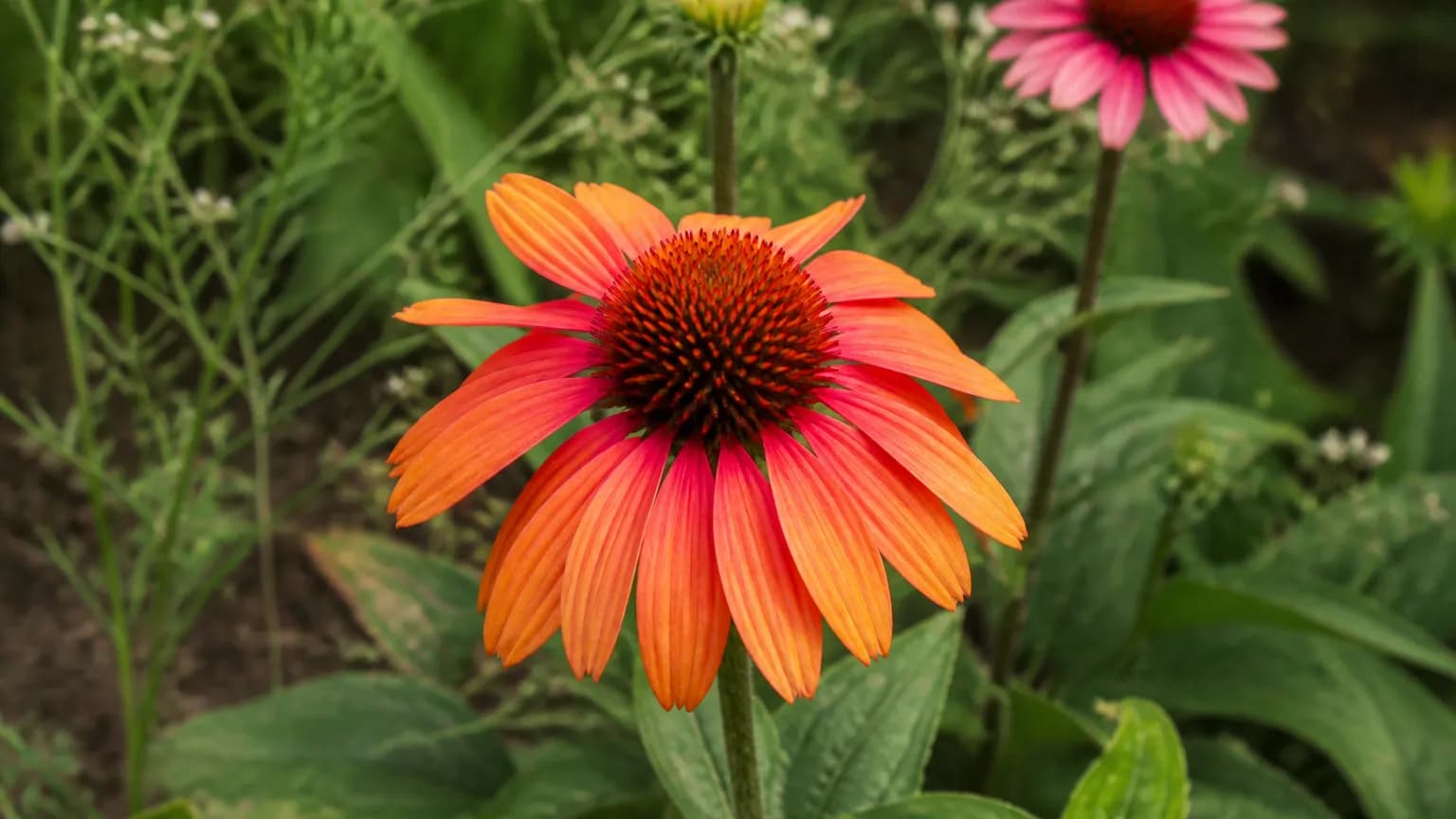
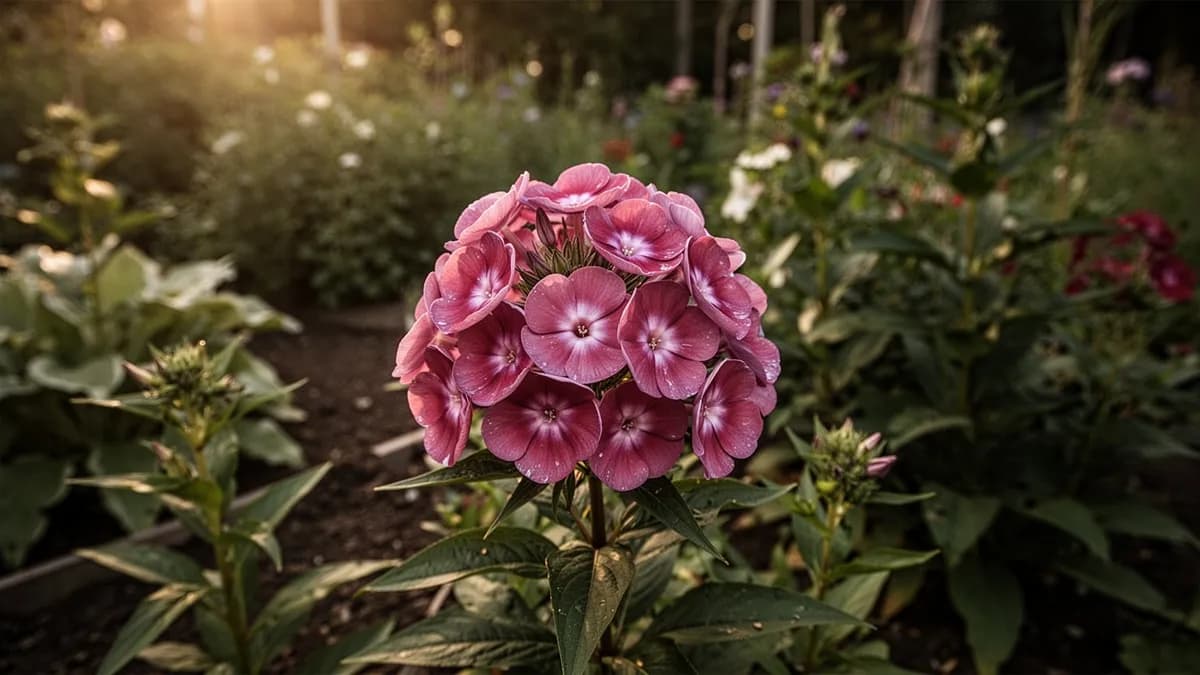
El bálsamo de abeja es esencial en los jardines de fauna silvestre, ya que ofrece abundante néctar para colibríes, abejas y mariposas. Combina de forma natural con otras perennes nativas, como coneflores, rudbeckias, flox y eupatorio. Las variedades rojas brillantes crean combinaciones espectaculares con las rudbeckias amarillas y las coneflores púrpura. Plántelo cerca de una ventana o terraza para disfrutar de la actividad de los colibríes que atraen sus flores. El bálsamo de abeja también es un excelente acompañante para huertos comestibles, ya que sus flores atraen polinizadores que mejoran el cuajado de frutas y hortalizas.
Equinácea va a su lado.
Saber de huerto de siempre, cotejado con la tabla real de Bálsamo de abeja — prueba cualquier planta que cultives.
Prueba Bálsamo de abeja en un bancal, aquí mismo
Un bancal real del planificador con Bálsamo de abeja ya plantado. Toca una planta compañera para colocarla y mira cómo responde la comprobación de vecinos: verde para buenos vecinos, rojo si hay conflicto.


Guías de cultivo relacionadas
Abónalo bien
El bálsamo de abeja prefiere un suelo fértil y con buena retención de humedad, con un pH ligeramente ácido a neutro de 6.0-7.0. Incorpore compost o estiércol bien descompuesto antes de plantar y acolche generosamente para conservar la humedad del suelo. Abone en primavera con un fertilizante equilibrado de liberación lenta. El bálsamo de abeja es una de las pocas perennes que agradece condiciones constantemente húmedas, pero no encharcadas: no deje que el suelo se seque por completo. Evite el exceso de nitrógeno, que favorece un crecimiento foliar exuberante y más susceptible al oídio.
Temperatura ideal
Compatibilidad de zonas de rusticidad
De la semilla a la cosecha, etapa por etapa
Germinación de la semilla
Las semillas de bálsamo de abeja necesitan luz para germinar y deben sembrarse en superficie sobre una mezcla húmeda para semilleros. Son diminutas, así que presiónelas suavemente sobre la superficie sin cubrirlas. Mantenga temperaturas de 15-21 °C y humedad constante. La estratificación en frío durante 2-4 semanas antes de la siembra mejora mucho la germinación. La germinación suele ser irregular y ocurre en un periodo de 10-21 días.
Establecimiento de la plántula
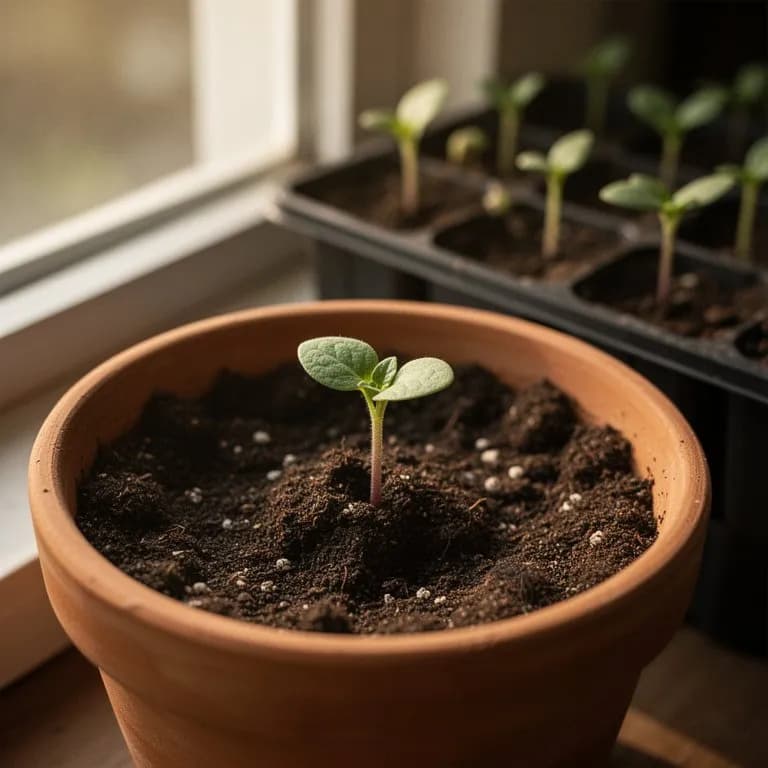
Las pequeñas plántulas desarrollan sus primeros pares de hojas verdaderas, aromáticas al tacto. Los característicos tallos cuadrados de la familia de las mentas se vuelven visibles. Al principio crecen despacio y necesitan humedad constante y buena luz. Aclare dejando las plántulas más fuertes cuando midan 5-8 cm de alto.
Crecimiento vegetativo
Las plantas entran en una fase de crecimiento rápido y forman matas densas de tallos cuadrados erguidos, cubiertos de pares de hojas lanceoladas y dentadas. La planta se expande mediante estolones subterráneos y forma gradualmente una colonia creciente. El follaje es muy aromático, con una fragancia que recuerda al orégano y a la bergamota. En esta etapa, las plantas suelen alcanzar 60-90 cm de altura.
Formación de botones
Los botones florales empiezan a desarrollarse en las puntas de los tallos, primero como grupos verdes compactos rodeados de brácteas coloridas. Según la variedad, las brácteas adquieren poco a poco tonos rojizos o púrpuras. Los tallos se alargan hasta su altura total de 90-120 cm mientras la planta dirige su energía a la reproducción.
Pico de floración
Las cabezas florales se abren en espectaculares verticilos de flósculos tubulares, normalmente en tonos rojo escarlata en la especie tipo. Cada cabeza mide 6-10 cm de ancho y se asienta sobre el tallo como una corona ornamentada. La floración avanza desde la base de la cabeza hacia arriba, y a menudo se desarrollan cabezas secundarias por debajo de la flor principal, prolongando la exhibición. Este es el periodo ideal para la actividad de los polinizadores y la cosecha de flores comestibles.
Formación de semillas y final de temporada
Las flores restantes se desvanecen y forman cabezas secas con pequeños aquenios. El follaje puede empezar a mostrar signos de oídio, sobre todo en condiciones húmedas. Algunas variedades producen una segunda floración más ligera si se despunta de forma constante. Deje algunas cabezas para los jilgueros y otras aves que se alimentan de semillas.
Reposo invernal
El crecimiento aéreo desaparece por completo después de una helada fuerte. La planta sobrevive al invierno como una red de estolones subterráneos y coronas de raíz. El bálsamo de abeja es fiable y resistente en las zonas USDA 3-9 y, en la mayoría de los climas, no necesita protección especial en invierno. El sistema radicular en reposo se beneficia de una humedad del suelo constante durante el invierno.
Use un pulverizador en lugar de verter agua para no desplazar las semillas diminutas. Una cúpula transparente de humedad ayuda a mantener la humedad uniforme durante esta etapa.
Cuidar Bálsamo de abeja mes a mes
Qué hacer cada mes para tu Bálsamo de abeja
Octubre
Mes actualDeje las últimas cabezas de semillas para las aves que pasan el invierno. Corte los tallos marchitos a 10-15 cm sobre el suelo después de que las heladas hayan amarilleado el follaje. Aplique una capa de 5-8 cm de hojas trituradas sobre la corona para aislarla durante el invierno. Trasplante cualquier división nueva a su ubicación definitiva antes de que el suelo se congele.
Ten claro qué hacer en tu huerto, cada mes
Un correo al empezar cada mes: qué sembrar, plantar y hacer ahora mismo — para tu Bálsamo de abeja y todo lo que crece alrededor. Más un breve curso inicial para esquivar los errores clásicos.
- Qué hacer ahora mismo
- Ajustado a tu temporada
- Curso inicial incluido
Cosechar Bálsamo de abeja
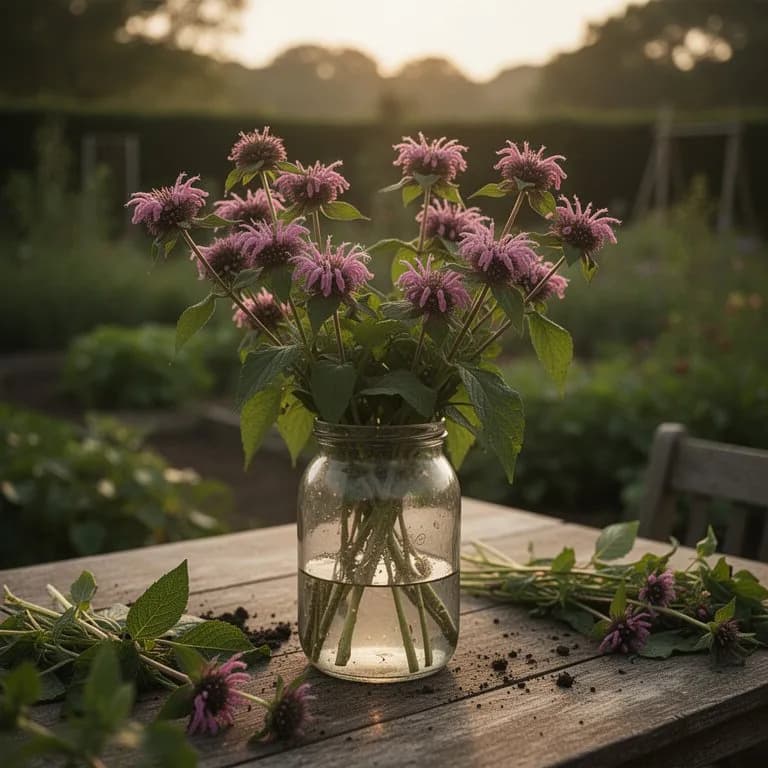
Corte las flores de bálsamo de abeja para arreglos cuando se haya abierto el primer anillo de flósculos y los botones superiores sigan coloridos. Las cabezas rojas y rosadas, tan vibrantes, aportan dramatismo a los ramos de verano. Corte los tallos por la mañana y colóquelos inmediatamente en agua. El bálsamo de abeja recién cortado dura 5-7 días en un jarrón. Las hojas aromáticas pueden cosecharse para té en cualquier momento de la temporada de crecimiento: tienen un sabor distintivo, parecido al de la bergamota, que da lugar a una infusión agradable.
se supone que plantas al comenzar el periodo — indica tu fecha real
Cosecha Bálsamo de abeja a tiempo y la planta sigue produciendo.
Almacenamiento y conservación
Las hojas y flores del bálsamo de abeja se secan bien para té de hierbas. Coseche los tallos por la mañana, haga manojos sueltos y cuélguelos boca abajo en una habitación cálida y oscura durante 1-2 semanas. Desmenuce las hojas secas y guárdelas en frascos de vidrio herméticos para té. Las flores también pueden secarse y añadirse a popurrí, ya que conservan parte del color y el aroma. Para la propagación en el jardín, divida las matas establecidas en primavera o tome esquejes de tallo del crecimiento basal a finales de la primavera.
Qué falla — y cómo solucionarlo
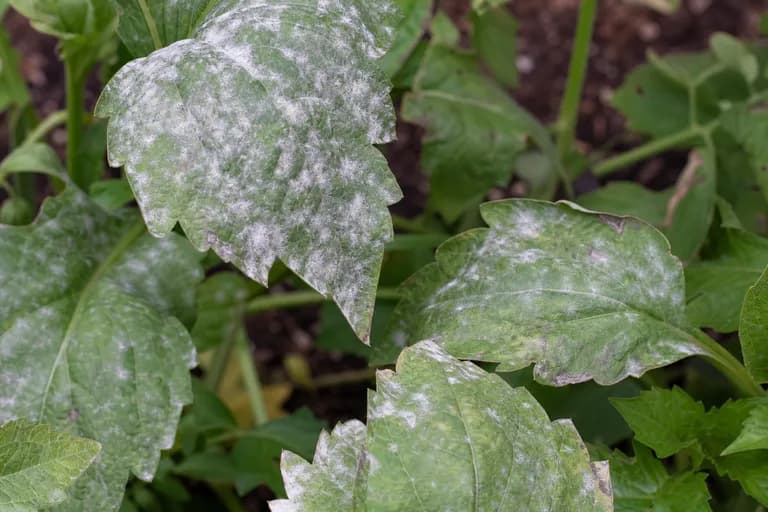
Oídio
EnfermedadCapa polvorienta blanca a gris sobre hojas y tallos, que comienza en la base y avanza hacia arriba. Las plantas gravemente afectadas pierden las hojas inferiores y quedan deformadas.
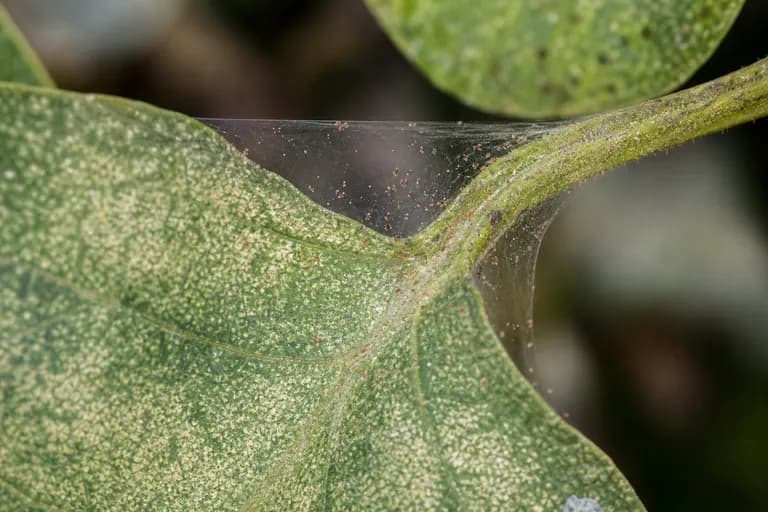
Ácaros araña
PlagaHojas punteadas y bronceadas con finas telarañas en el envés, más comunes durante el tiempo caluroso y seco.
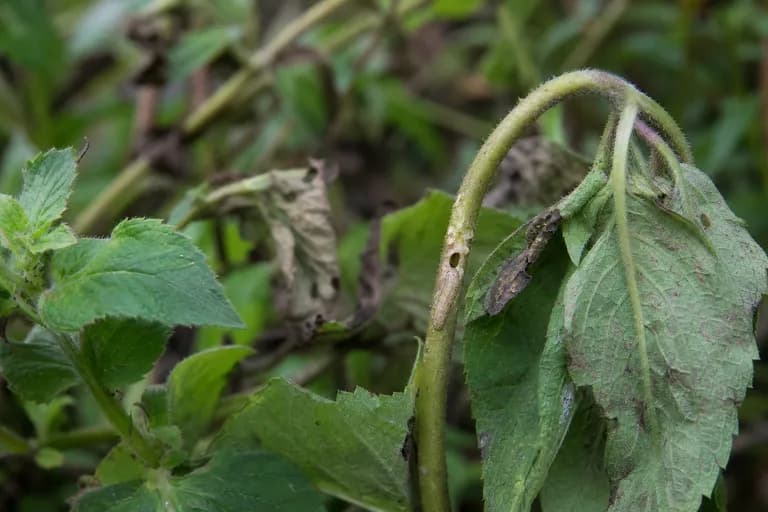
Barrenador del tallo
PlagaMarchitez repentina de tallos individuales. La oruga perforadora es visible al abrir los tallos afectados a lo largo.
Solución de problemas comunes
El oídio es, con diferencia, el mayor problema: cultive variedades resistentes y asegure buen flujo de aire. La expansión agresiva por estolones puede invadir plantas vecinas; divida cada 2-3 años y elimine los brotes rastreros no deseados. El centro leñoso de las matas viejas muere y deja un anillo de crecimiento, pero la división regular evita esto. La floración pobre suele indicar exceso de sombra, hacinamiento o suelo agotado. En condiciones muy calurosas y secas, los ácaros araña pueden convertirse en un problema; mantenga la humedad del suelo y pulverice el follaje.
Consejos de cultivo
- Elija cultivares resistentes al oídio, como 'Jacob Cline', 'Marshall's Delight', 'Raspberry Wine' o 'Petite Delight', para reducir drásticamente el problema de enfermedad más común del bálsamo de abeja. Las variedades patrimoniales antiguas son mucho más susceptibles al oídio.
- Plántelo en un lugar que reciba sol de mañana y sombra ligera por la tarde en climas cálidos, o pleno sol en las regiones septentrionales más frescas. Se necesitan al menos 6 horas de luz solar directa al día para una mejor floración, pero algo de alivio del calor intenso por la tarde reduce el estrés.
- Separe las plantas 45-60 cm y aclare las matas congestionadas eliminando cada tercer tallo a nivel del suelo a finales de la primavera. La buena circulación de aire entre tallos es la práctica cultural más eficaz para prevenir el oídio.
- Riegue la base de la planta con riego por goteo o manguera exudante en lugar de aspersores por encima. El follaje mojado, especialmente por la tarde, crea condiciones ideales para enfermedades fúngicas. Aporte unos 2.5 cm de agua por semana durante el crecimiento activo.
- Divida las matas establecidas cada 2-3 años a comienzos de la primavera o del otoño. Deseche el centro leñoso y poco productivo de la mata y replante solo las secciones exteriores vigorosas con raíces y brotes nuevos. Así las plantas se mantienen sanas y se controla su expansión.
- Instale una barrera de raíces hecha con bordes paisajísticos enterrados 20-25 cm de profundidad alrededor de las plantaciones de bálsamo de abeja si quiere contener su hábito expansivo. Sin barreras, el bálsamo de abeja colonizará las zonas adyacentes del jardín mediante sus estolones subterráneos.
- Quite las flores marchitas de forma constante durante todo el periodo de floración para prolongarla 3-4 semanas y evitar una siembra excesiva. Corte el tallo justo por encima del primer par de hojas bajo la flor marchita para fomentar brotes laterales.
- Aplique en primavera una capa de 5-8 cm de mantillo orgánico, como corteza triturada o mantillo de hojas, alrededor de las plantas para retener la humedad del suelo, moderar la temperatura de las raíces y suprimir la competencia de las malas hierbas. Mantenga el mantillo a 5 cm de la base del tallo para evitar la pudrición de la corona.
- Evite los fertilizantes ricos en nitrógeno, que promueven un follaje exuberante y tierno más vulnerable al oídio. Una sola aplicación de compost orgánico equilibrado a comienzos de la primavera aporta toda la nutrición que el bálsamo de abeja necesita durante la temporada.
- Combine el bálsamo de abeja con perennes complementarias como Echinacea purpurea, Rudbeckia fulgida, Phlox paniculata y gramíneas ornamentales para lograr una plantación naturalista que apoye a una comunidad diversa de polinizadores y aporte interés visual durante toda la temporada.
Cultiva tu mejor Bálsamo de abeja — y todo lo que la rodea.
Empieza un plan gratis hoy. Diseña tus bancales, coloca tu Bálsamo de abeja y deja que PlotMyGarden gestione el momento, el espaciado, las asociaciones y los recordatorios de la semilla a la cesta.
Elige tu Bálsamo de abeja
Monarda 'Jacob Cline'
El mejor bálsamo de abeja rojo resistente al oídio, con grandes flores rojo intenso sobre tallos altos de 120 cm. Una opción destacada para jardines de colibríes.
Monarda 'Raspberry Wine'
Flores rojo frambuesa intenso con excelente resistencia al oídio en plantas compactas de 90 cm. Combina muy bien con la coneflora púrpura.
Monarda 'Marshall's Delight'
Flores rosadas claras con una resistencia sobresaliente al oídio, seleccionada en Canadá por su desempeño en climas fríos.
Monarda 'Balmy Purple'
Una variedad enana compacta de solo 25-30 cm, perfecta para macetas y para el frente de las borduras. Excelente resistencia al oídio.
Una sola planta de bálsamo de abeja comprada por 5-8 $ se extenderá con vigor mediante estolones y puede dividirse cada 2-3 años en 4-6 plantas nuevas, proporcionando plantas gratuitas e ilimitadas durante años. En comparación con comprar tés de hierbas especiales a 8-15 $ por caja, cultivar su propio bálsamo de abeja para té de Oswego puede ahorrar 40-80 $ al año. Las flores frescas comestibles se venden por 3-6 $ el envase pequeño en los mercados de agricultores, y una sola mata establecida produce cientos de flores por temporada. Como perenne que vuelve con fiabilidad durante 8-10 años o más, la inversión inicial genera retornos acumulativos cada temporada con un coste adicional prácticamente nulo.
Recetas rápidas
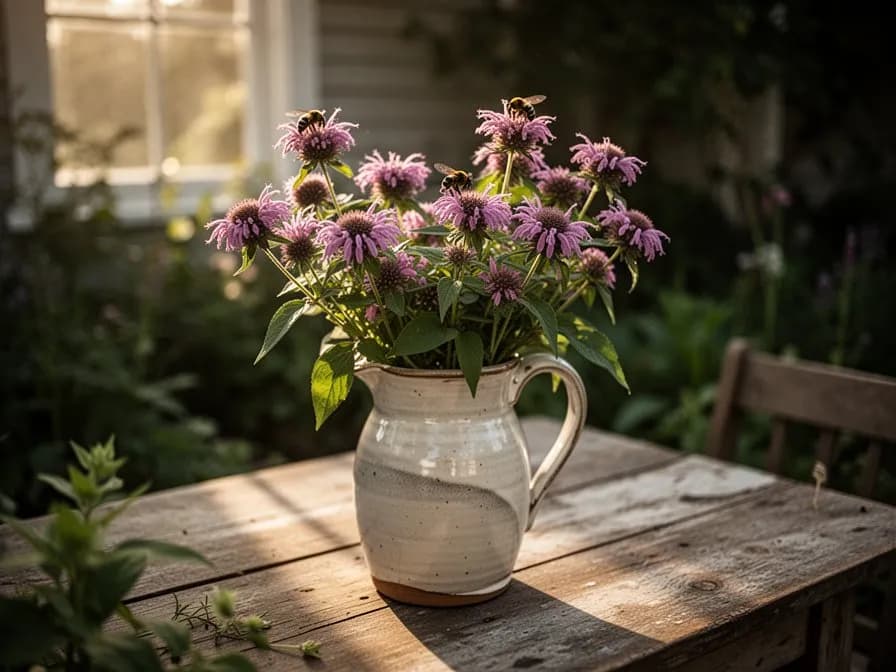
Té clásico de Oswego
10 minutosUn té de hierbas fragante y naturalmente sin cafeína, con matices especiados y cítricos. Esta receta recrea la bebida tradicional que los colonos estadounidenses adoptaron de la nación Oswego. Sírvase caliente con miel como bebida relajante para la noche, o enfríese con hielo para un refresco veraniego.
5 ingredientesEnsalada de flores de bálsamo de abeja con vinagreta cítrica
15 minutosUna ensalada de verano vibrante que destaca los pétalos comestibles del bálsamo de abeja como componente de sabor y como una guarnición espectacular. Las notas picantes y parecidas al orégano de los pétalos complementan de maravilla las hojas frescas y los cítricos, creando un plato tan bello como delicioso.
8 ingredientesMiel infusionada con bálsamo de abeja
15 minutos más 2 semanas de infusiónUna infusión sencilla pero elegante que captura la esencia aromática del bálsamo de abeja en miel cruda. Use esta miel floral y especiada para endulzar té, rociarla sobre queso de cabra fresco, glasear zanahorias asadas o untarla en scones tibios. Es un bonito regalo casero del jardín.
4 ingredientesQué contiene
Beneficios para la salud
- Contiene timol y carvacrol, compuestos antimicrobianos naturales que han demostrado inhibir bacterias y hongos dañinos, apoyando la función inmunitaria y la salud bucal cuando se consume como té o gárgaras
- Rico en ácido rosmarínico, un antioxidante polifenólico estudiado por sus efectos antiinflamatorios que pueden ayudar a reducir los síntomas de alergias estacionales y molestias de las vías respiratorias superiores
- El uso tradicional como ayuda digestiva está respaldado por las propiedades carminativas de sus aceites esenciales, que pueden ayudar a aliviar la hinchazón, los gases y los calambres estomacales leves después de las comidas
- Los compuestos volátiles aromáticos del té de bálsamo de abeja actúan como un descongestionante natural suave, ayudando a abrir las fosas nasales y a calmar el dolor de garganta durante la temporada de resfriados y gripe
- Los pigmentos antociánicos de las flores rojas y púrpuras proporcionan protección antioxidante contra el estrés oxidativo, de forma similar a los beneficios cardiovasculares asociados con las bayas y el vino tinto
- El té de bálsamo de abeja tiene propiedades ligeramente calmantes atribuidas a su contenido de linalool y geraniol, que pueden ayudar a favorecer la relajación y un sueño reparador cuando se toma por la noche
De dónde viene Bálsamo de abeja
El bálsamo de abeja (Monarda didyma) es nativo del este de Norteamérica, donde crece de forma natural en bosques húmedos, orillas de arroyos y claros de bosque desde Quebec hacia el sur hasta Georgia y hacia el oeste hasta Minnesota. Prospera en los suelos ricos y cargados de humus de los bosques caducifolios, especialmente en los montes Apalaches, donde forma grandes colonias a lo largo de corredores de arroyos con sombra.
Mucho antes del contacto europeo, numerosos pueblos indígenas cultivaron y utilizaron el bálsamo de abeja con fines culinarios y medicinales. La nación Oswego preparaba un té muy popular con las hojas y flores, mientras que la Confederación Blackfoot empleaba la planta ampliamente para tratar infecciones respiratorias, fiebre y dolencias digestivas. Los cheroqui aplicaban cataplasmas de hojas machacadas para aliviar picaduras de insectos, irritaciones cutáneas y heridas leves.
Los colonos europeos adoptaron rápidamente el bálsamo de abeja tras observar sus usos indígenas. La planta adquirió una importancia cultural especial después del Boston Tea Party de 1773, cuando los colonos estadounidenses, en busca de alternativas al té británico fuertemente gravado, recurrieron al té de Oswego como sustituto patriótico. John Bartram, el pionero botánico estadounidense, recogió ejemplares de Monarda didyma en la década de 1740 y los envió a Inglaterra, donde la planta se cultivó por primera vez en el Chelsea Physic Garden.
En el siglo XIX, el bálsamo de abeja se había convertido en un elemento básico de los jardines rurales europeos, apreciado por el color intenso de sus flores y su capacidad para atraer fauna. Los mejoradores de plantas desarrollaron numerosos cultivares en tonos de rosa, púrpura, blanco y magenta más allá del rojo escarlata nativo de la especie. Los programas modernos de mejora se han centrado mucho en la resistencia al oídio, produciendo cultivares populares como 'Jacob Cline' y 'Marshall's Delight' que conservan el valor ornamental de la especie con una tolerancia a enfermedades mucho mayor. Hoy, el bálsamo de abeja está reconocido internacionalmente como una de las mejores perennes nativas de Norteamérica para jardines de polinizadores.
Bálsamo de abeja: ¿sabías que?
Datos fascinantes sobre Bálsamo de abeja
El bálsamo de abeja recibió el nombre de 'té de Oswego' porque la nación Oswego de la Confederación Haudenosaunee (iroquesa) enseñó a los primeros colonos europeos a preparar un té aromático con sus hojas, que se hizo especialmente popular después del Boston Tea Party de 1773, cuando los colonos boicotearon el té británico.
Bálsamo de abeja: preguntas frecuentes
¿Cuándo debo plantar Bálsamo de abeja?
¿Cuáles son buenas plantas acompañantes para Bálsamo de abeja?
¿En qué zonas de rusticidad puede crecer Bálsamo de abeja?
¿Cuánto sol necesita Bálsamo de abeja?
¿A qué distancia debo espaciar Bálsamo de abeja?
¿Qué plagas y enfermedades afectan a Bálsamo de abeja?
¿Cómo almaceno Bálsamo de abeja después de la cosecha?
¿Cuáles son las mejores variedades de Bálsamo de abeja para cultivar?
¿Qué suelo necesita Bálsamo de abeja?
¿El bálsamo de abeja es seguro para comer y qué partes de la planta son comestibles?
¿Cómo evito el oídio en mi bálsamo de abeja?
¿Cómo impido que el bálsamo de abeja se extienda demasiado agresivamente?
¿Cuándo es el mejor momento para cosechar flores de bálsamo de abeja para té?
¿Puede el bálsamo de abeja crecer en sombra o semisombra?
¿Cuáles son las mejores plantas acompañantes para el bálsamo de abeja en el jardín?
Acabas de leer la teoría. Ahora cultívala en piloto automático.
Todo lo que hace que Bálsamo de abeja sea delicado — el momento, el espaciado, las asociaciones, la ventana de cosecha — es justo lo que PlotMyGarden resuelve por ti, para cada planta de tu huerto.
Un plan que conoce tu clima
Indica tu ubicación una vez. Recibe fechas de siembra, abonado y cosecha basadas en tu última helada real y el pronóstico en vivo — sin adivinar con un sobre genérico.
De la sección “Cuándo plantar”Planificador de bancales de arrastrar y soltar
Diseña bancales sobre una cuadrícula. Cada planta encaja con su espaciado correcto y ves toda la temporada antes de gastar un céntimo en semillas.
De la sección “Cultivo”Conflictos de asociación, detectados a tiempo
Más de 200 buenas y malas combinaciones comprobadas en vivo mientras plantas — para que un error que arruine la temporada nunca llegue a la tierra.
De la sección “Asociaciones”Recordatorios que sí vas a seguir
“Riega las judías.” “Recoge hoy antes de que se pase.” Oportunos, concretos y ligados a las plantas que de verdad cultivas.
De la sección “Cosecha”Escalonado, programado
¿Quieres cosechar seis semanas en vez de seis días? Reparte tus siembras automáticamente y te avisa cuando toca el siguiente lote.
De la sección “Cuándo plantar”Un registro que se vuelve más listo
Cada cosecha que registras le enseña tu huerto. El plan del año que viene parte de lo que de verdad funcionó en tu suelo, no en un manual.
De la sección “Resumen”Planta estos junto a Bálsamo de abeja
Más Perennes
Diseños de jardín con Bálsamo de abeja
Cultiva tu mejor Bálsamo de abeja — y todo lo que la rodea.
Empieza un plan gratis hoy. Diseña tus bancales, coloca tu Bálsamo de abeja y deja que PlotMyGarden gestione el momento, el espaciado, las asociaciones y los recordatorios de la semilla a la cesta.