Daylily
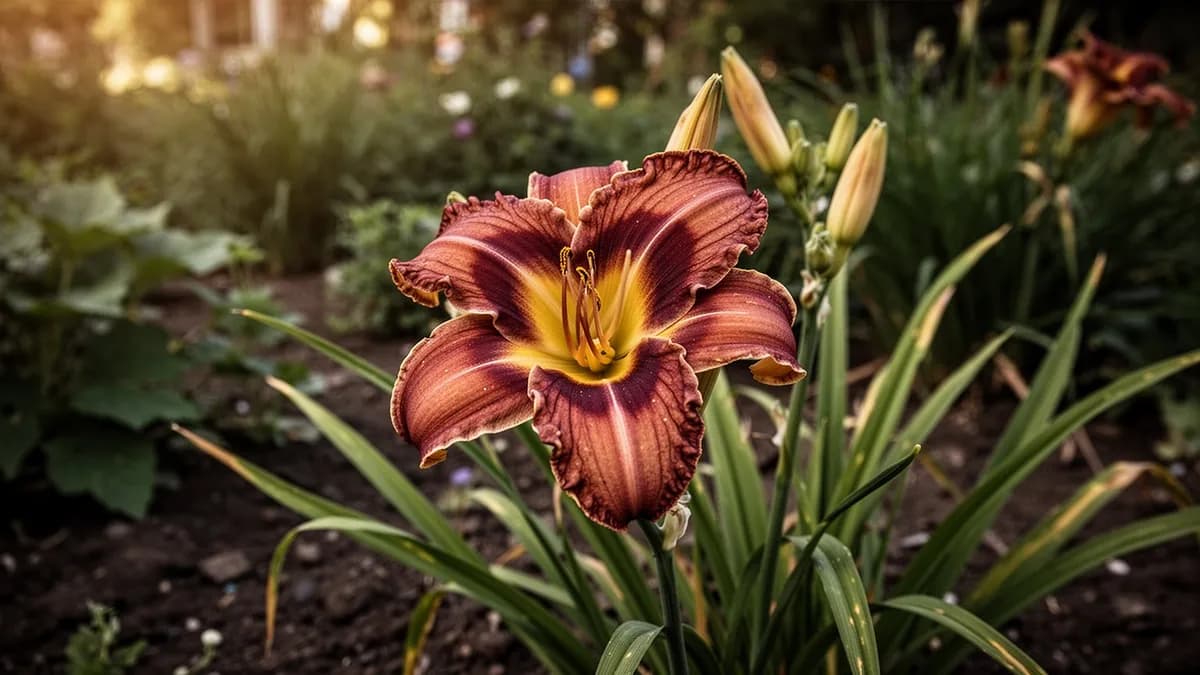
An exceptionally tough perennial with strap-like foliage and lily-shaped blooms, each lasting just one day but produced in abundance.





On this pageOverview
Meet Daylily
An exceptionally tough perennial with strap-like foliage and lily-shaped blooms, each lasting just one day but produced in abundance. Daylilies are virtually indestructible, tolerating drought, poor soil, and neglect while still flowering reliably. Divide overcrowded clumps every few years in spring or fall to rejuvenate blooming and share with fellow gardeners.
When to plant Daylily
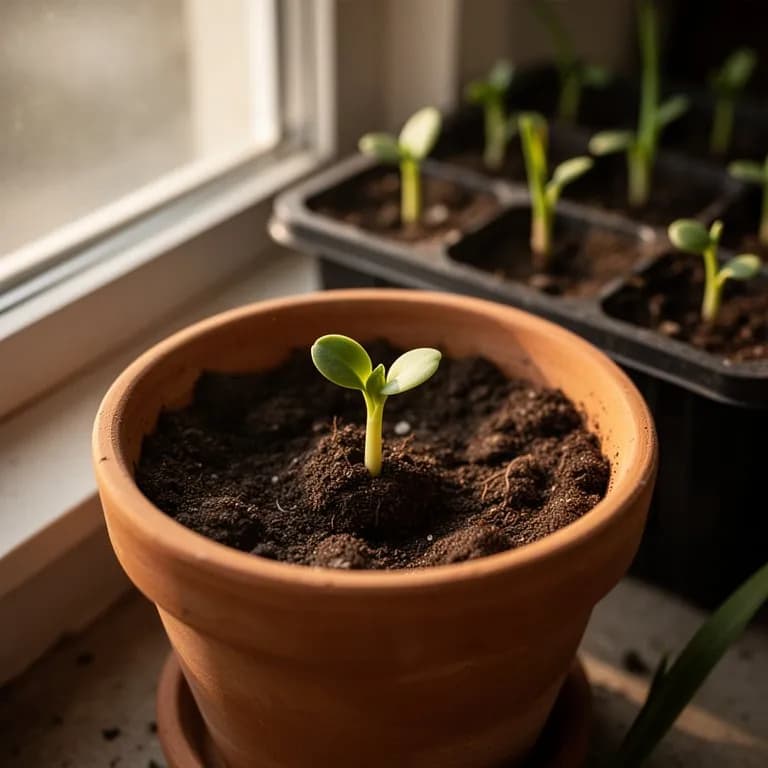
Daylily seeds can be sown but will not come true to the parent variety. Collect seeds from mature pods in fall and sow immediately outdoors for natural cold stratification, or refrigerate seeds in moist paper towels for six weeks before sowing indoors. Sow seeds one-quarter inch deep in moist seed-starting mix at 65 to 70 degrees Fahrenheit. Germination takes two to six weeks. Seedlings take two to three years to reach flowering size. Most gardeners prefer to propagate by division for true-to-type plants.
Your Daylily Year
Composed for Zone 7 · typical seasons · frost passes Apr 2, returns Nov 1
Plant Daylily Mar – Apr, Sep – Oct, pick Jun – Aug. Check the planting methods below and set your climate to personalize these windows.
How to grow Daylily
Plant bare-root daylilies in spring or fall, setting the crown about one inch below the soil surface. Dig a hole wide enough to spread the roots out in a fan shape over a mound of soil at the bottom. Space plants eighteen to twenty-four inches apart for standard varieties and twelve to eighteen inches for miniatures. Water thoroughly after planting and keep consistently moist for the first few weeks.
Daylilies adapt to nearly any soil type but perform best in well-drained, moderately fertile soil with a pH of 6.0 to 6.8. They tolerate full sun to light shade, though a minimum of six hours of direct sun produces the best flowering. Light afternoon shade in hot climates helps flowers last longer and prevents fading of dark-colored varieties.
Remove spent flower scapes after all buds have bloomed by cutting them at the base. Divide clumps every three to five years when flowering declines or centers become crowded and bare. Dig the entire clump in early spring or after flowering, pull or cut apart into divisions of three to five fans each, and replant immediately. Apply a two-inch layer of mulch to conserve moisture and suppress weeds.
10 plants fit a 4 × 8 ft bed
Each Daylily wants 45 cm of elbow room. The planner keeps that spacing for you — every plant, every bed.
Daylily's best neighbours
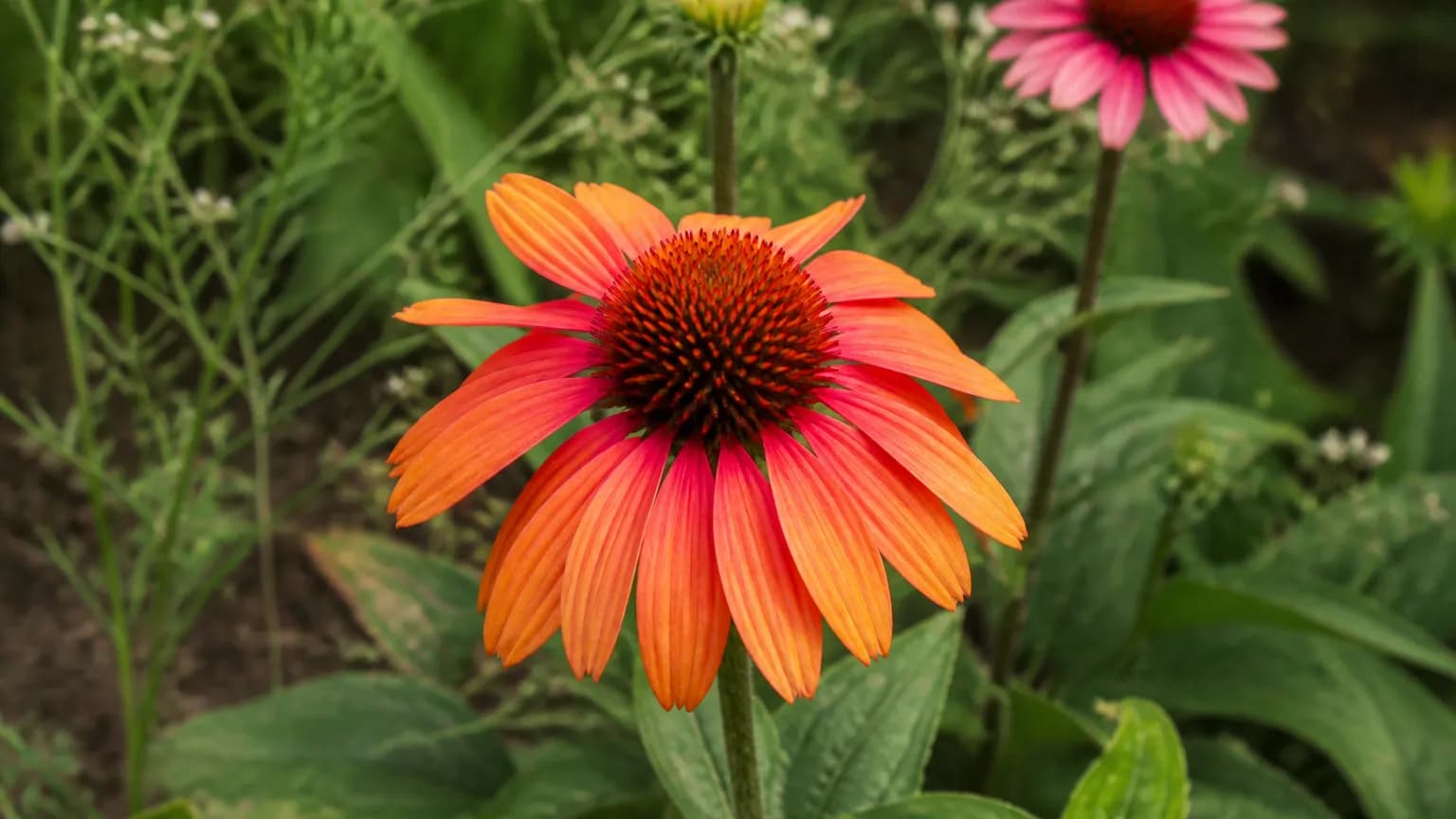
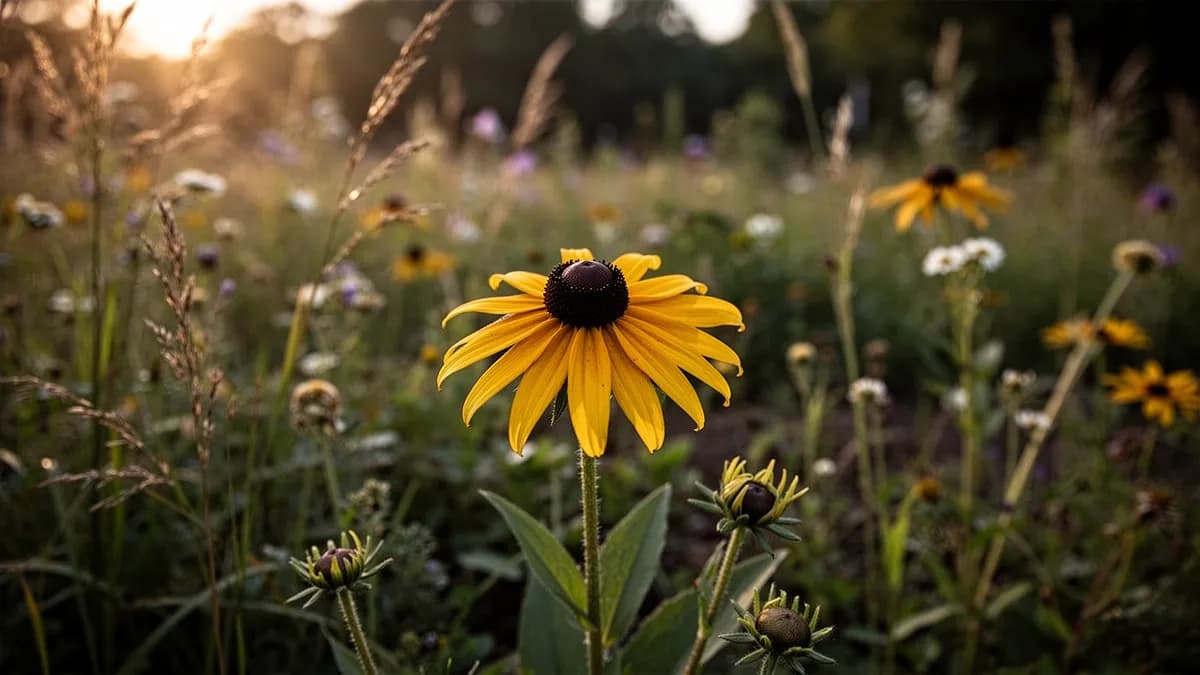
Daylilies combine beautifully with coneflowers, black-eyed Susans, and ornamental grasses in sunny perennial borders. Their strap-like foliage provides textural contrast with rounded plants like sedum and geraniums. Plant with late-season asters and chrysanthemums to extend border interest after daylilies finish blooming. Use low-growing varieties as ground covers on slopes for erosion control.
Coneflower belongs beside it.
Old growers' knowledge, checked against Daylily's real companion table below — test any plant you're growing.
Try Daylily in a bed — right here
A real planner bed with Daylily already in it. Tap a companion to place it and watch the pairing checks answer — green for good neighbours, red for a clash.


Related growing guides
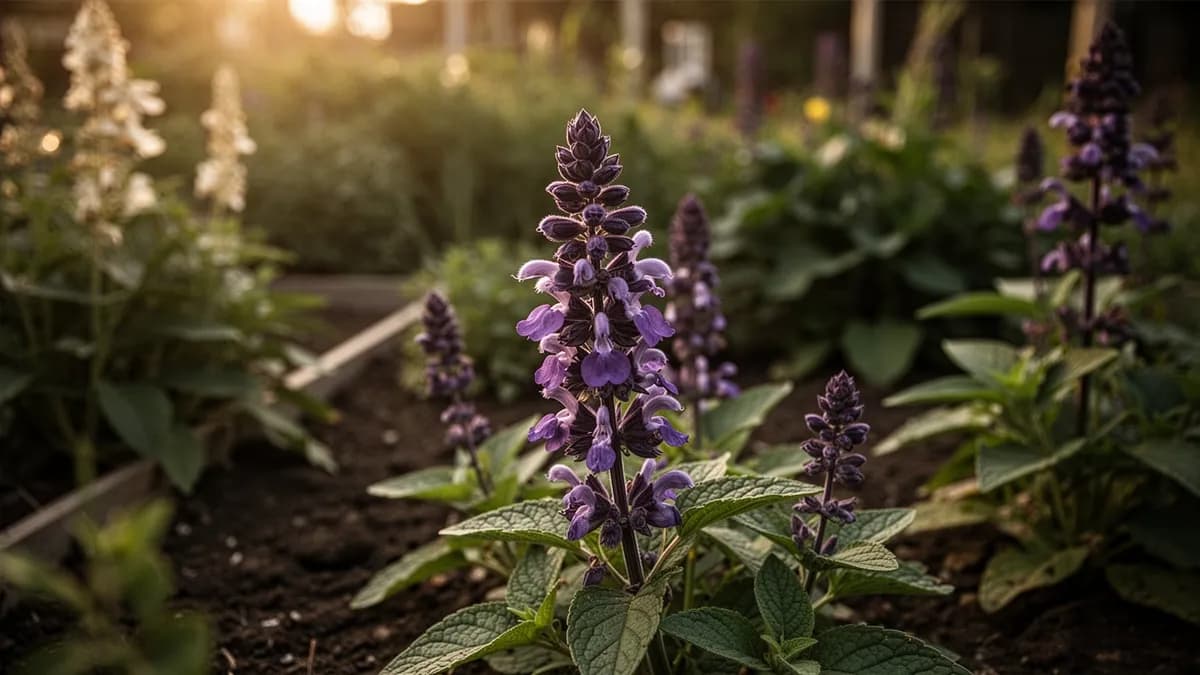
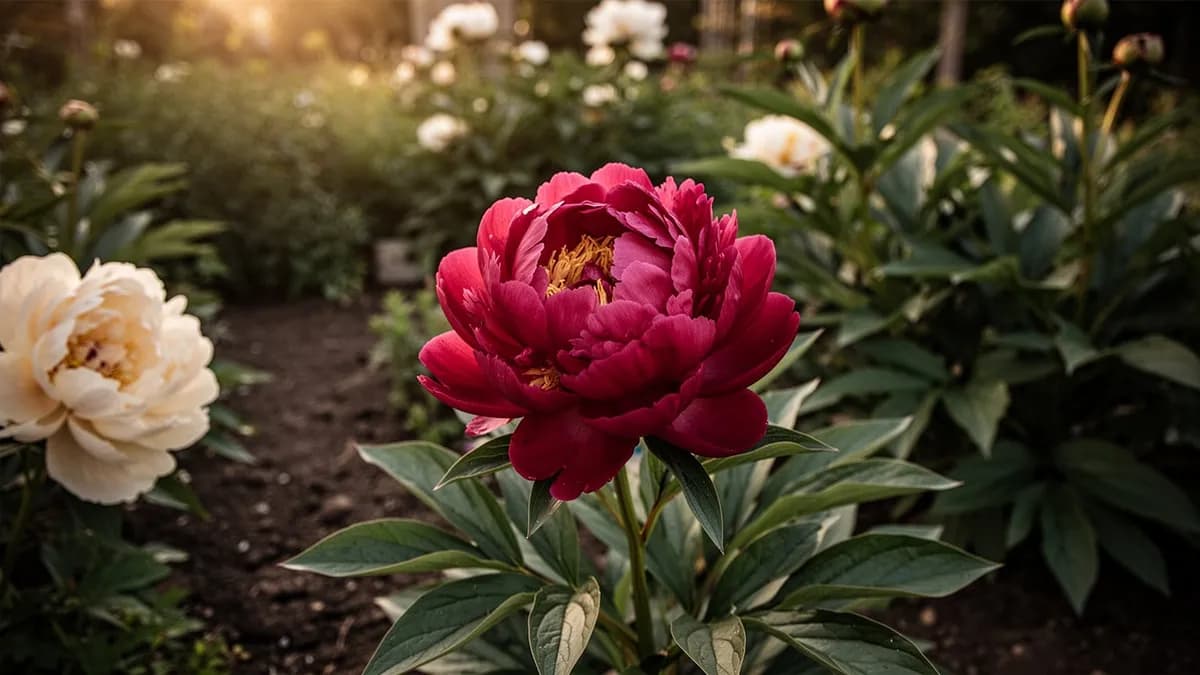
Feed it well
Daylilies are adaptable to most soil types but thrive in well-drained, moderately fertile soil enriched with compost. A pH of 6.0 to 6.8 is ideal. Apply a balanced 10-10-10 granular fertilizer in early spring as growth begins and again after the main bloom period for reblooming varieties. Avoid excessive nitrogen, which promotes lush foliage at the expense of flowers. Top-dress annually with an inch of compost to maintain soil structure and fertility.
Ideal Temperature
Hardiness Zone Compatibility
From seed to harvest, stage by stage
Dormancy & Early Emergence
In late winter to early spring, daylily crowns break dormancy as soil temperatures rise above 45°F (7°C). Small green fans of foliage begin pushing through the soil surface. Root systems reactivate and begin absorbing moisture and nutrients from the surrounding soil.
Vegetative Growth
The plant produces abundant strap-shaped leaves that arch gracefully from the central crown. Foliage grows rapidly, reaching 18-36 inches in height depending on the cultivar. The root system expands significantly during this phase, establishing the energy reserves needed for flowering.
Scape Development & Budding
Flower scapes (tall, leafless stems) emerge from the center of each leaf fan and elongate rapidly. Multiple buds form along each scape in a branching pattern. This is the prime window for harvesting edible buds before they open, especially for culinary use in Chinese dishes.
Flowering & Peak Bloom
Individual flowers open in succession, each lasting only a single day. A well-established clump can produce 200-400 blooms over a 4-6 week period. Flowers open in the morning and close by evening. Open flowers are also edible and can be stuffed, battered, or added fresh to salads.
Seed Set & Post-Bloom
After flowering, seed pods may develop if blooms were pollinated. The plant begins redirecting energy from flower production back to the root system and crown. Foliage remains green and continues photosynthesizing to build up nutrient reserves for the following year.
Fall Senescence
As temperatures cool and day length shortens, foliage begins to yellow and die back naturally. Evergreen and semi-evergreen cultivars may retain some green foliage through mild winters, while dormant types will go fully brown. The crown enters a resting state.
Winter Dormancy
The plant is fully dormant with all energy stored in the fleshy, tuberous root system. Roots remain alive beneath the soil surface and are remarkably cold-hardy, surviving temperatures well below 0°F (-18°C) in most cultivars. This rest period is essential for robust spring regrowth.
Remove old winter mulch gradually as new growth appears. Apply a balanced slow-release fertilizer (10-10-10) around the base of each clump to support the flush of new foliage.
Caring for Daylily month by month
What to do each month for your Daylily
October
You are hereAllow foliage to die back naturally after the first light frosts. Clean up garden debris around daylily beds to reduce overwintering pest habitat. Conduct a final deep watering before the ground freezes.
Know exactly what to do in your garden — every month
One email at the start of each month: what to sow, plant, and tackle right now — for your Daylily and everything growing around it. Plus a short starter course that helps you dodge the classic mistakes.
- What to do, right now
- Matched to your season
- Starter course included
Harvesting Daylily
Cut daylily flowers for arrangements when buds are just beginning to show color but before they fully open. Each bloom lasts only one day, so cut stems with multiple unopened buds for longer-lasting displays. Remove spent blooms daily from cut stems. For edible harvest, pick flower buds when plump and just about to open, or harvest fully open flowers in the morning. Cut entire scapes at the base once all buds have finished to keep the garden tidy.
assuming you plant when the window opens — set your real date
Pick Daylily promptly and the plant keeps producing.
Storage & Preservation
Fresh daylily blooms are best used the day they are picked. For drying, harvest buds just before opening and dry on screens in a warm, well-ventilated area. Dried daylily buds, known as golden needles in Asian cuisine, can be stored in airtight containers for up to a year. Press open flowers between parchment paper in heavy books for botanical crafts, though colors may change. Fresh buds can be blanched and frozen for later culinary use.
What goes wrong — and the fix
Daylily Rust
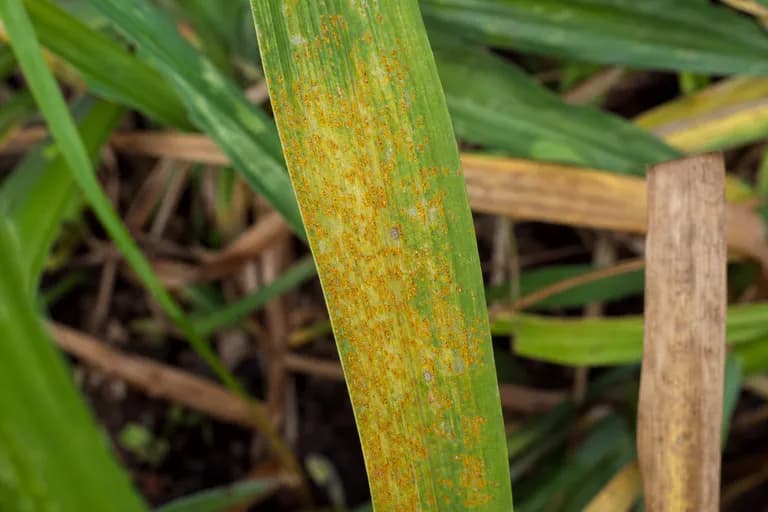
DiseaseOrange-yellow pustules on leaf surfaces, especially on the undersides. Leaves may yellow and die back prematurely in severe infections.
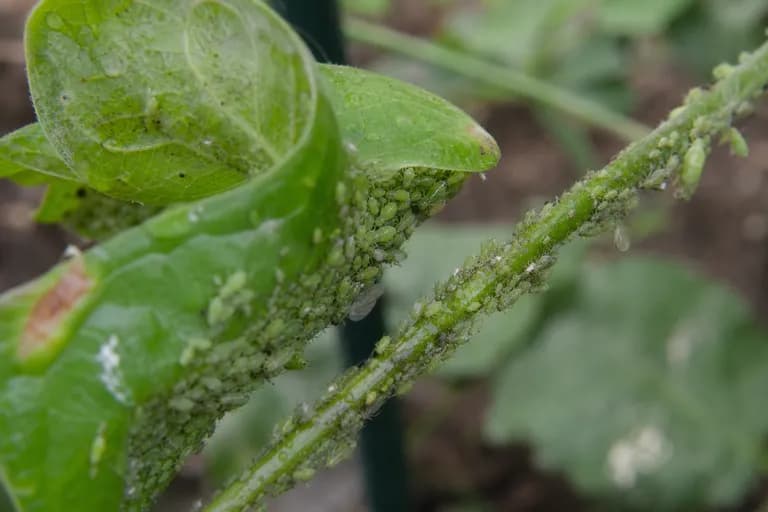
Aphids
PestClusters of small insects on flower buds and scapes, sticky honeydew residue, distorted buds that fail to open properly.
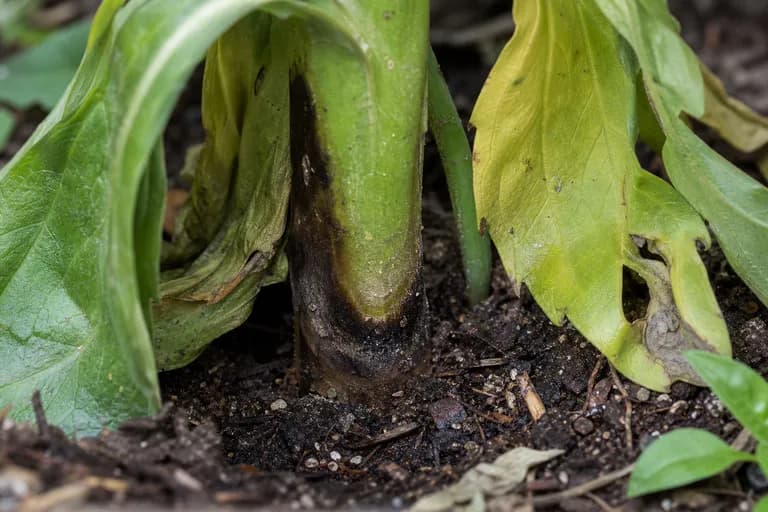
Crown Rot
DiseaseYellowing outer leaves that pull away easily from the crown, mushy and foul-smelling crown tissue, plant collapse during warm weather.
Troubleshooting Common Problems
Reduced flowering is the most common complaint and is usually caused by overcrowding, excessive shade, or over-fertilization with nitrogen. Spring sickness, a condition where foliage emerges stunted and distorted in early spring, typically resolves on its own as temperatures warm. Deer readily browse daylily buds and flowers in many areas. Voles may eat the fleshy roots during winter, so consider hardware cloth barriers in areas with heavy vole pressure.
Growing Tips
- Choose cultivars specifically selected for edible quality such as Hemerocallis fulva, Hemerocallis citrina, or named edible varieties rather than highly hybridized ornamental types, which may have inferior flavor.
- Plant in full sun (6-8 hours daily) for maximum bud production; daylilies will grow in partial shade but flower count drops significantly, reducing your edible harvest.
- Space plants 18-24 inches apart in well-drained soil amended with compost; daylilies tolerate a wide range of soil types but produce best in moderately fertile, slightly acidic to neutral soil (pH 6.0-7.0).
- Water deeply once per week during the growing season, providing about 1 inch of water; consistent moisture during scape development and budding directly increases bud count and size.
- Harvest edible buds in the early morning when they are plump, firm, and showing color but still tightly closed; buds harvested at this stage have the best texture and sweetest flavor.
- Always cook daylily buds and flowers before eating in quantity, as raw daylily material contains compounds that can cause digestive discomfort in some people; a brief blanch, steam, or stir-fry is sufficient.
- To dry buds as golden needles, steam fresh buds for 3-5 minutes, then spread on drying racks in a warm, well-ventilated area or use a food dehydrator at 135°F (57°C) until completely dry and leathery.
- Divide overcrowded clumps every 3-4 years in early spring or fall to maintain vigor and bud production; each division should have 3-4 fans of foliage and a healthy section of tuberous roots.
- Mulch beds with 2-3 inches of organic material (straw, shredded leaves, or wood chips) to suppress weeds, retain soil moisture, and maintain even soil temperatures throughout the growing season.
- Remove spent scapes promptly after the final bud is harvested to redirect the plant's energy from seed production back into root and crown development for a stronger plant the following year.
Grow your best Daylily yet — and everything around it.
Start a free plan today. Lay out your beds, drop in your Daylily, and let PlotMyGarden handle the timing, spacing, companions and reminders from seed to harvest basket.
Pick your Daylily
Stella de Oro
The most popular reblooming daylily with golden yellow flowers on compact eighteen-inch plants, blooming from early summer through frost with minimal care.
Happy Returns
A lemon-yellow rebloomer similar to Stella de Oro but with a lighter, more refined color and slightly fragrant flowers on eighteen-inch plants.
Purple de Oro
A compact reblooming variety with rich purple flowers featuring a yellow-green throat, excellent for borders and containers at just sixteen inches tall.
Chicago Apache
A tall, dramatic variety with large scarlet-red ruffled flowers on thirty-inch scapes, one of the best reds for garden impact and reliable performance.
Daylilies are one of the most cost-effective edible perennials you can grow. A single $8-12 plant produces harvestable buds within the first year and expands into a large clump within 3-4 years, yielding 200-400 buds per season. Dividing clumps every 3-4 years gives you free new plants indefinitely. Dried golden needle daylily buds sell for $15-25 per pound at Asian grocery stores, and a well-established home planting of 10-15 clumps can produce 2-3 pounds of dried buds annually, saving $30-75 per year while providing a fresher, more flavorful product than anything available commercially.
Quick recipes
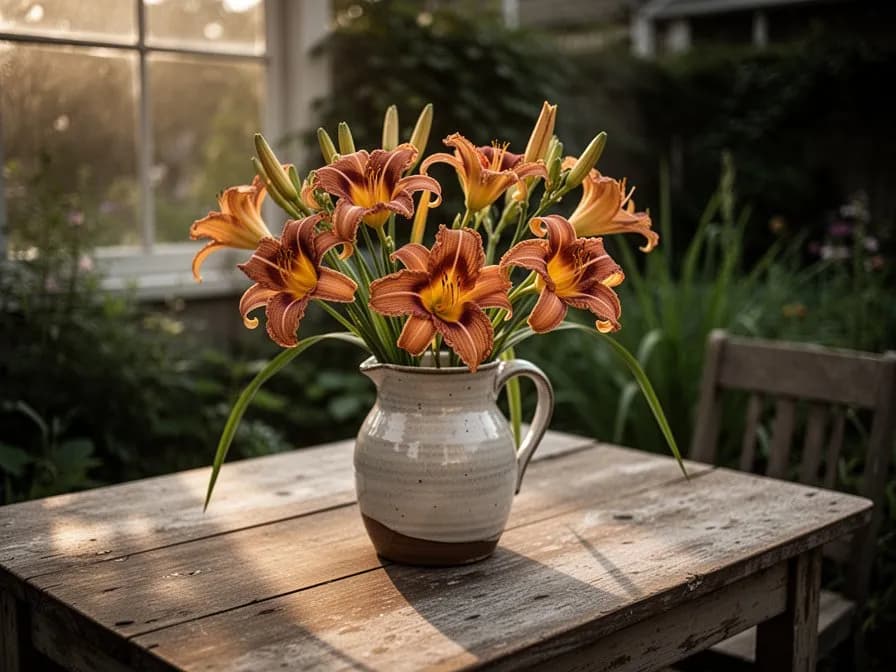
Stir-Fried Daylily Buds with Garlic and Sesame
15 minutesA classic Chinese side dish showcasing the delicate sweetness of fresh daylily buds. The buds are quickly stir-fried over high heat with garlic and finished with a splash of soy sauce and toasted sesame oil for a simple, elegant dish that pairs well with steamed rice.
7 ingredientsGolden Needle and Egg Drop Soup
25 minutesA comforting, nourishing soup featuring dried daylily buds (golden needles) and silky egg ribbons in a savory broth. Dried golden needles add a distinctive slightly sweet and earthy flavor that fresh buds cannot replicate, making this a beloved everyday soup in Chinese home cooking.
7 ingredients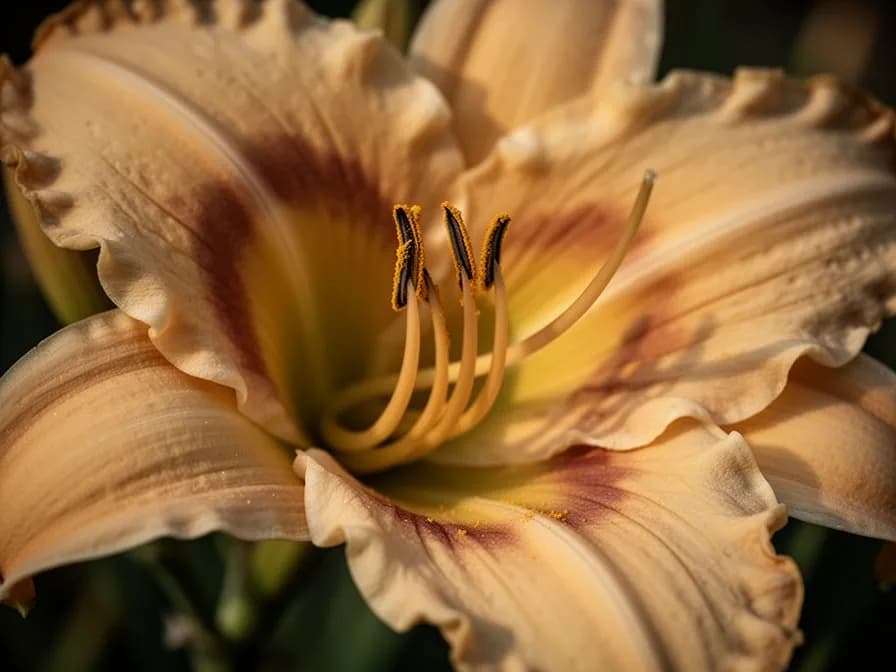
Crispy Battered Daylily Flowers
20 minutesFreshly opened daylily flowers dipped in a light tempura-style batter and fried until golden and crispy. The petals become delicate and slightly sweet inside the shatteringly crisp coating. Serve as an appetizer or side dish with a dipping sauce of soy, rice vinegar, and ginger.
7 ingredientsCulinary Uses
Daylily buds and flowers are edible and have been used in Asian cuisine for centuries. Fresh buds can be sauteed, stir-fried, battered and fried, or added to soups. Open flowers make colorful additions to salads or can be stuffed with soft cheese. Dried buds, called golden needles or gum jum, are a staple in Chinese hot and sour soup. Only Hemerocallis species are edible; do not confuse with true lilies which can be toxic. Try a small amount first, as some individuals may experience digestive sensitivity.
What's inside
Health Benefits
- Rich in antioxidant flavonoids and phenolic compounds that help neutralize free radicals and may reduce chronic inflammation throughout the body.
- Contains natural sedative properties recognized in traditional Chinese medicine, where daylily buds have been used for centuries to ease anxiety and promote restful sleep.
- Good source of dietary iron, particularly in dried form, supporting healthy red blood cell production and helping prevent iron-deficiency anemia.
- Provides dietary fiber that supports healthy digestion, promotes regular bowel movements, and helps maintain stable blood sugar levels after meals.
- Contains beta-carotene (provitamin A) that supports eye health, immune function, and skin integrity, especially when consumed regularly as part of a varied diet.
- Low in calories and virtually fat-free, making daylily buds a nutrient-dense vegetable that supports healthy weight management without sacrificing flavor.
Where Daylily comes from
The daylily (Hemerocallis) is native to eastern Asia, with its center of diversity spanning China, Korea, and Japan. Archaeological and literary evidence confirms that daylilies have been cultivated in China for at least 2,000 years, primarily as a food crop and medicinal plant rather than an ornamental. The earliest written references appear in classical Chinese texts from the Han Dynasty period, where the plant was valued for its edible buds, flowers, and tubers. In traditional Chinese medicine, daylily buds were prescribed to ease anxiety, promote sleep, and support lactation in nursing mothers. The plant's Chinese name huang hua cai literally translates to yellow flower vegetable, reflecting its primary role as a food source. Dried daylily buds, known as jin zhen or golden needles, became a widely traded commodity along regional trade routes and remain a pantry staple in Chinese kitchens today. Daylilies were introduced to Europe in the mid-16th century, likely through trade routes and botanical exchanges. Early European herbalists such as Rembert Dodoens and Charles de l'Ecluse (Clusius) documented the tawny daylily (Hemerocallis fulva) and the lemon daylily (Hemerocallis lilioasphodelus) in their botanical works. These species naturalized extensively across Europe and later in North America, where they were brought by early colonists. In the United States, the tawny daylily escaped cultivation and now grows wild along roadsides and ditches throughout much of the eastern half of the continent. Modern daylily breeding began in earnest in the early 20th century, led by pioneers such as Arlow B. Stout at the New York Botanical Garden. Stout's systematic hybridization work produced many of the first named cultivars and laid the foundation for the enormous diversity seen today, with over 90,000 registered cultivars in the American Hemerocallis Society database.
Daylily: did you know?
Fascinating facts about Daylily
Daylily buds and flowers have been a staple vegetable in Chinese cuisine for over 2,000 years, known as huang hua cai (yellow flower vegetable) or jin zhen (golden needles) when dried.
Daylily questions, answered
When should I plant Daylily?
What are good companion plants for Daylily?
What hardiness zones can Daylily grow in?
How much sun does Daylily need?
How far apart should I space Daylily?
What pests and diseases affect Daylily?
How do I store Daylily after harvest?
What are the best Daylily varieties to grow?
What soil does Daylily need?
Are daylilies really edible, and which parts can you eat?
What do daylily buds taste like?
How do I dry daylily buds to make golden needles at home?
Can I eat the daylilies that already grow wild in my yard?
Do I need to worry about any safety concerns when eating daylilies?
When is the best time to harvest daylily buds for eating?
You just read the theory. Now grow it on autopilot.
Everything that makes Daylily fiddly — the timing, the spacing, the companions, the harvest window — is exactly what PlotMyGarden handles for you, for every plant in your garden.
A plan that knows your weather
Set your location once. Get sow, feed and harvest dates built around your real last-frost date and live forecast — no more guessing from a generic seed packet.
From the “When to plant” sectionDrag-and-drop bed planner
Design beds on a grid. Every plant snaps to its proper spacing, and you can see your whole season laid out before you spend a cent on seed.
From the “Growing guide” sectionCompanion conflicts, caught early
200+ good-and-bad pairings checked live as you plant — so a season-wrecking mistake never makes it into the ground.
From the “Companions” sectionReminders you'll actually act on
“Water the beans.” “Pick today before it turns.” Timely, specific, and tied to the plants you're really growing.
From the “Harvest” sectionSuccession, scheduled
Want a harvest for six weeks, not six days? It spaces your sowings automatically and reminds you when each new block is due.
From the “When to plant” sectionA record that gets smarter
Every harvest you log teaches it your garden. Next year's plan starts from what actually worked in your soil, not a textbook's.
From the “Overview” sectionPlant these alongside Daylily
More Perennials
Garden plans featuring Daylily
Grow your best Daylily yet — and everything around it.
Start a free plan today. Lay out your beds, drop in your Daylily, and let PlotMyGarden handle the timing, spacing, companions and reminders from seed to harvest basket.