Peony
typical season: sow Sep – Oct · blooms May – Jun · set your climate
A long-lived perennial producing large, fragrant blooms each spring, thriving for decades once properly sited in full sun.
On this pageOverview
Meet Peony
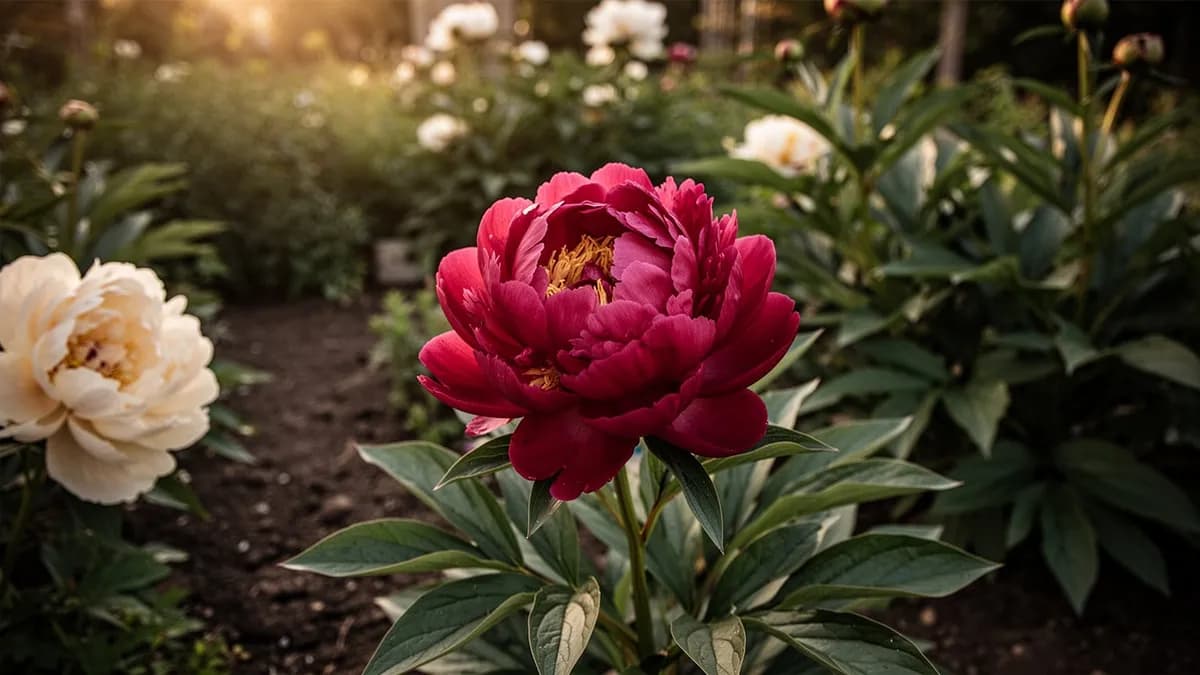
A long-lived perennial producing large, fragrant blooms each spring, thriving for decades once properly sited in full sun. Plant the tuberous roots with eyes no more than two inches below the soil surface, as planting too deeply is the most common reason peonies fail to bloom. Support the heavy double-flowered varieties with peony rings installed in early spring before foliage emerges. Ants often visit peony buds to feed on the sugary nectar and are harmless, so there is no need to treat for them.
When to plant Peony
Peonies are best propagated by division in early fall. Dig the established clump carefully and wash soil from the roots to reveal the eyes. Use a sharp knife to divide the crown into sections, each with three to five eyes and a healthy portion of roots. Replant divisions immediately at the correct depth with eyes one to two inches below the soil surface. Divisions may take two to three years to flower at full capacity. Peonies can also be grown from seed, but this is a slow process taking four to five years to reach flowering size and offspring may not resemble the parent plant.
Your Peony Year
Composed for Zone 7 · typical seasons · frost passes Apr 2, returns Nov 1
Plant Peony Sep – Oct, in bloom May – Jun. Check the planting methods below and set your climate to personalize these windows.
Peony in bloom this season? Its next window opens Sep 1
One email a few days before it opens where you garden and one two weeks before it closes.
One email per milestone, never more than one a week. Unsubscribe with one tap. No account needed.
How to grow Peony
Choose a permanent planting site in full sun with well-drained, fertile soil, as peonies resent being moved and can thrive in the same spot for fifty years or more. Dig a generous hole eighteen inches wide and deep, and amend the soil with compost and a handful of bone meal. Plant bare-root divisions in early fall, positioning the eyes (pinkish-red buds on the crown) no more than one to two inches below the soil surface. Planting too deep is the single most common reason peonies fail to bloom.
Water newly planted peonies thoroughly and mulch lightly, pulling mulch back from the crown in spring to allow it to warm. Install peony support rings or grow-through grids in early spring before the foliage emerges, as the heavy double blooms will splay open and collapse after rain without support.
Once established, peonies are remarkably low-maintenance. Water during extended dry spells and apply a light dressing of compost and balanced fertilizer in early spring. Cut back the foliage to ground level after it dies back following the first hard frost in autumn, and remove all debris to reduce disease carryover. Herbaceous peonies require winter chill to bloom, making them unsuitable for tropical climates.
2 plants fit a 4 × 8 ft bed
Each Peony wants 90 cm of elbow room. The planner keeps that spacing for you — every plant, every bed.
Peony's best neighbours
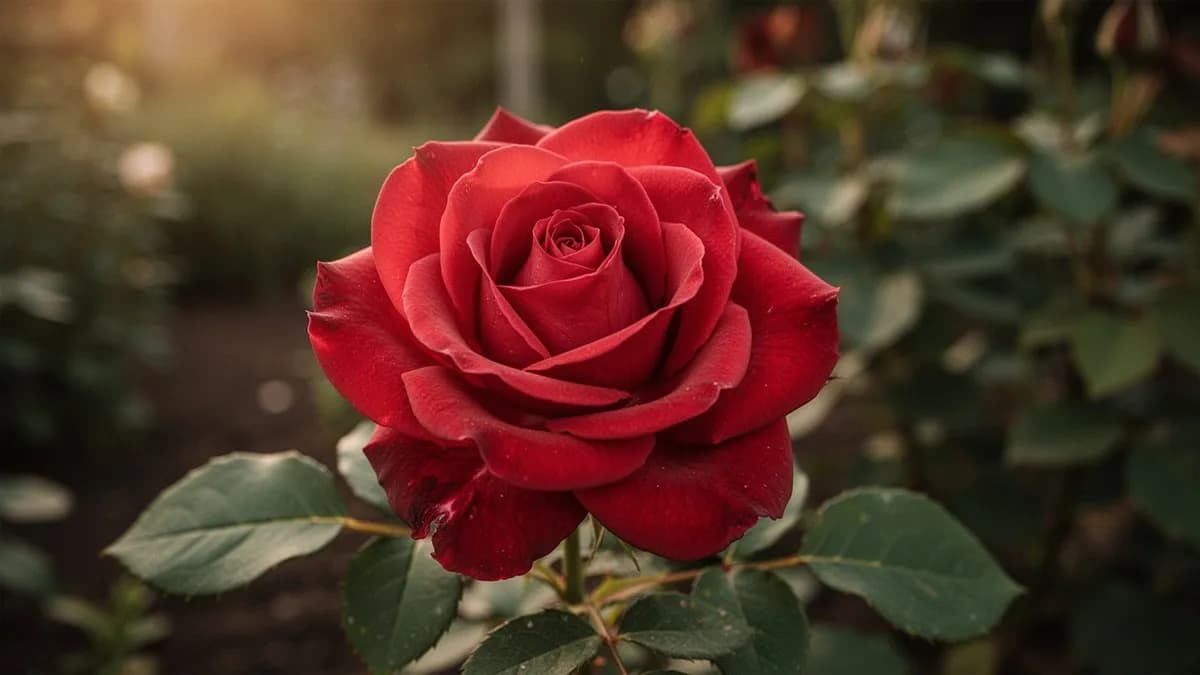
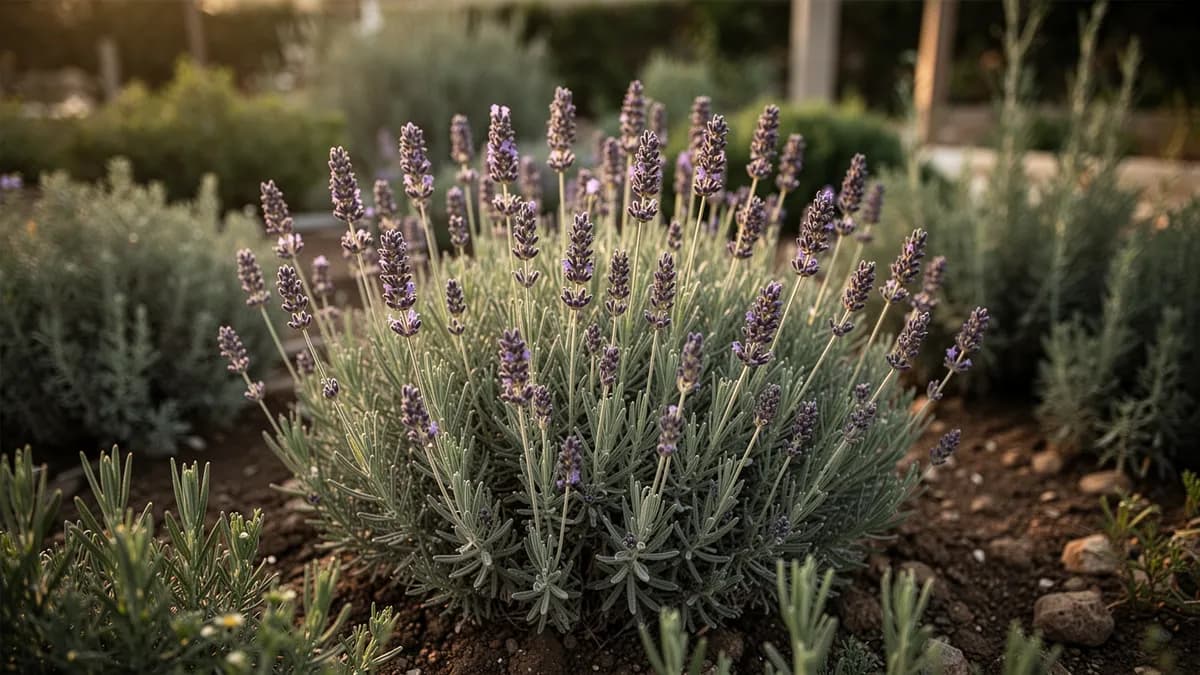
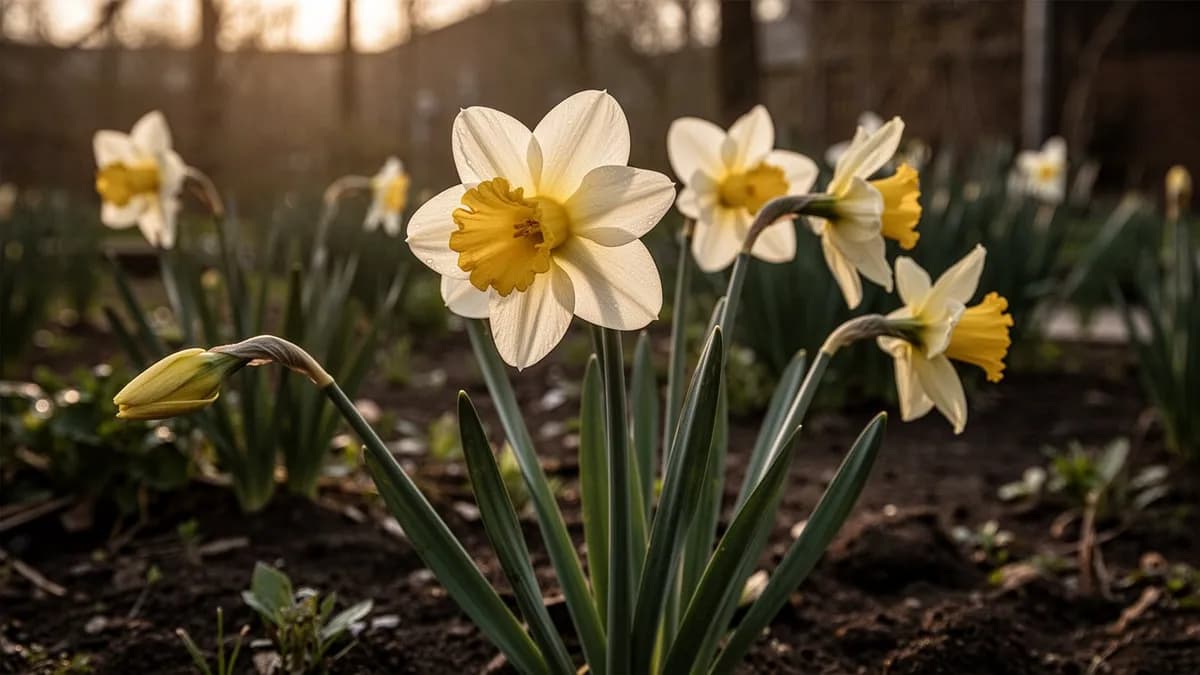
Peonies combine beautifully with other perennials that bloom at different times to extend the season of interest. Daffodils and tulips provide early spring color before peony foliage emerges. Iris, roses, and lavender bloom alongside peonies in late spring. Plant low-growing companions like catmint, geraniums, or lady's mantle around peony bases to hide bare lower stems. Avoid planting trees or large shrubs too close, as peonies need full sun and do not compete well for root space.
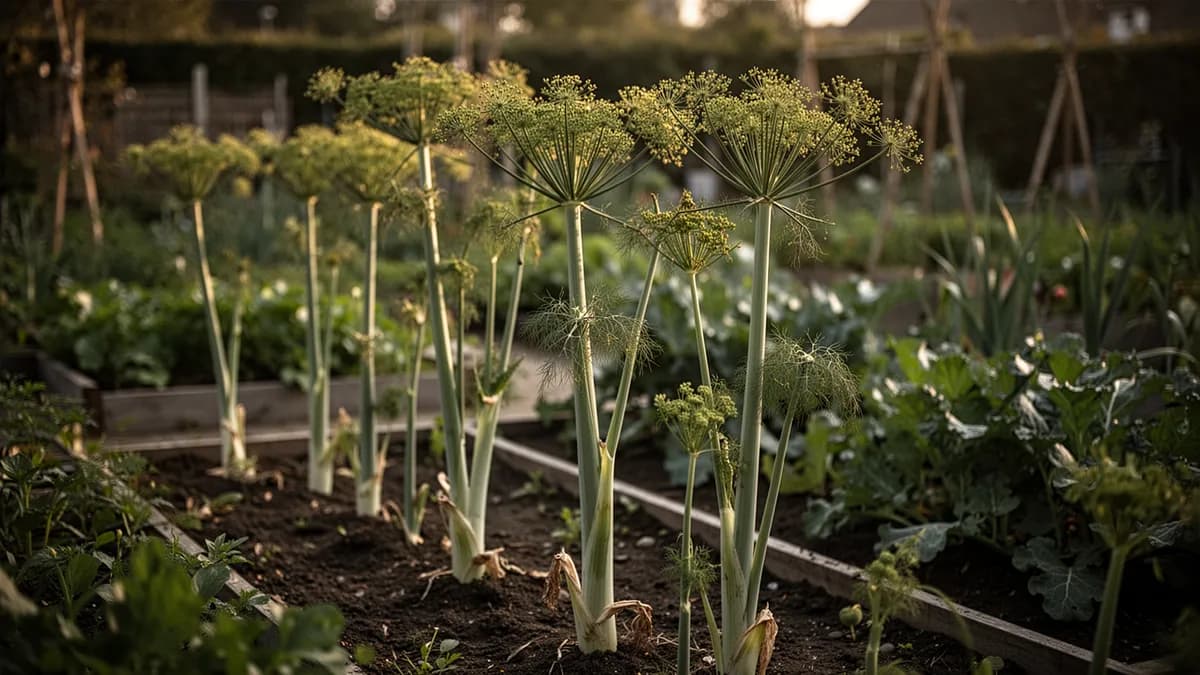
Rose belongs beside it. Fennel doesn't.
Old growers' knowledge, checked against Peony's real companion table below — test any plant you're growing.
Related growing guides
Feed it well
Peonies prefer deep, rich, well-drained soil with a pH of 6.5 to 7.0. Amend the planting hole generously with compost and incorporate bone meal for phosphorus, which promotes strong root development and flowering. Apply a balanced granular fertilizer such as 10-10-10 in early spring as red shoots emerge, and again just after flowering. Avoid high-nitrogen fertilizers, which encourage soft foliage growth susceptible to disease. Top-dress with compost annually in fall.
Ideal Temperature
Hardiness Zone Compatibility
From seed to harvest, stage by stage
Dormancy and Emergence
Peonies spend winter in full dormancy underground as a fleshy tuberous rootstock with prominent reddish-pink buds (known as 'eyes') positioned just below the soil surface. As soil temperatures warm above 4°C in early spring, the eyes swell and deep crimson shoots push upward through the soil. These striking red shoots elongate rapidly, developing compound leaves that initially appear tightly furled and reddish before expanding and turning green.
Vegetative Growth and Stem Development
Stems grow rapidly to their full height of 60-100 cm depending on the cultivar. The deeply divided compound leaves expand fully, creating a dense, rounded bush of lush green foliage. Lateral buds begin to develop along the stems, and the main terminal flower buds become visible as small hard green spheres at the tips of the strongest stems. The plant is building the carbohydrate reserves and structural framework necessary to support its heavy blooms.
Bud Development
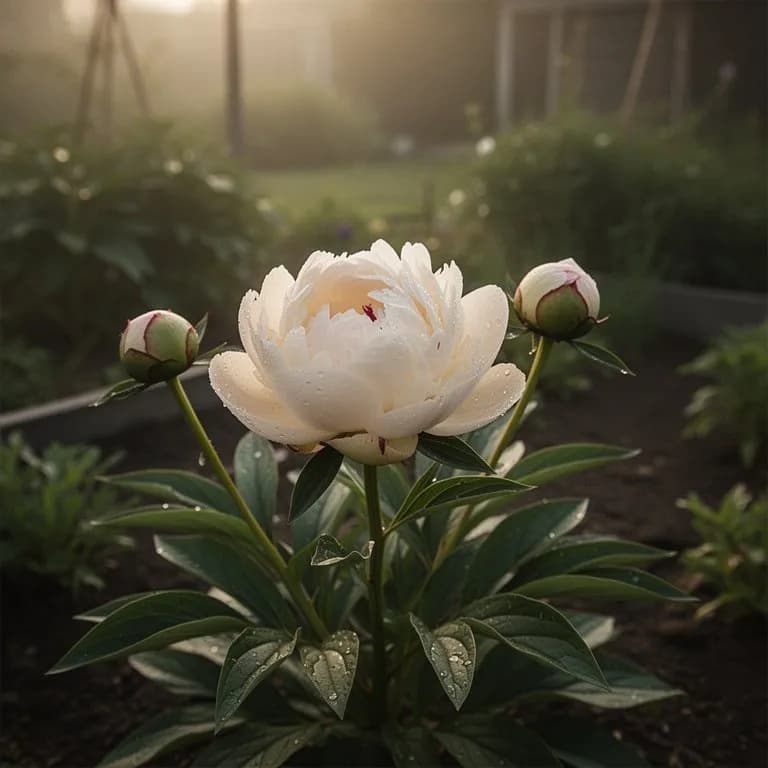
Flower buds swell dramatically, progressing from small hard green balls to the 'marshmallow' stage where they feel soft when gently squeezed and begin to show petal colour through the opening sepals. The buds secrete a sugary nectar on their outer surface that attracts ants. Side buds (if present) develop slightly behind the terminal bud. This is the critical period that determines bloom quality — any stress from drought, late frost, or nutrient deficiency will result in smaller or aborted flowers.
Full Bloom
The moment gardeners anticipate all year — peony flowers open fully into their magnificent forms, which vary from single blooms with a single ring of petals surrounding golden stamens to fully double 'bomb' types with hundreds of tightly packed petals. Depending on variety, flowers range from 10-25 cm across and come in white, blush, pink, coral, rose, red, and yellow. Fragrance varies from light and fresh to an intensely sweet, old-rose perfume. Individual flowers last five to seven days on the plant, and a well-established clump flowers for two to three weeks as buds open sequentially.
Post-Bloom Foliage Period
After flowering finishes, the peony transitions into a quiet but essential phase where the attractive mounded foliage continues to photosynthesize and replenish the root system with stored energy for next year's blooms. The foliage remains an attractive deep green through summer, serving as a handsome structural element in the border. Seed pods may develop on undeadheaded stems, forming distinctive star-shaped clusters. The plant is building and storing the carbohydrate reserves in its tuberous roots that will fuel next spring's growth.
Autumn Colour and Dieback
As autumn temperatures drop and day length shortens, peony foliage transitions to shades of bronze, copper, gold, and deep burgundy — providing a valuable secondary season of ornamental interest. The stems and leaves gradually dry and turn brown as the plant redirects all remaining nutrients and carbohydrates into the tuberous rootstock for winter storage. Underground, next year's buds have already formed and are sitting dormant on the crown, fully differentiated and ready to grow when chilling requirements are met.
Remove winter mulch carefully in early spring as soon as shoots appear to avoid breaking the brittle emerging tips. Ensure the crown eyes are no deeper than 3-5 cm below the soil surface — planting too deep is the most common reason peonies fail to bloom. Apply a light top-dressing of compost around the crown but not directly over the eyes.
Caring for Peony month by month
What to do each month for your Peony
October
You are hereContinue planting bare-root peony divisions — complete all planting before the ground freezes. Foliage is colouring up in bronze, gold, and burgundy tones. After the first hard frost blackens the foliage, cut all stems to ground level and remove debris from around the crown to prevent fungal disease overwintering.
Harvesting Peony
Cut peony blooms for arrangements when buds feel like soft marshmallows and are showing color but are not yet fully open. Cut in early morning with stems twelve to eighteen inches long. Remove lower foliage that would sit below the waterline. For extended enjoyment, cut buds in the tight marshmallow stage, wrap in plastic, and store in the refrigerator for up to four weeks. Deadhead spent blooms but leave the foliage intact through summer to build energy for the following year.
assuming you plant when the window opens — set your real date
Deadhead Peony regularly and it keeps flowering.
Storage & Preservation
Fresh peonies last five to seven days in a vase with cool water and floral preservative. Peonies can be dry-stored in a refrigerator at 34 to 36 degrees Fahrenheit for three to four weeks when cut at the bud stage and wrapped in newspaper. To dry peonies, hang individual stems upside down in a dark, dry space for two to three weeks. Dried peony blooms are fragile but beautiful in arrangements. Peony petals can also be pressed flat between absorbent paper under heavy books for use in crafts and botanical art.
What goes wrong — and the fix
Botrytis Blight (Gray Mold)
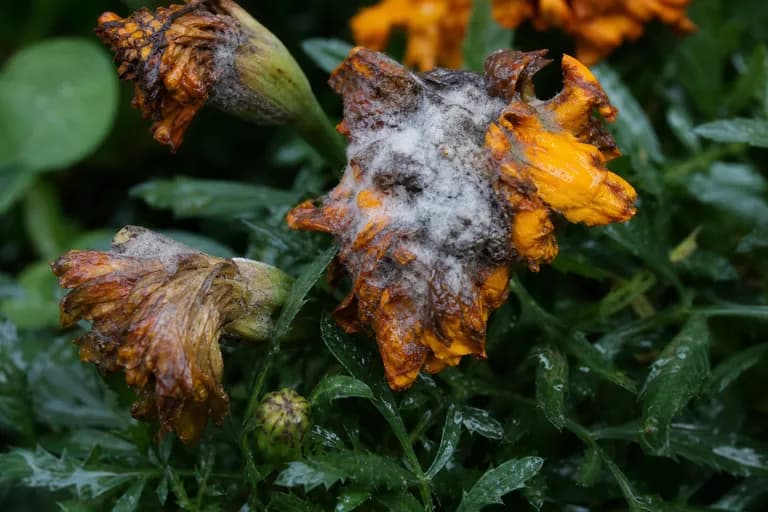
DiseaseBrown, water-soaked spots on young shoots in spring, buds that turn black and fail to open, gray fuzzy mold on affected tissue in wet weather.
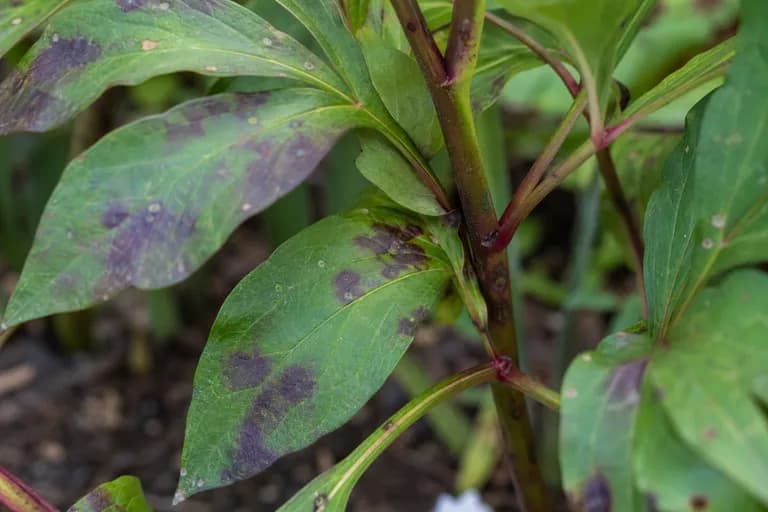
Peony Leaf Blotch
DiseaseLarge, irregular purplish-red or brown blotches on leaves, typically appearing in midsummer. May also cause small red-purple spots on stems.
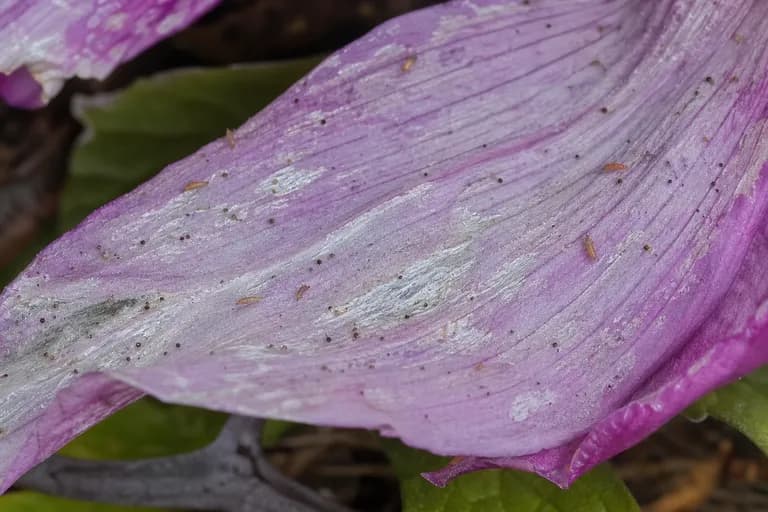
Thrips
PestSilvery streaks or spots on petals, especially on light-colored flowers. Petals may appear discolored or brown at the edges. Tiny slender insects visible inside blooms.
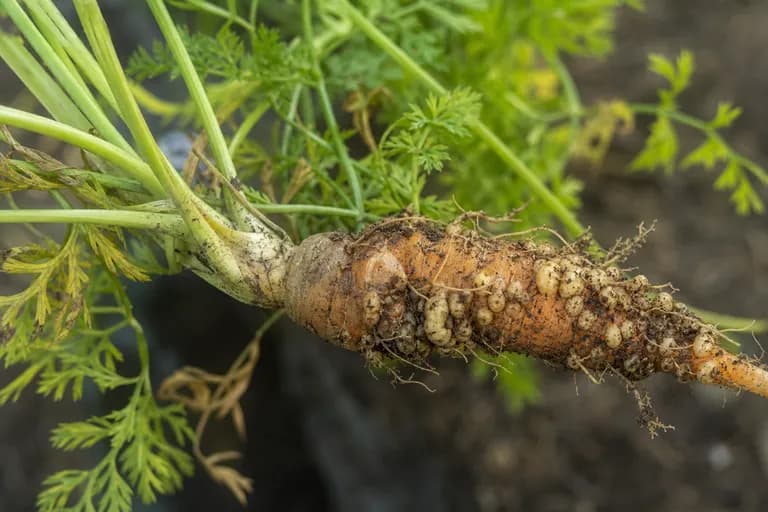
Root-knot Nematodes
PestStunted plant growth, yellowing foliage, poor flowering. Swollen knots or galls visible on roots when plants are dug up.
Troubleshooting Common Problems
Failure to bloom is the most common complaint and is almost always caused by planting too deep, insufficient sunlight, or immature plants that have not yet established. Newly planted peonies may take two to three years to produce their first full blooms. Flopping heavy double blooms result from lack of support, so install peony rings early. Late spring freezes can damage emerging buds, resulting in a lost bloom season. Ants on buds are harmless and feed on sugary nectar without damaging the flowers.
Growing Tips
- Plant peony bare-root divisions in autumn (anytime from early to late in the season) with the topmost eyes positioned exactly 3-5 cm below the soil surface. This planting depth is critical — too deep and the plant will produce lush foliage but few or no flowers, which is the single most common cause of non-blooming peonies.
- Choose a planting site in full sun with at least six hours of direct sunlight daily. Peonies tolerate light afternoon shade in hot climates, but insufficient light leads to weak stems, fewer flowers, and increased susceptibility to fungal diseases. Avoid planting near large trees whose roots will compete for moisture and nutrients.
- Prepare a generous planting hole at least 45 cm wide and 30 cm deep, incorporating plenty of compost and a handful of bone meal. Peonies are long-lived plants that may occupy the same spot for decades, so thorough soil preparation at planting time is an investment that pays dividends for generations.
- Provide sturdy support for double-flowered varieties before stems reach full height — peony support rings or grow-through grids installed in early spring are essential. Heavy double blooms become waterlogged after rain and will collapse to the ground without support, ruining the display and potentially snapping stems.
- Water deeply and consistently during the bud development phase in spring, providing 2-3 cm of water per week if rainfall is insufficient. Drought stress during bud formation results in blind shoots (stems without flowers), smaller blooms, or buds that abort before opening.
- Resist the temptation to cut back peony foliage after flowering — the leaves must remain intact through summer and into autumn to photosynthesise and store energy in the roots for next year's blooms. Cutting foliage prematurely in summer will significantly reduce flowering the following spring.
- Remove and dispose of all peony foliage and stems after the first autumn frost rather than composting them. Peony foliage commonly harbours botrytis blight (grey mould) spores that overwinter on dead plant material and reinfect emerging shoots the following spring. Clean autumn hygiene is the most effective disease prevention measure.
- Avoid transplanting or dividing peonies unless absolutely necessary — they resent root disturbance and may take two to three years to re-establish and resume full flowering after being moved. When division is needed, do it in early autumn and ensure each division has three to five healthy eyes and a substantial section of tuberous root.
- Feed peonies twice a year — once in early spring as red shoots emerge with a balanced granular fertiliser, and again immediately after flowering with a potassium-rich feed to support root development and next year's bud initiation. Avoid high-nitrogen fertilisers, which promote lush foliage at the expense of flowers.
- For the longest vase life when cutting peonies, harvest stems when buds are at the 'soft marshmallow' stage — they should feel like a soft marshmallow when gently squeezed and show some petal colour. Cut in the early morning, place immediately in cool water, and expect seven to ten days of vase life. Buds cut at this stage can also be stored dry in a refrigerator for up to four weeks and will open normally when placed in water.
Pick your Peony
Sarah Bernhardt
The most popular peony worldwide, with large, fully double soft pink fragrant blooms on strong stems. Extremely reliable and long-lived.
Karl Rosenfield
Deep crimson-red double blooms with ruffled petals on sturdy three-foot stems. A classic variety since 1908 that remains a top seller.
Bowl of Beauty
A striking Japanese-type peony with rose-pink outer petals surrounding a center of creamy yellow staminodes. Dramatic and elegant.
Festiva Maxima
Pure white double blooms with crimson flecks at the center, intensely fragrant. An heirloom variety introduced in 1851 still widely grown.
Bartzella
An intersectional (Itoh) hybrid with large semi-double lemon-yellow flowers. Combines the best traits of herbaceous and tree peonies with exceptional vigor.
Cut peony stems are among the most expensive flowers available at florists and farmers' markets, typically selling for $5-15 per stem during the brief spring season, with premium varieties like 'Coral Charm' and 'Sarah Bernhardt' commanding $10-20 per stem. A single mature peony plant produces 20-50 stems per season, representing $100-750 worth of cut flowers annually at retail prices. Since peonies are exceptionally long-lived perennials that thrive for decades without replacement, a one-time investment of $15-40 for a bare-root division provides cut flowers worth thousands of dollars over the plant's 50-100+ year lifespan. Growing your own also provides access to fragrant heirloom varieties rarely available from commercial florists, who favour varieties that ship well over those with the best fragrance.
Quick recipes
Peony Petal Infused Syrup
15 minutes active, 24 hours steepingA delicately floral simple syrup made by steeping fresh peony petals in hot sugar water. The resulting syrup has a subtle rose-like flavour and a beautiful blush hue. Use it to sweeten cocktails, lemonade, sparkling water, or drizzle over vanilla ice cream and fresh berries. Choose only pesticide-free petals from your own garden for culinary use.
4 ingredientsPeony and Strawberry Salad with Honey Dressing
10 minutesAn elegant spring salad that uses fresh peony petals as both a garnish and a delicate flavour element alongside ripe strawberries and soft greens. The petals add a subtle floral note and a visual beauty that makes this dish stunning as a dinner party starter. Ensure all petals are from unsprayed plants grown without pesticides.
7 ingredientsPeony Petal Tea
5 minutesA soothing herbal infusion made from dried or fresh peony petals, inspired by centuries of peony flower tea traditions in China and Japan. The tea has a mild floral flavour with subtle sweet notes. In traditional practice, peony flower tea was enjoyed for relaxation and is considered cooling in nature. Use only petals from untreated garden plants.
4 ingredientsWhat's inside
Health Benefits
- White peony root (Bai Shao) contains paeoniflorin, a compound that has demonstrated anti-inflammatory and analgesic properties in both laboratory and clinical studies, and has been used in traditional Chinese medicine for over two millennia to treat pain, muscle cramps, and menstrual discomfort
- Paeonol, a phenolic compound found in peony root bark, has shown antioxidant, anti-inflammatory, and neuroprotective effects in preclinical research, with studies suggesting it may help reduce oxidative stress and support cardiovascular health
- Peony root preparations are among the most commonly prescribed herbs in traditional Chinese medicine for gynaecological conditions, with clinical research supporting its use in combination formulas for managing symptoms of polycystic ovary syndrome (PCOS) and menstrual irregularity
- The aromatherapeutic fragrance of peony flowers has been associated with relaxation and stress reduction in traditional practices, and the scent profile — rich in geraniol, citronellol, and nerol — shares key aromatic compounds with rose essential oil, which has documented calming effects
- Peony seed oil contains exceptionally high levels of alpha-linolenic acid (38-48%), an omega-3 essential fatty acid important for cardiovascular health, brain function, and reducing systemic inflammation — making it one of the most concentrated plant-based omega-3 sources available
- Traditional Chinese and Japanese herbal medicine systems have used peony root formulations as hepatoprotective agents for centuries, and modern pharmacological studies have identified mechanisms by which paeoniflorin may protect liver cells from toxin-induced damage and support healthy liver enzyme levels
Where Peony comes from
The genus Paeonia encompasses approximately 33 species distributed across temperate regions of Europe, Asia, and western North America. The centre of diversity for the genus lies in China, where the greatest number of species occur in the wild and where ornamental peony cultivation has the deepest roots. Archaeological and literary evidence indicates that the Chinese have grown peonies for medicinal purposes since at least the Han Dynasty (206 BCE-220 CE), with peony root appearing in the earliest Chinese pharmacopoeias as a treatment for pain, inflammation, and disorders of the blood and liver. By the Sui Dynasty (581-618 CE), ornamental varieties were being developed and planted in imperial gardens, and during the Tang Dynasty (618-907 CE), the tree peony (Paeonia suffruticosa) reached the height of its cultural status. The city of Luoyang became the peony capital of China, hosting annual festivals and competitions, and ownership of rare cultivars signalled wealth and taste among the aristocracy. In Europe, the common peony (Paeonia officinalis) was well known to the ancient Greeks and Romans primarily as a medicinal plant. Theophrastus described it in the third century BCE, and Pliny the Elder recorded its use as a remedy for nightmares and nervous conditions. Throughout the Middle Ages, peony root was carried as an amulet to ward off evil spirits and was an established component of the monastic herb garden across Europe. The herbaceous Chinese peony (Paeonia lactiflora) was introduced to European gardens in the late eighteenth century, and French, British, and American breeders rapidly developed hundreds of cultivars during the nineteenth century. The French nurseryman Victor Lemoine and his son Emile were particularly prolific, producing many varieties that remain in commerce today. In the United States, the American Peony Society was founded in 1903 and has maintained a cultivar registry ever since. Intersectional hybrids (known as Itoh peonies), created by crossing herbaceous and tree peonies, were first achieved by Japanese horticulturist Toichi Itoh in 1948 and became commercially available in the 1990s, opening an entirely new class of garden peonies with the massive flowers of tree types on the compact, herbaceous habit of lactiflora cultivars. Today, the peony remains one of the most beloved and commercially significant ornamental perennials worldwide.
Peony: did you know?
Fascinating facts about Peony
Peonies are among the longest-lived garden perennials — individual plants have been documented blooming continuously for over 100 years, and there are verified specimens in gardens and cemeteries in New England and the Midwest that have thrived for 150 years or more without being divided or replanted.
Peony questions, answered
When should I plant Peony?
What are good companion plants for Peony?
What hardiness zones can Peony grow in?
How much sun does Peony need?
How far apart should I space Peony?
What pests and diseases affect Peony?
How do I store Peony after harvest?
What are the best Peony varieties to grow?
What soil does Peony need?
Why is my peony not flowering even though it produces healthy foliage every year?
Do I need to remove the ants from my peony buds before bringing cut flowers inside?
When is the best time to plant or divide peonies?
How do I prevent and treat botrytis blight on my peonies?
Can I grow peonies in containers?
What is the difference between herbaceous peonies, tree peonies, and Itoh peonies?
Plant these alongside Peony
More Perennials
Keep Peony away from these
Grow your best Peony yet — and everything around it.
Start a free plan today. Lay out your beds, drop in your Peony, and let PlotMyGarden handle the timing, spacing, companions and reminders from seed to harvest basket.
