Hosta
The premier shade perennial with bold, textured foliage in shades of green, blue, gold, and variegated patterns.





On this pageOverview
Meet Hosta
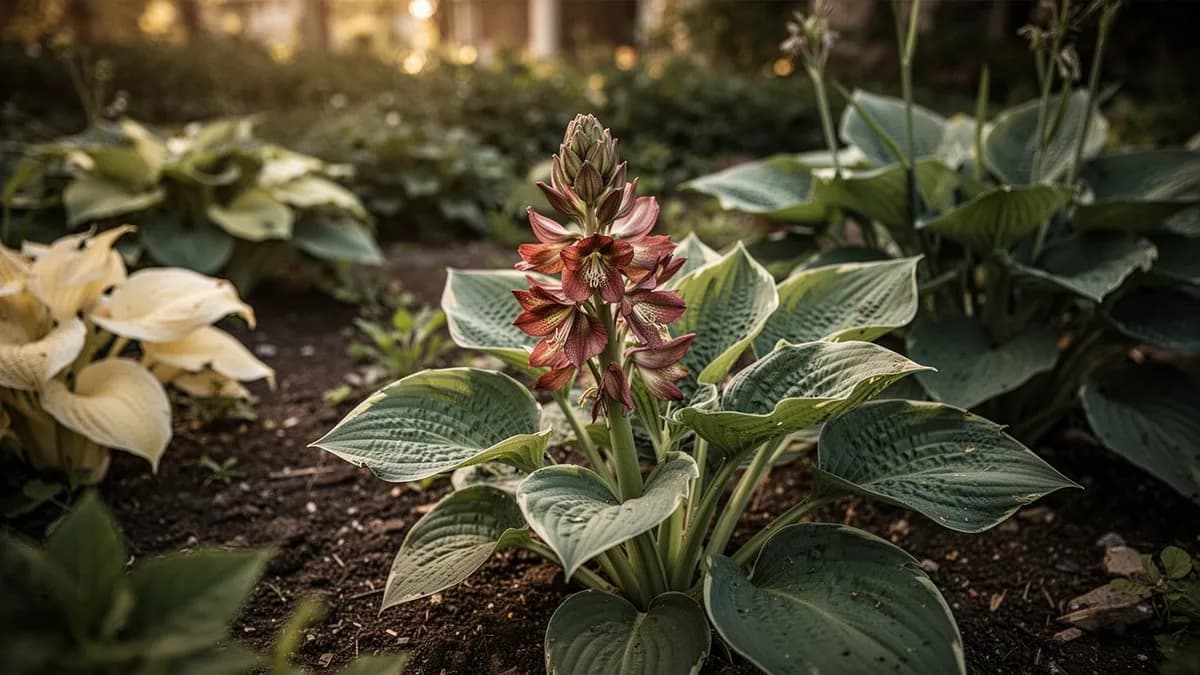
The premier shade perennial with bold, textured foliage in shades of green, blue, gold, and variegated patterns. Hostas are easy to grow and long-lived, requiring only shade, moisture, and slug protection to thrive. Divide clumps every few years in spring for more plants and apply slug barriers to protect emerging foliage.
When to plant Hosta
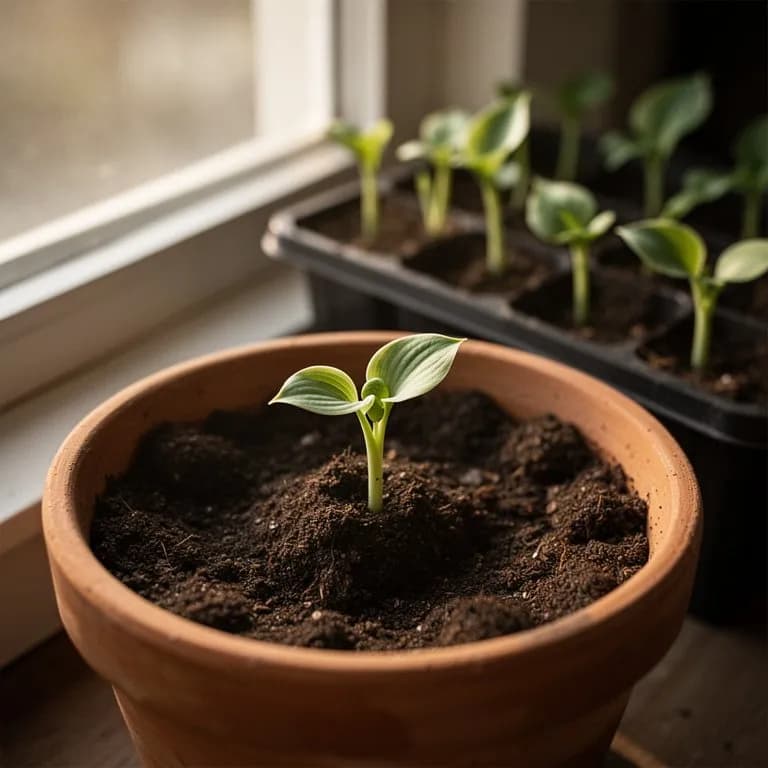
Hosta seeds can be collected from ripe pods in fall but seedlings will not match the parent variety. Sow fresh seeds on the surface of moist seed-starting mix and barely cover. Cold stratify in the refrigerator for four to six weeks to improve germination. After stratification, place in a warm location at 65 to 70 degrees Fahrenheit with bright indirect light. Germination takes two to four weeks. Seedlings grow slowly and take three to four years to reach mature size. Division in spring is the preferred propagation method for maintaining named varieties.
Your Hosta Year
Composed for Zone 7 · typical seasons · frost passes Apr 2, returns Nov 1
Plant Hosta Mar – Apr, Sep, pick Jul – Aug. Check the planting methods below and set your climate to personalize these windows.
How to grow Hosta
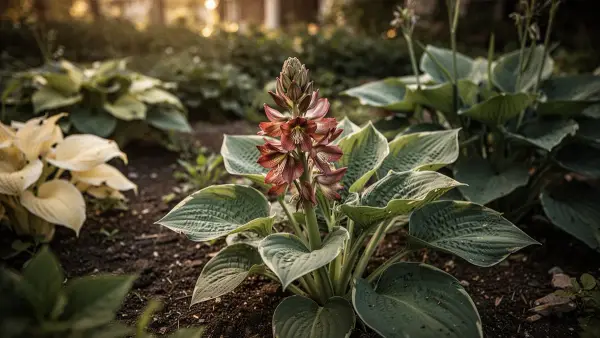
Plant hostas in spring or early fall in a shaded location with rich, moist, well-drained soil. Dig a hole as deep as the root ball and twice as wide, setting the crown at soil level. Space miniature varieties twelve inches apart, medium types eighteen to twenty-four inches, and giant varieties up to four feet apart. Water thoroughly after planting and maintain consistent moisture throughout the first growing season.
Hostas thrive in partial to full shade, though some gold and fragrant varieties tolerate morning sun. Blue-leaved varieties develop their best color in deeper shade. Provide at least one inch of water per week and apply two to three inches of organic mulch to conserve moisture, keeping mulch away from the crown to prevent rot.
Fertilize in early spring as shoots emerge with a balanced slow-release granular fertilizer. Hostas are heavy feeders that respond well to regular applications of compost. Divide clumps every four to five years in early spring just as the pointed shoots emerge from the soil. Use a sharp spade to cut through the dense root mass and replant divisions immediately. Remove flower scapes after blooming unless seeds are desired.
8 plants fit a 4 × 8 ft bed
Each Hosta wants 60 cm of elbow room. The planner keeps that spacing for you — every plant, every bed.
Hosta's best neighbours
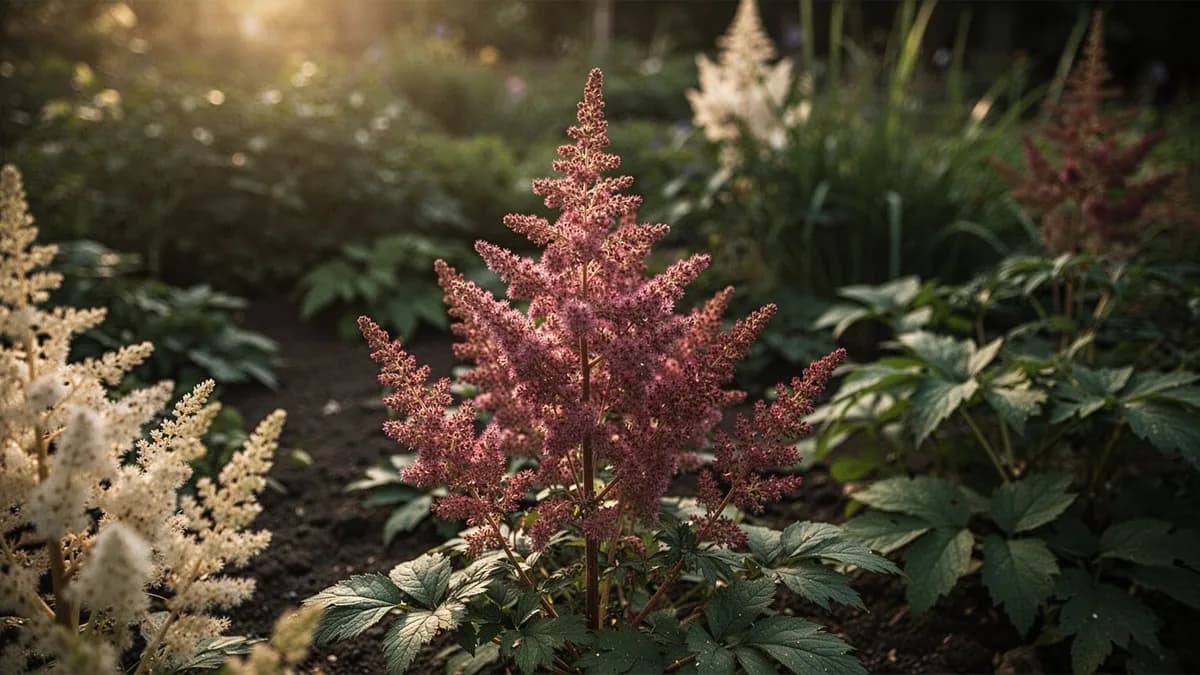
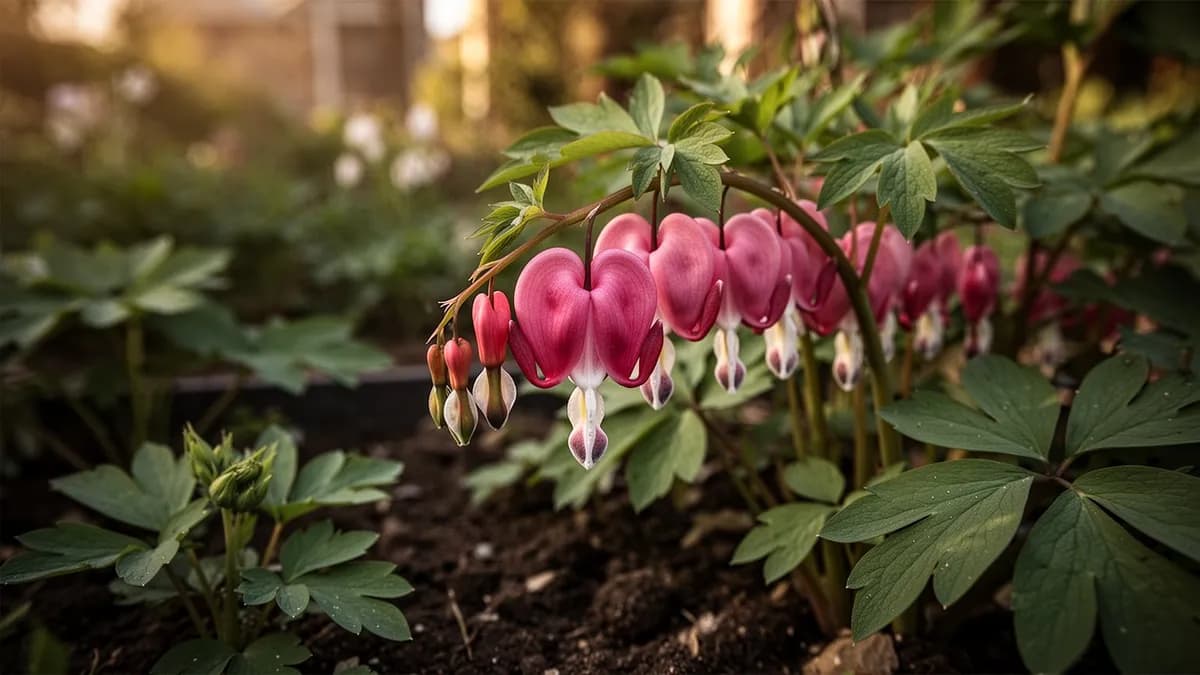
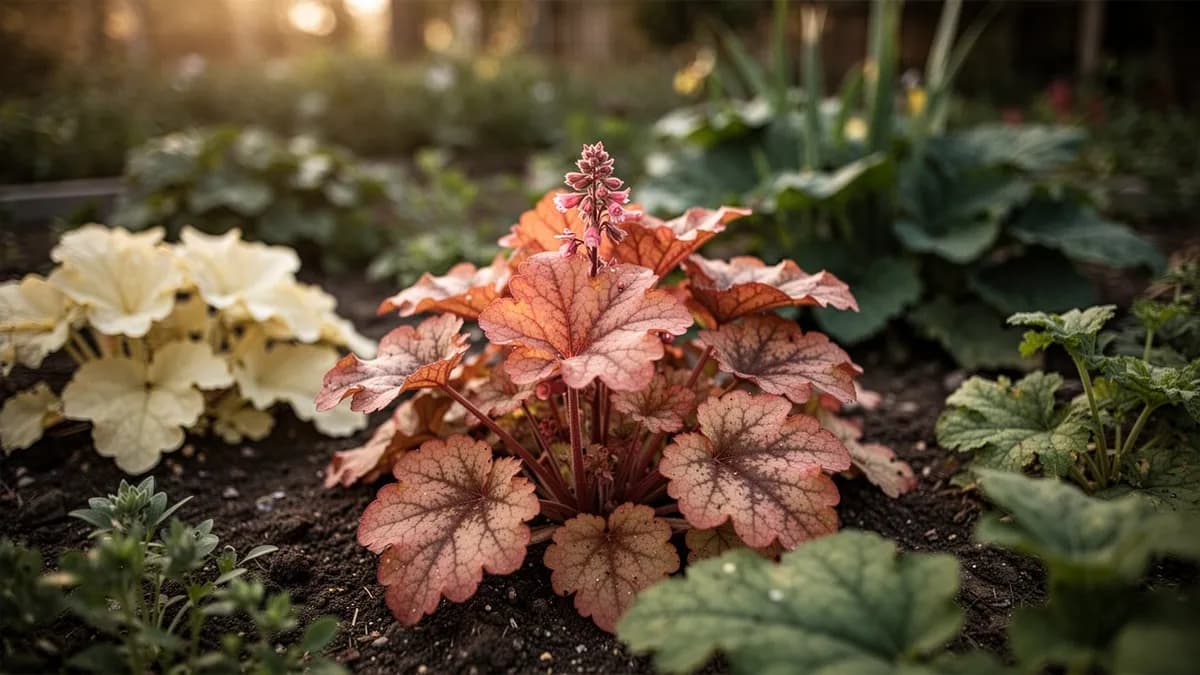
Hostas are the backbone of shade gardens and pair perfectly with astilbe, bleeding hearts, ferns, heuchera, and brunnera. Use large hostas as a living mulch under trees where few other plants thrive. Combine blue-leaved varieties with yellow-flowered companions like ligularia for striking contrast. Plant with spring bulbs that bloom before hosta foliage emerges and whose dying leaves are then concealed by expanding hosta leaves.
Astilbe belongs beside it.
Old growers' knowledge, checked against Hosta's real companion table below — test any plant you're growing.
Try Hosta in a bed — right here
A real planner bed with Hosta already in it. Tap a companion to place it and watch the pairing checks answer — green for good neighbours, red for a clash.


Related growing guides
Feed it well
Hostas thrive in rich, moisture-retentive soil heavily amended with organic matter. A slightly acidic pH of 6.0 to 6.5 is ideal. Work generous amounts of compost, leaf mold, or well-rotted manure into the planting area. Apply a balanced slow-release fertilizer in early spring as shoots emerge. Hostas are moderate to heavy feeders that benefit from a midsummer side-dressing of compost. Avoid late-season fertilizing which produces soft growth vulnerable to early frost damage.
Ideal Temperature
Hardiness Zone Compatibility
From seed to harvest, stage by stage
Dormancy and Root Establishment
Hosta crowns remain dormant underground through winter. The root system continues slow development whenever soil temperatures are above 4°C (40°F). Bare-root divisions planted in late autumn or early spring begin establishing feeder roots during this period. Energy stored in the rhizome sustains the plant until shoots emerge.
Shoot Emergence (Urui Stage)
As soil temperatures reach 7-10°C (45-50°F) in early to mid-spring, tightly rolled shoots called 'pips' push through the soil surface. These conical spears grow rapidly, sometimes 2-3 cm per day in warm conditions. In Japanese cuisine this stage is known as 'urui' and the shoots are harvested as a prized edible vegetable. The shoots are tender, mild-flavored, and slightly mucilaginous.
Leaf Unfurling and Canopy Development
Rolled leaves gradually unfurl over several weeks, revealing their mature shape, color, and texture. During this phase the plant establishes its full canopy and characteristic mound shape. Leaf coloring intensifies — blue-leaved varieties develop their waxy coating (pruinose bloom), gold varieties brighten, and variegated patterns become distinct. The expanding foliage shades the soil beneath, naturally suppressing weeds.
Flowering
Flower scapes (stalks) emerge from the center of the leaf mound, rising 30-90 cm above the foliage depending on cultivar. Tubular flowers open sequentially along the scape in colors ranging from white to deep lavender-purple. Hosta plantaginea and its hybrids produce notably fragrant white flowers that open in the evening and attract night-pollinating moths. Flowers also attract hummingbirds and bees during daylight hours.
Late-Season Growth and Energy Storage
After flowering, hostas continue photosynthesizing to store carbohydrates in their rhizomes for the following year's growth. Leaf quality may decline somewhat in late summer, especially in hot climates or sun-exposed positions. The plant is actively building the buds (eyes) that will become next spring's shoots. This is the optimal window for dividing overcrowded clumps.
Senescence and Dormancy Onset
With the arrival of autumn frosts, hosta foliage yellows and collapses. The leaves become soft and translucent after the first hard freeze. The plant withdraws remaining nutrients from the foliage into the rhizome before entering full winter dormancy. The crown persists underground, protected by soil and mulch, and will remain dormant until the following spring's warmth triggers a new cycle of growth.
Apply a 7-10 cm layer of organic mulch such as shredded leaves or bark over dormant crowns to insulate roots and moderate soil temperature swings. Avoid heavy foot traffic over planting areas to prevent crown compaction.
Caring for Hosta month by month
What to do each month for your Hosta
October
You are hereAllow foliage to senesce naturally. Reduce watering as the plant enters dormancy. Apply a final layer of compost around the base of each clump to nourish roots over winter. Clean up fallen leaves that may harbor slugs.
Know exactly what to do in your garden — every month
One email at the start of each month: what to sow, plant, and tackle right now — for your Hosta and everything growing around it. Plus a short starter course that helps you dodge the classic mistakes.
- What to do, right now
- Matched to your season
- Starter course included
Harvesting Hosta
Cut hosta leaves for floral arrangements throughout the growing season. Large-leaved varieties like Sum and Substance make dramatic greenery for bouquets. Cut stems at the base of the plant and place immediately in water. Hosta flower scapes can also be cut when buds begin to show color for fragrant arrangements, especially from plantaginea varieties. Leaves last seven to ten days in a vase with fresh water changed every two days.
assuming you plant when the window opens — set your real date
Pick Hosta promptly and the plant keeps producing.
Storage & Preservation
Hosta leaves are best used fresh in arrangements as they do not dry or press well due to their thick, succulent texture. For the best preservation, glycerin-treat large leaves by standing cut stems in a solution of one part glycerin to two parts hot water for two to three weeks until leaves change color and become supple. Flower scapes can be dried upside down for use in dried arrangements. In fall, allow foliage to die back naturally to nourish the roots for the following season.
What goes wrong — and the fix
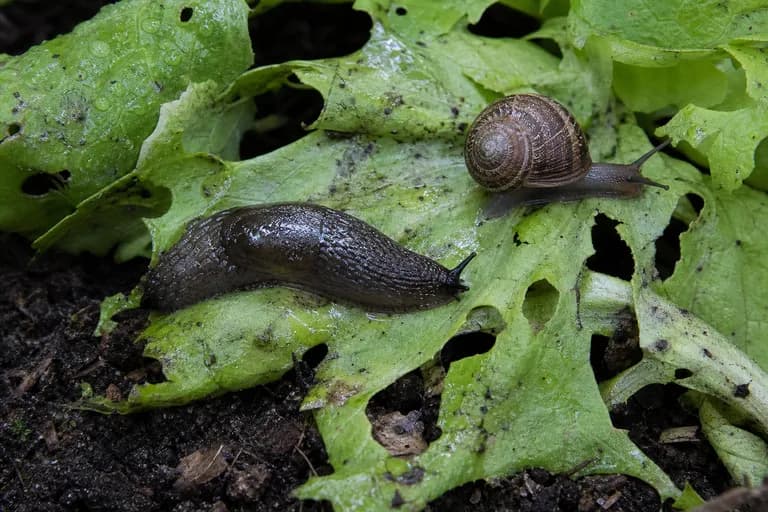
Slugs and Snails
PestIrregular holes and ragged edges on leaves, especially on thin-leaved varieties. Silvery slime trails visible on and around plants in the morning.
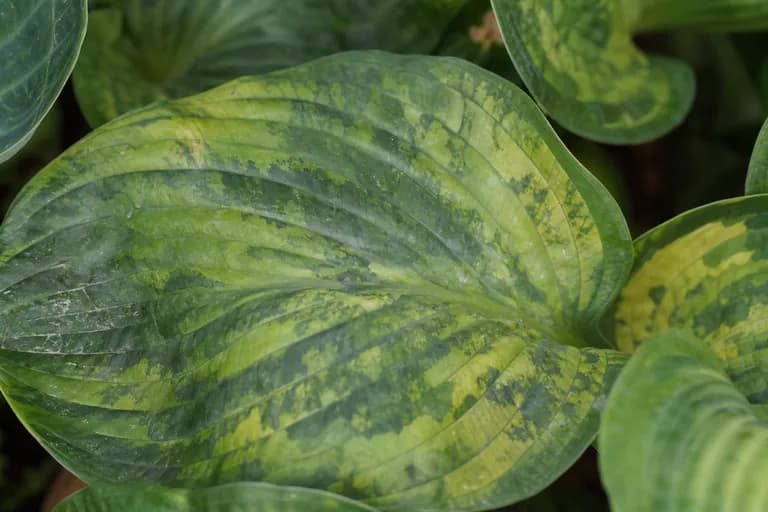
Hosta Virus X
DiseaseBlue or green ink-bleed patterns along leaf veins, mottled or puckered foliage, collapsed and lumpy leaf tissue. Symptoms vary by variety and may not appear immediately.
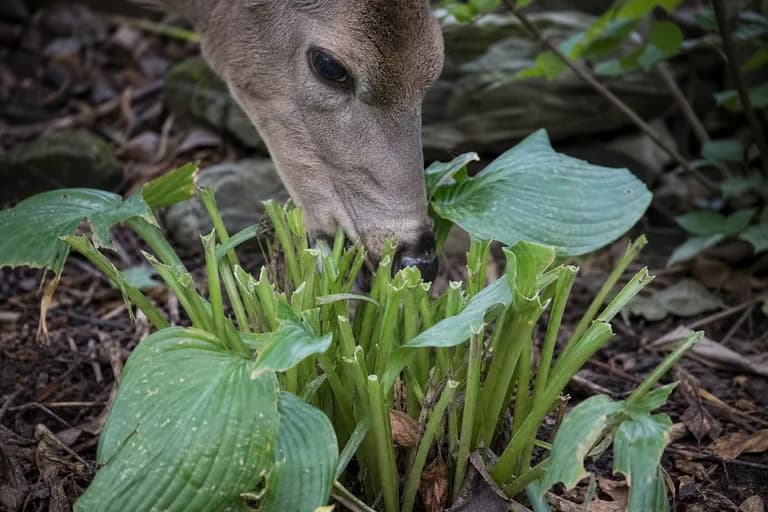
Deer Browsing
PestLeaves eaten down to stubs, especially overnight. Clean, torn edges on remaining foliage as deer rip rather than cut leaves.
Troubleshooting Common Problems
Slugs are the number one pest of hostas, causing unsightly holes particularly in thin-leaved varieties. Sun scorch appears as bleached or brown patches on leaves exposed to too much direct sun, especially on blue varieties. Crown rot occurs in poorly drained soil or when crowns are buried too deeply under mulch. Late spring frost can damage emerging shoots, though plants typically recover. Voles may tunnel through hosta beds and eat roots during winter.
Growing Tips
- Plant hostas in organically rich, moisture-retentive soil amended with generous amounts of compost or well-rotted leaf mold. Hostas are shallow-rooted and benefit enormously from a humus-rich growing medium that holds moisture without becoming waterlogged.
- Choose the right cultivar for your light conditions: thick-leaved blue varieties perform best in full shade, gold and yellow cultivars develop their best color with morning sun and afternoon shade, and fragrant Hosta plantaginea types need 3-4 hours of direct sun to bloom well.
- Mulch hostas annually with 5-7 cm of organic material such as shredded bark, chopped leaves, or pine needles. This conserves soil moisture, moderates root temperature, and gradually improves soil structure as it decomposes.
- Begin slug and snail management before shoots emerge in spring, not after damage is visible. Effective organic controls include iron phosphate bait, copper tape barriers around containers, beer traps, and encouraging natural predators like ground beetles, toads, and firefly larvae.
- Water hostas deeply and consistently rather than with frequent shallow irrigation. The root zone extends 15-20 cm deep, and thorough soaking once or twice per week during dry periods is more effective than daily light sprinkling. Drip irrigation or soaker hoses are preferable to overhead watering.
- Divide overcrowded clumps every 4-6 years in early autumn or early spring. Dig the entire clump, wash soil from the roots to see the crown structure clearly, and separate into divisions with at least three growing eyes and a substantial root portion. Replant immediately at the same depth.
- To grow hostas specifically for edible shoots, select vigorous large-leaved cultivars and plant them in a dedicated bed with rich soil. Allow clumps to mature for 2-3 years before beginning to harvest, and never take more than one-third of the shoots from any individual plant.
- Protect hostas from deer browsing with physical barriers (fencing or individual cages) or commercial deer repellent sprays applied every 2-3 weeks during the growing season. Deer find hostas highly palatable and can consume an entire clump overnight.
- Avoid planting hostas too deeply — the crown (where shoots emerge) should sit at or just barely below the soil surface. Planting too deep delays emergence, promotes crown rot, and reduces overall vigor. This is the most common planting mistake with hostas.
- If growing hostas in containers, choose pots at least 40 cm wide and deep with drainage holes. Use a high-quality potting mix enriched with compost. Container hostas need more frequent watering and feeding than in-ground plants, and in cold climates (Zone 5 and colder) the pots should be moved to an unheated garage or buried in the ground for winter protection.
Grow your best Hosta yet — and everything around it.
Start a free plan today. Lay out your beds, drop in your Hosta, and let PlotMyGarden handle the timing, spacing, companions and reminders from seed to harvest basket.
Pick your Hosta
Sum and Substance
A giant hosta with huge, chartreuse-gold, heavily textured leaves up to two feet across. Remarkably slug-resistant due to thick leaf substance and excellent in bright shade.
Patriot
A medium-sized hosta with dark green leaves featuring wide, irregular white margins. An extremely vigorous grower and one of the most popular variegated hostas.
Blue Angel
A large blue-leaved hosta reaching three feet tall and four feet wide with powdery blue, heavily corrugated foliage that is highly slug-resistant.
Halcyon
A medium-sized hosta with smooth, blue-gray, spear-shaped leaves forming a dense, elegant mound. One of the bluest hostas available with good slug resistance.
Hostas are one of the most cost-effective perennial investments for shade gardens. A single division costing $5-15 can multiply into a large clump over 3-5 years, providing dozens of free divisions to fill garden beds or share with other gardeners. As edible plants, established hosta clumps produce harvestable spring shoots (urui) year after year at no additional cost — a specialty vegetable that sells for $15-25 per pound at Japanese grocery stores and farmers' markets. Since hostas require no supplemental lighting, minimal fertilizer, and thrive in otherwise unproductive shaded areas, they convert low-value garden space into both ornamental beauty and a unique culinary harvest with virtually zero ongoing expense.
Quick recipes
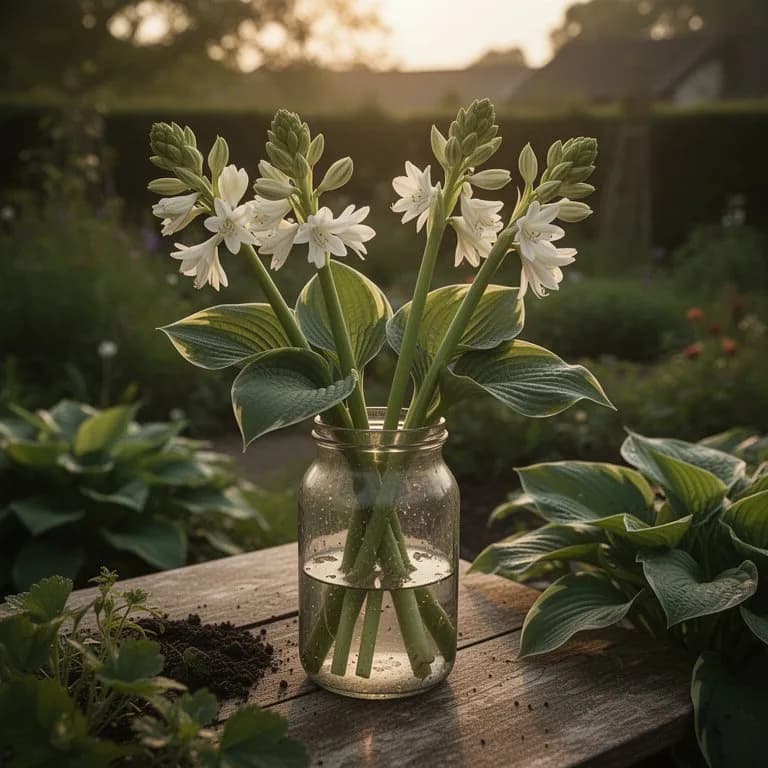
Blanched Urui with Soy-Sesame Dressing (Urui no Ohitashi)
10 minutesA classic Japanese preparation that highlights the tender texture and mild flavor of young hosta shoots. The shoots are briefly blanched to soften their slight mucilaginous quality, then dressed simply to let the fresh spring flavor come through. This dish is traditionally served as a small side dish (kobachi) alongside rice and miso soup.
6 ingredientsHosta Shoot Tempura (Urui no Tempura)
20 minutesHosta shoots make exceptional tempura — the light, crispy batter contrasts beautifully with the tender, mildly sweet interior of the shoots. This preparation is popular in rural Japanese mountain cuisine (sansai ryori) during spring. Serve immediately while the batter is still crisp, with tentsuyu dipping sauce or simply sprinkled with matcha salt.
6 ingredientsHosta Shoot and Miso Stir-Fry
15 minutesA quick and savory way to enjoy hosta shoots that combines them with white miso paste and a touch of mirin for an umami-rich side dish. The shoots retain a pleasant crunch when briefly stir-fried, and the miso glaze complements their subtle sweetness. This dish works well alongside grilled fish or as part of a Japanese-style vegetable spread.
6 ingredientsWhat's inside
Health Benefits
- Hosta shoots (urui) are very low in calories and high in water content, making them a nutrient-dense addition to spring meals that supports healthy weight management.
- The mucilaginous polysaccharides found in hosta shoots may help soothe and protect the gastrointestinal lining, similar to the benefits attributed to okra and molokhia.
- Urui provides meaningful amounts of beta-carotene (provitamin A), which supports healthy vision, skin integrity, and immune system function.
- The moderate vitamin C content in hosta shoots acts as an antioxidant, helps protect cells from oxidative stress, and enhances iron absorption from plant-based foods.
- Dietary fiber in hosta shoots supports digestive regularity and feeds beneficial gut bacteria, contributing to a healthy gut microbiome.
- As a wild-foraged and garden-grown spring green, urui contributes to dietary diversity — a key factor in obtaining a broad spectrum of micronutrients and phytochemicals for overall health.
Where Hosta comes from
Hostas are native to northeastern Asia, with the greatest species diversity found in Japan, where approximately 25 to 30 wild species occur across the islands of Honshu, Shikoku, and Kyushu. Additional species are native to the Korean Peninsula, northeastern China, and the Russian Far East. In their native habitats, hostas grow in a wide range of environments including shaded mountain forests, rocky stream banks, alpine meadows, and coastal cliffs, demonstrating remarkable ecological adaptability.
The earliest documented horticultural use of hostas dates to the gardens of Edo-period Japan (1603–1868), where selected forms were cultivated as ornamental and edible plants. Japanese gardeners developed variegated and unusual leaf forms centuries before Western botanists encountered the genus. The edible shoots, known as urui, have been gathered from wild populations and cultivated plantings as a valued spring sansai (mountain vegetable) throughout Japanese culinary history.
European plant collectors first encountered hostas in the late eighteenth century. The German physician and botanist Engelbert Kaempfer described hostas during his stay in Japan from 1690 to 1692, and the first living plants reached European gardens around 1790. Philipp Franz von Siebold, a German physician stationed in Nagasaki, introduced several species to the Netherlands in the 1820s and 1830s, sparking widespread horticultural interest across Europe.
Hostas arrived in North America in the mid-nineteenth century and quickly gained popularity as durable shade garden perennials. The modern era of hosta hybridization began in the mid-twentieth century, accelerating dramatically from the 1970s onward. Breeders developed cultivars with extraordinary variation in leaf size, shape, color, and texture. Today hostas are among the most popular perennials in temperate gardens worldwide, with thousands of registered cultivars and a dedicated global community of collectors, breeders, and enthusiast societies.
Hosta: did you know?
Fascinating facts about Hosta
In Japan, hosta shoots are known as 'urui' (ウルイ) and have been eaten as a mountain vegetable (sansai) for centuries — they are blanched, stir-fried, pickled, or battered in tempura and have a mild asparagus-like flavor with a slightly mucilaginous texture.
Hosta questions, answered
When should I plant Hosta?
What are good companion plants for Hosta?
What hardiness zones can Hosta grow in?
How much sun does Hosta need?
How far apart should I space Hosta?
What pests and diseases affect Hosta?
How do I store Hosta after harvest?
What are the best Hosta varieties to grow?
What soil does Hosta need?
Are hosta shoots really edible, and are they safe to eat?
How do I protect my hostas from slugs and snails?
Can hostas grow in full sun?
When is the best time to divide hostas, and how do I do it?
Why are my hosta leaves turning brown or developing brown streaks?
How long do hostas live, and do they get better with age?
You just read the theory. Now grow it on autopilot.
Everything that makes Hosta fiddly — the timing, the spacing, the companions, the harvest window — is exactly what PlotMyGarden handles for you, for every plant in your garden.
A plan that knows your weather
Set your location once. Get sow, feed and harvest dates built around your real last-frost date and live forecast — no more guessing from a generic seed packet.
From the “When to plant” sectionDrag-and-drop bed planner
Design beds on a grid. Every plant snaps to its proper spacing, and you can see your whole season laid out before you spend a cent on seed.
From the “Growing guide” sectionCompanion conflicts, caught early
200+ good-and-bad pairings checked live as you plant — so a season-wrecking mistake never makes it into the ground.
From the “Companions” sectionReminders you'll actually act on
“Water the beans.” “Pick today before it turns.” Timely, specific, and tied to the plants you're really growing.
From the “Harvest” sectionSuccession, scheduled
Want a harvest for six weeks, not six days? It spaces your sowings automatically and reminds you when each new block is due.
From the “When to plant” sectionA record that gets smarter
Every harvest you log teaches it your garden. Next year's plan starts from what actually worked in your soil, not a textbook's.
From the “Overview” sectionPlant these alongside Hosta
More Perennials
Grow your best Hosta yet — and everything around it.
Start a free plan today. Lay out your beds, drop in your Hosta, and let PlotMyGarden handle the timing, spacing, companions and reminders from seed to harvest basket.