Aster
A native perennial that provides critical late-season nectar for pollinators with its abundant daisy-like flowers in purple, blue, pink, and white.





On this pageOverview
Meet Aster
A native perennial that provides critical late-season nectar for pollinators with its abundant daisy-like flowers in purple, blue, pink, and white. Plant in full sun with well-drained soil and divide clumps every three to four years to maintain plant vigor and prevent overcrowding. Pinch stems back by one-third in early summer to reduce height, prevent flopping, and increase the number of flower buds. Leave spent flower heads standing through winter to provide seeds for birds and add structural interest to the dormant garden.
When to plant Aster
Aster seeds benefit from a cold stratification period of four to six weeks in the refrigerator before sowing. Start seeds indoors eight to ten weeks before the last frost, pressing them lightly into moist seed-starting mix without covering, as light aids germination. Keep at 65 to 70 degrees Fahrenheit and expect sprouting in two to four weeks. Transplant seedlings outdoors after the last frost, spacing according to variety. Most seed-grown asters will bloom in their first fall if started early enough.
Your Aster Year
Composed for Zone 7 · typical seasons · frost passes Apr 2, returns Nov 1
Plant Aster Apr – May, pick Aug – Oct. Check the planting methods below and set your climate to personalize these windows.
How to grow Aster
Plant asters in spring or early fall in a location with full sun and well-drained, moderately fertile soil with a pH of 5.8 to 6.5. Space plants eighteen to twenty-four inches apart depending on the variety, allowing room for mature clumps to spread. Water deeply at planting and maintain consistent moisture during the first growing season to establish a strong root system.
In early to midsummer, when plants reach about twelve inches tall, pinch or cut stems back by one-third to one-half. This reduces the overall height, prevents the leggy flopping that taller varieties are prone to, and stimulates branching that results in significantly more flower buds. Stake taller varieties or plant them behind shorter perennials for support.
Divide aster clumps every three to four years in early spring to maintain vigor, as the center of older clumps tends to die out. Replant the vigorous outer sections and discard the woody center. Apply a two-inch layer of compost around plants each spring and feed with a balanced slow-release fertilizer. Mulch to retain moisture, but keep mulch away from the crown to prevent rot.
10 plants fit a 4 × 8 ft bed
Each Aster wants 45 cm of elbow room. The planner keeps that spacing for you — every plant, every bed.
Aster's best neighbours
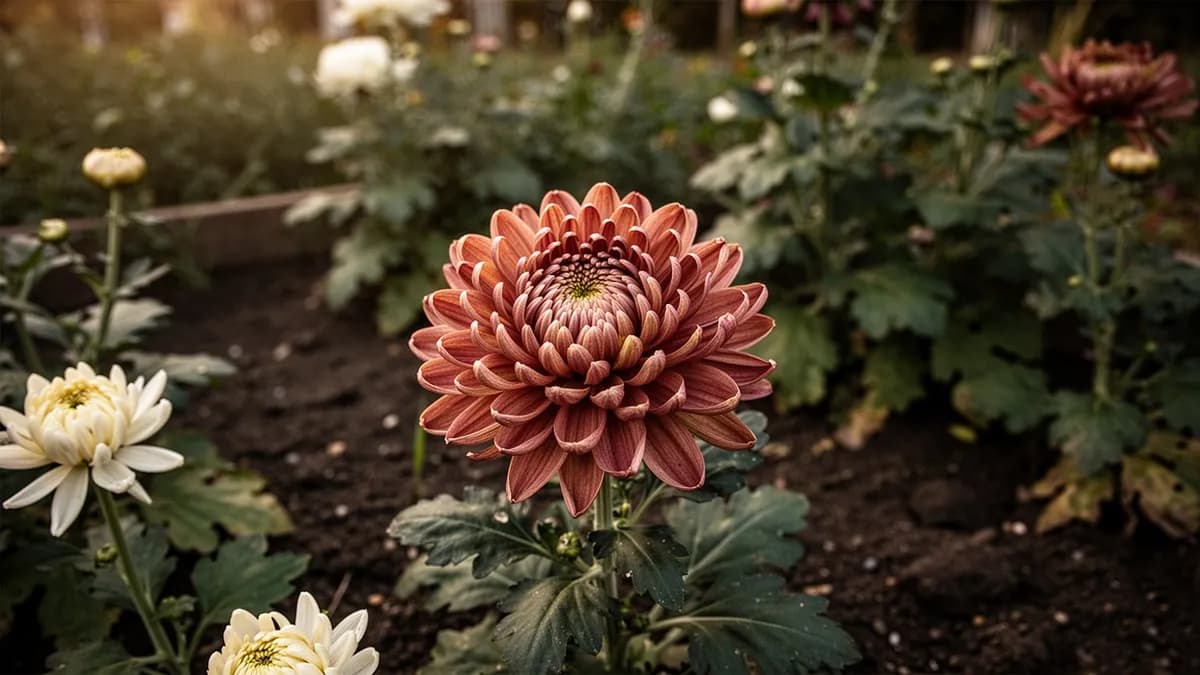
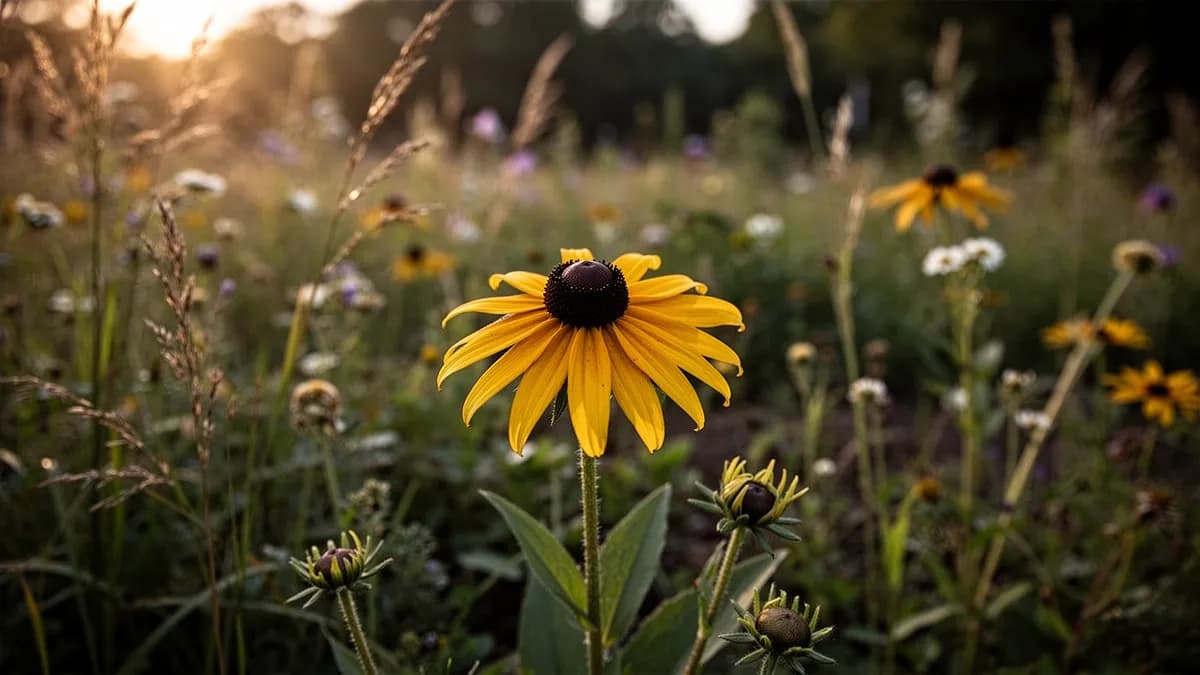
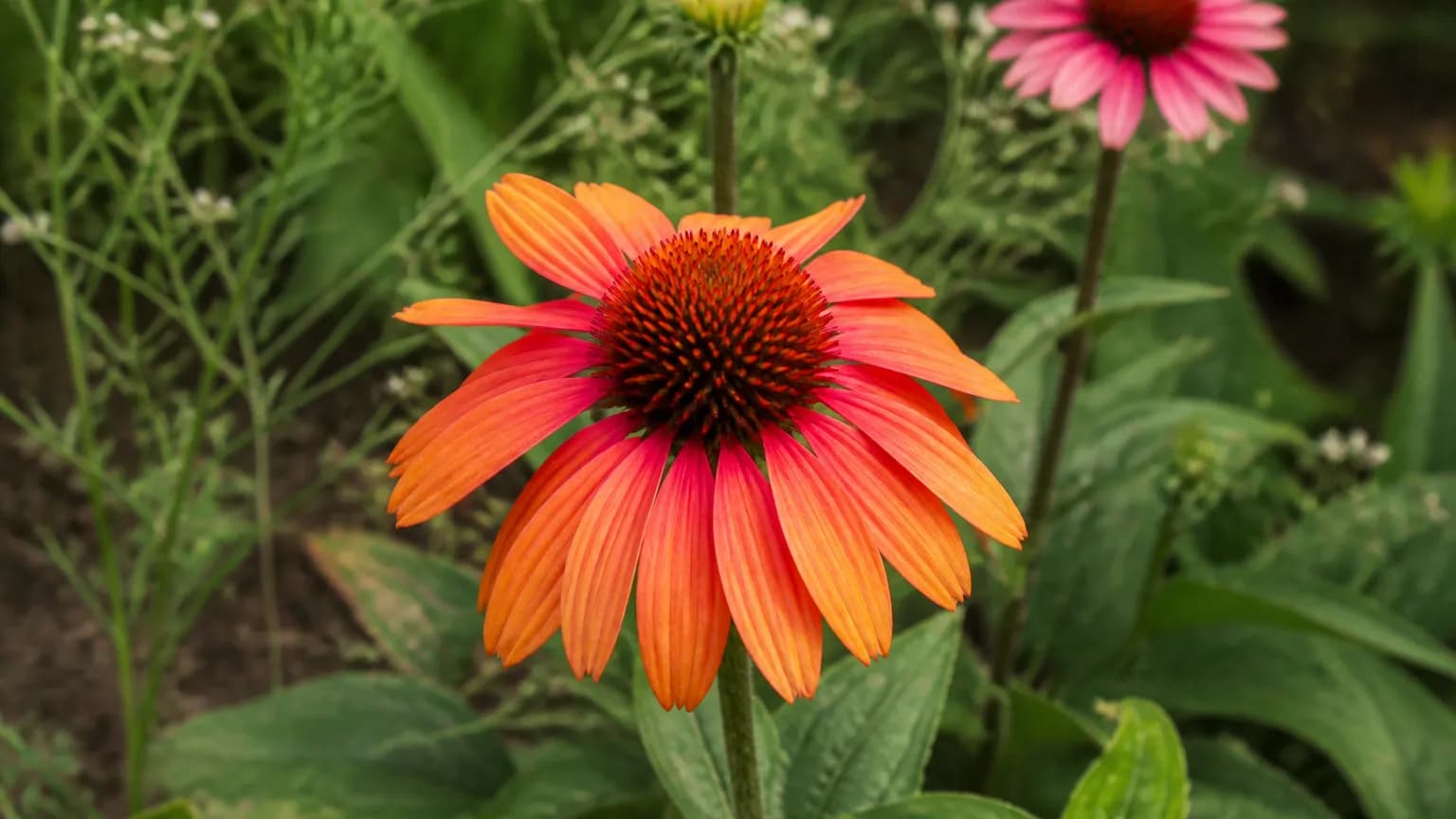
Asters are outstanding companions for other late-season perennials such as goldenrod, Japanese anemone, and ornamental grasses in naturalistic fall compositions. They combine beautifully with coneflowers and black-eyed Susans for an extended prairie-style display. Plant shorter aster varieties in front of taller sedums and chrysanthemums for layered autumn color. Their abundant nectar supports migrating butterflies and native bees preparing for winter.
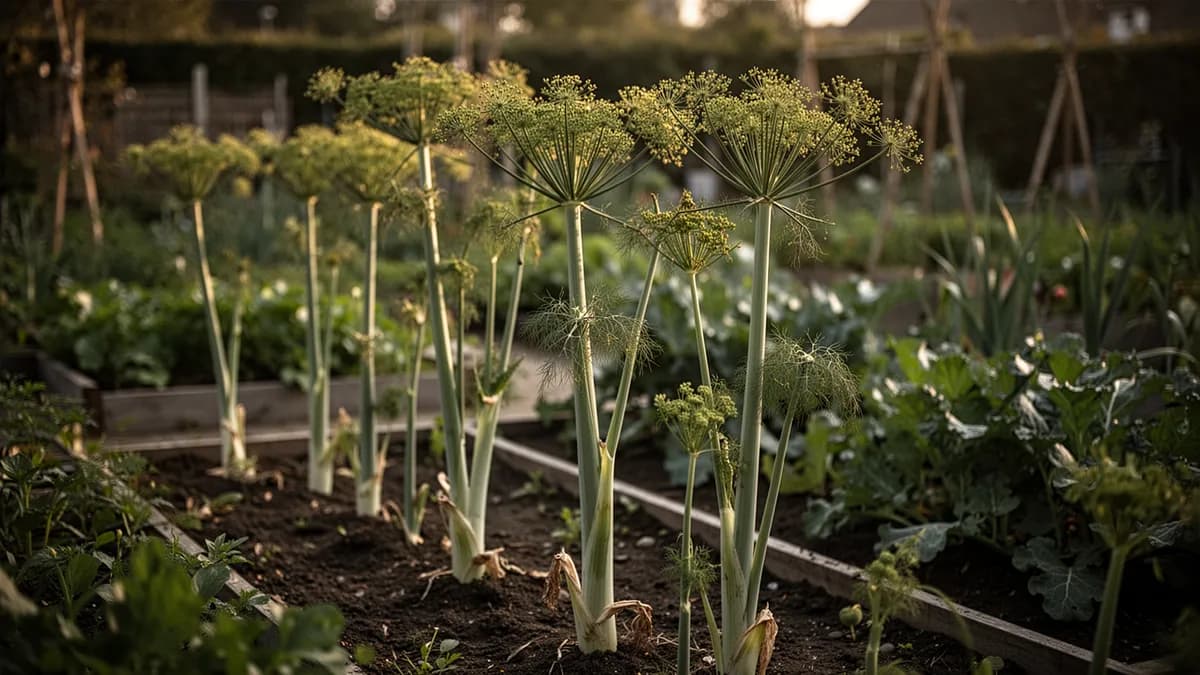
Chrysanthemum belongs beside it. Fennel doesn't.
Old growers' knowledge, checked against Aster's real companion table below — test any plant you're growing.
Try Aster in a bed — right here
A real planner bed with Aster already in it. Tap a companion to place it and watch the pairing checks answer — green for good neighbours, red for a clash.


Related growing guides
Feed it well
Asters perform best in moderately fertile, well-drained soil with a slightly acidic pH of 5.8 to 6.5. They tolerate a range of soil types but struggle in heavy, waterlogged clay. Amend planting areas with compost to improve structure and drainage. Apply a balanced slow-release fertilizer in early spring as new growth emerges. Avoid heavy nitrogen feeding which promotes excessive foliage and floppy stems at the expense of flowers.
Ideal Temperature
Hardiness Zone Compatibility
From seed to harvest, stage by stage
Seed Germination
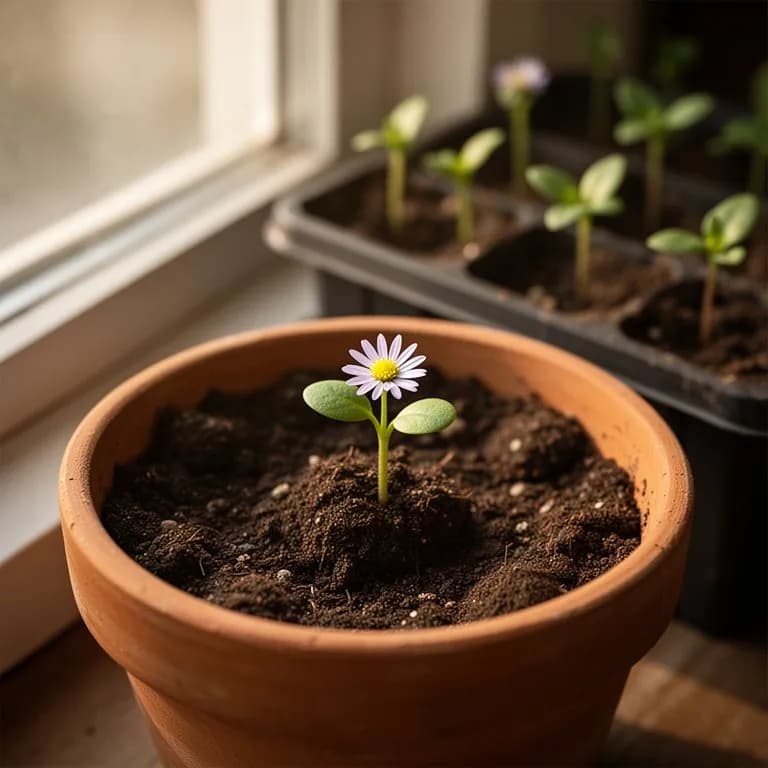
Aster seeds require cold stratification for 4-6 weeks before sowing, or can be direct-sown in late fall for natural winter stratification. Seeds are very small and need light to germinate, so they should be pressed onto the soil surface without covering. Germination is often slow and irregular, typically taking 14-21 days at 18-22°C (65-72°F).
Seedling Development
Small seedlings emerge with rounded cotyledons followed by narrow, lance-shaped true leaves. Growth is slow at first as the plant focuses on establishing a fibrous root system. Seedlings are relatively hardy compared to many other perennial starts but remain vulnerable to damping off in overly wet conditions.
Vegetative Growth
The plant enters a vigorous growth phase, producing dense, bushy foliage with increasingly larger leaves along sturdy stems. Many aster species develop into mounded or upright clumps during this period. Root development accelerates and the plant begins sending out lateral shoots that contribute to its characteristic full habit.
Bud Formation
As day length shortens in late summer, asters are triggered to form flower buds. Small, tightly packed buds appear at stem tips and along lateral branches. The plant redirects energy from vegetative growth to reproductive development. This photoperiod-sensitive stage is critical for timing the spectacular autumn display.
Full Bloom
The main flowering period occurs from late August through October, when the plant becomes covered with daisy-like composite flowers. Each flower head consists of ray florets around the edges and disc florets in the center. Blooms attract a wide array of pollinators including bees, butterflies, and beneficial insects during a time when few other plants are flowering.
Seed Set and Dormancy
After flowering, spent blooms develop small, fluffy seed heads similar to miniature dandelion puffs. Seeds disperse on the wind via fine pappus hairs. As temperatures drop, above-ground foliage dies back to the crown. The root system remains alive underground, storing energy for the following spring's regrowth cycle.
Sow seeds on the surface of moist seed-starting mix and press gently without covering. Keep the soil consistently moist with a misting bottle. If starting indoors, provide 14-16 hours of light daily. Be patient as germination can be erratic with asters.
Caring for Aster month by month
What to do each month for your Aster
October
You are hereContinue deadheading to extend blooming into mid-autumn. Take note of which varieties performed best and where they were planted. Begin reducing watering as temperatures cool and growth slows.
Know exactly what to do in your garden — every month
One email at the start of each month: what to sow, plant, and tackle right now — for your Aster and everything growing around it. Plus a short starter course that helps you dodge the classic mistakes.
- What to do, right now
- Matched to your season
- Starter course included
Harvesting Aster
Cut aster stems for bouquets when about half the flowers on a spray are open. Cut in the early morning and place immediately in warm water with floral preservative. For seed collecting, allow flower heads to dry on the plant until the fluffy seed heads are fully mature and beginning to disperse. Clip the heads into a paper bag and shake to release seeds. Deadhead throughout the season to extend bloom time, or leave the last flush of fall flowers standing for winter bird food and garden interest.
assuming you plant when the window opens — set your real date
Pick Aster promptly and the plant keeps producing.
Storage & Preservation
Fresh-cut asters last five to eight days in a vase with clean water and floral preservative. Recut stems at an angle every two days and remove foliage below the waterline. To dry asters, cut when fully open and hang upside down in a warm, dark, ventilated space for two to three weeks. Dried asters work well in everlasting arrangements though the petals may shrink slightly. Seeds can be stored in paper envelopes in a cool, dry place for up to two years.
What goes wrong — and the fix
Powdery Mildew
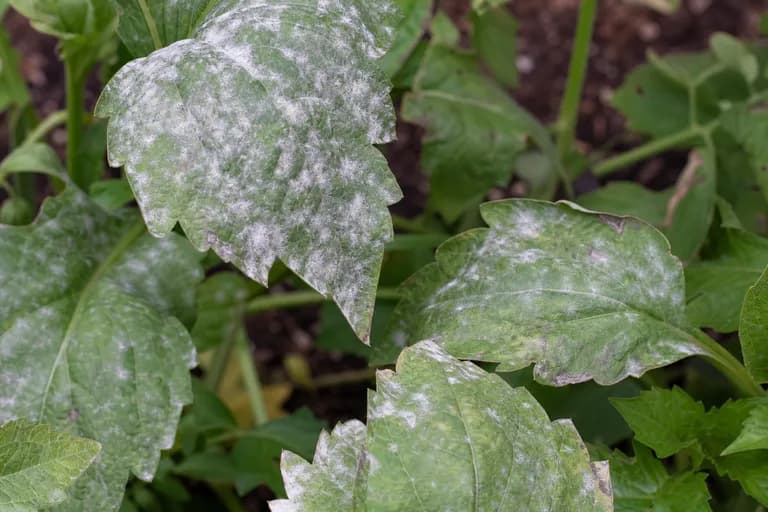
DiseaseWhite powdery coating on leaves, starting from the lower foliage and progressing upward. Leaves may yellow, curl, and drop prematurely, weakening the plant and reducing flowering.
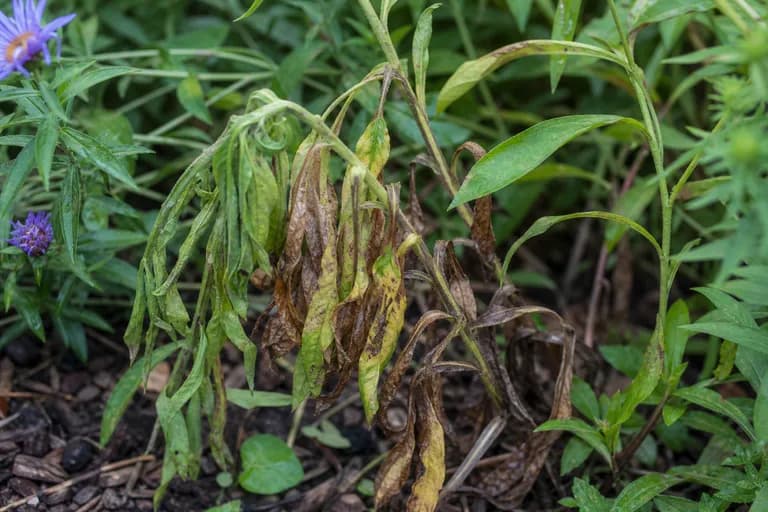
Aster Wilt (Fusarium)
DiseasePlants wilt on one side or entirely despite adequate moisture. Lower leaves yellow and brown, and stems may show dark streaking when split open.
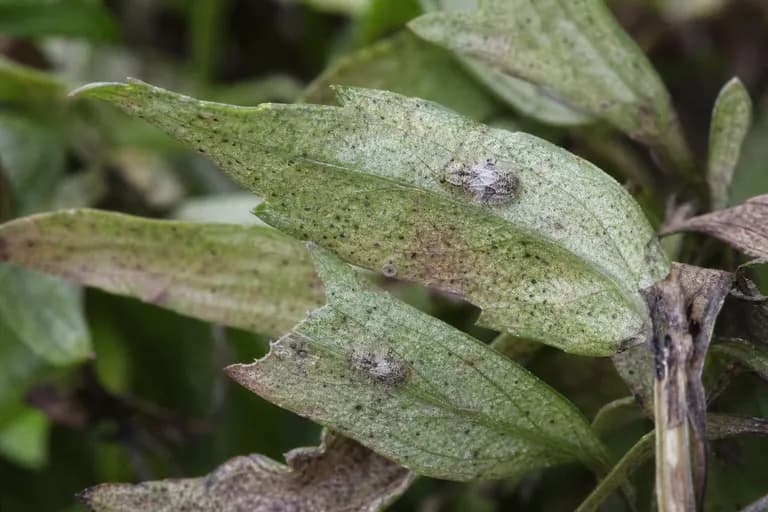
Lace Bugs
PestStippled, bleached-looking leaves with tiny dark spots of excrement on the undersides. Severe infestations cause bronzed, papery foliage and reduced vigor.
Troubleshooting Common Problems
Powdery mildew is the most widespread problem with asters, especially in humid climates with poor air circulation. Choosing resistant varieties is the single most effective prevention. Tall varieties often flop in mid to late summer without the early-season pinch-back technique or staking. Older clumps develop bare, woody centers and need division every three to four years. Aster yellows, a phytoplasma disease spread by leafhoppers, causes distorted green flowers and has no cure, so affected plants must be removed.
Growing Tips
- Pinch aster stems back by one-third in late May and again in mid-June to create compact, bushy plants that resist flopping and produce more flower heads per stem.
- Divide established aster clumps every 2-3 years in early spring by lifting the entire root mass, discarding the woody center, and replanting the vigorous outer sections.
- Plant asters in full sun with at least 6 hours of direct sunlight daily for the strongest stems and most abundant flowering; partial shade leads to legginess and fewer blooms.
- Improve air circulation around aster plants by spacing them 30-60 cm apart and thinning crowded stems in spring to reduce the risk of powdery mildew, which is the most common aster disease.
- Water asters at the base using drip irrigation or a soaker hose rather than overhead sprinklers, as wet foliage dramatically increases susceptibility to fungal diseases.
- Apply a 5-8 cm layer of organic mulch such as shredded bark or leaf mold around aster plants to retain soil moisture, suppress weeds, and maintain cool root temperatures during summer heat.
- Choose mildew-resistant cultivars such as Symphyotrichum novae-angliae 'Purple Dome' or 'Alma Potschke' if powdery mildew has been a recurring problem in your garden.
- Plant asters alongside ornamental grasses, goldenrod, and sedums for a naturalistic autumn border that requires minimal maintenance and provides multi-season visual interest.
- Avoid heavy nitrogen fertilization after mid-summer, as excessive nitrogen promotes soft, floppy growth at the expense of flower production and disease resistance.
- Leave aster stems standing through winter to protect the crown from freeze-thaw cycles and provide habitat for overwintering beneficial insects; cut back to ground level in early March.
Grow your best Aster yet — and everything around it.
Start a free plan today. Lay out your beds, drop in your Aster, and let PlotMyGarden handle the timing, spacing, companions and reminders from seed to harvest basket.
Pick your Aster
Purple Dome
A compact, mildew-resistant New England aster reaching just eighteen inches tall, covered in vibrant purple flowers in early fall.
Alma Potschke
A tall New England aster reaching four feet with vivid salmon-pink flowers, outstanding for back-of-border plantings.
Wood's Pink
A compact, mildew-resistant variety growing twelve to eighteen inches tall with clear pink flowers, ideal for edging and containers.
October Skies
An aromatic aster with sky-blue flowers on a dense eighteen-inch mound, one of the most disease-resistant selections available.
Harrington's Pink
A tall, graceful New England aster with soft pink flowers that blooms later than most, extending the season into late October.
A single aster plant purchased for $4-8 will spread into a substantial clump within 2-3 years and can be divided into 4-6 new plants every 3 years. This means one initial investment can yield 20 or more plants over a 6-year period, providing extensive late-season garden color at a fraction of the cost of purchasing annual bedding plants each year. Asters also self-seed freely, producing volunteer seedlings that can fill gaps in borders at no additional cost.
Quick recipes
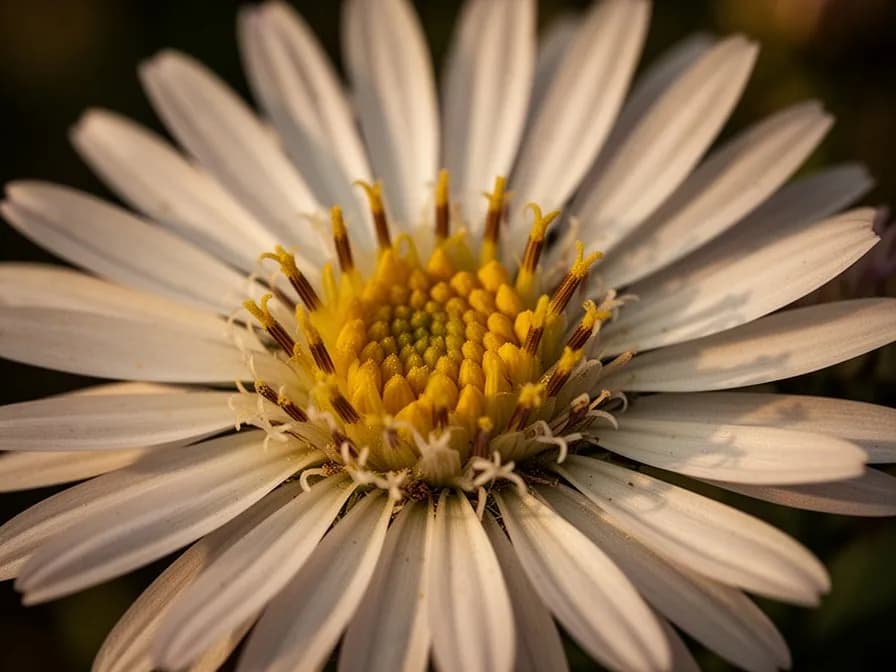
Aster Flower Herbal Tea
10 minutesA soothing floral tea made from dried aster blossoms, lightly sweetened with honey. This traditional herbal preparation has been enjoyed for centuries in Chinese and Native American traditions for its calming properties and delicate floral flavor.
5 ingredientsAutumn Aster Petal Salad
15 minutesA vibrant fall salad featuring fresh aster petals scattered over mixed greens with roasted pumpkin seeds, dried cranberries, and a light apple cider vinaigrette. The colorful petals add visual appeal and a mild, slightly peppery flavor to this seasonal dish.
8 ingredientsCandied Aster Blossoms
30 minutes plus drying timeDelicate crystallized aster flowers preserved with egg white and fine sugar, perfect for decorating cakes, cupcakes, and other desserts. These edible decorations capture the beauty of the autumn garden and can be stored for several weeks in an airtight container.
5 ingredientsWhat's inside
Health Benefits
- Aster root (Zi Wan) has been used in traditional Chinese medicine for over 2,000 years to soothe respiratory ailments, relieve coughs, and help clear phlegm from the lungs.
- The flavonoids quercetin and kaempferol found in aster flowers possess documented antioxidant properties that may help protect cells from oxidative stress and free radical damage.
- Native American herbalists used aster root decoctions as a fever-reducing remedy, and modern phytochemical analysis has identified anti-inflammatory compounds supporting this traditional use.
- Aster flower tea is used in folk medicine traditions as a mild digestive aid, helping to soothe stomach discomfort and reduce bloating after meals.
- Growing asters in home gardens supports mental well-being through horticultural therapy, and their late-season blooms help combat seasonal mood changes during autumn.
- Aster plantings attract diverse pollinator populations to gardens, contributing to a healthier local ecosystem and supporting beneficial insects that aid in controlling garden pests naturally.
Where Aster comes from
Asters have a rich and ancient history spanning continents and cultures. The genus Aster once encompassed over 600 species distributed across North America, Europe, and Asia, though modern taxonomy has reorganized most North American species into the genus Symphyotrichum and related genera. Despite these reclassifications, the common name aster remains universally recognized among gardeners worldwide.
The earliest cultivation of asters dates back to ancient Greece and Rome, where the flowers were associated with the gods and placed on altars as offerings. Greek mythology held that asters sprang from the tears of the goddess Astraea as she wept over the lack of stars on Earth. The Romans burned aster leaves, believing the smoke would ward off evil serpents.
In China, aster cultivation has been documented since the Han Dynasty around 200 BCE, where the flowers were valued both ornamentally and in traditional herbal medicine. Chinese asters (Callistephus chinensis) became popular in European gardens after seeds were sent to Paris by a Jesuit missionary in the early 1700s.
North American native asters played important roles in Indigenous cultures. The Ojibwe used aster smoke to attract deer during hunts, while various tribes prepared root decoctions for medicinal purposes. European settlers quickly adopted native asters into their cottage gardens, appreciating their hardiness and late-season color.
The modern garden aster boom began in the nineteenth century when English plant breeders developed compact, heavily flowering cultivars from species collected during botanical expeditions. Ernest Ballard of Colwall, England, became one of the most influential aster breeders in the early 1900s, producing many named varieties of Michaelmas daisies that remain popular today. His work established asters as essential components of the classic herbaceous border.
Aster: did you know?
Fascinating facts about Aster
The name 'aster' comes from the Greek word for 'star,' referring to the star-shaped arrangement of ray florets around the central disc of each flower head.
Aster questions, answered
When should I plant Aster?
What are good companion plants for Aster?
What hardiness zones can Aster grow in?
How much sun does Aster need?
How far apart should I space Aster?
What pests and diseases affect Aster?
How do I store Aster after harvest?
What are the best Aster varieties to grow?
What soil does Aster need?
Why are my asters getting powdery mildew every year?
When is the best time to divide aster plants?
How do I keep tall asters from falling over and flopping?
Are asters safe for pets and children?
Can I grow asters in containers on a balcony or patio?
Do asters come back every year or do I need to replant them?
You just read the theory. Now grow it on autopilot.
Everything that makes Aster fiddly — the timing, the spacing, the companions, the harvest window — is exactly what PlotMyGarden handles for you, for every plant in your garden.
A plan that knows your weather
Set your location once. Get sow, feed and harvest dates built around your real last-frost date and live forecast — no more guessing from a generic seed packet.
From the “When to plant” sectionDrag-and-drop bed planner
Design beds on a grid. Every plant snaps to its proper spacing, and you can see your whole season laid out before you spend a cent on seed.
From the “Growing guide” sectionCompanion conflicts, caught early
200+ good-and-bad pairings checked live as you plant — so a season-wrecking mistake never makes it into the ground.
From the “Companions” sectionReminders you'll actually act on
“Water the beans.” “Pick today before it turns.” Timely, specific, and tied to the plants you're really growing.
From the “Harvest” sectionSuccession, scheduled
Want a harvest for six weeks, not six days? It spaces your sowings automatically and reminds you when each new block is due.
From the “When to plant” sectionA record that gets smarter
Every harvest you log teaches it your garden. Next year's plan starts from what actually worked in your soil, not a textbook's.
From the “Overview” sectionPlant these alongside Aster
More Perennials
Keep Aster away from these
Garden plans featuring Aster
Grow your best Aster yet — and everything around it.
Start a free plan today. Lay out your beds, drop in your Aster, and let PlotMyGarden handle the timing, spacing, companions and reminders from seed to harvest basket.