Coneflower
typical season: sow Mar – May · blooms Jul – Sep · set your climate
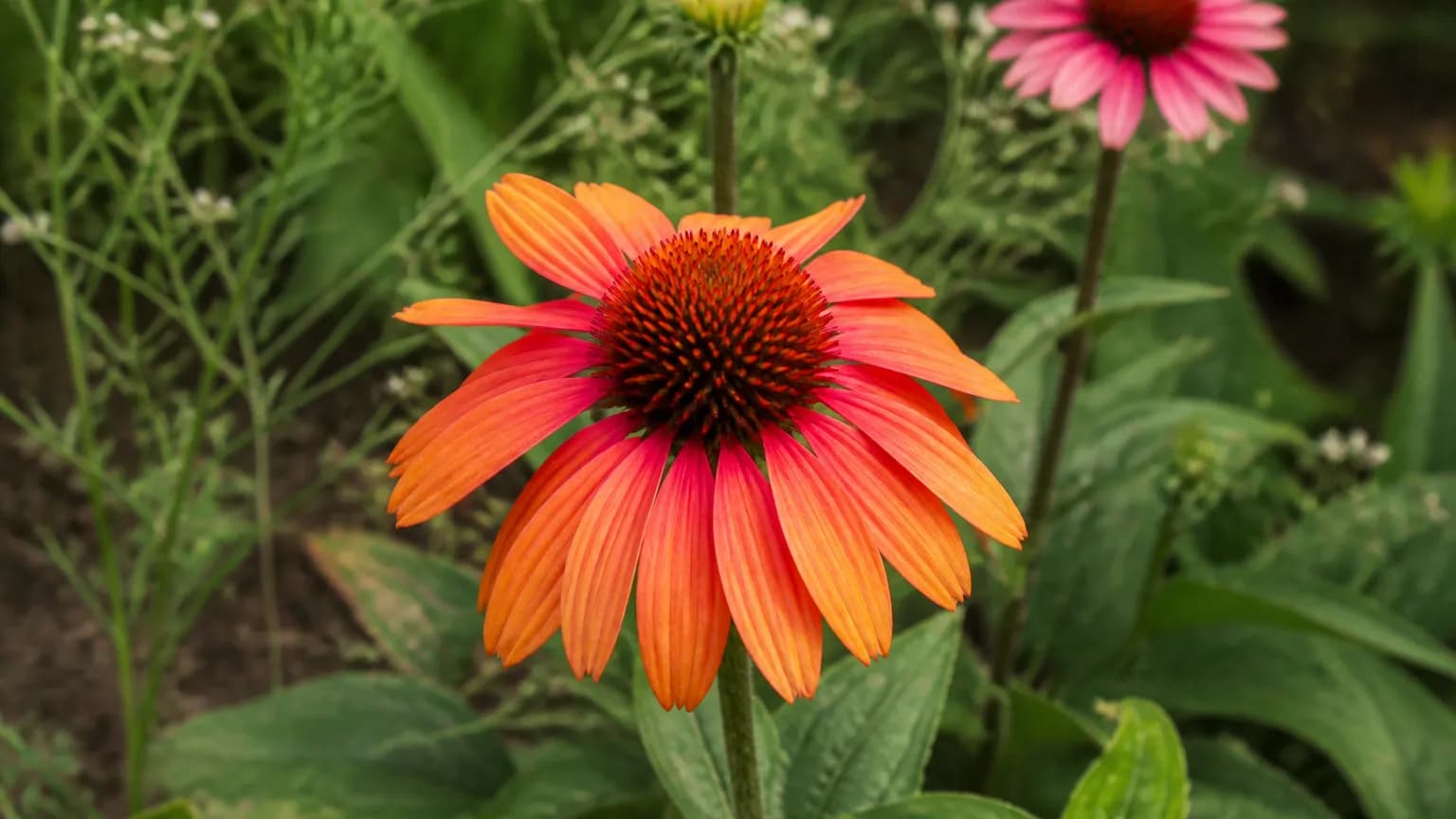
A tough native perennial with prominent cone-shaped centers, valued for both garden beauty and herbal medicinal uses.
On this pageOverview
Meet Coneflower
A tough native perennial with prominent cone-shaped centers, valued for both garden beauty and herbal medicinal uses. Coneflowers are extremely drought-tolerant and low-maintenance once established, requiring only well-drained soil and full sun to thrive. Deadhead spent blooms to extend flowering, or leave the distinctive seed cones standing in fall and winter to feed goldfinches and other songbirds. Divide clumps every four to five years in spring to rejuvenate plantings, and watch for aster yellows disease which causes distorted green flowers.
When to plant Coneflower
Coneflower seeds germinate best after a cold stratification period of thirty days in the refrigerator mixed with moist sand. Sow seeds indoors eight to ten weeks before the last frost, pressing lightly into the surface of moist seed-starting mix as light aids germination. Keep at 65 to 70 degrees Fahrenheit and expect sprouting in ten to twenty days. Transplant outdoors after the last frost. Seeds can also be sown directly outdoors in fall for natural stratification, with seedlings emerging the following spring.
Your Coneflower Year
Composed for Zone 7 · typical seasons · frost passes Apr 2, returns Nov 1
Plant Coneflower Mar – May, in bloom Jul – Sep. Check the planting methods below and set your climate to personalize these windows.
Coneflower in bloom this season? Its next window opens Mar 1
One email a few days before it opens where you garden and one two weeks before it closes — then one when the first blooms are due.
One email per milestone, never more than one a week. Unsubscribe with one tap. No account needed.
How to grow Coneflower
Plant coneflowers in spring or early fall in full sun with well-drained soil. They tolerate a wide range of soil types from sandy to clay, but consistent drainage is critical to avoid root rot. Space plants eighteen to twenty-four inches apart to allow for mature clump size. Water deeply at planting and keep soil consistently moist during the first growing season while roots establish.
Once established, coneflowers are remarkably drought-tolerant and need supplemental water only during extended dry spells. Apply a two-inch layer of mulch around plants to conserve moisture and suppress weeds, keeping mulch a few inches away from the crown. Feed lightly with compost or a balanced slow-release fertilizer in early spring. Avoid over-fertilizing, which leads to floppy stems and reduced flowering.
Deadhead the first flush of spent blooms by cutting stems back to a lateral bud to encourage a second wave of flowering. Leave the final round of seed heads standing through winter, as goldfinches and other birds feed on the seeds and the dark cones provide attractive winter garden structure. Divide congested clumps every four to five years in early spring by digging and separating the outer rosettes.
10 plants fit a 4 × 8 ft bed
Each Coneflower wants 45 cm of elbow room. The planner keeps that spacing for you — every plant, every bed.
Coneflower's best neighbours
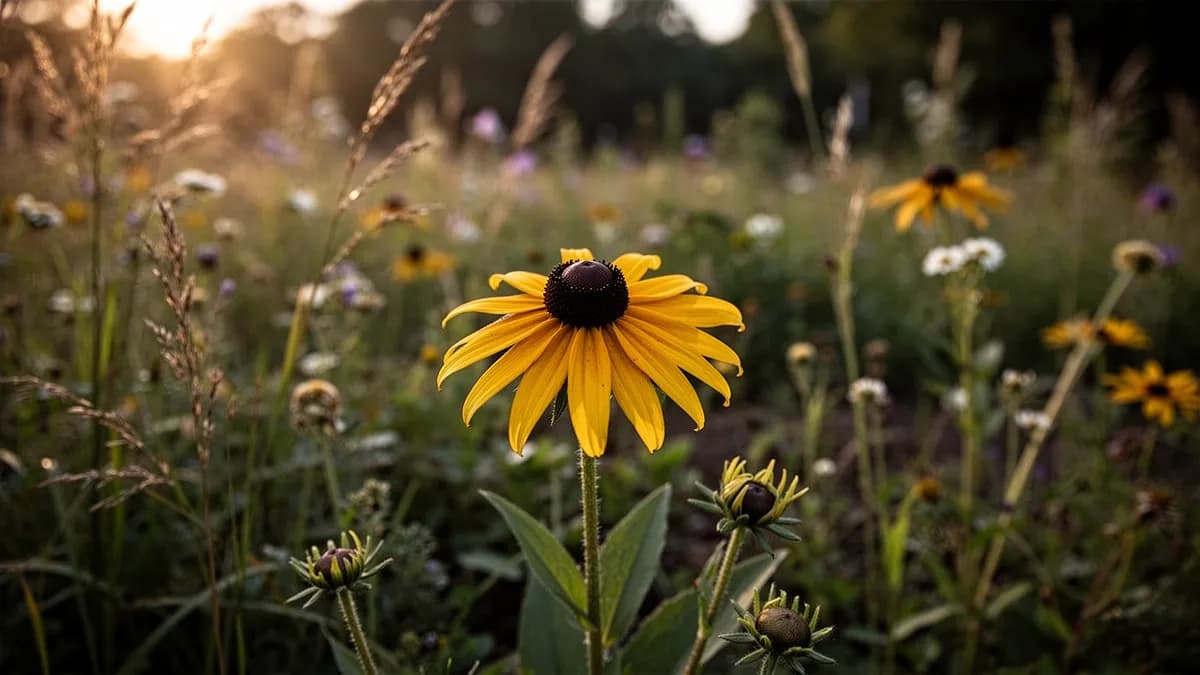
Coneflowers are quintessential prairie companions for black-eyed Susans, ornamental grasses like switchgrass and little bluestem, and other native perennials. They combine beautifully with Russian sage, butterfly weed, and bee balm for a pollinator-rich native garden. Plant shorter varieties in front of tall sedums and Joe Pye weed for layered late-summer color. Coneflowers attract butterflies, native bees, and beneficial predatory insects to the garden.
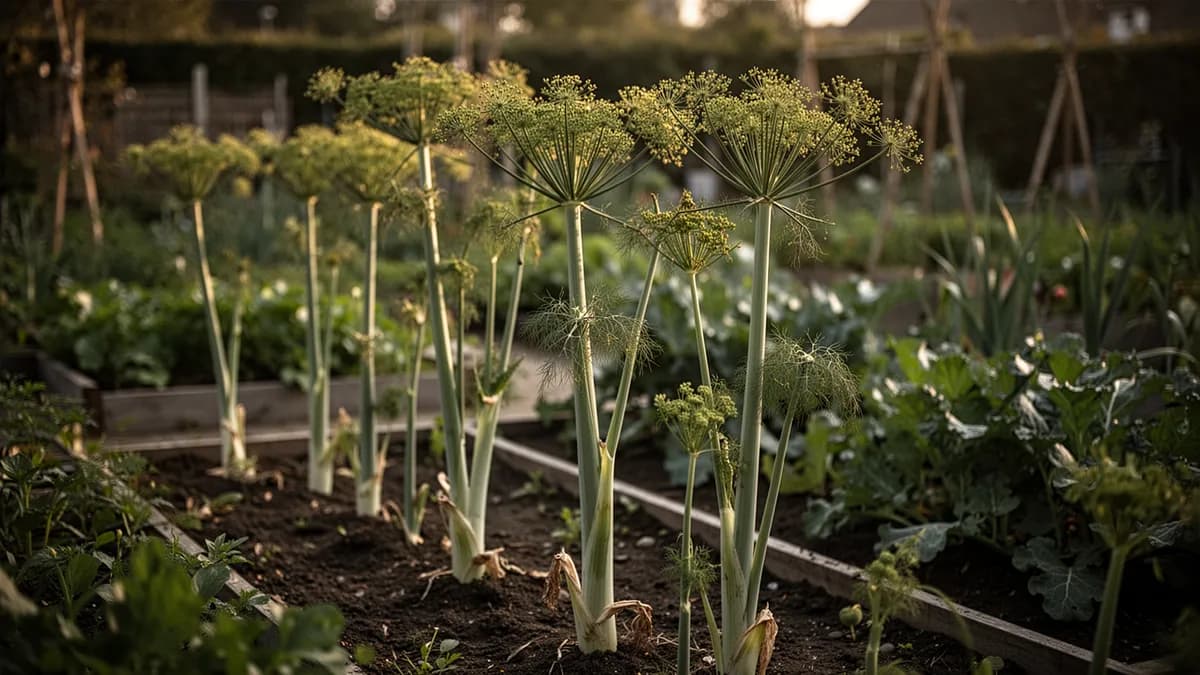
Black-eyed Susan belongs beside it. Fennel doesn't.
Old growers' knowledge, checked against Coneflower's real companion table below — test any plant you're growing.
Related growing guides
Feed it well
Coneflowers grow in a wide range of soil types from sandy to clay, as long as drainage is adequate. They prefer a slightly acidic to neutral pH of 6.0 to 7.0. Amend heavy clay soils with compost and coarse sand to improve drainage. Apply a light top-dressing of compost in early spring. A single application of balanced slow-release fertilizer at the start of the growing season is sufficient. Rich, highly amended soil can lead to floppy growth and susceptibility to crown rot.
Ideal Temperature
Hardiness Zone Compatibility
From seed to harvest, stage by stage
Seed Stratification and Sowing
Echinacea seeds have a hard coat and benefit from cold stratification for 4-6 weeks before sowing. After stratification, surface-sow seeds on moist seed-starting mix and press lightly into the surface. Seeds need light and consistent moisture to germinate and may take 10-21 days to sprout.
Germination and Seedling Emergence
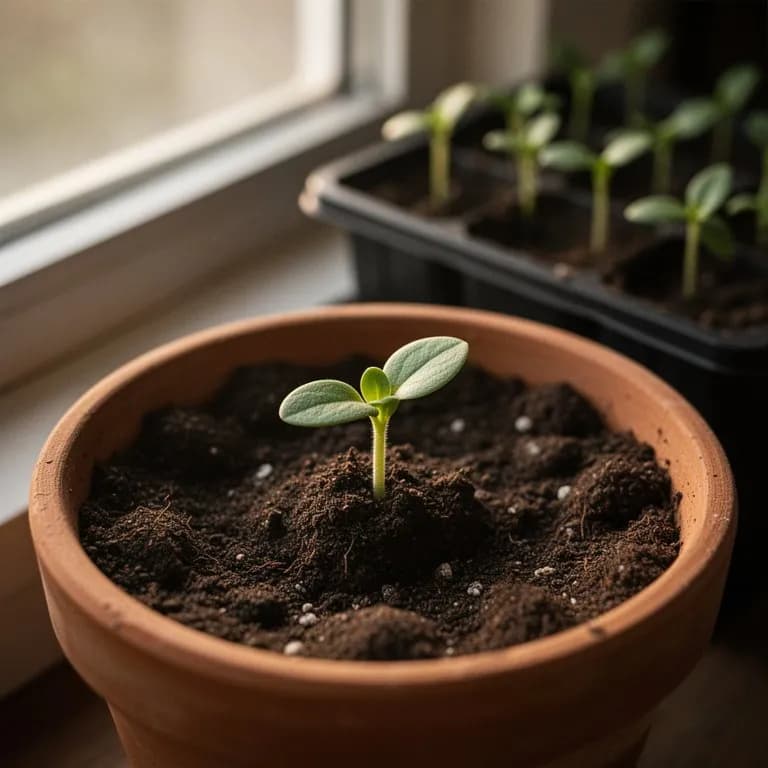
Seedlings emerge slowly with a pair of rounded cotyledon leaves followed by the first set of true leaves, which are oval with slightly toothed margins and a rough, hairy texture. Growth is modest during this stage as the plant focuses energy on establishing its root system.
Basal Rosette Formation
The young coneflower develops a low rosette of dark green, lance-shaped leaves with prominent veins and a rough texture. During this stage the plant is investing heavily in root development, building the deep taproot system that will sustain it for many years. First-year plants may not flower and instead focus entirely on vegetative growth.
Stem Elongation and Bud Formation
In the second year and beyond, sturdy upright stems emerge from the rosette, reaching 60-120 cm tall. The stems are coarse and hairy with alternating leaves that decrease in size toward the top. Flower buds appear as green, cone-shaped structures at the tips of branching stems, gradually swelling before opening.
Full Bloom
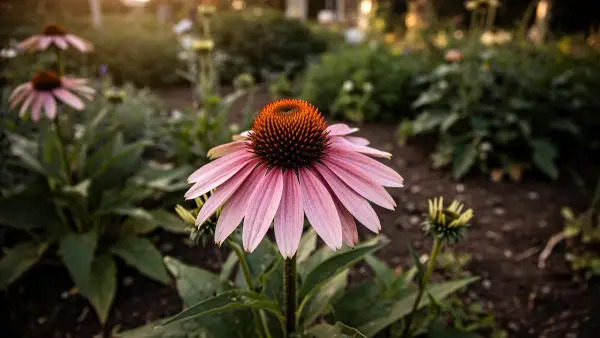
Flowers open with reflexed ray petals in shades of purple-pink surrounding a raised spiny central cone that starts green-bronze and matures to a rich copper-orange. Each flower lasts 2-3 weeks and new blooms continue to open over a period of 6-8 weeks from midsummer into early autumn. The flowers are highly attractive to bees, butterflies, and other pollinators.
Seed Maturation and Dormancy
After pollination, the petals dry and drop while the central cone darkens and hardens into a spiny seed head packed with small achene seeds. These seed heads persist through autumn and winter, providing food for goldfinches and other seed-eating birds. As temperatures drop, the foliage dies back to the ground and the plant enters dormancy, surviving winter via its deep, fleshy root system.
To cold-stratify, place seeds in a damp paper towel inside a sealed plastic bag in the refrigerator for 4-6 weeks before planting. This mimics the natural winter chill the seeds would experience outdoors and dramatically improves germination rates.
Caring for Coneflower month by month
What to do each month for your Coneflower
October
You are hereLeave seed heads standing for wildlife and winter garden interest. Clear fallen foliage from around the base of plants to reduce overwintering habitat for fungal pathogens. Apply a light winter mulch of straw or shredded leaves in colder climates after the ground freezes.
Harvesting Coneflower
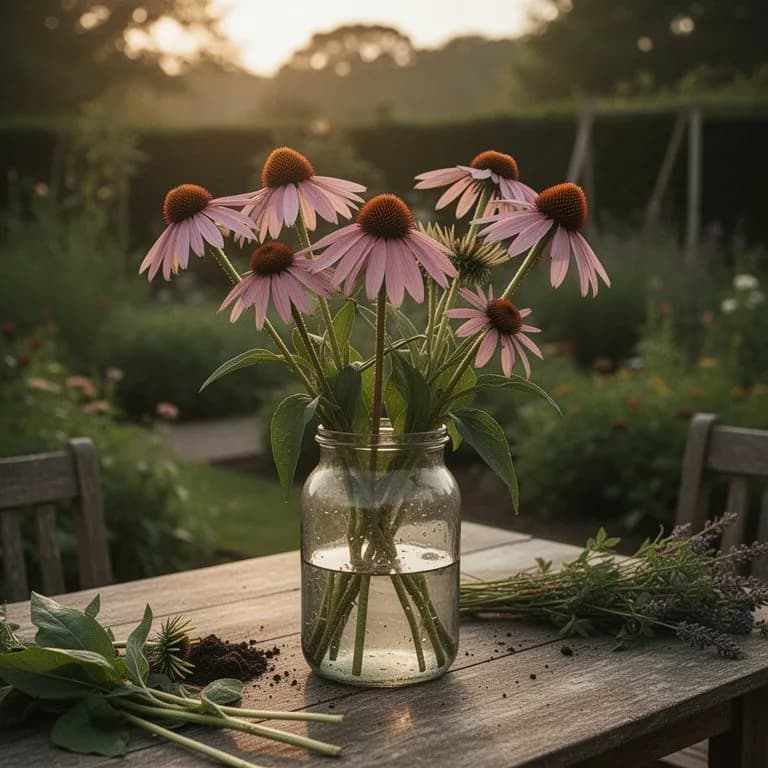
Cut coneflower stems for fresh arrangements when petals have just reflexed back from the central cone. Choose stems with blooms at various stages for the most natural-looking bouquets. For seed saving, leave seed heads on the plant until they are fully dry and the central cone has darkened to near-black. Break cones apart over a tray to extract the small, pointed seeds. Deadhead earlier blooms to encourage reblooming, then leave the final fall flush for the birds and winter interest.
assuming you plant when the window opens — set your real date
Deadhead Coneflower regularly and it keeps flowering.
Storage & Preservation
Fresh-cut coneflowers last seven to ten days in a vase with clean water and floral preservative. The sturdy stems and long-lasting blooms make them excellent cut flowers. For drying, cut stems when the cone is fully developed and petals are still fresh. Hang upside down in a warm, dark, well-ventilated area for two to three weeks. Dried coneflower cones are attractive in winter arrangements. Seeds remain viable for two to three years when stored in paper envelopes in a cool, dry location.
What goes wrong — and the fix
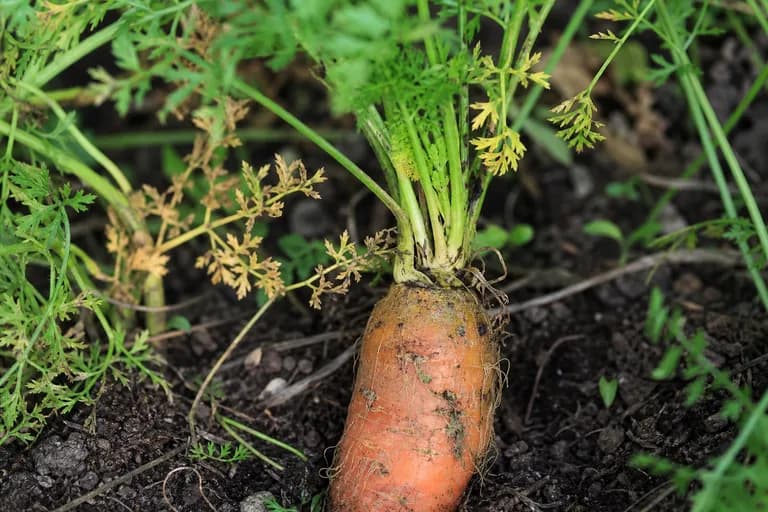
Aster Yellows
DiseaseFlowers develop bizarre green, leafy growths instead of normal petals. Leaves may yellow and plants become stunted with a witches-broom appearance. The disease is caused by a phytoplasma spread by leafhoppers.
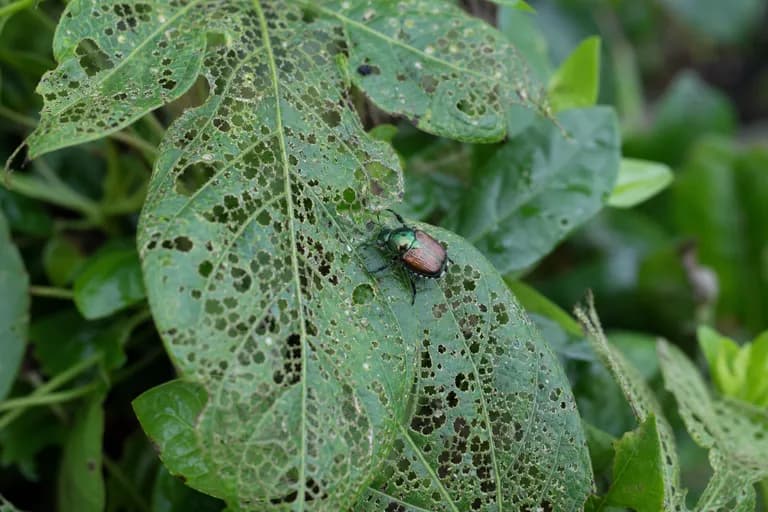
Japanese Beetles
PestSkeletonized leaves with only the vein network remaining, and ragged holes in flower petals. Metallic green and copper beetles feed in groups during daytime.
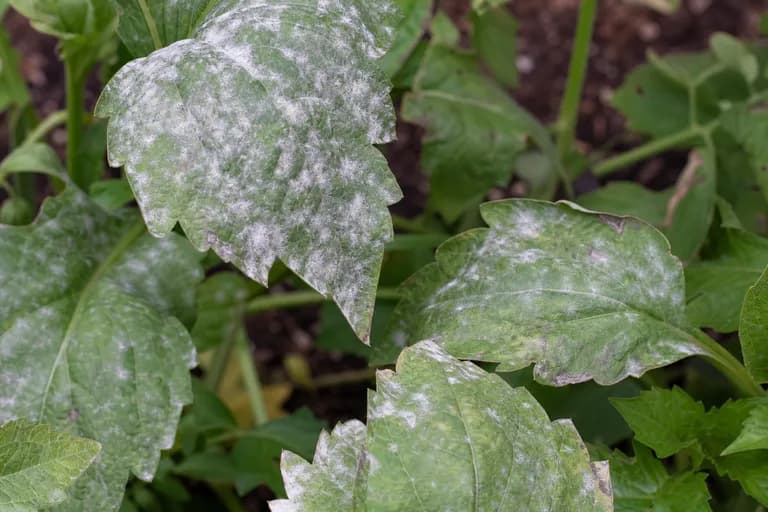
Powdery Mildew
DiseaseWhite or gray powdery coating on leaves, usually appearing in late summer during periods of warm days and cool nights with high humidity.
Troubleshooting Common Problems
Aster yellows is the most devastating disease, causing grotesque flower deformities with no available cure. Infected plants must be removed and destroyed. Crown rot occurs in heavy, poorly drained soils, especially in winter. Some newer hybrid varieties, particularly those in unusual colors like orange and yellow, tend to be short-lived and may decline after two to three years. Overwatering is more harmful than underwatering for established coneflowers.
Growing Tips
- Cold-stratify echinacea seeds for 4-6 weeks in the refrigerator before sowing to break dormancy and improve germination rates from around 30% to over 70%. Place seeds between moist paper towels in a sealed bag at 2-4°C.
- Choose a planting site with full sun and well-drained soil. Echinacea is native to prairies and thrives in lean, slightly alkaline soils. It will tolerate clay soil if drainage is adequate but rots quickly in waterlogged conditions.
- Space plants 45-60 cm apart to allow good air circulation, which helps prevent fungal diseases. Echinacea clumps expand slowly over the years and will fill in gaps naturally without becoming aggressively invasive.
- Water young transplants regularly during their first growing season to help establish deep roots. Once established, echinacea is remarkably drought-tolerant and rarely needs supplemental irrigation except during prolonged dry spells.
- Avoid high-nitrogen fertilizers, which cause floppy, weak stems and reduce the concentration of medicinal compounds in roots and flowers. A light topdressing of compost in early spring is all the feeding echinacea requires.
- Deadhead spent flowers throughout summer to extend the bloom period by several weeks. Cut stems back to just above a set of leaves rather than just removing the flower head, which encourages branching and additional buds.
- Wait at least three full growing seasons before harvesting roots for medicinal use. Younger roots have significantly lower concentrations of alkamides and cichoric acid compared to roots from mature plants.
- Divide crowded clumps every 3-4 years in early spring just as new growth emerges. Use a sharp spade to cut the root mass into sections, each with several growing points and a generous portion of root, and replant immediately.
- Leave seed heads standing through winter to provide food for goldfinches and other seed-eating birds, and to allow natural self-sowing. Cut back old stems in early spring when you see new basal leaves emerging from the crown.
- Watch for aster yellows, a phytoplasma disease spread by leafhoppers that causes distorted green flowers and stunted growth. There is no cure, so remove and destroy affected plants promptly to prevent the disease from spreading to healthy plants.
Pick your Coneflower
Magnus
The classic Echinacea purpurea selection with large rose-pink flowers on sturdy three-foot stems, winner of the Perennial Plant of the Year award.
White Swan
A reliable white-flowered coneflower with drooping petals and a prominent orange-bronze cone on two to three foot stems.
Cheyenne Spirit
An award-winning seed strain producing flowers in a remarkable range of colors including red, orange, yellow, purple, cream, and bicolors.
PowWow Wild Berry
Compact plants reaching two feet tall with vivid deep rose-purple flowers and excellent first-year flowering from seed.
Green Jewel
Unique green-petaled flowers with a large dark cone, adding an unusual color element to perennial borders and arrangements.
A packet of Echinacea purpurea seeds costs around $3-5 and yields 50-100 long-lived perennial plants that return year after year for decades without replanting. A single mature plant produces enough root material after three years to make several bottles of tincture worth $12-18 each at retail. With premium echinacea supplements and tinctures selling for $15-25 per bottle and echinacea tea boxes retailing at $5-8 for 16 bags, a small home planting of 5-10 plants can save $80-150 per year in supplement costs while providing a fresher, more potent product than most commercial offerings.
Quick recipes
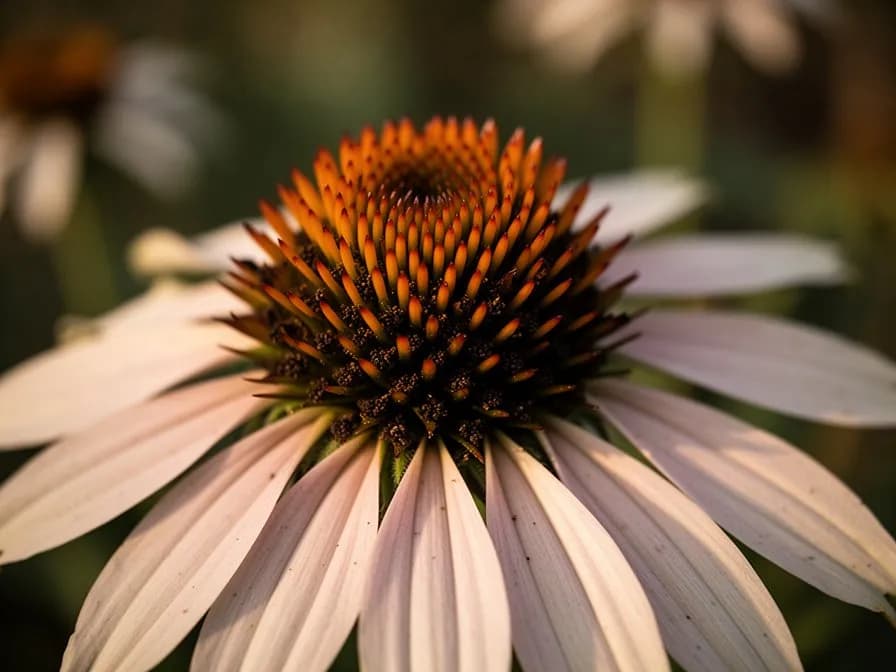
Fresh Echinacea Root and Flower Tea
15 minutesA robust immune-supporting tea brewed from freshly harvested echinacea root and flower heads. The root imparts an earthy, slightly peppery flavor with a mild tingling sensation, while the flower petals add a subtle floral note. Best consumed at the first sign of a cold or during winter months for daily immune support.
6 ingredientsEchinacea Root Tincture
20 minutes active, 6-8 weeks steepingA concentrated alcohol-based extract of echinacea root that preserves the immune-active alkamides and phenolic compounds for long-term use. A properly made tincture keeps for 3-5 years and provides a convenient way to take echinacea in small measured doses throughout cold and flu season.
6 ingredientsEchinacea Honey Throat Drops
30 minutesSoothing homemade throat lozenges combining the immune-boosting properties of echinacea with the antimicrobial benefits of raw honey and the cooling relief of peppermint. These drops are ideal for easing sore throats and supporting the immune system during cold season.
6 ingredientsWhat's inside
Health Benefits
- Supports immune system function by stimulating the activity of white blood cells including macrophages and natural killer cells, helping the body mount a faster response to respiratory infections.
- May reduce the duration and severity of common cold symptoms when taken at the first sign of illness, with several clinical meta-analyses showing a modest but consistent benefit over placebo.
- Contains potent anti-inflammatory compounds including alkamides and cichoric acid that can help reduce systemic inflammation and may ease symptoms of inflammatory conditions.
- Exhibits antioxidant activity through its rich content of phenolic acids and flavonoids, helping to neutralize free radicals and protect cells from oxidative stress damage.
- Has demonstrated antimicrobial properties in laboratory studies against a range of bacteria and viruses, supporting its traditional use as a natural infection-fighting remedy.
- May support wound healing when applied topically, as echinacea preparations have been shown to promote tissue regeneration and reduce inflammation at wound sites in clinical research.
Where Coneflower comes from
Echinacea, commonly known as coneflower, is a genus of nine species of herbaceous perennial plants in the daisy family (Asteraceae), all native exclusively to North America. The genus is centered on the tallgrass prairies, open woodlands, and dry rocky glades of the central and eastern United States and southern Canada. Archaeological and ethnobotanical evidence indicates that Native American peoples have used echinacea medicinally for at least 400 years, and likely far longer. The Cheyenne, Lakota, Pawnee, and Comanche nations relied on echinacea more extensively than any other medicinal plant, using root preparations to treat sore throats, toothaches, coughs, burns, insect bites, and even snakebites. The Lakota name for the plant translates roughly as 'it makes the mouth numb,' referring to the tingling sensation produced by alkamides in the root. European settlers learned of the plant's medicinal value from indigenous peoples in the late 18th century. By the 1880s, echinacea had become the cornerstone remedy of the Eclectic medical movement in the United States, championed by Dr. John King and later by the pharmaceutical firm Lloyd Brothers. It was widely prescribed for infections and immune support and was listed in the US National Formulary from 1916 to 1950. Interest waned with the advent of antibiotics, but a parallel tradition took root in Germany where physician Dr. Gerhard Madaus brought seeds back to Europe in the 1930s and began systematic cultivation and research. German phytomedicine embraced echinacea enthusiastically, and by the 1980s it had become one of the most researched and widely used herbal remedies in Europe. The herbal renaissance of the 1990s brought echinacea back into mainstream popularity in North America, where it consistently ranks among the top-selling herbal supplements to this day.
Coneflower: did you know?
Fascinating facts about Coneflower
The name Echinacea comes from the Greek word 'echinos' meaning hedgehog or sea urchin, referring to the spiny central cone of the flower that resembles the prickly animal.
Coneflower questions, answered
When should I plant Coneflower?
What are good companion plants for Coneflower?
What hardiness zones can Coneflower grow in?
How much sun does Coneflower need?
How far apart should I space Coneflower?
What pests and diseases affect Coneflower?
How do I store Coneflower after harvest?
What are the best Coneflower varieties to grow?
What soil does Coneflower need?
Which species of echinacea is best for medicinal use?
How long does it take for echinacea to bloom from seed?
When and how should I harvest echinacea roots?
Is echinacea safe to take every day as a supplement?
Why are my coneflowers producing green, distorted flowers?
Can I grow echinacea in containers on a balcony or patio?
Plant these alongside Coneflower
More Perennials
Keep Coneflower away from these
Garden plans featuring Coneflower
Grow your best Coneflower yet — and everything around it.
Start a free plan today. Lay out your beds, drop in your Coneflower, and let PlotMyGarden handle the timing, spacing, companions and reminders from seed to harvest basket.
