Crisantemo
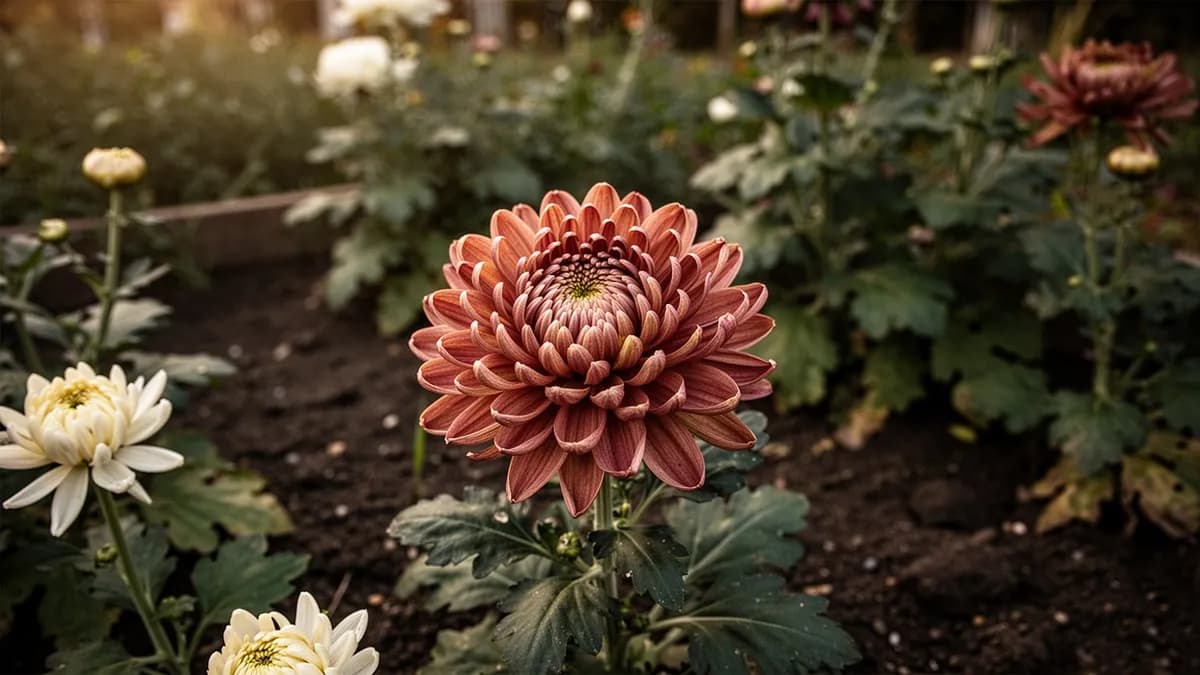
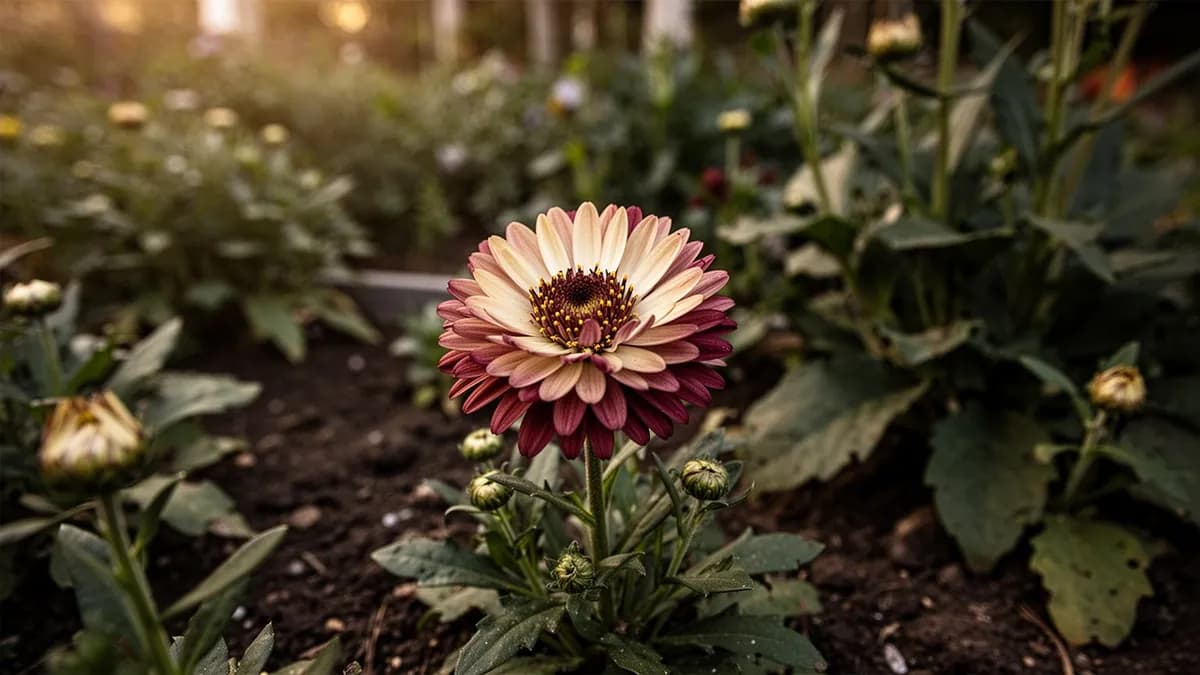
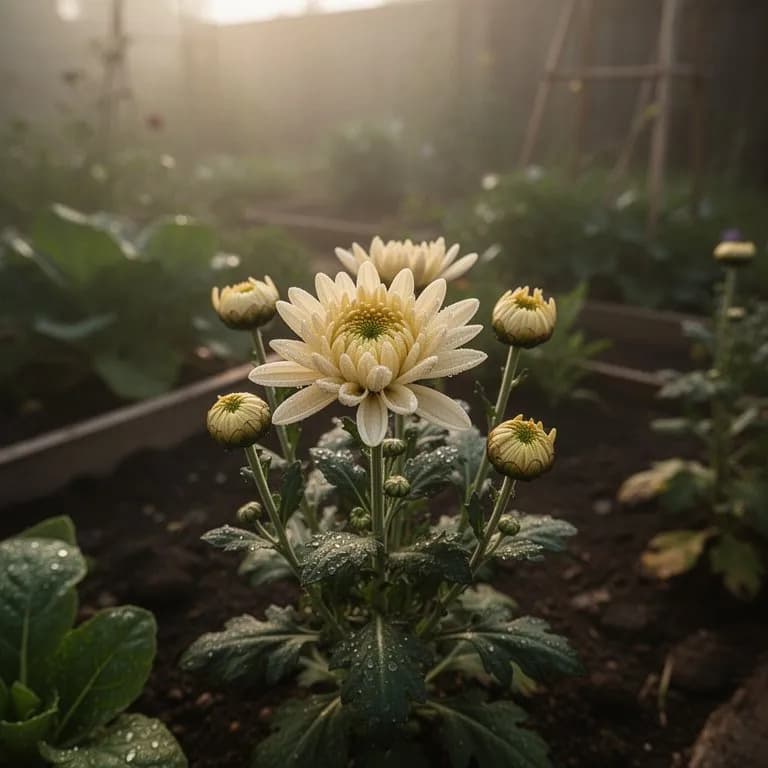
Una planta perenne de floración otoñal con flores parecidas a las margaritas y tonos cálidos que aporta color de final de temporada cuando otras flores ya se apagan.





En esta páginaResumen
Conoce Crisantemo
Una planta perenne de floración otoñal con flores parecidas a las margaritas y tonos cálidos que aporta color de final de temporada cuando otras flores ya se apagan. Pellizque los tallos a la mitad a comienzos del verano para favorecer un crecimiento más tupido y una floración más abundante en otoño. Los crisantemos de jardín son perennes resistentes cuando se plantan en primavera y se les da tiempo para enraizar antes del invierno, a diferencia de los crisantemos de floristería que se venden en otoño. Proporcione un suelo bien drenado y buena circulación de aire para prevenir enfermedades foliares, y divida las matas cada dos o tres años para mantener el vigor.
Cuándo plantar Crisantemo
Los crisantemos se propagan con mayor facilidad por división a comienzos de la primavera. Desentierre la mata, deseche el centro leñoso y replante las divisiones exteriores vigorosas dejando entre ellas 30 y 45 cm. Los esquejes de tallo tomados a finales de primavera enraízan con facilidad: corte puntas de unos 10 cm de brotes sanos, quite las hojas inferiores, sumerja en hormona de enraizamiento e insértelas en perlita húmeda. Los esquejes enraízan en tres o cuatro semanas con luz brillante indirecta. Las semillas pueden iniciarse en interior de ocho a diez semanas antes de la última helada, pero las variedades con nombre no se reproducen fielmente a partir de semilla.
Tu año de Crisantemo
Ajustado a Zona 7 · temporada típica · la helada se va hacia el 2 abr y vuelve hacia el 1 nov
Planta Crisantemo Abr – May y cosecha Sep – Nov. Consulta los métodos de plantación y elige tu clima para adaptar los periodos.
Cómo cultivar Crisantemo
Plante crisantemos en primavera, no en otoño, para dar a las raíces tiempo suficiente para establecerse antes del invierno. Elija un lugar a pleno sol con suelo bien drenado enriquecido con compost. Separe las plantas entre 45 y 60 cm y riegue a fondo al plantar. Los crisantemos de jardín plantados en primavera y pinzados durante la temporada son mucho más resistentes que los crisantemos de floristería comprados en otoño, que a menudo no tienen un sistema radicular suficiente para sobrevivir al invierno.
La clave para conseguir crisantemos frondosos y muy floríferos es el pinzado repetido. Empiece a pinzar cuando el nuevo crecimiento alcance unos 15 cm de altura, eliminando el centímetro superior de cada brote. Siga pinzando cada dos o tres semanas hasta mediados de julio en la mayoría de los climas, o hasta unos cien días antes de la fecha de floración deseada. Cada pinzado duplica el número de puntas de crecimiento y de futuros botones florales.
Riegue de forma constante durante toda la temporada de crecimiento, aportando aproximadamente 2.5 cm de agua por semana. Aplique un fertilizante líquido equilibrado cada dos semanas desde la plantación hasta julio y, después, cambie a una fórmula rica en fósforo para favorecer el desarrollo de los botones. Tras la primera helada fuerte, que mata el follaje, corte los tallos hasta unos 10 cm y aplique una capa gruesa de acolchado. En primavera, retire las partes centrales muertas y trasplante las secciones exteriores vigorosas para mantener las matas sanas y productivas.
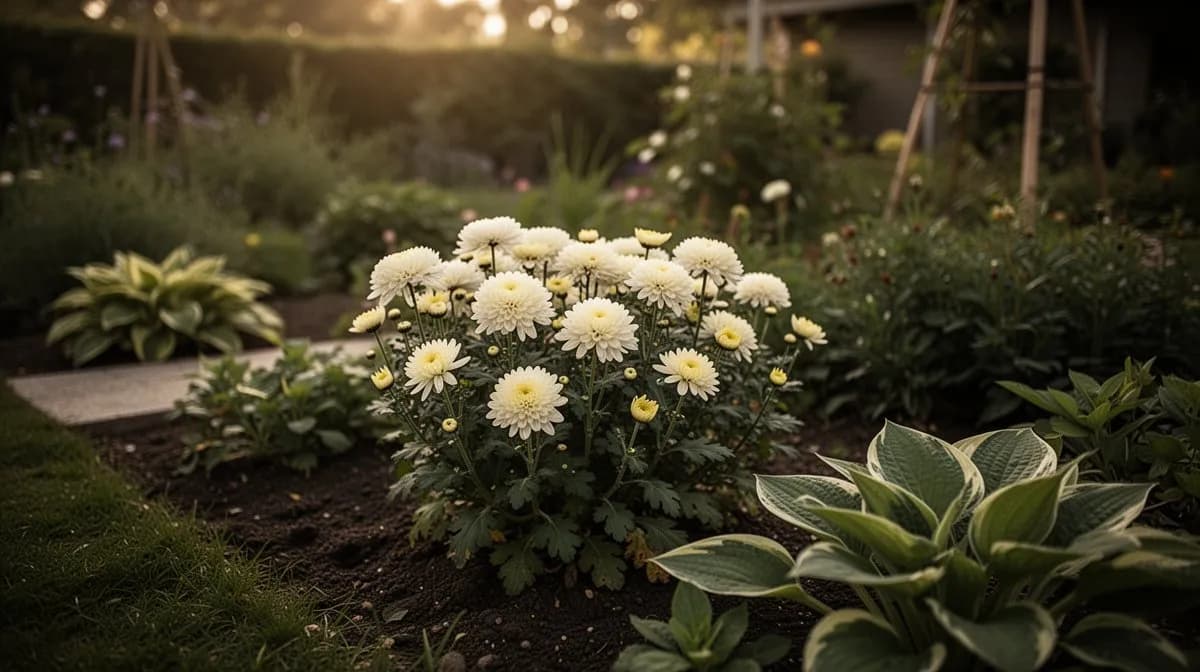
10 plantas caben en un bancal de 120 × 240 cm
Cada Crisantemo pide 45 cm de margen. El planificador guarda ese marco por ti — cada planta, cada bancal.
Los mejores vecinos de Crisantemo
Los crisantemos son excelentes compañeros para jardines de otoño cuando se plantan junto a ásteres, sedums y gramíneas ornamentales para crear una composición otoñal de varias texturas. Sus floraciones de final de temporada proporcionan néctar vital a las mariposas migratorias y a las abejas que aún buscan alimento. Los compuestos de piretrina presentes de forma natural en el follaje de crisantemo tienen propiedades repelentes de insectos, por lo que resultan útiles cerca de huertos. Combínelos con bulbos de floración primaveral para que el follaje del crisantemo oculte las hojas marchitas de los bulbos a comienzos del verano.
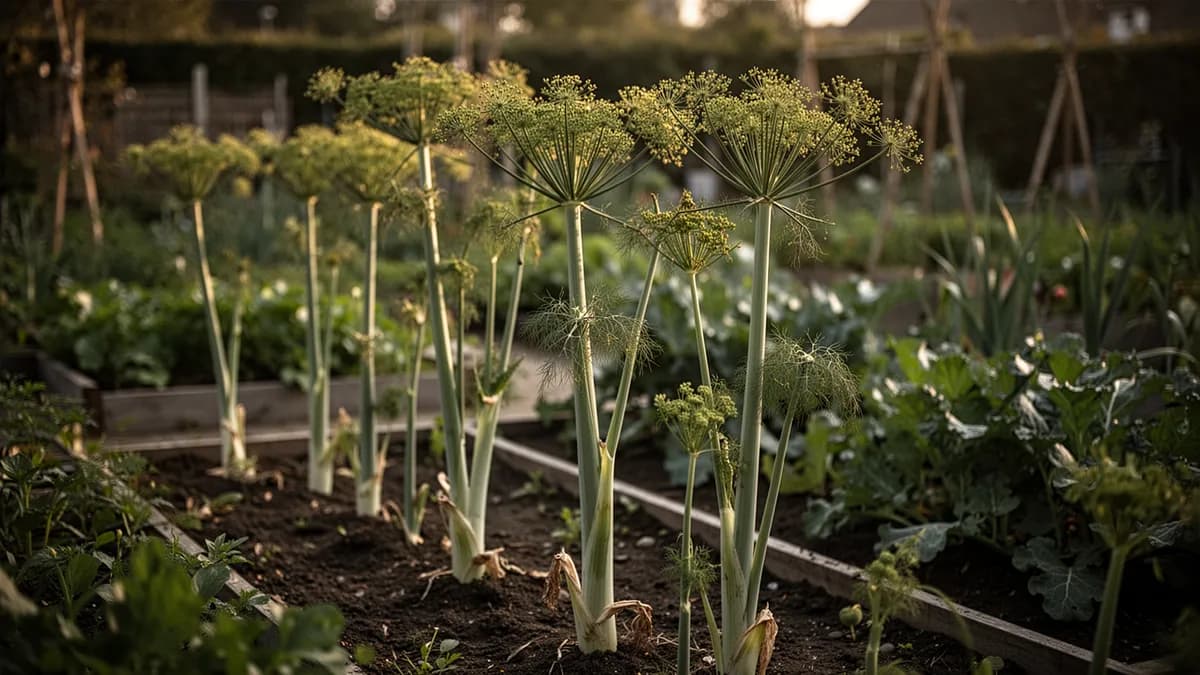
Tagete va a su lado. Hinojo no.
Saber de huerto de siempre, cotejado con la tabla real de Crisantemo — prueba cualquier planta que cultives.
Prueba Crisantemo en un bancal, aquí mismo
Un bancal real del planificador con Crisantemo ya plantado. Toca una planta compañera para colocarla y mira cómo responde la comprobación de vecinos: verde para buenos vecinos, rojo si hay conflicto.


Guías de cultivo relacionadas
Abónalo bien
Los crisantemos prefieren un suelo fértil y bien drenado, con un pH de 6.5 a 7.0. Un buen drenaje es fundamental, sobre todo en invierno, ya que las raíces encharcadas son la principal causa de mortalidad invernal. Enmiende los suelos pesados con compost y perlita para mejorar el drenaje. Abone con un fertilizante equilibrado cada dos semanas desde la primavera hasta julio y, después, cambie a una fórmula baja en nitrógeno y rica en potasio para endurecer el crecimiento de cara al invierno. Evite abonar después de agosto en climas fríos.
Temperatura ideal
Compatibilidad de zonas de rusticidad
De la semilla a la cosecha, etapa por etapa
Germinación de la semilla o establecimiento del esqueje
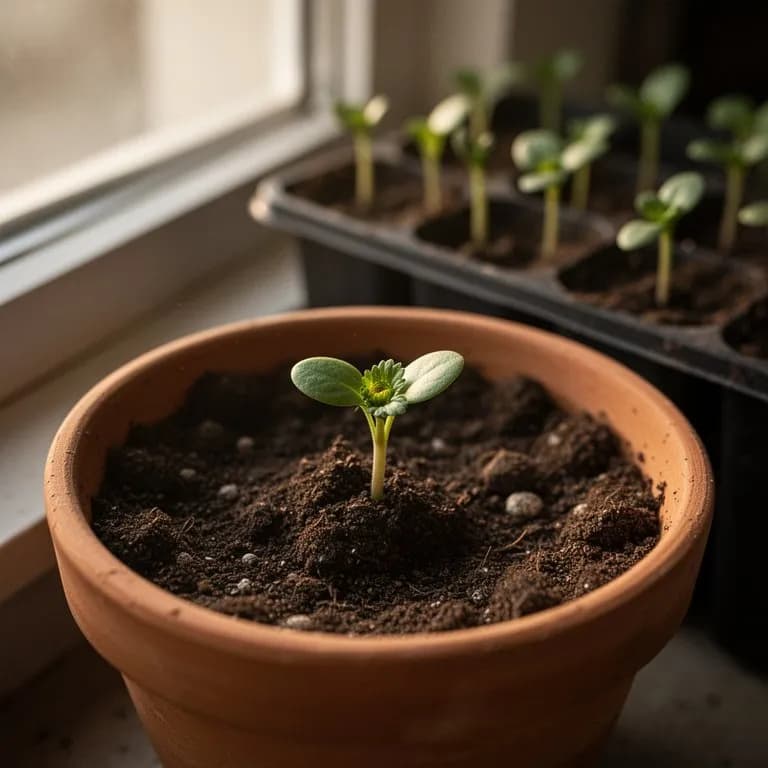
Las semillas de crisantemo se siembran en la superficie de un sustrato húmedo para semilleros y se presionan ligeramente, ya que necesitan luz para germinar. La germinación tarda de 7 a 14 días a 18-21 °C. También pueden enraizar esquejes de tallo tomados de plantas madre invernadas en 10-14 días si se colocan en un medio bien drenado y con alta humedad.
Desarrollo de plántulas
Las plántulas desarrollan sus primeras hojas verdaderas y empiezan a formar una estructura compacta. El crecimiento es todavía lento, pero la planta va ganando fuerza mientras establece raíces y tallos nuevos.
Crecimiento vegetativo
La planta entra en una fase de crecimiento vigoroso y forma una mata más densa y ramificada. El follaje se hace más abundante y la base comienza a engrosarse, preparando la floración del otoño.
Formación de botones
Cuando los días se acortan, empiezan a aparecer botones florales apretados en las puntas de los tallos. Es la señal clara de que el gran espectáculo floral de otoño está cerca.
Plena floración
Los crisantemos despliegan sus flores en una amplia gama de tonos cálidos y ofrecen semanas de color cuando el jardín empieza a apagarse. En esta fase alcanzan su mayor valor ornamental y de corte.
Reposo invernal
Tras la primera helada fuerte, el follaje muere y la planta entra en reposo. Las raíces perennes permanecen en el suelo, listas para rebrotar en primavera si el drenaje es bueno.
Mantenga una humedad constante pero no excesiva. Proporcione luz brillante indirecta y calor suave para que las plántulas o los esquejes no se estresen.
Cuidar Crisantemo mes a mes
Qué hacer cada mes para tu Crisantemo
Octubre
Mes actualOctubre: Las variedades tardías siguen floreciendo. Proteja las plantas de las primeras heladas y reduzca el riego cuando el crecimiento se ralentice.
Ten claro qué hacer en tu huerto, cada mes
Un correo al empezar cada mes: qué sembrar, plantar y hacer ahora mismo — para tu Crisantemo y todo lo que crece alrededor. Más un breve curso inicial para esquivar los errores clásicos.
- Qué hacer ahora mismo
- Ajustado a tu temporada
- Curso inicial incluido
Cosechar Crisantemo
Corte los tallos de crisantemo para arreglos cuando las flores estén abiertas a medias o completamente. Use tijeras limpias y afiladas y corte por la mañana, después de que se haya secado el rocío. Retire el follaje inferior que quedaría por debajo de la línea del agua. Para alargar la vida en florero, abra ligeramente el extremo leñoso del tallo con un cuchillo o golpéelo suavemente para mejorar la absorción de agua. Elimine las flores marchitas durante todo el otoño para que las plantas sigan produciendo nuevos botones y mantengan un aspecto ordenado.
se supone que plantas al comenzar el periodo — indica tu fecha real
Cosecha Crisantemo a tiempo y la planta sigue produciendo.
Almacenamiento y conservación
Los crisantemos frescos duran entre dos y tres semanas en un florero, lo que los convierte en una de las flores cortadas más longevas. Cambie el agua cada dos días y recorte de nuevo los tallos. Para secar los crisantemos, recoja flores completamente abiertas y cuélguelas boca abajo en un lugar oscuro, bien ventilado, durante tres semanas. Los crisantemos secos conservan bien su forma, aunque los colores pueden oscurecerse. Los pétalos de crisantemo también pueden prensarse para proyectos artesanales, preservando de maravilla su forma característica de margarita.
Qué falla — y cómo solucionarlo
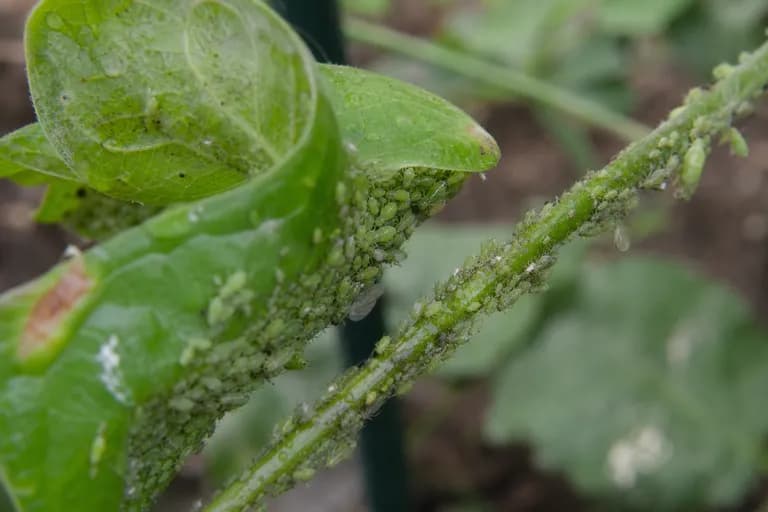
Pulgones
PlagaColonias densas de pequeños insectos verdes, negros o marrones agrupados en las puntas de crecimiento, los botones y las hojas jóvenes. Melaza pegajosa y brotes nuevos deformados.
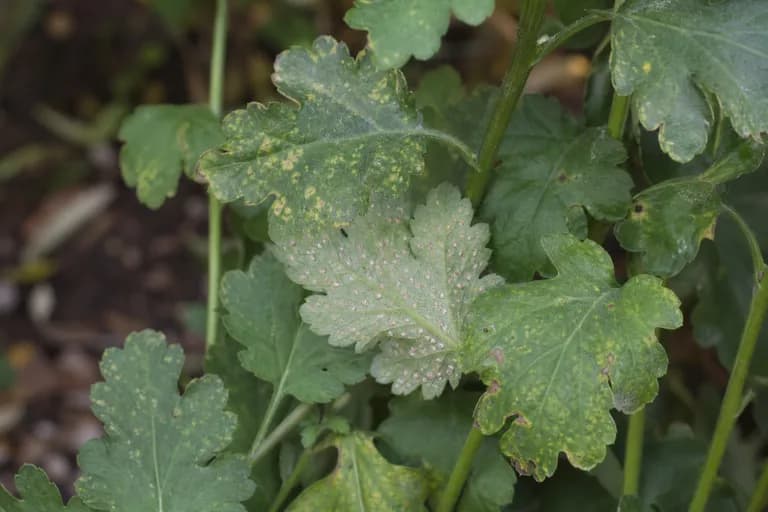
Roya blanca del crisantemo
EnfermedadManchas amarillentas pálidas en la parte superior de las hojas y pústulas blancas a rosadas en el envés. Enfermedad regulada en muchas zonas que puede propagarse con rapidez.
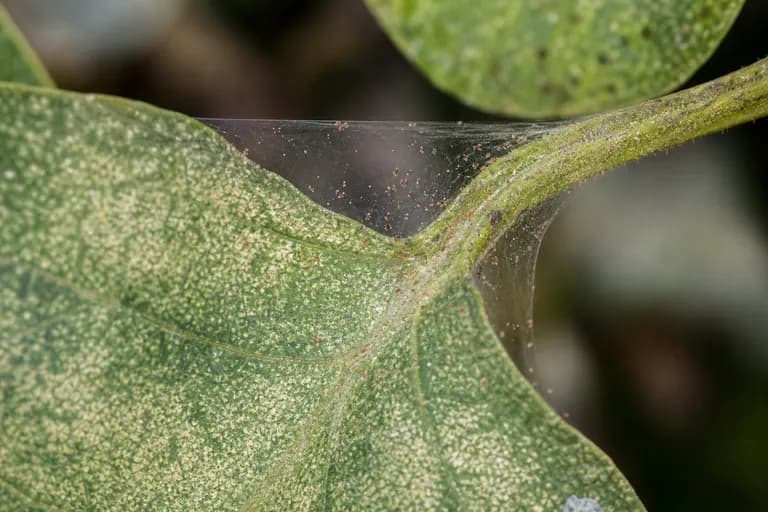
Araña roja
PlagaHojas punteadas, bronceadas o amarillentas con finas telarañas visibles en el envés. Las plantas parecen polvorientas y estresadas, sobre todo con calor seco.
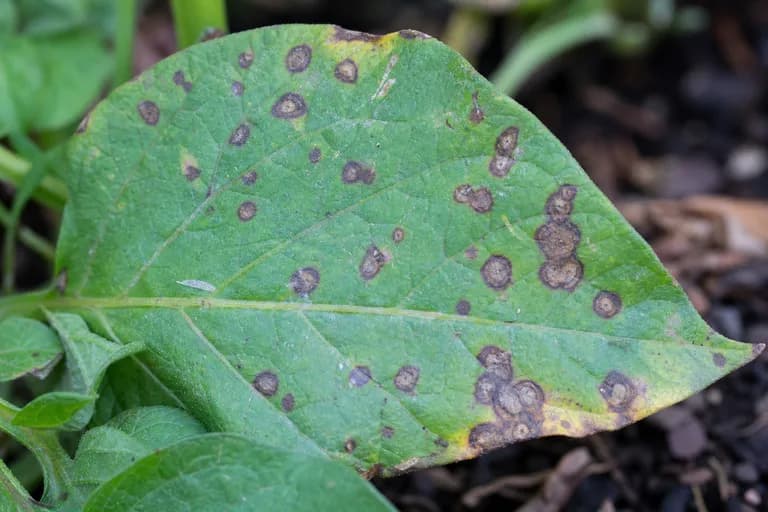
Mancha foliar
EnfermedadManchas circulares marrón oscuro o negras en las hojas inferiores, que avanzan gradualmente hacia arriba. Las hojas muy manchadas amarillean y caen, debilitando la planta.
Solución de problemas comunes
La queja más habitual es que los crisantemos comprados en otoño mueran durante el invierno. Esto ocurre porque no tienen un sistema radicular bien establecido y deben tratarse como anuales salvo que se planten en primavera. El crecimiento espigado y caído se debe a un pinzado insuficiente o a demasiada sombra. Las plantas que dejan de florecer a mitad de temporada suelen necesitar división, ya que las matas demasiado apretadas agotan los nutrientes del suelo con rapidez. Las enfermedades foliares son comunes en condiciones húmedas y se previenen mejor con una separación adecuada y riego en la base.
Consejos de cultivo
- Plántelos en primavera para que las raíces se establezcan antes del invierno.
- Pellizque los brotes nuevos con frecuencia para conseguir plantas más compactas y floríferas.
- Riegue a nivel del suelo y evite mojar el follaje para reducir enfermedades.
- Divida las matas cada dos o tres años para mantener el vigor.
- Aplique acolchado grueso en climas fríos después de la primera helada fuerte.
Cultiva tu mejor Crisantemo — y todo lo que la rodea.
Empieza un plan gratis hoy. Diseña tus bancales, coloca tu Crisantemo y deja que PlotMyGarden gestione el momento, el espaciado, las asociaciones y los recordatorios de la semilla a la cesta.
Elige tu Crisantemo
Clara Curtis
Un crisantemo de jardín resistente con flores fragantes, parecidas a pequeñas margaritas, de color rosa, que florece desde finales del verano hasta el otoño. Muy resistente al invierno y de porte expansivo.
Sheffield Pink
Un crisantemo clásico y resistente con flores simples de color albaricoque rosado que envejecen hasta un salmón suave. Muy fiable y muy naturalizable en borduras perennes.
Mammoth Series
Crisantemos de jardín desarrollados en universidad, con una resistencia al frío extraordinaria y porte en montículo. Disponibles en formas rojas, amarillas, coral, margarita y lavanda.
Football Mum
Crisantemos de exhibición con flores globulares enormes e incurvadas. Requieren despunte de botones y cuidados especiales, pero producen flores espectaculares para exposición.
Chrysanthemum 'Mary Stoker'
Una variedad heredada con flores simples de color albaricoque amarillento y excelente rendimiento en el jardín. Porte perenne fiable y muy atractiva para los polinizadores de final de temporada.
Un paquete de semillas o una división de crisantemo puede generar una mata grande durante años si se divide con regularidad. Frente a la compra anual de crisantemos de floristería, cultivar variedades de jardín bien establecidas resulta mucho más rentable. Además, su larga vida en florero reduce la necesidad de comprar flores de corte con tanta frecuencia en otoño.
Recetas rápidas
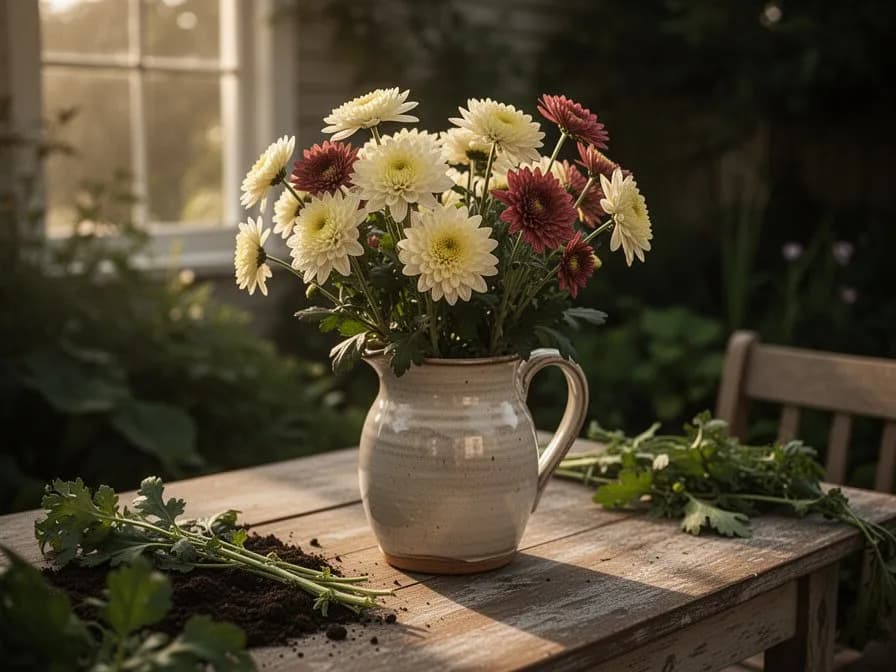
Té de crisantemo
10 minUna infusión clásica y suave elaborada con flores secas de crisantemo. Su sabor delicado y floral se disfruta desde hace siglos en Asia oriental y combina bien con miel o unas gotas de limón.
4 ingredientesPétalos de crisantemo en ensalada
5 minUna forma sencilla de usar pétalos frescos en ensaladas y platos fríos. Aportan color, aroma y un toque ligeramente picante y ácido.
5 ingredientesVerduras de crisantemo salteadas
15 minLas hojas tiernas de variedades culinarias pueden saltearse brevemente como verdura de final de temporada. El resultado es suave, ligeramente herbal y muy rápido de preparar.
5 ingredientesUsos culinarios
Los pétalos y las hojas de crisantemo tienen una larga historia en la cocina asiática. Las variedades culinarias de flor pequeña se usan para preparar té de crisantemo, una bebida popular en China y Japón a la que se atribuyen propiedades refrescantes. Los pétalos frescos aportan un sabor ligeramente picante y ácido a ensaladas y sopas. Las hojas tiernas blanqueadas se comen como verdura en la cocina japonesa, donde se conocen como shungiku. Use solo variedades comestibles de crisantemo cultivadas de forma orgánica para fines culinarios.
Qué contiene
Beneficios para la salud
- El té de crisantemo se ha usado tradicionalmente como infusión suave y refrescante.
- Las flores contienen compuestos aromáticos y pigmentos vegetales de interés culinario.
- Algunas variedades aportan hojas tiernas comestibles que se usan como verdura.
- Los crisantemos de jardín ofrecen un gran valor ecológico al sostener polinizadores de final de temporada.
- Sus raíces y follaje también hacen de ellos una planta muy útil en la estructura del huerto.
- Su principal beneficio en el jardín es ornamental, estacional y de apoyo a la fauna, más que nutricional.
De dónde viene Crisantemo
El crisantemo (Chrysanthemum morifolium) tiene una historia larga y muy difundida en Asia oriental, donde se ha cultivado durante siglos como planta ornamental y para usos culinarios y ceremoniales. Aunque las formas modernas de jardín son el resultado de una intensa selección hortícola, sus antepasados silvestres proceden de Asia y fueron valorados por sus floraciones tardías, en una época en la que pocas plantas seguían aportando color al jardín.
En China, el crisantemo forma parte de una tradición cultural muy antigua y aparece asociado al otoño, la longevidad y la contemplación. También se utilizó en infusiones, y el té de crisantemo se convirtió en una bebida apreciada por su delicadeza y su carácter refrescante. En Japón, la flor alcanzó un estatus simbólico especialmente destacado y se integró en celebraciones y motivos decorativos de gran prestigio.
Con la expansión de la horticultura ornamental, los crisantemos se seleccionaron en una enorme variedad de formas, colores y tamaños: desde pequeños capullos redondos hasta grandes flores de exhibición. Su popularidad en jardines de climas templados se debe a que aportan color justo cuando la mayoría de las demás flores ya ha terminado su temporada. Hoy siguen siendo una de las plantas más útiles y reconocibles del final del año hortícola.
Crisantemo: ¿sabías que?
Datos fascinantes sobre Crisantemo
El crisantemo es una de las flores más importantes de otoño en muchos jardines del mundo.
Crisantemo: preguntas frecuentes
¿Cuándo debo plantar Crisantemo?
¿Cuáles son buenas plantas acompañantes para Crisantemo?
¿En qué zonas de rusticidad puede crecer Crisantemo?
¿Cuánto sol necesita Crisantemo?
¿A qué distancia debo espaciar Crisantemo?
¿Qué plagas y enfermedades afectan a Crisantemo?
¿Cómo almaceno Crisantemo después de la cosecha?
¿Cuáles son las mejores variedades de Crisantemo para cultivar?
¿Qué suelo necesita Crisantemo?
¿Los crisantemos son perennes?
¿Por qué mis crisantemos no florecen bien?
¿Puedo usar crisantemos en maceta?
¿Las flores de crisantemo son comestibles?
¿Cómo consigo plantas más compactas?
¿Cómo los protejo del invierno?
Acabas de leer la teoría. Ahora cultívala en piloto automático.
Todo lo que hace que Crisantemo sea delicado — el momento, el espaciado, las asociaciones, la ventana de cosecha — es justo lo que PlotMyGarden resuelve por ti, para cada planta de tu huerto.
Un plan que conoce tu clima
Indica tu ubicación una vez. Recibe fechas de siembra, abonado y cosecha basadas en tu última helada real y el pronóstico en vivo — sin adivinar con un sobre genérico.
De la sección “Cuándo plantar”Planificador de bancales de arrastrar y soltar
Diseña bancales sobre una cuadrícula. Cada planta encaja con su espaciado correcto y ves toda la temporada antes de gastar un céntimo en semillas.
De la sección “Cultivo”Conflictos de asociación, detectados a tiempo
Más de 200 buenas y malas combinaciones comprobadas en vivo mientras plantas — para que un error que arruine la temporada nunca llegue a la tierra.
De la sección “Asociaciones”Recordatorios que sí vas a seguir
“Riega las judías.” “Recoge hoy antes de que se pase.” Oportunos, concretos y ligados a las plantas que de verdad cultivas.
De la sección “Cosecha”Escalonado, programado
¿Quieres cosechar seis semanas en vez de seis días? Reparte tus siembras automáticamente y te avisa cuando toca el siguiente lote.
De la sección “Cuándo plantar”Un registro que se vuelve más listo
Cada cosecha que registras le enseña tu huerto. El plan del año que viene parte de lo que de verdad funcionó en tu suelo, no en un manual.
De la sección “Resumen”Planta estos junto a Crisantemo
Más Perennes
Mantén Crisantemo lejos de estos
Cultiva tu mejor Crisantemo — y todo lo que la rodea.
Empieza un plan gratis hoy. Diseña tus bancales, coloca tu Crisantemo y deja que PlotMyGarden gestione el momento, el espaciado, las asociaciones y los recordatorios de la semilla a la cesta.