Salvia
A vivid annual or perennial with spiky flower clusters that are magnets for hummingbirds and butterflies.





On this pageOverview
Meet Salvia
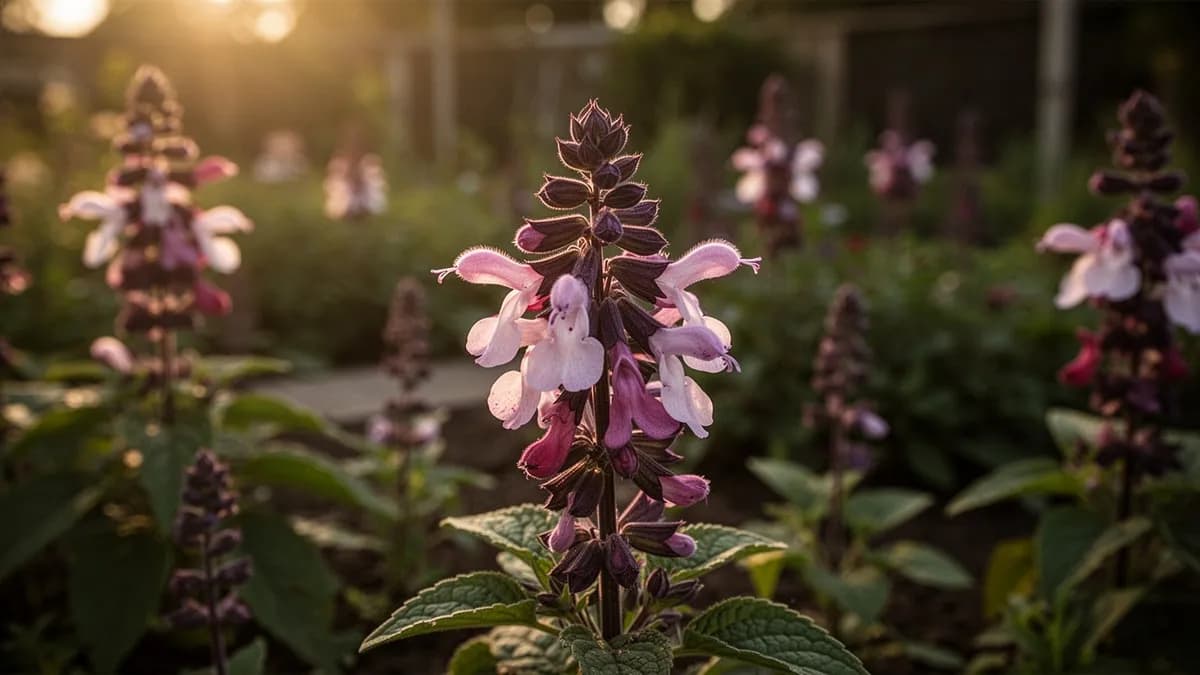
A vivid annual or perennial with spiky flower clusters that are magnets for hummingbirds and butterflies. Annual bedding salvias provide instant color in red, purple, white, and coral, while perennial species offer long-lived garden structure and wildlife value. Plant in full sun with well-drained soil and deadhead regularly to encourage continuous bloom production throughout the season. Salvias are generally deer-resistant and pest-free, making them a low-maintenance choice for borders, mass plantings, and container gardens.
When to plant Salvia
Start salvia seeds indoors eight to ten weeks before the last frost date. Sow seeds on the surface of moist seed-starting mix and press lightly without covering, as light aids germination. Keep at 70 to 75 degrees Fahrenheit and maintain consistent moisture. Germination takes seven to fourteen days. Transplant seedlings into individual cells when the first true leaves appear. Harden off for one week before planting outdoors after the last frost. Many modern salvia varieties are grown from cuttings rather than seed for uniformity.
Your Salvia Year
Composed for Zone 7 · typical seasons · frost passes Apr 2, returns Nov 1
Plant Salvia Apr – May, pick Jun – Oct. Check the planting methods below and set your climate to personalize these windows.
How to grow Salvia
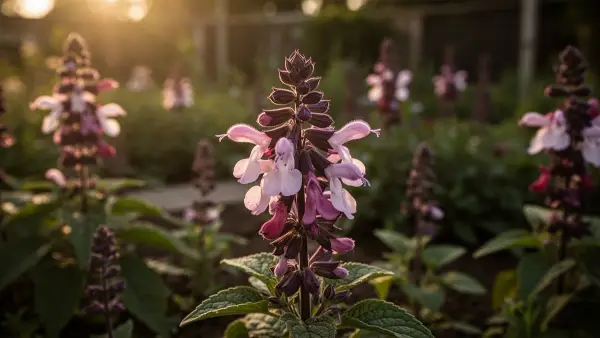
Plant annual salvia transplants outdoors after the last frost when soil temperatures are consistently above 60 degrees Fahrenheit. Choose a location with full sun and well-drained soil, as salvias perform poorly in waterlogged conditions. Space plants ten to twelve inches apart for bedding varieties and eighteen to twenty-four inches apart for taller landscape types.
Water consistently during the first few weeks after transplanting to establish a strong root system, then reduce watering to allow the soil surface to dry between irrigations. Salvias are moderately drought-tolerant once established. Apply a two-inch layer of mulch to retain moisture, suppress weeds, and maintain even soil temperature.
Deadhead faded flower spikes by cutting back to just above a set of leaves to stimulate new lateral growth and additional blooms. Feed every four to six weeks with a balanced liquid fertilizer, or apply a slow-release granular fertilizer at planting time. Salvias are largely pest-free and deer-resistant, though they may attract whiteflies in very hot, sheltered locations. Annual salvias bloom continuously from late spring until the first hard frost.
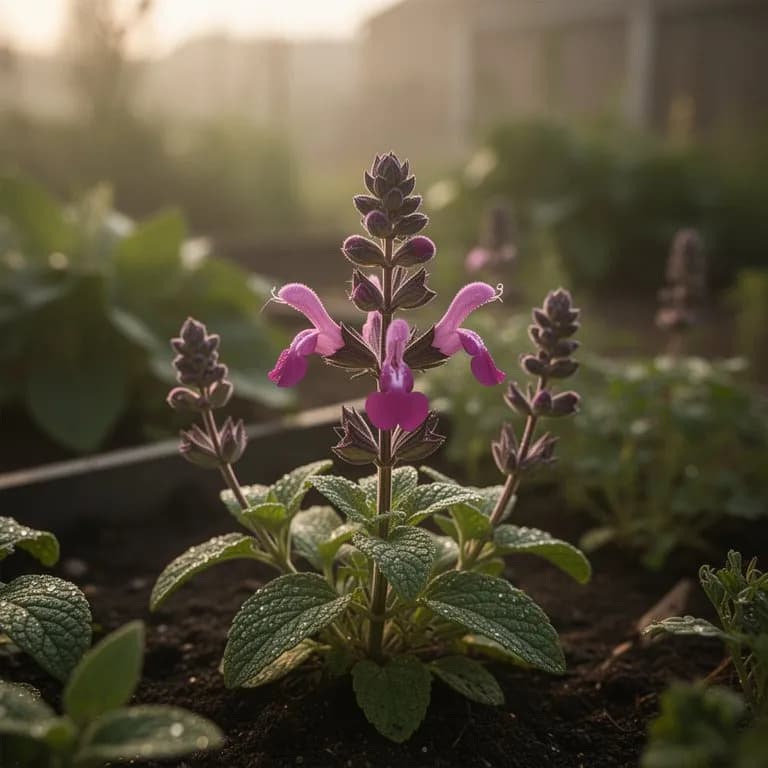
32 plants fit a 4 × 8 ft bed
Each Salvia wants 30 cm of elbow room. The planner keeps that spacing for you — every plant, every bed.
Salvia's best neighbours
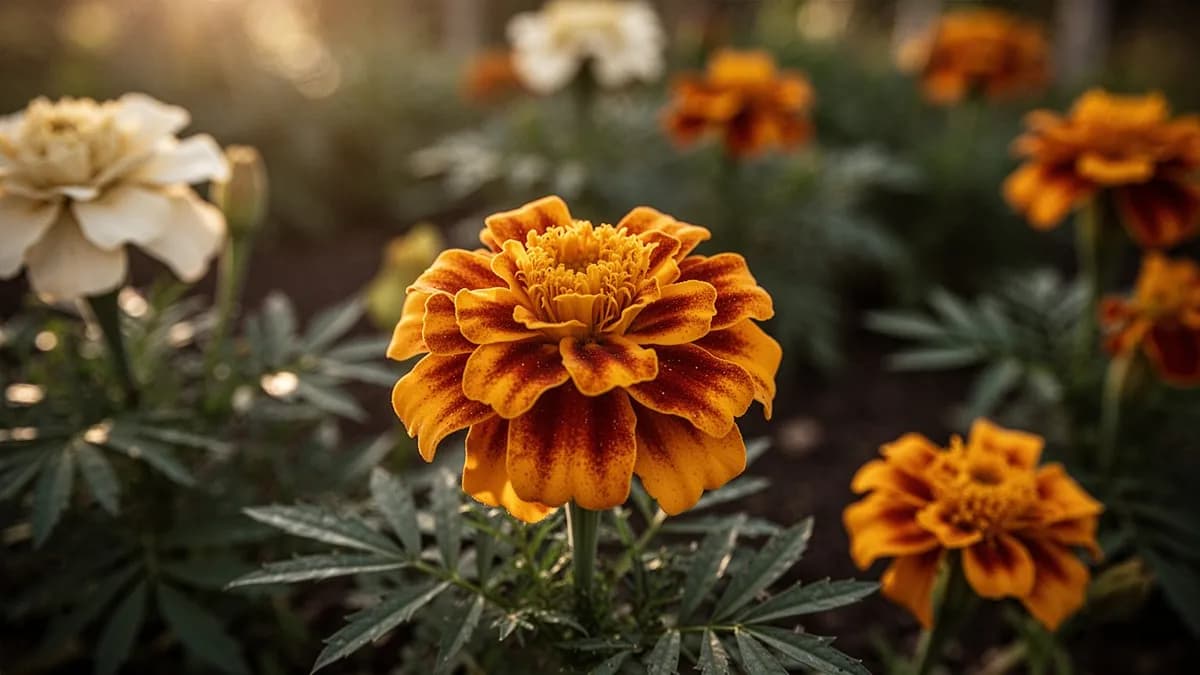
Salvias combine beautifully with marigolds, zinnias, and dusty miller in traditional bedding schemes. Red salvias planted near tomatoes and peppers attract hummingbirds that also feed on small garden pests. Blue and purple salvias pair elegantly with yellow coreopsis and white alyssum for color contrast. In wildlife gardens, salvia species provide critical nectar for hummingbirds, butterflies, and native bees throughout the growing season.
Marigold belongs beside it. Fennel doesn't.
Old growers' knowledge, checked against Salvia's real companion table below — test any plant you're growing.
Try Salvia in a bed — right here
A real planner bed with Salvia already in it. Tap a companion to place it and watch the pairing checks answer — green for good neighbours, red for a clash.


Related growing guides
Feed it well
Salvias prefer well-drained, moderately fertile soil with a pH of 6.0 to 7.0. They tolerate sandy and loamy soils but struggle in heavy, waterlogged clay. Amend clay soils with compost and perlite before planting. Apply a balanced slow-release fertilizer at planting time or feed every four to six weeks with diluted liquid fertilizer. Container salvias need more frequent feeding due to nutrient leaching from regular watering. Avoid excessive nitrogen which produces foliage at the expense of flowers.
Ideal Temperature
Hardiness Zone Compatibility
From seed to harvest, stage by stage
Seed Germination
Salvia splendens seeds are tiny and require light for germination. Sow on the surface of moist seed-starting mix without covering. Maintain consistent moisture and warmth for best results. Germination is often irregular, so patience is required.
Seedling Development
Seedlings develop their first true leaves and begin to establish a root system. Growth is slow at this stage and the young plants are delicate. The cotyledons appear rounded, while true leaves show the characteristic serrated edges of the salvia family.
Vegetative Growth
Plants develop a bushy, branching habit with opposite pairs of dark green, ovate leaves. Stems become square-shaped, a hallmark of the mint family (Lamiaceae). Rapid foliage growth occurs as the plant builds energy reserves for flowering.
Bud Formation
Terminal flower buds begin to form at the tips of branches. The developing inflorescence appears as a tight cluster of small green buds arranged in whorls along an elongating spike. Bracts beneath each flower whorl start to show color.
Full Bloom
Flower spikes open from the bottom upward, displaying vivid tubular flowers that are rich in nectar. Each spike can remain colorful for several weeks as new flowers continue to open. The bracts often remain colorful even after individual flowers fade.
Repeat Blooming and Seed Set
With proper deadheading, salvia produces successive flushes of flowers until frost. If flowers are left to mature, small nutlets develop inside the persistent calyx. The plant may become leggy if not maintained, but responds well to mid-season pruning.
End of Season Decline
As temperatures drop below 10°C (50°F), growth slows and foliage may darken. Salvia splendens is a tender perennial grown as an annual in most climates and will not survive frost. In frost-free zones (USDA 10-12), plants may persist as short-lived perennials.
Keep soil temperature between 21-24°C (70-75°F) and provide bright indirect light. Do not cover seeds with soil as they need light to germinate. Use a humidity dome to maintain moisture without overwatering.
Caring for Salvia month by month
What to do each month for your Salvia
October
You are hereProtect plants with row cover during early light frosts to extend the season. Collect mature seed heads from open-pollinated varieties. Remove and compost plants killed by frost
Know exactly what to do in your garden — every month
One email at the start of each month: what to sow, plant, and tackle right now — for your Salvia and everything growing around it. Plus a short starter course that helps you dodge the classic mistakes.
- What to do, right now
- Matched to your season
- Starter course included
Harvesting Salvia
Cut salvia flower spikes for arrangements when about one-third of the flowers on the spike have opened. Cut stems in the morning and place immediately in warm water. For seed saving, allow a few flower spikes to mature fully on the plant until the small round seeds are dry and dark in color. Shake the dried spikes over a paper bag to collect seeds. Deadhead the remaining spikes regularly to promote continuous blooming from late spring through the first killing frost.
assuming you plant when the window opens — set your real date
Pick Salvia promptly and the plant keeps producing.
Storage & Preservation
Fresh-cut salvia spikes last five to seven days in a vase with clean water and floral preservative. The tubular flowers dry well by hanging in small bunches upside down in a warm, dark, well-ventilated area for two to three weeks. Red and purple varieties retain their color best when dried. Seeds store for two to three years in paper envelopes in a cool, dry location. Pressed salvia flowers can be used in botanical art and crafts.
What goes wrong — and the fix
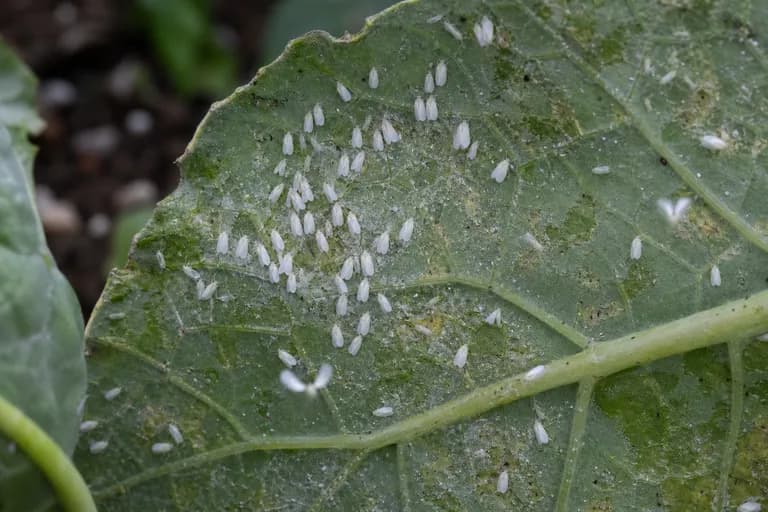
Whiteflies
PestTiny white moth-like insects fly up in clouds when foliage is disturbed. Sticky honeydew on leaves, yellowing foliage, and sooty mold growth on honeydew deposits.
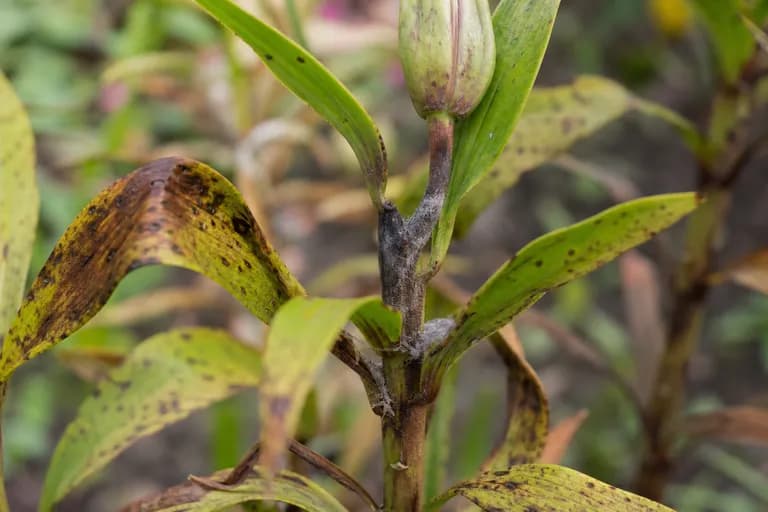
Botrytis Blight
DiseaseGray fuzzy mold on faded flowers and wet foliage. Flower spikes rot from the top down and leaves may develop water-soaked spots that turn brown.
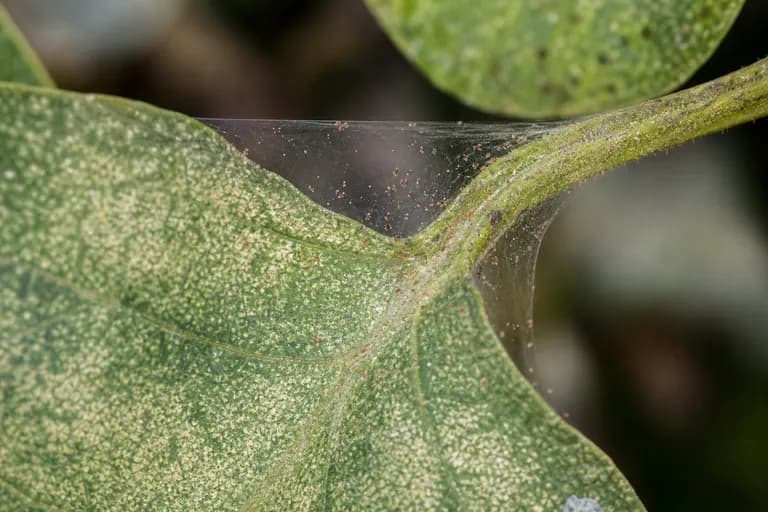
Spider Mites
PestStippled, bronzed foliage with fine webbing on leaf undersides. Leaves may dry out and drop. Most common during hot, dry weather with low humidity.
Troubleshooting Common Problems
The most common problem with bedding salvias is leggy, sparse growth caused by insufficient sunlight. Full sun is essential for compact, floriferous plants. Overwatering or heavy, poorly drained soil leads to root rot, the primary killer of salvias. In extremely hot, humid climates, whiteflies and spider mites can become problematic. Annual salvias are killed by the first hard frost, so there is no overwintering strategy in most climates.
Growing Tips
- Start seeds indoors 8-10 weeks before your last frost date, as salvia needs a long head start to bloom by early summer. Press seeds onto the surface of moist seed-starting mix without covering them, since they require light to germinate.
- Pinch the growing tips of young plants when they reach 10-15 cm tall to encourage branching. This single step can double or triple the number of flower spikes a plant produces over the season.
- Plant in full sun for the most flowers, though in extremely hot climates with afternoon temperatures above 35°C, light afternoon shade can prevent temporary bloom stalling and leaf scorch.
- Space plants 25-30 cm apart to allow good air circulation, which helps prevent powdery mildew and botrytis, the two most common fungal problems in humid conditions.
- Water deeply at the base of the plant rather than overhead to keep foliage dry and reduce disease pressure. Salvia prefers consistently moist but never waterlogged soil.
- Apply a 5-8 cm layer of organic mulch around plants to regulate soil temperature, retain moisture, and suppress weeds. Keep mulch a few centimeters away from stems to prevent crown rot.
- Deadhead spent flower spikes by cutting just above the first set of leaves below the faded spike. New lateral shoots will emerge from the leaf axils within a week.
- Feed every two weeks with a balanced water-soluble fertilizer during active growth. Avoid high-nitrogen formulas, which promote lush foliage at the expense of flowers.
- Take 8-10 cm stem cuttings in late summer to root indoors for overwintering. Cuttings placed in a glass of water will develop roots in 7-14 days and can be potted up for a winter windowsill display.
- Combine red salvia with white alyssum and blue lobelia for a classic patriotic color scheme, or pair with yellow marigolds and purple petunias for a vibrant warm-season display.
Grow your best Salvia yet — and everything around it.
Start a free plan today. Lay out your beds, drop in your Salvia, and let PlotMyGarden handle the timing, spacing, companions and reminders from seed to harvest basket.
Pick your Salvia
Vista Red
A compact bedding salvia with dense spikes of brilliant red flowers on twelve to fourteen inch plants, outstanding heat tolerance and uniform habit.
Sallyfun Series
A broader color range including bicolors on well-branched plants reaching eighteen inches, excellent for mixed containers and borders.
Mystic Spires Blue
A compact selection of Salvia farinacea with intense blue flower spikes on eighteen-inch plants, blooming nonstop without deadheading.
Black and Blue
Salvia guaranitica with striking deep blue flowers emerging from near-black calyces on three to four foot stems, irresistible to hummingbirds.
Hot Lips
A bicolored Salvia microphylla with red and white flowers that change ratio with temperature, growing to three feet in mild climates.
A single packet of Salvia splendens seeds (approximately 50-100 seeds) costs between $2 and $5 and can produce dozens of plants that would cost $3-$6 each at a garden center. Starting from seed saves roughly $100-$300 per season compared to purchasing transplants. Additionally, stem cuttings root readily in water, allowing you to propagate unlimited new plants from a single purchase at no extra cost. Overwintering cuttings indoors eliminates the need to buy new plants each spring entirely.
Quick recipes
Scarlet Sage Hummingbird Garden Arrangement
30 minutesCreate a stunning fresh-cut arrangement using salvia flower spikes as dramatic vertical accents. The tubular flowers hold their color well in water and the spikes add height and structure to mixed bouquets. Cut stems in the early morning when flowers are fully hydrated for the longest vase life.
5 ingredients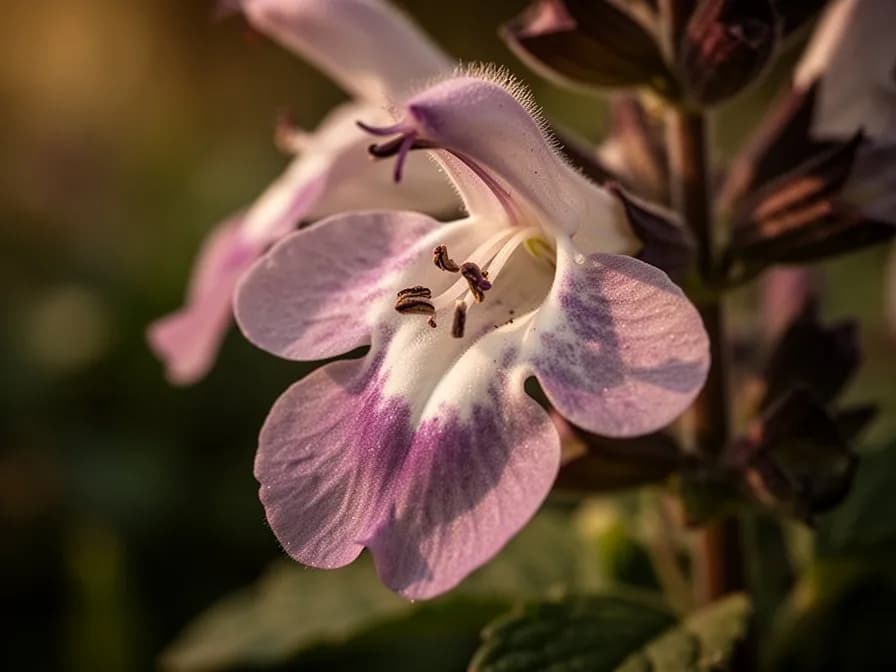
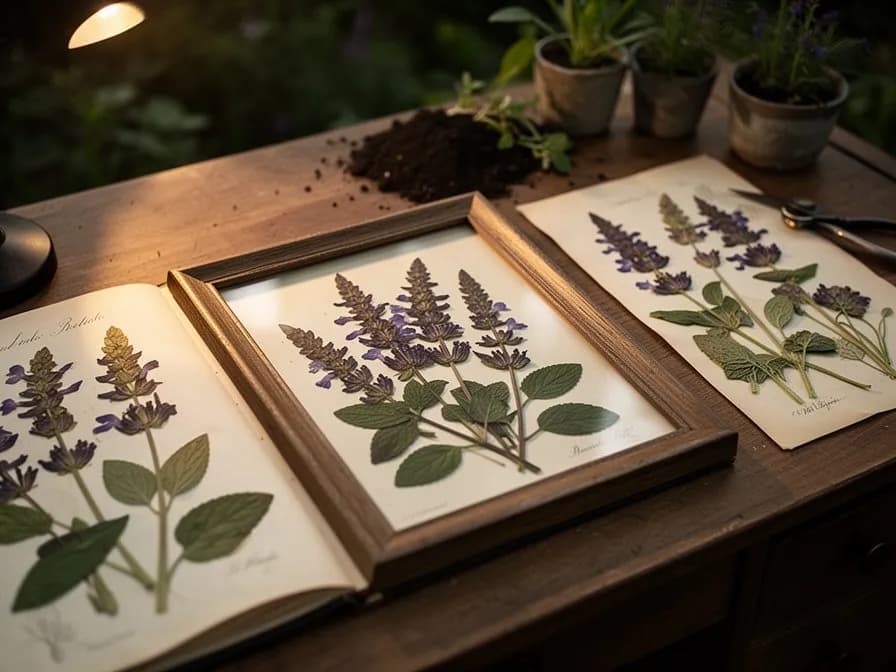
Pressed Salvia Flower Botanical Art
20 minutes active, 2-3 weeks dryingPress individual salvia florets and small leaves to create beautiful botanical art pieces or greeting cards. The vibrant red color preserves surprisingly well when pressed properly, making these ideal for framed artwork or handmade stationery with a garden theme.
5 ingredientsSalvia Splendens Natural Dye Bath
45 minutes active, overnight soakingUse spent salvia flower spikes to create a soft pink to mauve natural dye for fabric or Easter eggs. The anthocyanin pigments in the red flowers release color when simmered in water with a mordant. Results vary by flower color and fabric type, creating unique one-of-a-kind tones.
5 ingredientsWhat's inside
Health Benefits
- Salvia splendens is a powerful pollinator magnet, attracting hummingbirds, butterflies, and beneficial insects that improve pollination rates for nearby food crops in the garden.
- Growing ornamental plants like scarlet sage has been shown in horticultural therapy research to reduce stress, lower blood pressure, and improve overall mental well-being.
- Dense plantings of salvia improve local air quality by absorbing carbon dioxide and releasing oxygen while trapping airborne dust and particulates on their textured leaf surfaces.
- Gardening activities involved in growing salvia, including planting, weeding, and deadheading, provide moderate physical exercise that supports cardiovascular health and joint flexibility.
- The vibrant red and warm-toned flowers of Salvia splendens can elevate mood and create a sense of energy and vitality in garden spaces, contributing to positive psychological effects.
- Establishing pollinator-friendly plantings with species like scarlet sage supports local ecosystem health and biodiversity by providing essential nectar resources for native wildlife.
Where Salvia comes from
Salvia splendens, commonly known as scarlet sage or tropical sage, is native to the Atlantic Forest region of southeastern Brazil, where it grows as a perennial subshrub in the understory of moist tropical and subtropical forests at elevations between 2,000 and 3,000 meters. In its natural habitat, the species thrives in partially shaded, humid conditions with rich, well-drained soils, typically reaching heights of 1 to 1.3 meters with loose, open flower spikes pollinated primarily by hummingbirds.
The plant was first collected by European botanists in the early nineteenth century and was formally described by the German-Brazilian botanist Heinrich Wilhelm Schott. It was introduced to European horticulture around 1822, when seeds were sent to botanical gardens in Germany and England. The vivid scarlet flowers immediately captivated Victorian gardeners, and by the mid-1800s, Salvia splendens had become a staple of formal carpet bedding displays in parks and estates across Europe.
Breeding efforts throughout the twentieth century focused on creating more compact, earlier-blooming, and heat-tolerant cultivars suitable for mass bedding. The first dwarf varieties appeared in the 1950s, transforming the species from a tall border plant into the 25-40 cm bedding plants familiar today. Breeders also expanded the color palette to include white, salmon, purple, lavender, and bicolor forms, though the classic scarlet red remains by far the most commercially popular.
Today, Salvia splendens is one of the top-selling annual bedding plants worldwide, valued for its intense color, long blooming season, tolerance of heat and humidity, and exceptional ability to attract hummingbirds and butterflies to gardens. It is grown commercially on every inhabited continent and is a fixture in public parks, municipal plantings, and home gardens from the Americas to Europe and Asia.
Salvia: did you know?
Fascinating facts about Salvia
Salvia splendens belongs to the mint family (Lamiaceae) and shares the characteristic square stems found in all mint relatives, even though it looks nothing like culinary mint.
Salvia questions, answered
When should I plant Salvia?
What are good companion plants for Salvia?
What hardiness zones can Salvia grow in?
How much sun does Salvia need?
How far apart should I space Salvia?
What pests and diseases affect Salvia?
How do I store Salvia after harvest?
What are the best Salvia varieties to grow?
What soil does Salvia need?
Is Salvia splendens the same as the hallucinogenic Salvia divinorum?
Can Salvia splendens survive winter outdoors?
Why has my salvia stopped blooming in midsummer?
How do I prevent my salvia plants from getting leggy and floppy?
Are Salvia splendens flowers edible?
What pests and diseases commonly affect scarlet sage?
You just read the theory. Now grow it on autopilot.
Everything that makes Salvia fiddly — the timing, the spacing, the companions, the harvest window — is exactly what PlotMyGarden handles for you, for every plant in your garden.
A plan that knows your weather
Set your location once. Get sow, feed and harvest dates built around your real last-frost date and live forecast — no more guessing from a generic seed packet.
From the “When to plant” sectionDrag-and-drop bed planner
Design beds on a grid. Every plant snaps to its proper spacing, and you can see your whole season laid out before you spend a cent on seed.
From the “Growing guide” sectionCompanion conflicts, caught early
200+ good-and-bad pairings checked live as you plant — so a season-wrecking mistake never makes it into the ground.
From the “Companions” sectionReminders you'll actually act on
“Water the beans.” “Pick today before it turns.” Timely, specific, and tied to the plants you're really growing.
From the “Harvest” sectionSuccession, scheduled
Want a harvest for six weeks, not six days? It spaces your sowings automatically and reminds you when each new block is due.
From the “When to plant” sectionA record that gets smarter
Every harvest you log teaches it your garden. Next year's plan starts from what actually worked in your soil, not a textbook's.
From the “Overview” sectionPlant these alongside Salvia
More Annuals
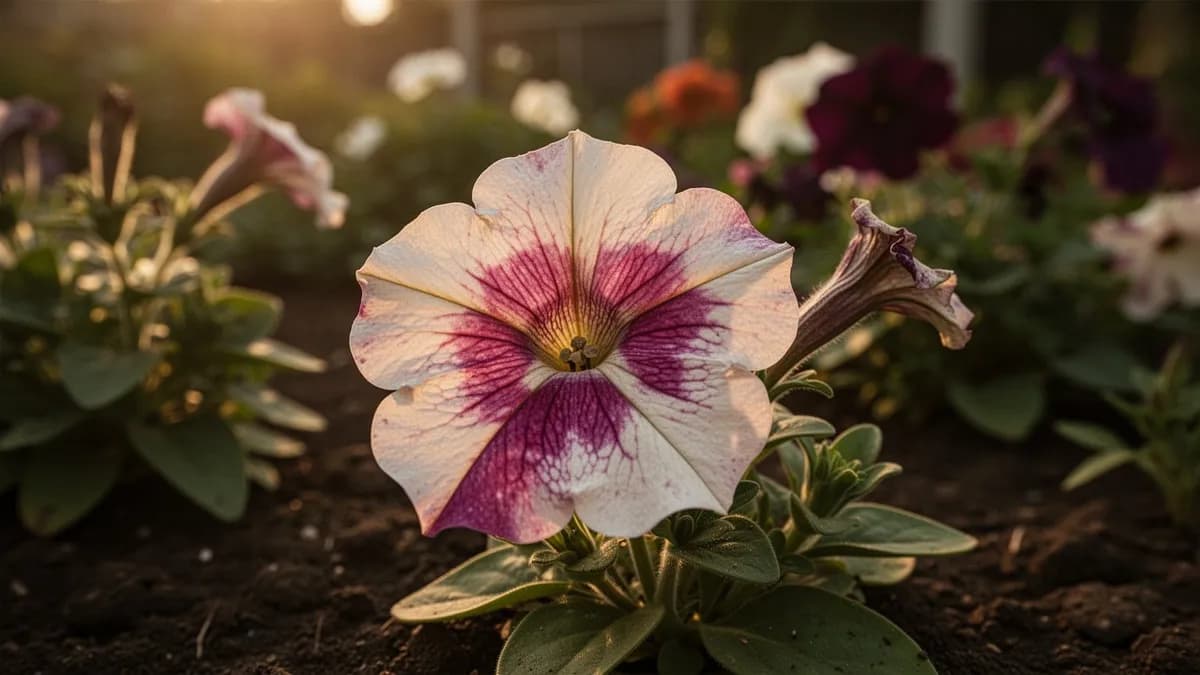
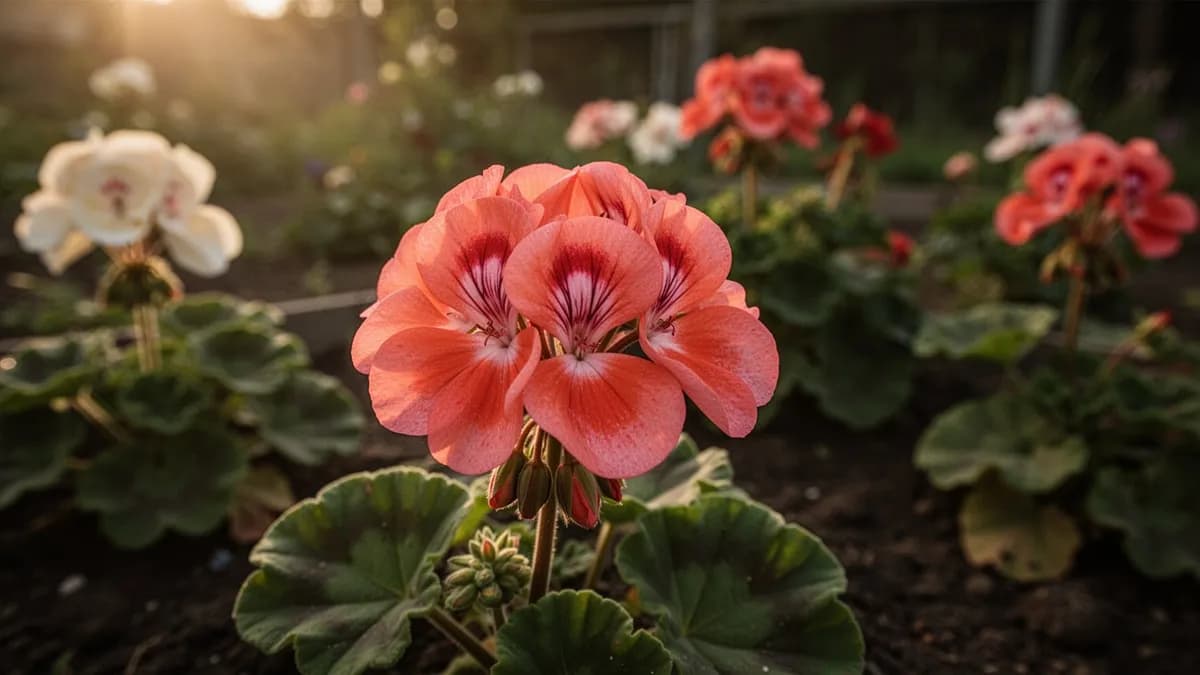
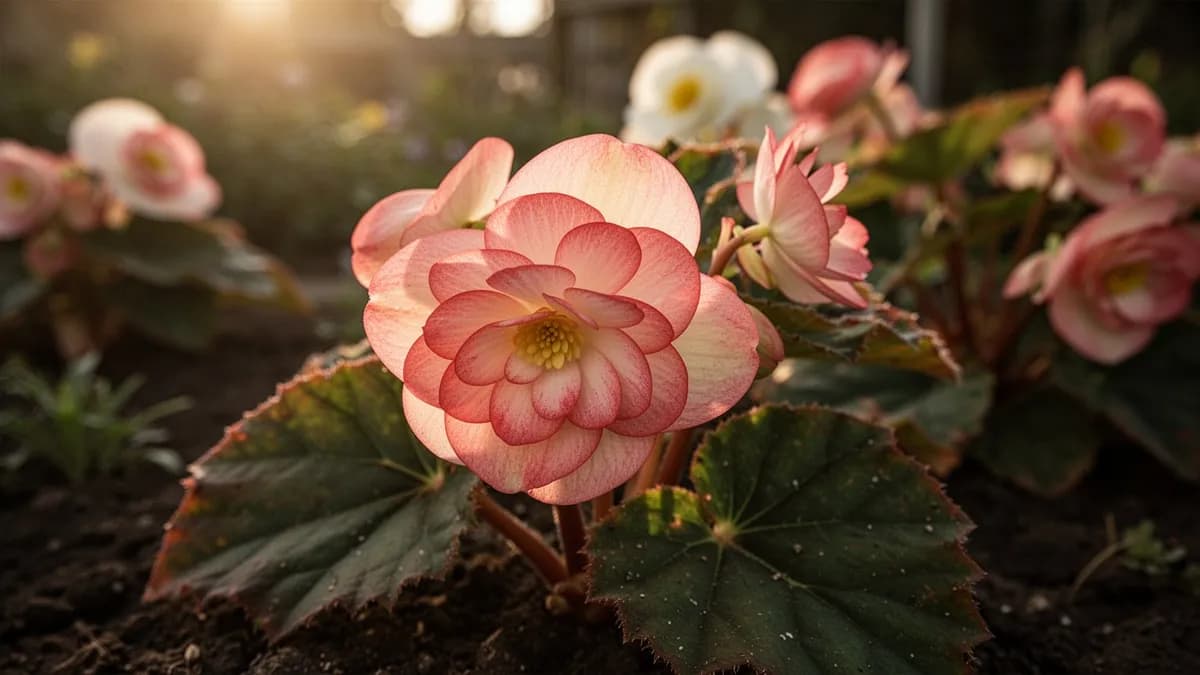
Keep Salvia away from these
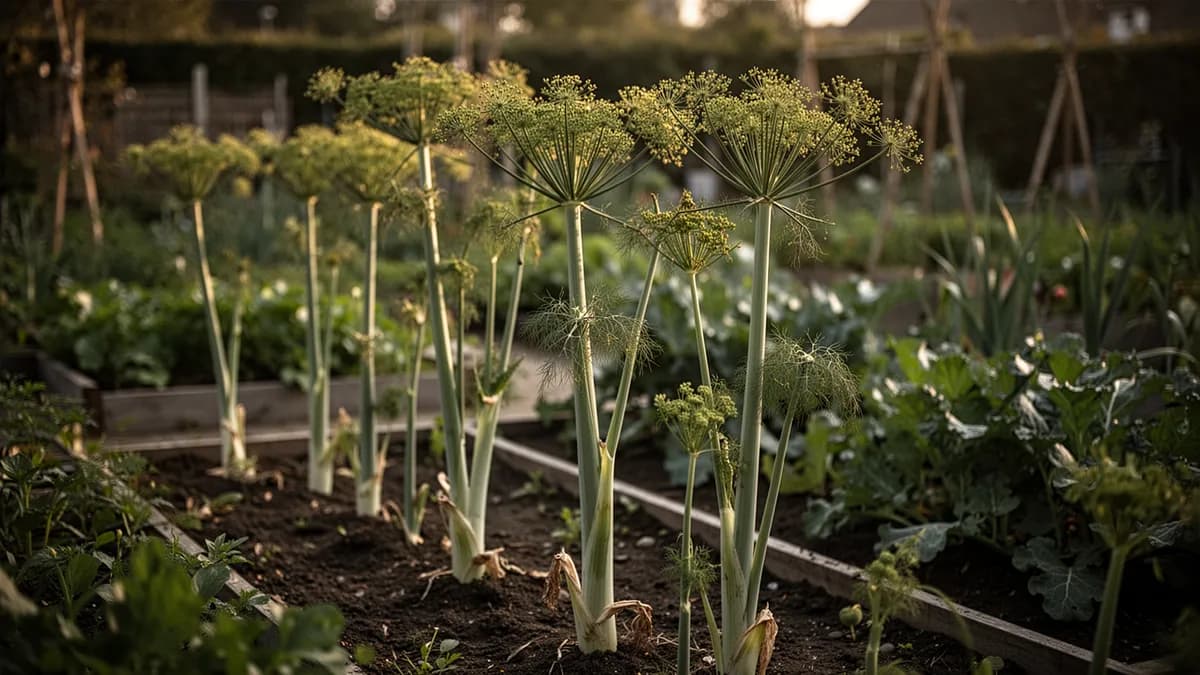
Garden plans featuring Salvia
Grow your best Salvia yet — and everything around it.
Start a free plan today. Lay out your beds, drop in your Salvia, and let PlotMyGarden handle the timing, spacing, companions and reminders from seed to harvest basket.