Garden Phlox
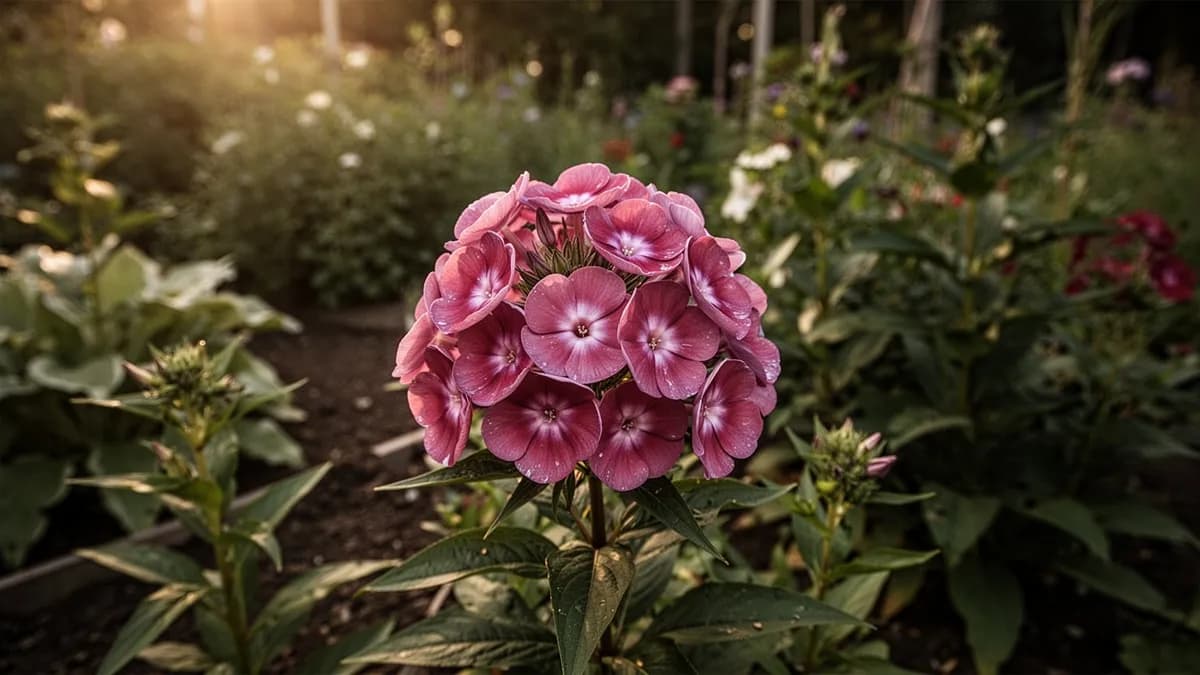
A classic perennial with large, fragrant flower clusters in pink, purple, white, and red that bloom in midsummer.





On this pageOverview
Meet Garden Phlox
A classic perennial with large, fragrant flower clusters in pink, purple, white, and red that bloom in midsummer. Garden phlox requires good air circulation to prevent powdery mildew, so thin stems and space plants adequately. Choose mildew-resistant cultivars and deadhead spent flower heads to prevent self-sowing of inferior seedlings.
When to plant Garden Phlox
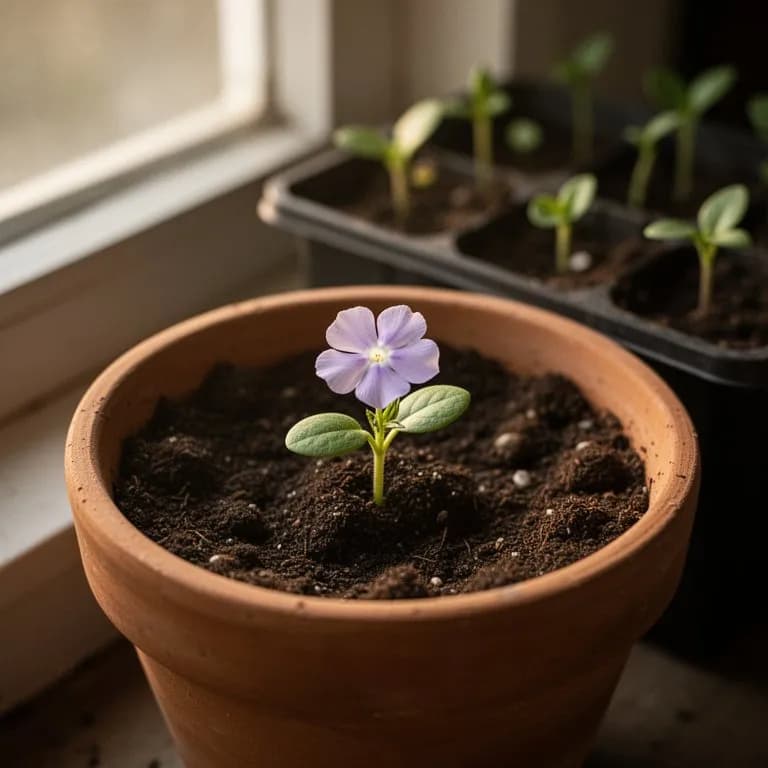
Garden phlox seed requires a period of cold stratification to germinate. Sow seeds on the surface of moist seed-starting mix and refrigerate for four to six weeks before moving to a warm, bright location. Germination is irregular and can take three to four weeks. Most gardeners prefer to propagate phlox by division or root cuttings in spring rather than seed, as seedlings may not come true to the parent variety and take two years to bloom.
Your Garden Phlox Year
Composed for Zone 7 · typical seasons · frost passes Apr 2, returns Nov 1
Plant Garden Phlox Mar – Apr, Sep, pick Jul – Sep. Check the planting methods below and set your climate to personalize these windows.
How to grow Garden Phlox
Garden phlox performs best in full sun with at least six hours of direct light daily, though it appreciates light afternoon shade in regions with intense summer heat. Prepare the planting site by working three to four inches of compost into the top twelve inches of soil, ensuring a pH between 6.0 and 7.0. Space plants at least eighteen inches apart to promote the air circulation that is critical for preventing powdery mildew.
Water phlox at the base of the plant, delivering about one inch per week. Avoid overhead watering which wets the foliage and encourages fungal diseases. Apply a two-inch layer of organic mulch to retain moisture and regulate soil temperature, keeping it a few inches away from the crown to prevent rot.
In early spring, thin established clumps by removing about one-third of the stems when they reach six inches tall, leaving only the strongest shoots. This improves airflow dramatically and results in larger flower heads. After the initial bloom period, deadhead spent flower clusters promptly to encourage a lighter second flush and prevent self-sown seedlings that often revert to muddy magenta colors.
10 plants fit a 4 × 8 ft bed
Each Garden Phlox wants 45 cm of elbow room. The planner keeps that spacing for you — every plant, every bed.
Garden Phlox's best neighbours
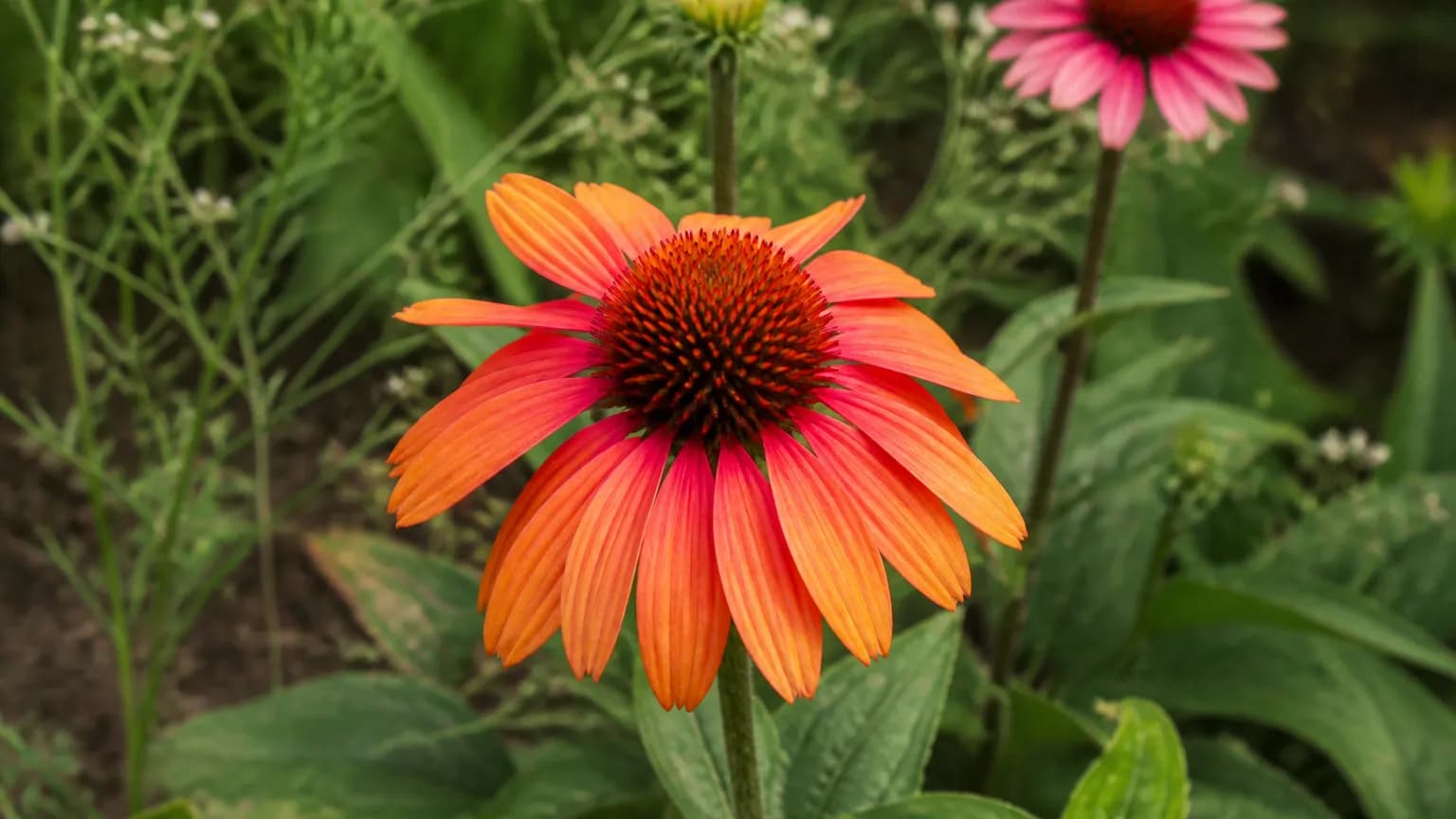
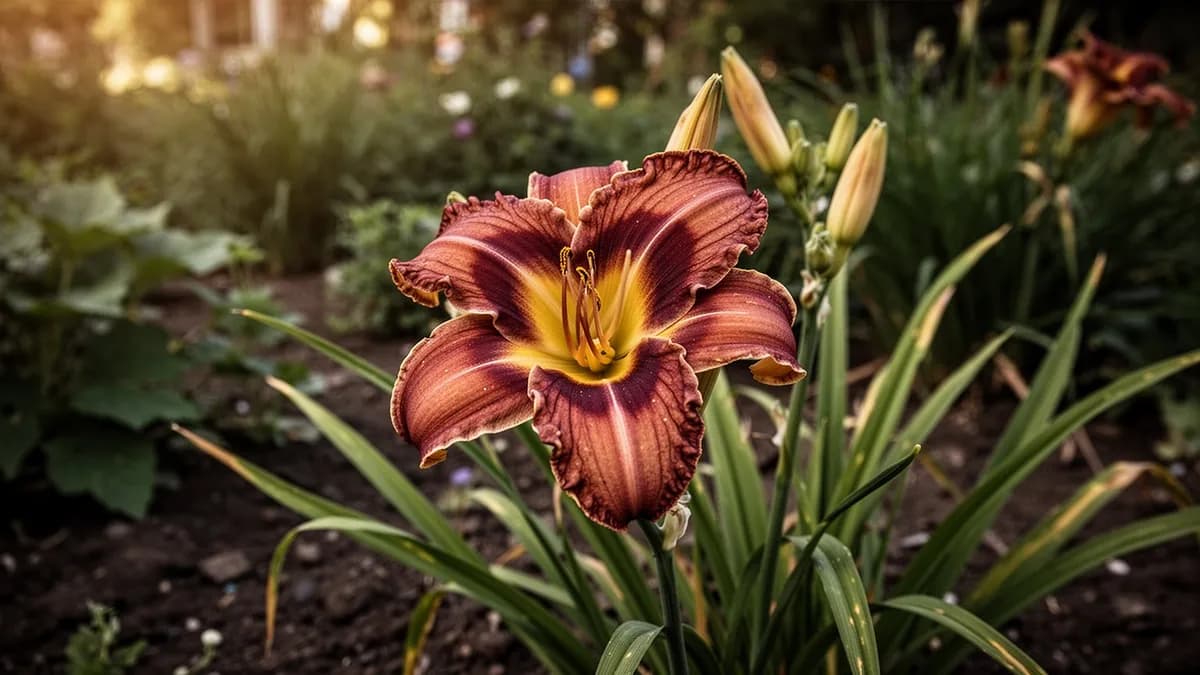
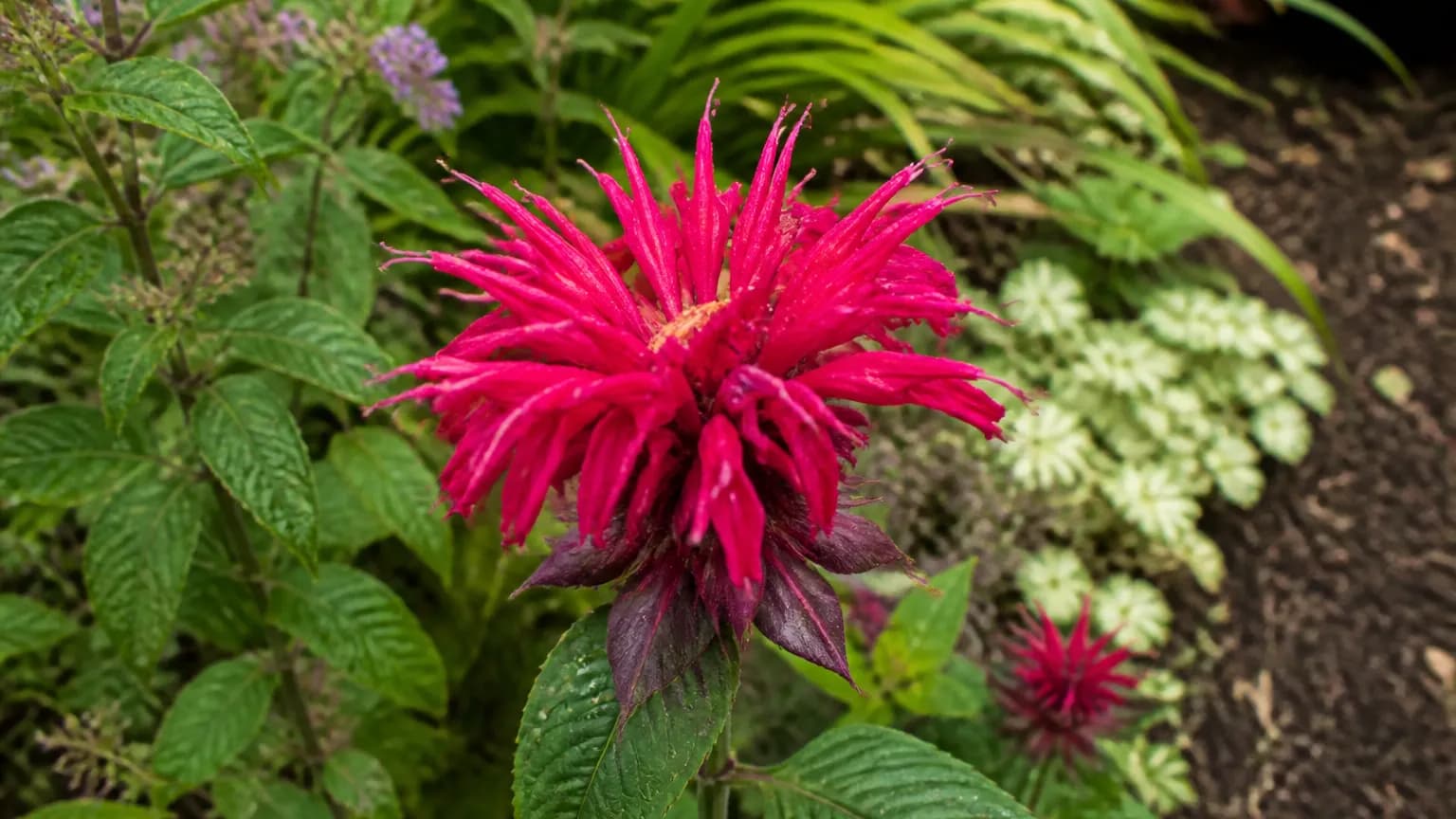
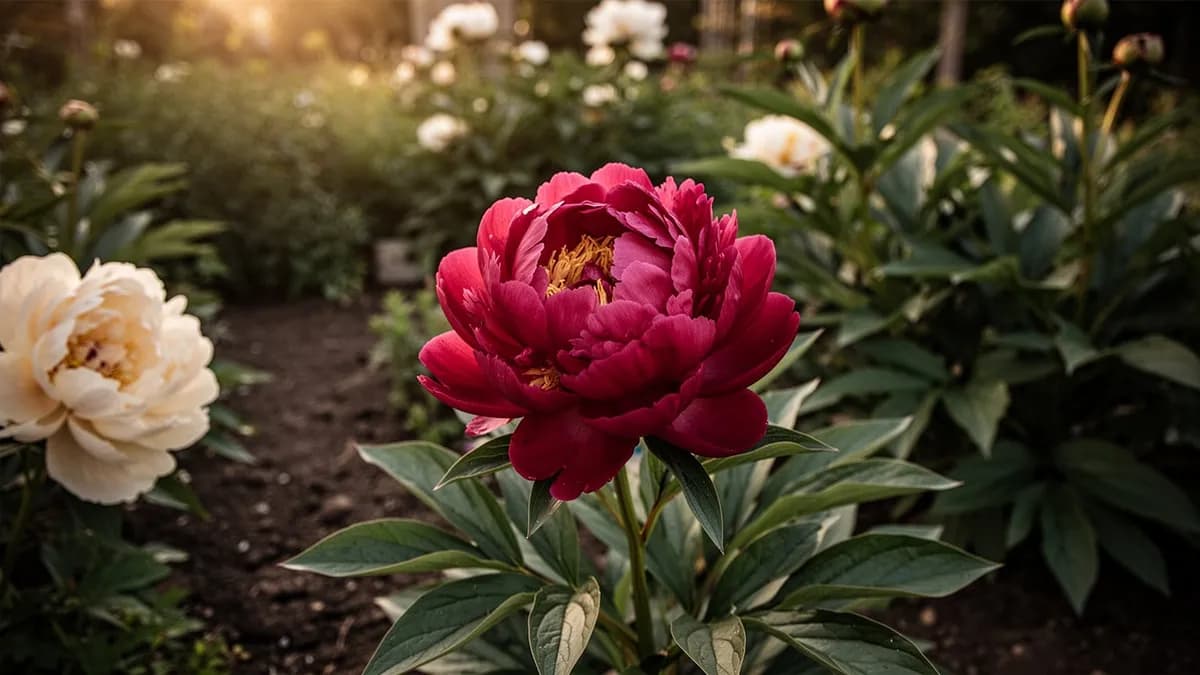
Garden phlox pairs beautifully with coneflowers, daylilies, and bee balm for a classic midsummer perennial border. Its tall, upright habit contrasts well with the rounded forms of sedum and the fine texture of ornamental grasses. Plant alongside catmint and Russian sage for a continuous summer color display. Avoid crowding phlox with other tall perennials that restrict airflow around the foliage.
Coneflower belongs beside it.
Old growers' knowledge, checked against Garden Phlox's real companion table below — test any plant you're growing.
Try Garden Phlox in a bed — right here
A real planner bed with Garden Phlox already in it. Tap a companion to place it and watch the pairing checks answer — green for good neighbours, red for a clash.


Related growing guides
Feed it well
Garden phlox thrives in fertile, humus-rich soil with excellent drainage and a pH of 6.0 to 7.0. Amend heavy clay soils with compost and coarse sand to improve drainage. Apply a balanced slow-release granular fertilizer in early spring as new growth emerges and again after the first bloom flush. Side-dress with compost in midsummer to sustain flowering. Avoid excessive nitrogen which promotes soft, mildew-prone growth at the expense of flowers.
Ideal Temperature
Hardiness Zone Compatibility
From seed to harvest, stage by stage
Dormancy & Spring Emergence
Garden phlox is a herbaceous perennial that dies back to the ground in winter. In early spring, new reddish-green shoots emerge from the crown as soil temperatures rise above 4°C (40°F). Root divisions or nursery transplants should be planted during this period while the plant is still dormant or just beginning to sprout.
Vegetative Growth
Stems elongate rapidly, producing pairs of opposite, lance-shaped leaves along sturdy upright stalks. Mature clumps can send up 8 to 15 stems that reach 60 to 120 cm (2 to 4 feet) tall depending on the cultivar. The plant builds a dense leafy canopy during this phase and establishes the framework for summer flowering.
Bud Formation
Terminal flower buds begin to form at the tips of each stem, appearing as tight green clusters. The plant channels energy from vegetative growth into reproductive development. Individual floret buds become visible within the developing panicle as the cluster gradually expands in size.
Peak Bloom
Garden phlox reaches its spectacular peak from midsummer through early fall, typically July through September. Each panicle opens from the outside edges inward, producing dense domed clusters of tubular five-petaled flowers that are intensely fragrant. A single flower head can contain 50 to 100 individual florets in colors ranging from white and pink to lavender, magenta, and bicolor patterns.
Seed Set & Late Season
After flowering concludes, remaining unpruned flower heads develop seed capsules. The foliage begins to yellow and decline as the plant redirects energy to its root system for winter storage. Lower leaves may drop naturally, and powdery mildew can become more prevalent on aging foliage in humid conditions.
Division & Renewal
Every three to four years, established phlox clumps benefit from division to maintain vigor and prevent overcrowding. Division is best performed in early fall after flowering or in early spring before active growth. Each division should contain three to five healthy shoots with an intact root system.
Clear away any old dead stems from the previous season before new growth appears. Apply a light layer of compost around the crown to feed emerging shoots. Keep the soil evenly moist but not waterlogged during the transition out of dormancy.
Caring for Garden Phlox month by month
What to do each month for your Garden Phlox
October
You are hereAfter the first hard frost, cut all stems back to 5 cm above ground level. Clean up and discard all fallen debris to reduce overwintering disease spores.
Know exactly what to do in your garden — every month
One email at the start of each month: what to sow, plant, and tackle right now — for your Garden Phlox and everything growing around it. Plus a short starter course that helps you dodge the classic mistakes.
- What to do, right now
- Matched to your season
- Starter course included
Harvesting Garden Phlox
Cut phlox stems for bouquets when about half the florets in a cluster have opened, which ensures the longest vase life. Cut in the early morning and place stems immediately in cool water. Remove any foliage that will sit below the waterline. Deadhead spent flower heads regularly by cutting back to a side shoot or strong leaf pair to encourage continued blooming and prevent self-sowing of genetically inferior seedlings.
assuming you plant when the window opens — set your real date
Pick Garden Phlox promptly and the plant keeps producing.
Storage & Preservation
Fresh-cut phlox lasts five to seven days in a vase with clean water and floral preservative. Change water every two days and recut stems at a forty-five-degree angle. Phlox does not dry well but can be preserved by pressing individual florets between sheets of parchment paper inside a heavy book for two to three weeks. The pressed flowers work well in crafts and botanical art projects.
What goes wrong — and the fix
Powdery Mildew
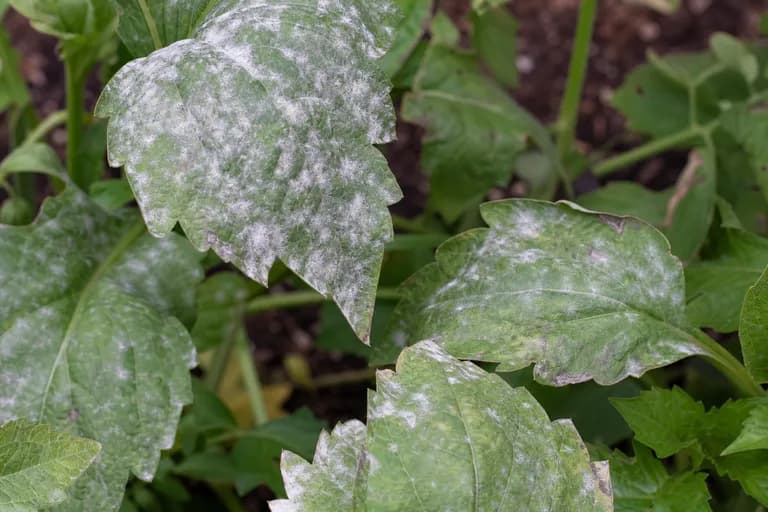
DiseaseWhite powdery coating on leaves and stems, starting on lower foliage and progressing upward. Leaves may curl, yellow, and drop prematurely.
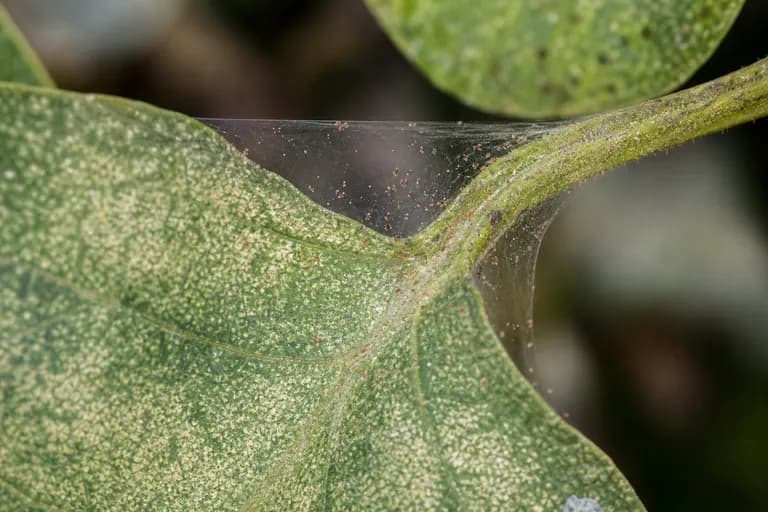
Spider Mites
PestFine stippling on leaves giving a dusty or bronzed appearance. Tiny webbing visible on leaf undersides in severe infestations. Leaves may dry out and drop.
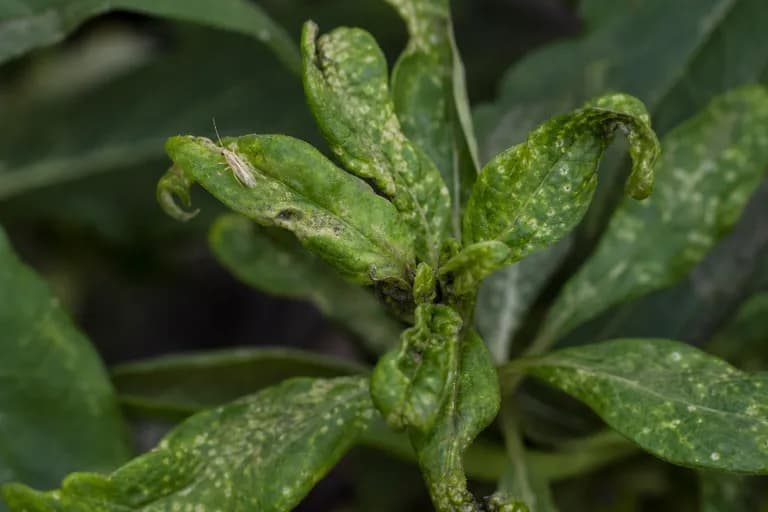
Phlox Plant Bug
PestSmall white or bleached spots on leaves caused by feeding. Leaf tips may curl and distort. Young growth is most affected, appearing stunted and misshapen.
Troubleshooting Common Problems
Powdery mildew is the single most common issue with garden phlox and is best managed through cultivar selection and good cultural practices. Plants that become crowded bloom poorly and suffer more disease, so divide every three to four years in early spring. Floppy stems usually indicate too much shade or excess nitrogen. Root rot can occur in poorly drained soils, particularly in winter.
Growing Tips
- Plant phlox in full sun with at least 6 hours of direct sunlight daily for the strongest stems and most abundant blooms. Light afternoon shade is beneficial in zones 7 and 8.
- Space plants 45 to 60 cm apart and thin stems within each clump to 5 or 6 of the strongest shoots each spring to maximize air circulation and minimize powdery mildew.
- Water at the base of the plant using soaker hoses or drip irrigation rather than overhead sprinklers, as wet foliage significantly increases the risk of fungal diseases.
- Apply a 5 to 8 cm layer of organic mulch around plants to retain soil moisture, moderate root zone temperatures, and suppress weeds, keeping mulch a few centimeters away from the stems.
- Deadhead spent flower clusters by cutting the stem back to a lateral bud or leaf pair to encourage a second flush of smaller blooms from side shoots in late summer.
- Divide clumps every three to four years in early spring or early fall to rejuvenate the plant, improve air flow, and prevent the center of the clump from becoming woody and unproductive.
- Choose mildew-resistant cultivars such as 'David', 'Jeana', 'Robert Poore', or 'Shortwood' if powdery mildew is a recurring problem in your garden's microclimate.
- Amend heavy clay soils with compost and coarse organic matter before planting, as phlox performs best in fertile, well-drained soil with a pH between 6.0 and 7.0.
- Remove and discard (do not compost) any foliage that shows signs of powdery mildew to reduce the spread of fungal spores to neighboring plants.
- Cut all stems to 5 cm above ground level after the first hard frost in autumn and clean up fallen leaves and debris to eliminate overwintering sites for disease pathogens.
Grow your best Garden Phlox yet — and everything around it.
Start a free plan today. Lay out your beds, drop in your Garden Phlox, and let PlotMyGarden handle the timing, spacing, companions and reminders from seed to harvest basket.
Pick your Garden Phlox
David
A tall white cultivar reaching three to four feet with outstanding mildew resistance and a clean, fresh fragrance. Winner of the Perennial Plant of the Year award.
Blue Paradise
Striking violet-blue flowers that shift color depending on light and temperature, growing to about three feet tall with good disease resistance.
Bright Eyes
Soft pink flowers with a distinctive rosy-red eye on three-foot stems, offering excellent mildew resistance and a long bloom period.
Jeana
A compact selection with large panicles of small lavender-pink florets that are extraordinarily attractive to butterflies, reaching three to four feet.
A single garden phlox plant purchased for $8 to $15 can be divided every three to four years into four or five new plants, providing decades of summer color at virtually no additional cost. Each division produces a flowering-size plant by its second year, making phlox one of the most economical perennials for filling large garden borders. Compared to purchasing annual bedding plants each season at $3 to $5 per plant, a phlox clump that returns reliably for 15 to 20 years or more can save over $200 in replacement planting costs for the same garden space.
Quick recipes
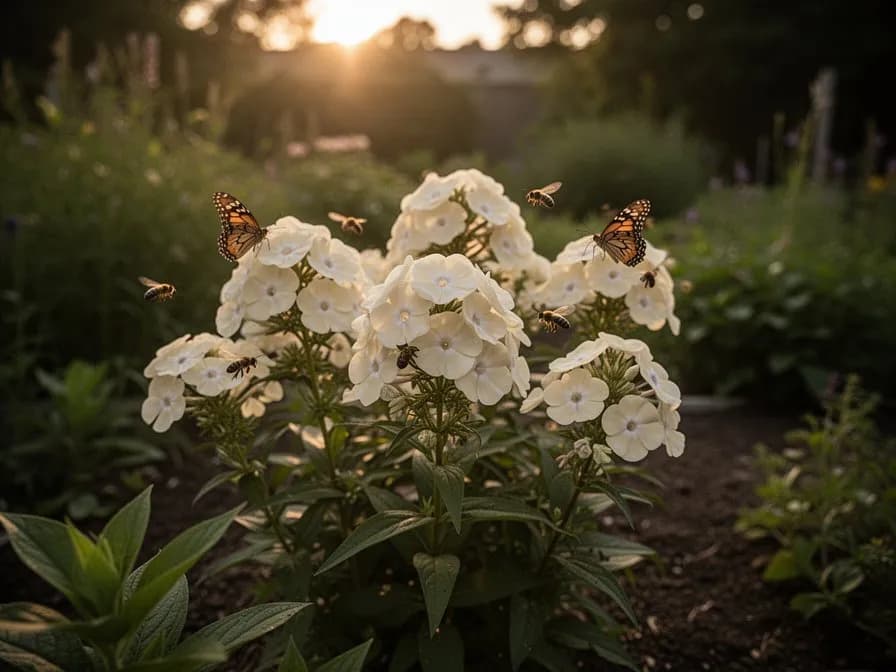
Phlox Petal Salad Garnish
5 minutesAdd vibrant color to summer salads by scattering fresh phlox florets over mixed greens. The petals provide a mild, slightly sweet flavor and a stunning visual accent. Use only flowers from plants that have not been treated with pesticides.
5 ingredients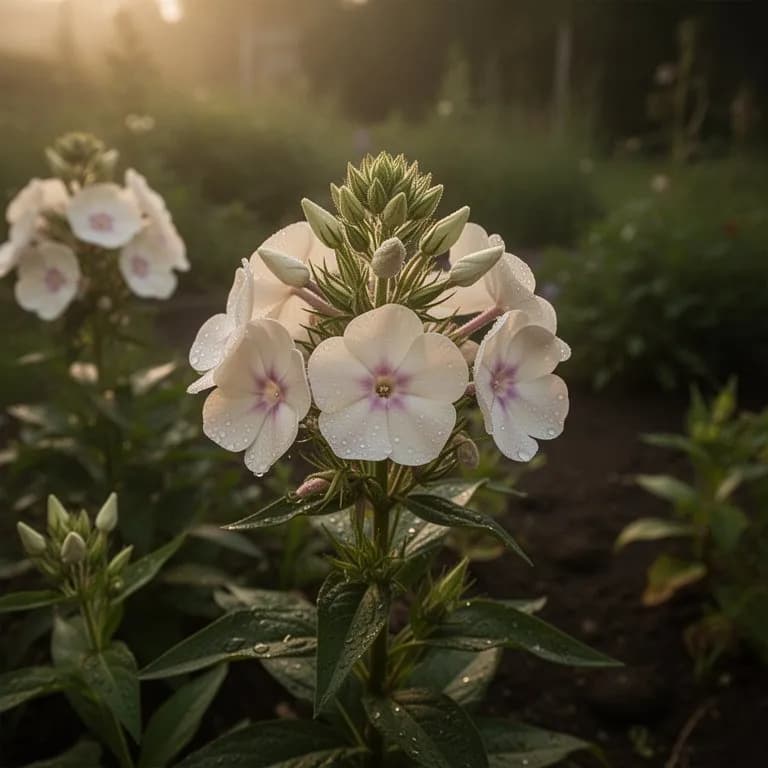
Phlox Flower Ice Cubes
10 minutes plus freezing timeCreate decorative ice cubes with suspended phlox florets for summer beverages. These elegant frozen accents add a garden-party touch to lemonade, sparkling water, or cocktails. The flowers retain their color beautifully when frozen in clear ice.
3 ingredientsPressed Phlox Flower Shortbread
30 minutes plus baking timePress individual phlox florets onto buttery shortbread cookies before baking to create beautiful botanical treats. The flowers bake into the surface of the cookie, creating a stunning edible decoration perfect for garden parties and summer gatherings.
6 ingredientsWhat's inside
Health Benefits
- Garden phlox provides significant mental health benefits through horticultural therapy, as tending perennial gardens has been shown to reduce stress and improve mood.
- The intense fragrance of phlox blooms on summer evenings creates a naturally calming outdoor atmosphere that can support relaxation and mindfulness practices.
- Growing phlox as part of a pollinator garden promotes local ecosystem health, supporting butterfly and moth populations that serve as indicators of environmental quality.
- Regular garden maintenance tasks such as dividing, staking, and deadheading phlox provide gentle physical exercise that improves flexibility and fine motor skills.
- Phlox-centered perennial gardens encourage time spent outdoors during summer months, increasing exposure to natural sunlight and supporting healthy vitamin D levels.
- Creating and maintaining perennial borders with phlox fosters a sense of accomplishment and purpose, which research has linked to improved overall well-being in gardeners of all ages.
Where Garden Phlox comes from
Phlox paniculata, commonly known as garden phlox, tall phlox, or summer phlox, is a herbaceous perennial native to the eastern and central United States. It grows wild in moist meadows, open woodlands, and along stream banks from New York and Pennsylvania south to Georgia and westward to Missouri and Arkansas. Indigenous peoples of eastern North America used various phlox species in traditional medicine, preparing leaf infusions as washes and using root preparations for a range of ailments. European plant explorers first documented the species in the early 1700s, and seeds were sent to England by the botanist John Bartram around 1740. The plant quickly gained popularity in European gardens for its showy flower clusters and sweet fragrance. By the mid-19th century, German and French hybridizers had developed dozens of named cultivars in an expanded color range that included pure white, salmon, coral, deep rose, and bicolor forms with contrasting eye zones. These improved garden selections were eventually reintroduced to American gardens, where they became staples of the traditional cottage garden and perennial border. Throughout the 20th century, breeding efforts shifted toward powdery mildew resistance, compact growth habits, and extended bloom seasons. Notable modern cultivars include the mildew-resistant 'David' and 'Robert Poore', the compact 'Flame' series, and the naturally dwarf 'Opening Act' series. Today garden phlox remains one of the most widely grown summer-blooming perennials in temperate gardens worldwide, valued for its long bloom period from July through September, its role as a pollinator plant, and its unmatched evening fragrance among hardy perennials.
Garden Phlox: did you know?
Fascinating facts about Garden Phlox
Phlox is one of the few garden flower genera that is native exclusively to North America, with Phlox paniculata originating in the eastern United States from New York to Georgia.
Garden Phlox questions, answered
When should I plant Garden Phlox?
What are good companion plants for Garden Phlox?
What hardiness zones can Garden Phlox grow in?
How much sun does Garden Phlox need?
How far apart should I space Garden Phlox?
What pests and diseases affect Garden Phlox?
How do I store Garden Phlox after harvest?
What are the best Garden Phlox varieties to grow?
What soil does Garden Phlox need?
Why does my garden phlox get powdery mildew every year?
When is the best time to divide garden phlox?
Why do my phlox seedlings look different from the parent plant?
Can garden phlox grow in partial shade?
How do I keep garden phlox blooming longer?
Is garden phlox toxic to pets or children?
You just read the theory. Now grow it on autopilot.
Everything that makes Garden Phlox fiddly — the timing, the spacing, the companions, the harvest window — is exactly what PlotMyGarden handles for you, for every plant in your garden.
A plan that knows your weather
Set your location once. Get sow, feed and harvest dates built around your real last-frost date and live forecast — no more guessing from a generic seed packet.
From the “When to plant” sectionDrag-and-drop bed planner
Design beds on a grid. Every plant snaps to its proper spacing, and you can see your whole season laid out before you spend a cent on seed.
From the “Growing guide” sectionCompanion conflicts, caught early
200+ good-and-bad pairings checked live as you plant — so a season-wrecking mistake never makes it into the ground.
From the “Companions” sectionReminders you'll actually act on
“Water the beans.” “Pick today before it turns.” Timely, specific, and tied to the plants you're really growing.
From the “Harvest” sectionSuccession, scheduled
Want a harvest for six weeks, not six days? It spaces your sowings automatically and reminds you when each new block is due.
From the “When to plant” sectionA record that gets smarter
Every harvest you log teaches it your garden. Next year's plan starts from what actually worked in your soil, not a textbook's.
From the “Overview” sectionPlant these alongside Garden Phlox
More Perennials
Garden plans featuring Garden Phlox
Grow your best Garden Phlox yet — and everything around it.
Start a free plan today. Lay out your beds, drop in your Garden Phlox, and let PlotMyGarden handle the timing, spacing, companions and reminders from seed to harvest basket.