Astilbe
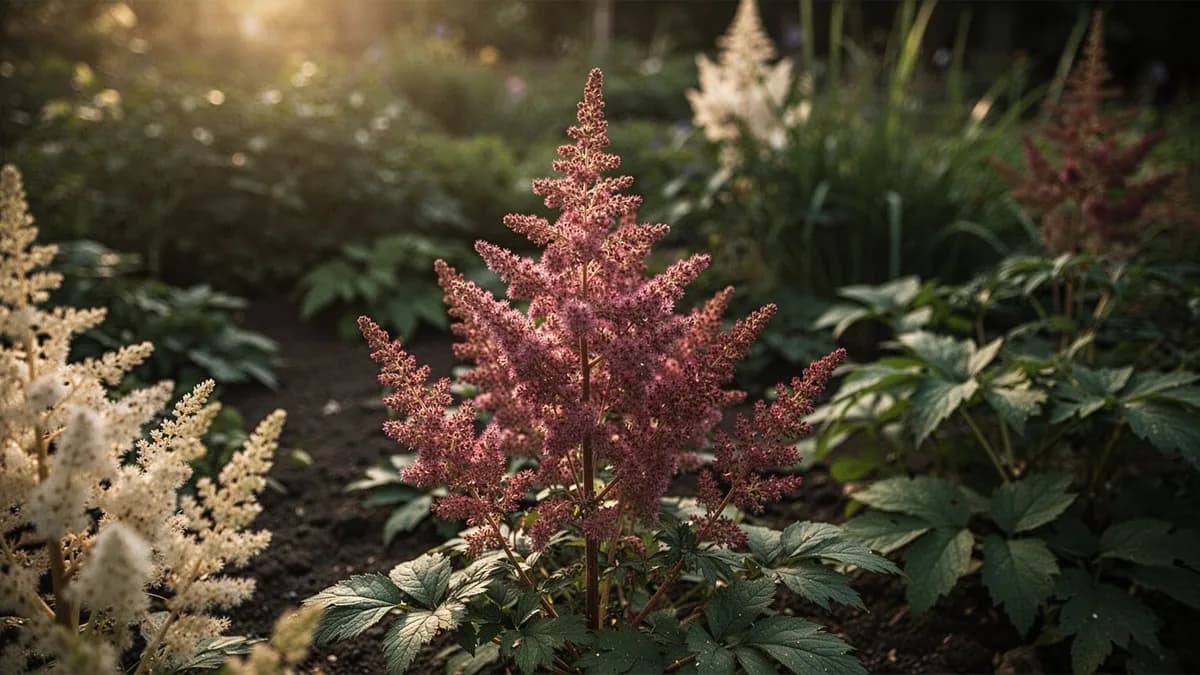
A shade-loving perennial with feathery plume-like flower sprays in pink, red, purple, and white above fern-like foliage.





On this pageOverview
Meet Astilbe
A shade-loving perennial with feathery plume-like flower sprays in pink, red, purple, and white above fern-like foliage. Astilbe requires consistently moist soil and struggles in dry conditions or intense heat. Leave spent flower plumes standing for winter interest and divide clumps every three to four years to maintain vigor.
When to plant Astilbe
Astilbe is almost always propagated by division rather than seed, as seed-grown plants are slow to reach flowering size and may not come true to named cultivars. If attempting seed, surface sow on moist compost without covering, as seeds need light to germinate. Provide 4-6 weeks cold stratification before sowing. Germination takes 2-4 weeks at 15-18°C. Seedlings grow slowly and may take 2-3 years to flower. Division is far more practical: lift clumps in spring or autumn, cut through the woody crown with a sharp knife, and replant sections with at least 3-5 growth points.
Your Astilbe Year
Composed for Zone 7 · typical seasons · frost passes Apr 2, returns Nov 1
Plant Astilbe Mar – Apr, Sep, pick Jun – Aug. Check the planting methods below and set your climate to personalize these windows.
How to grow Astilbe
Astilbe is one of the finest perennials for damp, shaded gardens, producing feathery plumes of flowers in a palette ranging from white through pink, salmon, red, and deep purple. These moisture-loving plants form attractive clumps of dark green, deeply divided foliage that looks beautiful even when not in bloom. Depending on variety, they grow 30-120cm tall and bloom from early to late summer.
Plant astilbe in partial to full shade in consistently moist, humus-rich soil. They are one of the few perennials that thrive in boggy conditions and make excellent companions for streams, ponds, and rain gardens. Incorporate generous amounts of compost or leaf mold into the planting area and mulch heavily to maintain soil moisture. Astilbe will not tolerate drought—crispy brown leaf edges are the first sign of insufficient moisture.
Leave spent flower plumes standing through autumn and winter, as they provide attractive architectural interest in the dormant garden and benefit overwintering wildlife. Cut back all dead growth in early spring before new foliage emerges. Divide clumps every 3-4 years in spring or autumn to maintain vigor, as the crown gradually pushes upward out of the soil over time—replant divisions at the same depth.
10 plants fit a 4 × 8 ft bed
Each Astilbe wants 45 cm of elbow room. The planner keeps that spacing for you — every plant, every bed.
Astilbe's best neighbours
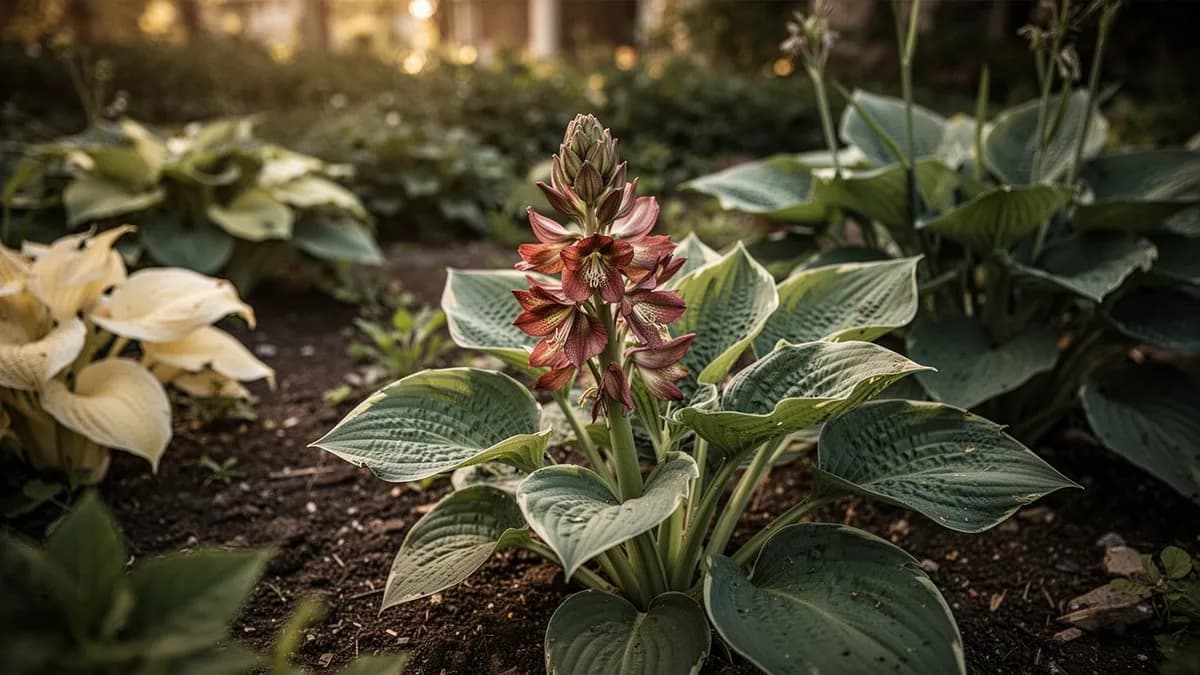
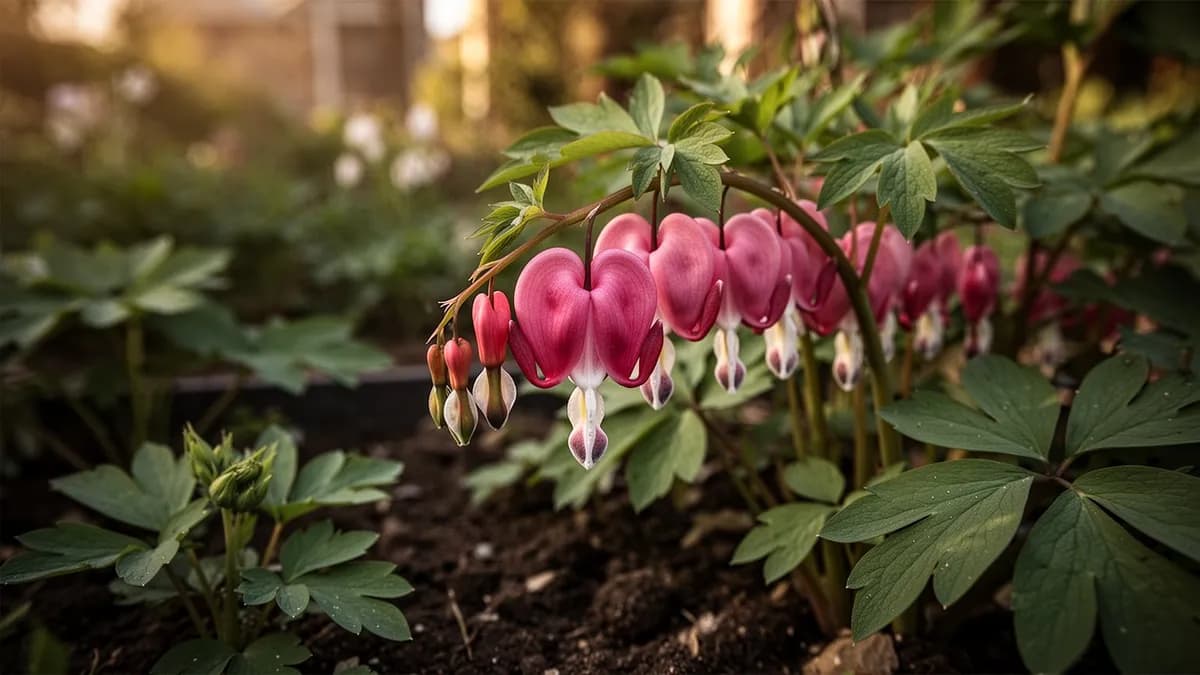
Astilbe is a natural companion for hostas, bleeding hearts, ferns, and other shade-loving moisture lovers. The feathery plumes provide beautiful textural contrast against the bold leaves of hostas and the fine fronds of ferns. Plant different varieties for a succession of bloom from early to late summer. Astilbe pairs well with Japanese irises, ligularia, and rodgersia in moist borders. It also complements spring bulbs—the emerging astilbe foliage hides the dying leaves of daffodils and tulips.
Hosta belongs beside it.
Old growers' knowledge, checked against Astilbe's real companion table below — test any plant you're growing.
Try Astilbe in a bed — right here
A real planner bed with Astilbe already in it. Tap a companion to place it and watch the pairing checks answer — green for good neighbours, red for a clash.


Related growing guides
Feed it well
Astilbe demands consistently moist, humus-rich soil with a slightly acidic to neutral pH of 6.0-7.0. This is non-negotiable—astilbe simply will not thrive in dry conditions. Amend planting areas with generous quantities of compost, leaf mold, or well-rotted manure. Mulch 5-8cm deep with organic material to conserve moisture and keep roots cool. Feed in spring with a balanced slow-release fertilizer and again in early summer with a liquid feed as flower buds develop. Top-dress annually with compost to maintain soil organic matter levels.
Ideal Temperature
Hardiness Zone Compatibility
From seed to harvest, stage by stage
Dormancy & Early Emergence
In early to mid-spring, astilbe crowns break dormancy as soil temperatures rise above 5 degrees Celsius. Small pointed shoots push through the soil surface, often displaying a striking bronze or reddish tint. The root system begins actively absorbing moisture and nutrients after the winter rest period.
Foliage Development
The fern-like compound leaves expand rapidly, forming a dense mound of deeply divided, glossy foliage. Depending on the cultivar, leaves may be dark green, bronze-green, or have a slight reddish cast. The plant establishes its full canopy during this phase, which helps shade the soil and retain moisture around the root zone.
Bud Formation
Flower stalks begin to elongate from the center of the foliage mound, rising above the leaves. The developing plumes are tightly packed clusters of tiny buds that gradually take on their final color. Early-season varieties such as Astilbe japonica cultivars may begin budding by late spring, while late-season Astilbe chinensis types develop buds in midsummer.
Full Bloom
The feathery plumes reach their full height and color intensity, with individual florets opening from the base of each panicle upward. Bloom colors range from pure white through pale pink, salmon, magenta, deep red, and lavender-purple. Each plume remains showy for two to four weeks, and a well-chosen collection of cultivars can provide continuous bloom from June through early September.
Seed Set & Late Season
After flowering, the plumes gradually dry and turn brown, developing a rustic charm that persists well into autumn and winter. Seeds mature within the dried panicles, though named cultivars do not come true from seed. The foliage may take on warm autumn tones of amber, russet, or bronze before dying back with the first hard frosts.
Division & Renewal
Every three to four years, mature astilbe clumps benefit from division to prevent overcrowding and declining bloom performance. The woody central crown can become unproductive over time, while the outer portions remain vigorous. Division is best performed in early spring as new growth appears or in early autumn after flowering has finished.
Apply a 5 to 7 centimeter layer of compost or well-rotted leaf mulch around emerging shoots to retain moisture and suppress weeds. Avoid burying the crown, which can promote rot.
Caring for Astilbe month by month
What to do each month for your Astilbe
October
You are herePlant container-grown astilbe or divide and transplant existing clumps while soil is still warm. Apply a generous layer of mulch around newly planted or divided specimens. Continue watering until the ground freezes.
Know exactly what to do in your garden — every month
One email at the start of each month: what to sow, plant, and tackle right now — for your Astilbe and everything growing around it. Plus a short starter course that helps you dodge the classic mistakes.
- What to do, right now
- Matched to your season
- Starter course included
Harvesting Astilbe
Astilbe plumes make excellent fresh cut flowers when harvested just as the first florets begin to open. Cut stems early in the morning and condition in deep water for several hours before arranging. The plumes also dry beautifully—cut when fully colored but before florets begin to fade, and hang upside down in a warm, dark room for 2-3 weeks. Dried astilbe plumes retain their color and shape for months in dried arrangements.
assuming you plant when the window opens — set your real date
Pick Astilbe promptly and the plant keeps producing.
Storage & Preservation
Dried astilbe plumes are a staple of dried flower arranging. Harvest at peak color, strip lower leaves, bundle 5-6 stems together, and hang upside down in a warm, dark, dry room with good ventilation. Drying takes 2-3 weeks. The plumes maintain their shape well but colors gradually fade to softer tones over time. Spray with a light coat of hairspray or craft sealant to preserve color and reduce shedding. Store dried plumes upright in a dry location out of direct sunlight.
What goes wrong — and the fix
Powdery Mildew
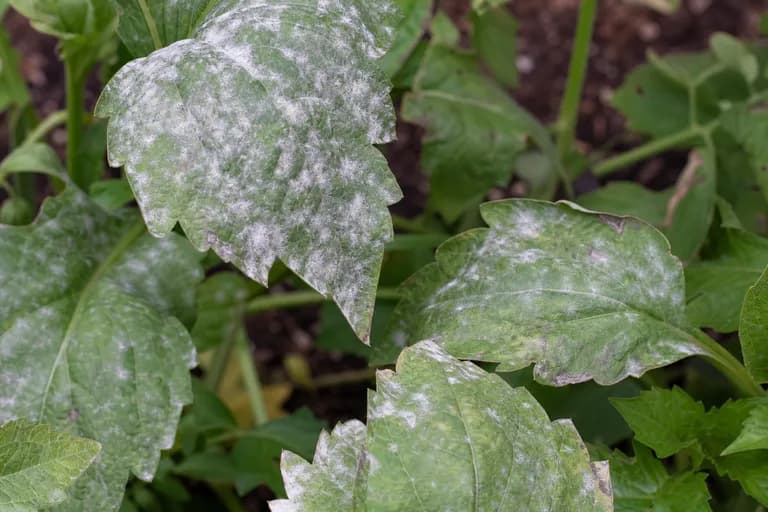
DiseaseWhite powdery coating on leaves, typically appearing in late summer when conditions are dry. Affected leaves may curl and brown.
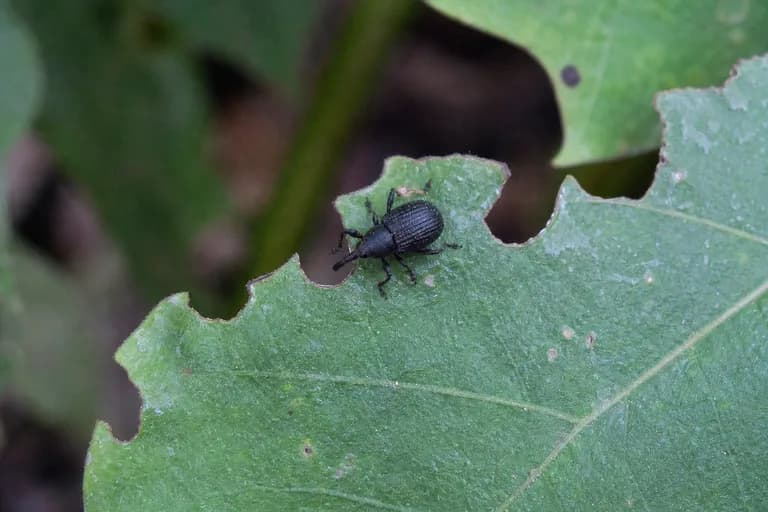
Vine Weevil
PestNotched leaf edges from adult feeding and, more seriously, white C-shaped grubs eating roots, causing wilting and plant death.
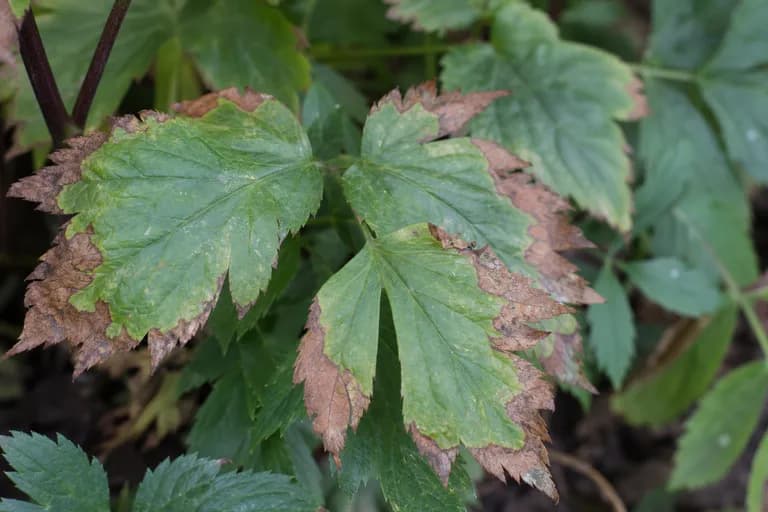
Leaf Scorch
DiseaseBrown, crispy leaf margins progressing inward. Not a true disease but a physiological response to dry soil, hot sun, or drying winds.
Troubleshooting Common Problems
The overwhelming cause of astilbe failure is dry soil. These plants evolved in moist woodland and streamside conditions and have zero drought tolerance. Brown, crispy leaf edges are the first warning. Crown heaving—where the woody root crown pushes above soil level—occurs naturally over time and must be addressed by dividing and replanting deeper, or by mounding compost over exposed crowns. Poor flowering usually indicates the clump is congested and needs division, or that the plant is receiving too little light.
Growing Tips
- Plant astilbe in partial to full shade with consistently moist, humus-rich soil. Morning sun with afternoon shade is ideal in cooler climates, while full shade is preferred in regions with hot summers.
- Amend the planting area generously with compost, leaf mold, or well-rotted manure to improve moisture retention. Astilbe roots are shallow and fibrous, and they dry out quickly in lean or sandy soils.
- Mulch heavily with 5 to 8 centimeters of organic material such as shredded bark, composted leaves, or pine needles. Replenish the mulch layer annually in spring to maintain soil moisture and moderate root zone temperatures.
- Water deeply and regularly, providing at least 2.5 centimeters of water per week during the growing season. Astilbe is one of the most moisture-demanding perennials and will show immediate stress from drought through browning leaf margins.
- Avoid planting astilbe in hot, dry, exposed locations or in competition with shallow-rooted trees such as maples and beeches that will outcompete astilbe for moisture. Ideal companion trees include deep-rooted oaks and conifers.
- Divide clumps every three to four years in early spring or early autumn to maintain vigor. Replant divisions at the same depth as the original crown and water them in thoroughly after transplanting.
- Apply a balanced granular fertilizer such as 10-10-10 in early spring as new growth emerges, or side-dress with compost and a handful of bone meal. Avoid high-nitrogen fertilizers that promote foliage at the expense of flowers.
- Select a mix of early, mid, and late-season cultivars to extend the bloom period across the entire summer. Early varieties like Astilbe japonica 'Deutschland' bloom in June, while late types like Astilbe chinensis 'Pumila' flower into September.
- Leave spent flower plumes standing through autumn and winter rather than cutting them back immediately. The dried seed heads provide architectural interest in the dormant garden and offer shelter for overwintering beneficial insects.
- In regions with harsh winters, apply a protective mulch of straw or evergreen boughs after the ground freezes to prevent frost heaving, which can push shallow astilbe crowns out of the soil and expose them to desiccation.
Grow your best Astilbe yet — and everything around it.
Start a free plan today. Lay out your beds, drop in your Astilbe, and let PlotMyGarden handle the timing, spacing, companions and reminders from seed to harvest basket.
Pick your Astilbe
Astilbe 'Fanal'
A classic deep crimson-red variety with dark bronzy foliage, one of the most popular red astilbes for shade gardens.
Astilbe 'Bridal Veil'
Elegant pure white plumes on compact 60cm plants, ideal for brightening dark corners and combining with pink and purple varieties.
Astilbe chinensis 'Visions'
A compact series with improved drought tolerance compared to other astilbes, available in pink, red, and white forms.
Astilbe 'Peach Blossom'
A charming soft peach-pink variety that blends beautifully with both warm and cool color schemes in the shade garden.
A single astilbe plant purchased for approximately 8 to 15 dollars can be divided every three to four years into three to five new divisions, rapidly multiplying your investment. Over a decade, one original plant can yield 20 or more new plants through successive divisions, providing hundreds of dollars worth of ornamental value for shade garden borders, woodland plantings, and gifts to fellow gardeners. Additionally, astilbe's low maintenance requirements and long lifespan of 10 to 15 years or more reduce the ongoing costs of annual replanting that seasonal bedding plants demand.
Quick recipes
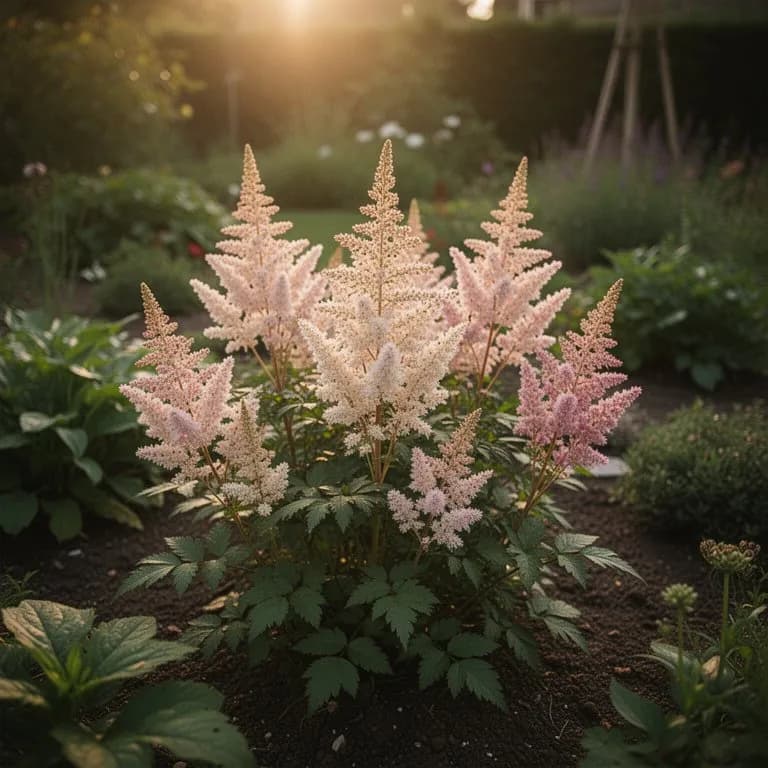
Dried Astilbe Flower Arrangement
20 minutesCreate a long-lasting dried flower arrangement using astilbe plumes harvested at peak bloom. The feathery texture adds softness and height to any dried bouquet. Cut plumes when about three-quarters of the florets have opened for the best color retention during drying.
5 ingredients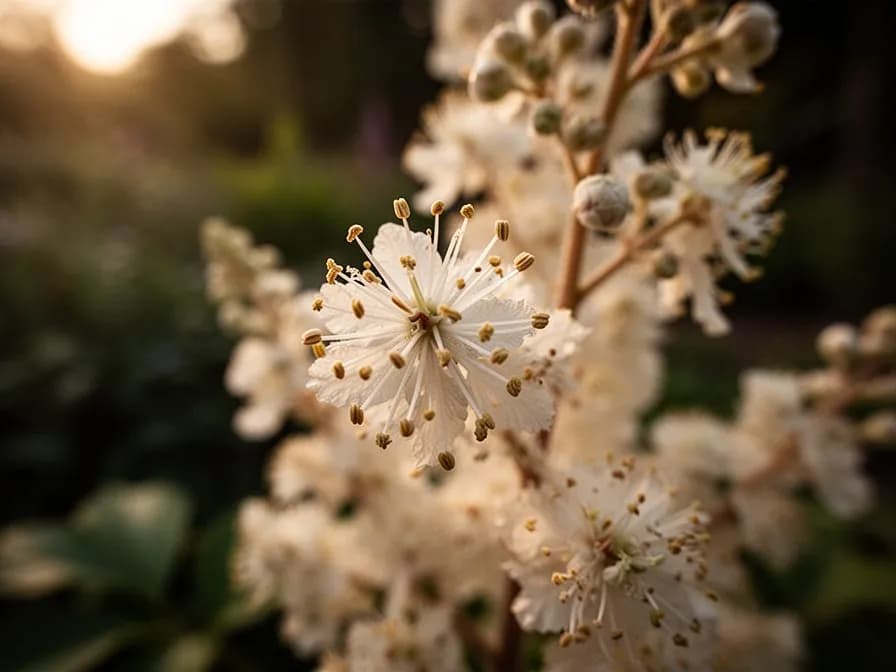
Astilbe Pressed Flower Botanical Art
15 minutes active, 2 to 3 weeks pressing timePress individual astilbe floret sprays and leaves to create delicate botanical art pieces. The finely divided foliage and tiny florets press beautifully and can be arranged into elegant framed compositions or used to decorate handmade cards and bookmarks.
6 ingredientsAstilbe-Inspired Shade Garden Potpourri
30 minutes active, 1 to 2 weeks curingCombine dried astilbe plumes with fragrant herbs and flowers from the shade garden to create a decorative potpourri. While astilbe itself has minimal fragrance, the dried plumes add beautiful texture and color to a potpourri blend enhanced with essential oils.
7 ingredientsWhat's inside
Health Benefits
- Astilbe chinensis has been used in traditional Chinese medicine as an anti-inflammatory remedy, with root extracts applied to reduce swelling and joint discomfort.
- Research into Astilbe species has identified triterpene compounds such as astilbic acid, which demonstrate potential antioxidant activity in laboratory studies.
- Gardening with astilbe in shade gardens promotes physical activity including bending, digging, and mulching, which contributes to improved cardiovascular health and flexibility.
- The calming visual effect of astilbe's soft, feathery plumes in garden settings has been associated with stress reduction and improved mental well-being, consistent with research on horticultural therapy.
- Astilbe attracts beneficial pollinators including native bees and hoverflies to the garden, supporting local ecosystems and biodiversity which are linked to healthier environments.
- As a non-toxic plant safe for households with children and pets, astilbe allows gardeners to create beautiful outdoor spaces without concerns about accidental poisoning.
Where Astilbe comes from
Astilbe is a genus of approximately 18 species of herbaceous perennials belonging to the family Saxifragaceae. The genus is native primarily to the moist mountainous woodlands, ravines, and streamsides of East Asia, with species found across China, Japan, Korea, and the Russian Far East. A single species, Astilbe biternata, is native to the southeastern United States, growing in the rich cove forests of the Appalachian Mountains. The plants were first described scientifically by the Scottish botanist David Don in 1825, who gave them the somewhat misleading name meaning 'without brilliance' based on the tiny individual florets. European plant explorers brought astilbe specimens back from Japan and China during the mid-to-late nineteenth century, and the genus quickly captured the attention of ornamental plant breeders. The most transformative figure in astilbe breeding was Georg Arends, a German nurseryman who spent decades crossing different species to produce the large-flowered, vibrantly colored hybrids that dominate gardens today. His Astilbe x arendsii hybrids, first introduced in the early 1900s, combined the best traits of Astilbe chinensis, Astilbe japonica, Astilbe astilboides, and Astilbe thunbergii. These crosses yielded plants with larger and more densely packed flower plumes, a broader color range, and improved garden performance. Throughout the twentieth century, additional breeders in the Netherlands, England, and North America continued to expand the available cultivar palette. Today astilbe is valued worldwide as one of the premier flowering perennials for shade gardens, woodland borders, and waterside plantings. Its popularity continues to grow as gardeners increasingly seek reliable, low-maintenance plants that thrive without full sun.
Astilbe: did you know?
Fascinating facts about Astilbe
The name Astilbe comes from the Greek words 'a' meaning without and 'stilbe' meaning brilliance, a somewhat ironic name given the plant's showy flower plumes. The name originally referred to the individual florets, which are inconspicuous when examined singly.
Astilbe questions, answered
When should I plant Astilbe?
What are good companion plants for Astilbe?
What hardiness zones can Astilbe grow in?
How much sun does Astilbe need?
How far apart should I space Astilbe?
What pests and diseases affect Astilbe?
How do I store Astilbe after harvest?
What are the best Astilbe varieties to grow?
What soil does Astilbe need?
Why are my astilbe leaves turning brown and crispy on the edges?
Can astilbe grow in full sun?
How do I divide astilbe and when is the best time?
Is astilbe deer resistant?
Why is my astilbe not flowering?
Are astilbe plants toxic to pets or children?
You just read the theory. Now grow it on autopilot.
Everything that makes Astilbe fiddly — the timing, the spacing, the companions, the harvest window — is exactly what PlotMyGarden handles for you, for every plant in your garden.
A plan that knows your weather
Set your location once. Get sow, feed and harvest dates built around your real last-frost date and live forecast — no more guessing from a generic seed packet.
From the “When to plant” sectionDrag-and-drop bed planner
Design beds on a grid. Every plant snaps to its proper spacing, and you can see your whole season laid out before you spend a cent on seed.
From the “Growing guide” sectionCompanion conflicts, caught early
200+ good-and-bad pairings checked live as you plant — so a season-wrecking mistake never makes it into the ground.
From the “Companions” sectionReminders you'll actually act on
“Water the beans.” “Pick today before it turns.” Timely, specific, and tied to the plants you're really growing.
From the “Harvest” sectionSuccession, scheduled
Want a harvest for six weeks, not six days? It spaces your sowings automatically and reminds you when each new block is due.
From the “When to plant” sectionA record that gets smarter
Every harvest you log teaches it your garden. Next year's plan starts from what actually worked in your soil, not a textbook's.
From the “Overview” sectionPlant these alongside Astilbe
More Perennials
Grow your best Astilbe yet — and everything around it.
Start a free plan today. Lay out your beds, drop in your Astilbe, and let PlotMyGarden handle the timing, spacing, companions and reminders from seed to harvest basket.