Perennial Salvia
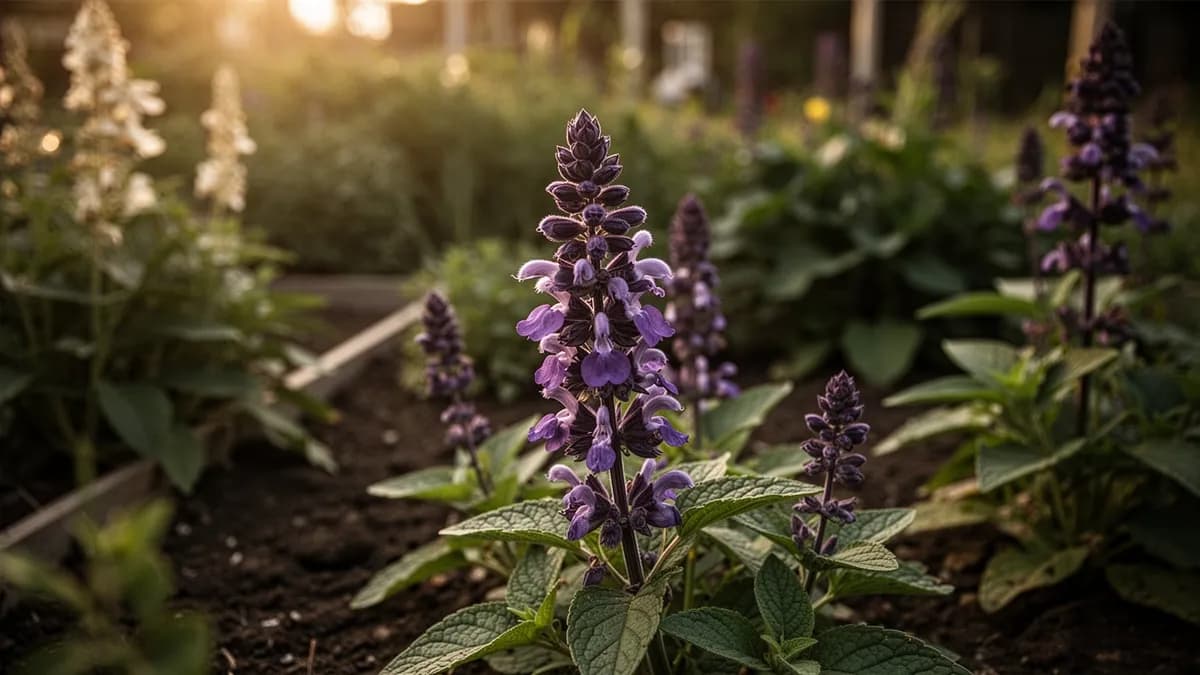
A long-blooming perennial with dense spikes of violet-blue flowers that attract bees and hummingbirds all season.





On this pageOverview
Meet Perennial Salvia
A long-blooming perennial with dense spikes of violet-blue flowers that attract bees and hummingbirds all season. Perennial salvia is drought-tolerant, deer-resistant, and requires almost no maintenance beyond cutting back spent flower stalks. It makes an excellent companion for roses and pairs beautifully with yellow and orange flowers.
When to plant Perennial Salvia
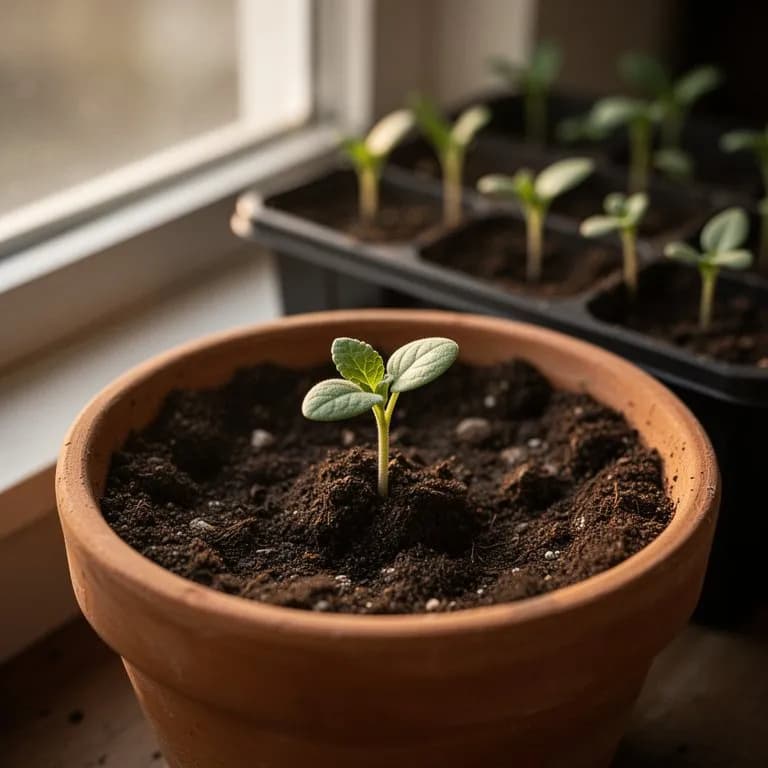
Perennial salvia can be grown from seed, though named cultivars do not come true. Sow seeds on the surface of moist compost at 18-22°C, as they need light for germination. Expect seedlings in 14-21 days. Seed-grown plants flower in the second year. For named varieties, divide established clumps in spring or take basal cuttings in late spring. Cuttings root easily in 2-3 weeks in gritty, moist compost.
Your Perennial Salvia Year
Composed for Zone 7 · typical seasons · frost passes Apr 2, returns Nov 1
Plant Perennial Salvia Mar – Apr, Sep, pick May – Sep. Check the planting methods below and set your climate to personalize these windows.
How to grow Perennial Salvia
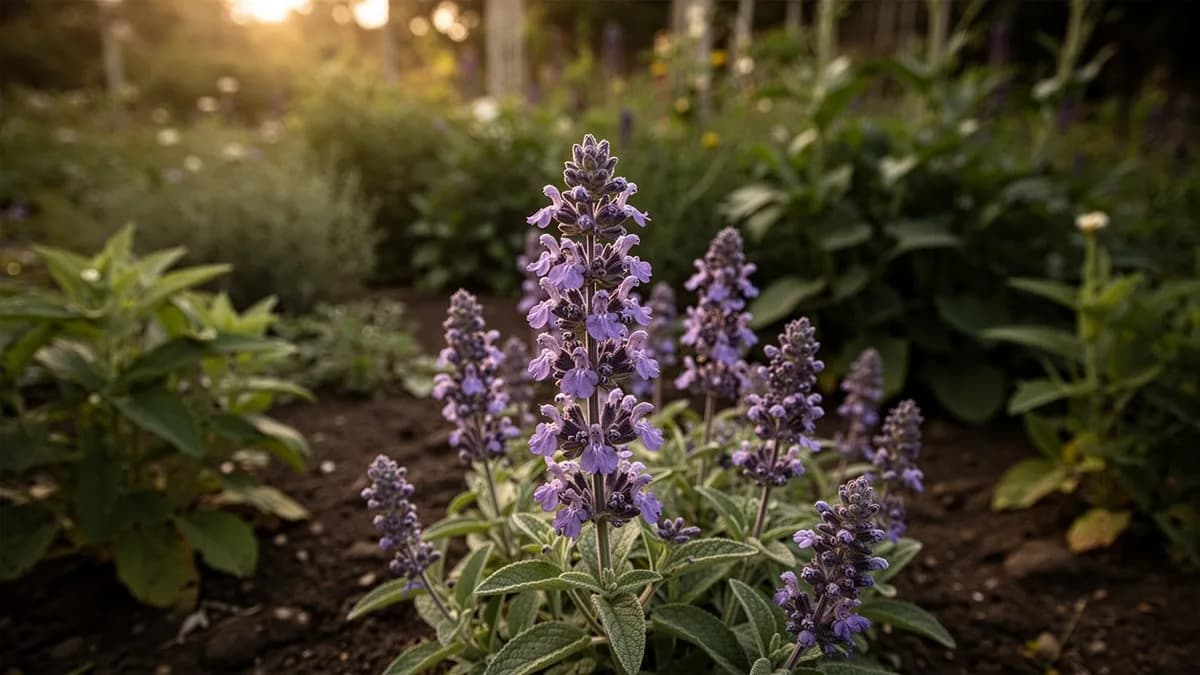
Perennial salvia (Salvia nemorosa and its hybrids) is one of the most dependable and long-flowering garden perennials, producing dense spikes of violet-blue, purple, pink, or white flowers from late spring well into autumn. Growing 30-60cm tall in neat, compact mounds, these salvias are drought-tolerant, deer-resistant, and virtually pest-free—the ideal low-maintenance perennial.
Plant in full sun in average, well-drained soil. Like most salvias, these plants perform better in lean conditions than rich ones—too much fertility produces floppy growth with fewer flowers. Space 35cm apart for a solid planting that knits together quickly. Water to establish, then these tough plants need supplemental irrigation only during extended drought.
The key to season-long bloom is deadheading: when the first flush of flowers fades, cut the entire flower stem back to the basal foliage. This triggers rapid regrowth and a second, sometimes third flush of bloom. Many cultivars have attractive colored calyces that provide continued color even as individual flowers fade. Cut back all growth in late autumn or early spring to keep plants tidy and vigorous.
18 plants fit a 4 × 8 ft bed
Each Perennial Salvia wants 35 cm of elbow room. The planner keeps that spacing for you — every plant, every bed.
Perennial Salvia's best neighbours
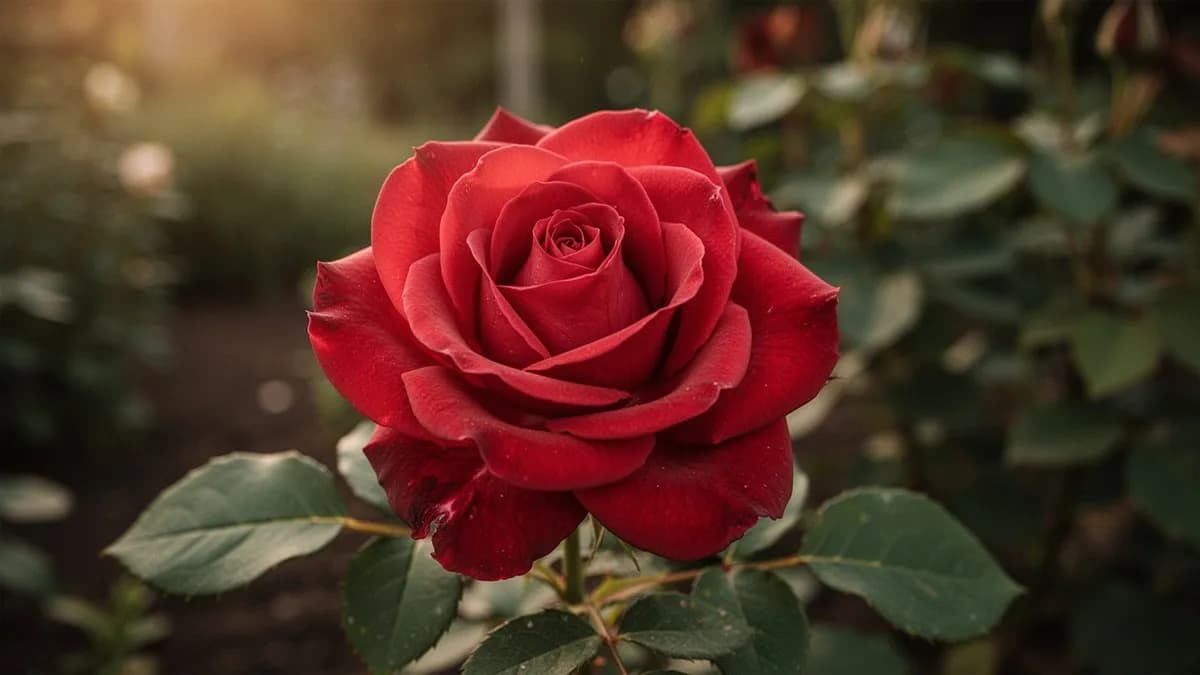
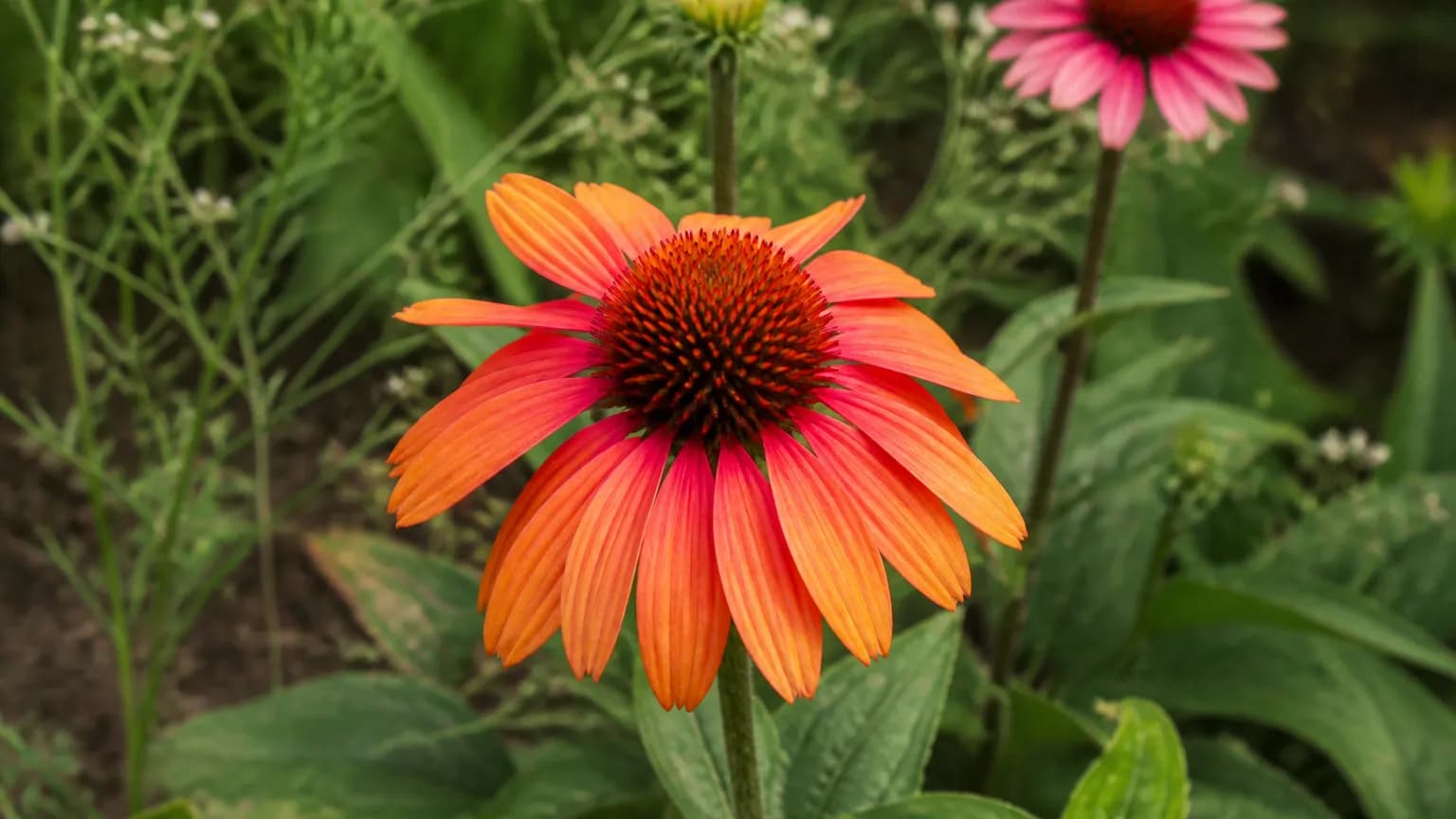
Perennial salvia is the quintessential rose companion—the blue-violet spikes complement every rose color from white through pink to deep red. Plant with catmint, coneflowers, and ornamental grasses for a pollinator-friendly, low-maintenance border. The vertical spikes contrast beautifully with the rounded forms of geraniums and the flat heads of yarrow and sedum. Yellow flowers—coreopsis, rudbeckia, and achillea—create vibrant complementary combinations with blue salvias.
Rose belongs beside it.
Old growers' knowledge, checked against Perennial Salvia's real companion table below — test any plant you're growing.
Try Perennial Salvia in a bed — right here
A real planner bed with Perennial Salvia already in it. Tap a companion to place it and watch the pairing checks answer — green for good neighbours, red for a clash.


Related growing guides
Feed it well
Perennial salvia thrives in average to lean, well-drained soil with a pH of 6.0-7.5. It performs best in moderately poor conditions—rich soil produces lax growth. Sandy or gravelly soils are ideal. Add grit to heavy clay before planting. Little fertilization is needed; a light application of balanced slow-release fertilizer in spring is sufficient. Avoid high-nitrogen feeds. Container plants need a well-drained mix and monthly feeding during the growing season.
Ideal Temperature
Hardiness Zone Compatibility
From seed to harvest, stage by stage
Seed Germination
Seeds require light and consistent moisture to germinate. Surface-sow on fine compost and keep at 18-22 °C. Germination is often irregular, taking 10 to 21 days depending on seed freshness and temperature.
Seedling Establishment
True leaves develop and the seedling forms a small rosette. Root growth is prioritised during this phase. Seedlings are frost-tender and should be hardened off gradually before transplanting outdoors after the last frost date.
Vegetative Growth
The plant puts on vigorous top growth, forming a dense mound of aromatic, grey-green foliage up to 45 cm across. Strong fibrous roots spread outward, anchoring the clump and improving drought resilience for future seasons.
Flowering
Sturdy flower spikes rise 40-60 cm above the foliage, bearing dense whorls of violet-blue, pink, or white tubular flowers. The main flush occurs from late May through July. Deadheading spent spikes promptly encourages a reliable second bloom in late summer.
Late-Season Rebloom
If deadheaded consistently, perennial salvia produces a second, somewhat shorter flush of flower spikes from August into early October. Pollinators rely heavily on this late nectar source as other garden flowers begin to wane.
Dormancy and Overwintering
Foliage dies back after the first hard frost. The woody crown and root system remain alive underground, surviving temperatures as low as -34 °C (USDA Zone 4). The plant enters full dormancy until soil temperatures warm again in spring.
Spring Regrowth
Fresh shoots emerge from the crown once soil temperatures reach roughly 10 °C. Growth accelerates quickly, and established clumps often double in size by their third year. Division every three to four years rejuvenates vigour and increases stock.
Do not cover seeds deeply; they need light to germinate. Mist the surface gently to avoid displacing the tiny seeds.
Caring for Perennial Salvia month by month
What to do each month for your Perennial Salvia
October
You are hereReduce watering as the plant prepares for dormancy. Clear any debris around the base to minimise overwintering slug habitat.
Know exactly what to do in your garden — every month
One email at the start of each month: what to sow, plant, and tackle right now — for your Perennial Salvia and everything growing around it. Plus a short starter course that helps you dodge the classic mistakes.
- What to do, right now
- Matched to your season
- Starter course included
Harvesting Perennial Salvia
Perennial salvia spikes make attractive additions to fresh flower arrangements. Cut when the lower third of the spike is in full bloom and upper buds are showing color. The spikes last 5-7 days in water. The flowers also dry well—cut at peak bloom and hang upside down in a dark room for 1-2 weeks. Dried spikes retain their purple-blue color and work beautifully in dried arrangements.
assuming you plant when the window opens — set your real date
Pick Perennial Salvia promptly and the plant keeps producing.
Storage & Preservation
Dried salvia spikes maintain excellent color and form for months in dried arrangements. Hang-dry bundles for 2 weeks in a warm, dark location. The flowers can also be pressed for crafts. For seed saving, allow some flower spikes to mature fully on the plant in autumn—collect dried seed when stems are brown and crisp. Named cultivars do not come true from seed and must be propagated vegetatively.
What goes wrong — and the fix
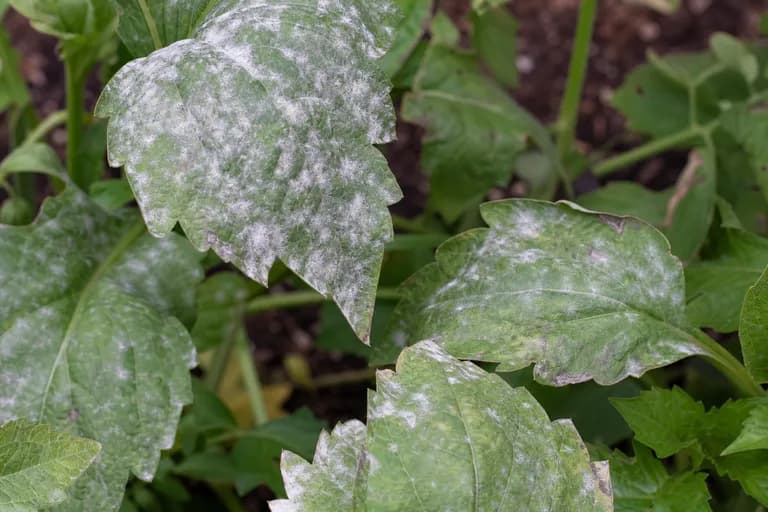
Powdery Mildew
DiseaseWhite powdery patches on leaves during late summer, particularly in humid conditions with poor air circulation.
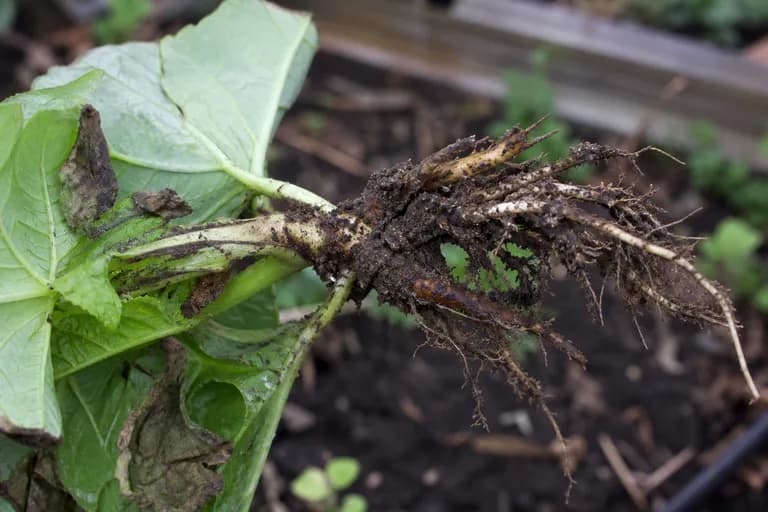
Root Rot
DiseaseWilting despite adequate moisture, yellowing foliage, soft mushy stem bases. Occurs in heavy, wet soils.
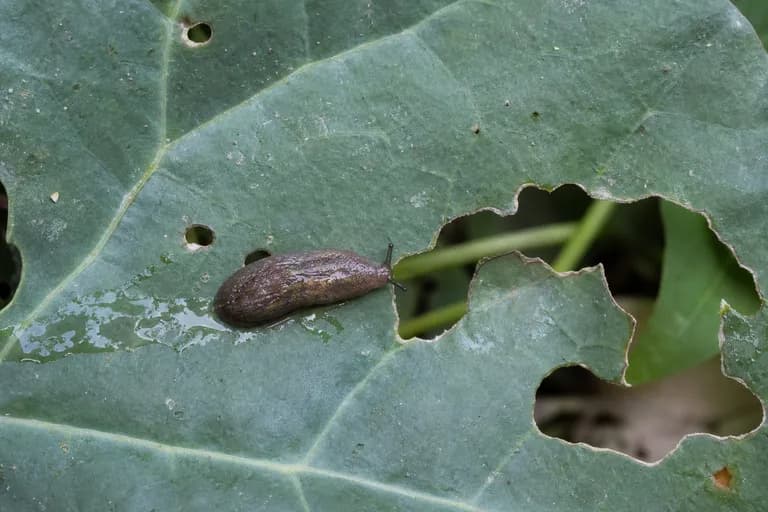
Slugs
PestHoles in emerging spring foliage. Generally not a serious problem once plants are established.
Troubleshooting Common Problems
Floppy growth from too much shade or rich soil is the most common complaint—grow lean and in full sun for compact, upright plants. Failure to deadhead results in a shortened bloom season. Crown rot in wet winter soil can kill plants; ensure drainage is excellent. In the coldest part of their range (Zone 4), apply a light winter mulch for protection. Perennial salvias are otherwise remarkably trouble-free.
Growing Tips
- Plant in full sun with at least 6 hours of direct sunlight daily for the best flower production and most compact growth habit.
- Ensure excellent drainage — Salvia nemorosa will not tolerate waterlogged soil, especially in winter. Amend heavy clay with coarse grit or perlite before planting.
- Space plants 30-45 cm apart to allow adequate air circulation, which reduces the risk of powdery mildew in humid climates.
- Deadhead the first flush of flowers promptly by cutting spikes back to the basal rosette to trigger a strong second bloom in late summer.
- Avoid excessive nitrogen fertiliser, which promotes floppy, leggy growth at the expense of flowers. A single spring application of balanced fertiliser is sufficient.
- Divide established clumps every 3-4 years in early spring to maintain vigour, prevent the centre from becoming woody, and produce free new plants.
- Mulch with gravel or stone chippings rather than organic mulch directly against the crown, as this keeps the base dry and mimics the plant's natural rocky habitat.
- Take basal stem cuttings in September from non-flowering shoots for a reliable propagation method that produces true-to-type plants faster than seed.
- Leave the final autumn flower spikes and dried foliage in place until late winter — they provide seed for birds, shelter for overwintering beneficial insects, and attractive winter structure.
- Pair with complementary companions such as Nepeta, Perovskia, Echinacea, and ornamental grasses for a naturalistic, low-maintenance planting scheme that looks stunning from late spring through autumn.
Grow your best Perennial Salvia yet — and everything around it.
Start a free plan today. Lay out your beds, drop in your Perennial Salvia, and let PlotMyGarden handle the timing, spacing, companions and reminders from seed to harvest basket.
Pick your Perennial Salvia
Salvia nemorosa 'Caradonna'
The finest perennial salvia with deep violet-blue flowers on dramatic near-black stems. Outstanding architectural quality and long flowering season.
Salvia nemorosa 'May Night' (Mainacht)
Deep indigo-violet spikes on compact 45cm plants. Perennial Plant of the Year and one of the most reliable garden salvias.
Salvia nemorosa 'Snow Hill' (Schneehügel)
Pure white flower spikes that brighten borders and provide striking contrast when planted alongside blue and purple varieties.
Salvia nemorosa 'Rose Marvel'
Bright rose-pink flowers on compact plants, offering a warm alternative to the typical blue-violet color range.
A single nursery-bought Salvia nemorosa plant (typically £4-£8 / $5-$10) can be divided every 3-4 years into 4-6 new plants, multiplying your investment significantly. Once established, it requires almost no supplemental watering, fertiliser, or pest control, saving on annual garden input costs. Its long lifespan of 10+ years and ability to self-sow lightly means you can fill entire borders for the price of a few starter plants, avoiding the recurring expense of annual bedding.
Quick recipes
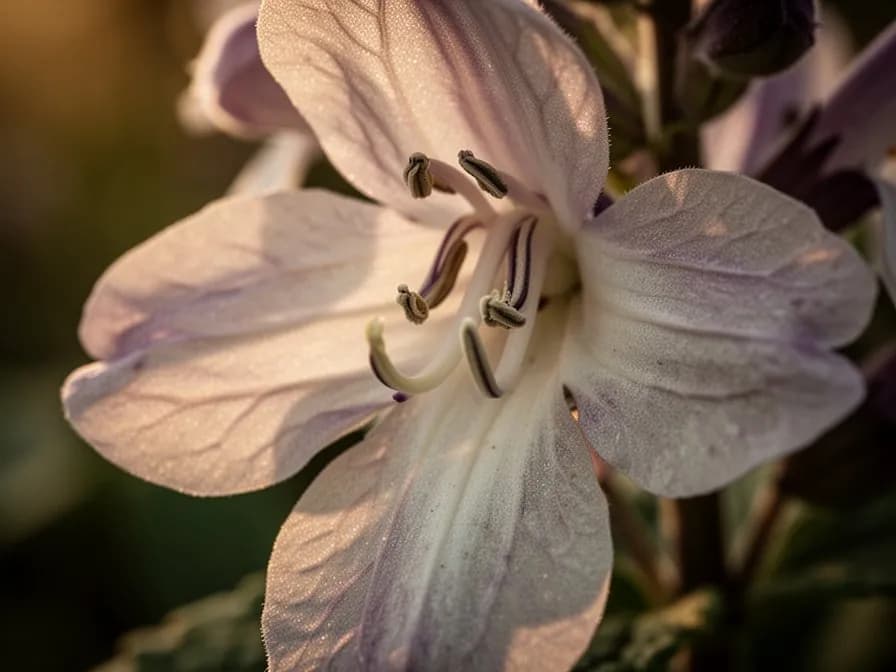
Dried Salvia Flower Arrangement
20 minutesHarvest salvia flower spikes at peak bloom and air-dry them upside down in a dark, well-ventilated space for two to three weeks. The dried spikes retain their violet-blue colour beautifully and make a stunning addition to dried bouquets, wreaths, and table centrepieces that last for months.
4 ingredientsSalvia-Infused Pollinator Garden Seed Bombs
45 minutesCombine collected salvia seeds with clay, compost, and companion wildflower seeds to create seed bombs that can be tossed into bare garden patches or roadside verges. This is a fun family activity that helps establish pollinator-friendly habitat with minimal effort.
5 ingredients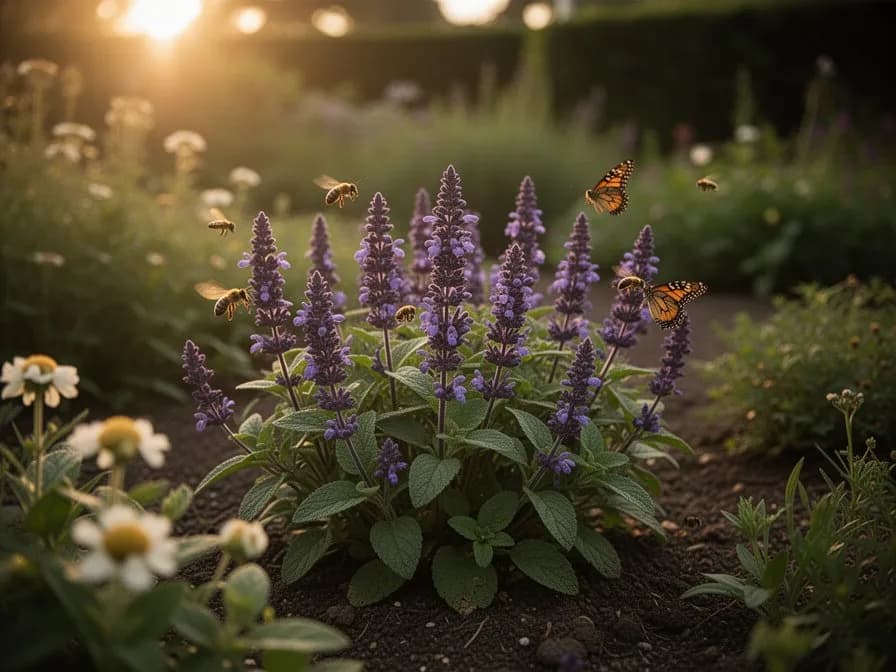
Fragrant Salvia Foliage Potpourri
30 minutes plus 2 weeks dryingThe aromatic grey-green leaves of perennial salvia dry well and contribute a subtle herbal fragrance to homemade potpourri. Combine with lavender, rose petals, and a few drops of essential oil for a long-lasting natural room freshener.
5 ingredientsWhat's inside
Health Benefits
- Salvia nemorosa is a premier nectar plant for pollinators, supporting bee populations that are essential for food crop pollination and broader ecosystem health.
- The dense root system stabilises soil and improves structure over time, reducing erosion on slopes and in exposed garden beds.
- Spending time tending perennial salvia and other garden plants is associated with reduced stress, lower blood pressure, and improved mental well-being according to horticultural therapy research.
- The aromatic foliage naturally deters deer, rabbits, and certain insect pests, reducing the need for chemical repellents and pesticides in the garden.
- As a long-lived perennial requiring minimal irrigation once established, Salvia nemorosa helps conserve water resources compared to thirsty annual plantings.
- Planting pollinator-rich species like perennial salvia contributes to urban biodiversity, providing food and habitat corridors for beneficial insects in otherwise fragmented landscapes.
Where Perennial Salvia comes from
Salvia nemorosa, commonly known as perennial meadow sage or woodland sage, is native to a broad geographic range spanning Central Europe, the Balkans, and Western Asia, extending eastward through Turkey and into parts of the Caucasus region. The species thrives naturally in dry meadows, steppe grasslands, and sunny woodland margins, typically on calcareous or well-drained loamy soils at elevations up to 1,500 metres. It was first formally described by the Swedish botanist Carl Linnaeus in his landmark 1753 publication 'Species Plantarum', though European herbalists had recognised and used sage relatives for medicinal purposes long before that date. During the 18th and 19th centuries, European plant collectors brought Salvia nemorosa into cultivation as an ornamental garden plant, prized for its long flowering season, vivid colour, and low maintenance requirements. German and Dutch nurseries were particularly influential in selecting and naming improved cultivars. The celebrated cultivar 'Mainacht' (May Night) was bred by the renowned German nurseryman Karl Foerster in the mid-20th century and quickly became one of the most widely planted perennial salvias worldwide. Other notable selections including 'Caradonna', valued for its near-black stems, and 'Ostfriesland' (East Friesland) followed in subsequent decades. By the late 20th century, Salvia nemorosa had become a cornerstone of the New Perennial planting movement championed by designers such as Piet Oudolf, who featured it prominently in naturalistic public planting schemes across Europe and North America. Today the species and its cultivars are grown on every temperate continent, valued equally for their ornamental merit, drought tolerance, and exceptional benefit to pollinating insects.
Perennial Salvia: did you know?
Fascinating facts about Perennial Salvia
The genus name Salvia comes from the Latin word 'salvere', meaning 'to heal' or 'to save', reflecting the long medicinal history of sage relatives.
Perennial Salvia questions, answered
When should I plant Perennial Salvia?
What are good companion plants for Perennial Salvia?
What hardiness zones can Perennial Salvia grow in?
How much sun does Perennial Salvia need?
How far apart should I space Perennial Salvia?
What pests and diseases affect Perennial Salvia?
How do I store Perennial Salvia after harvest?
What are the best Perennial Salvia varieties to grow?
What soil does Perennial Salvia need?
Is Salvia nemorosa the same as culinary sage?
How do I encourage a second flush of flowers?
Can Salvia nemorosa grow in partial shade?
Is perennial salvia deer and rabbit resistant?
When and how should I divide my salvia clump?
Why is my perennial salvia flopping over?
You just read the theory. Now grow it on autopilot.
Everything that makes Perennial Salvia fiddly — the timing, the spacing, the companions, the harvest window — is exactly what PlotMyGarden handles for you, for every plant in your garden.
A plan that knows your weather
Set your location once. Get sow, feed and harvest dates built around your real last-frost date and live forecast — no more guessing from a generic seed packet.
From the “When to plant” sectionDrag-and-drop bed planner
Design beds on a grid. Every plant snaps to its proper spacing, and you can see your whole season laid out before you spend a cent on seed.
From the “Growing guide” sectionCompanion conflicts, caught early
200+ good-and-bad pairings checked live as you plant — so a season-wrecking mistake never makes it into the ground.
From the “Companions” sectionReminders you'll actually act on
“Water the beans.” “Pick today before it turns.” Timely, specific, and tied to the plants you're really growing.
From the “Harvest” sectionSuccession, scheduled
Want a harvest for six weeks, not six days? It spaces your sowings automatically and reminds you when each new block is due.
From the “When to plant” sectionA record that gets smarter
Every harvest you log teaches it your garden. Next year's plan starts from what actually worked in your soil, not a textbook's.
From the “Overview” sectionPlant these alongside Perennial Salvia
More Perennials
Grow your best Perennial Salvia yet — and everything around it.
Start a free plan today. Lay out your beds, drop in your Perennial Salvia, and let PlotMyGarden handle the timing, spacing, companions and reminders from seed to harvest basket.