Bergamot (Bee Balm)
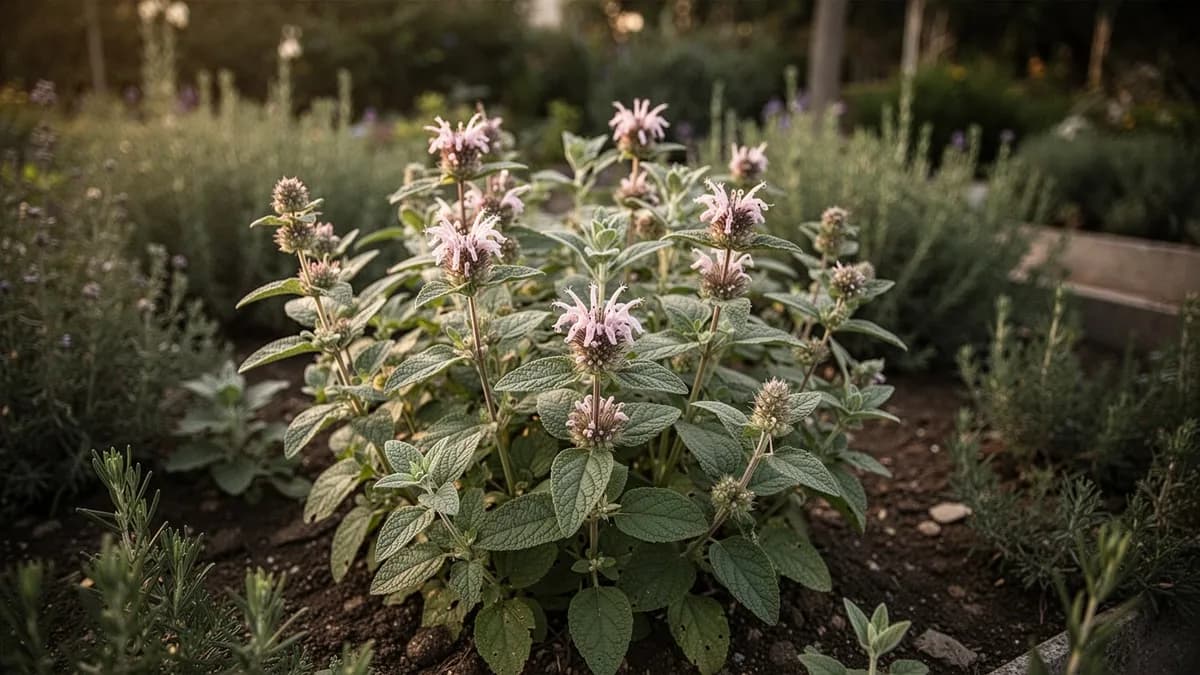
A showy native perennial with whorled scarlet flowers that are irresistible to hummingbirds and bees, also known as Oswego tea.





On this pageOverview
Meet Bergamot (Bee Balm)
A showy native perennial with whorled scarlet flowers that are irresistible to hummingbirds and bees, also known as Oswego tea. The minty-citrus leaves were used by Native Americans for tea and the bright petals make stunning edible garnishes. Choose mildew-resistant cultivars and provide good air circulation in moist, rich soil for the healthiest plants.
When to plant Bergamot (Bee Balm)
Sow bergamot seeds indoors 8-10 weeks before last frost. Surface-sow on moist compost as seeds need light for germination. Keep at 15-20°C and expect germination in 10-21 days. Seedlings are slow-growing initially; transplant to individual pots when large enough to handle. Harden off and plant out after last frost. Alternatively, direct-sow in autumn for spring germination via natural cold stratification. Division of established clumps in spring is the fastest propagation method.
Your Bergamot (Bee Balm) Year
Composed for Zone 7 · typical seasons · frost passes Apr 2, returns Nov 1
Plant Bergamot (Bee Balm) Mar – May, pick Jul – Sep. Check the planting methods below and set your climate to personalize these windows.
How to grow Bergamot (Bee Balm)
Bergamot, or bee balm, is a spectacular North American native perennial that commands attention in any garden with its whorled, spidery flowers in brilliant scarlet, pink, purple, or white. Growing 60-120cm tall in upright clumps, it spreads by underground stolons to form impressive colonies over time. Plant in full sun to light shade in rich, consistently moist soil. Space plants 45cm apart.
The single most important factor for success with bergamot is air circulation—powdery mildew is the Achilles heel of this genus. Space plants adequately, thin clumps regularly, and choose mildew-resistant cultivars. Water at the base rather than overhead, and ensure the soil stays evenly moist but never waterlogged.
Cut back spent flower stems to encourage a second, lighter flush of bloom. In late autumn, cut all stems to ground level after frost browns the foliage. Divide clumps every 2-3 years in spring, discarding the woody center and replanting vigorous outer sections. This rejuvenation is essential for continued flowering vigor and mildew prevention.
10 plants fit a 4 × 8 ft bed
Each Bergamot (Bee Balm) wants 45 cm of elbow room. The planner keeps that spacing for you — every plant, every bed.
Bergamot (Bee Balm)'s best neighbours
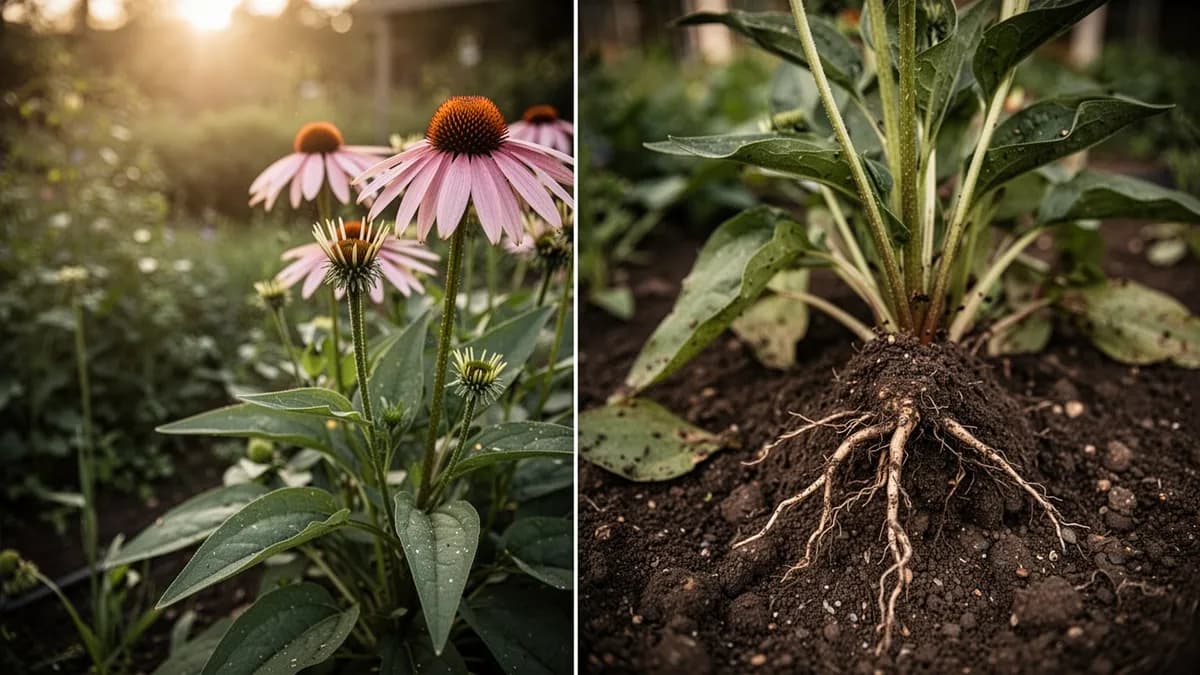
Bergamot is a premier companion plant for attracting pollinators and beneficial insects. Its flowers are magnets for bees, butterflies, and hummingbirds, boosting pollination of nearby vegetables and fruits. Plant alongside echinacea, black-eyed Susan, and Joe-Pye weed for a stunning pollinator garden. In vegetable gardens, bergamot planted at the border attracts parasitic wasps that control tomato hornworms and other caterpillar pests.
Echinacea belongs beside it.
Old growers' knowledge, checked against Bergamot (Bee Balm)'s real companion table below — test any plant you're growing.
Try Bergamot (Bee Balm) in a bed — right here
A real planner bed with Bergamot (Bee Balm) already in it. Tap a companion to place it and watch the pairing checks answer — green for good neighbours, red for a clash.


Related growing guides
Feed it well
Bergamot thrives in rich, moisture-retentive soil with a pH of 6.0-7.0. Amend planting areas generously with compost before planting. Mulch with organic material to maintain even soil moisture. Feed with a balanced organic fertilizer in early spring as new growth emerges. Side-dress with compost mid-season for sustained blooming. Avoid excessive nitrogen which promotes soft growth susceptible to mildew.
Ideal Temperature
Hardiness Zone Compatibility
From seed to harvest, stage by stage
Seed Germination
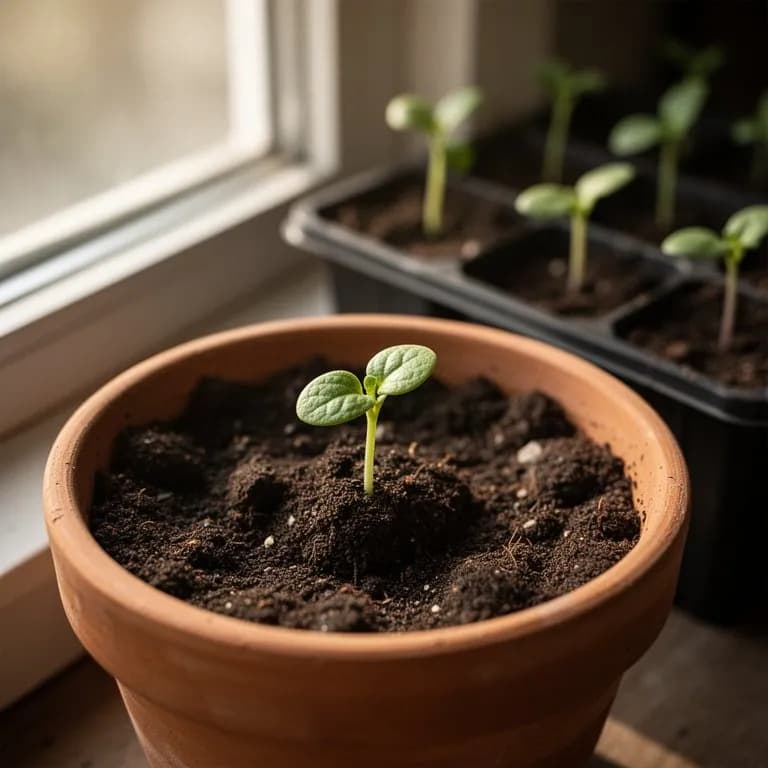
Bergamot seeds require light to germinate, so press them gently onto the surface of moist seed-starting mix without covering. Maintain consistent moisture and warmth around 18-21°C. Cold stratification for 2-4 weeks before sowing can improve germination rates, which are naturally variable. Expect sporadic germination over 10-21 days.
Seedling Establishment
Tiny seedlings emerge with their first pair of rounded cotyledons followed by true leaves that are opposite, toothed, and aromatic when rubbed. Square stems become visible early, identifying the plant as a member of the mint family (Lamiaceae). Growth is steady but moderate at this stage.
Vegetative Growth
Plants rapidly develop strong, square stems reaching 60-90 cm tall with large, lance-shaped, aromatic leaves. Underground rhizomes begin spreading outward, establishing the clump that will expand in subsequent years. The foliage releases a distinctive minty, citrus-like fragrance when brushed.
Bud Formation
Rounded, globe-like buds appear at the tops of stems, initially green and compact before revealing hints of color. The leafy bracts beneath the flower head may take on reddish or purplish tones. The plant reaches its full height and the foliage is lush and dense.
Full Bloom
Spectacular flower heads burst open, displaying whorls of tubular florets in scarlet, pink, purple, or white depending on the variety. Each crown-like bloom can span 6-9 cm across and attracts a constant stream of hummingbirds, butterflies, and bees. Flowering continues for 4-6 weeks with deadheading.
Seed Set and Late Season
Remaining flower heads mature and produce small nutlet seeds that drop into the surrounding soil. Foliage begins to lose vigor and may show signs of powdery mildew as autumn moisture increases. The plant directs energy to its rhizome network for winter survival and next year's growth.
Winter Dormancy
Above-ground growth dies back completely as the plant enters full dormancy. The spreading rhizome network remains alive beneath the soil surface, storing energy for vigorous spring regrowth. Bergamot is reliably hardy to USDA Zone 4 (-34°C) and requires a period of winter chilling to flower well the following season.
Keep the growing medium evenly moist with a mist sprayer and use a clear humidity dome. Remove the dome for a few hours daily to prevent damping off.
Caring for Bergamot (Bee Balm) month by month
What to do each month for your Bergamot (Bee Balm)
October
You are hereCut back stems to 10-15 cm above ground after the first hard frost kills the foliage. Clean up all fallen debris around the base of plants to reduce overwintering fungal spores. Apply a layer of compost around the crown as both mulch and a slow-release nutrient source.
Know exactly what to do in your garden — every month
One email at the start of each month: what to sow, plant, and tackle right now — for your Bergamot (Bee Balm) and everything growing around it. Plus a short starter course that helps you dodge the classic mistakes.
- What to do, right now
- Matched to your season
- Starter course included
Harvesting Bergamot (Bee Balm)
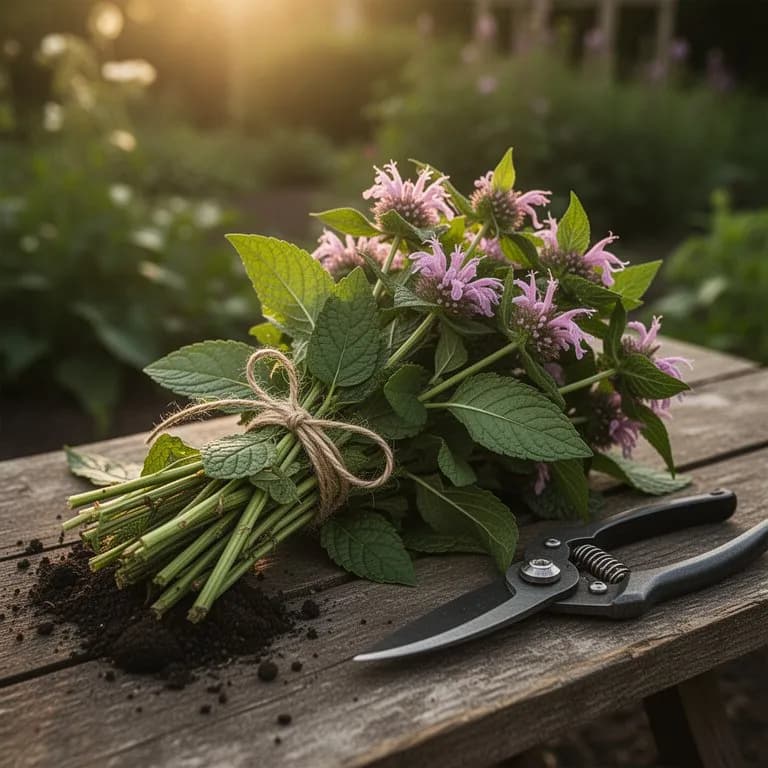
Harvest bergamot leaves anytime during the growing season for fresh use. For dried tea, cut stems when flowers are fully open—this is when essential oil content peaks. Cut stems about 15cm above ground level, leaving lower foliage for the plant to recover. The flower petals are edible and can be separated from the flower head and scattered over salads and desserts. For the strongest flavor, harvest in mid-morning after dew has dried.
assuming you plant when the window opens — set your real date
Pick Bergamot (Bee Balm) promptly and the plant keeps producing.
Storage & Preservation
Bundle cut stems and hang upside down in a warm, dark, well-ventilated area to dry. Strip dried leaves and flowers from stems once fully crisp and store in airtight glass jars. Dried bergamot makes excellent tea on its own or blended with black tea to create a homemade Earl Grey-style blend. Fresh leaves freeze well in sealed bags for winter tea use. Bergamot also infuses beautifully into honey, vinegar, and simple syrups.
What goes wrong — and the fix
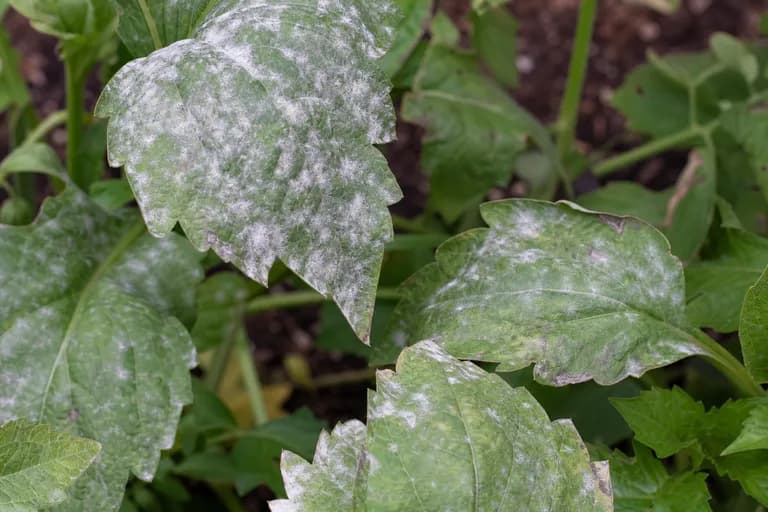
Powdery Mildew
DiseaseWhite powdery coating on leaves starting from the bottom of the plant and progressing upward. Leaves curl, brown, and drop prematurely.
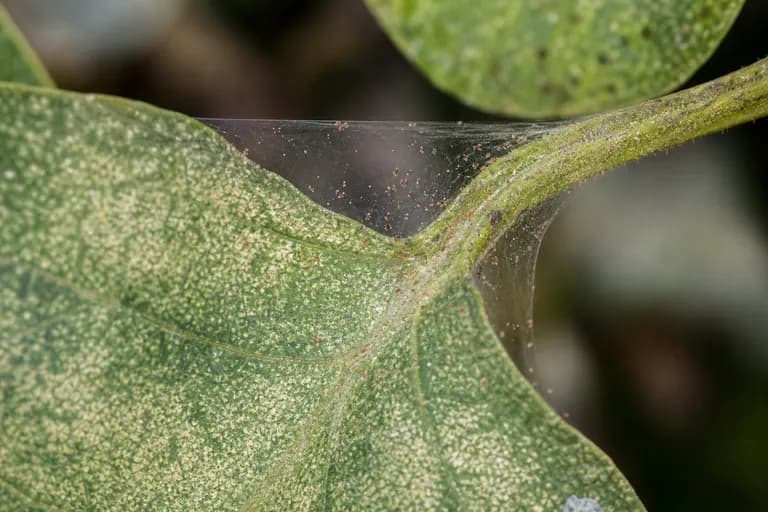
Spider Mites
PestFine stippling on leaves, webbing between leaf surfaces, bronzed or yellowed foliage. Worse in hot, dry conditions.
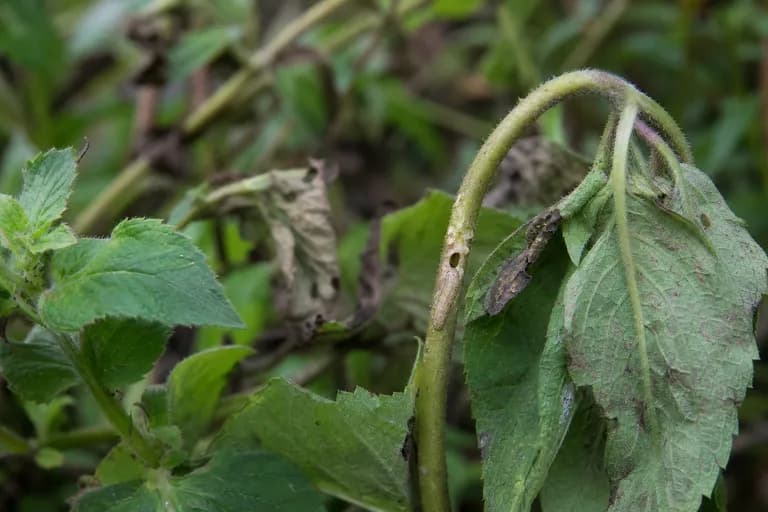
Stalk Borer
PestIndividual stems wilt and collapse despite adequate watering. A small hole is visible where the borer entered the stem.
Troubleshooting Common Problems
Powdery mildew is by far the most common issue—choose resistant cultivars and maintain air flow. Plants spreading too aggressively can be managed by pulling unwanted stolons in spring. Brown lower leaves are often caused by insufficient air circulation or underwatering. Failure to bloom typically indicates too much shade; bergamot flowers best in full sun. Woody, declining centers mean the clump needs division.
Growing Tips
- Plant bergamot in rich, moisture-retentive soil amended with compost. Unlike many herbs that prefer lean conditions, bergamot is a woodland edge plant that thrives in fertile, humus-rich ground that stays consistently moist.
- Provide full sun to light partial shade with a minimum of 6 hours of direct sunlight daily. In hot southern climates, afternoon shade helps prevent wilting and reduces powdery mildew pressure during the peak of summer.
- Water consistently to maintain even soil moisture, providing about 2.5 cm per week through rainfall or supplemental irrigation. Bergamot is not drought-tolerant and will wilt, drop leaves, and become stressed without adequate water.
- Apply 5-8 cm of organic mulch such as shredded leaves, straw, or wood chips around plants to conserve soil moisture, regulate root zone temperature, and suppress weed competition throughout the growing season.
- Improve air circulation to combat powdery mildew by spacing plants 45-60 cm apart and thinning crowded stems in early summer. Remove and discard any leaves showing white powdery coating at the first sign of infection.
- Deadhead spent flower heads promptly by cutting the stem back to a strong set of side leaves. This encourages a second flush of blooms in late summer and prevents excessive self-sowing throughout the garden.
- Divide clumps every 2-3 years in early spring by lifting the root mass, discarding the woody, unproductive center, and replanting the vigorous outer sections. This prevents the characteristic die-out in the middle of older clumps.
- Choose mildew-resistant cultivars like 'Jacob Cline,' 'Marshall's Delight,' or 'Raspberry Wine' if powdery mildew is a persistent problem in your garden. These modern selections offer dramatically better disease resistance than older varieties.
- Cut stems back to 10-15 cm above ground level in late autumn after frost kills the foliage. Clean up all fallen plant debris to reduce overwintering fungal spores that cause powdery mildew the following season.
- Propagate bergamot easily from divisions, stem cuttings, or seed. Divisions and cuttings produce exact clones of desirable cultivars, while seed-grown plants may vary in flower color and mildew resistance.
Grow your best Bergamot (Bee Balm) yet — and everything around it.
Start a free plan today. Lay out your beds, drop in your Bergamot (Bee Balm), and let PlotMyGarden handle the timing, spacing, companions and reminders from seed to harvest basket.
Pick your Bergamot (Bee Balm)
Jacob Cline
Large, deep red flowers on tall stems with excellent mildew resistance. One of the best red cultivars for both ornamental and culinary use.
Marshall's Delight
Clear pink flowers with outstanding mildew resistance bred in Canada. Reliable performer in humid climates.
Raspberry Wine
Deep raspberry-red flowers on compact plants. Good mildew resistance and strong fragrance.
Monarda fistulosa (Wild Bergamot)
The lavender-flowered wild species, more drought-tolerant and naturally mildew-resistant than M. didyma. Excellent for meadow plantings.
A single bergamot plant costs $5-10 at a nursery and, once established, spreads freely through rhizomes to produce a sizable clump within 2-3 years. Dried bergamot herbal tea retails for $10-20 per ounce at specialty shops, while a mature clump yields 4-8 ounces of dried leaves and flowers per season. Over a 5-year period, one original plant and its divisions can save $200-500 on herbal tea purchases alone. Because bergamot self-propagates so readily, you can divide and share plants at no cost, filling an entire pollinator garden border from a single initial investment.
Quick recipes
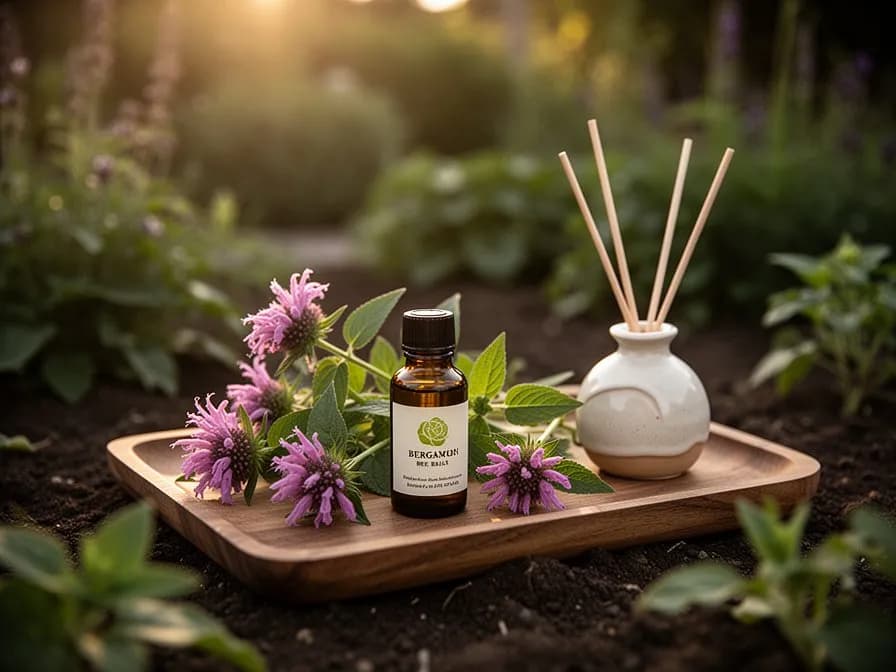
Classic Oswego Bergamot Tea
10 minutesA soothing, aromatic herbal tea with a distinctive citrus-mint flavor that has been enjoyed across North America for centuries. This caffeine-free infusion can be served hot or iced and makes an excellent alternative to conventional tea. The bright, slightly spicy character of bergamot leaves pairs beautifully with raw honey and a squeeze of lemon.
6 ingredientsBergamot Flower and Peach Summer Salad
15 minutesA stunning seasonal salad that showcases the edible flowers and aromatic leaves of bergamot alongside ripe stone fruit. The spicy, oregano-like notes of bergamot petals complement the sweetness of peaches, while a simple vinaigrette ties everything together. This dish is as beautiful as it is delicious.
7 ingredientsBergamot-Infused Honey
10 minutes + 2 weeks infusionA fragrant, floral-infused honey that captures the essence of summer bergamot in a jar. The aromatic compounds in the leaves and flowers slowly permeate the honey over two weeks, creating a versatile condiment for tea, toast, yogurt, and cheese boards. Makes a lovely handmade gift from the garden.
5 ingredientsCulinary Uses
Bergamot leaves make a delightful herbal tea with a complex minty-citrus flavor, historically known as Oswego tea. The fresh or dried leaves blend wonderfully with black tea for a homemade Earl Grey-style beverage. Edible flower petals add spectacular color and flavor to salads, fruit dishes, and cocktail garnishes. The leaves also complement pork, poultry, and fruit-based sauces with their unique flavor profile.
What's inside
Health Benefits
- Bergamot tea has been traditionally used by Indigenous peoples and herbalists for centuries to relieve nausea, bloating, and digestive discomfort, supported by the carminative and antispasmodic properties of its essential oils.
- The thymol content in bergamot leaves provides natural antiseptic and antibacterial effects, and tea made from the plant was historically gargled to treat sore throats and mouth infections.
- Bergamot contains high concentrations of rosmarinic acid, a polyphenol antioxidant that has been studied for its ability to reduce inflammation and support immune system function.
- Inhalation of bergamot's aromatic essential oils, rich in linalool and geraniol, has been associated with mild calming effects that may help reduce stress and promote relaxation.
- Traditional preparations of bergamot were used by the Blackfoot Confederacy and other Indigenous groups as poultices for minor skin wounds and infections, leveraging the plant's documented antimicrobial properties.
- Bergamot tea was widely used as a febrifuge (fever reducer) in colonial American folk medicine, a practice that likely relates to the diaphoretic effect of its warm essential oil compounds.
Where Bergamot (Bee Balm) comes from
Bergamot (Monarda didyma) is native to the moist woodlands, stream banks, and forest edges of eastern North America, ranging from Quebec and Ontario south through the Appalachian Mountains to Georgia and west to the Great Lakes region. It thrives naturally in rich, well-drained soils along waterways and in partially shaded forest clearings, often growing in dense, spreading colonies. The plant belongs to the mint family (Lamiaceae) and was first documented by European botanists in the 17th century, though Indigenous peoples had cultivated and used it medicinally for thousands of years. The genus name Monarda honors the Spanish physician and botanist Nicolas Bautista Monardes, who published some of the earliest European accounts of New World plants in the 1570s, though ironically he never personally visited the Americas or encountered the plant that bears his name. The Haudenosaunee (Iroquois), Ojibwe, and other nations brewed bergamot leaves into teas to treat fevers, colds, sore throats, and digestive complaints. The Oswego Nation's extensive use of the plant led to its enduring common name, Oswego tea. When European colonists arrived, they quickly adopted the plant both medicinally and as a beverage. Following the Boston Tea Party in 1773, bergamot tea became especially popular among colonists who refused to drink imported British tea. John Bartram, the pioneering American botanist, sent specimens to England in the 1740s, where the plant was enthusiastically received by gardeners and herbalists. By the 19th century, bergamot had become a beloved cottage garden plant throughout Europe and North America. Plant breeders have since developed dozens of cultivars in an array of colors and with improved resistance to powdery mildew, the plant's most persistent challenge. Today, Monarda didyma remains one of the most valued native perennials for pollinator gardens, herb gardens, and naturalistic meadow plantings across temperate North America and Europe.
Bergamot (Bee Balm): did you know?
Fascinating facts about Bergamot (Bee Balm)
Bergamot was used extensively by the Oswego Nation and other Indigenous peoples of eastern North America as a medicinal tea long before European contact, earning it the common name Oswego tea.
Bergamot (Bee Balm) questions, answered
When should I plant Bergamot (Bee Balm)?
What are good companion plants for Bergamot (Bee Balm)?
What hardiness zones can Bergamot (Bee Balm) grow in?
How much sun does Bergamot (Bee Balm) need?
How far apart should I space Bergamot (Bee Balm)?
What pests and diseases affect Bergamot (Bee Balm)?
How do I store Bergamot (Bee Balm) after harvest?
What are the best Bergamot (Bee Balm) varieties to grow?
What soil does Bergamot (Bee Balm) need?
Is bergamot the same herb used to flavor Earl Grey tea?
How do I prevent powdery mildew on bergamot plants?
How often should I divide bergamot, and how do I do it?
Can I grow bergamot in containers?
Are all parts of the bergamot plant edible?
How do I harvest and dry bergamot for tea?
You just read the theory. Now grow it on autopilot.
Everything that makes Bergamot (Bee Balm) fiddly — the timing, the spacing, the companions, the harvest window — is exactly what PlotMyGarden handles for you, for every plant in your garden.
A plan that knows your weather
Set your location once. Get sow, feed and harvest dates built around your real last-frost date and live forecast — no more guessing from a generic seed packet.
From the “When to plant” sectionDrag-and-drop bed planner
Design beds on a grid. Every plant snaps to its proper spacing, and you can see your whole season laid out before you spend a cent on seed.
From the “Growing guide” sectionCompanion conflicts, caught early
200+ good-and-bad pairings checked live as you plant — so a season-wrecking mistake never makes it into the ground.
From the “Companions” sectionReminders you'll actually act on
“Water the beans.” “Pick today before it turns.” Timely, specific, and tied to the plants you're really growing.
From the “Harvest” sectionSuccession, scheduled
Want a harvest for six weeks, not six days? It spaces your sowings automatically and reminds you when each new block is due.
From the “When to plant” sectionA record that gets smarter
Every harvest you log teaches it your garden. Next year's plan starts from what actually worked in your soil, not a textbook's.
From the “Overview” sectionPlant these alongside Bergamot (Bee Balm)
More Aromatic Herbs
Grow your best Bergamot (Bee Balm) yet — and everything around it.
Start a free plan today. Lay out your beds, drop in your Bergamot (Bee Balm), and let PlotMyGarden handle the timing, spacing, companions and reminders from seed to harvest basket.