Cosmos
A tall, airy annual with ferny foliage and delicate flowers that thrives in poor soil and self-sows generously.





On this pageOverview
Meet Cosmos
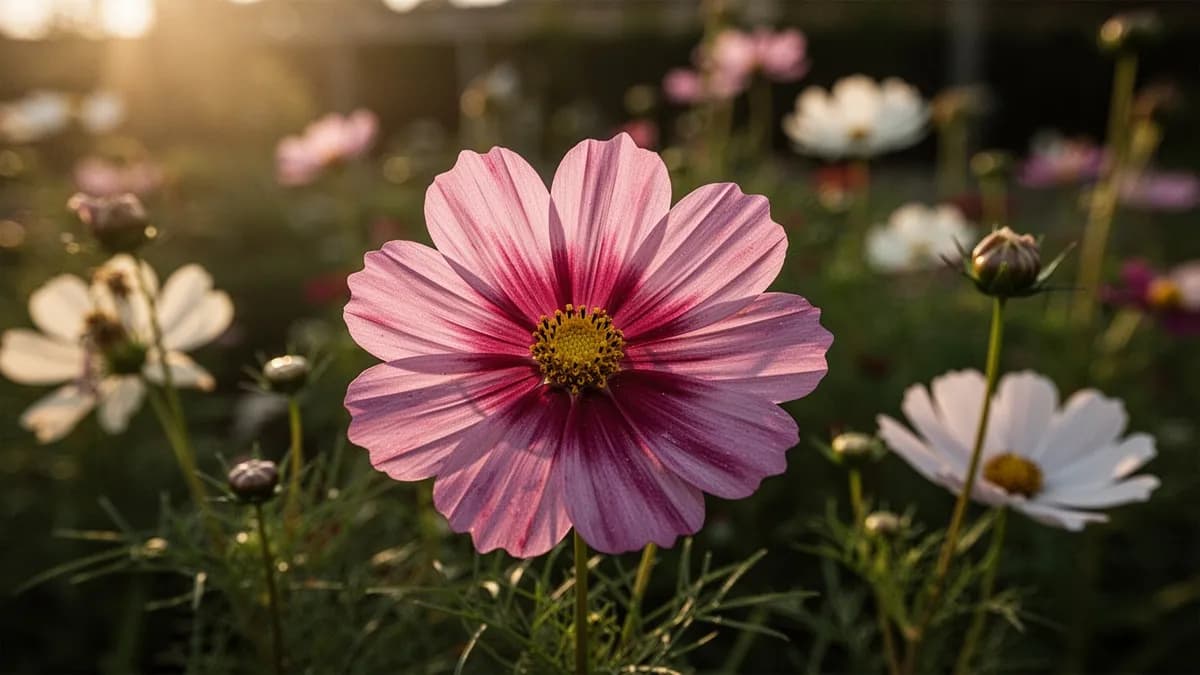
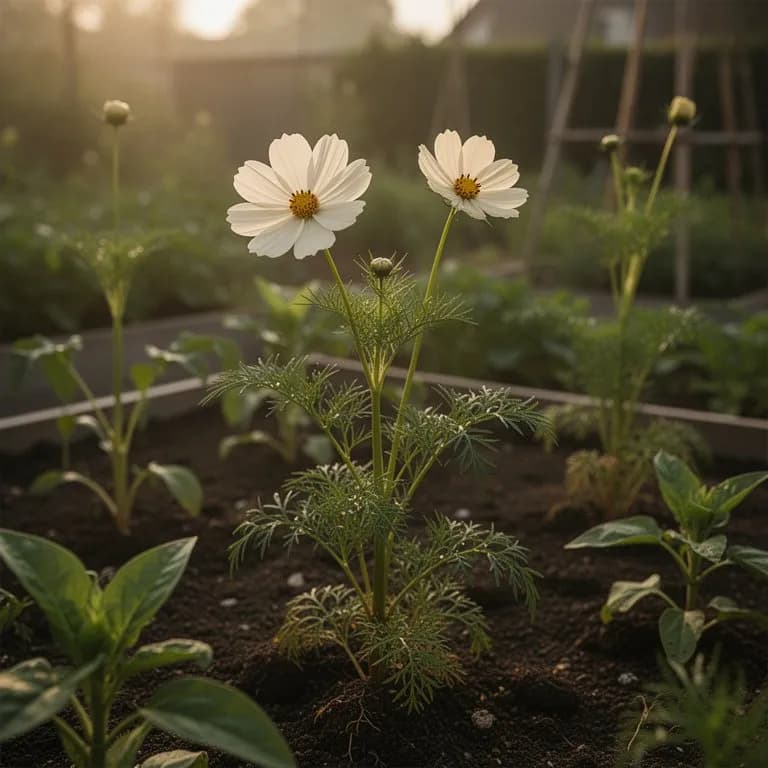
A tall, airy annual with ferny foliage and delicate flowers that thrives in poor soil and self-sows generously. Avoid rich soil and heavy fertilization, which produces lush foliage at the expense of flowers and causes plants to become floppy. Cosmos is one of the easiest annuals to grow from seed, germinating quickly and blooming within two months of sowing. The long-stemmed flowers in white, pink, and magenta are excellent for cutting and attract butterflies and beneficial insects throughout the season.
When to plant Cosmos
Cosmos seeds are large and easy to handle, making them an ideal flower for children and beginning gardeners. Direct sow outdoors after the last frost, pressing seeds a quarter inch into the soil. Seeds germinate in five to ten days. For earlier blooms, start seeds indoors four to six weeks before the last frost in individual pots, as cosmos develops a taproot that resents disturbance. Successive sowings every three weeks from spring through early summer extend the bloom period through late fall.
Your Cosmos Year
Composed for Zone 7 · typical seasons · frost passes Apr 2, returns Nov 1
Plant Cosmos Apr – Jun, pick Jul – Oct. Check the planting methods below and set your climate to personalize these windows.
How to grow Cosmos
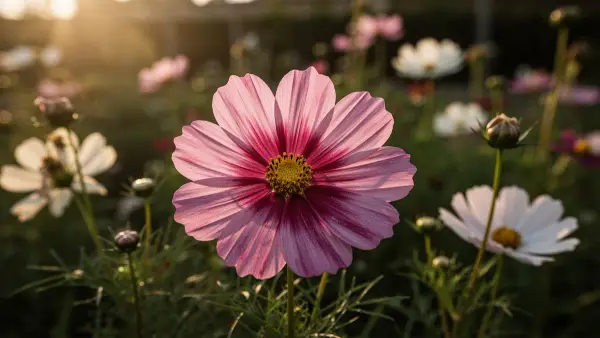
Direct sow cosmos seeds outdoors after all danger of frost has passed and soil temperature reaches at least 60 degrees Fahrenheit. Scatter seeds on the soil surface and cover lightly with a quarter inch of fine soil. Seeds germinate in five to ten days. Thin seedlings to twelve to eighteen inches apart for Cosmos bipinnatus varieties, which can grow four to six feet tall with ferny, delicate foliage.
Cosmos actually performs best in lean, average to poor soil. Rich soil and heavy fertilization produce tall, floppy plants with abundant foliage but few flowers. If your soil is very fertile, skip additional fertilizer entirely. Water regularly until plants are established, then reduce to occasional deep watering during dry spells. Cosmos is remarkably drought-tolerant once rooted.
For bushier plants and more blooms, pinch the growing tips when seedlings reach about twelve inches tall. Stake tall varieties or plant them where they can lean on fences or sturdy neighbors. Deadhead spent flowers regularly to encourage continuous blooming from midsummer through the first frost. Cosmos self-sows readily, and volunteer seedlings will appear the following spring in most climates.
32 plants fit a 4 × 8 ft bed
Each Cosmos wants 30 cm of elbow room. The planner keeps that spacing for you — every plant, every bed.
Cosmos's best neighbours
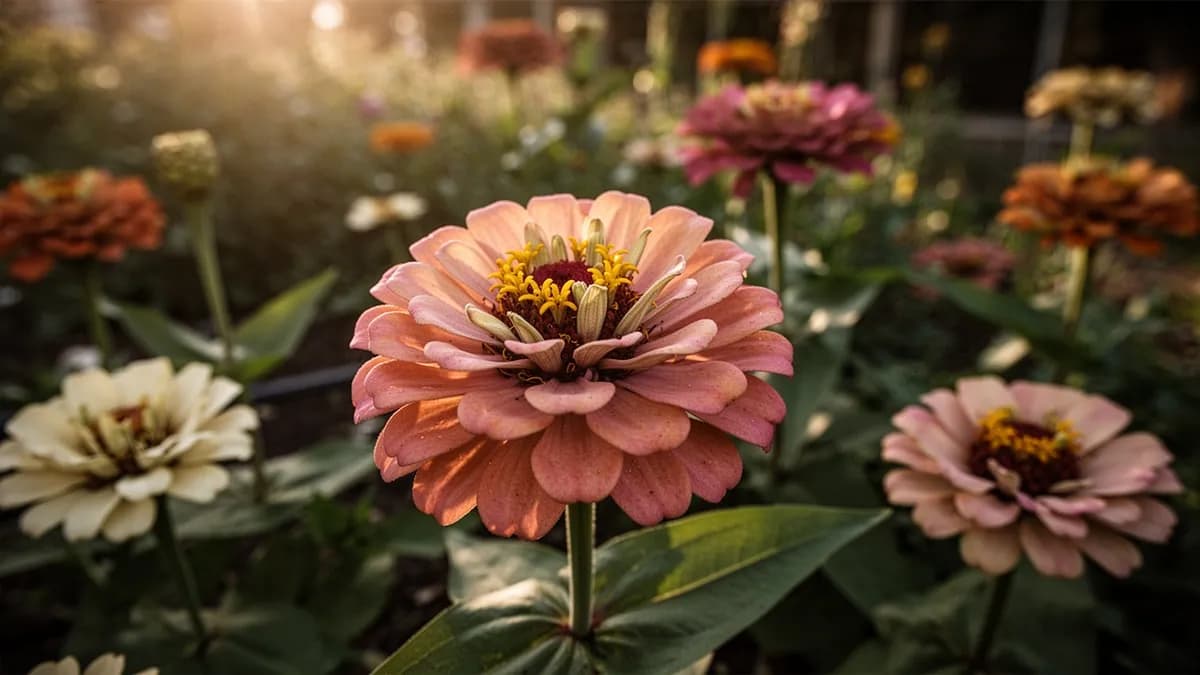
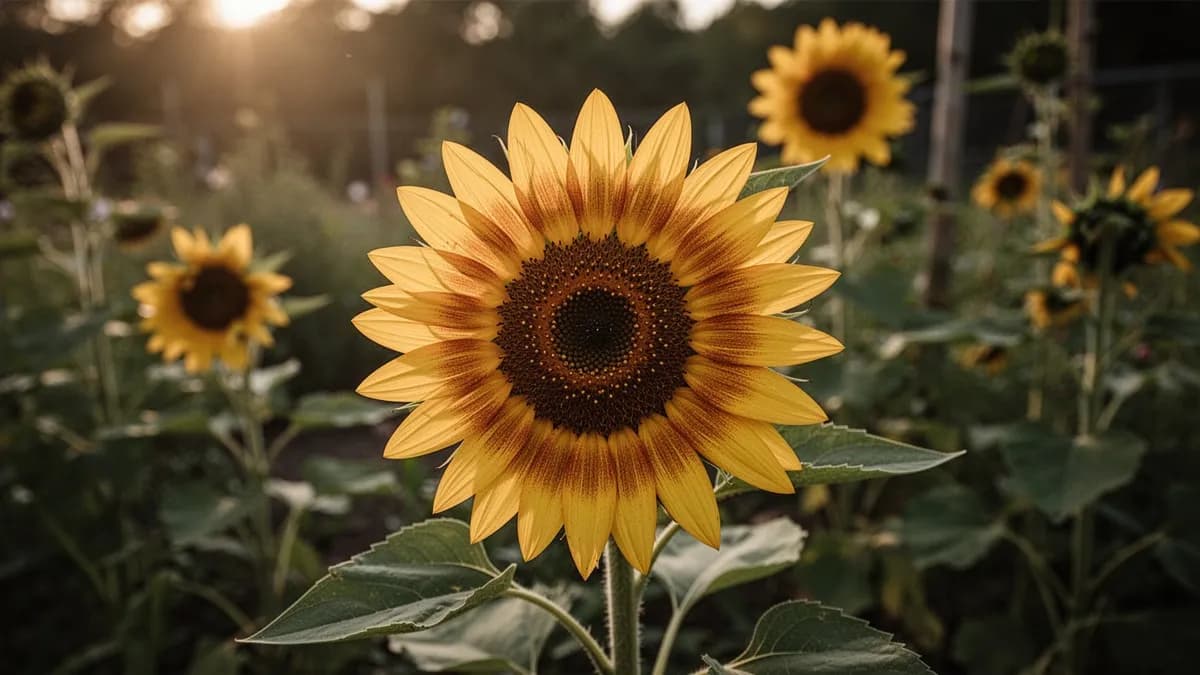
Cosmos makes an excellent companion for vegetable gardens by attracting beneficial insects such as hoverflies, lacewings, and parasitic wasps that prey on common garden pests. Plant alongside tomatoes, squash, and cucumbers to boost pollination and pest control. Cosmos combines beautifully with zinnias, sunflowers, and dahlias in cottage garden borders. The open, airy growth habit allows it to mingle with other plants without smothering them.
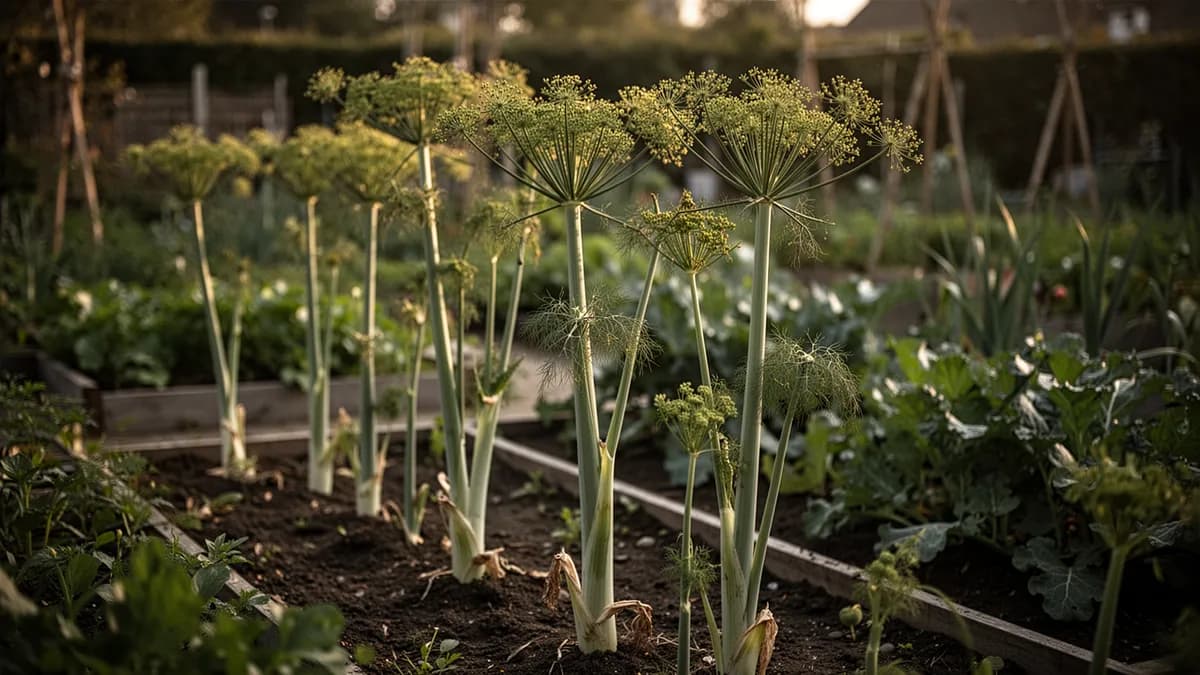
Zinnia belongs beside it. Fennel doesn't.
Old growers' knowledge, checked against Cosmos's real companion table below — test any plant you're growing.
Try Cosmos in a bed — right here
A real planner bed with Cosmos already in it. Tap a companion to place it and watch the pairing checks answer — green for good neighbours, red for a clash.


Related growing guides
Feed it well
Cosmos thrives in average to poor, well-drained soil and does not need fertile conditions. Rich soil causes excessive leafy growth and weak, floppy stems with fewer flowers. Amend heavy clay soil with sand or perlite to improve drainage, but do not add compost or fertilizer for most garden soils. If soil is extremely poor and sandy, a single light application of balanced fertilizer at planting is sufficient. Over-fertilizing is the most common mistake with cosmos.
Ideal Temperature
Hardiness Zone Compatibility
From seed to harvest, stage by stage
Germination
Seeds germinate best in warm soil between 16-24°C. Sow seeds about 6mm deep and keep the soil lightly moist. Cosmos seeds need darkness to germinate, so cover them lightly with soil or vermiculite.
Seedling Development
Seedlings develop their first true leaves, which are finely divided and feathery. Plants grow quickly in this stage and begin developing their characteristic lacy foliage. Thin seedlings to 30-45cm apart.
Vegetative Growth
Plants grow rapidly, often reaching 60-90cm tall. The feathery foliage fills out and stems become more robust. Cosmos are light-sensitive and begin preparing for bloom as day length changes.
Budding
Flower buds form at the tips of branching stems. Each bud is enclosed in green sepals that gradually open to reveal the petals. Taller varieties may need staking at this point to prevent wind damage.
Flowering
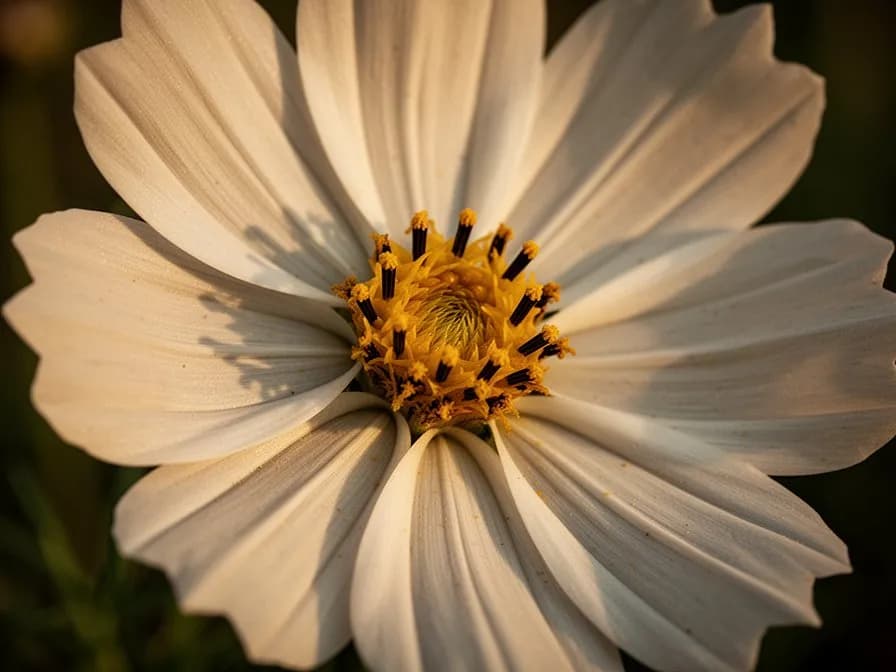
Cosmos produce prolific daisy-like flowers 5-10cm across in shades of pink, white, magenta, and crimson. Each flower has 8 broad petals surrounding a yellow central disc. Blooming continues until the first hard frost.
Seed Setting
As flowers fade, slender dark seeds develop in the central disc. Seeds are elongated, black, and about 1-2cm long with a small tuft. Plants begin to decline as energy shifts to seed production.
Senescence
Plants yellow and die back after the first hard frost or as the growing season ends. The annual lifecycle is complete. Dried stems can be left standing to provide winter habitat for beneficial insects.
Do not overwater during germination. Keep soil moist but not waterlogged. Avoid covering with plastic as cosmos seeds can rot in overly humid conditions.
Caring for Cosmos month by month
What to do each month for your Cosmos
October
You are hereCollect mature seed heads from your best plants and store in labeled paper envelopes. Enjoy the last flush of flowers before frost arrives.
Know exactly what to do in your garden — every month
One email at the start of each month: what to sow, plant, and tackle right now — for your Cosmos and everything growing around it. Plus a short starter course that helps you dodge the classic mistakes.
- What to do, right now
- Matched to your season
- Starter course included
Harvesting Cosmos
Cut cosmos flowers for arrangements when blooms are just opening or about three-quarters open for the longest vase life. Cut stems long, choosing those with buds at various stages for a natural look. For seed saving, allow flowers to remain on the plant until the long, needle-like seeds dry and darken. Clip the seed heads into a paper bag and separate the seeds by rubbing between your fingers. Deadhead regularly to prolong blooming through the entire season until hard frost.
assuming you plant when the window opens — set your real date
Pick Cosmos promptly and the plant keeps producing.
Storage & Preservation
Fresh-cut cosmos last five to seven days in a vase with clean water and floral preservative. Recut stems at an angle and remove lower foliage. Change water every two days. Cosmos flowers can be pressed between sheets of parchment in a heavy book for two weeks for use in botanical crafts. For drying, cosmos is not ideal as petals tend to shrivel, but small single blooms can be preserved in silica gel for craft projects. Saved seeds store well for two to three years in a cool, dry place.
What goes wrong — and the fix
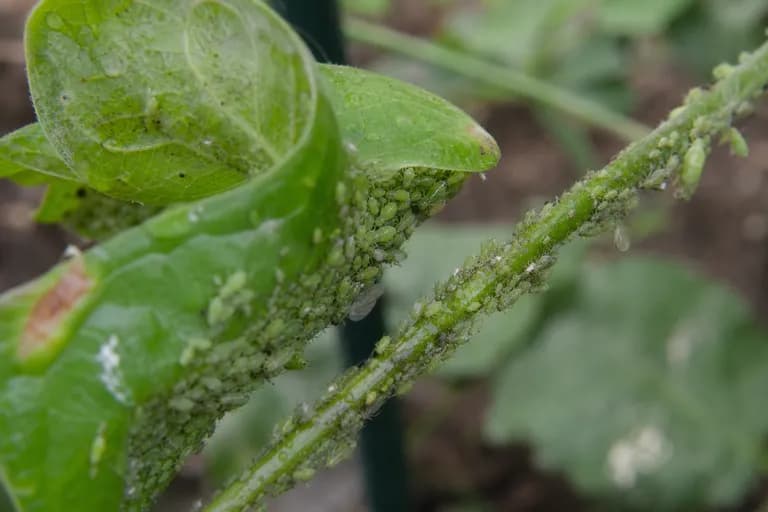
Aphids
PestClusters of small green, black, or pink insects on stem tips and buds, with sticky honeydew and distorted new growth. Ants may be present tending the aphid colonies.
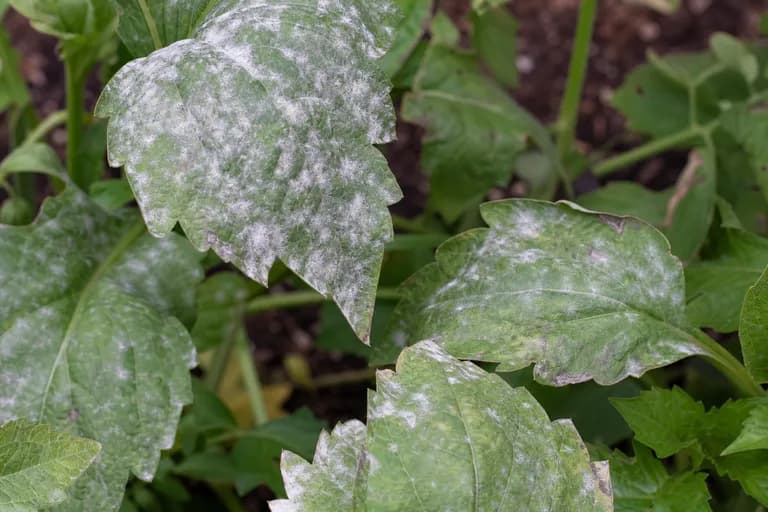
Powdery Mildew
DiseaseWhite powdery patches on leaves, especially in late summer when night temperatures are cool and days are warm with high humidity. Affected leaves may yellow and drop.

Stem Canker
DiseaseDark, sunken lesions appear on stems at or near the soil line, causing stems to weaken, wilt, and eventually collapse.
Troubleshooting Common Problems
The most frequent problem is tall, floppy plants that lodge after rain or wind, usually caused by rich soil or too much fertilizer. Staking or planting in groups helps tall varieties support each other. Cosmos bipinnatus may suffer in extreme heat above 95 degrees Fahrenheit, with reduced flowering until cooler weather returns. Powdery mildew can appear in late summer but rarely affects flowering. Self-sowing can become weedy in some gardens if spent flowers are not removed.
Growing Tips
- Sow cosmos seeds directly where they are to grow — they dislike root disturbance and transplanting can set them back. If starting indoors, use biodegradable pots that can be planted whole.
- Deliberately choose poor to average soil for cosmos. Rich, fertile soil produces tall, floppy plants with lots of leaves but few flowers. Lean soil forces the plant to bloom more prolifically.
- Pinch out the main growing tip when plants reach 20-25cm tall. This simple step encourages side branching and can double or triple the number of flower stems per plant.
- Space plants 30-45cm apart for tall varieties and 20-30cm for dwarf types. Closer spacing helps plants support each other and reduces the need for staking.
- Water deeply but infrequently once plants are established. Cosmos are drought-tolerant once their roots are developed and actually perform better with moderate water stress than with constant moisture.
- Deadhead spent flowers every 2-3 days to keep plants producing new blooms. Cut just above the next set of leaves or emerging buds rather than just removing the flower head.
- Grow cosmos alongside vegetables like tomatoes, squash, and beans to attract beneficial pollinators and predatory insects such as hoverflies and lacewings that feed on aphids.
- For the longest vase life, cut cosmos stems early in the morning when flowers are just beginning to open. Place immediately in cool water and expect 5-7 days of vase life.
- Leave a few late-season flowers to set seed for natural self-sowing. Mark your best plants with ribbon and collect their seeds separately for targeted seed saving.
- In windy locations, plant cosmos in clusters rather than single rows. Group plantings create mutual wind protection and produce a more natural, meadow-like appearance.
Grow your best Cosmos yet — and everything around it.
Start a free plan today. Lay out your beds, drop in your Cosmos, and let PlotMyGarden handle the timing, spacing, companions and reminders from seed to harvest basket.
Pick your Cosmos
Sensation Mix
The classic tall cosmos reaching four to five feet with large three to four inch flowers in white, pink, and magenta on airy, ferny plants.
Sonata Series
Compact dwarf cosmos growing two feet tall, ideal for containers and small gardens while retaining full-sized flowers.
Double Click
Semi-double and double flowers with ruffled petals in rose, cranberry, and bicolors on three to four foot stems, striking as cut flowers.
Seashells Mix
Distinctive tubular, fluted petals that curl into shell-like shapes in pink, white, and crimson, adding unique texture to arrangements.
Cosmic Orange
A Cosmos sulphureus type with vivid orange semi-double flowers on compact two-foot plants, more heat-tolerant than C. bipinnatus varieties.
Cosmos are one of the most cost-effective flowers you can grow. A single packet of seeds (approximately 100 seeds, costing around $2-4) can produce 60-80 plants, each yielding over 100 blooms across the season. That translates to thousands of cut flowers for the cost of a single store-bought bouquet. Cosmos also self-sow freely, meaning once established, you may never need to buy seeds again. Compared to purchasing fresh-cut flowers at $10-15 per bunch, a single season of cosmos can save a household $150-300 in flower purchases while providing months of continuous blooms from midsummer through frost.
Quick recipes
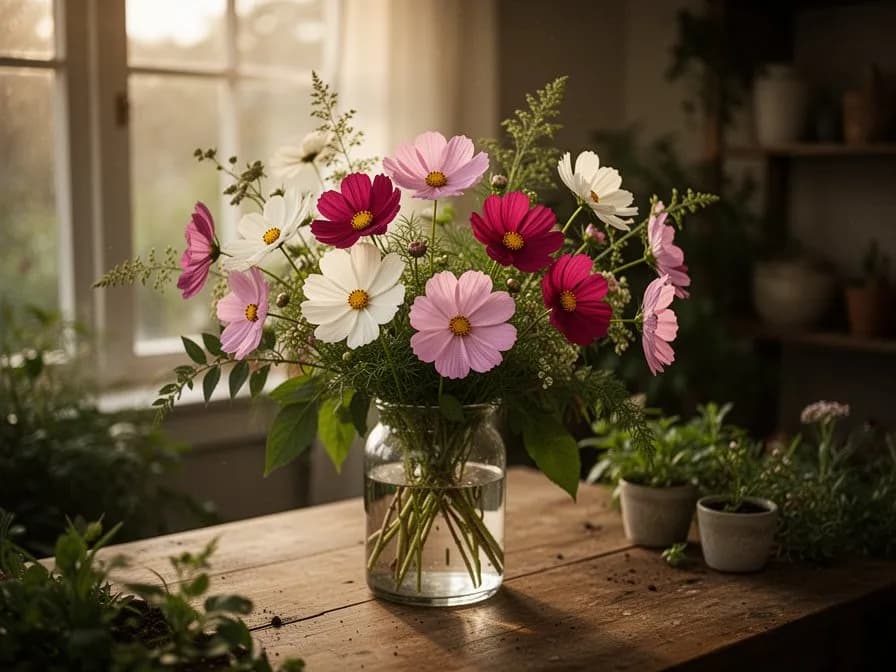
Cosmos Petal Salad with Citrus Vinaigrette
10 minutesA light, colorful salad featuring fresh cosmos petals tossed with mixed greens, shaved radish, and a bright lemon vinaigrette. The petals add a delicate sweetness and stunning visual appeal.
7 ingredientsCosmos Flower Ice Cubes
15 minutes plus freezing timeDecorative ice cubes with individual cosmos petals or small blooms frozen inside. Perfect for summer drinks, lemonade, or cocktails, adding a botanical elegance to any beverage.
4 ingredientsCosmos Petal Shortbread Cookies
25 minutes plus 30 minutes chillingButtery shortbread cookies pressed with fresh cosmos petals before baking. The petals become translucent and jewel-like in the oven, creating beautiful edible flower cookies.
7 ingredientsWhat's inside
Health Benefits
- Cosmos petals contain flavonoid antioxidants that may help reduce oxidative stress and support cellular health when consumed as part of a varied diet.
- Growing cosmos provides significant mental health benefits — studies show that flower gardening reduces cortisol levels and promotes relaxation and mindfulness.
- The anthocyanin pigments in pink and magenta cosmos petals have demonstrated anti-inflammatory properties in laboratory studies.
- Cosmos flowers support ecosystem health by sustaining pollinator populations, which in turn benefit fruit and vegetable production in nearby gardens.
- Traditional Mexican herbal medicine has used cosmos flower infusions as a gentle digestive aid and mild calming tea for centuries.
- Spending time in a cosmos garden encourages outdoor physical activity and exposure to natural light, supporting vitamin D synthesis and overall well-being.
Where Cosmos comes from
Cosmos bipinnatus is native to the scrublands and meadows of Mexico, with its natural range extending through much of Central America. The plant thrives in the dry, warm conditions of the Mexican highlands, where it grows as a roadside wildflower at elevations between 1,500 and 2,400 meters. Indigenous peoples of Mexico appreciated the plant both for its beauty and for the dye that could be extracted from its petals. Spanish conquistadors and missionaries encountered cosmos during the colonization of the Americas in the 16th century, and by the late 18th century, seeds had been sent to the Royal Botanical Garden of Madrid. From Spain, cosmos quickly spread across European gardens, prized for their effortless elegance and ability to thrive in poor soils. The plant was formally described and classified by the French botanist Augustin Pyramus de Candolle in 1824. During the 19th century, cosmos became particularly popular in English cottage gardens and Japanese ornamental gardens. Japanese horticulturists developed many of the cultivated varieties we know today, breeding for larger flowers, shorter stems, and a wider color range. The 'Sensation' series, introduced in 1936, remains one of the most popular seed mixes worldwide. In the 20th century, cosmos earned a reputation as the quintessential easy-care annual, finding a home in wildflower meadows, pollinator gardens, and urban green spaces across every continent. Today, Cosmos bipinnatus is grown commercially for the cut flower industry and is widely naturalized in temperate regions around the world, a testament to its adaptability and enduring appeal.
Cosmos: did you know?
Fascinating facts about Cosmos
The name 'cosmos' comes from the Greek word 'kosmos' meaning order, harmony, and beauty — Spanish priests in Mexico gave the flower this name because of its perfectly symmetrical petals.
Cosmos questions, answered
When should I plant Cosmos?
What are good companion plants for Cosmos?
What hardiness zones can Cosmos grow in?
How much sun does Cosmos need?
How far apart should I space Cosmos?
What pests and diseases affect Cosmos?
How do I store Cosmos after harvest?
What are the best Cosmos varieties to grow?
What soil does Cosmos need?
Why are my cosmos plants tall and leggy with very few flowers?
When is the best time to sow cosmos seeds outdoors?
Do cosmos come back every year or do I need to replant them?
How do I prevent my tall cosmos from falling over in wind and rain?
Are cosmos safe to plant near vegetables and herbs?
Can I grow cosmos in containers on a balcony or patio?
You just read the theory. Now grow it on autopilot.
Everything that makes Cosmos fiddly — the timing, the spacing, the companions, the harvest window — is exactly what PlotMyGarden handles for you, for every plant in your garden.
A plan that knows your weather
Set your location once. Get sow, feed and harvest dates built around your real last-frost date and live forecast — no more guessing from a generic seed packet.
From the “When to plant” sectionDrag-and-drop bed planner
Design beds on a grid. Every plant snaps to its proper spacing, and you can see your whole season laid out before you spend a cent on seed.
From the “Growing guide” sectionCompanion conflicts, caught early
200+ good-and-bad pairings checked live as you plant — so a season-wrecking mistake never makes it into the ground.
From the “Companions” sectionReminders you'll actually act on
“Water the beans.” “Pick today before it turns.” Timely, specific, and tied to the plants you're really growing.
From the “Harvest” sectionSuccession, scheduled
Want a harvest for six weeks, not six days? It spaces your sowings automatically and reminds you when each new block is due.
From the “When to plant” sectionA record that gets smarter
Every harvest you log teaches it your garden. Next year's plan starts from what actually worked in your soil, not a textbook's.
From the “Overview” sectionPlant these alongside Cosmos
More Annuals
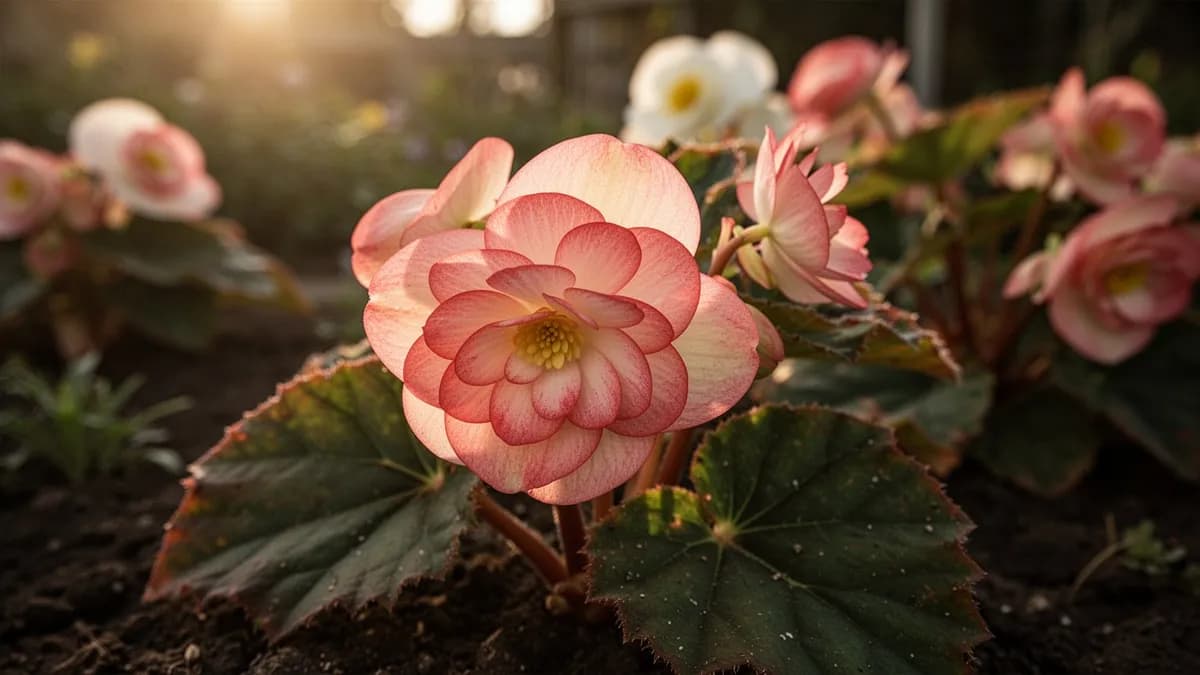
Keep Cosmos away from these
Garden plans featuring Cosmos
Grow your best Cosmos yet — and everything around it.
Start a free plan today. Lay out your beds, drop in your Cosmos, and let PlotMyGarden handle the timing, spacing, companions and reminders from seed to harvest basket.