German Cottage Garden (Bauerngarten)
The traditional four-quarter Bauerngarten: a 9×9 plot with cross paths, vegetable and herb quarters, berries, and flowers.
About This Template
The Bauerngarten is the centuries-old German farmhouse garden: a square divided by two crossing paths into four quarters, a centerpiece at the crossing, and a planting that mixes vegetables, herbs, berries, and flowers with cheerful practicality. This layout keeps the traditional structure. The first quarter carries the cabbage family with carrots, onions, and beets — the storage backbone. The second is the herb-and-flower quarter, where sage, thyme, and dill grow beside cosmos and dahlias for the vase. The third holds the potatoes, leeks, and celeriac of the classic farm kitchen, and the fourth is the sweet quarter: rhubarb, currants, gooseberries, and two rows of strawberries. A bird bath marks the crossing, as tradition demands something at the heart of the garden.
Benefits
- 1The four-quarter structure builds crop rotation directly into the garden
- 2Mixes storage vegetables, herbs, berries, and cut flowers the traditional way
- 3Cross paths put every plant within one step of a working position
- 4Berry bushes and rhubarb return for decades once established
- 5A proven design refined over centuries of farmhouse self-sufficiency
Growing Tips
- 1Rotate the annual quarters each year: cabbage → roots → potatoes → rest
- 2Traditionally the garden is fenced and the beds edged — boxwood or planks both work
- 3Mulch the paths thickly; they carry all the foot traffic
- 4Prune currants and gooseberries in late winter, removing wood older than three years
Included Plants (29)
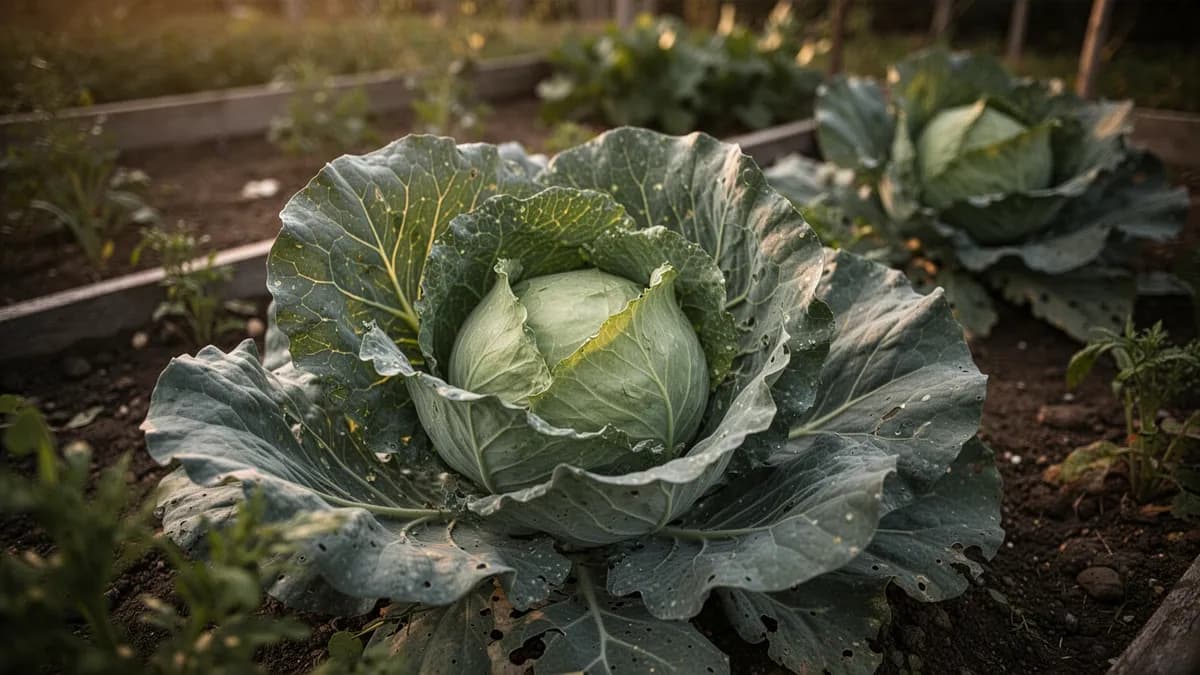
Cabbage
Brassica oleracea var. capitata
Spacing: 50 cm · 20 in
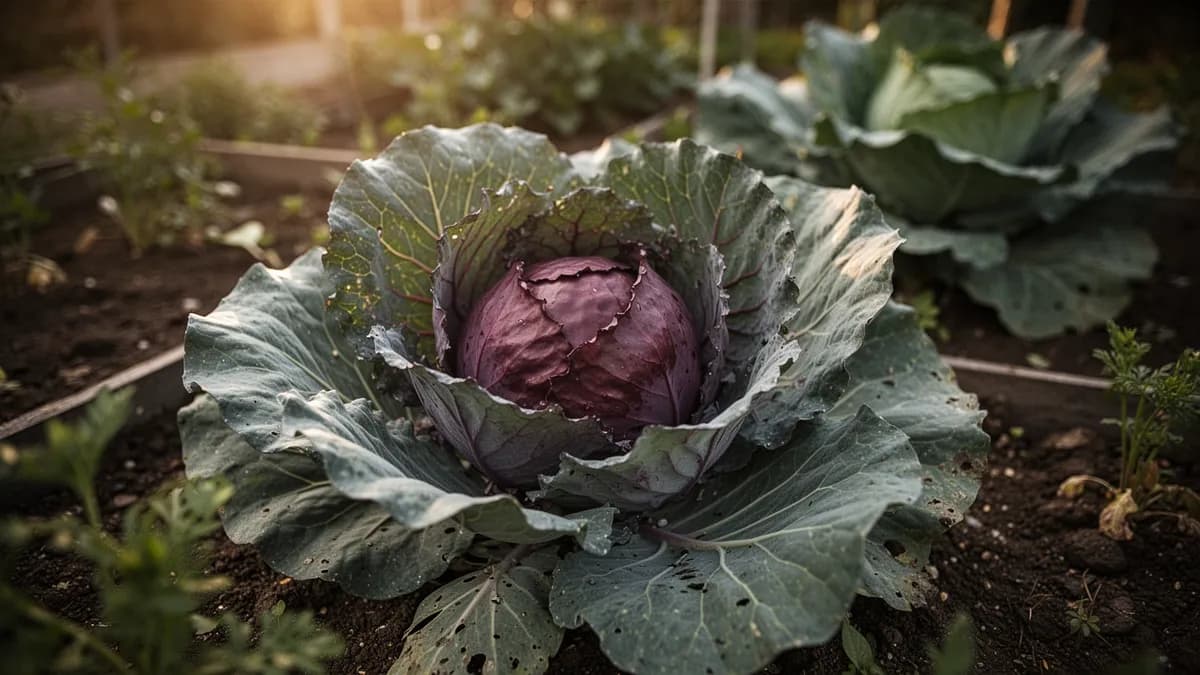
Red Cabbage
Brassica oleracea var. capitata f. rubra
Spacing: 50 cm · 20 in
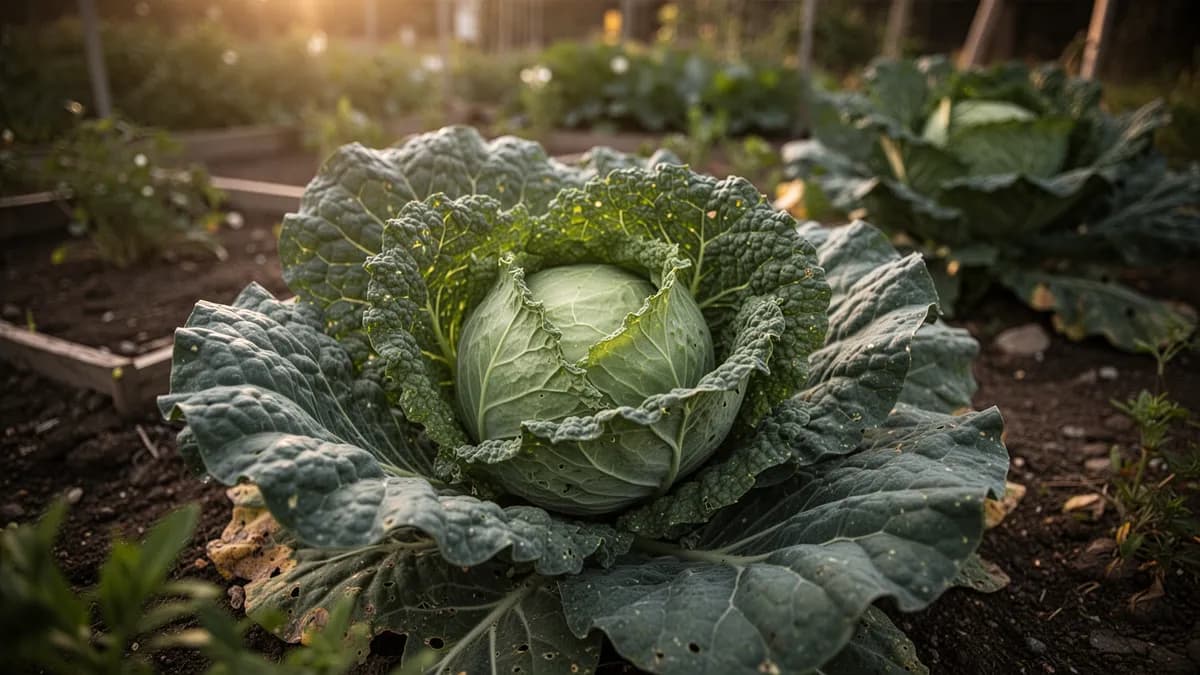
Savoy Cabbage
Brassica oleracea var. sabauda
Spacing: 50 cm · 20 in

Kale
Brassica oleracea var. sabellica
Spacing: 45 cm · 18 in
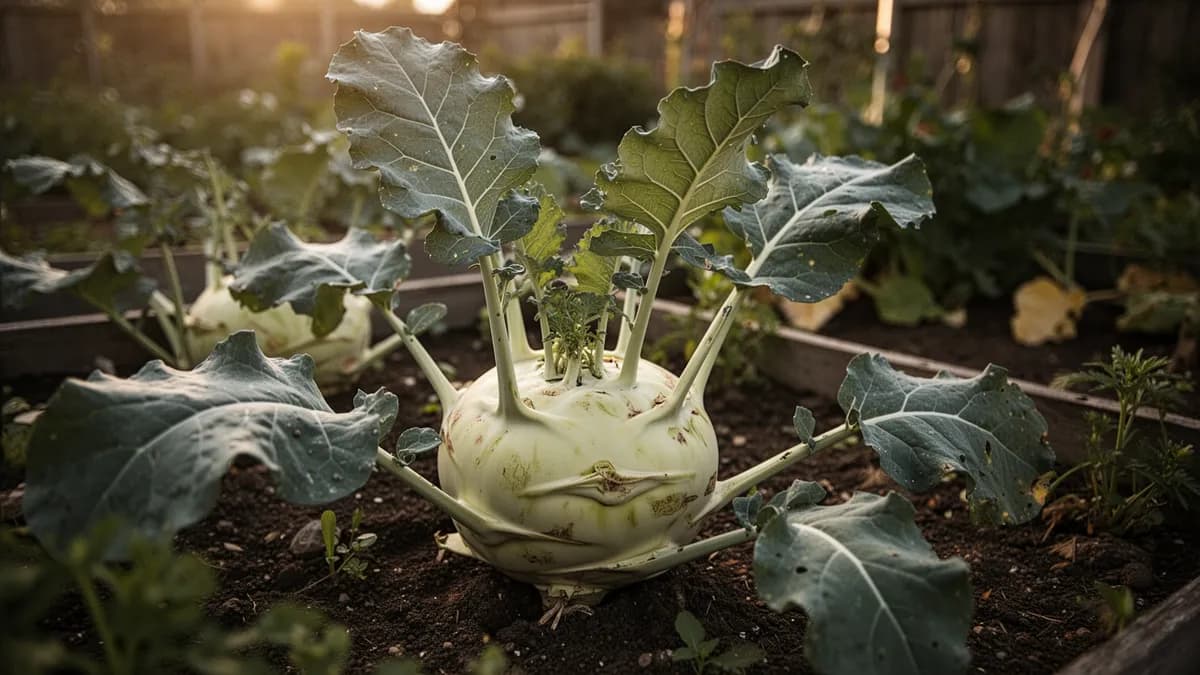
Kohlrabi×4
Brassica oleracea var. gongylodes
Spacing: 20 cm · 8 in

Carrot×8
Daucus carota subsp. sativus
Spacing: 8 cm · 3 in
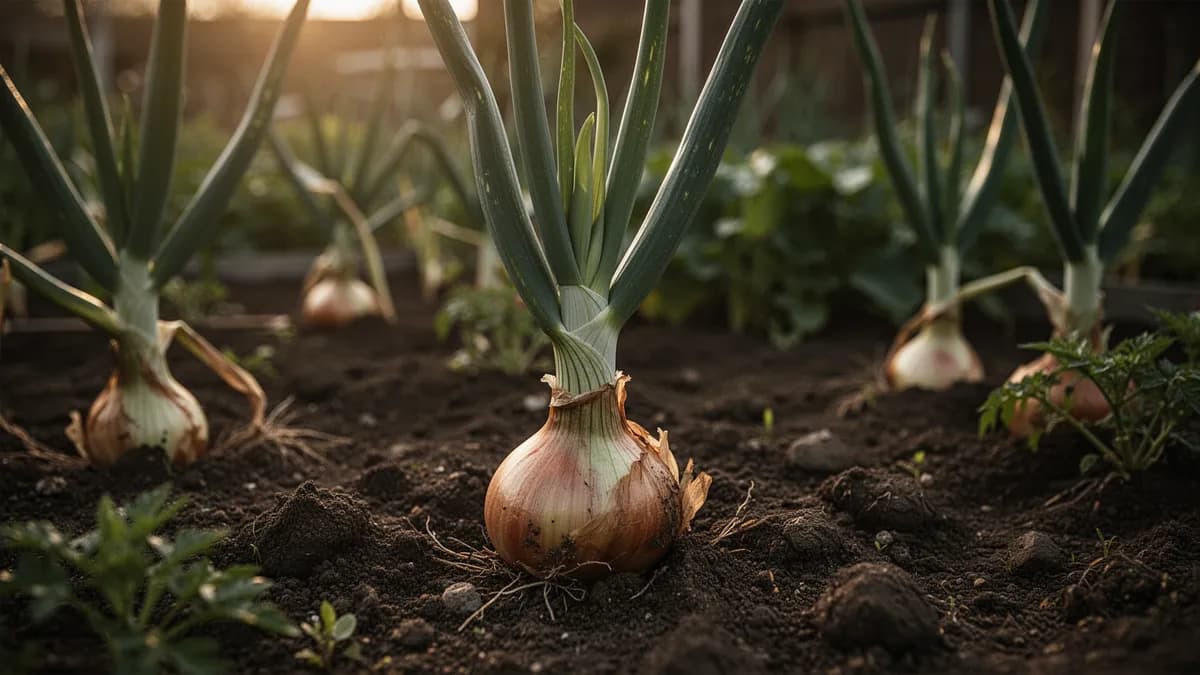
Onion×8
Allium cepa
Spacing: 15 cm · 6 in

Beet×8
Beta vulgaris
Spacing: 10 cm · 4 in

Swiss Chard×2
Beta vulgaris subsp. vulgaris
Spacing: 30 cm · 12 in

Sage
Salvia officinalis
Spacing: 60 cm · 24 in

Thyme
Thymus vulgaris
Spacing: 30 cm · 12 in

Oregano
Origanum vulgare
Spacing: 30 cm · 12 in

Rosemary
Salvia rosmarinus
Spacing: 60 cm · 24 in
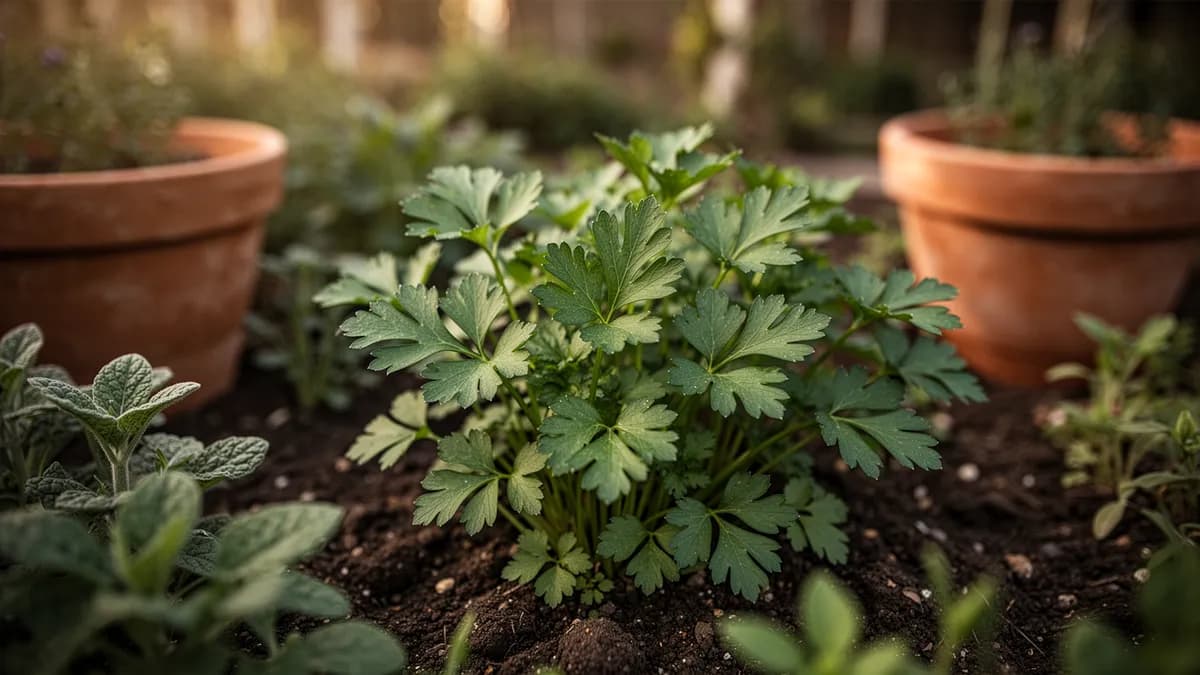
Parsley×2
Petroselinum crispum
Spacing: 20 cm · 8 in
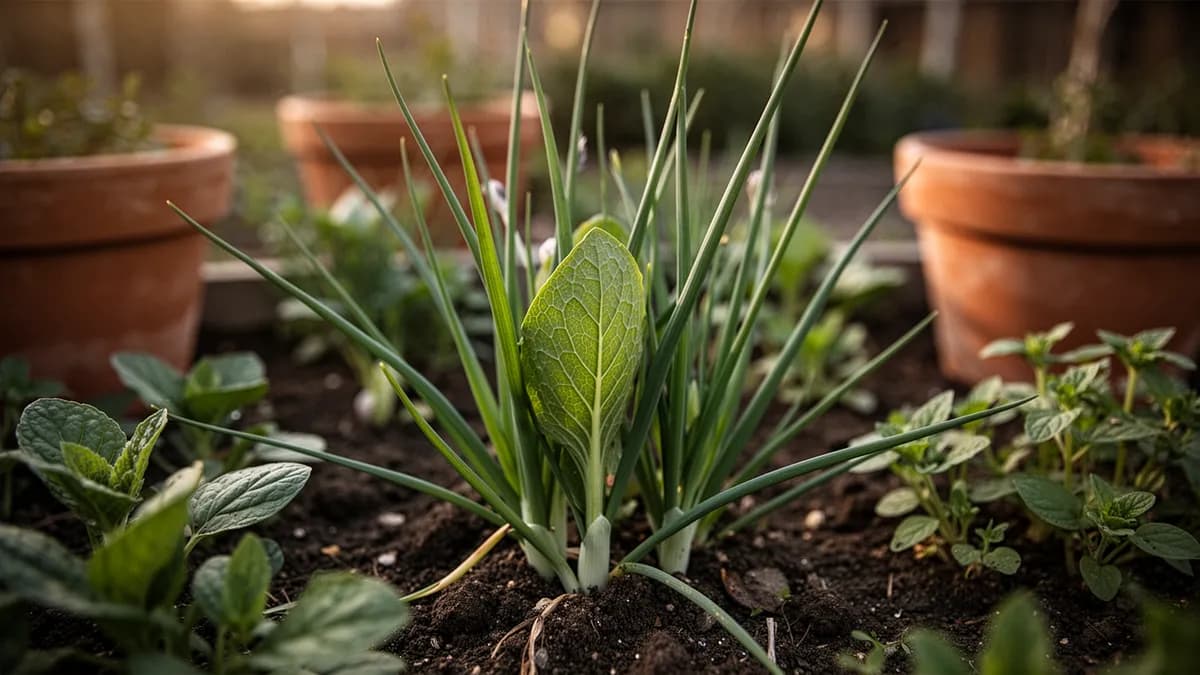
Chives×2
Allium schoenoprasum
Spacing: 15 cm · 6 in

Dill
Anethum graveolens
Spacing: 25 cm · 10 in

Borage
Borago officinalis
Spacing: 30 cm · 12 in

Marigold×2
Tagetes patula
Spacing: 25 cm · 10 in

Cosmos
Cosmos bipinnatus
Spacing: 30 cm · 12 in

Snapdragon×2
Antirrhinum majus
Spacing: 25 cm · 10 in

Zinnia
Zinnia elegans
Spacing: 25 cm · 10 in

Dahlia
Dahlia pinnata
Spacing: 60 cm · 24 in

Potato×8
Solanum tuberosum
Spacing: 30 cm · 12 in
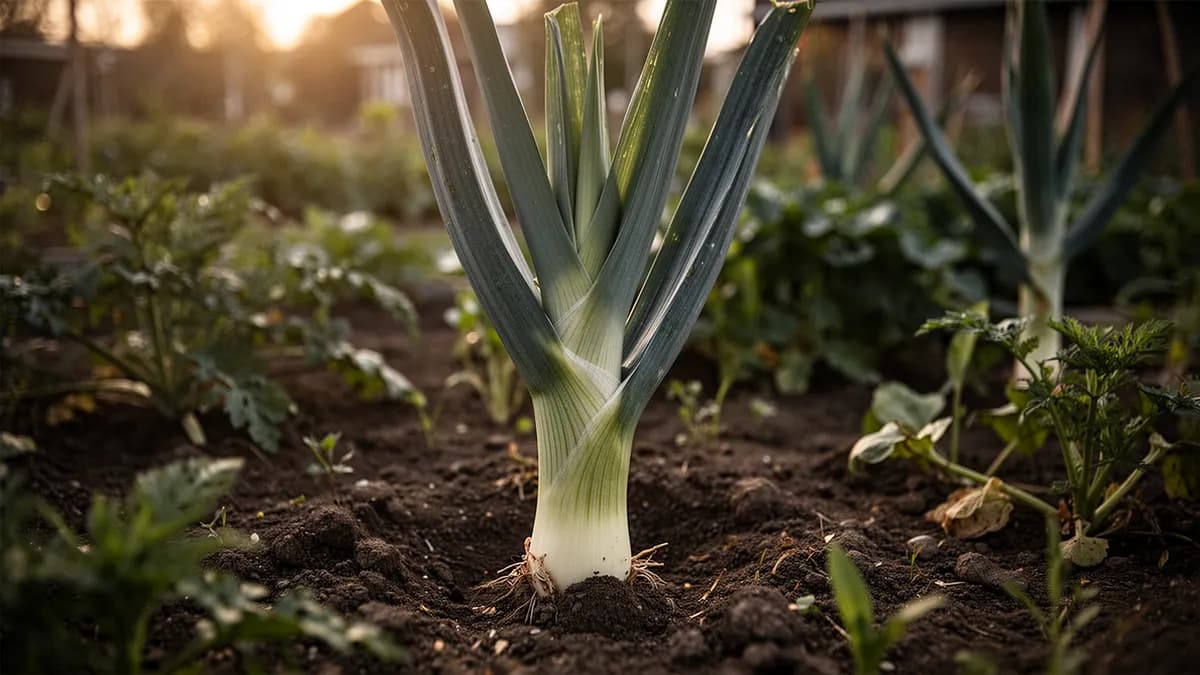
Leek×8
Allium ampeloprasum
Spacing: 15 cm · 6 in

Celeriac×4
Apium graveolens var. rapaceum
Spacing: 30 cm · 12 in
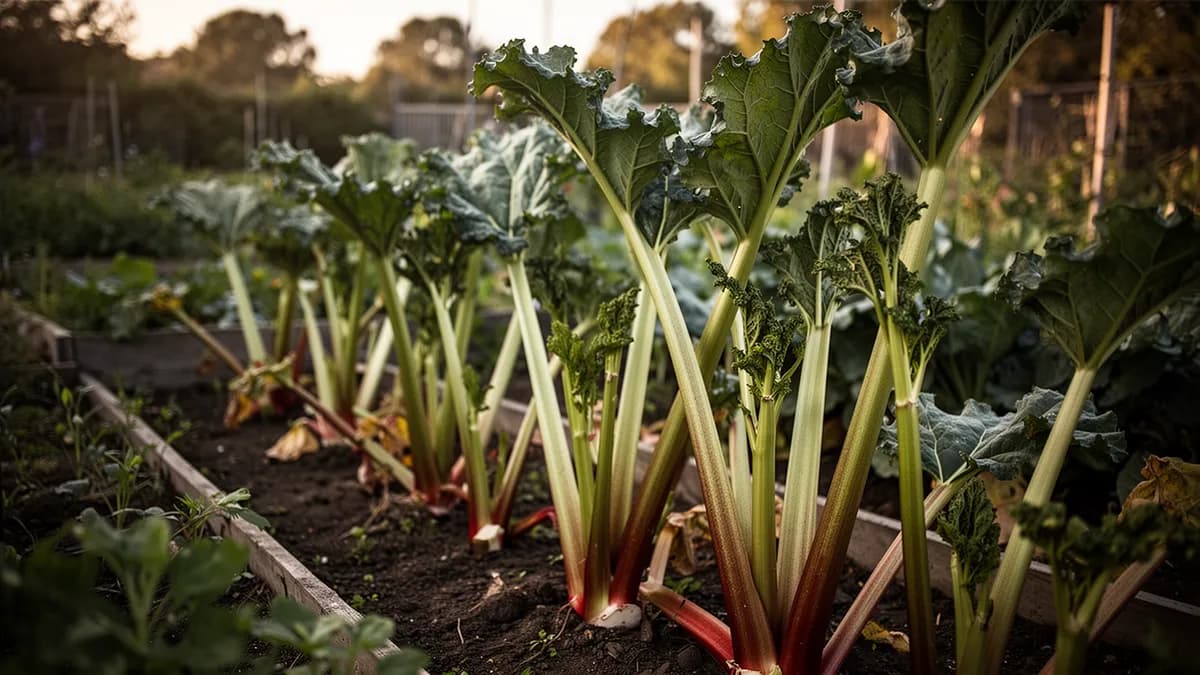
Rhubarb
Rheum rhabarbarum
Spacing: 90 cm · 35 in

Currant×2
Ribes rubrum
Spacing: 120 cm · 47 in

Gooseberry×2
Ribes uva-crispa
Spacing: 120 cm · 47 in

Strawberry×8
Fragaria x ananassa
Spacing: 30 cm · 12 in
Garden Elements (2)
Gravel Path
Loose gravel pathway for easy drainage.
Bird Bath
Bird bath attracting wildlife to the garden.
Ready to Start Growing?
Use this template as a starting point and customize it in the garden editor.
Related garden plans
French Potager
An 8×8 formal kitchen garden framed in lavender and flowers, with lettuce parterres, leeks, haricots verts, and a chef's herb rail.
Hochbeet Kitchen Garden
The classic German raised-bed planting: a 6×3 Hochbeet packed with salads, kohlrabi, roots, and a full herb row.
Herb Kitchen Box
A compact 6×2 herb garden with essential culinary herbs within easy reach of your kitchen.