Verbena
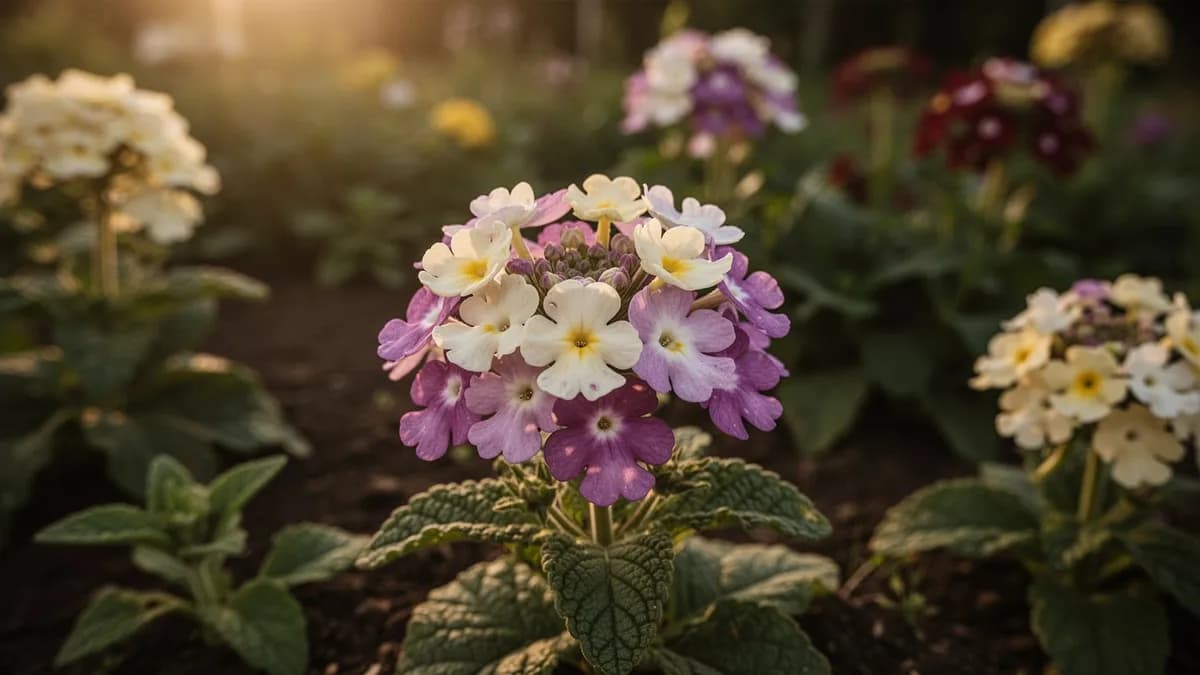
Una anual de floración continua con racimos de pequeñas flores en tonos intensos que atraen a mariposas y otros polinizadores.





En esta páginaResumen
Conoce Verbena
Una anual de floración continua con racimos de pequeñas flores en tonos intensos que atraen a mariposas y otros polinizadores. La verbena es una opción clásica para macetas, cestas colgantes y borduras soleadas, y tolera bastante bien el calor y una sequía ligera una vez establecida. Elimine las flores marchitas para prolongar la floración y proporcione buena circulación de aire para reducir los problemas de oídio.
Cuándo plantar Verbena
Siembre las semillas de verbena en interior entre 8 y 10 semanas antes de la última helada, sobre la superficie de un sustrato húmedo y sin cubrirlas demasiado, ya que necesitan algo de luz para germinar. Mantenga una temperatura de 21 a 24 °C y una humedad constante. La germinación puede ser irregular y tardar de 14 a 30 días. Trasplante las plántulas con cuidado una vez que tengan varios pares de hojas verdaderas. En climas suaves, también puede sembrarse al aire libre a comienzos de la primavera.
Tu año de Verbena
Ajustado a Zona 7 · temporada típica · la helada se va hacia el 2 abr y vuelve hacia el 1 nov
Planta Verbena Abr – May y cosecha May – Oct. Consulta los métodos de plantación y elige tu clima para adaptar los periodos.
Cómo cultivar Verbena
Plante los trasplantes de verbena al aire libre después de la última helada, en un lugar con pleno sol y suelo bien drenado. La verbena tolera algo de semisombra, pero florece con mucha más abundancia con al menos 6 horas de sol directo al día. Separe las plantas entre 25 y 35 cm, según la variedad, para permitir un buen flujo de aire y evitar problemas fúngicos.
Mantenga un riego regular mientras las plantas se establecen, dejando que el centímetro superior de la tierra se seque entre riegos. Una vez asentada, la verbena es moderadamente tolerante a la sequía, pero florece mejor con humedad constante sin encharcamiento. En macetas, el riego debe ser más frecuente, sobre todo en tiempo caluroso.
Abone cada dos o tres semanas con un fertilizante líquido equilibrado durante la temporada de crecimiento. Las variedades rastreras no necesitan desmochado constante, pero retirar los ramilletes marchitos puede mejorar el aspecto de la planta y favorecer más botones. En climas muy calurosos, la floración puede ralentizarse en pleno verano y reactivarse cuando bajen las temperaturas a finales del verano o en otoño.
32 plantas caben en un bancal de 120 × 240 cm
Cada Verbena pide 30 cm de margen. El planificador guarda ese marco por ti — cada planta, cada bancal.
Los mejores vecinos de Verbena
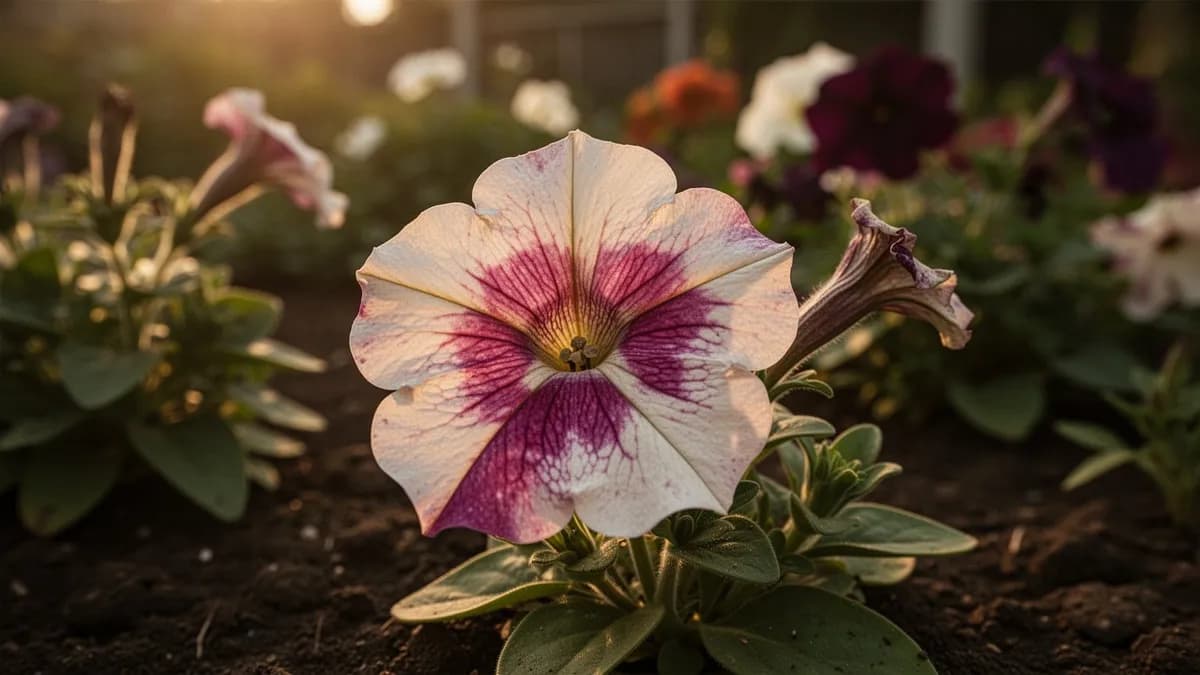
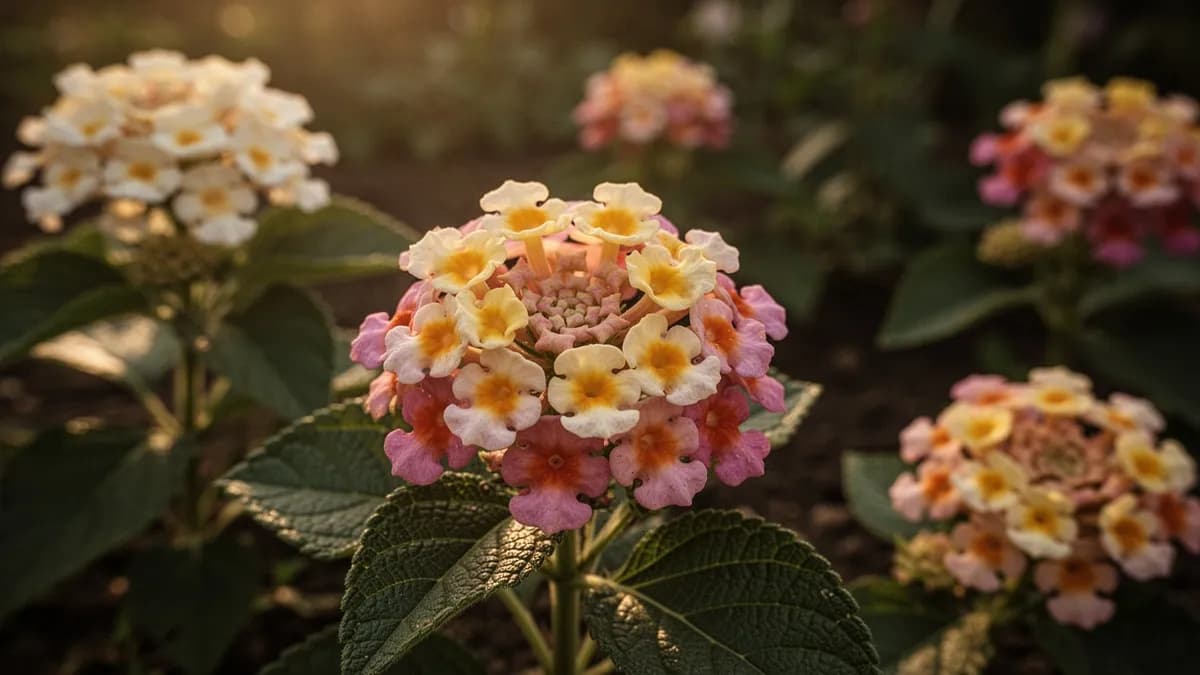
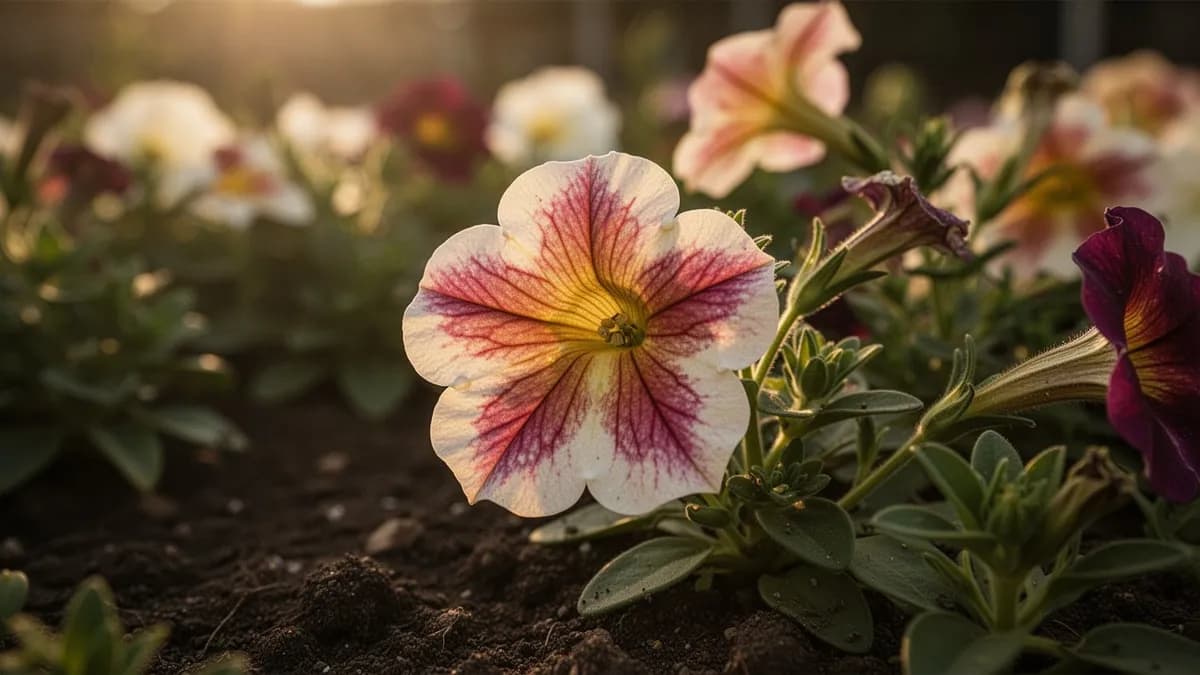
La verbena combina muy bien con petunias, salvia, lantana y calibrachoa en macetas y borduras soleadas. Sus flores bajas y extendidas rellenan espacios entre plantas más altas y aportan una textura ligera y continua. En jardines de polinizadores, es una compañera excelente para equináceas, rudbeckias y gramíneas ornamentales. También funciona bien en cestas colgantes junto con plantas de porte colgante que compartan necesidades de sol y riego.
Petunia va a su lado.
Saber de huerto de siempre, cotejado con la tabla real de Verbena — prueba cualquier planta que cultives.
Prueba Verbena en un bancal, aquí mismo
Un bancal real del planificador con Verbena ya plantado. Toca una planta compañera para colocarla y mira cómo responde la comprobación de vecinos: verde para buenos vecinos, rojo si hay conflicto.


Guías de cultivo relacionadas
Abónalo bien
La verbena crece mejor en suelos bien drenados, de medios a pobres, con un pH de 6.0 a 7.0. Un suelo demasiado rico puede producir mucho follaje y menos flores. En macetas, use un sustrato de buena calidad con perlita o arena gruesa para mejorar el drenaje. Aplique un fertilizante equilibrado de liberación lenta al plantar y compleméntelo con fertilizante líquido cada dos o tres semanas durante el crecimiento activo. Evite el exceso de nitrógeno.
Temperatura ideal
Compatibilidad de zonas de rusticidad
De la semilla a la cosecha, etapa por etapa
Germinación de semillas
Las semillas de verbena requieren oscuridad y humedad constante para germinar. Siémbralas en la superficie de un sustrato húmedo para semilleros y cúbrelas apenas con vermiculita para bloquear la luz. Mantén la temperatura del sustrato entre 18 y 24 °C. La germinación suele ser irregular y puede tardar de 14 a 21 días. Remojar las semillas en agua tibia durante 12 horas antes de sembrarlas puede mejorar el porcentaje de germinación.
Desarrollo de plántulas
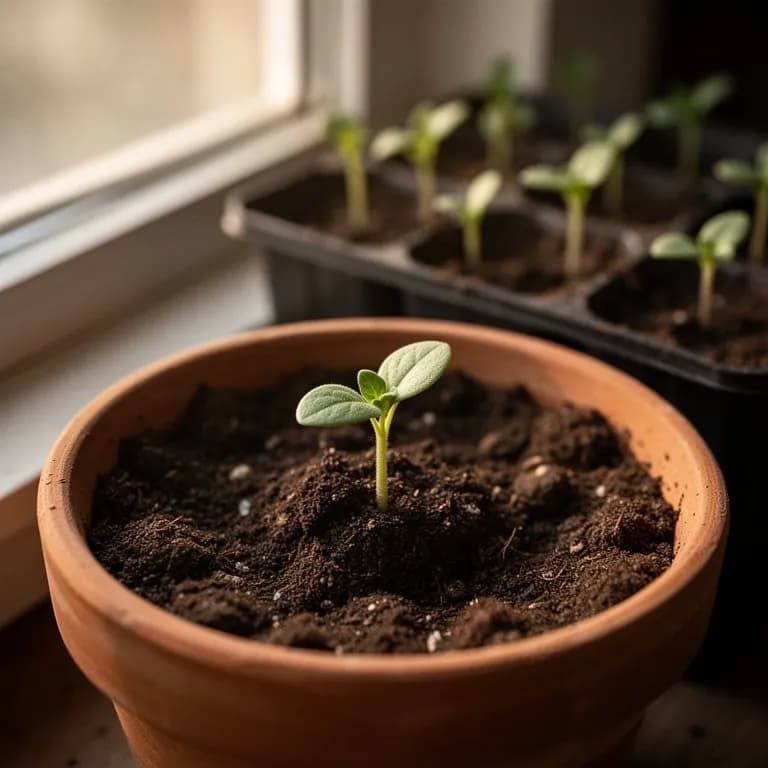
Las plántulas emergen con pequeños cotiledones redondeados, seguidos de las primeras hojas verdaderas con sus bordes dentados característicos. El crecimiento es moderado en esta etapa. Proporciona de 14 a 16 horas de luz intensa al día para evitar tallos débiles y alargados. Las plántulas son propensas a la podredumbre del cuello si se mantienen demasiado húmedas.
Crecimiento vegetativo
Las plantas desarrollan un porte ramificado y extendido, con pares opuestos de hojas verde oscuro y dentadas. Los tallos se alargan y comienzan a colgar o a formar montículos según la variedad. El sistema radicular se establece con rapidez en suelo cálido. Este es el momento ideal para pinzar las puntas de crecimiento y conseguir plantas más compactas y con más ramas floríferas.
Formación de botones
En las puntas de los tallos comienzan a formarse racimos compactos de pequeños botones florales. Los botones se agrupan en umbelas planas o ligeramente abombadas. Los botones individuales son tubulares y están muy apretados. El color puede empezar a verse en la punta de los botones antes de que se abran por completo. Las plantas siguen produciendo nuevo crecimiento vegetativo junto con los racimos florales en desarrollo.
Floración máxima
La planta entra en su período más espectacular, con docenas de racimos florales abiertos al mismo tiempo. Las flores individuales son tubulares, con cinco pétalos acampanados y, a menudo, un ojo central blanco o más claro que contrasta. Los colores van del blanco puro al rosa, rojo, morado, azul y combinaciones bicolores. Las flores se abren desde el exterior del racimo hacia el interior, prolongando el tiempo de floración de cada umbela.
Rejuvenecimiento de mitad de temporada
A mediados del verano, las plantas de verbena pueden volverse alargadas o quedar escasas en el centro. Un recorte de mitad de temporada revitaliza el crecimiento y provoca una segunda floración intensa. Corta las plantas aproximadamente entre un tercio y la mitad de su altura, y por lo general rebrotarán y volverán a florecer en dos o tres semanas.
Cosecha
Corta los racimos florales de verbena para pequeños ramos cuando la mayoría de las diminutas florecillas del racimo estén abiertas. Las flores pequeñas funcionan mejor como relleno en arreglos mixtos. Para guardar semillas, deja que algunos racimos se sequen por completo en la planta hasta que los tallos se vuelvan marrones. Desmenuza los racimos secos con los dedos para liberar las pequeñas semillas alargadas.
Cubre las bandejas de siembra con plástico negro o con una tela oscura para excluir la luz durante la germinación. Retira la cubierta en cuanto aparezcan los primeros brotes y colócalos en luz brillante e indirecta.
Cuidar Verbena mes a mes
Qué hacer cada mes para tu Verbena
Octubre
Mes actualEnjoy the last blooms of the season. After the first killing frost, remove spent plants and add them to the compost pile. Note variety performance for next year's planning.
Ten claro qué hacer en tu huerto, cada mes
Un correo al empezar cada mes: qué sembrar, plantar y hacer ahora mismo — para tu Verbena y todo lo que crece alrededor. Más un breve curso inicial para esquivar los errores clásicos.
- Qué hacer ahora mismo
- Ajustado a tu temporada
- Curso inicial incluido
Cosechar Verbena
La verbena no suele cultivarse como flor cortada, pero sus pequeños ramilletes pueden recolectarse para arreglos informales o para atraer polinizadores en pequeños ramos. Corte los tallos cuando la mayor parte de las florecillas del ramillete estén abiertas. Para prolongar la floración en la planta, elimine los ramilletes marchitos de vez en cuando, especialmente en las variedades más vigorosas. Las flores cortadas duran varios días en agua fresca.
se supone que plantas al comenzar el periodo — indica tu fecha real
Corta los racimos florales cuando la mayoría de las florecillas diminutas estén abiertas, o deja que algunos racimos se sequen en la planta si quieres guardar semillas.
Almacenamiento y conservación
La verbena se disfruta mejor fresca en el jardín o en arreglos breves. Los tallos cortados duran unos pocos días en agua limpia. Si desea conservarla, puede secar pequeños ramilletes colgándolos boca abajo en un lugar oscuro, seco y ventilado durante una o dos semanas. Las flores secas conservan parte de su color y sirven bien en ramilletes secos y saquitos aromáticos.
Qué falla — y cómo solucionarlo
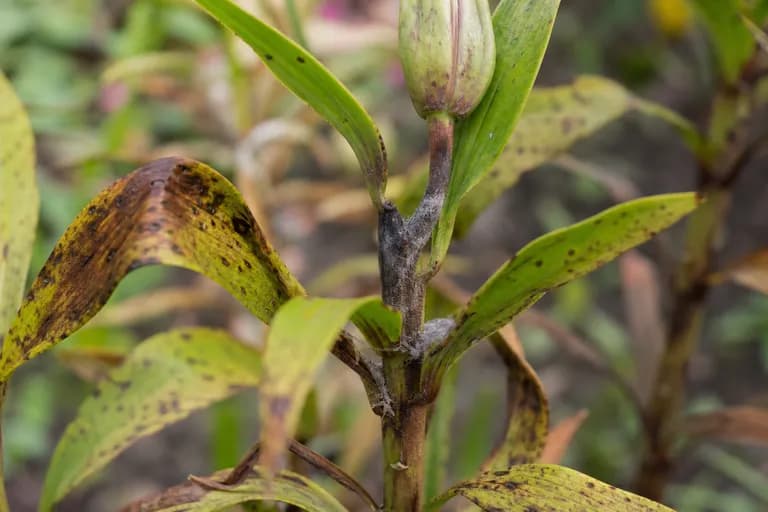
Oídio
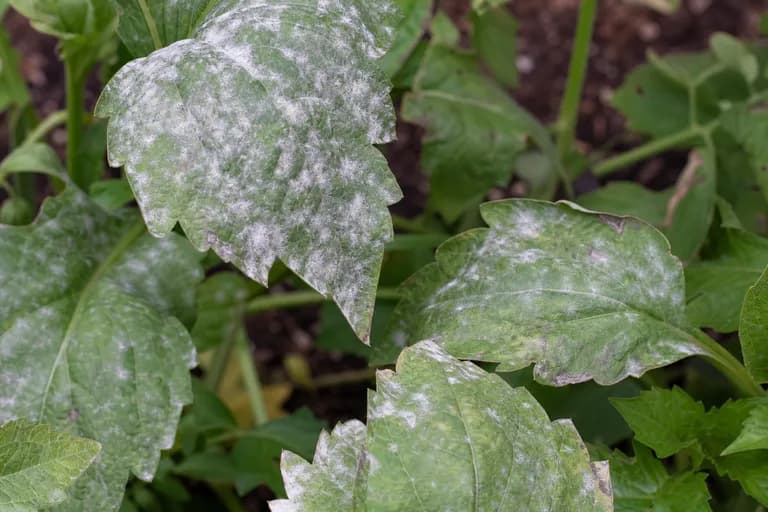
EnfermedadRevestimiento blanco y polvoriento en las hojas, sobre todo en tiempo cálido con noches frescas. El follaje puede amarillear y deformarse.
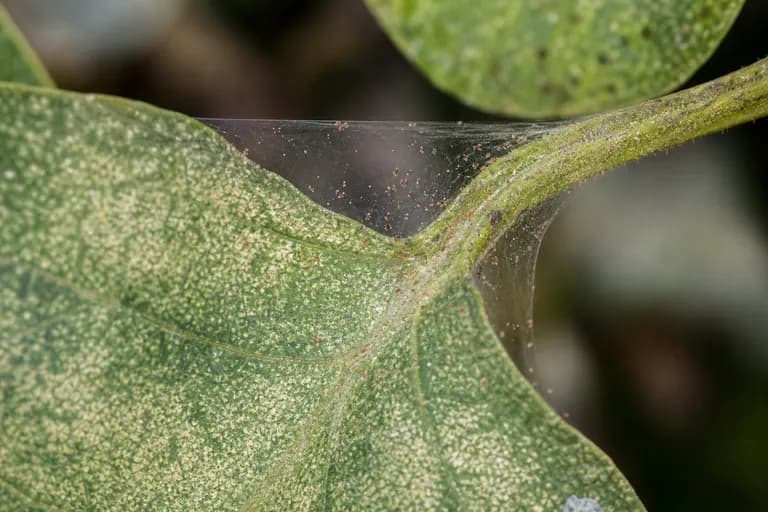
Pulgones
PlagaPequeños grupos de insectos blandos en brotes tiernos y tallos jóvenes, con melaza pegajosa y crecimiento deformado.
Mosca blanca
PlagaPequeños insectos blancos que salen volando al agitar la planta. Hojas amarillentas y melaza pegajosa en el follaje.
Solución de problemas comunes
El oídio es el problema más frecuente, especialmente cuando las plantas reciben poco aire. La verbena también puede alargarse si no recibe suficiente sol. El exceso de riego favorece la podredumbre de raíces y reduce la floración. En verano muy caluroso, puede haber una pausa temporal en la floración; un ligero recorte y un abonado suave suelen devolverle el vigor. Las plantas en sombra producen menos flores y un porte más débil.
Consejos de cultivo
- Start verbena seeds indoors 10-12 weeks before the last frost date and cover the seed tray with dark material, as verbena seeds germinate best in complete darkness at 18-24°C.
- Soak verbena seeds in lukewarm water for 12 hours before sowing to soften the seed coat and improve the often-erratic germination rate from around 40% to 60-70%.
- Plant verbena in full sun with at least 6-8 hours of direct sunlight daily for the best flower production; plants grown in partial shade become leggy and produce significantly fewer blooms.
- Ensure excellent soil drainage by amending heavy clay soils with coarse sand or perlite before planting, as verbena is highly susceptible to root rot in waterlogged conditions.
- Space plants 25-30 cm apart to allow good air circulation, which is the single most effective preventive measure against powdery mildew, verbena's most common disease problem.
- Apply a balanced slow-release fertilizer at planting time, then switch to a liquid bloom-boosting fertilizer (high phosphorus) every two to three weeks once flower buds appear.
- Cut plants back by one-third to one-half in midsummer if they become leggy or sparse in the center; they will regrow and produce a vigorous second flush of flowers within two to three weeks.
- Water deeply but infrequently, allowing the top 2-3 cm of soil to dry between waterings; overhead watering late in the day promotes powdery mildew, so water at the base of plants in the morning.
- Take 8-10 cm stem tip cuttings in August and root them in moist perlite to overwinter favorite varieties indoors on a bright windowsill, preserving named cultivars that do not come true from seed.
- Pair trailing verbena varieties with upright companion plants like salvia, lantana, or ornamental grasses in mixed containers for a dynamic combination of textures and heights that blooms all season.
Cultiva tu mejor Verbena — y todo lo que la rodea.
Empieza un plan gratis hoy. Diseña tus bancales, coloca tu Verbena y deja que PlotMyGarden gestione el momento, el espaciado, las asociaciones y los recordatorios de la semilla a la cesta.
Elige tu Verbena
Superbena
Variedades vigorosas y rastreras con una floración abundante y continua, ideales para cestas colgantes y macetas grandes.
Quartz
Serie compacta con buena tolerancia al calor y ramilletes muy densos en colores intensos.
Homestead Purple
Una de las verbenas más conocidas, de porte rastrero y flores púrpuras resistentes y fiables.
Tapien
Verbena de crecimiento rápido y hábito extendido, excelente para cubrir bordes y dar color prolongado.
A single packet of verbena seeds (approximately 50-100 seeds) costs around $3-5 and can produce dozens of plants that would retail for $4-6 each as nursery transplants. Starting from seed saves $150 or more compared to buying equivalent numbers of bedding plants. Taking stem cuttings from established plants in late summer provides an unlimited supply of new plants for the following season at no additional cost. Because garden verbena blooms continuously from late spring until frost, a few well-maintained plants can provide cut flowers and pollinator habitat for five months or more, replacing the need for multiple seasonal plantings of shorter-blooming annuals.
Recetas rápidas
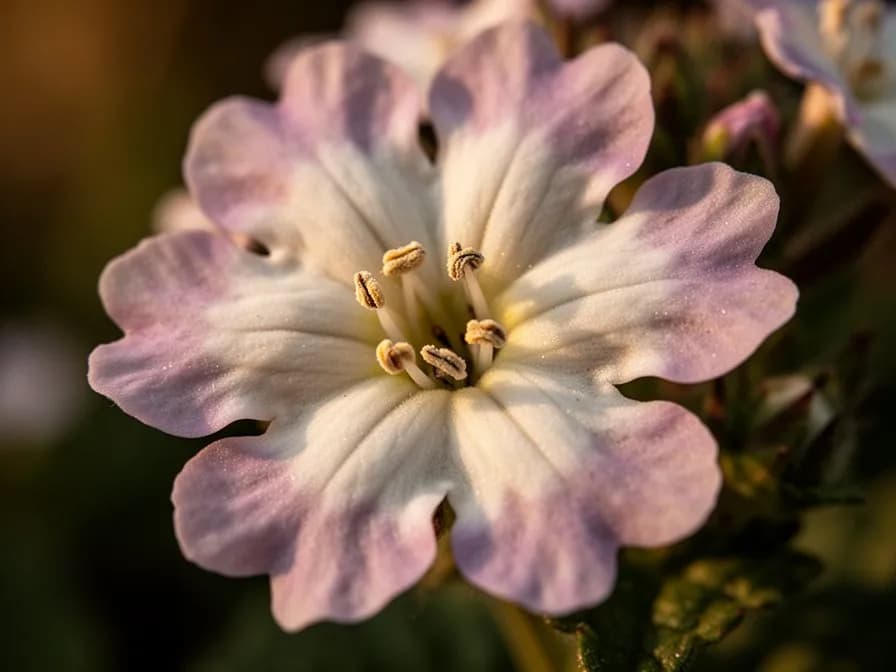
Verbena Flower Infusion Tea
10 minutesA gentle, calming herbal tea made from fresh verbena flowers and leaves. This light infusion has a mild, slightly floral flavor with a hint of citrus and has been enjoyed as a relaxing evening beverage in traditional herbal practice.
5 ingredientes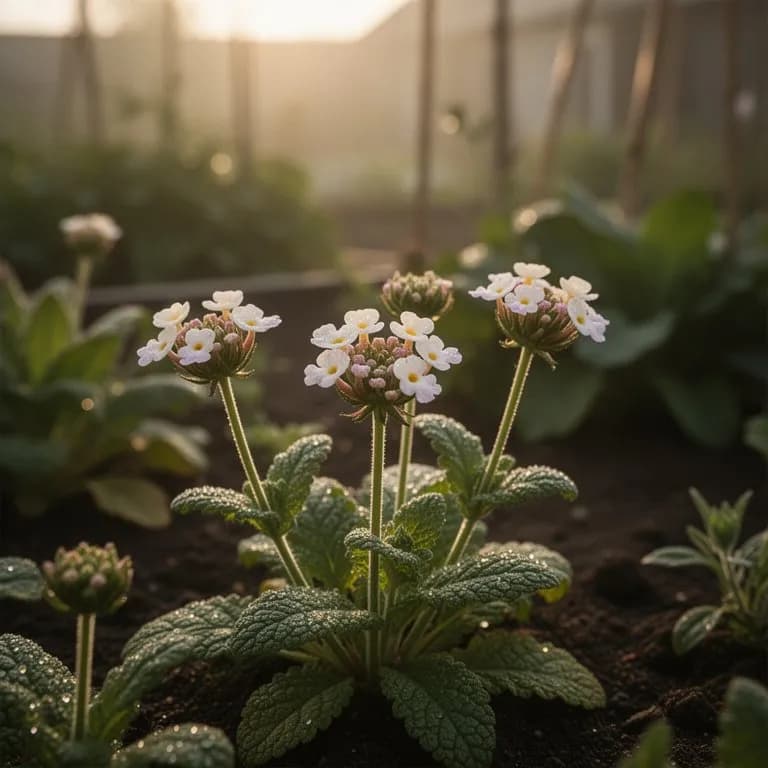
Verbena Flower Sugar
15 minutes plus 2 weeks infusionAn aromatic flavored sugar made by layering fresh verbena flowers with granulated sugar. The flowers slowly release their fragrance and color into the sugar, creating a beautiful and subtly floral sweetener for baking, tea, and desserts.
4 ingredientesVerbena Flower Garnish Salad
15 minutesA simple mixed green salad topped with fresh verbena flower clusters for a colorful, edible garnish. The tiny flowers add visual appeal and a mild floral note that pairs beautifully with a light citrus vinaigrette.
7 ingredientesUsos culinarios
La verbena de jardín se cultiva sobre todo por su valor ornamental y no se usa de forma habitual en cocina. Algunas especies del género Verbena se emplean en infusiones o usos herbales tradicionales, pero esta verbena híbrida se aprecia principalmente por sus flores decorativas y su capacidad para atraer polinizadores. Si desea usar flores en la cocina, utilice únicamente material claramente identificado y no tratado con pesticidas.
Qué contiene
Beneficios para la salud
- Verbena has been used in traditional European and South American herbal medicine for centuries as a mild nervine, believed to calm the nervous system and promote restful sleep when taken as an infusion.
- Herbalists have historically recommended verbena preparations to support healthy digestion, ease mild stomach discomfort, and reduce bloating after meals.
- The plant contains verbascoside and other phenylpropanoid glycosides that have demonstrated antioxidant activity in laboratory studies, suggesting potential for supporting cellular health.
- Traditional folk medicine employed verbena poultices externally to soothe minor skin irritations, insect bites, and small wounds, taking advantage of its mild astringent properties.
- Verbena tea has been used as a traditional remedy for mild headaches and tension, with some historical sources describing it as a gentle relaxant for stress-related discomfort.
- Growing verbena in the garden provides indirect health benefits by attracting a wide range of pollinators including butterflies, bees, and hummingbirds, supporting local biodiversity and the mental well-being that comes from observing wildlife in the garden.
De dónde viene Verbena
Garden verbena (Verbena × hybrida) is a complex interspecific hybrid that traces its origins to several wild species native to South America, particularly from the grasslands and open habitats of Argentina, Brazil, and Peru. European plant collectors brought these species to England and continental Europe during the late 18th and early 19th centuries, where they quickly captured the attention of horticulturists drawn to their vivid colors and extended blooming season. By the 1830s, breeders in England and France began crossing species such as Verbena peruviana, V. phlogiflora, V. platensis, and V. incisa to produce the first garden hybrids. These early cultivars were celebrated for their rich palette of reds, pinks, purples, and whites, and they became staples of Victorian carpet bedding schemes, where their low, spreading habit and continuous bloom made them ideal for creating intricate patterned displays. The genus name Verbena derives from the Latin word for sacred bough, reflecting the long association of the related European species V. officinalis with religious and medicinal traditions. Ancient Romans used V. officinalis in temple rituals, and it featured prominently in folk medicine across medieval Europe as a remedy for headaches, digestive complaints, and nervous tension. Although garden verbena is a distinct hybrid from its European namesake, it inherited both the common name and much of the cultural goodwill associated with the genus. Throughout the 20th century, breeders focused on improving disease resistance, heat tolerance, and flower size. The introduction of vegetatively propagated series in the 1990s and 2000s, including Tapien, Temari, Superbena, and Lanai, transformed garden verbena into one of the most popular bedding and container plants worldwide, valued for its reliability, prolific flowering, and ability to attract butterflies and other pollinators to the garden.
Verbena: ¿sabías que?
Datos fascinantes sobre Verbena
Garden verbena (Verbena × hybrida) is a complex hybrid with ancestry from several South American species, primarily V. peruviana, V. phlogiflora, V. platensis, and V. incisa, first crossed by European breeders in the 1830s.
Verbena: preguntas frecuentes
¿Cuándo debo plantar Verbena?
¿Cuáles son buenas plantas acompañantes para Verbena?
¿En qué zonas de rusticidad puede crecer Verbena?
¿Cuánto sol necesita Verbena?
¿A qué distancia debo espaciar Verbena?
¿Qué plagas y enfermedades afectan a Verbena?
¿Cómo almaceno Verbena después de la cosecha?
¿Cuáles son las mejores variedades de Verbena para cultivar?
¿Qué suelo necesita Verbena?
Is garden verbena a perennial or an annual?
Why is my verbena getting powdery mildew and how do I prevent it?
How do I keep my verbena blooming all summer long?
Can I grow verbena in containers and hanging baskets?
Are verbena flowers edible and safe to eat?
What are the best companion plants for verbena?
Acabas de leer la teoría. Ahora cultívala en piloto automático.
Todo lo que hace que Verbena sea delicado — el momento, el espaciado, las asociaciones, la ventana de cosecha — es justo lo que PlotMyGarden resuelve por ti, para cada planta de tu huerto.
Un plan que conoce tu clima
Indica tu ubicación una vez. Recibe fechas de siembra, abonado y cosecha basadas en tu última helada real y el pronóstico en vivo — sin adivinar con un sobre genérico.
De la sección “Cuándo plantar”Planificador de bancales de arrastrar y soltar
Diseña bancales sobre una cuadrícula. Cada planta encaja con su espaciado correcto y ves toda la temporada antes de gastar un céntimo en semillas.
De la sección “Cultivo”Conflictos de asociación, detectados a tiempo
Más de 200 buenas y malas combinaciones comprobadas en vivo mientras plantas — para que un error que arruine la temporada nunca llegue a la tierra.
De la sección “Asociaciones”Recordatorios que sí vas a seguir
“Riega las judías.” “Recoge hoy antes de que se pase.” Oportunos, concretos y ligados a las plantas que de verdad cultivas.
De la sección “Cosecha”Escalonado, programado
¿Quieres cosechar seis semanas en vez de seis días? Reparte tus siembras automáticamente y te avisa cuando toca el siguiente lote.
De la sección “Cuándo plantar”Un registro que se vuelve más listo
Cada cosecha que registras le enseña tu huerto. El plan del año que viene parte de lo que de verdad funcionó en tu suelo, no en un manual.
De la sección “Resumen”Planta estos junto a Verbena
Más Anuales
Diseños de jardín con Verbena
Cultiva tu mejor Verbena — y todo lo que la rodea.
Empieza un plan gratis hoy. Diseña tus bancales, coloca tu Verbena y deja que PlotMyGarden gestione el momento, el espaciado, las asociaciones y los recordatorios de la semilla a la cesta.