Scheinaster
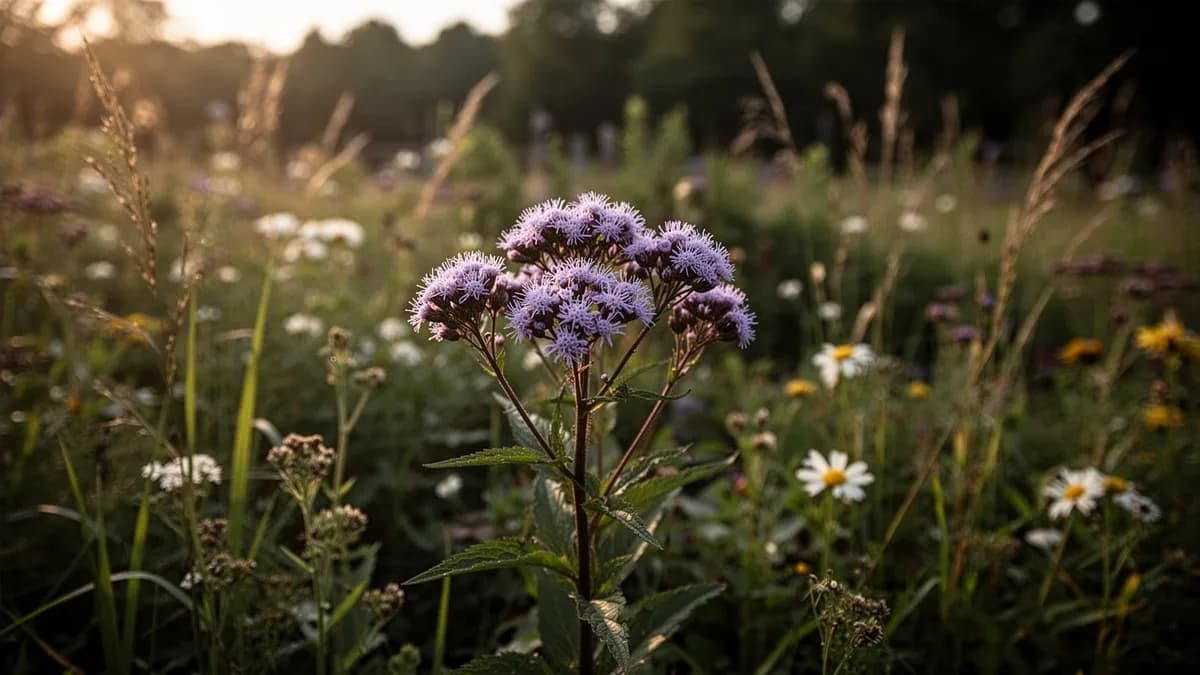
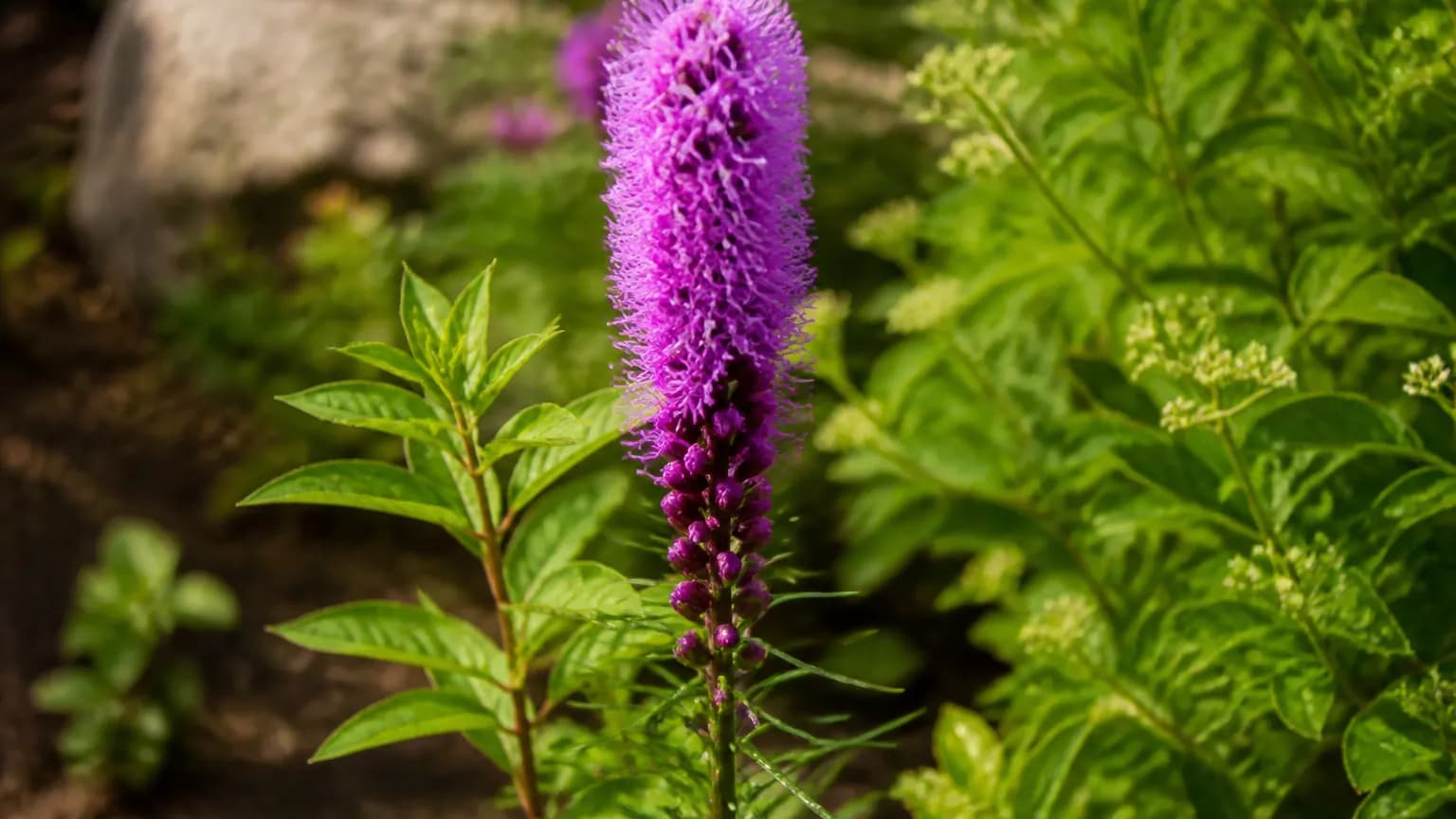
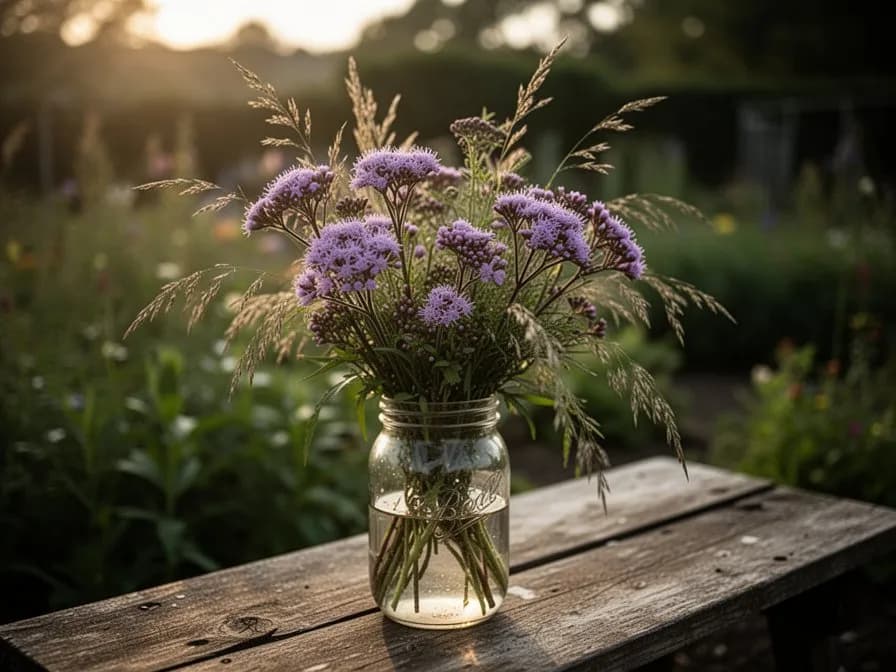
Eine hohe, majestätische einheimische Wildblume mit leuchtenden Büscheln tiefvioletter Blüten, die im Spätsommer erscheinen, wenn der Wiesengarten frische Farbe am meisten braucht.





Auf dieser SeiteÜberblick
Scheinaster im Überblick
Eine hohe, majestätische einheimische Wildblume mit leuchtenden Büscheln tiefvioletter Blüten, die im Spätsommer erscheinen, wenn der Wiesengarten frische Farbe am meisten braucht. Scheinaster gedeiht in feuchtem bis durchschnittlichem Boden in voller Sonne und bietet wichtigen Spätsaison-Nektar für Schmetterlinge und Bienen. Sie passt wunderschön zu Goldrute und einheimischen Gräsern in naturalistischen Pflanzungen.
Wann Scheinaster pflanzen
Scheinaster-Samen benötigen Kaltschichtung für zuverlässige Keimung. Säen Sie im Herbst ins Freie für natürliche Winterbehandlung oder stratifizieren Sie die Samen kalt in feuchtem Sand im Kühlschrank für sechs bis acht Wochen vor der Frühjahrsaussaat. Säen Sie die Samen auf die Oberfläche von feuchter Komposterde, drücken Sie sie leicht an, ohne sie zu bedecken. Samen keimen in zwei bis vier Wochen bei 18 bis 21 Grad Celsius. Vereinzeln Sie Sämlinge früh, da sich die Pfahlwurzel schnell entwickelt. Pflanzen aus Samen blühen typischerweise in ihrem zweiten Jahr.
Dein Scheinaster-Jahr
Abgestimmt auf Zone 7 · typische Saison · Frost geht um den 2. Apr. und kehrt um den 1. Nov. zurück
Scheinaster Mär – Mai pflanzen, Aug – Okt ernten. Beachte die Pflanzmethoden unten und wähle dein Klima für passende Zeiträume.
So baust du Scheinaster an
Pflanzen Sie Scheinaster im Frühjahr aus Samen oder im Container gezogenen Setzlingen in voller Sonne mit feuchtem bis durchschnittlichem, gut durchlässigem Boden. Diese imposante einheimische Wildblume kann unter idealen Bedingungen 1,5 bis 2,4 Meter hoch werden und erzeugt dramatische vertikale Akzente in Wiesen- und Beetpflanzungen. Sie verträgt eine breite Palette von Bodenarten, von Lehm bis sandigem Lehmboden, und bewältigt sowohl gleichmäßig feuchte als auch mäßig trockene Bedingungen nach dem Einwachsen.
Gießen Sie während der ersten Vegetationsperiode regelmäßig, um ein tiefes Wurzelsystem aufzubauen. Nach dem Einwachsen ist Scheinaster überraschend trockenheitstolerant, angesichts ihres natürlichen Lebensraums entlang von Bächen und feuchten Wiesen. Düngung ist in durchschnittlichem Gartenboden in der Regel nicht erforderlich. Unter sehr mageren Bedingungen kann eine leichte Gabe eines ausgewogenen Düngers im Frühjahr das Wachstum fördern.
Kneifen Sie die Stängel Anfang Juni um die Hälfte zurück, um die Höhe zu reduzieren und buschigere, kompaktere Pflanzen zu fördern, die keine Stützung benötigen. Ohne Rückschnitt können hohe Stängel an exponierten Standorten kippen oder umfallen. Lassen Sie die getrockneten Samenstände über den Winter für architektonisches Interesse und als Vogelfutter stehen und schneiden Sie sie im Spätwinter vor dem neuen Austrieb bodennah zurück.
8 Pflanzen passen in ein Beet von 120 × 240 cm
Scheinaster braucht 60 cm Platz pro Pflanze. Der Planer hält diesen Abstand für dich ein — jede Pflanze, jedes Beet.
Die besten Nachbarn für Scheinaster
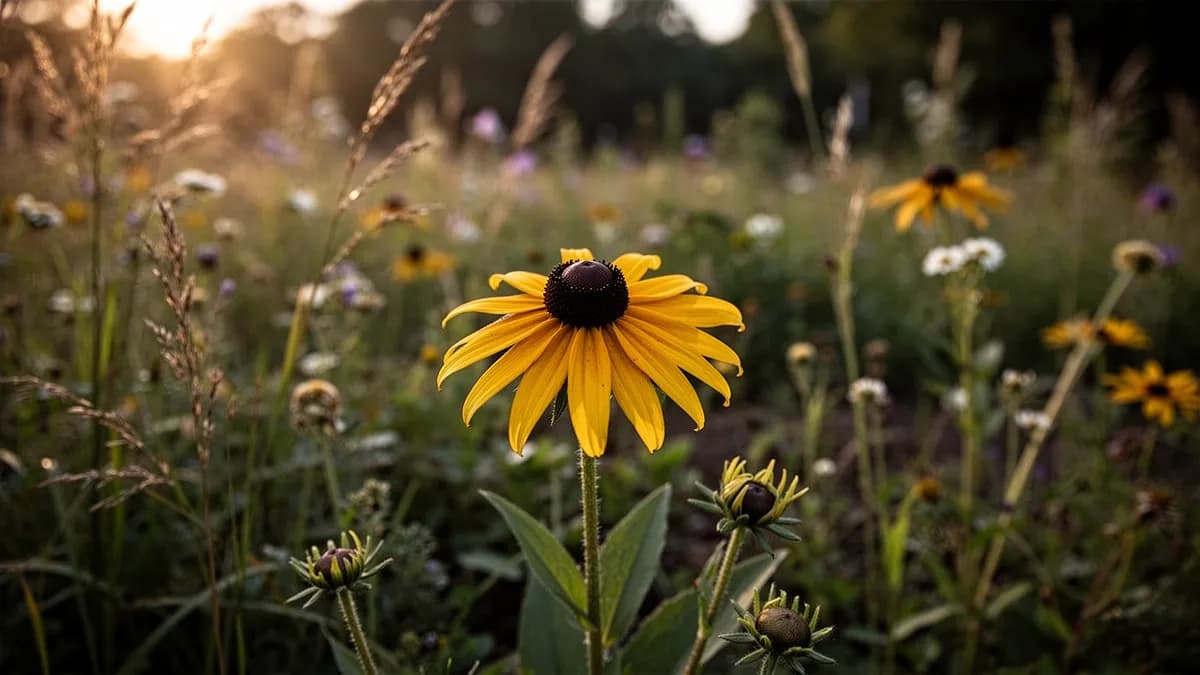
Scheinaster ist ein Blickfang in Spätsommer-Wiesenpflanzungen mit Goldrute, Wasserhanf, einheimischen Astern und Ziergräsern. Die tiefvioletten Blüten erzeugen atemberaubende Farbkombinationen mit den goldenen Gelbtönen der herbstblühenden Wildblumen. Pflanzen Sie sie im hinteren Bereich von Beeten oder in der Mitte von Inselbeeten, wo ihre Höhe einen vertikalen Akzent bietet. Scheinaster liefert wichtigen Spätsaison-Nektar für wandernde Schmetterlinge und einheimische Bienen.
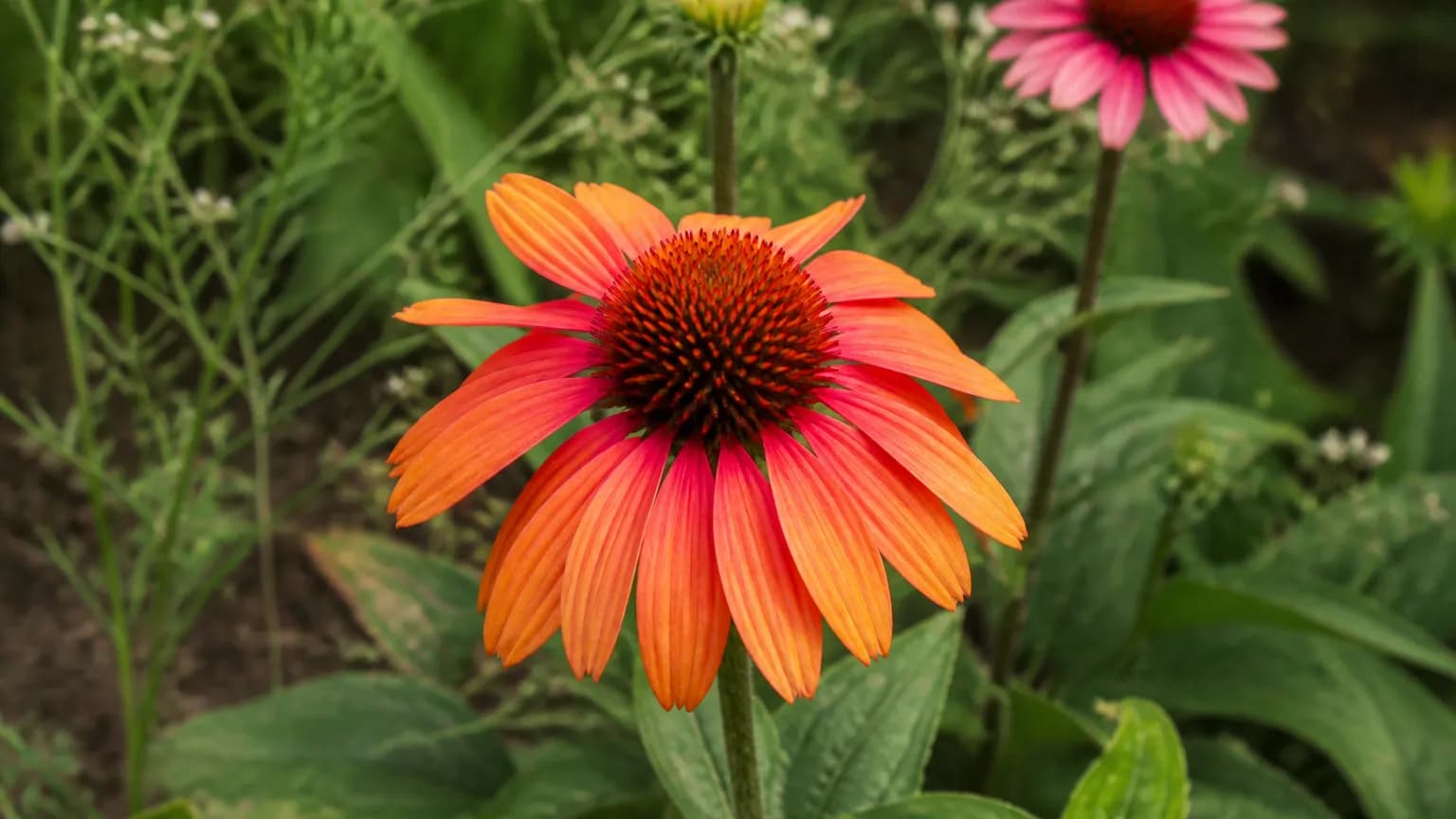
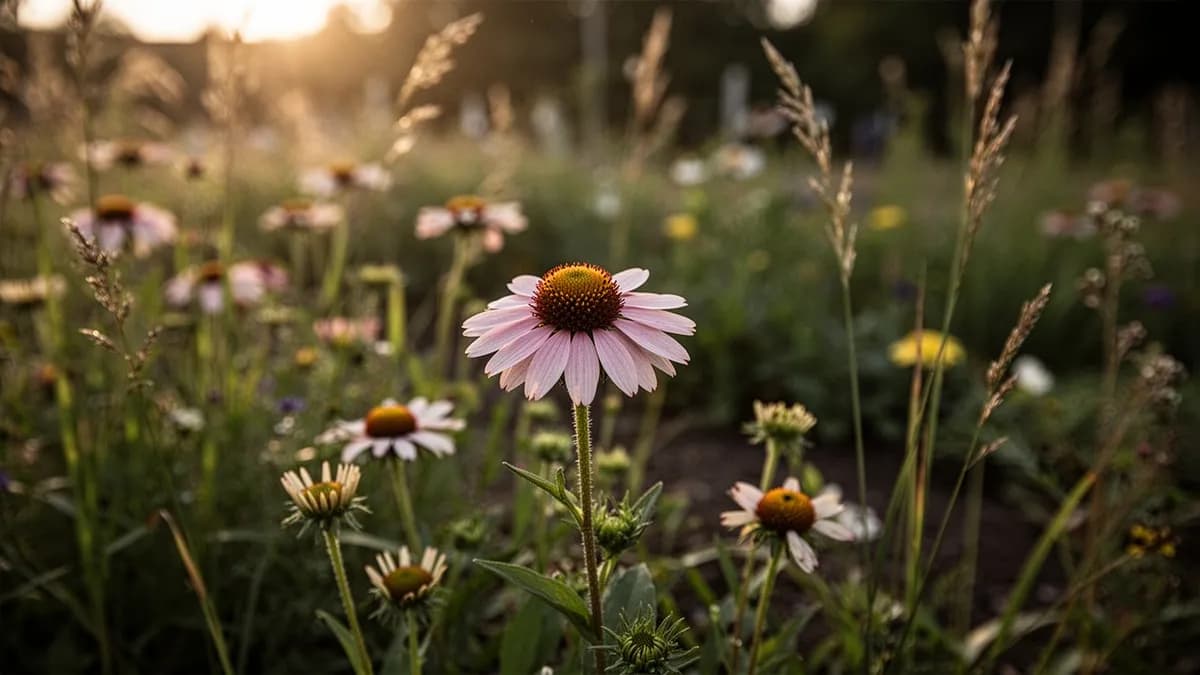
Sonnenhut gehört daneben.
Altes Gärtnerwissen, geprüft an der echten Nachbartabelle von Scheinaster — teste jede Pflanze, die du anbaust.
Probiere Scheinaster direkt hier im Beet
Ein echtes Planer-Beet, Scheinaster steht schon drin. Tippe einen Begleiter an, platziere ihn und sieh, wie die Nachbarschaftsprüfung antwortet — grün für gute Nachbarn, rot bei Streit.


Passende Anbau-Ratgeber
Richtig düngen
Scheinaster wächst gut in durchschnittlichem bis feuchtem, mäßig fruchtbarem Boden mit einem pH-Wert von 5,5 bis 7,5. Sie verträgt Lehmboden gut und gedeiht bewundernswert an saisonal nassen Standorten, wo viele Stauden Schwierigkeiten haben. Zusätzliche Düngung ist in der Regel nicht erforderlich. In sehr armem Boden unterstützt eine leichte Frühjahrsgabe eines ausgewogenen Düngers kräftiges Wachstum. Vermeiden Sie übermäßig nährstoffreiche Bedingungen, die hohe, schwache Stängel fördern, die gestützt werden müssen.
Ideale Temperatur
Winterhärtezone-Kompatibilität
Von der Saat zur Ernte, Schritt für Schritt
Samenkeimung
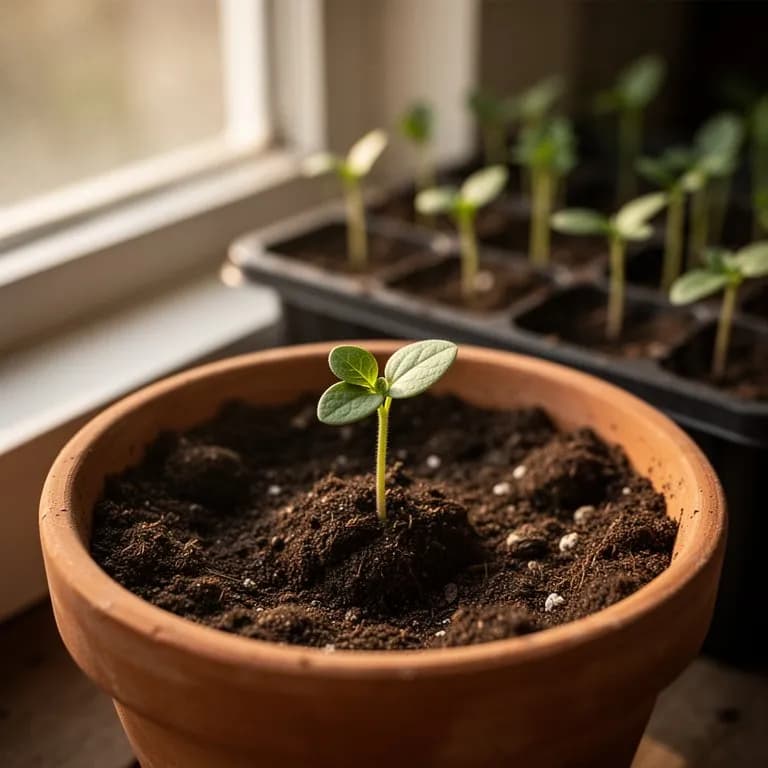
Scheinaster-Samen benötigen eine Kaltschichtung von 4 bis 6 Wochen vor der Keimung. Nach der Stratifizierung keimen die Samen in 14 bis 21 Tagen, wenn die Bodentemperaturen 15 bis 21 Grad Celsius erreichen. Säen Sie die Samen oberflächlich, da sie Licht zur Keimung benötigen.
Sämlingsentwicklung
Die Sämlinge entwickeln ihre ersten echten Blätter und beginnen, eine starke Pfahlwurzel aufzubauen. Das Wachstum ist in dieser Phase langsam, da die Pflanze Energie in die Wurzelentwicklung investiert. Die Sämlinge erreichen eine Höhe von 10 bis 15 Zentimetern.
Vegetatives Wachstum
Die Pflanze tritt in eine schnelle Aufwärtswachstumsphase ein und bildet hohe, kräftige Stängel mit wechselständigen, lanzettförmigen Blättern. Je nach Art können die Pflanzen während des Hauptwachstums 5 bis 10 Zentimeter pro Woche zulegen und schließlich 0,9 bis 2,4 Meter hoch werden.
Blüte
Von Ende Juli bis September bildet Scheinaster dichte, flach-doldenförmige Büschel von leuchtend violetten Scheibenblüten. Jeder Blütenkopf enthält 10 bis 30 einzelne Röhrenblüten. Die Blütezeit dauert 4 bis 6 Wochen und zieht eine Vielzahl von Bestäubern an.
Samenbildung und Winterruhe
Nach der Blüte entwickeln sich Samen mit flauschigen Pappus-Borsten, die die Windverbreitung unterstützen. Das Laub färbt sich im Herbst bronze- bis rostfarben, bevor der oberirdische Wuchs bis zur Krone abstirbt. Das tiefe Wurzelsystem bleibt über den Winter in Winterruhe.
Frühjahrsaustrieb
Im mittleren bis späten Frühjahr treiben neue rötlich-violette Triebe aus der etablierten Krone aus. Pflanzen ab dem zweiten Jahr wachsen kräftiger als Sämlinge im ersten Jahr und erreichen ihre volle Höhe schneller. Reife Horste breiten sich im Laufe der Zeit allmählich aus.
Halten Sie den Boden während der Keimung gleichmäßig feucht, aber nicht staunass. Eine dünne Schicht Vermiculit über den Samen hilft, die Feuchtigkeit zu halten und gleichzeitig Licht durchzulassen.
Scheinaster Monat für Monat pflegen
Was du jeden Monat für deine Scheinaster tun solltest
Oktober
Aktueller MonatDas Laub beginnt sich bronze- und rostfarben zu verfärben. Lassen Sie stehende Stängel und Samenstände für Winterinteresse und als Schutz für überwinternde Nützlinge stehen. Stellen Sie das Gießen ein, da die Pflanze in die Winterruhe eintritt.
Immer wissen, was jetzt im Garten zu tun ist
Eine E-Mail zum Monatsanfang: was du jetzt säen, pflanzen und anpacken solltest — für deine Scheinaster und alles, was drumherum wächst. Dazu ein kurzer Startkurs, der dich vor den klassischen Fehlern bewahrt.
- Was jetzt zu tun ist
- Passend zu deiner Saison
- Startkurs inklusive
Scheinaster ernten
Schneiden Sie Scheinaster-Stängel für dramatische Spätsommerarrangements, wenn etwa die Hälfte der kleinen Röhrenblüten in jedem Büschel geöffnet ist. Die tiefviolette Farbe ist reich und satt und passt wunderschön zu Goldrute, einheimischen Sonnenblumen und Ziergräsern. Schneiden Sie am frühen Morgen und stellen Sie die Stängel in warmes Wasser. Sie halten etwa eine Woche in der Vase. Lassen Sie einige Blütenbüschel zur Samenreife kommen, um natürliche Selbstaussaat und Wintervogelfutter zu ermöglichen.
angenommen, du pflanzt zu Beginn des Zeitraums — trage dein tatsächliches Datum ein
Ernte Scheinaster zügig, dann trägt die Pflanze weiter.
Lagerung & Konservierung
Scheinaster ist eine vollständig winterharte Staude, die jeden Winter bis zum Boden abstirbt und keine besondere Pflege benötigt. Sammeln Sie Samen von getrockneten Blütenständen im Spätherbst, indem Sie die Köpfe über einem Behälter abreiben. Lagern Sie die Samen in Papierumschlägen an einem kühlen, trockenen Ort. Samen benötigen Kaltschichtung zur Keimung. Die getrockneten Blütenstände behalten einen Teil ihrer violetten Farbe und können in Trockensträußen verwendet werden, wenn sie auf dem Höhepunkt der Blüte geschnitten und kopfüber getrocknet werden.
Was schiefgeht — und die Lösung
Rost
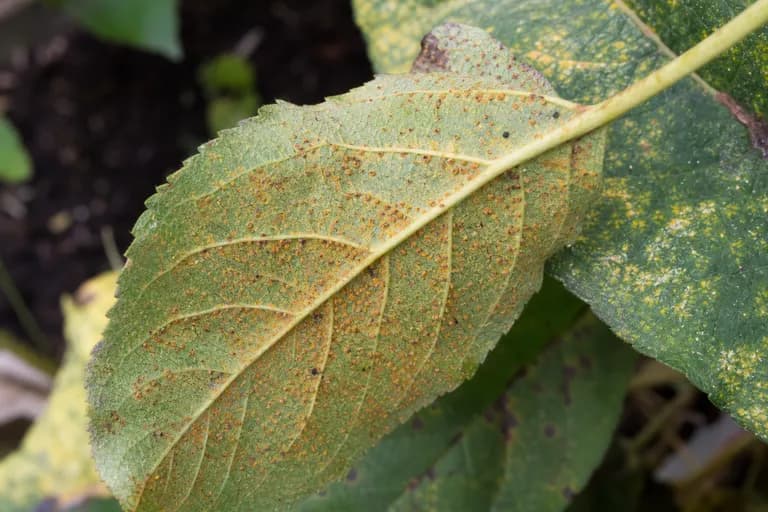
KrankheitOrange-braune Pusteln auf den Blattunterseiten, die Vergilbung und vorzeitigen Blattfall verursachen, besonders bei feuchten Bedingungen.
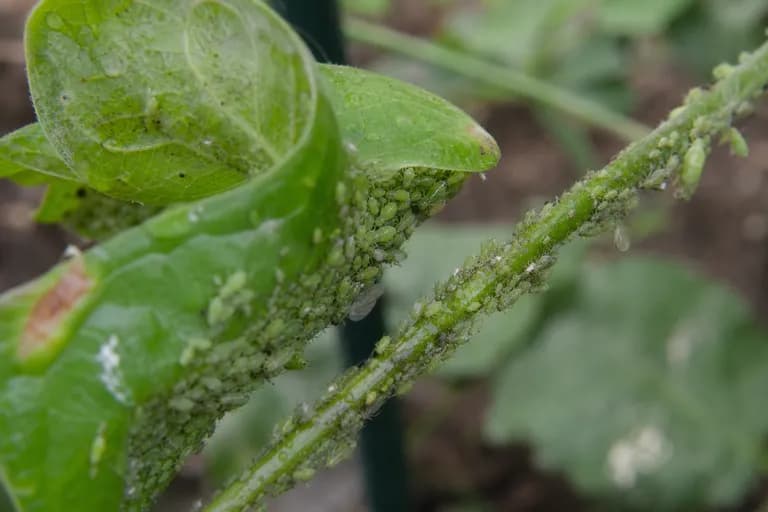
Blattläuse
SchädlingAnsammlungen von Insekten an Triebspitzen und sich entwickelnden Blütenknospen. Verkrüppeltes Wachstum und klebrige Honigtau-Ablagerungen.
Fehlerbehebung bei häufigen Problemen
Die größte Herausforderung ist die Bewältigung der beträchtlichen Höhe von 1,5 bis 2,4 Metern, die kleinere Gärten überwältigen kann und an exponierten Standorten möglicherweise eine Stützung erfordert. Das Zurückkneifen der Stängel um die Hälfte Anfang Juni reduziert die Höhe erheblich. Rost kann in feuchten Klimazonen ein kosmetisches Problem sein, bedroht aber selten die Pflanzengesundheit. Bei sehr trockenen Bedingungen können untere Blätter braun werden und abfallen, obwohl die Blüten nicht betroffen sind. Selbstaussaat kann unter feuchten Wiesenbedingungen stark sein.
Anbautipps
- Wählen Sie einen Pflanzstandort, der volle Sonne bis leichten Halbschatten erhält. Scheinaster blüht am üppigsten mit mindestens 6 Stunden direktem Sonnenlicht pro Tag, verträgt aber Nachmittagsschatten in heißen südlichen Klimazonen.
- Scheinaster passt sich einer Vielzahl von Böden an, gedeiht aber am besten in feuchtem, fruchtbarem Lehm. Sie wächst natürlich entlang von Bachufern und in Niederungen, sodass Sie sich keine Sorgen machen müssen, sie an Standorten mit gelegentlichem Staunässebereich zu pflanzen.
- Pflanzen Sie mit einem Abstand von 60 bis 90 Zentimetern, um die reife Ausbreitung zu ermöglichen. Scheinaster bildet Horste, die sich über die Jahre allmählich ausdehnen, ist aber nicht so aggressiv rhizombildend wie einige Präriepflanzen.
- Wenden Sie vor der Aussaat eine Kaltschichtung auf die Samen an. Legen Sie die Samen in ein feuchtes Papiertuch in einen verschlossenen Plastikbeutel und kühlen Sie sie 4 bis 6 Wochen im Kühlschrank, um die Dormanz zu brechen und die Keimrate deutlich zu verbessern.
- Kneifen oder schneiden Sie die Stängel Ende Mai oder Anfang Juni um ein Drittel zurück, um die Endhöhe um 30 bis 60 Zentimeter zu reduzieren und einen buschigeren, kompakteren Wuchs mit zusätzlichen Blütenzweigen zu fördern.
- Gießen Sie frisch gepflanzte Scheinaster während der ersten Vegetationsperiode regelmäßig, um ein tiefes Wurzelsystem aufzubauen. Nach dem Einwachsen ist Scheinaster bemerkenswert trockenheitstolerant und benötigt selten zusätzliche Bewässerung.
- Entfernen Sie verblühte Blütenbüschel umgehend, wenn Sie Selbstaussaat verhindern möchten. Scheinaster kann unter idealen Bedingungen reichlich Freiwilligensämlinge produzieren, obwohl unerwünschte Sämlinge leicht zu entfernen sind, solange sie jung sind.
- Lassen Sie einige stehende Stängel und Samenstände über den Winter stehen. Sie bieten Schutz für überwinternde Nützlinge und verleihen dem ruhenden Garten strukturelles Interesse, während sie samenfressende Vögel ernähren.
- Teilen Sie etablierte Horste alle 3 bis 4 Jahre im frühen Frühjahr, wenn die neuen Triebe gerade erscheinen. Verwenden Sie einen scharfen Spaten, um durch die zähe Wurzelkrone zu schneiden, und pflanzen Sie die Teilstücke sofort in derselben Bodentiefe wieder ein.
- Scheinaster hat sehr wenige Schädlings- oder Krankheitsprobleme. Gelegentlich kann Echter Mehltau bei feuchten Bedingungen mit schlechter Luftzirkulation auftreten. Sorgen Sie für ausreichenden Abstand und vermeiden Sie Überkopfbewässerung, um Pilzprobleme zu minimieren.
Bau deine beste Scheinaster an — und alles drumherum.
Starte heute kostenlos. Lege deine Beete an, setze deine Scheinaster ein und lass PlotMyGarden Timing, Abstände, Begleiter und Erinnerungen von der Saat bis zum Erntekorb übernehmen.
Finde deine Scheinaster
Noveboracensis
New-York-Scheinaster, die am weitesten verbreitete Art, die 1,5 bis 2,4 Meter erreicht und im Spätsommer leuchtend violette Blütenbüschel bildet.
Lettermanii 'Iron Butterfly'
Eine kompakte Auslese, die 0,9 bis 1,2 Meter erreicht und besser für kleinere Gärten geeignet ist, dabei aber die tiefviolette Blütenfarbe beibehält.
Fasciculata
Prärie-Scheinaster, etwas kürzer und trockenheitstoleranter als die New-York-Scheinaster, hervorragend für trockene Wiesenpflanzungen.
Scheinaster ist eine langlebige Staude, die nach dem Einwachsen fast keine Aufwendungen wie Dünger, Bewässerung oder Schädlingsbekämpfung erfordert. Eine einzelne Pflanze, die für 8 bis 12 Euro gekauft wird, hält jahrzehntelang und kann alle paar Jahre geteilt werden, um Dutzende neuer Pflanzen kostenlos zu erzeugen. Durch das Anlocken nützlicher Raubinsekten und Bestäuber reduziert Scheinaster auch den Bedarf an Pestiziden und verbessert die Erträge in nahegelegenen Gemüsegärten, was einen indirekten wirtschaftlichen Wert bietet, der weit über die bescheidenen Anschaffungskosten hinausgeht.
Schnelle Rezepte
Bitterblattsuppe (Ofe Onugbu)
45 Min.Eine traditionelle nigerianische Suppe aus gewaschenem Bitterblatt (Vernonia amygdalina), Palmfruchtextrakt, verschiedenen Proteinen und Gewürzen. Die Blätter werden gründlich gewaschen, um die Bitterkeit zu reduzieren, bevor sie zu einer reichhaltigen, aromatischen Brühe hinzugefügt werden, die typischerweise mit gestampftem Yam oder Fufu serviert wird.
7 Zutaten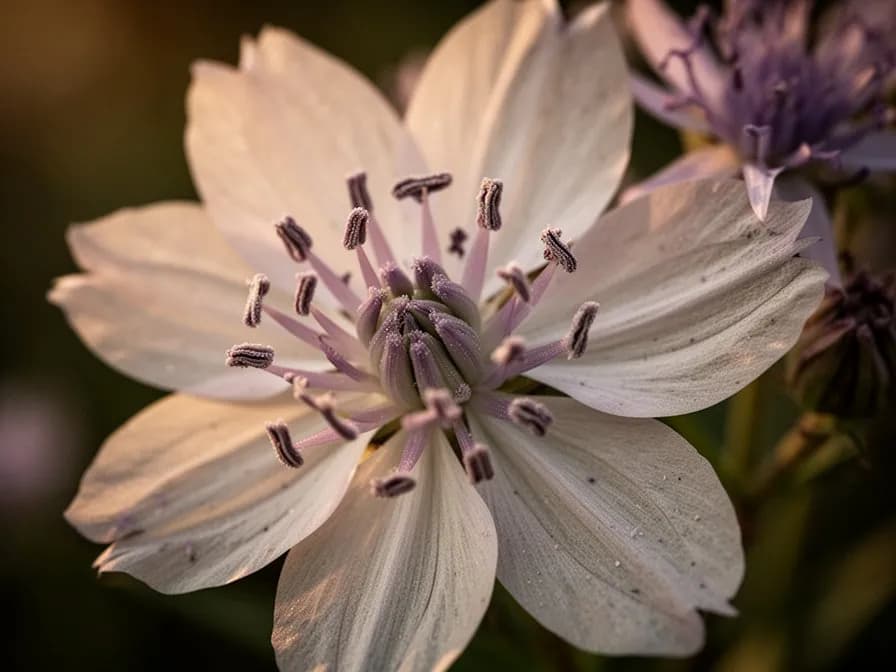
Scheinaster-Wurzel-Wellness-Tee
20 Min.Ein traditioneller Kräuteraufguss, inspiriert von Zubereitungen der nordamerikanischen Ureinwohner. Getrocknete Scheinaster-Wurzeln werden geköchelt, um einen milden, erdigen Tee zu erzeugen, der historisch als Verdauungstonikum verwendet wurde. Dieses Rezept verwendet kleine Mengen als sanftes Kräutergetränk.
5 ZutatenNdole (Bitterblatt-Eintopf)
60 Min.Ein gefeiertes kamerunisches Gericht mit Bitterblatt, das mit gemahlenen Erdnüssen, Melonenkernen und Protein gekocht wird. Die Kombination aus leicht bitteren Blättern mit reichhaltiger Erdnusssauce ergibt einen komplexen und sättigenden Eintopf, der traditionell mit Kochbananen, Reis oder Bobolo serviert wird.
7 ZutatenWas drinsteckt
Gesundheitsvorteile
- Vernonia-Arten enthalten Vernodalin und andere Sesquiterpenlactone, die in Laborstudien entzündungshemmende und antimikrobielle Eigenschaften gezeigt haben, was die traditionelle Verwendung bei Infektionen und Entzündungen unterstützt.
- Bitterblatt-Extrakte haben in vorläufigen Forschungen Potenzial zur Unterstützung der Blutzuckerregulierung gezeigt, was zu ihrer traditionellen Verwendung in Teilen Afrikas als ergänzender Ansatz zur Regulierung des Glukosespiegels geführt hat.
- Die Blätter essbarer Vernonia-Arten sind reich an antioxidativen Verbindungen, darunter Flavonoide, Saponine und Tannine, die freie Radikale neutralisieren und oxidativen Stress im Körper reduzieren können.
- Traditionelle Kräuterkundige haben Scheinaster-Wurzelzubereitungen als Verdauungstonika verwendet, und moderne Forschung deutet darauf hin, dass bestimmte Vernonia-Verbindungen eine gesunde Magen-Darm-Funktion und den Appetit unterstützen können.
- Scheinaster-Pollen und -Nektar unterstützen die Gesundheit von Bestäubern und nützen indirekt menschlichen Nahrungssystemen, indem sie Populationen von Schmetterlingen, einheimischen Bienen und anderen Insekten erhalten, die für die landwirtschaftliche Bestäubung entscheidend sind.
- Der Anbau von Scheinaster in Hausgärten bietet Vorteile für die psychische Gesundheit durch ihre auffällige Spätsaison-Farbpracht und das beruhigende Erlebnis, die vielfältige Bestäuberaktivität zu beobachten, die sie anzieht.
Woher Scheinaster stammt
Scheinaster gehört zur Gattung Vernonia, die zu Ehren des englischen Botanikers William Vernon benannt wurde, der im späten 17. Jahrhundert Pflanzenexemplare in Nordamerika sammelte. Die Gattung ist bemerkenswert vielfältig, mit über 1.000 Arten, die über tropische und gemäßigte Regionen Amerikas, Afrikas und Asiens verbreitet sind. In Nordamerika gehören zu den am häufigsten kultivierten Arten Vernonia noveboracensis (New-York-Scheinaster), Vernonia gigantea (Riesenscheinaster) und Vernonia fasciculata (Präriescheinaster), die alle im östlichen und zentralen Nordamerika heimisch sind. Diese Arten waren lange Bestandteil von Hochgrasprärien, offenen Wäldern, Bachufern und feuchten Wiesen. Nordamerikanische Ureinwohnerstämme, insbesondere Cherokee, Creek und Seminolen, schätzten Scheinaster für ihre medizinischen Eigenschaften. Wurzelzubereitungen wurden als Stärkungsmittel bei Magenbeschwerden, zur Fiebersenkung und zur Schmerzlinderung eingesetzt. Die Pflanze hatte auch in einigen Traditionen kulturelle Bedeutung als Symbol der Ausdauer aufgrund ihrer bemerkenswert zähen Stängel und ihres Beharrungsvermögens unter schwierigen Bedingungen. Europäische Siedler betrachteten Scheinaster zunächst als lästiges Weideunkraut, da Rinder sie nicht fraßen und ihre hartnäckigen Wurzeln sie schwer aus Weideland zu entfernen machten. Doch im 20. Jahrhundert begannen Gärtner und Pflanzenzüchter, Scheinaster für ihren Zierwert zu schätzen, insbesondere für ihre auffälligen violetten Spätsaisonblüten und ihre Fähigkeit, Schmetterlinge anzulocken. Heute wird Scheinaster in einheimischen Pflanzengärten, Bestäuberhabitaten, Regengärten und ökologischen Renaturierungsprojekten in ihrem gesamten natürlichen Verbreitungsgebiet geschätzt.
Scheinaster: Schon gewusst?
Faszinierende Fakten über Scheinaster
Der Name Ironweed (Eisenkraut) stammt von den unglaublich zähen, drahtigen Stängeln der Pflanze, die dem Brechen widerstehen und lange bestehen bleiben, nachdem die Pflanze in die Winterruhe gegangen ist, was ihr den Ruf einbrachte, so hart wie Eisen zu sein.
Scheinaster: Fragen & Antworten
Wann sollte ich Scheinaster pflanzen?
Was sind gute Begleitpflanzen für Scheinaster?
In welchen Winterhärtezonen kann Scheinaster wachsen?
Wie viel Sonne braucht Scheinaster?
Welchen Abstand sollte ich zwischen Scheinaster lassen?
Welche Schädlinge und Krankheiten befallen Scheinaster?
Wie lagere ich Scheinaster nach der Ernte?
Was sind die besten Scheinaster-Sorten zum Anbauen?
Welchen Boden braucht Scheinaster?
Ist Scheinaster invasiv oder wird sie meinen Garten übernehmen?
Warum ist meine Scheinaster so hoch und schlapp?
Kann ich Scheinaster im Kübel anbauen?
Was sind die besten Begleitpflanzen für Scheinaster?
Ist ein Teil der Scheinaster essbar oder zum Verzehr geeignet?
Wie sammle und lagere ich Scheinaster-Samen?
Du hast die Theorie gelesen. Jetzt baue sie auf Autopilot an.
Alles, was Scheinaster knifflig macht — das Timing, die Abstände, die Begleiter, das Erntefenster — genau das übernimmt PlotMyGarden für dich, für jede Pflanze im Garten.
Ein Plan, der dein Wetter kennt
Standort einmal festlegen. Aussaat-, Dünge- und Erntedaten rund um deinen echten letzten Frosttermin und die Live-Vorhersage — kein Raten mehr nach Saattüte.
Aus dem Abschnitt „Pflanzzeit“Beetplaner per Drag & Drop
Beete auf einem Raster gestalten. Jede Pflanze rastet im richtigen Abstand ein, und du siehst die ganze Saison, bevor du einen Cent für Saatgut ausgibst.
Aus dem Abschnitt „Anbau“Begleiter-Konflikte früh erkannt
Über 200 gute und schlechte Kombinationen werden beim Pflanzen live geprüft — so landet ein saisonruinierender Fehler nie in der Erde.
Aus dem Abschnitt „Begleiter“Erinnerungen, nach denen du wirklich handelst
„Gieß die Bohnen.“ „Heute ernten, bevor's umschlägt.“ Pünktlich, konkret und auf deine echten Pflanzen bezogen.
Aus dem Abschnitt „Ernte“Staffel-Aussaat, geplant
Sechs Wochen ernten statt sechs Tage? Die App verteilt deine Aussaaten automatisch und erinnert dich, wenn der nächste Satz fällig ist.
Aus dem Abschnitt „Pflanzzeit“Ein Verlauf, der schlauer wird
Jede protokollierte Ernte bringt der App deinen Garten bei. Der Plan fürs nächste Jahr startet bei dem, was in deinem Boden wirklich funktioniert hat.
Aus dem Abschnitt „Überblick“Pflanze diese neben Scheinaster
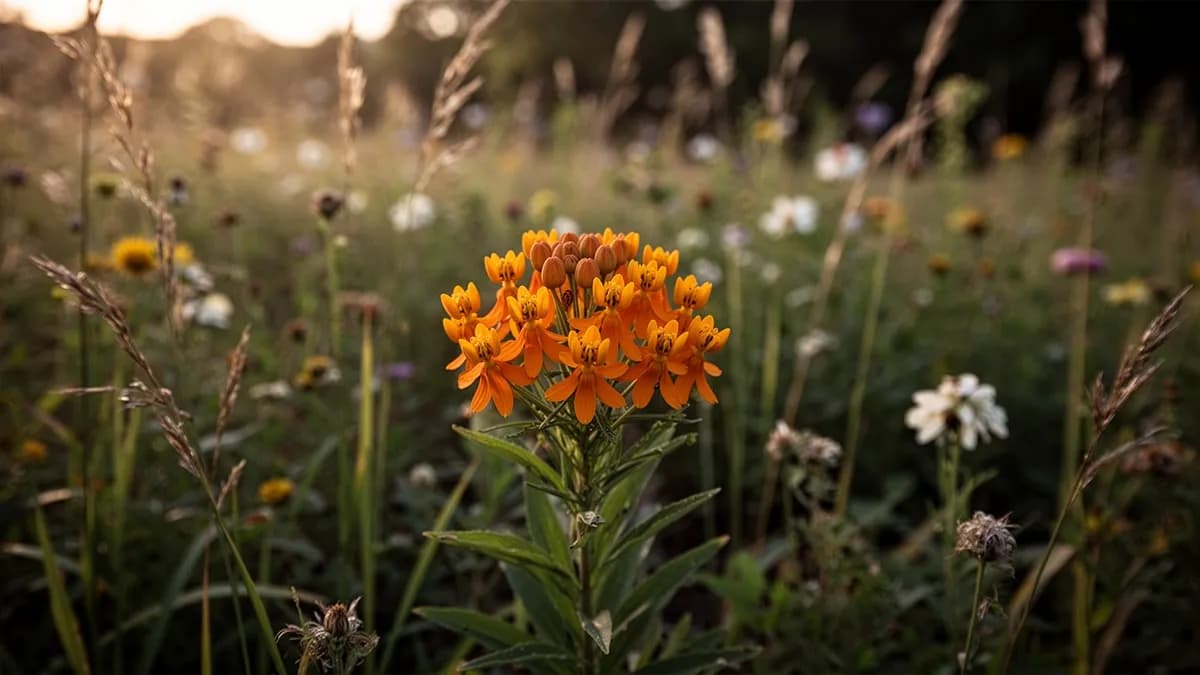
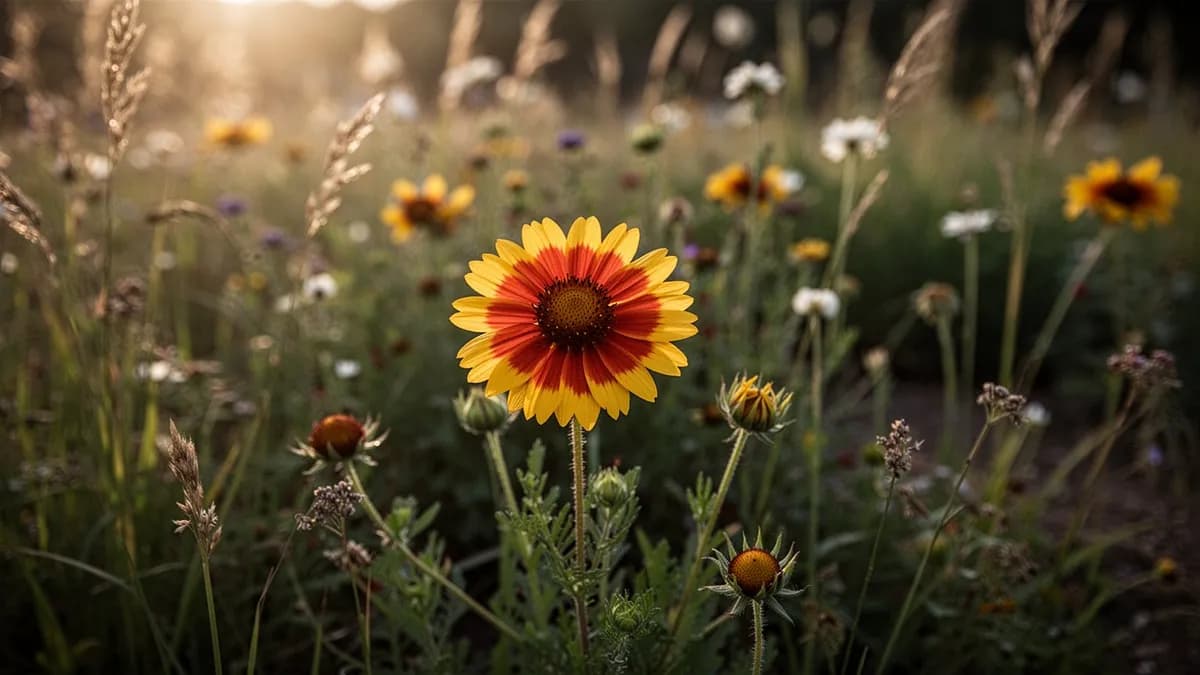
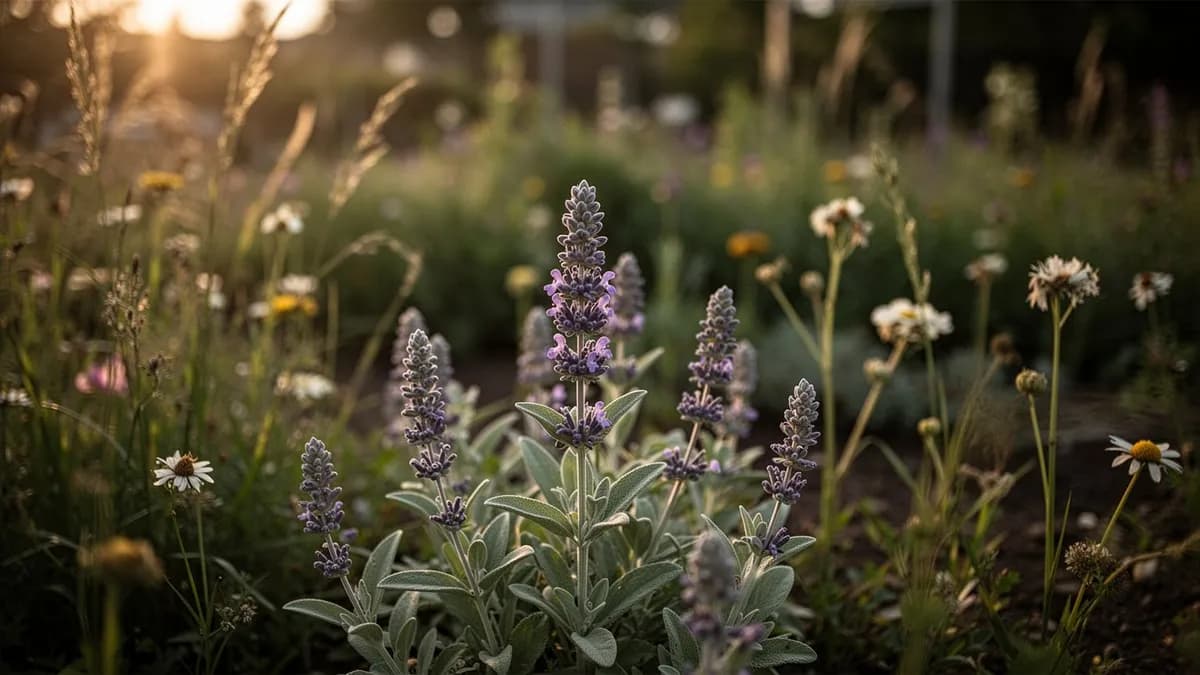
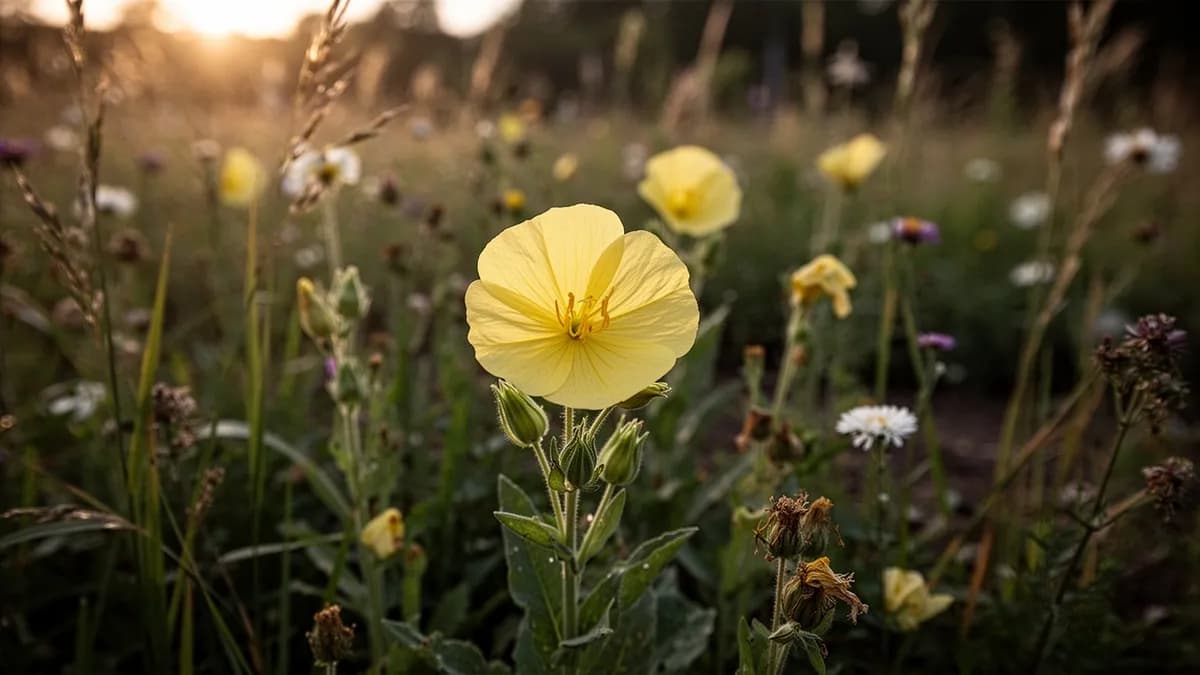
Weitere Wildblumen
Gartenpläne mit Scheinaster
Bau deine beste Scheinaster an — und alles drumherum.
Starte heute kostenlos. Lege deine Beete an, setze deine Scheinaster ein und lass PlotMyGarden Timing, Abstände, Begleiter und Erinnerungen von der Saat bis zum Erntekorb übernehmen.