Fingerhut
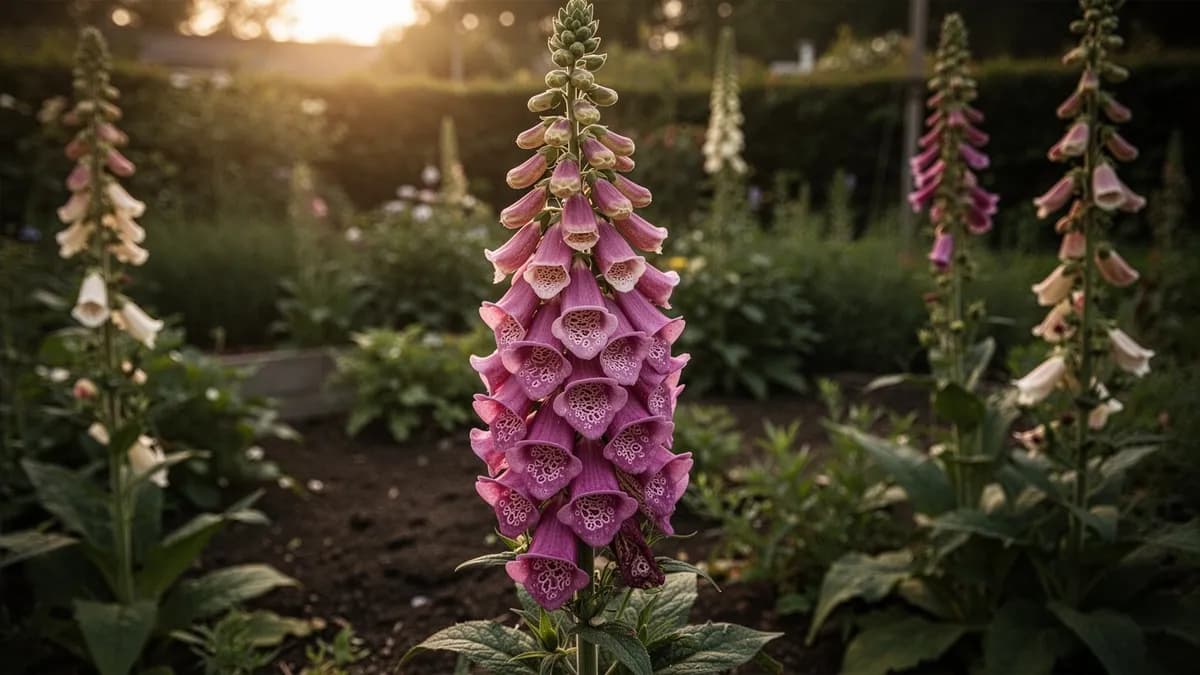
Eine dramatische zweijährige oder kurzlebige Staude mit hohen Blütenähren glockenförmiger, gefleckter Blüten, die von Hummeln geliebt werden.





Auf dieser SeiteÜberblick
Fingerhut im Überblick
Eine dramatische zweijährige oder kurzlebige Staude mit hohen Blütenähren glockenförmiger, gefleckter Blüten, die von Hummeln geliebt werden. Alle Teile des Fingerhuts sind bei Verschlucken hochgiftig, daher sollte er sorgfältig außerhalb der Reichweite von Kindern und Haustieren gepflanzt werden. Er sät sich in halbschattigen Waldgärten bereitwillig selbst aus und bietet auffällige vertikale Akzente in Bauerngarten-Rabatten.
Wann Fingerhut pflanzen
Streuen Sie die winzigen Samen auf die Oberfläche feuchter Aussaaterde, ohne sie zu bedecken, da sie Licht zum Keimen benötigen. Halten Sie eine Temperatur von 15 bis 18 Grad Celsius und gleichmäßige Feuchtigkeit. Die Keimung dauert vierzehn bis einundzwanzig Tage. Pikieren Sie die Sämlinge in einzelne Töpfe, wenn sie zwei echte Blätter haben, und ziehen Sie sie an einem kühlen, hellen Standort weiter auf. Pflanzen Sie im Herbst aus, damit sie im folgenden Sommer blühen, oder beginnen Sie im Hochsommer für das gleiche Ergebnis. Im ersten Jahr blühende Sorten wie die Camelot-Serie sollten im Spätwinter drinnen ausgesät werden.
Dein Fingerhut-Jahr
Abgestimmt auf Zone 7 · typische Saison · Frost geht um den 2. Apr. und kehrt um den 1. Nov. zurück
Fingerhut Mär – Apr, Sep pflanzen, Mai – Jul ernten. Beachte die Pflanzmethoden unten und wähle dein Klima für passende Zeiträume.
So baust du Fingerhut an
Fingerhüte gedeihen im Halbschatten unter Laubbäumen oder an der Nordseite von Gebäuden, wo sie gefiltertes Licht erhalten. Sie vertragen volle Sonne in kühleren Klimazonen, wenn der Boden gleichmäßig feucht bleibt. Bereiten Sie den Pflanzbereich mit großzügigen Mengen Lauberde oder Kompost vor, um den humusreichen, feuchtigkeitsspeichernden Boden zu schaffen, den sie bevorzugen, mit einem pH-Wert zwischen 5,5 und 6,5.
Als Zweijährige bilden Fingerhüte im ersten Jahr eine Rosette großer, flaumiger Blätter und blühen im zweiten Jahr. Lassen Sie einige Samenkapseln ausreifen und sich natürlich verstreuen, damit eine sich selbst erhaltende Kolonie entsteht, die jedes Jahr blüht. Gießen Sie regelmäßig während Trockenperioden und bringen Sie die Feuchtigkeit auf Bodenniveau auf, um die behaarten Blätter trocken zu halten und Pilzproblemen vorzubeugen.
Achtung: Alle Teile des Fingerhuts sind hochgiftig und enthalten Herzglykoside. Tragen Sie beim Umgang Handschuhe und pflanzen Sie die Pflanzen abseits von Bereichen, die häufig von Kindern oder Haustieren besucht werden. Trotz ihrer Giftigkeit sind Fingerhüte unschätzbar wertvoll für die Anlockung von Hummeln, die tief in die röhrenförmigen Blüten kriechen, um Nektar zu sammeln, und mit Pollen bestäubt wieder herauskommen.
10 Pflanzen passen in ein Beet von 120 × 240 cm
Fingerhut braucht 45 cm Platz pro Pflanze. Der Planer hält diesen Abstand für dich ein — jede Pflanze, jedes Beet.
Die besten Nachbarn für Fingerhut
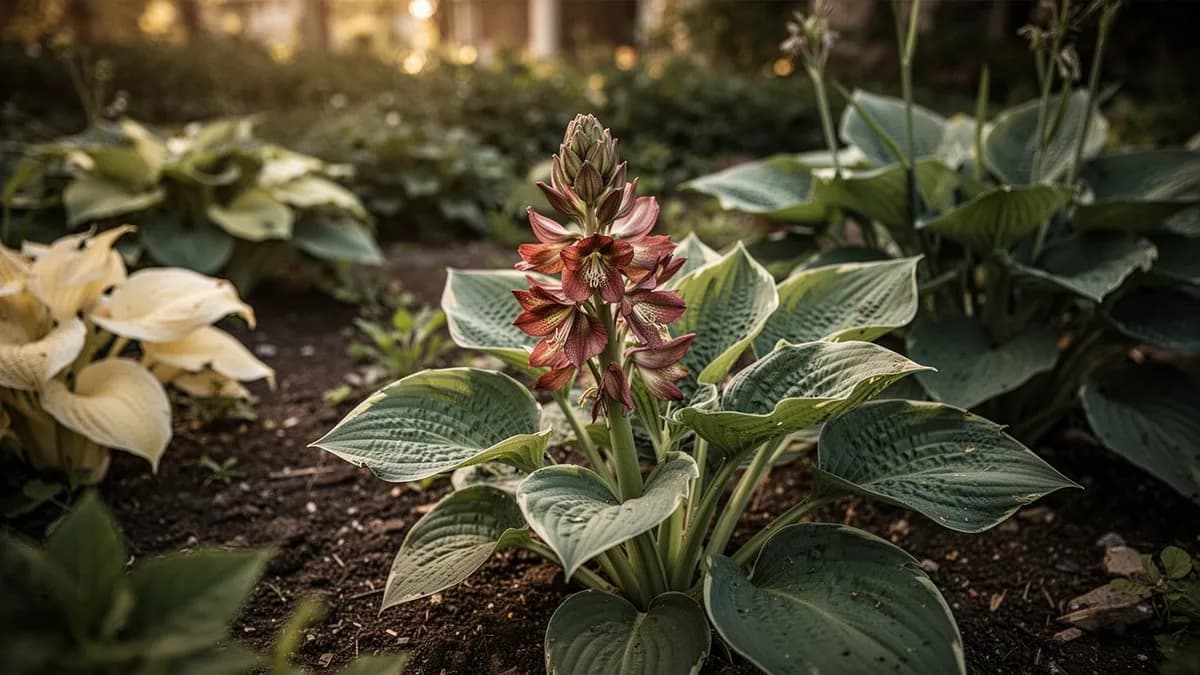
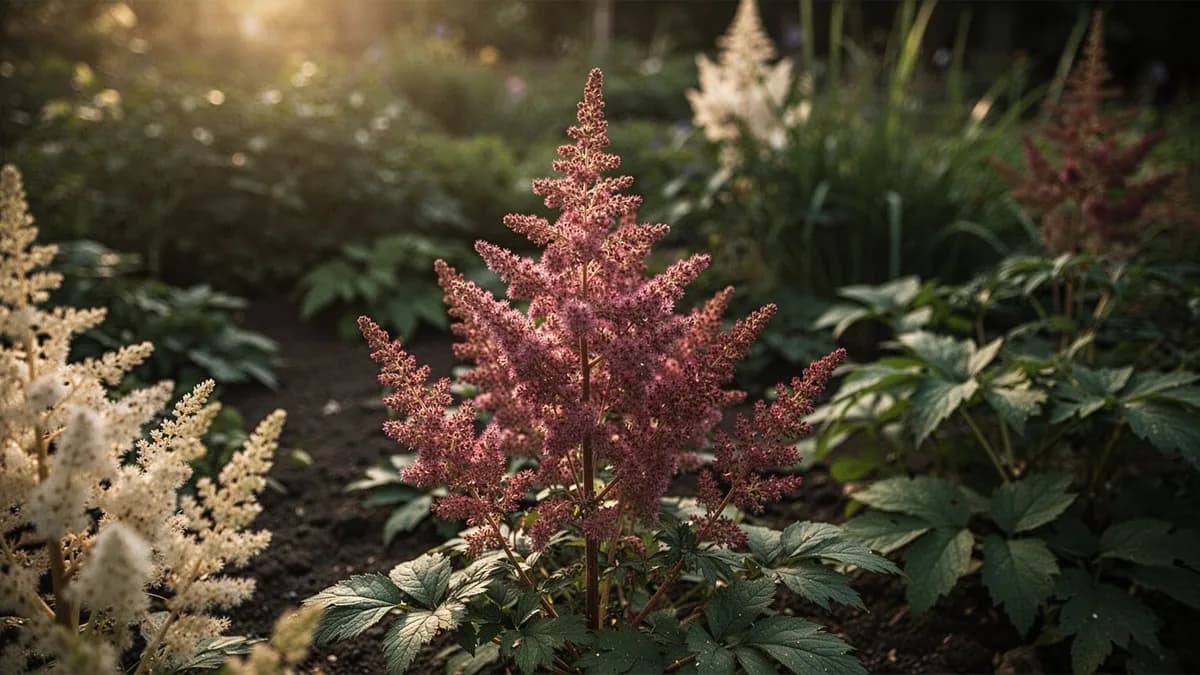
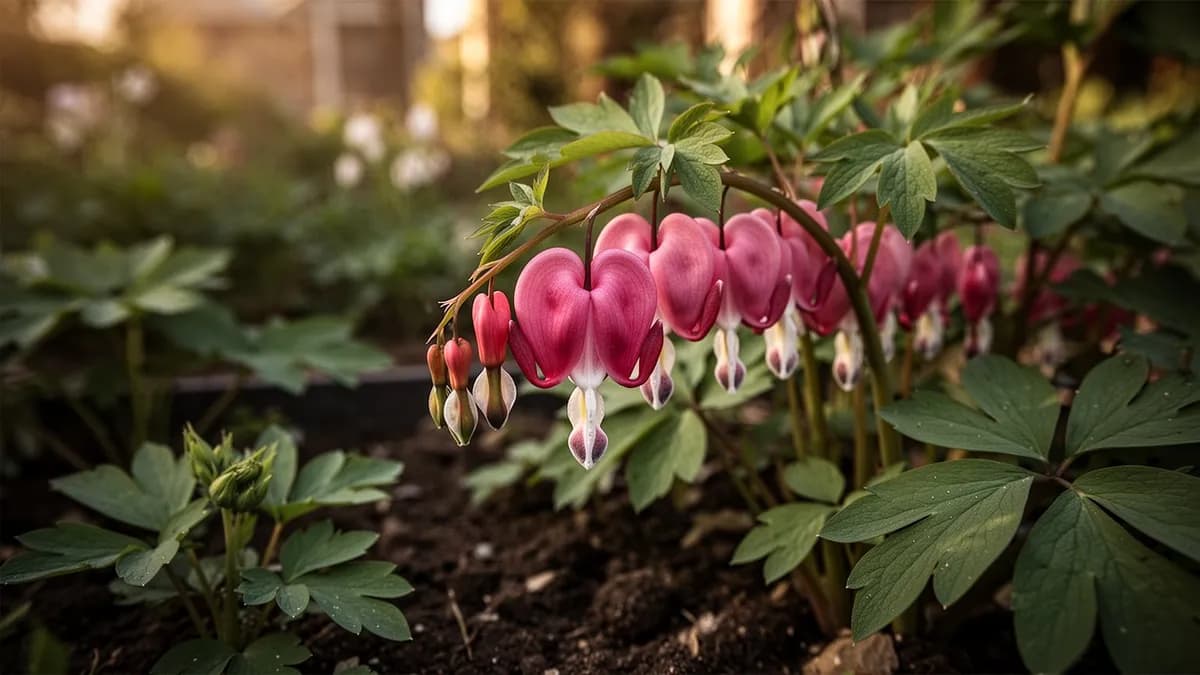
Fingerhüte sind natürliche Waldrandpflanzen und kombinieren wunderbar mit Funkien, Farnen, Astilbe und Tränendem Herz in Schattenrabatten. Ihre hohen Ähren sorgen für vertikale Dramatik hinter niedrig wachsenden Schattenstauden. Pflanzen Sie sie zwischen Rosen und Stockrosen in Bauerngärten für ein englisches Landhaus-Gefühl. Sie eignen sich gut zur Zwischenpflanzung mit Frühlingszwiebeln, da das Fingerhutlaub die Lücke füllt, wenn die Zwiebelblätter verblassen.
Funkie gehört daneben.
Altes Gärtnerwissen, geprüft an der echten Nachbartabelle von Fingerhut — teste jede Pflanze, die du anbaust.
Probiere Fingerhut direkt hier im Beet
Ein echtes Planer-Beet, Fingerhut steht schon drin. Tippe einen Begleiter an, platziere ihn und sieh, wie die Nachbarschaftsprüfung antwortet — grün für gute Nachbarn, rot bei Streit.


Passende Anbau-Ratgeber
Richtig düngen
Fingerhüte bevorzugen feuchten, humusreichen, leicht sauren Boden mit einem pH-Wert von 5,5 bis 6,5. Pflanzflächen mit großzügigen Mengen Lauberde, Torfersatz oder Kompost anreichern. Sie benötigen keine starke Düngung. Im Frühjahr eine leichte Kompostschicht aufbringen und eine einmalige Gabe ausgewogenen organischen Düngers, wenn die Blütenstiele sich zu strecken beginnen. Stickstoffreiche Dünger vermeiden, die üppiges Laub auf Kosten der Blütenähren fördern. Jährlich mit kompostierter Rinde oder Lauberde mulchen.
Ideale Temperatur
Winterhärtezone-Kompatibilität
Von der Saat zur Ernte, Schritt für Schritt
Aussaat
Fingerhutsamen sind extrem fein, fast staubartig. Säen Sie sie auf die Oberfläche feuchter, gut durchlässiger Aussaaterde, ohne sie zu bedecken, da sie Licht zur Keimung benötigen. Drücken Sie leicht an, um guten Samen-Boden-Kontakt zu gewährleisten. Die Keimung erfolgt in 10 bis 21 Tagen bei Temperaturen zwischen 15 und 20 Grad Celsius.
Sämlingsentwicklung
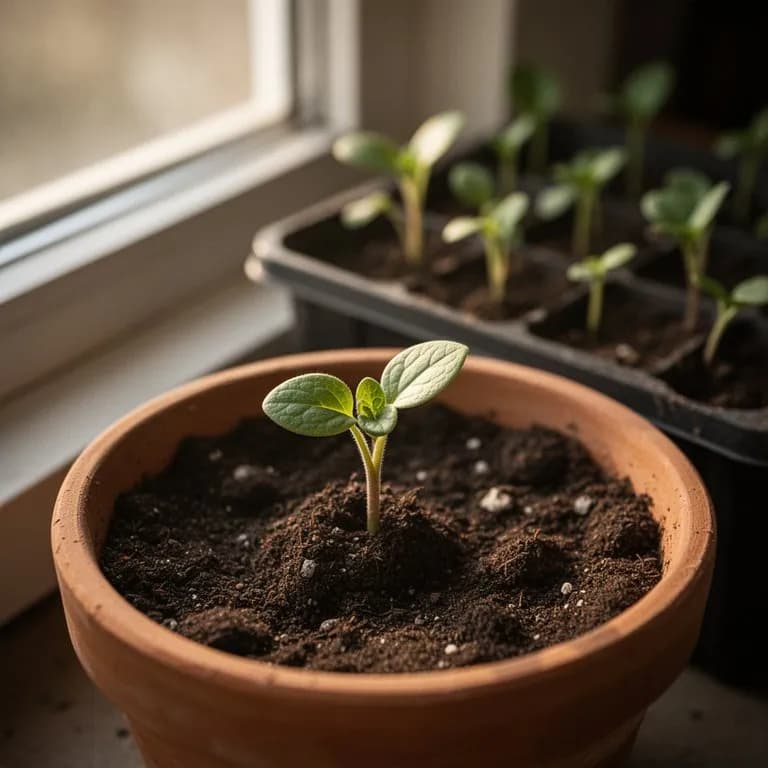
Winzige Sämlinge erscheinen mit kleinen, abgerundeten Keimblättern. Das Wachstum ist anfangs langsam. Sobald sich zwei oder drei Paare echter Blätter entwickelt haben, können die Sämlinge pikiert und in einzelne Töpfe umgepflanzt oder im Gartenbeet auf 30 Zentimeter Abstand ausgedünnt werden.
Rosettenbildung (Erstes Jahr)
Als Zweijährige verbringt der Fingerhut sein gesamtes erstes Jahr damit, eine große Grundrosette aus breiten, weich behaarten Blättern zu entwickeln. Die Rosette kann bis zum Herbst 30 bis 45 Zentimeter Durchmesser erreichen. Energie wird in der dicken Pfahlwurzel gespeichert, um die dramatische Blütenähre des folgenden Jahres zu versorgen. In dieser Phase erscheinen keine Blüten.
Schossen und Blütenährenentwicklung
Im Frühjahr des zweiten Jahres streckt sich ein kräftiger zentraler Blütenstiel rasch aus der Mitte der Rosette und erreicht 90 bis 150 Zentimeter Höhe. Die Ähre ist dicht mit röhrenförmigen Knospen in einer einseitigen Traube besetzt, die sich über mehrere Wochen nacheinander von unten nach oben öffnen.
Vollblüte
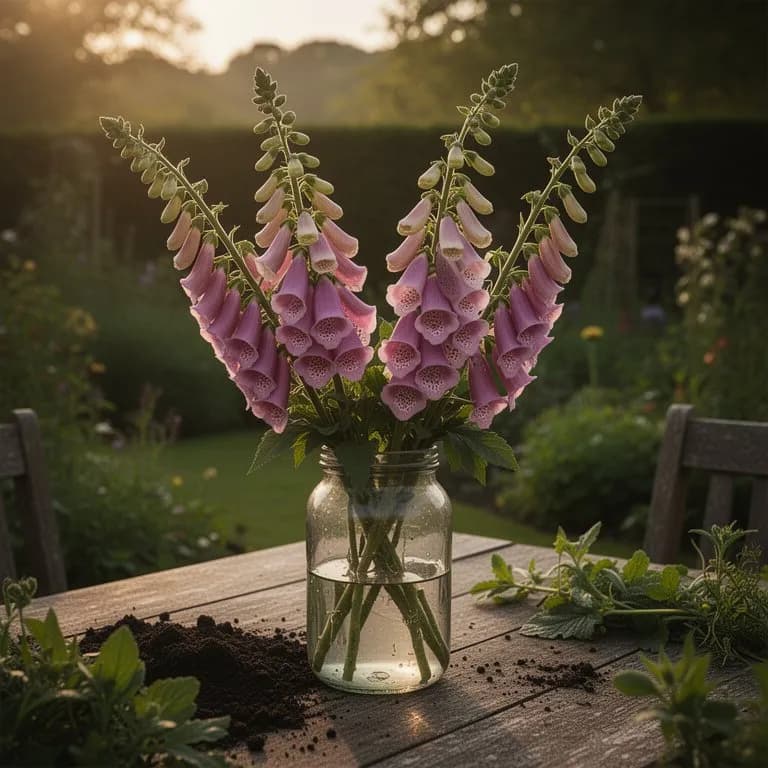
Die Blütenähre ist voll geöffnet und zeigt Dutzende hängender, glockenförmiger Blüten in Violett-, Rosa- oder Weißtönen, jede mit charakteristischen dunklen Flecken im Schlund. Hummeln besuchen häufig die Blüten und kriechen vollständig hinein. Die Blütezeit dauert drei bis vier Wochen, da neue Blüten sich weiter zur Spitze hin öffnen.
Samenbildung und -ausbreitung
Nach der Bestäubung entwickelt jede Blüte eine trockene Kapsel, die Hunderte winziger Samen enthält. Eine einzelne Ähre kann weit über hunderttausend Samen produzieren. Die Kapseln trocknen und platzen auf, wobei staubfeine Samen freigesetzt werden, die durch Wind und Regen verbreitet werden. Die Mutterpflanze stirbt nach der Samenbildung ab und vollendet damit ihren zweijährigen Lebenszyklus.
Selbstaussaat und Kolonieerneuerung
Im Spätsommer und Frühherbst keimen die gefallenen Samen und bilden winzige Rosetten, die überwintern und im folgenden Jahr blühen. Im Laufe der Zeit entsteht aus einer gut etablierten Pflanzung eine sich selbst erhaltende Kolonie mit Pflanzen in verschiedenen Stadien, die trotz der zweijährigen Natur jeder einzelnen Pflanze jährliche Blüten gewährleistet.
Bedecken Sie die Samen nicht mit Erde. Besprühen Sie die Oberfläche vorsichtig, um sie feucht zu halten, ohne die winzigen Samen zu verlagern. Eine durchsichtige Kunststoffabdeckung hilft, die Feuchtigkeit während der Keimung aufrechtzuerhalten.
Fingerhut Monat für Monat pflegen
Was du jeden Monat für deine Fingerhut tun solltest
Oktober
Aktueller MonatBringen Sie eine Mulchschicht aus Lauberde oder Rindenhäcksel um die Erstjahresrosetten auf, um die Krone gegen Winterkälte zu isolieren. Entfernen Sie herabgefallene Blätter aus den Rosettenzentren, um Fäulnis zu verhindern. Markieren Sie Bereiche, in denen sich Fingerhutsämlinge etablieren, damit sie nicht gestört werden.
Immer wissen, was jetzt im Garten zu tun ist
Eine E-Mail zum Monatsanfang: was du jetzt säen, pflanzen und anpacken solltest — für deine Fingerhut und alles, was drumherum wächst. Dazu ein kurzer Startkurs, der dich vor den klassischen Fehlern bewahrt.
- Was jetzt zu tun ist
- Passend zu deiner Saison
- Startkurs inklusive
Fingerhut ernten
Schneiden Sie Fingerhutstiele für Innenarrangements, wenn das untere Viertel der Blüten geöffnet ist. Schneiden Sie am frühen Morgen und stellen Sie sie sofort in tiefes Wasser. Beachten Sie, dass alle Teile der Pflanze giftig sind, waschen Sie sich also nach dem Umgang gründlich die Hände und halten Sie Schnittblumen von Bereichen der Lebensmittelzubereitung fern. Um eine zweite, kleinere Ähre zu fördern, schneiden Sie den Hauptstiel nach der Blüte, aber bevor sich Samen bilden, bis zur Rosette zurück. Lassen Sie einige Pflanzen zur Samenbildung stehen, um die Kolonie zu erhalten.
angenommen, du pflanzt zu Beginn des Zeitraums — trage dein tatsächliches Datum ein
Ernte Fingerhut zügig, dann trägt die Pflanze weiter.
Lagerung & Konservierung
Frisch geschnittene Fingerhutähren halten etwa eine Woche in einer Vase mit sauberem Wasser. Sie trocknen aufgrund ihrer fleischigen Textur nicht gut für Arrangements. Samen können gesammelt werden, indem man die reifen braunen Samenkapseln abschneidet und in eine Papiertüte schüttelt. Lagern Sie Samen an einem kühlen, trockenen Ort in beschrifteten Umschlägen bis zu zwei Jahre lang. Fingerhutblätter sollten aufgrund ihrer hohen Giftigkeit niemals in Kräuterzubereitungen verwendet werden.
Was schiefgeht — und die Lösung
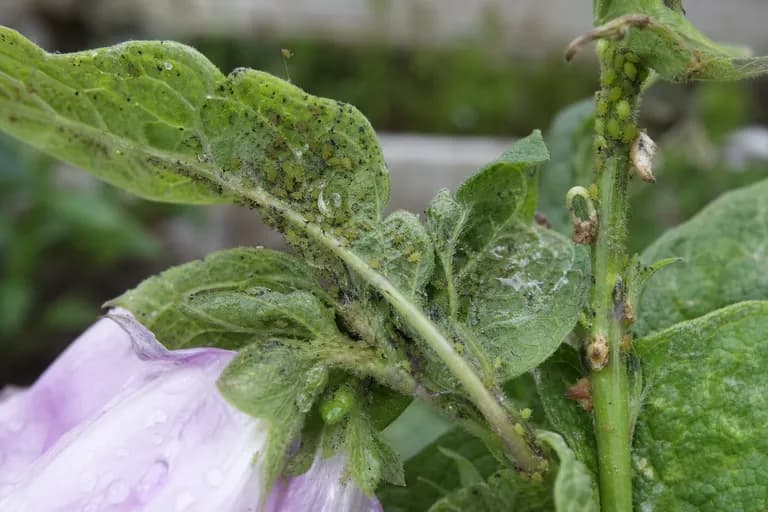
Fingerhut-Blattlaus
SchädlingKolonien gelblich-grüner Blattläuse auf Blattunterseiten und Blütenstielen. Blätter werden verformt und klebrig durch Honigtau. Rußtaupilz kann sich auf Honigtauablagerungen entwickeln.
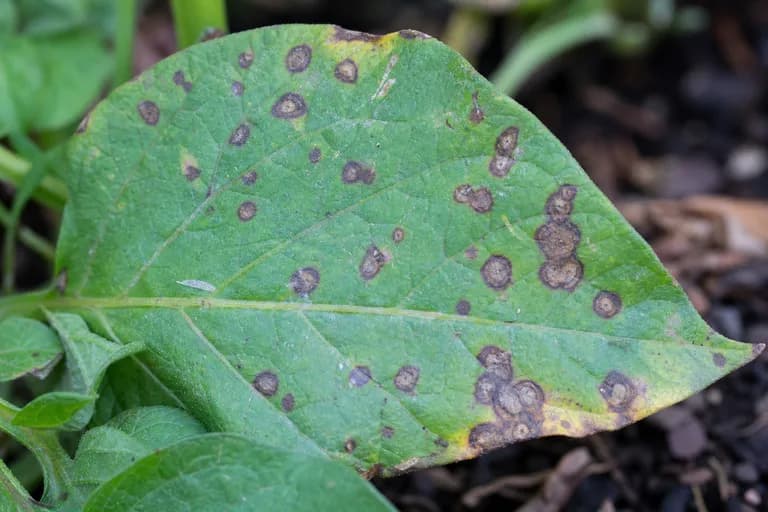
Blattfleckenkrankheit
KrankheitKreisförmige braune oder violette Flecken auf Blättern, manchmal mit hellerem Zentrum. Flecken können zusammenfließen und in schweren Fällen vorzeitigen Blattfall verursachen, was die Pflanze vor der Blüte schwächt.
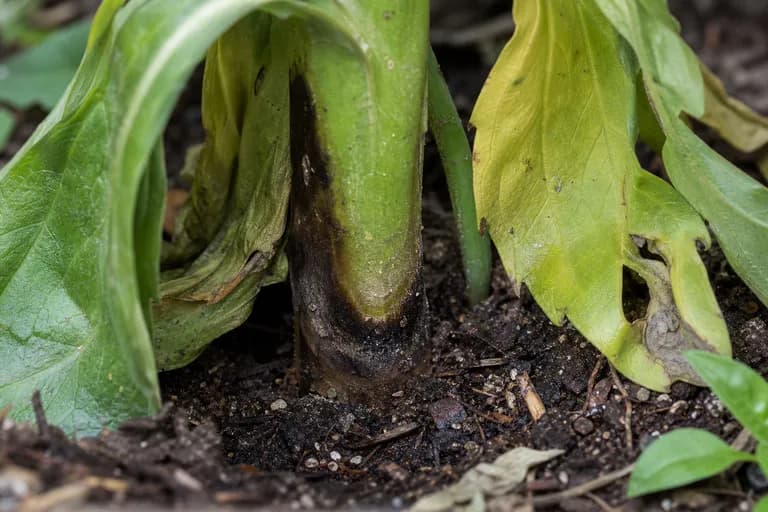
Kronenfäule
KrankheitVergilbung und Welken der gesamten Rosette trotz ausreichender Feuchtigkeit. Die Krone wird auf Bodenniveau matschig und braun, und die Pflanze lässt sich leicht aus dem Boden ziehen.
Fehlerbehebung bei häufigen Problemen
Die zweijährige Natur verwirrt viele Gärtner, die bei gewöhnlichen Sorten Blüten im ersten Jahr erwarten. Schlechte Drainage, die zu Kronenfäule führt, ist der Hauptkiller, besonders während nasser Winter. Fingerhut-Anthraknose kann unter feuchten Bedingungen Stängelkrebs verursachen. Selbst ausgesäte Sämlinge können zur gewöhnlichen violetten Form zurückfallen, anstatt die Farben benannter Sorten beizubehalten. Windige Standorte lassen Blütenähren stark zur Seite neigen, daher ist Stützen oder ein geschützter Pflanzplatz ratsam.
Anbautipps
- Tragen Sie beim Umgang mit Fingerhut in jedem Wachstumsstadium stets Handschuhe, vom Umpflanzen der Sämlinge über das Entfernen verblühter Blüten bis zum Herausziehen verbrauchter Pflanzen. Alle Teile sind giftig, und die Herzglykoside können durch Schnitte oder Abschürfungen auf der Haut aufgenommen werden.
- Fingerhut gedeiht im Halbschatten bis Vollschatten mit gefiltertem Licht und eignet sich ideal für Waldgartenränder, nach Norden ausgerichtete Rabatten und die schattige Seite von Mauern oder Zäunen. Er verträgt volle Sonne in kühleren Klimazonen, hat aber an heißen, sonnigen Standorten Schwierigkeiten.
- Pflanzen Sie Fingerhut in feuchten, humusreichen, leicht sauren bis neutralen Boden mit einem pH-Wert zwischen 5,5 und 6,5. Er gedeiht nicht gut in schwerem, staunassem Lehmboden oder trockenen, kalkhaltigen alkalischen Böden. Reichern Sie Pflanzflächen vor dem Pflanzen mit Lauberde oder Gartenkompost an.
- Da Fingerhut zweijährig ist, säen Sie in zwei aufeinanderfolgenden Jahren Samen aus, um jedes Jahr Blüten zu gewährleisten. Nach den ersten paar Jahren wird sich die Kolonie in der Regel selbst aussäen und einen kontinuierlichen Vorrat an Rosetten und blühenden Pflanzen in eigenem Rhythmus aufrechterhalten.
- Halten Sie einen Pflanzabstand von 30 bis 45 Zentimetern ein, um eine ausreichende Luftzirkulation zu ermöglichen, die das Risiko von Mehltau und Kronenfäule verringert. Zu dicht stehende Fingerhüte bilden dünnere, schwächere Blütenähren mit weniger Blüten.
- Gießen Sie Fingerhut während Trockenperioden gleichmäßig, um einen konstant feuchten, aber niemals staunassen Boden zu erzielen. Die großen, weichen Blätter verlieren bei warmem Wetter schnell Feuchtigkeit, und Trockenstress verursacht vorzeitiges Schossen mit kürzeren, weniger eindrucksvollen Blütenähren.
- Stützen Sie hohe Sorten, insbesondere die Excelsior- und Giant-Shirley-Hybriden, an exponierten oder windigen Gartenstandorten. Setzen Sie Bambusstäbe oder Haselstöcke im zeitigen Frühjahr neben jede Pflanze, bevor sich die Blütenähre entwickelt, um spätere Schäden am Wurzelsystem zu vermeiden.
- Pflanzen Sie Fingerhut niemals in der Nähe von Gemüsegärten, Kräuterbeeten oder Bereichen, in denen Kinder und Haustiere unbeaufsichtigt spielen. Das Risiko einer versehentlichen Einnahme ist ernst, und selbst ein paar gekaute Blätter können bei einem kleinen Kind oder einem Haustier lebensbedrohliche Herzrhythmusstörungen verursachen.
- Entfernen Sie verblühte Blütenähren umgehend, wenn Sie Selbstaussaat in unerwünschten Bereichen verhindern möchten. Fingerhut ist ein produktiver Selbstaussäer und kann in ordentlichen formalen Gärten lästig werden oder sich in angrenzende Wildgebiete ausbreiten, wo er einheimische Vegetation verdrängen kann.
- Kombinieren Sie Fingerhut mit schattenliebenden Begleitern wie Funkien, Farnen, Astilbe, Purpurglöckchen und Kaukasusvergissmeinnicht für ein naturalistisches Waldpflanzungsschema. Die hohen vertikalen Ähren des Fingerhuts kontrastieren wunderbar mit den niedrigen, buschigen und federartigen Texturen dieser Partnerpflanzen.
Bau deine beste Fingerhut an — und alles drumherum.
Starte heute kostenlos. Lege deine Beete an, setze deine Fingerhut ein und lass PlotMyGarden Timing, Abstände, Begleiter und Erinnerungen von der Saat bis zum Erntekorb übernehmen.
Finde deine Fingerhut
Camelot-Serie
Kompakte, im ersten Jahr blühende Pflanzen, die 90 bis 120 Zentimeter erreichen, mit großen Blüten in Creme, Lavendel, Rosa und Weiß, die zuverlässig aus Samen in einer Saison blühen.
Excelsior-Hybriden
Klassische hohe Fingerhüte bis 150 Zentimeter mit Blüten, die waagerecht um den Stiel angeordnet sind statt nach unten zu hängen, was eine bessere Sicht auf die gefleckten Innenseiten bietet.
Pam's Choice
Auffällige weiße Glocken mit dramatisch kastanienbraun gefleckten Schlünden an 120-Zentimeter-Stielen, eine herausragende Bauerngarten-Auswahl, die sich einigermaßen sortenecht selbst aussät.
Dalmatian-Serie
Zwergwüchsige, im ersten Jahr blühende Fingerhüte, die nur 60 bis 90 Zentimeter erreichen, ideal für Kübel und kleine Gärten, erhältlich in Violett, Pfirsich, Rosa und Weiß.
Der Fingerhut ist eine Zierpflanze und keine Nutzpflanze, daher ergeben sich Kosteneinsparungen aus seinem Gartenwert und nicht aus dem Ersatz von Lebensmitteln. Ein einziges Päckchen Fingerhutsamen (ca. 1.000 bis 5.000 Samen, Kosten 2 bis 4 Euro) kann eine sich selbst erhaltende Kolonie etablieren, die über Jahre hinweg dramatische vertikale Akzente in Schattenrabatten setzt, ohne dass weitere Samenkäufe nötig sind. Im Vergleich zum Kauf reifer Fingerhutpflanzen aus der Gärtnerei für 6 bis 12 Euro pro Stück spart die Anzucht aus Samen 90 Prozent oder mehr. Eine gut gepflegte Kolonie macht den Kauf anderer teurer, hoher schattentoleranter Stauden überflüssig und spart 50 bis 100 Euro jährlich an Ersatz-Beetpflanzen. Fingerhut lockt auch Hummelbestäuber an, die die Erträge bei nahegelegenen Obst- und Gemüsekulturen verbessern und so einen indirekten wirtschaftlichen Nutzen für Ihren Küchengarten bieten.
Schnelle Rezepte
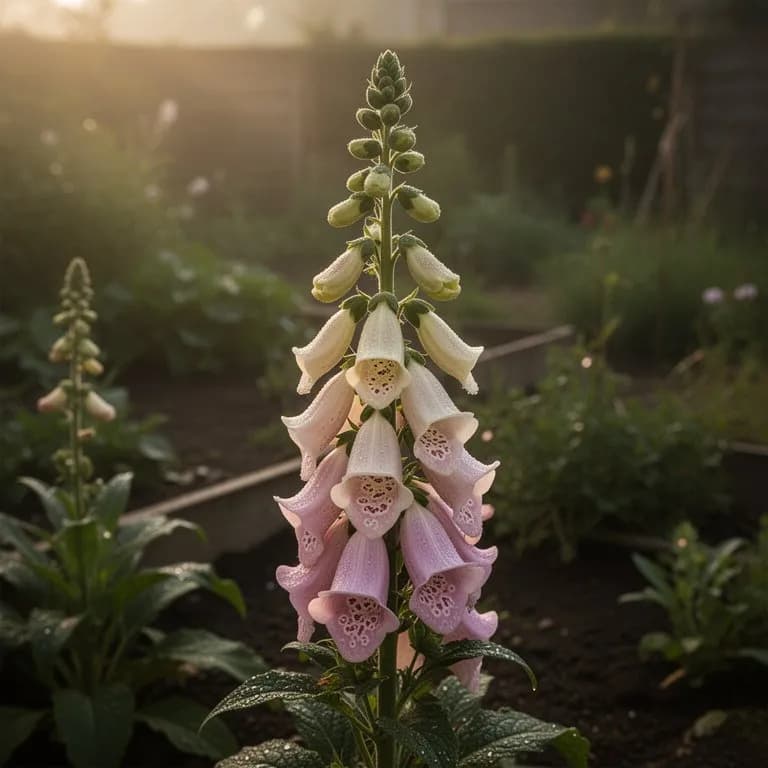
Gepresste Fingerhutblüten-Kunst
15 Min. aktiv, 2 Wochen TrocknungBewahren Sie die atemberaubende Schönheit der Fingerhutblüten, indem Sie einzelne Blüten zwischen Pergamentpapierbögen in einem schweren Buch oder einer Blumenpresse pressen. Die gepressten Blüten behalten ihre gefleckten Innenzeichnungen und eignen sich wunderbar für gerahmte botanische Kunst, handgemachte Grußkarten oder Naturtagebücher. Tragen Sie beim Umgang mit Fingerhutblüten stets Handschuhe, da alle Pflanzenteile giftige Herzglykoside enthalten. Waschen Sie sich nach dem Projekt gründlich die Hände.
5 ZutatenVom Fingerhut inspiriertes Naturfärbe-Bad
2 StundenObwohl Fingerhutblüten und -blätter niemals gegessen oder in der Lebensmittelzubereitung verwendet werden sollten, können die verblühten Blüten verwendet werden, um eine sanfte Pflanzenfärbung für Stoffe oder Garn in zarten Malven- und Grüntönen herzustellen. Köcheln Sie gesammelte verblühte Blüten (niemals frische Blätter) in Wasser mit einer Beize wie Alaun, um Farbe zu extrahieren. Dieses Projekt sollte im Freien oder in einem gut belüfteten Bereich mit speziell dafür vorgesehenen Nicht-Lebensmittel-Utensilien durchgeführt werden. Tragen Sie durchgehend Handschuhe und entsorgen Sie das Färbebad verantwortungsvoll. Beschriften Sie alle Färbematerialien deutlich als giftig.
5 ZutatenFingerhut-Saatgutgewinnung und Tauschpäckchen
30 Min.Ernten und verpacken Sie Fingerhutsamen zum Teilen mit anderen Gärtnern oder zur Aufbewahrung für zukünftige Aussaaten. Warten Sie, bis die Samenkapseln am unteren Teil der Ähre braun geworden sind und begonnen haben aufzuplatzen. Schneiden Sie die Ähre ab, halten Sie sie kopfüber in eine große Papiertüte und schütteln Sie kräftig, um die winzigen Samen freizusetzen. Reinigen Sie die Samen, indem Sie sie durch ein feines Sieb sieben, und verpacken Sie sie in kleine beschriftete Umschläge. Fügen Sie auf jedem Päckchen immer einen deutlichen Warnhinweis bei, dass Fingerhut giftig ist und nicht dort gepflanzt werden sollte, wo Kinder oder Haustiere unbeaufsichtigten Zugang haben.
5 ZutatenWas drinsteckt
Gesundheitsvorteile
- KRITISCHE SICHERHEITSWARNUNG: Fingerhut ist extrem giftig und darf niemals verzehrt, als Tee aufgebrüht oder in irgendeinem Hausmittel verwendet werden. Alle Teile der Pflanze enthalten tödliche Herzglykoside. Die folgenden Punkte beschreiben ausschließlich historische pharmazeutische Verwendungen, keine Empfehlungen zur Selbstbehandlung.
- Pharmazeutisch hergestelltes Digoxin aus Digitalis-Arten bleibt eines der wichtigsten Herzmedikamente der modernen Medizin, das unter strenger ärztlicher Aufsicht zur Behandlung von Herzinsuffizienz eingesetzt wird, indem es die Kontraktionskraft des Herzmuskels stärkt.
- Digoxin wird auch zur Behandlung von Vorhofflimmern und Vorhofflattern verschrieben, um eine gefährlich schnelle Herzfrequenz durch Modulation der elektrischen Leitung durch den Atrioventrikularknoten zu kontrollieren und zu verlangsamen.
- Die Forschung an Fingerhut-Verbindungen wird in der Onkologie fortgesetzt, wo bestimmte Herzglykoside vorläufige Aktivität gegen spezifische Krebszelllinien in Laborstudien gezeigt haben, obwohl klinische Anwendungen experimentell und unbewiesen bleiben.
- Die historische Untersuchung des Fingerhuts durch William Withering im 18. Jahrhundert etablierte grundlegende Prinzipien der Pharmakologie, einschließlich Dosis-Wirkungs-Beziehungen, therapeutischer Fenster und der Bedeutung standardisierter Zubereitungen, die weiterhin die moderne Arzneimittelentwicklung untermauern.
- Der Anbau von Fingerhut im Garten bietet erhebliche ökologische Vorteile, da die röhrenförmigen Blüten eine wichtige Nektarquelle für Hummeln und andere langrüsselige Bestäuber sind und die Biodiversität in gemäßigten Gartenökosystemen unterstützen.
Woher Fingerhut stammt
Der Fingerhut (Digitalis purpurea) ist in West- und Südwesteuropa heimisch, wo er wild in Waldlichtungen, Hecken, auf felsigen Hügeln und gestörtem Boden vom Meeresspiegel bis in Berglagen wächst. Sein natürliches Verbreitungsgebiet erstreckt sich von den Britischen Inseln und Skandinavien südwärts durch Frankreich, Spanien und Portugal. Die Pflanze wird seit Jahrhunderten in der europäischen Volksmedizin anerkannt, insbesondere zur Behandlung von Zuständen, die heute als mit Herzinsuffizienz verbunden verstanden werden. Der entscheidende Moment in der medizinischen Geschichte des Fingerhuts kam 1775, als der englische Arzt William Withering von einer Kräuterkundigen aus Shropshire namens Mutter Hutton von einem traditionellen Heilmittel mit Fingerhut zur Behandlung von Wassersucht erfuhr, der schmerzhaften Wassereinlagerung durch Herzinsuffizienz. Withering führte ein Jahrzehnt sorgfältiger klinischer Beobachtungen durch, testete systematisch verschiedene Zubereitungen und Dosierungen an seinen Patienten und veröffentlichte 1785 sein Standardwerk 'An Account of the Foxglove and Some of its Medical Uses'. Dieser Text gilt als eines der frühesten Beispiele strenger klinischer Pharmakologie. Die Wirkstoffe, Herzglykoside einschließlich Digitoxin und Digoxin, wurden später isoliert und wurden zu Eckpfeilern der Kardiologie, eingesetzt zur Regulierung des Herzrhythmus und Behandlung von Herzinsuffizienz. Der Fingerhut wurde von Kolonialsiedlern in nordamerikanische Gärten eingeführt und hat sich seitdem im pazifischen Nordwesten, in Neuengland und Teilen Südamerikas und Australasiens weit eingebürgert. In einigen Regionen, insbesondere den gemäßigten Regenwäldern des pazifischen Nordwestens, gilt er heute als invasive Art, die einheimische Unterwuchsflora verdrängen kann. Trotz seiner Giftigkeit bleibt der Fingerhut eine der beliebtesten Bauerngartenpflanzen, geschätzt für seine hoch aufragenden Ähren röhrenförmiger Blüten, die Hummeln anlocken und Schattenrabatten vertikale Dramatik verleihen.
Fingerhut: Schon gewusst?
Faszinierende Fakten über Fingerhut
Der Fingerhut ist die ursprüngliche Quelle des Herzmedikaments Digitalis, das erstmals 1785 vom englischen Arzt William Withering beschrieben wurde, der von einer lokalen Volksheilerin in Shropshire von der medizinischen Verwendung der Pflanze erfuhr. Digitoxin und Digoxin, die aus dem Fingerhut gewonnen werden, bleiben bis heute unverzichtbare Herzmedikamente zur Behandlung von Herzinsuffizienz und Vorhofflimmern.
Fingerhut: Fragen & Antworten
Wann sollte ich Fingerhut pflanzen?
Was sind gute Begleitpflanzen für Fingerhut?
In welchen Winterhärtezonen kann Fingerhut wachsen?
Wie viel Sonne braucht Fingerhut?
Welchen Abstand sollte ich zwischen Fingerhut lassen?
Welche Schädlinge und Krankheiten befallen Fingerhut?
Wie lagere ich Fingerhut nach der Ernte?
Was sind die besten Fingerhut-Sorten zum Anbauen?
Welchen Boden braucht Fingerhut?
Ist es sicher, Fingerhut in einem Garten mit Kindern oder Haustieren anzubauen?
Warum hat mein Fingerhut im ersten Jahr nicht geblüht?
Kann ich Fingerhutblätter verwenden, um ein Hausmittel gegen Herzprobleme herzustellen?
Wie fördere ich die Selbstaussaat meines Fingerhuts, damit er jedes Jahr wiederkommt?
Was sollte ich tun, wenn jemand versehentlich Fingerhut gegessen hat?
Gibt es ungiftige Alternativen, die dem Fingerhut ähnlich sehen?
Du hast die Theorie gelesen. Jetzt baue sie auf Autopilot an.
Alles, was Fingerhut knifflig macht — das Timing, die Abstände, die Begleiter, das Erntefenster — genau das übernimmt PlotMyGarden für dich, für jede Pflanze im Garten.
Ein Plan, der dein Wetter kennt
Standort einmal festlegen. Aussaat-, Dünge- und Erntedaten rund um deinen echten letzten Frosttermin und die Live-Vorhersage — kein Raten mehr nach Saattüte.
Aus dem Abschnitt „Pflanzzeit“Beetplaner per Drag & Drop
Beete auf einem Raster gestalten. Jede Pflanze rastet im richtigen Abstand ein, und du siehst die ganze Saison, bevor du einen Cent für Saatgut ausgibst.
Aus dem Abschnitt „Anbau“Begleiter-Konflikte früh erkannt
Über 200 gute und schlechte Kombinationen werden beim Pflanzen live geprüft — so landet ein saisonruinierender Fehler nie in der Erde.
Aus dem Abschnitt „Begleiter“Erinnerungen, nach denen du wirklich handelst
„Gieß die Bohnen.“ „Heute ernten, bevor's umschlägt.“ Pünktlich, konkret und auf deine echten Pflanzen bezogen.
Aus dem Abschnitt „Ernte“Staffel-Aussaat, geplant
Sechs Wochen ernten statt sechs Tage? Die App verteilt deine Aussaaten automatisch und erinnert dich, wenn der nächste Satz fällig ist.
Aus dem Abschnitt „Pflanzzeit“Ein Verlauf, der schlauer wird
Jede protokollierte Ernte bringt der App deinen Garten bei. Der Plan fürs nächste Jahr startet bei dem, was in deinem Boden wirklich funktioniert hat.
Aus dem Abschnitt „Überblick“Pflanze diese neben Fingerhut
Weitere Stauden
Gartenpläne mit Fingerhut
Bau deine beste Fingerhut an — und alles drumherum.
Starte heute kostenlos. Lege deine Beete an, setze deine Fingerhut ein und lass PlotMyGarden Timing, Abstände, Begleiter und Erinnerungen von der Saat bis zum Erntekorb übernehmen.