Algodoncillo Mariposa
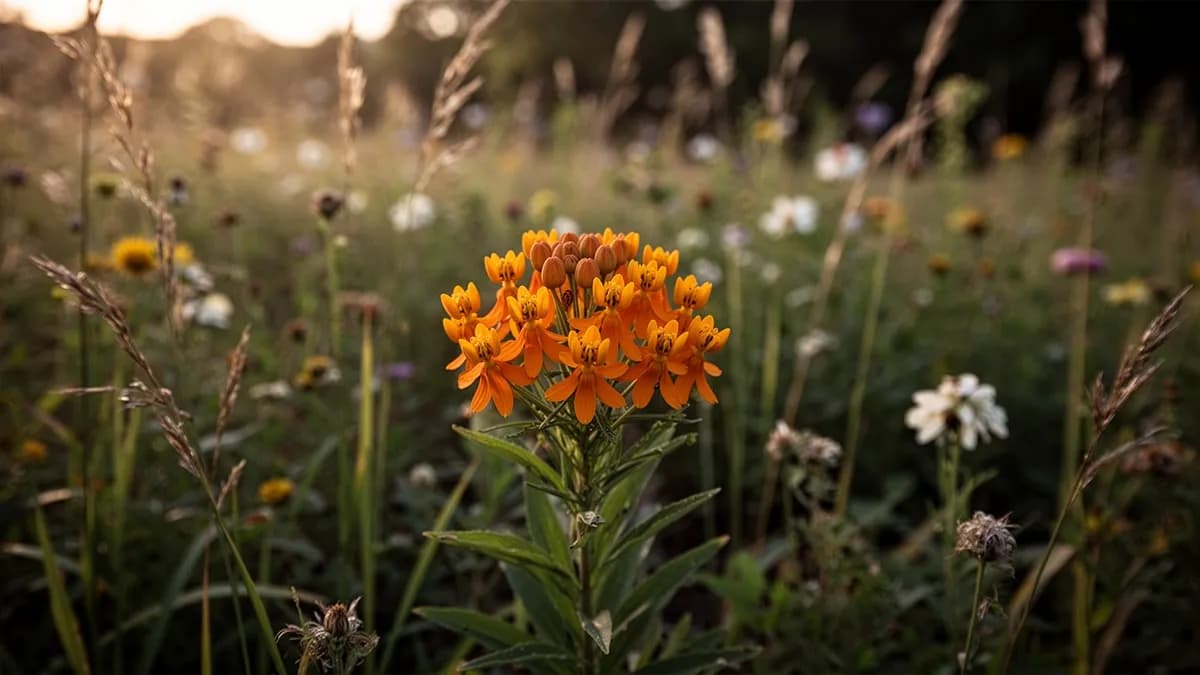
Una flor silvestre nativa esencial y planta hospedera para las mariposas monarca, que produce racimos planos de brillantes flores anaranjadas sobre tallos robustos.





En esta páginaResumen
Conoce Algodoncillo Mariposa
Una flor silvestre nativa esencial y planta hospedera para las mariposas monarca, que produce racimos planos de brillantes flores anaranjadas sobre tallos robustos. El algodoncillo mariposa posee una raíz pivotante profunda que lo hace extremadamente tolerante a la sequía, pero difícil de trasplantar, por lo que conviene sembrarlo directamente o utilizar plántulas jóvenes. Tarda en brotar en primavera, pero recompensa la paciencia con semanas de color vívido e intenso.
Cuándo plantar Algodoncillo Mariposa
Las semillas de algodoncillo mariposa requieren estratificación fría para una germinación confiable. Sembrar las semillas al aire libre en otoño para recibir el tratamiento de frío natural del invierno, o estratificar en frío en arena húmeda dentro del refrigerador durante seis a ocho semanas antes de la siembra primaveral. Sembrar las semillas a medio centímetro de profundidad en sustrato bien drenado. Las semillas germinan en dos a cuatro semanas a temperaturas de 18 a 24 °C. Trasplantar las plántulas mientras aún son pequeñas, ya que la raíz pivotante en desarrollo no tolera las perturbaciones. Las plantas cultivadas desde semilla suelen florecer en su segundo o tercer año.
Tu año de Algodoncillo Mariposa
Ajustado a Zona 7 · temporada típica · la helada se va hacia el 2 abr y vuelve hacia el 1 nov
Planta Algodoncillo Mariposa Mar – May y cosecha Jun – Ago. Consulta los métodos de plantación y elige tu clima para adaptar los periodos.
Cómo cultivar Algodoncillo Mariposa
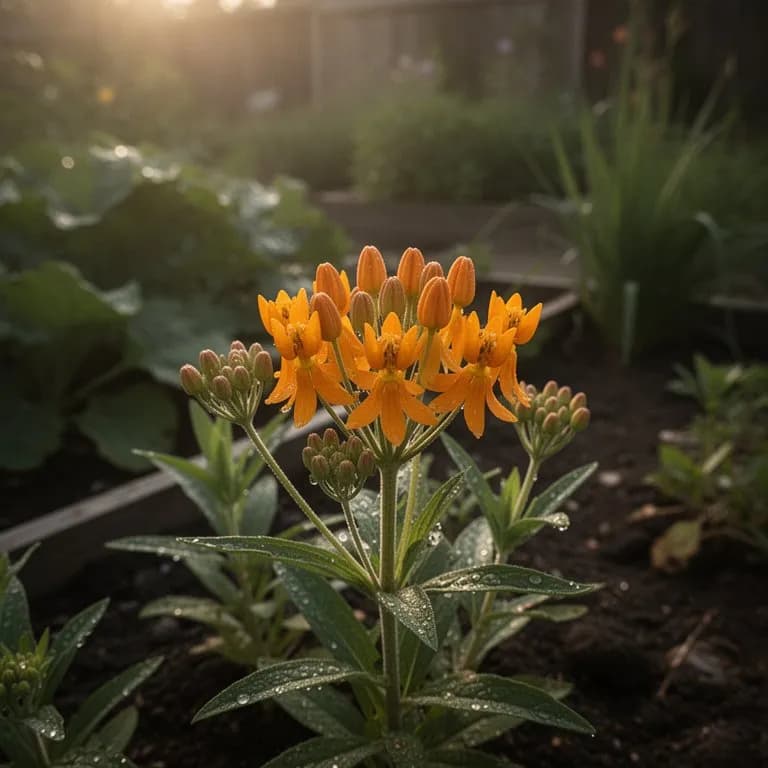
Plantar el algodoncillo mariposa en primavera a pleno sol, en suelo bien drenado, incluso pobre o arenoso. A diferencia de la mayoría de los algodoncillos, esta especie desarrolla una raíz pivotante profunda en lugar de rizomas expansivos, lo que la hace disciplinada en el jardín pero muy difícil de trasplantar una vez establecida. Comenzar con plántulas jóvenes o sembrar las semillas directamente en su ubicación definitiva.
El algodoncillo mariposa brota extremadamente tarde en primavera, a menudo no asomando hasta finales de mayo o incluso principios de junio. Marcar cuidadosamente la ubicación de siembra para evitar cavar accidentalmente sobre la raíz dormida. Una vez en crecimiento, prácticamente no requiere riego suplementario y, de hecho, prospera mal en condiciones de suelo rico y húmedo. Evitar la fertilización, ya que un suelo pobre produce las plantas más compactas y floríferas.
Como planta hospedera fundamental para las mariposas monarca, el algodoncillo mariposa cumple un papel ecológico esencial. Las hembras de monarca depositan sus huevos en el follaje, y las orugas se alimentan de las hojas durante todo su desarrollo. Es normal esperar algo de daño por orugas y hay que recibirlo como señal de que se está apoyando a estos polinizadores en peligro. Los racimos planos de brillantes flores anaranjadas también atraen mariposas cola de golondrina, fritilarias y muchos otros insectos benéficos.
10 plantas caben en un bancal de 120 × 240 cm
Cada Algodoncillo Mariposa pide 45 cm de margen. El planificador guarda ese marco por ti — cada planta, cada bancal.
Los mejores vecinos de Algodoncillo Mariposa
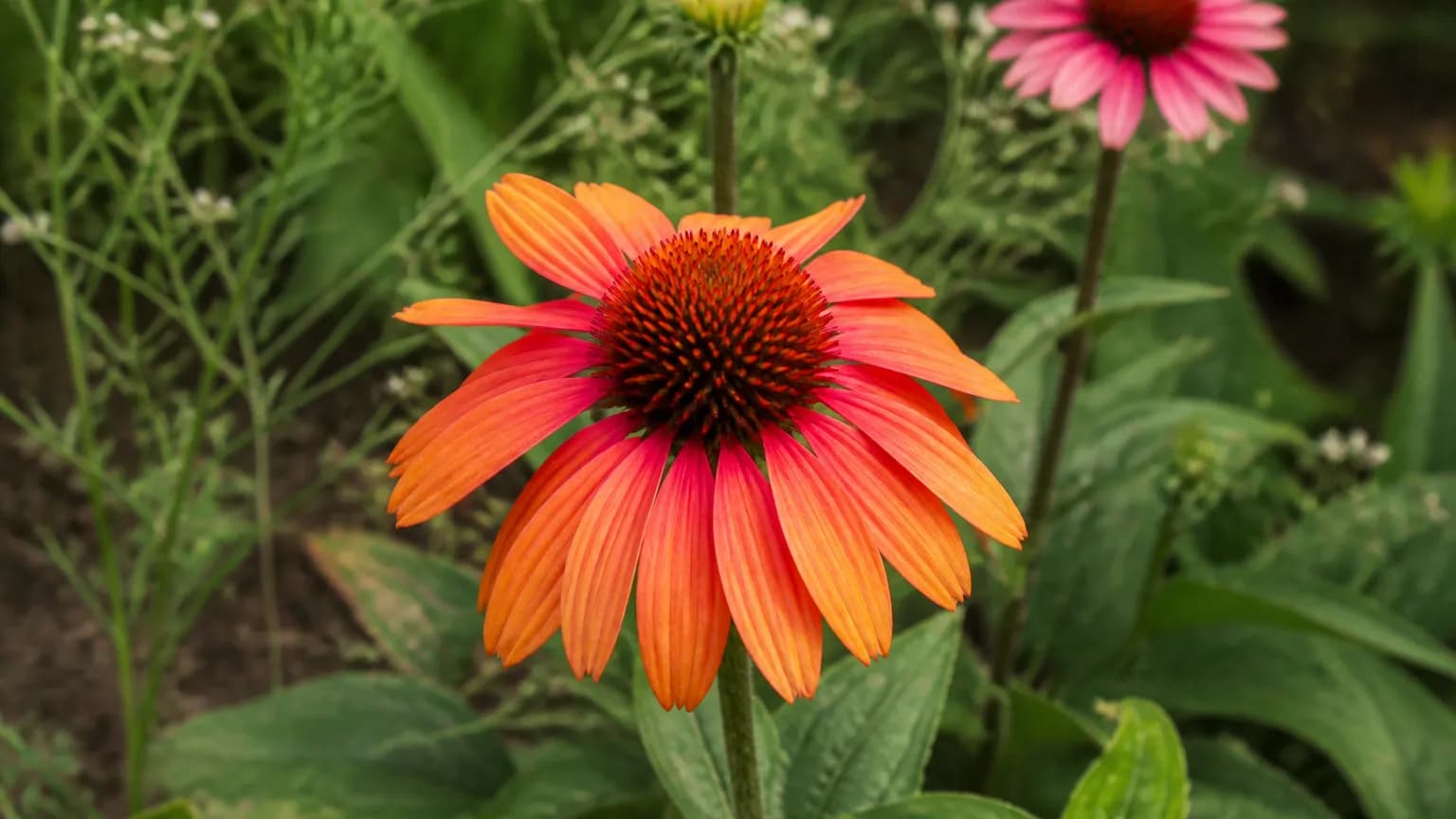
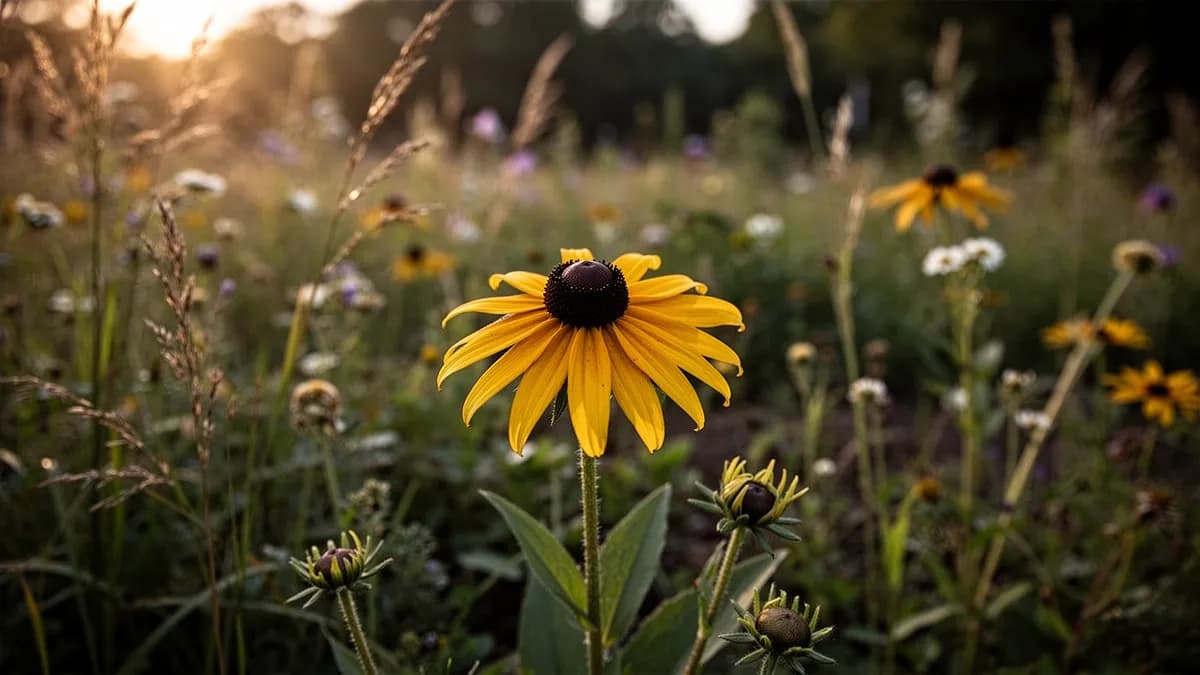
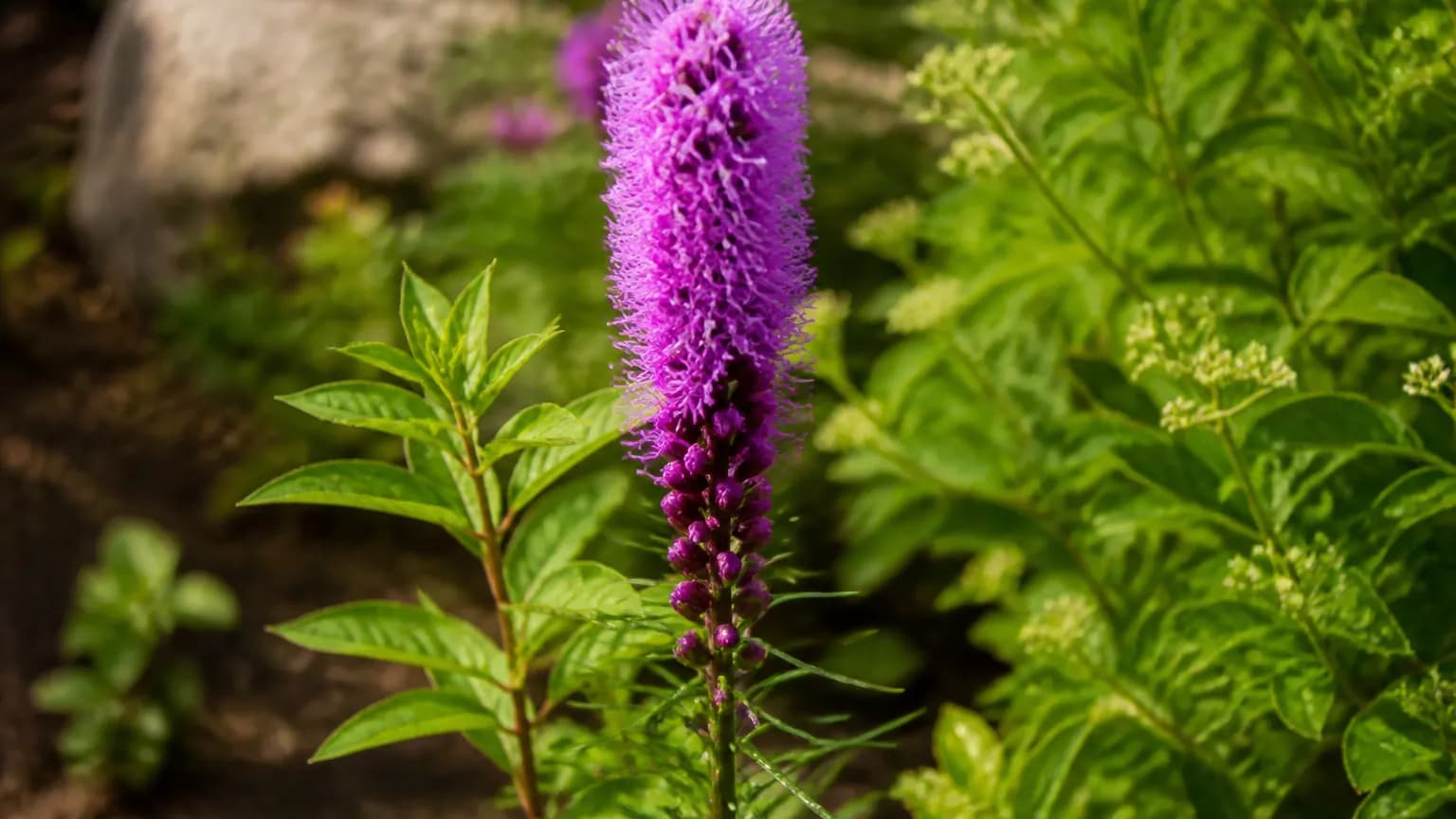
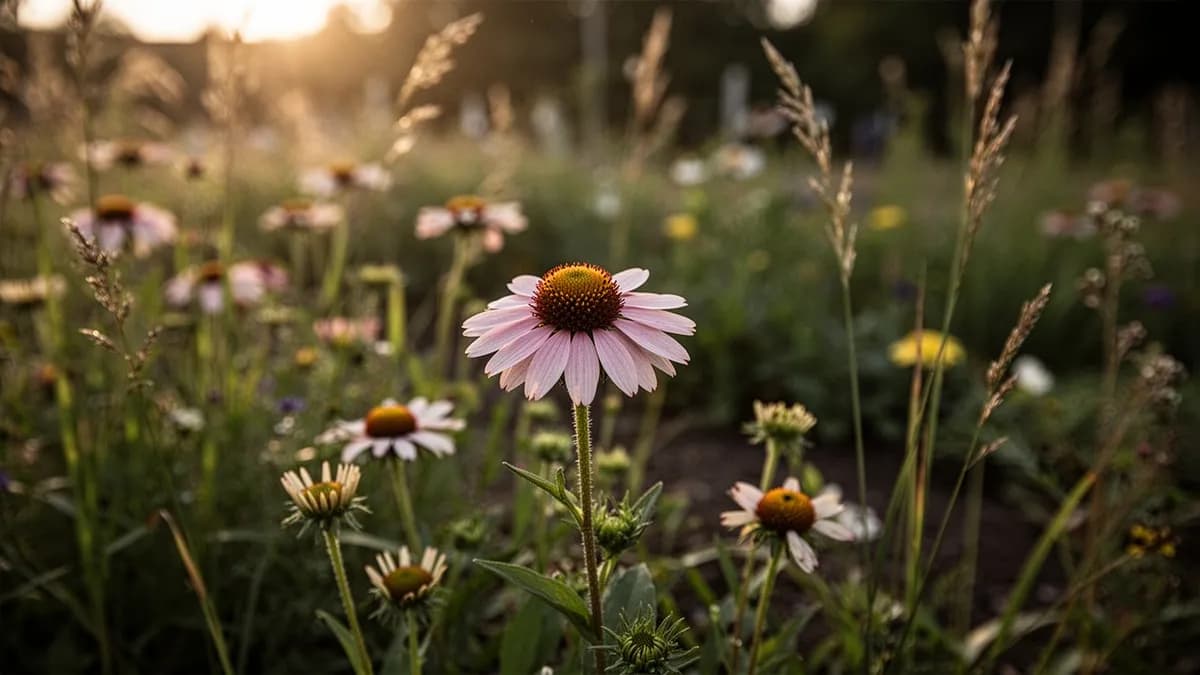
El algodoncillo mariposa es indispensable en jardines de polinizadores nativos y plantaciones al estilo pradera. Combinar con equináceas, rudbeckias, liatris y gramíneas nativas para crear una exhibición naturalista que apoye a las monarcas y otros polinizadores durante toda la temporada. Las brillantes flores anaranjadas crean combinaciones cromáticas impactantes con compañeras de flores azules como la bergamota silvestre y la salvia de pradera. Dejar algunas plantas sin podar para proporcionar hábitat a las monarcas e interés invernal con sus vainas secas.
Equinácea va a su lado.
Saber de huerto de siempre, cotejado con la tabla real de Algodoncillo Mariposa — prueba cualquier planta que cultives.
Prueba Algodoncillo Mariposa en un bancal, aquí mismo
Un bancal real del planificador con Algodoncillo Mariposa ya plantado. Toca una planta compañera para colocarla y mira cómo responde la comprobación de vecinos: verde para buenos vecinos, rojo si hay conflicto.


Guías de cultivo relacionadas
Abónalo bien
El algodoncillo mariposa prospera en suelos pobres a medios, bien drenados, con un pH de 5.5 a 7.0. Es nativo de praderas secas, bosques abiertos y bordes de caminos arenosos. No enmendar el suelo con compost ni estiércol y nunca fertilizar. Un suelo rico provoca un crecimiento alto y desgarbado y reduce la floración. El suelo arenoso o pedregoso es ideal. La raíz pivotante profunda hace que esta planta sea supremamente tolerante a la sequía una vez establecida, incluso en los veranos más secos.
Temperatura ideal
Compatibilidad de zonas de rusticidad
De la semilla a la cosecha, etapa por etapa
Germinación de la semilla
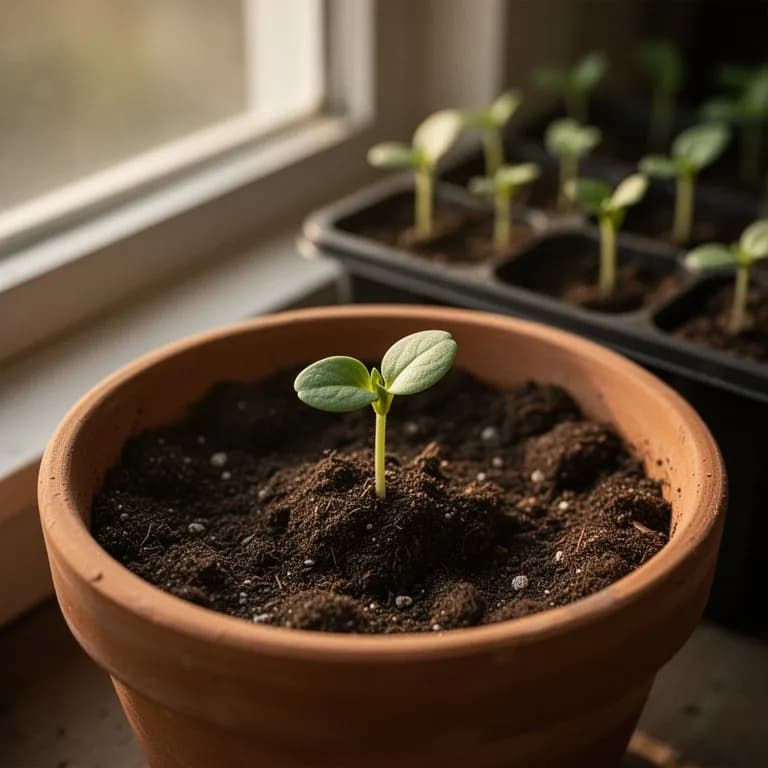
Las semillas de algodoncillo mariposa requieren una estratificación fría y húmeda de 4 a 12 semanas para romper la dormancia, imitando las condiciones naturales de invierno de sus hábitats nativos de pradera y pastizal. Tras la estratificación, las semillas germinan en 10 a 28 días cuando la temperatura del suelo alcanza entre 18 y 24 °C. Las pequeñas plántulas emergen con hojas cotiledonares estrechas y comienzan a desarrollar la característica raíz pivotante profunda desde la etapa más temprana de crecimiento.
Establecimiento de la plántula
Las plántulas crecen lentamente sobre la superficie durante esta fase, ya que la planta canaliza la mayor parte de su energía hacia el desarrollo de la gruesa raíz pivotante tuberosa que la sustentará durante décadas. Los tallos jóvenes son pilosos y erectos, produciendo hojas alternas estrechas con vellosidad fina en el envés. Las plántulas son vulnerables a perturbaciones radiculares y al estrés de trasplante durante este período crítico de establecimiento, porque la raíz pivotante ya está creciendo profundamente en el perfil del suelo.
Crecimiento vegetativo (Año 1)
Las plantas de primer año desarrollan un grupo arbustivo de tallos pilosos de 15 a 30 cm de alto con hojas lanceoladas densas. El follaje es verde oscuro por encima y más claro por debajo con vellosidad suave. A diferencia de la mayoría de las otras especies de algodoncillo, el algodoncillo mariposa produce savia acuosa transparente en vez del espeso látex blanco lechoso típico del género. La mayoría de las plantas de primer año no florecerán, dirigiendo todos los recursos a la construcción del gran sistema radicular tuberoso que almacena carbohidratos para la dormancia invernal y el crecimiento futuro.
Floración (Año 2 en adelante)
A partir del segundo o tercer año, el algodoncillo mariposa produce múltiples tallos robustos de 30 a 90 cm de alto coronados por brillantes racimos florales anaranjados de copa plana llamados umbelas. Cada umbela contiene de 15 a 25 flores individuales de cinco pétalos con una estructura intrincada que incluye una corona central de cuernos encapuchados. La floración ocurre desde principios hasta mediados del verano durante un período de 4 a 6 semanas, con el pico de floración típicamente en junio y julio. Las vívidas flores anaranjadas atraen monarcas, colas de golondrina, fritilarias, abejas nativas y colibríes en cantidades extraordinarias.
Desarrollo de vainas de semillas
Tras la polinización, se desarrollan vainas de semillas estrechas y fusiformes de 8 a 15 cm de largo a partir de las flores fecundadas. Las vainas son verdes y lisas y maduran a lo largo de 8 a 10 semanas. Cada vaina contiene hileras de semillas planas marrones, cada una unida a un mechón de filamentos sedosos blancos llamado vilano. Cuando las vainas se abren a lo largo de una sola costura en otoño, el viento atrapa los mechones sedosos y dispersa las semillas por el paisaje, permitiendo que el algodoncillo mariposa colonice nuevas áreas de hábitat adecuado.
Dormancia invernal
Cuando las temperaturas otoñales descienden, el follaje se amarillea y los tallos aéreos mueren completamente hasta el nivel del suelo. Toda la energía de la planta se almacena en el gran sistema radicular tuberoso subterráneo, que puede sobrevivir temperaturas invernales tan bajas como menos 40 °C en las zonas USDA 3 a 9. La planta entra en una dormancia profunda y es una de las últimas perennes en brotar en primavera, a menudo no mostrando nuevo crecimiento hasta finales de mayo o incluso principios de junio, cuando las temperaturas del suelo se han calentado completamente.
Estratificar las semillas colocándolas en una bolsa sellada con vermiculita húmeda en el refrigerador durante 6 a 12 semanas antes de la siembra primaveral. Alternativamente, sembrar las semillas directamente al aire libre a finales de otoño y dejar que el invierno proporcione la estratificación natural. Sembrar a 6 mm de profundidad en suelo bien drenado y mantener uniformemente húmedo hasta que ocurra la germinación. Evitar suelos arcillosos pesados que retienen demasiada humedad.
Cuidar Algodoncillo Mariposa mes a mes
Qué hacer cada mes para tu Algodoncillo Mariposa
Octubre
Mes actualDejar los tallos y cabezas de semillas en pie para el interés visual invernal y como hábitat para insectos benéficos. Marcar las ubicaciones de las plantas con estacas o etiquetas para recordar dónde están en primavera. Recoger el follaje enfermo y desecharlo lejos del jardín.
Ten claro qué hacer en tu huerto, cada mes
Un correo al empezar cada mes: qué sembrar, plantar y hacer ahora mismo — para tu Algodoncillo Mariposa y todo lo que crece alrededor. Más un breve curso inicial para esquivar los errores clásicos.
- Qué hacer ahora mismo
- Ajustado a tu temporada
- Curso inicial incluido
Cosechar Algodoncillo Mariposa
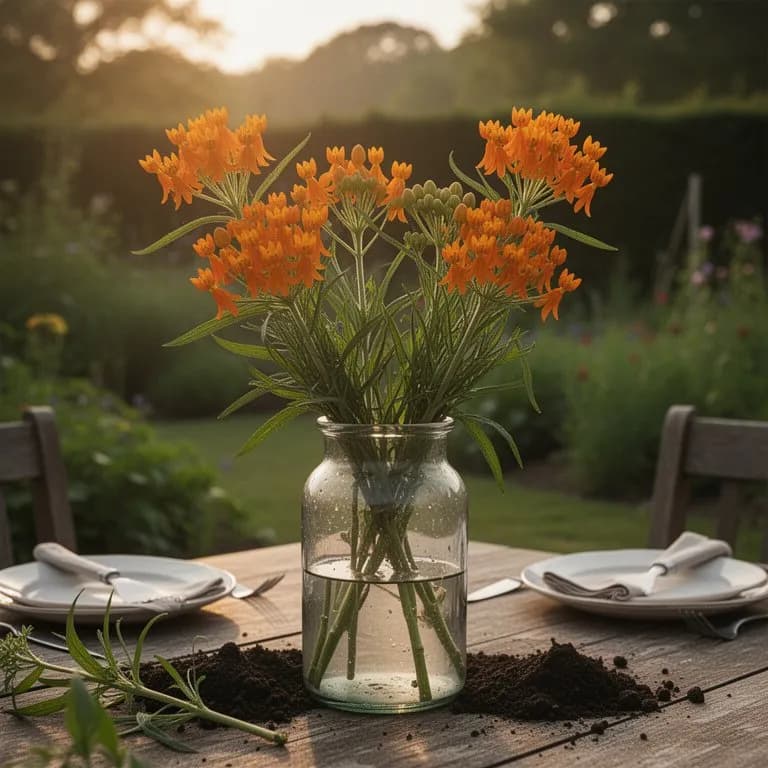
Cortar los tallos de algodoncillo mariposa para vibrantes ramos anaranjados cuando los racimos florales planos estén abiertos en unas tres cuartas partes. Cauterizar brevemente los extremos cortados sobre una llama para detener el flujo de látex lechoso, lo que prolonga la vida en jarrón a aproximadamente una semana. Las vainas de semillas ornamentales que se forman tras la floración son hermosas en arreglos secos, abriéndose para liberar semillas con mechones sedosos. Dejar que algunas vainas maduren en la planta para la resiembra natural y como hábitat para las mariposas monarca.
se supone que plantas al comenzar el periodo — indica tu fecha real
Cosecha Algodoncillo Mariposa a tiempo y la planta sigue produciendo.
Almacenamiento y conservación
El algodoncillo mariposa es una planta perenne longeva que permanece en el suelo todo el año, muriendo hasta su raíz pivotante profunda cada invierno. No se necesita almacenamiento especial para el invierno. Recolectar las vainas de semillas maduras cuando apenas comiencen a abrirse, antes de que los paracaídas sedosos lleven las semillas con el viento. Guardar las semillas en sobres de papel en un lugar fresco y seco. Las semillas requieren estratificación fría para germinar. Las vainas ornamentales se pueden secar para manualidades cortándolas cuando estén maduras y secándolas en posición vertical.
Qué falla — y cómo solucionarlo
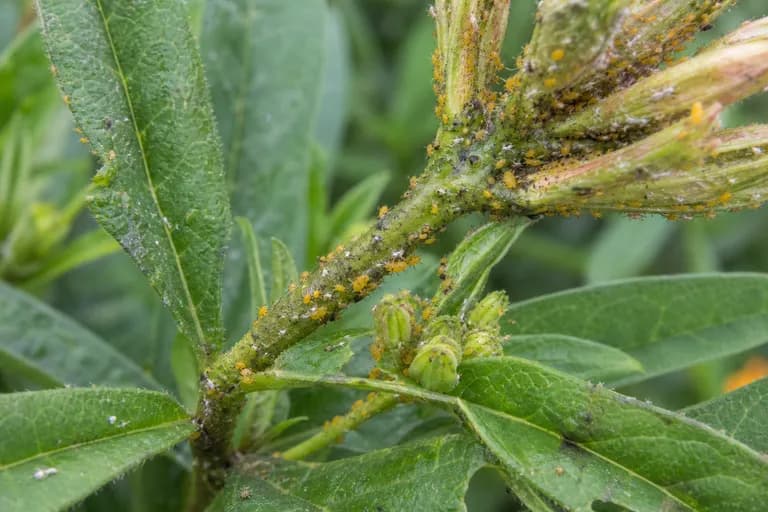
Pulgones (pulgón del adelfa)
PlagaPulgones de color anaranjado-amarillento brillante agrupados en tallos, botones florales y vainas de semillas en desarrollo. Presencia de melaza pegajosa y crecimiento distorsionado.
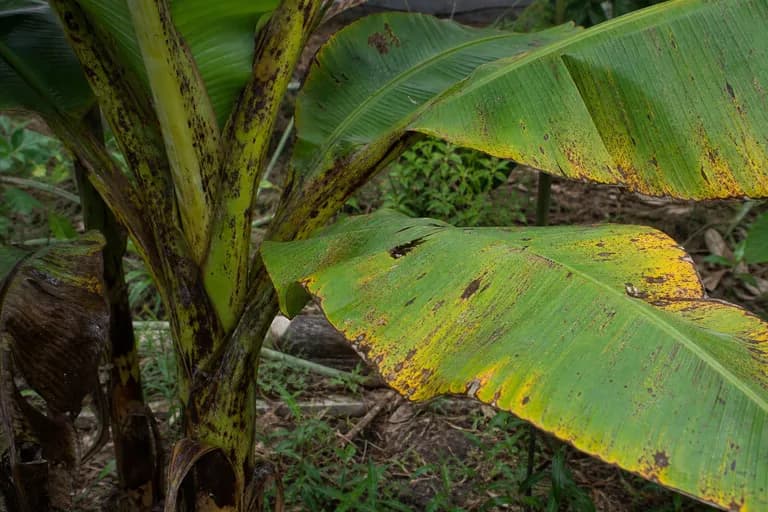
Mancha foliar fúngica
EnfermedadManchas oscuras en las hojas, especialmente durante períodos lluviosos. Las hojas inferiores se afectan primero y las manchas se extienden hacia arriba.
Solución de problemas comunes
La mayor frustración es la brotación muy tardía en primavera, que lleva a los jardineros a creer que la planta ha muerto y la desentierran accidentalmente. Marcar la ubicación claramente. La raíz pivotante profunda implica que las plantas establecidas no se pueden trasladar. Los pulgones anaranjados del adelfa son omnipresentes en los algodoncillos y pueden parecer alarmantes, pero rara vez causan daño serio a las plantas maduras. Evitar todo uso de pesticidas cerca del algodoncillo mariposa para proteger a las orugas de monarca.
Consejos de cultivo
- Plantar el algodoncillo mariposa en el lugar más pobre, seco y mejor drenado del jardín: un suelo arenoso o pedregoso pobre produce las plantas más robustas y floríferas, mientras que un suelo rico y húmedo genera un crecimiento flácido y débil con mayor riesgo de pudrición radicular fatal.
- Nunca trasplantar ni dividir plantas de algodoncillo mariposa establecidas: la raíz pivotante tuberosa profunda hace que el trasplante exitoso de ejemplares maduros sea prácticamente imposible, por lo que hay que elegir cuidadosamente la ubicación de plantación y planificar dejar la planta permanentemente en su lugar.
- Marcar las ubicaciones del algodoncillo mariposa con estacas o etiquetas permanentes porque las plantas brotan extremadamente tarde en primavera, a menudo no apareciendo hasta finales de mayo o principios de junio, y con frecuencia se confunden con plantas muertas o se desentierran accidentalmente durante la limpieza temprana del jardín en primavera.
- Evitar el uso de cualquier insecticida sistémico, incluyendo los neonicotinoides, en cualquier lugar cercano a las plantaciones de algodoncillo mariposa: estos químicos se absorben en el tejido vegetal y matarán a las orugas de monarca y otros insectos benéficos que se está intentando atraer y proteger.
- Iniciar las semillas en contenedores profundos de al menos 15 cm de alto en lugar de bandejas de semillas estándar poco profundas, porque la raíz pivotante crece rápidamente hacia abajo y se atrofiará y doblará en contenedores demasiado superficiales, reduciendo el vigor a largo plazo de la planta.
- Plantar algodoncillo mariposa en grupos de 5 o más para obtener el máximo impacto visual y atracción de polinizadores: las plantas solitarias tienen menos probabilidad de ser descubiertas por las hembras de monarca que buscan poner huevos que los grupos conspicuos visibles a distancia.
- Combinar el algodoncillo mariposa con plantas compañeras nativas complementarias como el pasto azul pequeño, la rudbeckia, la equinácea púrpura y la bergamota silvestre para crear un hábitat diverso para polinizadores que proporcione recursos de alimento y refugio durante toda la temporada de crecimiento.
- Aplicar acolchado de grava o arena gruesa en lugar de corteza orgánica alrededor de las coronas del algodoncillo mariposa: los acolchados orgánicos retienen humedad contra la corona y las raíces, lo que promueve las enfermedades de pudrición fúngica que son la principal causa de muerte de esta especie adaptada a la sequía.
- Tener paciencia con el algodoncillo mariposa recién plantado: las plantas invierten intensamente en el desarrollo radicular durante sus dos primeros años y puede que no florezcan hasta la segunda o tercera temporada, pero una vez que el sistema radicular está establecido, las plantas florecerán de manera confiable durante décadas.
- Permitir que las orugas de monarca defolien las plantas de algodoncillo mariposa sin intervenir: las plantas establecidas y sanas regenerarán su follaje en 2 a 3 semanas después de la alimentación de las orugas, y el daño cosmético temporal es exactamente el propósito ecológico de cultivar esta planta hospedera vital.
Cultiva tu mejor Algodoncillo Mariposa — y todo lo que la rodea.
Empieza un plan gratis hoy. Diseña tus bancales, coloca tu Algodoncillo Mariposa y deja que PlotMyGarden gestione el momento, el espaciado, las asociaciones y los recordatorios de la semilla a la cesta.
Elige tu Algodoncillo Mariposa
Gay Butterflies
Una variedad de semilla en colores mixtos de naranja, rojo y amarillo, que ofrece diversidad cromática dentro de una misma plantación.
Hello Yellow
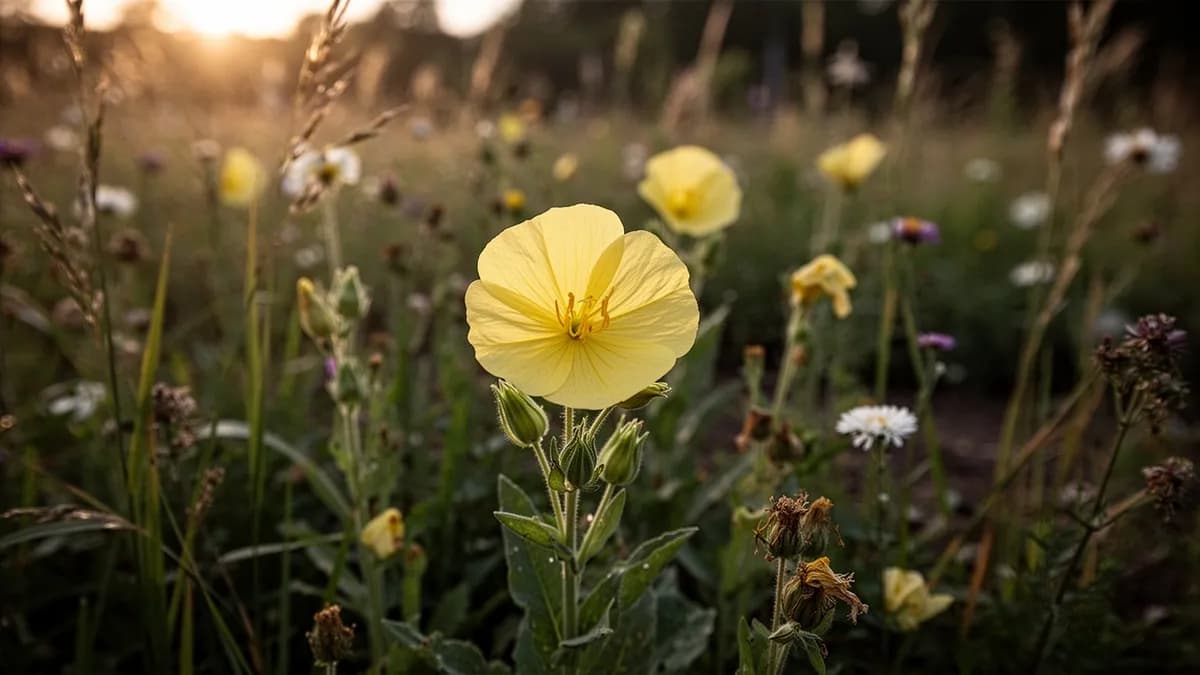
Una selección de flores amarillas claras que aporta una opción de color diferente y combina hermosamente con la especie anaranjada original.
Tuberosa
La especie pura con flores de un naranja brillante, la forma más ampliamente disponible y confiable para jardines y praderas.
Un solo paquete de semillas de algodoncillo mariposa que cuesta entre 3 y 5 dólares puede producir de 20 a 40 plantas que vivirán 15 a 20 años o más, lo que lo convierte en una de las inversiones perennes más rentables para cualquier jardín. Las plantas cultivadas en vivero suelen venderse entre 8 y 15 dólares cada una, pero las plántulas cultivadas en casa alcanzan el tamaño de floración en solo 2 a 3 años. Una vez establecido, el algodoncillo mariposa no requiere riego, fertilizante ni control de plagas, eliminando por completo los costos de mantenimiento continuos. Las plantas también se autosiembran moderadamente, proporcionando plantas adicionales gratuitas para ampliar el jardín de polinizadores o compartir con los vecinos. Comparado con la compra anual de plantas de temporada para atraer mariposas, una plantación permanente de algodoncillo mariposa ahorra entre 50 y 100 dólares o más al año, a la vez que ofrece un valor ecológico enormemente superior.
Recetas rápidas
Decocción tradicional de raíz de pleuresía
30 minUna decocción herbal tradicional elaborada hirviendo a fuego lento raíz seca de algodoncillo mariposa en agua, utilizada históricamente por los pueblos indígenas y los herbolarios estadounidenses tempranos para apoyar la salud respiratoria. El té resultante tiene un sabor terroso y ligeramente amargo. Esta preparación solo debe usarse bajo la orientación de un herbolario cualificado, ya que la raíz contiene glucósidos cardíacos bioactivos que requieren una dosificación adecuada. No es apta para personas embarazadas ni para quienes toman medicamentos cardíacos.
5 ingredientesMiel infusionada con flores de algodoncillo mariposa
10 min + 2 semanas de infusiónUna hermosa miel infusionada elaborada sumergiendo las florecillas comestibles de un naranja brillante en miel cruda de flores silvestres durante dos semanas. La miel resultante adquiere una sutil dulzura floral y un precioso tono ámbar anaranjado. Usar con moderación como adorno sobre tostadas, yogur o en el té. Utilizar únicamente flores de las que se tenga certeza de que no han sido tratadas con pesticidas y que se hayan identificado positivamente como Asclepias tuberosa.
4 ingredientes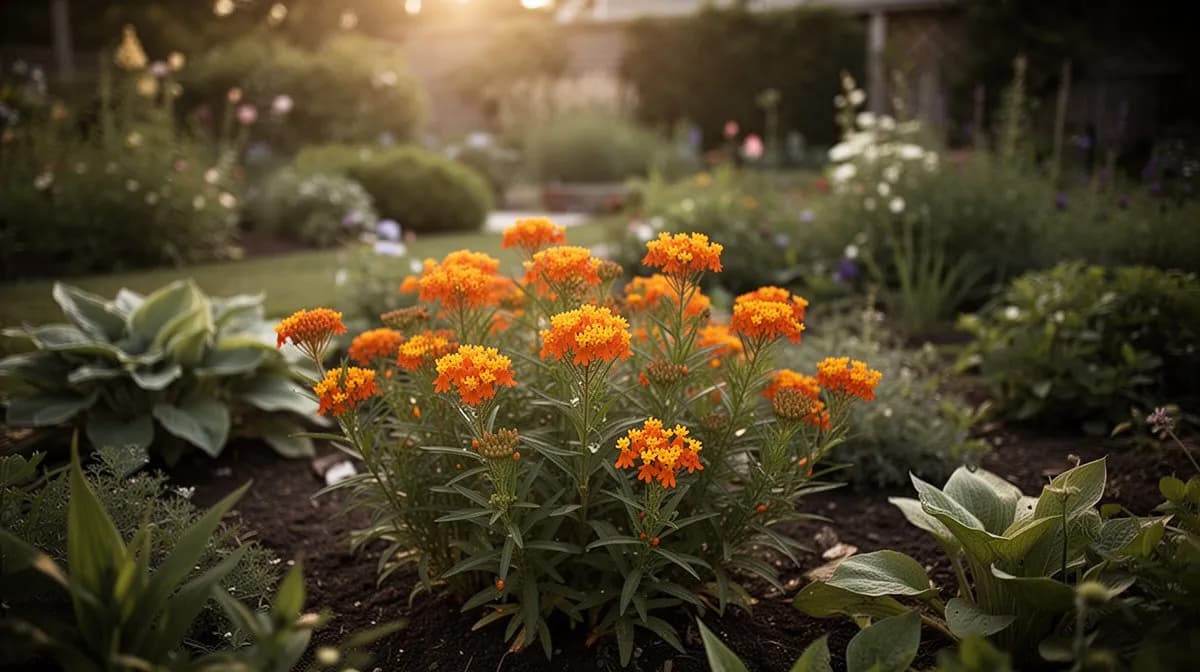
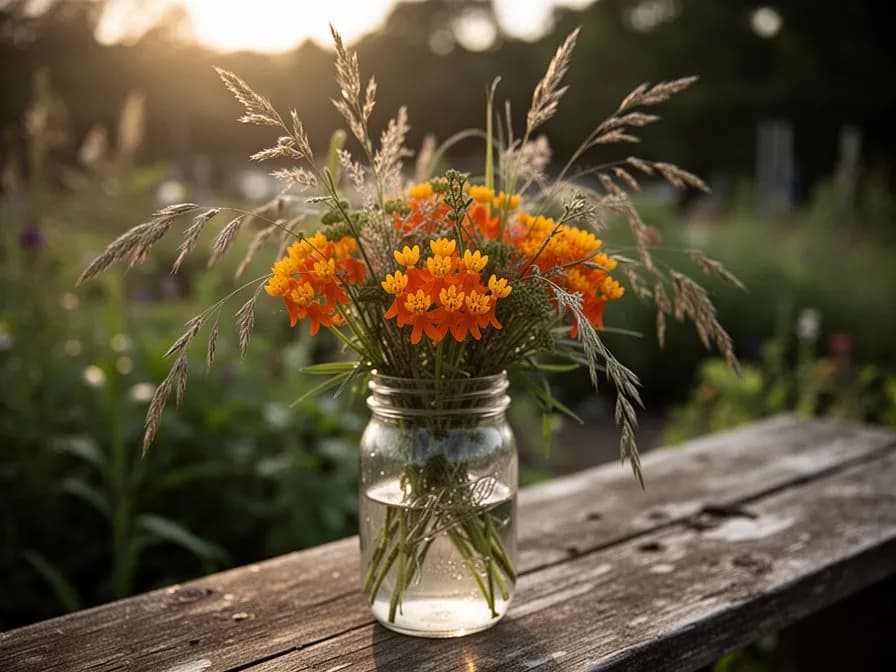
Arreglo floral de ramo de jardín para polinizadores
15 minAunque no es una receta culinaria, el algodoncillo mariposa es una flor de corte espectacular y duradera. Las vívidas umbelas anaranjadas se mantienen hermosamente en arreglos durante 7 a 10 días cuando se acondicionan correctamente. Cauterizar brevemente los extremos cortados con una llama o sumergirlos en agua hirviendo durante 10 segundos para detener el flujo de savia, y luego colocarlos en agua fresca con conservante floral. Combinar con otras flores silvestres nativas como rudbeckia y equinácea púrpura para un impresionante arreglo inspirado en la pradera.
5 ingredientesQué contiene
Beneficios para la salud
- La raíz tuberosa se ha utilizado durante siglos en la medicina herbal indígena y estadounidense temprana como expectorante para ayudar a aflojar la congestión del pecho y apoyar la función respiratoria durante resfriados, bronquitis y pleuresía, la afección que dio a la planta su nombre común de raíz de pleuresía.
- Las preparaciones tradicionales de la raíz contienen compuestos antiinflamatorios como saponinas triterpénicas y flavonoides que se usaban históricamente para reducir la inflamación asociada con infecciones respiratorias y molestias articulares.
- Cultivar algodoncillo mariposa proporciona beneficios significativos para la salud mental y el bienestar a través de la alegría diaria de observar mariposas monarca, colas de golondrina y decenas de otras especies de polinizadores visitando el jardín; estudios han vinculado el tiempo pasado en entornos de jardín biodiversos con una reducción del estrés y una mejora del estado de ánimo.
- Las plantaciones de algodoncillo mariposa contribuyen directamente a la salud del ecosistema al apoyar las poblaciones de mariposas monarca que han disminuido más del 80 por ciento en las últimas décadas; cada planta puede hospedar múltiples generaciones de orugas de monarca a lo largo de la temporada de reproducción estival.
- La abundante producción de néctar sostiene a las poblaciones de abejas nativas, incluyendo abejorros, abejas albañiles y abejas del sudor, que son polinizadores esenciales de los cultivos alimentarios; plantar algodoncillo mariposa cerca de los huertos puede mejorar de manera medible las tasas de polinización y los rendimientos de los cultivos.
- Establecer algodoncillo mariposa en jardines y paisajes ayuda a restaurar comunidades de plantas nativas que filtran el agua de lluvia, previenen la erosión del suelo en pendientes y secuestran carbono en sus extensos y profundos sistemas radiculares que pueden alcanzar 60 cm o más en el perfil del suelo.
De dónde viene Algodoncillo Mariposa
El algodoncillo mariposa (Asclepias tuberosa) es nativo de las regiones oriental y central de Norteamérica, encontrándose de forma natural desde el sur de Ontario y la región de los Grandes Lagos hacia el sur a través del este de Estados Unidos hasta Florida, y hacia el oeste hasta las Grandes Llanuras de Colorado y Texas. Prospera en praderas abiertas, pastizales secos, laderas rocosas, bordes de caminos y bosques abiertos donde ha evolucionado para florecer en suelos arenosos y pedregosos bien drenados con exposición a pleno sol. La especie ha sido un componente integral de los ecosistemas de pradera alta y mixta de Norteamérica durante miles de años, coevolucionando con las mariposas monarca y cientos de otras especies de polinizadores nativos. Los pueblos indígenas de toda su área de distribución reconocieron el valor medicinal de la planta mucho antes de la colonización europea. Los omaha, ponca, cheroqui, delaware y muchas otras naciones utilizaban preparaciones de la raíz tuberosa para tratar afecciones respiratorias, en particular la pleuresía — una inflamación de las membranas pulmonares — lo que dio origen al nombre común raíz de pleuresía. La raíz también se usaba para tratar fiebres, trastornos digestivos y como cataplasma para heridas. Los colonos europeos adoptaron rápidamente estos usos herbales, y Asclepias tuberosa se convirtió en una de las plantas medicinales más ampliamente comercializadas en el comercio herbal estadounidense de los siglos XVIII y XIX. La especie fue descrita formalmente por Carlos Linneo en 1753, con el nombre específico tuberosa en referencia a la prominente raíz tuberosa. A mediados del siglo XX, el algodoncillo mariposa ganó reconocimiento como planta ornamental excepcional, valorada por sus brillantes flores anaranjadas y su extraordinaria capacidad para atraer mariposas. Hoy se considera una de las plantas nativas más ecológicamente importantes para la conservación de la mariposa monarca, ya que la pérdida de hábitat y la disminución de las poblaciones de algodoncillo han contribuido a descensos dramáticos en las poblaciones de monarca en toda Norteamérica. Las organizaciones de conservación y las sociedades de plantas nativas promueven activamente la plantación de algodoncillo mariposa como parte de los esfuerzos de restauración de estaciones de paso de monarcas y corredores de polinizadores.
Algodoncillo Mariposa: ¿sabías que?
Datos fascinantes sobre Algodoncillo Mariposa
El algodoncillo mariposa es la única especie de algodoncillo que produce savia acuosa transparente en lugar del espeso látex blanco lechoso que da a la familia de los algodoncillos su nombre común; este rasgo inusual inicialmente llevó a los botánicos a cuestionar su clasificación dentro del género Asclepias.
Algodoncillo Mariposa: preguntas frecuentes
¿Cuándo debo plantar Algodoncillo Mariposa?
¿Cuáles son buenas plantas acompañantes para Algodoncillo Mariposa?
¿En qué zonas de rusticidad puede crecer Algodoncillo Mariposa?
¿Cuánto sol necesita Algodoncillo Mariposa?
¿A qué distancia debo espaciar Algodoncillo Mariposa?
¿Qué plagas y enfermedades afectan a Algodoncillo Mariposa?
¿Cómo almaceno Algodoncillo Mariposa después de la cosecha?
¿Cuáles son las mejores variedades de Algodoncillo Mariposa para cultivar?
¿Qué suelo necesita Algodoncillo Mariposa?
¿El algodoncillo mariposa es lo mismo que el algodoncillo común y pueden usarlo las monarcas?
¿Por qué mi algodoncillo mariposa tarda tanto en brotar en primavera y cómo sé que sigue vivo?
¿Puedo cultivar algodoncillo mariposa en suelo arcilloso o necesita absolutamente suelo arenoso?
¿Es seguro plantar algodoncillo mariposa si tengo niños o mascotas?
¿Cómo puedo usar el algodoncillo mariposa para ayudar a las mariposas monarca en mi zona?
¿Cuánto tiempo tarda el algodoncillo mariposa en florecer desde semilla y cuánto vivirán las plantas?
Acabas de leer la teoría. Ahora cultívala en piloto automático.
Todo lo que hace que Algodoncillo Mariposa sea delicado — el momento, el espaciado, las asociaciones, la ventana de cosecha — es justo lo que PlotMyGarden resuelve por ti, para cada planta de tu huerto.
Un plan que conoce tu clima
Indica tu ubicación una vez. Recibe fechas de siembra, abonado y cosecha basadas en tu última helada real y el pronóstico en vivo — sin adivinar con un sobre genérico.
De la sección “Cuándo plantar”Planificador de bancales de arrastrar y soltar
Diseña bancales sobre una cuadrícula. Cada planta encaja con su espaciado correcto y ves toda la temporada antes de gastar un céntimo en semillas.
De la sección “Cultivo”Conflictos de asociación, detectados a tiempo
Más de 200 buenas y malas combinaciones comprobadas en vivo mientras plantas — para que un error que arruine la temporada nunca llegue a la tierra.
De la sección “Asociaciones”Recordatorios que sí vas a seguir
“Riega las judías.” “Recoge hoy antes de que se pase.” Oportunos, concretos y ligados a las plantas que de verdad cultivas.
De la sección “Cosecha”Escalonado, programado
¿Quieres cosechar seis semanas en vez de seis días? Reparte tus siembras automáticamente y te avisa cuando toca el siguiente lote.
De la sección “Cuándo plantar”Un registro que se vuelve más listo
Cada cosecha que registras le enseña tu huerto. El plan del año que viene parte de lo que de verdad funcionó en tu suelo, no en un manual.
De la sección “Resumen”Planta estos junto a Algodoncillo Mariposa
Más Flores silvestres
Diseños de jardín con Algodoncillo Mariposa
Cultiva tu mejor Algodoncillo Mariposa — y todo lo que la rodea.
Empieza un plan gratis hoy. Diseña tus bancales, coloca tu Algodoncillo Mariposa y deja que PlotMyGarden gestione el momento, el espaciado, las asociaciones y los recordatorios de la semilla a la cesta.