Prímula de Tarde Común
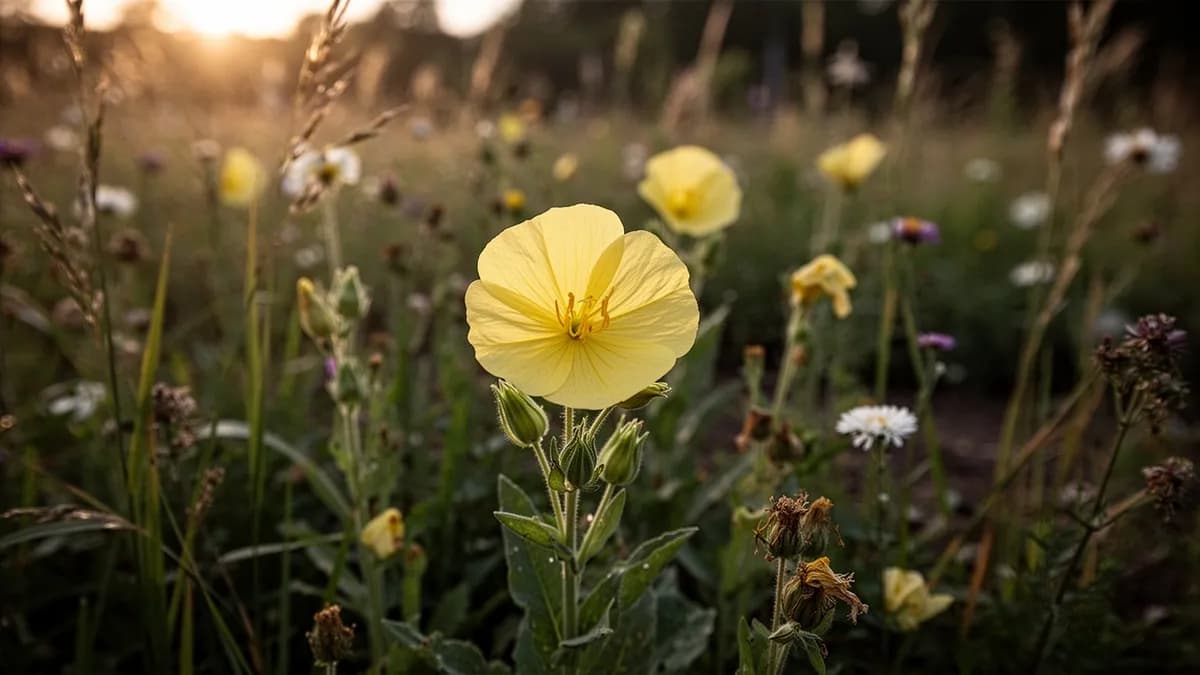
Una planta silvestre bienal de porte alto con llamativas flores amarillas que se abren espectacularmente al anochecer y son polinizadas por polillas e insectos nocturnos.





En esta páginaResumen
Conoce Prímula de Tarde Común
Una planta silvestre bienal de porte alto con llamativas flores amarillas que se abren espectacularmente al anochecer y son polinizadas por polillas e insectos nocturnos. La prímula de tarde común se autosiembra con generosidad en suelos removidos y es una fuente de alimento esencial para los jilgueros, que consumen sus diminutas semillas. Todas las partes de la planta son comestibles y el aceite extraído de sus semillas tiene un reconocido valor comercial.
Cuándo plantar Prímula de Tarde Común
Las semillas de prímula de tarde germinan con facilidad al esparcirlas sobre suelo desnudo en primavera o a comienzos del verano. Presione las semillas sobre la superficie del suelo sin cubrirlas, ya que necesitan luz para germinar. Las semillas brotan en siete a catorce días a 18-24 °C. La siembra en otoño también funciona bien, con semillas que germinan la primavera siguiente tras la estratificación fría natural. El patrón de crecimiento bienal significa que las plantas del primer año solo producen una roseta foliar, y las flores aparecen en el segundo año.
Tu año de Prímula de Tarde Común
Ajustado a Zona 7 · temporada típica · la helada se va hacia el 2 abr y vuelve hacia el 1 nov
Planta Prímula de Tarde Común Abr – Jun y cosecha Jun – Sep. Consulta los métodos de plantación y elige tu clima para adaptar los periodos.
Cómo cultivar Prímula de Tarde Común
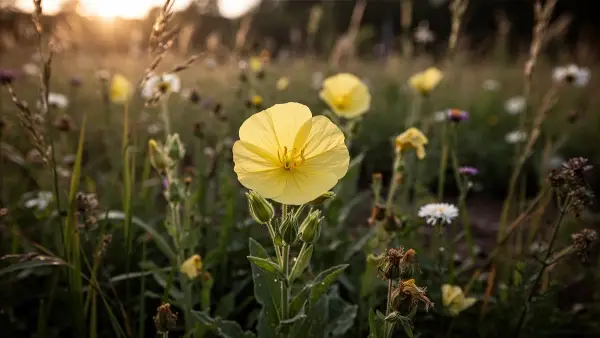
Siembre las semillas de prímula de tarde directamente en primavera o a comienzos del verano en un lugar soleado con suelo bien drenado. Al ser bienal, el primer año produce una roseta de hojas basales y el segundo año desarrolla tallos florales altos antes de morir. Sin embargo, su prolífica autosiembra garantiza una presencia continua una vez establecida. Esparza las semillas sobre suelo preparado y presiónelas ligeramente, ya que necesitan luz para germinar.
La prímula de tarde prospera con el abandono en suelos pobres, secos y removidos. Coloniza cunetas, terrenos baldíos y taludes arenosos de forma natural y no requiere riego, abonado ni cuidados adicionales una vez en marcha. En el jardín puede volverse bastante invasora por su agresiva autosiembra, así que elimine las flores marchitas si desea controlar su expansión.
Las brillantes flores amarillas se abren espectacularmente al anochecer, desplegándose en cuestión de minutos en un proceso fascinante de observar. Permanecen abiertas toda la noche, son polinizadas por polillas y otros insectos nocturnos, y se marchitan hacia el mediodía siguiente. La planta produce flores de forma continua desde mediados del verano hasta comienzos del otoño. Los altos tallos arquitectónicos con cápsulas de semillas persisten durante el invierno y proporcionan alimento a los jilgueros.
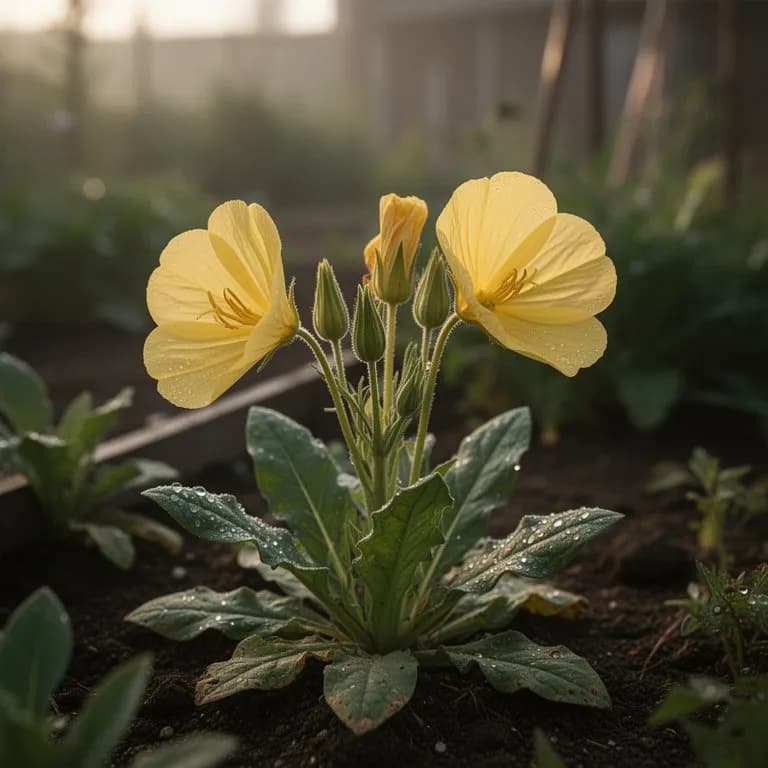
10 plantas caben en un bancal de 120 × 240 cm
Cada Prímula de Tarde Común pide 45 cm de margen. El planificador guarda ese marco por ti — cada planta, cada bancal.
Los mejores vecinos de Prímula de Tarde Común
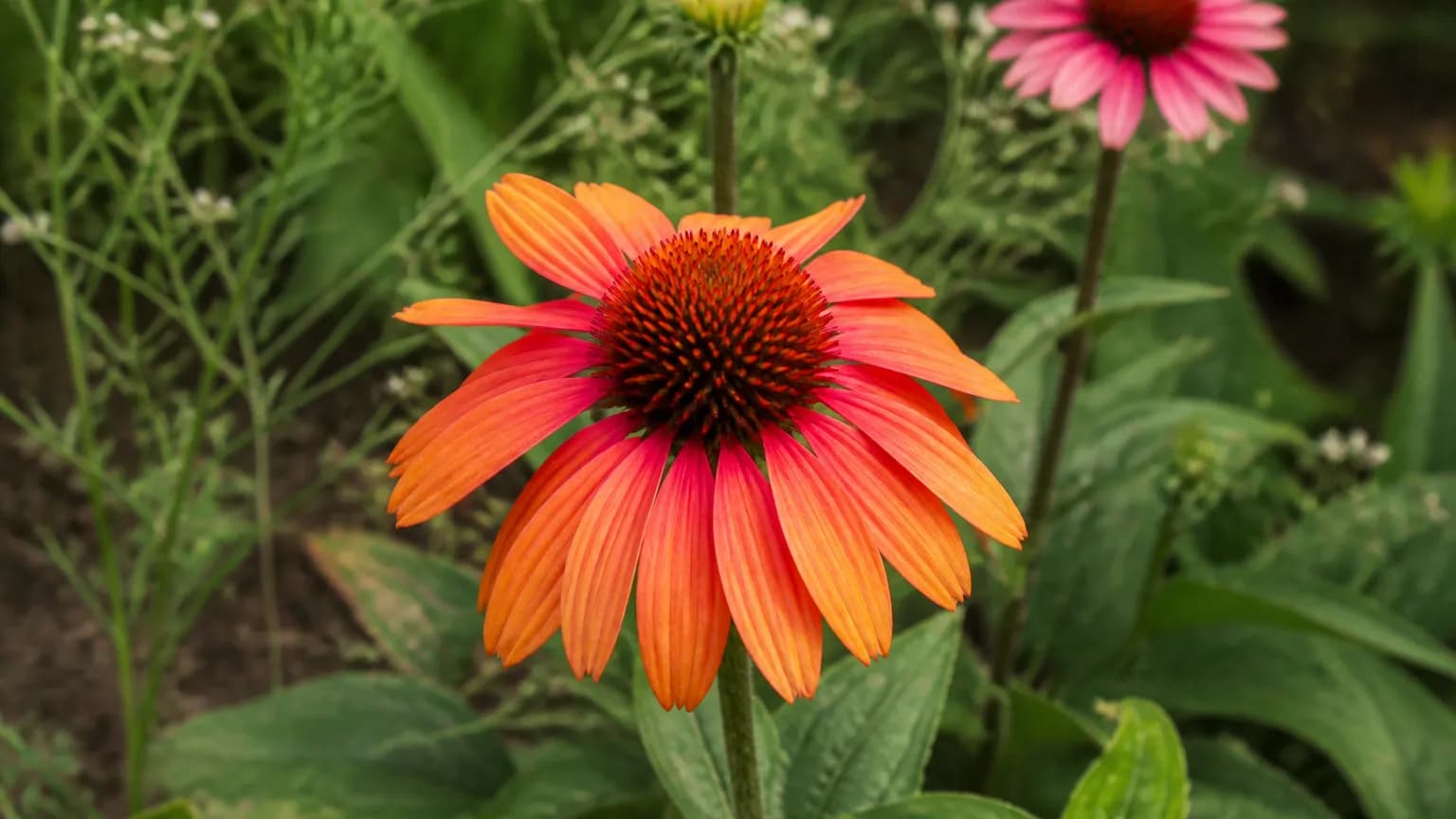
La prímula de tarde encaja de forma natural en praderas de flores silvestres y plantaciones de borde de camino junto a otras bienales y vivaces nativas. Su porte alto funciona bien en la parte trasera de bordes informales con equináceas, vara de oro y gramíneas nativas. Las flores que se abren al anochecer complementan a las especies de floración diurna para ofrecer apoyo a los polinizadores las veinticuatro horas. Las semillas son una fuente de alimento crucial para los jilgueros, lo que añade otra dimensión de interés para la fauna.
Equinácea va a su lado.
Saber de huerto de siempre, cotejado con la tabla real de Prímula de Tarde Común — prueba cualquier planta que cultives.
Prueba Prímula de Tarde Común en un bancal, aquí mismo
Un bancal real del planificador con Prímula de Tarde Común ya plantado. Toca una planta compañera para colocarla y mira cómo responde la comprobación de vecinos: verde para buenos vecinos, rojo si hay conflicto.


Guías de cultivo relacionadas
Abónalo bien
La prímula de tarde prospera en suelos pobres, arenosos y bien drenados con un pH de 5.5 a 7.5. Coloniza terrenos removidos y pobres en nutrientes de forma natural y no requiere enmiendas ni fertilización del suelo. Los suelos ricos y pesados favorecen un crecimiento foliar excesivo a expensas de las flores. La profunda raíz pivotante hace a la planta extremadamente tolerante a la sequía. Evite los suelos arcillosos sin una mejora considerable del drenaje. La preferencia de la planta por condiciones pobres la hace idónea para recuperar terrenos alterados.
Temperatura ideal
Compatibilidad de zonas de rusticidad
De la semilla a la cosecha, etapa por etapa
Germinación de semillas
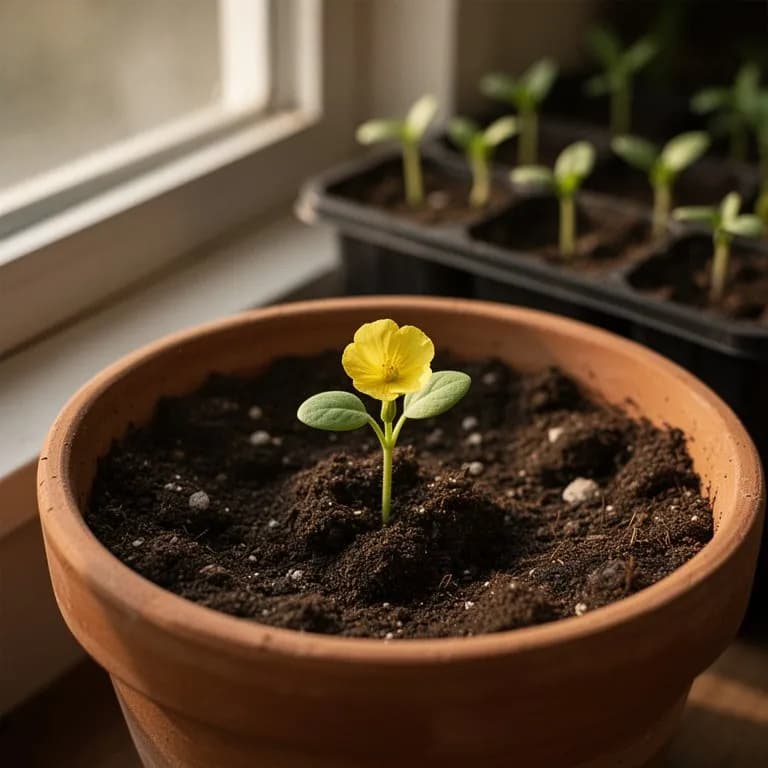
Las semillas de Oenothera speciosa son diminutas y necesitan luz para germinar. Cuando se siembran en superficie sobre suelo húmedo y bien drenado a temperaturas de entre 18-24 °C, la germinación suele producirse en 7-14 días. Las semillas no necesitan estratificación en frío, pero se benefician de un período de temperaturas fluctuantes entre el día y la noche. Los primeros cotiledones son pequeños y ovalados, fáciles de pasar por alto entre otras plántulas.
Desarrollo de plántula y roseta
Las plántulas desarrollan sus primeras hojas verdaderas, que son estrechas, lanceoladas y a menudo profundamente lobuladas o pinnatipartidas: un rasgo distintivo que las diferencia de las malas hierbas. La planta joven forma una roseta basal baja cerca del suelo mientras establece una raíz pivotante y comienza a desarrollar el sistema de raíces rizomatosas superficiales que más adelante impulsará su hábito de expansión.
Expansión vegetativa
A medida que la roseta madura, la planta comienza a producir estolones subterráneos que se extienden lateralmente por el suelo. Nuevas rosetas emergen a intervalos a lo largo de estos estolones, lo que permite que una sola planta colonice una superficie de hasta 60 cm de diámetro en una sola temporada de crecimiento. El follaje permanece bajo y compacto durante esta etapa, típicamente de solo 10-15 cm de altura, creando una densa alfombra de cobertura.
Floración
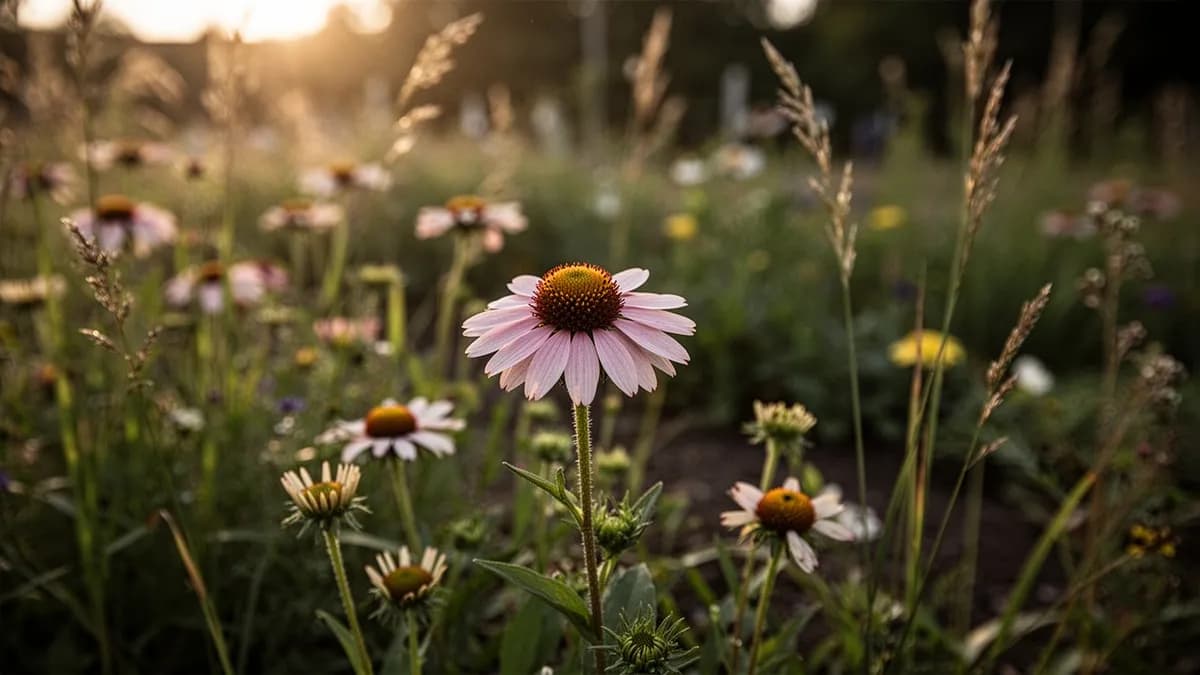
Delgados tallos florales se elevan 20-40 cm por encima del follaje basal, cada uno con una sucesión de flores en forma de copa y cuatro pétalos de 5-7 cm de diámetro. Las flores abren blancas o de un rosa muy pálido al atardecer o al anochecer y se intensifican hasta un rosa medio a la mañana siguiente. Cada flor dura solo uno o dos días, pero la planta produce capullos continuamente durante un período de seis a doce semanas, desde finales de la primavera hasta mediados del verano. Las flores son ligeramente fragantes, especialmente al atardecer, atrayendo a esfinges y otros polinizadores nocturnos.
Desarrollo y dispersión de semillas
Tras la polinización, el ovario se alarga hasta formar una cápsula de semillas en forma de maza o cilíndrica de 1-3 cm de largo. Las cápsulas maduran de verde a marrón a lo largo de varias semanas y luego se abren longitudinalmente para liberar cientos de semillas pequeñas, angulosas y de color marrón oscuro. En condiciones favorables, estas semillas germinan con facilidad y la planta puede autosiembarse de forma prolífica en terrenos alterados o abiertos.
Dormancia estival y marchitamiento
En climas cálidos (zonas USDA 8-10), el follaje aéreo puede amarillear y morir parcialmente durante las semanas más calurosas de mediados a finales del verano. Esta semidormancia es una estrategia natural de evasión de la sequía. Los rizomas subterráneos permanecen vivos y producirán nuevo crecimiento cuando las temperaturas se moderen y lleguen las lluvias otoñales.
Dormancia invernal y rebrote
En zonas más frescas (USDA 5-7), el follaje muere por completo tras la primera helada fuerte. El sistema de raíces rizomatosas hiberna bajo tierra, sobreviviendo a temperaturas de hasta -29 °C. Nuevas rosetas emergen a comienzos o mediados de la primavera cuando las temperaturas del suelo superan los 10 °C, y los ejemplares establecidos regresan con más vigor cada año, ampliando su superficie.
Esparza las semillas sobre la superficie del suelo y presiónelas suavemente: no las cubra, ya que la luz es esencial para la germinación. Mantenga la superficie uniformemente húmeda con un spray fino hasta que emerjan las plántulas. Siembre en primavera tras la última helada o a comienzos del otoño para que se establezcan antes de la dormancia invernal.
Cuidar Prímula de Tarde Común mes a mes
Qué hacer cada mes para tu Prímula de Tarde Común
Octubre
Mes actualEl crecimiento se ralentiza a medida que disminuye la duración del día. Corte los tallos de flores secos restantes para ordenar el jardín. Marque la ubicación de las plantas para que no se alteren accidentalmente durante la limpieza invernal del jardín.
Ten claro qué hacer en tu huerto, cada mes
Un correo al empezar cada mes: qué sembrar, plantar y hacer ahora mismo — para tu Prímula de Tarde Común y todo lo que crece alrededor. Más un breve curso inicial para esquivar los errores clásicos.
- Qué hacer ahora mismo
- Ajustado a tu temporada
- Curso inicial incluido
Cosechar Prímula de Tarde Común
Corte las flores de prímula de tarde a última hora de la tarde, justo antes de que se abran, para obtener los capullos más completos; o corte secciones del tallo con varios capullos para arreglos florales donde las flores se irán abriendo sucesivamente a lo largo de varias noches. Las flores también son valiosas por sus semillas, que se recolectan cuando las cápsulas se vuelven marrones y se secan. Sacuda las cápsulas sobre una bolsa para recoger las diminutas semillas ricas en aceite. Las rosetas del primer año pueden cosecharse en primavera para el uso de la raíz y las hojas.
se supone que plantas al comenzar el periodo — indica tu fecha real
Cosecha Prímula de Tarde Común a tiempo y la planta sigue produciendo.
Almacenamiento y conservación
Las semillas de prímula de tarde son el producto almacenado más valioso, ya que son la fuente del aceite de prímula de tarde producido comercialmente, rico en ácido gamma-linolénico. Recoja las semillas de las cápsulas secas y guárdelas en recipientes herméticos en un lugar fresco y oscuro. Las raíces cosechadas de plantas del primer año pueden almacenarse como cualquier hortaliza de raíz en un ambiente fresco y húmedo durante varias semanas. Las hojas secas para infusión pueden conservarse en tarros herméticos hasta un año.
Qué falla — y cómo solucionarlo
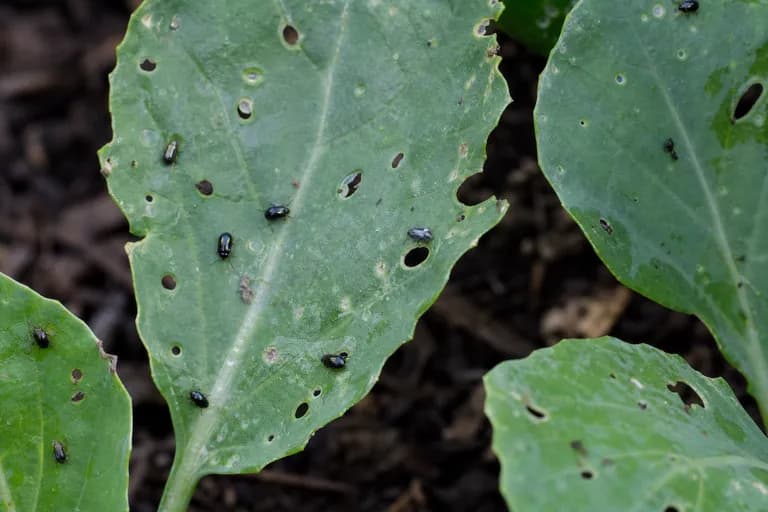
Pulgas de tierra (Altica spp.)
PlagaPequeños orificios redondos en las hojas con aspecto de perdigonada. Más dañinas para las plántulas jóvenes y las rosetas del primer año.
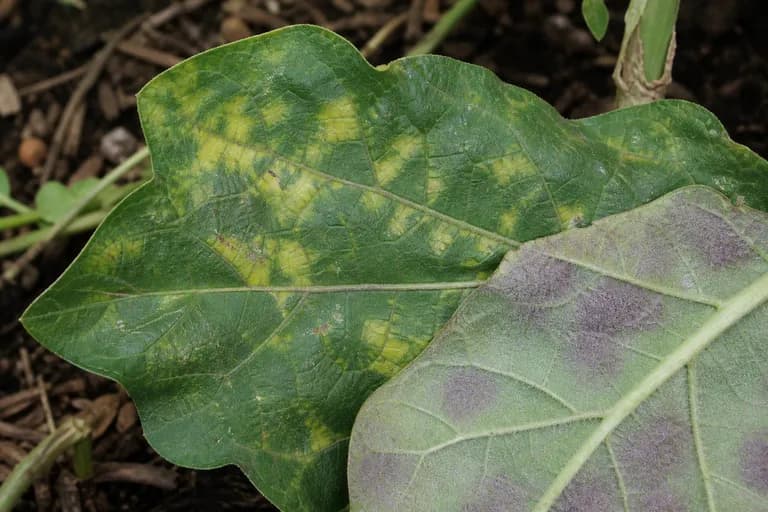
Mildiu velloso
EnfermedadManchas amarillas en el haz de las hojas con moho grisáceo en el envés. Puede provocar caída prematura de hojas en condiciones húmedas.
Solución de problemas comunes
El mayor reto con la prímula de tarde es controlar su prolífica autosiembra, que puede convertirla en una planta invasora en el jardín. Elimine las flores marchitas antes de que las semillas maduren si no desea que se extienda. El carácter bienal significa que las plantas mueren tras su segundo año, lo que puede dejar huecos si se ha impedido la autosiembra. Las flores solo se abren al atardecer y se marchitan hacia el mediodía, lo que decepciona a los jardineros que esperan una floración durante todo el día. Los tallos altos pueden inclinarse sin soporte.
Consejos de cultivo
- Plante en el suelo más pobre y bien drenado que tenga: los arriates fértiles producen follaje exuberante pero pocas flores, y la planta se extiende agresivamente en suelo bueno. El terreno arenoso, pedregoso o rocoso con poca materia orgánica es ideal y limita de forma natural una expansión demasiado vigorosa.
- El pleno sol con al menos 6-8 horas de luz solar directa diaria produce la floración más densa. Las plantas cultivadas en sombra parcial sobrevivirán, pero florecerán escasamente y tenderán a crecer de forma alargada y desgarbada.
- Riegue profundamente pero con poca frecuencia durante el período de establecimiento (las primeras 4-6 semanas tras la plantación) y luego deje de regar completamente en la mayoría de los climas. Las plantas establecidas son extremadamente tolerantes a la sequía y de hecho rinden peor con riego regular.
- Instale una barrera física de raíces, una tira de metal o plástico grueso enterrada al menos 20 cm de profundidad, alrededor del área de plantación si desea evitar que los rizomas colonicen los arriates adyacentes. Esta es la estrategia de contención más eficaz.
- Combine la prímula de tarde rosa con otras flores silvestres nativas resistentes a la sequía, como la manta del pobre (Gaillardia), la Susan de ojos negros (Rudbeckia) y la salvia azul (Salvia farinacea), para crear una plantación de estilo pradera de bajo mantenimiento que no requiere prácticamente ningún cuidado una vez establecida.
- Elimine regularmente las flores marchitas durante todo el período de floración cortando los tallos de flores gastados por la base: esto evita la autosiembra (que puede convertirse en un problema) y redirige la energía hacia la producción de más flores.
- En climas fríos (zonas USDA 5-6), elija un lugar de plantación con buen drenaje del aire y evite los bolsillos de heladas en zonas bajas. La pudrición de la corona durante los inviernos húmedos es una amenaza mayor que las bajas temperaturas: el drenaje eficaz es más importante que el mantillo invernal.
- Propague fácilmente dividiendo las matas de rizomas a comienzos de la primavera o en otoño. Excave una sección del tapete de raíces en expansión, córtelo en trozos con al menos un punto de crecimiento cada uno y replante de inmediato. Las divisiones se establecen rápidamente y a menudo florecen la misma temporada.
- Evite fertilizar con productos ricos en nitrógeno. Si el suelo es verdaderamente pobre y las plantas parecen raquíticas, una ligera aplicación de harina de huesos o roca fosfórica a comienzos de la primavera aporta fósforo para la floración sin favorecer un crecimiento vegetativo excesivo.
- Combine con bulbos de floración primaveral, como tulipanes de especie o jacintos de uva: el follaje emergente de la prímula de tarde cubrirá las hojas amarillentas de los bulbos a finales de la primavera, y la sucesión de floraciones proporciona color desde comienzos de la primavera hasta mediados del verano.
Cultiva tu mejor Prímula de Tarde Común — y todo lo que la rodea.
Empieza un plan gratis hoy. Diseña tus bancales, coloca tu Prímula de Tarde Común y deja que PlotMyGarden gestione el momento, el espaciado, las asociaciones y los recordatorios de la semilla a la cesta.
Elige tu Prímula de Tarde Común
Biennis
La especie bienal común con brillantes flores amarillas que se abren al anochecer, tallos altos de hasta metro y medio, y raíces, hojas y semillas comestibles.
Lamarckiana
Selección de flores más grandes con blooms de hasta diez centímetros de diámetro, más ornamental que la especie pura.
Un solo sobre de semillas de prímula de tarde rosa (aproximadamente 500-1000 semillas, con un coste de 3-5 €) puede establecer una colonia autosuficiente que se expande indefinidamente mediante rizomas y autosiembra, eliminando la necesidad de adquirir plantas de reposición año tras año. En comparación con la compra de vivaces cultivadas en vivero a 8-15 € la maceta, una plantación de 10 metros cuadrados establecida desde semilla ahorra entre 80 y 150 € en los dos primeros años. La extrema tolerancia a la sequía de la planta también reduce sustancialmente los costes de riego: las plantaciones establecidas en zonas USDA 7-10 no suelen necesitar riego suplementario, lo que supone un ahorro estimado de 30-60 € anuales en facturas de agua en comparación con cubiertas vegetales ornamentales tradicionales como el césped o las flores anuales.
Recetas rápidas
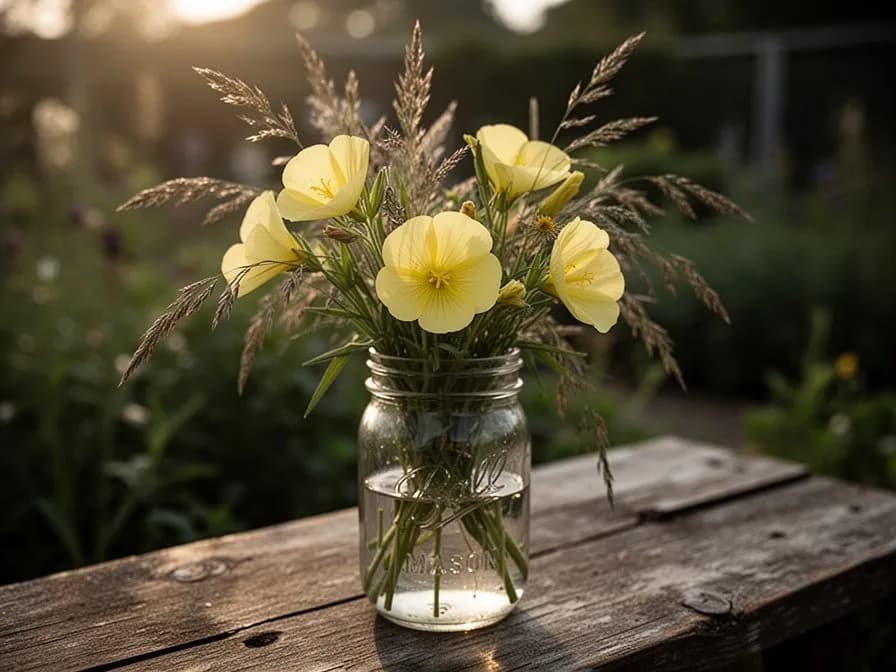
Ensalada de pétalos de prímula de tarde rosa
10 minUna delicada ensalada primaveral que muestra el sabor suave y ligeramente dulce de los pétalos frescos de prímula de tarde rosa. Las pálidas flores rosas añaden un bello contraste visual sobre lechugas mezcladas y se aliñan con una sencilla vinagreta de limón que complementa su sabor sutil sin enmascararlo.
7 ingredientesMiel infusionada con flores de Oenothera
15 min + 2 semanas de infusiónUna miel infusionada fragante que captura la delicada esencia floral de los pétalos de prímula de tarde rosa. Las flores frescas se disponen en capas sobre miel cruda y se dejan macerar durante dos semanas, produciendo un dulcificante sutilmente perfumado ideal para rociar sobre yogur, disolver en té o glasear frutas de hueso asadas.
4 ingredientesTisana de raíz y hoja de prímula de tarde
20 minUna suave tisana elaborada con raíces y hojas jóvenes secas de prímula de tarde rosa, siguiendo preparaciones tradicionales de la herboristería popular. La raíz aporta un sabor terroso suave mientras las hojas añaden una calidad ligeramente mucilaginosa y calmante. Se disfruta mejor caliente como bebida vespertina relajante.
6 ingredientesUsos culinarios
Todas las partes de la prímula de tarde son comestibles. Las raíces del primer año pueden hervirse o asarse como una chirivía, con un sabor suave y ligeramente picante. Las hojas jóvenes y los brotes se consumen como ensalada o se cocinan como las espinacas. Las flores son una adición colorida y dulce a ensaladas y postres. Las semillas son la fuente del aceite de prímula de tarde, apreciado por su alto contenido en ácido gamma-linolénico. La planta tiene una larga historia de uso como alimento y medicina entre los pueblos indígenas.
Qué contiene
Beneficios para la salud
- Las flores y hojas contienen quercetina y kaempferol, dos antioxidantes flavonoides con documentadas propiedades antiinflamatorias que pueden ayudar a reducir el estrés oxidativo y apoyar la salud cardiovascular cuando se consumen como parte de una dieta variada.
- Los compuestos mucilaginosos presentes en las hojas y raíces tienen un efecto calmante y emoliente sobre las mucosas irritadas, lo que convierte las infusiones de hojas en un remedio tradicional para el dolor de garganta leve y las molestias digestivas.
- Las especies de Oenothera contienen ácido gamma-linolénico (AGL) en su aceite de semilla, un ácido graso omega-6 que el organismo convierte en prostaglandinas antiinflamatorias: la suplementación con AGL ha sido estudiada por su potencial para favorecer la salud cutánea y el equilibrio hormonal.
- Las cataplasmas tradicionales elaboradas con hojas machacadas se aplicaban sobre contusiones leves, picaduras de insectos e irritaciones cutáneas por parte de los pueblos indígenas, aprovechando las suaves propiedades astringentes y antiinflamatorias de la planta.
- La delicada fragancia calmante de las flores que se abren al anochecer se ha asociado con la reducción del estrés en prácticas de aromaterapia, y los paseos nocturnos por el jardín entre prímulas de tarde en flor se recomiendan a veces para favorecer la relajación antes de dormir.
- Las jóvenes hojas comestibles aportan modestas cantidades de fibra dietética, vitamina C y potasio, contribuyendo a la regularidad digestiva, el apoyo inmunitario y el equilibrio electrolítico cuando se recolectan como parte de una dieta silvestre diversa.
De dónde viene Prímula de Tarde Común
Oenothera speciosa, conocida comúnmente como prímula de tarde rosa, prímula de tarde vistosa o 'pink ladies', es una planta herbácea vivaz nativa de las praderas, llanuras y bosques abiertos del centro-sur de los Estados Unidos y el norte de México. Su área de distribución natural se extiende desde Kansas y Misuri hacia el sur a través de Oklahoma, Texas y hacia los estados mexicanos de Coahuila y Nuevo León, donde prospera en los suelos alcalinos y bien drenados de los claros de piedra caliza y los bordes de carretera removidos. La especie fue descrita formalmente por primera vez por el botánico inglés Thomas Nuttall en 1821, a partir de especímenes recogidos durante sus extensas exploraciones botánicas de la frontera americana. Nuttall eligió el epíteto específico 'speciosa', que significa vistosa o hermosa, para distinguir esta especie particularmente ornamental de sus parientes de flores amarillas. A lo largo del siglo XIX, la prímula de tarde rosa fue ampliamente recolectada por los colonos que avanzaban hacia el oeste, quienes admiraban sus profusas flores rosas y la trasplantaban a los jardines de campo de la nación en expansión. A comienzos del siglo XX ya había escapado del cultivo y se había naturalizado mucho más allá de su área original, estableciendo poblaciones asilvestradas en todo el sureste de los Estados Unidos y alcanzando eventualmente América del Sur, el sur de Europa y partes del este de Asia. En su hábitat nativo, la planta desempeña un importante papel ecológico como especie pionera que coloniza rápidamente los terrenos alterados tras incendios, sobrepastoreo o construcción, estabilizando el suelo suelto con su red de rizomas en expansión. Sirve como fuente de néctar para una diversa comunidad de polinizadores, incluidas varias especies de polillas especializadas que dependen de las flores de la prímula de tarde para alimentarse. Hoy en día, la prímula de tarde rosa es valorada en jardines xerófitos y de plantas nativas por su excepcional tolerancia a la sequía, sus bajos requerimientos de mantenimiento y su capacidad para crear amplias derivas de color en taludes secos y praderas donde pocas plantas ornamentales prosperarían.
Prímula de Tarde Común: ¿sabías que?
Datos fascinantes sobre Prímula de Tarde Común
A pesar del nombre 'prímula de tarde', Oenothera speciosa a menudo abre sus flores durante el día en climas más frescos, lo que le ha valido los nombres comunes adicionales de 'pink ladies' y 'showy evening primrose': el hábito de apertura vespertina es más pronunciado en las regiones sureñas más cálidas, donde el calor diurno marchitaría los delicados pétalos.
Prímula de Tarde Común: preguntas frecuentes
¿Cuándo debo plantar Prímula de Tarde Común?
¿Cuáles son buenas plantas acompañantes para Prímula de Tarde Común?
¿En qué zonas de rusticidad puede crecer Prímula de Tarde Común?
¿Cuánto sol necesita Prímula de Tarde Común?
¿A qué distancia debo espaciar Prímula de Tarde Común?
¿Qué plagas y enfermedades afectan a Prímula de Tarde Común?
¿Cómo almaceno Prímula de Tarde Común después de la cosecha?
¿Cuáles son las mejores variedades de Prímula de Tarde Común para cultivar?
¿Qué suelo necesita Prímula de Tarde Común?
¿Es invasora la prímula de tarde rosa y cómo evito que se apodere de mi jardín?
¿Puedo cultivar la prímula de tarde rosa en macetas o contenedores?
¿Por qué mis plantas de prímula de tarde rosa producen muchas hojas pero muy pocas flores?
¿Es la prímula de tarde rosa la misma planta usada para fabricar los suplementos de aceite de prímula de tarde?
¿Cuál es el mejor momento para plantar o trasplantar la prímula de tarde rosa?
¿Son seguros para comer las flores y hojas de la prímula de tarde rosa?
Acabas de leer la teoría. Ahora cultívala en piloto automático.
Todo lo que hace que Prímula de Tarde Común sea delicado — el momento, el espaciado, las asociaciones, la ventana de cosecha — es justo lo que PlotMyGarden resuelve por ti, para cada planta de tu huerto.
Un plan que conoce tu clima
Indica tu ubicación una vez. Recibe fechas de siembra, abonado y cosecha basadas en tu última helada real y el pronóstico en vivo — sin adivinar con un sobre genérico.
De la sección “Cuándo plantar”Planificador de bancales de arrastrar y soltar
Diseña bancales sobre una cuadrícula. Cada planta encaja con su espaciado correcto y ves toda la temporada antes de gastar un céntimo en semillas.
De la sección “Cultivo”Conflictos de asociación, detectados a tiempo
Más de 200 buenas y malas combinaciones comprobadas en vivo mientras plantas — para que un error que arruine la temporada nunca llegue a la tierra.
De la sección “Asociaciones”Recordatorios que sí vas a seguir
“Riega las judías.” “Recoge hoy antes de que se pase.” Oportunos, concretos y ligados a las plantas que de verdad cultivas.
De la sección “Cosecha”Escalonado, programado
¿Quieres cosechar seis semanas en vez de seis días? Reparte tus siembras automáticamente y te avisa cuando toca el siguiente lote.
De la sección “Cuándo plantar”Un registro que se vuelve más listo
Cada cosecha que registras le enseña tu huerto. El plan del año que viene parte de lo que de verdad funcionó en tu suelo, no en un manual.
De la sección “Resumen”Planta estos junto a Prímula de Tarde Común
Más Flores silvestres
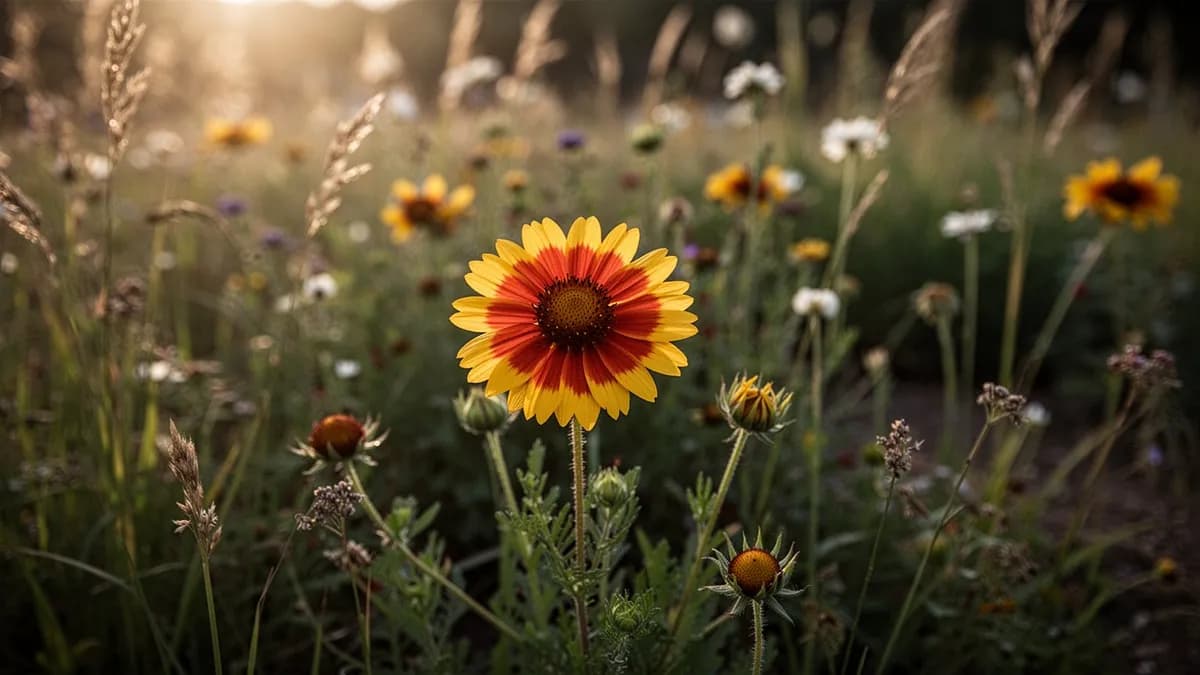
Diseños de jardín con Prímula de Tarde Común
Cultiva tu mejor Prímula de Tarde Común — y todo lo que la rodea.
Empieza un plan gratis hoy. Diseña tus bancales, coloca tu Prímula de Tarde Común y deja que PlotMyGarden gestione el momento, el espaciado, las asociaciones y los recordatorios de la semilla a la cesta.