Indian Blanket
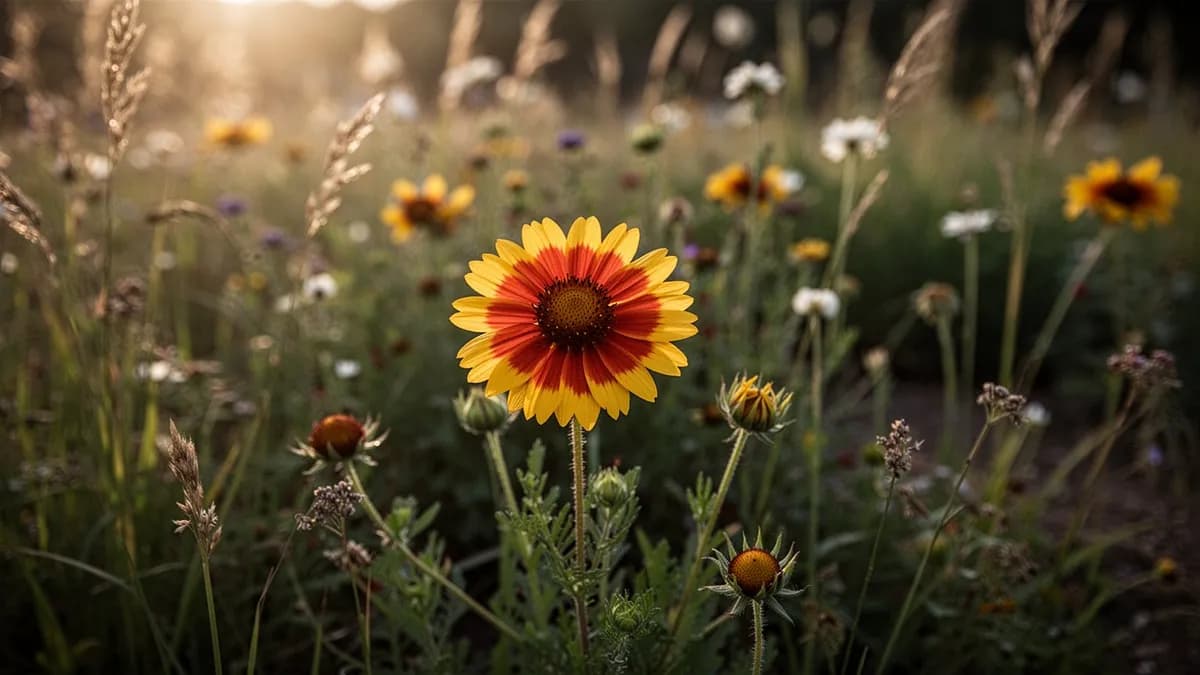
A hardy perennial wildflower with large, daisy-like flowers in warm tones of red, orange, and yellow that thrive in prairies and dry meadows.





On this pageOverview
Meet Indian Blanket
A hardy perennial wildflower with large, daisy-like flowers in warm tones of red, orange, and yellow that thrive in prairies and dry meadows. Indian blanket tolerates poor soil, drought, and heat, making it a cornerstone of low-water native plantings. It blooms the first year from seed and self-sows to maintain its presence.
When to plant Indian Blanket
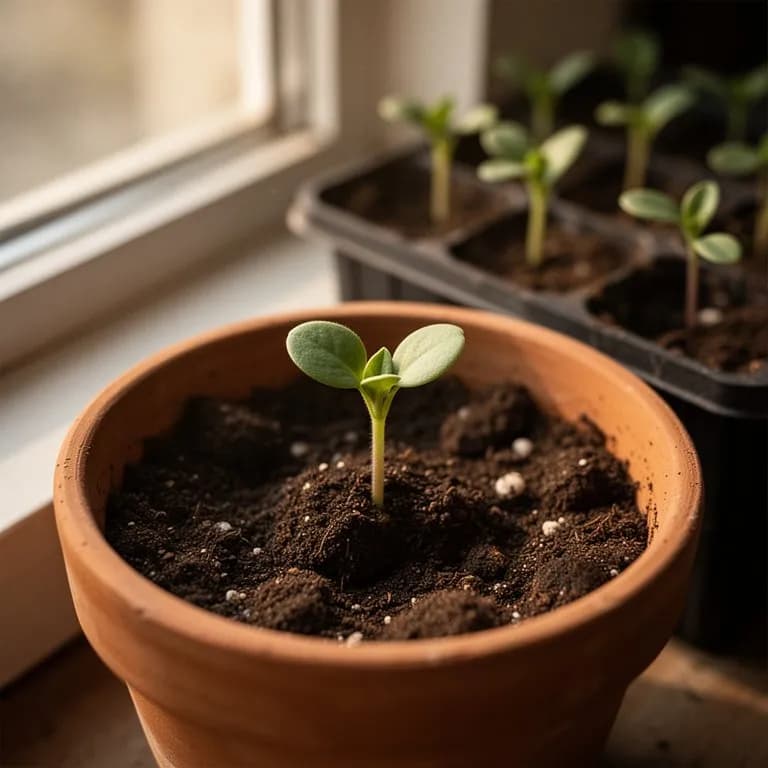
Indian blanket germinates readily from seed sown directly outdoors in spring or early autumn. Scatter seeds on prepared soil and press in lightly without covering, as light aids germination. Seeds sprout in seven to fourteen days at 70 degrees Fahrenheit. For earlier bloom, start seeds indoors six weeks before the last frost. Do not cover seeds. Transplant seedlings carefully, disturbing the taproot as little as possible. Plants from spring sowing often flower the same year.
Your Indian Blanket Year
Composed for Zone 7 · typical seasons · frost passes Apr 2, returns Nov 1
Plant Indian Blanket Mar – May, pick Jun – Sep. Check the planting methods below and set your climate to personalize these windows.
How to grow Indian Blanket
Plant Indian blanket in spring from seed or transplants in full sun with lean, well-drained soil. This hardy perennial wildflower is extremely drought tolerant and performs best in poor, sandy, or gravelly soils where many garden plants would struggle. Avoid rich, amended soil which causes the plants to become floppy and short-lived.
Water sparingly during establishment, then rely on natural rainfall. Indian blanket is native to dry prairies and grasslands and genuinely thrives on neglect. Excess moisture and fertility are its greatest enemies. Do not fertilize, and avoid mulching directly around the crown where moisture retention can cause rot.
Indian blanket blooms the first year from seed and continues for three to five years before individual plants decline. However, it self-sows freely and maintains its presence in the garden indefinitely through natural reseeding. Deadhead to extend the bloom season or allow some seed heads to develop for natural regeneration. In meadow settings, mow or cut back in late winter before new spring growth begins.
18 plants fit a 4 × 8 ft bed
Each Indian Blanket wants 35 cm of elbow room. The planner keeps that spacing for you — every plant, every bed.
Indian Blanket's best neighbours
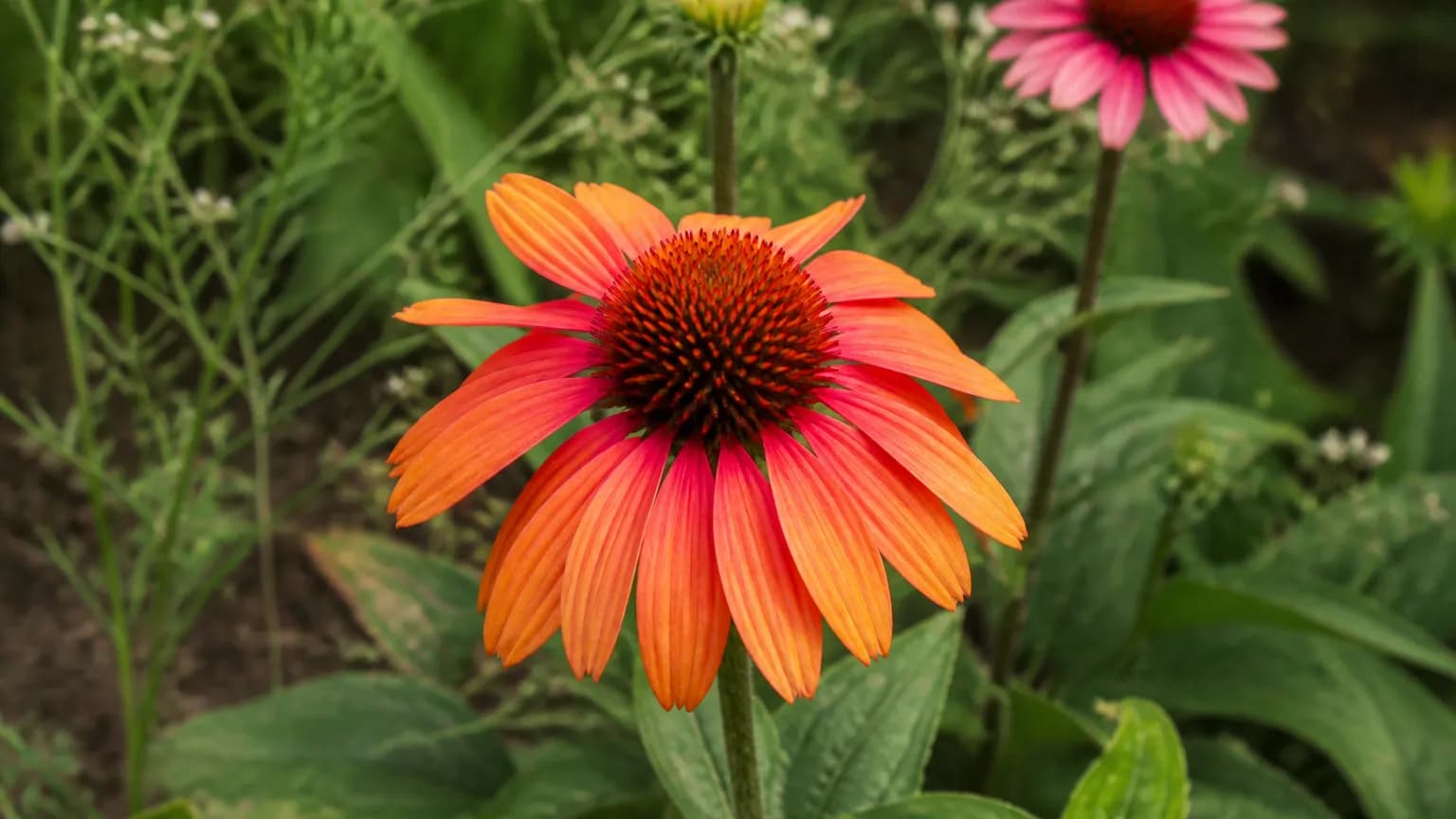
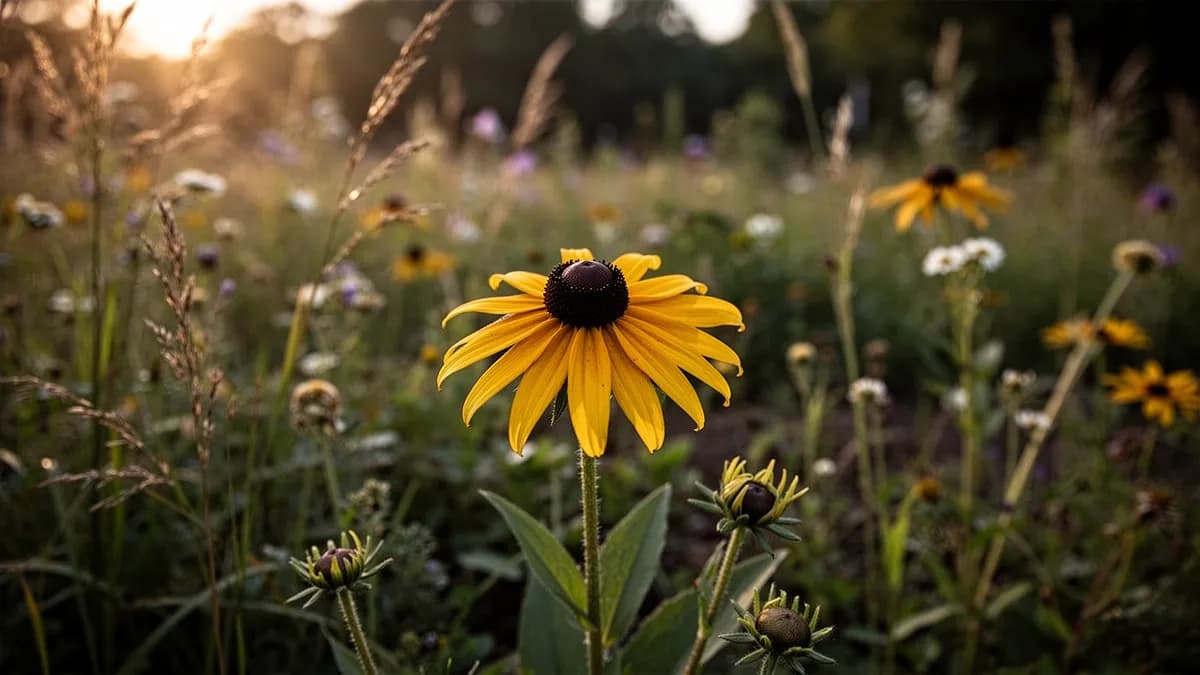
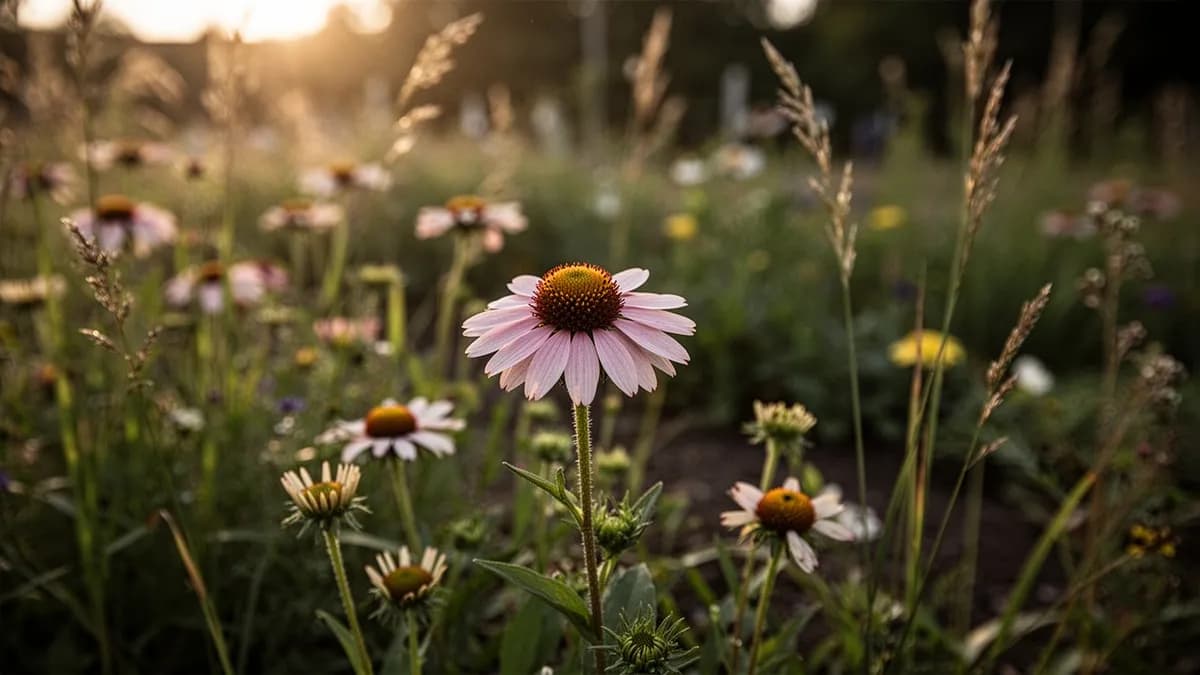
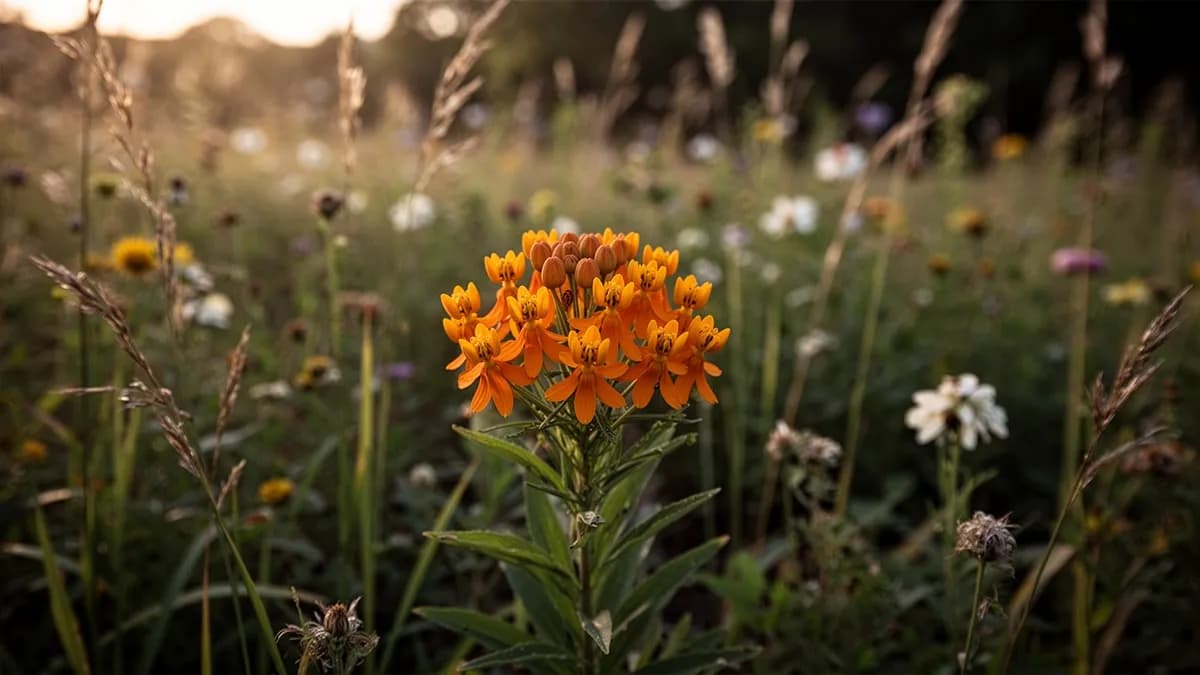
Indian blanket is a cornerstone of prairie-style plantings alongside coneflowers, black-eyed susans, butterfly weed, and native grasses like little bluestem and prairie dropseed. The warm flower colors pair beautifully with blue and purple companions such as wild bergamot and prairie sage. Use in low-water xeric gardens with other drought-tolerant wildflowers. The flowers attract a wide range of butterflies and native bees.
Coneflower belongs beside it.
Old growers' knowledge, checked against Indian Blanket's real companion table below — test any plant you're growing.
Try Indian Blanket in a bed — right here
A real planner bed with Indian Blanket already in it. Tap a companion to place it and watch the pairing checks answer — green for good neighbours, red for a clash.


Related growing guides
Feed it well
Indian blanket demands lean, well-drained soil with a pH of 6.0 to 8.0. Sandy, gravelly, or rocky soil is ideal. Never amend with compost or manure, and never fertilize. Rich soil causes rank, floppy growth, increased disease susceptibility, and shortened plant life. The species evolved in nutrient-poor prairie soils and performs best under similarly austere conditions. Excellent drainage is more important than any other soil factor.
Ideal Temperature
Hardiness Zone Compatibility
From seed to harvest, stage by stage
Seed Germination
Seeds require light for germination and should be surface-sown or barely covered with fine soil. Germination occurs in 14 to 20 days at soil temperatures between 18 and 24 degrees Celsius. Seeds benefit from a brief cold stratification period of one to two weeks to improve germination rates.
Rosette Formation
Seedlings develop a low-growing basal rosette of hairy, lance-shaped to spatulate leaves. The taproot begins establishing during this phase, which is critical for the plant's future drought tolerance. Leaves are gray-green with soft pubescence on both surfaces.
Stem Elongation
Upright flower stems emerge from the basal rosette, growing 30 to 75 centimeters tall. Stems are wiry, branching, and covered with short hairs. Cauline leaves become smaller and narrower as they ascend the stem. First-year plants from seed may produce fewer stems than established plants.
Flowering
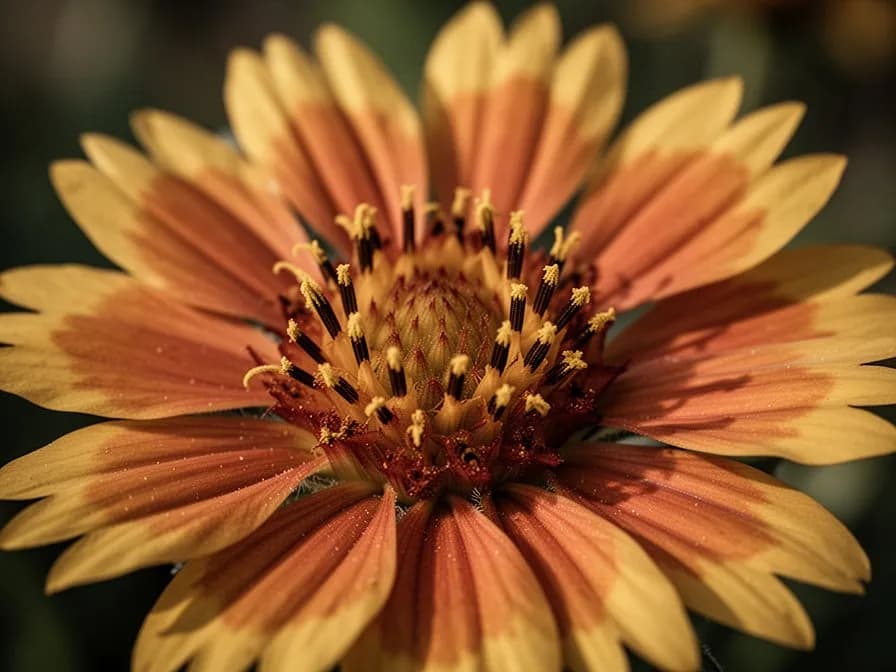
Solitary flower heads measuring 5 to 8 centimeters across appear at stem tips. Ray florets are typically red to reddish-purple at the base with yellow tips, surrounding a domed central disc of tubular florets. Blooming is continuous from early summer through early autumn when spent flowers are regularly removed.
Seed Set and Dispersal
Unfertilized flower heads develop into spherical seed heads containing numerous achenes, each topped with papery awns that form a pappus for wind dispersal. Seeds mature approximately four to six weeks after pollination. The seed heads transition from green to brown as they ripen.
Autumn Senescence
Foliage gradually yellows and dies back after the first hard frosts. The basal rosette may persist as a semi-evergreen clump in milder climates (USDA zones 7 and above). The deep taproot remains viable through winter, storing energy for vigorous spring regrowth.
Keep the seed bed consistently moist but not waterlogged during germination. Misting is preferable to heavy watering to avoid displacing the tiny seeds from the soil surface.
Caring for Indian Blanket month by month
What to do each month for your Indian Blanket
October
You are hereLeave spent stems and seed heads standing for winter interest and beneficial insect habitat. Apply a light mulch of gravel or pine needles around crowns in zones 3 to 5 once the ground begins to freeze. Avoid heavy organic mulch directly on the crown.
Know exactly what to do in your garden — every month
One email at the start of each month: what to sow, plant, and tackle right now — for your Indian Blanket and everything growing around it. Plus a short starter course that helps you dodge the classic mistakes.
- What to do, right now
- Matched to your season
- Starter course included
Harvesting Indian Blanket
Cut Indian blanket stems for colorful wildflower bouquets when the daisy flowers are fully open. The warm-toned blooms in red, orange, and yellow last about a week in a vase. Cut in the early morning and place in cool water. Collect mature seed heads when dry for seed saving or leave them for goldfinches which relish the seeds. The spiky seed heads are attractive in dried flower arrangements.
assuming you plant when the window opens — set your real date
Pick Indian Blanket promptly and the plant keeps producing.
Storage & Preservation
Indian blanket seed heads can be collected when fully dry and brown on the plant. Rub the heads between your hands to separate the seeds, which can be stored in paper envelopes in a cool, dry location for two to three years. For dried arrangements, cut stems with mature seed heads and hang upside down in a dark, ventilated space. The flowers lose much of their color when dried but the seed head forms remain attractive.
What goes wrong — and the fix
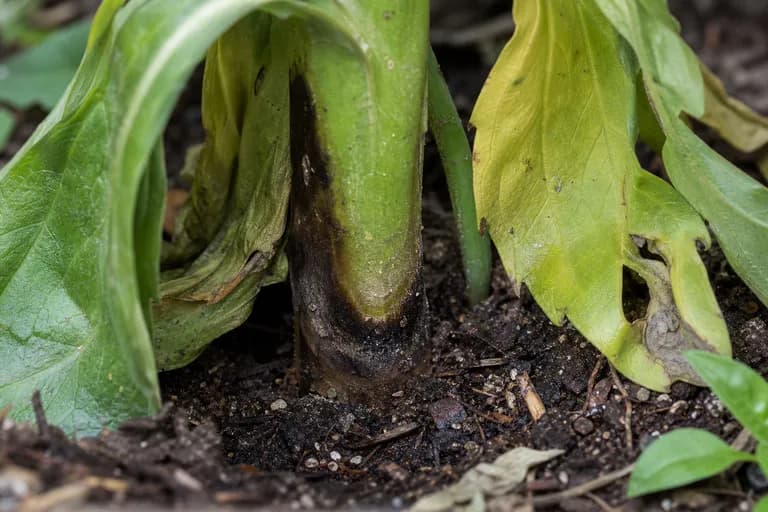
Crown Rot
DiseasePlants wilt and collapse despite adequate sunlight. Crown area becomes mushy and dark. Most common in wet, heavy soils.
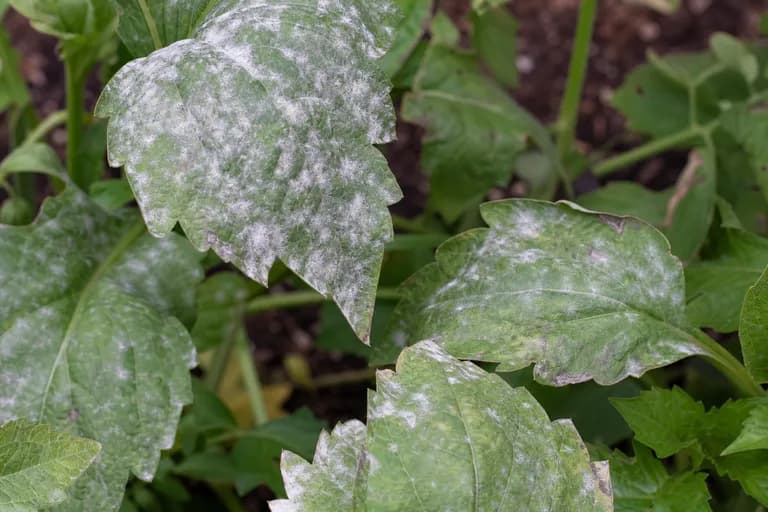
Powdery Mildew
DiseaseWhite, powdery patches on leaves and stems during humid weather. Affected foliage may curl and brown at the edges.
Troubleshooting Common Problems
The most common mistake is planting in rich, moist garden soil where Indian blanket quickly succumbs to crown rot or becomes too leggy to support itself. Poor drainage in winter is the leading cause of death. Individual plants are relatively short-lived perennials lasting three to five years, but self-seeding maintains the colony. Heavy clay soils must be significantly amended with grit, or alternatively, grow in raised beds with sandy mix.
Growing Tips
- Plant Gaillardia aristata in the poorest, driest, most well-drained soil available. Rich, amended garden soil causes floppy, weak growth and shortened plant lifespan.
- Full sun with a minimum of six hours of direct sunlight per day is essential for compact growth and maximum flower production. Shade causes leggy stems and sparse blooming.
- Never allow water to pool around the crown of the plant, especially in winter. Wet crowns are the primary cause of gaillardia death in home gardens. Raised beds or sloped planting sites help ensure drainage.
- Skip the fertilizer entirely. Gaillardia aristata evolved on nutrient-poor prairie soils and actually performs worse when given supplemental feeding, producing excessive foliage at the expense of flowers.
- Divide established clumps every two to three years in early spring to rejuvenate plants and maintain vigor. Discard the woody center of the clump and replant the outer sections.
- When starting seeds indoors, do not cover them with soil. Gaillardia seeds require light exposure to trigger germination. Simply press seeds gently onto the surface of moist seed-starting mix.
- Cold stratify seeds for 10 to 14 days in a refrigerator before sowing to significantly improve germination rates, especially with home-collected seed that has not experienced a natural winter.
- Deadhead flowers by cutting the stem back to a side branch or leaf node rather than just snipping off the spent flower head. This encourages branching and more prolific reblooming.
- Allow some plants in the planting to complete their seed cycle each year. Gaillardia aristata is naturally short-lived and relies on self-sowing to maintain a persistent population in the garden.
- Pair wild blanket flowers with other drought-tolerant native perennials such as Echinacea, Rudbeckia, Penstemon, and native grasses for a low-maintenance prairie-style planting that supports diverse pollinator communities.
Grow your best Indian Blanket yet — and everything around it.
Start a free plan today. Lay out your beds, drop in your Indian Blanket, and let PlotMyGarden handle the timing, spacing, companions and reminders from seed to harvest basket.
Pick your Indian Blanket
Aristata
The straight perennial species with large red and yellow daisy flowers, extremely hardy and long-blooming from early summer through fall.
Goblin
A compact selection reaching twelve inches, ideal for the front of borders and rock gardens. Dense red flowers with yellow tips.
Burgundy
A selection with solid deep wine-red flowers lacking the typical yellow tips, a more sophisticated color for garden use.
Arizona Sun
A compact dwarf form with large, vivid red and yellow flowers, well-suited to containers and small gardens.
Gaillardia aristata is one of the most cost-effective perennials for home gardeners. A single packet of seeds costing two to four dollars can produce 50 or more plants, each of which will bloom in its first or second year and self-sow freely thereafter. Once established, wild blanket flowers require virtually no supplemental watering, fertilizer, or pest control, saving significantly on garden inputs compared to traditional annuals or high-maintenance perennials. Plants that are allowed to self-sow will steadily expand the planting at zero additional cost, potentially covering large areas over several seasons.
Quick recipes
Blanket Flower Dried Arrangement
20 minutes plus drying timeHarvest and dry Gaillardia aristata seed heads and late-season blooms to create a long-lasting dried flower arrangement that preserves the beauty of the prairie garden through winter. The spherical seed heads and papery bracts retain their form beautifully when dried.
5 ingredientsWildflower Seed Bomb Mix
30 minutesCombine collected Gaillardia aristata seeds with clay, compost, and complementary native wildflower seeds to create seed bombs for guerrilla gardening, prairie restoration, or sharing with friends. The blanket flower seeds germinate readily and establish in challenging sites.
5 ingredients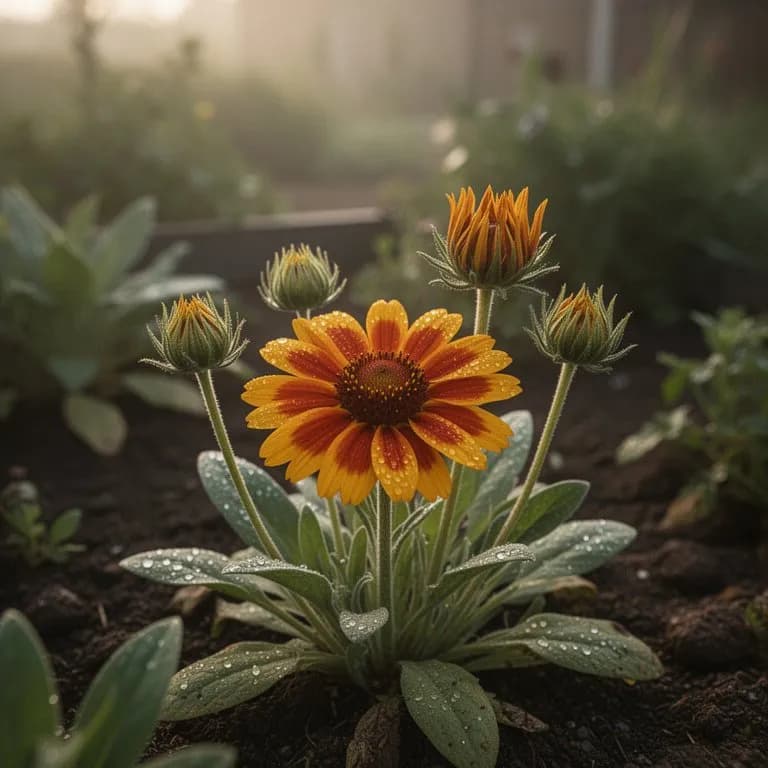
Pressed Blanket Flower Botanical Art
15 minutes plus 2 to 3 weeks pressing timePress fresh Gaillardia aristata blooms at various stages to create botanical art pieces or nature journal illustrations. The bicolor ray florets retain much of their red and yellow coloring when properly pressed and can be framed or used in handmade cards.
5 ingredientsWhat's inside
Health Benefits
- Gaillardia aristata flowers attract a wide diversity of native pollinators including bees, butterflies, and hoverflies, directly supporting local ecosystem health and biodiversity in the garden.
- Growing native wildflowers like blanket flower has been shown in horticultural therapy research to reduce stress and improve mental well-being, providing calming visual interest with minimal maintenance demands.
- The plant's drought tolerance and low water requirements contribute to water conservation in home landscapes, reducing the environmental and financial costs associated with irrigation-dependent gardens.
- Dense plantings of Gaillardia aristata help stabilize loose or sandy soils with their deep taproots, reducing erosion on slopes and in disturbed areas where soil loss is a concern.
- As a low-maintenance perennial requiring no pesticides or fertilizers, blanket flower reduces gardener exposure to synthetic chemicals and supports organic gardening practices.
- Naturalized blanket flower plantings replace resource-intensive lawn areas, reducing noise pollution and air pollution associated with frequent mowing and lawn equipment use.
Where Indian Blanket comes from
Gaillardia aristata is a herbaceous perennial wildflower native to western and central North America, ranging from British Columbia and Saskatchewan southward through the Great Plains to Arizona and New Mexico. It thrives naturally in open prairies, dry meadows, roadsides, and grasslands at elevations from sea level to approximately 2700 meters. The species was first formally described by Frederick Pursh in 1813 from specimens collected during early botanical explorations of the American West. The genus name honors Maissiat de Gaillard de Charentonneau, an 18th-century French patron of botanical science. The species epithet aristata refers to the bristle-tipped pappus scales on the seeds. Indigenous peoples of the Great Plains had long-standing relationships with this plant. The Blackfoot Nation used root preparations for medicinal purposes, while other tribes recognized its value as an indicator of healthy prairie ecosystems. European settlers quickly adopted the blanket flower as an ornamental, and by the mid-1800s it was being cultivated in European gardens. Gaillardia aristata became one of the parent species of the widely planted hybrid Gaillardia x grandiflora, which was developed by crossing it with the annual Gaillardia pulchella. This hybridization produced many of the popular garden cultivars available today. Throughout the 20th century, the wild species gained importance in ecological restoration and native plant landscaping movements. Its drought tolerance, adaptability to poor soils, and value to pollinators made it a staple of prairie restoration seed mixes across North America. Today it remains a cornerstone species in wildflower meadow designs and sustainable landscaping projects.
Indian Blanket: did you know?
Fascinating facts about Indian Blanket
Gaillardia aristata is the state wildflower of South Dakota, where it blankets prairies and roadsides with color from June through September.
Indian Blanket questions, answered
When should I plant Indian Blanket?
What are good companion plants for Indian Blanket?
What hardiness zones can Indian Blanket grow in?
How much sun does Indian Blanket need?
How far apart should I space Indian Blanket?
What pests and diseases affect Indian Blanket?
How do I store Indian Blanket after harvest?
What are the best Indian Blanket varieties to grow?
What soil does Indian Blanket need?
How long do Gaillardia aristata plants typically live?
Why did my Gaillardia aristata die over winter even though it is rated as cold-hardy?
Can I grow Gaillardia aristata in clay soil?
Is Gaillardia aristata deer resistant?
What is the difference between Gaillardia aristata and Gaillardia x grandiflora?
Do I need to deadhead Gaillardia aristata for it to keep blooming?
You just read the theory. Now grow it on autopilot.
Everything that makes Indian Blanket fiddly — the timing, the spacing, the companions, the harvest window — is exactly what PlotMyGarden handles for you, for every plant in your garden.
A plan that knows your weather
Set your location once. Get sow, feed and harvest dates built around your real last-frost date and live forecast — no more guessing from a generic seed packet.
From the “When to plant” sectionDrag-and-drop bed planner
Design beds on a grid. Every plant snaps to its proper spacing, and you can see your whole season laid out before you spend a cent on seed.
From the “Growing guide” sectionCompanion conflicts, caught early
200+ good-and-bad pairings checked live as you plant — so a season-wrecking mistake never makes it into the ground.
From the “Companions” sectionReminders you'll actually act on
“Water the beans.” “Pick today before it turns.” Timely, specific, and tied to the plants you're really growing.
From the “Harvest” sectionSuccession, scheduled
Want a harvest for six weeks, not six days? It spaces your sowings automatically and reminds you when each new block is due.
From the “When to plant” sectionA record that gets smarter
Every harvest you log teaches it your garden. Next year's plan starts from what actually worked in your soil, not a textbook's.
From the “Overview” sectionPlant these alongside Indian Blanket
More Wildflowers
Garden plans featuring Indian Blanket
Grow your best Indian Blanket yet — and everything around it.
Start a free plan today. Lay out your beds, drop in your Indian Blanket, and let PlotMyGarden handle the timing, spacing, companions and reminders from seed to harvest basket.