Meadow Sage
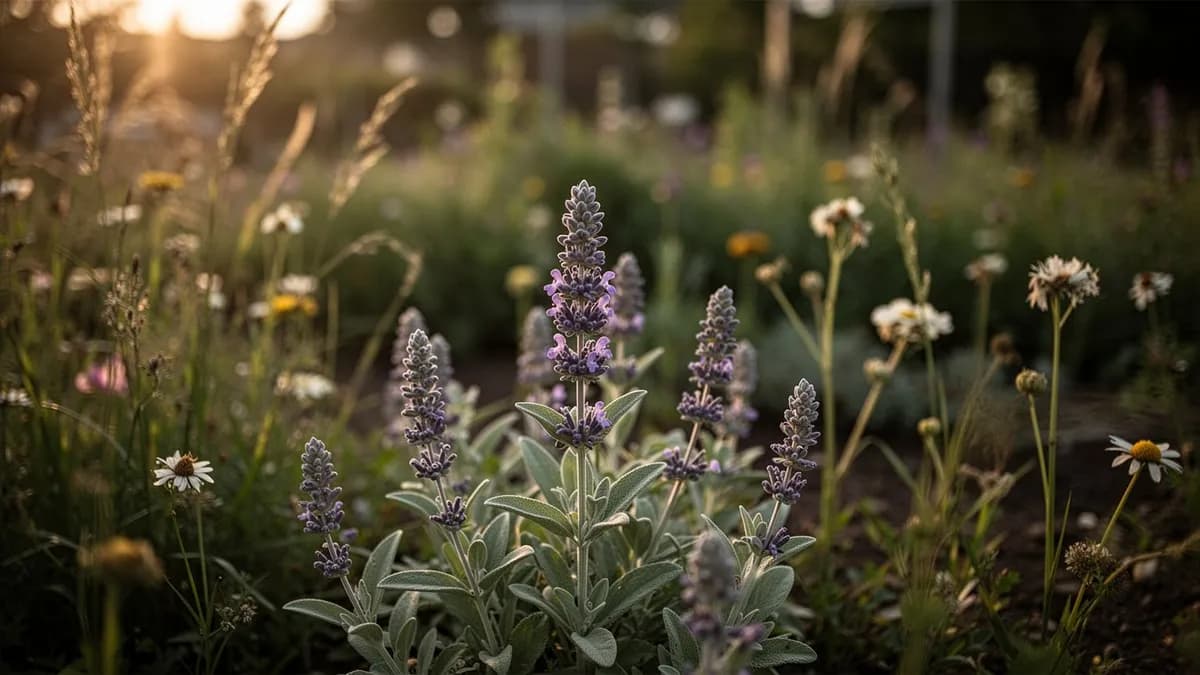
A European wildflower with tall spikes of violet-blue hooded flowers that bloom in early summer meadows and attract bumblebees.





On this pageOverview
Meet Meadow Sage
A European wildflower with tall spikes of violet-blue hooded flowers that bloom in early summer meadows and attract bumblebees. Meadow sage is drought tolerant and thrives in lean, well-drained grassland soils where it can naturalize beautifully. Cut back after flowering to encourage a second flush of blooms in early autumn.
When to plant Meadow Sage
Meadow sage germinates readily from seed sown in spring or autumn. Surface sow on well-drained soil or compost, pressing seeds in without covering. Seeds need light for germination and sprout in fourteen to twenty-one days at 65 to 70 degrees Fahrenheit. For autumn sowing, scatter on prepared ground and allow winter cold to naturally stratify the seeds. Plants typically flower in their first year from spring-sown seed if started early enough.
Your Meadow Sage Year
Composed for Zone 7 · typical seasons · frost passes Apr 2, returns Nov 1
Plant Meadow Sage Mar – May, pick May – Jul. Check the planting methods below and set your climate to personalize these windows.
How to grow Meadow Sage
Plant meadow sage in spring or autumn in full sun with lean, well-drained soil. This European wildflower produces tall spikes of violet-blue hooded flowers that are magnets for bumblebees and other pollinators. It thrives in the same dry, nutrient-poor grassland conditions as its native meadow habitat and dislikes rich, heavily amended garden soil.
Water sparingly once established, as meadow sage is very drought tolerant with deep, searching roots. Avoid overwatering and heavy mulching which can lead to crown rot. Feed only if the soil is exceptionally poor, using a light application of balanced granular fertilizer in early spring. In most gardens, no fertilization is needed or desirable.
Cut back flower stems after the first flush of bloom in early summer to encourage a second, smaller flowering in late summer or early autumn. This also prevents the plant from self-seeding too aggressively, which it tends to do in favorable conditions. Meadow sage is generally short-lived as an individual plant, lasting three to five years, but reliably reseeds to maintain its presence in the garden.
18 plants fit a 4 × 8 ft bed
Each Meadow Sage wants 35 cm of elbow room. The planner keeps that spacing for you — every plant, every bed.
Meadow Sage's best neighbours
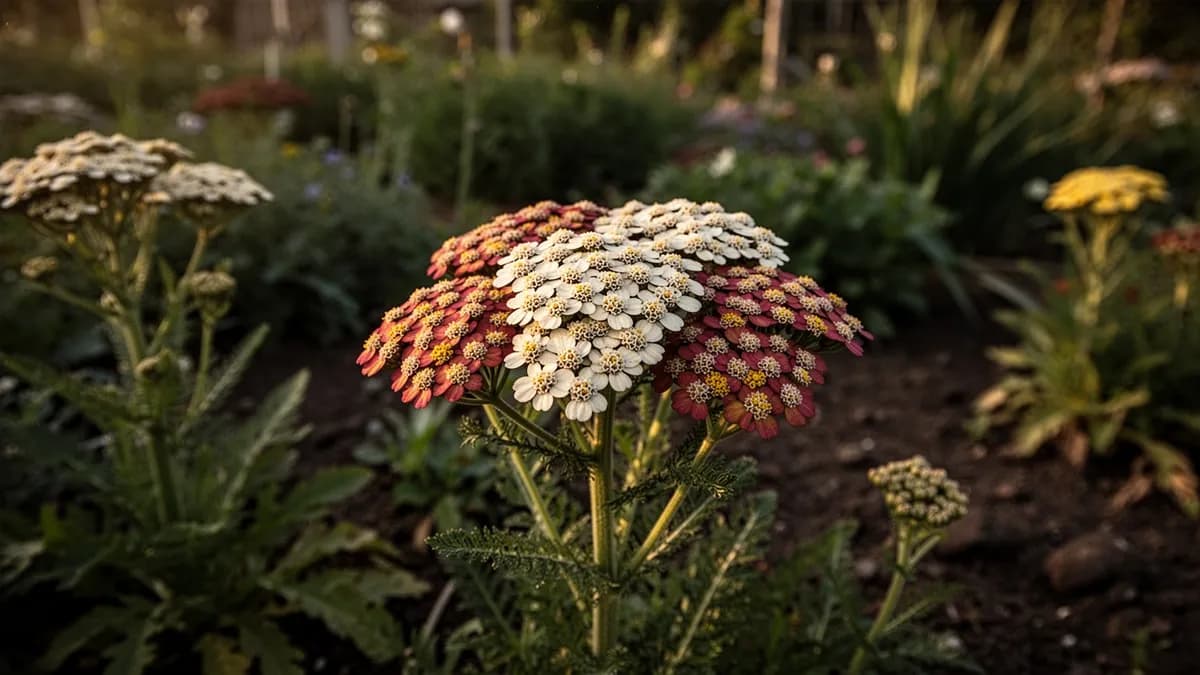
Meadow sage is a natural companion for other dry-meadow wildflowers including field scabious, ox-eye daisy, and native grasses. The violet-blue spikes create beautiful contrast with yellow wildflowers like hawkweed and birdsfoot trefoil. In garden settings, pair with ornamental alliums, achillea, and catmint for a drought-tolerant, pollinator-friendly planting. The flowers are extremely attractive to bumblebees.
Yarrow belongs beside it.
Old growers' knowledge, checked against Meadow Sage's real companion table below — test any plant you're growing.
Try Meadow Sage in a bed — right here
A real planner bed with Meadow Sage already in it. Tap a companion to place it and watch the pairing checks answer — green for good neighbours, red for a clash.


Related growing guides
Feed it well
Meadow sage demands lean, well-drained soil with a pH of 6.5 to 8.0, reflecting its native limestone grassland habitat. It actually performs best in nutrient-poor conditions where it stays compact and long-lived. Rich, fertile soil causes rank growth and early decline. Sandy or gravelly soils are ideal. Do not amend with compost or manure. In heavy clay, incorporate generous grit and plant on a slight mound to improve drainage around the crown.
Ideal Temperature
Hardiness Zone Compatibility
From seed to harvest, stage by stage
Seed Germination
Meadow sage seeds require light for germination and should be surface-sown or barely covered with a fine layer of vermiculite. Sow at 18-22°C in a moist seed-starting mix. Germination typically takes 14-21 days and can be erratic, so patience is important. A period of cold stratification (4°C for 4-6 weeks) before sowing can significantly improve germination rates.
Rosette Formation
Seedlings develop into a low basal rosette of large, wrinkled, dark green leaves during the first growing season. The deeply veined, crenate leaves can reach 15-20cm in length. During this phase the plant focuses on building a strong taproot system rather than producing flowers, which is typical of meadow sage's biennial-to-perennial growth habit.
Stem Elongation
In the second year or later in the first season if conditions are favorable, the plant sends up square, erect stems from the basal rosette. Stems are typically 30-70cm tall, sometimes reaching 90cm in rich soil. The stems bear smaller, sessile leaves and are covered in fine hairs. Multiple stems may emerge from a single well-established rosette.
Flowering
The terminal portions of each stem produce whorled racemes of tubular, two-lipped flowers, typically vivid violet-blue though pink and white forms also exist. Each flower is 2-3cm long with a hooded upper lip and a spreading lower lip. The flowering period lasts 4-6 weeks, usually from late May through July in temperate climates. The staminal lever mechanism uniquely deposits pollen on the backs of visiting bees.
Seed Set and Dispersal
After pollination, each flower produces four small brown nutlets within the persistent calyx. The nutlets ripen over 4-6 weeks and are dispersed by gravity, wind, and passing animals. A single flowering stem can produce hundreds of viable seeds. The calyces dry on the stem and rattle in the wind, aiding seed dispersal across the meadow.
Autumn Rosette and Dormancy Preparation
After flowering and seed set, the plant redirects energy back to the basal rosette. New leaves may emerge in autumn, and the plant stores carbohydrates in its thick taproot for overwintering. In mild climates the rosette remains semi-evergreen through winter, while in colder regions the foliage dies back completely.
Spring Regrowth
As soil temperatures rise above 8-10°C in early spring, fresh basal leaves emerge from the overwintered crown. The rosette expands rapidly, and by mid-spring the plant begins producing new flowering stems. Established clumps become larger each year, with mature plants reaching 40-60cm across at the base.
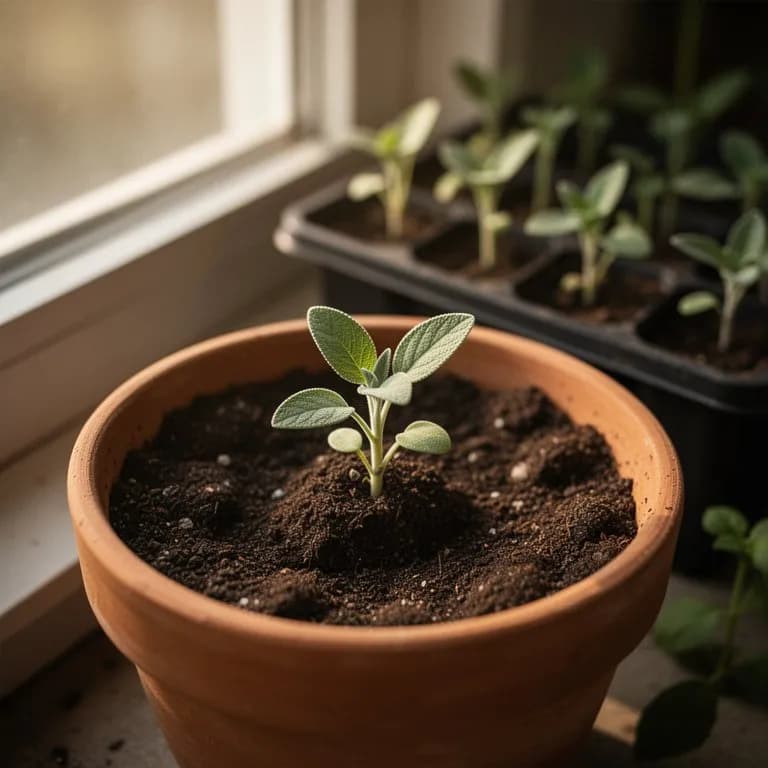
Keep the seed tray in bright indirect light and mist gently to maintain surface moisture without washing seeds away. Avoid covering with opaque lids as seeds are photosensitive and need light to germinate.
Caring for Meadow Sage month by month
What to do each month for your Meadow Sage
October
You are hereRemove any remaining dead stems and tidy the planting area. Apply a light mulch of leaf mold or straw to protect the crown in regions with harsh winters. In mild climates, the semi-evergreen rosette will persist through winter without protection.
Know exactly what to do in your garden — every month
One email at the start of each month: what to sow, plant, and tackle right now — for your Meadow Sage and everything growing around it. Plus a short starter course that helps you dodge the classic mistakes.
- What to do, right now
- Matched to your season
- Starter course included
Harvesting Meadow Sage
Cut meadow sage flower spikes for arrangements when about one-third of the florets have opened from the bottom of the spike. The violet-blue color is vivid and long-lasting in bouquets. Stems last about a week in clean water. Cut back spent flower stems promptly to encourage reblooming. Seed heads can be left to dry on the plant and collected for saving, or allowed to self-sow naturally in meadow plantings.
assuming you plant when the window opens — set your real date
Pick Meadow Sage promptly and the plant keeps producing.
Storage & Preservation
Meadow sage is a fully hardy perennial needing no winter protection. Seeds can be collected from dried flower heads in late summer and stored in paper envelopes in a cool, dry location for spring or autumn sowing. The dried flower spikes retain their purple color well and can be used in everlasting arrangements. Cut stems for drying when flowers are at their peak and hang upside down in a dark, ventilated space.
What goes wrong — and the fix
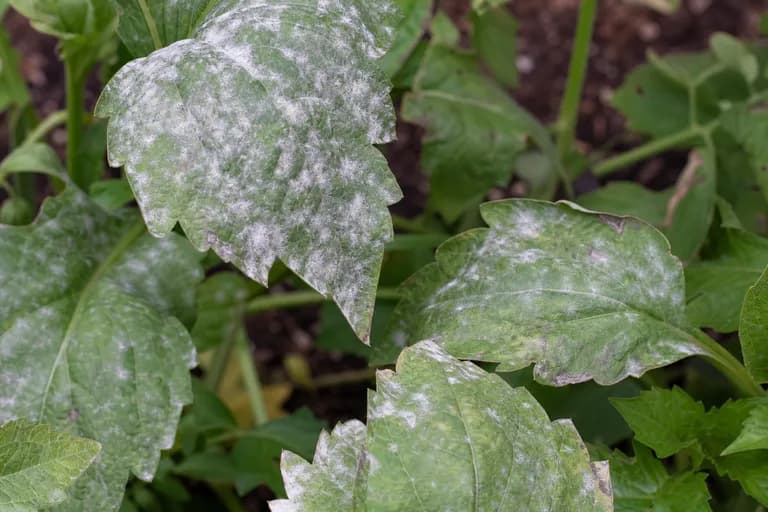
Powdery Mildew
DiseaseWhite, powdery coating on leaves and stems during hot, humid weather. Affected foliage may curl and discolor.
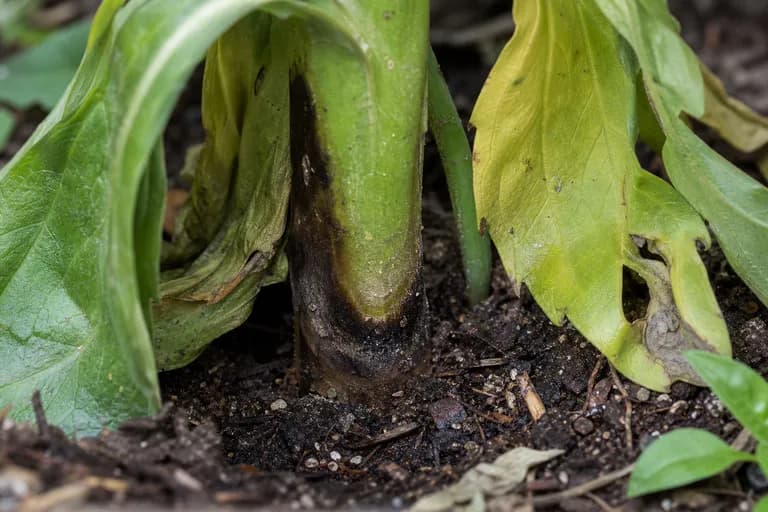
Crown Rot
DiseasePlant wilts and collapses from the base. Crown area is soft, dark, and mushy. Most prevalent in heavy, wet soils during winter.
Troubleshooting Common Problems
The most frequent cause of failure is planting in rich, moist garden soil where meadow sage becomes leggy, short-lived, and prone to crown rot. This plant genuinely needs poor, dry conditions to thrive. Individual plants are relatively short-lived at three to five years, but self-seeding maintains the colony if some seed heads are allowed to mature. In fertile soil, self-seeding can become overly aggressive.
Growing Tips
- Plant meadow sage in a position with full sun and at least 6 hours of direct sunlight daily. The plant tolerates light partial shade but will produce fewer flower spikes and tend to become leggy in shaded conditions.
- Provide sharply drained, moderately fertile soil with a neutral to alkaline pH of 6.5-8.0. Meadow sage is naturally adapted to chalky and limestone soils and does not perform well in acidic or heavy waterlogged ground.
- Sow seeds in autumn for natural cold stratification over winter, which breaks dormancy and improves germination rates by up to 40%. Alternatively, refrigerate seeds in damp sand for 4-6 weeks before spring sowing.
- Space plants 30-45cm apart to allow adequate air circulation, which helps prevent fungal diseases. In meadow settings, plant in informal drifts of 5-7 plants for the most naturalistic visual effect.
- Deadhead spent flower spikes promptly by cutting back to the basal rosette to encourage a second flush of blooms in late summer. Leave a few seed heads if you want the plant to self-sow and naturalize in the garden.
- Water newly planted meadow sage regularly during the first growing season to help establish a deep taproot. Once established, the plant is remarkably drought tolerant and rarely needs supplemental irrigation except during extreme prolonged dry spells.
- Avoid heavy nitrogen fertilization, which promotes excessive leafy growth at the expense of flowering and can make plants susceptible to lodging. A light scattering of bone meal in spring provides sufficient phosphorus to support strong bloom production.
- Divide established clumps every 3-4 years in early spring or early autumn to maintain vigor and prevent the center of the plant from becoming woody and bare. Replant divisions immediately and water well until new roots establish.
- Combine meadow sage with ornamental grasses such as Stipa tenuissima and Festuca glauca, as well as complementary perennials like Leucanthemum, Knautia, and Geranium for a stunning low-maintenance, naturalistic planting scheme.
- In regions with harsh winters below -15°C, apply a 5-8cm mulch of straw or leaf mold around the crown after the first hard frost to insulate the roots. Remove the mulch gradually in early spring as new growth begins to prevent crown rot from excess moisture.
Grow your best Meadow Sage yet — and everything around it.
Start a free plan today. Lay out your beds, drop in your Meadow Sage, and let PlotMyGarden handle the timing, spacing, companions and reminders from seed to harvest basket.
Pick your Meadow Sage
Indigo
A compact selection reaching eighteen inches with deep indigo-blue flowers, ideal for the front of borders and smaller meadow plantings.
Rose Rhapsody
A rose-pink flowering form that provides a softer color alternative to the typical blue-violet species.
Madeline
A bicolor variety with blue and white flowers on the same spike, adding visual interest and variety to meadow plantings.
Swan Lake
A pure white form that illuminates shady meadow edges and looks stunning planted alongside the blue species.
Meadow sage is an exceptionally cost-effective perennial. A single packet of seeds costs $2-4 and can yield 50-100 plants, while nursery-grown transplants are typically $4-8 each. Once established, the plant self-sows freely, providing an ever-expanding colony at no additional cost. Compared to purchasing wildflower meadow plug plants at $1-3 per plug, growing meadow sage from seed saves considerably when establishing naturalistic plantings. The plant requires no fertilizer, minimal watering once established, and no pesticide treatments, making ongoing maintenance essentially free. For gardeners who value pollinator support, one meadow sage plant can replace expensive commercial pollinator seed mixes over time as it naturalizes.
Quick recipes
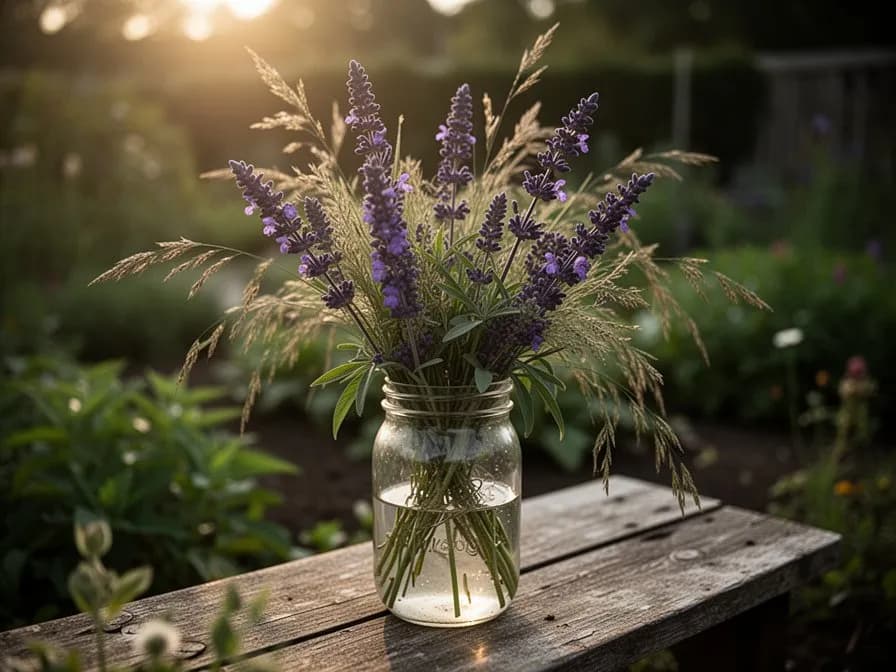
Meadow Sage Flower Salad
10 minutesA colorful spring salad featuring the edible violet-blue flowers and tender young leaves of meadow sage mixed with other wild greens. The flowers add a mild, slightly sweet sage flavor and a stunning visual contrast to the greenery, making this a perfect seasonal starter.
5 ingredientsSalvia Pratensis Herbal Tea
10 minutesA traditional European herbal infusion made from fresh or dried meadow sage leaves, historically used as a soothing throat gargle and digestive aid. The tea has a milder, more delicate flavor than common sage tea, with subtle grassy and floral notes.
5 ingredientsMeadow Sage Flower Fritters
20 minutesWhole flower spikes of meadow sage are dipped in a light tempura-style batter and quickly fried until crisp and golden. This traditional Italian-inspired preparation transforms the ornamental flowers into a delightful appetizer with a crunchy exterior and a warm, herbal center.
6 ingredientsCulinary Uses
The young leaves of meadow sage have a mild, slightly bitter flavor and can be used sparingly in salads or brewed as a refreshing herbal tea. The attractive blue-violet flowers are edible and make colorful garnishes for salads, desserts, and cocktails. Like culinary sage, the leaves contain beneficial essential oils. Use fresh leaves in moderation, as the flavor is stronger than culinary sage varieties.
What's inside
Health Benefits
- Contains rosmarinic acid, a polyphenol with demonstrated anti-inflammatory and antioxidant activity that may help protect cells from oxidative stress and reduce chronic inflammation
- Traditional European herbal medicine has long used meadow sage infusions as gargles for sore throats, inflamed gums, and mouth ulcers, supported by the plant's mild antimicrobial and astringent properties
- Rich in flavonoids such as luteolin and apigenin, which have been studied for their potential neuroprotective effects and ability to support healthy cognitive function
- The essential oil compounds linalool and beta-caryophyllene found in meadow sage have shown anxiolytic and calming properties in preliminary research, suggesting potential benefits for stress relief
- May support digestive health when consumed as a mild herbal tea, as Salvia species have been traditionally used across Europe to ease bloating, indigestion, and mild stomach discomfort
- Contains ursolic acid and oleanolic acid, triterpenoid compounds under active research for their potential roles in supporting cardiovascular health and healthy blood sugar regulation
Where Meadow Sage comes from
Meadow sage (Salvia pratensis) is native to a broad swath of Europe, from the British Isles and Scandinavia in the north through central and southern Europe, extending eastward into western Asia and the Caucasus. Its natural habitat is dry, calcareous grasslands, limestone meadows, road verges, and open woodland edges, where it thrives in well-drained, base-rich soils in full sun. The species name 'pratensis' derives from the Latin 'pratum' meaning meadow, directly referencing its preferred habitat.
Meadow sage has been a familiar presence in European landscapes for thousands of years. Ancient Greek and Roman herbalists recognized various Salvia species for their medicinal properties, and while Salvia officinalis was the primary medicinal sage, meadow sage was also gathered locally for similar purposes. During the medieval period, herbalists and apothecaries across central Europe used Salvia pratensis in preparations for sore throats, digestive complaints, and as a wound herb, though it was always considered less potent than true garden sage.
The plant gained scientific prominence in the late 18th century when Christian Konrad Sprengel studied its remarkable pollination mechanism, making it one of the earliest examples used to demonstrate the co-evolution between flowers and their insect pollinators. Charles Darwin later referenced Sprengel's work on Salvia in developing his own theories on plant-pollinator relationships.
In the 20th and 21st centuries, meadow sage has become an important species in ecological conservation and wildflower meadow restoration projects across Europe. As species-rich grasslands have declined dramatically due to modern farming practices, Salvia pratensis has been widely included in seed mixes designed to restore biodiversity. The plant has also gained popularity in ornamental horticulture, with several cultivars such as 'Indigo', 'Rose Rhapsody', and 'Swan Lake' bred for enhanced color and compact habit, making it a staple of cottage gardens and naturalistic planting schemes worldwide.
Meadow Sage: did you know?
Fascinating facts about Meadow Sage
Meadow sage possesses one of the most sophisticated pollination mechanisms in the plant kingdom: a staminal lever system where the bee pushes against a modified stamen pad, causing the pollen-bearing anther arm to swing down and deposit pollen precisely on the insect's back.
Meadow Sage questions, answered
When should I plant Meadow Sage?
What are good companion plants for Meadow Sage?
What hardiness zones can Meadow Sage grow in?
How much sun does Meadow Sage need?
How far apart should I space Meadow Sage?
What pests and diseases affect Meadow Sage?
How do I store Meadow Sage after harvest?
What are the best Meadow Sage varieties to grow?
What soil does Meadow Sage need?
Is meadow sage the same as common culinary sage?
How do I establish meadow sage in a wildflower meadow?
Why is my meadow sage not flowering?
Does meadow sage attract specific pollinators?
Can meadow sage tolerate drought conditions?
How long does meadow sage live, and how do I ensure its persistence in the garden?
You just read the theory. Now grow it on autopilot.
Everything that makes Meadow Sage fiddly — the timing, the spacing, the companions, the harvest window — is exactly what PlotMyGarden handles for you, for every plant in your garden.
A plan that knows your weather
Set your location once. Get sow, feed and harvest dates built around your real last-frost date and live forecast — no more guessing from a generic seed packet.
From the “When to plant” sectionDrag-and-drop bed planner
Design beds on a grid. Every plant snaps to its proper spacing, and you can see your whole season laid out before you spend a cent on seed.
From the “Growing guide” sectionCompanion conflicts, caught early
200+ good-and-bad pairings checked live as you plant — so a season-wrecking mistake never makes it into the ground.
From the “Companions” sectionReminders you'll actually act on
“Water the beans.” “Pick today before it turns.” Timely, specific, and tied to the plants you're really growing.
From the “Harvest” sectionSuccession, scheduled
Want a harvest for six weeks, not six days? It spaces your sowings automatically and reminds you when each new block is due.
From the “When to plant” sectionA record that gets smarter
Every harvest you log teaches it your garden. Next year's plan starts from what actually worked in your soil, not a textbook's.
From the “Overview” sectionPlant these alongside Meadow Sage
More Wildflowers
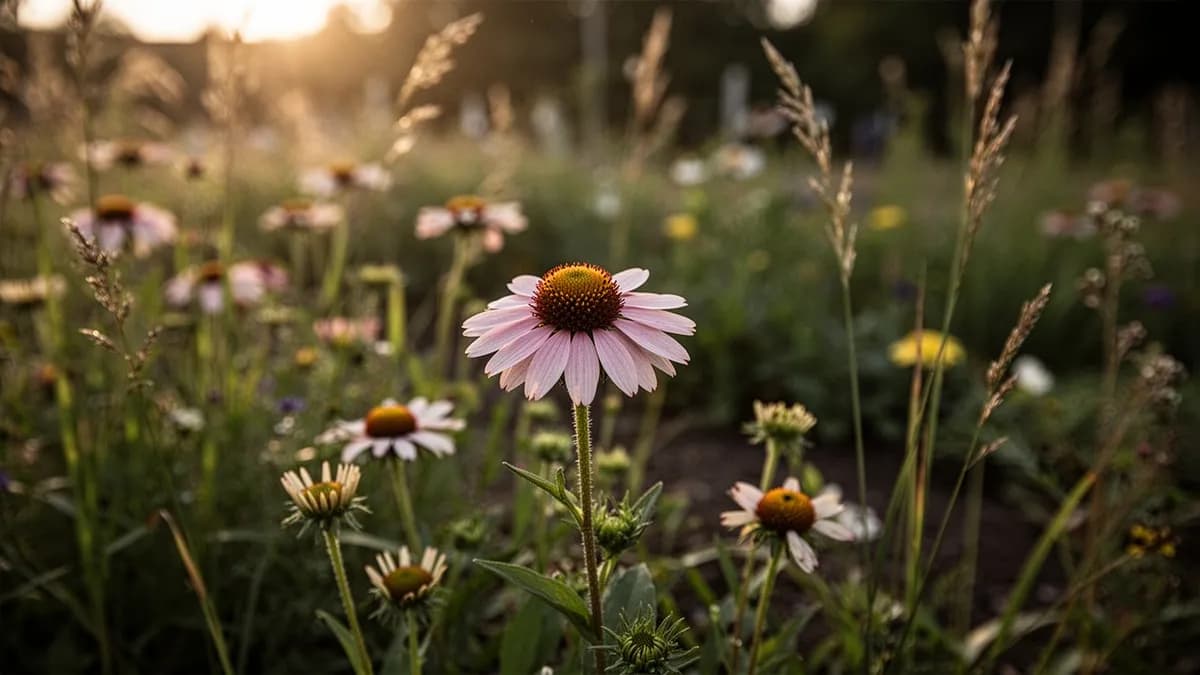
Garden plans featuring Meadow Sage
Grow your best Meadow Sage yet — and everything around it.
Start a free plan today. Lay out your beds, drop in your Meadow Sage, and let PlotMyGarden handle the timing, spacing, companions and reminders from seed to harvest basket.