Wild Blanket Flower
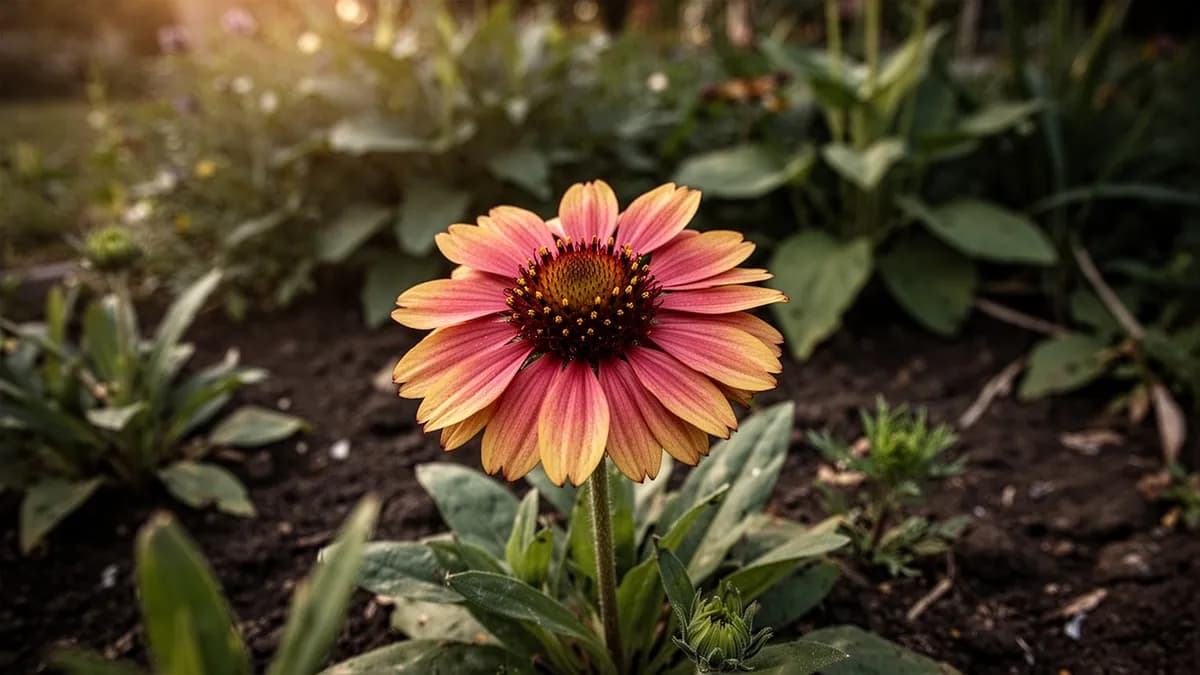
A native annual wildflower with vivid red and yellow bicolor daisy flowers that bloom profusely in hot, dry prairie conditions.





On this pageOverview
Meet Wild Blanket Flower
A native annual wildflower with vivid red and yellow bicolor daisy flowers that bloom profusely in hot, dry prairie conditions. Wild blanket flower thrives in sandy, poor soils and is an excellent choice for meadow plantings and roadside beautification. It self-sows reliably and attracts butterflies and native pollinators.
When to plant Wild Blanket Flower
Direct sowing in spring is the simplest and most effective method for wild blanket flower. Scatter seeds on prepared soil and press firmly without covering, as light aids germination. Seeds germinate in seven to fourteen days at soil temperatures of 70 degrees Fahrenheit. For earlier bloom, start seeds indoors six to eight weeks before the last frost. Do not cover seeds, as they need light. Transplant seedlings after the last frost, handling the taproots carefully.
Your Wild Blanket Flower Year
Composed for Zone 7 · typical seasons · frost passes Apr 2, returns Nov 1
Plant Wild Blanket Flower Mar – May, pick Jun – Oct. Check the planting methods below and set your climate to personalize these windows.
How to grow Wild Blanket Flower
Direct sow wild blanket flower seeds in spring after the last frost, scattering them on prepared soil and pressing them in lightly without covering, as the seeds need light for germination. Choose a site in full sun with lean, well-drained soil, including sandy, gravelly, or rocky sites where richer garden flowers would struggle. Wild blanket flower is a native annual that thrives in the heat and drought of prairies and roadsides.
Water lightly during germination and early seedling growth, then reduce watering as plants establish. Once growing, blanket flower is remarkably drought tolerant and actually performs poorly in rich, moist soil where it becomes leggy and prone to rot. Avoid fertilizing, as lean soil produces more compact, floriferous plants with stronger stems.
Wild blanket flower self-sows freely and will return year after year once established in a suitable location. Allow some seed heads to mature and scatter naturally for next year's display. Deadhead spent blooms during the growing season to extend flowering from early summer through first frost. In meadow plantings, mow or cut back the entire area in late winter to allow fresh growth.
32 plants fit a 4 × 8 ft bed
Each Wild Blanket Flower wants 30 cm of elbow room. The planner keeps that spacing for you — every plant, every bed.
Wild Blanket Flower's best neighbours
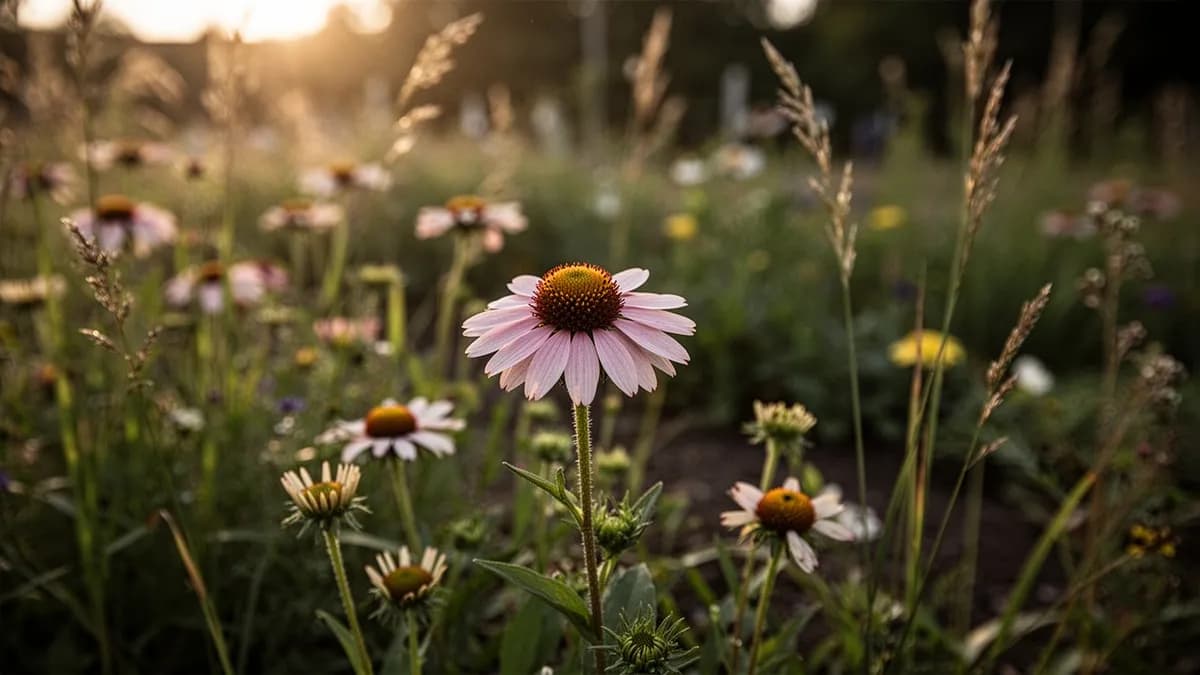
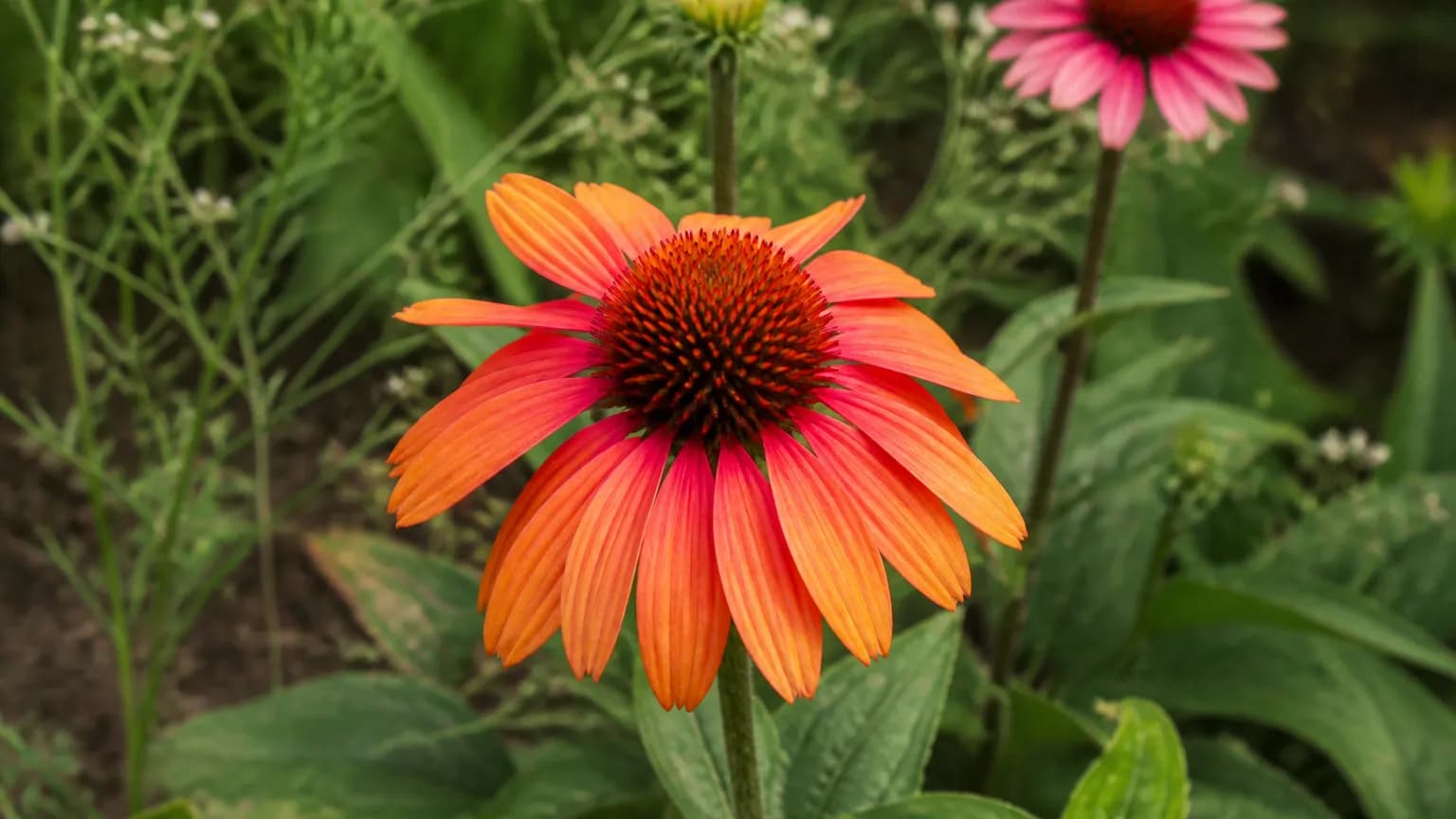
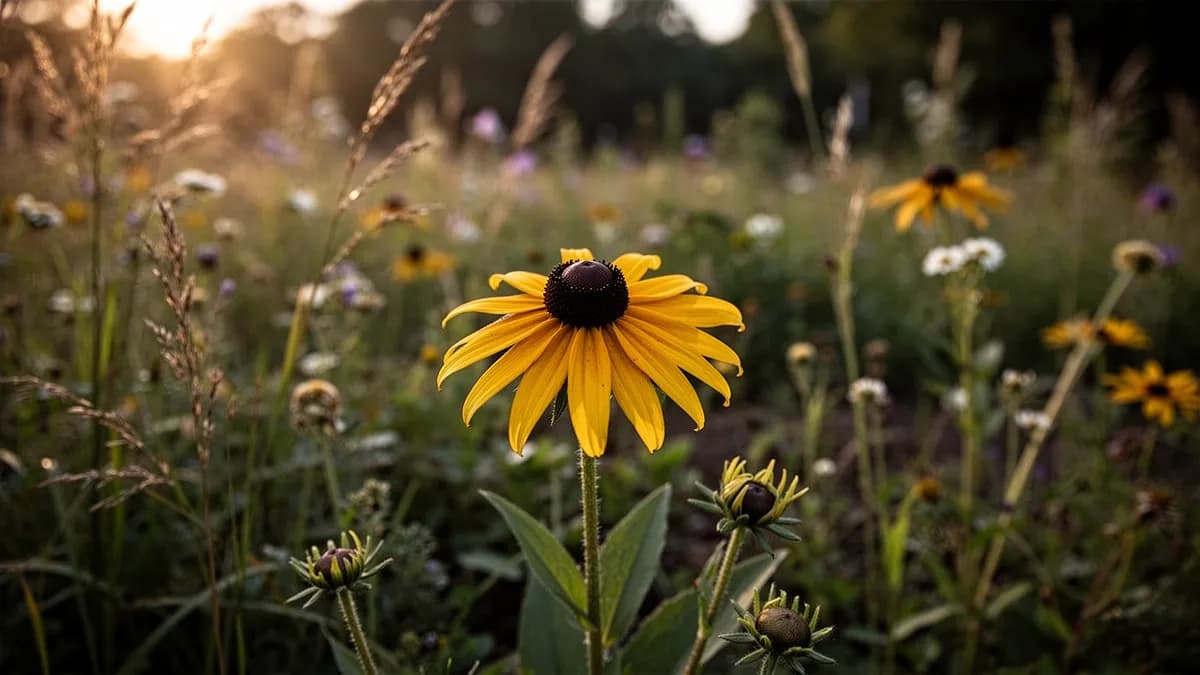
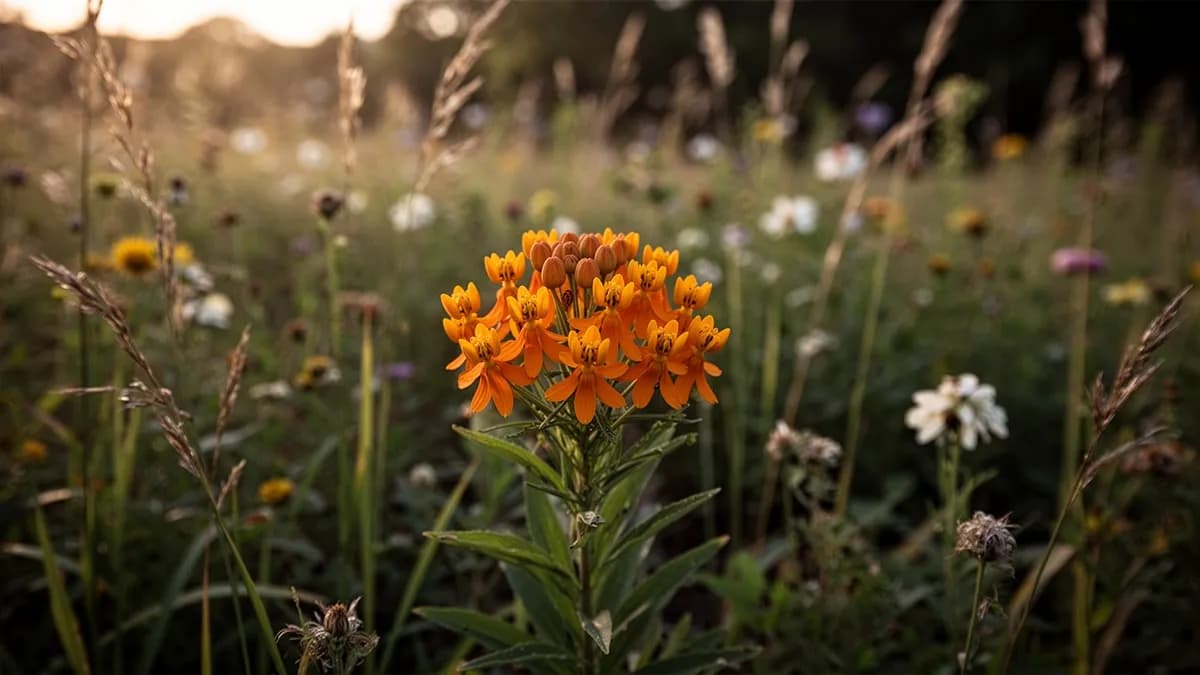
Wild blanket flower is a natural partner for other prairie natives including coneflowers, black-eyed susan, and ornamental grasses. It pairs beautifully with blue-flowered plants like prairie sage and native asters for complementary color contrast. Use in wildflower meadow mixes, roadside plantings, and naturalized areas where its self-sowing habit is welcome. The flowers attract butterflies and native bees.
Coneflower belongs beside it.
Old growers' knowledge, checked against Wild Blanket Flower's real companion table below — test any plant you're growing.
Try Wild Blanket Flower in a bed — right here
A real planner bed with Wild Blanket Flower already in it. Tap a companion to place it and watch the pairing checks answer — green for good neighbours, red for a clash.


Related growing guides
Feed it well
Wild blanket flower thrives in poor, sandy, well-drained soil with a pH of 6.0 to 8.0. It performs best in lean conditions and actually declines in rich, fertile garden soil. Do not amend the soil with compost or manure, and avoid all fertilization. The plant's natural habitat is dry prairie and disturbed ground where nutrients are scarce. Excellent drainage is critical, as the crown is susceptible to rot in wet, heavy soils.
Ideal Temperature
Hardiness Zone Compatibility
From seed to harvest, stage by stage
Seed Germination
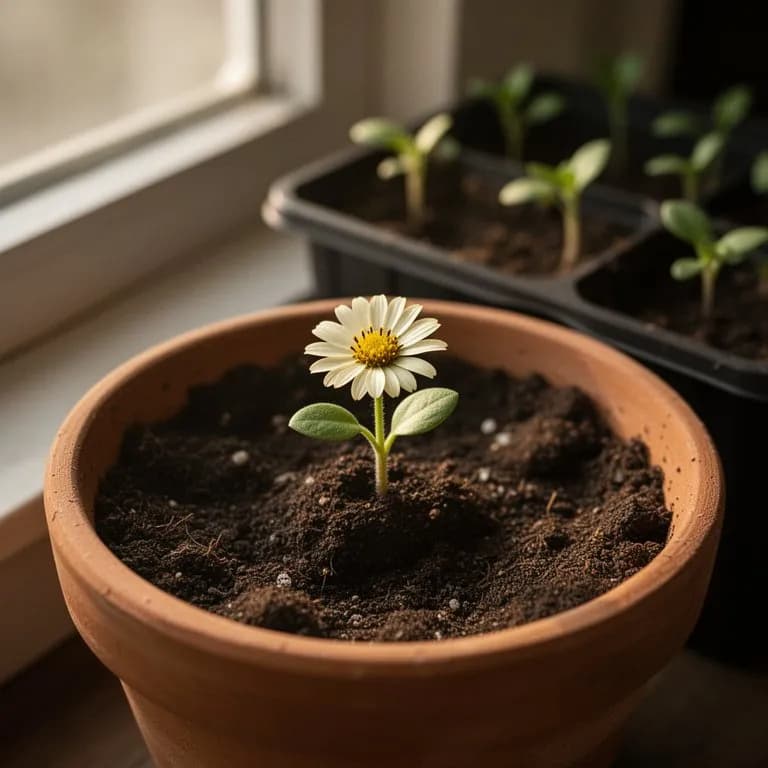
Blanket flower seeds germinate readily in warm soil temperatures between 20-24°C. The tiny seeds should be sown on the soil surface or barely covered, as they require light to germinate. In optimal conditions, radicles emerge within 7-10 days, followed quickly by the first pair of cotyledons. Seeds can be direct-sown after the last frost or started indoors 6-8 weeks earlier for a head start on the growing season.
Seedling Development
After the cotyledons expand, the first true leaves emerge with their characteristic spatula shape and fine gray-green hairs. Seedlings grow slowly at first, directing energy into establishing a taproot system. By the end of this stage, seedlings typically have 4-6 true leaves and are sturdy enough to transplant outdoors if started indoors. The hairy leaf surface helps reduce moisture loss, an early adaptation to the dry habitats this species favors.
Vegetative Rosette
The plant forms a basal rosette of deeply lobed, hairy leaves close to the ground. During this phase the taproot deepens considerably, sometimes reaching 30-45 cm into the soil, which contributes to the plant's exceptional drought tolerance later in life. The rosette can spread 20-30 cm across and serves as the foundation for the branching flower stems that will emerge next. Lateral roots also begin developing, further anchoring the plant.
Stem Elongation and Budding
Wiry, branching stems rise 30-60 cm above the basal rosette, each tipped with a developing flower bud. The stems are covered in fine hairs and bear alternate, progressively smaller leaves along their length. Buds appear as tight green spheres that gradually swell and begin to show streaks of red and yellow as the ray florets develop inside. A vigorous plant can produce dozens of branching stems, each capable of bearing multiple flower buds.
Full Bloom
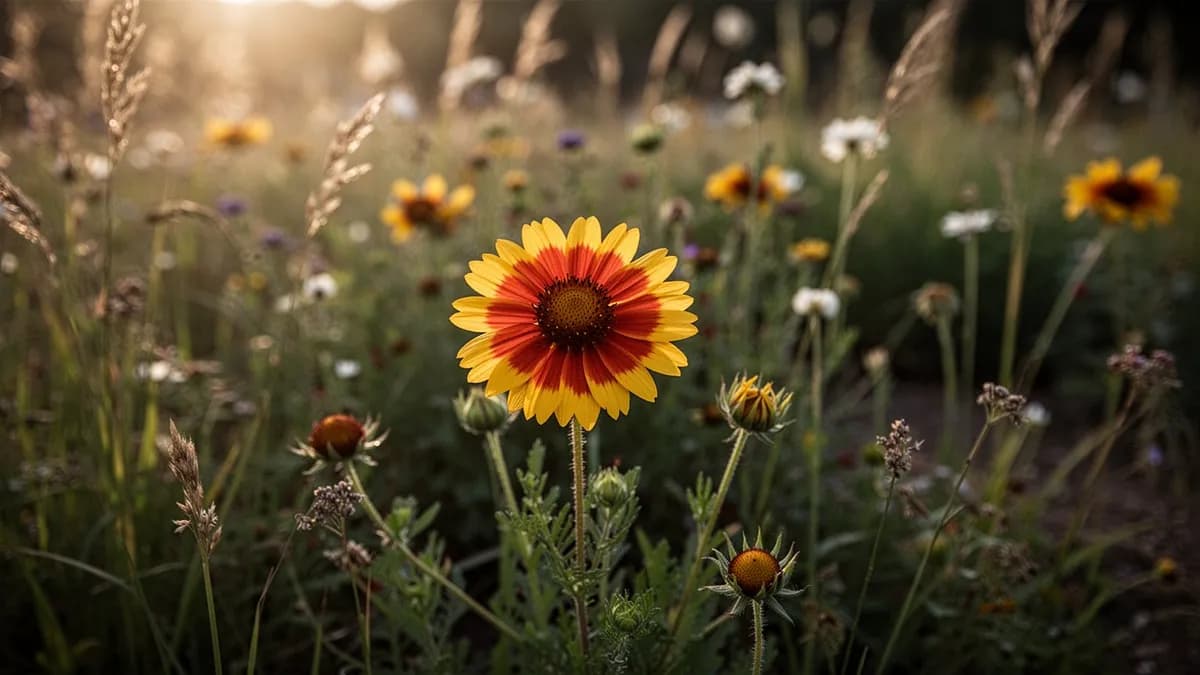
The peak flowering period lasts from early summer well into autumn, with each individual flower head persisting for 2-3 weeks. Ray florets open in concentric rings of red, orange, and yellow, creating the characteristic banded pattern that resembles a Native American blanket. Disc florets at the center open progressively from the outside inward, providing a continuous supply of nectar and pollen. Deadheaded plants can bloom for 3-4 months without interruption.
Seed Set and Dispersal
As flowers fade, the central disc swells into a spherical seed head covered in bristly pappus structures. Each seed head contains 50-150 individual achenes equipped with awns that aid wind dispersal and soil penetration. In the wild, blanket flowers self-sow prolifically, creating expanding colonies over successive years. Seeds require a brief period of after-ripening and can remain viable in the soil for 2-3 years, building a persistent seed bank.
Sow seeds on the surface of moist, well-drained soil and press gently without covering. Keep the soil consistently moist but not waterlogged during germination. A light misting once or twice daily is preferable to heavy watering, which can displace the tiny seeds.
Caring for Wild Blanket Flower month by month
What to do each month for your Wild Blanket Flower
October
You are hereLeave standing stems and seed heads for winter bird habitat. Clean up only diseased foliage. Mark areas where blanket flowers grew so you can identify self-sown seedlings in spring.
Know exactly what to do in your garden — every month
One email at the start of each month: what to sow, plant, and tackle right now — for your Wild Blanket Flower and everything growing around it. Plus a short starter course that helps you dodge the classic mistakes.
- What to do, right now
- Matched to your season
- Starter course included
Harvesting Wild Blanket Flower
Cut blanket flower stems for cheerful, long-lasting arrangements when the daisy flowers are fully open. The vivid red and yellow bicolor blooms last seven to ten days in a vase, making them excellent cut flowers for informal bouquets. Cut in the morning and place in cool water. Collect seed heads when they turn brown and dry for saving seed or for adding texture to dried arrangements. The spiky seed heads are attractive in their own right.
assuming you plant when the window opens — set your real date
Pick Wild Blanket Flower promptly and the plant keeps producing.
Storage & Preservation
Wild blanket flower seed heads can be dried on the stem and collected for saving. Store seeds in paper envelopes in a cool, dry location for planting the following spring. Seeds remain viable for two to three years with proper storage. The flowers can also be dried by hanging small bunches upside down in a dark, well-ventilated space, though they lose some of their vivid color. Pressed flowers retain their pattern well for craft projects.
What goes wrong — and the fix
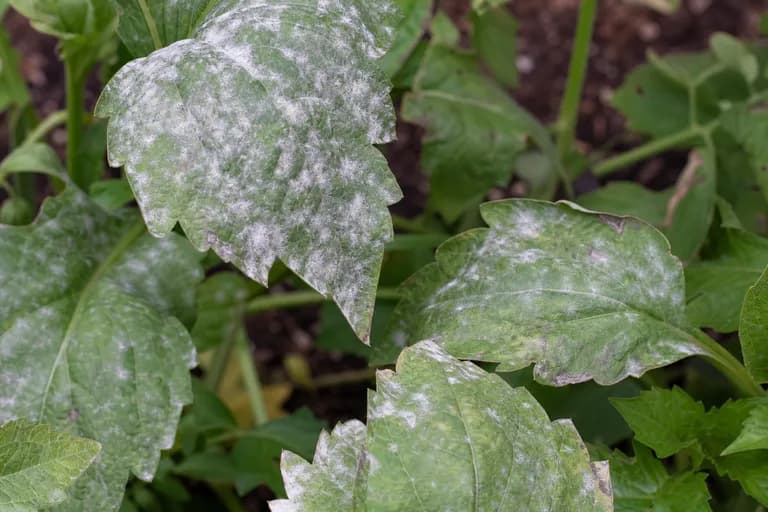
Powdery Mildew
DiseaseWhite, powdery coating on leaves and stems during humid conditions. Foliage may become distorted and prematurely brown.
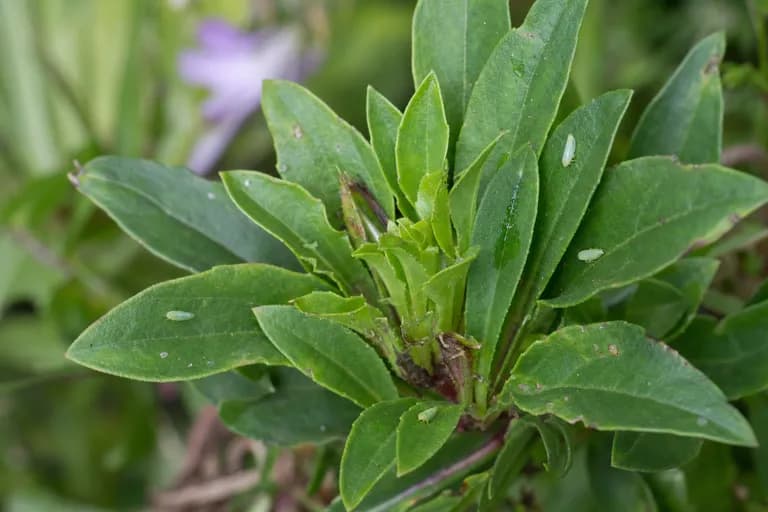
Leafhoppers
PestStippled, pale areas on leaves. Tiny, wedge-shaped insects that jump when disturbed. Reduced vigor in heavy infestations.
Troubleshooting Common Problems
The most common mistake is planting in rich, moist garden soil where blanket flower becomes leggy, floppy, and prone to crown rot. Lean, poor soil is essential for compact, vigorous growth. In humid climates, powdery mildew and other fungal issues can be problematic. The annual species may decline in its second year in some locations, but abundant self-seeding ensures a continuous presence in the garden.
Growing Tips
- Sow blanket flower seeds directly on the soil surface and press lightly without covering, as the seeds need light exposure to trigger germination successfully.
- Choose the poorest, most well-drained spot in your garden for blanket flowers. Rich, fertile soil causes leggy, floppy growth and reduces blooming significantly.
- Avoid overhead watering once plants are established, as wet foliage promotes powdery mildew and crown rot, the two most common problems with Gaillardia.
- Deadhead spent flowers by cutting the stem back to a leaf node rather than just removing the flower head, which encourages branching and more abundant reblooming.
- Allow some flowers to go to seed at the end of the season by stopping deadheading in early September to ensure a self-sown crop of volunteers the following spring.
- Plant blanket flowers in drifts of at least 7-12 plants for the most visually impactful display and to maximize pollinator attraction to the planting area.
- Mix blanket flower seeds with sand before broadcasting to achieve more even distribution, especially when sowing over large meadow areas or slopes.
- Avoid mulching directly around the crown of blanket flower plants, as trapped moisture at the base leads to root and crown rot during wet or humid weather.
- In clay-heavy soils, amend the planting area with coarse sand or pea gravel to improve drainage before sowing, as Gaillardia will not tolerate waterlogged roots.
- Pair blanket flowers with other drought-tolerant natives like black-eyed Susan, purple coneflower, and little bluestem grass for a low-maintenance, ecologically valuable planting.
Grow your best Wild Blanket Flower yet — and everything around it.
Start a free plan today. Lay out your beds, drop in your Wild Blanket Flower, and let PlotMyGarden handle the timing, spacing, companions and reminders from seed to harvest basket.
Pick your Wild Blanket Flower
Pulchella
The straight annual species with classic red and yellow bicolor daisy flowers, perfect for prairie-style plantings and wildflower meadows.
Red Plume
A fully double form with pompon-like blooms in solid dark red, a more formal look for garden borders.
Sundance Bicolor
Large flowers with broad red and yellow bands, a particularly showy selection for mass plantings.
Blanket flowers are among the most cost-effective plants for landscaping. A single packet of seeds costing $2-4 can produce hundreds of plants that self-sow year after year, eliminating the need for annual replanting. Their extreme drought tolerance reduces irrigation costs significantly compared to traditional ornamentals, and their preference for poor soils means no expenditure on fertilizers or soil amendments. Over a five-year period, a blanket flower meadow costs roughly 90% less to maintain than an equivalent area of traditional annual flower beds or turf grass, saving both water and labor expenses.
Quick recipes
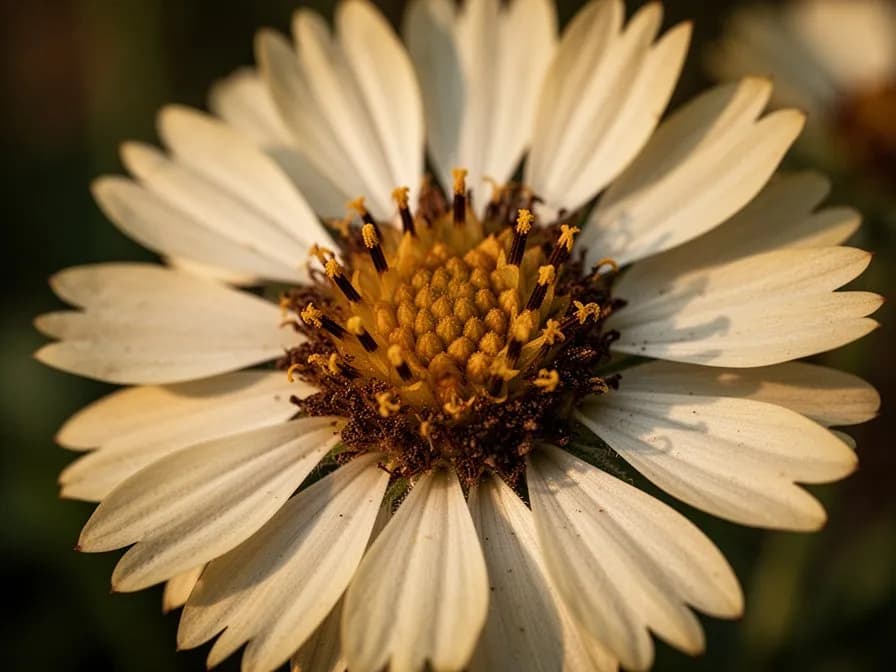
Blanket Flower Dried Arrangement
20 minutes plus drying timeCreate a long-lasting dried flower arrangement featuring blanket flower seed heads and blooms. Harvest stems at peak bloom and hang upside down in a dark, well-ventilated area for two to three weeks. The flowers retain their shape and much of their color when properly dried, making striking additions to winter bouquets and wreaths.
5 ingredients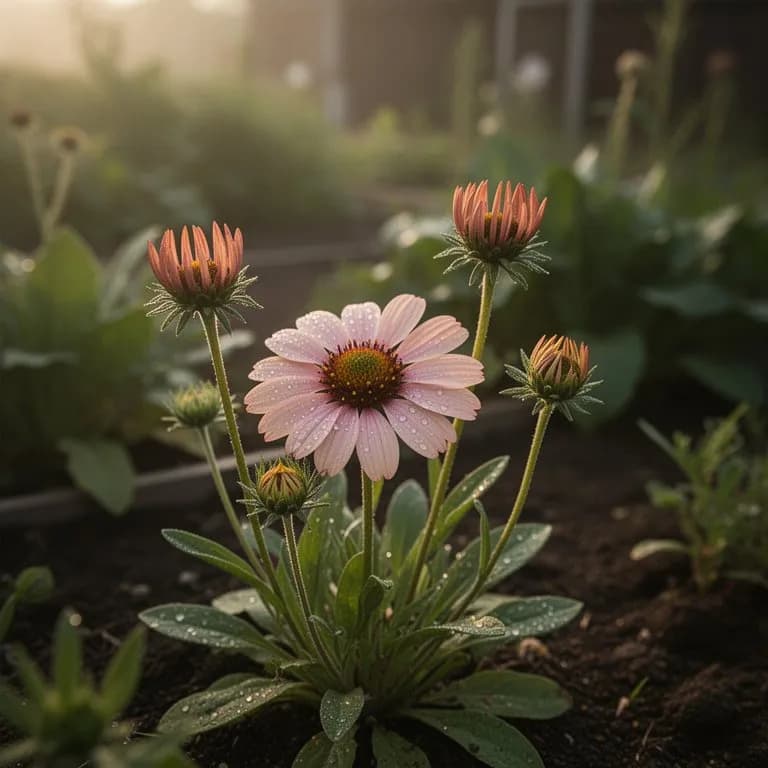
Gaillardia Herbal Infusion
15 minutesA traditional-inspired herbal tea using dried blanket flower petals and leaves, based on historical Native American preparations. The infusion has a mild, slightly bitter flavor and a beautiful golden color. This recipe is for educational and historical interest. Consult a qualified herbalist before consuming any wild plant preparations.
5 ingredientsBlanket Flower Seed Bombs
30 minutes plus drying timeCreate seed bombs packed with blanket flower seeds for guerrilla gardening or gifting. These compact clay balls can be tossed onto bare ground in sunny areas where they will break down with rain and germinate naturally. An excellent project for children and a fun way to spread native wildflowers in appropriate locations.
5 ingredientsWhat's inside
Health Benefits
- Traditional Native American medicine used Gaillardia root tea to help reduce inflammation and soothe minor aches, particularly among the Lakota and Pawnee peoples
- Crushed blanket flower leaves were historically applied as poultices to skin irritations, minor wounds, and insect bites by several Plains tribes
- Growing blanket flowers supports mental well-being through the therapeutic benefits of gardening, including reduced stress, improved mood, and increased physical activity
- The presence of blanket flowers in a garden promotes a healthy pollinator population, which indirectly benefits human health through improved food crop pollination
- Wildflower meadows containing blanket flowers help filter air pollutants and produce oxygen, contributing to improved local air quality for nearby residents
- Spending time in wildflower gardens has been shown to lower cortisol levels and blood pressure, and blanket flowers provide months of visually engaging color that supports this restorative effect
Where Wild Blanket Flower comes from
Gaillardia pulchella is native to the central and southern United States and northern Mexico, where it thrives in prairies, open woodlands, sandy plains, and roadsides from Virginia and the Carolinas westward through Texas, Oklahoma, and into the arid Southwest. The species has been an integral part of the Great Plains grassland ecosystem for thousands of years, evolving alongside grazing bison and periodic wildfire to become one of North America's most resilient and showy wildflowers.
The plant was first scientifically described by French botanist Michel Félix Dunal in 1800, based on specimens collected during botanical explorations of the Louisiana Territory. It was named in honor of Maître Gaillard de Charentonneau, a French patron of the natural sciences. Early European settlers on the American frontier quickly noticed the brilliant wildflower and began cultivating it in their gardens by the early 1800s. Seeds were sent back to European botanical gardens, where the species became popular in ornamental bedding schemes by the mid-19th century.
Native American peoples had long valued blanket flowers before European contact. The Lakota used root preparations to relieve pain and reduce swelling, while the Pawnee brewed leaf tea for its purported anti-inflammatory properties. Several Plains tribes also used the flowers to produce yellow and reddish dyes for textiles and body paint. The Cherokee applied poultices of the crushed leaves to skin sores.
Today, Gaillardia pulchella is widely used in wildflower meadow mixes, highway beautification projects, and pollinator gardens across North America. Its extreme drought tolerance, ability to thrive in poor soils, and long bloom season have made it a staple of water-wise and native plant landscaping. Modern breeding programs have developed cultivars in expanded color ranges, but the wild species remains the gold standard for ecological restoration and naturalistic planting designs.
Wild Blanket Flower: did you know?
Fascinating facts about Wild Blanket Flower
Gaillardia pulchella is named after Maître Gaillard de Charentonneau, an 18th-century French magistrate who was a patron of botany and supported early botanical expeditions to the Americas.
Wild Blanket Flower questions, answered
When should I plant Wild Blanket Flower?
What are good companion plants for Wild Blanket Flower?
What hardiness zones can Wild Blanket Flower grow in?
How much sun does Wild Blanket Flower need?
How far apart should I space Wild Blanket Flower?
What pests and diseases affect Wild Blanket Flower?
How do I store Wild Blanket Flower after harvest?
What are the best Wild Blanket Flower varieties to grow?
What soil does Wild Blanket Flower need?
Is Gaillardia pulchella an annual or a perennial?
Why are my blanket flowers flopping over and not standing upright?
How do I collect and store blanket flower seeds for next year?
Are blanket flowers deer resistant and drought tolerant?
Can I grow blanket flowers in containers or pots?
Do blanket flowers attract pollinators and beneficial insects?
You just read the theory. Now grow it on autopilot.
Everything that makes Wild Blanket Flower fiddly — the timing, the spacing, the companions, the harvest window — is exactly what PlotMyGarden handles for you, for every plant in your garden.
A plan that knows your weather
Set your location once. Get sow, feed and harvest dates built around your real last-frost date and live forecast — no more guessing from a generic seed packet.
From the “When to plant” sectionDrag-and-drop bed planner
Design beds on a grid. Every plant snaps to its proper spacing, and you can see your whole season laid out before you spend a cent on seed.
From the “Growing guide” sectionCompanion conflicts, caught early
200+ good-and-bad pairings checked live as you plant — so a season-wrecking mistake never makes it into the ground.
From the “Companions” sectionReminders you'll actually act on
“Water the beans.” “Pick today before it turns.” Timely, specific, and tied to the plants you're really growing.
From the “Harvest” sectionSuccession, scheduled
Want a harvest for six weeks, not six days? It spaces your sowings automatically and reminds you when each new block is due.
From the “When to plant” sectionA record that gets smarter
Every harvest you log teaches it your garden. Next year's plan starts from what actually worked in your soil, not a textbook's.
From the “Overview” sectionPlant these alongside Wild Blanket Flower
More Wildflowers
Garden plans featuring Wild Blanket Flower
Grow your best Wild Blanket Flower yet — and everything around it.
Start a free plan today. Lay out your beds, drop in your Wild Blanket Flower, and let PlotMyGarden handle the timing, spacing, companions and reminders from seed to harvest basket.