Yarrow
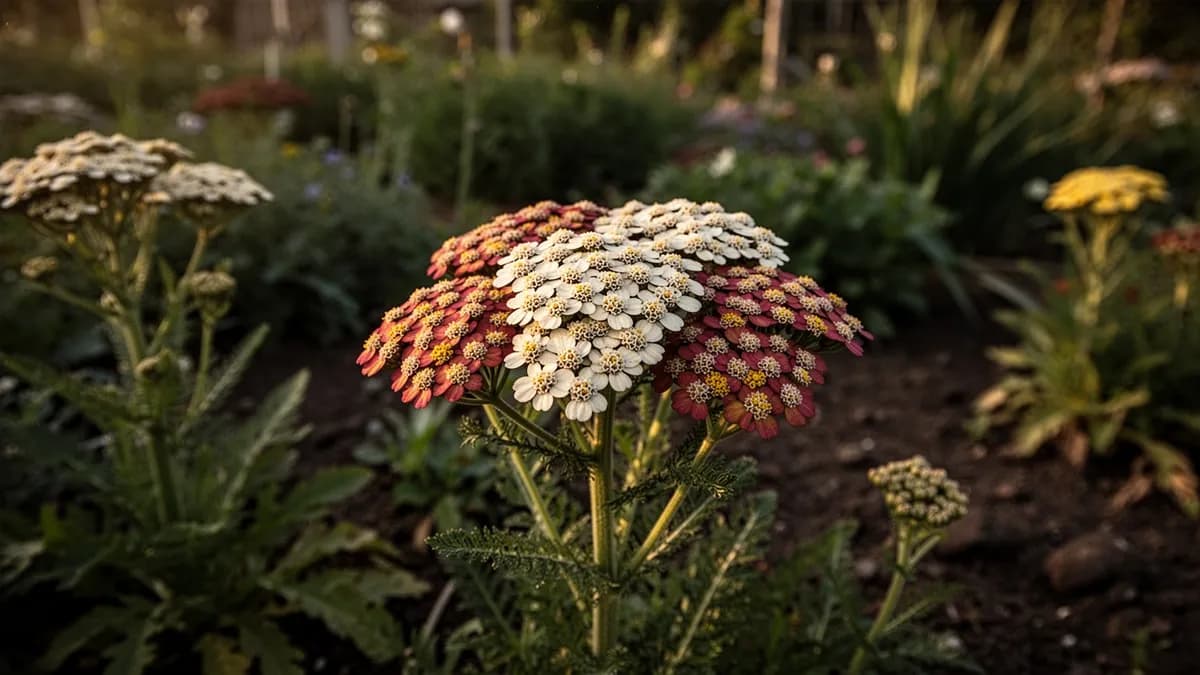
A tough, drought-tolerant perennial with flat-topped flower clusters in yellow, red, pink, and white above ferny, aromatic foliage.





On this pageOverview
Meet Yarrow
A tough, drought-tolerant perennial with flat-topped flower clusters in yellow, red, pink, and white above ferny, aromatic foliage. Yarrow thrives in poor, dry soil and is excellent for attracting beneficial insects like ladybugs and parasitic wasps. Deadhead spent flowers for reblooming and divide spreading clumps every few years to keep them in bounds.
When to plant Yarrow
Yarrow grows easily from seed sown in spring. Surface-sow on moist compost without covering, as seeds need light for germination. Expect seedlings in 10-14 days at 18-22°C. Direct sowing outdoors after the last frost also works well. Seed-grown plants often flower in the first year. Named cultivars are best propagated by division in spring for identical plants—simply lift clumps, pull apart, and replant sections with healthy roots.
Your Yarrow Year
Composed for Zone 7 · typical seasons · frost passes Apr 2, returns Nov 1
Plant Yarrow Mar – Apr, Sep, pick Jun – Aug. Check the planting methods below and set your climate to personalize these windows.
How to grow Yarrow
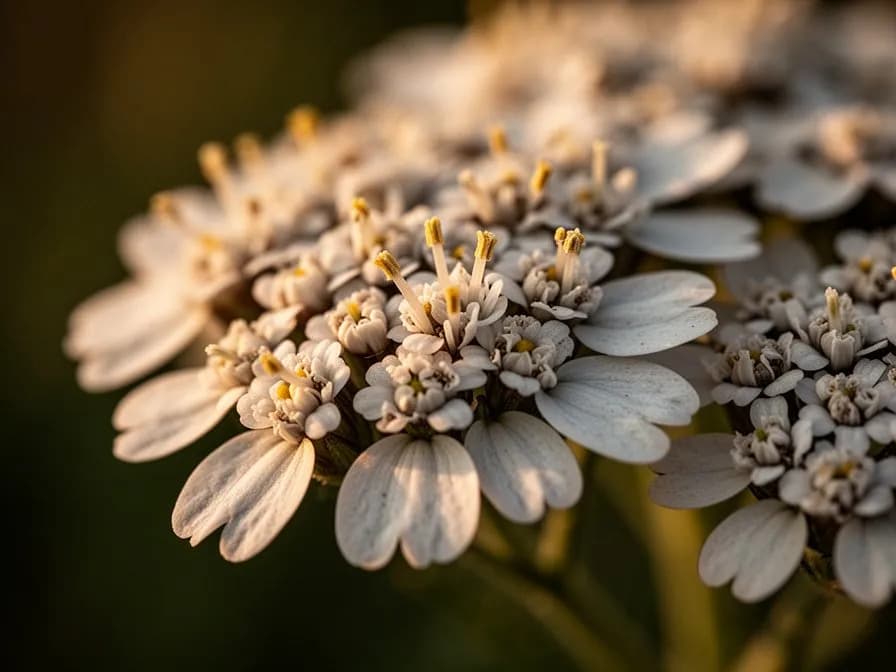
Yarrow is a supremely tough perennial wildflower that has been cultivated in gardens for centuries both as an ornamental and a medicinal herb. The flat-topped flower clusters (corymbs) sit atop sturdy 60-90cm stems above finely divided, feathery foliage that is aromatic when brushed. Modern cultivars offer colors ranging from the traditional white and golden yellow through salmon, orange, cherry red, and pastel pink.
Plant in full sun in any well-drained soil—yarrow actually performs best in poor, lean, dry conditions. Rich soil and shade produce floppy, weak growth and promote mildew. Sandy, gravelly, or even rocky soils produce the most compact, self-supporting plants. This makes yarrow ideal for gravel gardens, prairie plantings, green roofs, and anywhere water conservation is important.
Yarrow spreads by underground rhizomes and can become quite assertive in favorable conditions. Divide every 2-3 years in spring to control spread and maintain vigor. Deadhead spent flower heads promptly to encourage a second flush of bloom and prevent self-seeding. Cut all growth to the ground in late autumn or early spring.
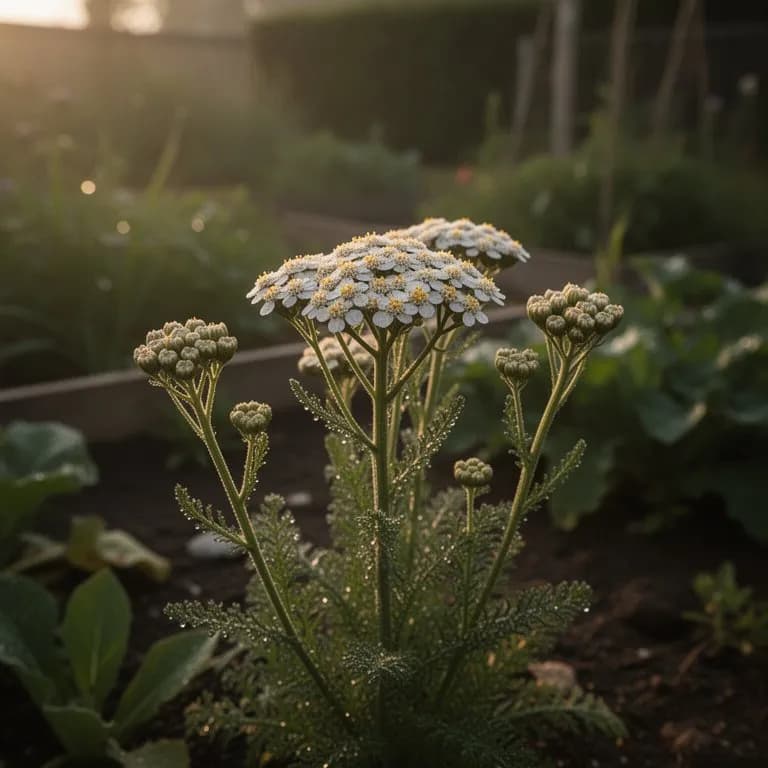
10 plants fit a 4 × 8 ft bed
Each Yarrow wants 45 cm of elbow room. The planner keeps that spacing for you — every plant, every bed.
Yarrow's best neighbours
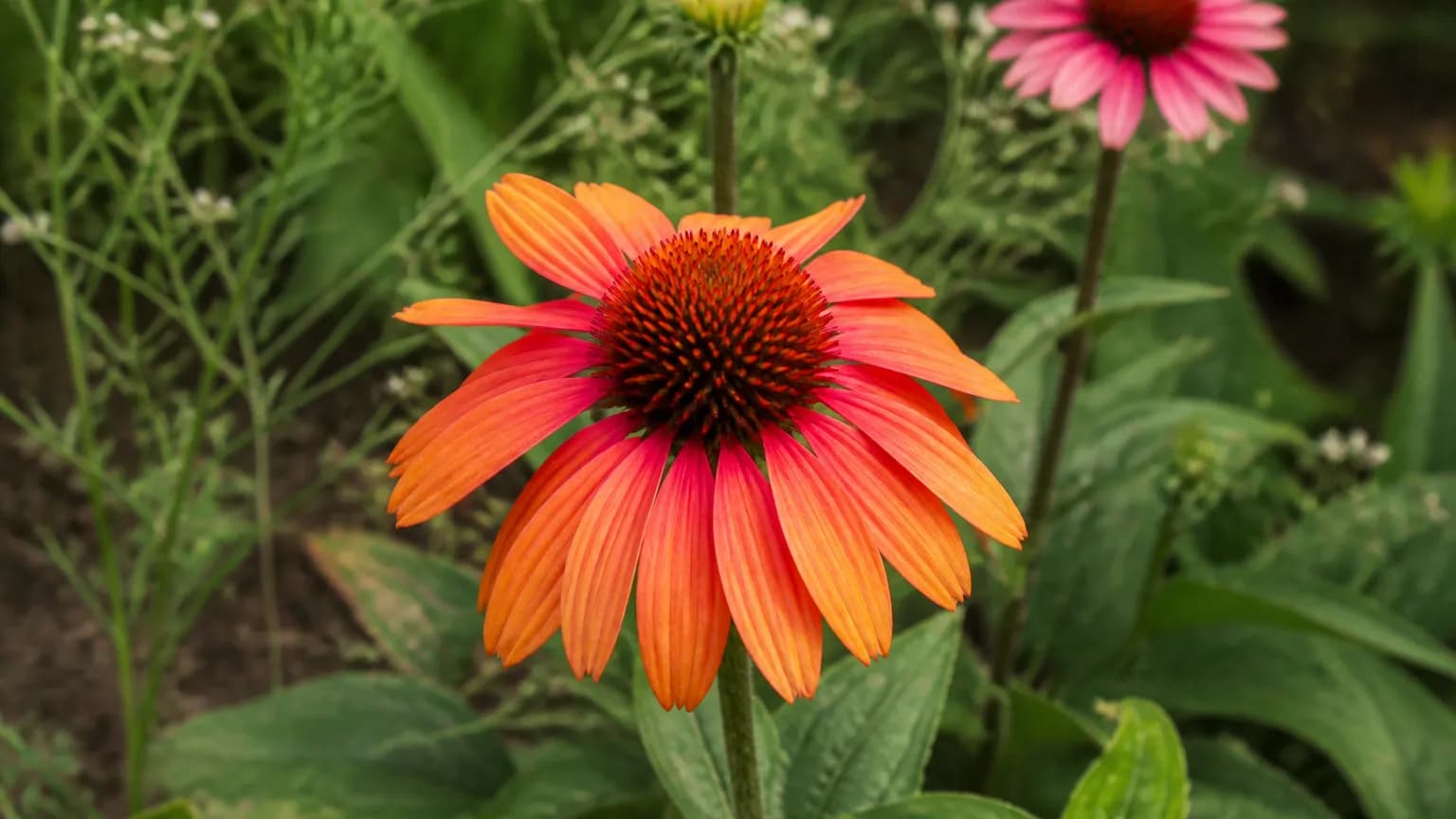
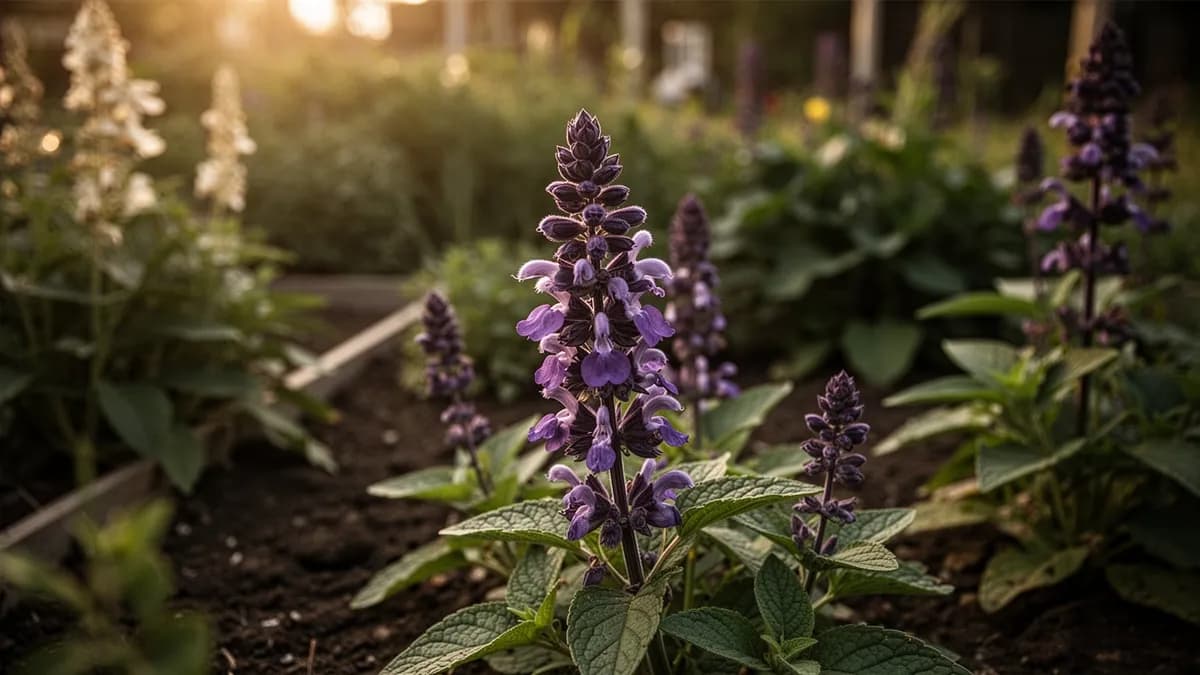
Yarrow is one of the best companion plants for the garden, attracting a remarkable range of beneficial insects including ladybugs, lacewings, parasitic wasps, and hoverflies that control pests on neighboring plants. Plant alongside vegetables and roses to harness this natural pest control. In borders, yarrow combines beautifully with salvia, coneflowers, ornamental grasses, and lavender. The flat flower heads provide excellent textural contrast to spike-shaped flowers.
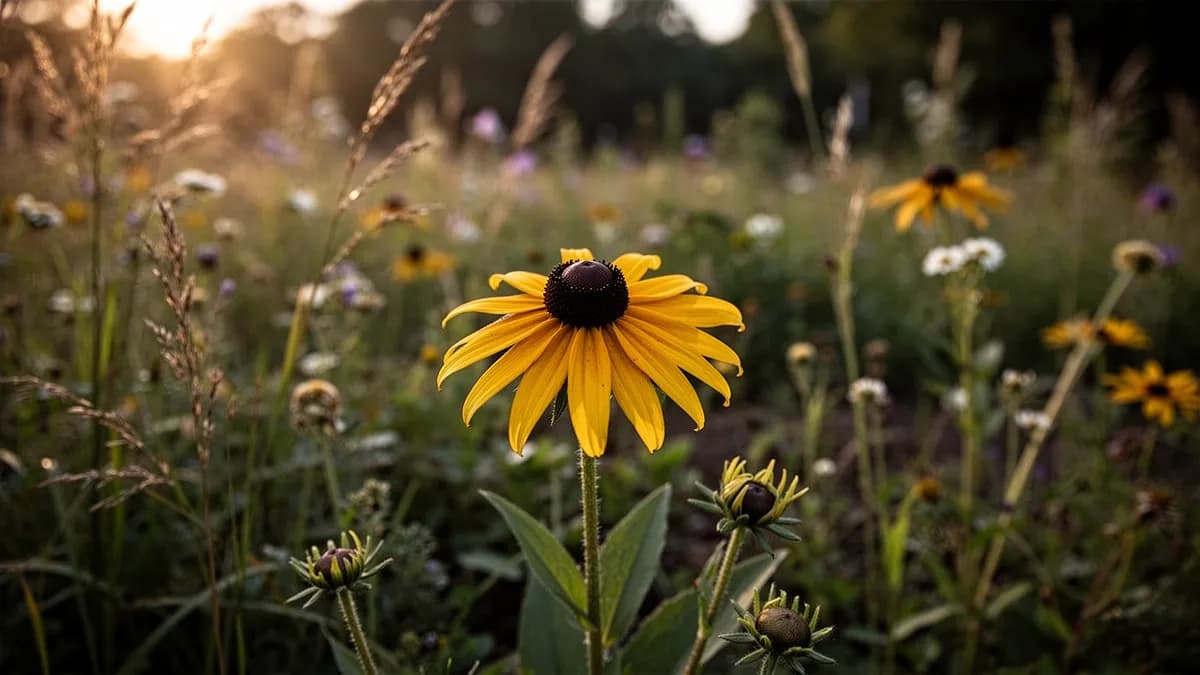
Coneflower belongs beside it.
Old growers' knowledge, checked against Yarrow's real companion table below — test any plant you're growing.
Try Yarrow in a bed — right here
A real planner bed with Yarrow already in it. Tap a companion to place it and watch the pairing checks answer — green for good neighbours, red for a clash.


Related growing guides
Feed it well
Yarrow thrives in poor to average, well-drained soil with a pH of 5.5-7.5. It actively prefers lean conditions—rich, fertile soil causes lanky growth and promotes disease. Sandy, gravelly, or loamy soils are ideal. Do not fertilize or amend soil with rich organic matter. If any feeding is needed, a single light application of balanced fertilizer in spring is more than sufficient. Yarrow is one of the best perennials for infertile, dry sites.
Ideal Temperature
Hardiness Zone Compatibility
From seed to harvest, stage by stage
Seed Germination
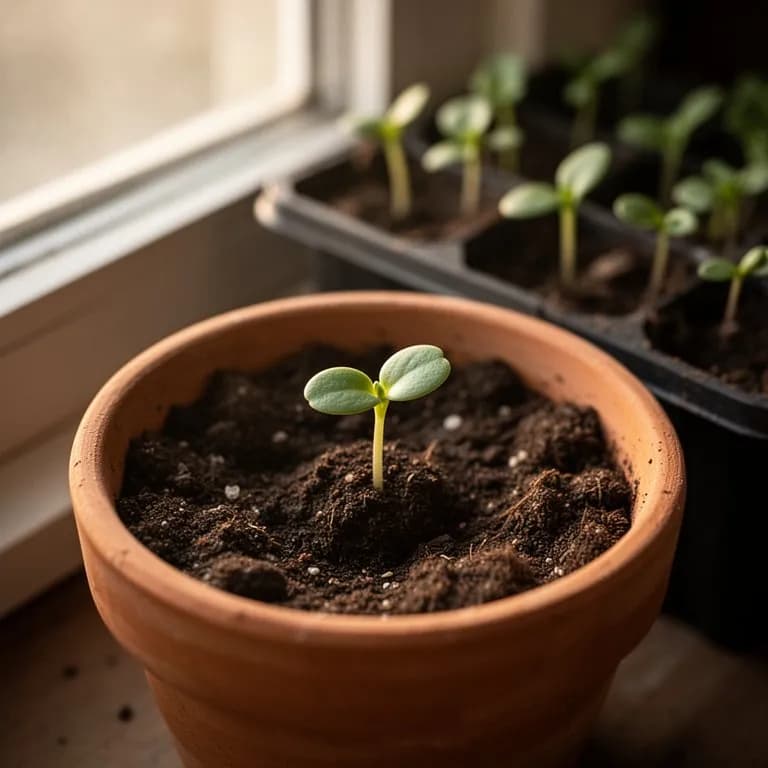
Yarrow seeds are extremely small — roughly 10,000 seeds per gram — and germinate best when surface-sown on moist soil with exposure to light. Under ideal conditions of 18-24°C (65-75°F), seedlings typically emerge within 10-14 days. The tiny cotyledon leaves are oval and unremarkable, giving little hint of the finely divided foliage to come.
Seedling Development
The first true leaves emerge with the characteristic finely divided, fern-like appearance that gives yarrow its species name millefolium, meaning 'thousand leaves.' Seedlings grow slowly at first as they establish a spreading root system. The aromatic foliage is soft to the touch with a distinctive herbal scent when crushed between the fingers.
Rosette Establishment
Yarrow forms a low, spreading basal rosette of deeply divided, silvery-green aromatic foliage. The plant focuses energy on developing an extensive network of creeping rhizomes just below the soil surface, which allow it to spread and form dense, weed-suppressing colonies over time. First-year plants may or may not produce flowers depending on sowing date and growing conditions.
Stem Elongation and Budding
Sturdy, erect stems rise 45-90 cm from the basal rosette, clothed with alternate, finely divided leaves that become progressively smaller toward the top. Each stem terminates in a developing corymb — a flat-topped cluster of tightly packed flower buds. The stems are angular, grooved, and covered with fine hairs. As buds swell, the first hints of petal color become visible at the tips of the cluster.
Peak Flowering
The flat-topped corymbs burst into bloom, with each cluster comprising 15-40 tiny composite flower heads. Wild yarrow produces white to pale cream flowers, though cultivated varieties come in shades of pink, red, yellow, and salmon. Each individual floret is only 4-5 mm across but together the dense clusters create broad, showy landing pads for pollinators. Flowering continues for 6-10 weeks with successive flushes if spent heads are removed.
Seed Set and Dormancy
After flowering, the corymbs dry to brown seed heads containing thousands of tiny achene seeds that disperse by wind and gravity. As autumn temperatures drop, the above-ground foliage yellows and dies back gradually. The underground rhizome network remains alive and dormant through winter, storing energy reserves for vigorous spring emergence. In mild climates, some basal foliage may persist as a semi-evergreen rosette throughout winter.
Scatter seeds on the surface of moist, fine-textured seed-starting mix and press gently — do not cover, as yarrow seeds require light to germinate. Mist the surface regularly to maintain even moisture. Starting indoors 6-8 weeks before the last frost gives seedlings a head start, though yarrow also self-sows readily in the garden.
Caring for Yarrow month by month
What to do each month for your Yarrow
October
You are hereAllow remaining seed heads to mature and scatter naturally or collect for spring sowing. Begin cutting back spent stems as foliage yellows. Apply a light mulch of shredded leaves around the crowns of plants in colder zones for winter insulation.
Know exactly what to do in your garden — every month
One email at the start of each month: what to sow, plant, and tackle right now — for your Yarrow and everything growing around it. Plus a short starter course that helps you dodge the classic mistakes.
- What to do, right now
- Matched to your season
- Starter course included
Harvesting Yarrow
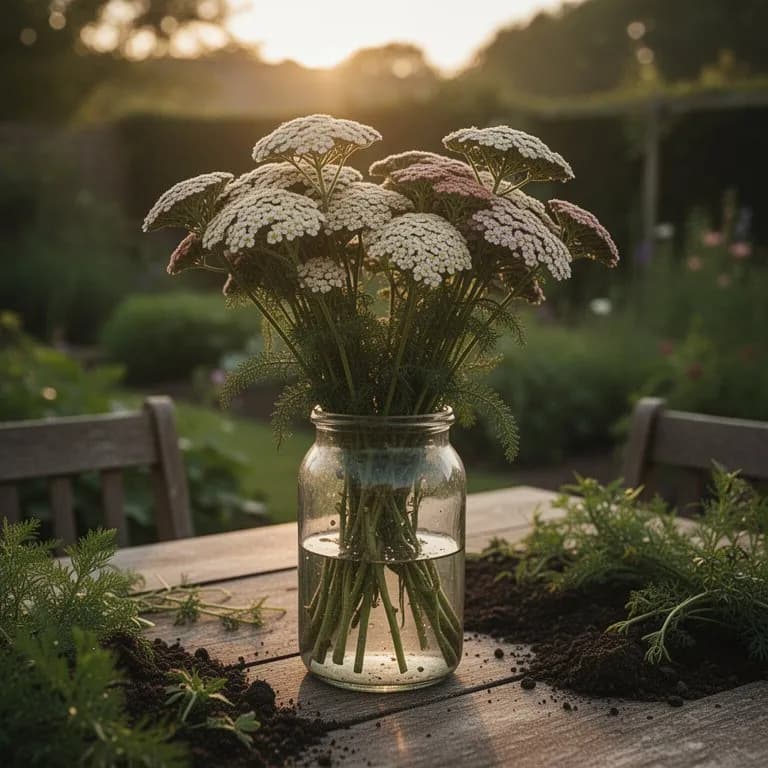
Yarrow is an excellent cut flower, lasting 7-10 days in a vase. Cut when the flat heads are fully colored with most florets open. The flowers also dry superbly—cut at peak color and hang upside down for 2-3 weeks. Dried yarrow retains excellent color, especially the yellow and pastel varieties. For medicinal use, harvest leaves and flowers during peak bloom and dry for herbal preparations.
assuming you plant when the window opens — set your real date
Pick Yarrow promptly and the plant keeps producing.
Storage & Preservation
Yarrow is one of the finest flowers for drying. Cut stems when fully open, strip lower leaves, bundle loosely, and hang upside down in a dark, warm room for 2-3 weeks. The flat heads maintain their shape perfectly and retain color for 6-12 months. Yellow varieties hold their color longest; reds and pinks may fade to softer tones. Yarrow is a staple of dried wreaths, arrangements, and potpourri. Seeds can be collected when heads turn brown.
What goes wrong — and the fix
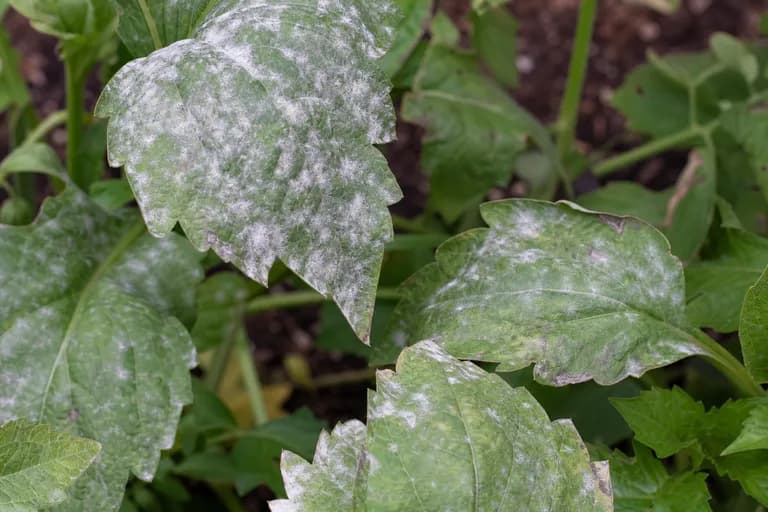
Powdery Mildew
DiseaseWhite powdery coating on leaves, usually appearing in late summer, particularly on plants in shade or with poor air circulation.
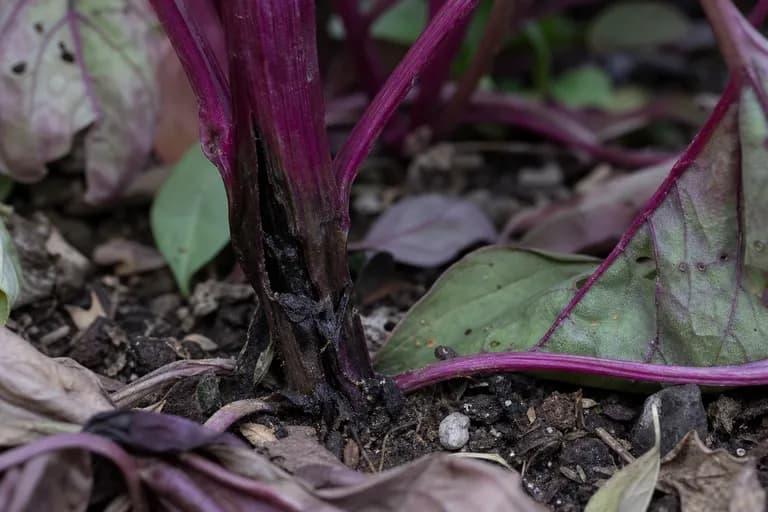
Stem Rot
DiseaseStems soften and collapse at the base, typically in wet conditions or overwatered plantings.
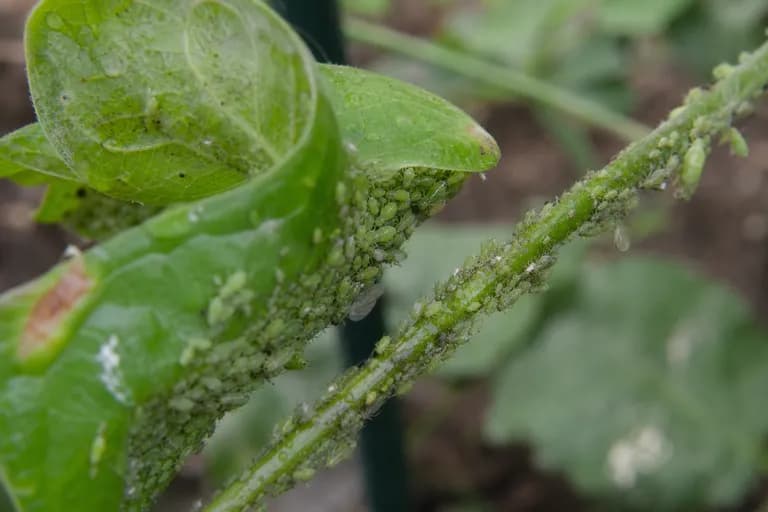
Aphids
PestClusters on flower buds and stem tips, but yarrow is more commonly visited by beneficial insects that eat aphids than by the aphids themselves.
Troubleshooting Common Problems
Floppy growth is the most common complaint, caused by too much shade, rich soil, or overcrowding. Grow in full sun in lean soil for the most compact plants. Spreading rhizomes can become invasive—divide regularly and remove unwanted runners. The warm-colored varieties (red, pink, salmon) tend to fade as flowers age; deadhead promptly for the freshest display. Powdery mildew occurs in humid conditions with poor air circulation.
Growing Tips
- Yarrow thrives in lean, well-drained soil and actually produces more aromatic essential oils when grown in poor to moderate fertility — resist the urge to fertilize heavily, as rich soil creates floppy, weak-stemmed plants with diluted medicinal compounds.
- Full sun is essential for the strongest growth and highest essential oil concentration. Plants tolerate light shade but become leggy, bloom less prolifically, and are more susceptible to powdery mildew in shaded conditions.
- Propagation by division in spring or autumn is the fastest and most reliable method. Lift the entire clump, use a sharp spade to separate sections with healthy roots and growing points, and replant immediately at the same depth.
- Yarrow is one of the best companion plants for the vegetable garden. Plant it along borders and between beds to attract hoverflies and parasitic wasps that prey on aphids, whiteflies, and cabbage caterpillars.
- Harvest flowering stems in the morning after dew has dried but before the heat of the day for peak essential oil content. Cut just above a leaf node and the plant will produce a new flush of growth and flowers within a few weeks.
- To dry yarrow, bundle 5-8 stems together and hang upside down in a warm, dark, well-ventilated space for 1-2 weeks. The flowers retain their color and shape beautifully when dried properly and can be stored in airtight containers for up to one year.
- Control yarrow's spreading habit by installing a root barrier around the planting area or by growing it in a large container sunk into the ground. Alternatively, simply mow or trim the edges of the colony two to three times per season.
- Yarrow is extremely drought-tolerant once established and actually prefers slightly dry conditions. Overwatering, especially in heavy clay soils, is the most common cause of yarrow failure — it leads to root rot and crown decay.
- Shear the entire plant back by one-third to one-half after the first flush of flowers fades in midsummer. This encourages fresh basal growth and a strong second bloom in late summer to early autumn.
- Yarrow can be grown successfully in containers using a gritty, free-draining potting mix with added perlite or coarse sand. Choose a pot at least 30 cm deep to accommodate the taproot, and ensure excellent drainage holes to prevent waterlogging.
Grow your best Yarrow yet — and everything around it.
Start a free plan today. Lay out your beds, drop in your Yarrow, and let PlotMyGarden handle the timing, spacing, companions and reminders from seed to harvest basket.
Pick your Yarrow
Achillea 'Moonshine'
Luminous lemon-yellow flat heads above silver-grey foliage. Compact at 60cm and one of the best for garden use.
Achillea 'Paprika'
Vivid red-orange flowers fading to golden yellow as they age, creating a warm, multi-toned effect. Eye-catching in hot borders.
Achillea millefolium 'Cerise Queen'
Deep cherry-pink flowers above the classic ferny foliage. Vigorous and long-flowering.
Achillea 'Coronation Gold'
Tall (90cm) with deep golden-yellow heads on sturdy stems. A classic dried flower variety that never goes out of style.
A single yarrow plant costs about $3-5 as a nursery transplant or pennies when grown from seed, yet once established it spreads freely via rhizomes and self-sowing to fill large areas at no additional cost. One mature clump provides an ongoing supply of medicinal leaves and flowers worth $15-30 per season if purchased as dried herb from specialty suppliers. Yarrow's value as a companion plant is even greater — its ability to attract beneficial predatory insects reduces the need for organic pest control products, and its deep taproots mine minerals from the subsoil and improve soil structure. A single packet of yarrow seeds ($2-4) can establish a permanent, self-sustaining colony that provides decades of free herbal medicine, culinary garnishes, pollinator habitat, and garden pest management.
Quick recipes
Yarrow and Chamomile Digestive Tea
10 minA soothing herbal infusion that combines the bitter digestive properties of yarrow with the calming sweetness of chamomile. This traditional European remedy is excellent after heavy meals to ease bloating and support digestion. The mild bitter flavor of yarrow is beautifully balanced by the apple-like notes of chamomile and a touch of honey.
6 ingredientsSpring Yarrow Pesto
15 minA vibrant green pesto made from tender young yarrow leaves harvested in early spring when they are mildest in flavor. The slightly bitter, herbaceous taste of yarrow pairs beautifully with toasted pine nuts and sharp Parmesan. Use sparingly as a garnish on pasta, grilled vegetables, or crusty bread — a little goes a long way due to yarrow's aromatic intensity.
8 ingredientsYarrow-Infused Honey
5 min active + 2 weeks infusingA simple but luxurious infused honey that captures the aromatic, slightly camphoraceous flavor of yarrow in golden local honey. The finished honey has a complex herbal taste with subtle bitter undertones that is wonderful drizzled over fresh goat cheese, stirred into tea, or used as a sore-throat remedy. The antibacterial properties of both yarrow and honey make this a powerful traditional healing preparation.
4 ingredientsWhat's inside
Health Benefits
- Yarrow has well-documented hemostatic (blood-stopping) properties — applying crushed fresh leaves directly to minor cuts and scrapes promotes rapid clotting and reduces bleeding time, a use validated by modern research identifying the active compound achilleine
- Regular consumption of yarrow tea supports healthy digestion by stimulating bile production, relieving bloating and gas, and soothing intestinal cramping through the antispasmodic action of its flavonoid compounds
- The anti-inflammatory sesquiterpene lactones in yarrow, particularly chamazulene and achillicin, have been shown to reduce inflammation markers in laboratory studies, offering natural support for conditions involving chronic low-grade inflammation
- Yarrow has a long traditional use as a diaphoretic — drinking hot yarrow tea at the onset of a fever encourages sweating and helps the body's natural cooling mechanism, making it a staple of European folk medicine for managing colds and influenza
- Topical yarrow preparations including poultices, compresses, and infused oils have demonstrated antimicrobial activity against a range of bacteria and fungi, supporting wound healing and helping to prevent infection in minor skin injuries
- The flavonoids and alkaloids in yarrow exert a gentle regulatory effect on the circulatory system, with traditional herbalists using it to improve peripheral circulation and support healthy blood pressure within normal ranges
Where Yarrow comes from
Achillea millefolium, commonly known as yarrow, is one of the oldest and most widely used medicinal plants in human history. Archaeological evidence from Neanderthal burial sites at Shanidar Cave in Iraq, dating to approximately 60,000 years ago, suggests that yarrow may have been among the earliest plants used by hominids for medicinal purposes. Native to temperate regions of Europe, Asia, and North America, yarrow has been a cornerstone of traditional medicine on every inhabited continent for millennia. In ancient Greece, the physician Dioscorides recorded yarrow as a treatment for wounds and bleeding in his foundational text De Materia Medica around 70 CE, and the plant's association with the legendary hero Achilles cemented its reputation as the premier battlefield herb of the ancient world. Throughout medieval Europe, yarrow was cultivated in monastery herb gardens and prescribed by herbalists for fevers, digestive complaints, menstrual irregularities, and wound care. The Anglo-Saxon Nine Herbs Charm, dating to the 10th century, lists yarrow among nine sacred healing plants. Native American tribes including the Cherokee, Navajo, and Blackfoot independently developed extensive yarrow-based remedies for pain relief, fever reduction, and wound treatment. Chinese traditional medicine has employed yarrow for thousands of years, both as a medicinal herb and as the preferred plant for I Ching divination rituals. European colonists carried yarrow seeds to new settlements worldwide, and by the 18th century it had naturalized across most temperate regions. Modern phytochemical research has validated many traditional uses, identifying active compounds including sesquiterpene lactones, flavonoids, alkaloids, and volatile oils with demonstrated anti-inflammatory, antimicrobial, and hemostatic properties.
Yarrow: did you know?
Fascinating facts about Yarrow
The genus name Achillea comes from the Greek hero Achilles, who according to Homer's Iliad used yarrow to treat the bleeding wounds of his soldiers during the Trojan War — earning it the folk name 'soldier's woundwort' and 'herba militaris.'
Yarrow questions, answered
When should I plant Yarrow?
What are good companion plants for Yarrow?
What hardiness zones can Yarrow grow in?
How much sun does Yarrow need?
How far apart should I space Yarrow?
What pests and diseases affect Yarrow?
How do I store Yarrow after harvest?
What are the best Yarrow varieties to grow?
What soil does Yarrow need?
Is yarrow safe to eat, and what does it taste like?
How do I use yarrow medicinally for wound care?
Will yarrow take over my garden if I plant it?
Can I grow yarrow indoors or in containers on a balcony?
When and how should I harvest yarrow for drying?
What pests and diseases affect yarrow, and how do I manage them?
You just read the theory. Now grow it on autopilot.
Everything that makes Yarrow fiddly — the timing, the spacing, the companions, the harvest window — is exactly what PlotMyGarden handles for you, for every plant in your garden.
A plan that knows your weather
Set your location once. Get sow, feed and harvest dates built around your real last-frost date and live forecast — no more guessing from a generic seed packet.
From the “When to plant” sectionDrag-and-drop bed planner
Design beds on a grid. Every plant snaps to its proper spacing, and you can see your whole season laid out before you spend a cent on seed.
From the “Growing guide” sectionCompanion conflicts, caught early
200+ good-and-bad pairings checked live as you plant — so a season-wrecking mistake never makes it into the ground.
From the “Companions” sectionReminders you'll actually act on
“Water the beans.” “Pick today before it turns.” Timely, specific, and tied to the plants you're really growing.
From the “Harvest” sectionSuccession, scheduled
Want a harvest for six weeks, not six days? It spaces your sowings automatically and reminds you when each new block is due.
From the “When to plant” sectionA record that gets smarter
Every harvest you log teaches it your garden. Next year's plan starts from what actually worked in your soil, not a textbook's.
From the “Overview” sectionPlant these alongside Yarrow
More Perennials
Garden plans featuring Yarrow
Grow your best Yarrow yet — and everything around it.
Start a free plan today. Lay out your beds, drop in your Yarrow, and let PlotMyGarden handle the timing, spacing, companions and reminders from seed to harvest basket.