Wild Bergamot
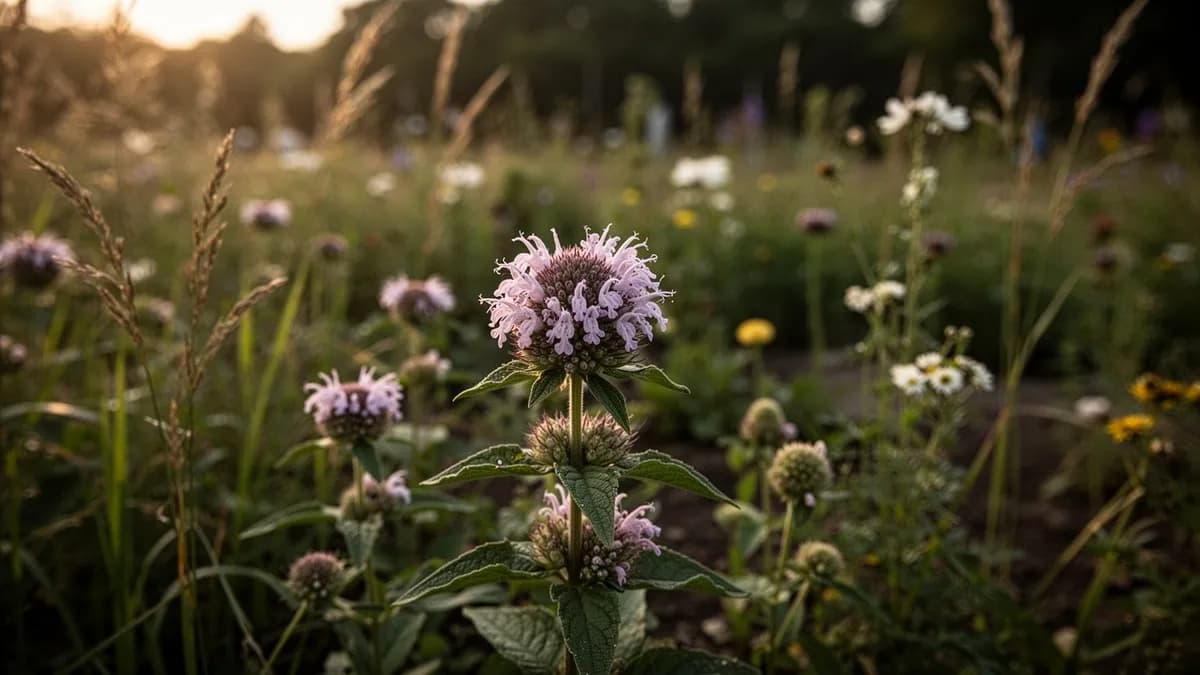
A native wildflower with globes of lavender-pink tubular flowers that attract hummingbirds, butterflies, and native bees in abundance.





On this pageOverview
Meet Wild Bergamot
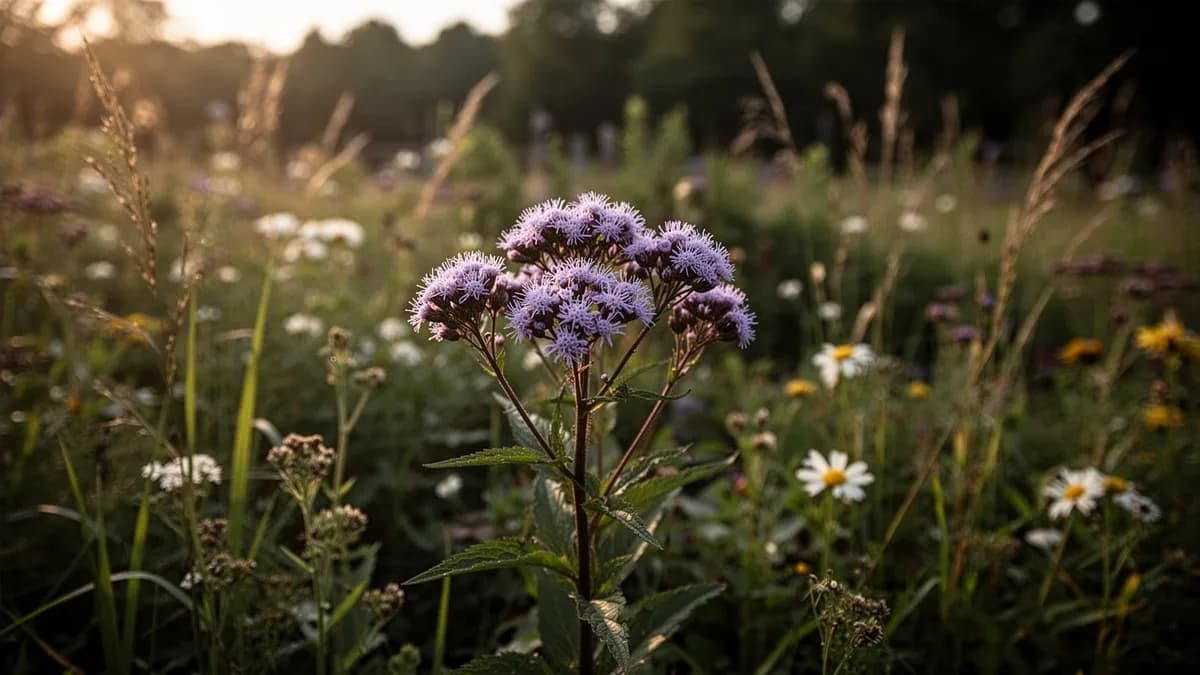
A native wildflower with globes of lavender-pink tubular flowers that attract hummingbirds, butterflies, and native bees in abundance. Wild bergamot is more drought tolerant and mildew resistant than garden bee balm varieties, thriving in dry prairies and meadows. The aromatic leaves make a pleasant herbal tea and the dried seed heads provide winter interest.
When to plant Wild Bergamot
Wild bergamot seed germinates best after cold stratification. Sow outdoors in autumn for natural winter treatment, or cold-stratify in moist paper towels in the refrigerator for four to six weeks before spring sowing. Surface sow on moist compost without covering, as seeds need light to germinate. Seeds sprout in ten to twenty-one days at 60 to 70 degrees Fahrenheit. Transplant seedlings to their permanent location while still small. Plants typically flower in their second year from seed.
We watch the calendar so you don't have to
Tell us where you garden once. We line your sow and harvest windows up with your local season — and nudge you the moment each one opens.
See your exact Wild Bergamot dates
Share your location once and we'll line every sow and harvest date up with your real local season — not a generic seed-packet guess.
Used once to set your season · never sharedHow to grow Wild Bergamot
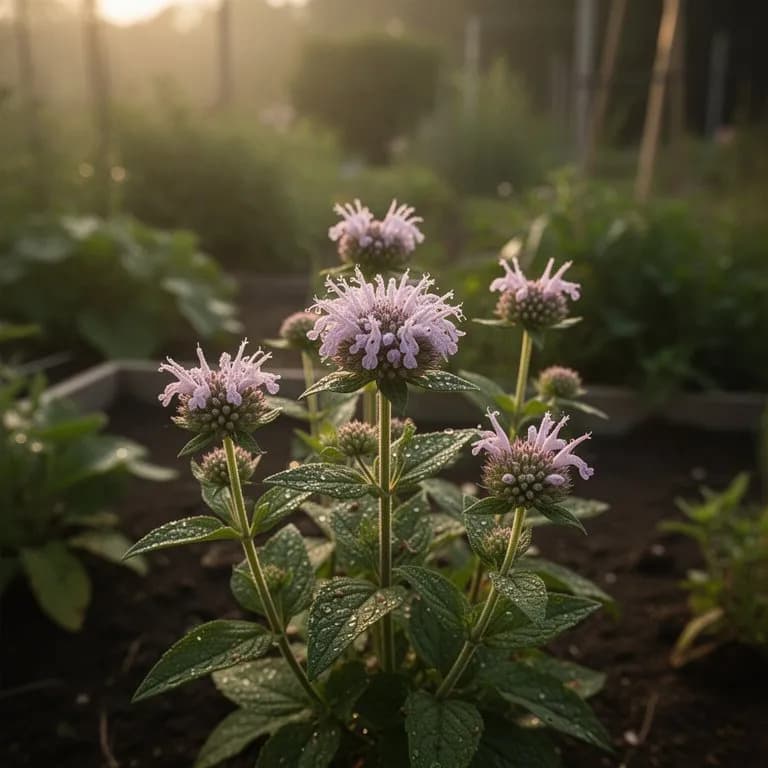
Plant wild bergamot in spring or autumn in full sun with average, well-drained soil. Unlike its garden cousin bee balm (Monarda didyma), wild bergamot is remarkably drought tolerant and thrives in lean, dry prairie conditions that would cause cultivated bee balm to decline. Space plants eighteen to twenty-four inches apart and provide good air circulation to minimize mildew issues.
Wild bergamot requires minimal watering once established, tolerating dry conditions that many perennials cannot handle. Avoid rich, moist soil and heavy fertilization, which promote lush growth susceptible to powdery mildew. The lavender-pink globes of tubular flowers appear in midsummer and attract an extraordinary diversity of pollinators including hummingbirds, butterflies, native bees, and even hummingbird moths.
Wild bergamot spreads moderately by rhizomes and self-seeding. Divide clumps every three to four years in spring to maintain vigor and control spread. Deadhead after flowering to prevent excessive self-seeding, or allow seed heads to stand through winter for bird food and garden architecture. Cut back to the ground in late winter before new growth begins.
The bed planner spaces every plant for you
Pick a bed size and PlotMyGarden spaces your Wild Bergamot at 45 cm, counts how many fit, and lays the block out before you buy a single seed.
Wild Bergamot's best neighbours
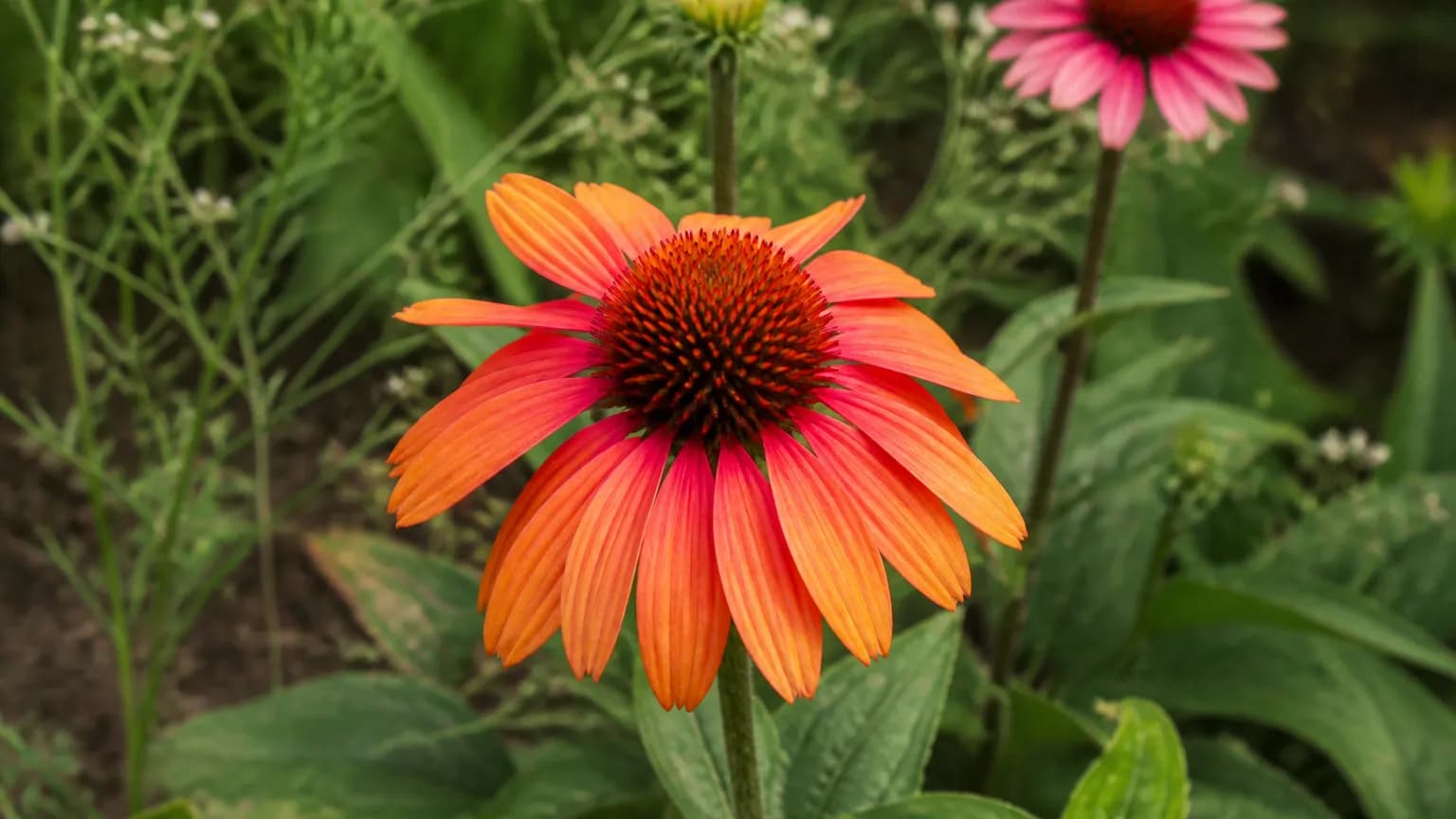
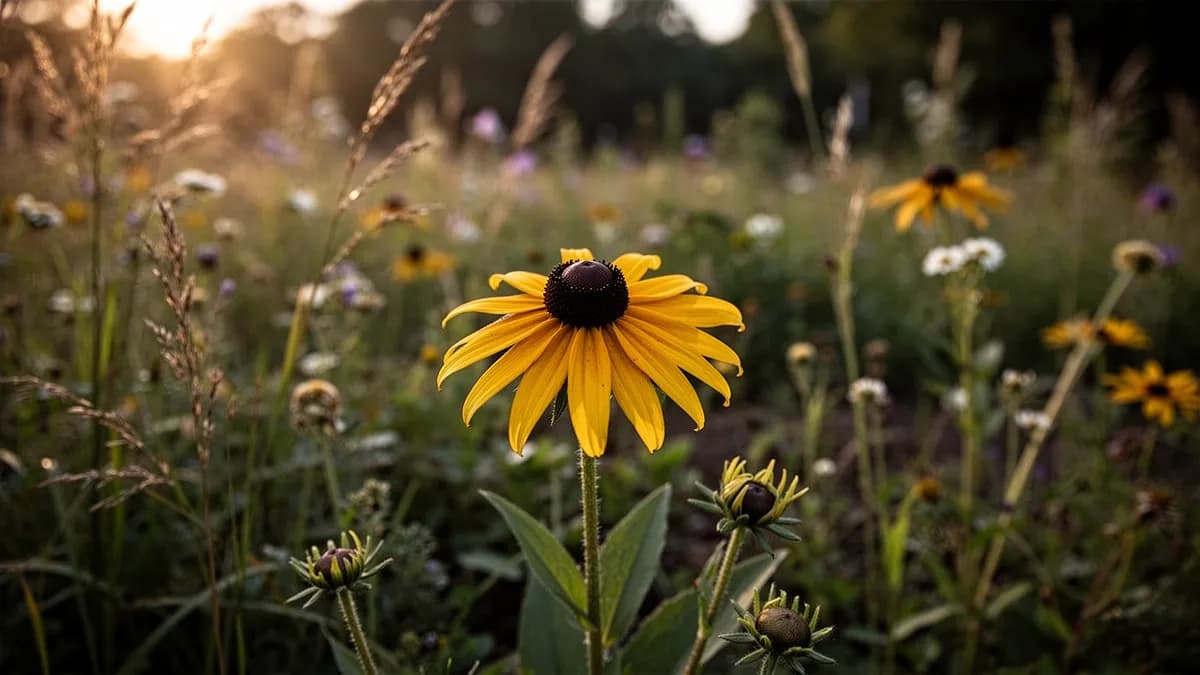
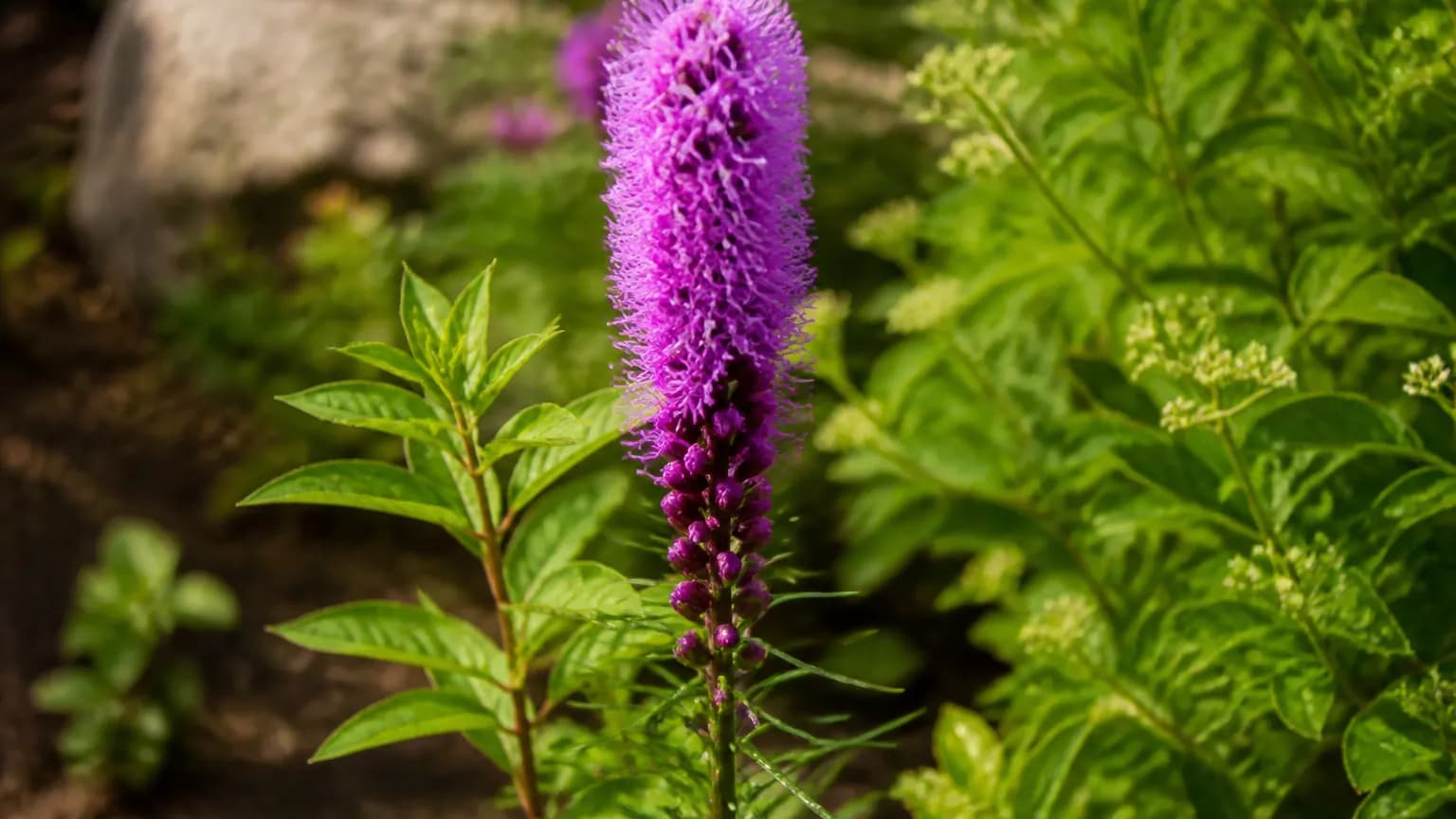
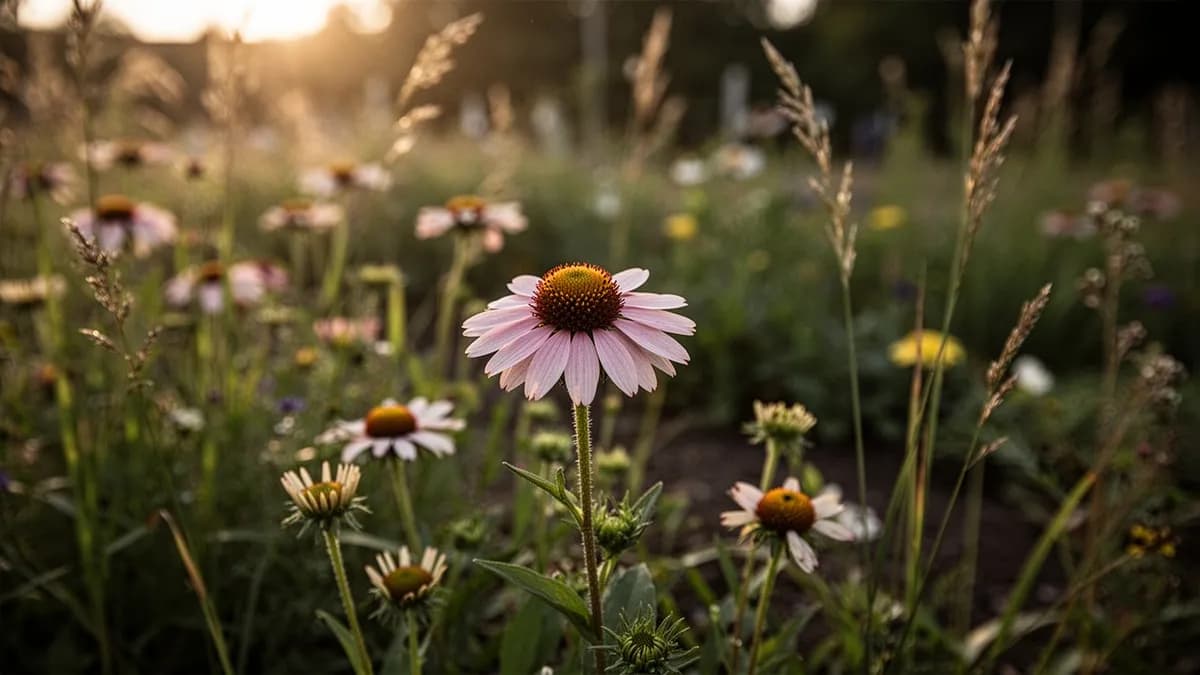
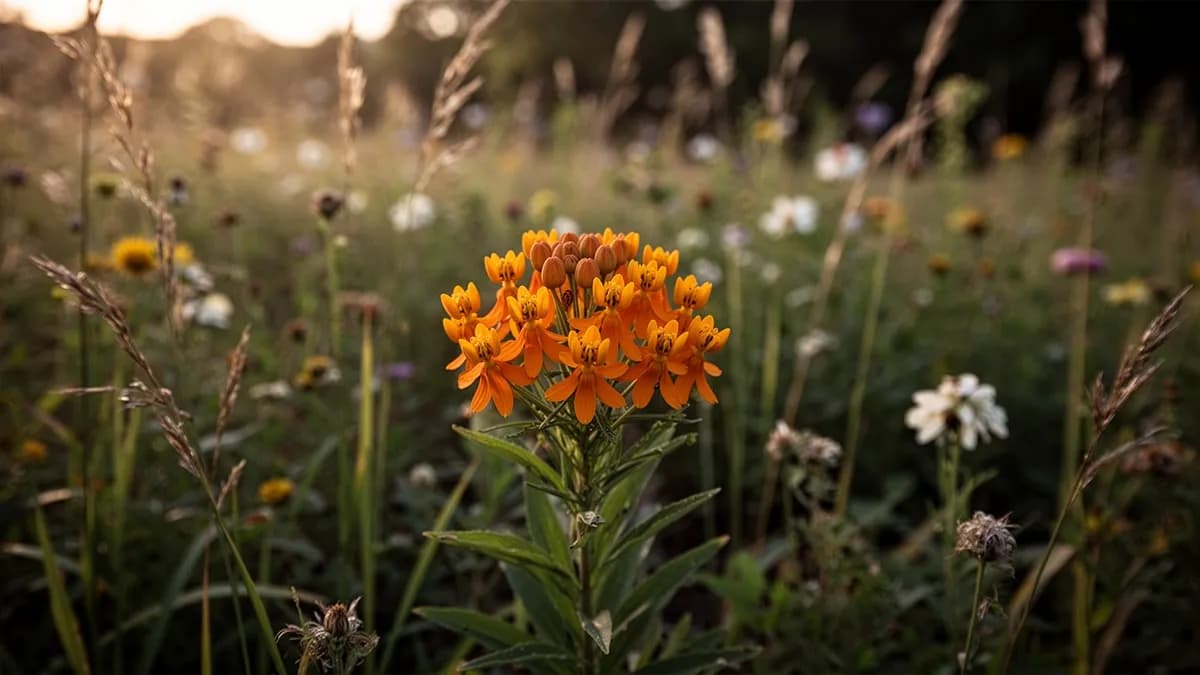
Wild bergamot is a cornerstone of prairie-style gardens alongside coneflowers, black-eyed susans, liatris, and native grasses. It pairs beautifully with butterfly weed for a pink and orange pollinator garden. The aromatic foliage may help deter some garden pests when planted near vegetables. Wild bergamot is one of the top nectar plants for native bees and butterflies, making it invaluable in any wildlife garden.
It flags clashes before you plant, not after
Every plant you place is checked against its neighbours in real time. Good matches glow green; conflicts get flagged on the spot — so a season-wrecking mistake never makes it into the ground.
Feed it well
Wild bergamot thrives in lean, average to dry, well-drained soil with a pH of 6.0 to 8.0. It performs well in poor, rocky, or sandy soil where garden bee balm varieties would fail. Avoid rich, heavily amended soil which promotes lush growth prone to mildew. No supplemental fertilization is needed in average garden conditions. The plant's native habitat is dry prairie and open woodland edges with mineral-based soil.
Ideal Temperature
Hardiness Zone Compatibility
From seed to harvest, stage by stage
Seed Germination
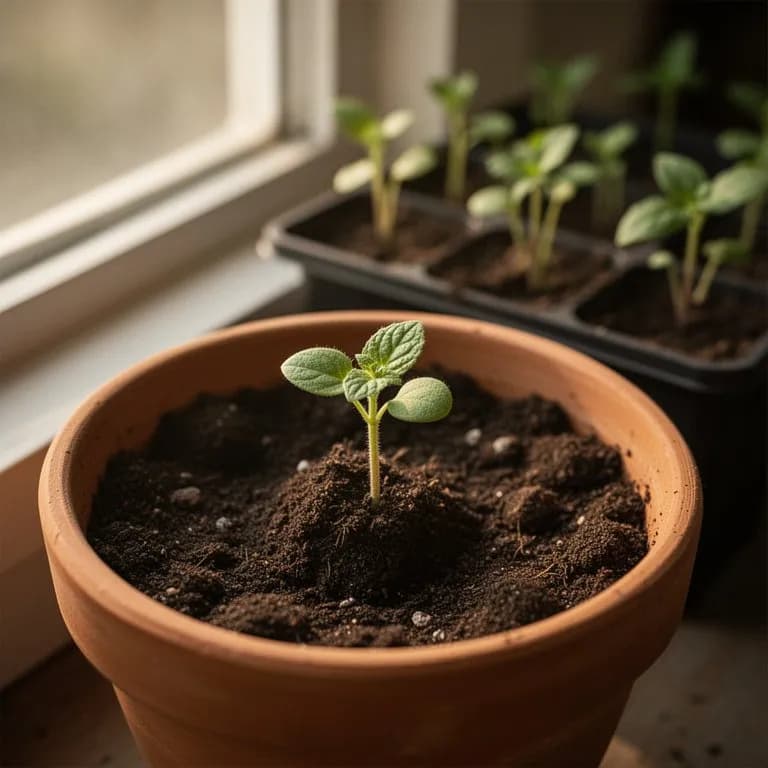
Monarda punctata seeds are tiny and require light for germination. Under favorable conditions of warmth and consistent moisture, seedlings emerge in 7-21 days. The initial cotyledon leaves are small and rounded, soon followed by the first true leaves that already carry the characteristic minty-oregano scent when gently rubbed. Seeds sown in autumn may benefit from natural cold stratification over winter and germinate vigorously the following spring.
Seedling Development
Seedlings develop their characteristic square stems and opposite pairs of lance-shaped, aromatic leaves. Growth is moderate during this phase as the plant invests energy in establishing a branching root system. The leaves become increasingly fragrant as essential oil glands mature, and the plants begin to exhibit the bushy branching habit typical of the mint family.
Vegetative Growth
Plants grow rapidly through late spring, producing multiple branching stems 30-90 cm tall clad in narrow, lance-shaped leaves. The foliage is strongly aromatic with a complex scent profile combining thyme, oregano, and subtle citrus notes. First-year plants from seed focus primarily on vegetative growth and root establishment, though some may produce late-season flowers. Second-year plants develop a more robust and multi-stemmed form.
Flowering
The spectacular tiered flower heads emerge from midsummer onward, consisting of stacked whorls of small yellow tubular flowers prominently spotted with purple-brown dots, each whorl subtended by showy pinkish-lavender bracts. The pagoda-like inflorescence is unlike any other North American wildflower and continues opening from bottom to top over several weeks. Pollinator activity reaches a peak during this stage, with dozens of bee and wasp species visiting the flowers daily.
Seed Set and Dormancy
After flowering, the bracts dry to a papery tan and the small nutlet seeds mature within the persistent calyces. Each whorl produces dozens of tiny seeds that are dispersed by wind and gravity. The foliage gradually browns as autumn temperatures drop, and the plant dies back to the root crown. In mild climates (zones 7-10) the basal rosette may remain semi-evergreen through winter. The dried flower stalks persist and add winter garden structure.
Spring Regrowth
As soil temperatures rise in spring, fresh growth emerges from the perennial root crown and from any self-sown seedlings around the parent plant. The new basal shoots are intensely aromatic and grow quickly in warm weather. Established plants spread gradually by short rhizomes, forming expanding clumps over successive seasons. Third-year and older plants may produce 10-20 flowering stems from a single crown.
Surface-sow seeds on moist, well-drained seed-starting mix — do not cover them, as light promotes germination. Maintain soil temperature between 18-22°C (65-72°F). Mist gently to keep the surface moist without dislodging the tiny seeds. Cold stratification for 2-4 weeks in the refrigerator before spring sowing can improve germination rates from roughly 40% to over 70%.
Caring for Wild Bergamot month by month
What to do each month for your Wild Bergamot
July
You are herePeak flowering month in most regions. Enjoy the extraordinary pollinator activity — spotted bee balm attracts more diverse wasp and bee species than almost any other native wildflower. Harvest stems for herbal use when flowers are fully open. Photograph the incredible diversity of pollinators visiting the blooms for citizen science projects like iNaturalist.
Harvesting Wild Bergamot
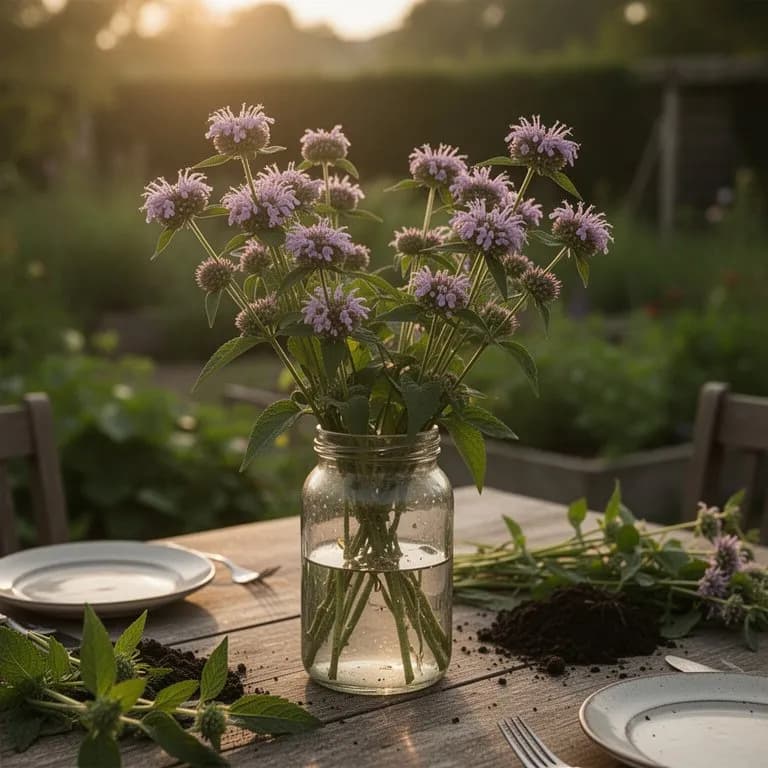
Cut wild bergamot stems for arrangements when about half the tiny tubular flowers in each globe have opened. The lavender-pink color and interesting spherical form add a wildflower charm to summer bouquets. Stems last about a week in water. Harvest leaves for herbal tea by cutting stems in the morning after the dew has dried, when essential oil content is highest. Bundle and hang upside down to dry in a well-ventilated area away from direct sunlight.
We count the days and tell you when to pick
Tell us when you planted and PlotMyGarden tracks the 365-day countdown to harvest, then pings you the day your Wild Bergamot is ready.
Storage & Preservation
Dried wild bergamot leaves and flowers can be stored in airtight glass jars in a cool, dark location for up to a year. The aromatic leaves maintain their flavor well when dried slowly in a warm, dark space. Seeds can be collected from dried flower heads in autumn and stored in paper envelopes. For the freshest tea, freeze small bundles of fresh leaves in resealable bags. Dried flower heads can be used in potpourri and sachets.
What goes wrong — and the fix
Powdery Mildew
DiseaseWhite, powdery coating on leaves, typically starting on lower foliage and spreading upward. Leaves may curl and brown.
Stalk Borer
PestStems wilt suddenly from the top down. A small hole may be visible in the stem where the borer entered. The caterpillar feeds inside the hollow stem.
Troubleshooting Common Problems
While wild bergamot is far more mildew resistant than garden bee balm cultivars, powdery mildew can still appear in humid conditions with poor air circulation. Planting in full sun with adequate spacing largely eliminates this problem. The spreading rhizomes can be aggressive in small gardens, so plan for containment or division. Lower leaves may drop in mid to late summer, which is normal for this species.
Growing Tips
- Drainage is the single most critical factor for success with Monarda punctata. The plant evolved in sandy prairies and coastal dunes and will quickly succumb to root rot in heavy clay or consistently moist soils. Amend planting sites with generous amounts of coarse sand, pea gravel, or crusite to ensure rapid water drainage away from the root zone.
- Full sun is essential — spotted bee balm requires a minimum of 6-8 hours of direct sunlight daily for compact growth, maximum flowering, and peak essential oil production. Plants grown in partial shade become leggy, produce fewer flowers, and are more susceptible to powdery mildew and other fungal diseases.
- Resist the urge to fertilize. Monarda punctata produces its highest concentrations of thymol and other essential oils when grown in lean, nutrient-poor soil. Rich garden soil and nitrogen fertilizers result in lush but floppy foliage with diminished fragrance and medicinal potency.
- Cold-stratify seeds for 2-4 weeks before spring sowing to significantly improve germination rates. Place seeds in a sealed plastic bag with a small amount of damp sand and store in the refrigerator. Alternatively, sow seeds directly outdoors in late autumn and allow natural winter cold to break dormancy.
- Pinch the growing tips of young plants once when they reach 15-20 cm tall to encourage branching and a bushier, more compact habit. This single pinch can double the number of flowering stems a plant produces without delaying bloom significantly.
- Space plants at least 30-45 cm apart to ensure adequate airflow, which is important for preventing foliar diseases in humid climates. In naturalized or meadow plantings, wider spacing of 45-60 cm allows each plant to develop its full architectural form.
- Water only during establishment and extended drought periods. Once established, spotted bee balm is remarkably drought tolerant and actually performs better with occasional deep watering than with frequent shallow irrigation. Overwatering is the most common cause of failure with this species.
- Harvest foliage for herbal use by cutting stems just above a lower leaf node when flowers are at peak bloom. This timing ensures maximum essential oil content and allows the plant to regrow and potentially produce a second flush of flowers later in the season.
- Leave dried flower stalks standing through winter rather than cutting them back in autumn. The hollow stems provide critical overwintering habitat for native solitary bees and other beneficial insects, and the seed heads feed small birds throughout the cold months.
- Combine spotted bee balm with other xeric natives for a low-maintenance, high-impact pollinator garden. Excellent companions include Liatris spicata, Rudbeckia hirta, Asclepias tuberosa, Schizachyrium scoparium, and Echinacea purpurea — all share similar preferences for sun, drainage, and lean soil.
Pick your Wild Bergamot
Fistulosa
The straight species with lavender-pink flowers, the most drought tolerant and mildew resistant of all monardas.
Claire Grace
A selected form with deep lavender flowers and excellent mildew resistance, named for its outstanding garden performance.
Bradburiana
Eastern bee balm, a closely related species with pale pink flowers and spotted bracts, very drought tolerant.
Spotted bee balm is one of the most cost-effective medicinal and culinary herbs to grow at home. A single packet of seeds ($3-5) produces 50-100 plants that, once established, self-sow and spread to create a permanent, self-sustaining colony. The high thymol content means the dried leaves substitute directly for purchased dried thyme and oregano ($4-8 per jar), while fresh herbal tea from the garden replaces boxed herbal tea blends ($5-9 per box). Essential oil distilled from Monarda punctata retails for $15-30 per 10ml bottle, yet a small home patch of 10-15 plants produces enough plant material for multiple home distillation batches per season. The plant's drought tolerance and zero-fertilizer requirements further reduce garden input costs compared to thirsty, high-maintenance herb varieties.
Quick recipes
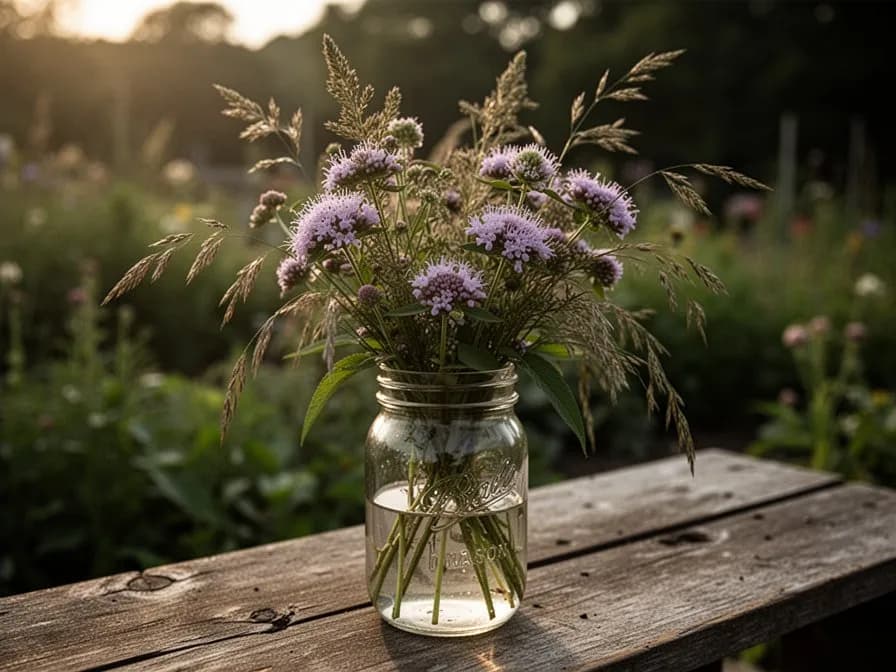
Spotted Bee Balm Herbal Tea
10 minA soothing and aromatic herbal tea brewed from fresh or dried Monarda punctata leaves. The flavor is complex, combining the warmth of oregano and thyme with subtle floral and citrus undertones. Traditionally used as a digestive tonic and cold remedy, this tea is equally enjoyable as an everyday herbal beverage.
5 ingredientsHorsemint Herb Butter
15 min (plus 1 hour chilling)A savory compound butter infused with finely chopped spotted bee balm leaves. The thyme-oregano flavor of the herb pairs beautifully with grilled meats, roasted vegetables, and crusty bread. Roll into a log, chill, and slice into rounds for an elegant finish to summer dishes.
6 ingredientsWild Bee Balm and Honey Vinegar Dressing
10 minA bright herb vinaigrette using spotted bee balm as the starring aromatic. The thymol-rich leaves lend a savory depth to this versatile dressing that works on mixed green salads, grilled vegetable platters, or as a marinade for chicken and fish.
6 ingredientsCulinary Uses
Wild bergamot leaves make a delightful herbal tea with a flavor reminiscent of Earl Grey due to the presence of the aromatic compound thymol. Steep fresh or dried leaves in boiling water for five to ten minutes. The flowers are edible and make attractive, flavorful garnishes for salads, desserts, and summer drinks. Indigenous peoples used wild bergamot extensively as both food seasoning and medicine. The leaves can be used fresh or dried in place of oregano or thyme in cooking.
What's inside
Health Benefits
- The high thymol content of Monarda punctata provides potent natural antimicrobial activity — thymol has been extensively studied and shown to inhibit the growth of bacteria including E. coli, Staphylococcus aureus, and Salmonella, as well as numerous fungal pathogens including Candida species.
- Traditional use as a digestive aid is well supported by the plant's carminative essential oils. Spotted bee balm tea helps relieve bloating, gas, and mild stomach discomfort by relaxing smooth muscle in the gastrointestinal tract and promoting healthy bile flow.
- The combined thymol and carvacrol content creates a natural respiratory support system — inhaling steam from spotted bee balm tea or using the essential oil in diffusion may help clear congestion, soothe irritated airways, and support comfortable breathing during seasonal respiratory challenges.
- Rosmarinic acid and flavonoids in the leaves contribute significant antioxidant capacity, helping neutralize free radicals and reduce oxidative stress. These polyphenols also demonstrate anti-inflammatory properties that may support joint comfort and recovery.
- Applied topically as a poultice or diluted essential oil preparation, Monarda punctata has been used traditionally to relieve minor skin irritations, insect bites, and fungal skin conditions — its antifungal and antiseptic properties make it a useful addition to natural first-aid preparations.
- Emerging research suggests that thymol-rich plant extracts like those from spotted bee balm may support oral health by inhibiting the growth of bacteria associated with dental plaque, gingivitis, and halitosis — a property recognized by modern mouthwash formulations that use thymol as an active ingredient.
Where Wild Bergamot comes from
Monarda punctata, commonly known as spotted bee balm or horsemint, is native to eastern and central North America, where it ranges from Vermont south to Florida and west to Minnesota and Texas. The plant occurs naturally in sandy prairies, coastal dunes, dry open woodlands, rocky outcrops, and disturbed sandy soils — always in well-drained sites with full sun exposure. It is a characteristic species of the sandy coastal plain flora from Long Island to the Gulf Coast and thrives in the nutrient-poor, fast-draining soils that many other wildflowers cannot tolerate.
Native American peoples were the first to recognize and exploit the medicinal properties of spotted bee balm. The Choctaw brewed leaf tea to treat colds and fevers, while the Delaware used it as a remedy for digestive ailments and applied poultices of the crushed leaves to relieve headaches. The Nanticoke people used Monarda punctata preparations for back pain and general body aches. European settlers quickly adopted these uses and added their own — by the 1800s, horsemint was a staple of American folk medicine, appearing in numerous herbal pharmacopoeias as a treatment for nausea, flatulence, and urinary complaints.
The plant gained unexpected commercial importance during World War I. Thymol, the powerful antiseptic compound used to treat wound infections and as a medical disinfectant, was traditionally sourced from European thyme (Thymus vulgaris). When the war disrupted transatlantic supply chains, American chemists discovered that Monarda punctata contained thymol concentrations equal to or exceeding those of European thyme. Large-scale harvesting operations were established across the southeastern United States, and the native horsemint became a critical wartime resource for medical thymol production.
In recent decades, Monarda punctata has experienced a renaissance in sustainable landscaping and ecological restoration. As water restrictions increase and gardeners seek drought-tolerant alternatives to thirsty ornamentals, spotted bee balm has emerged as a premier choice for xeriscape gardens, green roofs, and pollinator habitat projects. Its extraordinary ability to attract diverse native pollinators — particularly specialist bees and predatory wasps that provide natural pest control — has made it a cornerstone species in integrated pest management and conservation plantings across its native range.
Wild Bergamot: did you know?
Fascinating facts about Wild Bergamot
Monarda punctata contains remarkably high concentrations of thymol — the same antiseptic compound found in commercial Thyme — and during World War I, spotted bee balm was commercially harvested in the United States as a domestic source of thymol when European thyme supplies were disrupted by the conflict.
Wild Bergamot questions, answered
When should I plant Wild Bergamot?
What are good companion plants for Wild Bergamot?
What hardiness zones can Wild Bergamot grow in?
How much sun does Wild Bergamot need?
How far apart should I space Wild Bergamot?
What pests and diseases affect Wild Bergamot?
How do I store Wild Bergamot after harvest?
What are the best Wild Bergamot varieties to grow?
What soil does Wild Bergamot need?
Is Monarda punctata the same as regular bee balm (Monarda didyma)?
Can I use spotted bee balm as a substitute for thyme or oregano in cooking?
Why is my spotted bee balm getting leggy and falling over?
How do I harvest and dry spotted bee balm for tea and herbal use?
Is spotted bee balm safe for pets, and will deer eat it?
Will spotted bee balm spread aggressively and take over my garden?
You just read the theory. Now grow it on autopilot.
Everything that makes Wild Bergamot fiddly — the timing, the spacing, the companions, the harvest window — is exactly what PlotMyGarden handles for you, for every plant in your garden.
A plan that knows your weather
Set your location once. Get sow, feed and harvest dates built around your real last-frost date and live forecast — no more guessing from a generic seed packet.
From the “When to plant” sectionDrag-and-drop bed planner
Design beds on a grid. Every plant snaps to its proper spacing, and you can see your whole season laid out before you spend a cent on seed.
From the “Growing guide” sectionCompanion conflicts, caught early
200+ good-and-bad pairings checked live as you plant — so a season-wrecking mistake never makes it into the ground.
From the “Companions” sectionReminders you'll actually act on
“Water the beans.” “Pick today before it turns.” Timely, specific, and tied to the plants you're really growing.
From the “Harvest” sectionSuccession, scheduled
Want a harvest for six weeks, not six days? It spaces your sowings automatically and reminds you when each new block is due.
From the “When to plant” sectionA record that gets smarter
Every harvest you log teaches it your garden. Next year's plan starts from what actually worked in your soil, not a textbook's.
From the “Overview” sectionPlant these alongside Wild Bergamot
More Wildflowers
Grow your best Wild Bergamot yet — and everything around it.
Start a free plan today. Lay out your beds, drop in your Wild Bergamot, and let PlotMyGarden handle the timing, spacing, companions and reminders from seed to harvest basket.