Blazing Star
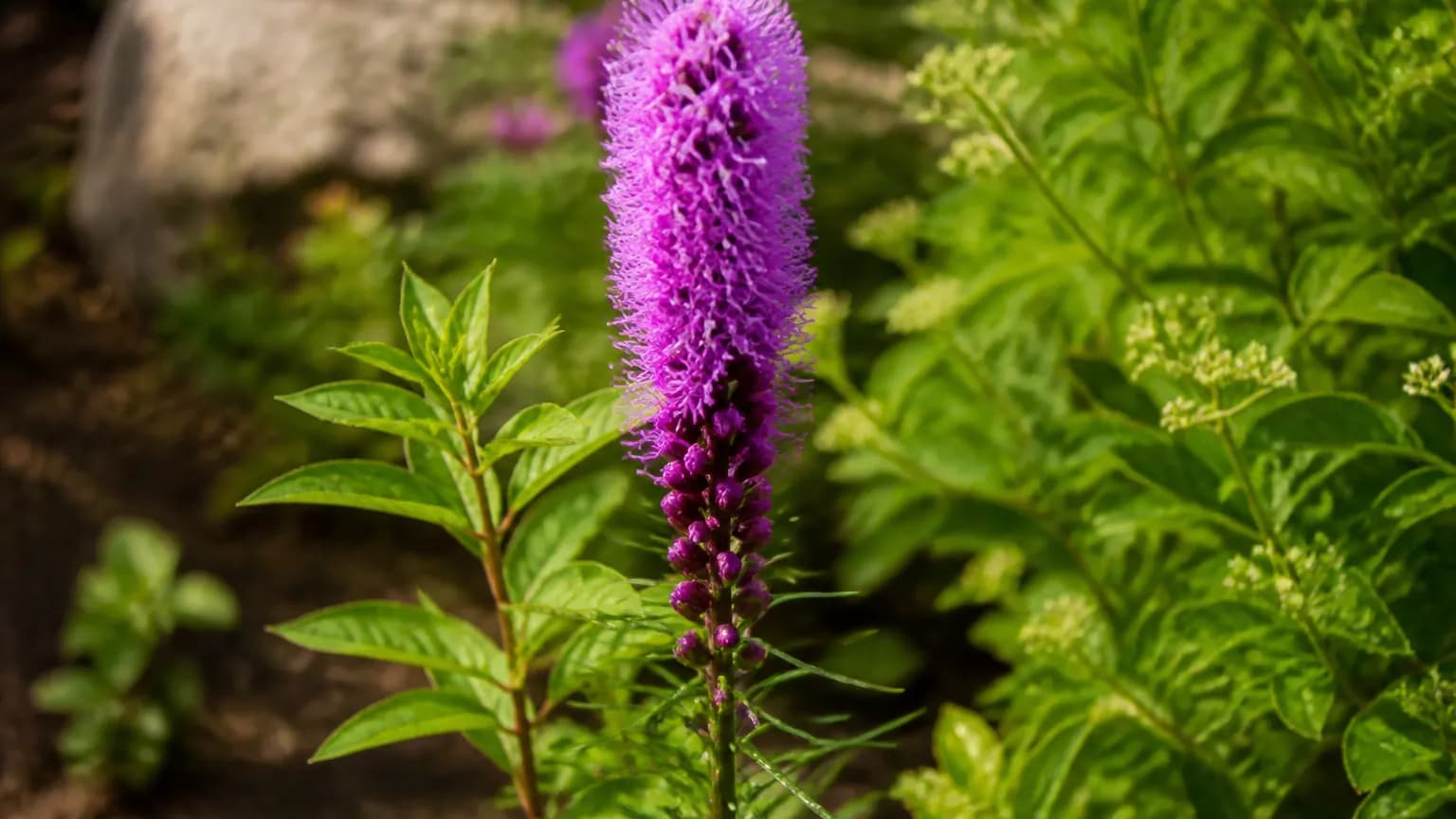
A native prairie perennial with fuzzy purple or white flower spikes that uniquely open from the top down, attracting monarchs and other butterflies.





On this pageOverview
Meet Blazing Star
A native prairie perennial with fuzzy purple or white flower spikes that uniquely open from the top down, attracting monarchs and other butterflies. Blazing star grows from a corm and prefers lean, well-drained soil in full sun. It is drought-tolerant and an excellent cut flower, adding vertical interest to meadow and border plantings.
When to plant Blazing Star
Liatris grows readily from seed with cold stratification. Sow in autumn outdoors for natural stratification, or refrigerate seeds in moist sand for 4-6 weeks before spring sowing. Surface-sow on moist, gritty compost at 18-22°C. Germination takes 2-4 weeks. Seed-grown plants take 2-3 years to flower. Division of established corms in spring is the fastest propagation method—separate offset corms and replant 10-15cm deep.
Your Blazing Star Year
Composed for Zone 7 · typical seasons · frost passes Apr 2, returns Nov 1
Plant Blazing Star Mar – Apr, Sep, pick Jul – Aug. Check the planting methods below and set your climate to personalize these windows.
How to grow Blazing Star
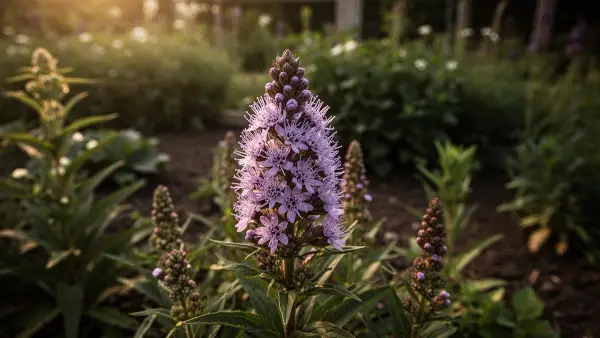
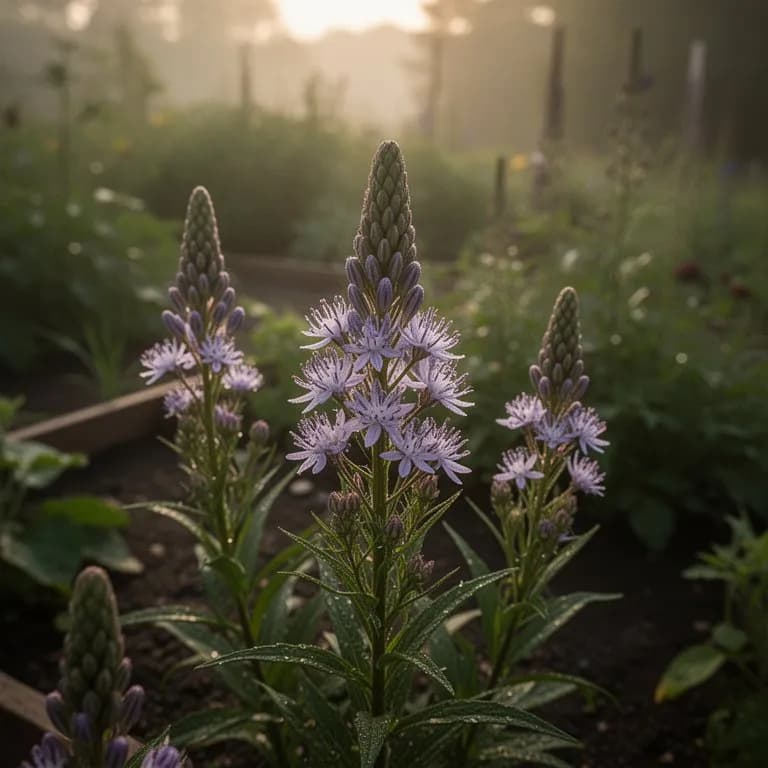
Blazing star is a distinctive North American prairie native with dense spikes of fluffy purple or white flowers that open uniquely from the top of the spike downward—the opposite of most spike-shaped flowers. Growing from a corm-like rootstock, liatris produces grassy basal foliage and 60-120cm flower stems that stand like purple exclamation points in the midsummer garden. The flowers are powerful magnets for monarchs, swallowtails, and painted lady butterflies.
Plant corms 10-15cm deep in spring in full sun with well-drained, lean soil. Excellent drainage is essential—liatris corms rot in wet winter soil. Sandy, gravelly, or loamy soils are ideal. Avoid rich, heavy clay and waterlogged conditions. Once established, blazing star is remarkably drought-tolerant, reflecting its prairie origins.
Liatris requires virtually no maintenance beyond removing spent flower stalks if desired—or leave them for seed-eating birds. The grassy foliage turns attractive shades of bronze in autumn. No dividing is needed unless clumps become very congested (usually every 4-5 years in optimal conditions).
32 plants fit a 4 × 8 ft bed
Each Blazing Star wants 30 cm of elbow room. The planner keeps that spacing for you — every plant, every bed.
Blazing Star's best neighbours
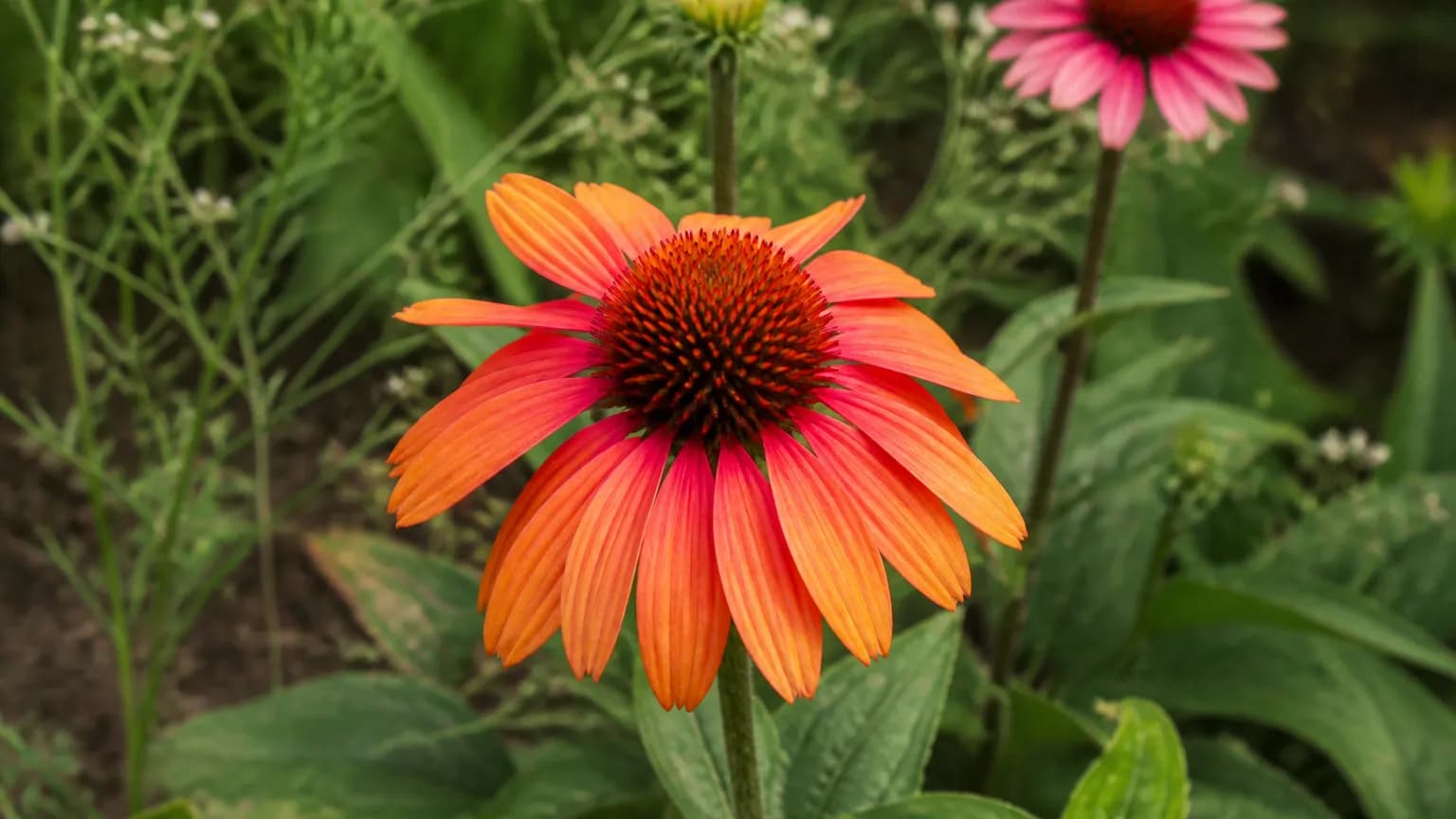
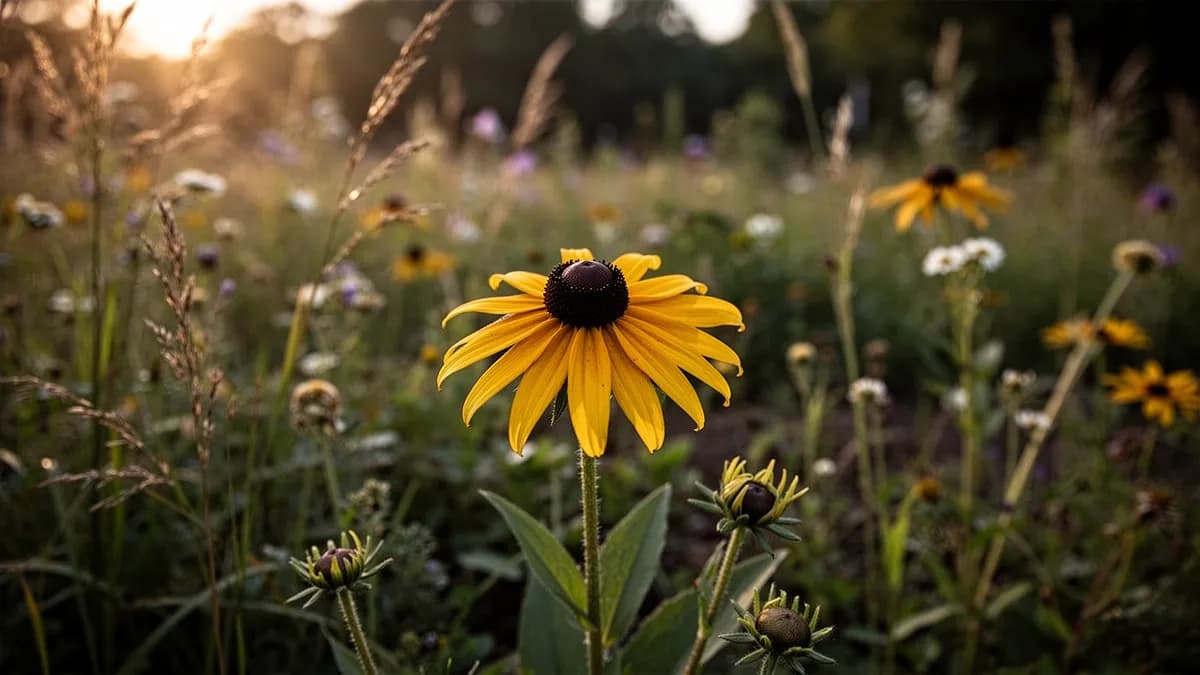
Blazing star is essential in prairie and meadow gardens, combining naturally with coneflowers, black-eyed Susans, ornamental grasses, and wild bergamot. The vertical purple spikes provide striking contrast to the rounded forms of daisies and the airy plumes of grasses. Plant in groups of 5-7 for maximum visual impact. The flowers attract incredible numbers of butterflies and are among the best plants for butterfly gardens.
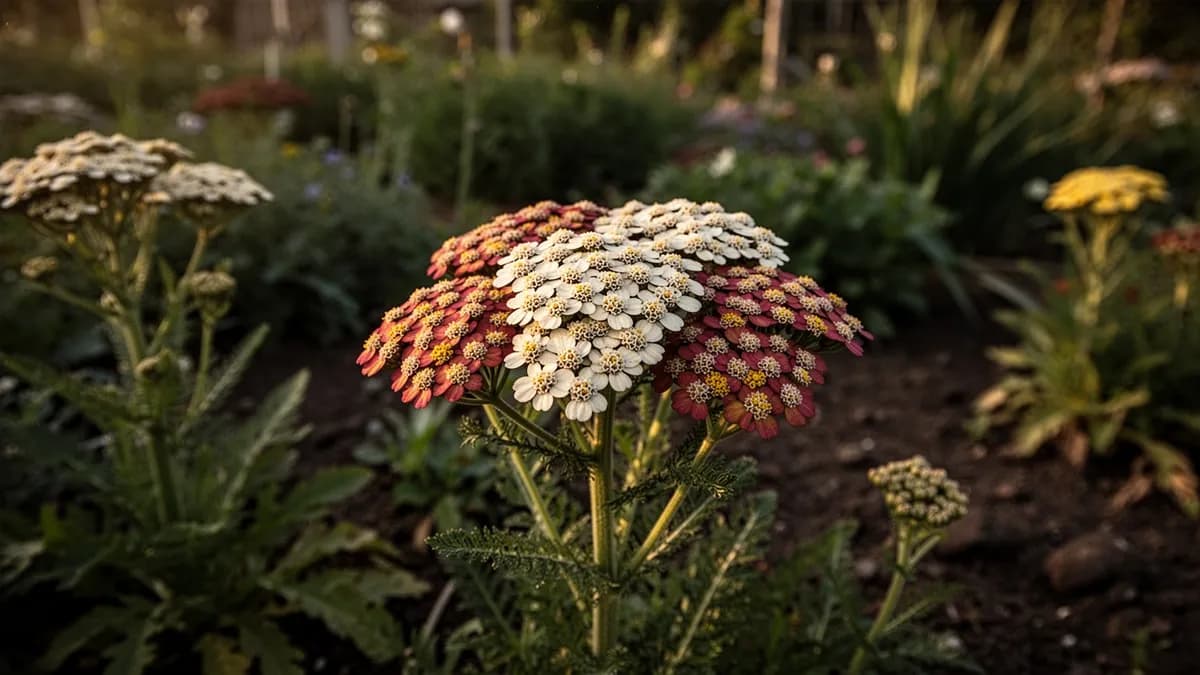
Coneflower belongs beside it.
Old growers' knowledge, checked against Blazing Star's real companion table below — test any plant you're growing.
Try Blazing Star in a bed — right here
A real planner bed with Blazing Star already in it. Tap a companion to place it and watch the pairing checks answer — green for good neighbours, red for a clash.


Related growing guides
Feed it well
Liatris demands lean, well-drained soil with a pH of 6.0-8.0. It performs best in sandy or gravelly loam and actively dislikes rich, heavy soil. Do not fertilize heavily—prairie plants thrive in low-nutrient conditions. A light application of balanced fertilizer in spring is sufficient if growth seems weak. Excellent drainage is the single most important requirement.
Ideal Temperature
Hardiness Zone Compatibility
From seed to harvest, stage by stage
Corm Dormancy and Planting
Corms are planted in spring after the last frost, placed three to five inches deep in well-drained soil. During this stage the corm absorbs moisture and begins to activate root initials stored within its tissue.
Root Establishment and Shoot Emergence
Fine feeder roots spread outward from the corm while narrow, grass-like leaves push through the soil surface. The foliage grows in a basal rosette pattern and can reach six to ten inches tall during this phase.
Vegetative Growth
The plant produces an upright central stem that elongates rapidly, reaching two to four feet in height. Dense, narrow leaves spiral along the stem, giving it a distinctive bottlebrush appearance even before flowering begins.
Bud Formation and Flowering
Compact flower buds form along the upper portion of the stem and begin opening from the top downward, displaying vivid purple, magenta, or white florets. The bloom period typically lasts three to four weeks and attracts a wide variety of pollinators.
Seed Development and Dispersal
After pollination, each floret produces a small achene topped with feathery bristles that aid wind dispersal. The seed heads gradually dry on the stem and turn silvery-brown, remaining ornamental well into autumn.
Senescence and Winter Dormancy
Foliage yellows and dies back to the ground after the first hard frost. The corm enters dormancy, storing energy reserves for the following growing season. In regions with reliable snow cover, the corm is well insulated naturally.
Corm Maturation and Offset Production
Underground, the mature corm gradually produces small offsets or cormlets along its base. Over successive years, these offsets develop into new independent plants, creating the dense clumps for which established liatris plantings are known.
Water thoroughly after planting but avoid saturating the soil. Liatris corms are highly susceptible to rot in waterlogged conditions.
Caring for Blazing Star month by month
What to do each month for your Blazing Star
October
You are hereDivide overcrowded clumps after foliage begins to yellow. Replant divisions immediately and water them in well to encourage root establishment before winter.
Know exactly what to do in your garden — every month
One email at the start of each month: what to sow, plant, and tackle right now — for your Blazing Star and everything growing around it. Plus a short starter course that helps you dodge the classic mistakes.
- What to do, right now
- Matched to your season
- Starter course included
Harvesting Blazing Star
Liatris is an outstanding commercial and garden cut flower. Cut when the top one-third of the spike has opened—the remaining buds will continue opening in the vase. Stems last an impressive 10-14 days in fresh water. For dried flowers, cut just before peak bloom and hang upside down for 2 weeks—the spikes retain their purple color well when dried.
assuming you plant when the window opens — set your real date
Pick Blazing Star promptly and the plant keeps producing.
Storage & Preservation
Dried liatris spikes maintain excellent color and form for months in dried arrangements. Hang-dry bundles for 2-3 weeks in a warm, dark room. The purple spikes retain color well, making them a staple of dried flower crafts. Seeds can be collected when the fluffy seed heads mature in autumn. Store corms for replanting in a cool, dry spot if lifting is needed.
What goes wrong — and the fix
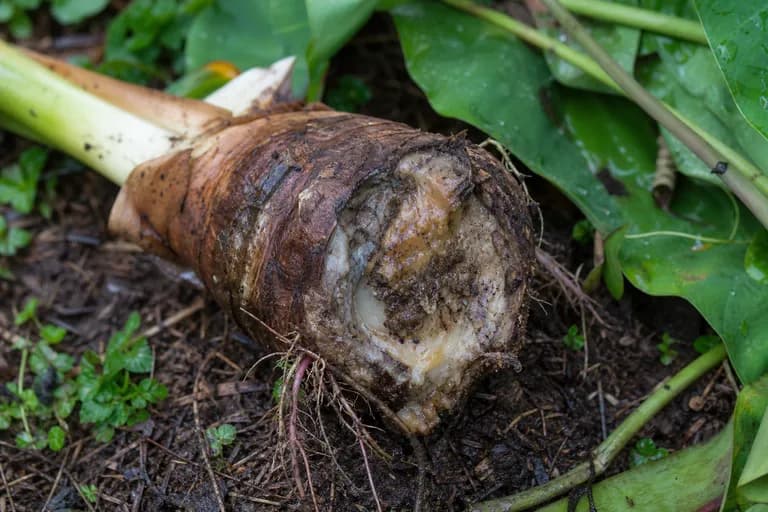
Corm Rot
DiseaseFailure to emerge in spring. Soft, brown corms found when examined. Caused by wet winter conditions.
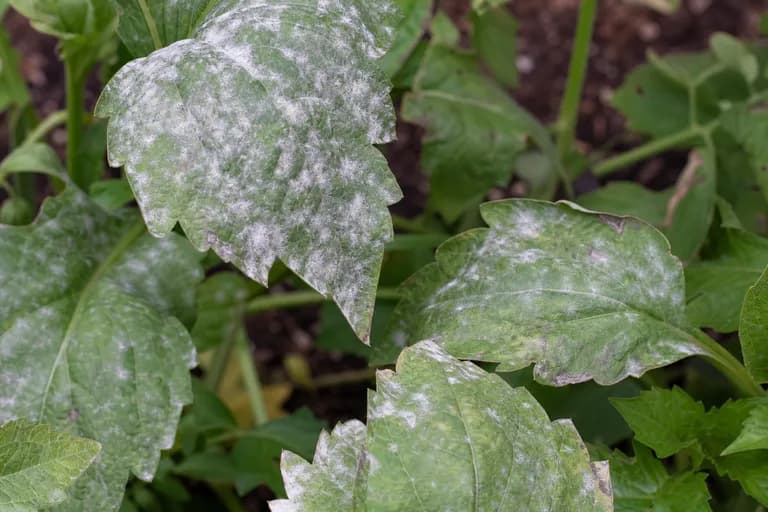
Powdery Mildew
DiseaseWhite patches on lower leaves in late summer. Usually mild and cosmetic.
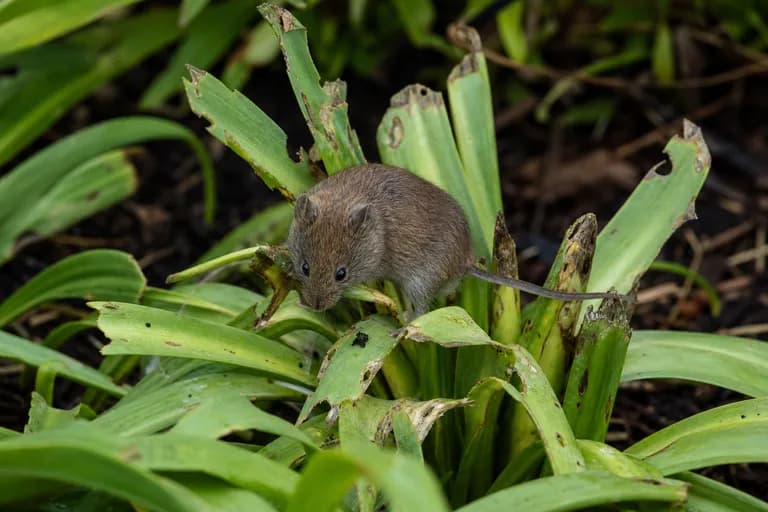
Voles and Mice
PestPlants fail to emerge because the underground corms have been eaten by rodents during winter.
Troubleshooting Common Problems
Corm rot from poor drainage is the main threat—never plant in wet, heavy soil. Floppy stems indicate too much shade or rich soil; grow lean and in full sun. Rodents eating corms is a common issue—protect with wire mesh baskets. In some areas, deer may browse the foliage, though the flowers are generally left alone.
Growing Tips
- Plant corms with the flat or slightly concave side facing up, as this is where the growing point emerges. Planting upside down delays emergence by several weeks.
- Choose a site with full sun exposure of at least six hours daily. Liatris produces fewer flowers and weaker stems in partial shade.
- Ensure excellent soil drainage above all else. Liatris tolerates poor, sandy, or rocky soil far better than it tolerates heavy, wet clay.
- Space corms twelve to fifteen inches apart to allow for clump expansion over the first few years without excessive crowding.
- Water deeply but infrequently during the first growing season to encourage roots to reach downward. Once established, liatris is remarkably drought-tolerant.
- Avoid heavy mulching directly over the corm crown, as trapped moisture can cause rot. Use gravel or a thin layer of bark mulch instead.
- Resist the urge to fertilize heavily. Liatris is adapted to lean prairie soils and excessive nutrients produce tall, floppy stems that require staking.
- Divide clumps every three to four years in early spring just as new growth appears. This prevents overcrowding and rejuvenates flowering performance.
- Leave seed heads standing through winter to attract goldfinches and provide structural interest in the dormant garden.
- Pair liatris with companion plants such as echinacea, rudbeckia, and little bluestem grass to create a naturalistic prairie planting that requires minimal maintenance.
Grow your best Blazing Star yet — and everything around it.
Start a free plan today. Lay out your beds, drop in your Blazing Star, and let PlotMyGarden handle the timing, spacing, companions and reminders from seed to harvest basket.
Pick your Blazing Star
Liatris spicata 'Kobold'
A compact variety at 45-60cm with dense, deep purple spikes. Ideal for smaller gardens and container edges.
Liatris spicata 'Floristan Weiss'
A white-flowered form that adds brightness and contrast when planted alongside purple varieties.
Liatris spicata 'Floristan Violett'
Tall (90cm) with rich violet-purple spikes. An excellent choice for cutting gardens and prairie plantings.
A single liatris corm purchased for two to four dollars will naturalize and multiply over several years, producing a dozen or more offsets that can be divided and replanted. Compared to buying fresh-cut liatris stems at three to five dollars per stem from a florist, growing your own provides a recurring supply of premium cut flowers at virtually no additional cost after the initial investment. A modest planting of ten corms can yield over fifty cut stems annually within three years.
Quick recipes
Liatris Corm Chips
25 minutesThinly sliced liatris corms are tossed with olive oil and sea salt, then baked until crisp. These chips offer a mildly sweet, nutty flavor reminiscent of sunchoke chips and make an unusual seasonal snack from the garden.
5 ingredients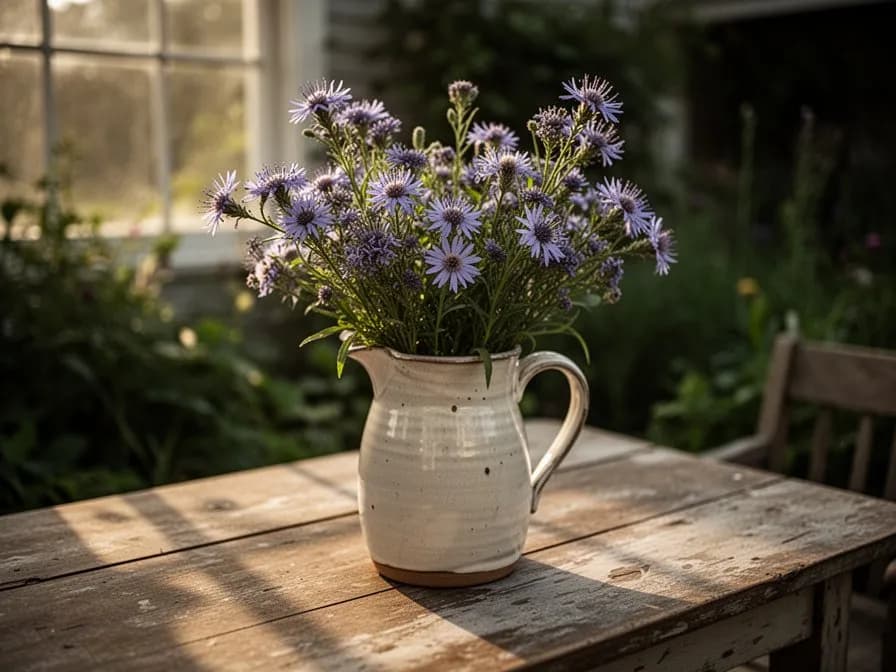
Roasted Liatris Corm Medley
40 minutesLiatris corms are roasted alongside root vegetables such as carrots, parsnips, and sweet potatoes, creating a hearty autumn side dish. The corms develop a caramelized exterior and creamy interior when cooked at high heat.
7 ingredientsLiatris and Wildflower Infusion Tea
15 minutesA soothing herbal tea made by steeping dried liatris root with chamomile and mint. This traditional preparation draws on the historical use of liatris by Indigenous peoples as a gentle tonic for sore throats and general wellness.
5 ingredientsWhat's inside
Health Benefits
- Liatris corms contain inulin, a prebiotic fiber that promotes the growth of beneficial intestinal bacteria and supports overall digestive health.
- Traditional Cherokee medicine used liatris root preparations as a gargle to soothe sore throats and reduce inflammation of the oral mucosa.
- The anti-inflammatory compounds found in liatris roots were historically applied as poultices to reduce swelling from insect stings and minor wounds.
- Herbalists have used liatris root tea as a mild diuretic to support kidney function and urinary tract health.
- The plant contains trace amounts of antioxidant flavonoids that may contribute to reducing oxidative stress when consumed as a tea.
- Spending time gardening with liatris and observing the pollinators it attracts has documented mental health benefits, including reduced stress and improved mood associated with nature engagement.
Where Blazing Star comes from
Liatris spicata, commonly known as blazing star, dense blazing star, or gayfeather, is a herbaceous perennial native to the meadows, prairies, and open woodlands of eastern North America. Its natural range extends from southern Canada through the Great Lakes region and down the eastern seaboard to the Gulf Coast, thriving in the moist, well-drained soils of tallgrass prairies and woodland edges. Archaeological and ethnobotanical evidence indicates that Indigenous peoples across this range cultivated a deep familiarity with the plant. The Cherokee, Choctaw, and Pawnee nations used liatris corms and roots medicinally, preparing decoctions to treat sore throats, kidney disorders, and digestive complaints. Some tribes also applied mashed corms topically as poultices for insect stings and snakebites. European botanists first described the genus in the eighteenth century, though the exact etymology of the name Liatris remains uncertain. By the early nineteenth century, seeds and corms were being sent to European botanical gardens, where the plant quickly gained admirers for its striking vertical flower spikes and unusual top-down blooming habit. Commercial cultivation for the cut flower industry began in the Netherlands during the mid-twentieth century, and today the Netherlands remains one of the largest producers of liatris corms for the global horticultural trade. In the late twentieth century, interest in native plant gardening and prairie restoration brought renewed attention to liatris in its homeland. Conservation groups across the American Midwest and Southeast now include it in seed mixes for pollinator meadows and highway wildflower plantings. Modern cultivars such as Kobold, Floristan Violet, and Alba have been selected for compact habit, uniform flower color, and improved garden performance, making blazing star one of the most widely planted North American native perennials in gardens around the world.
Blazing Star: did you know?
Fascinating facts about Blazing Star
Liatris is one of the few flower spikes that blooms from the top down rather than from the bottom up, a phenomenon known as basipetal flowering that is uncommon in the plant kingdom.
Blazing Star questions, answered
When should I plant Blazing Star?
What are good companion plants for Blazing Star?
What hardiness zones can Blazing Star grow in?
How much sun does Blazing Star need?
How far apart should I space Blazing Star?
What pests and diseases affect Blazing Star?
How do I store Blazing Star after harvest?
What are the best Blazing Star varieties to grow?
What soil does Blazing Star need?
Why does my liatris bloom from the top of the spike instead of the bottom?
How do I know which side of a liatris corm faces up when planting?
Can liatris grow in containers or raised beds?
My liatris stems are falling over. What can I do?
Is liatris deer resistant?
When is the best time to divide liatris, and how is it done?
You just read the theory. Now grow it on autopilot.
Everything that makes Blazing Star fiddly — the timing, the spacing, the companions, the harvest window — is exactly what PlotMyGarden handles for you, for every plant in your garden.
A plan that knows your weather
Set your location once. Get sow, feed and harvest dates built around your real last-frost date and live forecast — no more guessing from a generic seed packet.
From the “When to plant” sectionDrag-and-drop bed planner
Design beds on a grid. Every plant snaps to its proper spacing, and you can see your whole season laid out before you spend a cent on seed.
From the “Growing guide” sectionCompanion conflicts, caught early
200+ good-and-bad pairings checked live as you plant — so a season-wrecking mistake never makes it into the ground.
From the “Companions” sectionReminders you'll actually act on
“Water the beans.” “Pick today before it turns.” Timely, specific, and tied to the plants you're really growing.
From the “Harvest” sectionSuccession, scheduled
Want a harvest for six weeks, not six days? It spaces your sowings automatically and reminds you when each new block is due.
From the “When to plant” sectionA record that gets smarter
Every harvest you log teaches it your garden. Next year's plan starts from what actually worked in your soil, not a textbook's.
From the “Overview” sectionPlant these alongside Blazing Star
More Perennials
Garden plans featuring Blazing Star
Grow your best Blazing Star yet — and everything around it.
Start a free plan today. Lay out your beds, drop in your Blazing Star, and let PlotMyGarden handle the timing, spacing, companions and reminders from seed to harvest basket.