Lupine
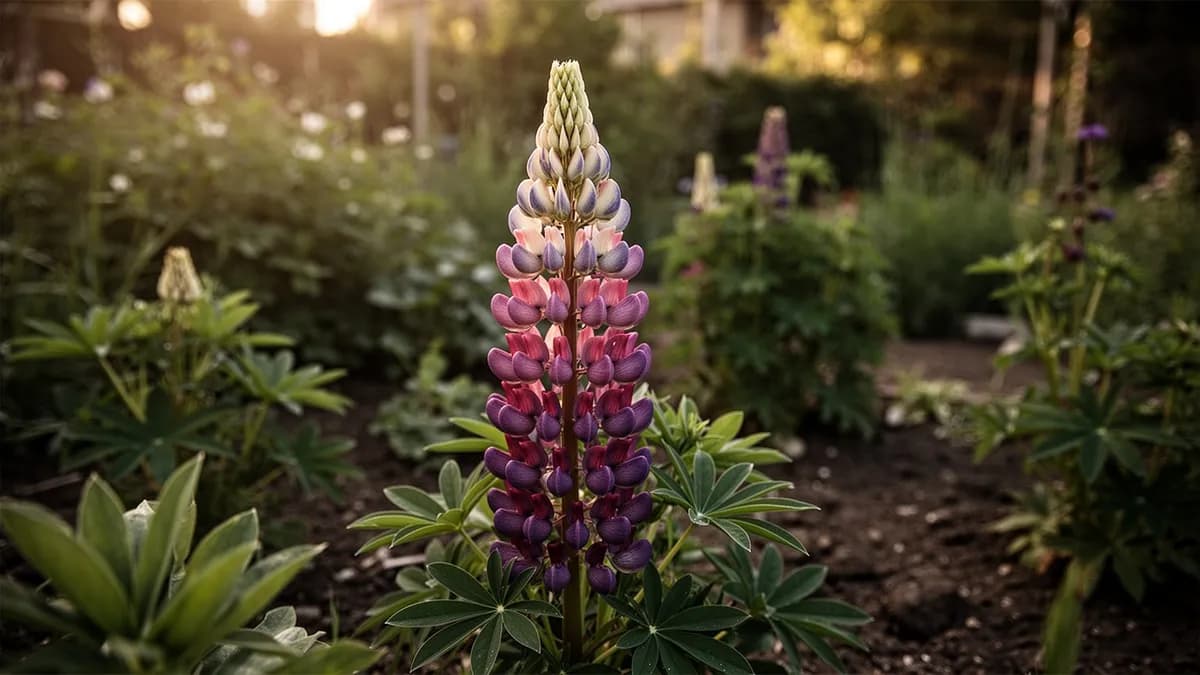
A striking perennial with dense, colorful spikes of pea-like flowers in blue, pink, purple, red, yellow, and bicolors.





On this pageOverview
Meet Lupine
A striking perennial with dense, colorful spikes of pea-like flowers in blue, pink, purple, red, yellow, and bicolors. Lupines are nitrogen fixers that improve soil fertility and prefer cool climates with well-drained, slightly acidic soil. They are short-lived perennials that self-sow readily, so allow some seed pods to mature for replacement plants.
When to plant Lupine
Lupine seeds have a hard coat that benefits from scarification. Nick the seed coat with a file or soak seeds in warm water for twenty-four hours before planting. Inoculate with lupine-specific rhizobium bacteria for best results. Sow one-quarter inch deep in deep pots since the taproot develops quickly. Germination takes fourteen to twenty-one days at fifty-five to sixty-five degrees. Transplant while seedlings are small, before the taproot becomes established, or sow directly outdoors in autumn for natural stratification and spring germination.
Your Lupine Year
Composed for Zone 7 · typical seasons · frost passes Apr 2, returns Nov 1
Plant Lupine Mar – Apr, Sep – Oct, pick May – Jul. Check the planting methods below and set your climate to personalize these windows.
How to grow Lupine
Lupines are native to North America and thrive in cool climates with well-drained, slightly acidic soil. Choose a site with full sun and prepare the bed by incorporating coarse sand or gravel if drainage is heavy. Lupines strongly dislike lime, so avoid alkaline soils and never add lime near them. The ideal pH range is 5.5 to 6.5.
As legumes, lupines have a symbiotic relationship with nitrogen-fixing bacteria in their root nodules. Inoculating seeds with the appropriate rhizobium bacteria before planting can significantly improve establishment and vigor. Plant in their permanent position, as the deep taproot makes transplanting difficult once established.
Water consistently during the first season while the taproot develops, then reduce watering to occasional deep soaking during dry spells. Lupines are relatively short-lived, typically persisting three to five years, so allow some seed pods to mature for replacement plants. Deadhead the main spike promptly after flowering to redirect energy into side shoots that provide a lighter second bloom.
10 plants fit a 4 × 8 ft bed
Each Lupine wants 45 cm of elbow room. The planner keeps that spacing for you — every plant, every bed.
Lupine's best neighbours
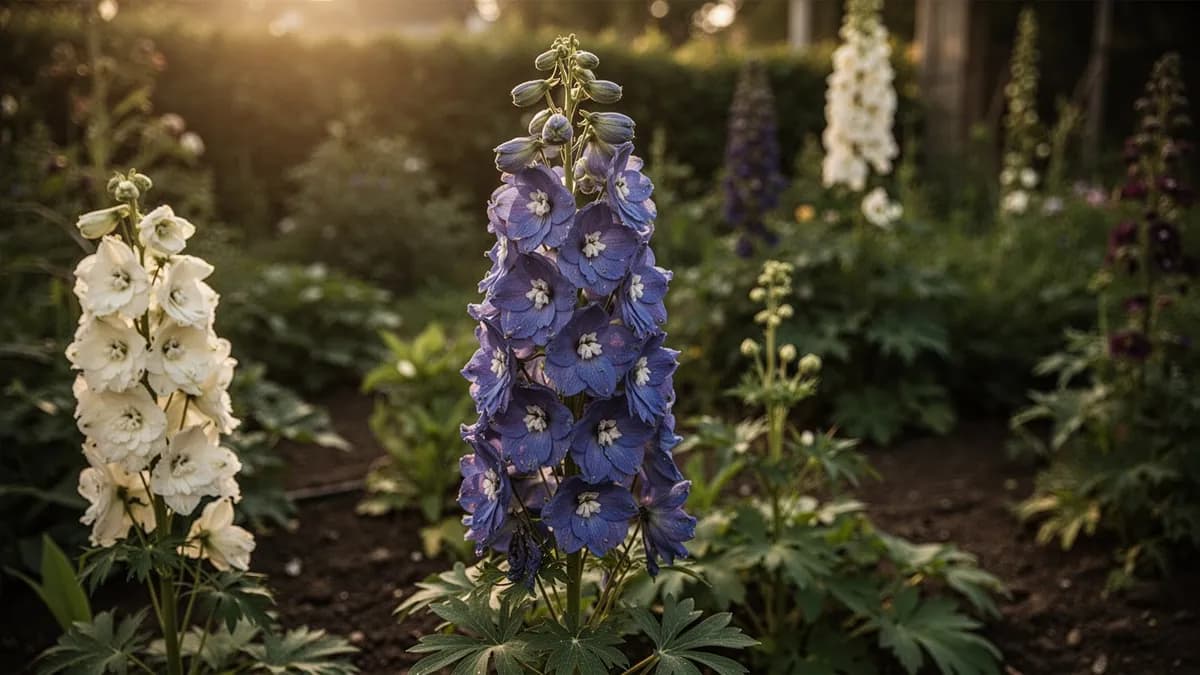
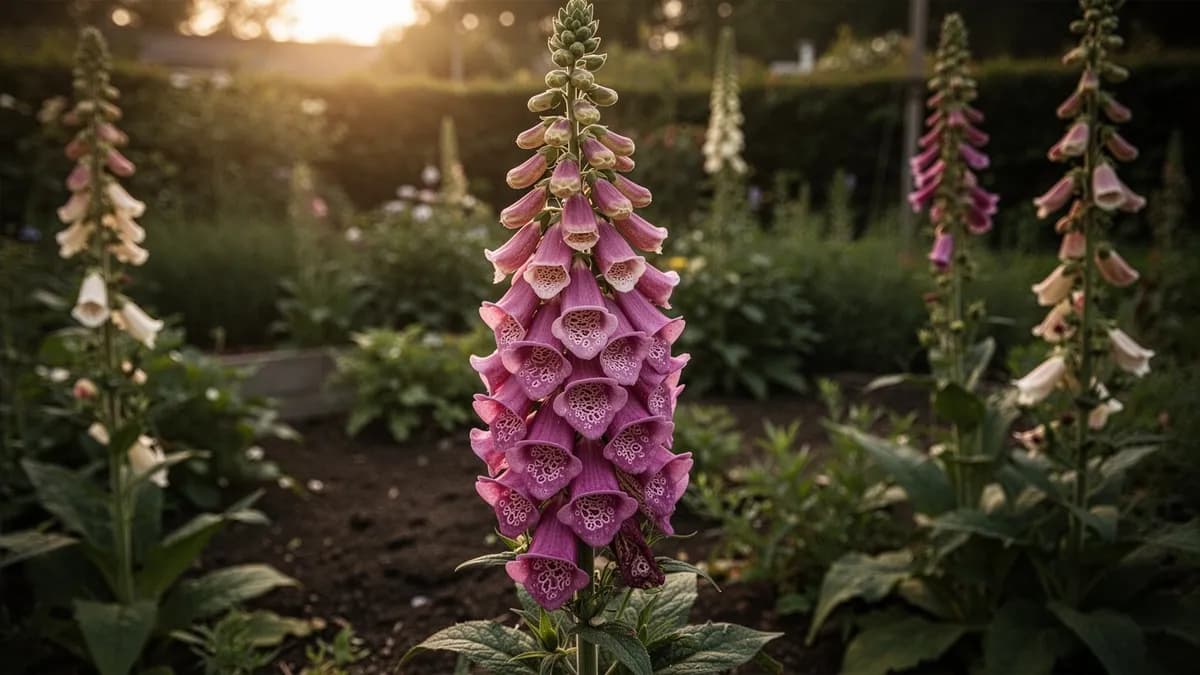
Lupines make spectacular partners with delphiniums and foxgloves for a classic early-summer border with staggered heights. Their nitrogen-fixing ability benefits neighboring plants, making them good companions for roses and other heavy feeders. Plant with ornamental grasses whose fine texture contrasts with the bold lupine spikes. Avoid planting near other legumes which may compete for the same soil bacteria.
Delphinium belongs beside it.
Old growers' knowledge, checked against Lupine's real companion table below — test any plant you're growing.
Try Lupine in a bed — right here
A real planner bed with Lupine already in it. Tap a companion to place it and watch the pairing checks answer — green for good neighbours, red for a clash.


Related growing guides
Feed it well
Lupines require well-drained, acidic to neutral soil with a pH of 5.5 to 6.5. They actively dislike alkaline conditions and will show yellowing foliage in limy soil. Because they fix their own nitrogen through root nodules, they rarely need nitrogen fertilizer. A light application of bone meal or a low-nitrogen, high-phosphorus fertilizer at planting encourages root development and flowering. Avoid rich, heavy soils which promote lush foliage but weak flower spikes and can lead to root rot.
Ideal Temperature
Hardiness Zone Compatibility
From seed to harvest, stage by stage
Seed Germination
Lupine seeds have a hard, impermeable seed coat that can delay germination without pretreatment. After scarification or soaking, the embryo absorbs water and the radicle emerges, followed by the cotyledons pushing through the soil surface. Germination rates improve dramatically with proper preparation, rising from under 30% to over 80% with scarification.
Seedling Emergence
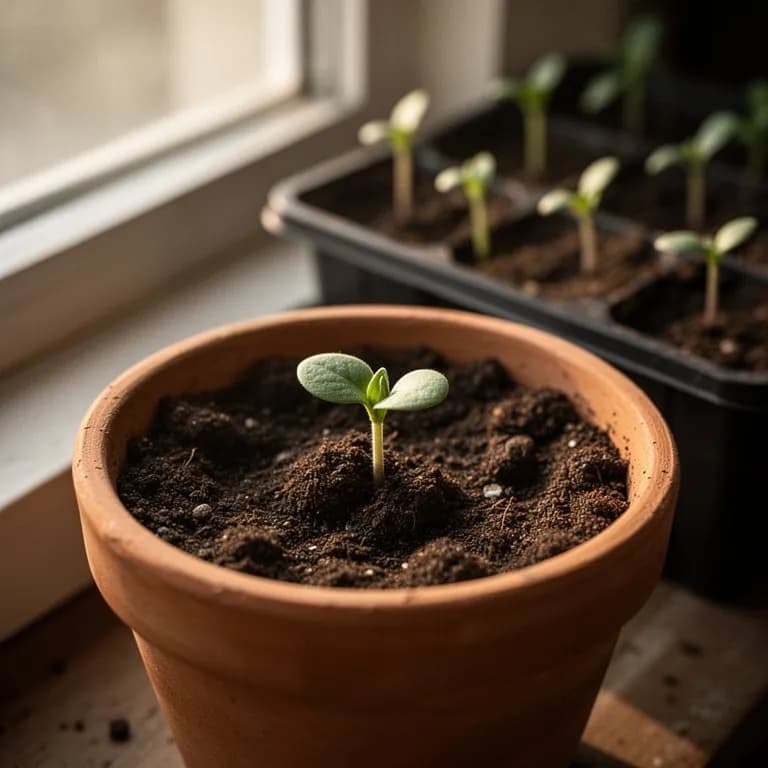
The first true leaves emerge as small palmate structures with five to seven narrow leaflets arranged in a distinctive fan shape. The seedling develops a long taproot that can reach 15-20 cm within the first few weeks, making early transplanting critical. Rhizobium bacteria begin colonizing the roots, forming nitrogen-fixing nodules.
Rosette Formation
The lupine develops a basal rosette of increasingly large palmate leaves, each with seven to eleven leaflets radiating from a central point. The plant focuses energy on root development and building carbohydrate reserves. In the first year from seed, many perennial lupine species remain in this rosette stage without flowering, establishing a strong crown for future growth.
Flower Spike Development
A thick central stalk emerges from the rosette, elongating rapidly and developing dense racemes of pea-like flowers that open sequentially from bottom to top. Flower spikes on mature Russell hybrids can reach 30-60 cm in length. The banner petal at the top of each individual flower often displays a contrasting color spot that changes shade after pollination to signal bees.
Peak Bloom
The lupine is in full flower with spikes displaying vibrant colors ranging from deep blue, purple, pink, red, yellow, and white, often in bicolor combinations. Individual flowers are visited by bumblebees that are heavy enough to depress the keel petal and access the pollen. Each flower spike remains in bloom for two to three weeks as flowers open progressively upward.
Seed Pod Maturation
After pollination, hairy green seed pods develop along the spike, each containing four to eight round seeds. As pods ripen they turn from green to brown and become papery. Mature pods twist and split open explosively on warm, dry days, catapulting seeds up to several meters from the parent plant. The plant begins redirecting energy from foliage into seed production.
Dormancy and Crown Renewal
Perennial lupine species enter dormancy as autumn temperatures drop. The above-ground foliage dies back and the crown and taproot remain alive below the soil surface. During winter, the root system continues to slowly accumulate nutrients and the nitrogen-fixing nodules enrich the surrounding soil. The crown develops new buds that will produce the following season's growth.
Nick the seed coat with a file or sandpaper, or soak seeds in warm water for 24 hours before sowing to break dormancy. Plant seeds 6 mm deep in well-drained, slightly acidic soil. Keep the soil consistently moist at 10-15°C (50-60°F). Lupine seeds germinate best in cool conditions and may fail in warm soil above 20°C.
Caring for Lupine month by month
What to do each month for your Lupine
October
You are hereAs foliage begins to yellow and die back, cut plants down to basal rosette level. Apply a thin mulch of well-rotted compost around the crown. In cold climates, prepare for winter protection. Divide large clumps if needed, though lupines generally resent root disturbance.
Know exactly what to do in your garden — every month
One email at the start of each month: what to sow, plant, and tackle right now — for your Lupine and everything growing around it. Plus a short starter course that helps you dodge the classic mistakes.
- What to do, right now
- Matched to your season
- Starter course included
Harvesting Lupine
Cut lupine spikes for arrangements when about one-third of the flowers on the spike have opened. Cut in early morning and sear the cut end briefly with a flame or dip in boiling water for ten seconds to seal the milky sap, which helps the spike last longer in the vase. Deadhead spent flower spikes by cutting back to the nearest side shoot to encourage secondary blooming. Allow a few seed pods to develop and ripen for self-sowing and seed collection.
assuming you plant when the window opens — set your real date
Pick Lupine promptly and the plant keeps producing.
Storage & Preservation
Fresh-cut lupines last four to six days in a vase with clean water and floral preservative. The stems exude a milky sap, so searing cut ends helps extend vase life. Lupine spikes can be dried by hanging upside down in a dark, well-ventilated area, though they lose some color. Collect seeds when the fuzzy pods turn brown and begin to twist open. Store seeds in paper envelopes in the refrigerator where they remain viable for several years.
What goes wrong — and the fix
Lupine Aphid
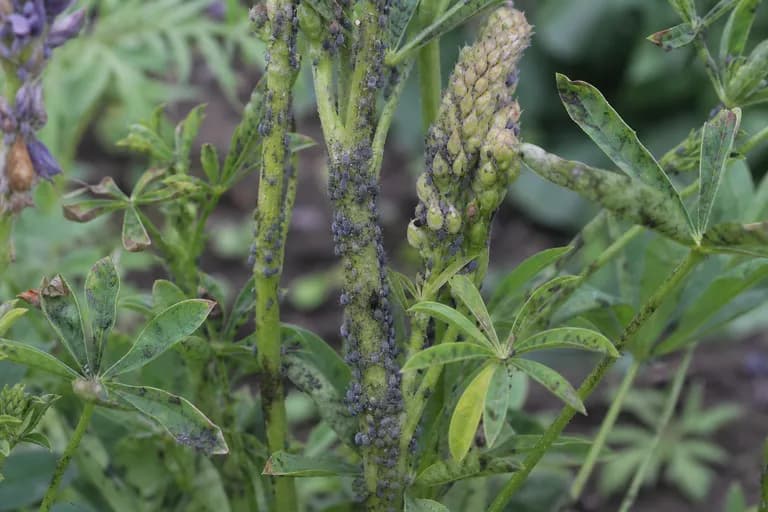
PestLarge gray-blue aphids clustering thickly on stems, leaf undersides, and developing flower spikes. Heavy infestations cause wilting, distorted growth, and reduced flowering. Sticky honeydew attracts sooty mold.
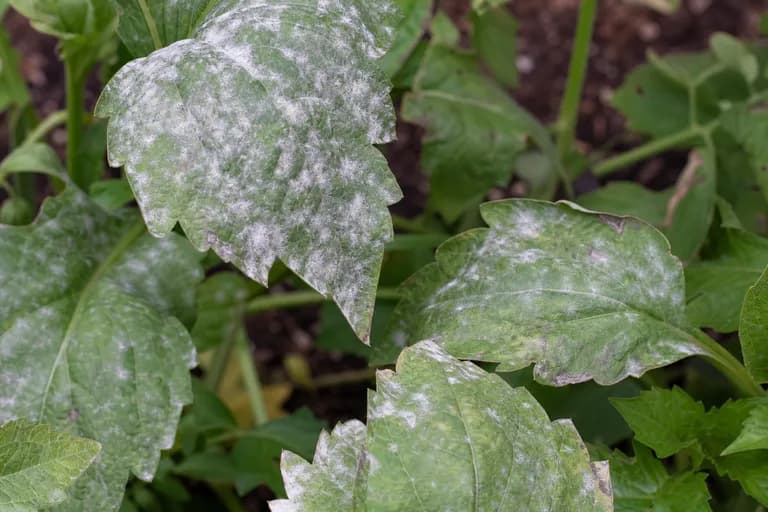
Powdery Mildew
DiseaseWhite powdery patches appearing on leaves and stems in late summer, especially during warm days with cool nights. Affected leaves yellow and drop prematurely.
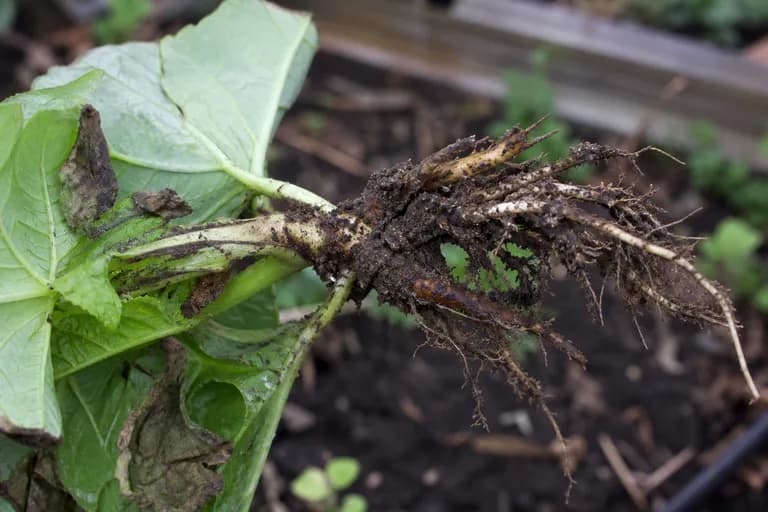
Root Rot
DiseasePlants wilt despite moist soil. Leaves yellow from the base upward. When pulled, roots appear brown and mushy rather than white and firm. The taproot may be completely decayed.
Troubleshooting Common Problems
The most common frustration is the short lifespan of lupines, typically three to five years. Hot, humid summers cause decline, as lupines evolved in cool mountain environments. The lupine aphid can be devastatingly destructive if not caught early. Poor drainage is almost always fatal, causing rapid root and crown rot. Self-sown seedlings from hybrid parents often revert to blue or purple, losing the varied colors of the parents.
Growing Tips
- Scarify lupine seeds before sowing by nicking the hard seed coat with a nail file, rubbing between two sheets of sandpaper, or soaking in warm water for 24 hours. Without this step, germination rates can drop below 30% due to the impermeable seed coat preventing water absorption.
- Sow lupine seeds directly where they are to grow whenever possible, as the long taproot strongly resents transplanting. If starting indoors, use deep root trainers or tall pots at least 10 cm deep, and transplant seedlings while still small before the taproot becomes pot-bound.
- Lupines strongly prefer slightly acidic to neutral soil with a pH of 5.5-7.0 and will struggle or fail in alkaline or chalky soils. If your soil is alkaline, amend with sulfur or grow lupines in containers filled with ericaceous compost to provide the acidity they require.
- Avoid fertilizing lupines with nitrogen-rich feeds, as their root nodules fix atmospheric nitrogen naturally. Excess nitrogen promotes lush, floppy foliage at the expense of flowers and can actually inhibit nodule formation. Instead, apply a low-nitrogen, high-phosphorus fertilizer like bone meal to support flowering.
- Plant lupines in a location with full sun and excellent air circulation to minimize the risk of powdery mildew and aphid infestations. In hot southern climates, provide afternoon shade to protect plants from heat stress, as lupines perform poorly in prolonged temperatures above 27°C.
- Stake tall Russell hybrid varieties with grow-through plant supports early in the season, before flower spikes emerge. The heavy, dense flower racemes are top-heavy and prone to snapping in wind or rain if not supported, especially in exposed garden locations.
- Deadhead spent flower spikes by cutting back to a strong lateral shoot rather than removing the entire stalk. This technique encourages the plant to produce a secondary flush of smaller flower spikes and extends the blooming season by three to four weeks.
- Inoculate seeds or planting holes with Rhizobium lupini bacteria, especially if lupines have never been grown in your garden before. This symbiotic bacterium colonizes the roots and enables nitrogen fixation, improving plant health and enriching the surrounding soil for future plantings.
- Protect young lupine seedlings from slugs and snails, which are strongly attracted to the tender emerging shoots in spring. Use copper tape, beer traps, or organic slug pellets around new plantings, and check plants regularly in the evening when slugs are most active.
- Grow lupines in raised beds or on slopes if your soil is heavy clay, as they absolutely require well-drained soil and will quickly succumb to root and crown rot in waterlogged conditions. Mixing sharp grit or perlite into the planting hole improves drainage around the critical taproot zone.
Grow your best Lupine yet — and everything around it.
Start a free plan today. Lay out your beds, drop in your Lupine, and let PlotMyGarden handle the timing, spacing, companions and reminders from seed to harvest basket.
Pick your Lupine
Russell Hybrids
The classic mixed strain producing tall dense spikes in a wide range of solid and bicolor combinations including blue, pink, red, yellow, purple, and white on three to four foot stems.
Gallery Series
Compact plants reaching only fifteen to eighteen inches, perfect for containers and small gardens, available in blue, pink, red, yellow, white, and bicolor forms.
Band of Nobles
An improved tall strain with dense, tightly packed flower spikes in rich colors on sturdy three to four foot stems with good weather resistance.
Tutti Frutti
A striking bicolor variety with rose and yellow flowers on well-branched plants reaching about three feet, vigorous and relatively long-lived for a lupine.
Growing lupines primarily provides ornamental and ecological value rather than direct grocery savings. A single packet of Russell hybrid lupine seeds ($3-5) can produce 25-50 plants that would cost $8-15 each at a nursery, representing potential savings of $200-750 in perennial garden plants. For edible lupine varieties (Lupinus albus), a small planting can yield 1-2 kg of dried seeds per plant, and the plants simultaneously improve soil nitrogen levels by 100-200 kg per hectare, reducing or eliminating the need for synthetic nitrogen fertilizers in subsequent crops and saving $50-150 per season in fertilizer costs.
Quick recipes

Italian-Style Lupini Beans (Antipasto)
15 minutes (plus 5 days soaking)Brined lupini beans are a beloved Mediterranean snack served as part of an antipasto spread. The traditional preparation involves soaking dried lupine seeds over several days to remove bitter alkaloids, yielding a firm, slightly nutty bean that is eaten by popping the kernel from its skin. This recipe uses jarred pre-brined lupini for convenience, dressed with Mediterranean flavors.
8 ingredients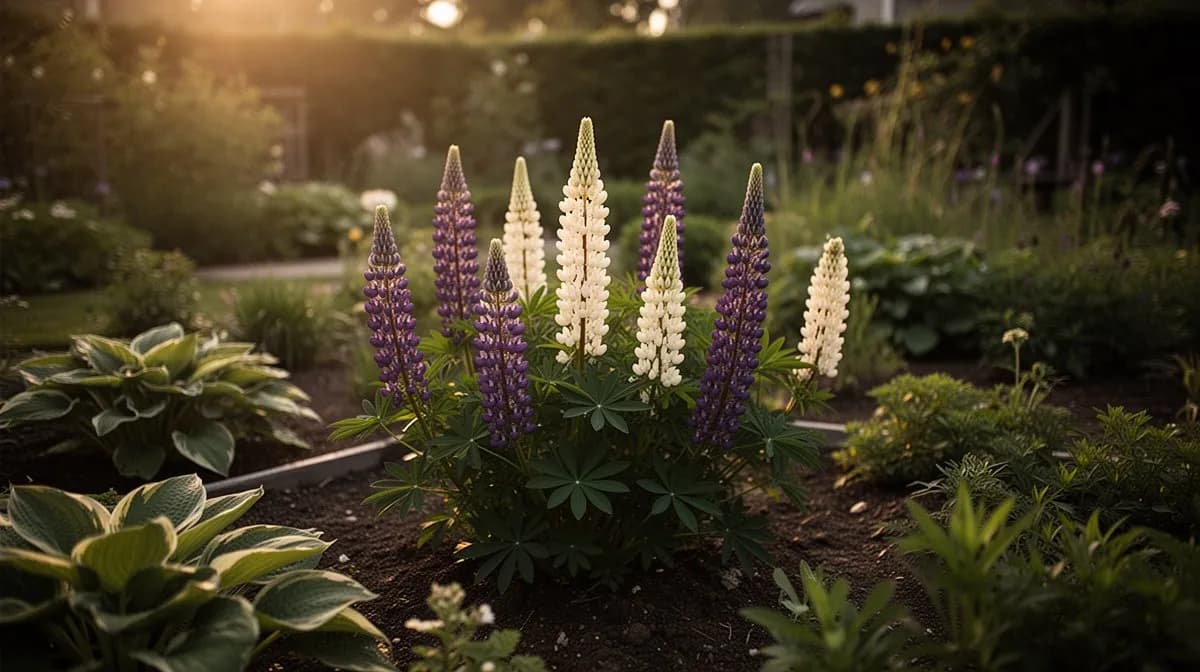
Lupine Flour Flatbread
25 minutesA high-protein, gluten-friendly flatbread made with a blend of lupine flour and wheat flour. Lupine flour adds a subtle nutty flavor and significantly boosts the protein content compared to standard flatbread. These are perfect as wraps, alongside dips, or as a base for Mediterranean-inspired pizzas.
7 ingredientsPortuguese Tremocos (Beer Snack Lupini)
10 minutes (using prepared beans)Tremocos are a quintessential Portuguese bar snack, served alongside cold beer in tascas and cervejarias throughout Portugal. These brined lupini beans are the simplest and most traditional preparation: lightly salted and eaten by squeezing the kernel out of its tough outer skin directly into your mouth. A protein-packed, low-fat alternative to peanuts.
4 ingredientsWhat's inside
Health Benefits
- Exceptionally high in plant-based protein (36-40% by weight), providing all essential amino acids in combination with grains, making lupine seeds a valuable dietary staple for vegetarian and vegan diets
- Rich in prebiotic dietary fiber that supports beneficial gut bacteria, promotes regular digestion, and may help reduce cholesterol levels when consumed as part of a balanced diet
- Contains oligosaccharides and resistant starch that have been shown in clinical studies to help improve insulin sensitivity and reduce post-meal blood glucose spikes in individuals with type 2 diabetes
- Low in fat compared to other protein-rich legumes like soybeans and peanuts, with the fat content consisting primarily of heart-healthy unsaturated fatty acids including oleic and linoleic acid
- Provides significant amounts of arginine, an amino acid that supports cardiovascular health by promoting blood vessel dilation and healthy blood pressure regulation
- Contains polyphenol antioxidants and bioactive peptides that have demonstrated anti-inflammatory and blood pressure-lowering properties in preliminary research studies
Where Lupine comes from
Lupines (Lupinus) are a remarkably diverse genus comprising over 200 species native to the Americas and the Mediterranean basin, with the greatest species diversity found in western North and South America. Archaeological evidence shows that Andean civilizations domesticated the pearl lupine (Lupinus mutabilis), known locally as 'tarwi' or 'chocho,' over 6,000 years ago as a high-protein grain legume critical to their food security. Simultaneously, the white lupine (Lupinus albus) was cultivated around the Mediterranean, with references in ancient Egyptian, Greek, and Roman texts describing its use as both food and green manure. The Roman agriculturalist Columella recommended plowing lupines into the soil to restore fertility to exhausted farmland, an early understanding of nitrogen fixation millennia before the science was understood. In medieval Europe, lupine cultivation declined as the alkaloid-rich seeds required laborious preparation to become edible, though they remained a staple food for the poor in parts of Portugal, Spain, and Italy. The ornamental potential of lupines was dramatically transformed in the early twentieth century by George Russell, a hobbyist gardener from York, England, who spent over two decades cross-breeding wild Lupinus polyphyllus from western North America with various annual species to produce the brilliantly colored Russell hybrids that remain the foundation of modern garden lupines. His breakthrough varieties, first exhibited at the Royal Horticultural Society in 1937, caused a sensation and forever changed the perception of lupines from a modest wildflower to a premier garden perennial. In North America, native lupine species such as Lupinus perennis and Lupinus texensis play vital ecological roles as pioneer plants that colonize disturbed soils, fix atmospheric nitrogen, and serve as host plants for rare butterflies including the endangered Karner blue. Today, renewed interest in lupines as a sustainable protein crop has sparked modern breeding programs in Australia, Europe, and South America, positioning this ancient genus as a key player in the future of plant-based nutrition and regenerative agriculture.
Lupine: did you know?
Fascinating facts about Lupine
Lupines are legumes in the family Fabaceae and have specialized root nodules containing Rhizobium bacteria that convert atmospheric nitrogen into plant-available forms, enriching the soil for neighboring plants and future crops.
Lupine questions, answered
When should I plant Lupine?
What are good companion plants for Lupine?
What hardiness zones can Lupine grow in?
How much sun does Lupine need?
How far apart should I space Lupine?
What pests and diseases affect Lupine?
How do I store Lupine after harvest?
What are the best Lupine varieties to grow?
What soil does Lupine need?
Are lupine seeds edible, and are they safe to eat?
Why won't my lupine seeds germinate?
Do lupines come back every year or are they annual?
Why are my lupine leaves turning yellow?
How do I deal with aphids on my lupines?
Can lupines grow in containers or pots?
You just read the theory. Now grow it on autopilot.
Everything that makes Lupine fiddly — the timing, the spacing, the companions, the harvest window — is exactly what PlotMyGarden handles for you, for every plant in your garden.
A plan that knows your weather
Set your location once. Get sow, feed and harvest dates built around your real last-frost date and live forecast — no more guessing from a generic seed packet.
From the “When to plant” sectionDrag-and-drop bed planner
Design beds on a grid. Every plant snaps to its proper spacing, and you can see your whole season laid out before you spend a cent on seed.
From the “Growing guide” sectionCompanion conflicts, caught early
200+ good-and-bad pairings checked live as you plant — so a season-wrecking mistake never makes it into the ground.
From the “Companions” sectionReminders you'll actually act on
“Water the beans.” “Pick today before it turns.” Timely, specific, and tied to the plants you're really growing.
From the “Harvest” sectionSuccession, scheduled
Want a harvest for six weeks, not six days? It spaces your sowings automatically and reminds you when each new block is due.
From the “When to plant” sectionA record that gets smarter
Every harvest you log teaches it your garden. Next year's plan starts from what actually worked in your soil, not a textbook's.
From the “Overview” sectionPlant these alongside Lupine
More Perennials
Garden plans featuring Lupine
Grow your best Lupine yet — and everything around it.
Start a free plan today. Lay out your beds, drop in your Lupine, and let PlotMyGarden handle the timing, spacing, companions and reminders from seed to harvest basket.